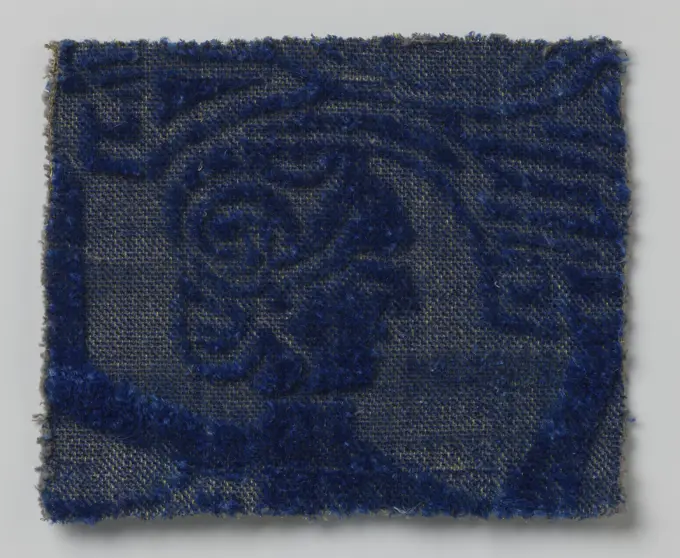
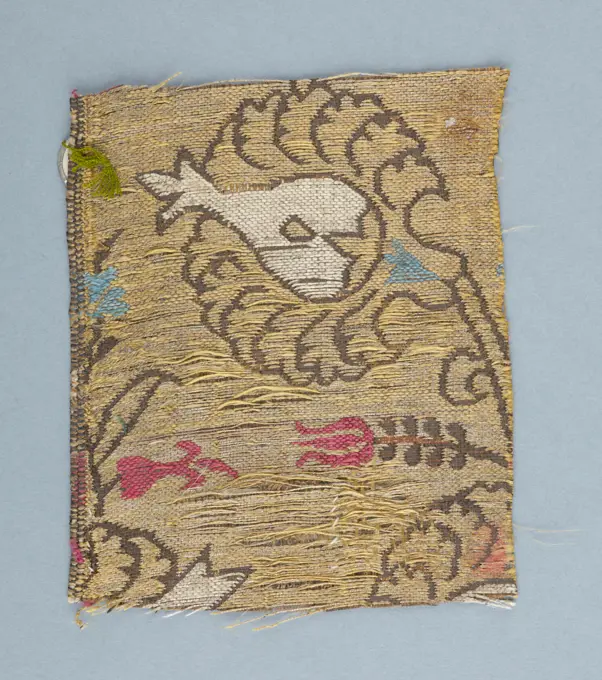
Historical Textiles and Fabrics

An assortment of antique textiles from different cultures, showcasing intricate designs and historical craftsmanship.
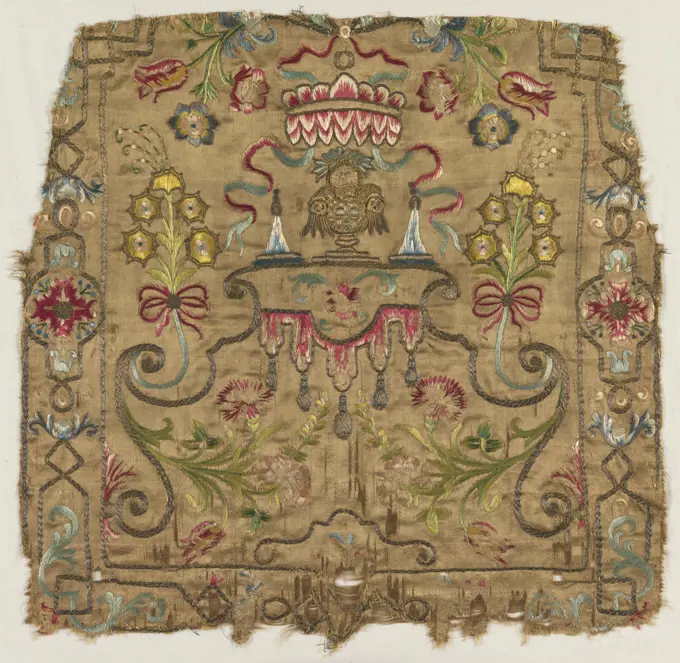
Fragment, Medium: silk and metallic embroidery on silk foundation Technique: embroidered on satin weave, Fragment showing an urn on a bracket under a canopy surrounded by flowers and leaves with ribbons., Europe, early 18th century, embroidery & stitching, Fragment
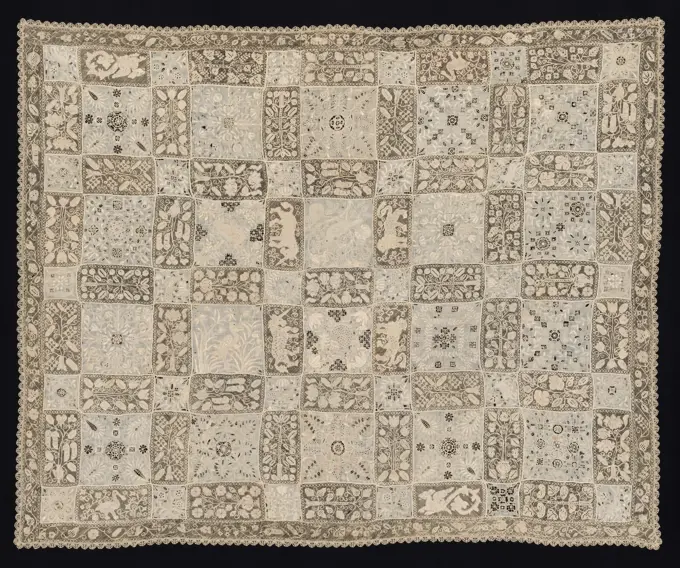
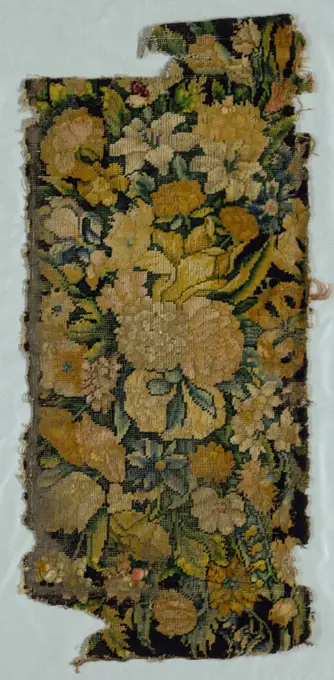
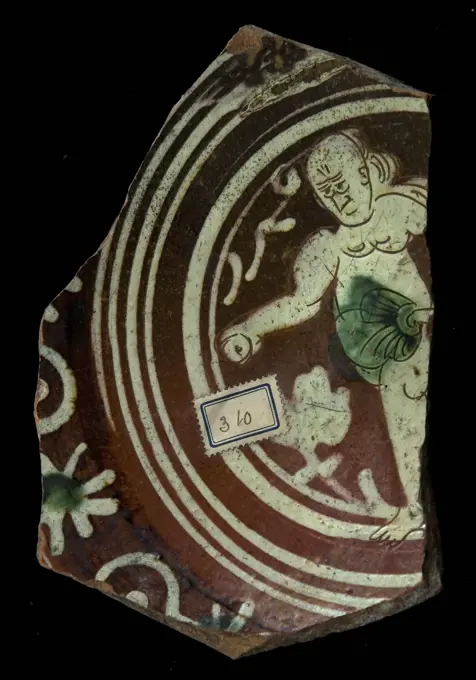
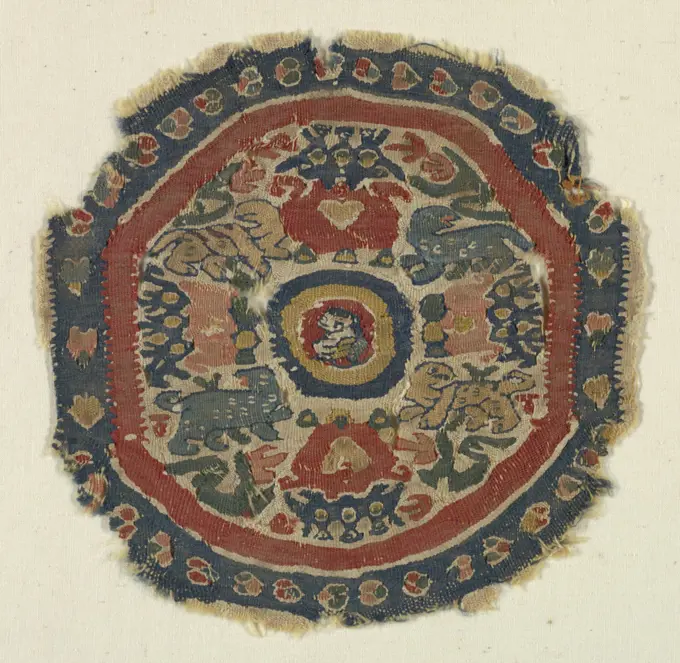
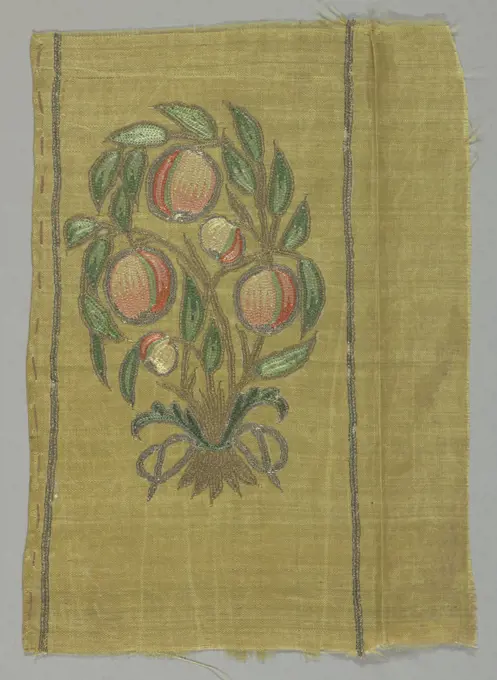
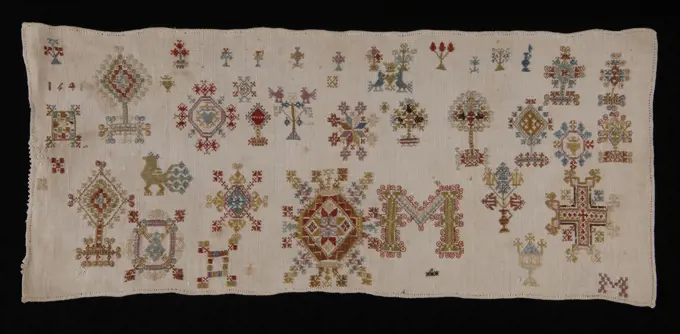
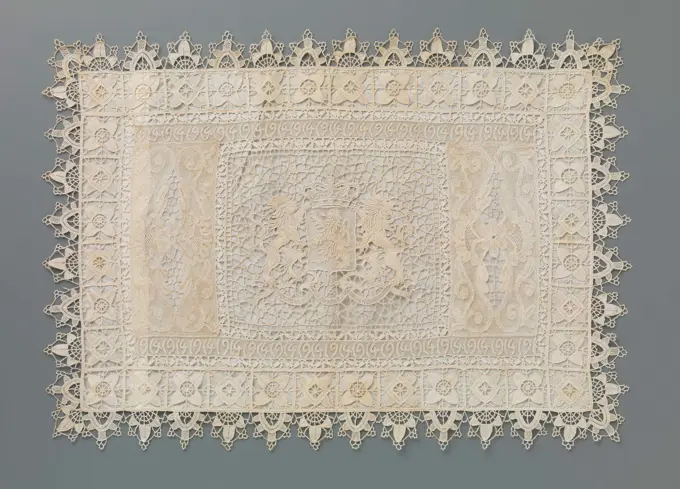
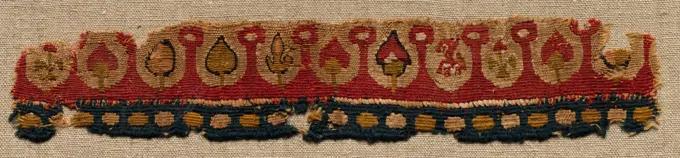
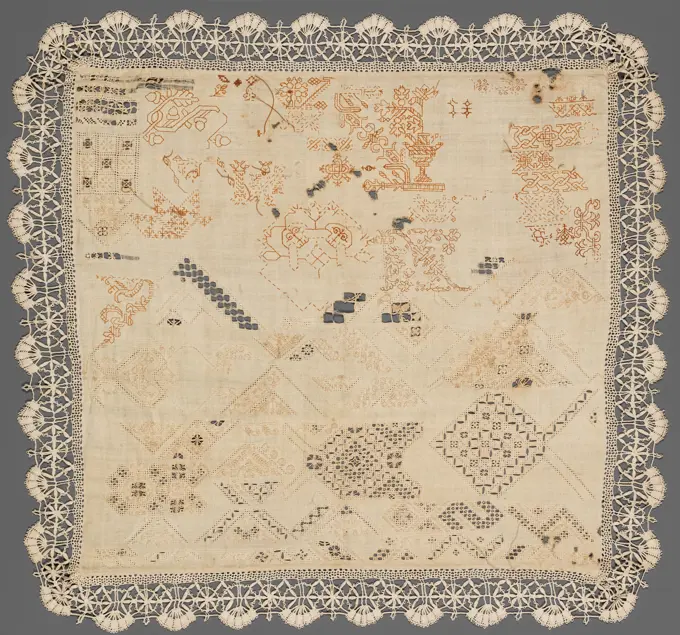
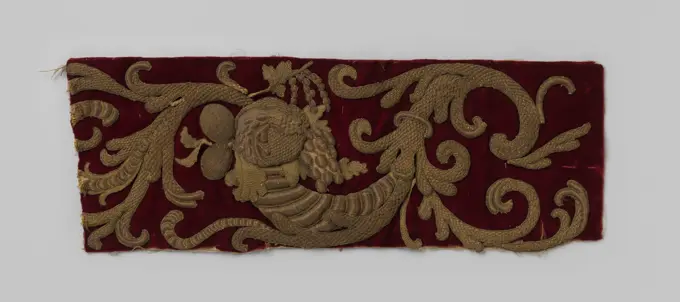
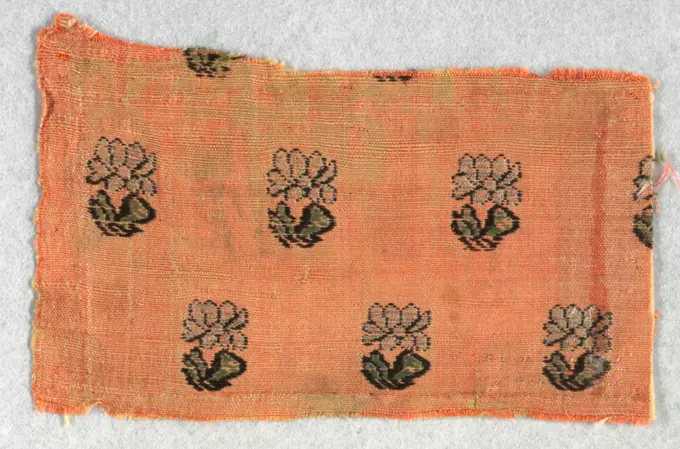
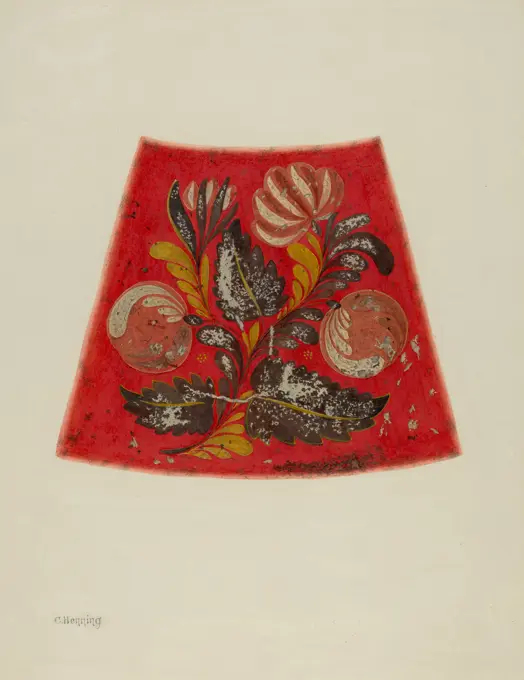
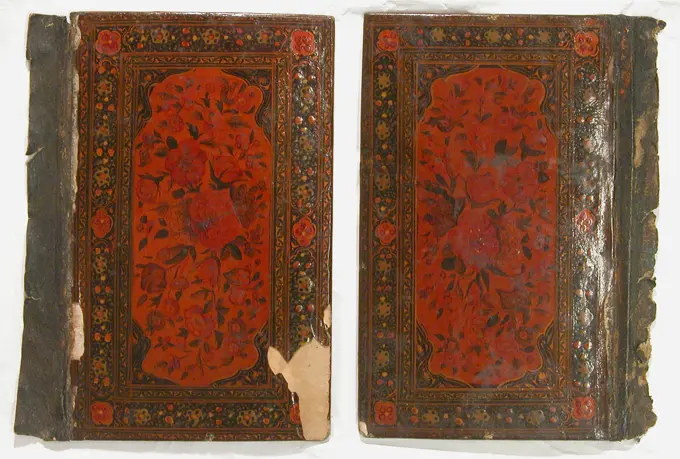
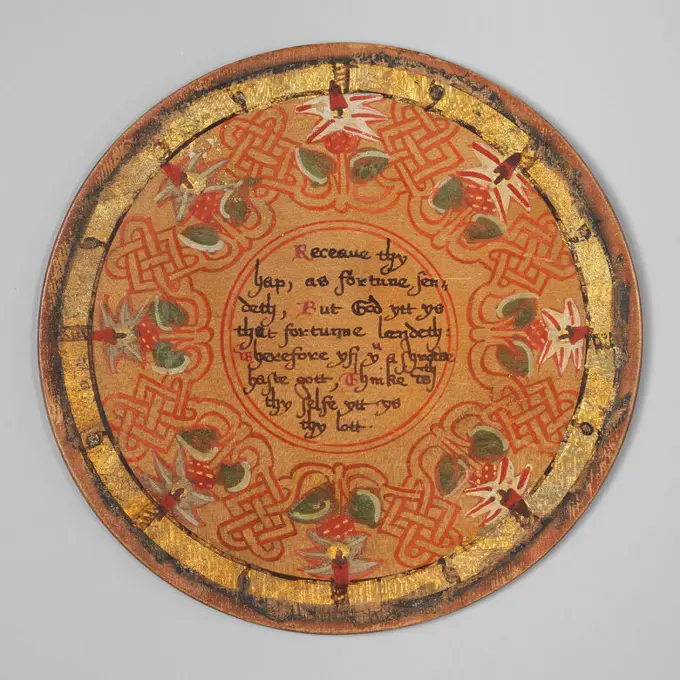
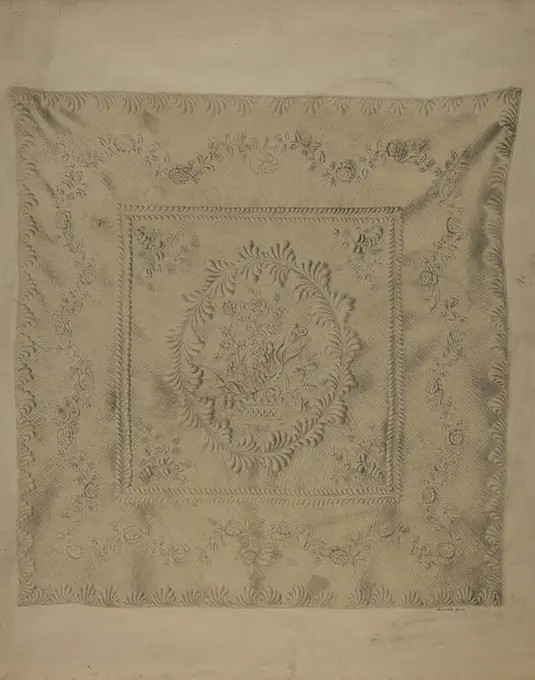
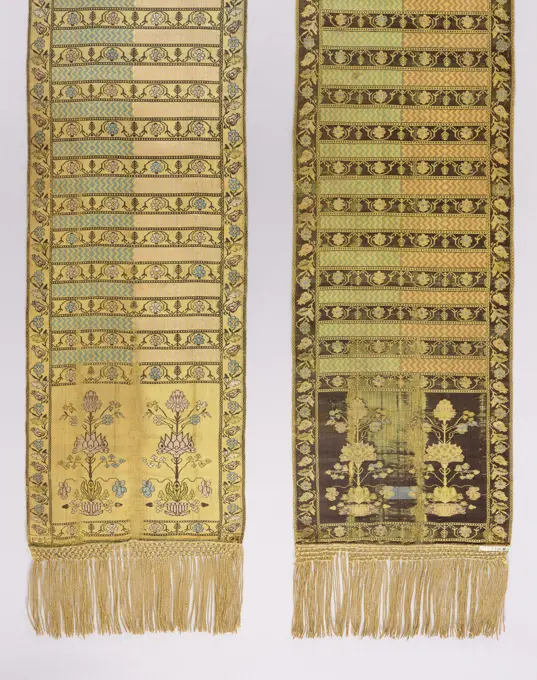
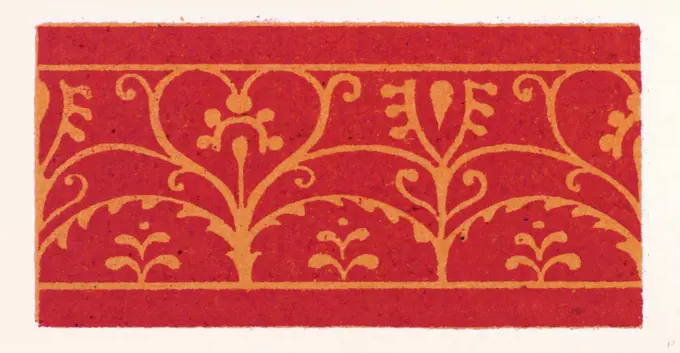
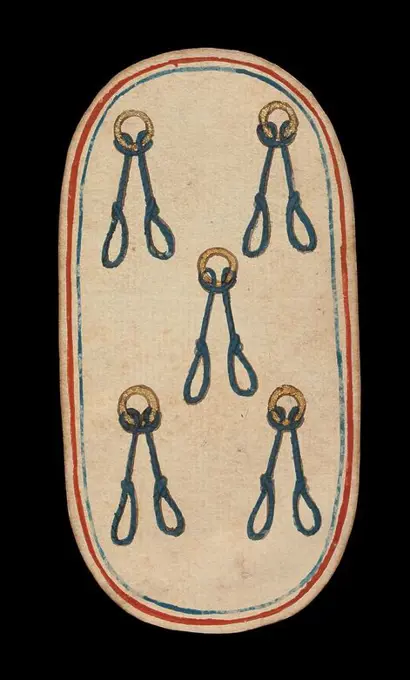
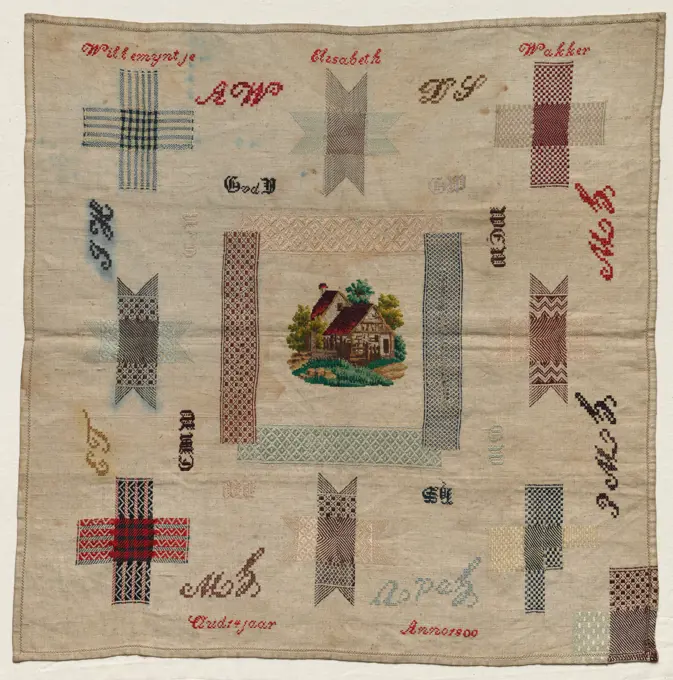
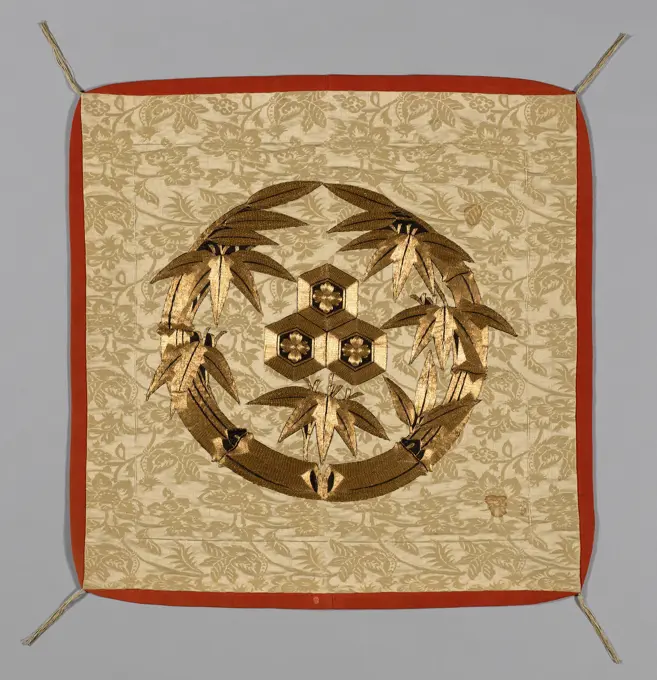
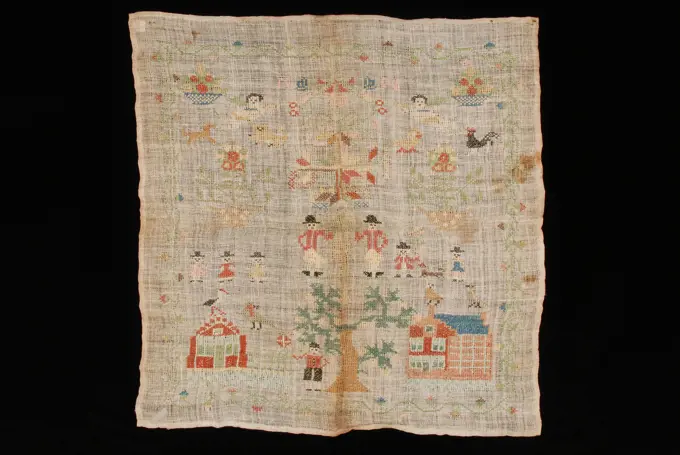
Piece 18th-19th century Japan. Piece 66856Cloth with Unicorns, Dragons, Other Animals, and Floral Patterns, 1800s. Italy, 19th century. Bleached linen: needle lace, filet/lacis (knotted ground and darned in two directions) and alternating cutwork, embroidered squares, and bobbin lace edging; overall: 113.5 x 138 cm (44 11/16 x 54 5/16 in.); mounted: 121.9 x 146.1 cm (48 x 57 1/2 in.). Scattered throughout this textile are depictions of both real and imaginary animals: unicorns and dragons exist alongside lions, stags, and an assortment of birds. There are also identifiable plants, flowers, and fruits as well as simply decorative or fictional ones. The maker, whose initials CM appear between the unicorns, perhaps chose to mix fantastical motifs with natural ones to create a more captivating spectacle. This large textile was perhaps meant for use as a table cover.Whole-Cloth QuiltPiece 18th century Japan. Piece 71171Upholstery textile, Medium: wool warp, linen weft Technique: plain weave with depressed warp and symmetrical knotting, Two pieces of knotted pile upholstery fabric for the seat and back of a chair. Naturalistic flowers in multi-colors in a black background., France, late 17th century, woven textiles, Upholstery textileFragments Werra plate, mirror decoration Eva with apple in hand, year 1594, light yellow and green glaze, border with stars and circles, plate crockery holder soil find ceramic earthenware glaze, Red earthenware with drawing in pale yellow and green glaze year glazed 1594 archeology bible religion fall eve EveTextile Fragment 10th century. Textile Fragment 450488Stick;  18th century (1701-00-00-1800-00-00);Society for the Care of the Monuments of the Past (Warsaw - 1906-1944) - collection, church parametersFragment; silk, metallicTwo narrow and two wide fries with black moresken on a white surface; Liber Maurusiarum Duplicium (...). A new boeck from Dice Morisken (...) .. Leaf belongs to 4 blades from a series of 8.Piece 18th-19th century Japan. Piece. Japan. 18th-19th century. Silk. Textiles-WovenBed Cover (Palampore) 18th century This type of dyed cloth, known as a palampore from the Hindi term for a bed cover, palangposh, was made in abundance in India for the European market in the late seventeenth and eighteenth centuries. The size of the palampores conformed to bed sizes in Europe, and their decoration, often with a central tree laden with fruits and birds, combined elements from English embroideries, Chinese decorative objects, and Indian textiles. Lengths of such fabric also hung on the walls of the bedrooms, which were often decorated with Chinese porcelains and other Eastern exotica.. Bed Cover (Palampore) 453160Roundel, Medium: linen warp, wool weft Technique: plain weave with discontinuous weft (slit tapestry), soumak, Woven Coptic roundel showing concentric circles with an animal head at center; pairs of animals crowned by a three-headed bird with a heart on its breast. Soumak used for outlines. One weft carried at a time., Egypt, 6th-8th century, woven textiles, RoundelFragment, Medium: silk and metallic embroidery on silk foundation Technique: embroidered with chain stitch on plain weave, Pale green plain weave silk embroidered with silk and metallic yarns showing a bouquet of leaves and fruit tied with a silver ribbon., Syria, late 18th-19th century, embroidery & stitching, FragmentSmall narrow sampler worked in cross stitch and braid stitch in colored silk on finely woven cream colored linen, marked 1641 M, sampler embroidery needlework images textile linen silk, embroidery cross stitch braiding stitch lockstitch low narrow piece of very fine and tightly woven cream colored linen with narrow hem with open hemstitch on all sides. The piece is embroided with silk in the colors crimson pink pink ivory olive color ivory ocher yellow light gray blue and dark gray blue dark brown embroided: 1641 M needleworkChasuble (Fron only) Made 1401-1500 Italy. Silk, warp-float faced 4 1 satin weave with supplementary pile warps forming cut voided velvet .Table Cover (Italy); linen, silkTextile Fragment 4th-6th century Byzantine. Textile Fragment. Byzantine. 4th-6th century. Linen, wool. Textiles-WovenSampler (England); silk, linen and metal-wrapped silk embroidery, linen foundationTextile Fragment 8th-10th century Byzantine. Textile Fragment 474208Textile (Russia); silk, cottonFragment of silk fabric brocaded with gold  covering from a bag for tinder and fIInt unknownSiersing of linen with a front side of needle side with the coat of arms of Belgium. Demolition of natural linen with a front piece of parts made in needle side and parts made in duds. Within a Reticella frame (coniferous) of squares with rosettes and semi-relocal shuts with half rosettes along the outside, stands in a rectangular midfield (coniferous side) The crowned weapon of Belgium and the text "L'Union Fait La Force" unity makes power - The national arms spell. On the weapon a climbing lion and two looking away lions as shield carriers. In a decorative edge above and below midfield is connected and repeated the year 1914 embroidered at a grille (dump edge). The same ground ground comes back into two panels in addition to the midfield, with openworked dropulated fields (mixed side: dick side with a few needle laceier soils). The demolition has been donated by Belgian refugees to the doctor G.H. De Jong and his wife, who both were active for the help committee in Amsterdam.Ruth M Barnes, Hooked Rug, 1935 1942 Hooked RugFragment Made 1600-1625 Spain. Red ground cut velvet, allover floral design in satin outlined with uncut velvet .Textile Fragment 3rd-4th century. Textile Fragment 443448Cornelius Christoffels, Homespun Coverlet, c 1940 Homespun CoverletLampas silk cushion cover, early 1600s. Turkey, Istanbul or Bursa. Lampas: silk and gilt-metal thread; overall: 136.8 x 66.6 cm (53 7/8 x 26 1/4 in.); mounted: 151.8 x 76.8 cm (59 3/4 x 30 1/4 in.).Sampler (Netherlands); silks and metallic embroidery, linen foundation; Warp x Weft: 26 x 27 cm (10 1/4 x 10 5/8 in.); Bequest of Mrs. Henry E. Coe; 1941-69-78Sampler, Ann Coleman, English, Medium: silk embroidery on wool foundation Technique: embroidered in cross, satin, eyelet, tent, and half cross stitches on plain weave foundation, Within a curving floral border, two angels holding a crown over a heart with text 'the faithful heart shall ever crowned be.' Then isolated floral and animal motifs including Adam and Eve., England, 1774, embroidery & stitching, SamplerPocket, Medium: linen, metallic thread and strips Technique: tent stitch embroidery, Embroidery for a pocket in dark red and metallic thread showing a design of conventionalized motifs arranged in a triangular shape. Two rows of metallic thread and strips with linen fringe at the edge., Turkey, 19th century, embroidery & stitching, PocketFragment, Neck Band of a Tunic, 400s - 600s. Egypt, Byzantine period, 5th - 7th century. Tapestry (originally inwoven in tabby ground); wool and linen; overall: 22.9 x 4.5 cm (9 x 1 3/4 in.).Merklap with embroidery. The embroidery has a deer in a barge (South Holland), the initials DMK and ICR under Kronen, the initials HC and HC in double star stab, the initials IP, upstairs in a wreath HTB and CK and the initials DK and AR under crowns . The lap is connected to a brand patch with invnr due to an intermediate creature from Kloskant. BK-KOG-2671., Merklap with embroidery. The embroidery has a deer in a barge (South Holland), the initials DMK and ICR under Kronen, the initials HC and HC in double star stab, the initials IP, upstairs in a wreath HTB and CK and the initials DK and AR under crowns . The lap is connected to a brand patch with invnr due to an intermediate creature from Kloskant. BK-KOG-2671.  . embroidering / bobbin lace Merklap with embroidery. The embroidery has a deer in a barge (South Holland), the initials DMK and ICR under Kronen, the initials HC and HC in double star stab, the initials IP, upstairs in a wreath HTB and CK and the initials DK and AR under cTextile Sample from Sample Book 19th century Japan. Textile Sample from Sample Book 68235Tray;  19th/20th century (1891-00-00-1910-00-00);Textile Fragment. Egypt, Mamluk Dynasty (1250-1517), 14th-15th century. Textiles; fragments. Silk double weave and weft-faced plain weaveEmbroidered sampler ca. 1600 Italian This sampler features both colored silk embroidery and white cutwork, in addition to a bobbin lace edging (probably a later addition). Unfinished acorn and oak leaf, flower pot, and geometric motifs are stitched in a light brown thread on the top half of the sampler, while cutwork and drawnwork geometric patterns are present on the works bottom half and top left corner. Cutwork, from which needle lace developed, is a technique in which portions of the ground fabric are cut away and reinforced with embroidery stitches and filled in with needle lace. While many surviving English samplers include lace, cutwork, and drawnwork, very few examples of seventeenth-century lace have been attributed to English manufacture.. Embroidered sampler 221177Strip with embroidery, anonymous, 1700 - 1725 Strip with golden embroidery on karmozijnrode, velvet soil.  velvet (fabric weave). Strip with golden embroidery on karmozijnrode, velvet soil.  velvet (fabric weave).Fragment Made 1650-1700 Italy. Cisele voided cloth velvet .Fragment Made 1 CE-1532 Peru. Plain simple cloth (old card) .BORDADOS. Location: MUSEE D'ARTS DECORATIFS. MADRID. SPAIN.Band (Spain); silk, linen, metallicKontusz sash/belt. Pracownia Franciszka Masłowskiego (Kraków ; wytwórnia pasów ; 1781-1806), atelierFragment Made 1601-1700 Italy. Silk, cut, uncut, voided velvet against plain weave foundation .Sidewall Sample; machine-printed on paper; 22.5 x 22.5 cm (8 7/8 x 8 7/8 in.)Apron 18th century British. Apron 98243Fragment 16th century Italian, possibly Sicily. Fragment 222699Brocade, 1500s. Italy, 16th century. Brocade; silk and metal; overall: 10.5 x 14.5 cm (4 1/8 x 5 11/16 in.).Sampler (USA); Embroidered by Ann Eliza Eyre, American; silk embroidery on linen foundationFragment, Medium: silk on linen Technique: embroidered, Fragment of a band with diagonal alternating stripes of red and blue with small interlocked pattern., possibly 13th century, embroidery & stitching, FragmentGlazed Chintz. Dated: c. 1936. Dimensions: overall: 28.9 x 23.3 cm (11 3/8 x 9 3/16 in.) Original IAD Object: 18" wide; 36" long. Medium: watercolor and graphite on paperboard. Museum: National Gallery of Art, Washington DC. Author: Edmond W. Brown.Fragment (Egypt); warp: s-spun linen. weft: s-spun wool, s-spun linenFragment Made 1801-1900 Spain. silk .Piece China 17th centuryPAÑO DE TERCIOPELO CON ENCAJE FRISADO DE VALLADOLID-SEGUNDA MITAD S XVI. Location: INSTITUTO VALENCIA DE DON JUAN-COLECCION. MADRID. SPAIN.Sewing Kit, 6 3/16 x 7 3/16 x 3/8 in. (15.72 x 18.26 x 0.95 cm), Ink on folded paper, cloth, ChinaFragment zijdefluweel, , c. 1500 - c. 1600 Fragment of a velvet. On orange ground a drawing of fields placed scaly, within which three -leaf palmets in green. Italy silk. velvet (fabric weave). ciselé velvet Fragment of a velvet. On orange ground a drawing of fields placed scaly, within which three -leaf palmets in green. Italy silk. velvet (fabric weave). ciselé velvetFragment of a Tunic with Segmentum and Part of a Gammadion Border, 400s - 600s. Egypt, Byzantine period, 5th - 7th century. Tabby weave, inwoven tapestry ornament; wool and linen; overall: 41.5 x 30 cm (16 5/16 x 11 13/16 in.).Fragments; silk warp. cotton and silk wefts.Band (from Woman's Trousers) Made 1875-1900 China. .Rug;  2. PO. 18th century (1751-00-00-1800-00-00);Strzałecki, Zygmunt (1873-1946) - collection, coats of arms, geometric ornaments, plant ornaments, Polish (culture), decorative fabrics, equipment and home equipment, purchase (provenance)Charles Henning, Toleware Coffee Pot, c 1940 Toleware Coffee PotSampler, Briegitt Friederici, Medium: silk embroidery on wool foundation Technique: embroidered in cross stitch on plain weave foundation, Alphabets and numerals with crowned monograms at the bottom., Denmark or Northern Germany, 1869, embroidery & stitching, SamplerPiece China 19th centuryStick;  1546 (1546-00-00-1546-00-00);Decorative belt ended with Sigillum unknownElement of a Border for an Icon Frame 10th century Byzantine. Element of a Border for an Icon Frame. Byzantine. 10th century. Cloisonné enamel, gold. Enamels-CloisonnéCover, 18th century, 40 x 38 in. (101.6 x 96.5 cm), Linen, silk; needlework, Greece, 18th centuryBookbinding (Jild-i kitab) 19th century. Bookbinding (Jild-i kitab) 444622Trencher (one of a set). Culture: British. Dimensions: Diameter: 5 in. (12.7 cm). Date: late 16th-early 17th century.Banquets usually ended with candied fruits or other sweetmeats served on such decorative "spice dishes" of silver or wood. The gold effects were achieved with yellow varnish over a layer of silver-leaf. The verses were written in Black Letter script, with elaborate capital letters in Lombardic script. The verses, either amusing or moralizing, were shared with the other diners. Museum: Metropolitan Museum of Art, New York, USA.Scarf: Constitutional Charter (TF)Textile Sample from Sample Book 19th century Japan. Textile Sample from Sample Book. Japan. 19th century. Silk. Textiles-WovenFragment red silk velvet. Fragment of red velvet from silk. The pattern has flower branches with large leaves, between which zigzag lines.Fragment; warp; s-spun linen. wefts; z-spun linen, z-spun woolQuilt Coverlet. Dated: c. 1938. Medium: watercolor and graphite on paper. Museum: National Gallery of Art, Washington DC. Author: Minnetta Good.Sampler (Germany); silk embroidery, linen foundation; Warp x Weft: 51 x 19 cm (20 1/16 x 7 1/2 in.); Bequest of Mrs. Henry E. Coe; 1941-69-118Ribbon early 19th century Czech. Ribbon 156400Kontusz sash/belt. Pracownia Antoniego Puciłowskiego (Kraków ; wytwórnia pasów ; 1793-1800), atelier, Pracownia Daniela Chmielewskiego (Kraków ; wytwórnia pasów ; 1796-1825), atelierTextile Sample from Sample Book 19th century Japan. Textile Sample from Sample Book 68080Pompeian ornamentBorder or Ribbon Made 1860-1869 France. Silk and cotton, warp-float faced satin weave with supplementary patterning wefts tied by supplementary binding warps in a twill interlacing (lampas) .5 of Nooses, from The Cloisters Playing Cards. Culture: South Netherlandish. Dimensions: 5 3/16 × 2 3/4 in. (13.2 × 7 cm). Date: ca. 1475-80.The Cloisters set of fifty-two cards constitutes the only known complete deck of illuminated ordinary playing cards (as opposed to tarot cards) from the fifteenth century. There are four suits, each consisting of a king, queen, knave, and ten pip cards. The suit symbols, based on equipment associated with the hunt, are hunting horns, dog collars, hound tethers, and game nooses. The value of the pip cards is indicated by appropriate repetitions of the suit symbol. The figures, which appear to be based on Franco-Flemish models, were drawn in a bold, free, and engaging, if somewhat unrefined, hand. Their exaggerated and sometimes anachronistic costumes suggest a lampoon of extravagant Burgundian court fashions. Although some period card games are named, it is not known how they were played. Almost all card games did, however, involve some form of gaCuff Hungarian 19th centuryKontusz sash/belt. Pracownia Antoniego Puciłowskiego (Kraków ; wytwórnia pasów ; 1793-1800), atelier, Pracownia Daniela Chmielewskiego (Kraków ; wytwórnia pasów ; 1796-1825), atelierDarning Sampler, c. 1880. Willemijntje Elisabeth Wakker (Dutch, b. 1875). Silk on linen, embroidery; overall: 47.3 x 47.3 cm (18 5/8 x 18 5/8 in.). Orphaned as a child, Willemijntje was sent to the Burgerweeshuis (Citizen's Orphanage) in Amsterdam along with her three sisters. While there, she embroidered her own name along the top edge.Fukusa (Gift Cover) Decorated 1775-1800 Japan. Patterned side silk, warp-float faced 7 1 satin weave self-pattered by areas of weft-float faced 1 3 'Z' twill interlacings; appliquÈd with silk and gold-leaf-over-lacquered-paper-strip wrapped silk in surface satin stitches; laid work and couching; lined with silk, plain weave with creped wefts (chirimen) (possibly dyed with safflower (beni); interlined with cotton, plain weave; sewn with padded lining extending beyond front at center on all four sides (Yatsuzuma); silk, running controlling stitches along all edges; silk, knotted, cut fringe tassels .Sampler worked in cross stitch in colored silk on loosely woven unbleached linen, marked IK 1804, sampler embroidery needlework images silk linen, textile embroidery cross stitch Square sampler of very loose woven unbleached linen with narrow hem of 0.4 cm along all sides. The sampler is embroided in cross stitch with silk in the colors black light brown golden brown rust brown light rust brown light brown beige light orange salmon pink mid blue blue light turquoise light green gray green light olive green golden yellow yellow light yellow. The motifs are quite symmetrically embroided on the cloth divided: IK 1804 handicraft bible spy Canaan religionTissue fragment with two clavi. Linen tissue fragment with two sewny multicolored (blue, red, light blue, pink, green, yellow, light green and ocher) Clavi with on a dark blue or red ground turn left and to the right arousing horses with rider. These have a lance in hand and an environ place around the head. The clavi are trimmed with natural edges with a red rank motif with leaves on the one hand and a narrow edge with consecutive blue, yellow and red motifs.Sampler (England); Embroidered by Jane Greenway; silk embroidery on linen foundationFront cover. bindings (gathered matter components), Book covers. 1905. Spencer Collection. BookbindingPurse (Italy); silk, glass beads, steelHalf-belt. unknown, authorPiece 18th-19th century Japan. Piece 66423Trimming, White and colored silk in uncut velvet weave., Shield with compartments, each containing a device, crown, and as a crest, a half-figure wearing a plumed hat. In red, blue, yellow on white., Spain, 18th century, trimmings, TrimmingSampler, petit point embroidery on linen with various examples of decorations, Jannette Maas. Netherlands, 18th century.Upholstery Trim. Dated: c. 1938. Dimensions: overall: 43.2 x 35.6 cm (17 x 14 in.). Medium: watercolor and graphite on paperboard. Museum: National Gallery of Art, Washington DC. Author: Fritz Boehmer.Dress early 19th century Philippines (Maranaw). Dress 85717Fragment broke velvet with design "Zeenymphen", Helblauw on Gold, Eindhovensche Trijp factories Schellens and Marto, in or after 1918 - c. 1925 Fragment sinking velvet with design "Zeenymphen", Helblauw on Gold. Eindhoven ketting: mohair. inslag: cotton (textile). Fragment sinking velvet with design "Zeenymphen", Helblauw on Gold. Eindhoven ketting: mohair. inslag: cotton (textile).Fragment of silk fabric unknownTextile Fragment 8th-9th century Byzantine. Textile Fragment 474212