Historical Textiles And Fabrics

A selection of intricate textiles from different cultures and epochs, featuring ornate patterns and historic craftsmanship in embroidery.

Piece mid-18th century Italian. Piece 219601
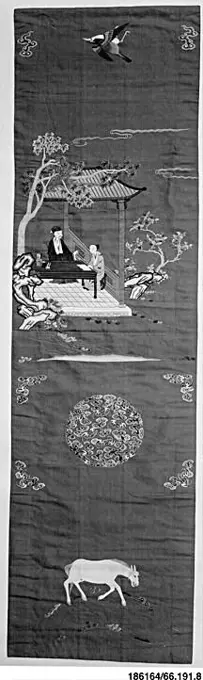
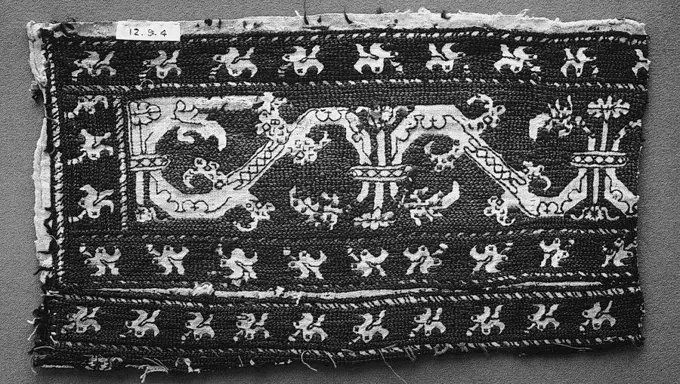
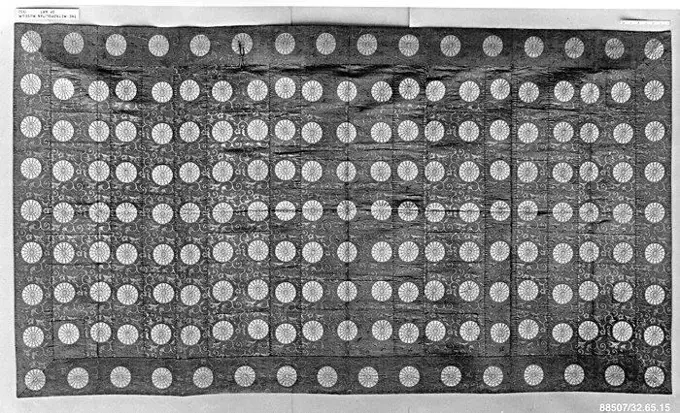
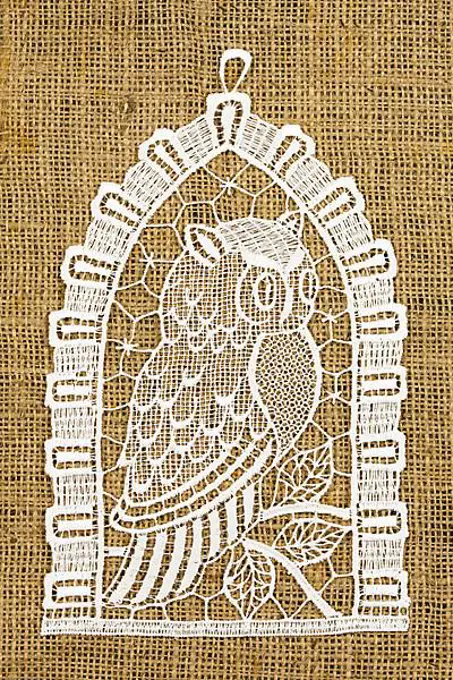
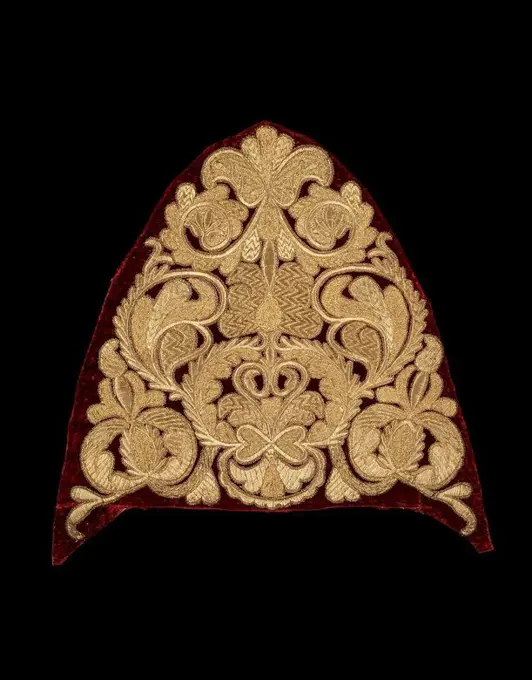
Molding fragment. Culture: French. Dimensions: Overall: 20 1/4 × 4 1/2 in. (51.4 × 11.4 cm). Date: 18th century. Museum: Metropolitan Museum of Art, New York, USA.Fireplace in two halves with twice the Rijksadelaar, Anonymous, c. 1600 - c. 1700 Cast iron stove, consisting of two equal halves. Central to both halves is a crowned coat of arms with a double -headed government citizen with small, striped city coat of arms in front. The coat of arms is placed in the middle of a laurel wreath and four rosettes in the corners. At the top are three palm leaves and two large buttons in relief. The loose halves are formed by using a heater plate model twice next to each other. Germany iron (metal) casting Cast iron stove, consisting of two equal halves. Central to both halves is a crowned coat of arms with a double -headed government citizen with small, striped city coat of arms in front. The coat of arms is placed in the middle of a laurel wreath and four rosettes in the corners. At the top are three palm leaves and two large buttons in relief. The loose halves are formed by using a heater plate model twice next to each other. Germany iron (metal) castinOne of a Set of Twelve Chair Strips China. One of a Set of Twelve Chair Strips 70438Textile Fragment 5th-6th century. Textile Fragment 443710Blind 18th-19th century China. Blind. China. 18th-19th century. Bamboo, silk, paint. BambooFragment 17th century Italian or Moroccan. Fragment 219385Linen sheet late 16th century Italian. Linen sheet. Italian. late 16th century. Bobbin lace, needle lace, Genoese lace, reticella. Textiles-LacesPriest's Robe 18th century Japan. Priest's Robe 69038Piece early 19th century French. Piece 223617TABLERO EN YESO DE TOLEDO DEL SIGLO XIII. Location: MUSEO MARES-COLECCION. Barcelona. SPANIEN.Piece 1780-90 French. Piece 223271Crocheted Owl on Linen BackgroundHeaddress. Culture: Russian. Date: 1830-80.This object is from the collection of Natalia de Shabelsky (1841-1905), a Russian noblewoman compelled to preserve what she perceived as the vanishing folk art traditions of her native country. Traveling extensively throughout Great Russia, she collected many fine examples of textile art of the wealthy peasant class. From the 1870s until moving to France in 1902, Shabelsky amassed a large collection of intricately embroidered hand-woven household textiles and opulent festival garments with rich decoration and elaborate motifs. The Brooklyn Museum holdings include many fine examples including the majority of the garments. Portions of Shabelsky's collection are also housed at the Museum of Fine Arts, Boston, the Cleveland Art Museum, and the Russian Museum of Ethnography in St. Petersburg. Museum: Metropolitan Museum of Art, New York, USA.