Historical Textiles and Garments

A selection of antique textiles including embroidered silks, linen pantalets, and striped curtains, highlighting intricate patterns and historical craftsmanship.

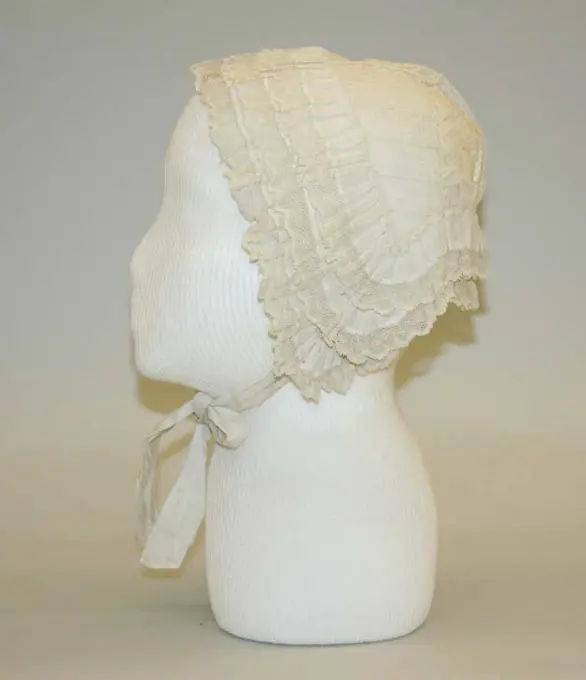
Galavest with high standing collar, false bags with valve and seven dust buttons from white rip side, embroidered with silver colored terties, white silk and blue stones, anonymous, c. 1805 - c. 1810 Letter: Galavest H.N. v. Slingeland, no. 108, 1787-1844. Amsterdam (possibly) silk. linen (material) embroidering Letter: Galavest H.N. v. Slingeland, no. 108, 1787-1844. Amsterdam (possibly) silk. linen (material) embroidering
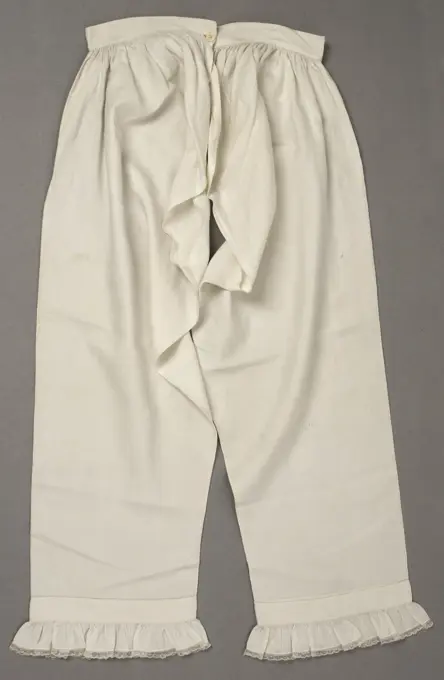
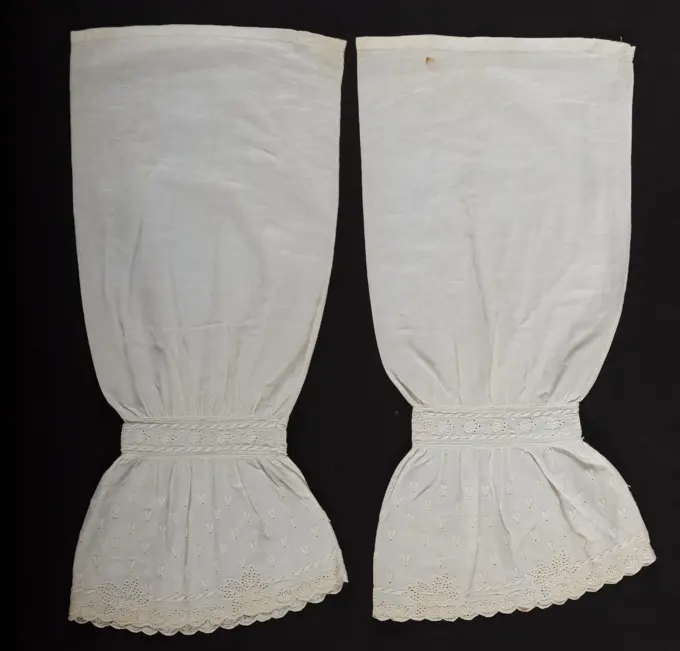
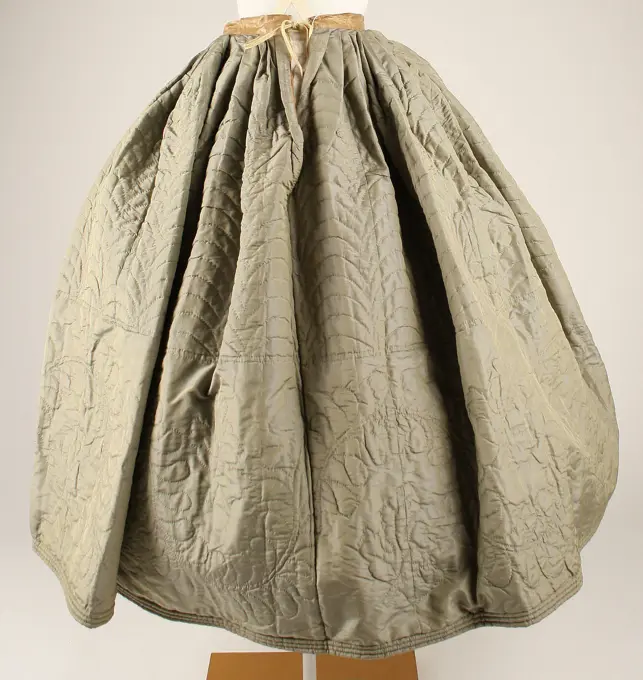
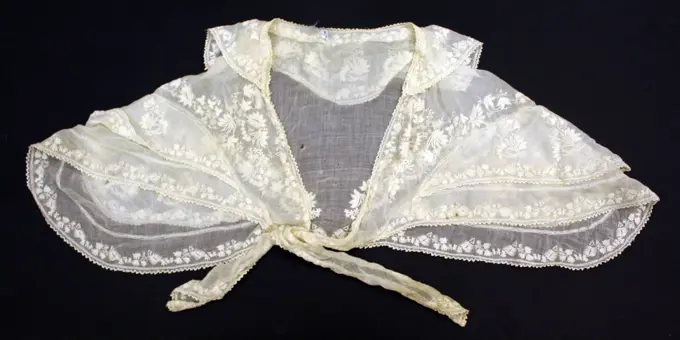
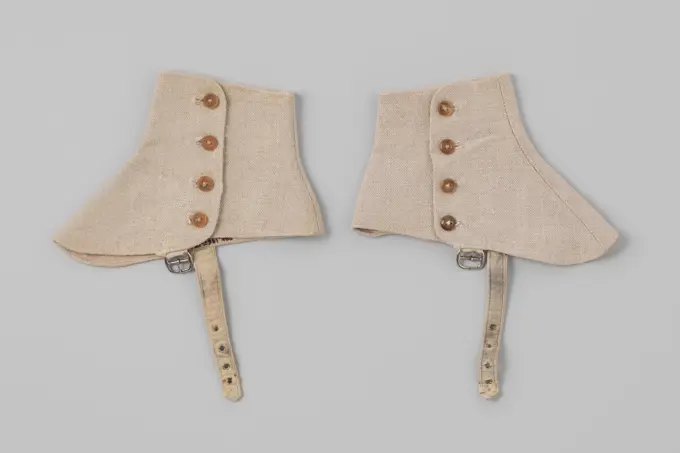
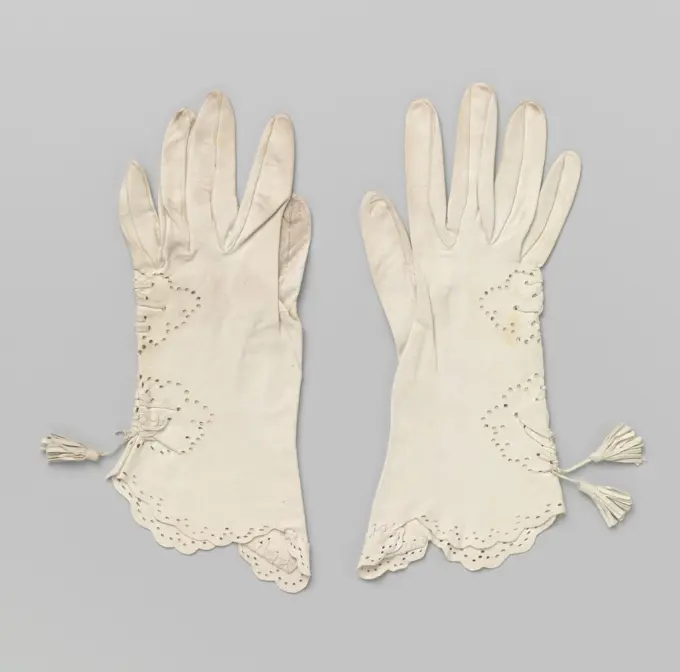
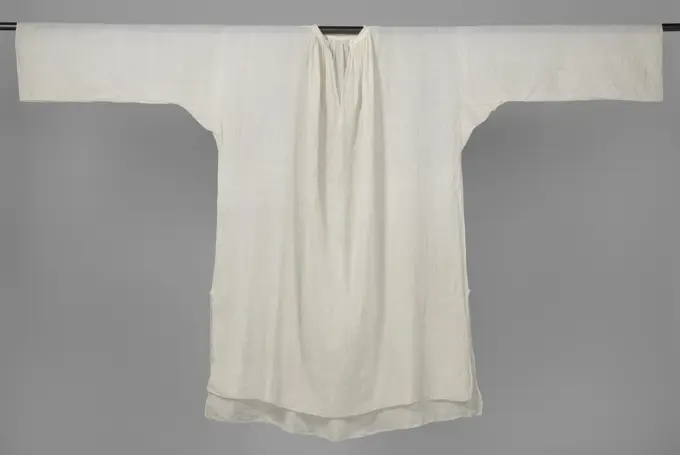
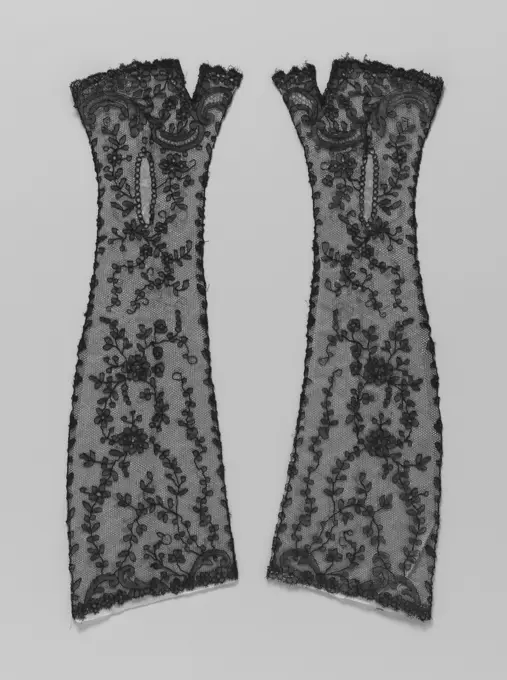
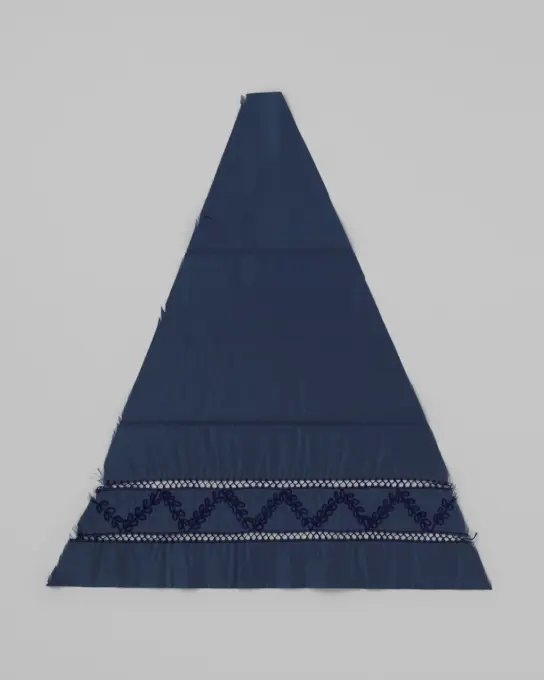
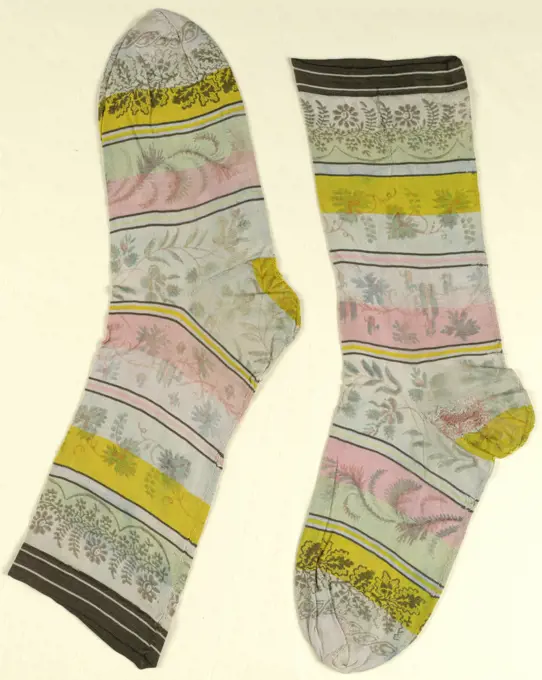
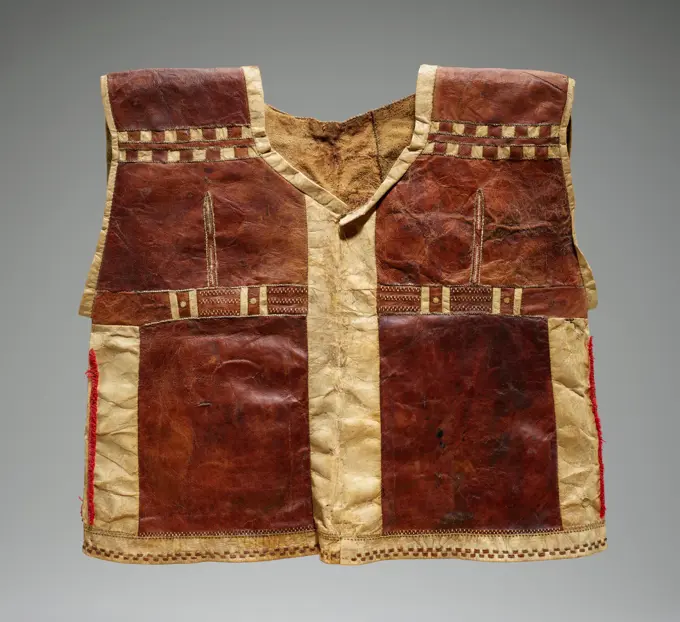
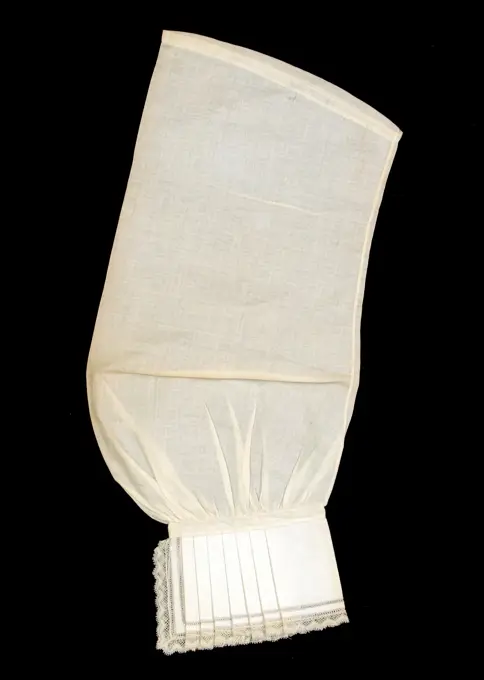
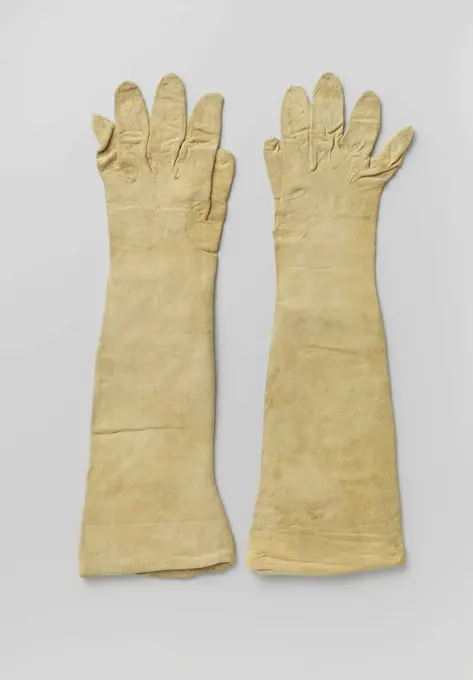
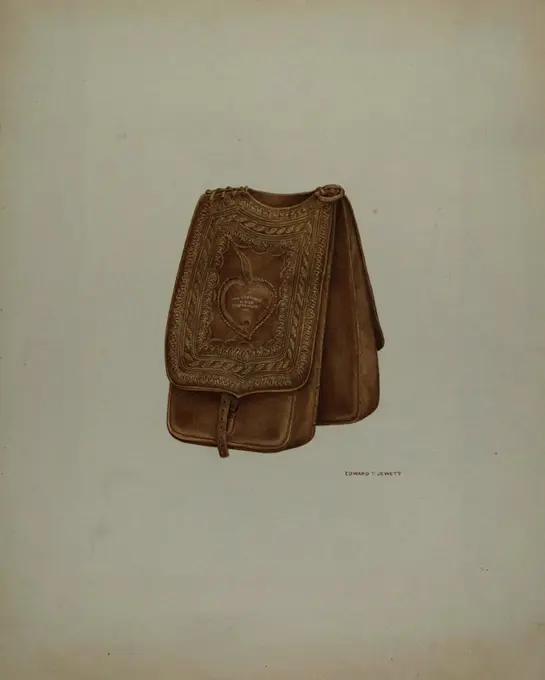
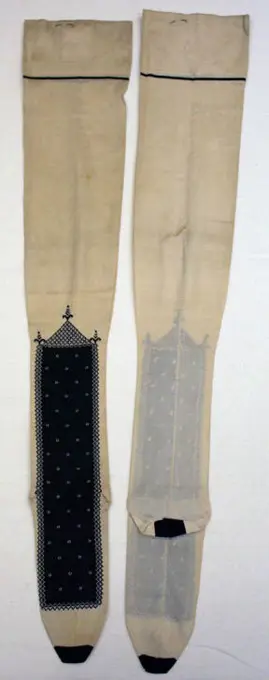
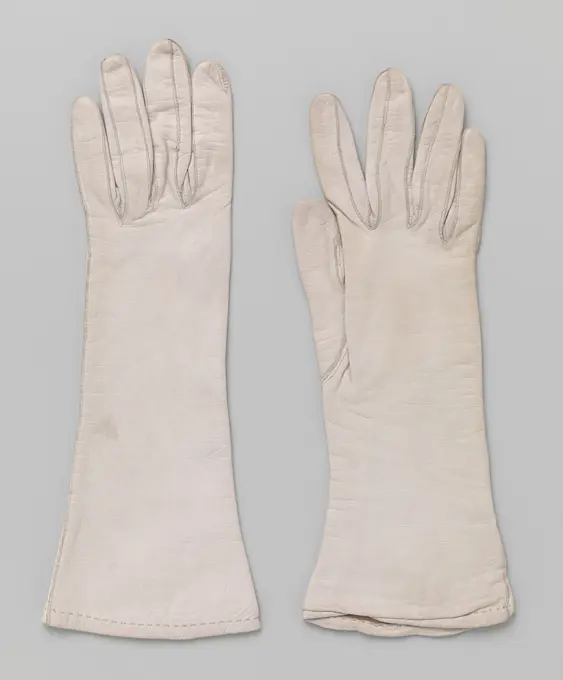
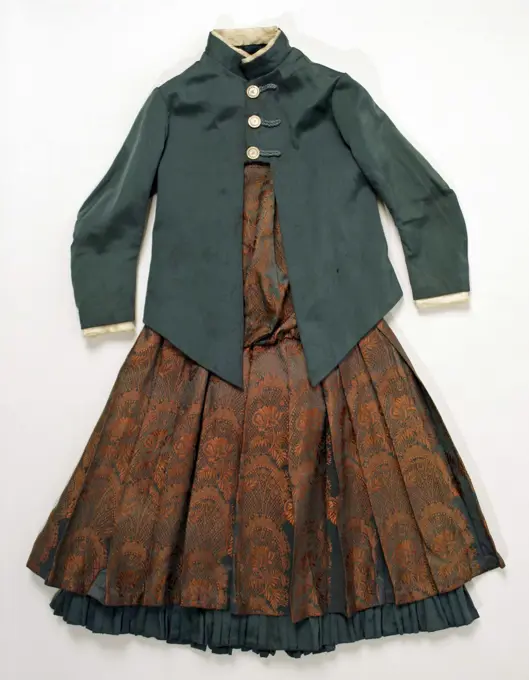
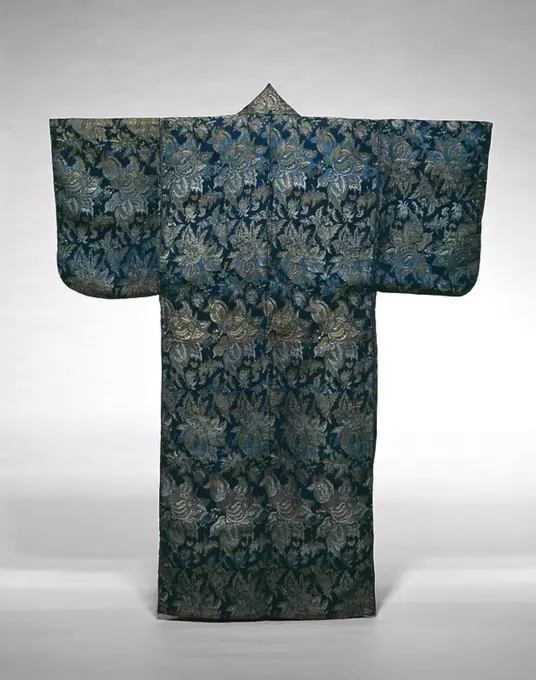
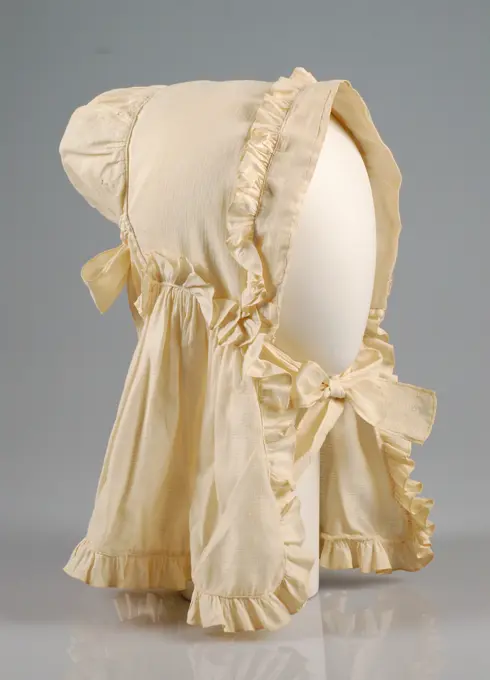
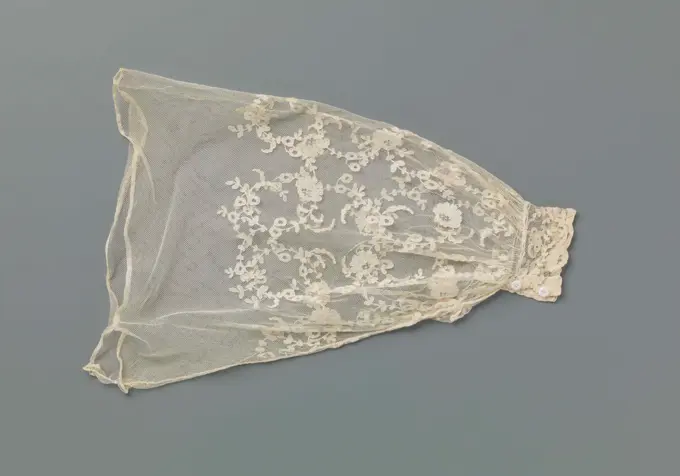
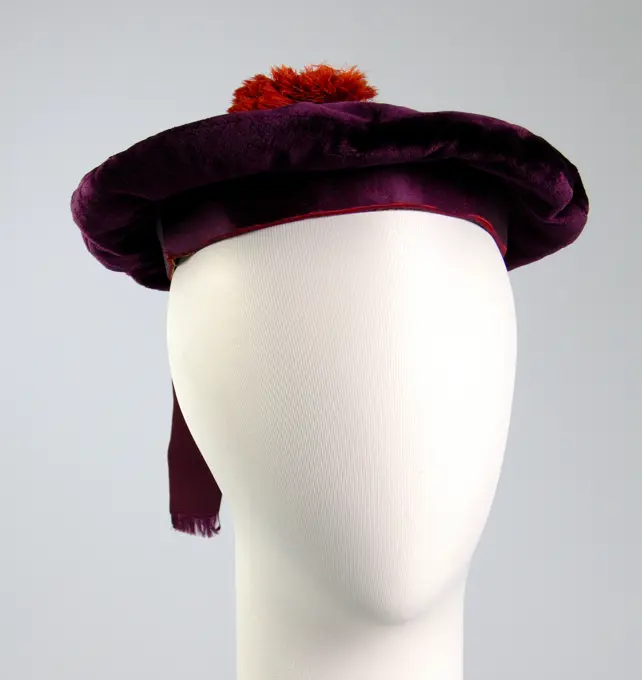
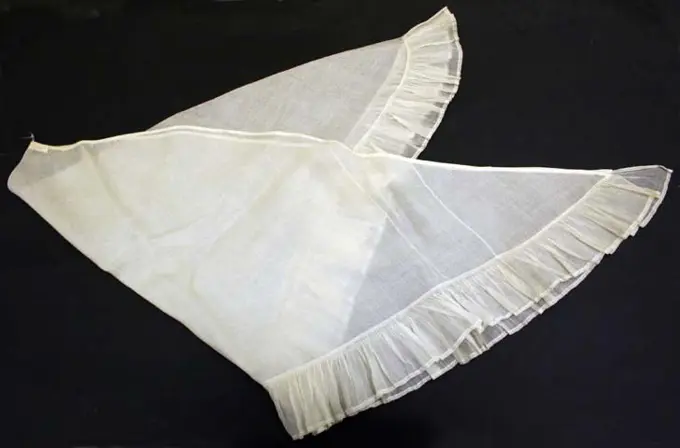
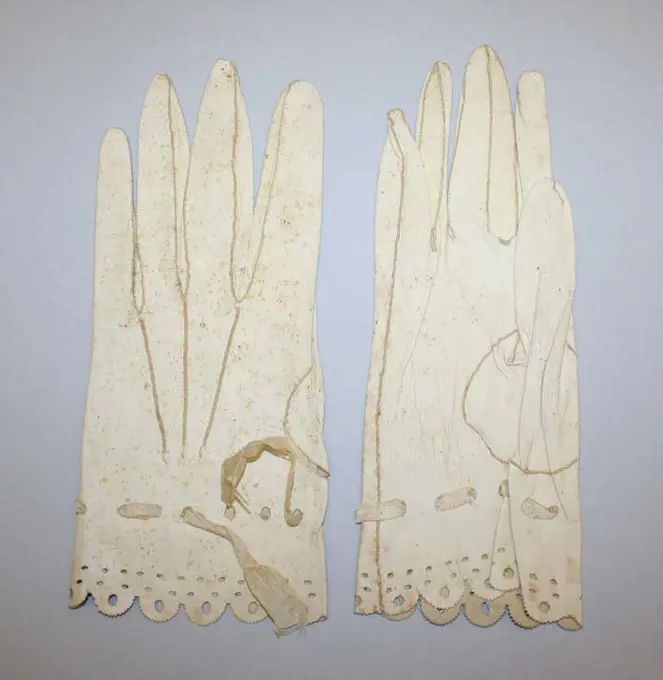
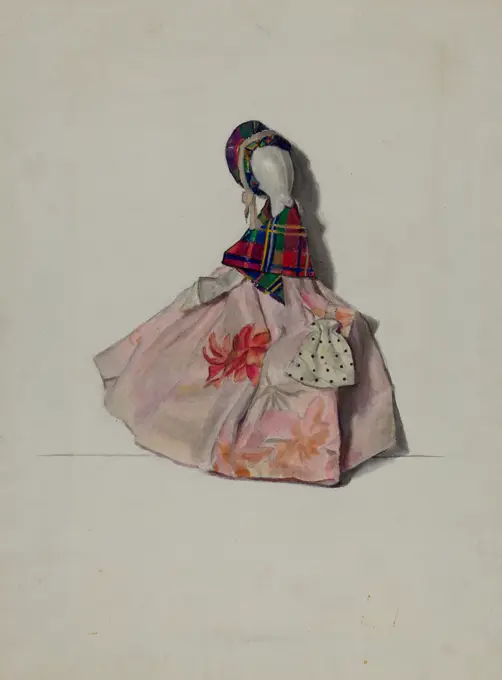
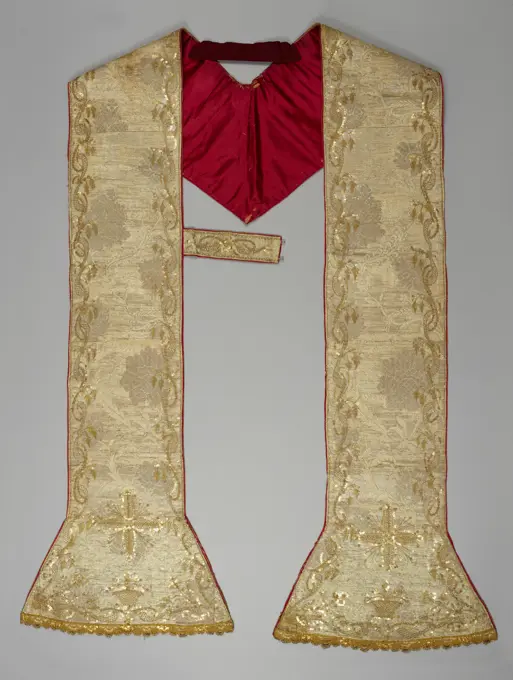
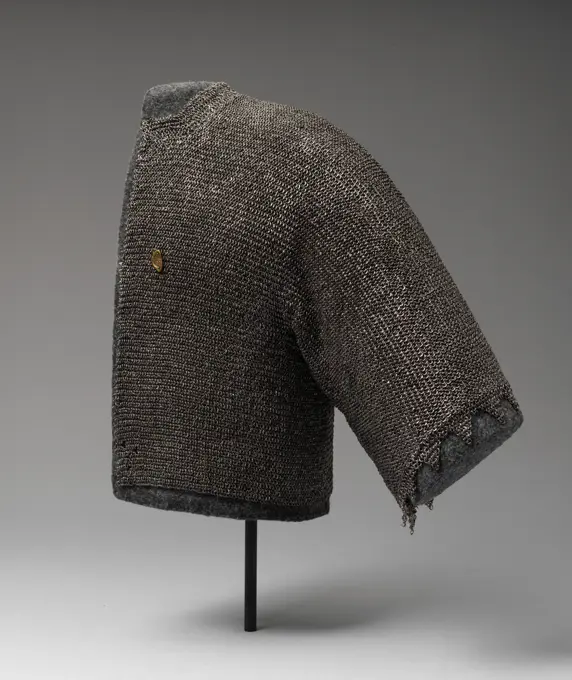
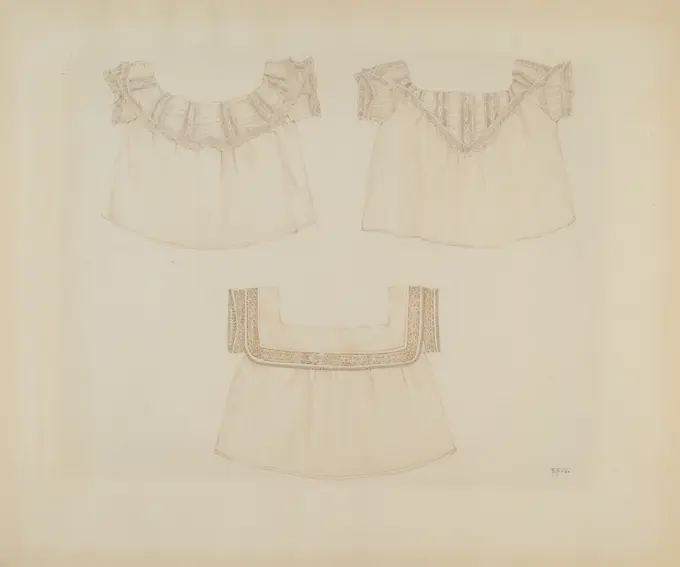
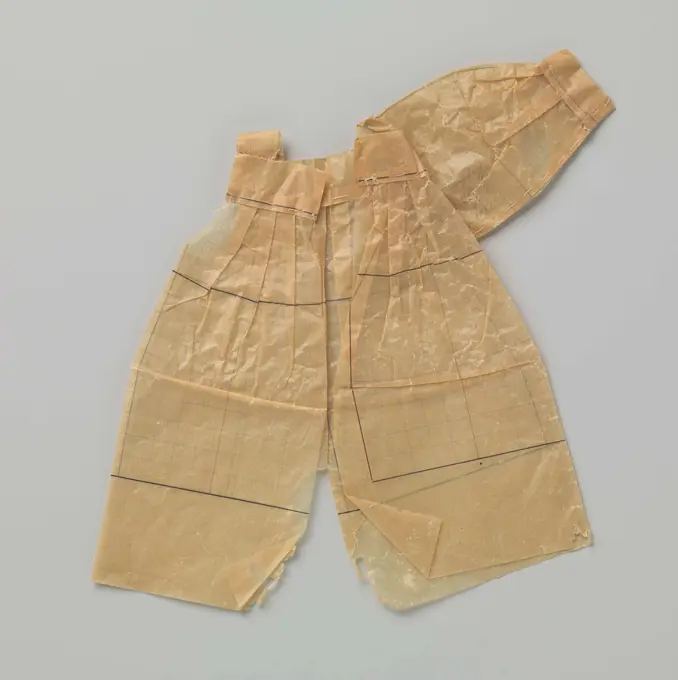
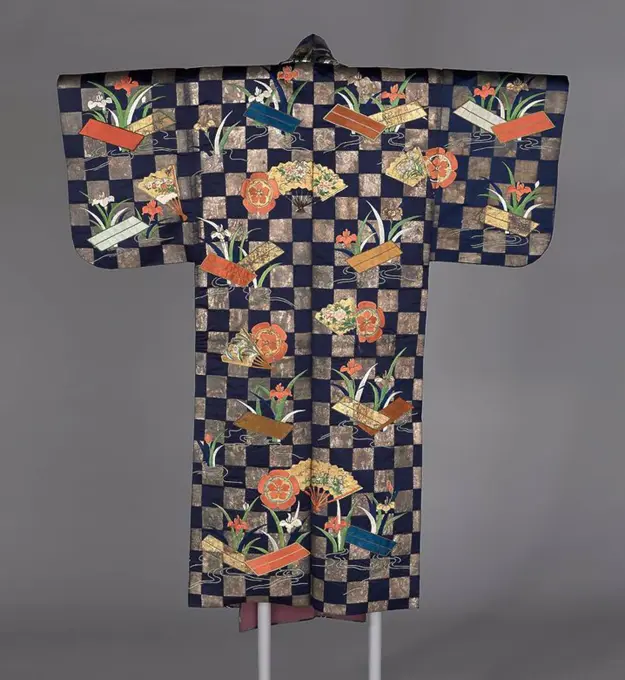
Silk, square, embroidered along two sides with an edge of flowers and fruits in silver wire and multicolored silk, anonymous, c. 1700 - c. 1800 Silk Fichu, square, embroidered along two sides with an edge of flowers and fruits in silver wire and multicolored silk. Model: scalloped along the short sides and unfinished on the long side. Decoration: In the point a symmetrical ornament with a fantasy form with heart of servetwork and leaves of silver thread above and under a flower and on both sides flanked by pears (). All this is connected by branches of silver wire with leaves of green silk. From here on either side a pendulum of silver wire with alternating a fruit of silk and a fantasy flower of silver thread. The hem is formed by a line of silver wire, including sculptures filled with servetwork and a single curl. The embroidered edge is doubled with a thin cotton fabric for reinforcement. Netherlands (possibly) whole: Silk. Embroidery: Silver thread. embroidery: embroidering Silk FiPantalets 1830s American. Pantalets. American. 1830s. linenCurtain of blue and white striped linen damask. Curtain of blue and white striped linen damask. The blue and white stripes both have an ongoing pattern of floral drinks; The blue in light blue, the white in white. The curtain belongs to three curtains (BK-1992-26-A to BK-1992-26-D) and two strips (BK-1992-26-E and BK-1992-26-F).Lap Batist with edges Edge embroidery with birds and mammals. Rectangular piece of natural batist with beads opened on the long side with edges with edge embroidery, work with merchanded wires. In the widest edge there is a pattern with the letter W in a triangular shape surrounded with leaves. Left and right the triangle is flanked on either side by a vase of flowers or by a bird with a shocked head. There is a mammal between the vase and the bird. In the narrower edge a branch with three flowers is depicted with a mammal on both sides, interspersed by the flower branch with a bird on either side.Apron mid-19th century American or European. Apron 122569Undersleeve. Dressing cladding of cream-colored silk damast, with a pattern of and around all finished with a strip of natural colosside: binche-side. Rectangular model where one side is strongly wrinkled. The rug is lined with solid cream-colored silk. Damask: The repeating pattern consists of rows of flowers that are connected to each other with accolade tanks. There are two types of flowers, per row of one kind. Side: The repeating pattern consists of a river of feathered leaf volutes with flowers and palmets. The motifs are largely made in linen stroke with openwork edges and in a few leaves and flowers has been applied. The motifs are connected by a ringed snowflakes soil. The strip was placed smoothly to the damask, with the exception of the corners where the strip lace is pleated around the damask. The underside (outside) of the strip side is straight finished with picots.Petticoat 1850s American. Petticoat 107849Vest of white cotton Piqué, M.S. de Jong (company), 1913 Cardigan of office robe, white cotton piqué. Medium vest, the fronts in points and sliced aside. Four white buttons with crowned W. low neck opening with lined, rounded shawl collar. Two bags and a watch bag on the left. White cotton back and lining. Back straps with buckle, on which engraved: M.S. De Jong and sewn in address band. Address: M.S. de Jong/Arnhem, The Hague/Amsterdam/Utrecht. Noted in inlet: 20/9 '13/(no.) 23024/JHR. Mr. H. Gevers. The Hague Cotton (Textile). pique Cardigan of office robe, white cotton piqué. Medium vest, the fronts in points and sliced aside. Four white buttons with crowned W. low neck opening with lined, rounded shawl collar. Two bags and a watch bag on the left. White cotton back and lining. Back straps with buckle, on which engraved: M.S. De Jong and sewn in address band. Address: M.S. de Jong/Arnhem, The Hague/Amsterdam/Utrecht. Noted in inlet: 20/9 '13/(no.) 23024/JHR. Mr. H. Gevers. The HagueGalavest with high standing collar, false bags with valve and seven dust buttons from white rip side, embroidered with silver colored terties, white silk and blue stones, anonymous, c. 1805 - c. 1810 Letter: Galavest H.N. v. Slingeland, no. 108, 1787-1844. Amsterdam (possibly) silk. linen (material) embroidering Letter: Galavest H.N. v. Slingeland, no. 108, 1787-1844. Amsterdam (possibly) silk. linen (material) embroideringShirt. Culture: American or European. Date: 1880.A man's shirt is inscribed for practical reasons. The shirtmaker's client was Samuel Griffin; the shirt was made in May 1880. Both are identified in script at the right side vent, just next to the hand. This writing (normally invisible as this lower portion would be tucked into trousers) constitutes a record-keeping of the wardrobe, assuring ownership, but also registering the shirt's duration. The "6" probably notes that it was Griffin's sixth shirt of May 1880, part of a large order. The thrifty, Thoreauvian accounting, even for a luxurious shirt, suggests the American asperity about clothing. Museum: Metropolitan Museum of Art, New York, USA.Chasuble;  2nd half 15th century (1480-00-00-1500-00-00);Shirt. Culture: American. Date: 1870s. Museum: Metropolitan Museum of Art, New York, USA.Drawers ca. 1885 American or European. Drawers 109018Fontaneldoek of white linen with lace; marked in Red Cross stitch: HS12, Anonymous, c. 1750 - c. 1900 12 linen fontanelletjes with different side deposited, 4 marked LH8, 3 gem. H8, 5 Gem. HVS (Gr. Hoogenhuize "1772-1852" tr. 1802 S.E. von Schmid "1771-1843"). 1 of Damast gem. HH6 (W.R. Hoogenhuize "1747-1804" TR 1787 W. Helmerich "1752"). Europe linen (material) 12 linen fontanelletjes with different side deposited, 4 marked LH8, 3 gem. H8, 5 Gem. HVS (Gr. Hoogenhuize "1772-1852" tr. 1802 S.E. von Schmid "1771-1843"). 1 of Damast gem. HH6 (W.R. Hoogenhuize "1747-1804" TR 1787 W. Helmerich "1752"). Europe linen (material)Kyogen Kataginu Kyogen Kataginu, 19th century. Textile, 34 1/2 x 24 1/2 in. (87.6 x 62.2 cm).   Asian Art 19th centuryEnsemble 1860-75 British. Ensemble 90959Baptismal rug from tulle with Valenciennes side, anonymous, c. 1900 A baptismal rug of tulle and machine valenciennes. With cream satin lining. Netherlands .. satin Valenciennes lace A baptismal rug of tulle and machine valenciennes. With cream satin lining. Netherlands .. satin Valenciennes lacePelerine 1825-50 probably American. Pelerine 110212Still life of a blouseScarf 1700-1939 American. Scarf 119113Chasuble. unknown, authorGloves ca. 1878 French. Gloves. French. ca. 1878. leather, silkSlobkous of coarse sand -colored linen cotton, on which four brown buttons and a linen belt with metal buckle under the foot, c. 1900 - c. 1930 Slobkous of coarse sand -colored linen cotton, on which four brown knots and a linen belt with silver -colored metal buckle under the foot. Unsurbed, but with cotton piping for reinforcement. Netherlands whole: Cotton (textile). Buttons:. Buckle: Metal. Bies: Cotton (textile) Slobkous of coarse sand -colored linen cotton, on which four brown knots and a linen belt with silver -colored metal buckle under the foot. Unsurbed, but with cotton piping for reinforcement. Netherlands whole: Cotton (textile). Buttons:. Buckle: Metal. Bies: Cotton (textile)Slobkous of beige linen cotton, with four mother -of -pearl knots and linen belt with buckle under the foot, The Diamond Gaiter, c. 1900 - c. 1930 Few slobes of beige linen, with lining. Four mother -of -pearl buttons and a sole strap with buckle, souspied. Address: 'The Diamond Garter. Reg'd. Made in England '. England whole: Cotton (textile). lining: cotton (textile). Buttons: Mother of Pearl. buckle: Metal Few slobes of beige linen, with lining. Four mother -of -pearl buttons and a sole strap with buckle, souspied. Address: 'The Diamond Garter. Reg'd. Made in England '. England whole: Cotton (textile). lining: cotton (textile). Buttons: Mother of Pearl. buckle: MetalWedding ensemble ca. 1865 American. Wedding ensemble 108373Cap. Culture: Slovak. Date: 1830-50. Museum: Metropolitan Museum of Art, New York, USA.Shirt 1775-1825 American. Shirt. American. 1775-1825. cottonJacket, ChinaKindermuts van witte Piqué, M. Insinger ( Atturibed to), c. 1900 - c. 1910 Children's hat made of white piqué with bangable edge. The Netherlands or India, ca. 1904. Malang Cotton (Textile). pique Children's hat made of white piqué with bangable edge. The Netherlands or India, ca. 1904. Malang Cotton (Textile). piqueCollar late 19th century French. Collar 169431Siennica (woj. mazowieckie). Ornat srebrny, skrzypcowy, z ornamentem w kolorowe kwiaty ze złotym galonem i kolumną, z wyposażenia kościoła poreformackiego p.w. Ofiarowania Najświętszej Maryi Panny - widok z przodu w skali 1:5. Sztolcman, Władysław Roman (1873-1950), painterLamellar Armor (Byang Bu'i Khrab). Culture: Tibetan. Dimensions: H. 38 in. (96.5 cm); W. 29 in. (73.7 cm). Date: possibly 16th-17th century. Museum: Metropolitan Museum of Art, New York, USA.Cape. Culture: American. Date: ca. 1842. Museum: Metropolitan Museum of Art, New York, USA.Left glove of white wax leather, with scalloped hood and decorated with perforations, Hirsch & Cie N.V., c. 1930 Left glove of white wax leather, with scalloped hood. Along the scums and the seam on the side a decoration of round perforations. Narrow strips of wax leather are pulled through the openings over the seam. These strips end in two chamois leather brushes (one is missing at the left glove). Address: ...... Hirsch & Cie / Amsterdam. Amsterdam whole: Chamois (Animal Material) Left glove of white wax leather, with scalloped hood. Along the scums and the seam on the side a decoration of round perforations. Narrow strips of wax leather are pulled through the openings over the seam. These strips end in two chamois leather brushes (one is missing at the left glove). Address: ...... Hirsch & Cie / Amsterdam. Amsterdam whole: Chamois (Animal Material)Leather lap of lap belonging to the equipment of a juice of the 1st Department of Noord-Hollandse Schutterij, c. 1800 - c. 1830  White veal leather lap sheet. Coming from the equipment of a juice of the 1st Department of Noord-Hollandse Schutterij. Netherlands calf (leather)Stockings 1850-60 American. Stockings 174768Fragment (France); silk, metallic threadShirt 18th century British. Shirt 98170Cap 1850-69 American. Cap 116196Man's Collar. United States, 1775-1800. Costumes; Accessories. Linen plain weaveFragments of silk fabric a river of a wavy river intertwined with flower unknownBliżej Kultury unknownChasuble first quarter 18th century Italian The textile used in this chasuble is a magnificent example of the early-18th century aesthetic in textile design. The definition of the pomegranate seeds and leaves and the varying shades of the petals are extraordinarily rendered and the fanciful quality of the images exudes creativity.. Chasuble 157902Nuihaku (Noh Costume) Made 1675-1825 Japan. N is a Japanese form of theater that combines music, dance, and drama. This elegant nuihaku kimono has a pattern and technique traditionally associated with female roles (and occasionally male roles of very high rank) in N theater. The pattern consists of alternating panels of finely embroidered carnations (ìpinksî) and a braided fence created by stenciled impressed gold and silver lines. The garment once belonged to the So family, a warrior clan that prospered by controlling the trade between Japan and Korea.-A Global View Recent Acquisitions of Textiles, 2012-2016, April 7-September 5, 2016. Silk, plain weave; stamped with gold and silver leaf over adhesive (inkin); emroidered with silk in satin and couching stitches; lined with silk, plain weave .Syrena Swanson, Mitt, c 1938 MittPair of gloves with scalloped broder, Maison de Bonneterie, c. 1920 - c. 1925 Left glove from Glacéleer, trimmed with an edge of green leather. Small hood. On the hand three tires consisting of black -stitched lines. The natural -colored leather ends with the hood in sculptures and points. The sculpts are each perforated with one hole. Address (in the left glove a stamp): "Prima Donna" / Exp ..... / Maison de Bonneterie / Amsterdam The Hague, (a stamp in the right glove): 7. Netherlands (possibly) whole: perforating Left glove from Glacéleer, trimmed with an edge of green leather. Small hood. On the hand three tires consisting of black -stitched lines. The natural -colored leather ends with the hood in sculptures and points. The sculpts are each perforated with one hole. Address (in the left glove a stamp): "Prima Donna" / Exp ..... / Maison de Bonneterie / Amsterdam The Hague, (a stamp in the right glove): 7. Netherlands (possibly) whole: perforatingPluviale aus Brokat.. Prints. 1912. The Miriam and Ira D. Wallach Division of Art, Prints and Photographs: Art & Architecture CollectionShirt without seam of cotton batist, anonymous, c. 1600 - c. 1699 Shirt without seam of cotton batist. Decorated with three stitching. Sleeves end in very fine rolling soil, which is also applied to the bottom. Timped neck split with a T-shaped trens reinforced. At the bottom, side splits are cut. Front less than back, approx. 5 cm. Weaving spikes in armpit and shoulder. Netherlands (possibly) whole: Cotton (textile) Shirt without seam of cotton batist. Decorated with three stitching. Sleeves end in very fine rolling soil, which is also applied to the bottom. Timped neck split with a T-shaped trens reinforced. At the bottom, side splits are cut. Front less than back, approx. 5 cm. Weaving spikes in armpit and shoulder. Netherlands (possibly) whole: Cotton (textile)Mitaine from black climbing side with c-voluten and rose garlands. Mitaine from black climbing side: Chantilly side. Model for a moment below the elbow and to the arm. The pattern consists on the back of the hand from a large rose and a flower garland and along the edge a few connected caps. Flower garlands that spring from the bottom edge are on the forearm and upper arm. The lower edge consists of co-switched rosette flowers from which some smaller C volutes display in leaf form. The motifs are made in a cut-off and are accentuated by contour wires. The motifs are connected by a tuland. In the C-Volutes along the hand edge and in the larger flowers, an ornamental ground has been applied, a rose ground. All edges are finished with picots.Sector of a parasold deck of dark blue cotton, decorated with embroidery, c. 1885 - c. 1900 Sector of a parasold deck of dark blue cotton, decorated with embroidery. The embroidery consists of two rows of stitching stitches with a flannel stitch, between which a swinging leaf vank. A label is attached to the deck with a metal clamp. Nijmegen Parasoldek: cotton (textile). Embroidery: Cotton (textile) embroidering Sector of a parasold deck of dark blue cotton, decorated with embroidery. The embroidery consists of two rows of stitching stitches with a flannel stitch, between which a swinging leaf vank. A label is attached to the deck with a metal clamp. Nijmegen Parasoldek: cotton (textile). Embroidery: Cotton (textile) embroideringPair of stockings, Medium: silk Technique: knitted and printed, Striped stockings with printed floral pattern., France, early 19th century, knotted, knitted and crocheted textiles, Pair of stockingsArrow sash -Pair of gloves with pointed cuffs, M. Laimböck, c. 1922 - c. 1930 Left glove from Beige Glacé leather. Model: Three quarters of hoods and center splitting. Sealing the hoods formed and stitched through in deep points. Thick gem as a closure. Address: Printed inside: 1. Biltton/V.S.Pat.sept.19.'22 (). 2. Crowned eagle with banderol on which M. Laimbock/Uityrol/Amsterdam/K.Hofsverancier (unclear) and: Made in Saxony. Saxony, for Fa. Laimböck Amsterdam. 1922-1930 (). Maker: Saxon Damnam whole: Leather. whole:. whole: Mother of Pearl Left glove from Beige Glacé leather. Model: Three quarters of hoods and center splitting. Sealing the hoods formed and stitched through in deep points. Thick gem as a closure. Address: Printed inside: 1. Biltton/V.S.Pat.sept.19.'22 (). 2. Crowned eagle with banderol on which M. Laimbock/Uityrol/Amsterdam/K.Hofsverancier (unclear) and: Made in Saxony. Saxony, for Fa. Laimböck Amsterdam. 1922-1930 (). Maker: Saxon Damnam whole: Leather. whole:. whole: Mother of Vest, c. 1800, 17 × 18 3/16 in. (43.18 × 46.2 cm), Sealskin, wool, bird quills, animal membranes, fur, United States or Canada, 18th-19th century, The Unangan and Alutiiq live on Kodiak Island and the lower part of Prince William Sound, in what is now Alaska. The woman who made this vest in the early 1800s used materials available in the Arctic, embellishing the basic sealskin garment with red wool from trade with Euro-Americans, bird quills, and other animal and bird parts that add color and texture. The zigzag designs on both sides are made from bird quills sewn onto the hide with sinew.Undersleeves ca. 1870 American. Undersleeves 170439Cap 19th century British. Cap. British. 19th century. cottonCuff, Medium: silk Technique: bobbin lace, Chantilly style, Cuff of black taffeta edged with two ruffles of black Chantilly style lace., France, ca. 1870, lace, CuffBlue's mitaine, open knitting, anonymous, c. 1750 - c. 1780 Blue's mitaine, open knitwear in a pattern of large flower baskets in staggered rows above each other. Zaanstreek whole: Silk knitting Blue's mitaine, open knitwear in a pattern of large flower baskets in staggered rows above each other. Zaanstreek whole: Silk knitting. Left gloves of natural corner leather, on the back three radiating cords.Saddle Bags. Dated: c. 1938. Dimensions: overall: 34.9 x 28.1 cm (13 3/4 x 11 1/16 in.) Original IAD Object: 26 1/7" long; 8 1/2" wide. Medium: watercolor and graphite on paper. Museum: National Gallery of Art, Washington DC. Author: Edward Jewett.Stockings ca. 1900 French. Stockings 80762Baby Carrier, 32 1/2 x 28 in. (82.55 x 71.12 cm), Cotton; needlework, ChinaLazio Rieti Rieti S. Maria Assunta, Duomo, e Palazzo Vescovile28. Hutzel, Max 1960-1990 Medieval: Duomo, architecture (12-13th, 15th centuries). Post-medieval: Duomo and Palazzo Vescovado: Architecture, sculpture, frescoes, painting, architectural sculpture, metalwork, vestments General Notes: Hutzel combines two sites here, with no indication as to which photos or negatives belong to either site. Sites are catalogued separately in Medieval section, and entered thus in database. It is uncertain as to whether this includes objects from the Museo del Tesoro del Duomo. Hutzel photo campaign notes are undated. There is a note that there are no prints for 69-129. German-born photographer and scholar Max Hutzel (1911-1988) photographed in Italy from the early 1960s until his death. The result of this project, referred to by Hutzel as Foto Arte Minore, is thorough documentation of art historical development in Italy up to the 18th century, including objects of the Etruscans and the Romans, asPair of gloves with cut-on cuffs, c. 1950 - c. 1960 Right gloves of mouse gray nylon. Promoted fan -shaped caps. A semicircular spot on the hand in which a filled tire (rouleaux) anthracite -colored nylon is attached. This tire, with white loops into small compartments, runs further along the edge of the hood. On the hand and at the wrist, three anthracite nylon buttons are located on one side next to the band and three stuffed, stitched tires on the other side. West-Europa (possibly) whole: nylon Right gloves of mouse gray nylon. Promoted fan -shaped caps. A semicircular spot on the hand in which a filled tire (rouleaux) anthracite -colored nylon is attached. This tire, with white loops into small compartments, runs further along the edge of the hood. On the hand and at the wrist, three anthracite nylon buttons are located on one side next to the band and three stuffed, stitched tires on the other side. West-Europa (possibly) whole: nylonGlove made of lined gray clothes leather. Left glove made of lined gray clothes.Glove of white stretch nylon with knots of plastic, mother -of -pearl, anonymous, c. 1950 - c. 1960 Left glove of unadorned white stretch nylon. Opening on the inside wrist, provided with knots of plastic, pearly color, one of which is missing. Netherlands (possibly) whole: nylon. button:. Button hole: Cotton (textile) casting Left glove of unadorned white stretch nylon. Opening on the inside wrist, provided with knots of plastic, pearly color, one of which is missing. Netherlands (possibly) whole: nylon. button:. Button hole: Cotton (textile) castingBootees ca. 1870 American. Bootees 169614Ensemble ca. 1885 American. Ensemble 103084Ensemble 1890-1900 British. Ensemble 92000Kosode. Japan. Date: 1775-1800. Dimensions: 164 × 133.7 cm (64 1/2 × 52 5/8 in.). Silk and gold-leaf-over-lacquered-paper strips, warp-float faced twill weave with weft float faced twill interlacings of secondary binding warps and supplementary patterning wefts; interlined with cotton, plain weave. Origin: Japan. Museum: The Chicago Art Institute, Chicago, USA.Bonnet ca. 1860 American. Bonnet 168305Umbrella;  around 1850-1875 (1850-00-00-1875-00-00);Submit of application side with curly flower branches under a wavy flower garland. Lower natural applicationant: Carrickmacross side. Ballonous model. The sleeve has been wrinkled to the tight-fitting cuff. Both the cuff and the lower part of the underwood is decorated with application embroidery in the form of a regularly wavy flower garland including loose curly flower branches. The pendulum and branches are designed in the same way with a thin 'stem' with drip-shaped small leaves on either side, occasionally a large flower and further smaller simple round flowers with open heart. In the flower hearts of the largest flowers, an ornamental ground has been realized with stitches through the tulle. The cuff is trimmed off with a boundary ground of flowers and C volutes, and can be closed by means of two buttons.Glove of white knitted silk, anonymous, c. 1800 - c. 1850 Right white side, with oval -shaped openings on the inside sides of the fingertips, on the back three radiating cords ending in flowers. Netherlands whole: Silk knitting Right white side, with oval -shaped openings on the inside sides of the fingertips, on the back three radiating cords ending in flowers. Netherlands whole: Silk knittingPair or gloves. Left leather glove in mint green color.Beret French 1884Fichu 1792-93 European. Fichu 119026Gloves last quarter 19th century probably American. Gloves 121230Hat with protruding attached and rebuilded edge, with loop on the crown with three stones of Stras, Anonymous, c. 1947 - c. 1950 Hat of black velvet felt, with felt decoration. Slap, unpacked hood, with protruding attached edge, which is folded in again into the Entrée. Reep felt in a loop on the crown with three stras diamonds. Netherlands whole: Felt (textile). whole:. Decoration: Paste (Glass) Hat of black velvet felt, with felt decoration. Slap, unpacked hood, with protruding attached edge, which is folded in again into the Entrée. Reep felt in a loop on the crown with three stras diamonds. Netherlands whole: Felt (textile). whole:. Decoration: Paste (Glass)Jane Iverson, Clay Pipe Doll, c 1936 Clay Pipe DollMorning cap ca. 1890 American. Morning cap. American. ca. 1890. silk, linenGloves 1620-40 British or Dutch Gloves are replete with associations to love, honor, and loyalty, and these accessories played an important symbolic role in the portraiture of the sixteenth and seventeenth centuries. As a surrogate for their owner, gloves could be indicative of both romantic love or political allegiance, as when a woman's glove was bestowed upon her chosen contestant to be worn in a tournament.The gauntlets on this pair of gloves contain small birds and flaming hearts, surely symbols of romantic devotion. The symbol of the flaming heart in a cartouche also appears in a Dutch collection of embroidery designs for fashionable accessories, dating to the 1620s, in the Museum's collection. Listen to experts illuminate this artwork's story Listen Play or pause #405. Embroidery and Craftsmanship Supported by Bloomberg Philanthropies We're sorry, the transcript for this audio track is not available at this time. We are working to make it available as soon as possible.. Gloves. Children's hat of white damask, with a wide strip; marked: AM4, Anonymous, c. 1685 - c. 1715 A dams of baby hat with a horseshoe -shaped ball, on which a wide edge. The edge is lined with a wide strip of linen. Closure by means of two cotton straps. Marked. Netherlands cotton (textile). linen (material) damask A dams of baby hat with a horseshoe -shaped ball, on which a wide edge. The edge is lined with a wide strip of linen. Closure by means of two cotton straps. Marked. Netherlands cotton (textile). linen (material) damaskBliżej Kultury unknownSaccos 18th century Russian or Polish. Saccos 228798Stole, embroidered, Greek CathoIIc  flower basket motifs at the endings unknownSleeve of Mail 16th century German, Saxony From about the third century B.C. through the early fourteenth century A.D., mail, also called chain mail, was the predominant and most effective type of body armor known in Europe. From about the mid-fifteenth century onward, mail was used in conjunction with full plate armor to fill the gaps between plates. Separate mail sleeves were made to be worn with a cuirass (breastplate and backplate); shaped panels of mail called gussets, covered the armpits or the crooks of the elbows and were attached to arming jackets, garments specially tailored to be worn under armor; and mail breeches, called brayettes or pairs of paunces, could be worn by men fighting on foot.. Sleeve of Mail. German, Saxony. 16th century. Steel, copper alloy. Saxony. MailCap ca. 1830 American. Cap 98036Morning cap 1805-10 British. Morning cap 116284Apron fourth quarter 19th century Slovak. Apron 157848Arelia Arbo, Baby's Under waists, c 1937 Baby's Under-waistsPattern of baby shirt with one sleeve. Baby shirt pattern with one sleeve on pattern paper.Fragment; silk, metallicWhile unknownNuihaku (Noh Costume). Japan. Date: 1801-1825. Dimensions: 169.6 x 136.1 cm (66 3/4 x 53 5/8 in.)Repeat: 12.3 x 12.7 cm (4 7/8 x 5 in.). Silk, warp-float faced 4:1 satin weave; patterned with impressed gold and silver leaf; embroidered with silk in satin, single satin, and stem stitches; laid work and couching; lined with silk, plain weave. Origin: Japan. Museum: The Chicago Art Institute, Chicago, USA.Gloves ca. 1880 American. Gloves 104192Gloves early 19th century Spanish. Gloves 84183Lantern. Dated: c. 1936. Dimensions: overall: 30.8 x 22 cm (12 1/8 x 8 11/16 in.). Medium: watercolor and graphite on paper. Museum: National Gallery of Art, Washington DC. Author: John Oster.Pair or gloves with tassels. Right glove from white calfskin decorated with blue silk stitching, copper eyes and blue silk cord ending in ditto brushes. Model: Long slim fingers. Closure on inside Pols D.M.v. Metal snap button. Decoration: stitching on top of blue silk. Ornamental clasp of eight copper rings where blue silk cords are strung through, ending in thick brushes. The calf leather is scaled and serrated.