Historical Tools and Utensils

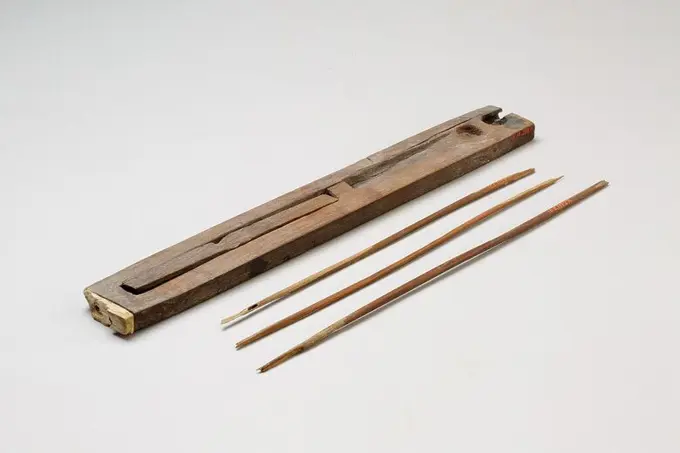
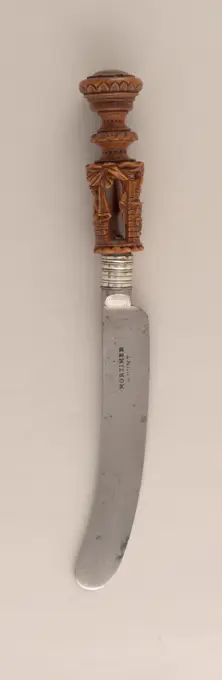
An array of historical artifacts including a stylus, executioner's sword, sculpted oak style, and a traditional Japanese brush, showcasing craftsmanship from different eras.
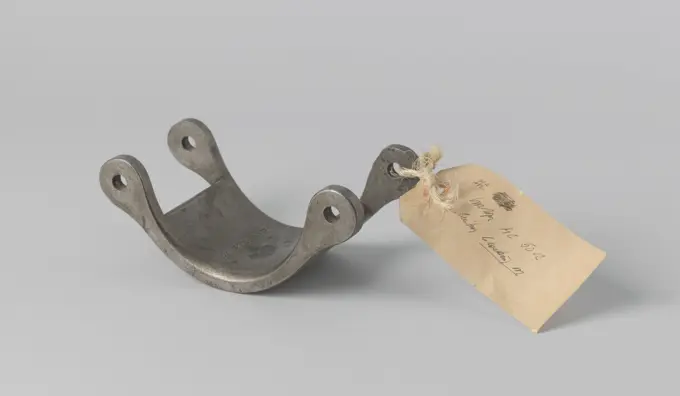
Broekeking, Anonymous, 1850 - 1900 fastening Iron, smooth brush with four eyes with which it can be attached to a mast or pump to prevent the penetration of leakage water. unknown iron (metal)
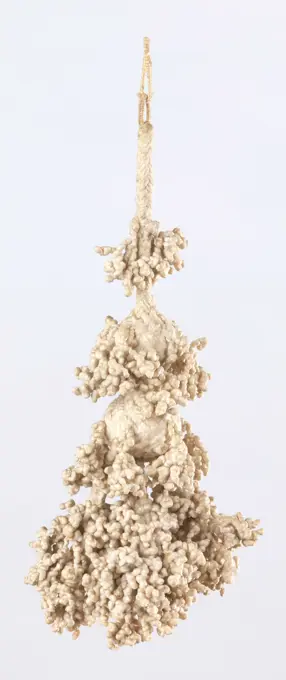
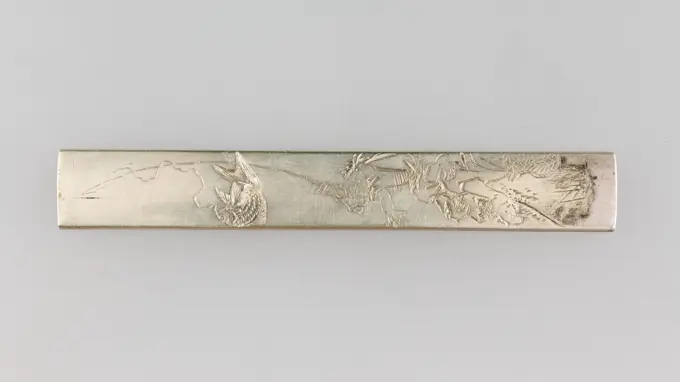
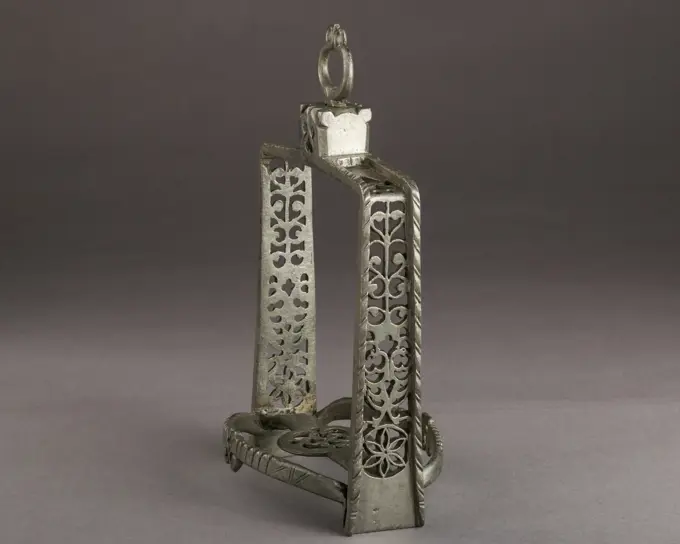
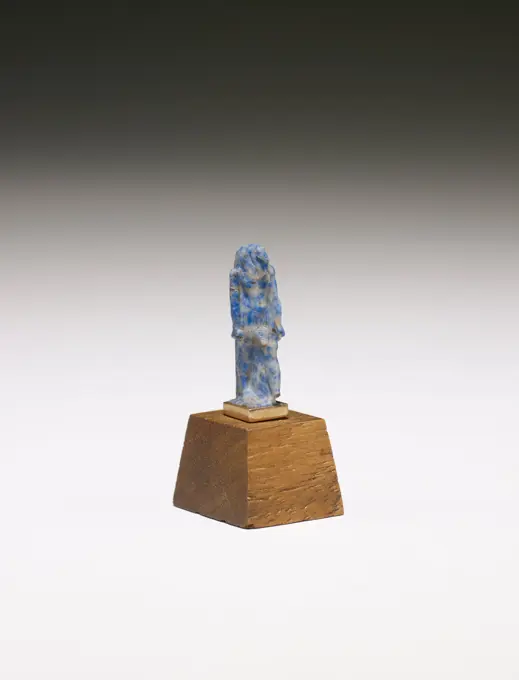
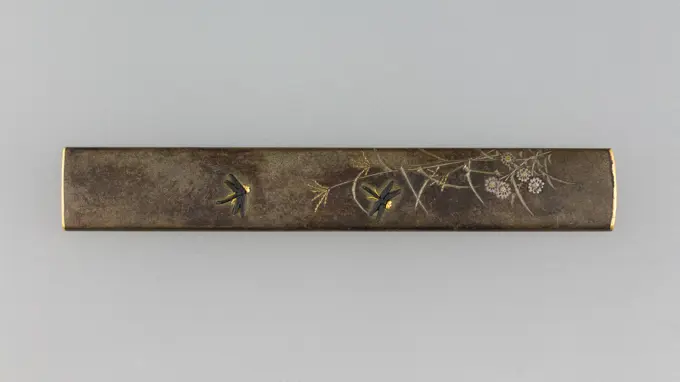
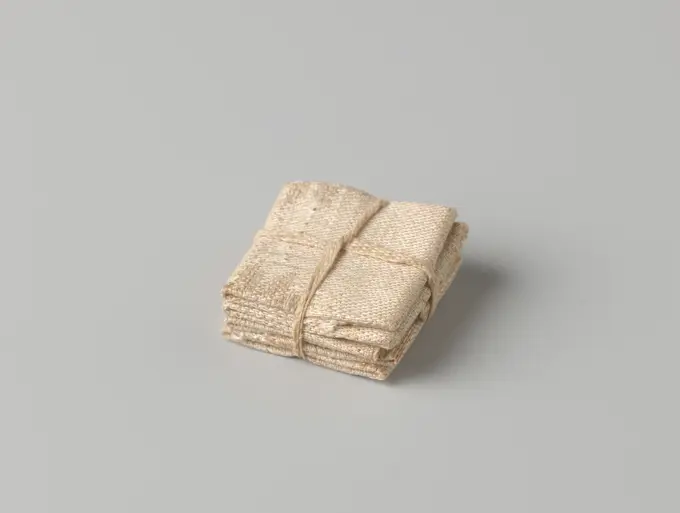
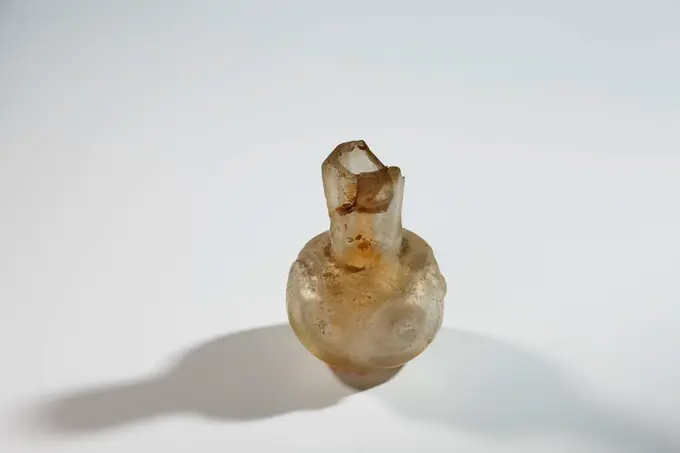
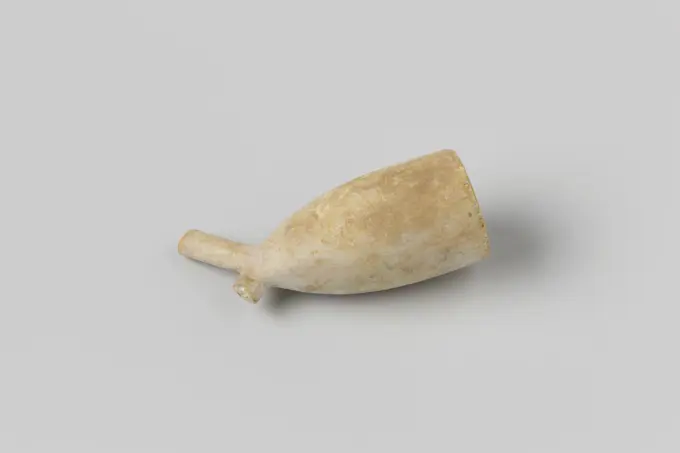
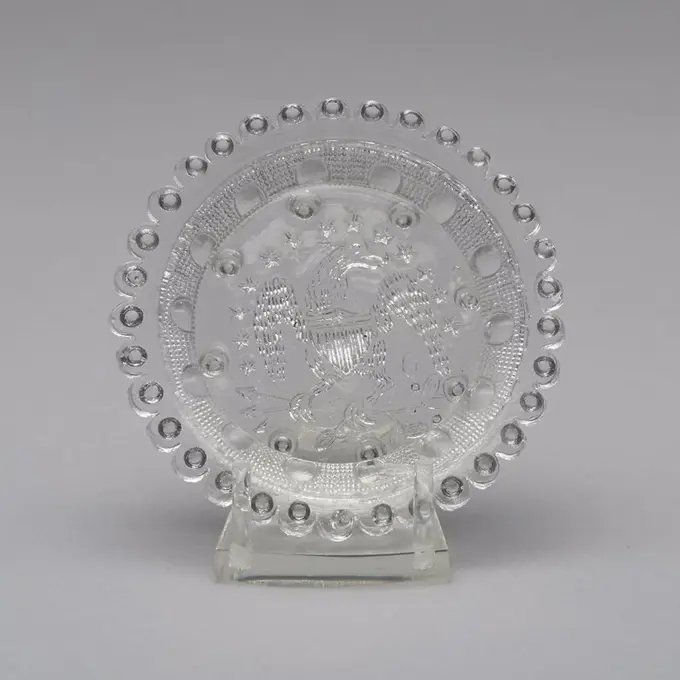
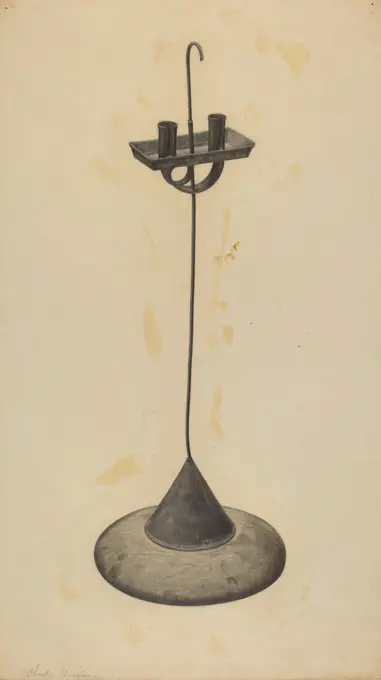
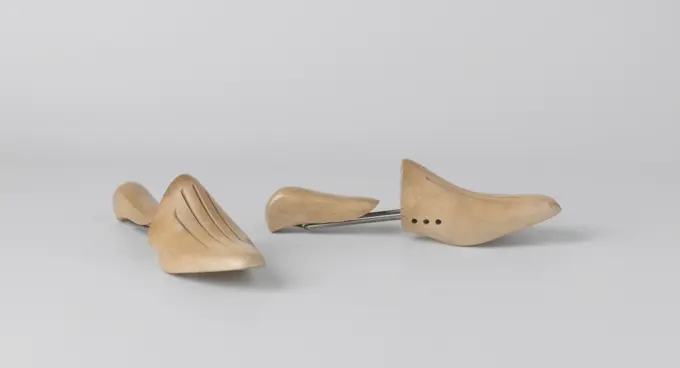
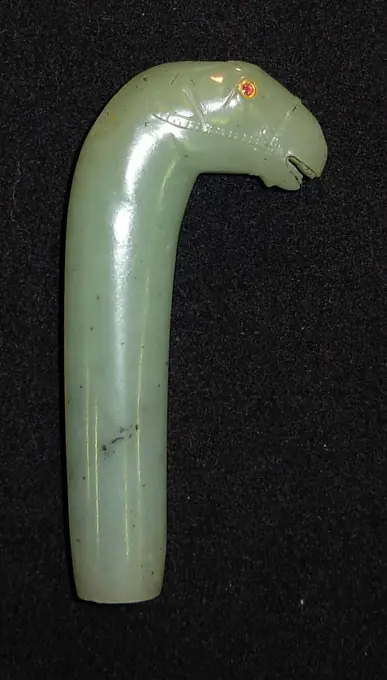
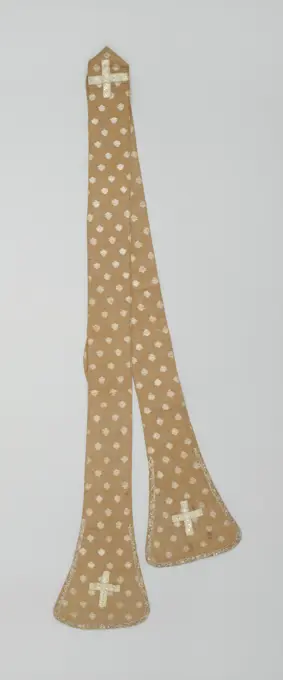
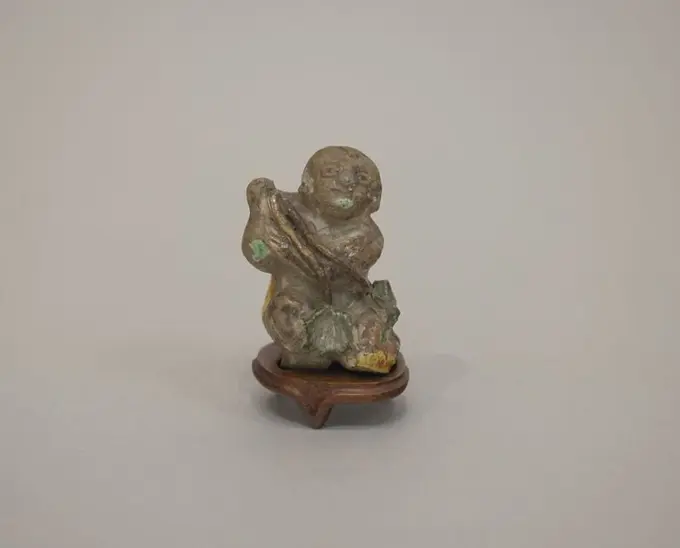
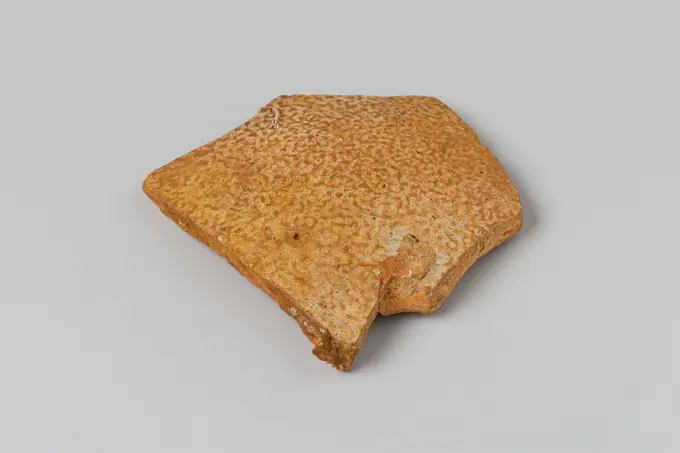
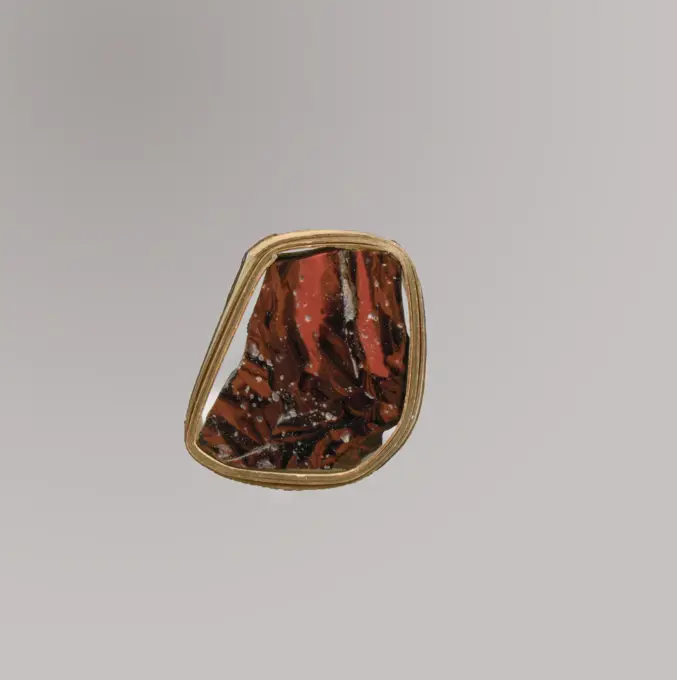
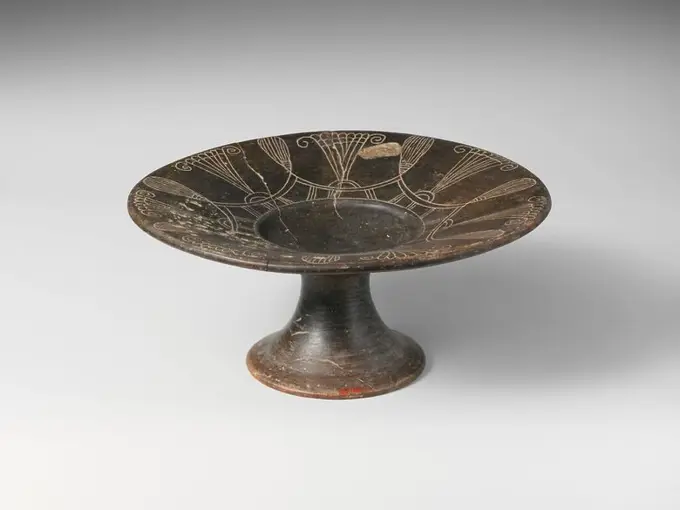
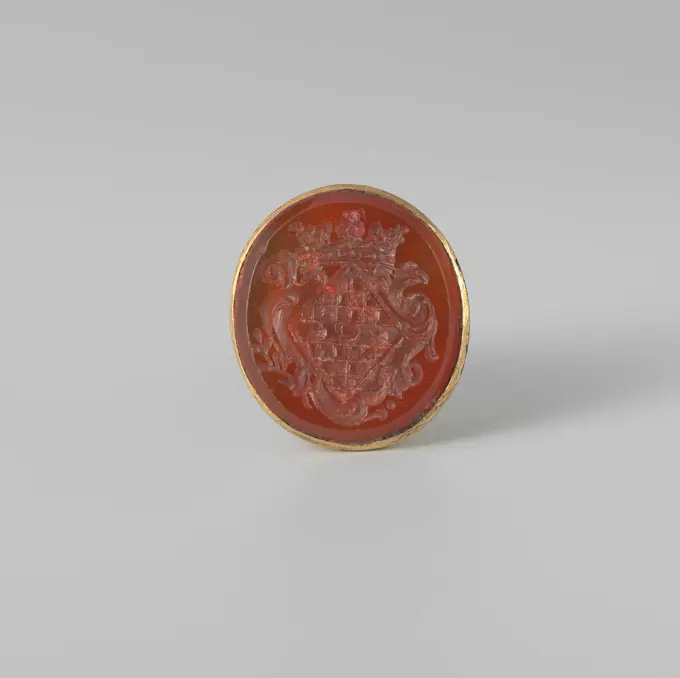
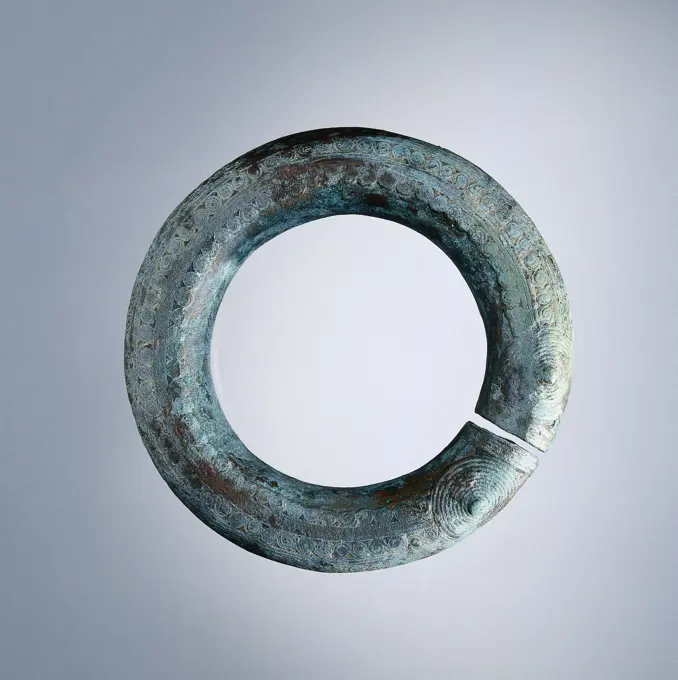
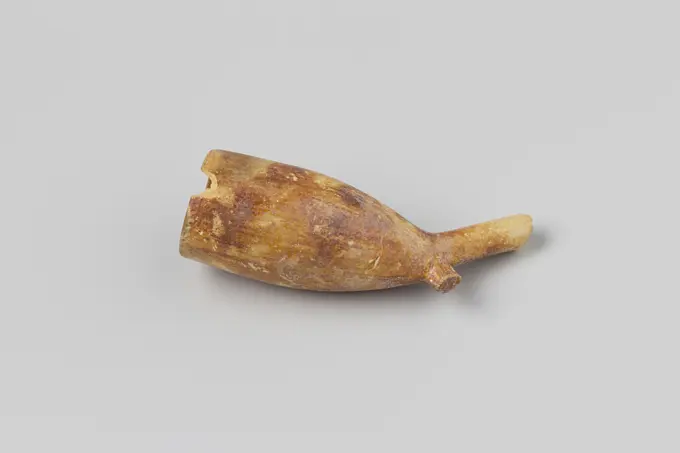
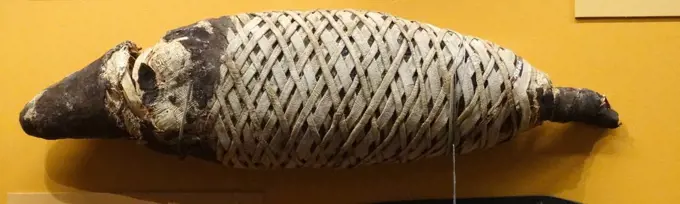
Gold earring with winged Eros 3rd2nd century B.C. Greek. Gold earring with winged Eros 242956Textile (France); cotton; Warp x Weft (a): 62 × 82 cm (24 7/16 × 32 5/16 in.) Warp x Weft (b): 21 × 97 cm (8 1/4 × 38 3/16 in.) Warp x Weft (c): 52.5 × 9 cm (20 11/16 × 3 9/16 in.); Bequest of Elinor Merrell; 1995-50-278-a,b,cCodpiece German ca. 1550 View more. Codpiece. German. ca. 1550. Steel. Armor Parts-BrayettesFragment of a multicolored brochure ,, 1735 - 1760 A fragment of a silk tissue. Bouquets in gray with two yellow flowers and a vase surrounded by gray leaves on a gray -blue soil. NOTE: MEERSHIP; 0.7 cm Effenbinding 2 colors. France (possibly) silk A fragment of a silk tissue. Bouquets in gray with two yellow flowers and a vase surrounded by gray leaves on a gray -blue soil. NOTE: MEERSHIP; 0.7 cm Effenbinding 2 colors. France (possibly) silkTassel (Italy); linenKnife Handle (Kozuka) 18th century Japanese A kozuka is a handle of a by-knife that is part of a sword mounting. It is kept in a slot on the reverse of a katana scabbard, often with a matching kōgai (hairdressing tool).. Knife Handle (Kozuka) 29734Twelveforks.   Maker: Harris and Wilcox, active ca. 1846 - 1853Amulet - CrocodileTin Candle Sconce. Dated: c. 1937. Dimensions: overall: 35.7 x 24.4 cm (14 1/16 x 9 5/8 in.) Original IAD Object: 13", approximately. Medium: watercolor, gouache, colored pencil, and graphite on paper. Museum: National Gallery of Art, Washington DC. Author: Majel G. Claflin.Stirrup. Culture: West Slavic. Dimensions: H. 5 in. (12.7 cm); W. 4 3/8 in. (11.1 cm); D. 3/4 in. (1.9 cm); Wt. 2.2 oz. (62.4 g). Date: 10th-11th century.Horses had great importance in Slavic society, in both its social and religious aspects. Equestrian equipment, like stirrups, spurs and bits, are regularly found in their burials, even after their Christianization, among the goods warriors wanted to bring with them to the afterlife. The elite would sometimes even be accompanied by sacrificed horses, a meaningful practice at that time, considering the high economic value of horses. Museum: Metropolitan Museum of Art, New York, USA.Fragment multicolored brochure, anonymous, 1700 - 1750 Fragment silk tissue. A dark green soil has a pattern with white side garlands and multicolored flower branches. France (possibly) silk Fragment silk tissue. A dark green soil has a pattern with white side garlands and multicolored flower branches. France (possibly) silkPiece of granite stone against beige background with shadowsPipette with bubbles on a white background. Test or cosmetic product.Stirrup ca. 1700 German Each branch of this stirrup is pierced with vegetal and geometrical designs, as well as with an imperial double-headed eagle. This kind of pierced decoration is typical of the equestrian material produced in eastern German regions in the 16th and 17th centuries. The swivel suspension eye allowed the stirrup leather to stay flat against the horses flank when the stirrup is in use, but it is more fragile than regular non-rotating systems.. Stirrup. German. ca. 1700. Iron, tin. Equestrian Equipment-StirrupsGoldweight Four Birds on a Perch, 19th-20th century, 1 7/16 x 3/4 x 5/8 in. (3.65 x 1.91 x 1.59 cm), Brass, Ghana, 19th-20th centuryFigure of Thoth, 1567-1085 BCE, 7/8 x 3/8 x 1/4 in. (2.2 x 1 x 0.6 cm), Lapis lazuli, gold setting at base, Egypt, 16th-11th century BCELambrequin;  early xxw (1900-00-00-1910-00-00);Small bottle. unknown, craftsmanBaluster. Culture: British. Dimensions: Height: 29 1/4 in. (74.3 cm). Date: late 17th-early 18th century. Museum: Metropolitan Museum of Art, New York, USA.Halloween background with copy space, vintage filter image"In This You'll Find a Match" Matchsafe; USA; cast and engraved silver; 7.8 x 3.7 x 3 cm (3 1/16 x 1 7/16 x 1 3/16 in. )Knife Handle (Kozuka) 1789-1876 Japanese A kozuka is a handle of a by-knife that is part of a sword mounting. It is kept in a slot on the reverse of a katana scabbard, often with a matching kōgai (hairdressing tool).. Knife Handle (Kozuka) 29793PISTOLA DE RUEDA 1610 FABRICADA EN NUREMBERG. Location: PRIVATE COLLECTION. MADRID. SPANIEN.Lookingglass. Retailer: James Stokes, American, 1755-1831Pile of four canvases, tied together with tape. A pile of three folded linen and linen tie coated with linen with damask pattern.Auguste Rodin, Right Hand, possibly 1880 Right HandFragment 19th century China. Fragment 40613A pair of pistols with a circular lock unknown scruxFossil of nautilus on white background Copyright: xAnilxDave/DinodiaxPhotoxSmall bottle. unknown, craftsmanUS dollar currency. USD inflation, US moneyNapkin van Linen with peel pattern ,, 1740 - 1786 White linen napkin with peel pattern, Brand Kroon IAVG 36 Northern Netherlands (Possible) linen (material) White linen napkin with peel pattern, Brand Kroon IAVG 36 Northern Netherlands (Possible) linen (material)Compass and pen over old grunge paperA porcupine spinePen Box. Dimensions: H.2 5/8 in. (6.7 cm)W. 2 1/4 in. (5.7 cm)L. 11 1/8 in. (28.3 cm). Date: late 13th-early 14th century. Museum: Metropolitan Museum of Art, New York, USA.feather pen .  feather pen on  old paper with  copy spacePijpenkop from the wreck of the East Indians Hollandia, Anonymous, 1700 - in Or Before 1743  Pipe, bowl, heelmark: crowned 91; 1hsm1. Netherlands pipe clay   SecondLambrizing, part of a paneling, furniture house Legrand, 1900 - 1905 Lambrizing, part of a paneling, of nuts and rosewood and various other types of wood. Netherlands walnut (hardwood). rosewood (wood). linden. oak (wood) Lambrizing, part of a paneling, of nuts and rosewood and various other types of wood. Netherlands walnut (hardwood). rosewood (wood). linden. oak (wood)Stalówka Henryk Siemiradzki From rue & CosPanel, 20th century, 182 1/16 x 45 3/4 in. (462.44 x 116.21 cm), Silk; dyed, India, 20th centuryCup plate. American; Pittsburgh, Pennsylvania. Date: 1825-1835. Dimensions: Diam. 7.6 cm (3 in.). Pressed glass. Origin: Pittsburgh. Museum: The Chicago Art Institute, Chicago, USA.Charles Garjian, Candlestand, c 1938 CandlestandPiece 19th century Japan. Piece 72137metal    gray  morocco in    africa the old wood  facade home and rusty safe padlock Schoenspanner, anonymous, c. 1930 - c. 1970 Left shoe tensioner made of wood with metal bracket, size 37. belonging to open shoe made of dark blue suede decorated with red crocodile leather with buckle closure. West-Europa whole: Wood (plant material). whole: Metal Left shoe tensioner made of wood with metal bracket, size 37. belonging to open shoe made of dark blue suede decorated with red crocodile leather with buckle closure. West-Europa whole: Wood (plant material). whole: MetalVinta' fishing boat from Philippines, circa 1940Spiral Column Shaft first half 13th century Italo-Byzantine. Spiral Column Shaft 468306Knife Hilt with Horse-Head Pommel 1701-1800 India. Jade, gold, and rubies inset in the kundan technique .Blue fabric building with two heart -shaped applications in silver wire with lovers, c. 1800 - c. 1825 Blue tissue building with two heart -shaped applications in silver wire with lovers. Netherlands textile materials. silver thread sewing / embroidering Blue tissue building with two heart -shaped applications in silver wire with lovers. Netherlands textile materials. silver thread sewing / embroideringButterknife.   Maker: Albert Coles & Company, active ca. 1835-75Retailer: William F. Ladd, American, active ca. 1829-66Scent flask and cap, Glass, Flattened ovoid body cut on each side with central panel of diamonds, rayed fluting either side, cut around the side with 2 rows of ridged printies, threaded neck, stopper; silver cap., Ireland, ca. 1800, glasswares, Decorative Arts, Scent flask and capStole unknownRing' metal hip-replacement. Dated 2014Figure. Culture: China. Dimensions: H. 2 in. (5.1 cm); W. 1 1/2 in. (3.8 cm); D. 1 1/4 in. (3.2 cm). Museum: Metropolitan Museum of Art, New York, USA.Obi with Textile Fragments. Culture: Japan. Dimensions: 122 1/2 x 12 1/2 in. (311.15 x 31.75 cm). Date: second half of the 19th century. Museum: Metropolitan Museum of Art, New York, USA.Door handle of old car deep military green color Door handle of old car deep military green color close-up view Copyright: xZoonar.com/DmitryxShabanovx 10745979PUME WITH A STORS;  XVII century (1601-00-00-1700-00-00);Shard of one can be from the wreck of the East India Hollandia.Stoneware, Rhenish, Frechen-Ware, Jug; Fragm or body.Tiles in "arista technique". 15th century. Toledo. Sephardic Museum. Toledo. Castile-La Mancha. Spain.Pijpenkop from the wreck of the East Indians Hollandia, Anonymous, 1700 - in Or Before 1743  Pipe, bowl, heelmark: crowned 91; 1hsm1. Netherlands pipe clay   SecondRubbing Stone. Dimensions: l. 3-9.5 cm (1 3/16-3 3/4 in). Dynasty: Dynasty 18. Reign: Joint reign of Hatshepsut and Thutmose III. Date: ca. 1479-1458 B.C.. Museum: Metropolitan Museum of Art, New York, USA.Glass mosaic inlay fragment late 1st century B.C.-early 1st century A.D. Roman Uncertain color, appearing black, and opaque brick red.Flat panel, but with uneven underside with irregular indents.Marbled mosaic pattern in a black ground with many red threads and swirls.Polished upper side; pitting of surface bubbles on upper side; dulling and creamy weathering on underside and two jagged edges.Uncertain color, appearing black, and opaque brick red.. Glass mosaic inlay fragment. Roman. late 1st century B.C.-early 1st century A.D.. Glass; cast. Early Imperial. GlassSummer resort and vacation. Wooden planks of sidewalk on a sandy beach sea coast.Lambis lambis shell from the wreck of the Dutch East India ship Witte Leeuw, before 1613  Shell from V.O.C. ship the 'Witte Leeuw'. One of five shells.  .   Sint-HelenaAnimal Ornament 6th-7th century Moche (Loma Negra). Animal Ornament 315209Sword - Manufacture Royale de Klingenthal Manufacture Royale de KlingenthalBell late 16th century European. Bell. European. late 16th century. Copper alloy, iron. Metalwork-Copper alloyVase. Gallé, Emile (1846-1904), glassmaking companyTextile Fragment 5th century. Textile Fragment 443673Silver drinking horn. 6th-5th cent. B.C. Trebeniste. Illyrian. Serbia.Powder Horn. Culture: American. Dimensions: L. 11 in. (27.9 cm); Diam. 2 3/4 in. (7 cm); Wt. 9.2 oz. (260.8 g). Date: 18th century. Museum: Metropolitan Museum of Art, New York, USA.pendant in the shape of a skull, marble, Ibero-Roman era, Riotinto mines, Huelva Museum, Huelva, Andalusia, Spain.Wall Facing (Netherlands); tin-glazed earthenware, underglaze; 5 tiles tall, various wideThree Scribe's Brushes ca. 1981-1640 B.C. Middle Kingdom. Three Scribe's Brushes 577325False coin, crown shilIIng, John II Casimir (1649 1668)Schwarze Keramikvase auf schwarzem Holztisch Schwarze Keramikvase auf schwarzem Holztisch LicenseRF Copyright: xZoonar.com/NATASHAxBREENx 23308906Pipe bowl, white baking clay, pipe head soil found ceramic pipe earth h 3.5 (approx.) Pressed in mold pressed through pierced Pipes heads of whitewashing clay different size and age various specimens have heel marks or markings on the boiler archeology Rotterdam City center Stadsdriehoek Oudehaven indigenous pottery smoking tobacco room archaeological find in the soil Oude Haven Rotterdam 1980.Embossed sun dailThree Scribe's Brushes. Dimensions: L. 33 cm (13 in). Dynasty: Dynasty 12-13. Date: ca. 1981-1640 B.C.. Museum: Metropolitan Museum of Art, New York, USA.Malaysia, Borneo, Padawan House, Wooden Sugar Cane PressKnife (Blade: England); Manufactured by Mortimer & Hunt; wood, steel; L x W: 19.7 x 2.3 cm (7 3/4 x 7/8 in.); The Robert L. Metzenberg Collection, gift of Eleanor L. Metzenberg; 1985-103-51Frontlet of gold leaf. Frontlet of gold leaf. Gold. Gold and SilverTerracotta stemmed plate. Culture: Capenate. Dimensions: H. 3 5/16 in. (8.4 cm)diameter 7 1/2 in. (19 cm). Date: ca. 625-600 B.C..These two plates (grouped with separable object, 23.130.10), elegantly incised with variations of a lotus and palmette frieze, are the only certain examples in the Museum's collection made by an Italic people called the Capenates. This small ethnic group, speaking a dialect related to Sabine, lived in a region of Central Italy between the Etruscans and the Faliscans. Their major city, Capena, was conquered by the Romans in 395 B.C. Museum: Metropolitan Museum of Art, New York, USA.Cachet with the female weapon Clifford. Vase-shaped cachet (breloque) of gold. The stamp stone of Agate has the diamond-shaped weapon Clifford.Armband, anonymous, -600 - -100 Bracelet in the form of a hose with two heads against each other. Ban Chiang bronze (metal) Bracelet in the form of a hose with two heads against each other. Ban Chiang bronze (metal)Ancient battle axe on the stone background white wall. With clipping pathDustpanHIBERNACULO RECIPIENTE PARA AUSENTARSE - 1993 -MADERA - 150x70x70. Author: JORGE BARBI. Location: PRIVATE COLLECTION. Coruña. SPAIN.Sword knife hilt, anonymous, 1500 - 1900 Decoration with engraved figures; Presentation not entirely clear; signed. Japan . Decoration with engraved figures; Presentation not entirely clear; signed. Japan .Fragment ca. 1150-ca. 1250 European or Middle Eastern. Fragment 695306Metal kitchen knife on a dark textured concrete background. Cutlery, preparation for dinnerBaluster first half 18th century British. Baluster. British. first half 18th century. Deal. WoodworkTassel 17th century Italian. Tassel. Italian. 17th century. Linen. Textiles-TrimmingsPijpenkop from the wreck of the East India Hollandia.Pipe, Bowl, Healmar: Crowned 47; 2HSM1.2.Mummified crocodile from Egypt. Dated 2493 BCHair Ornament China. Hair Ornament. China. Gilt silver. Tang dynasty (618-907). JewelryWhite sea sand with starfish and seashells. Top view with copy space. Summer beach. Sea summer vacation background. Sea sand with starfish and seashellsOriginal parts of the bow of a Viking ship. Detail of the final part. Wood. Viking Ship Museum. Oslo. Norway.Fibula 9th-8th century B.C. Italic, Villanovan. Fibula 256023