Historical Tools and Utensils

An array of historical artifacts including a stylus, executioner's sword, sculpted oak style, and a traditional Japanese brush, showcasing craftsmanship from different eras.
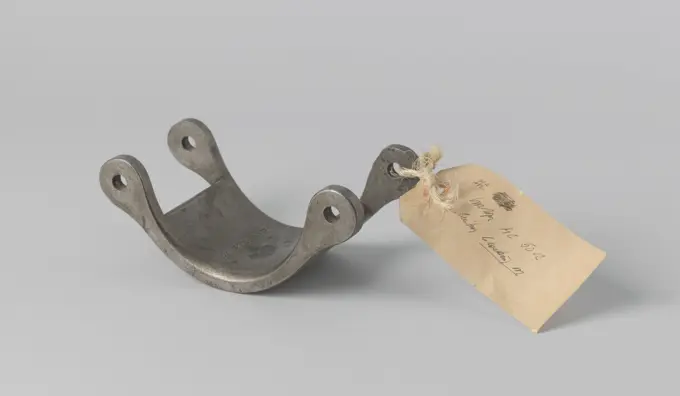
Broekeking, Anonymous, 1850 - 1900 fastening Iron, smooth brush with four eyes with which it can be attached to a mast or pump to prevent the penetration of leakage water. unknown iron (metal)
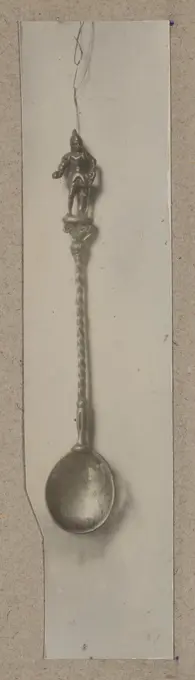
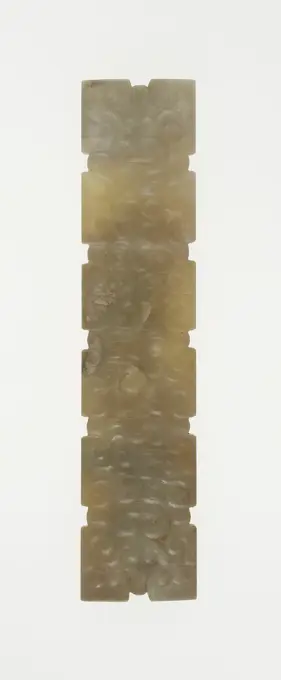
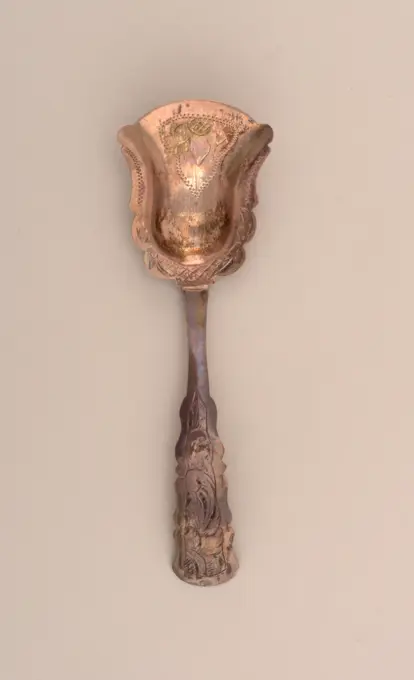
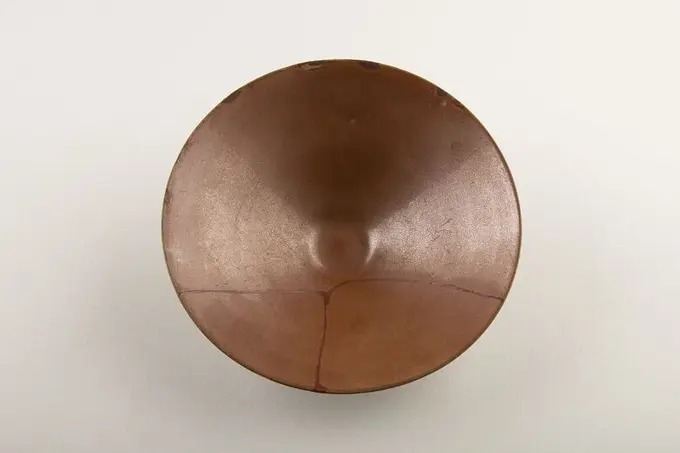
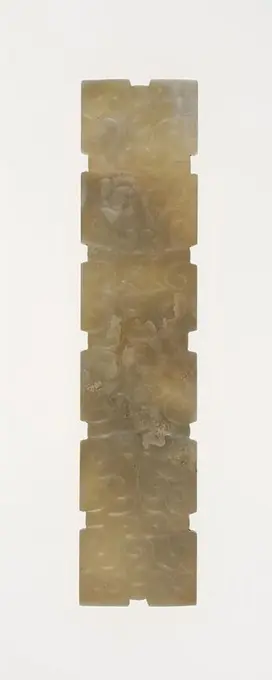
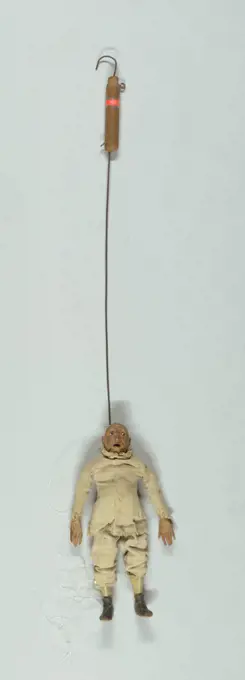
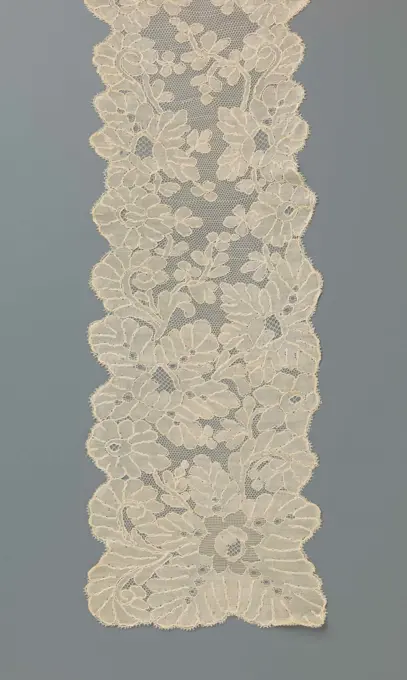
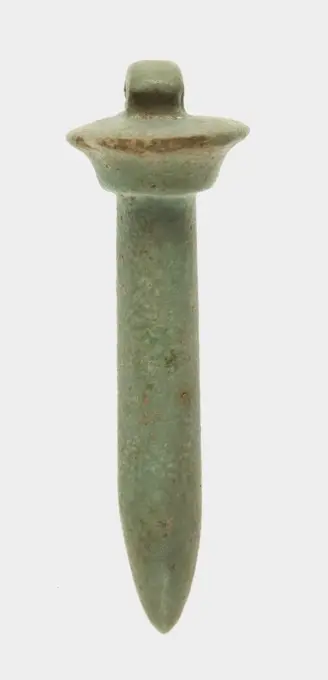
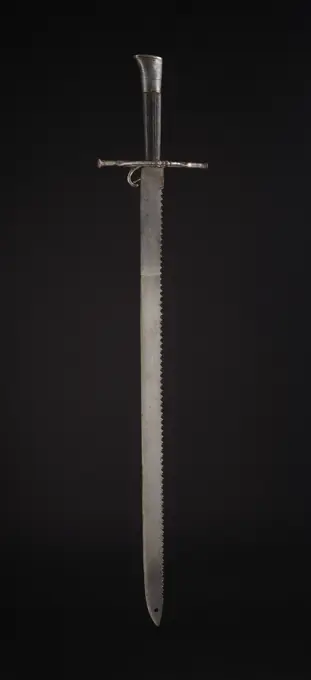
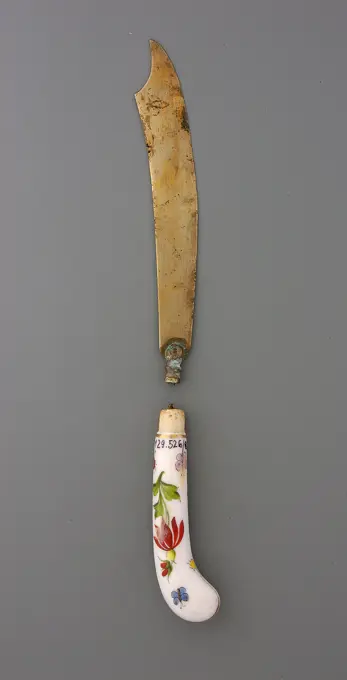
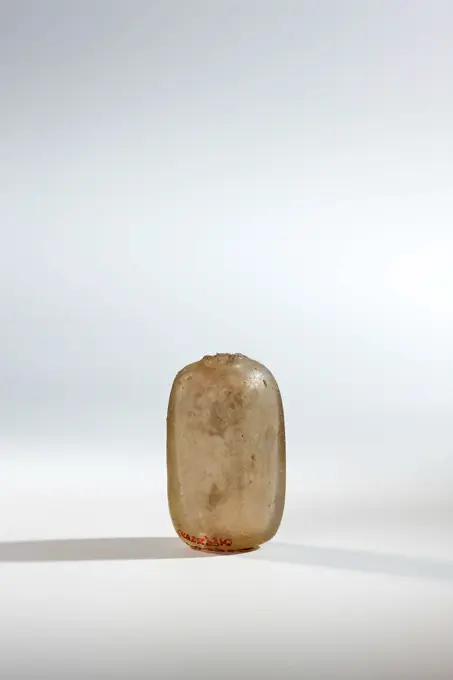
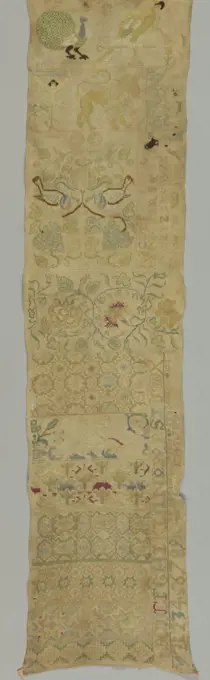
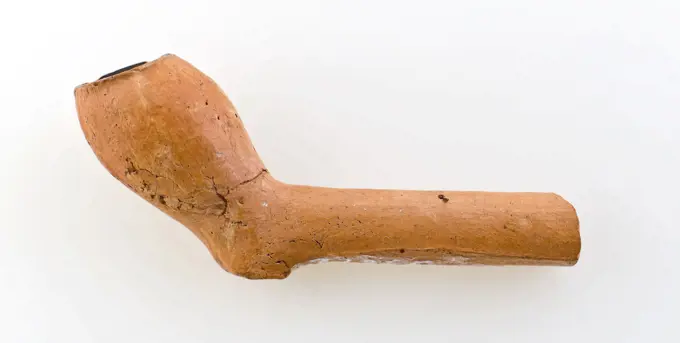
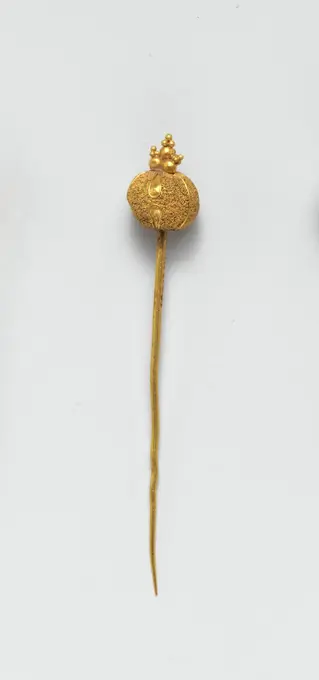
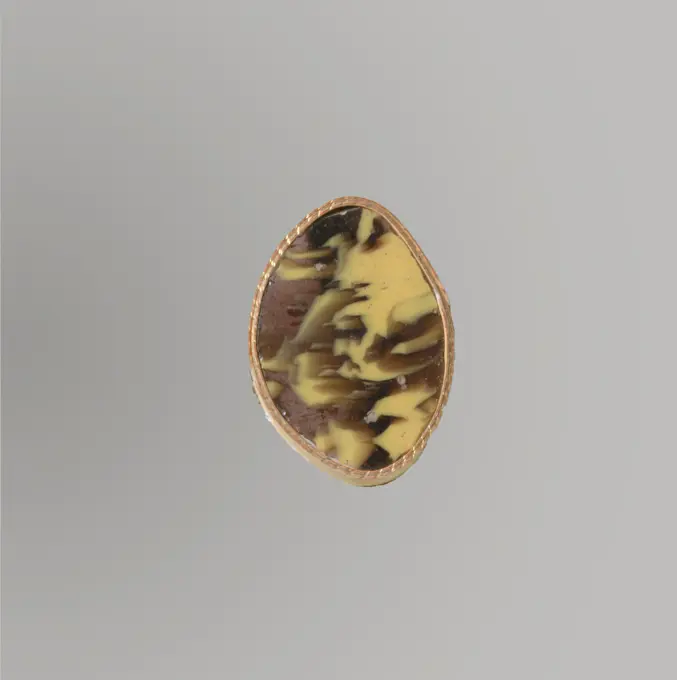
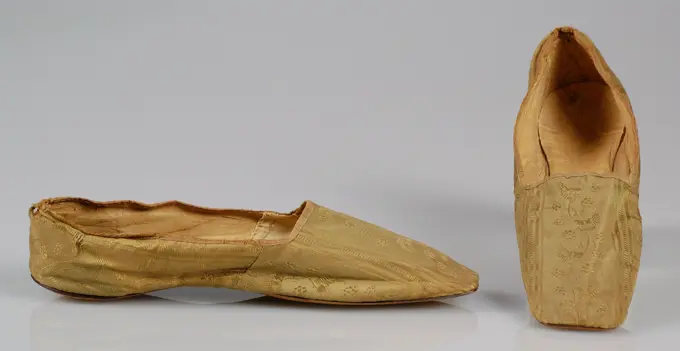
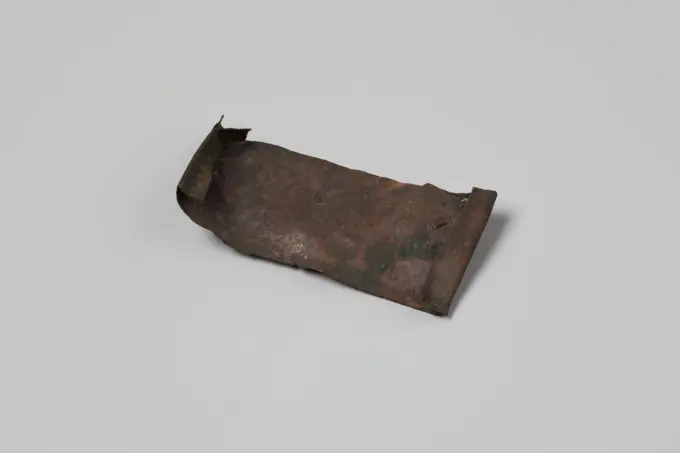
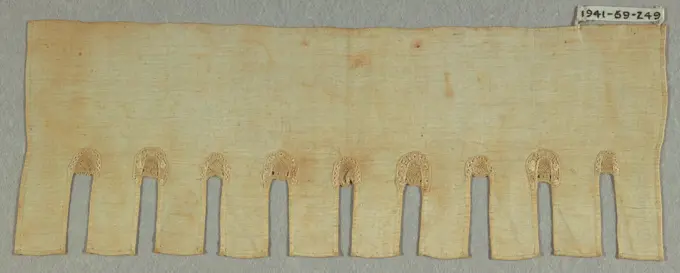
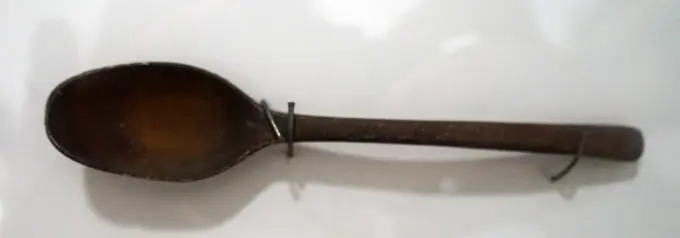
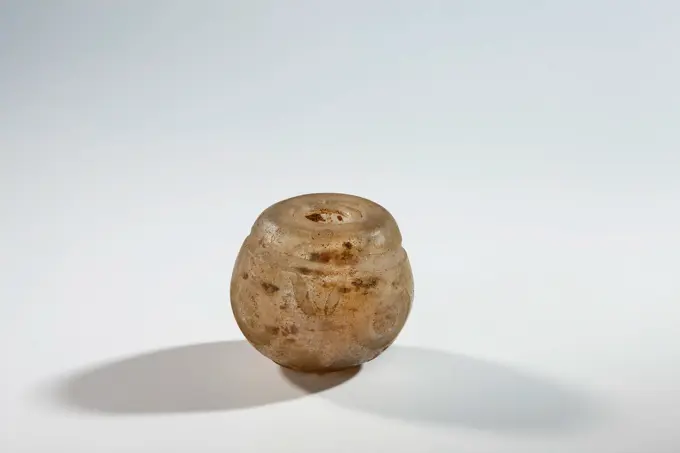
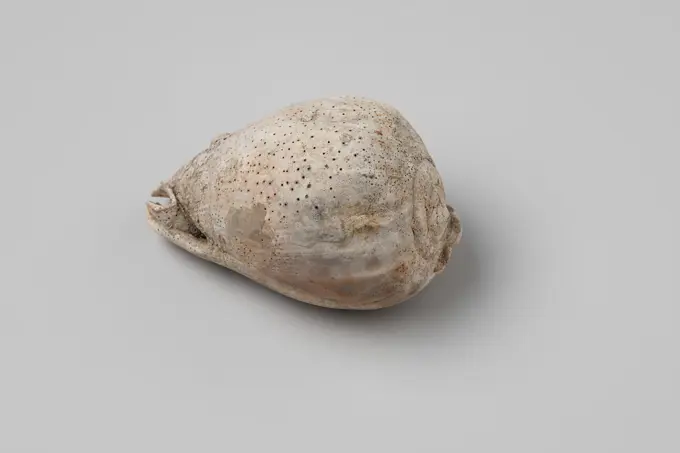
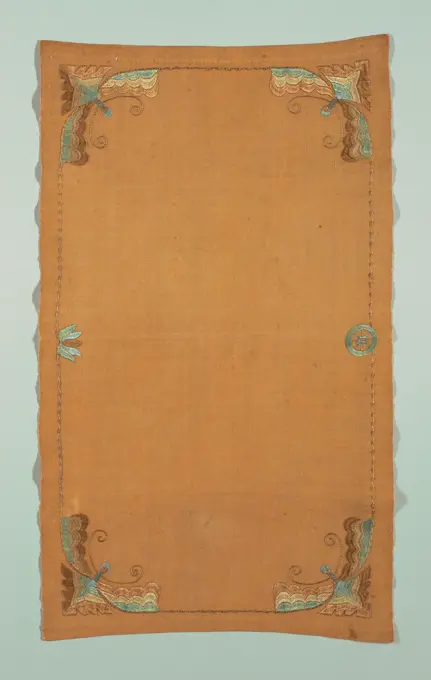
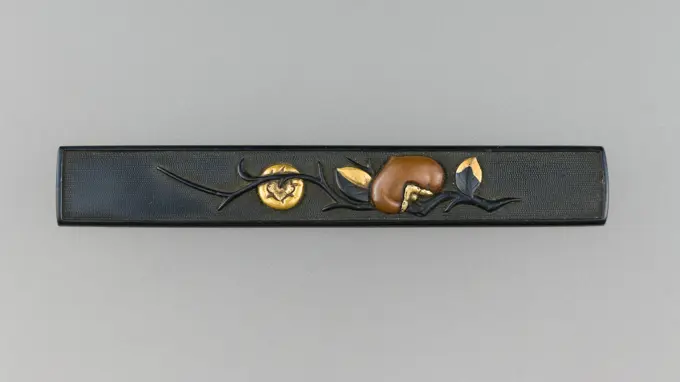
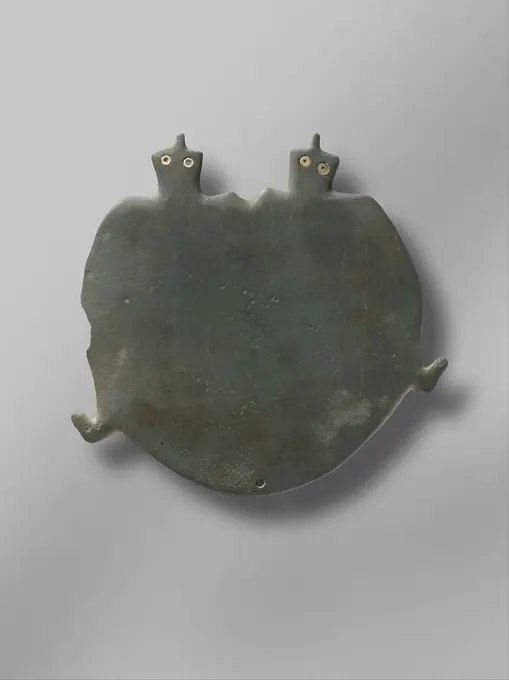
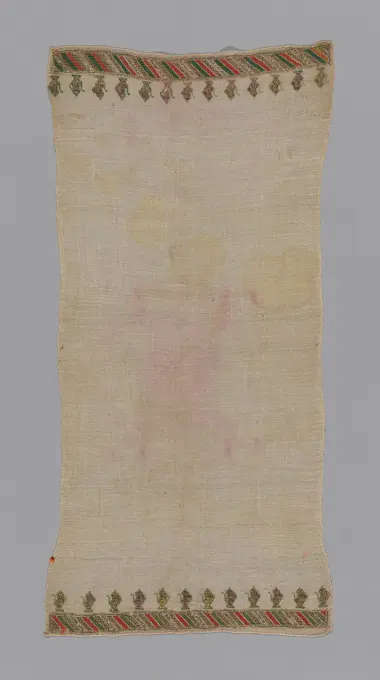
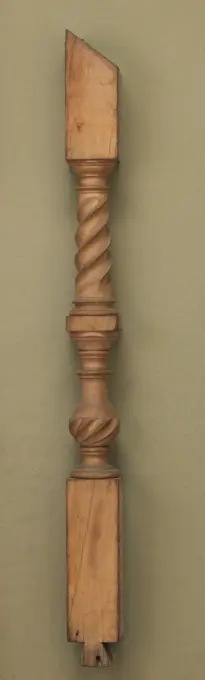
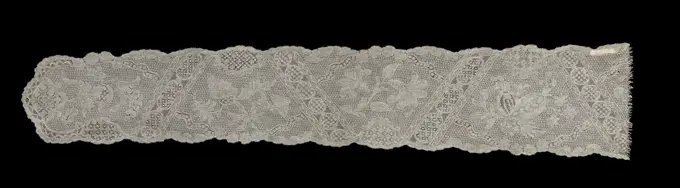
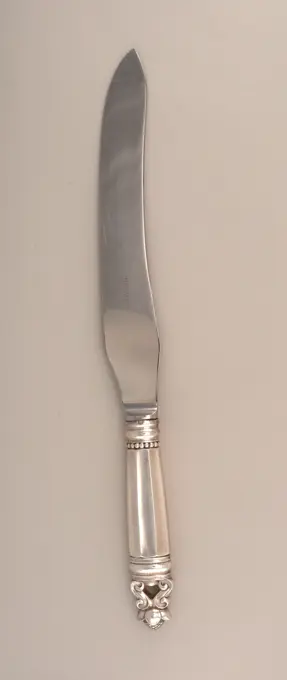
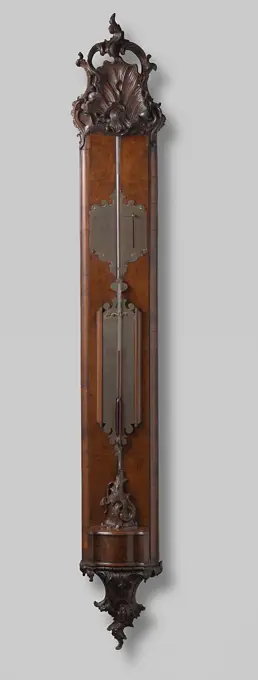
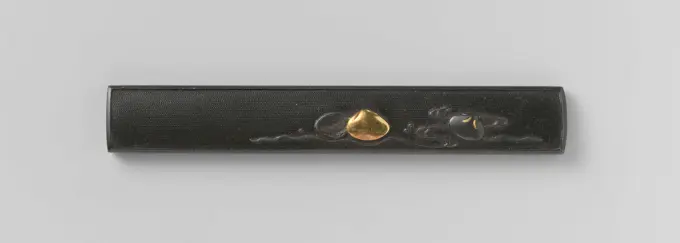
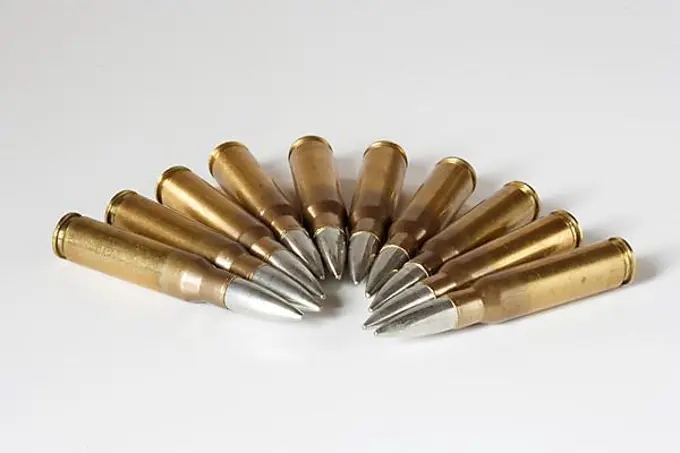
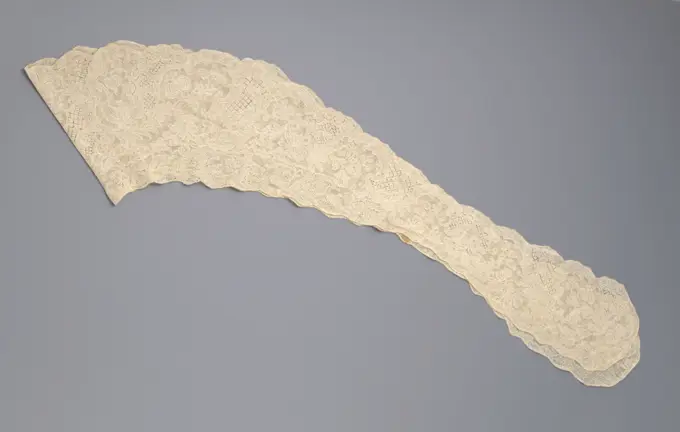
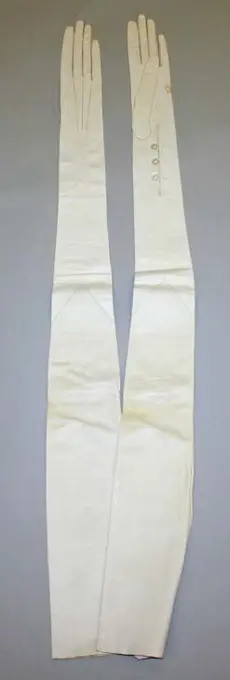
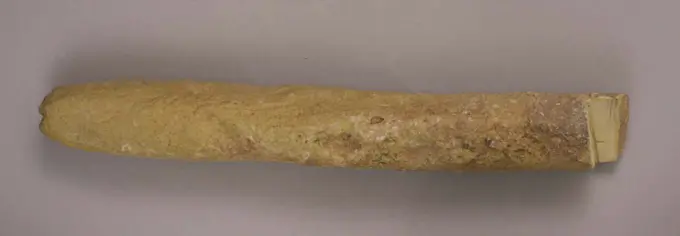
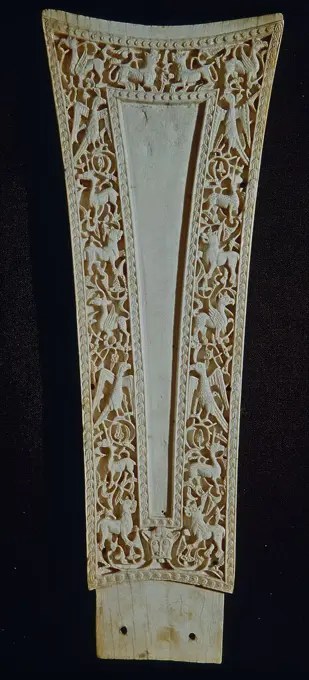
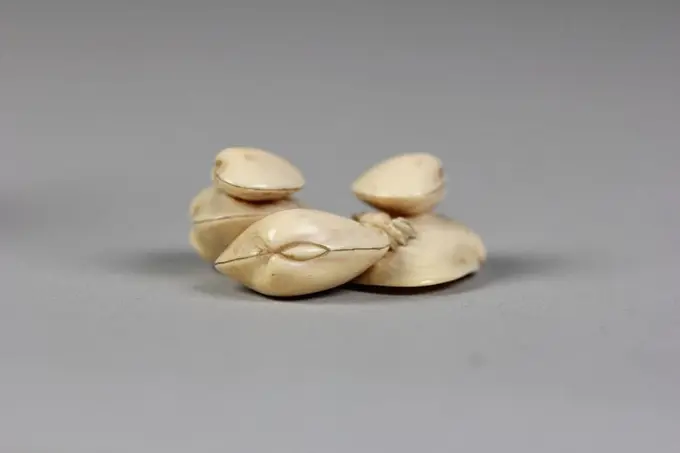
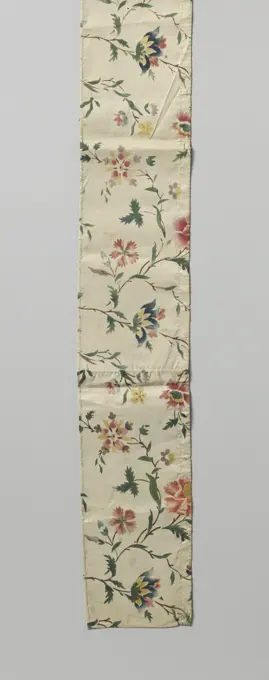
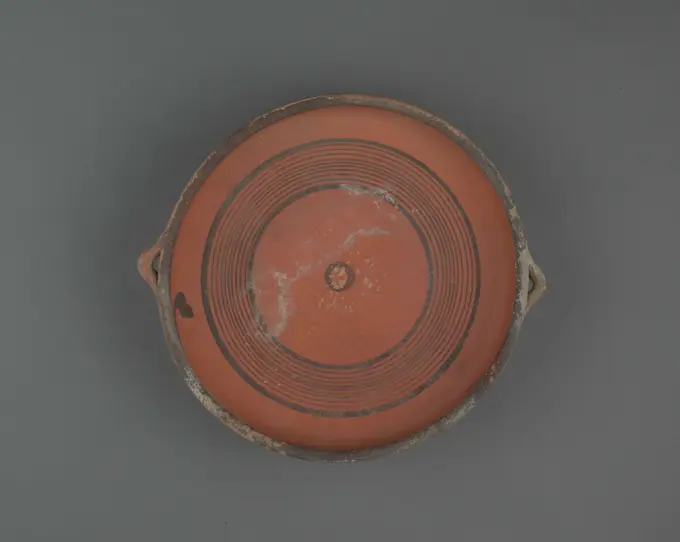
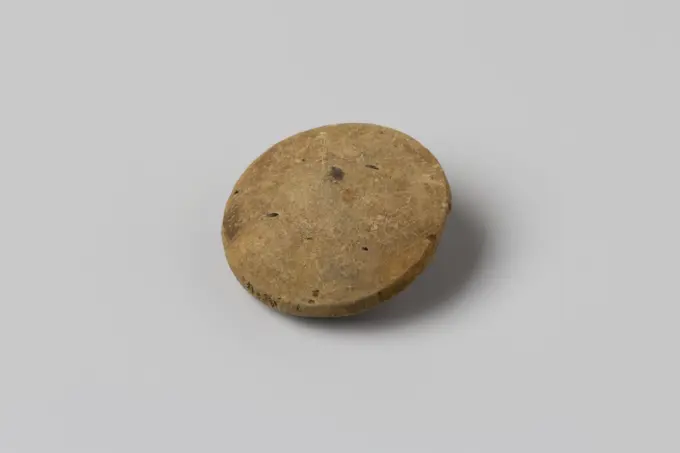
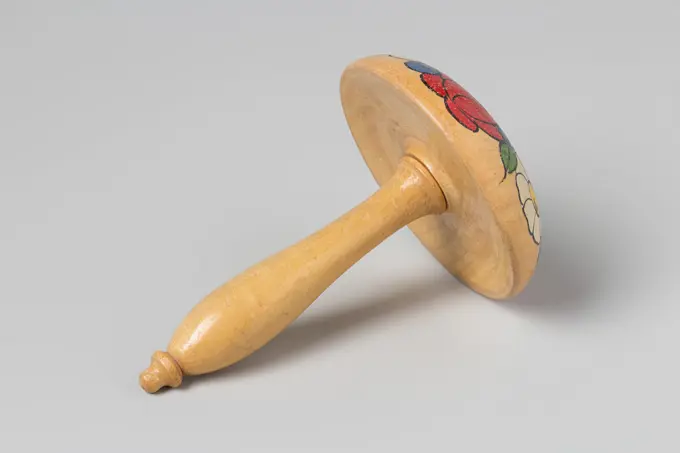
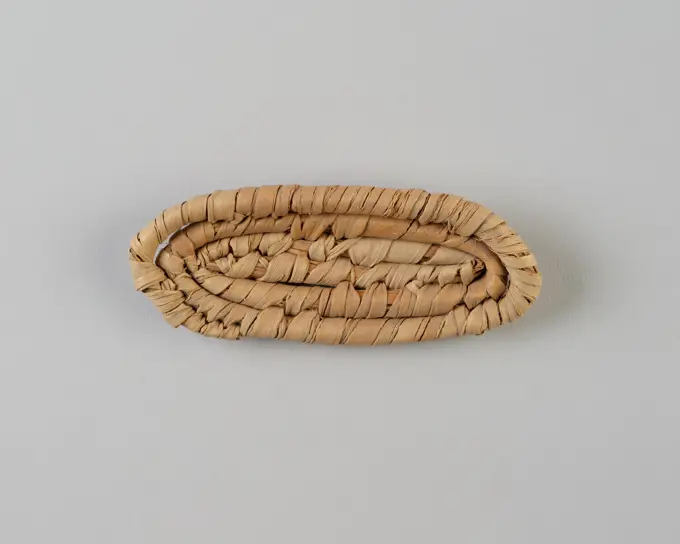
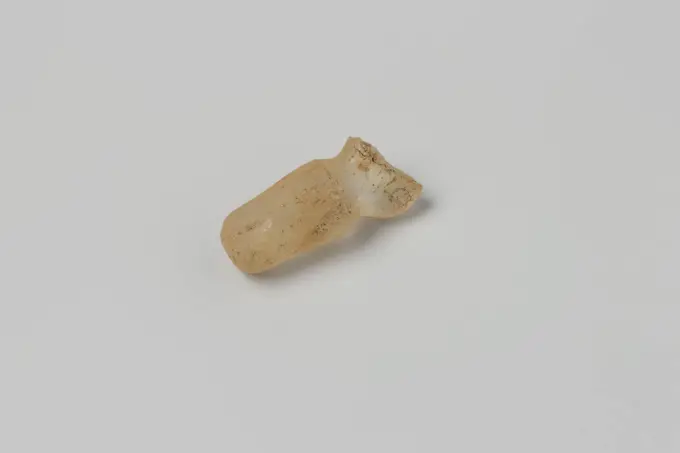
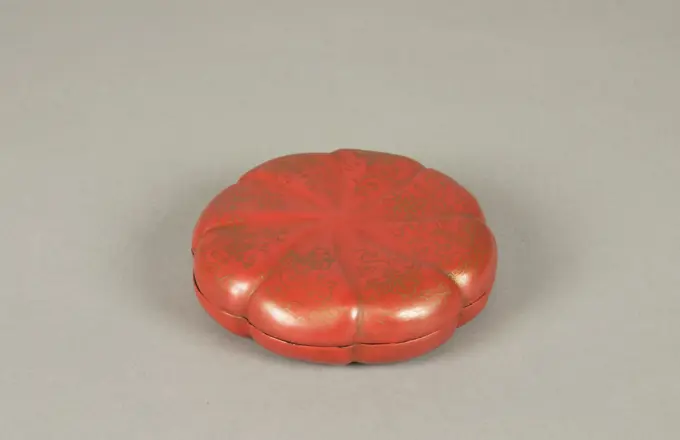
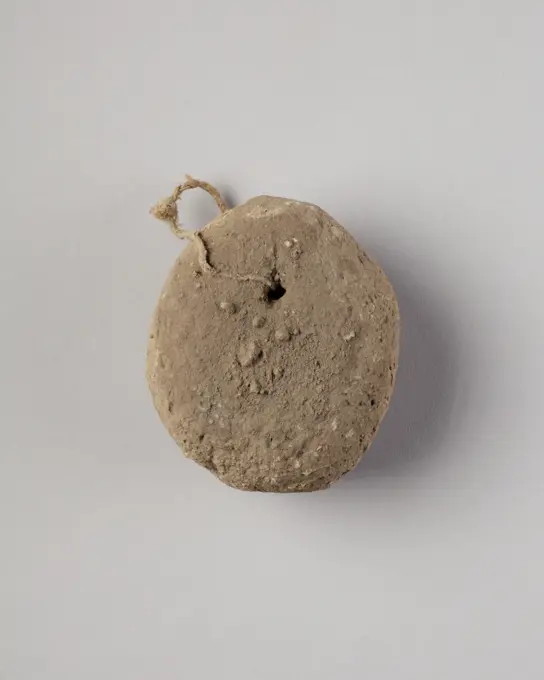
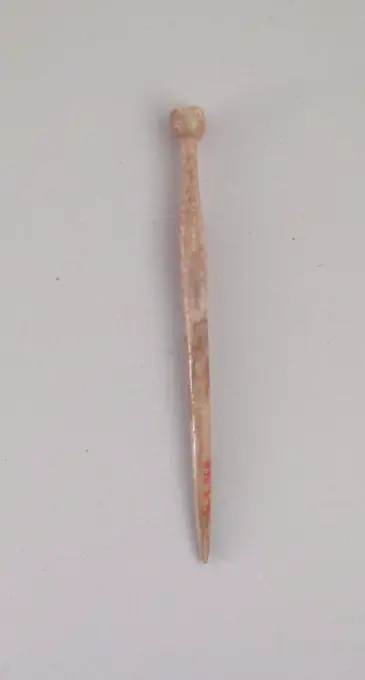
Stylus. Stylus. Ivory or boneExecutioners swords of the Court of Holland, anonymous, c. 1500 - c. 1599 executioner's sword Beulszwaard with leather hilt, sharp cutting part on both sides, at the top button, under hilt protrusions. Coming from the Court of Appeal, The Hague. Northern Netherlands iron (metal). leather forging / striking (metalworking)  The HagueSculpted style of oak, from the so -called house of Alva, Warmoestraat in Amsterdam, Anonymous, c. 1500 - c. 1699 Carryed oak style without finish from the so -called Huis van Alva, Warmoestraat in Amsterdam. In total there are two consoles, three wide and three narrow styles (BK-KOG-755-A to G). See also BK-KOG-754-1 to 7, these are 6 painted styles that come from the same house. Northern Netherlands (possibly) wood (plant material). oak (wood) Carryed oak style without finish from the so -called Huis van Alva, Warmoestraat in Amsterdam. In total there are two consoles, three wide and three narrow styles (BK-KOG-755-A to G). See also BK-KOG-754-1 to 7, these are 6 painted styles that come from the same house. Northern Netherlands (possibly) wood (plant material). oak (wood)Szpila do włosów. unknown, craftsmanBrush 19th century Shibata Zeshin Japanese. Brush 57295Silver with an image of a knight on the stem in the collections of the National Museum in Warsaw - a general view in the front;  around 1920-1922 (1918-00-00-1922-00-00);Bottle. unknown, craftsmanBroekeking, Anonymous, 1850 - 1900 fastening Iron, smooth brush with four eyes with which it can be attached to a mast or pump to prevent the penetration of leakage water. unknown iron (metal)Apostle Spoon ca. 1470-90 British. Apostle Spoon. British. ca. 1470-90. Silver, partial gilt. Made in London, England. Metalwork-SilverHorse blinker ca. 9th-8th century B.C. Assyrian. Horse blinker 325573Collar van Mouwvest, Anonymous, 1830 - 1831  Collar van Vilt belonging to the sleeve vest. The edges of the collar are of leather. Netherlands leather. felt (textile)   NetherlandsWhite clay pipe, unnoticed, with smooth handle and stylized Tudor rose on the kettle, clay pipe smoking equipment smoke floor pottery ceramics pottery, pressed finished baked White clay pipe unnoticed with smooth handle and stylized Tudor rose on kettle Rose consists of circle of dots around center point and is very rudimentary and poorly visible archeology smoking tobaccoRectangular Plaque 500 BCE-400 BCE China. Jade .Lotus root and rat.Padrol painting in box.Napkin fragment, Medium: linen Technique: jacquard woven damask weave, Fragment of a white damask napkin with a design of a fine diagonally running vine with tiny pointed leaves crossing a small grapevine running in the opposite direction. Small flower in center formed by crossing vines. Lower edge hemmed., France, ca. 1850, woven textiles, Napkin fragmentSpoon (Netherlands), 1855; silver; L x W x D: 13 x 4.2 x 1.9 cm (5 1/8 x 1 5/8 x 3/4 in.)Sword 500-700 Frankish. Sword 465691 Frankish, Sword, 500700, Iron, Overall: 31 1/8 x 2 1/16 x 3/4 in. (79 x 5.3 x 1.9 cm). The Metropolitan Museum of Art, New York. Gift of J. Pierpont Morgan, 1917 (17.193.352)Ceremonial Ge Dagger, 1600-1100 BCE, 14 15/16 x 3 1/4 x 1/4 in. (37.94 x 8.26 x 0.64 cm), Grey jade spotted with black-moss veins, China, 16th-11th century BCEBowl. Culture: Korea. Dimensions: H. 1 7/8 in. (4.8 cm); Diam. 5 3/8 in. (13.7 cm). Museum: Metropolitan Museum of Art, New York, USA.PencilRectangular Plaque. China. Date: 500 BC-400 BC. Dimensions: 4 1/8 × 15/16 × 1/8 in. Jade. Origin: China. Museum: The Chicago Art Institute, Chicago, USA.Sickle Blade, 1980-1801 BC. Egypt, Middle Kingdom, Dynasty 12. Flint; overall: 5 cm (1 15/16 in.).Indo Persian KanjarBarbe early 18th century Flemish. Barbe. Flemish. early 18th century. Bobbin lace. Textiles-LacesTablecloth with Louis XV, king of France, and Maria Lesczinska, Anonymous, in or after 1725 Tablecloth from Linnamast with Lodewijk XV and Maria Lesczinska. Midfield: The symmetrical, three times next to each other and twice repeated pattern shows three scenes: 1 flying angels hold a doubled medallion, in which the text: Vivant Ludovicus Maria Rex et Regina. 2 A standing figure in King's mantle and a woman reaching each other and standing on a tile terrace under a double -weaved arch, supported by columns with Ionian capital. 3 worn by palm branches, crowned alliance weapon: the middle one, on which three lilies, is flanked by an oval shield that is celebrated: 1 and 4 a double eagle, 2 and 3 a rider; Heart shield with ox head. On either side, angels floating with Bazuin, on which a vane with the letter L. Randen: inside straight frame stem with volt leaves, always varied and small heart fields with chopped design. Round: Blocking edge. Kortrijk (Possible) linen (material) damask TablePijpenkop, Machiel Andriesz van Oosterhout, c. 1760 - c. 1775 Pijpenkop with the letters m v o and crowned N. of the excavations on the Hofstede Arentsburg 1827-1831 under the supervision of Professor Reuvens. Schoonhoven pipe clay Pijpenkop with the letters m v o and crowned N. of the excavations on the Hofstede Arentsburg 1827-1831 under the supervision of Professor Reuvens. Schoonhoven pipe clayPulcinella, Carved and painted wood, glass and woven cloth, Set of Commedia dellarte marionettes, each with facial masks and costume of stock character., Pulcinella shown with hooked nose, sad expression, touches of red on face, pot-bellied, slight hunchback. Costume of a naturally colored monks cloth and breeches., Italy, 18th century, theater, Decorative Arts, Puppet, PuppetCITHER (Nordic beam), Anonymous, c. 1800 - c. 1899 Nordic beam of metal with four strings.  metal Nordic beam of metal with four strings.  metalFork (Netherlands); ivory, steel, silver; L x W: 20.9 x 2.9 cm (8 1/4 x 1 1/8 in.); The Robert L. Metzenberg Collection, gift of Eleanor L. Metzenberg; 1985-103-166Sjerp van machinale kant.Sash of natural-colored machining: machine blonde. The slot edges along the long sides of the sash are formed by the repetitive and halfway mirrored pattern of a large open flower, an oval flower and a voluntary journal. The flowers are connected to and almost fill up midfield from both sides. Some curved leaf branches sloping over the midfield. The pattern at the ends of the sash consists of a large flour, which is diagonally placed in the corner and from which two voltage leaves escaped. The motifs are equipped with shiny contour wires and are connected by a machining. Ornamental grounds are applied in most flower hearts. The sloping edges are finished with picots.Papyrus Column Amulet 664-30 B.C. Late Period-Ptolemaic Period. Papyrus Column Amulet. 664-30 B.C.. Faience. Late Period-Ptolemaic Period. From Egypt. Dynasty 26-30SwordFish knife. Korzec (manufaktura porcelany ; 1790-1832), factoryStaff, 20th century, 23 × 2 3/4 × 2 3/4 in. (58.42 × 6.99 × 6.99 cm), Wood, Angola, 20th centuryFIGURA. Author: ANGEL FERRANT (1890-1961). Location: PRIVATE COLLECTION. MADRID. SPAIN.Bottle. unknown, craftsmanSphere with Scenes of Rites at the Shrine of a Yaksha (Male Nature Spirit) ca. 3rd century B.C. India. Sphere with Scenes of Rites at the Shrine of a Yaksha (Male Nature Spirit). India. ca. 3rd century B.C.. Stone. Mauryan period. SculptureSampler, Medium: silk embroidery, linen foundation Technique:, Sampler divided into horizontal bands showing birds, Crucifixion, animals, floral and geometric borders. In compartments on one side, alphabets, numerals and crowns., Germany, 18th century, embroidery & stitching, SamplerLid of a musket size of brass with a leather sleeve and leather ears. Lid of a musket size of brass.Tin (Sn) Ingot     Date: Pipe, unnoticed from red clay, very early model, clay pipe smoking equipment smoke floor earthenware ceramics pottery, pressed finished baked Pipe unnoticed from red clay very early model From the beginning people have often been looking for other types of clay to make pipes. This early specimen was probably made in London and shows shrinkage or press cracks. Eventually the pipe remains white from pipe earth until 1940 archeology imported pottery import smoking tobaccoGold pin 5th century B.C. Etruscan Round head ornamented with granulation and filigree, surmounted by a pyramid of 20 small balls.. Gold pin. Etruscan. 5th century B.C.. Gold. Classical. Gold and SilverTol, anonymous, c. 1700 Tol with six areas. The letters are on the six areas: A, B, L, T, N, D engraved. The toll is not marked. Netherlands silver (metal) Tol with six areas. The letters are on the six areas: A, B, L, T, N, D engraved. The toll is not marked. Netherlands silver (metal)urna cineraria, Necrópolis de Carratiermes, siglo IV-II a.C. museo del Yacimiento arqueológico de Tiermes, Soria, comunidad autónoma de Castilla y León, Spain, Europe.White clay pipe, unnoticed, with smooth handle, clay pipe smoking equipment smoke floor pottery ceramics pottery, lb handle 5.1 pressed finished baked white clay pipe unnoticed with smooth handle heel is slightly oval shape archeology indigenous pottery import smoking tobaccoGlass mosaic ribbed bowl fragment late 1st century B.C.-early 1st century A.D. Roman Body fragment.Translucent deep purple and opaque yellow.Convex curving side.Mosaic pattern formed from sections of a single cane in purple ground with large irregular yellow streaks and swirls; on exterior, part of a prominent vertical rib with rounded profile, tapering downward.Polished interior; pitting of surface bubbles on interior; dulling and iridescent weathering on exterior and edges. Cut down into an oval shape, perhaps in antiquity.. Glass mosaic ribbed bowl fragment. Roman. late 1st century B.C.-early 1st century A.D.. Glass; cast and tooled. Early Imperial. GlassSlippers 1850 American. Slippers 168593Sutra Cover Made 1590-1599 China. Silk and gold-leaf-over-lacquered-paper strips, 1 1 plain gauze weave with supplementary brocading wefts and self-patterned by areas of plain weave .Batter from the wreck of the East Indians Hollandia, Anonymous, 1700 - in or before 1743  Fittings, bands and bracing, flat; straight flat strip, fold-over rim at both ends. Netherlands copper (metal)   SecondMen's stocking of white cotton knitwear, marked with initials in Red Cross stitch: JS / 12, Anonymous, c. 1875 - c. 1925 Men's stocking of white cotton knitwear, marked with initials in Red Cross stitch: JS / 12. Amsterdam cotton (textile) knitting Men's stocking of white cotton knitwear, marked with initials in Red Cross stitch: JS / 12. Amsterdam cotton (textile) knittingSampler (Italy); linen; Warp x Weft: 11.5 x 31 cm (4 1/2 x 12 3/16 in.); Bequest of Mrs. Henry E. Coe; 1941-69-249cutlery which Mahatma Gandhi used in his last home in New Delhi India. At 5:17 pm on 30 January 1948, Gandhi was with his grandnieces in the garden of the former Birla House (now Gandhi Smriti), on his way to address a prayer meeting, when Nathuram Godse fired three bullets from a Beretta 9 mm pistol into his chest at point-blank range.Small bottle. unknown, craftsmanCypraecassis testiculus from v.o.c.-ship the 'white lion'. Shell from v.o.c.-ship the 'white lion'.Console with cut ornament, anonymous, c. 1400 - c. 1950 A sliced oak console. Netherlands oak (wood) A sliced oak console. Netherlands oak (wood)Table Mat, Silver Moth; Manufactured by Deerfield Society of Blue and White Needlework (American, 1896-1926) (United States); USA; linenIvory paint stamp, cut in the form of two collapsed hands, anonymous, c. 1880 Ivory paint stamp, cut in the form of two collapsed hands; The initials C.H.J. applied. Netherlands (possibly) greep: ivory. stempel: silver (metal) cutting / forging Ivory paint stamp, cut in the form of two collapsed hands; The initials C.H.J. applied. Netherlands (possibly) greep: ivory. stempel: silver (metal) cutting / forgingKnife Handle (Kozuka) 17th century Japanese A kozuka is a handle of a by-knife that is part of a sword mounting. It is kept in a slot on the reverse of a katana scabbard, often with a matching kgai (hairdressing tool).. Knife Handle (Kozuka). Japanese. 17th century. Copper-gold alloy (shakud), gold, copper. Sword Furniture-KozukaKnife (Netherlands); ivory, silver, steel; L x W: 23.6 x 2.3 cm (9 5/16 x 7/8 in.); The Robert L. Metzenberg Collection, gift of Eleanor L. Metzenberg; 1985-103-167Palette Depicting a Pair of Mud Turtles. Dimensions: H. 15.3 x W. 16 x Th. 0.6 cm (6 x 6 5/16 x 1/4 in.). Date: ca. 3650-3500 B.C..The large mud turtle, Trionyx triunguis, which inhabited the Nile River and its canals, is the subject of many palettes and this one is quite unusual in depicting a pair. The duo may represent a mating pair linking the palette's imagery to the concept of fertility and therefore regeneration. In the Pharaonic Period, the turtle had a dual reputation, on one hand the animal was connected to chaos and disorder, and on the other, it could be a potent amulet when the turtle's negative character was used as a protective force. Given the turtle is the subject of an implement for manufacturing pigment for eye paint, a protective interpretation seems fitting. Museum: Metropolitan Museum of Art, New York, USA.Oil lamp. unknown, craftsmanBowl with iron remains, anonymous, c. 1590 - c. 1596 bowl Tool with iron remains at the bottom in two places. The iron residues are possible of a serving spoon.  copper (metal)   Nova Zembla. Saving HuysTowel or Napkin Made 1801-1900 Turkey. Embroidered .Baluster mid-18th century British. Baluster. British. mid-18th century. Deal. WoodworkHalf of a Bobbin Lace Barb, 1730s. Belgium, Binche . Lace, bobbin: linen; average: 12.7 x 64.8 cm (5 x 25 1/2 in.).Hilt of a Javelin ca. 1479-1458 B.C. New Kingdom. Hilt of a Javelin. ca. 1479-1458 B.C.. Wood, ebony, ivory, bark. New Kingdom. From Egypt, Upper Egypt, Thebes, Sheikh Abd el-Qurna, Tomb of Senenmut (TT 71), below, deposit of hunting weapons, MMA excavations, 1935-36. Dynasty 18Acorn Knife; Designed by Georg Arthur Jensen (Danish, 1866-1935), Johan Rohde (Danish, 1856 - 1935); Manufactured by Georg Jensen Sølvsmedie (Denmark); Denmark; silver, stainless steel; cm: L: 38 x W: 3.5Patriot pipe toddler with keeshond in hok.Patriotse pipe toddler with Keeshond in loft. Elongated pipe toddler, consisting of rectangular dog shelter with point roof, which is closed at the front with hinged fence with bars; In loft a standing Keeshondje, which can come out by sliding a box back; Including long, rectangular pen, ending in point.Planets-manager. Cornalet Collection Sites 2013-2016. Numismatic.Barometer and thermometer.Jan Paauw was a talented instrument maker who made a name for himself both in and outside of Leiden. This instrument case features extremely beautiful and elegantly sculpted decorations in the Rococo style. The case was possibly not made in Leiden but in one of the more important centres of cabinetmaking, such as The Hague, Rotterdam or Amsterdam.Kohl jar ca. 1635-1458 B.C. Second Intermediate Period-Early New Kingdom. Kohl jar 543988Decoration with shells in gold and silver against the background of a stylized wave line; Signed Goto Mitsutake.Rifle cartridges 7.62x51 NATOFichu compiled from Mechelse side, Anonymous, c. 1750 - c. 1900 Fichu compiled from Mechelse side. The pattern has tumbles with large openwork flowers and bunches of rosette -shaped flowers on a ground of hexagonal meshes. Various decorative stitches and fillings enrich the drawing. The side was later processed to Fichu. The edges are slightly sculpted and provided with picots. West-Europa linen (material) Mechlin (lace) Fichu compiled from Mechelse side. The pattern has tumbles with large openwork flowers and bunches of rosette -shaped flowers on a ground of hexagonal meshes. Various decorative stitches and fillings enrich the drawing. The side was later processed to Fichu. The edges are slightly sculpted and provided with picots. West-Europa linen (material) Mechlin (lace)Evening gloves ca. 1880 French. Evening gloves. French. ca. 1880. leatherPair of tassels 17th century Italian. Pair of tassels. Italian. 17th century. Linen. Textiles-TrimmingsKiln Rod 9th century. Kiln Rod 451146Half of squeeze shears, pinch cutter scissor cutting tool ground find iron metal, archeology Rotterdam cut Soil discovery Rotterdam.Mask of tengu goblin. unknownShabti of Siptah ca. 1194-1188 B.C. New Kingdom, Ramesside. Shabti of Siptah 555481BRAZO DE CRUZ PROCESIONAL DE MARFIL - MOZARABE - SIGLO X. Location: MUSEO ARQUEOLOGICO NACIONAL-COLECCION. MADRID. SPAIN.Netsuke of Clam Shells. Artist: Formerly Attributed to Garaku (Japanese, active second half of the 18th century). Culture: Japan. Dimensions: H. 13/16 in. (2.1 cm); W. 1 1/2 in. (3.8 cm); L. 1 13/16 in. (4.6 cm). Date: 18th century. Museum: Metropolitan Museum of Art, New York, USA.Fragment of a tankard (schnelle) with Lucretia, , 1578 fragment Fragment of a jug (schnelle) of stoneware with a cylindrical, tapered body. Edge and ear broken down. Profiles under the edge and above the foot. Covered with a brown Engobe. On the body in relief a printed and imposed medallion with richly decorated edge. In it a coat of arms with a representation of Lucretia with the knife in her side and the inscriptions 'Luseesia', '1578' and the 'Ie' brand. Raeren. Rae stoneware. glaze. engobe vitrificationObject ID #18803665; steel, brass, horn, bone; L x W: 30 x 4.3 cm (11 13/16 x 1 11/16 in.); The Robert L. Metzenberg Collection, gift of Eleanor L. Metzenberg; 1985-103-11Fragment multicolored printed silk, anonymous, 1770 - 1780 Fragment multicolored silk tissue. A white soil has a printed pattern of multicolored flower branches in stencil technology. England silk Fragment multicolored silk tissue. A white soil has a printed pattern of multicolored flower branches in stencil technology. England silkBowl ca. 1050-900 B.C. Cypriot. Bowl. Cypriot. ca. 1050-900 B.C.. Terracotta. Iron Age. VasesFlasza from the distance; German germany; 1706 (1706-00-00-1706-00-00);monogramyButton from the wreck of the East Indians Hollandia, Anonymous, 1700 - in or before 1743 button Knoop. (1) sim. NG 1980-27H554 (2.2d) Netherlands bone (material)   SecondMaas and stop mushroom of wood with painted red and white flowers. Maas and stop mushroom of wood with painted red and white flowers, lacquered.Box, 1600 - 1699 A round copper box with hinge. Cover and bottom covered with driven, partially openwork iron plate.  iron (metal). copper (metal) A round copper box with hinge. Cover and bottom covered with driven, partially openwork iron plate.  iron (metal). copper (metal)Tray ca. 1479-1458 B.C. New Kingdom. Tray. ca. 1479-1458 B.C.. Straw and palm leaf. New Kingdom. From Egypt, Upper Egypt, Thebes, Deir el-Bahri, Tomb of Senenmut (TT 353), Foundation deposit 2, 5a, scattered, MMA excavations, 1926-27. Dynasty 18Stop of Vaatwerk from the wreck of the East Indians Hollandia, Anonymous, 1700 - in Or Before 1743  Vessel part, stopper; fragm, id. 70-527H, finial broken off. Netherlands glass   SecondTapestry Sash 12th-14th century Chancay. Tapestry Sash 313143Knife late 17th-early 18th century German. Knife. German. late 17th-early 18th century. Steel, ivory, silver. Metalwork-SteelPlanets-manager. Cornalet Collection Sites 2013-2016. Numismatic.Miser's purse, Medium: silk, metal beads Technique: netting, Netted in blue silk on one side, ornamented and tasseled at end with gold beads; brown silk ornamented with cut steel beads and tasseled with steel beads on other side. Two rings control side opening; on the blue side is a gold ring, on the brown there is a ring of cut steel., France, 1810-30, costume & accessories, Miser's purseIncense Box 19th century Japan. Incense Box. Japan. 19th century. Lacquer. Edo (1615-1868) or Meiji period (1868-1912). LacquerLoom weight ca. 1295-1070 B.C. New Kingdom, Ramesside. Loom weight. ca. 1295-1070 B.C.. Mud, string. New Kingdom, Ramesside. From Egypt, Memphite Region, Lisht North, Cemetery, MMA excavations, 1913-14. Dynasty 19-20Two damaged rough rotten hearts on wooden background with copy space , love, Valentines day card. Damaged hearts love conceptSeries of handle prototypes, Silver Sculpture” pattern.  Designer Robert H. Ramp, American, 1920-2012 Manufacturer: Reed and Barton, American, founded 1840