Historical Tools and Weapons

A variety of ancient tools and weapons including an iron axe head, bone pick, and unique knives, highlighting craftsmanship from different cultures.
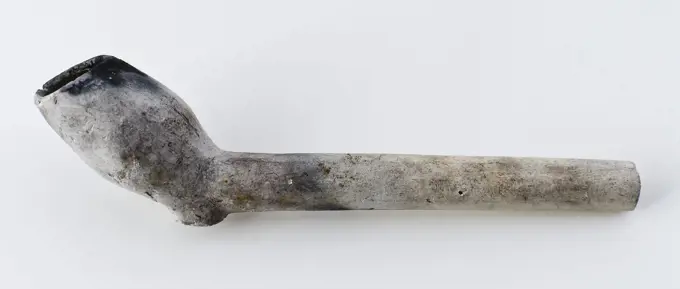
White clay pipe, unnoticed, with smooth handle, clay pipe smoking equipment smoke floor earthenware ceramic pottery, hand molded baked White clay pipe unnoticed with smooth handle. Pipe is misbaksel; small hole in the bottom of the boiler caused by irregularity of the clay. Pipe has always leaked or at first heating leak hit archeology smoking tobacco
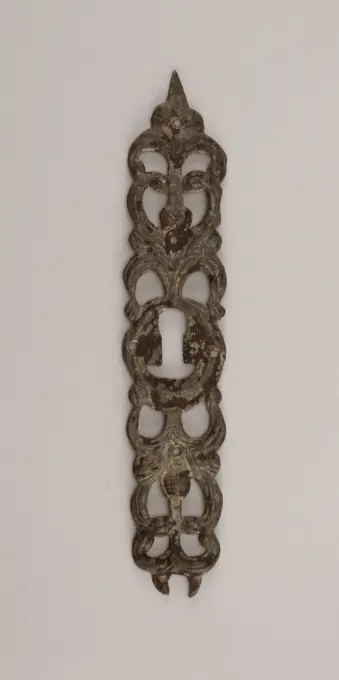
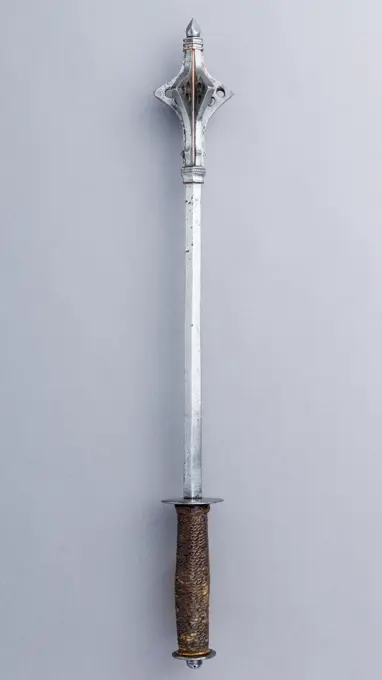
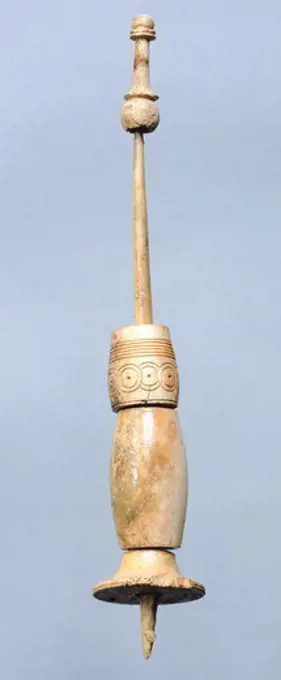
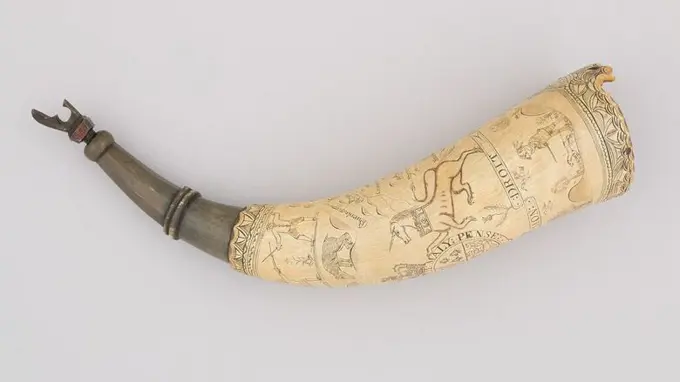
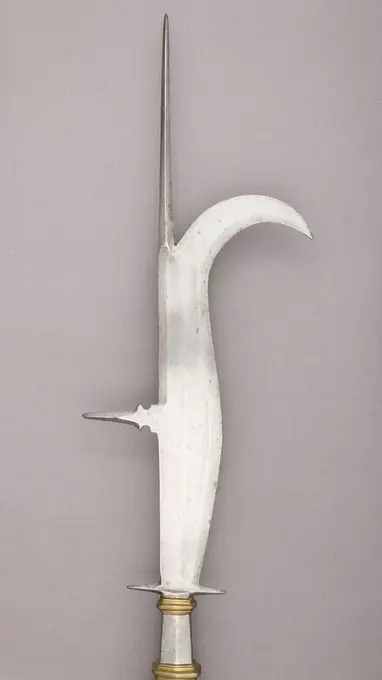
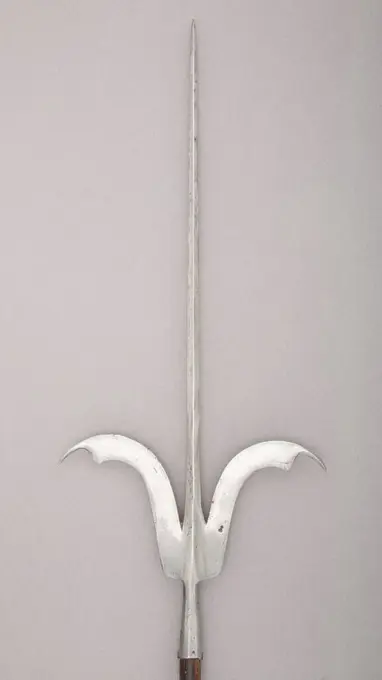
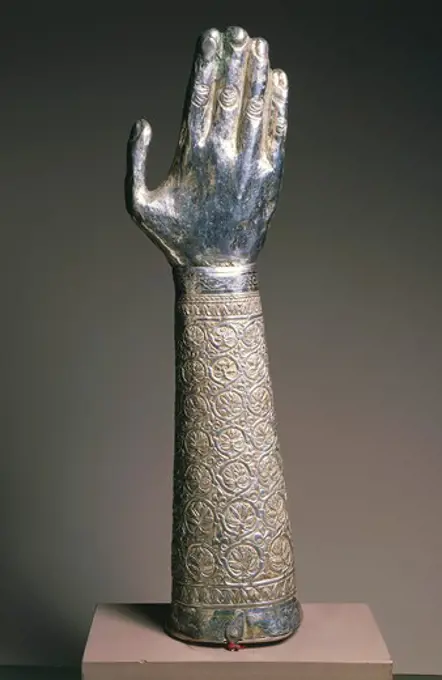
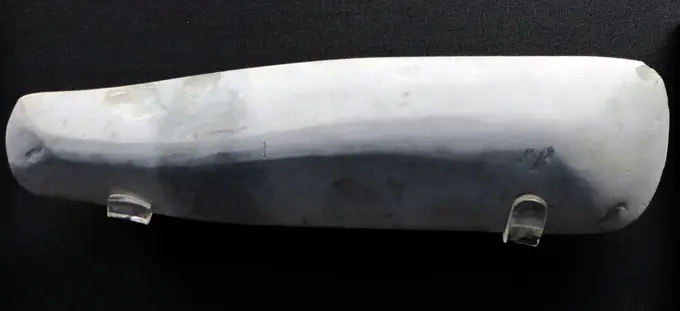
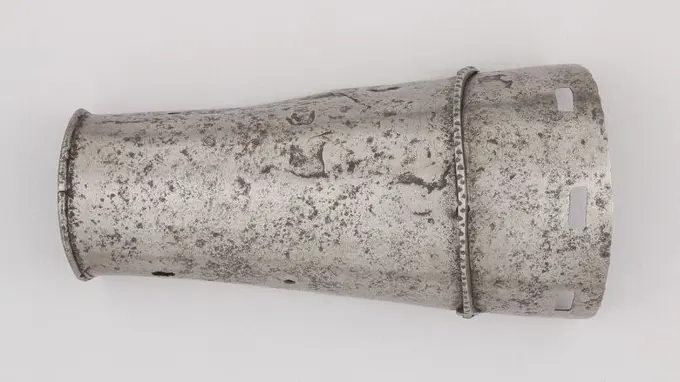
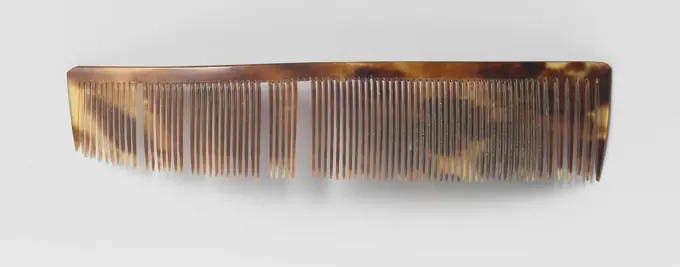
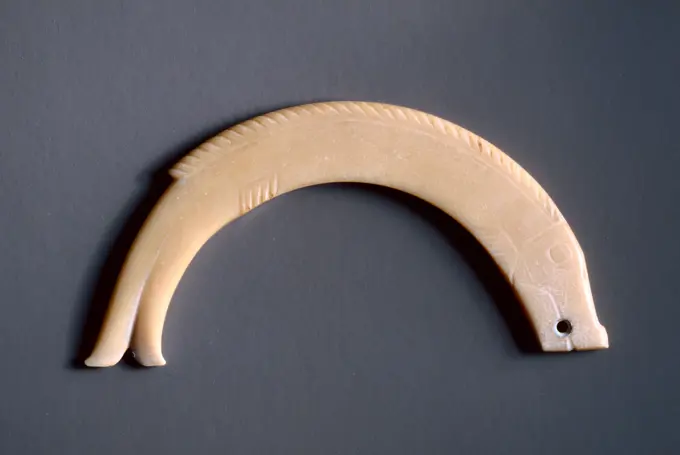
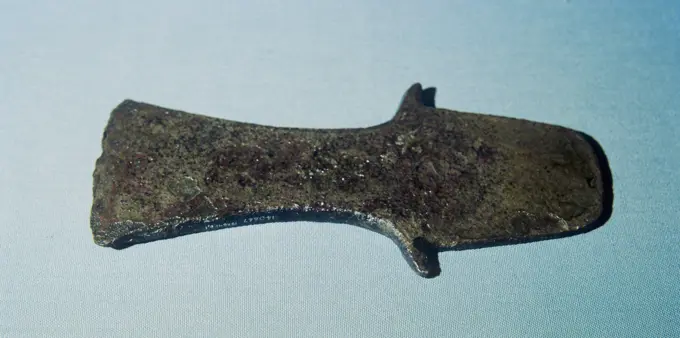
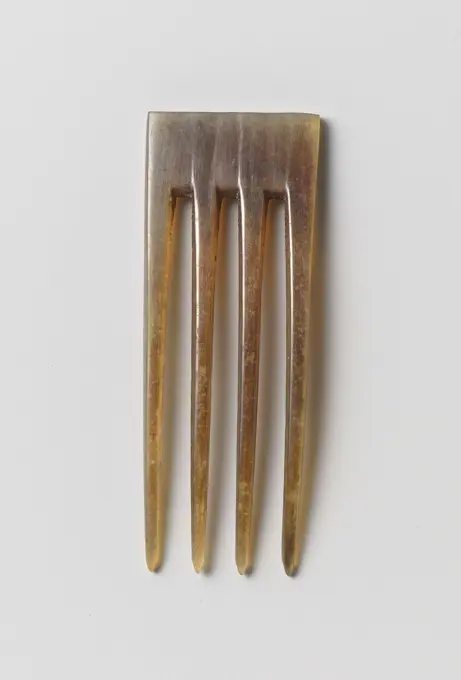
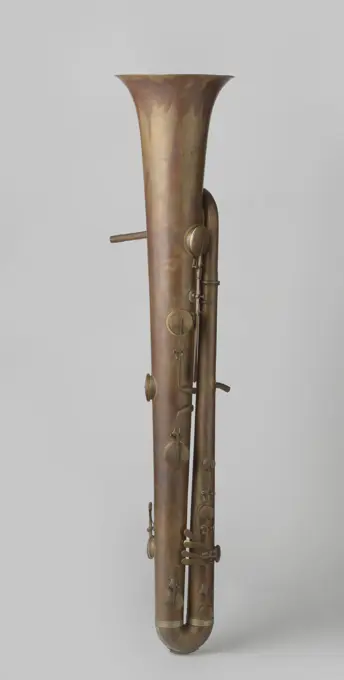
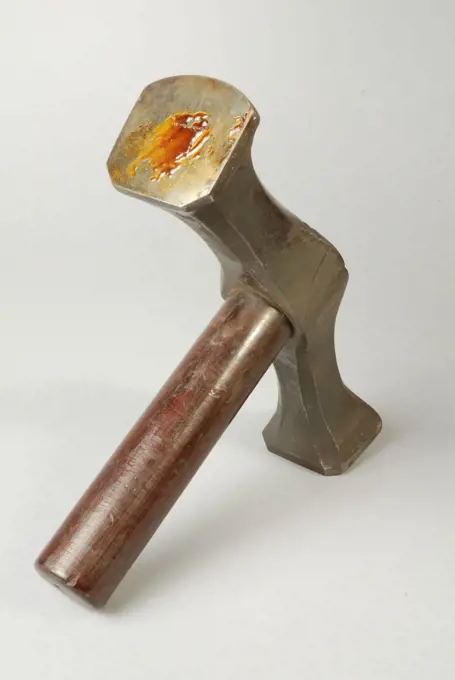
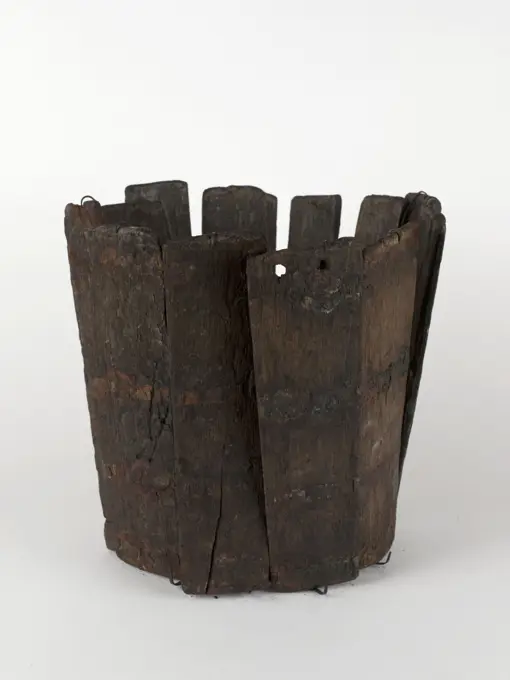
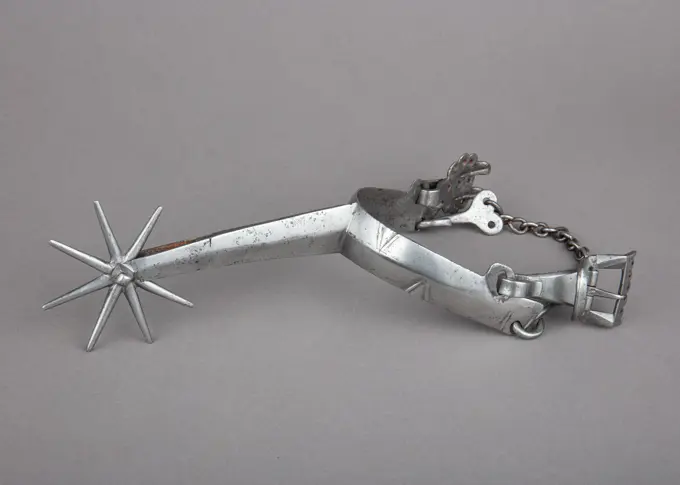
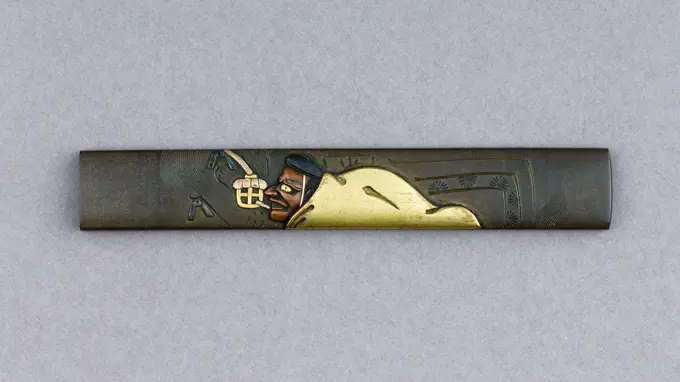
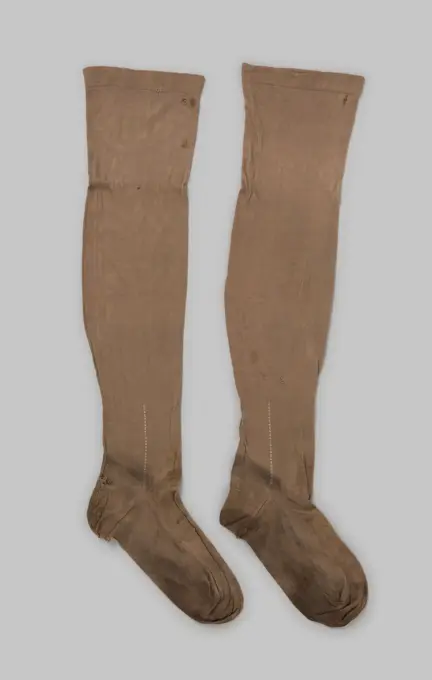
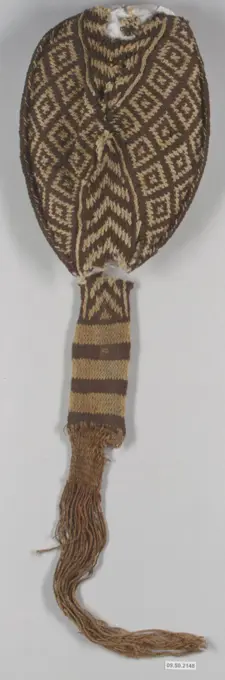
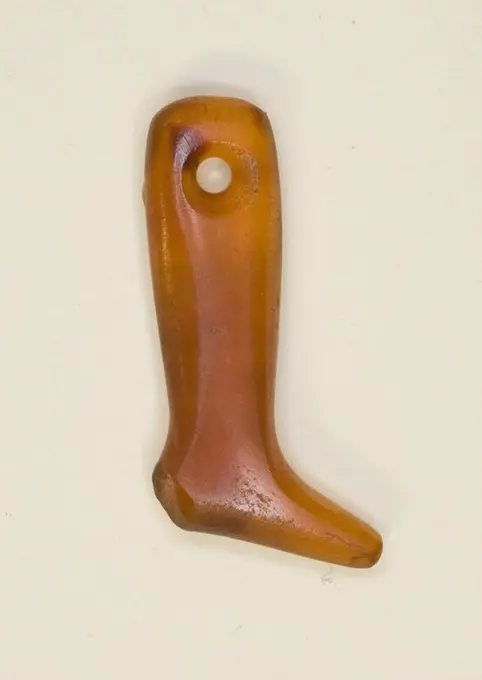
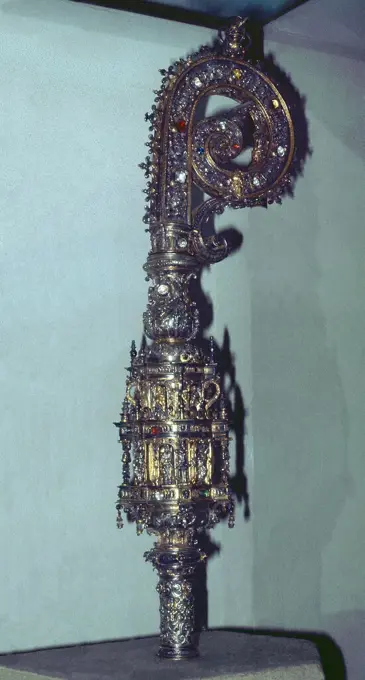
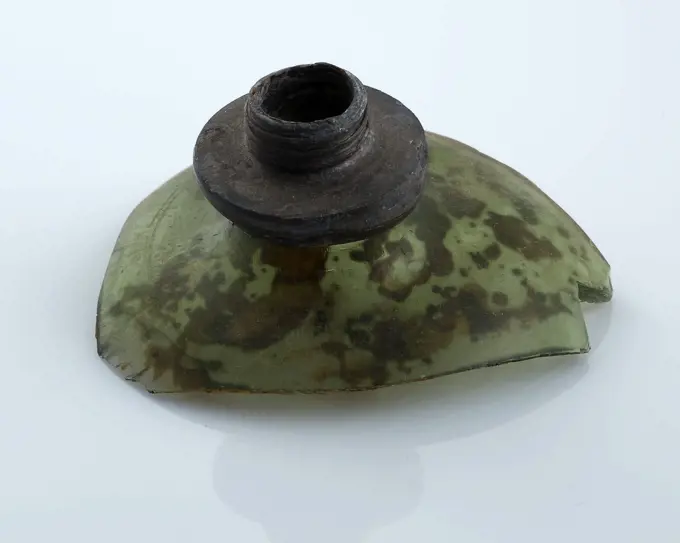
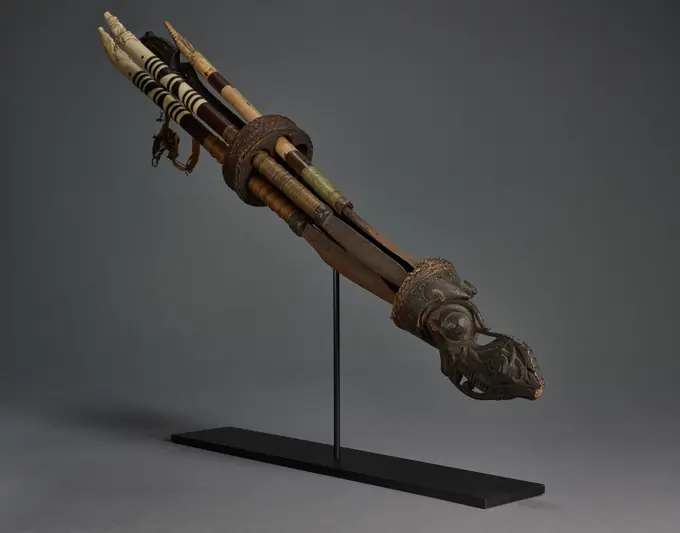
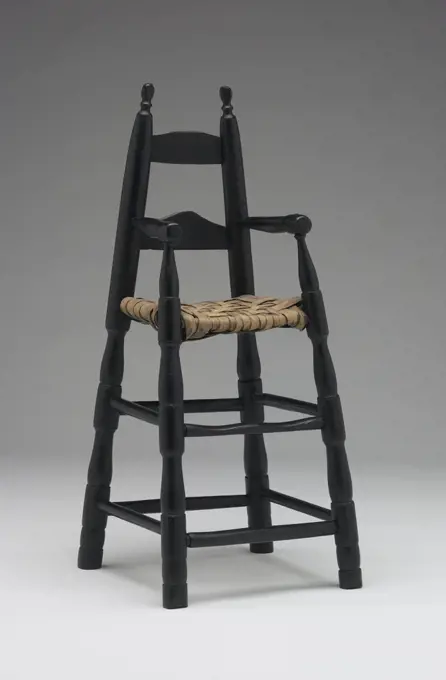
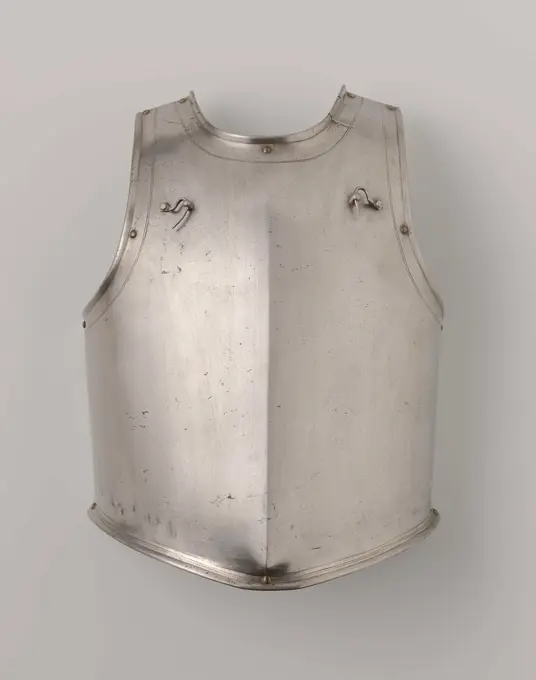
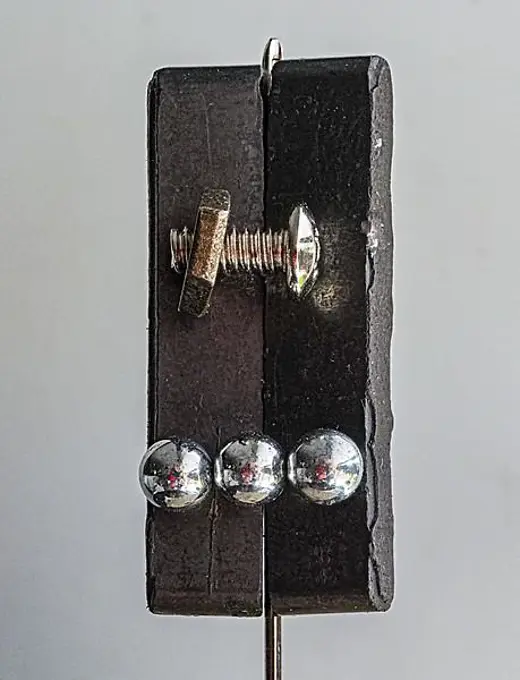
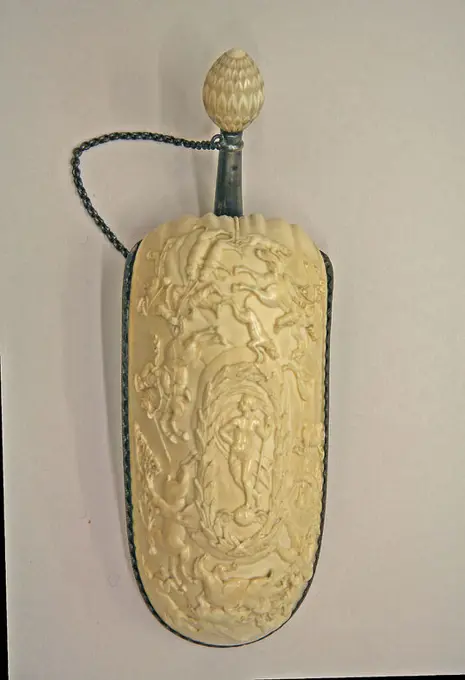
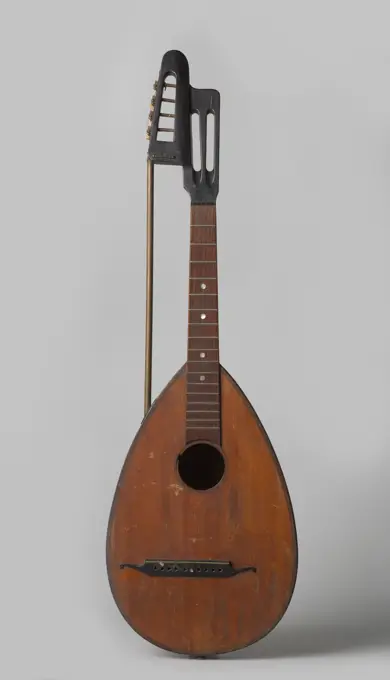
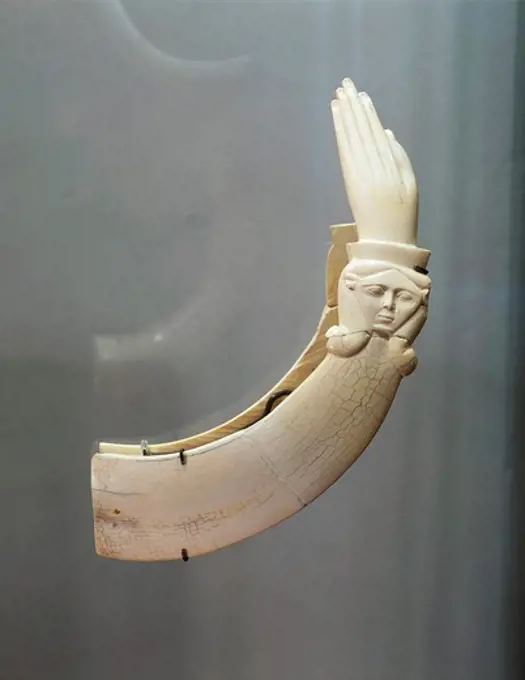
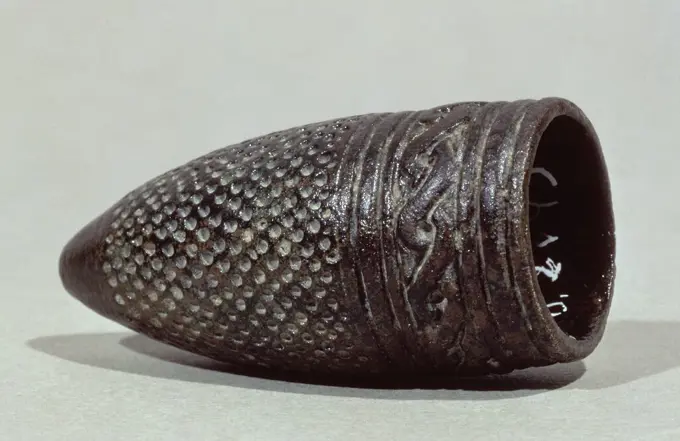
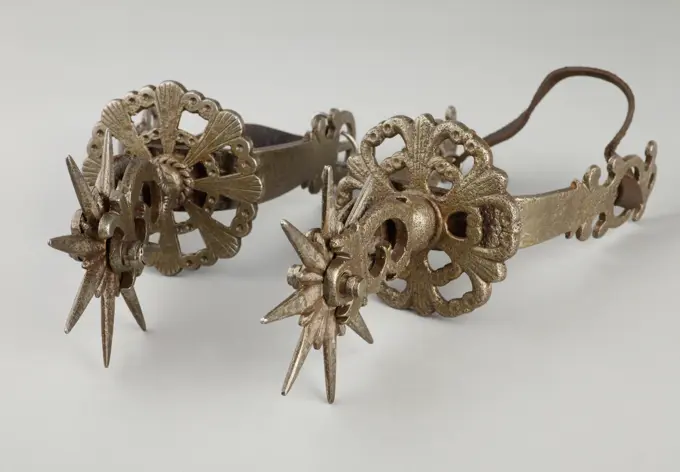
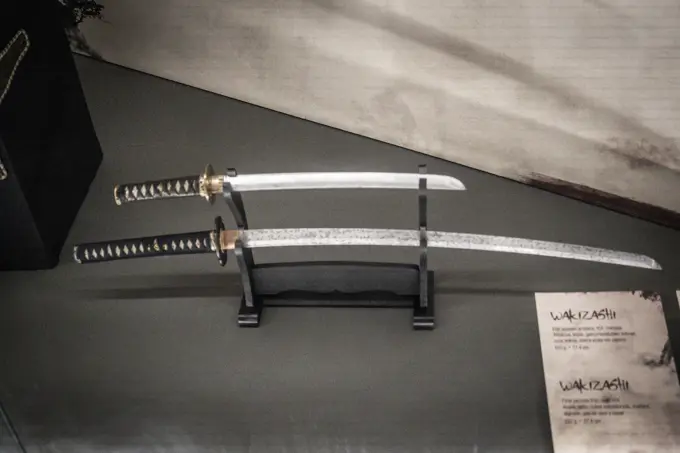
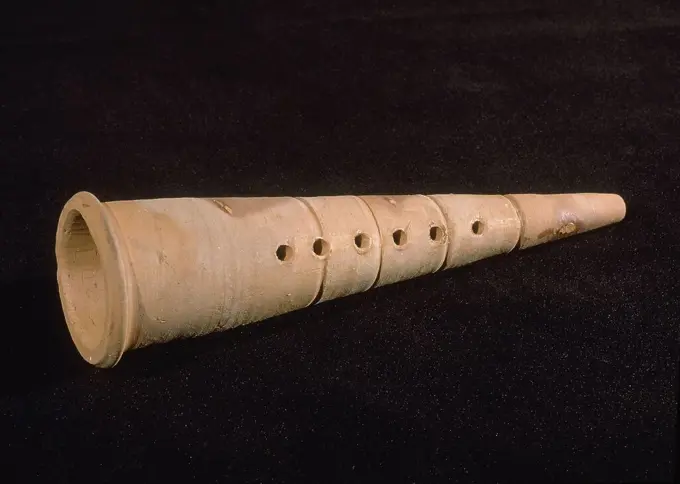
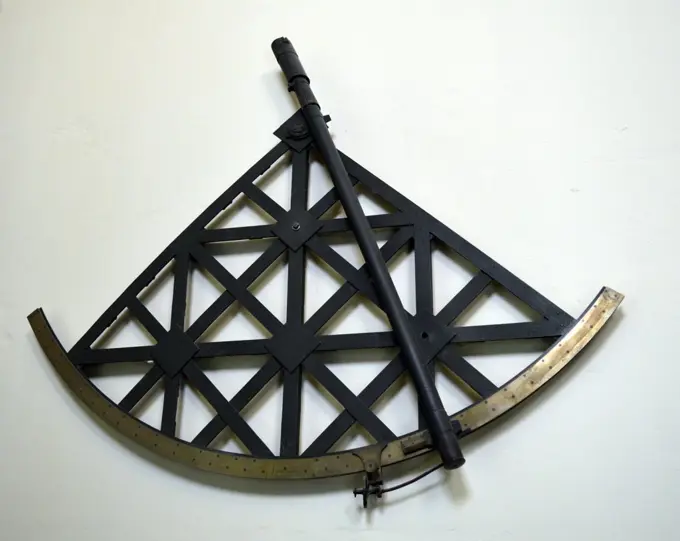
Bedschuier with twisted stem and scalloped connecting piece to red -painted brush of her ,, 1700 - 1799 Bedschuier with long twisted stem of tropical wood (calia ore) And scalloped connecting piece from rosewood to red -painted brush of hair. The Dutch East Indies, 18th century. Indonesia wood (plant material). rosewood (wood). Bedschuier with long twisted stem of tropical wood (calia ore) And scalloped connecting piece from rosewood to red -painted brush of hair. The Dutch East Indies, 18th century. Indonesia wood (plant material). rosewood (wood).Flint gun with ivory drawer, anonymous, 1655 - 1660 flintlock pistol Originally a Radslot gun, but transformed into flint; Part of a couple. The lock plate in the form of a Radslot covers the recess where the Radslot has been; The spring of the fire sample of the lock ends in a chiseled leaf. The blazed run is chiseled on the back of relief with flower and leaf ornaments, partly silver-stapled against a blazed background; marked at the bottom with a circle and two rosettes. The solid ivory drawer is simply cut. The gilded yellow-leaking batter includes a chest of drawers, a loop-shaped tractor bracket and a pump hood engraved all around with flower and leaf vines and driven with lobe ornaments at the bottom; The ivory chest of drawers has a gilded yellow cap. Netherlands silver (metal). ivory. brass (alloy). gilding (material) cutting / gilding  NetherlandsThe shovel that began to fall on the Kościuszko MoundEscutcheon, ca. 1650; tin; 1904-21-47Mace late 15th century possibly French The steel mace was a horsemans weapon, carried in conjunction with a sword or other arms. This type, with a relatively thin, faceted shaft and a short head fitted with pierced triangular flanges, represents a style found in Western Europe from about the mid-fifteenth century to the early sixteenth century.. Mace. possibly French. late 15th century. Steel, wood, fiber (cord). Shafted WeaponsSpindle in bone, unearthed near Zaporoz, Ukraine. 21 cm in length. Scythian Civilization, 4th Century BC.Ivory hand, 1325-1230 BC, Israel.Powder Horn. Culture: American. Dimensions: L. 11 3/4 in. (29.8 cm); Diam. 2 5/8 in. (6.7 cm); Wt. 7.7 oz. (218.3 g). Date: 1755-83.This powder horn is engraved with a map of the Middle Cherokee towns (the present county of Macon, North Carolina). It is decorated with scenes of men dueling and hunting, and also the royal arms of Great Britain. Museum: Metropolitan Museum of Art, New York, USA.Silver and silver gilt candelabrum, designed by Stuart Devlin (1931) Australian contemporary gold and silversmith. Dated 1981Knife Handle (Kozuka). Culture: Japanese. Dimensions: L. 3 13/16 in. (9.7 cm); W. 9/16 in. (1.4 cm); thickness 1/4 in. (0.6 cm); Wt. 1.2 oz. (34 g). Date: ca. 1615-1868. Museum: Metropolitan Museum of Art, New York, USA.Base; jade with hardstone baseGuisarme. Culture: Italian. Dimensions: L. 93 3/4 in. (238.1 cm); L. of head 30 1/4 in. (76.8 cm); W. 10 1/4 in. (26 cm); Wt. 5 lbs. 14.1 oz. (2667.7 g). Date: early 16th century. Museum: Metropolitan Museum of Art, New York, USA.Knife Handle (Kozuka). Culture: Japanese. Dimensions: L. 3 13/16 in. (9.7 cm); W. 9/16 in. (1.4 cm); thickness 1/4 in. (0.6 cm); Wt. 1.1 oz. (31.2 g). Date: ca. 1615-1868. Museum: Metropolitan Museum of Art, New York, USA.Slippers late 19th century. Slippers 88869Crossbow. German. Date: 1660-1700. Dimensions: 14 x 62.2 x 58.4 cm (5 1/2 x 24 1/2 x 23 in.). Wood, steel, staghorn, cord, and silk fiber. Origin: Germany. Museum: The Chicago Art Institute, Chicago, USA.Spoon, Charles Victor Gibert, French, Silver, steel, Handle in the form of a open-jawed snake coiled around the stem of an aroid leaf., ca. 1890, cutlery, Decorative Arts, SpoonJapanese Pijpfoudraal, Anonymous, 1700 - 1740 Box for two long pipes, following the shape of the pipes. The box can be opened on the pipe head side with a hinged lid. Decorated with flower branches in Gold-Makie on a Nashiji base. Schaernier, closure and batter (at the end of the box) of engraved copper. In the box is 1 pipe (unclear whether it belongs to the box, marked Peter Berger from Grenzhausen Westerwald, active 1734-1771). Japan whole: Wood (plant material). whole: Lacquer (coating). Batter: copper (metal). Gold (Metal) lacquering  Japan Box for two long pipes, following the shape of the pipes. The box can be opened on the pipe head side with a hinged lid. Decorated with flower branches in Gold-Makie on a Nashiji base. Schaernier, closure and batter (at the end of the box) of engraved copper. In the box is 1 pipe (unclear whether it belongs to the box, marked Peter Berger from Grenzhausen Westerwald, active 1734-1771). Japan whole: Wood (plant material). whole: Lacquer (coatingPlaque 6th-7th century. Plaque 449520Korseke. Culture: Italian. Dimensions: L. 8 ft. 6 1/2 in. (260.4 cm); L. of head 28 in. (71.2 cm); W. 12 in. (30.5 cm); Wt. 3 lb. 14 oz. (1760 g). Date: ca. 1520. Museum: Metropolitan Museum of Art, New York, USA.Knife fromUnknown .  Artist: UnknownCastro culture. Treasure of Elvina. Articulated and pendant necklace. Gold. From the Castro of Elvina. La Coruna (Galicia, Spain). Archaeological and History Museum (San Anton Castle). A Coruna, Galicia, Spain.Goldsmith's art, Italy. Reliquary of the arm of Saint Eustace.Polished stone axe (a Cumbrian Club), 3700 BC - 3200 BC Found in Great BritainPart of a Forearm Defense (Vambrace). Culture: Italian. Dimensions: H. 7 3/4 in. (19.7 cm); W. 2 1/4 in. (5.7 cm); D. 3 3/4 in. (9.5 cm); Wt. 7.6 oz. (215.5 g). Date: ca. 1450-70. Museum: Metropolitan Museum of Art, New York, USA.Cross Pendant 5th-8th century. Cross Pendant 449199Fiber. All. With. G. R. Paris, Monet Carnavalet. 51855-10 Clip, fibulaPlaque fragment ca. 9th century B.C. Iran. Plaque fragment 325748Basket-hilted sword -Caster. Maker, attributed to: Johannes Roseboom, active ca. 1765Shalabhanjika. North India, 1st-2nd century. Sculpture. Copper alloyHair comb or ridge of solid fine turtle and horn, with a long row of narrow teeth, tapered.Arc-Shaped Jade Fish Pendant, c. 1050-900 BC. China, Western Zhou dynasty (c. 1046-771 BC). Nephrite; overall: 9.1 cm (3 9/16 in.).Sword. Molmen, Lesja k., Oppland. 10th century. Historical Museum. Oslo. Norway.Historic bronze axe head, Anatolia, BabylonAnthropoid clay coffin. Beth Shean. 12th century BC. Rockefeller Archaeological Museum. Jerusalem. Israel.Dagger with Sheath 18th-19th century Bornean. Dagger with Sheath 31716. Hair comb with four teeth of gray pearly plastic, with narrow, straight, unmarmed back.Turritella (Haustator) imbricataria Lamarck, Upper Bracklesham Beds, Bramshaw Hants.Berthe van naaldkant.Berthe of needle side with a scalloped edge that consists of oval medallions that are connected to each other by garlands. Different flowers grow out of the medallions. Spreading flowers adorn the ground.Half Model of a 40-Gun Frigate, anonymous, c. 1782 ship model. half model Polychromed and fully plants Mallen model (port) on a small back plate. Two twenty gun gates on two decks; Baking deck with shield, half cover and upper camp. The Schegbeeld is a crowned lion. Gewrolded mirror, Hol Wulf, Hek and side gallery of two floors, decorated with gilded cutting. No rudder. Seeping backwards, two mountain wood and one reehout. Breeding and continuous main and possession rest. Peaked around. Netherlands wood (plant material)Staff, 20 x 1 1/8 x 1 1/16 in. (50.8 x 2.9 x 2.7 cm), Wood, AngolaBass ophicleide, anonymous, c. 1830 - c. 1850 Basophicleeid in bes with ten valves, the bottom of which is open with a set screw. The first and third valve are operated by the thumb of the left and right hand respectively. The round, slightly convex valves are mounted on pillarts with support plate and close to tubes around the holes. With holders for a music stand, an eye for a carrying tire and support for the left hand. Mouthpiece is missing.  copper (metal) Basophicleeid in bes with ten valves, the bottom of which is open with a set screw. The first and third valve are operated by the thumb of the left and right hand respectively. The round, slightly convex valves are mounted on pillarts with support plate and close to tubes around the holes. With holders for a music stand, an eye for a carrying tire and support for the left hand. Mouthpiece is missing.  copper (metal)Baluster ca. 1750 British. Baluster. British. ca. 1750. Deal. WoodworkTongs, from a five-piece set, c. 1940s, 3/4 x 5 1/4 x 1 3/8 in. (1.91 x 13.34 x 3.49 cm), Silver, Iraq (), 20th centuryTinker hammer, hammer from casting, hammer tool kit metal iron wood veneer, forged Hammer Short round wooden handle. Elongated and curved head with two striking surfaces constricted on both sides of the handle. The striking surfaces have bevelled corners and are slightly round at the top. Decorated with double grooves over the head. Struck marks struck initials of the owner: TG tingieterij tin pewter craft craft driving hammer polishing hammer metal processing Meeuws Originating from collection Meeuws.Case (possibly Netherlands); shark skin, silver; L x W: 16.4 x 1.8 cm (6 7/16 x 11/16 in.); The Robert L. Metzenberg Collection, gift of Eleanor L. Metzenberg; 1985-103-138-aWooden bucket. Oak wood, 1200-1300. Paris, Carnavalet museum. 77957-6 Archeology Medievale, Chene, Iieme Millennaire, Middle Ages, medieval period, bucket, 13th century, woodRowel Spur (Right) ca. 1500 Hungarian or German In the 15th century, rowel spurs with very long necks were of common use in western Europe. At this period, the elevated war saddles and the very specific riding style, with long stirrup leathers and legs extended forward, had the consequence of taking away the riders feet from the horses flank. Thus, these long necks gave them easier access without having to disturb the riders position.. Rowel Spur (Right). Hungarian or German. ca. 1500. Iron alloy. Equestrian Equipment-SpursPrzeszo Przyszoci unknownDessert Knife (France); Designed by F. Nicoud (French, active 1890); silver, steel, mother-of-pearl, gilding; L x W x D: 20 x 1 x 0.8 cm (7 7/8 x 3/8 x 5/16 in.)Corkskrew warm lighting.Shield for presenting items;  19th/20th century (1890-00-00-1910-00-00);Stokplaat from Gilded Koper, 1823 stick plate Stick plate for a strap of a Tamboer major. Netherlands copper (metal) gildingWritingKnife Handle (Kozuka). Culture: Japanese. Dimensions: L. 3 13/16 in. (9.7 cm); W. 9/16 in. (1.4 cm); thickness 5/16 in. (0.8 cm); Wt. 1.3 oz. (36.9 g). Date: ca. 1615-1868. Museum: Metropolitan Museum of Art, New York, USA.Torah Scroll case from Iraq, 1898Sword 19th century hilt, Indian; blade, Persian. Sword. hilt, Indian; blade, Persian. 19th century. Steel. SwordsComb. Egypt or Eastern Mediterranean, Roman Period - Coptic Period (500 - 1000) or later. Jewelry and Adornments; combs. WoodKnife Handle (Kozuka) ca. 1785 Japanese A kozuka is a handle of a by-knife that is part of a sword mounting. It is kept in a slot on the reverse of a katana scabbard, often with a matching kōgai (hairdressing tool).. Knife Handle (Kozuka) 34514Panel from the Palace of Westminster. Culture: British. Designer: Designed by Augustus Welby Northmore Pugin (British, London 1812-1852 Ramsgate). Dimensions: Overall (confirmed): 23 13/16 × 12 1/8 × 5/8 in. (60.5 × 30.8 × 1.6 cm). Date: ca. 1847. Museum: Metropolitan Museum of Art, New York, USA.Stocking of plain brown side with a track with white embroidery on the ankle and a narrow -in -the board, beige finished, anonymous, c. 1800 - c. 1850 Sting of plain brown side with a lane with white embroidery and a narrow -in -the -shelter, finished inside beige, finished with a cross stitch. Seam in the middle. Netherlands whole: Silk knitting / embroidering Sting of plain brown side with a lane with white embroidery and a narrow -in -the -shelter, finished inside beige, finished with a cross stitch. Seam in the middle. Netherlands whole: Silk knitting / embroideringCap (fragment) before 1530 Peru; central coast (). Cap (fragment) 307823Cup Holder. Dated: c. 1937. Dimensions: overall: 35.7 x 28 cm (14 1/16 x 11 in.). Medium: watercolor, graphite, and colored pencil on paperboard. Museum: National Gallery of Art, Washington DC. Author: Irving L. Biehn.The cezva on grey background. The focus on the handleStockings 19th century French. Stockings 102365Amulet of a Leg and Foot. Egyptian. Date: 2494 BC-2055 BC. Dimensions: 2 × 1 × .25 cm (3/4 × 3/8 × 1/8 in.). Carnelian. Origin: Egypt. Museum: The Chicago Art Institute, Chicago, USA. Author: Ancient Egyptian.Casket (box) in the form of a barrelBACULO EN PLATA DORADA - SIGLO XVII. Location: MUSEO DE ARTE ANTIGUO. LISBOA. PORTUGAL.Fragment of green bottle, square, pewter closure, bottle holder soil find glass forest glass tin metal, molded molded Neck fragment of square glass bottle Green tinted glass forest glass Narrow and short neck. Seat of pewter closure with external thread archeology Rotterdam City Triangle Oudehaven packing transporting storage Soil discovery: Oude Haven Rotterdam.KnifeRackHighChair, Soft maple, ash, 31 × 10 × 10 7/16 in. (78.7 × 25.4 × 26.5 cm), The stoutness of the uprights and their elongated baluster turnings suggest that this chair was made in the late seventeenth or early eighteenth century. The chair was found in Fredericksburg, Virginia, and may have originated in thatarea. , Made in Virginia, American, 18thcentury, FurnitureHalf Model of a 3-Gun Schooner, anonymous, c. 1843 - c. 1844 ship model. half model. builder's model Polychromed planks Mallen model (starboard) of a two -master. The deck is closed. The model has two gun gates. Sharp vest, crane bar with lion mask. Elliptical gate, closed, no side gallery, strong stern; Stir with round stirring king (Soetermeer's version) and rounded Roerblad. Seide to both ends very little rising, one sunken barkhout. Peaked around, sharp underwater ship. Both masts hell back, the bowsprit is strikingly horizontal. Scale 1:40 (according to Obreen). Rotterdam wood (plant material)  sailing-ship, sailing-boat (SCHOONER) RotterdamCzech hand grenade, 1914/30 model. 1940. Metal. Army Museum. Toledo, Spain.Paper knife. unknown, craftsmanDagger (Jambiya) with Sheath. Culture: Bornean. Dimensions: H. with sheath 10 1/8 in. (25.7 cm); H. without sheath 8 9/16 in. (21.7 cm); W. 1 15/16 in. (4.9 cm); Wt. 3.9 oz. (110.6 g); Wt. of sheath 1.3 oz. (36.9 g). Date: 18th-19th century. Museum: Metropolitan Museum of Art, New York, USA.Breastplate from Kuras, according to tradition worn by Ritmeester Falaiseau. Breastplaith of Kuras, according to tradition worn by Ritmeester Falaiseau at the Siege of Den Bosch in 1629. Iron, white, the edges of the arm and neck cutting are rounded around. At the height of the arm cut two pins to which two iron swivel hooks are stuck. Straight medium with a small bulge at the bottom. Parallel walking to the edges Double decoration lines and copper rivets. The inside is painted black.Basket 19th century Japan. Basket. Japan. 19th century. Bamboo. Edo (1615-1868) or Meiji period (1868-1912). BasketryMichael Chomyk, Hand Iron, c 1939 Hand IronFlag, belonging to a model of a warnock of 18 pieces, Anonymous, c. 1775 - c. 1805 ship model. fully rigged model. show model. flag Flag, belonging to a witness and polychromed model of an over -cut cutter. Netherlands silk. ropeTechnique Still Life, Magnets and Balls, Baden-Baden, Baden-Wuerttemberg, Germany, EuropePowder Flask. Culture: Bohemian. Dimensions: H. 8 1/8 in. (20.6 cm); W. 2 7/8 in. (7.3 cm). Date: first half of the 19th century.The central figure, possibly the goddess of the hunt Diana or a representation of Fame, is surrounded by scenes of hunters pursuing game on foot and horseback. The use of ivory and the style of the ornament emulate earlier types of Baroque powder flasks. Museum: Metropolitan Museum of Art, New York, USA.Lute with embroidered carrying strap.lute with embroidered carrying strap.Hippopotamus ivory claquettes (castanets) in the shape of hand with carving depicting head of goddess Hathorcorkscrew isolated on white backgroundSilver gilt reliquary for a finger bone of St. Bridget, Ostergotland, Linkoping Cathedral, 1400-1450. Swedish Historical Museum. Stockholm. Sweden.DEDAL DE BRONCE-05 CM. Location: MUSEO ARQUEOLOGICO-COLECCION. Sevilla. Seville. SPAIN.Sea Cucumber. Dōraku (Japan, Onomichi, active early 19th century). Japan, early 19th century. Costumes; Accessories. WoodWhistle Kongo peoples late 19th century Sub-Saharan whistles draw attention to special events like the arrival of a king and convey messages or signal during hunts. In ensembles, each whistle may sound at a specific time to form a melody. Whistles are crafted in traditional forms. Though the whistle's carved images are inverted when played, the depictions may add to its prestige. View more. Whistle. Kongo peoples. late 19th century. Wood, wire. Democratic Republic of Congo. Aerophone-Whistle Flute-whistleBaroque spurs (various)Key from the 17th/18th century with a cylindrical shaft, from the collection of Roman Szewczykowski, in the collections of the National Museum in Warsaw from 1918;  Not after 16.05.1922 (1914-00-00-1922-00-00);wakizashi and katana, end of the Edo period, 19th century, Álava Armory Museum, Vitoria, Basque Country, SpainBuckle ca. 100 B.C.-ca. 500 A.D. Ibero-Roman. Buckle. Ibero-Roman. ca. 100 B.C.-ca. 500 A.D.. Bronze. Miscellaneous-Buckles & OrnamentPIEZA DE JOYERIA, PULSERA DE VIDRIO NEGRO SOGUEADA (EN EL MUSEO DE SANTA CRUZ).Close up of old thorn toolPepperbox.   Maker: Jonathan Clarke, American, 1705-1770Knife Handle (Kozuka). Culture: Japanese. Dimensions: L. 3 13/16 in. (9.7 cm); W. 9/16 in. (1.4 cm); thickness 1/4 in. (0.6 cm); Wt. 1.1 oz. (31.2 g). Date: ca. 1615-1868. Museum: Metropolitan Museum of Art, New York, USA.FLAUTA PASTORIL- 34 CM DE LARGO - FORMA CONICA INVERTIDA. Location: ALFARERIA. SPAIN.Golden sandal of King Tutankhamen, From his tomb. 1323 BC. 18th dynasty, New KingdomThomas Hornsby's quadrant. This 32 inch mural quadrant was made for Professor Thomas Hornsby before the Radcliffe Observatory was planned and was subsequently transferred. It was constructed at a cost of £80.00 and installed in a small room in Corpus Christie College where Hornsby used it to determine the latitude of Oxford. Hornsby was elected Savilian Professor of Astronomy in 1763 and the first Radcliffe Observer in 1772.Chrysanthemum, Tiffany & Company, American, established 1853, silver, Flat scoop with straight edge on one side, raised shaped rim on the other. Relief-decorated handle with design in chrysanthemum pattern, with engraved B in reserve., 1880-91, cutlery, Decorative Arts, Crumb scoop, Crumb scoop