Historical Tools and Weapons

A variety of ancient tools and weapons including an iron axe head, bone pick, and unique knives, highlighting craftsmanship from different cultures.
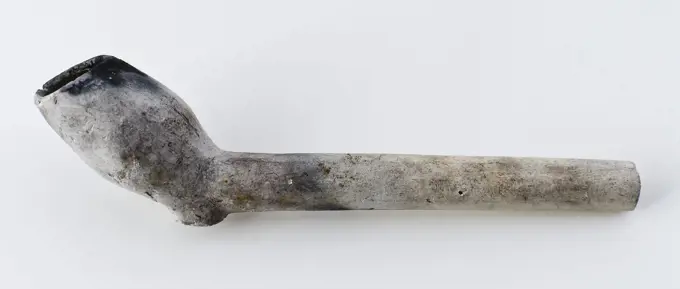
White clay pipe, unnoticed, with smooth handle, clay pipe smoking equipment smoke floor earthenware ceramic pottery, hand molded baked White clay pipe unnoticed with smooth handle. Pipe is misbaksel; small hole in the bottom of the boiler caused by irregularity of the clay. Pipe has always leaked or at first heating leak hit archeology smoking tobacco
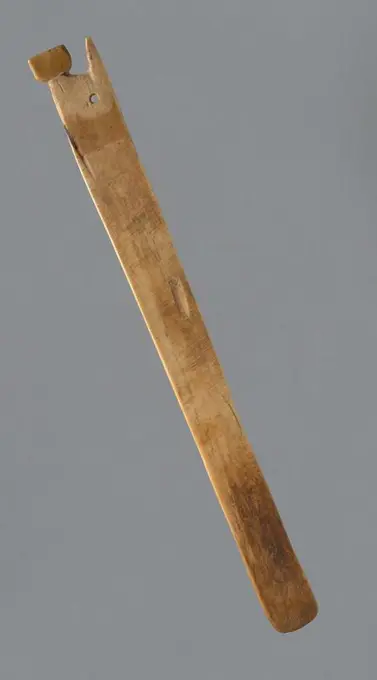
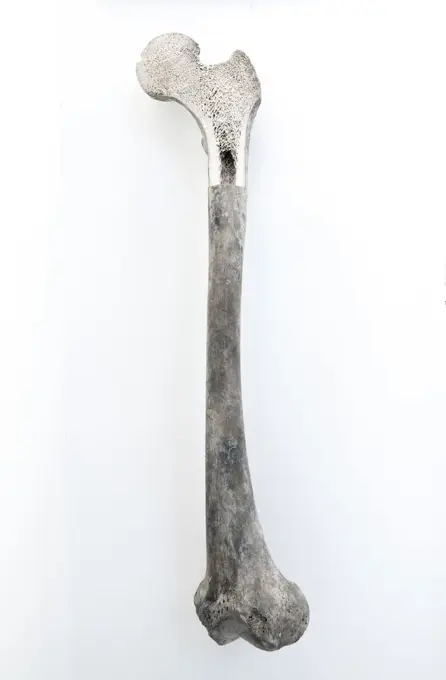
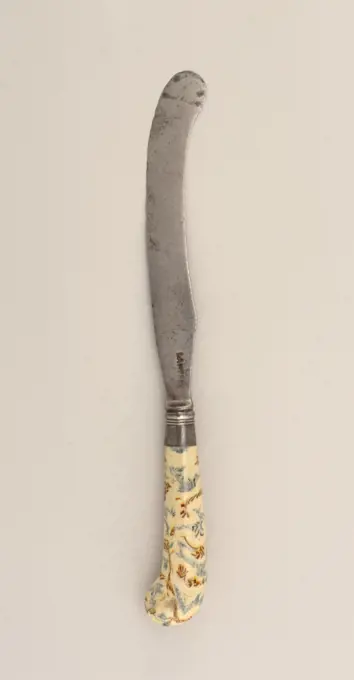
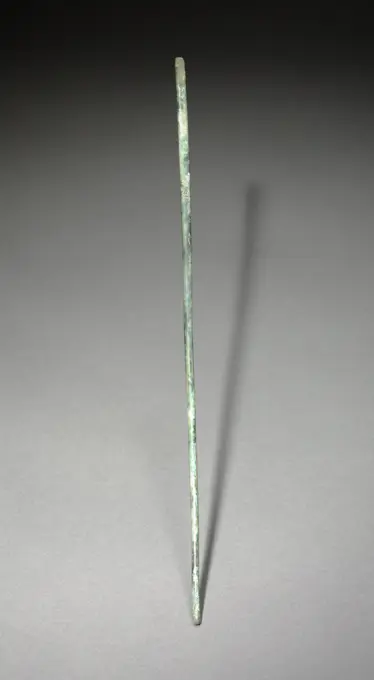
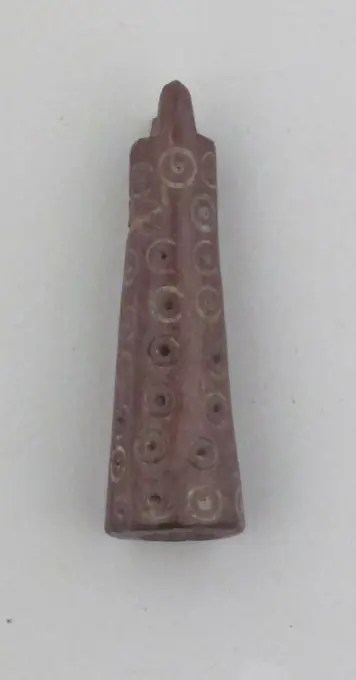
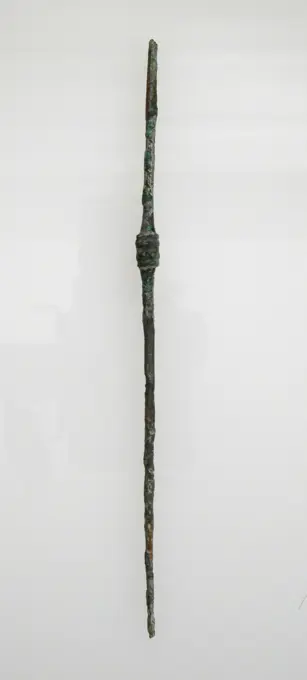
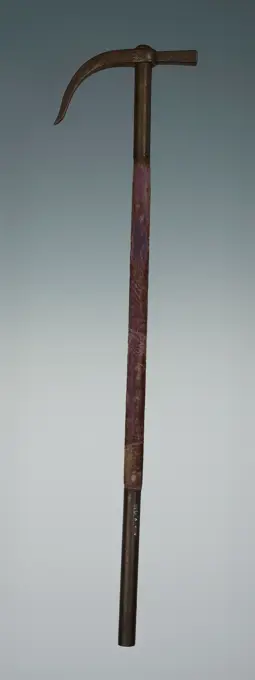
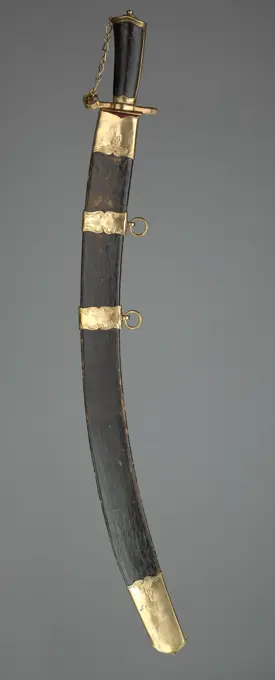
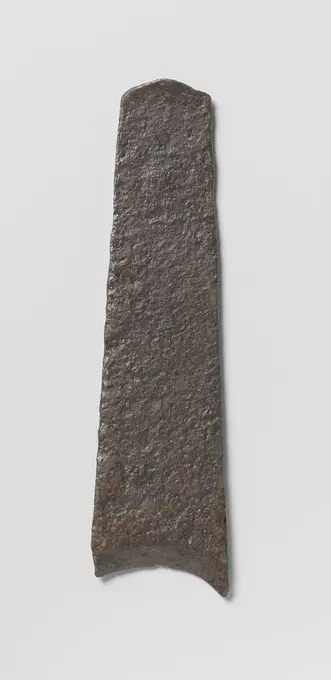
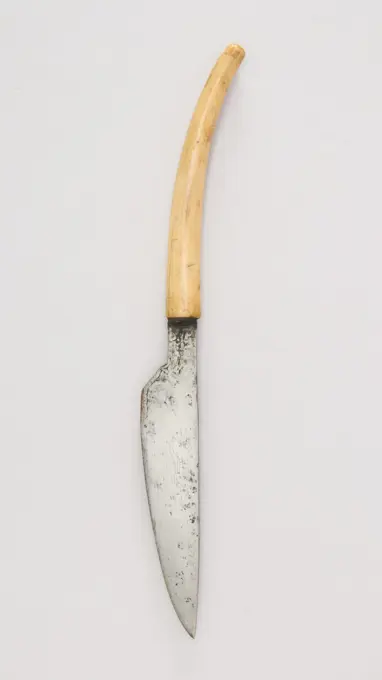
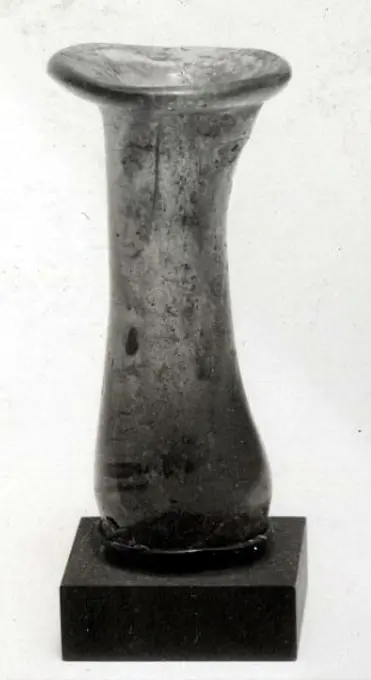
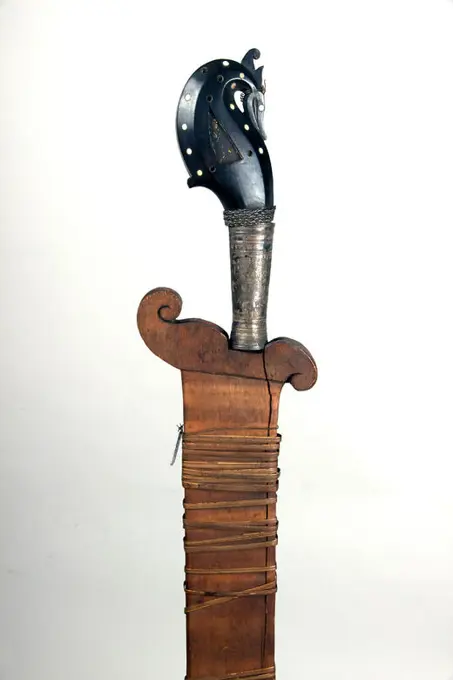
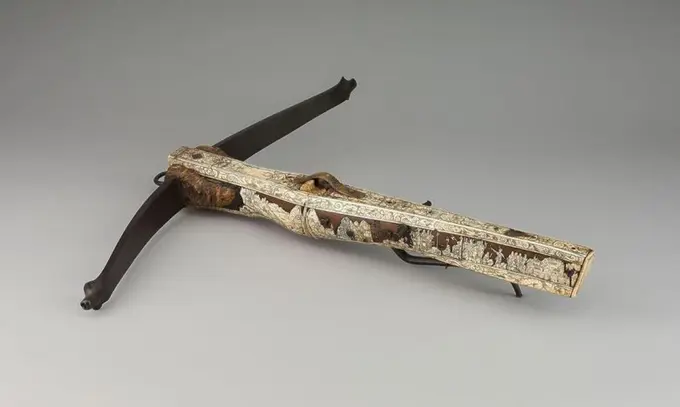
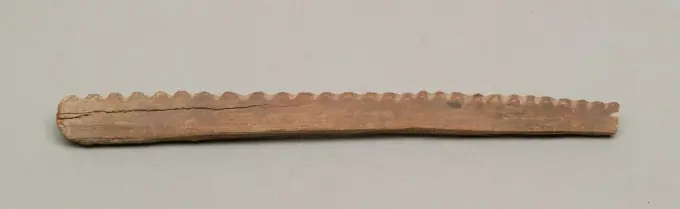
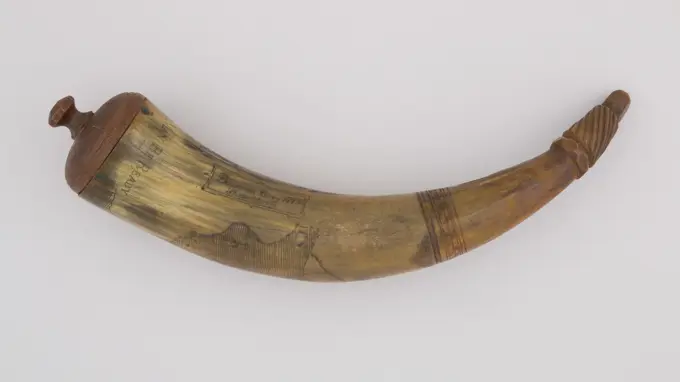
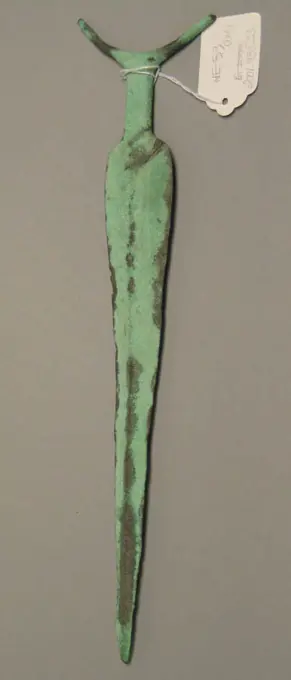
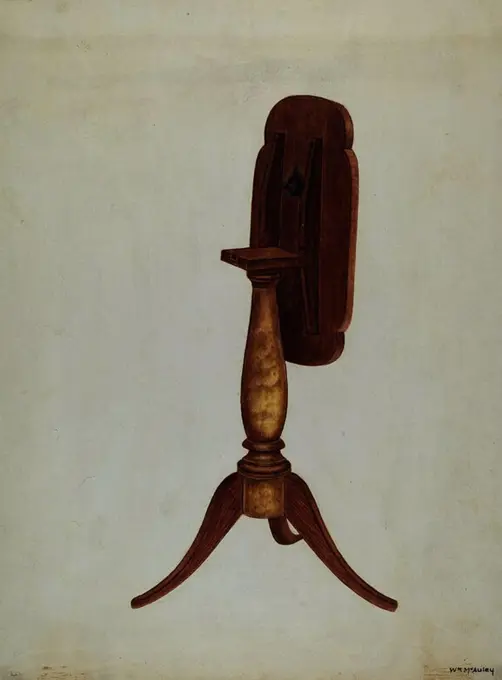
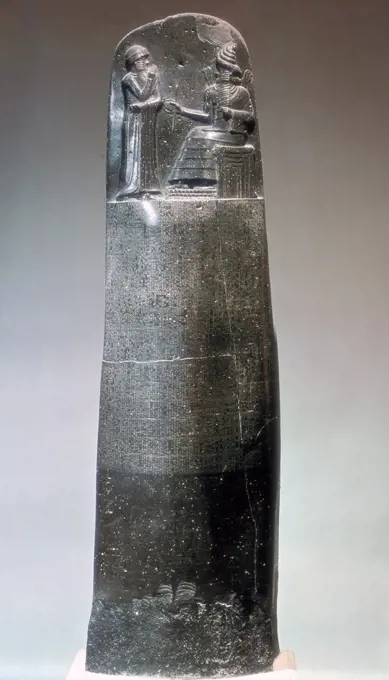
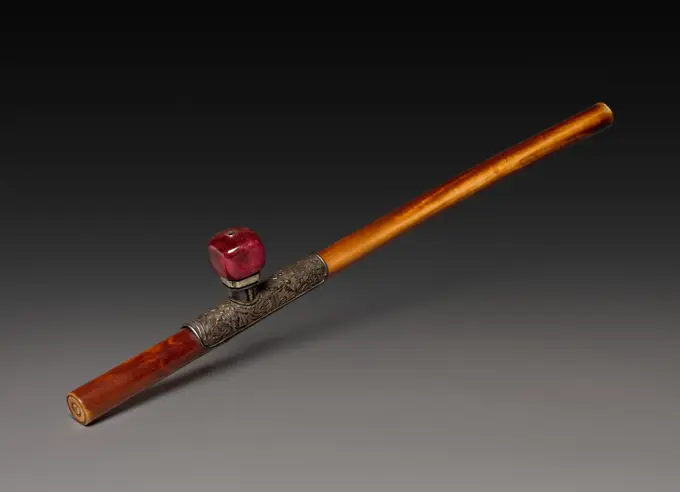
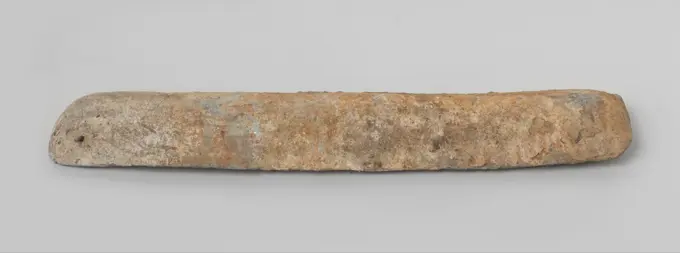
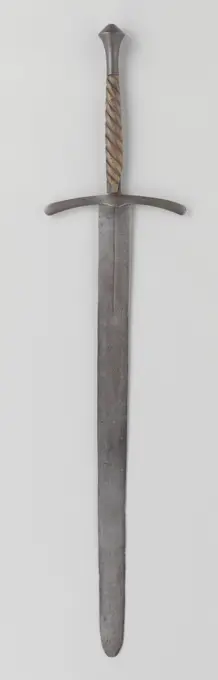
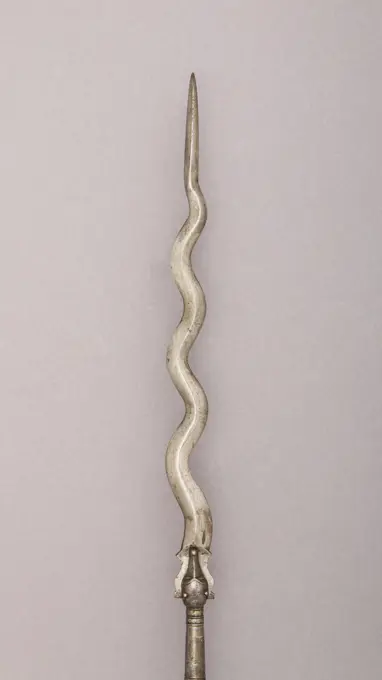
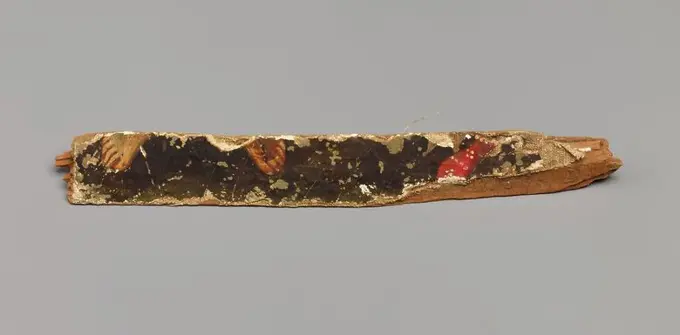
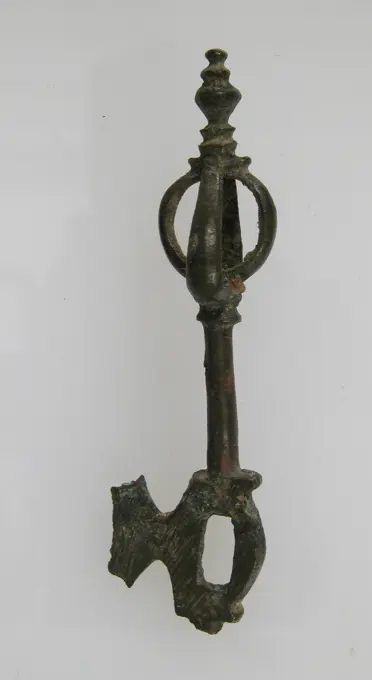
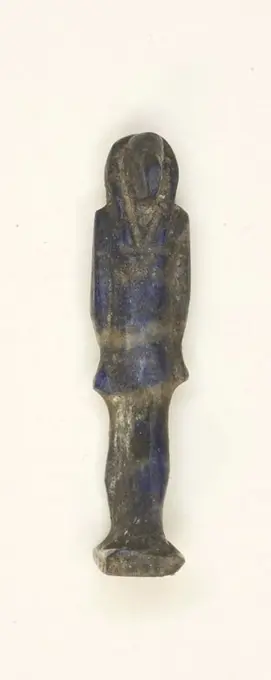
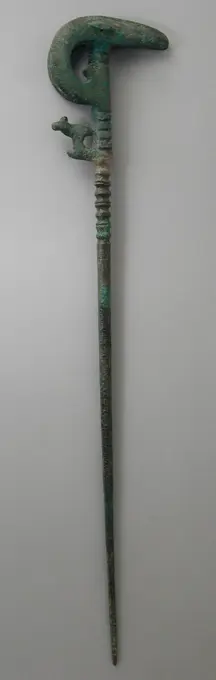
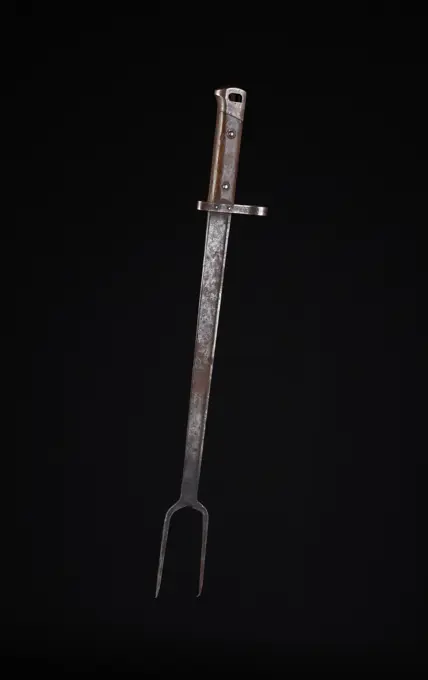
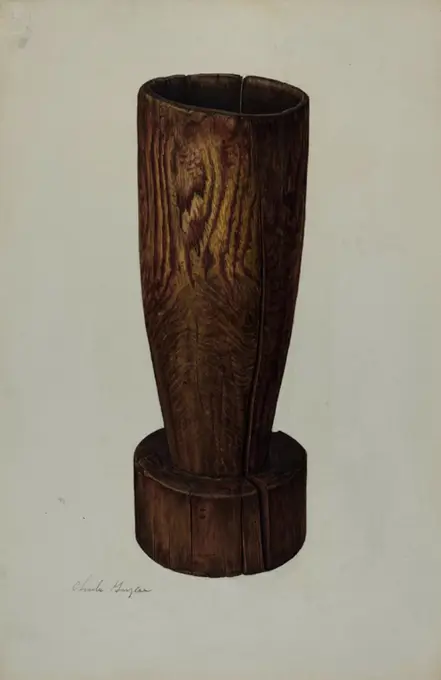
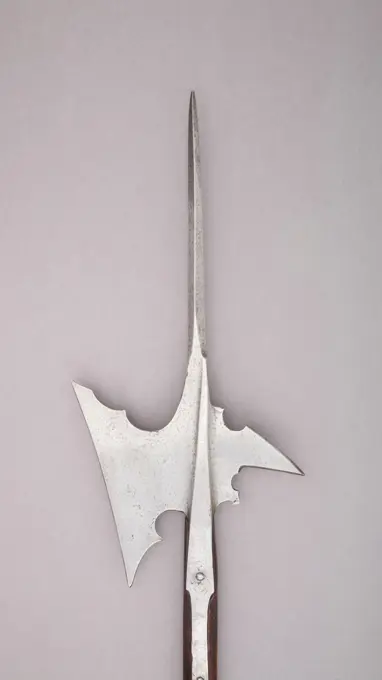
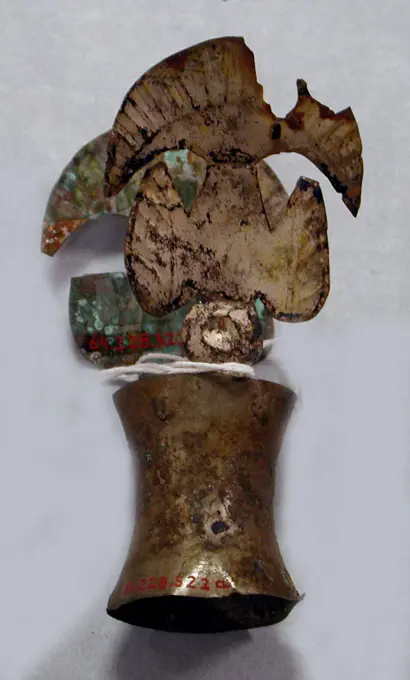
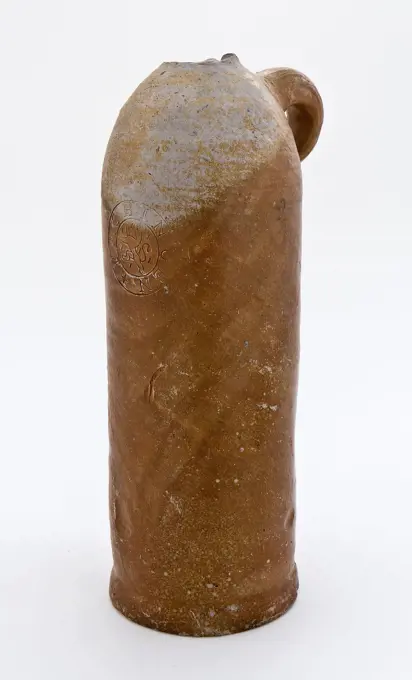
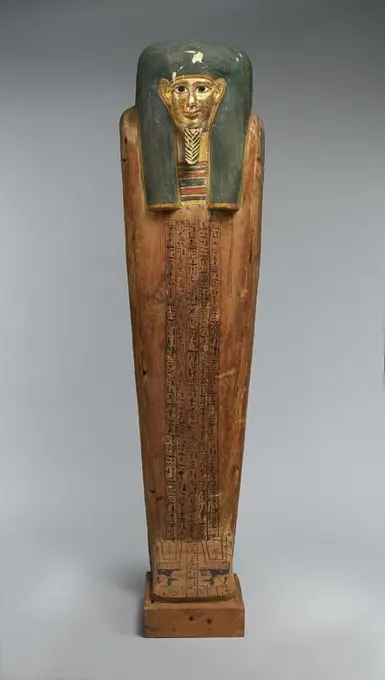
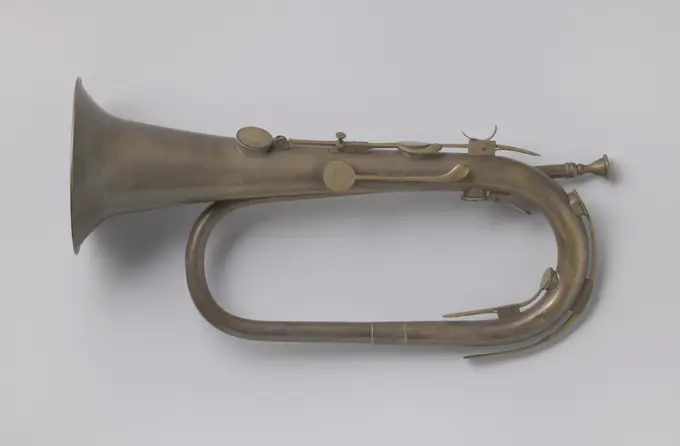
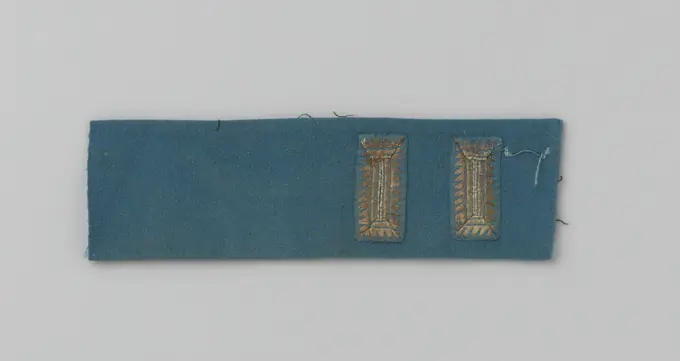
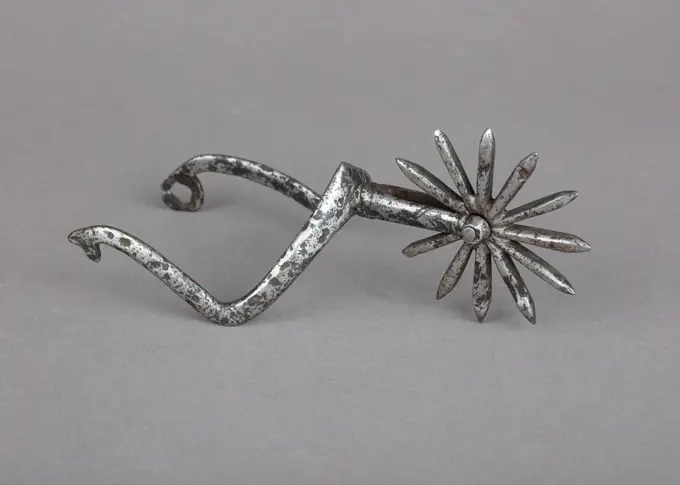
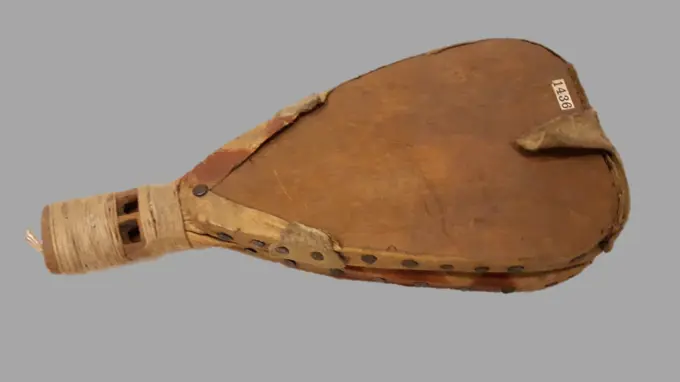
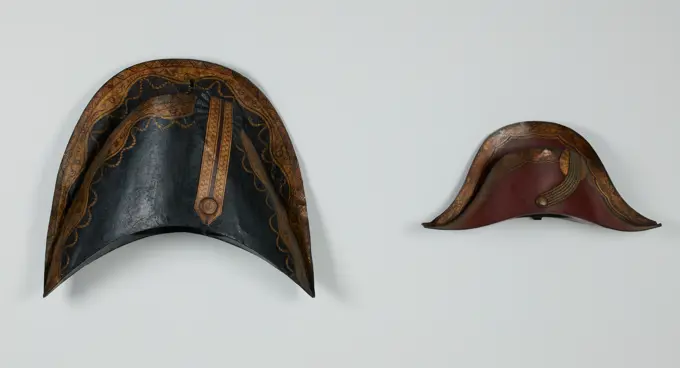
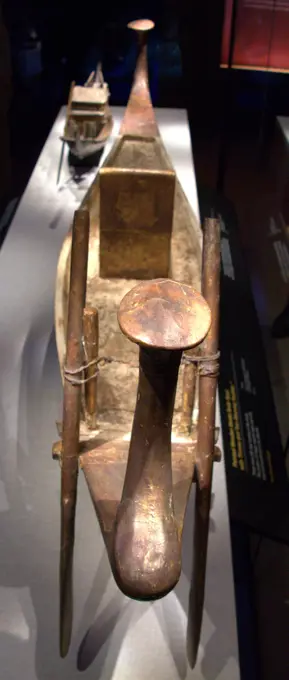
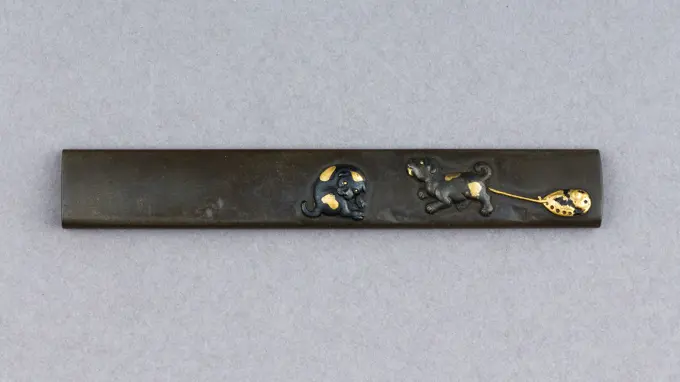
Iron Axehead, Mediaeval. Found at Weoley Castle siteBone Pick. Peru, Probably central coast. Date: 1000-1476. Dimensions: 13.5 x 1.3 cm (3/8 x 1/2 in.). Bone or wood. Origin: Peru. Museum: The Chicago Art Institute, Chicago, USA.CITHER (Nordic beam), Anonymous, 1608 Noordsche Balk with three strings. Two screws are missing. Dated: 1608.  wood (plant material) Noordsche Balk with three strings. Two screws are missing. Dated: 1608.  wood (plant material)Knife 16th-19th century Javanese. Knife 31604two sabres (such) and a knife (piha-kaetta), anonymous, before  Sabel with solid golden hilt inlaid with 136 diamonds and 13 rubies. Wooden sheath completely covered with gold. Hilt (does European) decorated with four small lion heads. Golden upholstery of the sheath executed in two parts, connected by a ring decorated similar to both parts. European blade (simple for such a weapon) partially invested with gold and with remains of inscription. Government jewelry Kandy. Kandy gold (metal). diamond (mineral). ruby (mineral). wood (plant material). iron (metal) forging / casting dragon. ornaments ~ art KandyHuman Bone marrow structure, white backgroundKnife with Saber-Shaped Blade, steel, earthenware, silver, Saber-shaped blade, waisted bolster. Banded silver ferrule. Pistol-shaped earthenware handle, cream ground with marble pattern in yellow, brown and blue, clear glaze., England, ca. 1745, cutlery, Decorative Arts, knife, knifeWhite clay pipe, unnoticed, with smooth handle, clay pipe smoking equipment smoke floor earthenware ceramic pottery, hand molded baked White clay pipe unnoticed with smooth handle. Pipe is misbaksel; small hole in the bottom of the boiler caused by irregularity of the clay. Pipe has always leaked or at first heating leak hit archeology smoking tobaccoKnife (possibly Germany); steel, silver, agate; L x W: 19.6 x 2.1 cm (7 11/16 x 13/16 in.); The Robert L. Metzenberg Collection, gift of Eleanor L. Metzenberg; 1985-103-120Chopstick, 918-1392. Korea, Goryeo period (918-1392). Bronze; overall: 3.2 cm (1 1/4 in.).Plumbline. Plumbline. Ivory or boneAx with Rounded Top ca. 500 B.C.-A.D. 300 Indonesia. Ax with Rounded Top. Indonesia. ca. 500 B.C.-A.D. 300. Dark grey stone. Bronze and Iron Age period. SculptureHairpin 7th century Frankish. Hairpin 465619 Frankish, Hairpin, 7th century, Bronze, Overall: 5 15/16 x 3/16 in. (15.1 x 0.5 cm). The Metropolitan Museum of Art, New York. Gift of J. Pierpont Morgan, 1917 (17.193.290)Spoon with fig-shaped container and round, slightly tapered stem, spoon cutlery soil find tin metal, cast Figs-shaped bowl short rat tail round straight handle end of the stem slightly widened and straight Tin mark in the leaf for the attachment of the stem Front trench crushed crowned rose In the crown L, W archeology Rotterdam rail tunnel food Soil discovery: rail tunnel Rotterdam.Column and Capital with Dog Mask. Culture: North Italian. Dimensions: Overall: 105 1/2 x 16 1/2 x 16 1/8 in. (268 x 41.9 x 41 cm). Date: 14th century. Museum: Metropolitan Museum of Art, New York, USA.Sword ca. 8th-7th century B.C. Iran. Sword 325220Dagger (Katar) 17th century Indian, Vijayanagara. Dagger (Katar) 31521Needle Cypriot. Needle 244378Spoon 5th-6th century Byzantine. Spoon 463637Eastern ice axPrzeszo Przyszoci unknownKnife Roman. Knife 250633 Roman, Knife, Bronze, Other: 2 5/8 in. (6.7 cm). The Metropolitan Museum of Art, New York. Rogers Fund, 1917 (17.230.106)Strap Hinge 15th-16th century European. Strap Hinge. European. 15th-16th century. Iron. Metalwork-IronPin with hooked head Roman. Pin with hooked head 250624 Roman, Pin with hooked head, Bronze, Other: 3 13/16 in. (9.7 cm). The Metropolitan Museum of Art, New York. Rogers Fund, 1917 (17.230.97)Plane title with curved cut for hollow block slicer.Knife 18th-19th century Philippine, Sulu. Knife 27839Pen nibs from Box of Perry Pen Nibs. Manufacturer: Josiah Mason. From card box containing 50 pen nibsDagger. Northern Iran, 1350-1000 B.C.. Arms and Armor; daggers. Bronze, castSpear 18th-19th century Indian, Sindh. Spear 30759Bottle 30 B.C.-A.D. 364 Roman Period. Bottle. 30 B.C.-A.D. 364. Glass. Roman Period. From Egypt, Middle Egypt, Oxyrhynchus (Bahnasa), EEF excavations 1896-97Sword (Klewang) with Scabbard. Culture: Malayan. Dimensions: L. with scabbard 28 in. (71.1 cm); L. without scabbard 25 1/2 in. (64.8 cm); L. of blade 18 in. (45.7 cm); W. 2 1/2 in. (6.4 cm); Wt. 1 lb. 8.3 oz. (688.9 g); Wt. of scabbard 9.2 oz. (260.8 g). Date: 18th-19th century. Museum: Metropolitan Museum of Art, New York, USA.Clarinet (upper and lower joint), Ludwig Embach & Co, 1825 - 1835 Middle part clarinet, made of palmhout with ivory band and brass valves Amsterdam boxwood (hardwood). ivory. brass (alloy) Middle part clarinet, made of palmhout with ivory band and brass valves Amsterdam boxwood (hardwood). ivory. brass (alloy)Amulet of a Papyrus Column 1070 BCE-656 BCE Egypt. Stone . Ancient EgyptianChisel ca. 1479-1458 B.C. New Kingdom. Chisel. ca. 1479-1458 B.C.. Wood, bronze or copper alloy. New Kingdom. From Egypt, Upper Egypt, Thebes, Deir el-Bahri, Temple of Hatshepsut, Foundation Deposit 4 (D), MMA excavations, 1923-24. Dynasty 18Sporting Crossbow. Swiss, Uri. Date: 1575-1600. Dimensions: 9.5 x 62.9 x 62.9 cm (3 3/4 x 24 3/4 x 24 3/4 in.). Steel, wood, ivory, horn, iron, cord, and leather. Origin: Uri. Museum: The Chicago Art Institute, Chicago, USA.Warp spacer  ca. 1295-1070 B.C. New Kingdom, Ramesside. Warp spacer . ca. 1295-1070 B.C.. Wood. New Kingdom, Ramesside. From Egypt, Memphite Region, Lisht North, Late New Kingdom Settlement, MMA excavations, 1920-22. Dynasty 19-20Knife, late 19th century, 12 1/4 x 1 in. (31.1 x 2.5 cm), Wood, metal, United States, 19th centuryFurniture element ca. 18th century B.C. Old Assyrian Trading Colony. Furniture element. Old Assyrian Trading Colony. ca. 18th century B.C.. Ivory. Middle Bronze Age-Old Assyrian Trading Colony. Anatolia, probably from AcemhöyükProject of a collar of the NCO Field Gendarmerie of the Second Brigade of the Polish Legions Jarnuszkiewicz, Czesław (1888 1988)Tweezers ca. 1640-1550 B.C. Second Intermediate Period. Tweezers 545645Choose box, tapered, covered with black paper and lined with blue paper. Closure with two lead hooks and eyes. 'Hinges' of coarse linen connect lid and bottom.Finger stall ca. 1479-1425 B.C. New Kingdom. Finger stall 576567Powder Horn 1775 Colonial American, Concord, Massachussets This powder horn is engraved with a map of Boston, a gun and a running animal among others.. Powder Horn 29560SABLE DEL GENERAL DON RAFAEL DE RIEGO - 1822. Location: CONGRESO DE LOS DIPUTADOS-OBJETOS. MADRID. SPAIN.Antennae Sword 1500-500 B.C. India These anthropomorphic figures, harpoons, ax blades (celts), and antennae swords were cast and hammered from unalloyed copper. They may be dated to 1500 to 1000 B.C. Given that pure copper is a relatively soft metal and most of the objects show little or no signs of wear, it seems likely that their function was largely dedicatory. Hoards of such objects have been found across north India, the greatest concentration being in Uttar Pradesh. The findspots suggest they were ritually deposited in rivers or marshes, though several related antennae swords were recorded in late Indus Valley civilization (ca. 1500 B.C.) burials at Sanauli.. Antennae Sword. India. 1500-500 B.C.. Copper. MetalworkPoincon.Spear Point before 16th century Tairona. Spear Point 317306Bronze fibula or cloak pin with broad, short back, without pin, fibula fastener soil find bronze metal, cast hammered pulled bronze fibula or mantle pin Curved back. Wide profiled back Eyes fibula with open eyes archeology Spijkenisse roman time early Middle Ages dress fastening pins Soil discovery Spijkenisse.Gauntlet Sword (Pata) 19th century Indian. Gauntlet Sword (Pata) 31015Tip-table or Cant-table. Dated: 1937. Dimensions: overall: 35.4 x 26.5 cm (13 15/16 x 10 7/16 in.) Original IAD Object: 26 5/8"high; greatest width of table top: 17 5/8. See data sh.. Medium: watercolor, colored pencil, and graphite on paper. Museum: National Gallery of Art, Washington DC. Author: William McAuley.Metal spikeStone stele inscribed with laws of Hammurabi, king of Babylon (1792-1750 BC) Hammurabi enthroned at top. Louvre, ParisCeremonial Knife (Tumi) 2nd-7th century Moche. Ceremonial Knife (Tumi) 315244Goldweight Horn, 19th-20th century, 1 5/16 x 1/2 in. (3.33 x 1.27 cm), Brass, Ghana, 19th-20th centuryOpium Pipe, 1800s. China, Qing dynasty (1644-1911). Ivory with silver repoussé decoration; overall: 52.8 cm (20 13/16 in.).Ballastlood from the wreck of the East Indians Hollandia, Anonymous, 1700 - in or Before 1743  Ingot; (1) corroded, oblong, straight, semicircular ends, flat upper side (87l, 15.8w, 6h), semicircular in section, ends curved, marks legible (L). Netherlands lead (metal)   SecondBattle or executioner, 1662 two-handed sword Sword with twisted wooden handle of a later date, browned toll -shaped rag button and slightly downward bent bar. On the wide, double -edged, straight kling in De Geul the year 1662 and a black brand with the weapon of Haarlem (standing sword with 4 stars on either side). At the bottom of the Geul Witmerk with coat of arms with a vertical bar with 2 stars on either side. Germany kling: iron (metal). greep: wood (plant material) forging  HaarlemSpear 18th-19th century South Indian. Spear 30773Icon Fragment. Culture: Byzantine or Crusader. Dimensions: L. 1 5/16 in. (3.3 cm); W. 10 3/16 (25.8 cm); D. 7/8 in. (2.2 cm). Date: 1200-1272.This fragment from the lower edge of an icon is all that survives of the only known Byzantine-style icon found at a crusader site and suggests that Crusaders used icons. To the right is a red (purple) shoe decorated with pearls, typical of Byzantine imperial dress. Similar shoes are worn by the Virgin and by archangels, one of whose feet may be pictured here. The barely sandaled feet to the left might be those of Saint John the Forerunner (the Baptist). Museum: Metropolitan Museum of Art, New York, USA.Key 1st-7th century Roman. Key 462988Spindle, Fragment , Undetermined or 1000-1400. Wood, pigment, cotton, 3/8 x 3/8 x 3 9/16 in. (1 x 1 x 9 cm).   Arts of the Americas Undetermined or 1000-1400Amulet of the God Thoth. Egyptian. Date: 664 BC-332 BC. Dimensions: 2 × .5 × .5 cm (3/4 × 3/16 × 3/16 in.). Lapis Lazuli. Origin: Egypt. Museum: The Chicago Art Institute, Chicago, USA. Author: Ancient Egyptian.Cavalry saber with vaginaKrzyż ręczny - fragment. unknown, authorChopstick, 918-1392. Korea, Goryeo period (918-1392). Silver bronze; overall: 24.8 cm (9 3/4 in.).Staff, 27 1/8 x 2 13/16 x 2 3/4 in. (68.9 x 7.1 x 7 cm), Wood, AngolaHairpin 7th century Frankish. Hairpin 465307 Frankish, Hairpin, 7th century, Silver, Overall: 6 1/2 x 3/16 in. (16.5 x 0.4 cm). The Metropolitan Museum of Art, New York. Gift of J. Pierpont Morgan, 1917 (17.192.239)Textile swatch, Deerfield Society of Blue and White Needlework, (Deerfield, Massachusetts, USA, 1896-1926), Deerfield, Massachusetts, USA, 1910-20, Textile swatchPin. Northwestern Iran, Luristan bronzes, circa 1350-800 B.C.. Jewelry and Adornments; pins. Bronze, castBayonet for a gun turned into a forkMortar. Dated: c. 1940. Dimensions: overall: 45.8 x 30.2 cm (18 1/16 x 11 7/8 in.) Original IAD Object: 14 5/8" high; 5 3/8" wide. Medium: watercolor and graphite on paperboard. Museum: National Gallery of Art, Washington DC. Author: Charles Garjian.Cecil Smith, Trapper's Hunting Knife, 1935 1942 Trapper's Hunting KnifeOx leg dish ca. 1550-1295 B.C. New Kingdom. Ox leg dish. ca. 1550-1295 B.C.. Ivory. New Kingdom. From Egypt. Dynasty 18Shield (Targone) for the Gioco del Ponte Made 1770-1780 Pisa. Wood, iron, and paint .MountMessenheft from the wreck of the East Indians Hollandia, Anonymous, 1700 - in Or Before 1743  Knife, handle, cylindrical: tapering; id. NG 1979-403H. Netherlands wood (plant material)   SecondFragment of a decoration, 19th century, Decorative Arts, Fragment of a decorationBead 1000 BCE-800 BCE China. Jade .Halberd 1525-50 probably German. Halberd 25021Hammered Silver Miniature Crown 11th-mid-16th century Peru; north or central coast (). Hammered Silver Miniature Crown 309033Stoneware mineral pitcher, cylindrical with round shoulder, sausage ear and short neck, mineral water pitcher jar product packaging container soil find ceramic stoneware glaze salt glaze approx., hand turned glazed baked Stoneware mineral pitchers cylindrical with round shoulder short neck and sausage ear. Stand area with traces of deduction and soul. Glazed. Marked under the ear and marked on the front with medallion Medallion in the medallion: FACHINGEN in the midfield left clawing lion archeology Rotterdam Kralingen-Crooswijk Struisenburg Oostmaaslaan Boslaan Buizengat advertising indigenous pottery import drinking water drinking medicine packaging Soil discovery: Buizengat Oostmaaslaan Boslaan Rotterdam an old landfill of urban waste.Fish Knife (USA); Manufactured by Gorham Manufacturing Company (United States); silverBrooch -Lamp;  19th century (1801-00-00-1900-00-00);puñal biglobular, Necrópolis de Carratiermes, siglo II-I a.C. museo del Yacimiento arqueológico de Tiermes, Soria, comunidad autónoma de Castilla y León, Spain, Europe.Coffin of Nesmin. Dimensions: L. 182.9 × W. 42 × D. 41 cm (72 × 16 9/16 × 16 1/8 in.). Date: 200-30 B.C..This coffin belonged to Nesmin, who was a priest for the god Min in Akhmim. The names of Nesmin's parents are given in the coffin's inscriptions; his father was a priest called Djedhor and Nemin's mother was a musician for Min called Tadiaset. The coffin came to the museum together with Nesmin's mummy. Museum: Metropolitan Museum of Art, New York, USA.Keyed bugle, 1830 - 1849 Valve bugle in bes. Six flat, round valves, the bottom open and with adjusting screw. The valves are mounted on saddles and close to tubes around the holes. Valve and key from a piece of metal. With support saddle for the medium-finger of the right hand. The test of the third valve runs below.  copper (metal) Valve bugle in bes. Six flat, round valves, the bottom open and with adjusting screw. The valves are mounted on saddles and close to tubes around the holes. Valve and key from a piece of metal. With support saddle for the medium-finger of the right hand. The test of the third valve runs below.  copper (metal)Blue cloth cuff with two applications of silver plaque, c. 1800 - c. 1825 Blue cloth cuff with two applications of silver plaque. Netherlands cloth. silver thread sewing / embroidering Blue cloth cuff with two applications of silver plaque. Netherlands cloth. silver thread sewing / embroideringTwo Carved Martial Trophies, anonymous, c. 1665 Weapon trophy sculpted and polychromed in relief. On a roughly stabbed strain there is a armor, crowned by a helmet with crossed flags. For the armor crossed shields, including weapons. Coming from one of the chimneys in the meeting room of the Admiralty in Amsterdam. Netherlands wood (plant material)   Amsterdam Weapon trophy sculpted and polychromed in relief. On a roughly stabbed strain there is a armor, crowned by a helmet with crossed flags. For the armor crossed shields, including weapons. Coming from one of the chimneys in the meeting room of the Admiralty in Amsterdam. Netherlands wood (plant material)   AmsterdamShoes 16th century British. Shoes. British. 16th century. leatherTassel French 19th century View more. Tassel. French. 19th century. Silk and metal thread. Textiles-TrimmingsRowel Spur mid-14th century possibly German The first rowel spurs, which featured a revolving disc or star at the end of the neck, appeared in Western Europe around the mid-13th century. They cohabitated with the earlier form, the prick spur, for about a century, before replacing it almost completely in Europe by the mid-14th century. The advantage of the rowel spur over the prick was it allowed the rider to reach the flanks of its horse with one of the points whatever the angle of its foot, which was very convenient regarding the riding position of the time, with long stirrups-leathers and extended legs. The fact that the rowel rolled against the horse instead of hitting it directly reduced also the probability of injuring it too seriously.. Rowel Spur. possibly German. mid-14th century. Iron alloy. Equestrian Equipment-SpursFigure-top spoon 18th century possibly German. Figure-top spoon 188227 possibly German, Figure-top spoon, 18th century, Silver, 6 3/8 in. (16.2 cm). The Metropolitan Museum of Art, New York. Gift of Mrs. Samuel P. Avery, 1897 (97.2.203)Stopped double pipe with bellows 19th century Native American (Haida). Stopped double pipe with bellows 502002Object ID #18803667; England; wood, shark skin, metal; L x W x D: 13.4 x 3.8 x 3.5 cm (5 1/4 x 1 1/2 x 1 3/8 in.); The Robert L. Metzenberg Collection, gift of Eleanor L. Metzenberg; 1985-103-110Anonymous, in hat (i). Chapelier brand. Paris (dummy title), 1700. Painted sheet in dark green, gilding. Carnavalet museum, history of Paris. Gendarme hat with cockade and cord in relief, bordered by a braid decorated with oak leaves and acorns, with hollow cap in the shape of a truncated cone.Painted wooden model Solar Boat with throne and two steering paddles from the tomb of King Tutankhamen 1336 - 1326 B.C.Knife Handle (Kozuka) ca. 1615-1868 Japanese A kozuka is a handle of a by-knife that is part of a sword mounting. It is kept in a slot on the reverse of a katana scabbard, often with a matching kōgai (hairdressing tool).. Knife Handle (Kozuka) 34512Dagger-Axe with Whorl Decoration Dian. Dagger-Axe with Whorl Decoration, 5th century B.C.E.-early 1st century C.E. Bronze, 5 1/8 x 9 7/8 in. (13.0 x 25.1 cm).   Asian Art 5th century B.C.E.-early 1st century C.E.