Historical Vessel Fragments

Artifacts from ages past, including counter boxes and glass fragments, with details hinting at their former utility. They represent everyday life in historical contexts.

Excerpt bowl of a flute glass from the wreck of the East Indians Hollandia, Anonymous, 1700 - in Or Before 1743 drinking glass. bowl Glass, stem glass, bowl; fragment of base, circular, with everted side, grooved exterior, angular knop underneath, stem broken off. Netherlands glass   Second
Excerpt bowl of a flute glass from the wreck of the East Indians Hollandia, Anonymous, 1700 - in Or Before 1743 drinking glass. bowl Glass, stem glass, bowl; fragment of base, circular, with everted side, grooved exterior, angular knop underneath, stem broken off. Netherlands glass Second
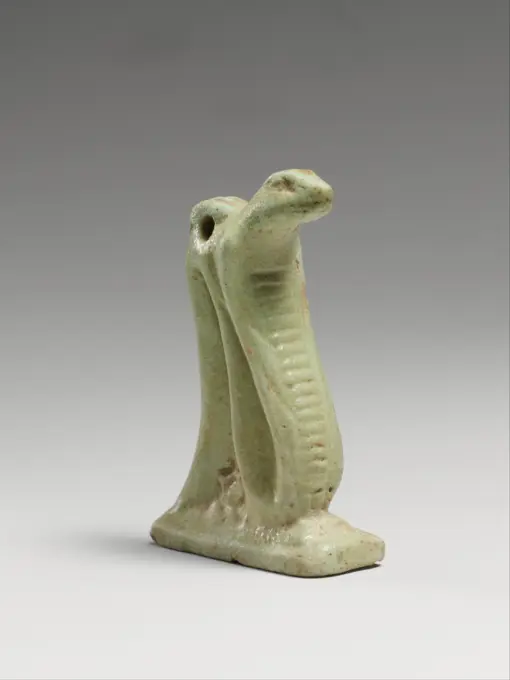
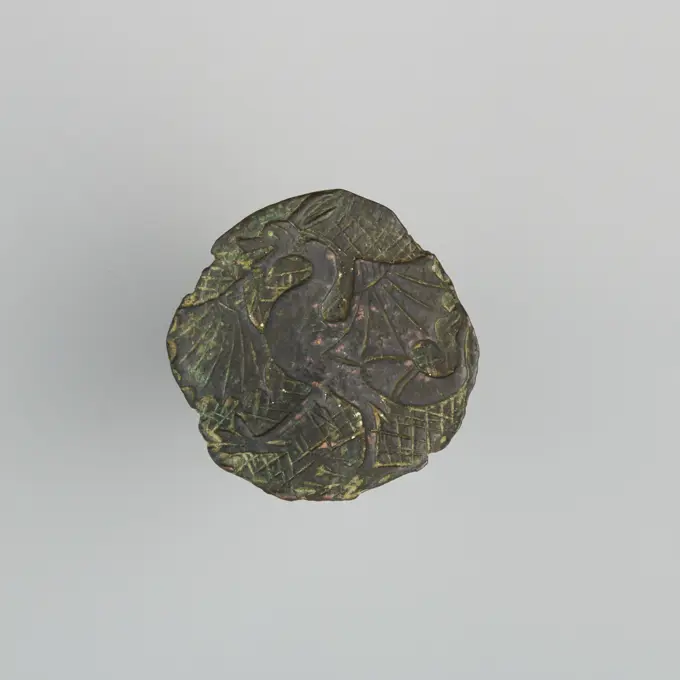
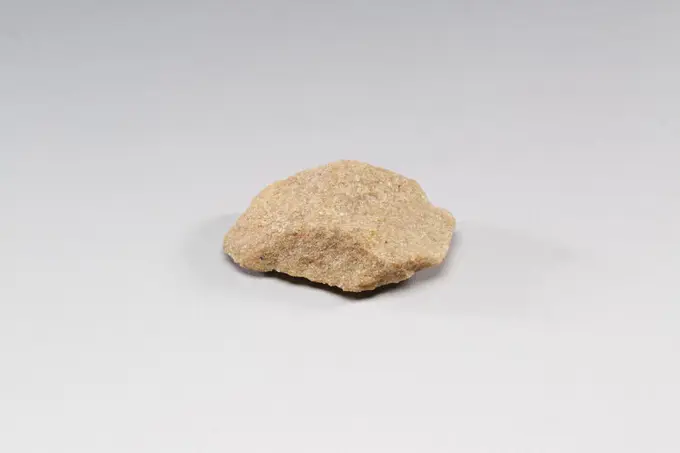
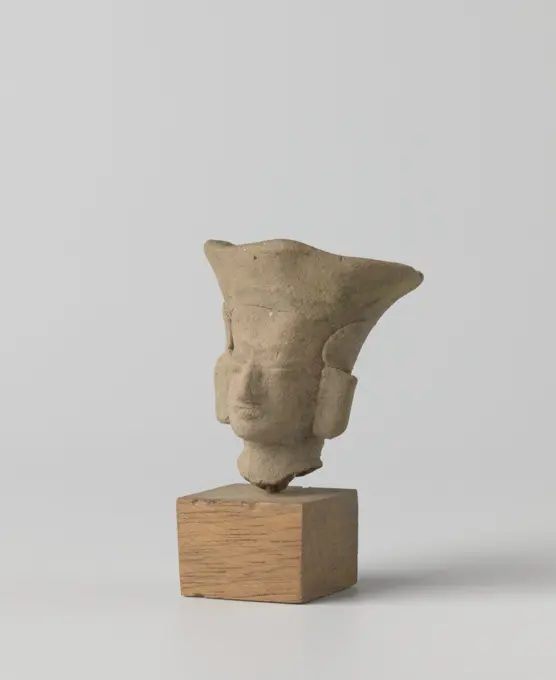
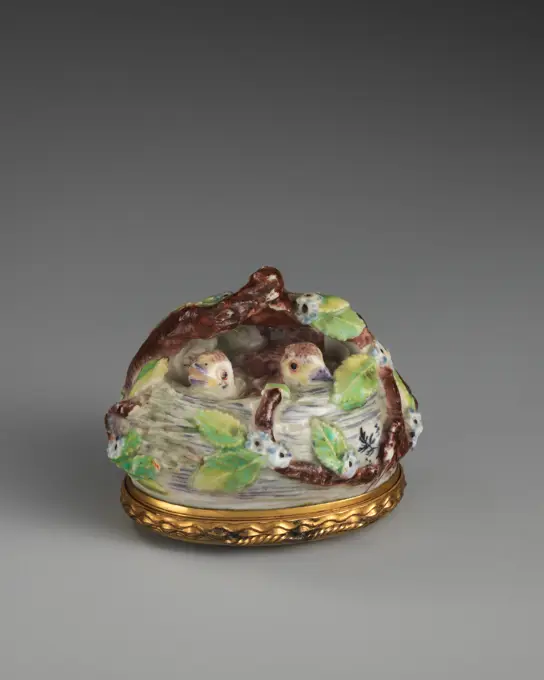
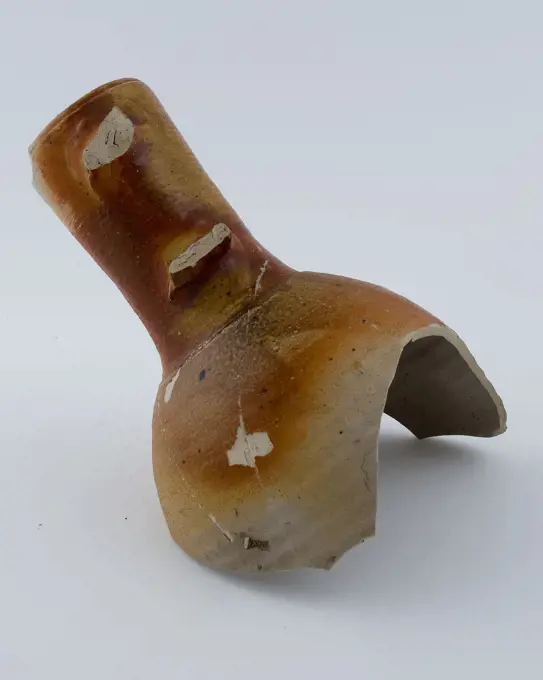
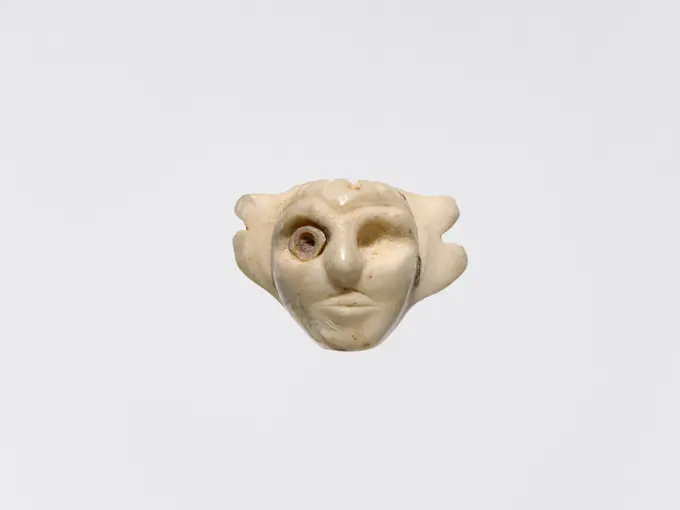
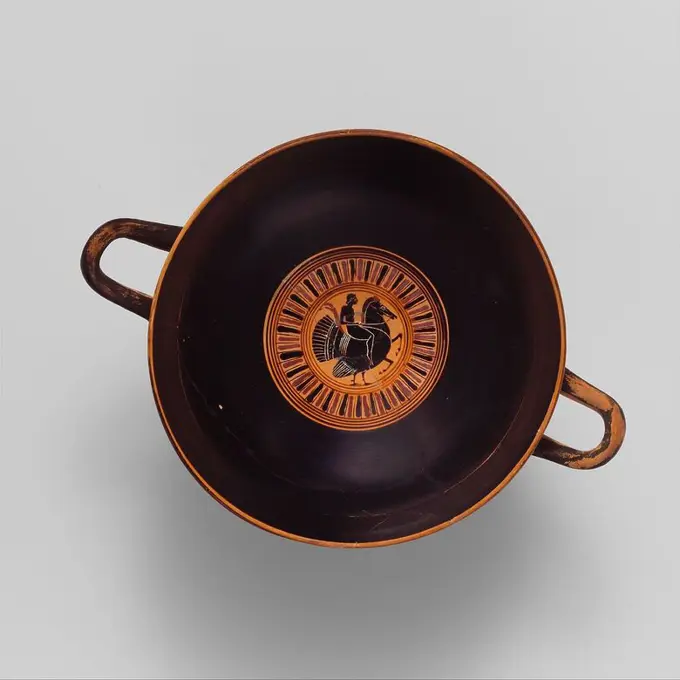
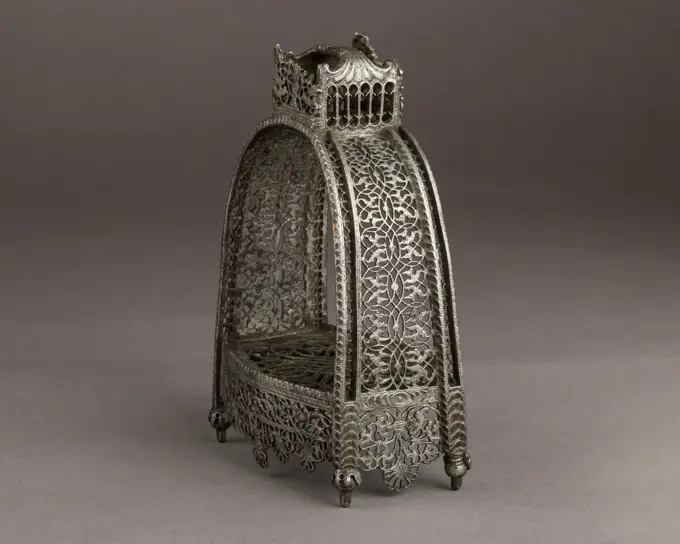
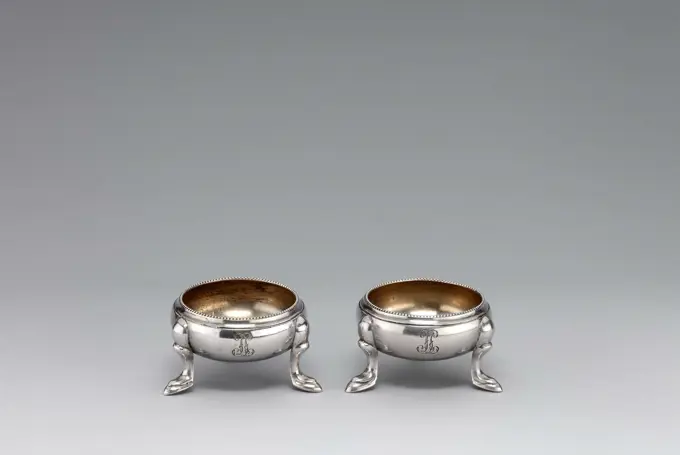
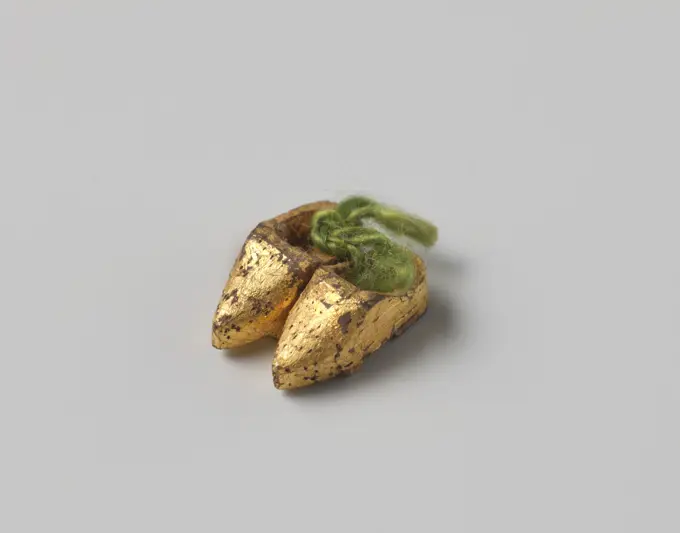
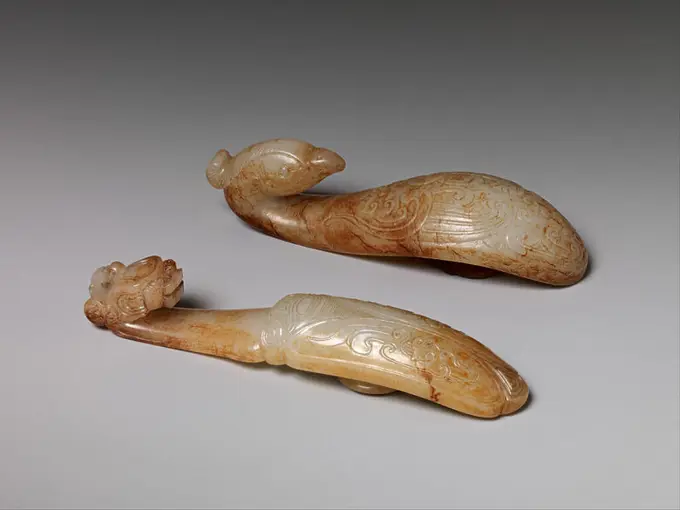
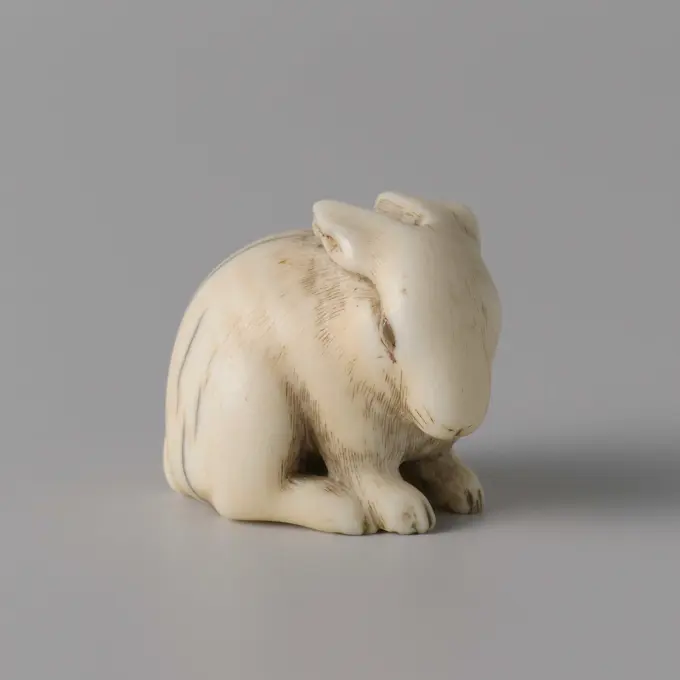
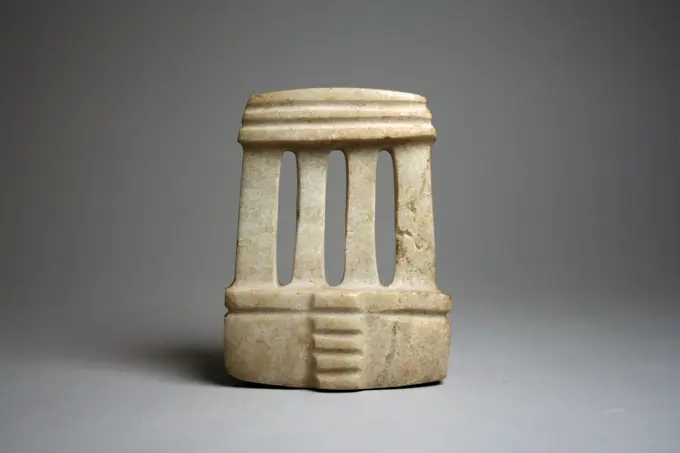
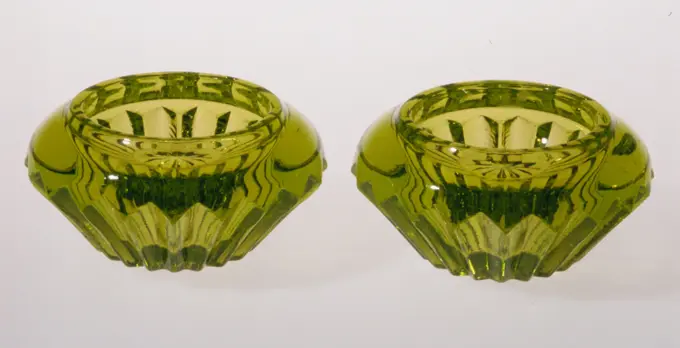
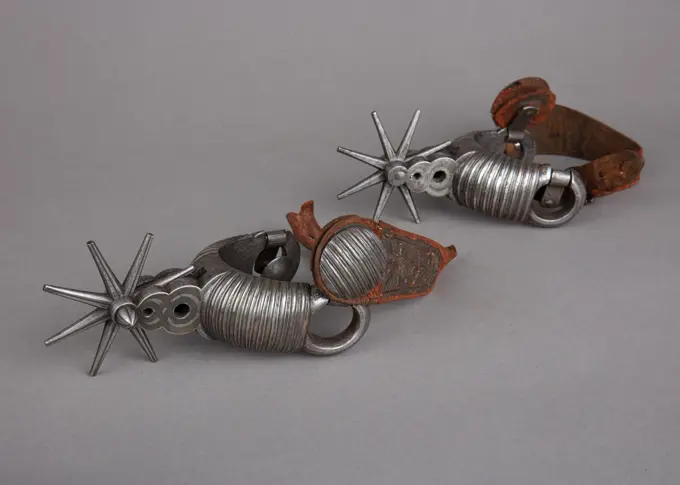
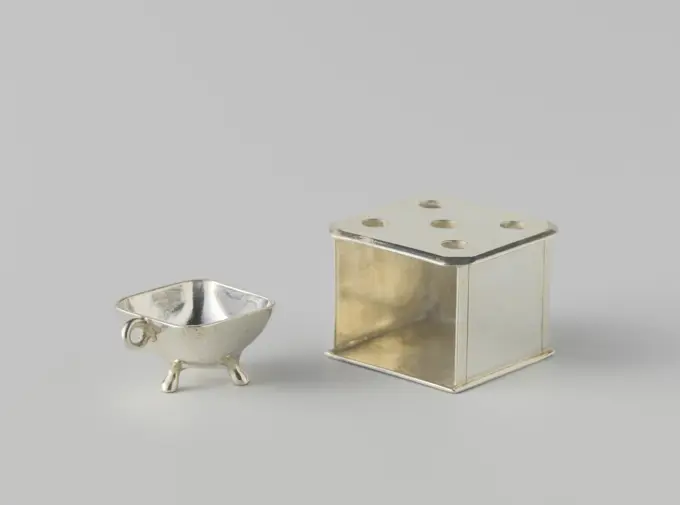
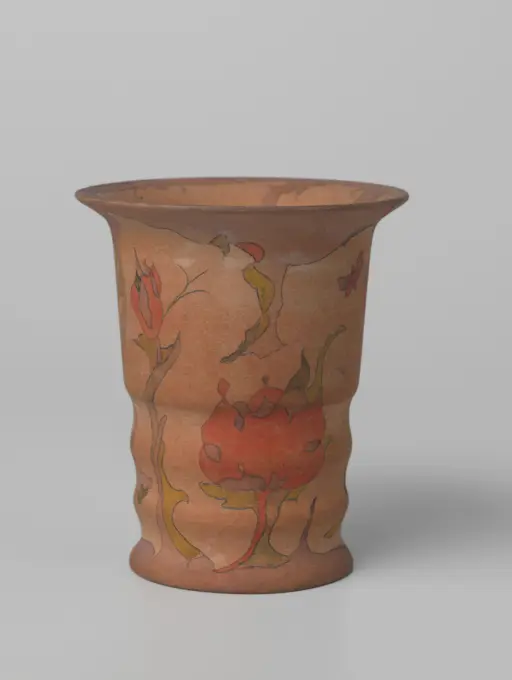
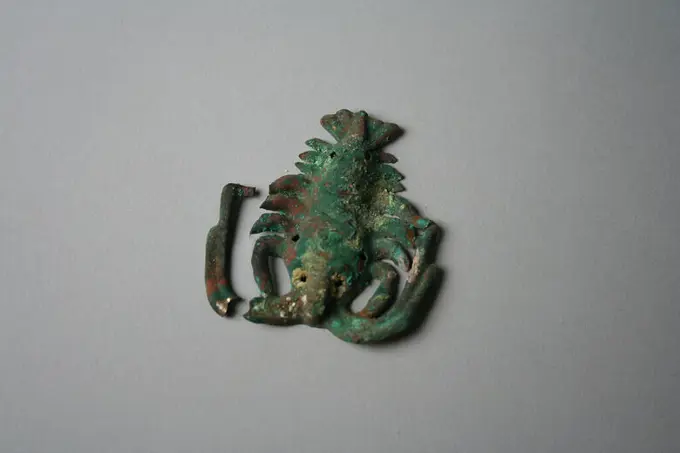
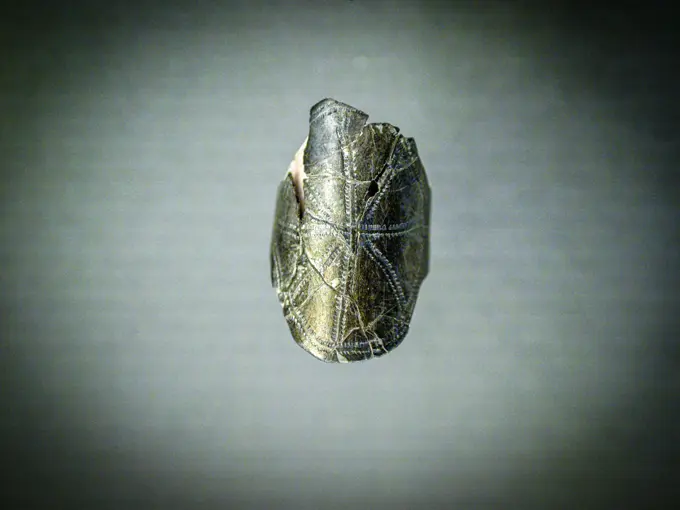
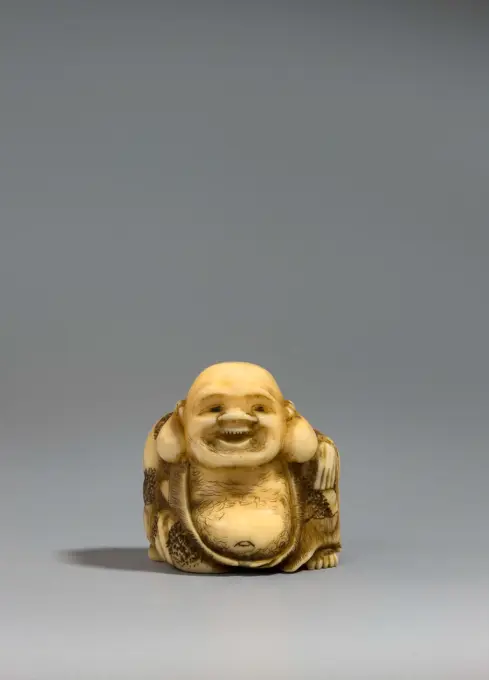
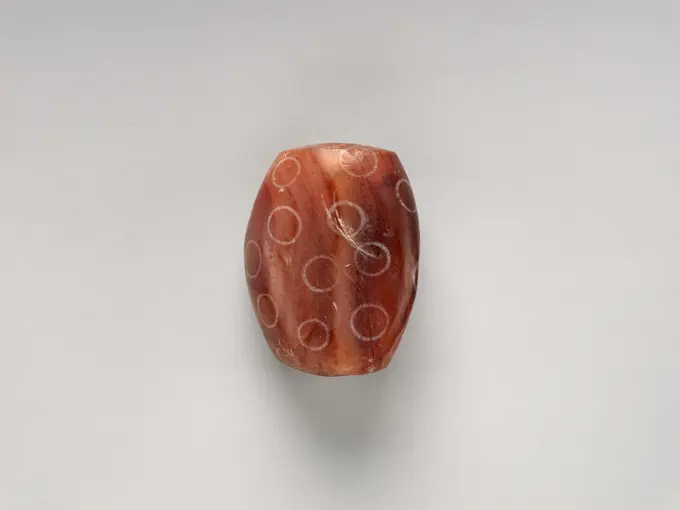
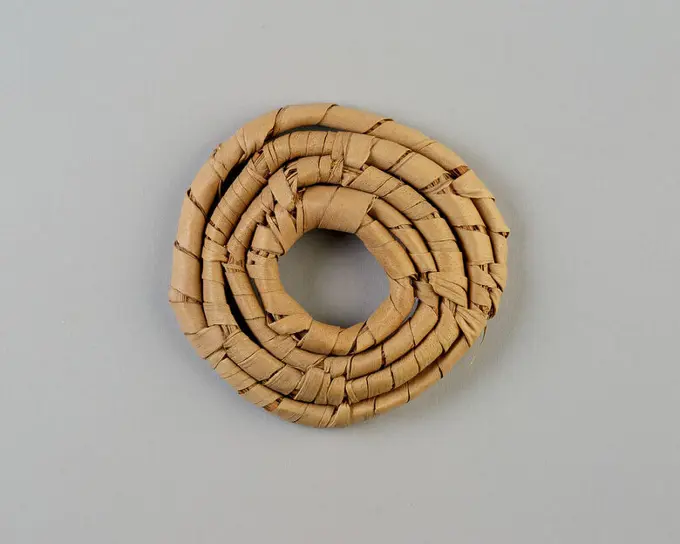
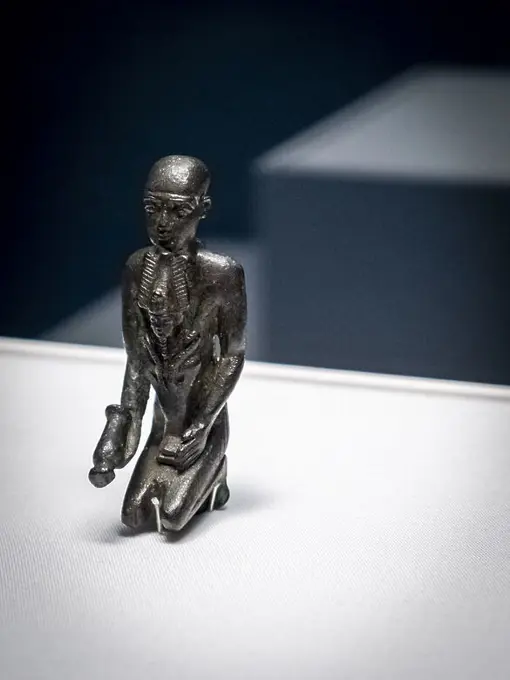
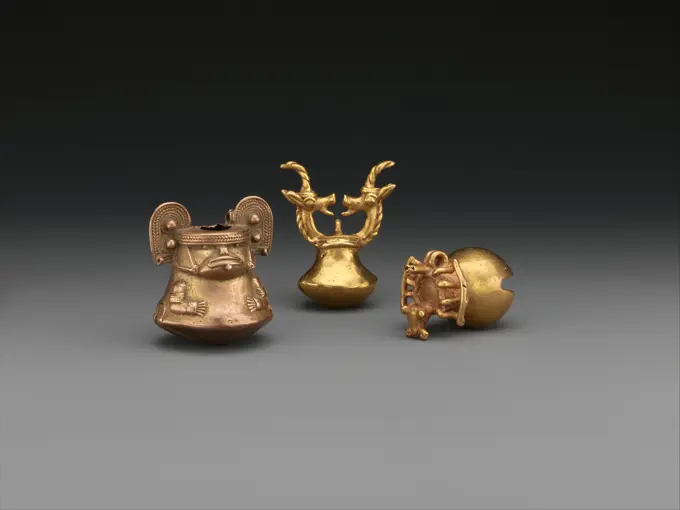
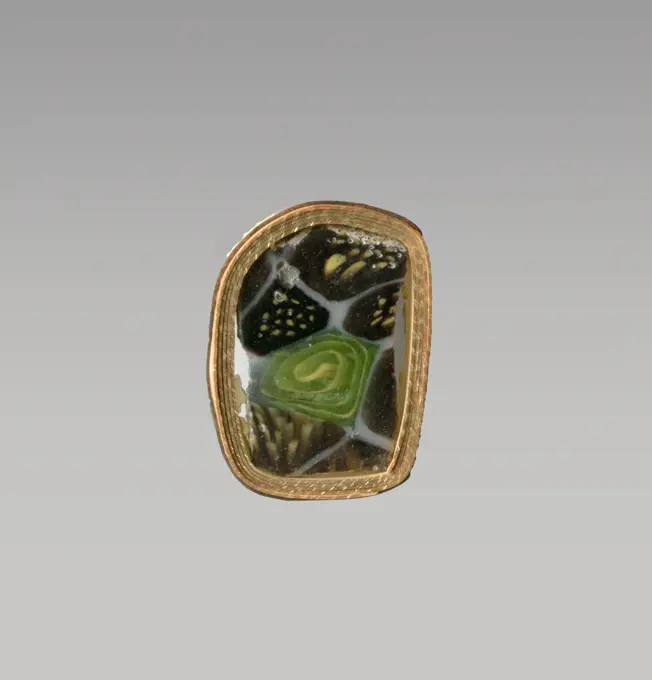
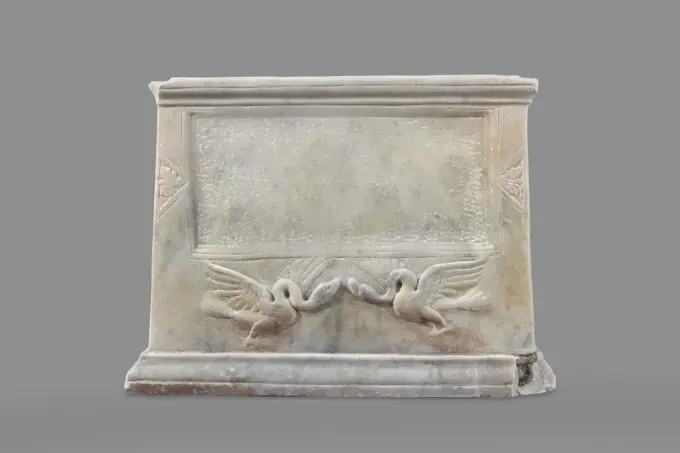
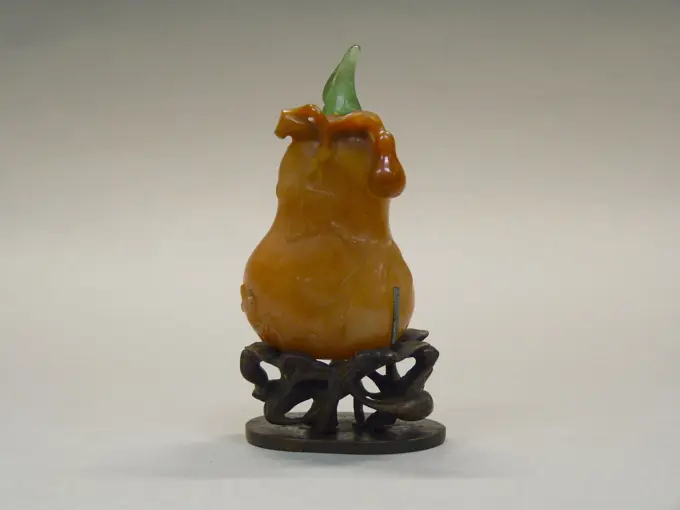
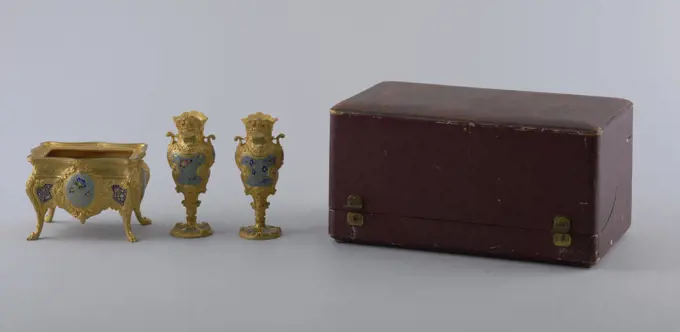
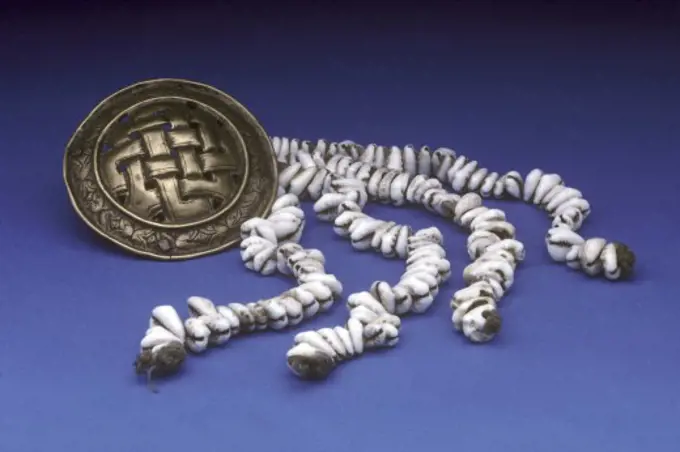
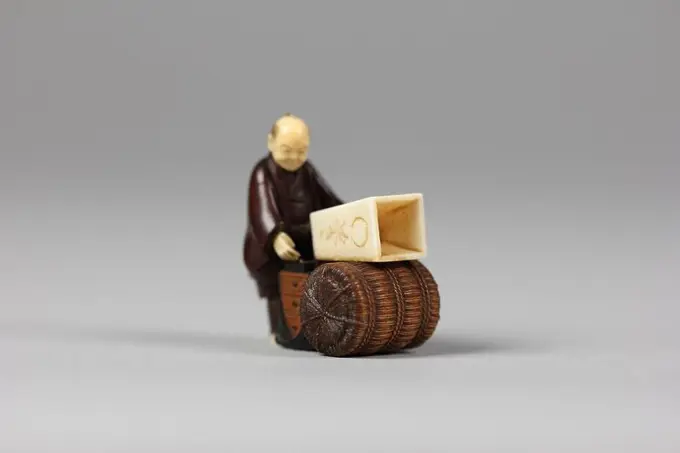
Fragment of a hand bell. Top piece of a hand bubble in the shape of a seated man with raised, crossed legs. Sitting on round stuff, of which edge decorated with four floral motifs.Miniature wafer box 1694-95 I. C., London. Miniature wafer box. British, London. 1694-95. Silver. Metalwork-Silver-MiniatureBox in the form of a book, anonymous, c. 1650 Opened box in the form of a book. At the top is a chain with a ring attached to the end. At the bottom is a sliding plate with a button. The box is not marked. See also BK-14913-XXVIII. Netherlands silver (metal) Opened box in the form of a book. At the top is a chain with a ring attached to the end. At the bottom is a sliding plate with a button. The box is not marked. See also BK-14913-XXVIII. Netherlands silver (metal)Rattle in the form of a bear hugging a small dog ca. 1740 British, Staffordshire. Rattle in the form of a bear hugging a small dog. British, Staffordshire. ca. 1740. Salt-glazed stoneware. Ceramics-PotteryCandlestick with profiled trunk and foot. The round profiled foot is about a predominantly profiled strain and then in a fat catcher, to which the candle pin is soldered. Foot, trunk and fat catcher, which are cast as a whole, have grooved rings. The hollow strain still contains remnants of the seed core.Faience snake amulet 664-30 B.C. Egyptian Amulets representing animals were attributed to a deity: a hawk for Ra, the Sun God, a lion for Sakhmi, the War Goddess, a ram for Khnum and a cat for Bast. Snakes were symbols of royalty.. Faience snake amulet. Egyptian. 664-30 B.C.. Clay, glazed. Late Dynastic-Hellenistic. Gold and SilverBadge or Harness Pendant 14th century Spanish Heraldry, or coat-of-arms, were vitally important in Europe throughout the Middle Ages and the Renaissance. Heraldic emblems were used to identify noble families, cities, regions, and even countries. In addition to being displayed on shields and flags, heraldry was incorporated into architectural decoration on the interior and the exterior of buildings, on furniture, works of art, clothing, and horse equipment. Harness pendants, like this example, would have been attached to a headstall, bridle, or other straps making up the tack of a horse ridden by a nobleman or noblewoman, or a member of their household. Many harness pendants also have decoration that is simply ornamental, or have symbols that are not specifically heraldic in nature.. Badge or Harness Pendant. Spanish. 14th century. Copper. Miscellaneous-BadgesALACRAN II - 2000 - ALUMINIO PULIDO Y SATINADO 17x36x15 cm. Author: VICTORIA CIVERA REDONDO 1955/. Location: GALERIA SOLEDAD LORENZO. MADRID. SPAIN.Inscribed seal impression Old Kingdom ca. 2649-2100 B.C. View more. Inscribed seal impression. ca. 2649-2100 B.C.. Clay or mud. Old Kingdom. From Egypt. Dynasty 4Rubbing Stone. Dimensions: l. 3-9.5 cm (1 3/16-3 3/4 in). Dynasty: Dynasty 18. Reign: Joint reign of Hatshepsut and Thutmose III. Date: ca. 1479-1458 B.C.. Museum: Metropolitan Museum of Art, New York, USA.mould uk penicillium sp. heavy infestation on orange Sword Pommel (Kashira). Culture: Japanese. Dimensions: H. 1 5/16 in. (3.3 cm); Wt. 0.3 oz. (8.5 g). Date: 17th century. Museum: Metropolitan Museum of Art, New York, USA.Head of a sculpture, anonymous, 1300 - 1500 Fragment (head) with high hollow hairdresser or headgear, wide upwards. Two ornaments on each other on either side of face; A half moon shape and an elongated shape over the ears. On a pedestal. Indonesia terracotta (clay material). sokkel: wood (plant material) Fragment (head) with high hollow hairdresser or headgear, wide upwards. Two ornaments on each other on either side of face; A half moon shape and an elongated shape over the ears. On a pedestal. Indonesia terracotta (clay material). sokkel: wood (plant material)Bird's nest ca. 1755 Chelsea Porcelain Manufactory. Bird's nest. British, Chelsea. ca. 1755. Soft-paste porcelain. Chelsea Porcelain Manufactory (British, 1745-1784, Transitional (Brown Anchor) Period, ca. 1758-1759). Ceramics-PorcelainRattle with Figures 500 B.C.-A.D. 300 Indonesia. Rattle with Figures 51373Neck fragment of stoneware jug be red-brown flamed with salt glaze, siegburgkan water jug crockery holder soil find ceramic stoneware glaze salt glaze, hand-turned glazed fried Neck fragment of large stoneware jug. Sphere and elongated body. Long neckline tapered from shape to the upward widening neck, slightly faded with light and dark brown. Rotating from the shoulder downwards. Small dent in abdomen archeology underground pit Rotterdam City center Stadsdriehoek Groenendaal indigenous pottery import drinking water pouring kitchen table Soil discovery: underground pit Groenendaal from large waste pit at ± 4 meters -N..P 1977.06.27.Pendant ca. 2600-2500 B.C. Sumerian. Pendant. Sumerian. ca. 2600-2500 B.C.. Stone, shell. Early Dynastic IIIa. Mesopotamia, NippurSpindle whorl Cypriot. Spindle whorl. Cypriot. Bone Terracotta kylix: lip-cup (drinking cup). Culture: Greek, Attic. Dimensions: H. 5 1/8 in. (13 cm). Date: ca. 530-520 B.C..Interior, youth riding a hippalektryon (a mythical combination of a horse and a rooster)Late sixth-century vases connected with drinking occasionally have subjects that go beyond the familiar gorgons, griffins, or sphinxes. The hippalektryon belongs to this category. It is interesting to compare this piece to the fine early red-figure plate by Epiktetos showing a youth riding a rooster (The Bothmer Gallery II). Museum: Metropolitan Museum of Art, New York, USA.Ear Ornament, c. 600-900. Mexico or Central America, Maya, 7th-10th century. Carved shell; overall: 3.8 x 2.3 cm (1 1/2 x 7/8 in.).Chair crestrail, Wood covered with gesso and gilded, Top rail of a chair back, with portion of sides. At each end, squares with sunken rosettes. Cresting a basket of flowers, with wreath and swags of laurel below it. Back gilded, with incised design of scrolls and foliage., probably England, ca. 1780, Decorative Arts, Chair crestrailFragment Pijpensteel and Fragment Pijpenkop from the wreck of the East Indians Hollandia, Anonymous, 1700 - in Or Before 1743  Pipe, stem; fragment. Netherlands pipe clay   SecondHealey Gold Dish; Manufactured by Chryso-Ceramics (United States); Decorated by Misses Healy, Emily Healey, Mary Healey (American, b. 1852); USA; gilt porcelainDish with a Child Chasing a Fish. Culture: China. Dimensions: H. 3 1/2 in. (8.9 cm); W. 2 1/2 in. (6.4 cm). Date: 18th-19th century.It seems likely that, in addition to its playful quality, the theme of a child catching a fish, presumably a carp, also had overtones of good wishes. It remains unclear as to whether this dish had a function or served as an object for display. Museum: Metropolitan Museum of Art, New York, USA.Komfoorhouder van Messing, Anonymous, c. 1650 - c. 1700 The object is two -part: the yellow -lying holder consisting of two rings and the three sounding connecting pieces and the container of red copper, which sounded three hooks. The connecting parts have claw legs, a widened slightly in front of the middle part and stylized heads. Netherlands brass (alloy) casting The object is two -part: the yellow -lying holder consisting of two rings and the three sounding connecting pieces and the container of red copper, which sounded three hooks. The connecting parts have claw legs, a widened slightly in front of the middle part and stylized heads. Netherlands brass (alloy) castingTerracotta stemmed dish. Culture: Greek, Attic. Dimensions: H. 2 1/4 in. (5.7 cm); diameter 3 3/8 in. (8.6 cm). Date: 6th-5th century B.C..Dish, stemmed. Museum: Metropolitan Museum of Art, New York, USA.Handle Plate; brass; L x W: 6.4 × 4.9 cm (2 1/2 × 1 15/16 in.)Vase fragment Roman Altar.. Vase fragment. Roman. Terracotta. VasesStirrup ca. 1600 East German or Bohemian This luxurious stirrup is entirely adorned with an intricate pierced network of ivy or morning glory vines, as well as geometrical designs. On the remaining edge of the footplate, a fox tries to escape two hounds by hiding among the vegetal scrolls. The footplate itself displays an interlaced knot in openwork, and numerous details have been added by chasing and engraving. This technique of piercing a very thin plate of metal with very intricate designs, creating a true metallic lacework, is found on deluxe equestrian equipment in Bohemia since the 15th century, as on the spurs and stirrups made in Prague for King Casimir II of Poland ca. 1455 (Vienna, Kunsthistorishes museum). Such quality could only be achieved by the best craftsmen. Ironwork masterpieces like this stirrup, however, were actually so fragile than they would only be used occasionally for ceremonial purposes. This object should have been made for a wealthy lord in Bohemia (in thisPair of salt cellars. Fraget, Józef (Warszawa ; Fabryka Wyrobów Srebrnych i Platerowanych ; 1824-1945), goldsmiths companyFew gold -colored jaws, anonymous, c. 1740 - c. 1760 Pair of mules, painted from wood and gold. Amsterdam (possibly) wood (plant material) Pair of mules, painted from wood and gold. Amsterdam (possibly) wood (plant material)Pair of Belt Hooks. Culture: China. Dimensions: a: H. 3/4 in. (1.9 cm); W. 1 in. (2.5 cm); L. 4 1/2 in. (11.4 cm)b: H. 1 in. (2.5 cm); W. 1 3/8 in. (3.5 cm); L. 4 1/8 in. (10.5 cm). Date: 18th century. Museum: Metropolitan Museum of Art, New York, USA.Figurine of a laughing and cheerful golden Buddha Chestnut Burr mid-19th century Japan The cord opening is located at the junction where the leaves reveal the outermost protective layer of the chestnut, identifiable as such from the glimpse it offers of its finely detailed ceramic cupule.. Chestnut Burr 59203Seal weight of £ 16. The object consists of nineteen parts: twelve weights, the bin and the lid (which together form the house), a hinge, a locking bracket, two handle tips, the handle. The center point can be seen on the container, lid and weights. The wall of the bin is divided into six surfaces, the first of which (i.e. the lower) and the fourth indentation, the second and third as well as the fifth and the sixth are separated by a holron border. The surfaces have a frieze of repeated motifs. At first plane, the motif is a mermaid. On the second a hunting dog, a boar and a tree. On the third a hunter, a hunting dog, a deer and a tree. On the fourth a flower celk between two leaves. On the fifth a hunter, a hunting dog, a deer and a tree. On the sixth a duck and a tree. HT vertical plane of the lid is decorated with repeatedly closed motifs consisting of arc made from circles and from an asterisk. The slightly excellent edge has been punched. The horizontal plane of the lid is divideVase (France); enameled tôleEar Ornament with Foliate Motif second half of the 8th-second half of the 10th century Indonesia (Java). Ear Ornament with Foliate Motif 50428Pijpenkop from the wreck of the East Indians Hollandia, Anonymous, 1700 - in Or Before 1743  Pipe, bowl, heelmark: fish, flounder; 2hsm1,6. Netherlands pipe clay   SecondSnuff Bottle China. Snuff Bottle 41538Model of a Hat, 20th Century. China, 20th century. Silver; diameter: 6.7 cm (2 5/8 in.); overall: 6.9 cm (2 11/16 in.).Jar Decorated with a Baby Monkey. Dimensions: H. 10.8 x Diam. 6.2 cm (4 1/4 x 2 7/16 in.). Date: ca. 3700-3450 B.C.. Museum: Metropolitan Museum of Art, New York, USA.Vase. Rabbit. Signed "Ranichi".Censur in the Form of an Ancient Bronze Cauldron (fangding) Made 1644-1911 China. Dehua ware (blanc de chine); porcelain .Stone Temple Model 1st-8th century Mezcala. Stone Temple Model 317494Insteekslot, c. 1800 - c. 1900 A approach lock of a piece of furniture, also a music box. The quadrangular lock cupboard is mounted on a slightly larger copper mounting plate. Two associated keys with cloverleaf -shaped pipe and a small key with copper handle for the excitement of the music box.  iron (metal). copper (metal) A approach lock of a piece of furniture, also a music box. The quadrangular lock cupboard is mounted on a slightly larger copper mounting plate. Two associated keys with cloverleaf -shaped pipe and a small key with copper handle for the excitement of the music box.  iron (metal). copper (metal)FaaMence butter fleet in the form of an artichoke, anonymous, c. 1740 - c. 1775 Butter fleet of green colored faience in the form of an artichoke. Delft earthenware. tin glaze. Butter fleet of green colored faience in the form of an artichoke. Delft earthenware. tin glaze.Saltcellar 1840-60. Saltcellar. 1840-60. Pressed green glassPair of Charro Rowel Spurs ca. 1890-1920 Mexican, possibly Chihuahua This type of spur, with their thick and rounded heel band, was very popular among Mexican charros (Mexican cowboys), in the late 19th century and the first decades of the 20th century. The silver- inlaid striped decoration is typical of the Chihuahua style, where they may have been made. They retain their original leather straps, embroidered with silver thread.Charros were originally land, horse and cattle owners who had an high social and economical status. They would meet during ceremonies and festivals and demonstrate their skills through several kind of rodeo games called charrería. Charros and charrería are still an important part of Mexican traditional culture, and horses are a central aspect of it. During these festive events, charros like to display splendidly decorated horse tack and spurs, the latter being one of the main symbols of their culture.. Pair of Charro Rowel Spurs. Mexican, possibly Chihuahua. ca.Box. Culture: French, Paris. Dimensions: 3 3/8 × 2 3/8 in. (8.6 × 6 cm). Maker: François-Nicolas Chevance (apprenticed 1766, master 1780, active 1793). Date: 1781-82.Beginning in the 1750s French goldsmiths introduced subtle colors into their gold boxes by using various types of gold. This box as well as the one for rouge and patches on display nearby has applied ornament in greenish and reddish gold, achieved by the addition of metal oxides to the alloy. This bonbonnière, used for sweets, is decorated with incised and applied dots that play on the shape of the circular box. The finely incised lines were created by turning the box against a cutting edge while it was mounted on a lathe. Museum: Metropolitan Museum of Art, New York, USA.Badge (probably from Horse Harness). Culture: Spanish. Dimensions: Diam. 1 3/8 in. (2.9 cm); Wt. 0.5 oz. (14.2 g). Date: ca. 1400. Museum: Metropolitan Museum of Art, New York, USA.Square fire test, Willem van Strant, c. 1727 - c. 1742 Test on three legs and an ear. The top of the test is square and runs around and narrow. The test is in a corresponding stove (BK-NM-11177-163-A). Amsterdam silver (metal) Test on three legs and an ear. The top of the test is square and runs around and narrow. The test is in a corresponding stove (BK-NM-11177-163-A). Amsterdam silver (metal)Vase polychrome painted with watercolor on light brown fond, n.v. Plateelbakkerij RAM, c. 1920 - c. 1922 Vase of earthenware, with outstanding mouth edge, polychrome painted with watercolor on light brown stock, unglazed. The lower half of the body is ribbed. Arnhem earthenware. watercolor (paint) Vase of earthenware, with outstanding mouth edge, polychrome painted with watercolor on light brown stock, unglazed. The lower half of the body is ribbed. Arnhem earthenware. watercolor (paint)Drawer Pull. Dimensions: Diam. 2 1/2 in. (6.4 cm). Date: 1810-60. Museum: Metropolitan Museum of Art, New York, USA.Toy dessert plate - Inconnu / UnknownCrayfish. Culture: Moche (Loma Negra). Dimensions: Length 2 in. (5 cm). Date: 390-450. Museum: Metropolitan Museum of Art, New York, USA.Bronze-Ring Bronze ring, 9th century, necropolis of Momoitio, Garai, Arkeologi Museoa, museum aqueologico, Bilbao, Bizkaia, Pais Vasco, Spain Copyright: xZoonar.com/BartomeuxBalaguerxRotgerx 22845443Hotei, god of luck; netsuke. unknown, sculptorTriple Nozzle Oil LampGold and Stone Llama 1400 A.D. Inca Culture. Miniature gold and stone llamas were left as offerings to the mountain deities.Bead ca. 2900-2350 B.C. Indus. Bead. Indus. ca. 2900-2350 B.C.. Carnelian. Early Dynastic. Mesopotamia, NippurPair of salt and peppershakers. Designer Russel Wright, American, 1904-1976 Manufacturer: Chase Brass and Copper Company, American, founded 1876Miniature mouse figurineBasket. Large, uniformly thick sheets of silver became available in the 18th century. This made it possible for the first time to perforate broad surfaces, such as the walls of baskets. Ideally, this openwork technique was combined with engraving. Because the trelliswork and rosettes here are worked with a burin, they stand out more than the ornamental borders.Water boiler with lid. Water boiler with copper lid, the inside tinned, the lid with a button.Bakermat, anonymous, c. 1775 - c. 1800 CRIGHTMENT WITH HANCE ON THE HEAD EINNING. The birthplace is worked with simulated braid and is marked with the letter Z = re -rein 1795 in Zierikzee and an ax. Netherlands silver (metal) CRIGHTMENT WITH HANCE ON THE HEAD EINNING. The birthplace is worked with simulated braid and is marked with the letter Z = re -rein 1795 in Zierikzee and an ax. Netherlands silver (metal)Glass mosaic fragment late 1st century B.C.-early 1st century A.D. Roman Thick-walled fragment.Translucent cobalt blue, purple, and turquoise blue layered with opaque yellow and appearing green, opaque white and yellow, and colorless.Shallow curving side or bottom, with convex curving exterior and rounded edges.Short-strip mosaic pattern formed from sections and lengths of three canes: one in a purple ground with a white spiral; a second in colorless and blue bands, and the third in green, yellow, and colorless stripes.Polished exterior; pitting of surface bubbles on exterior and rounded upper edges; dulling, pitting, and creamy weathering on interior and lower parts of edges.Perhaps cut down in antiquity for use as an inlay.. Glass mosaic fragment 257363Mirror, 1615-1868. Japan, Edo period (1615-1868). Bronze; diameter: 7 cm (2 3/4 in.).Showcase with various objects; Exhibition Hollands Porcelain own property (1958-04-30) ..Pot Stand. Dimensions: diam. 10 cm (3 15/16 in). Dynasty: Dynasty 18. Reign: Joint reign of Hatshepsut and Thutmose III. Date: ca. 1479-1458 B.C.. Museum: Metropolitan Museum of Art, New York, USA.Fish 19th century Japan. Fish. Japan. 19th century. Red-brown amber. SculptureFragment Pijpenkop from the wreck of the East Indians Hollandia, Anonymous, 1700 - in Or Before 1743  Pipe, bowl, whole market illegible; fragment. Netherlands pipe clay   SecondAmphibole. minerals. North America; USA; Massachusetts; Hampshire County; Williamsburgstatuette of a priest, bronze, Ptolemaic dynasty, 305-30 BC, Egypt, collection of the British Museum.Case (Inr) with Design of Mount Fuji (obverse); Dragon in Clouds and Waves (reverse) 19th century Gantai Japanese. Case (Inr) with Design of Mount Fuji (obverse); Dragon in Clouds and Waves (reverse). Gantai (1782-1865). Japan. 19th century. Lacquer, tsuikoku, carved relief, incised; Interior: roiro, bottom case 2 cylindrical openings. Edo period (1615-1868). InrBell 1000-1500 A.D. Tairona The anthropomorphic effigy seen here was common at the time.. Bell. Tairona. 1000-1500 A.D.. Tumbaga (alloy of gold and copper). Pre-Columbian. Colombia. Idiophone-Shaken-crotal bellMlle. Pogany II. Artist: Constantin Brancusi, Romanian, 1876-1957Chessmen (32) Indian, Baroda late 19th century View more. Chessmen (32). Indian, Baroda. late 19th century. Ivory. Chess SetsMosaic glass bowl fragment late 1st century B.C.-early 1st century A.D. Roman Rim fragment.Translucent deep purple appearing black, pale blue mixed with yellow and appearing green, opaque white and yellow.Vertical, beveled rim; shallow curving side, tapering downward.Mosaic pattern formed from polygonal sections of two canes: one in a purple ground outlined in white with a random pattern of yellow dots, and the other in a blue ground with yellow spiral.Polished exterior; pitting of surface bubbles; dulling, pitting, and iridescent weathering on interior, rim, and edges.. Mosaic glass bowl fragment. Roman. late 1st century B.C.-early 1st century A.D.. Glass; cast. Early Imperial. GlassTeapotFruit cluster ca. 1760 Chelsea Porcelain Manufactory. Fruit cluster. British, Chelsea. ca. 1760. Soft-paste porcelain. Chelsea Porcelain Manufactory (British, 1745-1784, Red Anchor Period, ca. 1753-58). Ceramics-PorcelainClose up of glossy beaten egg whites sticking to the whisk attachment of a food processor.Clothing clasp -Urna z przedstawieniem łabędzi. warsztat rzymski (okres cesarstwa), workshopMan Ray  Original Cast 1935 This Cast 1971 Man Ray (1890-1976 American)   Painted Bronze and Acrylic     Water Well with Decoration of Water Fowl and Plants 17th century China. Water Well with Decoration of Water Fowl and Plants. China. 17th century. Stone-slate. late Ming (1368-1644)-early Qing (1644-1911) dynasty. SculptureHalloween Human SkullRingSnuff Bottle China. Snuff Bottle 41548Skull 16th century or later Tibet. Skull. Tibet. 16th century or later. Bone. BoneFragment of BraidedCordFishing half in the shape of the fish; W.C.S.H. Peking, China; the beginning of the 20th century (1801-00-00-1900-00-00);Garniture of jardinière and urns, Enamel, gilt bronze, Garniture in leather case, two vases and a cachepot, metal and enamel., France, ca. 1860, enamels, Decorative Arts, Garniture of jardinière and urnsMirror ca. 1550-1295 B.C. New Kingdom. Mirror. ca. 1550-1295 B.C.. Bronze or copper alloy. New Kingdom. From Egypt. Dynasty 18Content of 2 liters, Anonymous, 1825  Spans contents of 2 liters (double litre) with wooden measuring bottom edge. On the bottom of Orange paint stamp with inscription. V.z.v. brands and stamps. Netherlands wood (plant material)   NetherlandsBRASS HAIR PIECE with COWRIE SHELLS - ANTIQUE from LADAKHAttic Red-Figure Cup Fragment. UnknownGolden pig (good luck charm for New Year)Netsuke. Culture: Japan. Dimensions: H. 1 3/8 in. (3.5 cm); W. 1 in. (2.5 cm); D. 1 1/4 in. (3.2 cm). Date: 19th century. Museum: Metropolitan Museum of Art, New York, USA.