Historical Weaponry and Tools

A showcase of historical weaponry, including unique swords and arrows, illustrating craftsmanship and design from different eras and cultures.

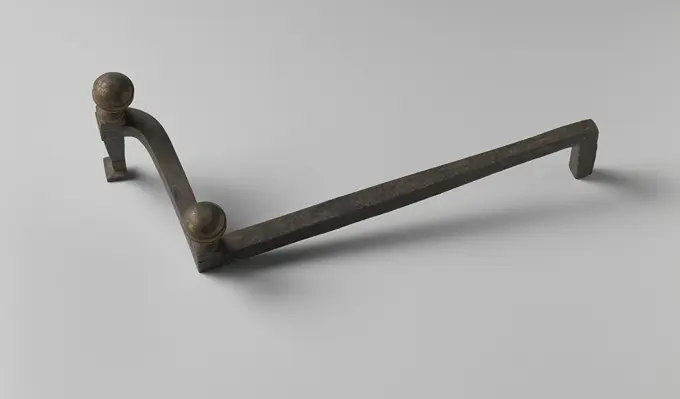
Kastscharnier, anonymous, c. 1590 - c. 1596  Hinge presumably an hourly. Probably part of a box.  iron (metal) forging  Nova Zembla. Saving Huys
Kastscharnier, anonymous, c. 1590 - c. 1596 Hinge presumably an hourly. Probably part of a box. iron (metal) forging Nova Zembla. Saving Huys
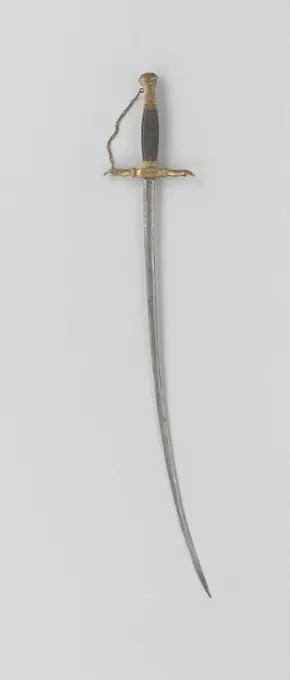
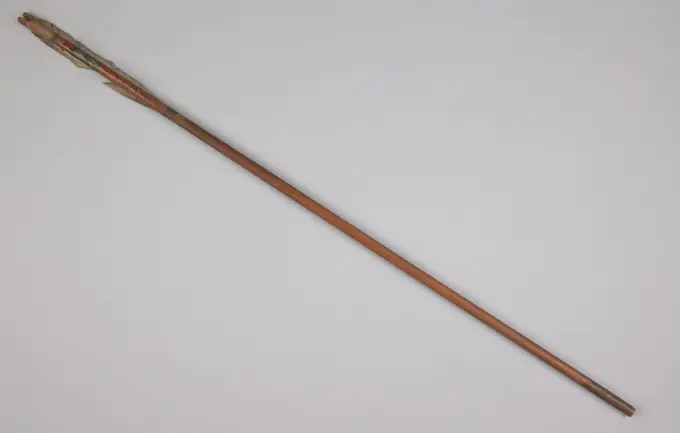
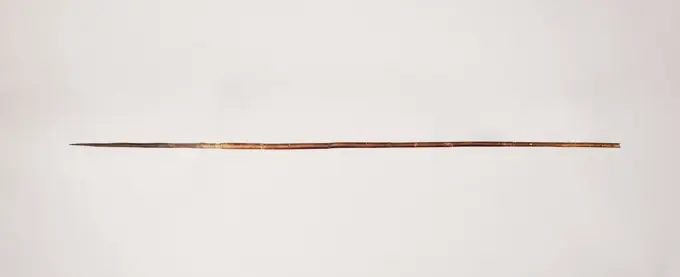
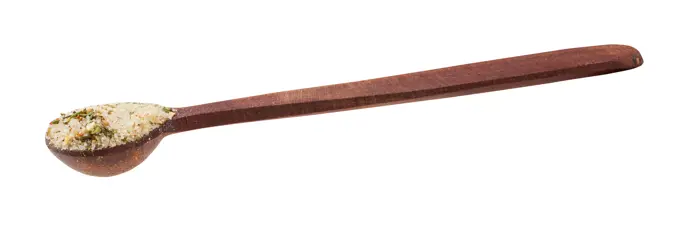
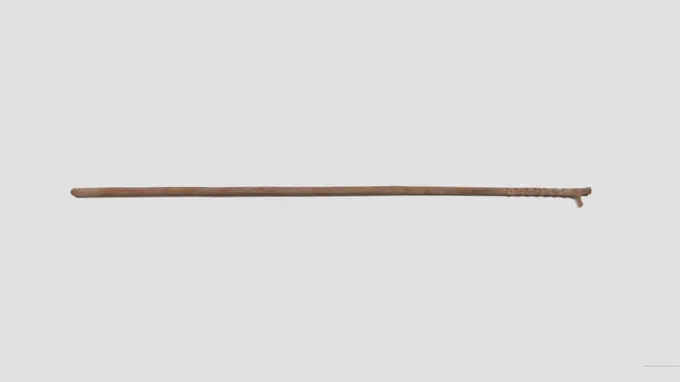
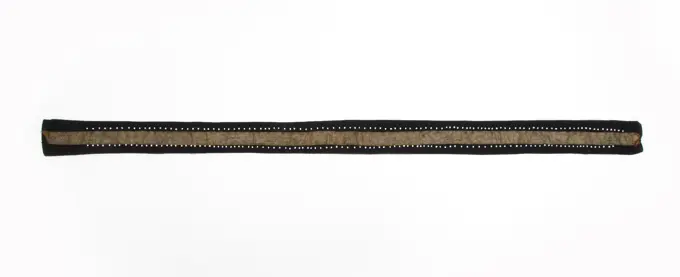
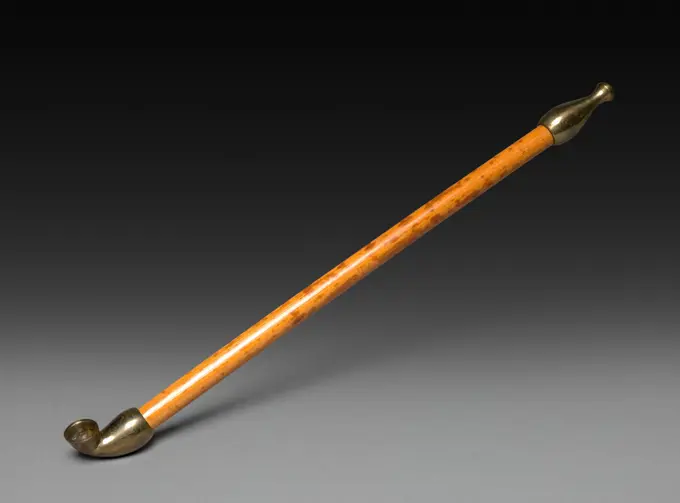
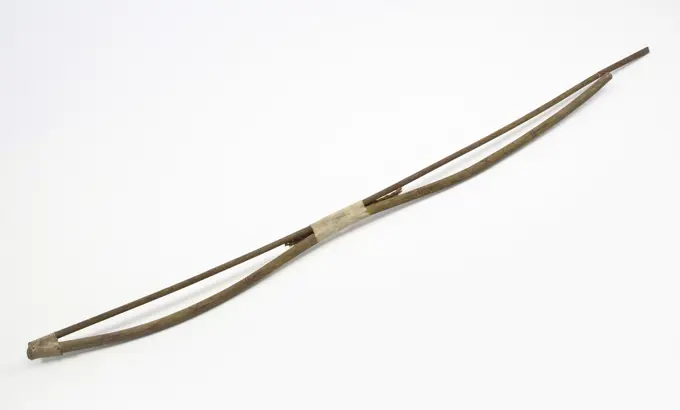
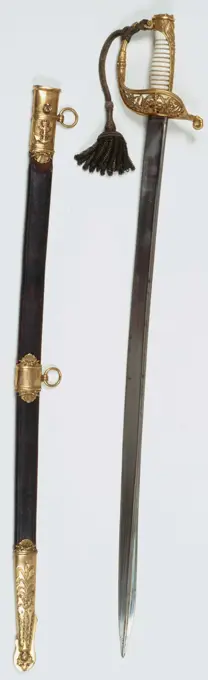
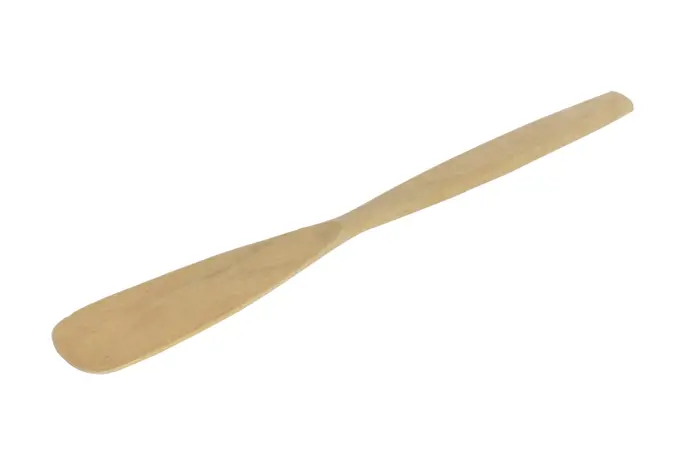
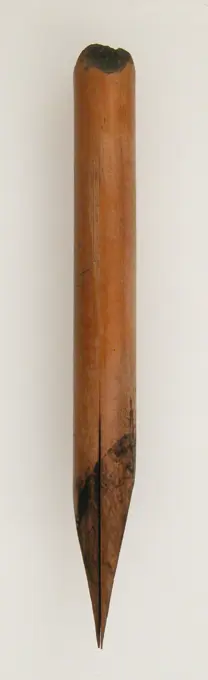
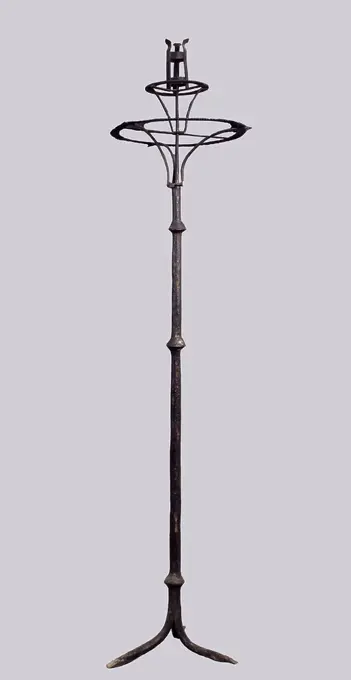
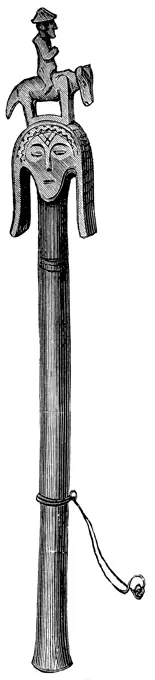
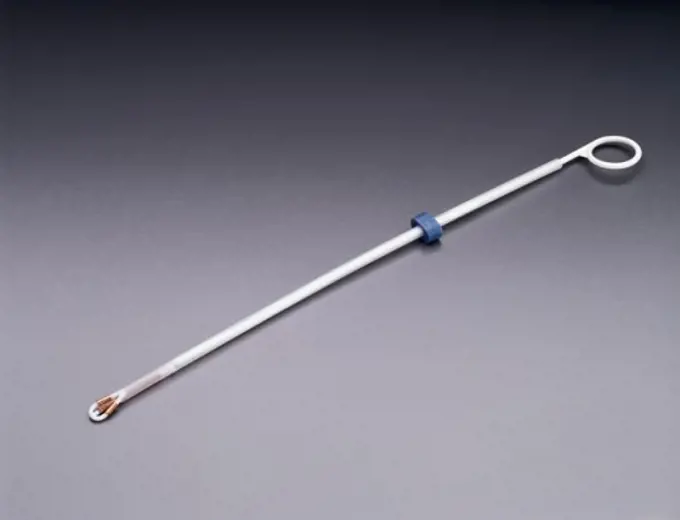
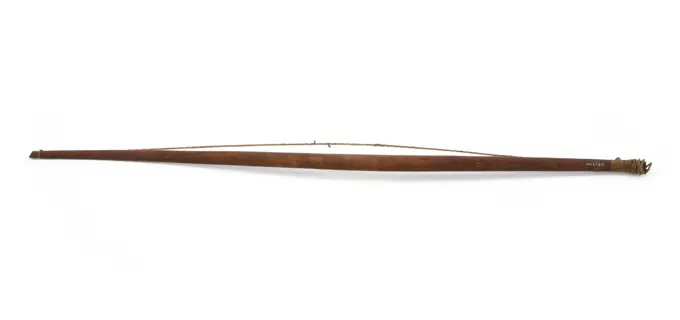
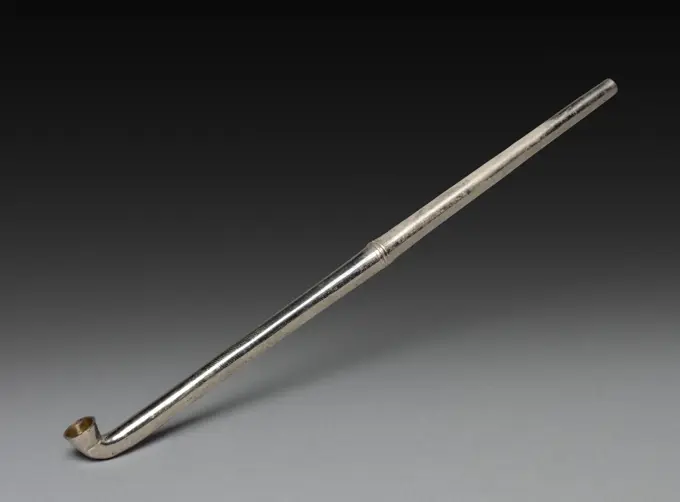
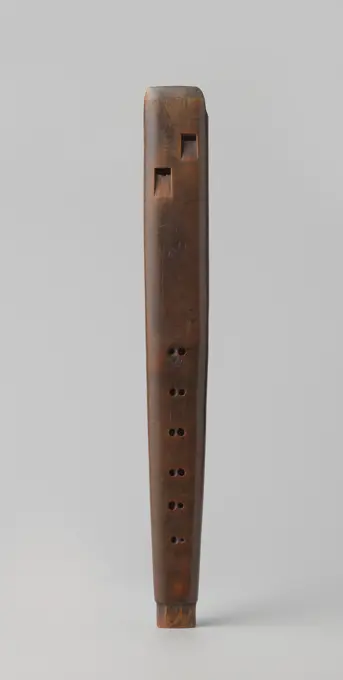
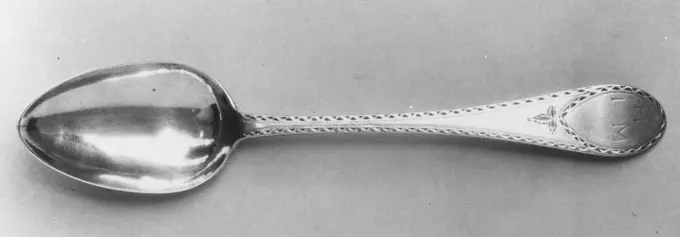
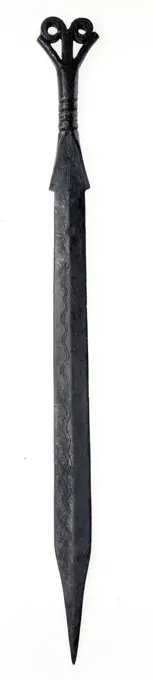
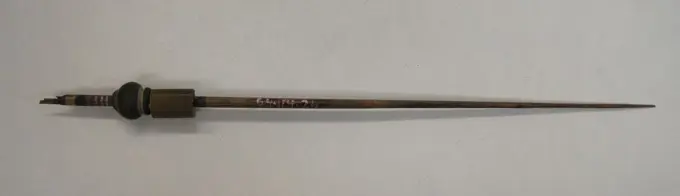
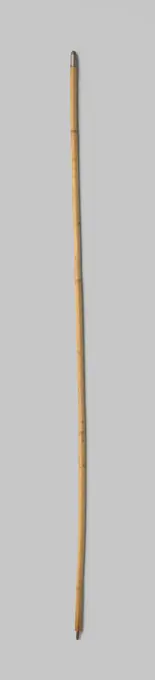
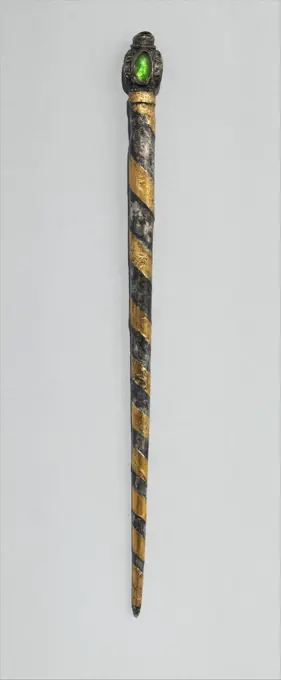
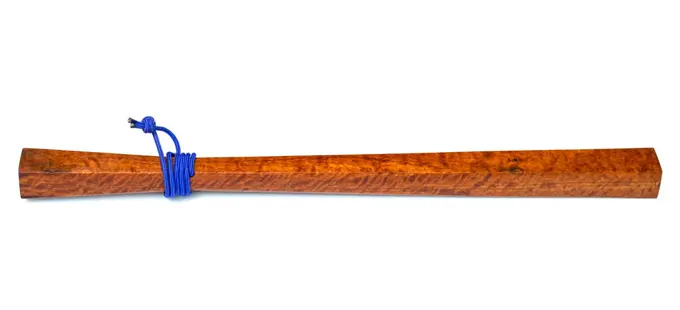
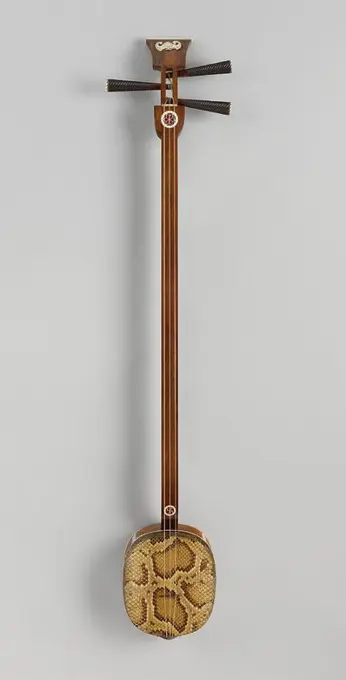
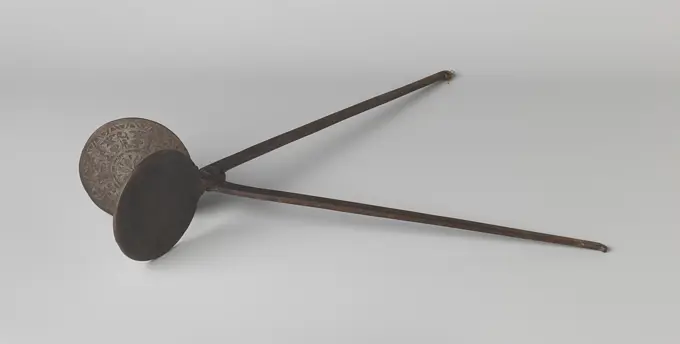
Kastscharnier, anonymous, c. 1590 - c. 1596  Hinge presumably an hourly. Probably part of a box.  iron (metal) forging  Nova Zembla. Saving HuysLontspies, 1600 - 1699  Short blade with a strong tapered shape with a sharp middle bone. Round tapered house with under a ring -shaped profile. Halfway through the house there is a lonthane on either side. Two feathers. Round (ash wood) stick (black -yellowed) without shoe. Low Countries wood (plant material). iron (metal)Ponjaard, pareerstang eindigend in handjes.Poniar or heart catcher. The cross-shaped hilt is covered with gold-plated Geelkoper; The ebony handle has the shape of a lifting; The assembly runs out in a long grip ring and is decorated with radiating lines, engraved cross flowers and acanthus leaves in relief; The handle is grooved, there is a band with overlapping circles in relief; The rectangular pearl block is engraved with cross flowers and runs out in a straight pearl rod with arms in the form of vast hands with a wreath around the wrist and on a side a ring to get the index finger from which a chain as a fist bracket to a glass ring soldered to the anti-assembly runs. The unilateral claling with a curve is halled and has a narrow groove à la Montmorency; with cut point; etched with an arrow on the back and on both sides an oval panel with the swordsger address framed by braid with a hussar with a saber with a saber with the word Vivat, and on the outside Hussar.Breikoker.Knocker with tube with hook of silver. The hook is missing.Musical Bow. Culture: West African. Dimensions: Height: 34 in. (86.4 cm)Diameter (Of gourd): 2 1/2 in. (6.4 cm). Date: late 19th century.The Musical bow, a wood rod fitted with a string and tapped with a stick, is one of the oldest instrument types. The sounds of the vegetal, metal or cord string may be enhanced by a gourd resonator held against the chest or resonated in the mouth. It is widely distributed and African versions were brought to the Americas by enslaved peoples who in Brazil used it (berimbau) to perform capoeira, a martial art dance. Museum: Metropolitan Museum of Art, New York, USA.Eastern dagger bladea hundred;  19th century (1800-00-00-1810-00-00);Serving spoon 1767-68 Louis-Antoine Taillepied. Serving spoon 197457Przeszo Przysoci unknownArrow, Before 1922. Philippines. Reed shaft, iron tip attached with strips of bamboo; average: 102.9 cm (40 1/2 in.).Shovel for fire, shovel tool kit soil find iron metal, Rectangular scoop with three upright sides. The stem is round in cross-section when the scoop is flat and the handle is flat. Tip handle an eye Engraved in stem: three times two horizontal lines archeology Rotterdam railway tunnel as well as extinguish fireplace heating Soil discovery: rail tunnel Rotterdam.Officiersdegen, anonymous, 1820 - 1855 sword Officiersdegen with black iron blade and copper. Various motifs were brought in on the Kling. The hilt has a double closed bump, a sideways pare bracket and a decorated blade button on the grip -wire, which is wrapped with iron wire. The parade rod has a decorated button at the end. France (possibly) Kling: Iron (Metal). hilt: copper (metal). Handle: Wood (plant material). grip:   FranceSword, anonymous, c. 1630 - c. 1640 sword The Iron Right includes a heart -shaped rag button, two fist brackets with a diamond -shaped decoration in relief and with the top clenched to the rank button, a parrest with keep -shaped decoration at the ends, a side bracket with a sliced plate with circles and stars, And on the wear side an ajour edited pare ring with a thumb bracket; The wooden handle is wounded with twisted copper wire (restored) and has braided grip rings on the top and top. The straight, two -sided blade has stamped a hexagonal cross -section with two channels over the entire length and a Malthezer cross on it. Netherlands iron (metal). wood (plant material).   Swedenside view of wooden spoon with seasoned salt side view of wooden salt spoon with seasoned salt with dried vegetables and flavours isolated on white background Copyright: xZoonar.com/ValeryxVoennyyx 13600263Degen of Infantry Officers, Batavian Republic and Kingdom of Holland, Anonymous, 1805 - 1810 sword Degen with fire gilt hilt. Button in the form of a helmet, front bracket, pare rod. Ovale ribbed plate between the pare rod. Heart -shaped bump plate, curled at the rear. Inside plate bent. Iron, with trophies and floral motifs etched. On the heel of the outside of the blade the initials a.s.b .. ebbenhouten checkered grip. Coming from D.C. Andreae, 2nd Lieutenant 4th Compagnie 1st Battalion Mineurs and Sappeurs.  iron (metal). ebony (wood). leather. gevest: gilding (material) gilding / forging / casting / sawing / etchingTextile manufacturing tool: needle. Dimensions: l. 15 cm (5 7/8 in). Dynasty: Dynasty 19-20. Date: ca. 1295-1070 B.C.. Museum: Metropolitan Museum of Art, New York, USA.Staff ca. 1991-1450 B.C. Middle Kingdom-early New Kingdom. Staff. ca. 1991-1450 B.C.. Wood. Middle Kingdom-early New Kingdom. From Egypt, Upper Egypt, Thebes, Asasif, Carnarvon Excavations 1907-1914. Dynasty 12-early Dynasty 18Naval Officer's Sword, Manufacture de Klingenthal, 1843 - 1858 sabre Marine officers' label. The saber has a slightly bent blade with a round back and back section. Gilded yellow -lying with ivory handle -curved front bracket with openwork bump -plaque verses with praise and crowned displaced anchor; The hilt has no hilt button. Klingenthal (Alsace) kling: iron (metal). gevest: copper (metal). greep: ivory. cloth   NetherlandsTongs 1810-30 Stephen Hardy. Tongs. American. 1810-30. Silver. Made in Portsmouth, New Hampshire, United StatesGlass pin 1st century A.D. Roman Colorless.Circular cross section; upper end tooled into a flat disk; lower end tapering to a point.Intact; striations and a few pinprick bubbles; pitting and weathering.. Glass pin 249014Loop van een percussiegeweer.Course of a percussion weather, European with Indian or Indian ornaments; Smooth, round loop, which passes to the room in an octagonal part. On the right side of the room is a percussion room (the percussion view is missing). A visor grain is on the front part of the loop. At the bottom of the loop is a long flat strip, with a hollowing in front of the loading stick on the narrow side and two loading stick carriers; The whole is attached to the course by means of bolts. Originally completely blued steel. The mouth, the flat strip, the loading stick carriers and the room are involved in the form of flower and leaf motifs, meander strap and the year 1801.Sash -Sheath of wood with parchment and with silver battle, namely mouth can, carrier and bandage; On two rings on the batter a steel chain with musketon hooks with belt hook, anonymous, c. 1798 - c. 1809 Sheath of wood with parchment and with silver battle, namely mouth can, carrier and bandage; On two rings on the batter a steel chain with musketon hooks with belt hook. Paris silver (metal). steel (alloy) Sheath of wood with parchment and with silver battle, namely mouth can, carrier and bandage; On two rings on the batter a steel chain with musketon hooks with belt hook. Paris silver (metal). steel (alloy)Old used brown crayon pencil, isolated on whiteTobacco Pipe, 1800s-1900s. Japan, Edo period (1615-1868) to Meiji period (1868-1912). Bamboo and brass; overall: 20.4 cm (8 1/16 in.).Spindle. Dimensions: l. 22 cm (8 11/16 in). Dynasty: Dynasty 19-20. Date: ca. 1295-1070 B.C.. Museum: Metropolitan Museum of Art, New York, USA.Pen 30 B.C.-A.D. 364 Roman Period. Pen 568211Double bow -Tweezers. UnknownPills, tablets, medicine and chopsticks, Chopsticks with tablets against a black background. Concept of health costs and drug misuse. Copyright: xZoonar.com/JFsPic xThielemannx 10956568Miniature poker (part of a set) ca. 1720-30 David Clayton British. Miniature poker (part of a set). David Clayton (British, active 1689). British, London. ca. 1720-30. Silver. Metalwork-Silver-MiniatureSabel officer Marine M 1843 with sheath.Marine officer's cable with sheath, model 1843, royal navy kingdom of the Netherlands. Sable with fire-digging bronze hilt, consisting of button, handle cap, front bracket ajour basket with O.A. ready anchor, button. Dragon silver wire. Inside Korf: H.A. Van Karnebeek during his Dutch military operations 1830-1832. Ivory ribbed handle. Iron blade. At the heel etched: Couaux A ..... other side: Klingenthal. Black leather sheath with ornamented tape with button, carrying ring, medium band with carrying ring and point.Przeszo Przyszoci unknownCooking stones with flattened handle. A covers of steel with flattened handle.Degen, Anonymous, c. 1575 - c. 1600 sword Degen with wooden hilt and iron basket including bump plate of two open oval rings. On both sides of the Kling Inscription: XX no me Saques sin rason xxx xx no me enbaines sin honor xxx. West-Europa kling, korf, pommel: iron (metal). greep: wood (plant material)Vintage smoking pipe with cigarette and tobacco, isolated gadget for smokers. Old fashioned object for nicotine addicted. Personal belonging, victorian epoch or aristocracy. Vector in flat style. Smoking pipe with tobacco, vintage cigarettesCookware made of wood.Pen 580-640 Coptic. Pen. Coptic. 580-640. Reed. Made in Thebes, Byzantine Egypt. MiscellaneousOld red crowbar on a white backgroundSchede van Hartvanger with Schede van Cornelis Tromp, Anonymous, c. 1400 - c. 1950 sheath Schede van Leer with copper.  schede: leather. schede: copper (metal)Maker's mark ID, Skewer, 1789, silver.Horn late 19th century African. Horn. African. late 19th century. wood, leather. Aerophone-Lip Vibrated-hornCleartal from the wreck of the East Indians Meresteijn, Anonymous, c. 1693 - c. 1702  Copper Retailed: Wire with an eight -shaped handle on one side and a thread on the other, turned black. Netherlands copper (metal)   Cape of Good HopeBlade of broadsword or hacker with coat of arms Passau, filled with gold and in the trenches the text MAIL LANT, blade sword stemmed weapon part soil find wrought iron metal gold total, angel h 13.0 forged gold plated Wide heavy sharp blade with double trench and line frame to the gullies On one side the coat of arms of the gunsmiths of Passau: the running wolf archeology militariaFlint gun, Jan Aerts, c. 1650 flintlock pistol The tail of the lock plate and the rooster (restored) are engraved in bas-relief with flower vines; The lock plate is equipped with a signature. The loop has an iron sight grain; Stamped at the bottom with a brand that cannot be deciphered. The restored flask is made of gush walnuts; inlaid with twisted silver wire; The tractor plate is from ivory; The flask button is inlaid at the bottom with an ivory plate. Apart from the iron tractor bracket with baluster -shaped ends forked at the front, the batter of silver and engraved with flower vines and branches; Consisting of a chest of drawers and two round loading stickers; The ebbenhoute loading stick has a silver roof and suite with the chap. Maastricht iron (metal). walnut (hardwood). silver thread. ivory. silver (metal). ebony (wood) engraving / inlay (process)Walking stick with gilded handle Stick; Made by Henry Rado (American, 1859-1921); USA; god, bakeliteNeedle ca. 9th century B.C. Iran. Needle 325176The fragrant vanilla isolated on a white backgroundCandelabra. Culture: Spanish. Dimensions: Overall: 66 1/2 x 14 1/2 in. (168.9 x 36.8 cm). Date: 16th century. Museum: Metropolitan Museum of Art, New York, USA.Tweezers ca. 1070-945 B.C. Third Intermediate Period. Tweezers. ca. 1070-945 B.C.. Bronze or copper alloy. Third Intermediate Period. From Egypt, Upper Egypt, Thebes. Dynasty 21Opium Pipe, 1800s. China, Qing dynasty (1644-1911). Brass stem decorated with incised patterns, ivory mouthpiece ; overall: 53.4 cm (21 in.).Compass. UnknownProbe, double Cypriot. Probe, double. Cypriot. Bronze. BronzesPen waarmee Mr D.U. Stikker het NAVO-verdrag ondertekende.Pen with which Mr. D.u. Tacking the NATO treaty signed. Black pen holder with silver point, to the other end. Can be separated from each other in two halves, whereby the ink reservoir is opened. The white ribbon with inscription (NG-698-9-D) is tied to the red-white-blue ribbon of the book (NG-698-9-a).Zeremonielle Keule aus dem Reich der Lunda. Afrikanische Kultur und Altertümer. Veröffentlichung der Meyers Enzyklopädie. Zeremonielle Keule aus dem Reich der Lunda. Afrikanische Kultur und Altertümer. Veröffentlichung der Meyers Enzyklopädie. LicenseRF Copyright: xZoonar.com/SergeyxKohlx 23206134wood cutting board isolated on white background. wood cutting boardBeetleClose-up of an IUDBow -Court Staff ca. 1765 American. Court Staff 2283 American, Court Staff, ca. 1765, Wood; Ash, brass, H. 81 3/8 in. (206.7 cm). The Metropolitan Museum of Art, New York. Rogers Fund, 1945 (45.168)Marrow () spoon 1767-68 Louis-Antoine Taillepied. Marrow () spoon 188219 Maker: Louis-Antoine Taillepied, born ca. 1734, master 1760, active 1806 (), Marrow () spoon, 176768, Silver, L. 5-1/2 in. (14.0 cm.). The Metropolitan Museum of Art, New York. Gift of Mrs. Samuel P. Avery, 1897 (97.2.195)Key isolated on white backgroundTobacco Pipe, 1900s. Japan, Meiji period (1868-1912). Metal; overall: 18.8 cm (7 3/8 in.).Trombone (Non-functional) ca. 1800-1889 Attributed to Leopoldo Franciolini Italian. Trombone (Non-functional). Italian. ca. 1800-1889. Brass. Florence, Italy. Aerophone-Lip Vibrated-trumpet / tromboneRun from a percussion weather, anonymous, c. 1800 - Before 1894  Smooth, round loop of blewy steel, which turns into an octagonal part in the room. At the back of the Chamber there is a percussion room with an impotted (partially broken down) percussion inspection. There is a visor grain on the front part of the loop. At the bottom of the loop there is a flat tire, with a hollow on the narrow side for the cargo and two cargo carriers; The whole is attached to the barrel by means of bolts. The barrel is made of counterfeit steel (the drawing of the tires has been obtained by Etsing). The chest of the load carriers, the flat tire at the loading stickers and the room have been intended with copper in the form of flower and leaf motifs, meander band and geometric motifs. Europe (possibly)IndiaIndië whole: Iron (metal)   LombokFlute, Z.G. Harmonic double flute. Flute, Z.G. Harmonic Double Double of Simple Model of Palm Wood; The ivory ring of bottom is missing.Fireplace with twisted steel, anonymous, c. 1700 - c. 1725 The object consists of the following cast parts: the container, the stalk, the sounded eye. The somewhat rectangular container has a raised edge. The stem is twisted and at the top of the baluster -shaped. Netherlands brass (alloy) casting The object consists of the following cast parts: the container, the stalk, the sounded eye. The somewhat rectangular container has a raised edge. The stem is twisted and at the top of the baluster -shaped. Netherlands brass (alloy) castinggreen grass isolated on white backgroundWooden walking stick caneMarineABEL from the gunboat Nr. 2 from J. C. J. van Speyk, Anonymous, in or after 1811 - Before 1831 sabre Entersabel from Frans Model (1811) that was part of the inventory of the gunboat Nr. 2. Iron navyable, twisted and rusting. Marked: on the blade at the top: b (two other illegible), inside rigid bracket: (illegible), inside: 3. Netherlands iron (metal) forging / striking (metalworking)NVV, c. 1925 - c. 1950  Pin of the NVV trade union with long smooth pen. Netherlands metal   NetherlandsTable Spoon 1770-1800 Richards and Williamson. Table Spoon. American. 1770-1800. Silver. Made in Philadelphia, Pennsylvania, United Statesclean packing aluminium. net design of packaging made of aluminium. For foodSword 19th century Edo peoples At its origins, the centralized city-state of Benin was founded by Edo-speaking peoples. The accounts by official court historians and descriptions provided by visitors evoke a vibrant cultural center continually redefined by its leadership through shifting internal and external power dynamics. According to oral tradition, circa 1300, Edo chiefs are reputed to have reached out to the leader of neighboring Ife, Oranmiyan, to establish a new divinely sanctioned royal dynasty. Since then, the investiture of Benins rulers to the title of obas has conferred upon them at once a role of chief priest officiating in important religious ceremonies and presiding over an elaborate structure of palace officials. During the fifteenth century reign of Oba Ewuare, Benins armies were formed and the fortification of its capital with a massive wall undertaken. In parallel, delegations of Portuguese traders assiduously sought to secure exclusive commercial treaties with thFire iron with copper buttons ..bamboo frame  isolated on a white backgroundSpindle and Whorl, Fragment , 1000-1400. Wood, ceramic, cane, pigment, 1/2 x 1/2 x 9 1/4 in. (1.3 x 1.3 x 23.5 cm).   Arts of the Americas 1000-1400Understop of parasol or umbrella of bamboo with metal thread and point, Gustav Schnitzler, c. 1920 - c. 1940 Onderlag from a umbrella or parasol of bamboo with a metal thread on one end and a metal tip at the other end. Nijmegen thread: metal. Stok: Bamboo. Point: Metal Onderlag from a umbrella or parasol of bamboo with a metal thread on one end and a metal tip at the other end. Nijmegen thread: metal. Stok: Bamboo. Point: MetalTypical and traditional villagers knife from Walcheren Island. Netherlands, Europe. Trip to the Zeeland by Charles De Coster 1873Pistol with a rock castle unknown scruxTobacco Pipe 19th century Japan. Tobacco Pipe. Japan. 19th century. Silver. Edo (1615-1868) or Meiji period (1868-1912). Smoking EquipmentStylus 14th-15th century French. Stylus 471282Fork;  19th century (1800-00-00-1810-00-00);Vintage looking Bottle opener Vintage looking A bottle opener isolated over a white background Copyright: xZoonar.com/ClaudioxDiviziax 9959362Hitoyokiri late 19th century Japanese. Hitoyokiri. Japanese. late 19th century. Bamboo. Japan. Aerophone-Blow Hole-end-blown flute (vertical)Fork (Germany); steel, brass, mother-of-pearl; L x W: 18.9 x 1.9 cm (7 7/16 x 3/4 in.); The Robert L. Metzenberg Collection, gift of Eleanor L. Metzenberg; 1985-103-96Dual sided metal meat mallet isolated on whiteNeedle. UnknownCross Peen Hammer isolated on white Cross Peen Hammer isolated on white background Copyright: xZoonar.com/ValeryxVoennyyx 6592841Cane. Cane that belonged to General Leclerc de Hauteclocque. Bois, 1939-1945. General Leclerc Museum of Hauteclocque and the Liberation of Paris, Jean Moulin Museum. 79172-1 War 1939-1945, War 39-45, Second World WarOld key isolated on white backgroundReflex hammerA stamp on a pin with a bust of Bolesław PrusInsertion ca. 1800 Flemish. Insertion. Flemish. ca. 1800. Bobbin lace. Textiles-LacesFlat-nose pliers on a white background Flat-nose pliers on a white background Copyright: xZoonar.com/AlexanderxStrelax 3899324KomFaek wood baton is weapon Thailand ancientSanxian ( ). Culture: Chinese. Dimensions: 48 7/16 × 6 7/8 × 3 9/16 in. (123 × 17.5 × 9 cm). Date: 19th century.There are two forms of the sanxian: a large one from the North, with a thin metal plate attached inside to enrich the sound, and a smaller version from the South. Like the pipa, the sanxian may accompany narrative song, changing its tuning to accommodate the singer. The bat decorating the finials of this instrument is a symbol of good fortune and appears on many Chinese objects. Museum: Metropolitan Museum of Art, New York, USA.Cross Peen Hammer with round face isolated Cross Peen Hammer with round face isolated on white background Copyright: xZoonar.com/ValeryxVoennyyx 6592766Cane; malacca (rattan), ivory, brass, ironWafelijzer versierd met engelen en leeuwen.A waffle maker for circular waffles. On one circle there is centrally a floral pattern with a band with angels and vases with a winged angel head on it. The other circle shows an empty coat of arms in the middle, surrounded by a band with angels and standing lions in the middle of columns. The outside of the circles and the handles are unforded.