Historical Weapons and Accessories

A collection of historical weapons including swords and scabbards, showcasing intricate designs and craftsmanship from various cultures and eras.

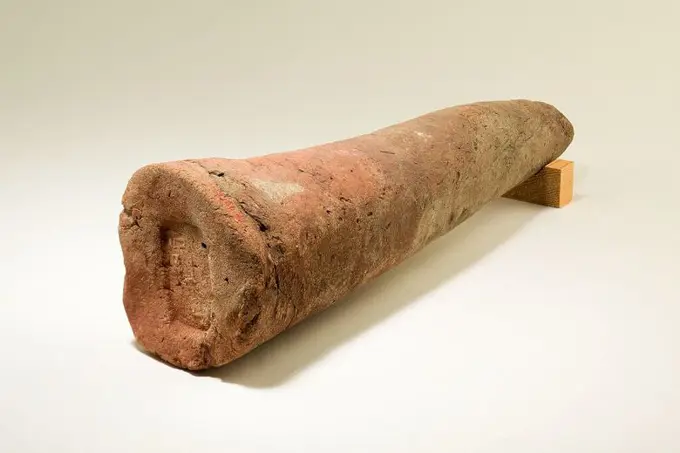
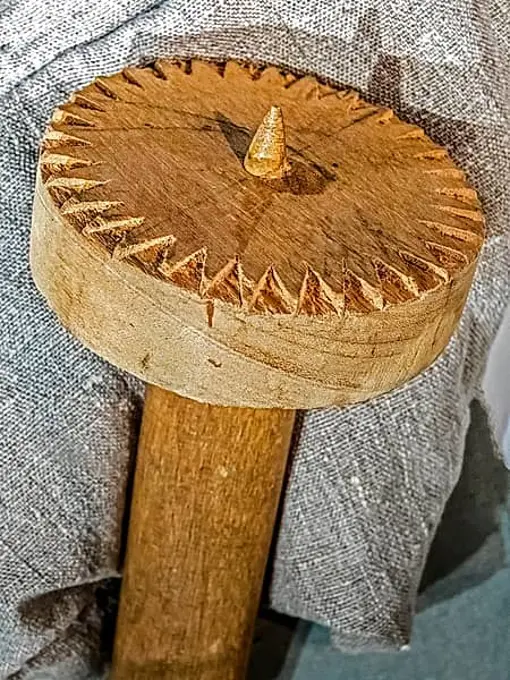
Stamper van Brons, Anonymous, 1700 - 1800 Stamper of cast bronze. This becomes slightly wider towards the ends. Netherlands bronze (metal) casting Stamper of cast bronze. This becomes slightly wider towards the ends. Netherlands bronze (metal) casting
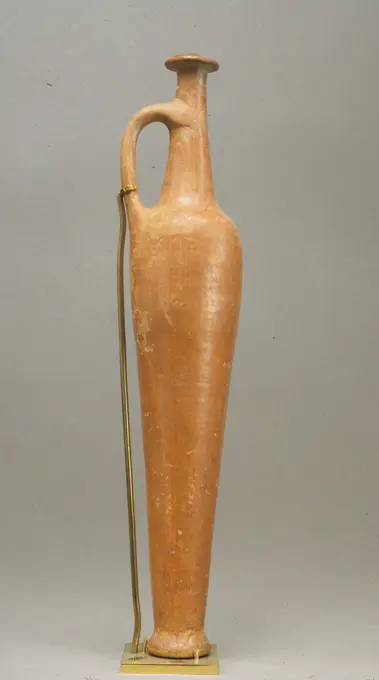
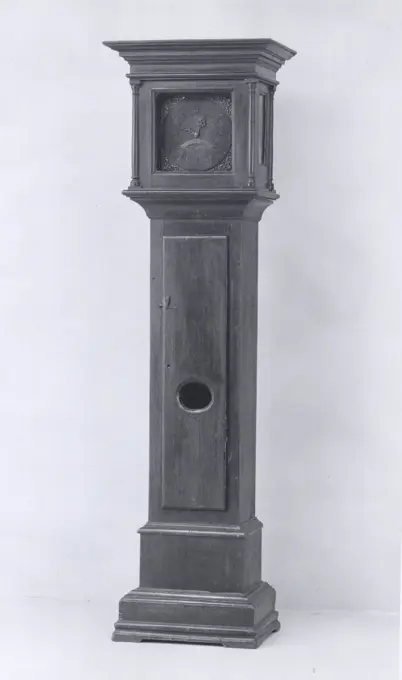
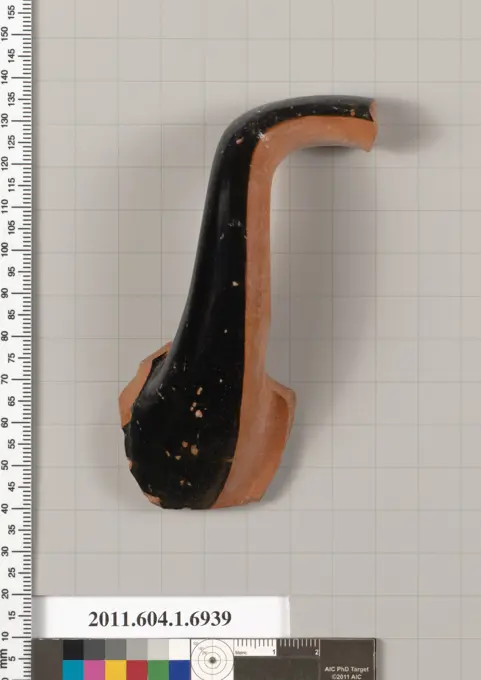
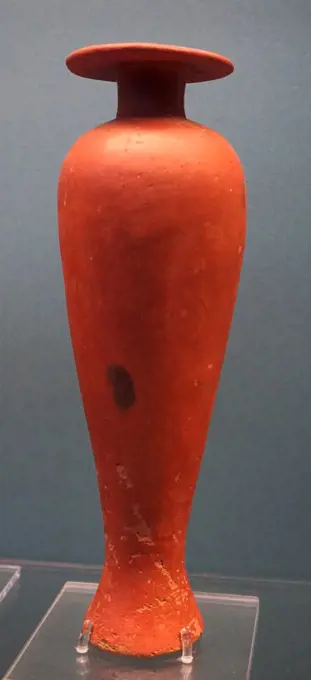
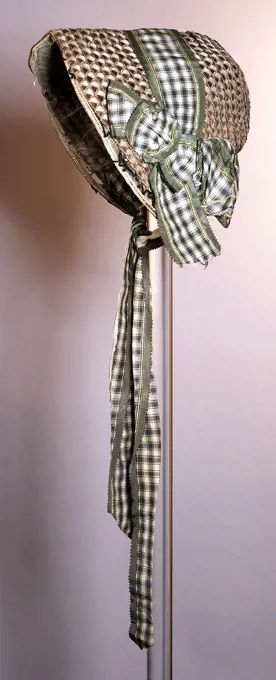
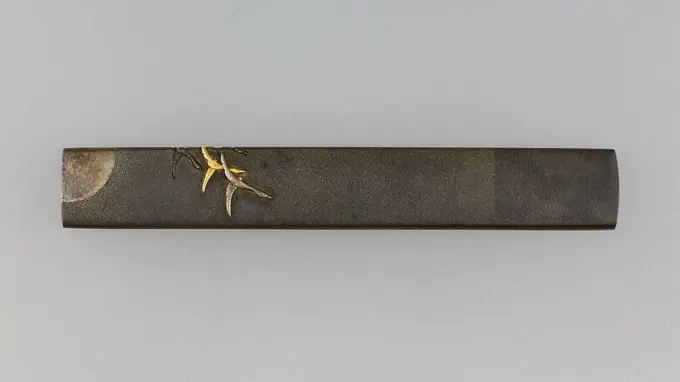
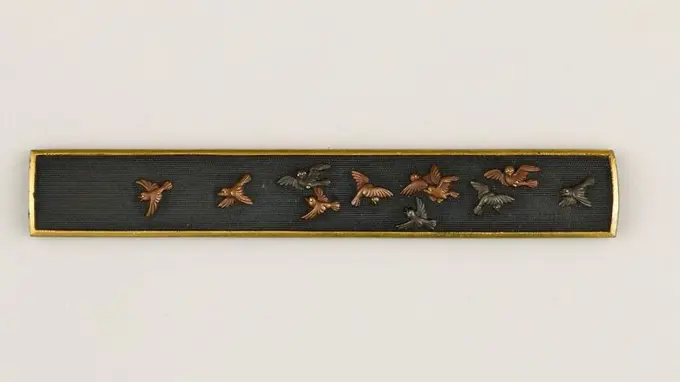
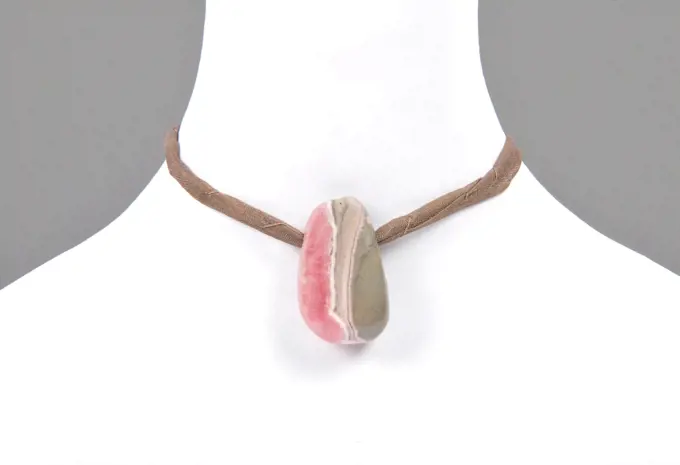
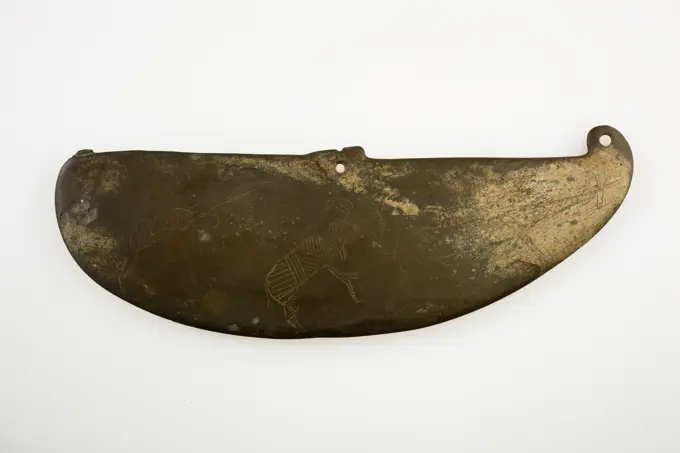
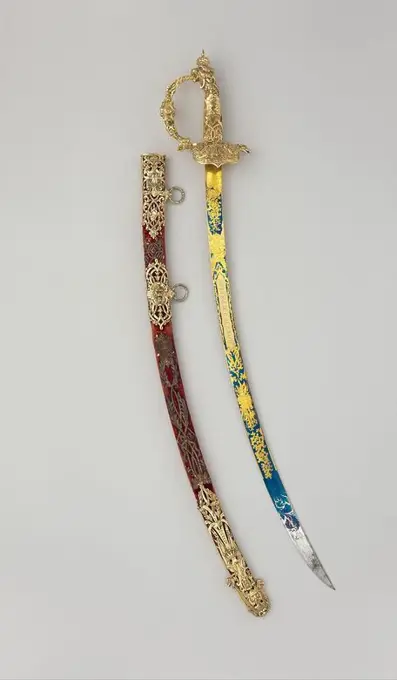
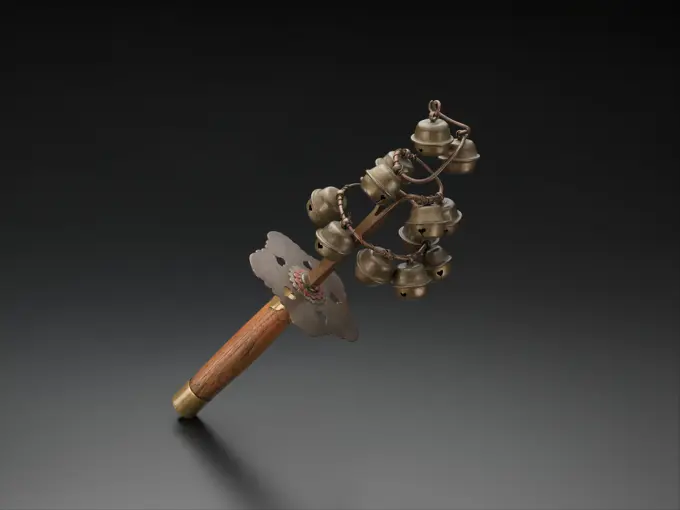
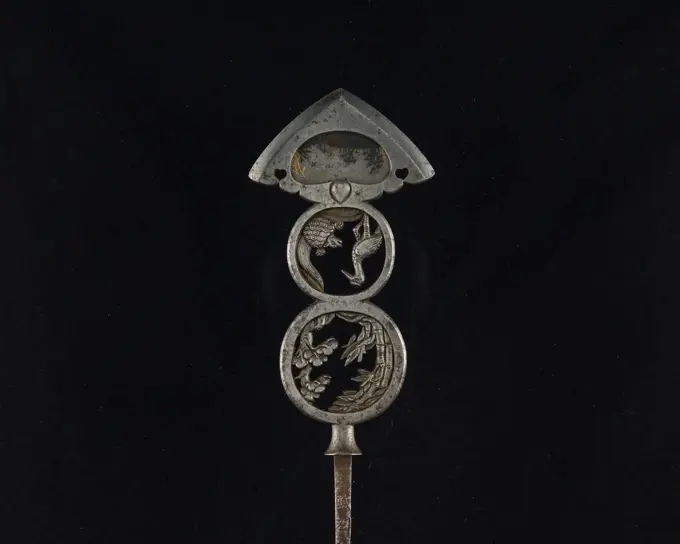
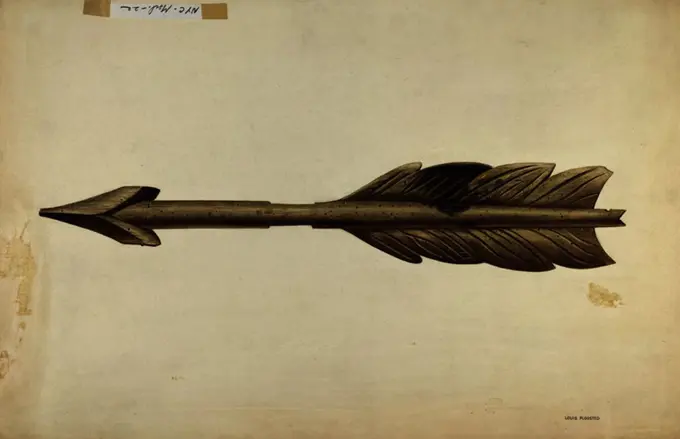
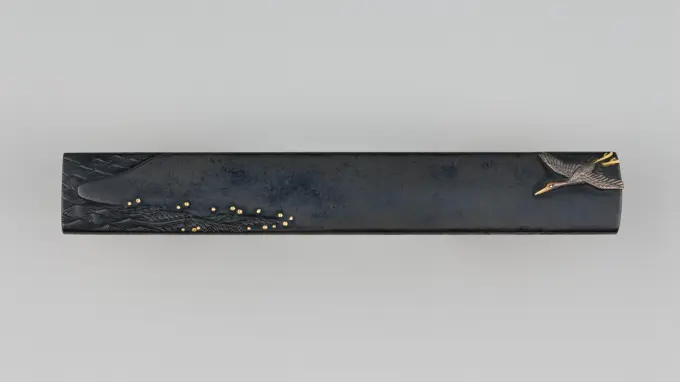
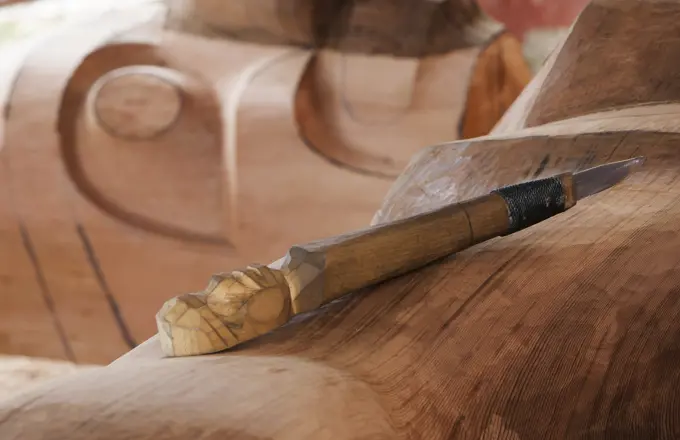
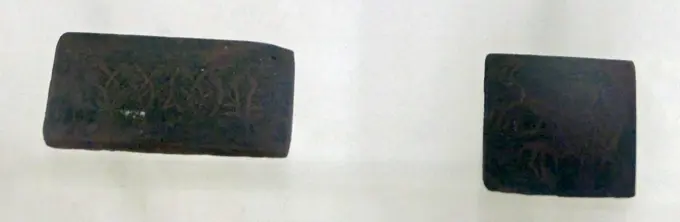
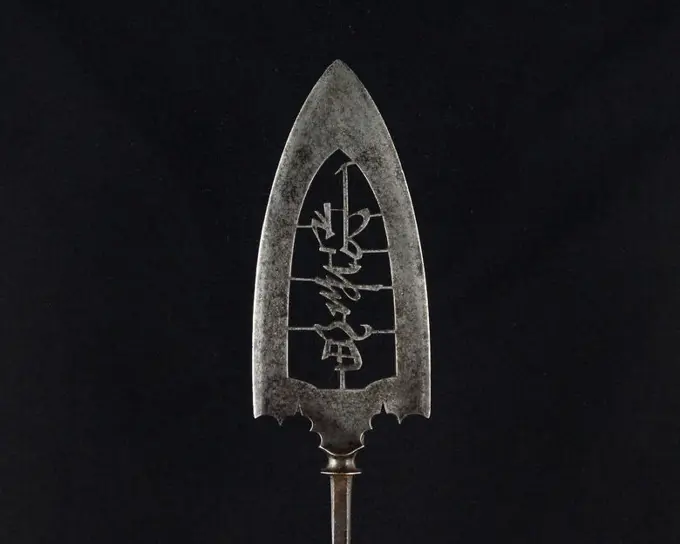
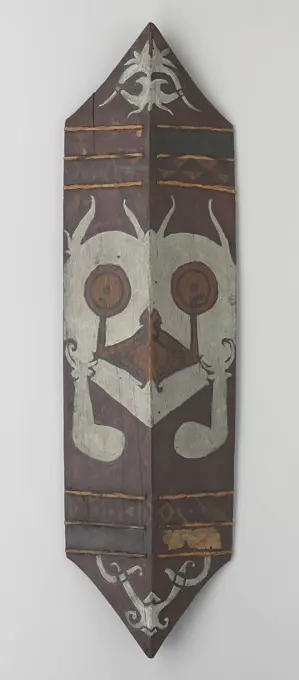
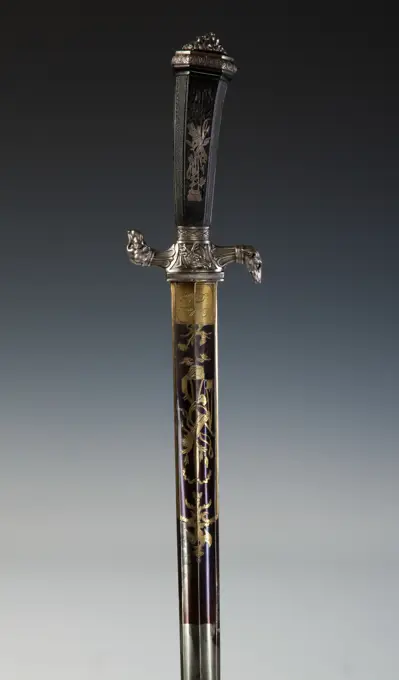
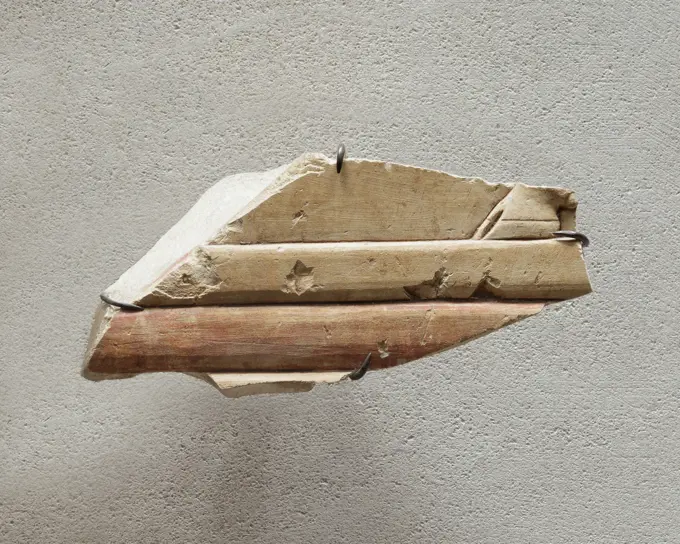
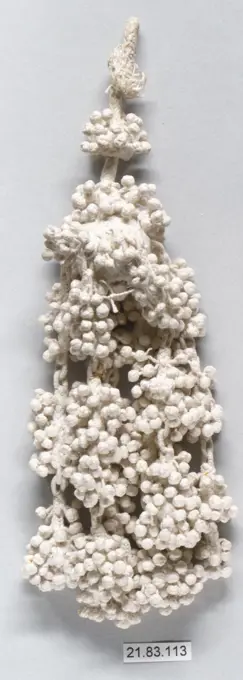
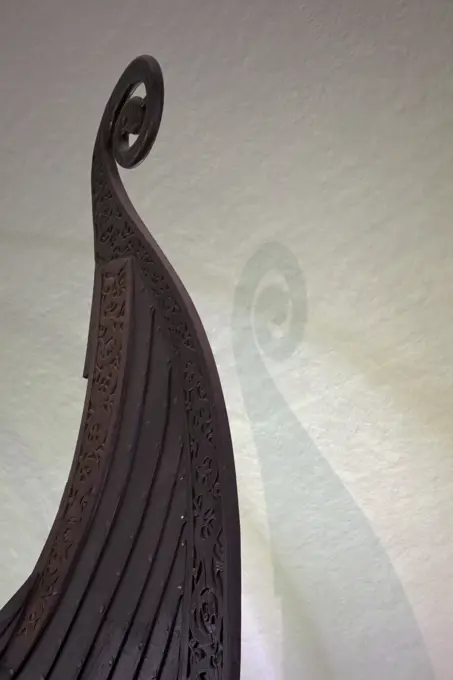
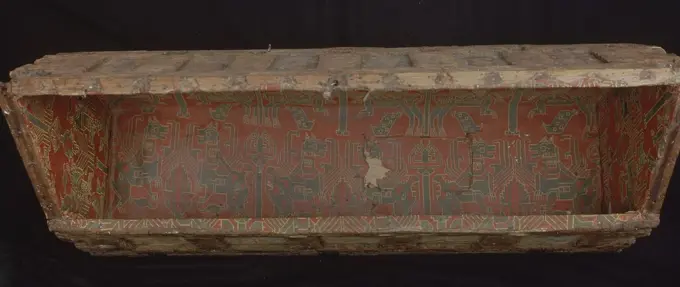
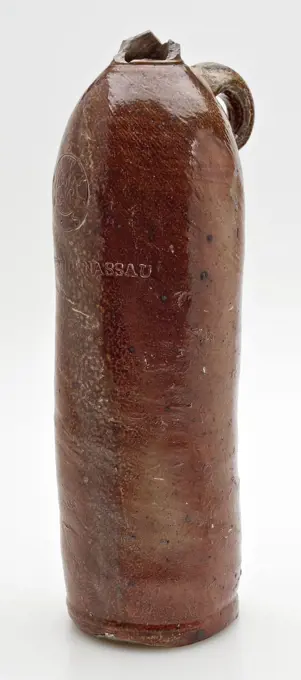
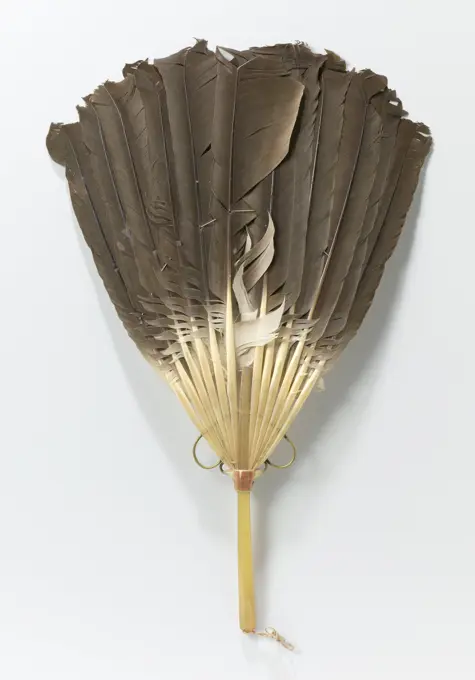
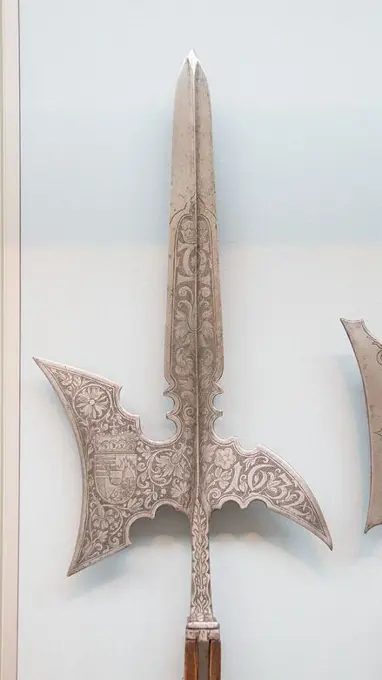
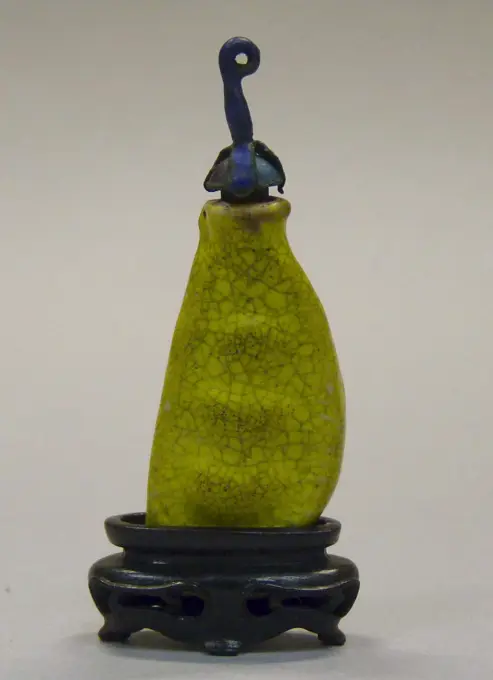
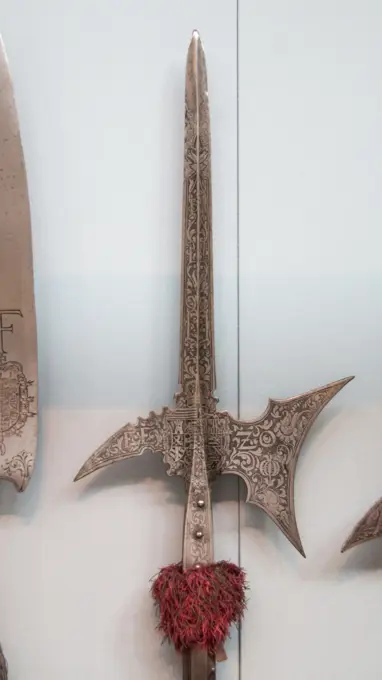
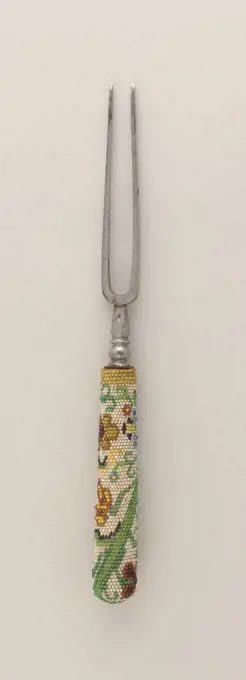
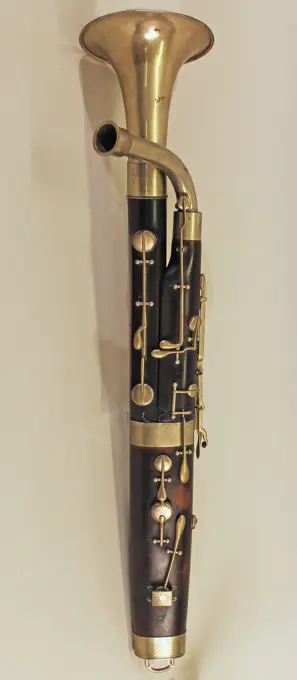
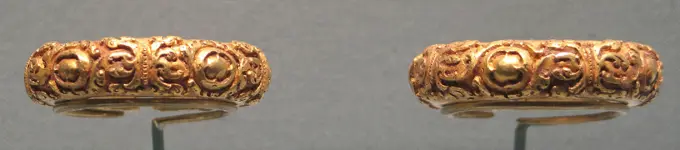
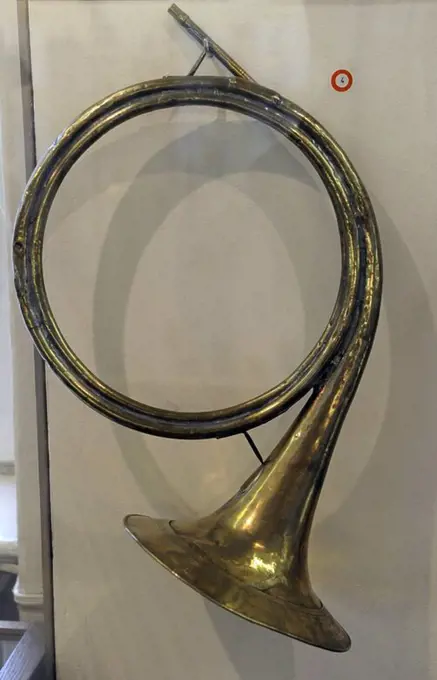
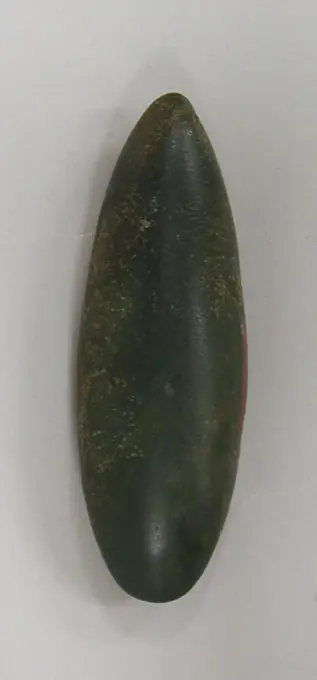
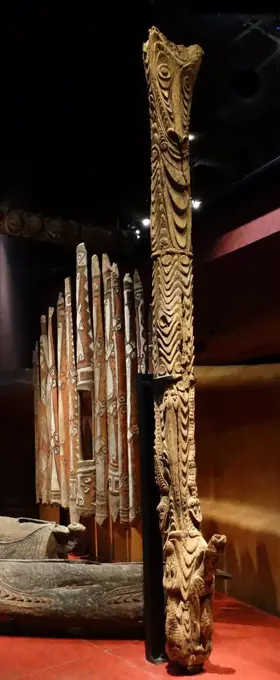
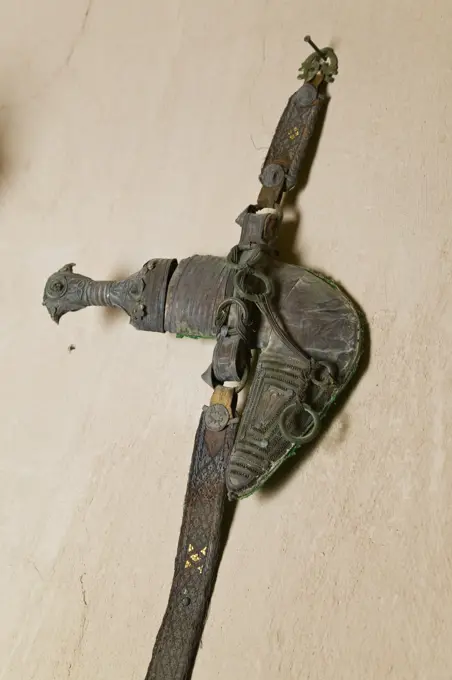
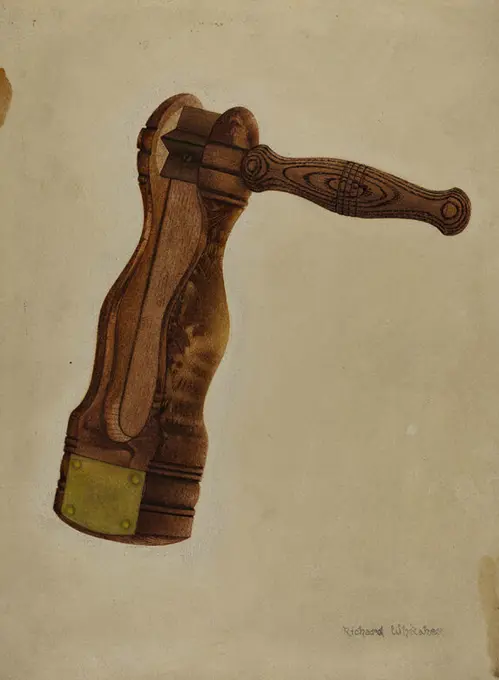
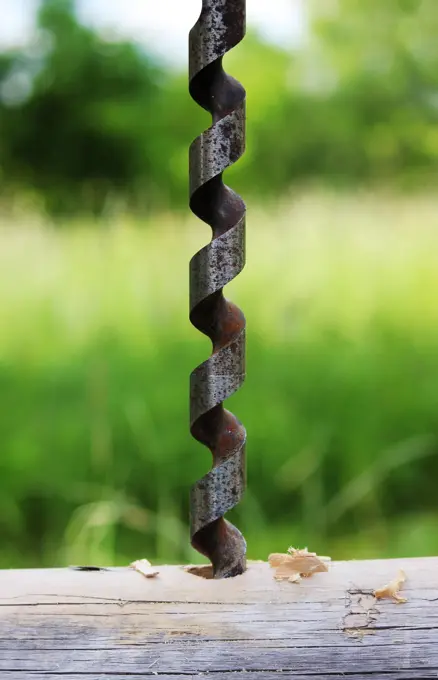
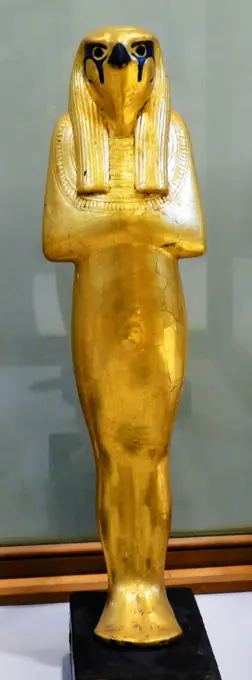
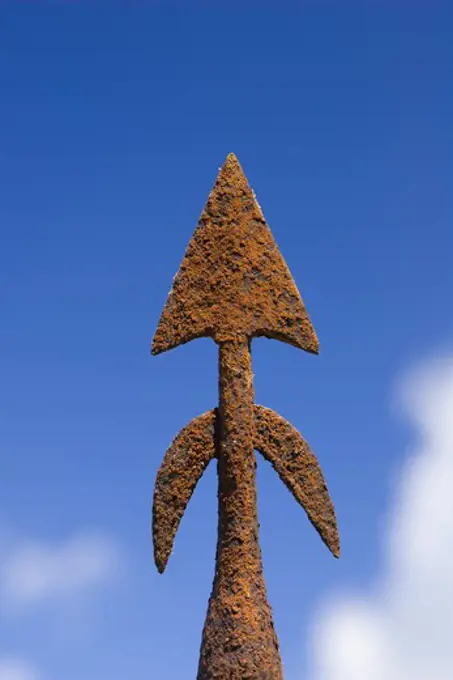
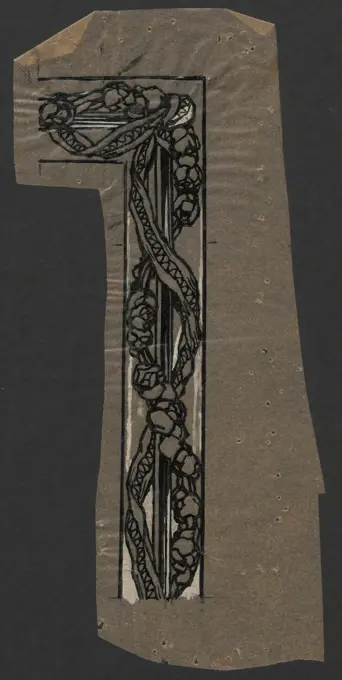
Souvenir spoon with arms of Pisa European late 19th centuryAxe beside a carMetal Hand. Dated: c. 1937. Dimensions: overall: 27.8 x 38.2 cm (10 15/16 x 15 1/16 in.) Original IAD Object: 13" long. Medium: watercolor, graphite, and pen and ink on paperboard. Museum: National Gallery of Art, Washington DC. Author: Joseph Goldberg.Terracotta fragment of a kylix (drinking cup) 460-450 B.C. Greek, Attic Right half of handle, part of handle patch, and two fronds of a palmette. Terracotta fragment of a kylix (drinking cup). Greek, Attic. 460-450 B.C.. Terracotta; red-figure. Classical. VasesSpindle Bottle ca. 1550-1391 B.C. New Kingdom. Spindle Bottle. ca. 1550-1391 B.C.. Pottery. New Kingdom. Possibly from Cyprus. Dynasty 18, early to midMultiple exposure of a rose wine bottle with wine cork, wine bottle, rose wine, full, view from above, wine-growing region, red, monochrome, studio shot, photo art, double exposure, Ruedesheim, Rheingau, Taunus, Hesse, Upper Middle Rhine Valley, Middle Rhine Valley, Germany, EuropeTall CaseClock.   Maker: Joseph Wills, American, 1700-1759Terracotta fragment of a kylix (drinking cup) 490-470 B.C. Greek, Attic Left half of handle. Terracotta fragment of a kylix (drinking cup). Greek, Attic. 490-470 B.C.. Terracotta; red-figure. Late Archaic/Early Classical. VasesKnife (e,f) Fork (England); green-stained ivory, steel, silver; L x W x D (a): 25.6 x 1.9 x 1.4 cm (10 1/16 x 3/4 x 9/16 in.)Indulgence toy  birdFringe 18th century Italian or Spanish. Fringe 213712Redware hes vase from Qaw el-Kebir, tomb. Dated 1985 BCAwning hat in brown braided straw, awning hat headgear women's clothing clothes straw linen silk satin metal, to 86.0 (without ribbon) textile awning hat brown braided stripe trim green and black white checkered ribbon over the hood in the neck pleated bow long hanging ribbons woman head covering Originating from tailor Karreman and Zn.SmileMountKnife Handle (Kozuka). Culture: Japanese. Dimensions: L. 3 13/16 in. (9.7 cm); W. 9/16 in. (1.4 cm); thickness 3/16 in. (0.5 cm); Wt. 1.2 oz. (34 g). Date: 1770-1852. Museum: Metropolitan Museum of Art, New York, USA.Willow-Leaf Bottle Vase. China. Date: 1662-1722. Dimensions: H. 15.5 × diam. 5.3 cm (6 1/8 × 2 1/16 in.). Porcelain with copper-red (peachbloom) glaze. Origin: China. Museum: The Chicago Art Institute, Chicago, USA.Alabastron. Dimensions: 5 5/8 × 2 3/8 in. (14.3 × 6 cm)Diam. of rim: 2 3/8 in. (6 cm).Unglazed terracotta with incised lines between handles. Museum: Metropolitan Museum of Art, New York, USA.Close-up of an antique keyKnife Handle (Kozuka). Culture: Japanese. Dimensions: L. 3 13/16 in. (9.7 cm); W. 9/16 in. (1.4 cm); thickness 3/16 in. (0.5 cm); Wt. 1.1 oz. (31.2 g). Date: late 18th-early 19th century. Museum: Metropolitan Museum of Art, New York, USA.A krompasser. An iron krompasser, richly scilated, with wide items.Red tourmaline on bustPalette with Incised Figures of Giraffes, Ibex, and Antelope ca. 3850-2960 B.C. Predynastic Period. Palette with Incised Figures of Giraffes, Ibex, and Antelope. ca. 3850-2960 B.C.. Schist. Predynastic Period. From EgyptMessenheft from the wreck of the East Indians Hollandia, Anonymous, 1700 - in Or Before 1743  Knife, handle, cylindrical: tapering; id. NG 1980-27H1364. Netherlands wood (plant material)   SecondSword with Scabbard of Faustin I (1782-1867), Emperor of Haiti. Culture: British, Birmingham. Dimensions: H. with scabbard 38 1/8 in. (96.8 cm); H. without scabbard 37 in. (94 cm); W. 6 in. (15.2 cm); Wt. 2 lb. 8.1 oz. (1136.8 g); Wt. of scabbard 1 lb. 9.5 oz. (722.9 g). Sword cutler: Robert Mole (British, Birmingham,1800-1856). Date: 1850.This lavish ceremonial sword was made for Faustin-Élie Soulouque (1782-1867), who ruled Haiti as Emperor Faustin I from 1849 to 1859. It was presented to him by The Grand Masonic Lodge of Haiti in 1850. According to family tradition, Henry Delafield (1792-1875) later received it as a gift from Faustin. Delafield was a prominent businessman who served as Consul for Haiti in New York from 1851 to 1859. The sword remained in the Delafield family until it was bequeathed to the Museum in 2012. Museum: Metropolitan Museum of Art, New York, USA.Suzu 17th century Japanese The term suzu refers to two Japanese instruments associated with Shinto ritual: (1) a single large crotal bell similar in shape to a sleigh bell and having a slit on one side; and (2) a handheld bell-tree with small crotal bells strung in three levels on a spiraling wire. The larger form may be hung from a rafter in front of a Shinto shrine and sounded by a robe or ribbons that hang within reach of the worshipper. The smaller suzu seen here is supported atop a handle and is held by female shrine attendants (miko) costumed in traditional robes, white-powdered faces, and wearing Heian-period coiffure during performances of kagura dance. Kagura (music for the gods) is a term encompassing Shinto instrumental music, songs, and dances performed at shrines and at court. It was formalized as early as 773, when it appeared in the palace repertoire. These small bells, ritual implements of great antiquity, may also be grouped together in bundles for folk and ceremonial Arrowhead (Yanone) 16th century Japanese Although today Japanese warriors are renowned most for their swordsmanship, archery, especially from horseback, has been an essential part of samurai warfare and culture for centuries. Arrows were fitted with heads of varying shape according to their intended use in war, the hunt, or target practice. Arrowheads made for use on the battlefield incorporated different designs intended for specialized purposes such as the piercing of armor or to cause maximum damage to horses and unarmored personnel.Large arrowheads, pierced and elaborately chiseled with landscapes, birds, flowers, dragons, and Buddhist divinities, were created to be admired for the beauty of their metalwork and design rather than for use in archery. Such highly elaborate examples may have been made for presentation or as a votive offerings to a shrine.. Arrowhead (Yanone). Japanese. 16th century. Steel. Archery Equipment-ArrowheadsCross and olive branchEventail: "Prefiguration of the advantages of the States General. Revolution". Paper, gouache, ivory engraving, openwork guards. Paris, Carnavalet museum. 99159-26Weather Vane. Dated: c. 1939. Dimensions: overall: 35.9 x 55.4 cm (14 1/8 x 21 13/16 in.) Original IAD Object: 43" long; 9" wide. Medium: watercolor and graphite on paper. Museum: National Gallery of Art, Washington DC. Author: Louis Plogsted.Knife Handle (Kozuka) 19th century Got Ichij Japanese A kozuka is a handle of a by-knife that is part of a sword mounting. It is kept in a slot on the reverse of a katana scabbard, often with a matching kgai (hairdressing tool).. Knife Handle (Kozuka). Japanese. 19th century. Copper-gold alloy (shakud), gold, silver, copper. Sword Furniture-KozukaStudy Models of Parts of the Body. This group of small models of parts of the body are carefully copied after famous sculptures, in particular by Michelangelo, in Florence and Rome. They came from the workshop of the Nijmegen sculptor Johan Gregor van der Schardt, who had a successful career in Italy, Nuremberg, and Copenhagen. They are extremely rare examples of the, in part autograph, study material of a 16th-century sculptor.A carving tool rests atop a roughed in Totem Pole, Alert BayBronze seals from the Indus Valley Civilisation at Mohenjo-Daro, Pakistan. The Indus Valley Civilisation was a Bronze Age culture, (33001300 BCE; mature period 26001900 BCE) mainly in the north-western regions of South Asia, extending from what today is northeast Afghanistan to Pakistan and northwest IndiaArrowhead (Yanone). Culture: Japanese. Dimensions: L. 11 5/8 in. (29.5 cm); L. of head 4 1/4 in. (10.8 cm); W. 1 3/4 in. (4.5 cm); Wt. 1.7 oz. (48.2 g). Date: probably 17th century. Museum: Metropolitan Museum of Art, New York, USA.Acehnese Shield.This shield resembles those of the Dayak from Borneo. However, it was seized in Aceh (Sumatra). This province fiercely resisted the expansion of the Dutch colonial regime. The label on the shield attests coolly to this dramatic struggle: Shield of the Acehnese, who in Dec. 1876 killed 1st Lieutenant Regensburg in the banteng of Lembu. Acehnese also dead.’ The Aceh War (1873-1914) claimed more than 100,000 lives.Miniature Snaphaunce Gun 17th-19th century Mongolian. Miniature Snaphaunce Gun 27698CABEZA LLAMADA EL TUNEL - 1933 - HIERRO FORJADO Y SOLDADO - 46,7x21,6x30,8. Author: Julio Gonzalez. Location: EXPOSICION ANTOLOGICA. MADRID. SPAIN.Knife Handle (Kozuka). Culture: Japanese. Dimensions: L. 3 13/16 in. (9.7 cm); W. 9/16 in. (1.4 cm); thickness 3/16 in. (0.5 cm); Wt. 1.1 oz. (31.2 g). Date: ca. 1615-1868. Museum: Metropolitan Museum of Art, New York, USA.Hunting cordlas with vagina Brotherslead hand, Puialcalá, Alcubierre, Iberian period three hundred and fifty to fifty BC, Huesca museum, Aragon community, Spain.Wooden spatula on slate backgroundRelief of the foot of an ox - see 26.3.353-3 ca. 2051-2030 B.C. Middle Kingdom. Relief of the foot of an ox - see 26.3.353-3. ca. 2051-2030 B.C.. Limestone, paint. Middle Kingdom. From Egypt, Upper Egypt, Thebes, Deir el-Bahri, Tomb of Neferu (TT 319, MMA 31), MMA excavations, 1923-25. Dynasty 11Liberty Bell.  Iconic symbol of American independence. Detail. Liberty Bell Center, Independence National Historical Park. Philadelphia, Pennsylvania. USATassel 17th century Italian. Tassel. Italian. 17th century. Linen. Textiles-TrimmingsAncient Egyptian weights and weighing scales 18th Dynasty 1700 BCMountModel chisel ca. 1981-1802 B.C. Middle Kingdom. Model chisel. ca. 1981-1802 B.C.. Copper, wood, animal hide. Middle Kingdom. From Egypt, Middle Egypt, Asyut (Lykopolis), Tomb of Ankhef (Tomb 9), Khashaba excavations. Dynasty 12Classic curled prow of the Oseberg ship, 9th century burial vessel, Viking Ship Museum, Vikingskipshuset, Bygdoy, Oslo, Norway, Scandinavia, EuropePRIMITIVA ARQUETA S MILLAN-INTERIOR-TEJIDO LLAMADO SARGA. Location: MONASTERIO DE YUSO. Rioja. SPAIN.Stoneware mineral water pitcher, cylindrical with round shoulder, sausage ear and short neck, mineral water pitcher jar product packaging container soil find ceramic stoneware glaze salt glaze approx., hand turned glazed baked Stoneware mineral pitchers cylindrical with round shoulder short neck and sausage ear. Stand area with traces of deduction and soul. brown glazed. Marked under the ear and marked on the front with medallion and text. Chalkboard in medallion: SELTERS in the midfield leftwing claw lion archeology Rotterdam Kralingen-Crooswijk Struisenburg Oostmaaslaan Boslaan Buizengat advertising indigenous pottery import drinking water drinking medicine medicine packaging Soil discovery: Buizengat Oostmaaslaan Boslaan Rotterdam an old landfill of urban waste.Nesting box for little owl, free-standing, objectFunerary Cone of the Steward Abekh. Dimensions: H. 7.7 cm (3 1/16 in.); W. 7.1 cm (2 13/16 in.); L. 28.6 cm (11 1/4 in.). Dynasty: Dynasty 18. Date: ca. 1550-1295 B.C.. Museum: Metropolitan Museum of Art, New York, USA.Pa. German Salt Cup. Dated: c. 1941. Dimensions: overall: 25.4 x 16 cm (10 x 6 5/16 in.) Original IAD Object: 2 7/16" in diameter; 3" high. Medium: watercolor, graphite, and gouache on paperboard. Museum: National Gallery of Art, Washington DC. Author: Charles Henning.Carnavalet museum, tokens collectionSticky favor with a leaf of twelve goose springs and a handle of Hoorn, Anonymous, c. 1900 - c. 1925 Sticky favor with a leaf of twelve goose springs and a handle of Hoorn. Feathers held together by bent, metal pin. Halfway through the handle a Chinese characters in red surface. Dutch East Indies, The sheet:. frame: Horn (Animal Material). PIN: Copper (Metal) cutting Sticky favor with a leaf of twelve goose springs and a handle of Hoorn. Feathers held together by bent, metal pin. Halfway through the handle a Chinese characters in red surface. Dutch East Indies, The sheet:. frame: Horn (Animal Material). PIN: Copper (Metal) cuttingHalberd of Prince Karl Eusebius of Liechtenstein (1611-1684). Culture: German. Dimensions: L. 90 5/8 in. (230.17 cm); L. of head (excluding straps) 24 1/2 in. (62.23 cm); W. 11 5/16 in. (28.73 cm); Wt. 7 lb. 7 oz. (3374 g). Date: dated 1632. Museum: Metropolitan Museum of Art, New York, USA.wooden pipe, Luzon mountain range, 19th century, Anthropology National Museum, Madrid, Spain.knocker spain castle lock  lanzarote abstract door wood in the red brown Chalice, c. 1830 - c. 1850  Paris tracing paper. graphite (mineral)  Paris tracing paper. graphite (mineral)Snuff Bottle China. Snuff Bottle. China. Yellow crackled porcelain with enameled metal stopper, wood stand. Qing dynasty (1644-1911), Qianlong period (1736-95). Snuff BottlesHalberd of Archduke Ferdinand II of Austria (1578-1637, Emperor from 1619) dated 1598 German. Halberd of Archduke Ferdinand II of Austria (1578-1637, Emperor from 1619) 21917Terracotta sculpture of the legendry artist  Himmat Shah  Indian Art  Master piece  Clay  for editorial use only  Jaipur  Rajasthan  India Copyright: xRavixShekhar/DinodiaxPhotoxCircumcision cuttable active synagogue bochum circumcision cuttable active synagogue bochum copyright: xzoonar.com/hgvorndranx 22246402Fork, Glass beads, steel, thread, Two-tined fork with baluster neck. Tapered handle decorated with multi- colored glass beads; floral pattern in green, blue, brown and yellow on white ground., Germany, ca. 1730-50, cutlery, Decorative Arts, ForkBass Clarinet in B-flat Giacinto Riva Italian mid-19th century Giacinto Riva established his workshop in Persiceto (province of Bologna) in about 1839 and moved to Ferrara in 1861. He is known to have delivered three clarinets to the town band of Ferrara in 1839. Waterhouse, NLI, 330.Overall size: 665Sounding length: ca. 1351 mmBore: c-hole 15.8 Technical description: Stained boxwood with German silver ferrules, keywork and bell. Bass clarinet in bassoon shape. Six pieces: mouthpiece, crook, upper or wing joint for the fingers of the left hand, butt joint for the fingers of the right hand, bass joint, and bell. Unstamped ebony mouthpiece lined with German silver on tip to avoid damages from the upper teeth. Speaker liner chimney on crook. All sockets lined with German silver. Throat A key for R2 or R3.Thumb hole closed by a key for L0. All tone holes undercut like on the bassoon. Tone holes under rings lined with German silver. Alternative E4/B5 for R0. F♯3/C♯5 key to be lifted fromFlush paper, polcenigo, ItalyPair of Bracelets 8th-early 10th century Indonesia (Java). Pair of Bracelets 40142MONUMENTO AL EXCELENTISIMO SEÑOR DON FRANCISCO DE ELORZA (1843 A 1863). Location: ALCAZAR / MUSEO DEL EJERCITO-COLECCIÓN. Toledo. SPAIN.Horn. Brass instrument. Germany, 1747. Museum of History and Navigation. Riga. Latvia.Celt 10th-15th century Taíno The most numerous category of polished stone sculpture emerging from the Taíno world of the ancestral Caribbean islands are ceremonial axes and blades, which take many forms and may have been an important medium of exchange. Axes feature abstract zoomorphic forms in stone, or consisted of wooden handles with stone blades hafted to them. Stone axe handle-shaped figures may have been ceremonial scepters. Ceremonial blades made of different types of greenstone, both local and imported, have been recovered in large numbers. These axes, known as petaloid celts for their resemblance to flower petals, could have served as dedicatory offerings, which have a long history on the Caribbean mainland in Mesoamerica.. Celt. Taíno. 10th-15th century. Stone. Dominican Republic, Caribbean. Stone-ImplementsDecorated wooden pole from a ceremonial house of the Latmul tribe; a large ethnic group inhabiting some two-dozen politically autonomous villages along the middle Sepik River in Papua New Guinea. Melanesian 20th centuryOman, Sharqiya Region, Al Minitrib. Al Minitrib Fort, Interior History ExhibitDecorative table spoon from the Ottoman palace kitchenNecklace probably 19th century Italian This collection of largely ethnographic jewelry includes examples from cultures in South America, North America, Europe, Asia, and Africa and dates from the Pre-Columbian period to the twentieth century. Owned by renowned art collector and fashion enthusiast Muriel Kallis Newman, the collection represents her knowledge and appreciation of a wide range of jewelry design and making traditions. Numerous items in her collection are composite artifacts made from various cultures and time periods reappropriated as modern jewelry creations by or for Muriel. It is important to note that Newman wore many of the pieces in the collection, interpreting them to suit and express her own singular, often avant-garde style.. Necklace 141678Madrid, 11/28/2017. Exhibition on Auschwitz. Photo: Maya Balanya Archdc.Close-up of awetoEmpty cutting board Cutting Board on a old rustik tableStibnite. minerals. Asia; Japan; Ehime Prefecture; Saij, Ichinokawa Community Center; Ichinokawa mineOjime. Culture: Japan. Dimensions: H. 1/2 in. (1.3 cm); Diam. 9/16 in. (1.4 cm). Date: 19th century. Museum: Metropolitan Museum of Art, New York, USA.Watchman's Rattle. Dated: c. 1937. Dimensions: overall: 30.5 x 23.2 cm (12 x 9 1/8 in.) Original IAD Object: 7 3/4" high. Medium: watercolor and graphite on paperboard. Museum: National Gallery of Art, Washington DC. Author: Richard Whitaker.Metal spiral drill for making holes in logs when assembling a wooden frame and building a house Metal spiral drill for making holes in logs when assembling a wooden frame and building a house. Copyright: xZoonar.com/OvchinnikovaxOlgax 10917443PECTORAL DE PLATA - SIQUEL - PLATERIA ARAUCANA - SIGLO XIX. Location: MUSEO DE AMERICA-COLECCION, MADRID, SPAIN.Tassel 17th century Italian. Tassel. Italian. 17th century. Linen. Textiles-TrimmingsEuropean currency, banknotes. Business and finance. Economy and banking in Europe.. Euro money: closeup of banknotes. Business and finance.Epaulet of Otto Willem Falck, in 1830/32 Maj. Commander Bat. Mobile Amsterd. Schutterij, in Velde drawn October 29, 1830., Anonymous, 1800 - 1830  Silver epaulette with thick weak troels. Netherlands silver thread. wool   BelgiumRows and columns of coffee beans on light wood surfaceStatuette of Geb. Gilded wood, faience and glass. Thebes, Valley of the Kings, Tomb of Tutankhamen. 1323 BC. 18th dynasty, New KingdomViking Sun Compass, Alesund, NorwayIris and Knife, Shozan, Satake, . BRIARCLIFF, NEW YORK, USA - tip of old whaling harpoon covered with rust.Barbed and Tanged Arrowhead. China. Date: 1600 BC-1050 BC. Dimensions: 2 1/16 × 1 7/16 × 1/8 in. (5.24 × 3.65 × 0.32 cm). Jade. Origin: China. Museum: The Chicago Art Institute, Chicago, USA.Frame design: garland interwoven with the introduction; Ruszczyc, Ferdynand (1870-1936); 1. W. 20th century (1900-00-00-1936-00-00);Partage Plus, projects, frames, purchase (provenance)leather belt with a buckle on a wooden boardVarious lead weights of various sizes used in the Minoan metric systemJose Luis Sanchez(sculptor), Shark, 1983, Banca March Foundation, Palma de Mallorca, Balearic Islands, Spain.Adjustable spanner on chequer plate Design conceptreception bellCalcite. minerals. North America; USA; Virginia; Augusta County; Weyers CaveRusty Tools for Agricultural Labor Vintage rusty tools for agricultural labor in Greek village. Copyright: xZoonar.com/vicspacewalkerx 2053693