Historical Weapons and Accessories

A collection of historical weapons including swords and scabbards, showcasing intricate designs and craftsmanship from various cultures and eras.

Stamper van Brons, Anonymous, 1700 - 1800 Stamper of cast bronze. This becomes slightly wider towards the ends. Netherlands bronze (metal) casting Stamper of cast bronze. This becomes slightly wider towards the ends. Netherlands bronze (metal) casting
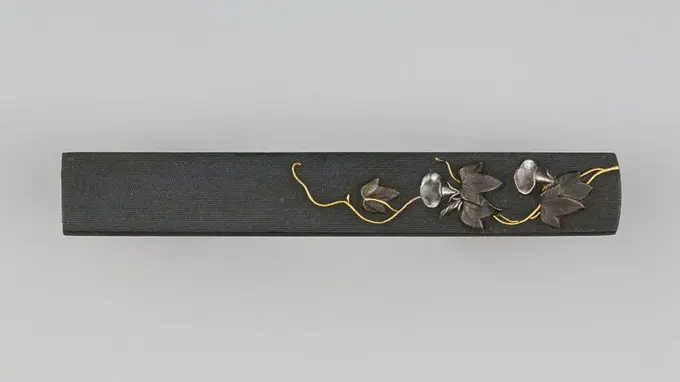
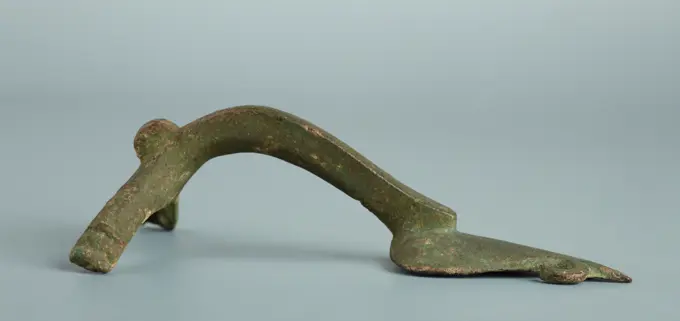
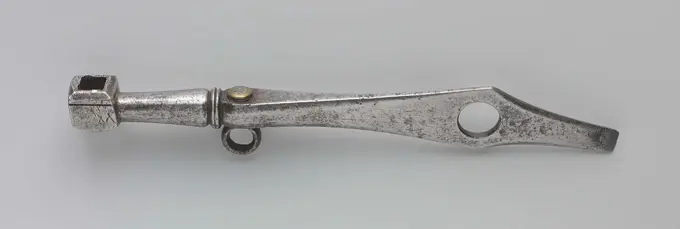
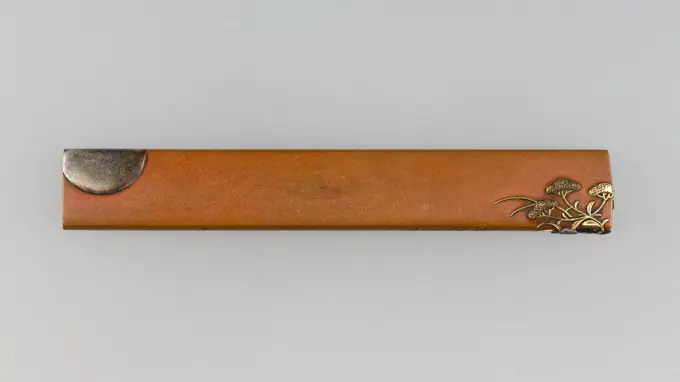
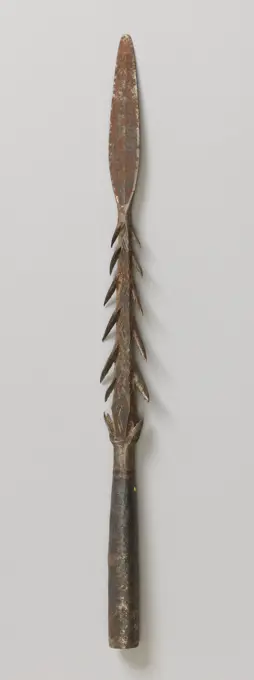
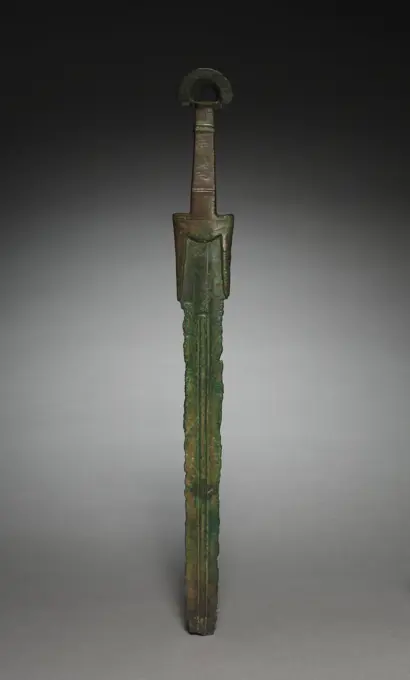
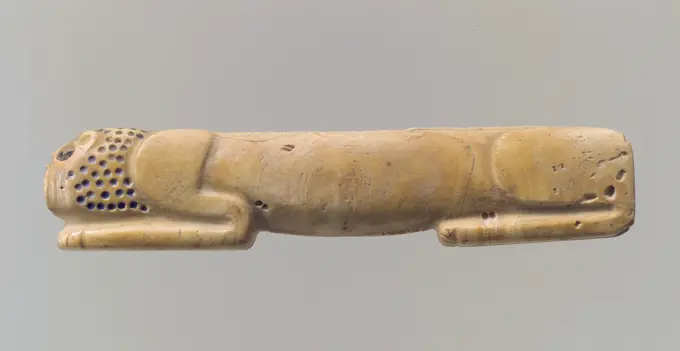
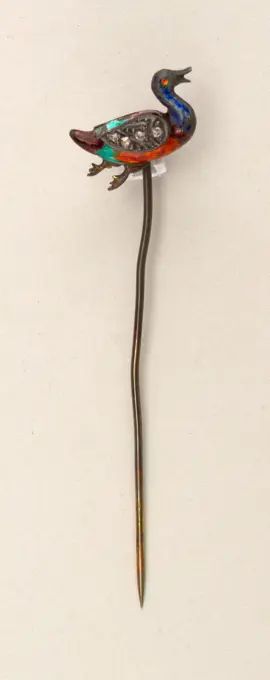
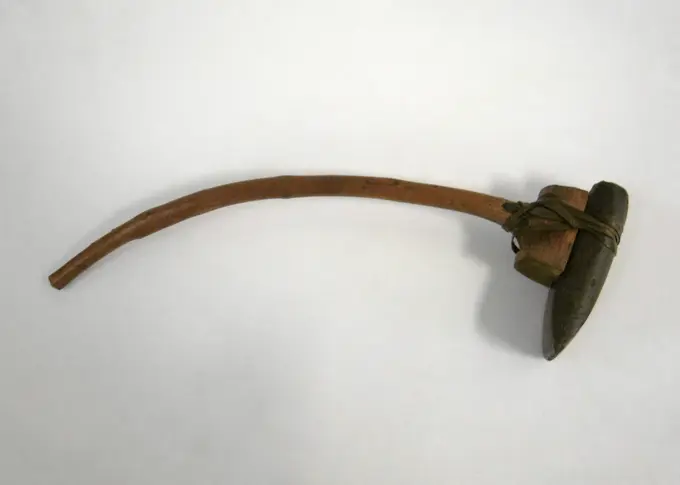
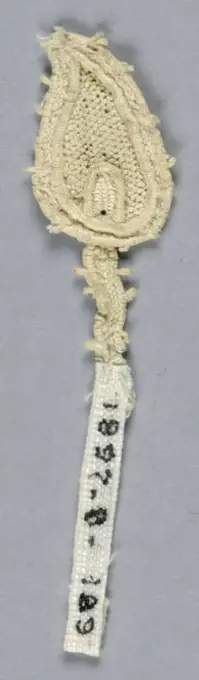
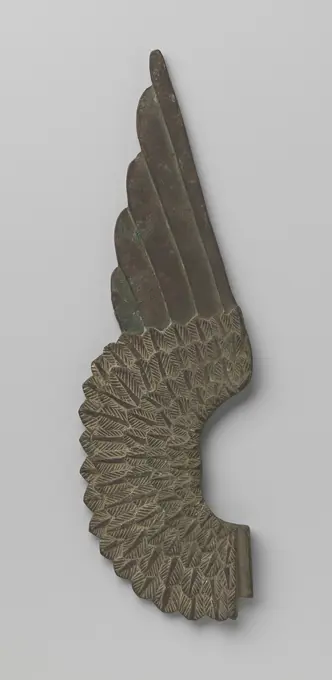
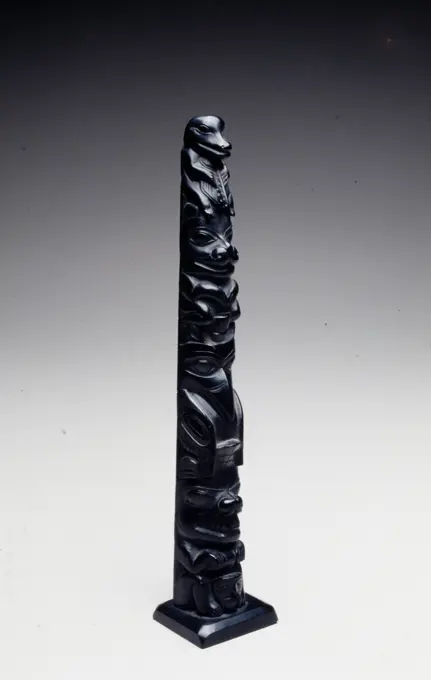
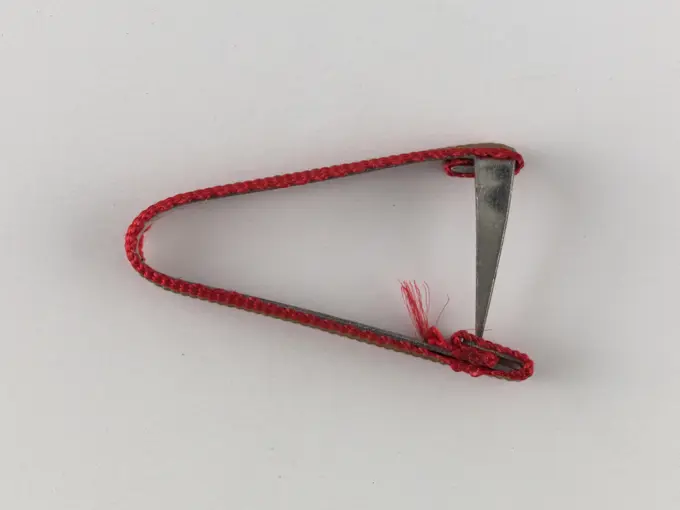
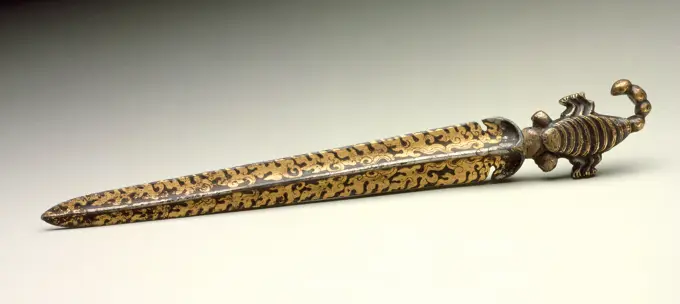
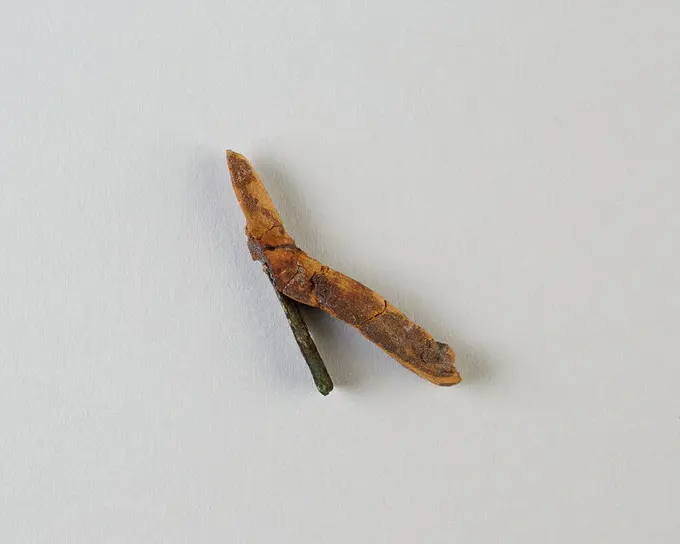
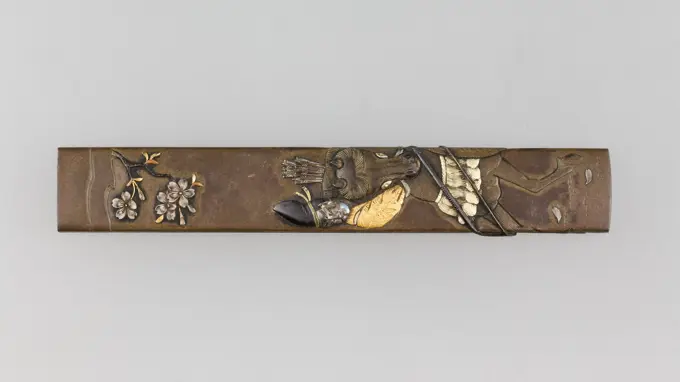
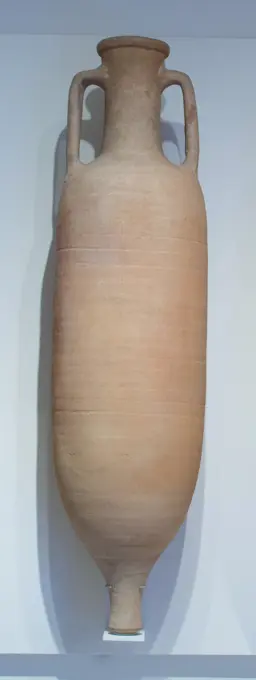
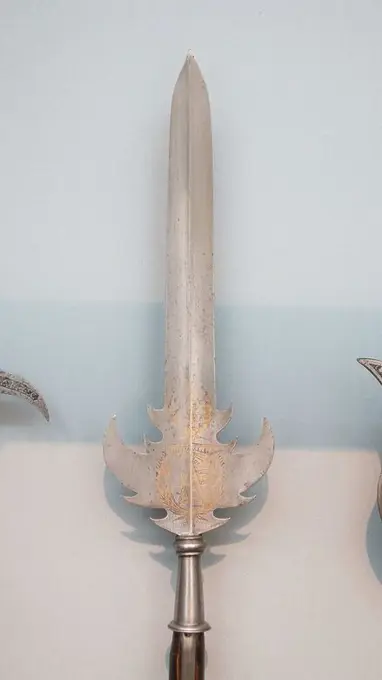
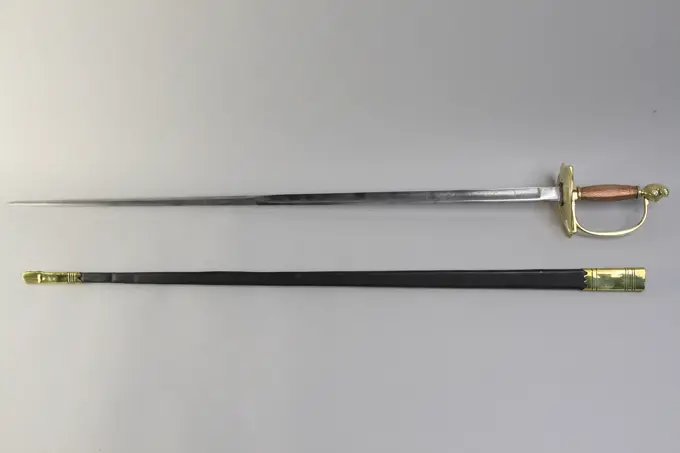
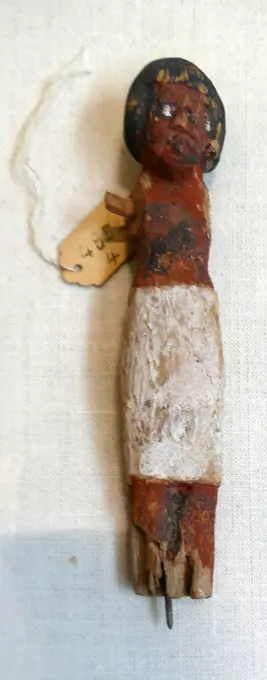
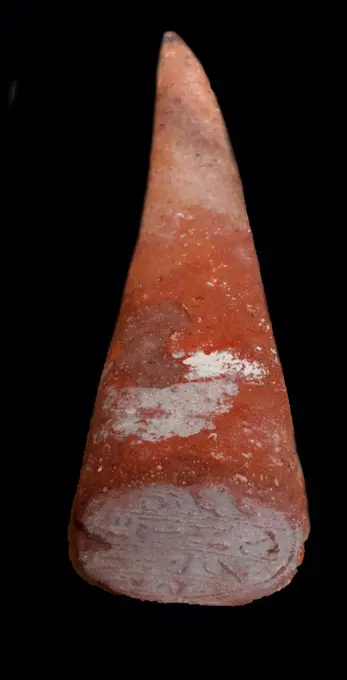
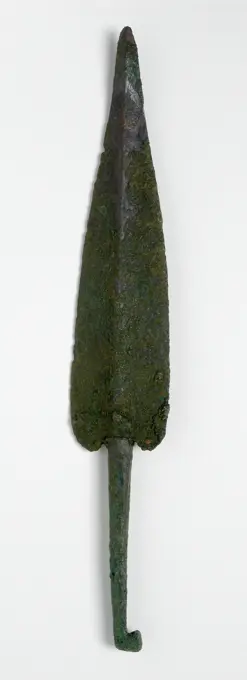
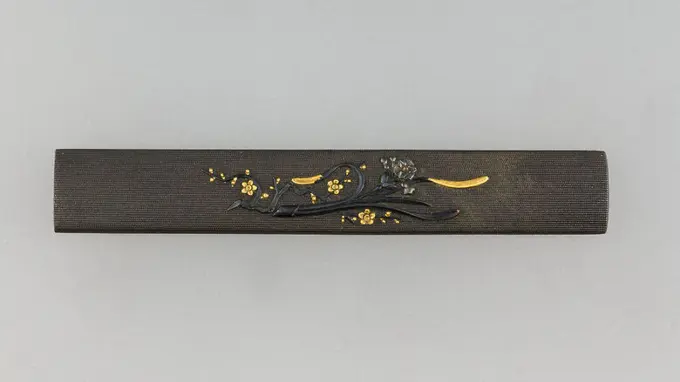
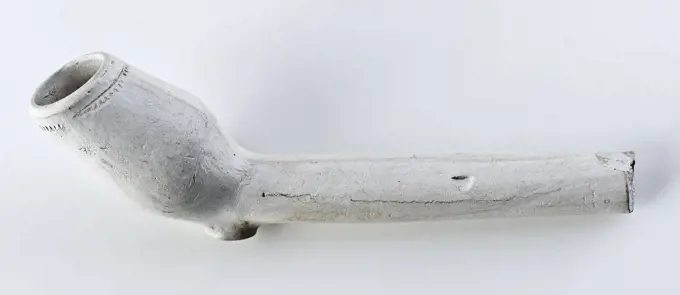
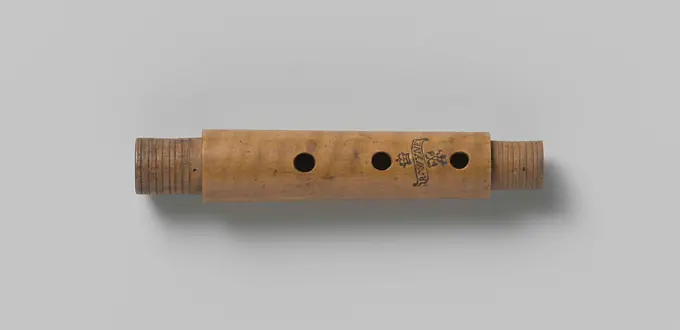
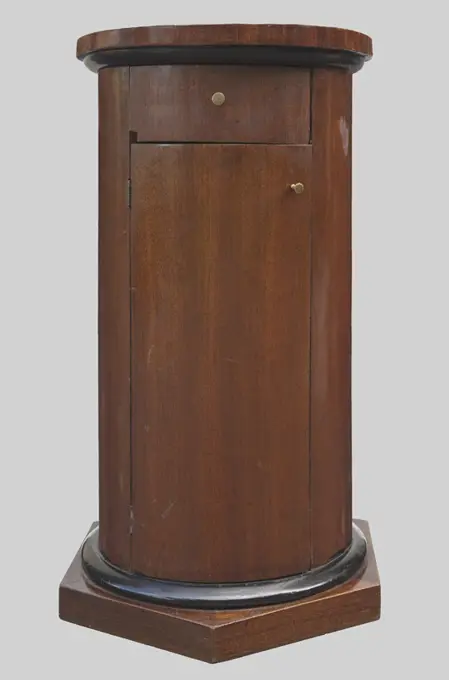
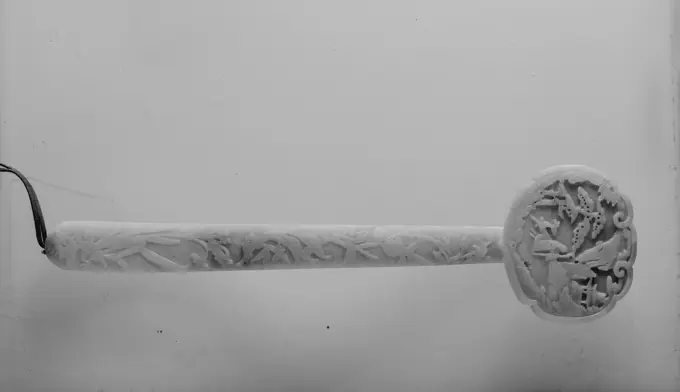
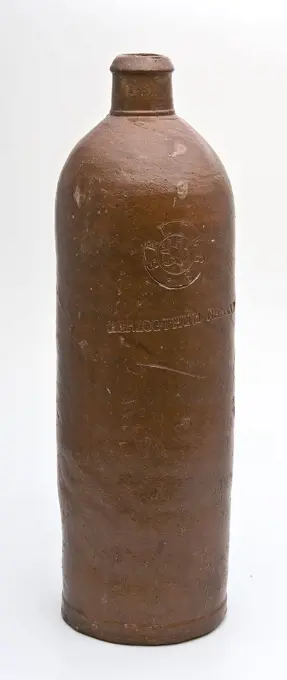
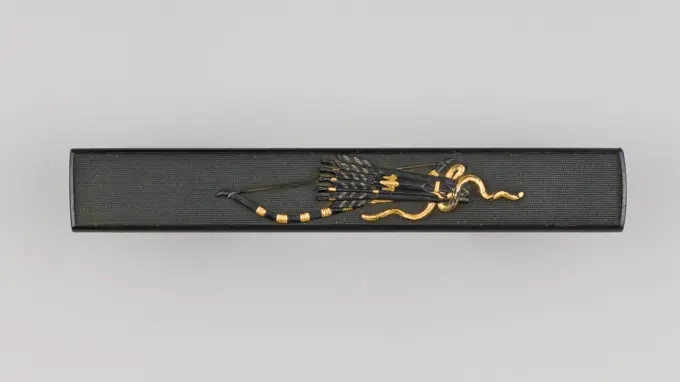
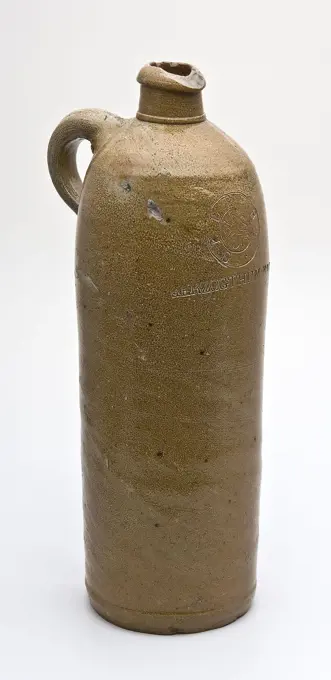
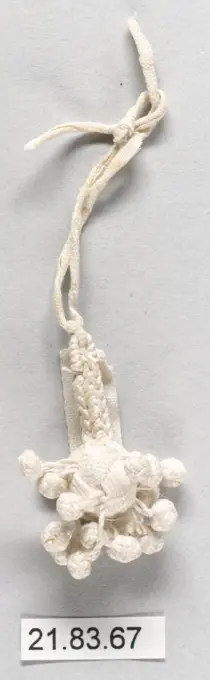
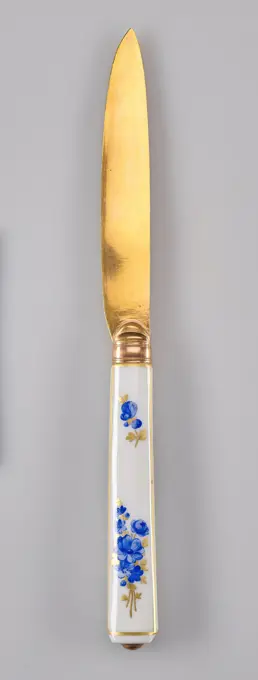
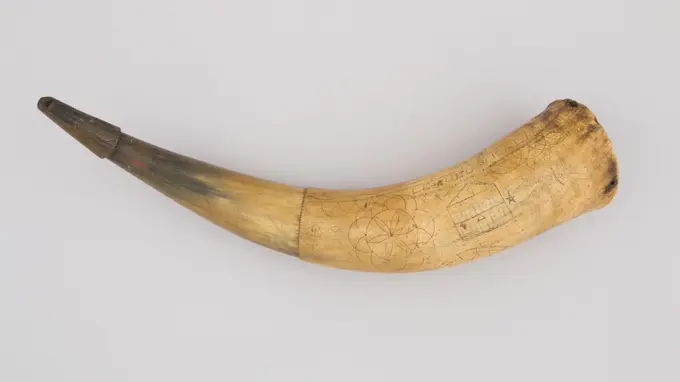
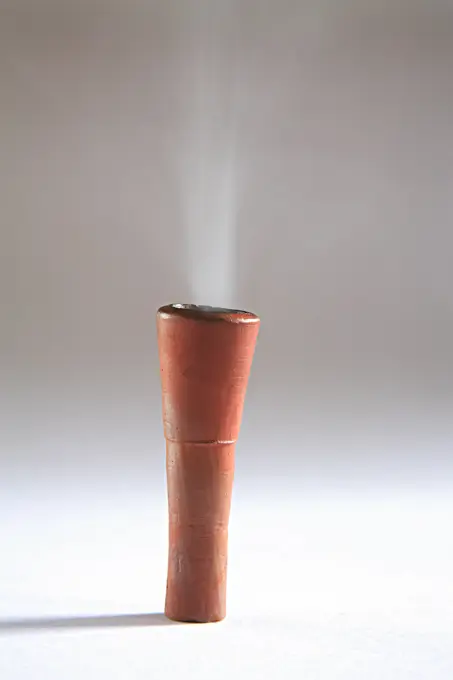
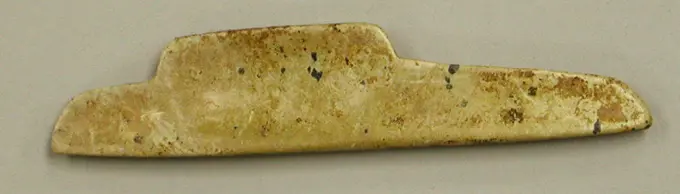
Degen with iron basket and cross rod, anonymous, c. 1575 - c. 1600 sword Degen with (distorted) rag basket, pare bar. Iron button with vertical copper tires. Kling incomplete. Europe iron (metal). copper (metal)   EuropeSword (Kris), Before 1916. Philippines. overall: 71.8 cm (28 1/4 in.).Scabbard, Before 1916. Philippines. overall: 4.8 cm (1 7/8 in.).Stamper van Brons, Anonymous, 1700 - 1800 Stamper of cast bronze. This becomes slightly wider towards the ends. Netherlands bronze (metal) casting Stamper of cast bronze. This becomes slightly wider towards the ends. Netherlands bronze (metal) castingPair of wheellock pistols with spanner.The characteristic feature of the wheellock is the spinning wheel, which strikes a piece of pyrites, generating sparks. The lock can be internally tensioned by turning the square spindle a quarter turn with a separate spanner. This spanner also serves as a screwdriver and can be used to loosen the cock when replacing the pyrites.Tool 1500-500 B.C. India. Tool. India. 1500-500 B.C.. Copper. MetalworkKnife Handle (Kozuka) 19th century Japanese A kozuka is a handle of a by-knife that is part of a sword mounting. It is kept in a slot on the reverse of a katana scabbard, often with a matching kōgai (hairdressing tool).. Knife Handle (Kozuka) 29778Shovel, c. 1400 - c. 1950 An iron shovel belonging to talk lamp.  iron (metal) An iron shovel belonging to talk lamp.  iron (metal)Korseke ca. 1550 Italian, probably Venice. Korseke 26774Yeah to fish;  19th/20th century (1801-00-00-1900-00-00);Staff, 19th-20th Century, 37 3/8 x 3 1/2 x 1 3/8 in. (94.9 x 8.9 x 3.5 cm), Wood, Democratic Republic of the Congo, 19th-20th CenturySpoon, silver, Oval bowl and partly panelled and twisted rattail stem, terminating in a patera supporting an oval crusher terminal., Paris, France, 19th century, cutlery, Decorative Arts, SpoonFeather 19th century Shibata Zeshin Japanese. Feather 57294Needle sheath late 17th century possibly German. Needle sheath. possibly German. late 17th century. Silver. Textiles-Methods and MaterialsFragment of a Tunic 4th-5th century. Fragment of a Tunic 445803Tablespoon.   Maker: Eliakim Hitchcock, 1726-1788Spearhead Spearhead; steelBas flute with one valve and copper mounted.middle piece and topWar Hammer 1600-1640 France. Iron and silver .White clay pipe, unnoticed, with smooth handle, clay pipe smoking equipment smoke bottom pottery ceramic pottery, pressed pressed baked white clay pipe unnoticed with smooth handle Pipe has an exceptionally wide heel running downwards like foot. Heel is not finished archeology smoking tobaccoBifacial Knife ca. 1981-1640 B.C. Middle Kingdom. Bifacial Knife. ca. 1981-1640 B.C.. Flint. Middle Kingdom. From Egypt, Memphite Region, Lisht South, tomb west of the tomb of Senwosretankh, debris west, MMA excavations, 1933-34. Dynasty 12-13Weaving tool (). Dimensions: l. 10.5 cm (4 1/8 in). Dynasty: Dynasty 19-20. Date: ca. 1295-1070 B.C.. Museum: Metropolitan Museum of Art, New York, USA.Parts of a paneling., 1900 - 1905   pine (wood)   pine (wood)Sword, 2nd-1st Millenium BC. Iran, Luristan (), 2nd-1st Millenium BC. Bronze; overall: 65.8 cm (25 7/8 in.).Dolabra (military axe) with a reconstructed wooden handle. Dated 1st Century AD DaggerAmulet in the form of a couchant lion ca. 2900-2700 B.C. This small object carved from a piece of shell depicts a reclining lion with head resting on his front paws. The elements of the animals body are very simply modeled: haunches, body, shoulders and front paws, and head can be identified. The back is straight and the belly hangs down slightly. Small drilled holes mark the mane, and larger holes indicate the eye and ear. Traces of pigment in these holes suggest that they were originally inlaid with a material in a contrasting color. Lions were one of the most frequently represented animals in the art of Mesopotamia from a very early period on, and were often shown in combat with an adversary, either human or supernatural. This object may have been used as an amulet, harnessing the enormous power of this fearsome animal.. Amulet in the form of a couchant lion 324730Scarf pin with duck Stick Pin; England or United States; gold, enamel, glass; Overall: 6.7 x 2 cm (2 5/8 x 13/16 in.)Bit unknown labelWindlass pictured on crossbow. French. Date: 1450-1600. Dimensions: L. 111.8 cm (44 in.). Iron and wood. Origin: France. Museum: The Chicago Art Institute, Chicago, USA.Drop Spindle 2nd-7th century. Drop Spindle 447829Petal-Shaped Bead, c. 1391-1353 BC. Egypt, New Kingdom, Dynasty 18, reign of Amenhotep III. Faience; overall: 3 x 1 cm (1 3/16 x 3/8 in.).Adze, 19th century, 2 1/2 x 19 x 6 1/4 in. (6.4 x 48.3 x 15.9 cm), Stone, wood, leather, United States, 19th centuryShield. Culture: Philippine, Bontoc. Dimensions: H. 34 1/2 in. (87.6 cm); W. 10 1/2 in. (26.7 cm); D. 4 1/8 in. (10.5 cm); Wt. 3 lb. 11.9 oz. (1698.1 g). Date: 18th-19th century. Museum: Metropolitan Museum of Art, New York, USA.Fruit server, Charles Victor Gibert, French, Cast and chased silver, enamel, Strawberry leaves flanked by two enameled strawberries and dragonfly on handle., ca. 1890, cutlery, Decorative Arts, Fruit serverFragment, Medium: linen Technique: needle lace, Fragment of a tiny cone-shaped bud and stem., Venice, Italy, 17th century, lace, FragmentCrochet;  approx. 2600 2350 BC ; Early period D Azira III (-2600-00-00--2350-00-00);Knife Handle (Kozuka). Culture: Japanese. Dimensions: L. 3 13/16 in. (9.7 cm); W. 9/16 in. (1.4 cm); thickness 1/4 in. (0.6 cm); Wt. 1.4 oz. (39.7 g). Date: late 18th-early 19th century. Museum: Metropolitan Museum of Art, New York, USA.Vessel HandleSpear Tip (Mao). China, Eastern Zhou dynasty, 771-221 B.C.. Arms and Armor; spears. Cast bronze with gildingShield 18th-19th century Indonesian, Sulawesi. Shield. Indonesian, Sulawesi. 18th-19th century. Wood. Sulawesi. ShieldsEngelenvleugel van messing.Molded left wing, with a row of six feathers, with five long feathers above. Numbered IIIV on the mounting piece.Miniature Totem Pole, 20th century, 11 1/8 x 2 1/8 x 1 7/8 in. (28.3 x 5.4 x 4.8 cm), Argillite, United States, 20th centuryChair with a high back with orange velvet, Klaas van den Berg, c. 1925 Oak chair, partly glued with rosewood, resting on four legs. The short round front legs rejuvenate and are painted black; The hind legs have one beveled side. The high trapezoidal seat is located just above the ground and is completely covered with orange velvet. The high back runs narrower and is caught in two styles that protrude. The back is also covered with orange velvet and is trimmed on the sides with a beige piping. Amsterdam wood (plant material). oak (wood). rosewood (wood). velvet (fabric weave) Oak chair, partly glued with rosewood, resting on four legs. The short round front legs rejuvenate and are painted black; The hind legs have one beveled side. The high trapezoidal seat is located just above the ground and is completely covered with orange velvet. The high back runs narrower and is caught in two styles that protrude. The back is also covered with orange velvet and is trimmed on the sides with a beiFragment; wool, linenTerracotta fragment of a kylix (drinking cup) 6th/5th centuries B.C. Greek, Attic Left half of handle; part of the handle patch. Terracotta fragment of a kylix (drinking cup). Greek, Attic. 6th/5th centuries B.C.. Terracotta; black-figure. Archaic. VasesFixed-Ruban War Cross 1939-1945. Fabric, metal, 1945-1968. General Leclerc Museum of Hauteclocque and the Liberation of Paris, Jean Moulin Museum.Ceremonial Scorpion Dagger. Eastern Tibet, Kham region, Derge, 18th century. Arms and Armor; daggers. Blade: iron inlaid with gold and silver; hilt: copper alloyFork (England); ivory, steel; L x W: 13.1 x 1.4 cm (5 3/16 x 9/16 in.); The Robert L. Metzenberg Collection, gift of Eleanor L. Metzenberg; 1985-103-177Spoon with elongated, oval bowl and hexagonal handle, spoon cutlery soil find tin metal, Oblong oval box rat tail and double rib On reverse side stem an unreadable smashed mark archeology Rotterdam rail tunnel food Soil discovery: rail tunnel Rotterdam.Model Adze from a Foundation Deposit. Dimensions: L. 4.5 cm (1 3/4 in.). Dynasty: Dynasty 18. Reign: Joint reign of Hatshepsut and Thutmose III. Date: ca. 1479-1458 B.C.. Museum: Metropolitan Museum of Art, New York, USA.Spoon. Spoon. BoneSilver Pin 12th-15th century Chimú. Silver Pin 315219Knife Handle (Kozuka) end of 17th Century Japanese A kozuka is a handle of a by-knife that is part of a sword mounting. It is kept in a slot on the reverse of a katana scabbard, often with a matching kōgai (hairdressing tool).. Knife Handle (Kozuka) 29729Terracotta transport amphora late 1st-mid-2nd century A.D. Roman Although found in Cyprus, this amphora resembles a type that was made in Italy and was frequently used for exporting wine to the western provinces. Examples, however, occur throughout the Roman Empire and even beyond its frontiers at sites as far away as eastern India.. Terracotta transport amphora. Roman. late 1st-mid-2nd century A.D.. Terracotta. Mid Imperial. VasesPair of tassels 17th century Italian. Pair of tassels. Italian. 17th century. Linen. Textiles-TrimmingsLime Spatula, before 1930. Melanesia, New Guinea, Massim Area, Trobriand Islands, 20th century. Wood; overall: 32.7 cm (12 7/8 in.). Intricately carved spatulas (chunum) were used to remove a mixture of areca nut, lime, and betel pepper from gourd containers for chewing. The stylized human face and figure are decorated with lime-filled incised designs.Object . Object . Bronze. BronzesPartisan of Johann Georg II of Saxony (reigned 1656-80). Culture: German. Dimensions: L. 99 3/32 in. (251.69 cm); L. of head (excluding straps) 23 1/2 in. (59.69 cm); W. 6 15/16 in. (17.6 cm); Wt. 5 lb. 2 oz. (2325 g). Date: ca. 1660.This staff weapon was carried by the bodyguards of the Prince-Electors of Saxony. Museum: Metropolitan Museum of Art, New York, USA.Baluster second half 17th century British. Baluster. British. second half 17th century. Oak. WoodworkTweezers Korea. Tweezers. Korea. Bronze. Goryeo dynasty (918-1392). MetalworkKnife lift from the wreck of the East Indiesman Hollandia.knife, Handle, Cylindrical: tapering; ID. NG 1979-403H, Ferrules, ID. NG 1980-27H426.State Partizan of an Officer of the Saxon Hundred Swiss Guards 1725-1814 Saxony. Steel, wood (red oak), and thread .Serrated Harpoon 1500-500 B.C. India. Serrated Harpoon 50600Baluster first half 17th century British. Baluster. British. first half 17th century. Walnut. WoodworkSword -Dagger with Sheath 18th-19th century African, Sudan. Dagger with Sheath 25004Model of an Egyptian rower or oarsman found at Giza, Necropolis. Circa 2500 BCMiniature Litter Section 11th-late 15th century Chimú or Chancay. Miniature Litter Section 309210Funerary cone of the Chief Beer Brewer and Chief of the Corrals of Amun, named Abemusekhet. Terracotta. New Kingdom (1550-1070 B.C.).Amulet of a Djed Pillar 1070 BCE-656 BCE Egypt. Faience . Ancient EgyptianClarinet in E-flat Ferdinand Zogbaum American ca. 1855 Ferdinand Zogbaum had a workshop in Charleston ca. 1852 and moved to New York ca. 1854. When Rufus Fairchild joined the company in 1858 it became Zogbaum & Fairchild. The workshop flourished until after 1880. (Nancy Groce, Musical Instrument Makers of New York, 176-177.)Overall size: 430, 491 with mouthpiece.Bore: c-hole 12.2; f-hole 12.2.Conical part: 128Technical description: Boxwood with ivory ferrules and brass keywork. Six pieces: mouthpiece, barrel, upper section, middle section for the fingers of the right hand, lower section with keys, bell. Rosewood mouthpiece not grooved for cord. Speaker liner projects ca. 4 mm into the bore. Chimney on the back of the instrument. Sixth key (C4/G5) mounted on a plate probably a later addition. Levers for L4, tone-hole and key for R4 mounted in a fusiform swelling. Integral wooden rim.L0:   T; speaker.L1:   T; throat A♮.L2:   T.L3:   T.L4:   C4/G5; E3/B♮4; F3/C5. R1:   T. R2:   T. RPair of tassels 17th century Italian. Pair of tassels. Italian. 17th century. Linen. Textiles-TrimmingsSpearhead. Egypt, 1st Millenium B.C.. Arms and Armor; spears. BronzeFob 18th century French. Fob. French. 18th century. silkKnife Handle (Kozuka). Culture: Japanese. Dimensions: L. 3 13/16 in. (9.7 cm); W. 9/16 in. (1.4 cm); thickness 1/4 in. (0.6 cm); Wt. 1.1 oz. (31.2 g). Date: 18th century. Museum: Metropolitan Museum of Art, New York, USA.Hendrick Jansz., White clay pipe, marked, with smooth handle, clay pipe smoking equipment smoke floor earthenware ceramics pottery, pressed finished baked White clay pipe marked with smooth handle. Heel mark. heel mark: HI in circle archeology indigenous pottery smoking tobacco Hendrick Jansz.Whip Handle 580-640 Coptic. Whip Handle 474911Center part of a Piccolo.Center part of a Three Hole Piccolo.MEDALLA DE LA PENINSULA-CONMEMORATIVA-SALAMANC. Location: MUSEO WELLINGTON / ASPLEY HOUSE. LONDON. ENGLAND.Goldweight Knife, 20th century, 1 7/8 x 3/4 in. (4.76 x 1.9 cm), Bronze, Ghana, 20th centuryCopper Candy Ladle. Dated: c. 1938. Dimensions: overall: 24.5 x 35.5 cm (9 5/8 x 14 in.). Medium: watercolor, graphite, and colored pencil on paper. Museum: National Gallery of Art, Washington DC. Author: Frank McEntee.Bedside cabinet. unknown, authorSceptre China. Sceptre. China. Nephrite. Qing dynasty (1644-1911), Qianlong period (1736-95). JadeCeremonial Harvesting Knife (Dao). China, Erlitou, Late Neolithic period or early Bronze Age, Erlitou culture, about 2000-1700 B.C.. Arms and Armor; knives. Abraded jadeA photo of a wooden table with different backgrounds for any announcementsHandheld suction device on blue tableStoneware mineral water pitcher, cylindrical with round shoulder, sausage ear and short neck, mineral water pitcher jar product packaging container soil find ceramic stoneware glaze salt glaze, hand turned glazed baked Stoneware mineral pitcher cylindrical with round shoulder short neck and sausage ear. Stand area with traces of deduction and soul. brown glazed. Marked under the ear and marked on the front with medallion and text. Mark under ear pottery brand: HS NUM 22 archeology Rotterdam Kralingen-Crooswijk Struisenburg Oostmaaslaan Boslaan Buizengat advertising indigenous pottery import drinking water drinking medicine medicine packaging Soil discovery: Buizengat Oostmaaslaan Boslaan Rotterdam an old landfill of municipal waste.Knife Handle (Kozuka) 18th century Japanese A kozuka is a handle of a by-knife that is part of a sword mounting. It is kept in a slot on the reverse of a katana scabbard, often with a matching kgai (hairdressing tool).. Knife Handle (Kozuka). Japanese. 18th century. Copper-gold alloy (shakud), gold, silver. Sword Furniture-KozukaStoneware mineral pitcher, cylindrical with round shoulder, sausage ear and short neck, mineral water pitcher jar product packaging container soil find ceramic stoneware glaze salt glaze, hand turned glazed baked Stoneware mineral pitcher cylindrical with round shoulder short neck and sausage ear. Stand area with traces of deduction and soul. Light brown finely speckled glazed. Marked under the ear and marked on the front with medallion and text Misbaksel; neck is distorted Marks under ear pottery brand: HS 25 archeology Rotterdam Kralingen-Crooswijk Struisenburg Oostmaaslaan Boslaan Buizengat advertising indigenous pottery import drinking water beverage medicine packaging Soil discovery: Buizengat Oostmaaslaan Boslaan Rotterdam an old landfill of urban waste.Tassel 17th century Italian. Tassel. Italian. 17th century. Linen. Textiles-TrimmingsKnife, from a flatware dessert service, 18th century, Meissen Porcelain Factory, Meissen, Germany, est. 1710, Hard paste porcelain, gilt metal, Germany, 18th centuryPowder Horn ca. 1775 Colonial American. Powder Horn. Colonial American. ca. 1775. Horn (cow), wood, iron. Firearms Accessories-Powder HornsFork (possibly Germany); ivory, steel, silver; L x W: 20.8 x 2.5 cm (8 3/16 x 1 in.); The Robert L. Metzenberg Collection, gift of Eleanor L. Metzenberg; 1985-103-164Concept, clay cilam contains fire and tobacco for smoke equipment on white background India Copyright: xNirmalaxMishra/DinodiaxPhotoxSwan-Neck Bottle (Ashkdan) probably 18th-19th century. Swan-Neck Bottle (Ashkdan) 446995Model of a Rudder with a Cap, anonymous, c. 1863 demonstration model Model of the upper part of a rudder. One stirring hook can be seen. A stir -hat has been pushed over the top of the leaf, with a hexagonal hole in front of the Roerkoning and two holes for the care ropes. Netherlands wood (plant material)Terracotta fragment of an amphora (jar) late 6th century B.C./early 5th century B.C. Greek, Attic Part of the mouth of an amphora. Terracotta fragment of an amphora (jar). Greek, Attic. late 6th century B.C./early 5th century B.C.. Terracotta; red-figure. Archaic. VasesStechbeitel - CHisel on wood Stechbeitel - CHisel on wood Copyright: xZoonar.com/lantapixx 7118329Ritual Spoon before 16th century Olmec. Ritual Spoon. Olmec. before 16th century. Stone. Mexico, Mesoamerica. Stone-Implements