Historical Weapons And Armor

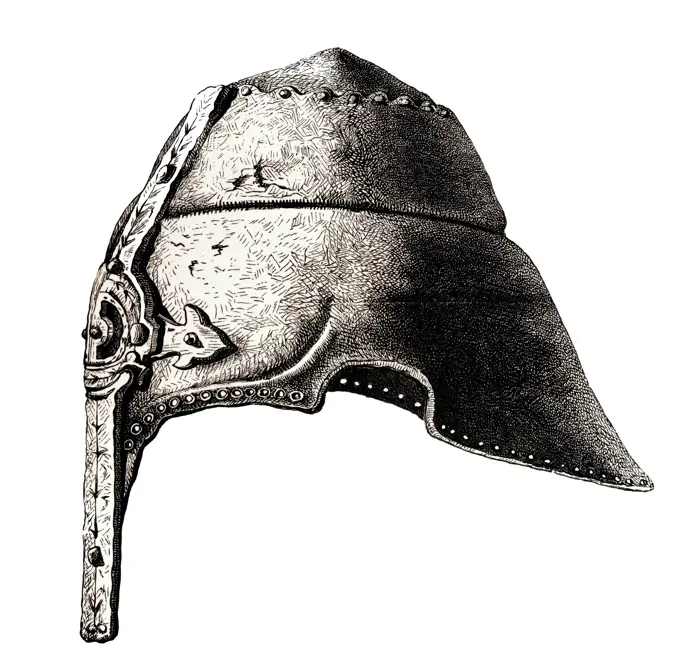
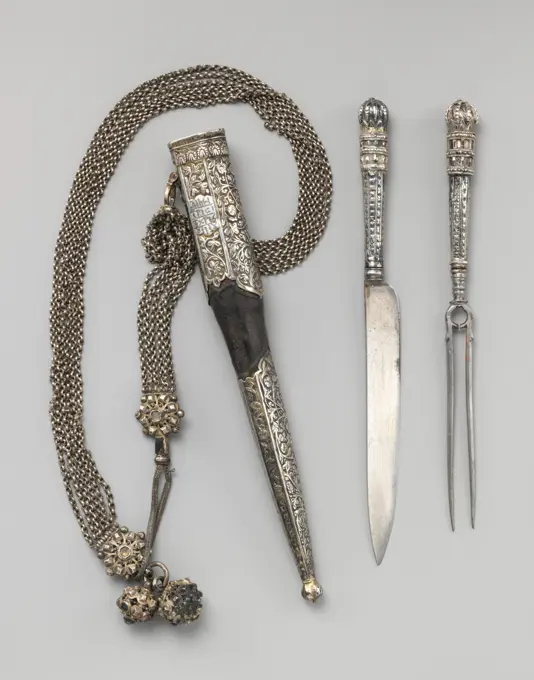
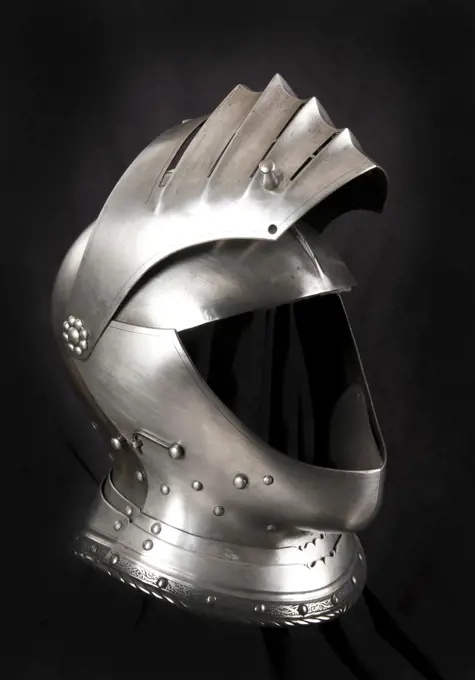
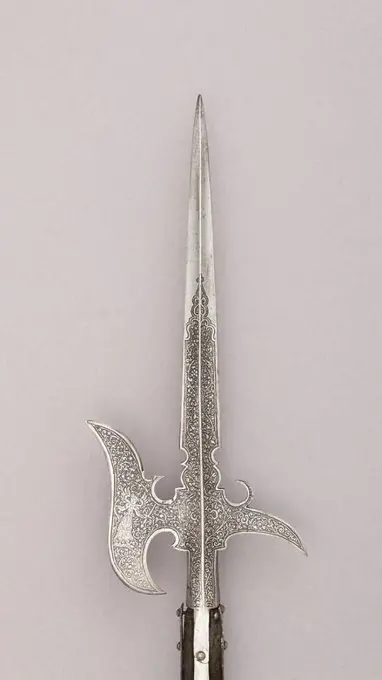
Images of historical weapons including helmets, pickaxes, rapiers, and daggers, showcasing intricate designs and materials from different eras.

Puppet
Puppet
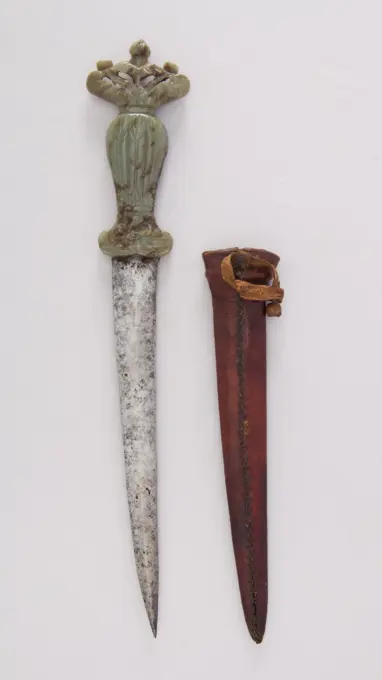
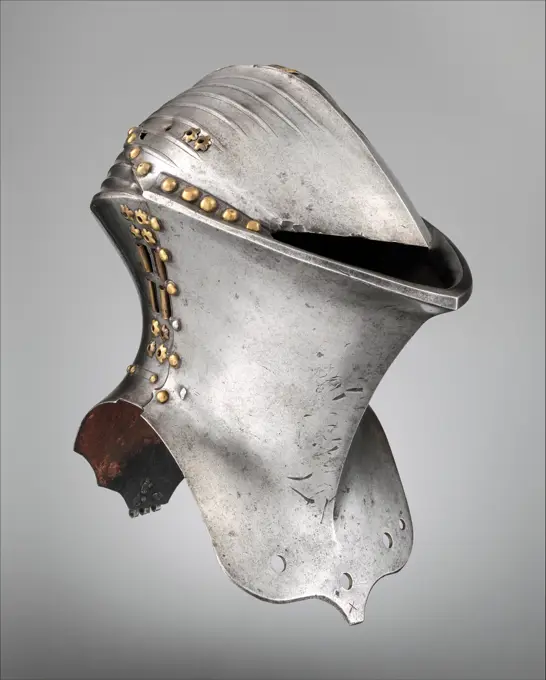
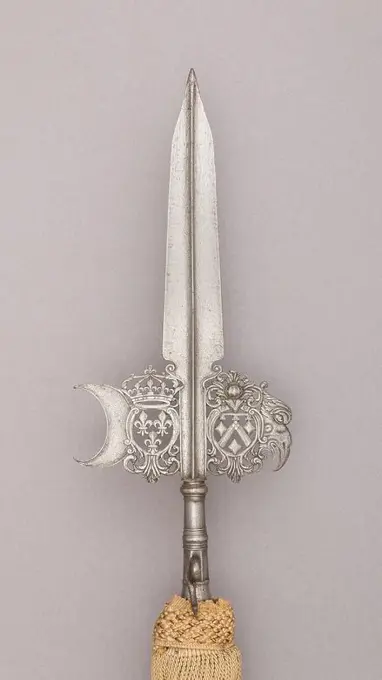
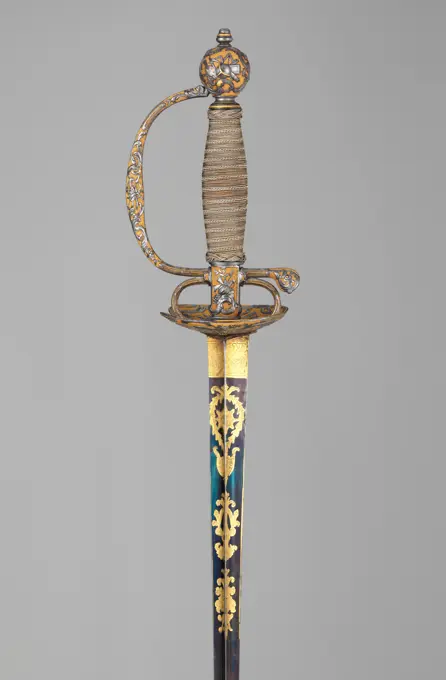
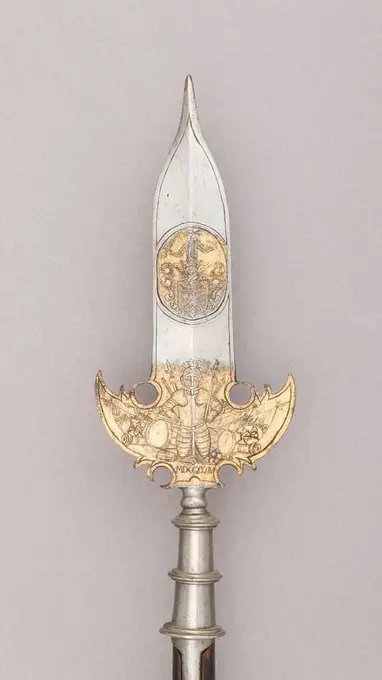
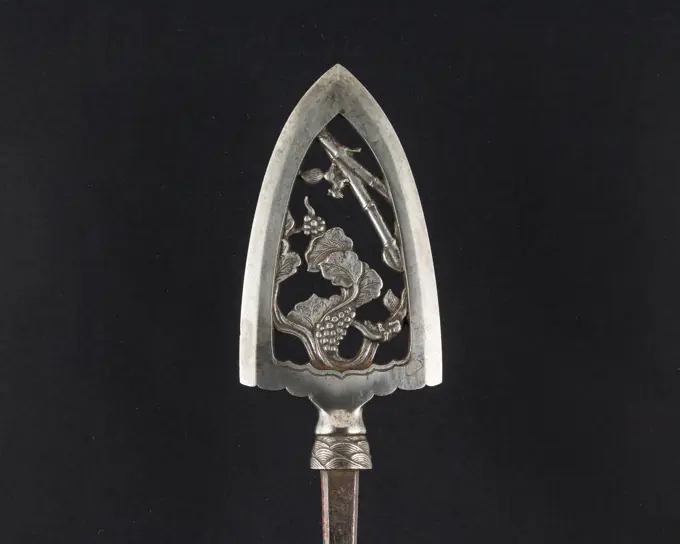
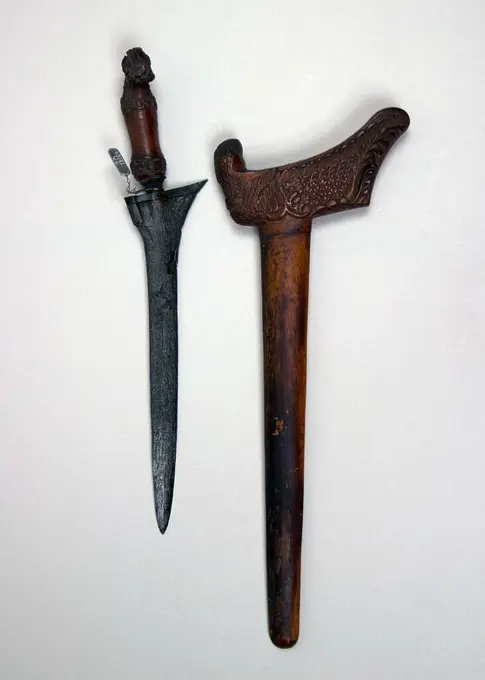
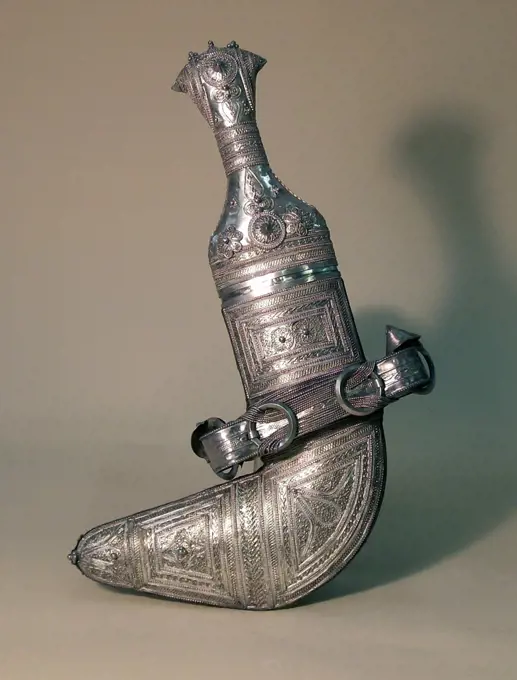
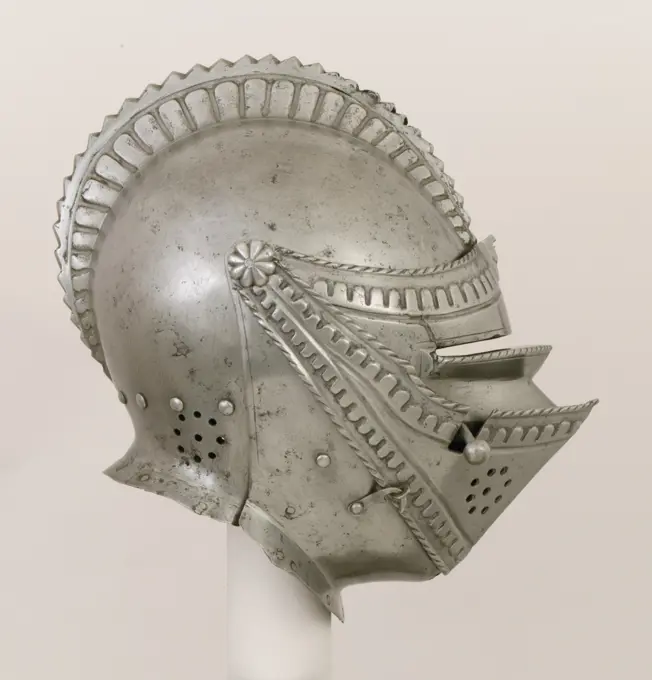
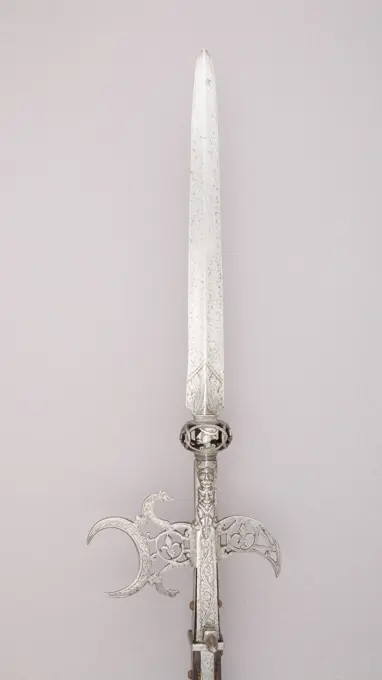
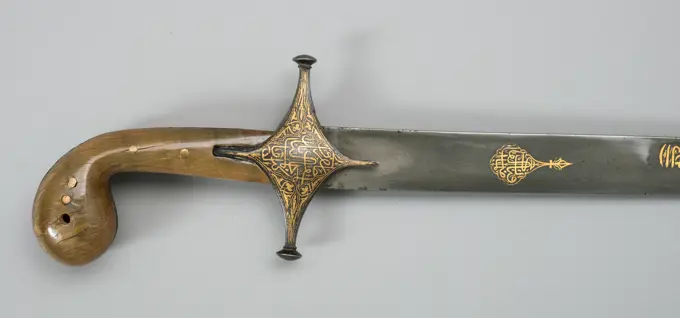
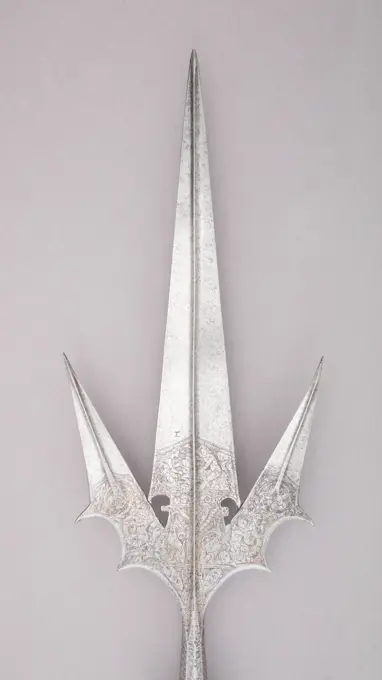
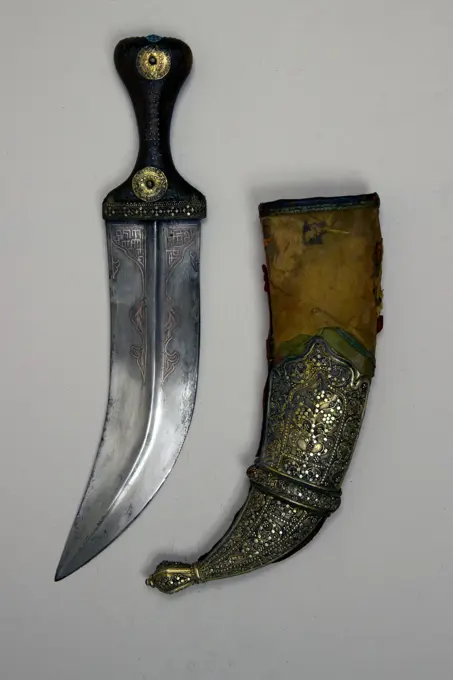
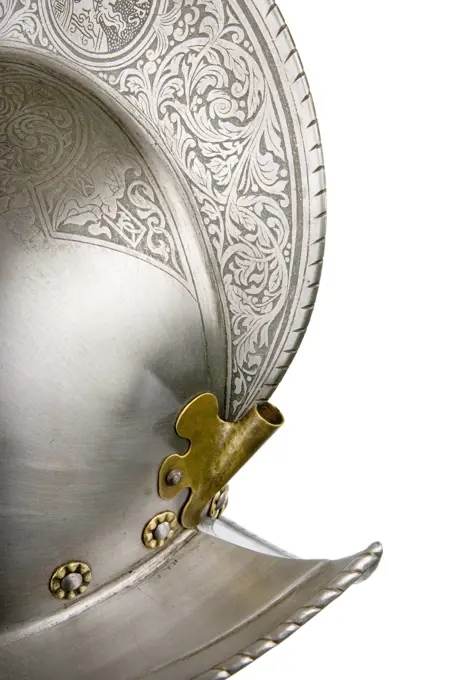
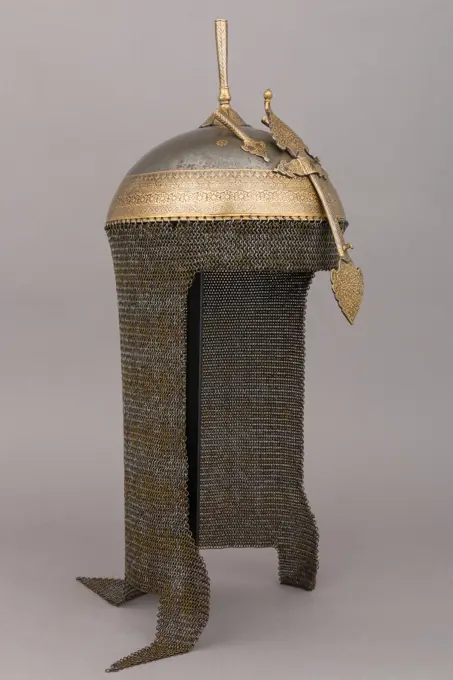
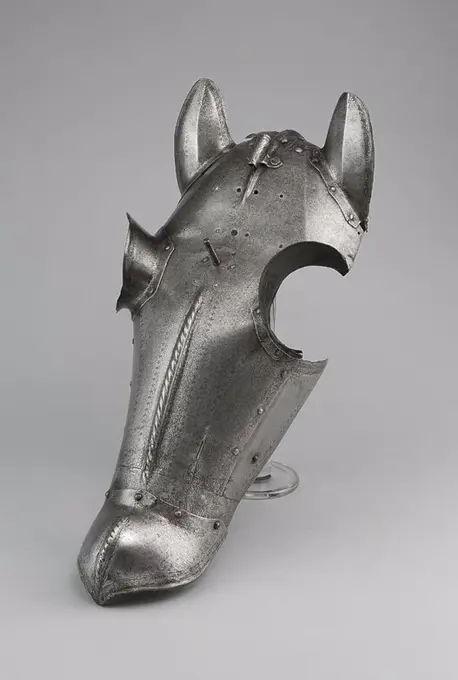
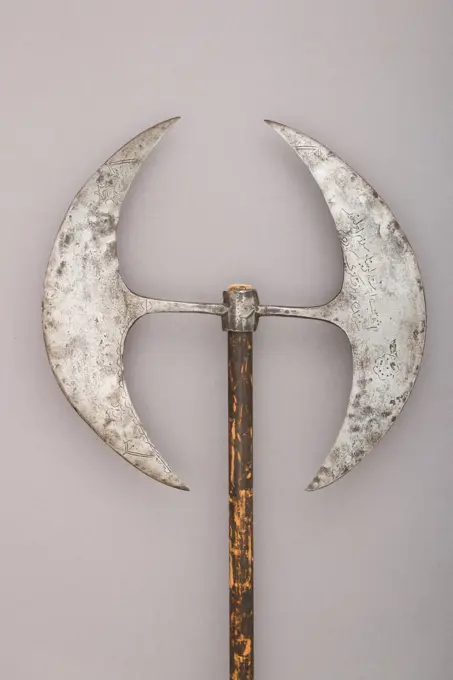
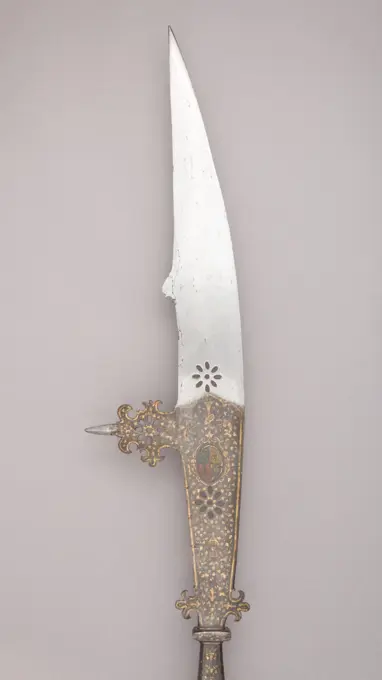
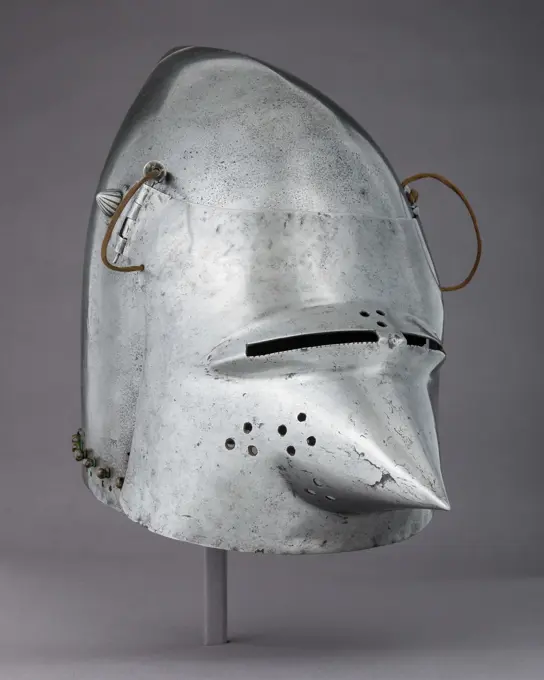
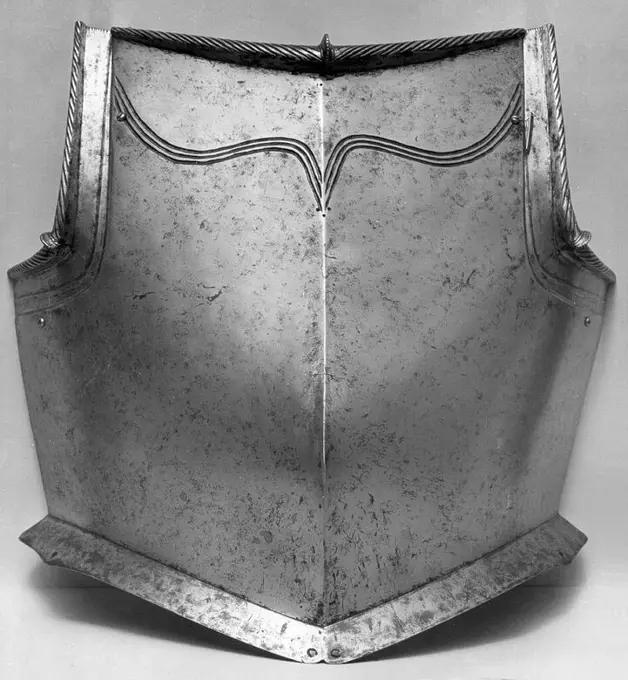
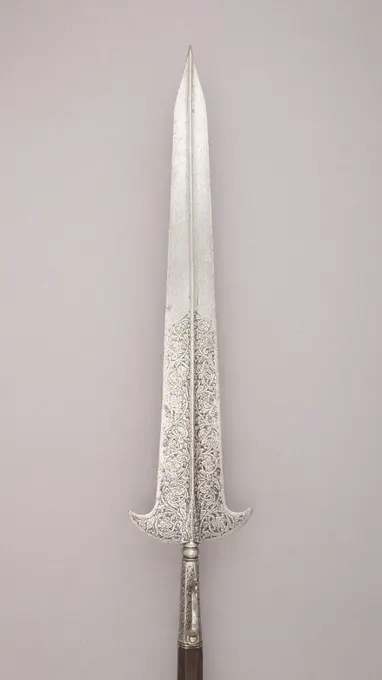
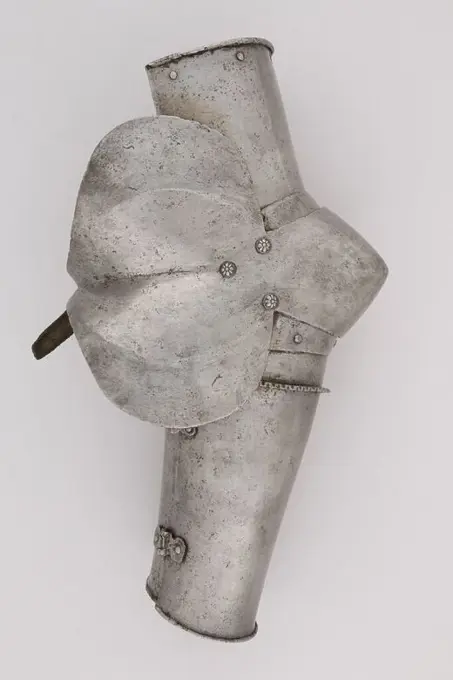
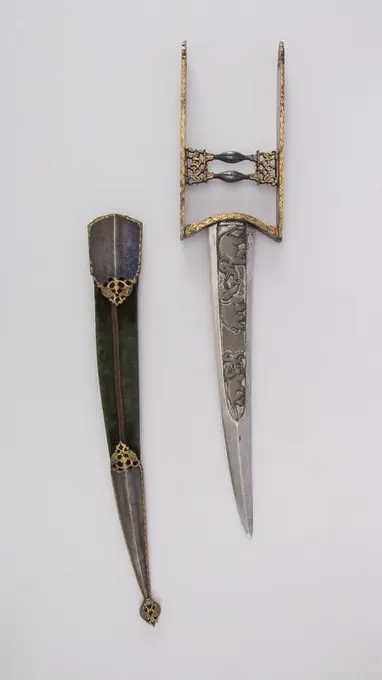
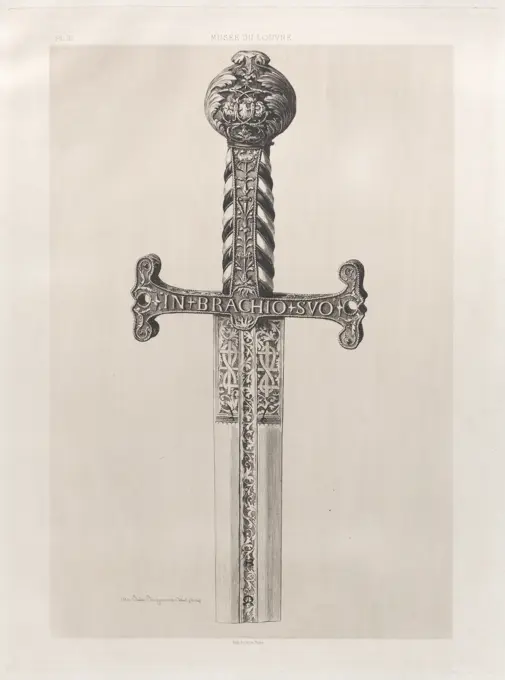
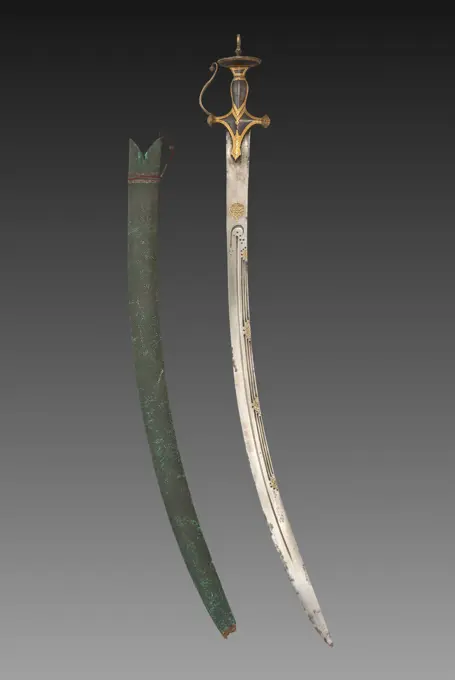
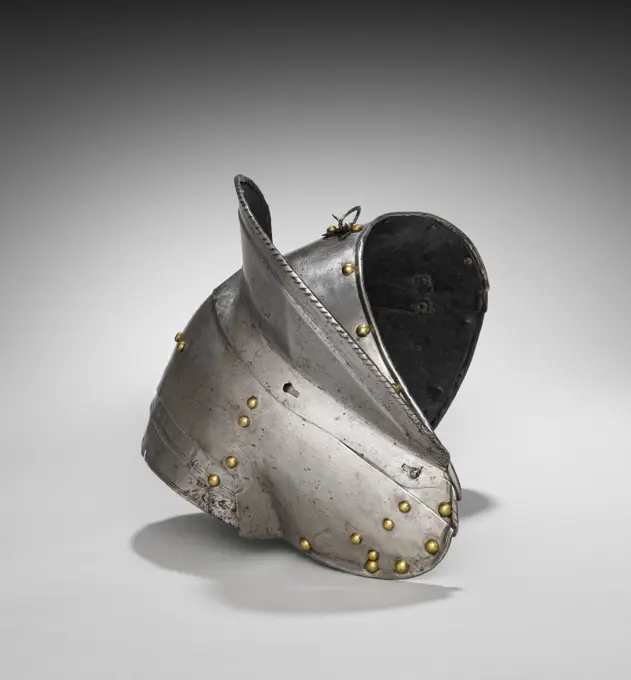
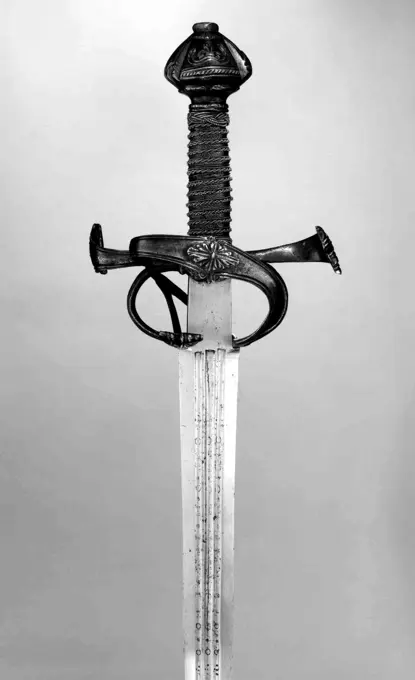
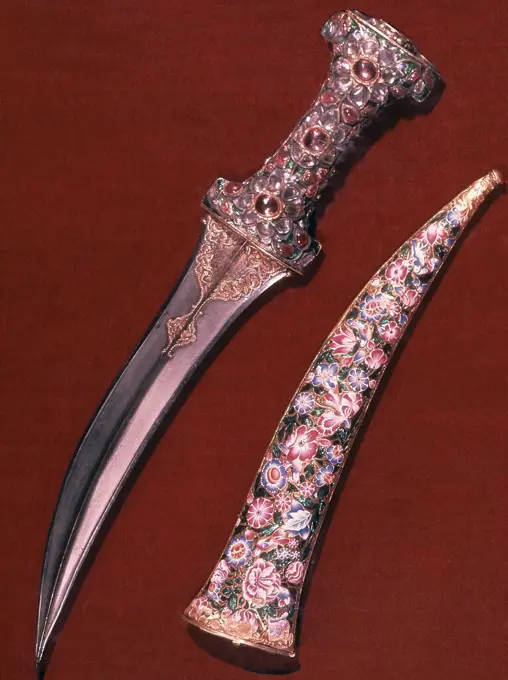
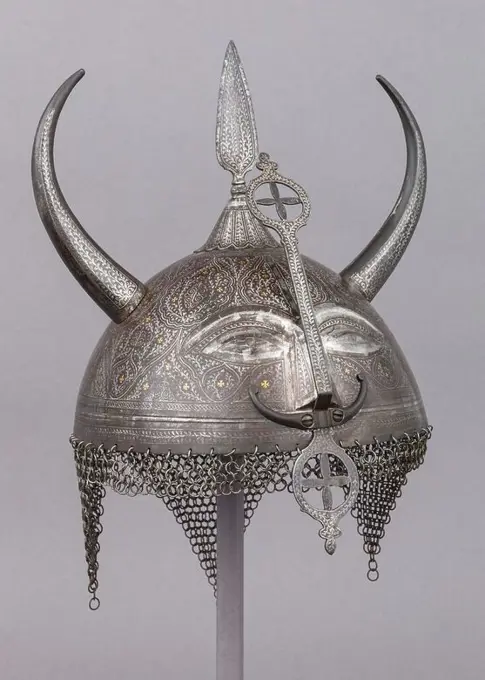
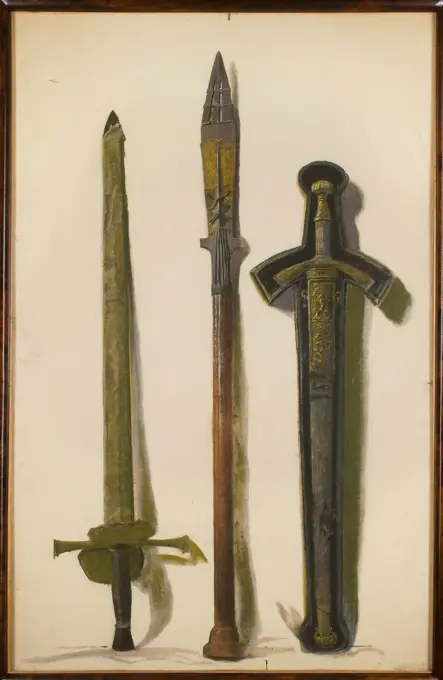
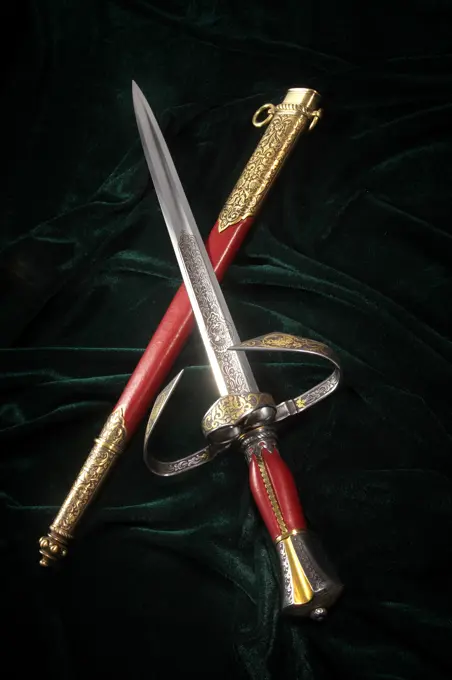
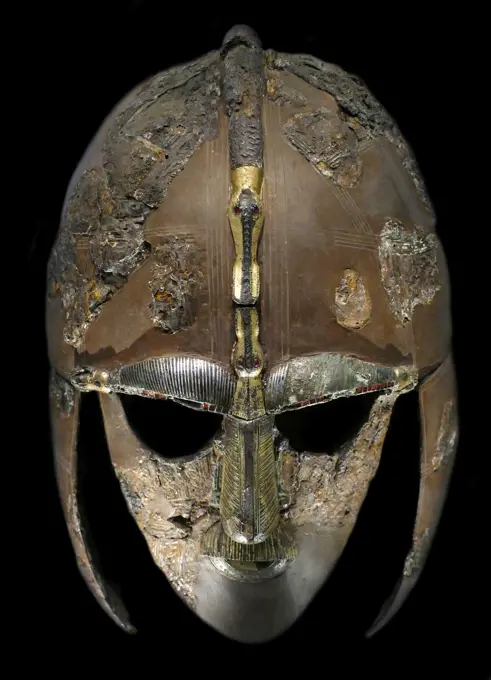
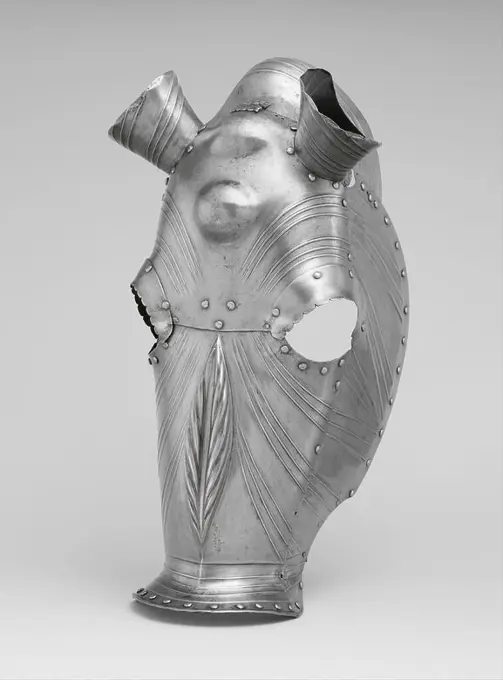
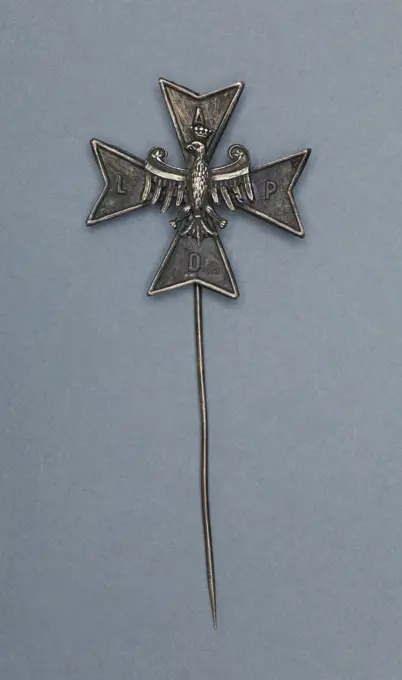
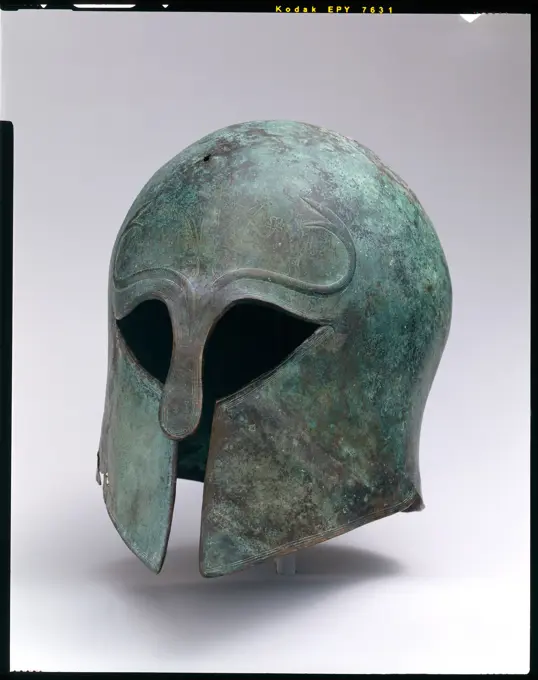
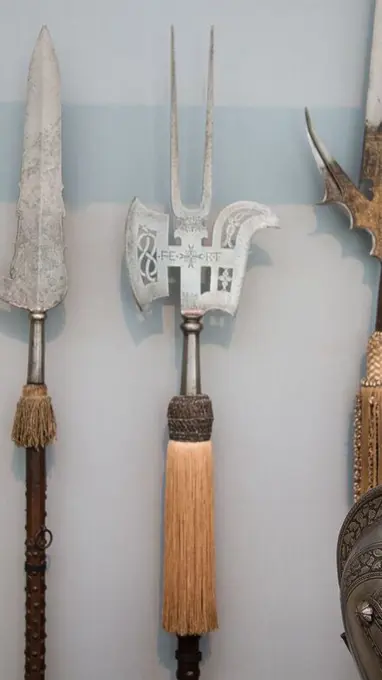
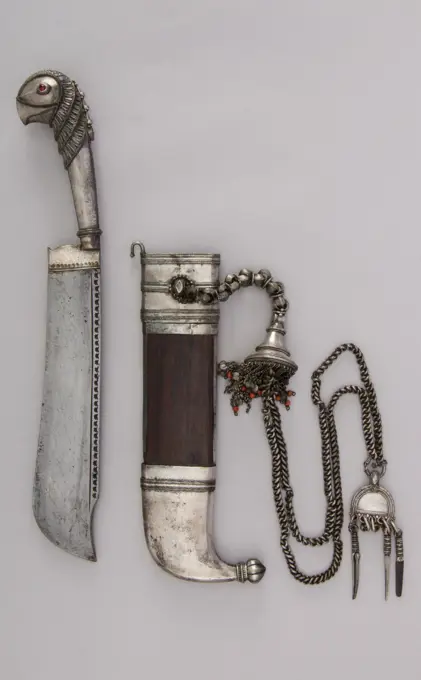
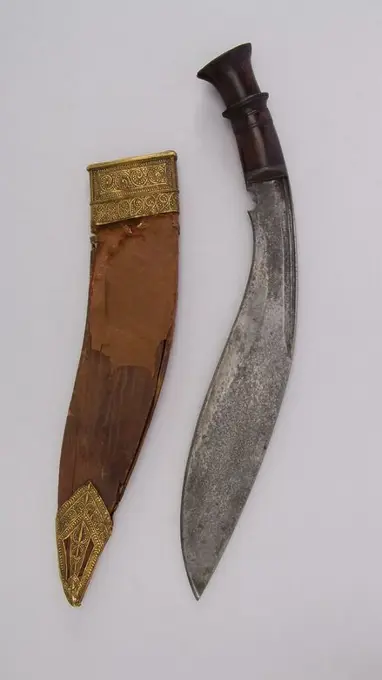
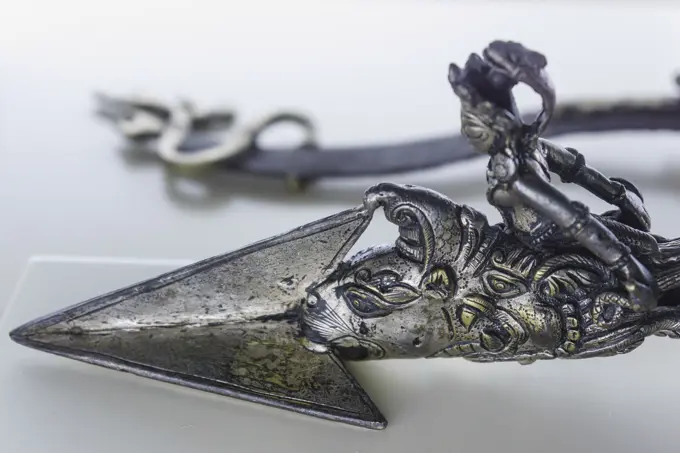
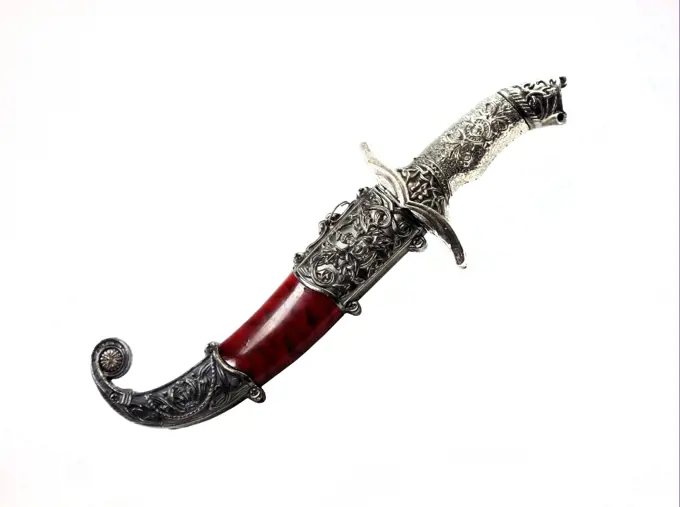
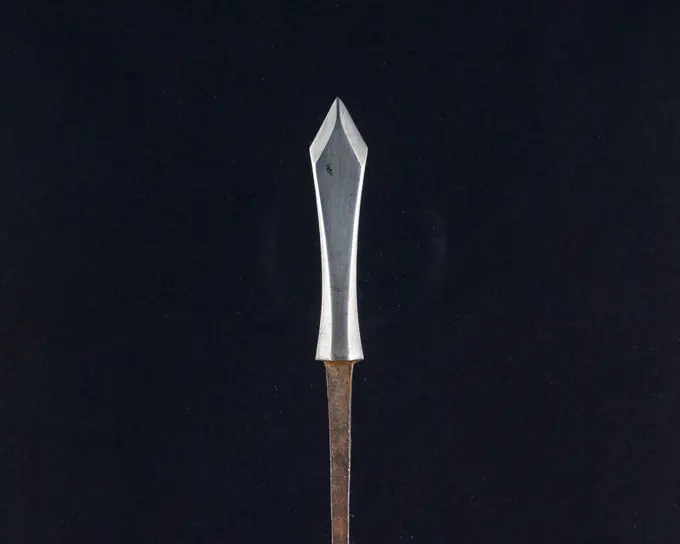
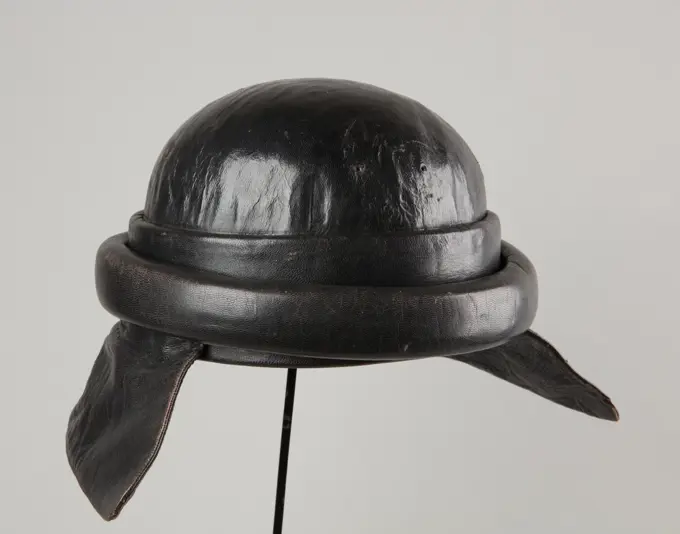
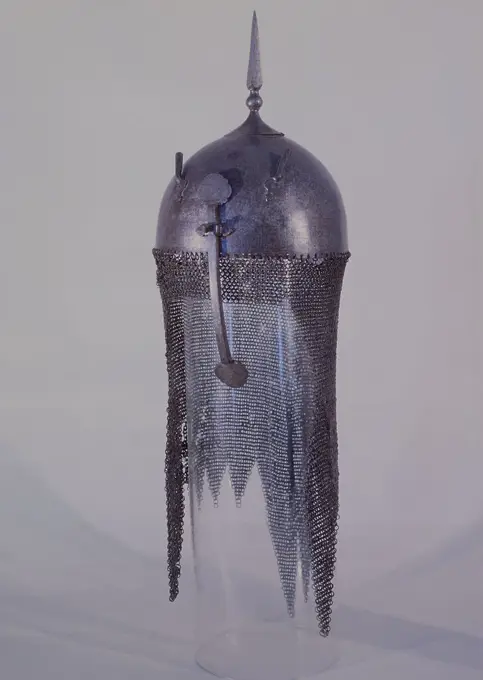
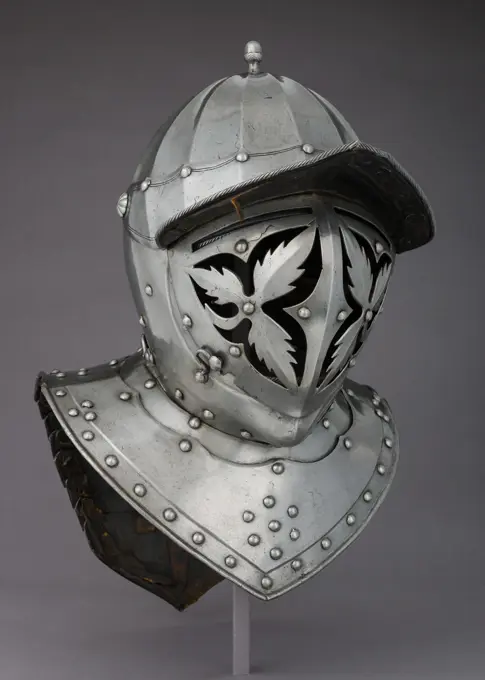
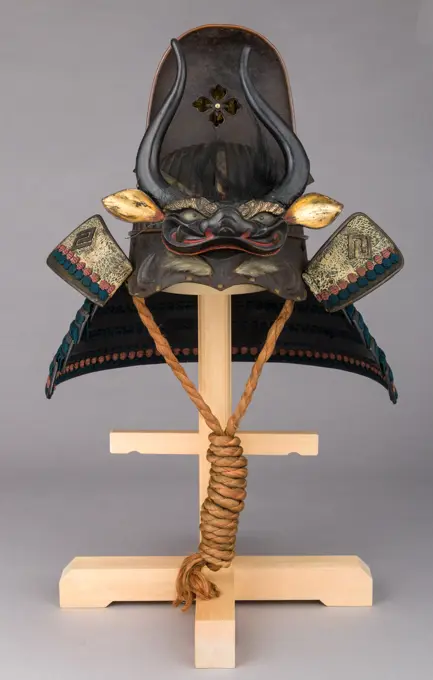
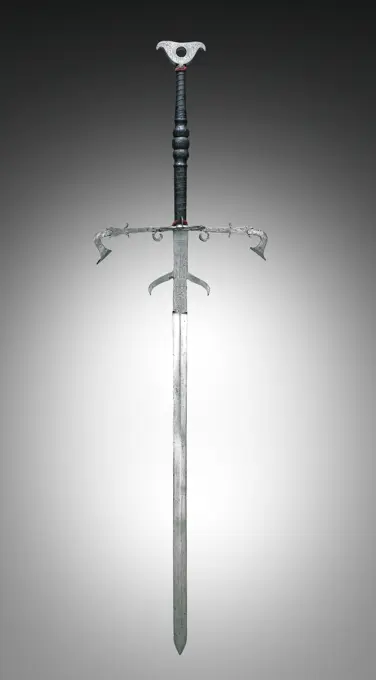
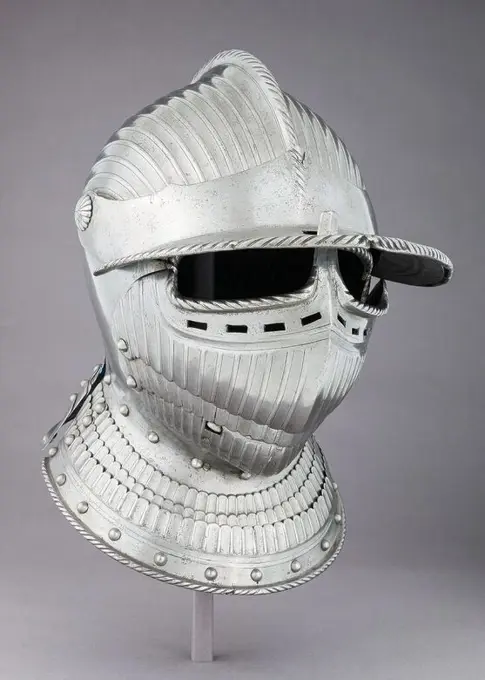
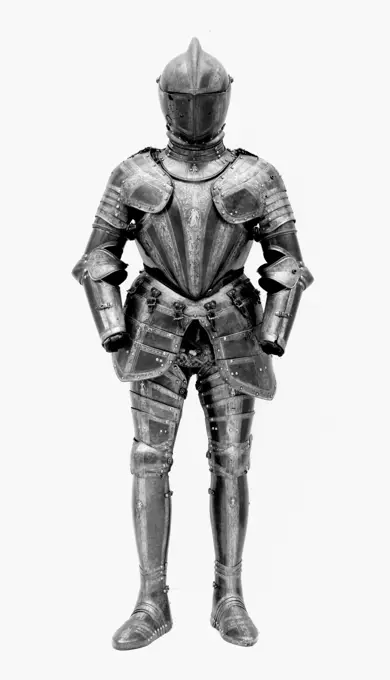
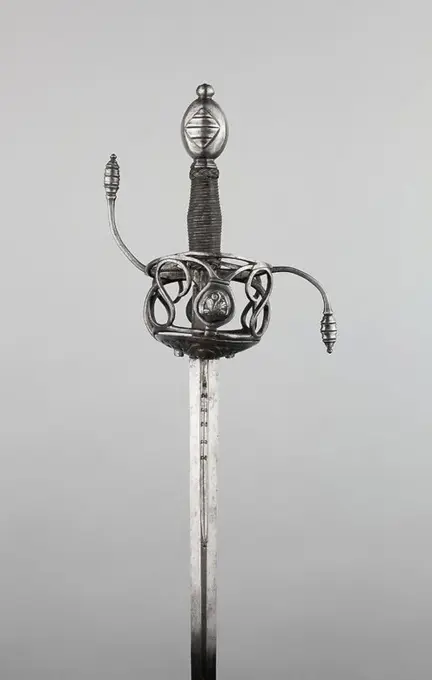
Rapier. Western European. Date: 1630-1650. Dimensions: Overall L. 129 cm (50 3/4 in.)Blade L. 112.5 cm (44 1/4 in.)Wt. 2 lb. 14 oz. Steel, wood, and iron. Origin: Europe, western. Museum: The Chicago Art Institute, Chicago, USA.Vaginal knowledgePuppetDagger with Sheath 18th-19th century Hilt, Indian, Mughal; Indian. Dagger with Sheath 31428Helm for the Joust of Peace (Stechhelm) ca. 1500 German, probably Nuremberg The Stechhelm formed part of a highly specialized tournament armor worn solely for the Gestech, or German joust, fought with blunted lances. The object was to break lances or to unhorse the opponent. This helmet was probably part of a series kept in the Nuremberg arsenal for civic tournaments. Listen to experts illuminate this artwork's story Listen Play or pause #4402. Tournament Helm (Stechhelm) Supported by Bloomberg Philanthropies We're sorry, the transcript for this audio track is not available at this time. We are working to make it available as soon as possible.. Helm for the Joust of Peace (Stechhelm). German, probably Nuremberg. ca. 1500. Steel, copper alloy. probably Nuremberg. HelmetsHandle and Jelec KarabelaDagger with Sheath 19th century Turkish. Dagger with Sheath 31702Partisan. Culture: French. Dimensions: L. 82 in. (202.3 cm); L. of head 15 3/4 in. (40 cm); W. 6 1/4 in. (15.9 cm); Wt. 3 lbs. 6.2 oz. (1536.5 g). Date: 17th century. Museum: Metropolitan Museum of Art, New York, USA.Transitional Rapier Made 1650-1670 Europe, northern. Transitioning from the long-bladed rapier, the reduced blade length and smaller guard size of this sword anticipate later smallswords. Like the contemporary cup-hilted rapiers displayed to the left, this sword was designed for a fencing style that relied almost entirely on the point. Its blackened iron hilt is finely encrusted with silver portraits of ancient Roman emperors.. Steel, iron, silver, copper, wood .Visor ca. 1400-1450 Italian Helmets fitted with this type of visor appear to have been worn exclusively in the Mediterranean region. This example has an unidentified maker's mark near the center.. Visor 27651Dagger with Sheath ca. 1700 Sri Lankan. Dagger with Sheath 31766Smallsword ca. 1750 French By the early seventeenth century, the rapier, a long slender thrusting sword, began to dominate as the gentlemans weapon of choice. During the course of the century, however, as civilian fencing techniques became more specialized and refined, the rapier developed into a lighter, trimmed-down weapon known by about 1700 as the smallsword. Smallswords, often richly decorated, remained an integral part of a gentlemans wardrobe until the wearing of swords in civilian settings went out of fashion at the end of the eighteenth century, at which time pistols were replacing swords as arms most frequently used in personal duels. The majority of smallsword hilts are made of silver or steel, but many also employ a wide variety of luxurious materials, such as gold, porcelain, and enamel. At their best, smallswords combine the crafts of swordsmith, cutler, and jeweler to create an elegant weapon that was also a wearable work of art.. Smallsword. French. ca. 1750. Steel, sIron helmet of the medieval knight. Very heavy headdressPartisan. Culture: German. Dimensions: L. 80 1/4 in. (203.8 cm); L. of head 13 1/8 in. (33.3 cm); W. 4 1/2 in. (11.4 cm); Wt. 3 lbs. 3.3 oz. (1454.3 g). Date: dated 1734. Museum: Metropolitan Museum of Art, New York, USA.Iron helmet of the medieval knight. Very heavy headdress.Arrowhead (Yanone) dated 1645 Japanese Although today Japanese warriors are renowned most for their swordsmanship, archery, especially from horseback, has been an essential part of samurai warfare and culture for centuries. Arrows were fitted with heads of varying shape according to their intended use in war, the hunt, or target practice. Arrowheads made for use on the battlefield incorporated different designs intended for specialized purposes such as the piercing of armor or to cause maximum damage to horses and unarmored personnel.Large arrowheads, pierced and elaborately chiseled with landscapes, birds, flowers, dragons, and Buddhist divinities, were created to be admired for the beauty of their metalwork and design rather than for use in archery. Such highly elaborate examples may have been made for presentation or as a votive offerings to a shrine.. Arrowhead (Yanone). Japanese. dated 1645. Steel. Archery Equipment-ArrowheadsKris with Sheath. Culture: Madurese. Dimensions: L. with sheath 16 3/8 in. (41.6 cm); L. without sheath 12 5/8 in. (32.1 cm); L. of blade 9 1/4 in. (23.5 cm); W. 3 1/2 in. (8.9 cm); Wt. 4.3 oz. (121.9 g); Wt. of sheath 4.2 oz. (119.1 g). Date: 16th-19th century. Museum: Metropolitan Museum of Art, New York, USA.Omani decorated dagger. The Khanjar, or curved dagger, is now only used as a fashion accessory.Halberd dated 1596 Austrian. Halberd 26785Partisan ca. 1620 Italian. Partisan 26085Close-Helmet for the Field ca. 1550 Western European The rows of raised lobes along the sides of the comb and the edges of the visor and upper bevor are highly unusual, as is the boldly dentated edge of the comb. Combining Italian and German features, this helmet defies easy attribution. (The collar lames are missing.). Close-Helmet for the Field. Western European. ca. 1550. Steel. HelmetsHalberd ca. 1570 probably Italian. Halberd 26699Vaginal knowledgeStaff Weapon (Coresca) ca. 1550 Italian. Staff Weapon (Coresca) 25017Kris with Sheath. Culture: Javanese. Dimensions: L. with sheath 18 1/2 in. (47 cm); L. without sheath 16 in. (40.6 cm); L. of blade 12 3/8 in. (31.4 cm); W. 4 1/4 in. (10.8 cm); Wt. 5.5 oz. (155.9 g); Wt. of sheath 6.8 oz. (192.8 g). Date: 16th-19th century. Museum: Metropolitan Museum of Art, New York, USA.Crossbows. Grandmaster Palace. Armoury. Valletta. Malta.Cup-Hilted Rapier Blade inscribed by Peter Tesche German/Solingen mid-17th century The rapier was the principal civilian sidearm throughout the sixteenth and seventeenth centuries. Designed for cut-and-thrust fencing of progressively complex techniques, the rapier is characterized by a double-edged blade with an acute point and an elaborate guard for the hand. The guards, usually of iron or steel, were subject to a variety of embellishment. They were engraved, chiseled, gilded, damascened, and encrusted in gold and silver in keeping with fashionable styles. Unless otherwise noted, the materials, attributions, and dating given here refer to the hilts. Rapier blades, invariably of steel, bear a variety of makers marks denoting their origin in the two principal centers of blademaking, Toledo in Spain and Solingen in Germany. View more. Cup-Hilted Rapier. German, Solingen; hilt, possibly Spanish. mid-17th century. Steel, wood, iron, leather. Solingen. SwordsDagger (Jambiya) with Sheath and Belt 18th-19th century Arabian. Dagger (Jambiya) with Sheath and Belt 31715Iron helmet Iron helmet of the medieval knight. Very heavy headdress Copyright: xZoonar.com/ValeryxxSibrikovx 2476911Ceremonial Arrowhead (Yanone). Culture: Japanese. Dimensions: L. 11 3/8 in. (28.9 cm); L. of head 4 1/2 in. (11.4 cm); W. 2 5/16 in. (5.9 cm); Wt. 5.2 oz. (147.4 g). Steel-chiseler: Umetada Motoshige (Japanese, Edo period, died 1675). Date: dated 1645.Large arrowheads, pierced and elaborately chiseled with landscapes, birds, flowers, dragons, and Buddhist divinities, were created to be admired for the beauty of their metalwork and design rather than for use in archery. This arrowhead is dated 1645 and signed by Umetada Motoshige (died 1675), a member of the Umetada school of swordsmiths, tsuba makers, and iron chiselers. It belongs to a group of more than thirty similarly signed and dated pieces in the Metropolitan Museum's collection (including acc. nos. 32.75.318, .321, .327, .330, .337, .339-.340, .398-.399, .403, .406, .409) that may have been made for presentation or as a votive offering to a shrine. Museum: Metropolitan Museum of Art, New York, USA.Helmet (Kulah Khud) 18th century Persian. Helmet (Kulah Khud) 25044Shaffron. Northern Italian, Milan. Date: 1540-1570. Dimensions: Wt. 4 lb. 7 oz. Steel and leather. Origin: Milan. Museum: The Chicago Art Institute, Chicago, USA.Double-bladed Processional Axe blade, 1170 A.H./1756-57 A.D.; shaft, 19th or 20th century North Indian. Double-bladed Processional Axe. North Indian. blade, 1170 A.H./1756-57 A.D.; shaft, 19th or 20th century. Steel, wood. Shafted WeaponsSwiss Dagger with Scabbard. Swiss. Date: 1556. Dimensions: L. 36.8 cm (14 1/2 in.)Blade L. 23.3 cm (9 3/8 in.)Wt. 12 oz.Scabbard Wt. 7 oz. Steel, bronze, and walnutScabbard: bronze, wood, and velvet. Origin: Europe. Museum: The Chicago Art Institute, USA.Glaive of the Bodyguard of the Tiepolo Family ca. 1600 Italian. Glaive of the Bodyguard of the Tiepolo Family 26777Visored Bascinet ca. 1400 German. Visored Bascinet 34272Breastplate. Culture: North German, possibly Brunswick. Dimensions: H. 15 1/2 in. (39.4 cm); W. 15 1/4 in. (38.7 cm); D. 8 in. (20.3 cm); Wt. 7 lb. 3.2 oz. (3265.9 g). Date: third quarter 16th century. Museum: Metropolitan Museum of Art, New York, USA.Partisan. Culture: Italian. Dimensions: L. 8 ft. 7 3/8 in. (262.6 cm); L. of head 27 5/8 in. (70.2 cm); W. 5 3/4 in. (14.6 cm); Wt. 5 lbs. 14.9 oz. (2690.4 g). Date: ca. 1590. Museum: Metropolitan Museum of Art, New York, USA.Dżambja dagger with vagina and beltInner Plate of a Forearm Defense (Vambrace). Culture: Italian. Dimensions: H. 6 in. (15.2 cm); W. 2 in. (5.1 cm); D. 3 1/2 in. (8.9 cm). Date: possibly ca. 1400. Museum: Metropolitan Museum of Art, New York, USA.Dagger (Katar) with Sheath. Culture: North Indian. Dimensions: H. with sheath 21 1/4 in. (54 cm); H. without sheath 17 7/8 in. (45.4 cm); W. 3 5/8 in. (9.2 cm); Wt. 1 lb. 1.4 oz. (493.3 g); Wt. of sheath 5.1 oz. (144.6 g). Date: 18th century. Museum: Metropolitan Museum of Art, New York, USA.Ancient sabre Ancient sabre. A smart variant of the fighting weapon Copyright: xZoonar.com/ValeryxxSibrikovx 5831879Knife with Sheath. Culture: Malayan. Dimensions: L. with sheath 17 3/8 in. (44.1 cm); L. without sheath 13 1/2 in. (34.3 cm); W. 1 7/8 in. (4.8 cm); Wt. 4.2 oz. (119.1 g); Wt. of sheath 5.7 oz. (161.6 g). Date: 18th-19th century. Museum: Metropolitan Museum of Art, New York, USA.An early 12th-century nasal helmet. from the book The British Army. 1868. Historical. digitally restored reproduction from a 19th-century originalShishak Made 1580-1620 Turkey. Gilded copper .Knife and fork with case first half 18th century possibly Greek. Knife and fork with case. possibly Greek. first half 18th century. Steel, silver, niello; case: leather, silver, niello. Metalwork-SteelCup-Hilted Rapier Spanish 17th century The rapier was the principal civilian sidearm throughout the sixteenth and seventeenth centuries. Designed for cut-and-thrust fencing of progressively complex techniques, the rapier is characterized by a double-edged blade with an acute point and an elaborate guard for the hand. The guards, usually of iron or steel, were subject to a variety of embellishment. They were engraved, chiseled, gilded, damascened, and encrusted in gold and silver in keeping with fashionable styles. Unless otherwise noted, the materials, attributions, and dating given here refer to the hilts. Rapier blades, invariably of steel, bear a variety of makers marks denoting their origin in the two principal centers of blademaking, Toledo in Spain and Solingen in Germany. View more. Cup-Hilted Rapier. Spanish. 17th century. Steel, copper. SwordsIron helmet of the medieval knight. Very heavy headdressSpontoon ca. 1775 German. Spontoon 25921Breastplate Made 1560-1570 Nuremberg. Steel and leather .Hunting shotgun with Scandinavian rock castle Schutiger II, Marten (1669 )Halberd. Culture: German. Dimensions: L. 80 1/4 in. (203.8 cm); L. of head 13 3/4 in. (24.9 cm); W. 6 in. (15.2 cm); Wt. 2 lbs. 13.8 oz. (1298.4 g). Date: ca. 1590. Museum: Metropolitan Museum of Art, New York, USA.Player Baroque from h. Korczak;  1 PO. 18th century (1700-00-00-1750-00-00);Siege Helmet ca. 1625 Italian. Siege Helmet 26529ARMAS IBERICAS. Location: MUSEO ARQUEOLOGICO NACIONAL-COLECCION. MADRID. SPAIN.dagger Smart dagger of the medieval soldier. It was used for hunting Copyright: xZoonar.com/ValeryxxSibrikovx 2421232Vase Jue (Use name). Cernuschi Museum, Asia Museum of Asia in the city of Paris.Kris with Sheath. Culture: Philippine, Moro. Dimensions: H. with scabbard 31 15/16 in. (81.1 cm); H. without scabbard 31 in. (78.7 cm); H. of blade 23 7/8 in. (60.6 cm); W. 6 1/2 in. (16.5 cm); Wt. 2 lb. 0.7 oz. (927 g); Wt. of scabbard 15.3 oz. (433.7 g). Date: 18th-19th century. Museum: Metropolitan Museum of Art, New York, USA.Skewers and Holder. Dated: c. 1938. Dimensions: overall: 43 x 26.7 cm (16 15/16 x 10 1/2 in.) Original IAD Object: 14 1/2" long; 4" wide. Medium: graphite on paperboard. Museum: National Gallery of Art, Washington DC. Author: Bernard Krieger.Sword of Francis I 1864 Jules-Ferdinand Jacquemart. Sword of Francis I. Gems and Jewels of the Crown. Jules-Ferdinand Jacquemart (French, Paris 1837-1880 Paris). 1864. Etching. PrintsIron helmet of the medieval knight. Very heavy headdressJapanese Katana over white background, horizontal imageSilapa Sword with Green Leather Case, 1700s-1800s. India. Gold with inlay and leather; overall: 92.7 cm (36 1/2 in.).Pauldron (proper right) and Gardbrace, c. 1560-1580. South Germany, 16th century. Steel, leather straps, brass rivets; overall: 29 x 25.5 cm (11 7/16 x 10 1/16 in.). This armor was developed for the joust--a sporting combat between two mounted contestants. Although all of the elements of this armor date from the same period, they are not all from the same suit. This armor is thus called "composed." It also shows the asymmetry of jousting armor. The participants rode along a wall-like barrier known as a "tilt" with their left sides facing one another. Consequently, armor on that side of the body had to be thicker. Note the large plate (grandguard) over the left shoulder for extra protection. Also, the breathing holes in the helmet were placed on the right side (farthest from an opponent's lance) to avoid injuries from splinters. The bracket attached to the right breastplate is called the lance-rest, a shock-absorbing support designed to accommodate the lance when "couched" under the riRapier ca. 1550-60 Italian The rapier was the principal civilian sidearm throughout the sixteenth and seventeenth centuries. Designed for cut-and-thrust fencing of progressively complex techniques, the rapier is characterized by a double-edged blade with an acute point and an elaborate guard for the hand. The guards, usually of iron or steel, were subject to a variety of embellishment. They were engraved, chiseled, gilded, damascened, and encrusted in gold and silver in keeping with fashionable styles. Unless otherwise noted, the materials, attributions, and dating given here refer to the hilts. Rapier blades, invariably of steel, bear a variety of makers marks denoting their origin in the two principal centers of blademaking, Toledo in Spain and Solingen in Germany.. Rapier 22361Dagger with Sheath 19th century Philippine, Moro. Dagger with Sheath 27830DAGA PERSA CON ESMALTES INCRUSTADOS. Location: VICTORIA AND ALBERT MUSEUM. LONDON. ENGLAND.Helmet (Khula Khud) with Horns. Culture: Indian. Dimensions: H. including mail 13 in. (33 cm); H. including nasal 10 1/4 in. (26 cm); H. excluding mail and nasal 8 1/4 in. (21 cm); W. 8 3/4 in. (22.2 cm); D. 8 3/4 in. (22.2 cm); Wt. 1 lb. 3.9 oz. (564.2 g). Date: 19th century. Museum: Metropolitan Museum of Art, New York, USA.Armour Armour of the medieval knight. Metal protection of the soldier against the weapon of the opponent Copyright: xZoonar.com/ValeryxxSibrikovx 2494229Armor for the Field and Tourney Made 1560-1570 Innsbruck. This Augsburg armor is rare in that all of the pieces are original and belong to the same garniture. The elements have alternate polished areas and etched bands enclosing strap work and arabesque grounds; the etched bands were originally gilded, but only traces of the gilding remain. This is a complete armor for a mounted knight or a high-ranking heavy cavalryman who was fully suited in plate armor, including a close helmet, neck defense (gorget), shoulder and arm defenses (pauldrons, vambraces, and gauntlets), cuirass with tassets and lance rest, and leg defenses (cuisses with poleyns, and greaves with sabatons). When the etched bands retained the original gilding, it would have been visually striking.. Steel, brass, traces of gilding, leather, and velvet textile .Kanjar with a scabbardCoronation sword of Augustus III, the lance of St. Maurice and the sword of Sigismund Augustus. Wyczółkowski, Leon (1852-1936), paintersmart dagger smart dagger of the medieval soldier. It was used for hunting Copyright: xZoonar.com/VALERY-SIBRIKOVx 14134267reconstruction of the Sutton Hoo helmet, a decorated Anglo-Saxon helmet discovered during the 1939 excavation of the Sutton Hoo ship-burial. Buried around 625 AD. it is believed to have been the helmet of King Raedwald; for whom its elaborate decoration may have given it a secondary function almost akin to a crown.Armour Armour of the medieval knight. Metal protection of the soldier against the weapon of the opponent Copyright: xZoonar.com/ValeryxxSibrikovx 2494306Shaffron (Horse's Head Defense). Culture: German, probably Nuremberg. Dimensions: H. 25 in. (63.5 cm); W.13 1/2 in. (34.3 cm); D. 12 1/2 in. (31.8 cm); Wt. 7 lb. 2 oz. (3218 g). Date: ca. 1515-20.This shaffron is noteworthy not only for its large size but also for the unusual sculptural quality imparted by the boldly roped double ridges and the boss on the forehead. The fluted surfaces increased the rigidity of the plate but also served to lighten the shaffron's massive form. This piece of armor exemplifies the distinctive new fashion for fluted armor that developed in Germany in the early sixteenth century and remained popular until about 1530. Museum: Metropolitan Museum of Art, New York, USA.Roman bronze figure of a man wearing a cloak, 4th century. Artist: UnknownDagger with Sheath 18th century Balinese. Dagger with Sheath 32258Badge of the Polish Legions Dental AmbulatorBronze helmet of Corinthian type ca. 600-575 B.C. Greek Over eyes, lotos and palmettes flanked by heraldic serpents; below, at each side, palmette. Bronze helmet of Corinthian type 254824 Greek, Bronze helmet of Corinthian type, ca. 600575 B.C., Bronze, Overall: 8 7/8 x 7 1/4 in. (22.6 x 18.5 cm). The Metropolitan Museum of Art, New York. Dodge Fund, 1955 (55.11.10)Halberd of the Bodyguard of Emanuele Filiberto (1528-1580), Duke of Savoy. Culture: Italian. Dimensions: H. 22 1/32 in. (56.01 cm); W. 9 27/32 in. (24.99 cm) of head (not inculding shaft). Date: dated 1579. Museum: Metropolitan Museum of Art, New York, USA.Dagger (Pichangatti) with Sheath 18th century Indian, Kodagu (Coorg). Dagger (Pichangatti) with Sheath 32376Smart dagger Smart dagger of the medieval soldier. It was used for hunting Copyright: xZoonar.com/VALERY-SIBRIKOVx 20020694Knife (Kukri) with Sheath. Culture: Indian or Nepalese, Gurkha. Dimensions: H. with sheath 17 7/16 in. (44.3 cm); H. without sheath 16 5/8 in. (42.2 cm); W. 1 15/16 in. (4.9 cm); Wt. 1 lb. 1.2 oz. (487.6 g); Wt. of sheath 5.1 oz. (144.6 g). Date: 19th century. Museum: Metropolitan Museum of Art, New York, USA.Phur. Bu, -Tibet, Nepal, India- 19th century, Castle of San Carlos, seventeenth century, Palma, Mallorca, Spain.Peytral and Lower Neck Defense of a Horse Armor 1525-1575 Augsburg. Steel .Traditional Arab dagger isolated on white background.Arrowhead (Yanone). Culture: Japanese. Dimensions: L. 8 7/8 in. (22.5 cm); L. of head 2 3/8 in. (6 cm); W. 1/2 in. (1.3 cm); Wt. 1.2 oz. (34 g). Date: 18th century. Museum: Metropolitan Museum of Art, New York, USA.Italian tank helmet pattern 1935 used in the Spanish army unknown labelCASCO PERSA DE ACERO. Location: ALHAMBRA-MUSEO-METALISTERIA. GRANADA. SPAIN.Closed Burgonet 17th century German or Polish. Closed Burgonet. German or Polish. 17th century. Steel, leather. HelmetsHelmet in the Shape of a Chinese Courtiers Hat (T?kan-Nari) helmet, late 16th-early 17th century; crest, 18th century Japanese This helmets distinct shape gained popularity among the samurai beginning in the late sixteenth century, and is based on high-ranking Chinese Tang dynasty courtiers traditional headwear, called kanmuri in Japan. Contrary to most known examples of this type, the bowl is not smooth but worked into a series of ornamental ribs.. Helmet in the Shape of a Chinese Courtiers Hat (T?kan-Nari). Japanese. helmet, late 16th-early 17th century; crest, 18th century. Iron, copper, gold, brass, wood, lacquer, leather, silk, horsehair. HelmetsArmour of the medieval knight. Metal protection of the soldier against the weapon of the opponentTwo-Handed Sword of the State Guard of Julius of Brunswick-Lunüneburg, 1574. Germany, Brunswick, 16th century. Steel, leather and wire bound grip; overall: 186.1 cm (73 1/4 in.); blade: 132.1 cm (52 in.); quillions: 51.4 cm (20 1/4 in.); grip: 45.7 cm (18 in.); ricasso: 25.1 cm (9 7/8 in.). This is one of a large series of swords distinguished by the fish-shaped crossbar on the hilt (quillon) and pierced, crutch-shaped pommels. Each sword in this series is also dated and numbered. The crowned monogram of Duke Julius, the year 1574, and the number of this particular sword (N 59) are etched on the portion of the blade between the hilt and the beginning of the swords edge (or ricasso).blur in south africa close up of the  city street signal   cape town and clear skydagger with scabbard, Senegal, 19th century, Castle of San Carlos, seventeenth century, Palma, Mallorca, Spain.iron falcata, V before Christ to I after Christ, Iberian Peninsula, Álava Armory Museum, Vitoria, Basque Country, Spain.Burgonet. Culture: German. Dimensions: H. 14 1/4 in. (36.2 cm); W. 8 1/2 in. (21.6 cm); D. 11 3/4 in. (29.8 cm); Wt. 6 lb. 0.2 oz. (2727.2 g). Date: ca. 1540. Museum: Metropolitan Museum of Art, New York, USA.Armor for Field and Tournament ca. 1575-80 Italian, probably Milan This richly decorated armor is a mix of components from a large garniture for battle and tournament use. The close helmet and arm defenses are for the tilt, a joust in which a barrier separated two mounted contestants. The asymmetrical tassets (upper thigh defenses) are for the tourney, a mock combat fought by two groups of mounted contestants armed with blunted lances and swords. The breastplate, with no lance rest, and the backplate are for the tournament fought on foot or for infantry use. The shoulder defenses and the leg armor could be worn both in battle and in the tournament.The armors blued steel surfaces are etched and gilt with bands of ornament, some in low relief, that includes strapwork, grotesques, allegorical figures, and gods. The winged figure at the top of the breastplate, holding a trumpet and palm branch, symbolizes Fame.Garnitures of this complexity were among the most extensive developed by ItaliaJewellery ring isolated on the black background