Historical Weapons and Pins

Artifacts including ancient pins and ornamental swords from various cultures, showcasing intricate designs and rich historical significance.

Pendant or Johannes van Leenen, Anonymous, c. 1675 - c. 1700 sword. cutlass Houwer or Statiwaard by Johannes van Leenen. De Houwer has an hilt of Suassa: a precious alliage of fire gilt copper, gold and arsenic. The hilt is richly decorated with performances of birds, butterflies, flowers, branches of plum trees and a pagoda. The black surfaces are treated with paint. The Dutch blade is etched with flower vines on both sides. The wooden sheath is exaggerated with shark sheet and has an upper and top tire from Suassa. The hook tire of the top strap is missing. Japan iron (metal). wood (plant material). sharkskin.  ornaments ~ art Iran. Persia
Pendant or Johannes van Leenen, Anonymous, c. 1675 - c. 1700 sword. cutlass Houwer or Statiwaard by Johannes van Leenen. De Houwer has an hilt of Suassa: a precious alliage of fire gilt copper, gold and arsenic. The hilt is richly decorated with performances of birds, butterflies, flowers, branches of plum trees and a pagoda. The black surfaces are treated with paint. The Dutch blade is etched with flower vines on both sides. The wooden sheath is exaggerated with shark sheet and has an upper and top tire from Suassa. The hook tire of the top strap is missing. Japan iron (metal). wood (plant material). sharkskin. ornaments ~ art Iran. Persia
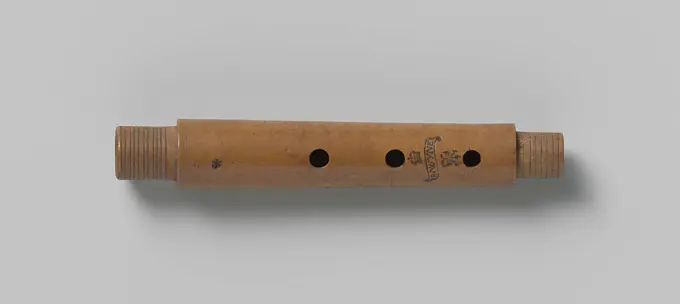
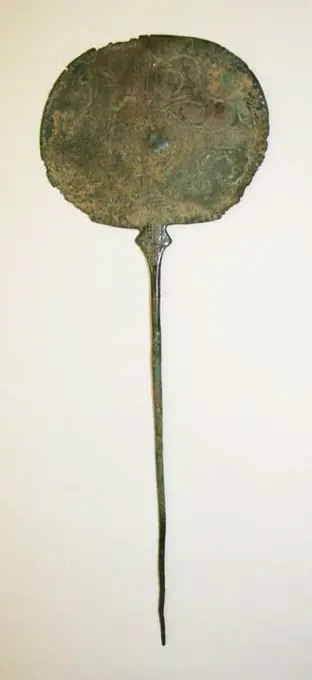
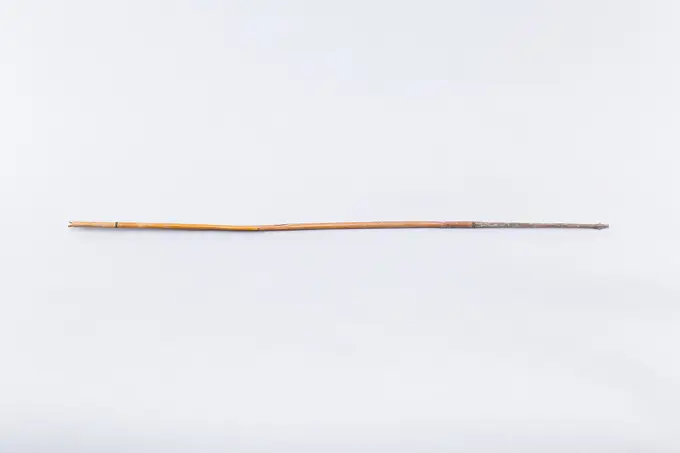
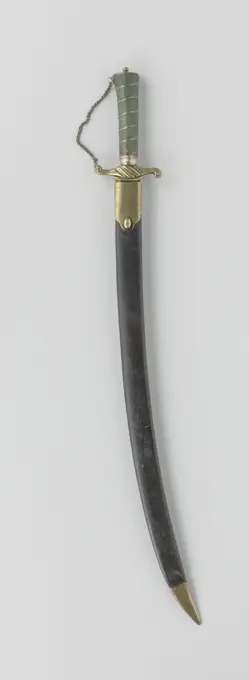
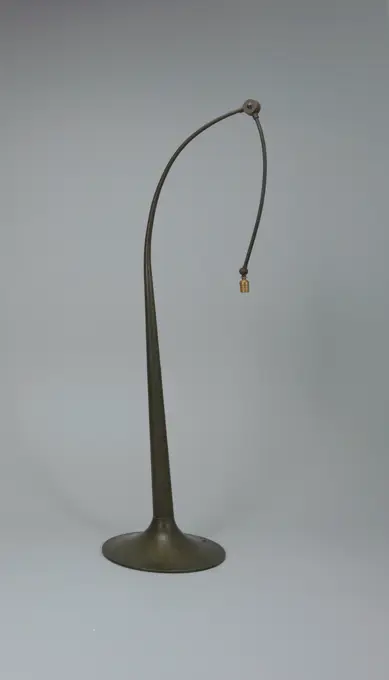
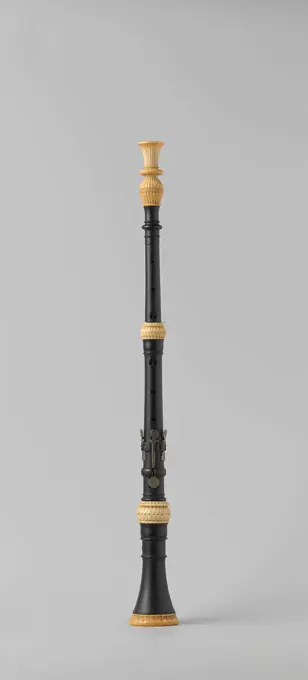
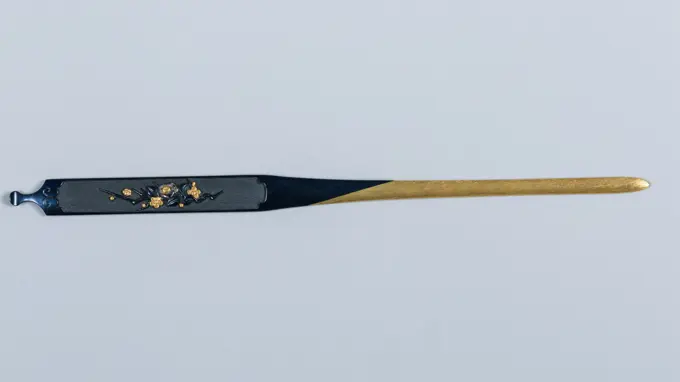
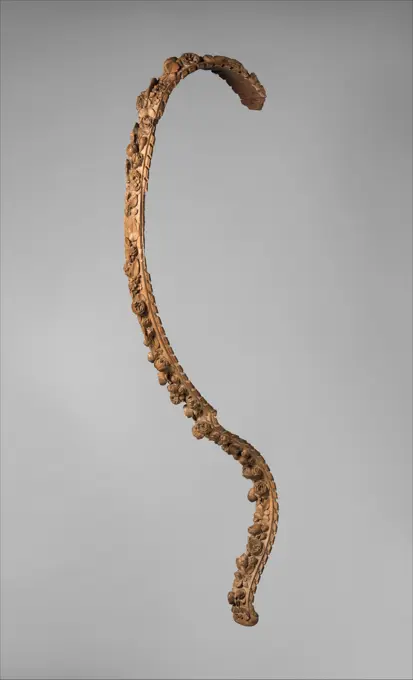
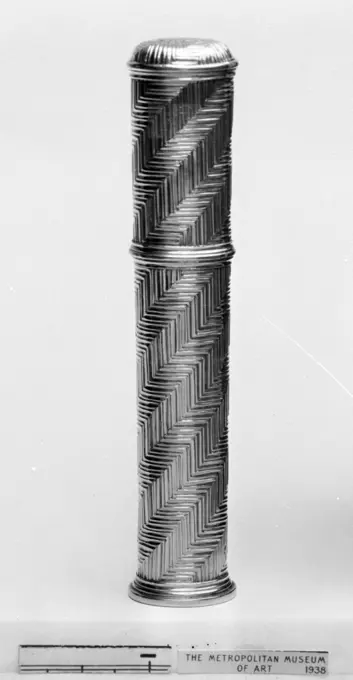
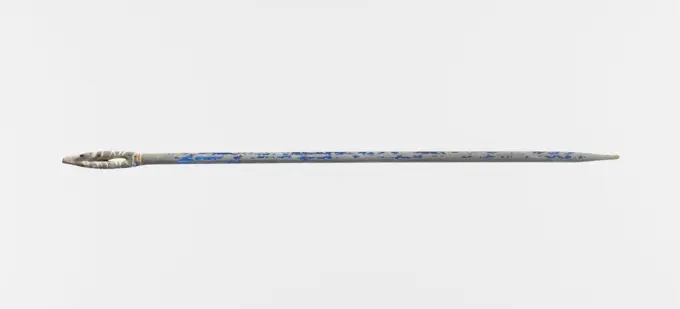
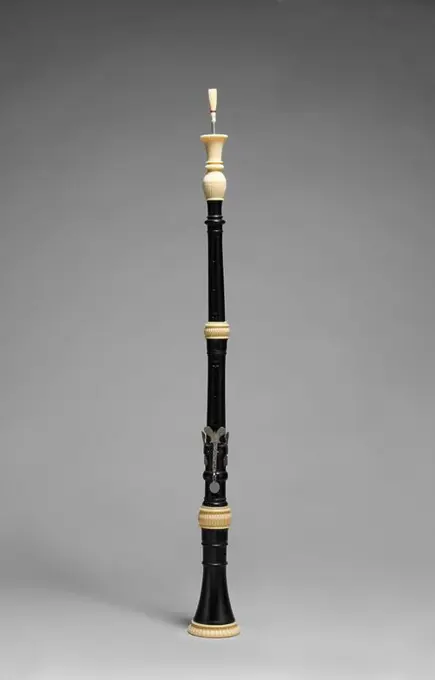
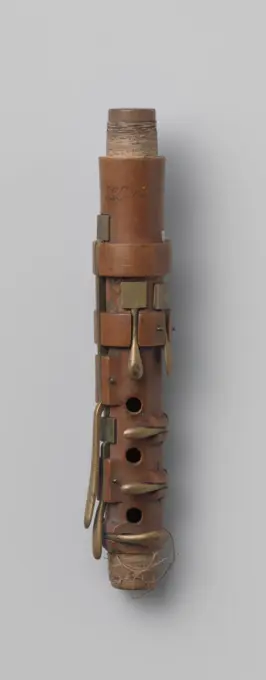
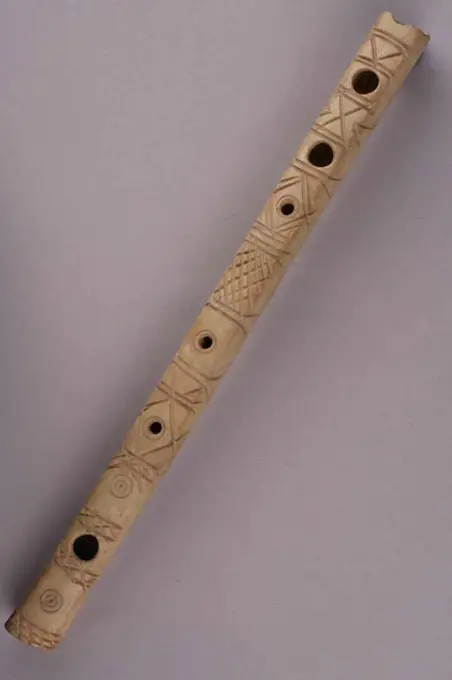
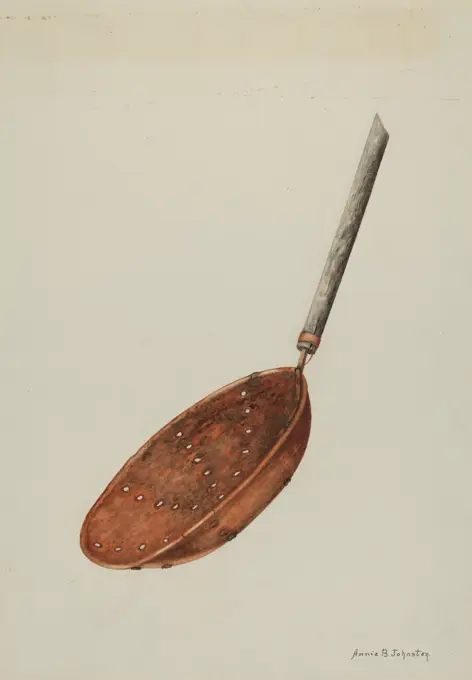
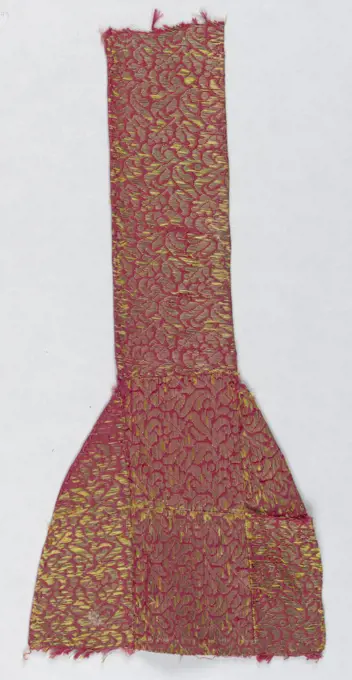
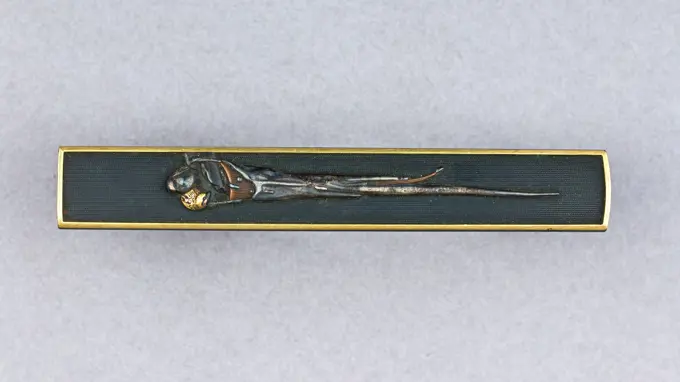
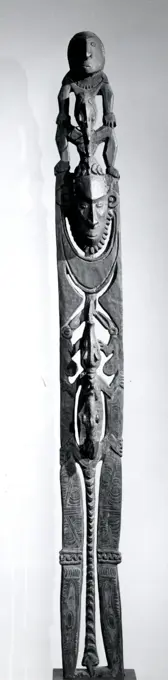
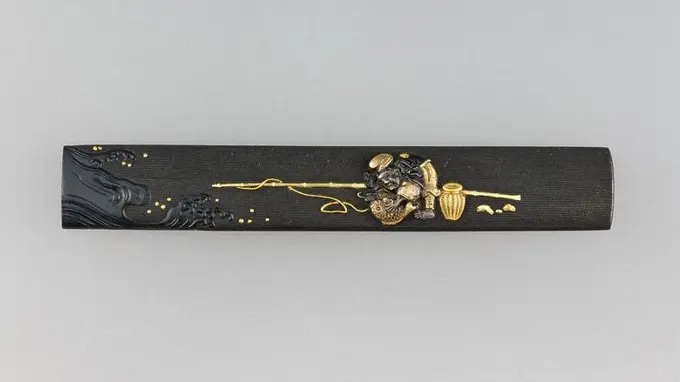
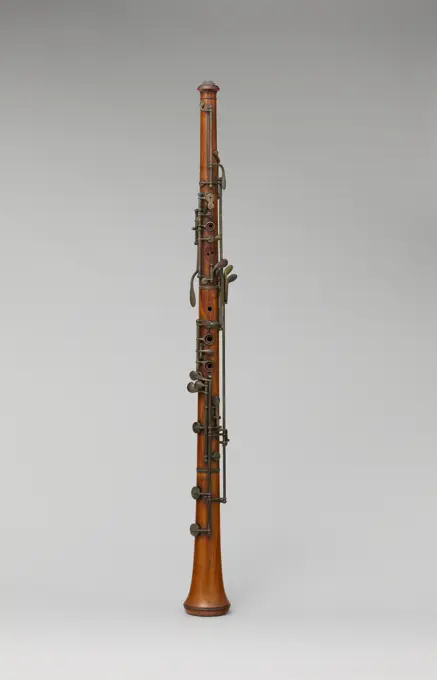
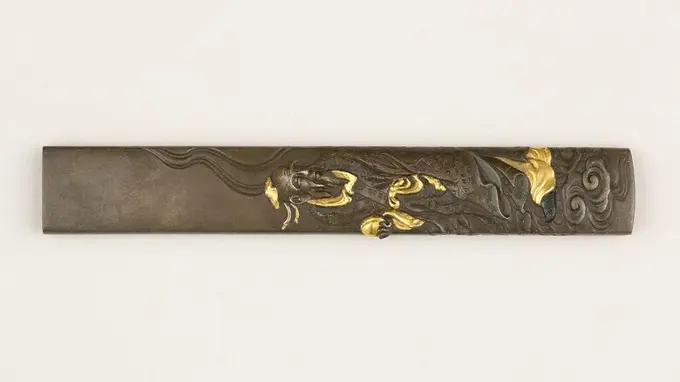
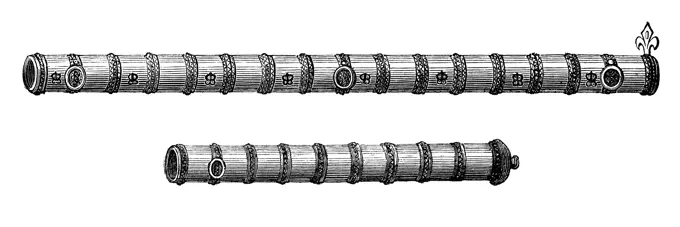
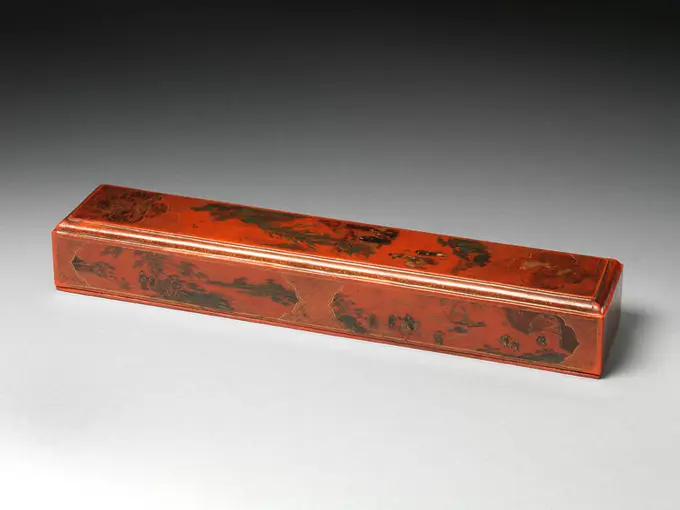
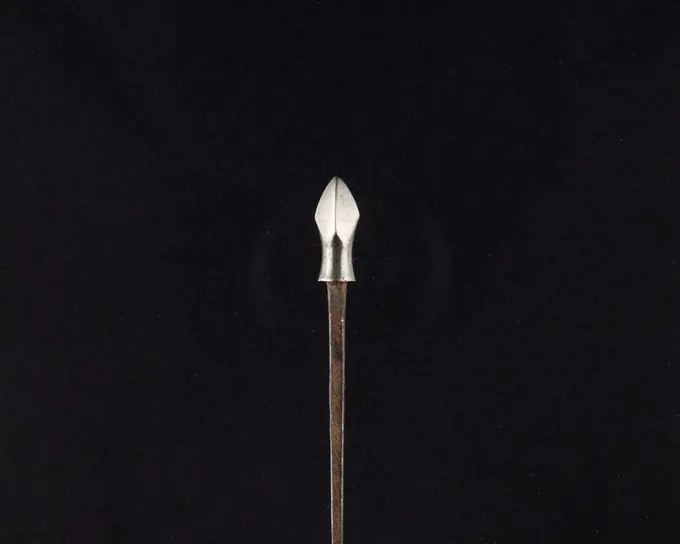
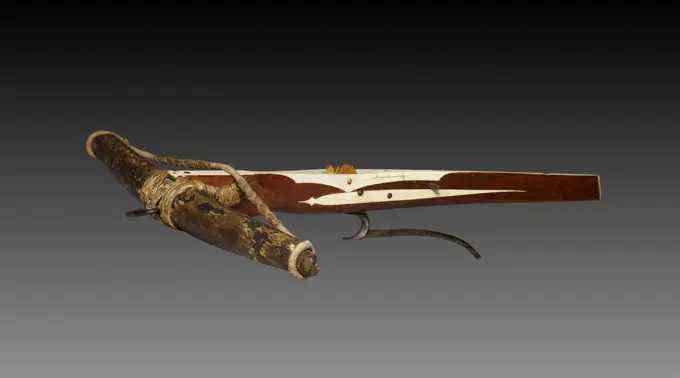
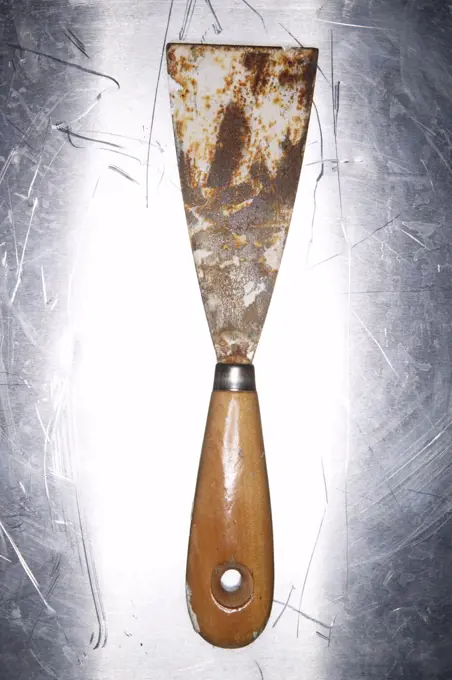
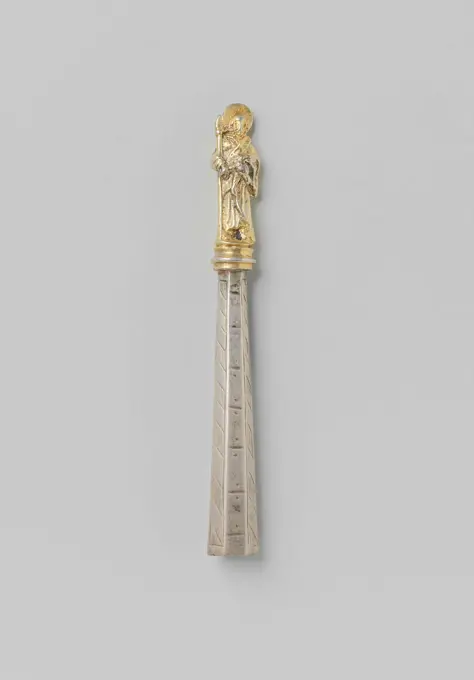
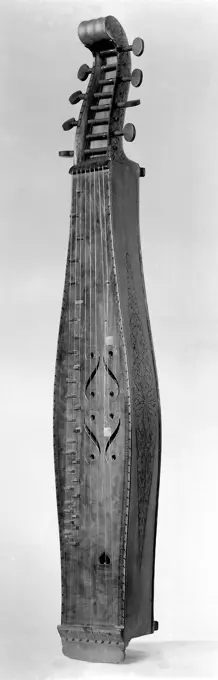
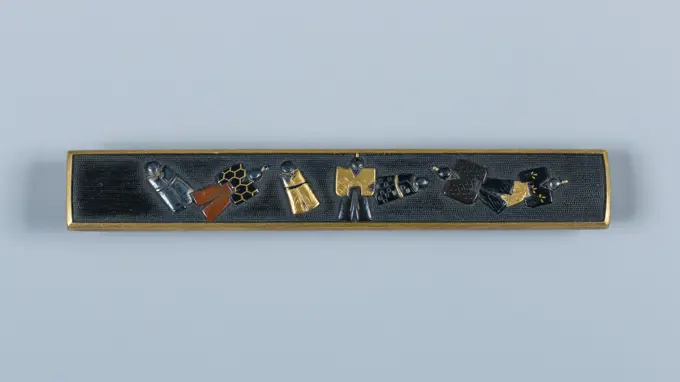
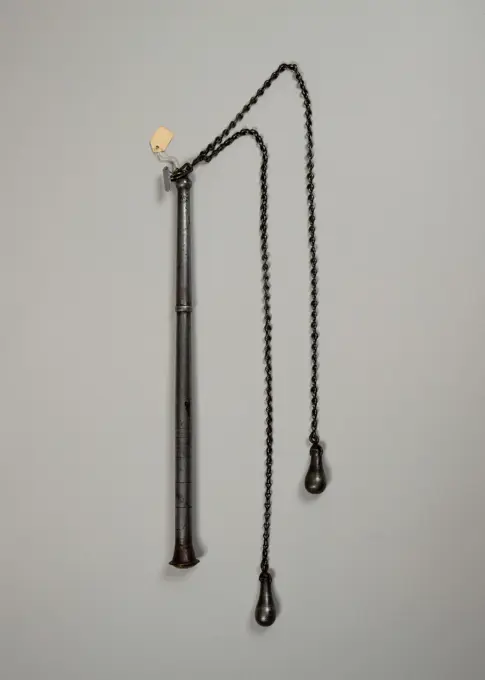
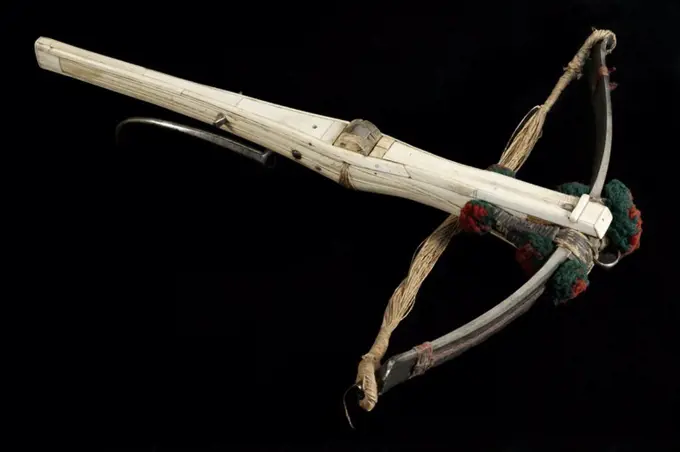
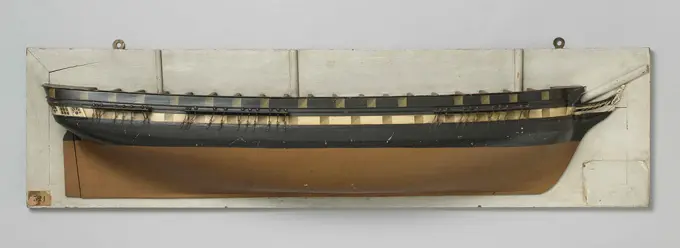
Oboe, Thomas Coenrat Boekhout, c. 1700 Oboe, dark brown with three valves and six holes, two of which are double and two in the cup. Amsterdam boxwood (hardwood). brass (alloy) Oboe, dark brown with three valves and six holes, two of which are double and two in the cup. Amsterdam boxwood (hardwood). brass (alloy)Bullet Mold. Dated: 1942. Dimensions: overall: 35.5 x 25 cm (14 x 9 13/16 in.) Original IAD Object: 13 1/2" long. Medium: watercolor and graphite on paper. Museum: National Gallery of Art, Washington DC. Author: Fred Hassebrock.Spoon, 918-1392. Korea, Goryeo period (918-1392). Silver bronze; overall: 27.8 cm (10 15/16 in.).Pachava Melanesian (Pentecost Island, Vanuatuan) late 19th centuryCenter part of a Piccolo.Center part of a Three Hole Piccolo.Pin 4th century B.C. European. Pin 90128Klong yao late 19th century Thai. Klong yao. Thai. late 19th century. Wood, skin. Thailand. Membranophone-single-headed / cylindrical drumSheath For Fork And Knife (Netherlands); Made by W.G.W.; fruitwood, silver; L x W x D (cap): 3.1 x 2.8 x 2.4 cm (1 1/4 x 1 1/8 x 15/16 in.) L x W x D (sheath): 21.5 x 2.2 x 2.1 cm (8 7/16 x 7/8 x 13/16 in.); The Robert L. Metzenberg Collection, gift of Eleanor L. Metzenberg; 1985-103-42-a,bBridal bouquet holder. Ivory. 1830. Galliera, fashion museum of the city of Paris. 51789-3 Accessory, woman, ivory, married, female mode, bouquet holder. Column, challenge, from oak. Belonging to the shield carriers already present in the collection (BK-NM-144 and BK-NM-12304) and from the Karel de Stoute founded Court of Holland in 's-Gravenhage.Arrow. Dimensions: L. 72 cm (28 3/8 in). Dynasty: Dynasty 18. Reign: Joint reign of Hatshepsut and Thutmose III. Date: ca. 1479-1458 B.C.. Museum: Metropolitan Museum of Art, New York, USA.Hartvanger Met Schede, Abraham du Cellieé, After 1768 hunting hanger Heart catcher or hunting sword. The hilt consists of a green made, asymmetrical ivory grip attached with gold -plated yellow buyer and with a grooved pare bar of the same material; The handle is spirally grooved for a single copper strap, the panels in alternately grooved diagonal or crosswise; On top is an overhanging plate, from where a restored copper chain runs to the parent bar. The one -sided blade with a light curve is sanded hollow and has a narrow groove à la Montmorency; Etslasted with the address of the sword sweep. The black leather sheath is sewn in the middle of the carrier and has gilt copper batter consisting of a hook strap with an oval hook and a pointed bottom tire with a serrated edge at the top and a button on the bottom. Amsterdam Ornaments: Ivory. Handle: Gilding (Material). Handle: Brass (Alloy). Bus, paereer bar, beak: copper (metal). Schede: Leather. Kling: Iron (Metal) painting / striking (mFloor Lamp (Germany); bronze, parchment()Oboe.Hobo of rotated ebony and ivory with three silver valves, without a signature. The woodwork rotated as a previous, ivory, consisting of profiled nozzle, decorated with insured beam motifs stretched by bead rings, etc. and further processed from three rings.Cooking stones with flattened handle. A covers of steel with flattened handle. Address: Imra / Schützt.Knife with Sheath 18th-19th century Thai. Knife with Sheath 31610Chopstick, 918-1392. Korea, Goryeo period (918-1392). Bronze; overall: 25.8 cm (10 3/16 in.).Object ID #18319089; silver; L x W x D: 19.1 x 3.8 x 0.7 cm (7 1/2 x 1 1/2 x 1/4 in.)Axe with wooden handle isolated on white background Axe with wooden handle isolated on white background Copyright: xZoonar.com/OleksandrxKostiuchenkox 10031058Long-bladed axe. Dimensions: L. 107 cm (42 1/8 in.). Dynasty: Dynasty 12-18. Date: ca. 1981-1550 B.C.. Museum: Metropolitan Museum of Art, New York, USA.Soul catcher -Knife (possibly Scotland); agate, silver, steel; L x W: 21.2 x 2 cm (8 3/8 x 13/16 in.); The Robert L. Metzenberg Collection, gift of Eleanor L. Metzenberg; 1985-103-127Basting Spoon 1685-1686 London. Silver . Thomas CorySet of Sword Fittings (Mitokoromono) early-mid-18th century Got Mitsumasa (Juj) Japanese This mitokoromono features a design of plum blossoms.. Set of Sword Fittings (Mitokoromono). Japanese. early-mid-18th century. Copper-gold alloy (shakud), gold, silverHandle-Shaped Jade 2000 BCE-750 BCE China. Jade .Russian bassoon bell, Hanken, 1850 - 1950 Copper Cup of BasHoorn. Rotterdam copper (metal) Copper Cup of BasHoorn. Rotterdam copper (metal)Three cinnamon sticksSword (Ral gri). Culture: Tibetan. Dimensions: L. 33 in. (83.8 cm); L. of blade 28 1/4 in. (71.8 cm); W. 2 1/2 in. (6.4 cm); D. 2 1/8 in. (5.4 cm); Wt. 2 lb. (907.2 g). Date: 17th-19th century.This sword is a representative example of the most familiar Tibetan form, well made and of fairly good quality. The surface of the blade has a prominent hairpin pattern, an important characteristic of traditional Tibetan swords. The pattern consists of seven dark lines alternating with six light lines, caused by the repeated folding of two different types of iron, which were combined to make the blade during the forging process. Museum: Metropolitan Museum of Art, New York, USA.Chair arm () 18th century French. Chair arm () 189618 French, Chair arm (), 18th century, Wood, Overall: 33  2 in. (83.8  5.1 cm). The Metropolitan Museum of Art, New York. Gift of J. Pierpont Morgan, 1906 (07.225.359)Arrow with composite stone tip ca. 1479-1458 B.C. New Kingdom. Arrow with composite stone tip. ca. 1479-1458 B.C.. Reed, wood, quartz, adhesive. New Kingdom. From Egypt, Upper Egypt, Thebes, Sheikh Abd el-Qurna, Tomb of Senenmut (TT 71), below, MMA excavations, 1935-36. Dynasty 18Base for a Cross. Culture: Byzantine. Dimensions: Overall: 10 1/2 x 1 15/16 x 1 15/16 in. (26.7 x 4.9 x 4.9 cm). Date: 11th century. Museum: Metropolitan Museum of Art, New York, USA.Étui 1744-45 French, Paris In eighteenth-century Europe, Paris led the production of high-quality luxury goods. Parisian goldsmiths made a wide range of small, personal articles such as snuffboxes; étuis to hold sealing wax, tweezers, or utensils for sewing; souvenirs, which contained thin ivory tablets for note taking; and shuttles for knotting lace. Gold snuffboxes and boxes decorated with portrait miniatures were prized and frequently given as royal gifts, often to ambassadors or members of the court in lieu of cash payments for their services. Coveted and admired, these boxes were produced from a variety of materials. The best were skillfully made of gold and embellished with diamonds, enameled decoration, lacquer, and other luxurious materials. By the middle of the century, the taking of snuff had become an entrenched social ritual, and the snuffbox, too, had become an important social prop. Snuffboxes were considered highly fashionable accessories, with some merchants advertisingsteel nail isolated on black background top view steel nail isolated on black background top view Copyright: xZoonar.com/gutaperx 18172399Glass needle ca. 1st century A.D. Roman Translucent blue; opaque white trail.Circular cross section; upper end tooled into two rounded arms, tapering to a point, with narrow oval eye; lower end tapering to a rounded point.Upper end decorated with marvered spiral trail.Intact, except for point of upper end, which has weathered broken edge; dulling and creamy brown weathering.Blue glass with enameled head.. Glass needle 249012Dance staff -Handscreen, Embroidered silk leaf, carved wood handle with ivory ornaments, silk tassel, Cream-colored silk handscreen embroidered with flowering branches, birds and bees. Carved wood handle with ivory ornaments and two magenta silk tassels with a braided butterfly at the top., 18th century, costume & accessories, HandscreenOboe in C. Culture: Dutch. Dimensions: Height: 22 1/2 in. (57.2 cm)Diameter (Of bell): 2 3/8 in. (6 cm). Maker: Hendrik Richters (Dutch, Amsterdam 1683-1727 Amsterdam). Date: before 1727.Hendrik Richters (1683-1727) is considered to be one of the finest oboe makers of his period. About 30 oboes survive from the shop he shared with his brother Frederik (1694-1770). Some, like this one, are lavishly decorated with expensive materials. The brothers used the state-of-art eighteenth-century technology to lathe the instrument's ornamental turnings. The metal keys, engraved with floral designs, musical and dancing figures, were fashioned by professional silversmiths or engravers. French instrument makers invented the oboe late in the seventeenth century by redesigning the treble shawm. In contrast to the loud shawm, the oboist takes the reed between the lips enabling the player to control the articulation, volume, pitch, and quality of sound. This permitted more expressivity, a musical traiClarinet (upper joint), Ludwig Embach & Co, 1825 - 1835 Middle part clarinet, made of palm wood with brass valves. Amsterdam boxwood (hardwood). brass (alloy) Middle part clarinet, made of palm wood with brass valves. Amsterdam boxwood (hardwood). brass (alloy)Ladle. UnknownBaluster. Culture: British. Dimensions: Height: 26 3/8 in. (67 cm). Date: first half 18th century. Museum: Metropolitan Museum of Art, New York, USA.Halberd early 16th century German. Halberd 30101Knife, from a flatware dessert service, 18th century, Meissen Porcelain Factory, Meissen, Germany, est. 1710, Hard paste porcelain, gilt metal, Germany, 18th centurySpear, 1700s. Japan, Edo period (1615-1868). Wooden handle, metal blade; overall: 260.9 cm (102 11/16 in.); blade: 30.5 cm (12 in.).Dagger with Sheath. Culture: Indian, Mughal. Dimensions: L. 15 3/4 in. (40.01 cm). Date: 18th century. Museum: Metropolitan Museum of Art, New York, USA.Snuff Bottle with Floral Scrolls (stopper), 1736-95. China, Qing dynasty (1644-1911), Qianlong mark and reign (1736-95). Cloisonné enamel; overall: 7 cm (2 3/4 in.).Tang with the year 1675, Anonymous, 1675 The object is composed of six parts: an iron pin, a brass base in the form of a glans and a baluster, two brass suspension tang arms, the ends of which are made in iron. On both arms dated with the year 1675. Scotland (Possible) brass (alloy). iron (metal) The object is composed of six parts: an iron pin, a brass base in the form of a glans and a baluster, two brass suspension tang arms, the ends of which are made in iron. On both arms dated with the year 1675. Scotland (Possible) brass (alloy). iron (metal)white limestone background with lanternSounding Lead, John Ericsson, c. 1836 - c. 1860 sounding lead Datplood with a sling. The lead contains a glass tube with a brass bowl next to it, which indicates the depth by water that penetrates into the tube. The tube has applied for this under a crane, in a circular formation of the lead of the lead. The glass tube and dish can be covered with a semi -round iron plate. At the bottom of the lead is a hole for taking soil samples. United States of America lead (metal). brass (alloy). iron (metal). glass. rope. leatherKnife with a Handle Representing a Nun with a Book and a Rosary, anonymous, c. 1650 - c. 1700 The nun wears a pot in her right hand Northern Netherlands boxwood (hardwood) The nun wears a pot in her right hand Northern Netherlands boxwood (hardwood)Flute 9th century The flute, or best known by its Persian name ney, is a musical instrument that was found in Iran as far back as the 6th century BC. The ney was used by shepherds in rural areas and by musicians in high courts. Another specific context associated with the flute is Sufism. It was used by Sufis in their remembrance ceremonies and had symbolic significance. This flute is made of animal bone and bears cross-hatching designs and patterns that consist of xs, angles, diamonds, and dots-in-circles. The dots-in-circles is a motif of magical and apotropaic significance. It most likely functioned as an abstract eye to ward off the evil.. Flute 449449Opium Pipe, 1800s. China, Qing dynasty (1644-1911). Wood;Annie B Johnston, Copper Sugar Strainer, c 1939 Copper Sugar StrainerManiple fragment, Medium: sillk, metallic Technique: woven, Pieced from small scraps of fabric variously aligned. Metal on red background., 17th century, woven textiles, Maniple fragmentKnife Handle (Kozuka) 19th century Japanese A kozuka is a handle of a by-knife that is part of a sword mounting. It is kept in a slot on the reverse of a katana scabbard, often with a matching kgai (hairdressing tool).. Knife Handle (Kozuka). Japanese. 19th century. Copper-gold alloy (shakud), gold, silver, copper. Sword Furniture-KozukaPin or Lime Dipper 5th-10th century Tiwanaku. Pin or Lime Dipper 318973Artist paint brushes on canvas background. Top view with copy space.Ancestor Figure (Konumb or Atei) 19th century Kopar or Angoram people The Angoram and Kopar peoples who live along the lower reaches of the Sepik River in northeast New Guinea formerly created distinctive ancestor images (atei) with flat openwork bodies and fully modeled heads. Their bodies are frequently adorned, as here, with images of animals representing totemic species associated with the village clans and, occasionally, with smaller human figures whose significance is uncertain. Erected in lines standing shoulder-to-shoulder within the mens ceremonial house, in the past, the powerful ancestor figures were reportedly consulted before hunting expeditions or raids on enemy villages.. Ancestor Figure (Konumb or Atei) 311173Hat Ornament China. Hat Ornament 70445Two Burgmote Horns. These musical instruments are made from hammered and embossed bronze. The horns are from Canterbury and Dover and were used for things such as calling together the Corporations for meetings.Cravat ca. 1888 American. Cravat 173971Knife Handle (Kozuka). Culture: Japanese. Dimensions: L. 3 13/16 in. (9.7 cm); W. 9/16 in. (1.4 cm); thickness 1/4 in. (0.6 cm); Wt. 1.1 oz. (31.2 g). Date: 1743-1801. Museum: Metropolitan Museum of Art, New York, USA.Oboe 1870-75 Triebert French This oboe is the immediate predecessor of the modern oboe. It was developed by the oboists Frédéric Triébert and his brother Charles-Louis in the 1860s. By revising the layout of keys and their mechanisms, the Triéberts succeeded in extending range, improving intonation and uniformity of timbre, and expanding the range of keys in which the instrument could effectively play.. Oboe. French. 1870-75. Rosewood, brass. Paris, France. Aerophone-Reed Vibrated-double reedHalf Model of a Launch, anonymous, c. 1780 - c. 1820 ship model. half model. builder's model Polychromed mold model (starboard) of a rowing boat. The bowel above the barkhout is closed. Ten sheeps are indicated. Flat mirror, wide rudder. De Zeeg rises to both ends, one barkhout. Peaked around. Netherlands wood (plant material)Needle cooker with image of J.A. Salt man. Spire tapering silver needle sleeve, with screw-on lid. Embossed decorations, in the middle depicting shout at night J.A. Zoutman (1724 - 1793), hip piece in oval, including lion (from the States General) to the right with arrows bundle and sword. The upper part is decorated with two urns. Signature: Hoorns brand. Inscription; m.: 'Zoutman'.Sword knife hilt, anonymous, 1500 - 1900 Decoration with a leaf motif and two insects on a row over the entire length. Japan brass (alloy). silver (metal) Decoration with a leaf motif and two insects on a row over the entire length. Japan brass (alloy). silver (metal)Knife, Dessert (1) (USA); Manufactured by Tiffany and Co. (United States); silverKnife Handle (Kozuka). Culture: Japanese. Dimensions: L. 3 13/16 in. (9.7 cm); W. 9/16 in. (1.4 cm); thickness 1/4 in. (0.6 cm); Wt. 1.3 oz. (36.9 g). Maker: Tanaka Kiyotoshi (Kiyonaga) (Japanese, 1804-1876). Date: 19th century. Museum: Metropolitan Museum of Art, New York, USA.Hand cannons, 14th century Hand cannons, 14th century Copyright: xZoonar.com/Heinz-DieterxFalkensteinx 21665255Rectangular Box with Scene of a Visit. Culture: China. Dimensions: H. 2 2/3 in. (7.1 cm); W.4 in. (10.2 cm); L. 19 1/2 in. (49.5 cm). Date: late 16th-early 17th century.Depicted on the top of this box is a scene of a visit between a man in official costume and an elderly gentleman. The paintings on the sides illustrate popular stories. Museum: Metropolitan Museum of Art, New York, USA.Schnürsenkel auf weißem Hintergrund - Shoelace on white background Schnürsenkel auf weißem Hintergrund - Shoelace on white background Copyright: xZoonar.com/lantapixx 12978326Wooden Spindles with Ceramic Whorls. Peru, Possibly central coast. Date: 1000-1476. Dimensions: 20.7 x 2.4 cm (8 3/8 x 7/8 cm). Wood and ceramic. Origin: Peru. Museum: The Chicago Art Institute, Chicago, USA.Arrowhead (Yanone). Culture: Japanese. Dimensions: L. 4 7/8 in. (12.4 cm); L. of head 7/8 in. (2.2 cm); W. 3/8 in. (1 cm); Wt. 0.4 oz. (11.3 g). Date: 18th century. Museum: Metropolitan Museum of Art, New York, USA.Crossbow, c. 1460-70. Germany, 15th century. Wood (walnut) inlaid with bone; horn; iron and steel; composite bow (horn and parchment); overall: 87 cm (34 1/4 in.); bow: 74.5 cm (29 5/16 in.); butt: 4.2 cm (1 5/8 in.). The cranequin, or winding device sitting on top of the crossbow, made it easier to span for reloading. With a full quiver, a container for bolts and arrows, a hunter could bring home plenty of meat.Scraper, close-upSpoon stalk of silver ending in apostle character. Spoon stalk of silver with the gold-plated image of an apostle at the endBoard belonging to the office of H.R. Smokmaker, Voterik and Co., H. Steynert, c. 1933 - c. 1957  Board belonging to the office of H.R. Smokmaker. Surabaya cardboard. linen (material)   Dutch East Indies, TheLangeleik late 18th or early 19th century Norwegian (Christiana). Langeleik 502451Knife Handle (Kozuka) late 16th-early 17th century Inscribed by Got Eij Japanese This kozuka features a design of dolls, symbolic of the Girls' Festival (Jmi, March 3).. Knife Handle (Kozuka). Japanese. late 16th-early 17th century. Copper-gold alloy (shakud), gold, copper. Sword Furniture-KozukaFlail 18th century Indian. Flail 30180Mitre 13th century Austrian. Mitre. Austrian. 13th century. Silk & metal thread, silver gilt & coral. Made in Salzburg, Austrian. Textiles-DyedOrnament 1864-80 American. Ornament 175627ARMA. BALLESTA DE HUESO (EN EL MUSEO DE SANTA CRUZ).Fruit knife with carved scene from the story of Judith and Holofernes early 18th century Swiss or Tyrolean. Fruit knife with carved scene from the story of Judith and Holofernes. Swiss or Tyrolean. early 18th century. Steel, pearwood. Metalwork-SteelHalf model or a 60-gun frigate. Polychromed mold model (starboard) of a three-master. Four and thirty gunposes on two decks. The sheek image is a man in course. A lion's head on the crane bar. Stern with elliptical gate of one floor without a side gallery, above an open gun cover; Stir straight with square roofing. The seam runs slightly at both ends, one barque wood and two reans. The model is equipped with all rest with label blocks. Peaked round trip. Scale 1:50 (Scale by model).Lorgnet from imitation turtle with long stem and eye, frame with oval cut glasses in box. Lorgnet of imitation turtle with long stem and eye, frame with oval cut glasses.LookingglassWalter W Jennings, Envelope Opener, c 1939 Envelope OpenerPin of the Dutch-Indian Roode Cross, Johan Wouter Beijleveld, c. 1938 brooch Pin of the Dutch-Indian Roode Cross. The pin is round in shape. The letters are on the outer edge. In the central part, a red cross is depicted on a dark yellow long distance with the weapon of the Kingdom of the Netherlands in blue and gold color behind it.  .Elisabeth Fulda, Barber Pole, 1935 1942 Barber Poleisolated red and golden pen on red backgroundOpium Pipe, 1800s. China, Qing dynasty (1644-1911). Wood stem decorated with bronze and silver; overall: 56.8 cm (22 3/8 in.).Electric bass guitar with four stringsMessenheft uit het wrak van de Oost-Indiëvaarder Hollandia. Knife, handle, cylindrical: tapering; flat upper end, turned decoration of dense wavy lines, concentric circles at lower end, ferrule id. NG 1980-27H426.Candle or Incense Holder. Egypt, Roman Period or later (100 - 500 CE). Furnishings; Lighting. BronzeKnife with short blade and wooden handle with linear decoration and inlaid with mother-of-pearl, knife cutlery soil find wood mother-of-pearl metal, archeology Rotterdam Delfshaven cutting food Soil discovery Rotterdam found in the ground near the house of Piet Hein Delfshaven.Augustine Haugland, Rolling PIn, c 1937 Rolling PInDA-SC-85-04254. Country: UnknownFitting in the form of a candle, 1750 Fitting in the form of a candle was probably part of the wall arm Northern Netherlands (possibly)Netherlands (possibly) copper (metal) Fitting in the form of a candle was probably part of the wall arm Northern Netherlands (possibly)Netherlands (possibly) copper (metal)