Historical Weapons and Pins

Artifacts including ancient pins and ornamental swords from various cultures, showcasing intricate designs and rich historical significance.

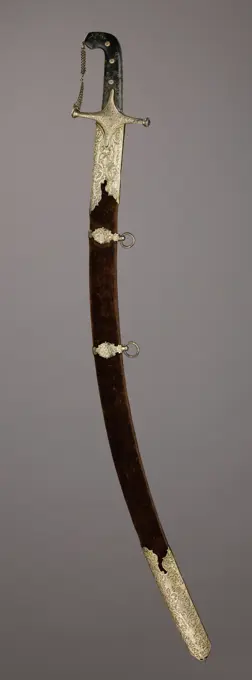
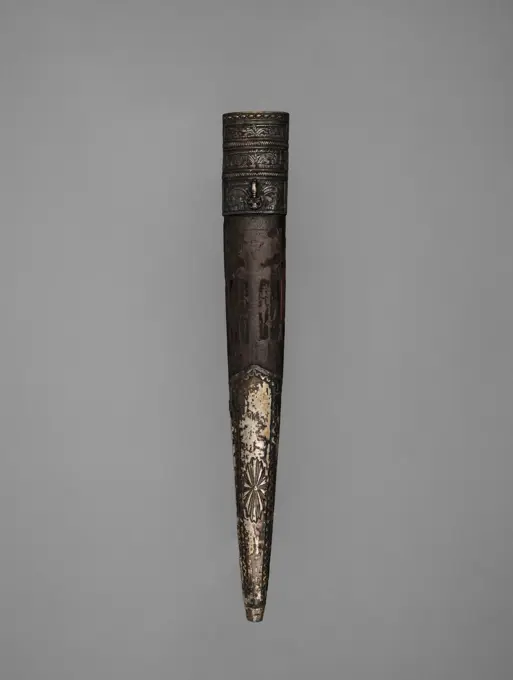
Pendant or Johannes van Leenen, Anonymous, c. 1675 - c. 1700 sword. cutlass Houwer or Statiwaard by Johannes van Leenen. De Houwer has an hilt of Suassa: a precious alliage of fire gilt copper, gold and arsenic. The hilt is richly decorated with performances of birds, butterflies, flowers, branches of plum trees and a pagoda. The black surfaces are treated with paint. The Dutch blade is etched with flower vines on both sides. The wooden sheath is exaggerated with shark sheet and has an upper and top tire from Suassa. The hook tire of the top strap is missing. Japan iron (metal). wood (plant material). sharkskin.  ornaments ~ art Iran. Persia
Pendant or Johannes van Leenen, Anonymous, c. 1675 - c. 1700 sword. cutlass Houwer or Statiwaard by Johannes van Leenen. De Houwer has an hilt of Suassa: a precious alliage of fire gilt copper, gold and arsenic. The hilt is richly decorated with performances of birds, butterflies, flowers, branches of plum trees and a pagoda. The black surfaces are treated with paint. The Dutch blade is etched with flower vines on both sides. The wooden sheath is exaggerated with shark sheet and has an upper and top tire from Suassa. The hook tire of the top strap is missing. Japan iron (metal). wood (plant material). sharkskin. ornaments ~ art Iran. Persia
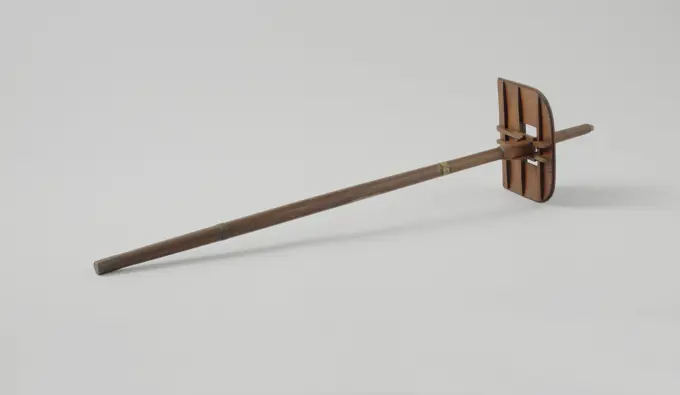
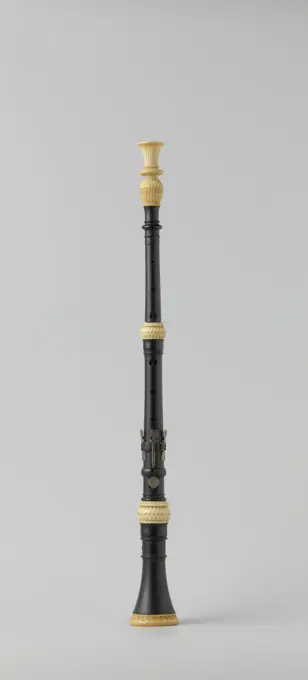
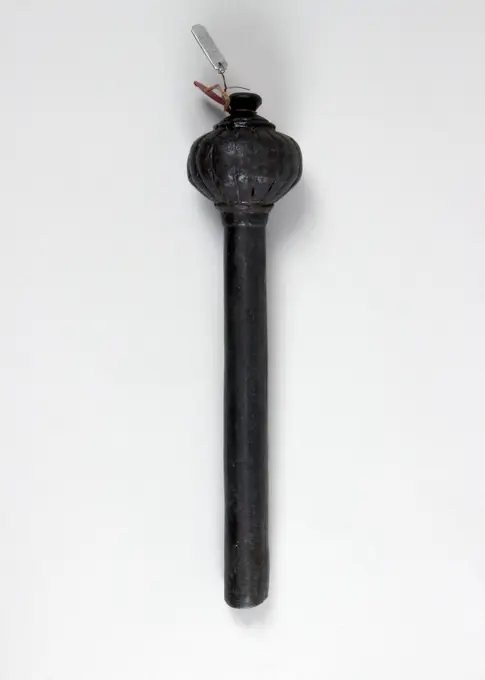
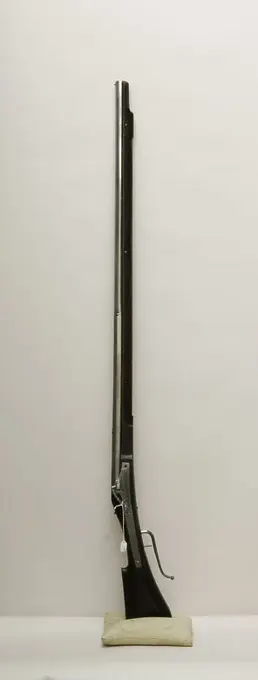
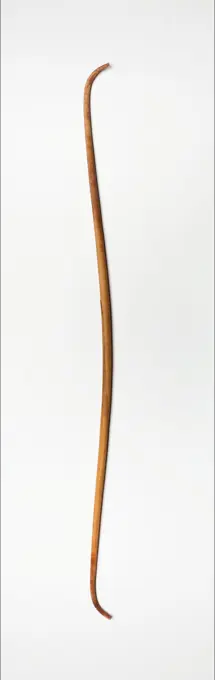
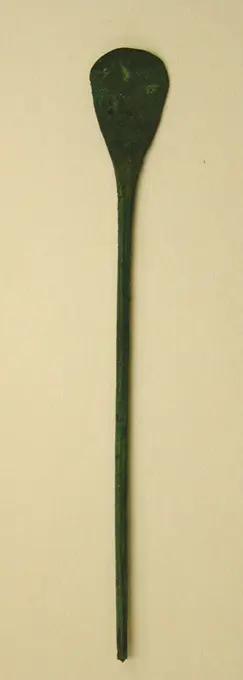
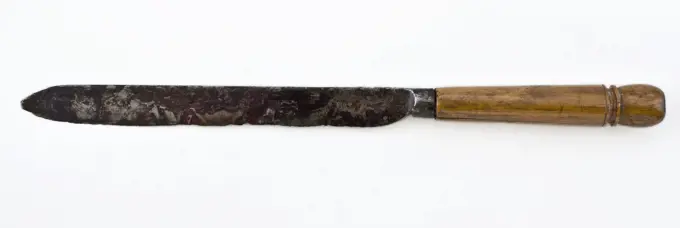
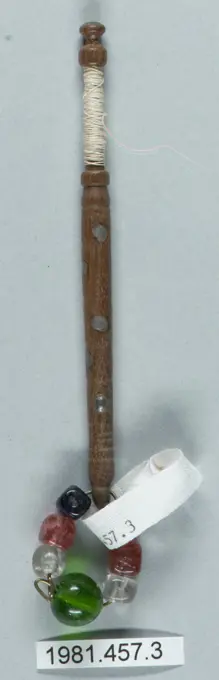
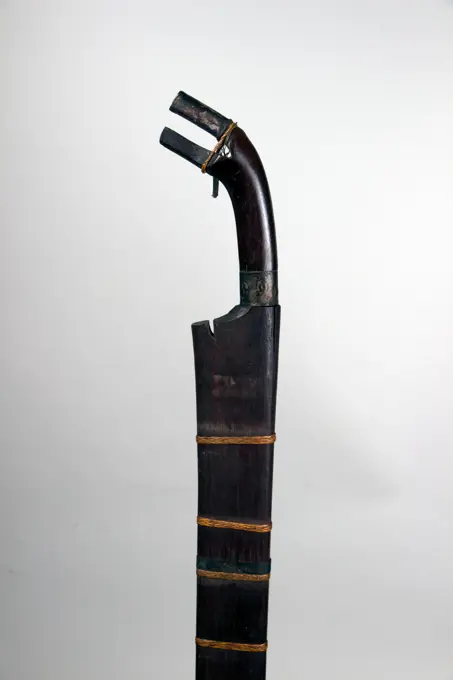
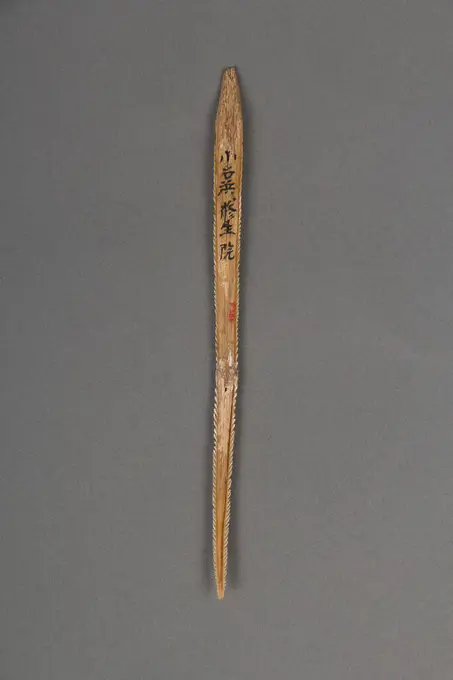
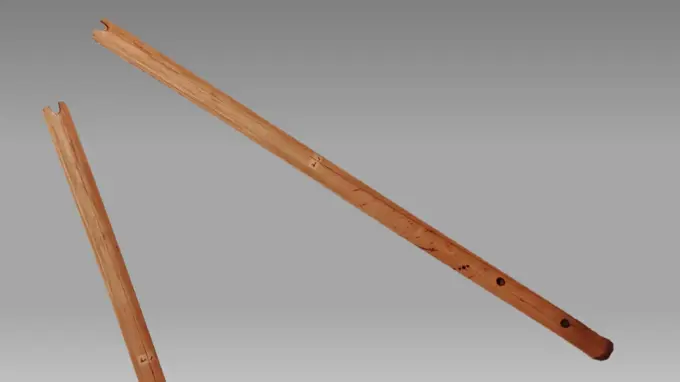
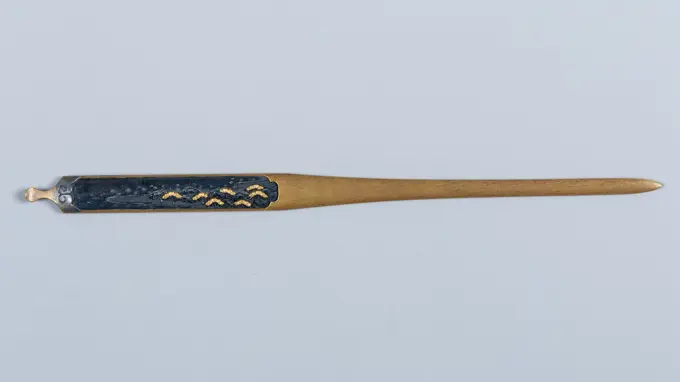
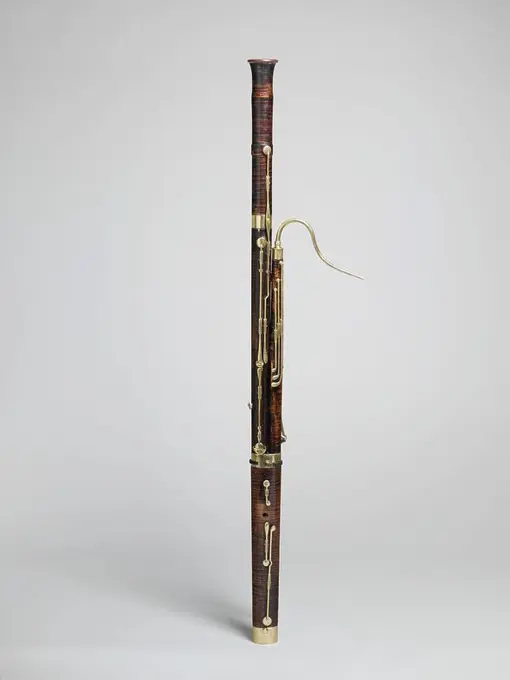
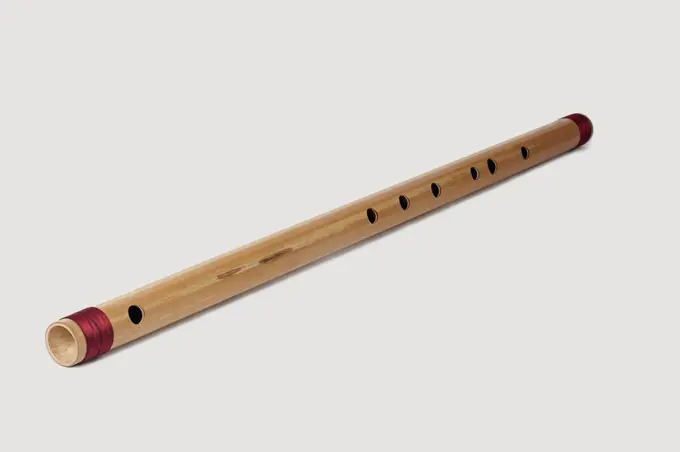
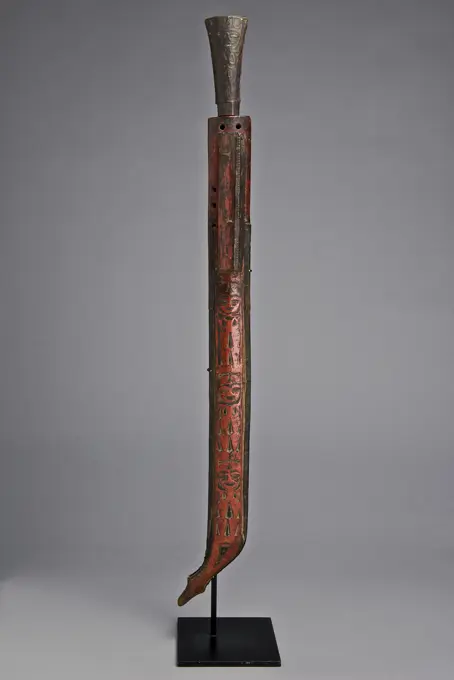
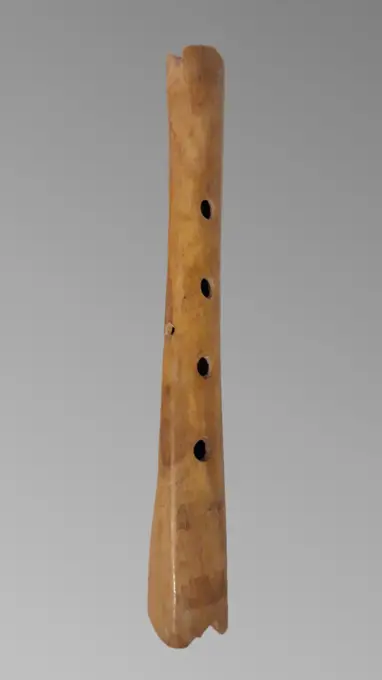
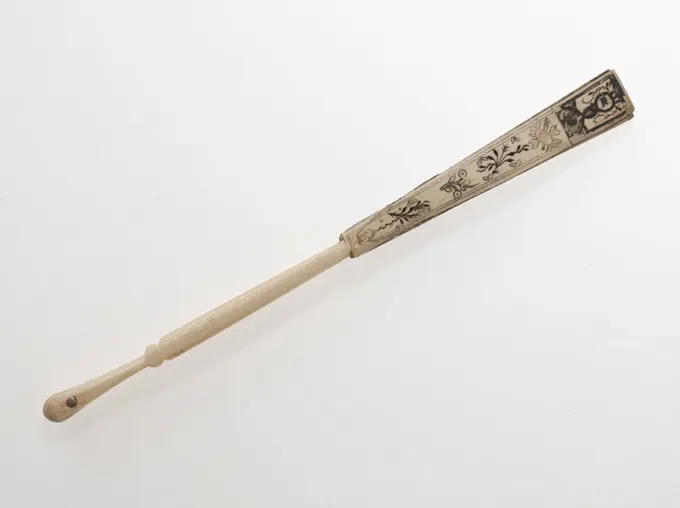
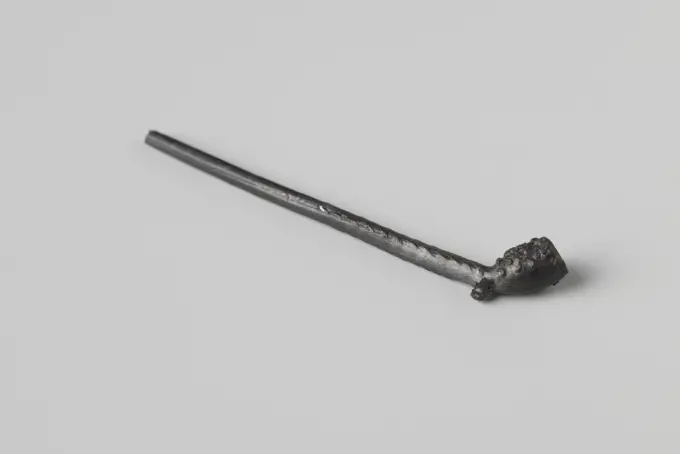
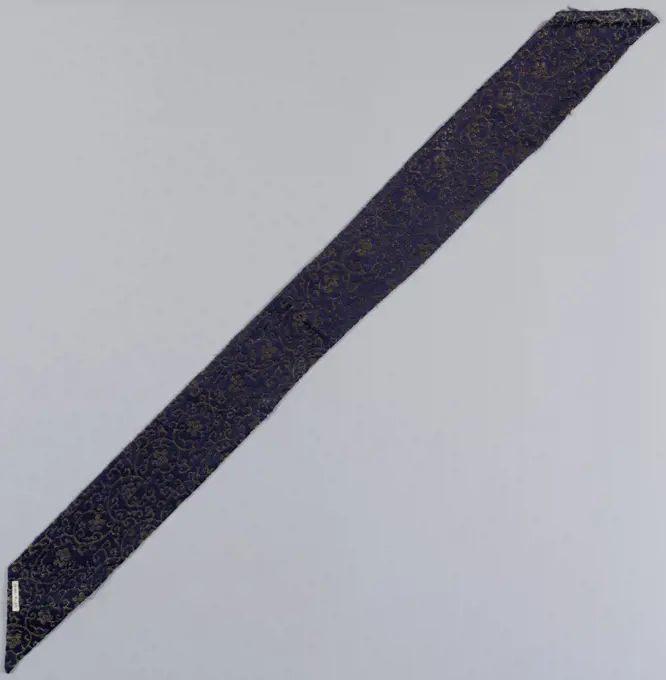
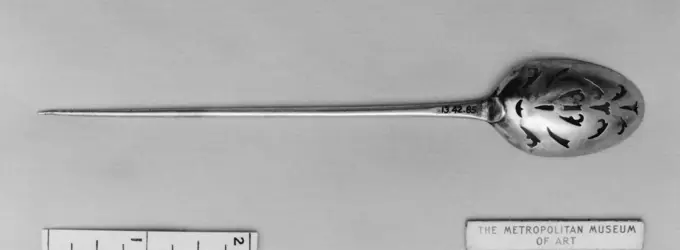
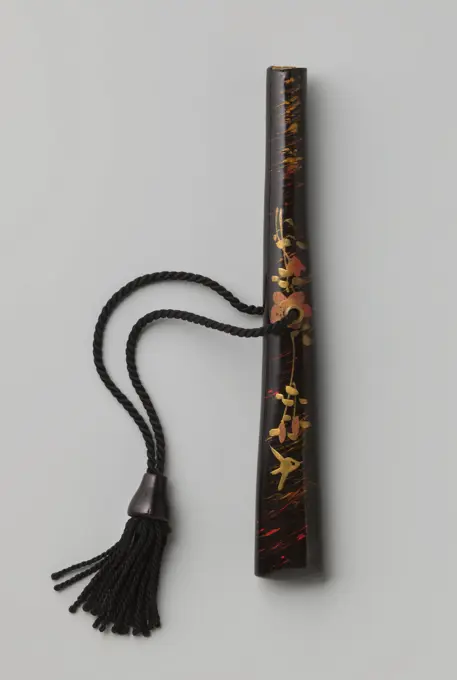
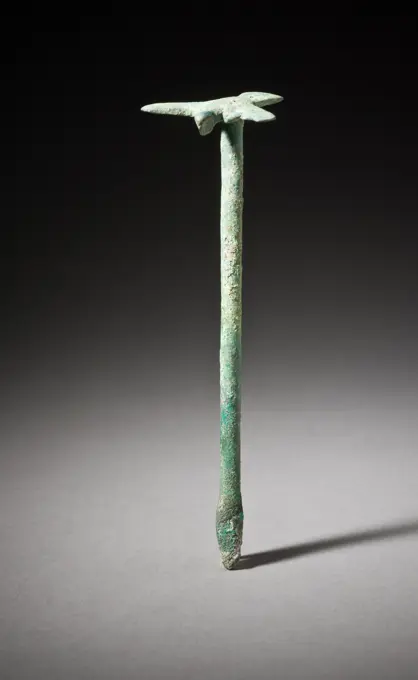
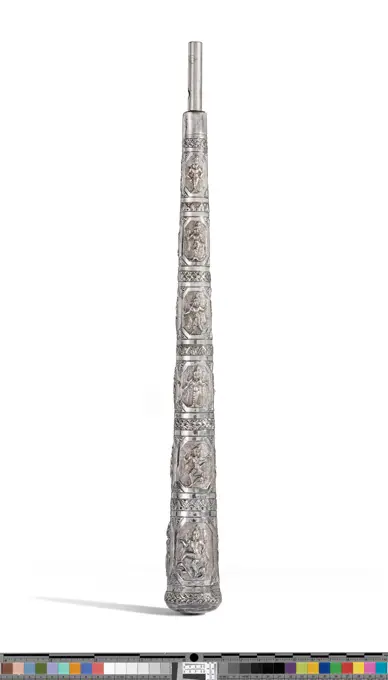
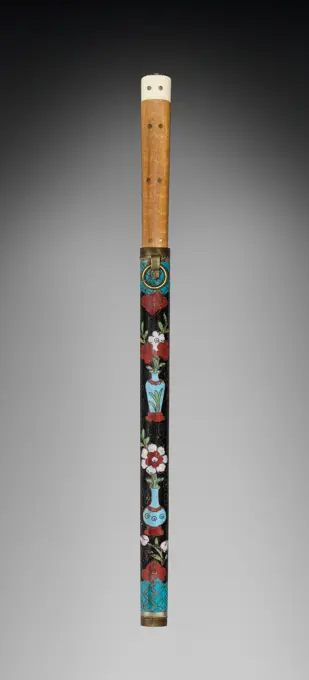
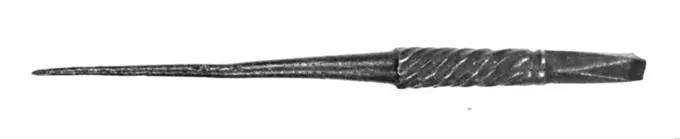
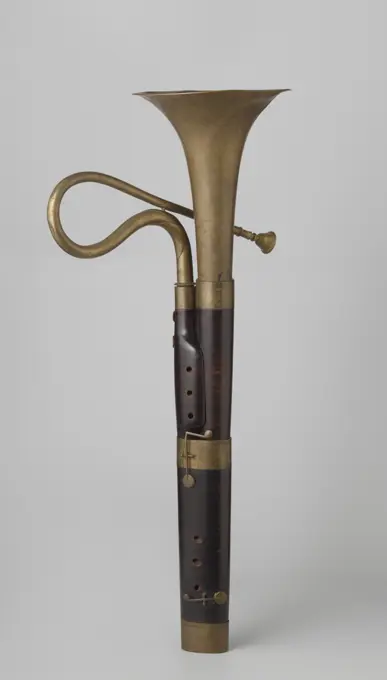
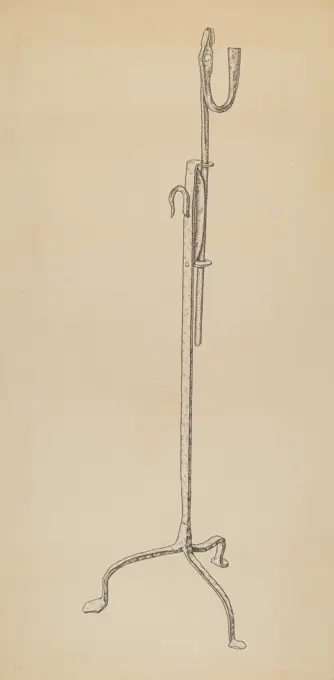
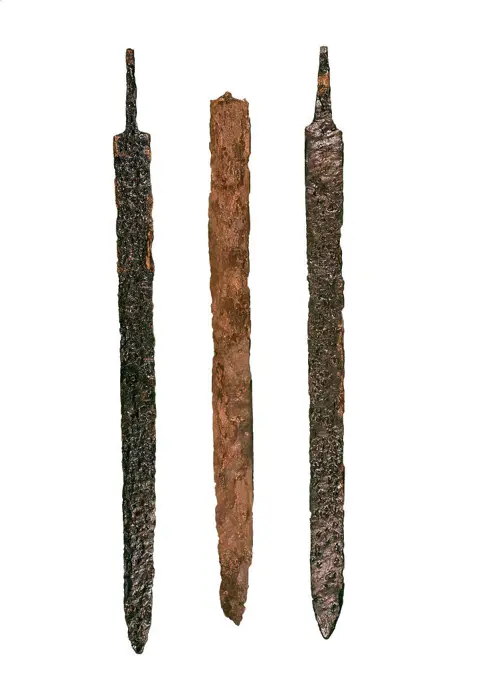
Group of pins. Culture: Chimú or Inca. Dimensions: Length 9-3/8 in. (23.9 cm). Date: 14th-15th century. Museum: Metropolitan Museum of Art, New York, USA.Model of a Made Mast, anonymous, c. 1780 - c. 1840 demonstration model Round mast with octagonal top and mars; The donkey head is missing. The mast itself consists of an octagonal mast king surrounded by eight cheeks. The parts are held together by two tubs. A number of short shelves around the mast form a flat riding bed from the front, on the sides the ears with clamps that support the calves, and behind half an eight -eight. The march is around from the front and is worn by the longitudinal and transversal. The march floor is closed with shelves, which are secured with pegs on top. This model can be varied. This mast is made according to the 'Dutch method' (see NG-MC-127). Netherlands wood (plant material). brass (alloy)Oboe, Hendrik Richters, c. 1720 Hobo of twisted ebony and ivory with three silver valves, without signature. The woodwork turned as the previous, the ivory, consisting of profiled mouthpiece, decorated with bundled bundle motifs tied by bead rings, etc. and further from three rings in accordance with. Amsterdam ebony (wood). kleppen: silver (metal). ivory Hobo of twisted ebony and ivory with three silver valves, without signature. The woodwork turned as the previous, the ivory, consisting of profiled mouthpiece, decorated with bundled bundle motifs tied by bead rings, etc. and further from three rings in accordance with. Amsterdam ebony (wood). kleppen: silver (metal). ivoryPin ca. late 3rd-early 2nd millennium B.C. Bactria-Margiana Archaeological Complex. Pin 326671Mace Head with Socket Handle 16th century Persian. Mace Head with Socket Handle. Persian. 16th century. Iron. Shafted WeaponsServing spoon -Matchlock Gun. Culture: German or Austrian. Dimensions: L. of stock 55 1/2 in. (140.9 cm); L. of barrel 42 in. (106.6 cm); Cal.688 in. (17.5 mm); Wt. 11 lb. 9 oz. (5244.7 g). Date: late 16th-early 17th century. Museum: Metropolitan Museum of Art, New York, USA.Recurve Selfbow ca. 1492-1473 B.C. New Kingdom Two caches of hunting weapons were found in the limestone chip debris below the tomb of Senenmut (TT 71) on Sheikh Abd el-Qurna hill. One cache included two bows (36.3.211, .212) and fifteen arrows (36.3.213-.227). The bows are recurve selfbows made of single pieces of an open-grained, pliable wood. Both bows were intentionally broken into sections no more than a meter (about 39 inches) in length.. Recurve Selfbow. ca. 1492-1473 B.C.. wood. New Kingdom. From Egypt, Upper Egypt, Thebes, Sheikh Abd el-Qurna, Tomb of Senenmut (TT 71), below entrance, deposit of hunting weapons, MMA excavations, 1935-36. Dynasty 18Object ID #18708947; brass; L x W x D: 17.2 × 5.5 × 2.3 cm (6 3/4 × 2 3/16 × 7/8 in.)Tubular instrument (Syphon) Ptolemaic Period 306-30 B.C. View more. Tubular instrument (Syphon). 306-30 B.C.. Copper. Ptolemaic Period. From Egypt, Upper Egypt, Thebes, Deir el-Bahri, MMA excavations, 1927-28Tupu (pin) 8th-mid-16th century Tiwanaku, Pacajes, or Inca () This object is a tupu, a Quechua word for pin (pithu in Aymara and alfiler in Spanish). Women in the Andes wear tupus in order to fasten textile garments. Tupus, made of metal, usually consist of two parts: a head and a stem. On the present example, the width of the head gradually broadens moving away from the stem. While the long sides of the head are rectilinear, its top edge is circular. The tupu’s stem slightly narrows near its end, farther from the head. The stem may have terminated in a point, a useful feature of tupus for pushing them into the textile garments. Today, the stem appears incomplete. At some stage in this object’s itinerary, the pointed end may have broken off. This end is especially fragile considering the substantial corrosion that is evident. Similar to Metropolitan Museum of Art 64.228.606, there is no perforation visible on the head. This suggests that a person wore this tupu without necessarily thrArrow Head, 1700s. Japan, Edo period (1615-1868). Iron; average: 25.1 cm (9 7/8 in.).Flag CaneBow, 1800s. India. overall: 53.4 cm (21 in.).Knife with narrow, elongated blade and legs with round cross section, knife cutlery soil find iron bone metal w 18.0, archeologyFork; steel, brass; L: 20.8 cm (8 3/16 in.); The Robert L. Metzenberg Collection, gift of Eleanor L. Metzenberg; 1985-103-79Model of a Windsail, anonymous, 1831 demonstration model Model of a cooling sail with a Windwijzer. The upper part consists of three rotating hoops with canvas covered and with a Windwijzer on top and an opening for the input of the air. A piece of lead serves as a counterbalance for the wind vane and to promote the rotation. The axis of the hoops stands on a fixed part with two hoops, which is extended below with a fabric ventilation shaft with under a round wooden plate and exhaust openings. model maker: Netherlands (possibly)after design by: Denmark wood (plant material). iron (metal). tin plate. lead (metal). textile materials. ropeWhip handle of Nebiry. Dimensions: L. 45.4 cm (17 7/8 in.). Dynasty: Dynasty 18. Reign: Joint reign of Hatshepsut and Thutmose III. Date: ca. 1479-1458 B.C..This whip handle probably had leather thongs attached to the slot at the top. It is inscribed with the name and title of Nebiri, who was the skipper of a boat. The inscription also names Senenmut, a well known official in the joint reign of Hatshepsut and Thutmose III. Among Senenmut's titles was "Overseer of Works" which probably included oversight the boats that transported supplies for various building projects. Traces of blue paint have been found in the hieroglyphs.As skipper of a boat, Nebiri may have used the whip to keep time for his crew of oarsmen, as seen in the detail of a wall painting shown above. Museum: Metropolitan Museum of Art, New York, USA.Ritual Tongs in the Shape of Human Hands and Arms. Egypt, probably New Kingdom (1569 - 1081 BCE) or later. Tools and Equipment; tongs. BronzePrzeszo Przyszoci unknownCovers plastic. Cooking ivory plastic.Bayonet horning with a flint rifle, State army M.1815, No. 2, Anonymous, 1815 bayonet Bayonet horning a flint rifle of the Staatse Army M.1815, No. 2. Netherlands iron (metal)Bobbin ca. 1840 British. Bobbin. British. ca. 1840. Wood. Textiles-Methods and MaterialsCandelabrum. UnknownHarpoon head Japan The Jmon period is the earliest period in Japanese history, lasting from roughly 14,000 to 300 BCE. The Jmon people were primarily hunter-gatherers, hunting land animals and gathering vegetables and nuts on the land as well as hunting and fishing at sea. Harpoon heads such as this one testify to the importance of seafood in the diets of some Jmon communities, especially those close to the sea. Fish bones found at Jmon archaeological sites indicate that the Jmon hunted fish not only close to the shore but also farther out in the open sea, where larger fish could be caught. There is even evidence that the Jmon ate pufferfish, a poisonous fish considered a delicacy in modern Japan.. Harpoon head. Japan. Bone. Final Jmon period (ca. 1000-300 B.C.). BoneSword (Klewang) with Scabbard 18th-19th century Indonesian, Sulawesi. Sword (Klewang) with Scabbard. Indonesian, Sulawesi. 18th-19th century. Wood, silver, cane. Sulawesi. SwordsArrowheads, needles, hooks and harpoons. Culture: Japan. Dimensions: W. 3/8 in. (1 cm); L. 6 7/8 in. (17.5 cm). Museum: Metropolitan Museum of Art, New York, USA.Ladle Korea. Ladle 57467Yeah dessert; Würtembergische metallwarefabrik - WMF (Germany; Wytwónia Z Otnarz; 1880-1914); after 1880 (1880-00-00-1905-00-00);Gore Melanesian (Aoba Island, Vanuatuan) late 19th centurySpoon, Silver, England, ca. 1680-90, cutlery, Decorative Arts, SpoonClarinet, Johannes Theodorus Otté, c. 1835 Palmhout clarinet with six valves. Groningen boxwood (hardwood). horn (animal material). brass (alloy). Palmhout clarinet with six valves. Groningen boxwood (hardwood). horn (animal material). brass (alloy).Fragment of ear iron, ear iron regional costume ornament clothing accessory clothing soil find copper tin metal, forged cast End of earring with bird beak as ornament. Three fastening holes archeology regional costume traditional head covering hat laceSet of Sword Fittings (Mitokoromono) early 19th century Got Mitsuyoshi (Shinj) Japanese This mitokoromono features a design of Suruga Bay, in Shizuoka Prefecture, with a view of Mount Fuji.. Set of Sword Fittings (Mitokoromono). Japanese. early 19th century. Copper-gold alloy (shakud), gold, silverThe fragrant vanilla isolated on a white backgroundBassoon. Culture: German. Dimensions: Overall: 130 cm (51 3/16 in.). Maker: Carl August Schaufler (German, Stuttgart 1792-1877 Stuttgart). Date: 1830-32. Museum: Metropolitan Museum of Art, New York, USA.Chopstick for Kit with Chopsticks and Knife - Souvenir Trade, early 1900s. Japan, Meiji period (1868-1912) to Taishō period (1912-26). Enamel, walrus ivory or bone, wood, metal; overall: 24.5 cm (9 5/8 in.).Stand 1670-1700. Stand 7886Knife, steel, brass, mother-of-pearl, Sabre-shaped blade with a profiled upper edge, plain bolster and rounded neck. Flared rectangular handle with rounded top, brass mounts and band along the sides engraved with decorative pattern. Three brass rivets on each side of the handle. Front and back of handle carved mother-of-pearl., Germany, ca. 1690, cutlery, Decorative Arts, KnifeOboe, Carl Kruspe, c. 1890 - c. 1900 Hobo of palmhout with twelve silver valves, a silver finger support and three open rings. Marked on the upper part: Tamme & Kruspe (in a roll) / anchor / Carl Krune / Leipzig (in an oval) / ck (monogram). Marked on the middle part: D. R.J.M. / 71757 / anchor / Carl Krune / Leipzig (in an oval) / ck (monogram). Marked on the lower part: anchor / Carl Krune / Leipzig (in an oval) / ck (monogram). The oboe is in a briefcase covered with black leather and purple velvet. Leipzig Boxwood. Valves: Silver (Metal) Hobo of palmhout with twelve silver valves, a silver finger support and three open rings. Marked on the upper part: Tamme & Kruspe (in a roll) / anchor / Carl Krune / Leipzig (in an oval) / ck (monogram). Marked on the middle part: D. R.J.M. / 71757 / anchor / Carl Krune / Leipzig (in an oval) / ck (monogram). Marked on the lower part: anchor / Carl Krune / Leipzig (in an oval) / ck (monogram). The oboe is in a briefcase covered with black leather Lime Container with Spatula, 20th century, 17 5/8 x 2 5/8 in. (44.77 x 6.67 cm), Bamboo, Papua New Guinea, 20th century, Betel chewing is a common practice throughout India, Indonesia, and Oceania. Frequently called betel nut, a 'chew' actually consists of three components; a paste made from the crushed kernel of an areca palm nut, the fruit or leaf of the betel-pepper plant, and a quantity of powdered lime, obtained from burnt coral or shell. Often this combination takes the form of a small bite-sized package which is placed in the cheek and chewed in a manner similar to chewing tobacco.Knife with Porcelain Handle Knife; porcelain, brass; L x W: 16.7 x 1.4 cm (6 9/16 x 9/16 in.); The Robert L. Metzenberg Collection, gift of Eleanor L. Metzenberg; 1985-103-144Belt Hook China. Belt Hook 61124Axe-Knife with Stiletto 18th-19th century Indian, Sind. Axe-Knife with Stiletto 30804A fluteCrossbow Bolt, 1500s-1600s. Germany, 16th-17th century. Wood, leather, steel; average: 37.2 cm (14 5/8 in.).Lute(Hasapi)Carving fork 19th century Swiss. Carving fork. Swiss. 19th century. Steel, wood, brass. Metalwork-SteelPin ca. 8th-7th century B.C. Iran This cast bronze pin has a head in the form of a seated duck. It was excavated at Surkh Dum, a settlement site in Luristan in the Zagros Mountains of western Iran. It was found in a structure interpreted as a sanctuary and was thus probably an offering to a god. Such pins were probably used to fasten clothing and as objects of adornment in their own right. Many have been attributed to Luristan, but this is one of the few examples from an archaeological excavation.. Pin. Iran. ca. 8th-7th century B.C.. Bronze. Iron Age III. Iran, Luristan, Surkh DumClarinet in F Hermann Wrede British ca. 1837-40 Hermann Wrede, who was obviously of German origin, was listed as "Mus. Wind Inst. Mkr." from 1811 and from 1837 also as "Mus. Wind Inst & Pfte. & Importer". The firm had the address at 35 Lower White Cross between 1837 and 1840. (Waterhouse, NLI, 436)Overall size: 449Bore: c-hole 11.2; f-hole 11.6.Conical part: 186Technical description: Boxwood with ivory ferrules and brass keywork. Five pieces: mouthpiece, barrel, upper section, middle section for the fingers of the right hand and lower section with keys in one piece, bell. English style long-tenon ebony mouthpiece grooved for cord. Flask shaped English style barrel. Some pins to prevent the wood from cracking. Levers for L4, tone-hole and key for R4 mounted in a bell-shaped swelling. Guidance for zig-zag F3/C5 lever.L0:  T; speaker.L0:  T; speaker.L1:  T; throat A.L2:  T. L3:  T.L4:  E3/B4; F3/C5. R1:  T; trill key for throat A-B.R2:  T. R3:  T. R4:  T; G3/E5. Keyhead type: flat square.SwordQuena 19th century Native American (Peruvian). Quena 501881EVENTAIL. Three biblical scenes (the sacrifice of Abraham ", Moses and a chased woman). Paper, colored engraving, openwork and silver ivory. Paris, Carnavalet museum. Three biblical scenes: Abraham sacrifice, Moses and Chased Woman Fashion accessory, EventailNeedle sheath 18th century Italian. Needle sheath. Italian. 18th century. Bone, wood and metal. Textiles-Methods and MaterialsBracketStanding FloorLamp.  Designer Walter Von Nessen, American, born Germany, 1889-1943 Manufacturer: Nessen Studio, Incorporated, American, founded 1927Scarf pin, Gold, silver, diamonds, enamel, In the form of the head of Punch. Probably designed by J. Paul Robin., Paris, France, late 19th century, jewelry, Decorative Arts, Scarf pinBlade and Mounting for a Short Sword (Wakizashi) Blade inscribed by Yokoyama Kzukedaij Sukesada Japanese Fittings inscribed by  Otsuryken Masanobu Japanese blade, late 17th century; mounting, 19th century This is the short sword (wakizashi) of a pair of swords (daish) which is mounted with a matching set of fittings depicting insects and plants that are traditionally associated with fall in Japan. The fittings were made by Otsuryken Masanobu (, 1773-), who was the fourth generation of the Hamano () School. Some fittings are inscribed with the supplements “made at the age of sixty-two” and “made at the age of sixty-three,” demonstrating the lengthy time it took the artist to produce the full set. The lower parts of the scabbard are lacquered by implementing broad brush strokes, a technique that is referred to as seikaiha-nuri (lit. “blue waves lacquer”). View more. Blade and Mounting for a Short Sword (Wakizashi). Japanese. blade, late 17th century; mounting, 19th centFibula or Probe with Bird Finial. UnknownAlto Saxhorn in E-flat John Howard Foote American ca. 1865-80Pipe of black pipe earth. Pipe of black pipe earth.Puloay late 19th century Burmese. Puloay. Burmese. late 19th century. Wood. Myanmar (formerly Burma). Aerophone-Whistle Flute-flageoletmodern brown table isolated on white backgroundMusical Bow late 19th century South African. Musical Bow. South African. late 19th century. Bamboo. KwaZulu-Natal Province, South Africa. Chordophone-Musical BowNeedle. Neolithic period. North Africa. 15.5cm.Trammel 18th century The trammel allowed a cook to adjust the cooking temperature by either raising or lowering vessels hanging above the fire. The tool consists of two permanently joined hooks that slide vertically and lock into place at frequent intervals. The device would be suspended from a lug pole placed high inside the fireplace.Textile, Medium: silk, metal Technique: compound satin, Dark blue satin ground with small-scale, all-over repeat of scrolling vine with five-petalled flowers, in gold. Fragment cut on bias, edges turned over, as if for collar. Starched or stiffened on back., China, 19th century, woven textiles, TextilePipe case depicting Chinese scene, c. 1870s, Tozan, Japanese, active late 19th century, 9 1/16 × 1 1/4 × 7/8 in. (23 × 3.2 × 2.3 cm), Lacquered wood, gold, silver, Japan, 19th centuryStrainer spoon 18th century British. Strainer spoon 192219Passe -Partout van de Hermitaar in the Bergen, Zhu Henian, 1775 - 1834 Passe-partout for the hanging roll with a recluse in the mountains. Painter: chinataizhoujiangsu paper. ink Passe-partout for the hanging roll with a recluse in the mountains. Painter: chinataizhoujiangsu paper. inkHandle of black -lacked wood painted with a bird and flour, for an umbrella or umbrella; with cord, Gustav Schnitzler, c. 1910 - c. 1920 Konisch handle of black -lacked wood for an umbrella or umbrella. The handle is painted with a bird and a flower. The handle is pierced in the middle. A black cord is strung by the plastic hole. Nijmegen whole: Wood (plant material). upholstery hole:. Cord: Silk lacquering / painting Konisch handle of black -lacked wood for an umbrella or umbrella. The handle is painted with a bird and a flower. The handle is pierced in the middle. A black cord is strung by the plastic hole. Nijmegen whole: Wood (plant material). upholstery hole:. Cord: Silk lacquering / paintingCase of light gray roggenskin with golden lock plate and hinges.cefty of light gray rogging sheet (). IT HAS AN OVAL Cross-Section to the end. The Lock Plate and Hinges Are From Gold Filigree.Cane Violin 19th century attributed to Moritz Wilhelm Glaesel Walking-stick instruments of all varieties were popular in the eighteenth and nineteenth centuries. Novelty walking sticks, which might include umbrellas, flasks, guns, musical instruments, or other items were fashionable accessories for gentlemen of all ages. Flutes and violins were the most popular instrument walking sticks. This is a fairly typical example of a walking-stick violin hidden inside a mahogany body topped with an ornamental handle. The violin is hidden beneath a rounded cover that is held in place with metal bands. Once removed, the instrument along with an accompanying bow is revealed. The soundboard of the instrument is of spruce and the fingerboard is made from ebony. The strings of the violin are tuned by small iron pins that are tuned with a key. The instrument is similar to other surviving instruments with printed labels of Moritz Wilhelm Glaesel.. Cane Violin 501560Tea knife, Wood & Hughes, Silver, Luncheon or tea knife with plain blade; handle decorated with plant forms and animals, including a crane in a landscape., ca. 1875, cutlery, Decorative Arts, Tea knifePin with Bird. Northern Afghanistan, 2000-1500 B.C.. Jewelry and Adornments; pins. BronzeParasol Handle with Deities and Dancers. India, Tamil Nadu, Chennai (Madras), circa 1875-1900. Tools and Equipment; handles. Silver-plated copper alloy repousséFork (possibly Greece); silver, leather, brass, steel; L x W: 16.8 x 1.1 cm (6 5/8 x 7/16 in.); The Robert L. Metzenberg Collection, gift of Eleanor L. Metzenberg; 1985-103-101-cTea Spoon 1770-1800 Probably Samuel Parmelee. Tea Spoon. American. 1770-1800. Silver. Made in Guilford, Connecticut, United StatesEllemaat uit Utrecht.Length of 1 tbsp with handle from Utrecht. V.Z.V. Stamp and label.Kit with Chopsticks and Knife- Souvenir Trade, early 1900s. Japan, Meiji period (1868-1912) to Taishō period (1912-26). Enamel, wood, walrus ivory or bone, metal; overall: 28 cm (11 in.); blade: 15.9 cm (6 1/4 in.).Tamper stick of wood. Tamper stick of wood. Horse with three cyst sticks (BK-NM-11430-125-A T / M BK-NM-11430-125-D).Sword (Dha) with Scabbard. Culture: Burmese. Dimensions: L. with scabbard 28 3/4 in. (73 cm); L. without scabbard 27 1/4 in. (69.2 cm); W. 2 in. (5.1 cm); Wt. 1 lb. 0.7 oz. (473.4 g); Wt. of scabbard 7.4 oz. (209.8 g). Date: 19th century. Museum: Metropolitan Museum of Art, New York, USA.Priming Flask with Baldric Caucasian 19th centuryFibula Fragment. UnknownCeremonial Knife (Tumi) 12th-15th century Chimú (). Ceremonial Knife (Tumi) 315378Russian Bassoon.Russian bassoon with copper cup and mouthpiece. Signature: Hanken Rotterdam.Stola of yellow sides of embroidery, anonymous, c. 1800 - c. 1849 Stola of yellow sides atine with embroidery in silk and in high-relief with gold and silver wire with a representation of Greek cross. Stola is part of a couple (BK-2008-176-A to E). Netherlands silk. silver thread. Stola of yellow sides atine with embroidery in silk and in high-relief with gold and silver wire with a representation of Greek cross. Stola is part of a couple (BK-2008-176-A to E). Netherlands silk. silver thread.Arrow Point, 1600s-1700s. Japan, Edo period (1615-1868). Steel; overall: 17.7 cm (6 15/16 in.).Wooden Spindle Made 1000-1476 Peru. Wood .Alto Recorder, Abraham van Aardenberg, c. 1700 Altblok flute, marked Aardenburg on a banderole, above which a heart and including a lily. Amsterdam maple (wood) Altblok flute, marked Aardenburg on a banderole, above which a heart and including a lily. Amsterdam maple (wood)Scarf isolated on the white backgroundIrene Lawson, Rush and Candle Stand, c 1939 Rush and Candle StandESPADAS VISIGODAS DE LA NECROPOLIS DE CASTILTIERRA -. Location: MUSEO ARQUEOLOGICO NACIONAL-COLECCION. MADRID. SPAIN.State Staff Weapon dated 1564 Austrian. State Staff Weapon 34292Tardel to the Saber After Edmund RóżyckiMiniature shovel (part of a set) late 17th-early 18th century David Clayton British. Miniature shovel (part of a set). British, London. late 17th-early 18th century. Silver. Metalwork-Silver-MiniatureScabbard, 1700s - 1800s. Transcaucasian, Georgian. overall: 52.1 cm (20 1/2 in.); blade: 36 cm (14 3/16 in.).Model of Two Congreve Rockets with Launching Gear, Rijkswerf Rotterdam (attributed to), c. 1818 demonstration model Model of two fire rockets on a launch device or chair, for placement on a sloop. The rockets themselves consist of a pointed cylinder, the point of which is the fire bomb and the rear part the rocket engine; A long stabilization stick is attached outside the cylinder. The chair is a ladder -shaped frame with a running ring around a mast, which stands on a round pedestal; With a fall over the disk in the top of the mast, the frame is hoisted and lowered for aiming and loading. A beam with a metal room and flint lock with a set of brackets is mounted on each leg of the frame. The flint locks have tractors with holes for a tractor rope. The head of the rocket is placed in the room under two brackets. The spark of the flint lock is tackled in the room by a plate to get back in the rocket. model maker: Rotterdamafter design by: United Kingdom wood (plant material). brass (alloFork (France); porcelain, steel, silver; L x W: 22.1 x 2.6 cm (8 11/16 x 1 in.); The Robert L. Metzenberg Collection, gift of Eleanor L. Metzenberg; 1985-103-229Club -