Historical Weapons Artifacts

Images of historical weapons and textile artifacts, including unique cutlasses and decorative fabrics, reflecting craftsmanship through the ages.

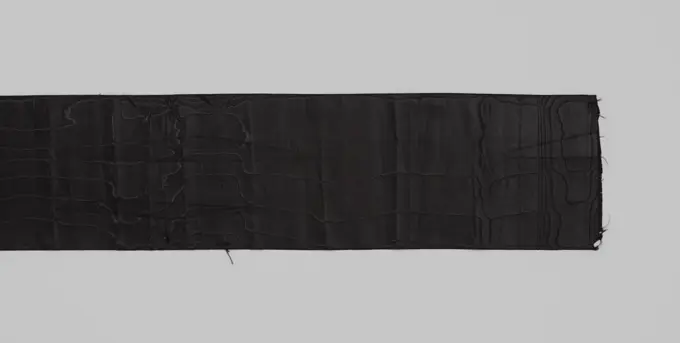
Daily Yoke, 19th-20th century, 31 1/4 x 6 1/2 in. (79.38 x 16.5 cm), Cotton, China, 19th-20th century
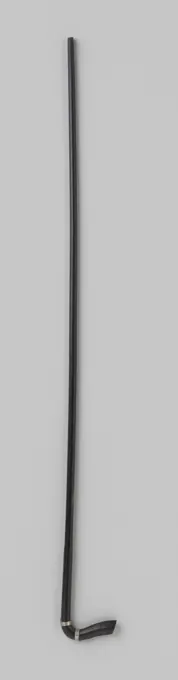
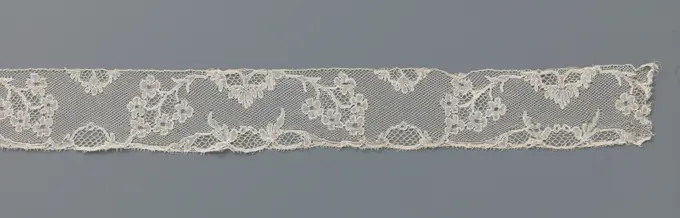
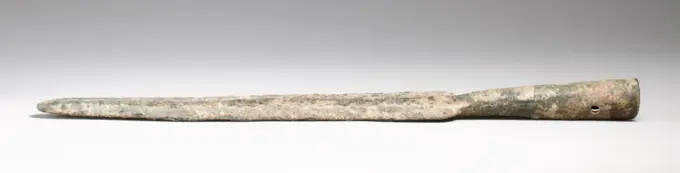
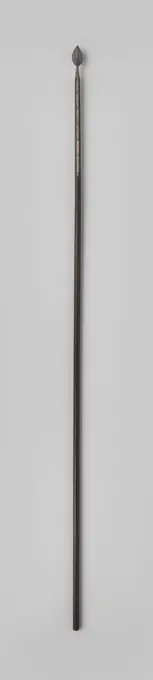
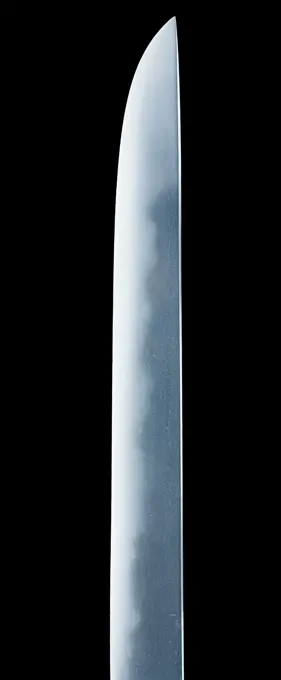
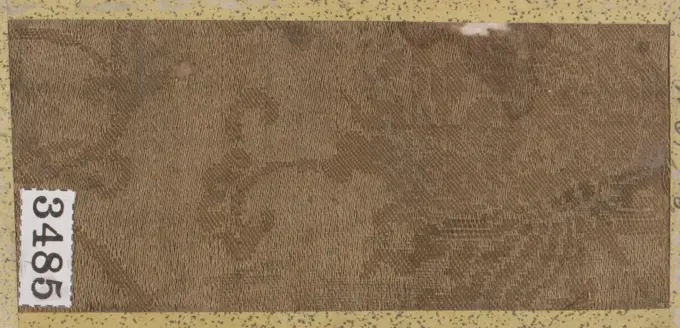
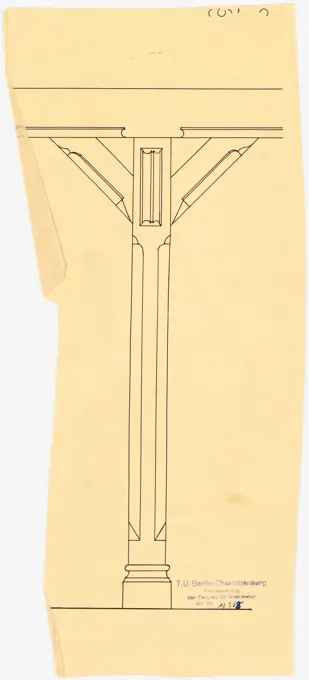
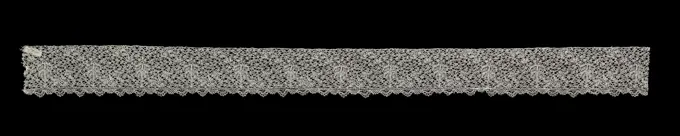
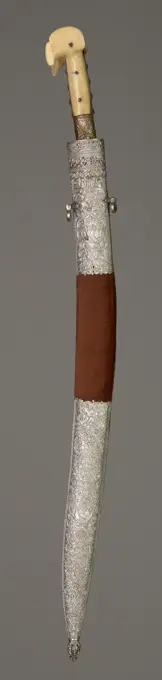
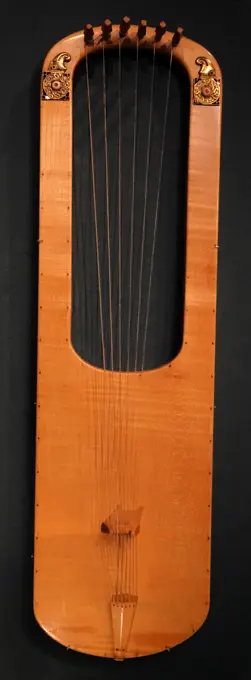
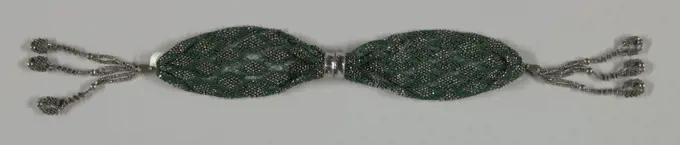
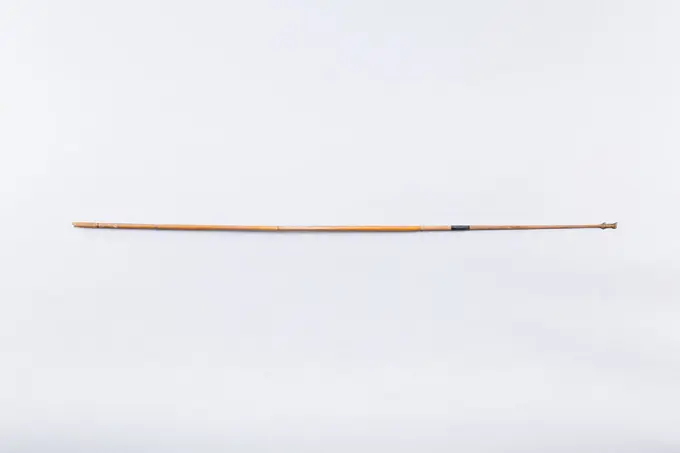
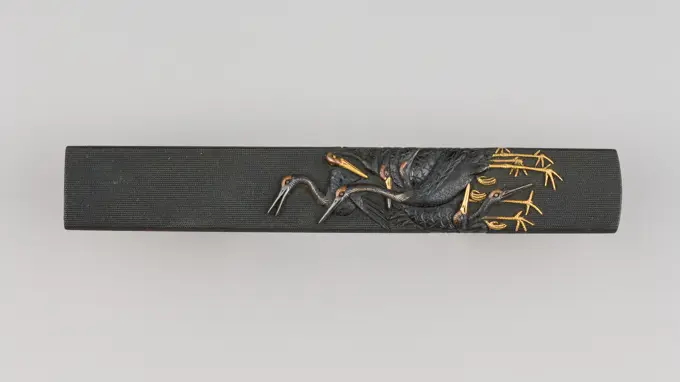
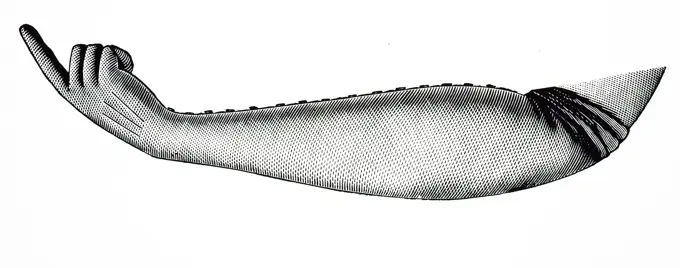
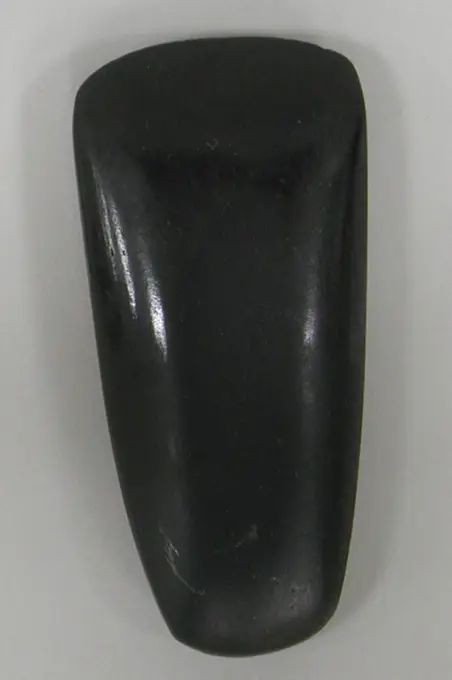
Soup ladle icon Marine's Cutlass, anonymous, 1817 - 1821 sabre Scheepssabel No. 2 in Schede. Curved blade with wide blood channel, yellow -lying hilt with a curved front bracket and hanging pare rod with end button. On both sides, an anchor is roughly engraved on the blade. The identification of this saber remains uncertain, because it was found without inventory number. The front bracket has been slightly bent and broken where he turns into a pare bar. Netherlands (possibly) kling: iron (metal). gevest: brass (alloy)   NetherlandsSleeve ruffle, Medium: linen Technique: needle lace with 6-sided reworked ground, Sleeve ruffle shaped border with large floral sprays in a repeat pattern., France, early 18th century, lace, Sleeve ruffleFragments of a Chasuble, 1600s. Italy, 17th century. Velvet; overall: 98 x 27 cm (38 9/16 x 10 5/8 in.).Breech-Loading Rim-Fire Rifle in Form of a Walking Stick 1858 New York. Steel, brass, and iron .White plastic yogurt bottle with blue cap closedUnderstop of a umbrella or umbrella of black painted wood with a curved hook, with two silver -colored metal rings, Gustav Schnitzler, c. 1920 - c. 1940 Understop of a umbrella or umbrella of black painted wood with a curved hook, with two silver -colored metal rings. Nijmegen whole: Wood (plant material). Decoration: Metal cutting / painting / forging Understop of a umbrella or umbrella of black painted wood with a curved hook, with two silver -colored metal rings. Nijmegen whole: Wood (plant material). Decoration: Metal cutting / painting / forgingBorder, Medium: linen Technique: bobbin lace, Mechlin style, Straight border of Mechlin lace with a design of small bud ornaments sprinkled over the field. Bottom border has detached flower and leaf motifs above a row of flowers., Belgium, early 19th century, lace, BorderDaily Yoke, 19th-20th century, 31 1/4 x 6 1/2 in. (79.38 x 16.5 cm), Cotton, China, 19th-20th centuryNeck pillow isolatedStrip bobbin with a bow from forget-me-notes, anonymous, c. 1750 Strip of natural -colored bobbin: Mechelse side. The repeating and symmetrical pattern consists of an arc formed by two branches with forget-me-niets, which spring from a halved flower along the top of the strip. In the middle of the arc, three connected oval cartouches are located along the underside of the strip. Between the successive pattern with arcs is a slightly smaller halved flower along the top and an oval cartouche on the bottom right, on the bottom. The motifs are connected by a fine Maas soil. The motifs are made in linen battle with large recesses such as flower hearts and with thicker and shiny contour threads. Two different decorative lands have been used in the cartouches and between the flower branches. Top and bottom are straight finished, with picots along the bottom. Mechelen linen (material) bobbin lace / Mechlin (lace) Strip of natural -colored bobbin: Mechelse side. The repeating and symmetrical pawaterBobbin Lace Edging, 18th century. Belgium, Binche, 18th century. Lace, bobbin: linen; average: 127 x 5.1 cm (50 x 2 in.).Cigar holder caseGolden grunge circle and brushes. Gold paints. Vector illustration.cutting board isolated  on white backgroundStatteniedegen of the Order of the Union, Pieter Ciovino, 1807 - 1811 small-sword Statteniedegen with silver hilt. On the button on either side; On the bump plate the weapon of the Union being a crowned lion rising from the water. The handle is from ebony on which a silver emblem with a bundle of arrows. The triple blow is blew and ornamented with gold. The Leather Schede has a silver ring from above on which engraved: "Ciovino E Fres Truffino Joaillieret Byoutiers de la Couronne a Amsterdam." The sword belongs to the uniform of a knight in the Royal Order of Holland or the Royal Order of the Union. AmsterdamAmsterdamafter design by: France silver (metal). leather. ebony (wood). gold (metal)Egg, still lifeBorder, Medium: linen Technique: needle lace, 6-sided reworked grounds, Border with medallions containing alternating motifs of a man in Chinese dress, a bird, floral spray and an urn., France, 1700-1750, lace, BorderBronze spearhead ca. 1200-1100 B.C. Cypriot Leaf-shaped blade with a strongly marked midrib; two rivet-holes in socket. A wooden shaft would have been attached to this spearhead. There is an impression of woven fabric near the end of the tubular socket, and of binding near the shoulder.. Bronze spearhead 244188Misa. unknown, authorTowel Made 1801-1900 Turkey. Embroidered .Stok of a banner of the first Infanterie department, Jan Willem Pieneman, 1846  Stick of a banner of black lacquered wood, on which a gilded bronze wreath of oak branches, and on the top a lying lion with arrows bundle and sword on a ditto block, on which the text: King and Fatherland, surrounded by a snake, on the long sides, And on the short sides a crowned W. Netherlands bronze (metal). wood (plant material). galloon. ribbon (material)   NetherlandsBangasa (Oiled Paper Umbrella) Bangasa (Oiled Paper Umbrella), ca. 1900. oiled paper, L: 30 3/4 in. (78.1 cm).   Asian Art ca. 1900Blades and Mountings for a Pair of Swords (Daish) sword (katana) blade, dated 1440; short sword (wakizashi) blade, 15th century; mountings, late 18th century Long sword (katana) blade inscribed by Sukemitsu of Bizen Japanese This is the only known complete set of daish mountings by Iwamoto Konkan, one of the most famous makers of sword fittings in the eighteenth century. The artist's inscription identifies the patron as Iwata Takanori and the design as the Six Tama Rivers.. Blades and Mountings for a Pair of Swords (Daish). Japanese. sword (katana) blade, dated 1440; short sword (wakizashi) blade, 15th century; mountings, late 18th century. Steel, wood, lacquer, copper-silver alloy (shibuichi), gold, copper, rayskin, silk. SwordsBobbin 1871 British, Bedfordshire. Bobbin. British, Bedfordshire. 1871. Bone and beads. Textiles-Methods and MaterialsScarf 18th century. Scarf 447903Guenbri late 19th century Saudi Arabian. Guenbri 500570Woman's Festival Veil, 20th century, 93 x 39 3/4 in. (236.22 x 100.97 cm), Wool, cotton, mirrors; needlework, India, 20th centuryPeak, c. 1699 - c. 1899  Peak with iron heart -shaped blade which is clank to the stick with six rivets on both sides, there are various grooves in the iron on the blades of the blade. The wooden stick is blackly rejected but has clearly veins over the entire length. Europe Shaft: Wood (Plant Material). Kling, house, feathers: Iron (metal)   Europebronze columns and arch bronze columns and arch made in 3D Copyright: xZoonar.com/StanislavxRishnyakx 2938324A piece of white blank torn note paperWatercolor red ribbonOrnamental Detail, late 1700s. France, late 18th century. Gilt bronze; overall: 1 cm (3/8 in.).Pin, Deer A.D. 200-900 Peruvian. Pin, Deer 314891ceramic vase isolated on white background. 3d illustrationGallon;  19th century (1801-00-00-1900-00-00);wide blue satin ribbon isolated on white wide blue satin ribbon isolated on white background Copyright: xZoonar.com/ValeryxVoennyyx 7971343Blade for a Sword (Katana) late 15th-early 16th century Gassan Mitsu... The Gassan school of swordsmiths was among the most celebrated in Japan. Blades with the distinctive concentrically curved grain pattern (ayasugi-hada) have been a specialty of the school since the fourteenth century. This katana, dating from the turn of the sixteenth century, has been shortened since its making, most likely to fit a subsequent owner.. Blade for a Sword (Katana). Japanese. late 15th-early 16th century. Steel. SwordsFan box with lid made of cardboard filled with cotton wool, c. 1905 - c. 1925 Box with lid made of cardboard filled with cotton wool. The lid has gold -colored edges. Europe cardboard. printing Box with lid made of cardboard filled with cotton wool. The lid has gold -colored edges. Europe cardboard. printingShoulder cloth, 1940, 74 1/2 x 17 3/4 in. (189.23 x 45.09 cm) (without fringe), Cotton, silk; supplementary weft patterning, Thailand, 20th centuryOrnament with plants, Bernard Willem Wierink, c. 1910 print   paper  ornament derived from plant forms. fable of Reynard the FoxExpensive golden stage pedestal slim rounded geometric shape 3d template vector illustration. Realistic luxury circle podium presentation show marketing display foundation decorative designCosmetic capsule of vitamin E, A or omega 3 oil. Golden antibiotic gel pill icon template.Tablecloth from Linnamast with a side pattern, anonymous, c. 1650 - c. 1700 Tablecloth from Linnamast with flower with lace pattern. Two napkins (BK-1977-295-A and BK-1977-295-B) belong to the table fakes. Flanders (Possible) linen (material) damask Tablecloth from Linnamast with flower with lace pattern. Two napkins (BK-1977-295-A and BK-1977-295-B) belong to the table fakes. Flanders (Possible) linen (material) damaskBlade and Mounting for a Dagger (Tant) blade, 19th century; mounting, 19th century Japanese A tant is a dagger or blade shorter than 30 cm.. Blade and Mounting for a Dagger (Tant). Japanese. blade, 19th century; mounting, 19th century. Steel, wood, lacquer, rayskin (samé), thread, gold, silver. Kagoshima Prefecture. DaggersVertical red cloth hanging on golden stand. Sport event banner isolated on white background. Vertical red cloth hanging on golden stand. Sport event bannervintage paperNeedlepoint (Drawnwork) and Bobbin Lace Swaddling Band, mid 16th century. Italy, Venice, mid 16th century. Lace, needlepoint and bobbin: linen; average: 14.4 x 91.5 cm (5 11/16 x 36 in.).White snow on street bench in the cold winterOfficers'jerp of red-white-blue Egyptian braid, with two brushes, anonymous, c. 1700 - c. 1800 Silk officers, in red-white-blue, Egyptian braid, or 'Sprang'. With a long loop to wear diagonally over the shoulder and a slip with two thick brushes; The one with red-white, the other with blue and white cords. Egyptian braid work carried out in the 'Basic' or 'Ground Stitch'. Runned at the end, just above the brushes. Netherlands whole: Silk Silk officers, in red-white-blue, Egyptian braid, or 'Sprang'. With a long loop to wear diagonally over the shoulder and a slip with two thick brushes; The one with red-white, the other with blue and white cords. Egyptian braid work carried out in the 'Basic' or 'Ground Stitch'. Runned at the end, just above the brushes. Netherlands whole: SilkTextile Sample from Sample Book Japan 19th centuryPhoto album with interior photos of the official residence of the Javasche Bank in Batavia, Anonymous, 1921 scrapbook Photo album with 12 photos on 14 sheets. The album contains interior photos of the official residence of the Javasche Bank, located at Koningsplein Zuid 6 in Batavia. The photographer and the compiler of the album is anonymous. Batavia cardboard. baryta paper. rope gelatin silver print interior ~ representation of a building Koningspleinempty narrow lacquered wooden picture frame empty narrow lacquered wooden picture frame with cut out canvas isolated on white background Copyright: xZoonar.com/ValeryxVoennyyx 13350212Lehmmübner Paul (1855-1916), Uckermärkisches Museum in Prenzlau. Conversion of the Holy Spirit Church (1898): Wooden stand: View (variant). Ink on transparent, 39.7 x 18.1 cm (including scan edges) Lehmgrübner Paul  (1855-1916): Uckermärkisches Museum, Prenzlau. Umbau der Heilig-Geist-KircheStrip of bobbin with sunned ornament, anonymous, c. 1900 - c. 1924 Strip of natural -colored bobbin: Parisian side. Under a closed pin stroke ground without motifs, a wide track of woody C-Volute leaves and other curved forms that are grouped in diagonal directions. The motifs are made in linen battle with thicker and shiny contour threads. The closed-pin stroke ground, with which the motifs are connected to each other, extends under different curved motifs in a rose ground that has been used as a decorative land. The top of the strip is straight finished. The silly scrap edge along the underside comes from the pattern with the woody curved motifs. Vadstena (possilly) linen (material) bobbin lace / Paris lace Strip of natural -colored bobbin: Parisian side. Under a closed pin stroke ground without motifs, a wide track of woody C-Volute leaves and other curved forms that are grouped in diagonal directions. The motifs are made in linen battle with thicker and shiny contour threads. The cShawl;  XIX/XXW. (1890-00-00-1930-00-00);Border, Medium: linen Technique: needle lace with ground of loop and twist with twist return, Shaped border of Point de Venise à Réseau with stylized foliated and floral forms in overall symmetrical design. Fond: réseau. Modes: portes, fond de neige., Italy, 1700-1750, lace, BorderMetal barRed stripes with light bulbs, vintage marquee seamless borders set. Bright luminous retro ribbons isolated on a transparent background. Illuminated decoration tapes set.. Red stripes with light bulbs, vintage marquee seamless borders set. Bright luminous retro ribbonsBrown leather rollTextile Swatches Onondaga Silk Company, Inc. (1925-1981). , 1948-1959. Silk, 47 x 16 3/4 in. (119.4 x 42.5 cm).    1948-1959Female Figure Undetermined Inuit. Female Figure. Inuit. Undetermined. Ivory (walrus). United States, Alaska. Bone/Ivory-ImplementsJapanese vertical flag (banner) illustrationdecorative frameAttic Red-Figure Pelike Fragment. UnknownTextile 19th century Belgian. Textile 123851Water Bottle Water bottle Copyright: xaroasxBobbin Lace Edging, 18th century. Belgium, Binche, 18th century. Lace, bobbin; average: 7 x 80.6 cm (2 3/4 x 31 3/4 in.).Mantle, Small, Fragments or Headcloth, Fragments or Mantle, Border and Corners, Fragments Nasca. Mantle, Small, Fragments or Headcloth, Fragments or Mantle, Border and Corners, Fragments, 100-200 C.E. Cotton, camelid fiber, a: 105 1/8 x 5 1/8 in. (267.0 x 13.0 cm).   Arts of the Americas 100-200 C.E.Fragment 17th-18th century Italian. Fragment 230469Przeszo Przyszoci unknownTextile (India); cotton, silk; L x W: 73.5 × 15 cm (28 15/16 × 5 7/8 in.)Sash; silk satinPhotographic film isolated on the white backgroundDrohiczyn seal. unknown, managerStack of books isolated on the white backgroundThe Queen's Lyre found in the tomb of Queen Puabi, an important person in the Sumerian city of Ur. Dated 27th Century BCDrawing Ribbon of black moiré side, anonymous, c. 1400 - c. 1950 Ribbon of black moiré side. West-Europa silk Ribbon of black moiré side. West-Europa silkCup of the so-called Charlemagne column for the place Vendme C. F. Thierry ( -). Cup of the so-called Charlemagne column for the place Vendme. Chinese ink with feather and watercolor on wallpaper Filigrann: J Honig & Zonnegen, 1800-1899. Carnavalet Museum, History of Paris.Empty drinking glass cup.Miser's purse, Medium: silk, metal Technique: netting, Dark green silk net in which six threads cross each other at intervals forming diamond shapes, which are wholly covered by cut steel beads. Two steel rings control purse opening. Elaborate tassels at each end of cut steel bars, beads and twisted wire., France, 1820-40, costume & accessories, Miser's purseArrow. Dimensions: L. 76 cm (2915/16 in). Dynasty: Dynasty 18. Reign: Joint reign of Hatshepsut and Thutmose III. Date: ca. 1479-1458 B.C.. Museum: Metropolitan Museum of Art, New York, USA.Cartoon paper clips. Stationery clip, metal paperclip for attaching office documents, vector illustrationScarf late 19th century Belgian. Scarf 102685red tag or sticker - vector illustrationIncised Bone Balance Beam 10th-16th century () Peruvian. Incised Bone Balance Beam 316867Tent Band first half 19th century. Tent Band 447496Bibo 19th century New Guinean. Bibo. New Guinean. 19th century. Bamboo. New Guinea. Idiophone-Plucked / DepressedKnife Handle (Kozuka) 18th century Horie Okinari Japanese A kozuka is a handle of a by-knife that is part of a sword mounting. It is kept in a slot on the reverse of a katana scabbard, often with a matching kgai (hairdressing tool).. Knife Handle (Kozuka). Japanese. 18th century. Copper-gold alloy (shakud), gold, copper, silver. Sword Furniture-KozukaIsolated green chalkboard with wooden frame in billboard formatFestive champagne fluteAn engraving depicting a gloved hand and arm. Dated 19th centuryCelt before 16th century Maya () Greenstone axe heads, commonly known as “celts,” were some of the most important works of art across ancient Mesoamerica and Central America. Created from jadeite mined from the Motagua River Valley of southern Guatemala, or using local green stones from highland Mexico, celts were first created by the Olmec peoples of the Gulf Coast after 1000 B.C. The Olmec conceived of green celts as sprouts of maize and thus “planted” celts in dedicatory offerings, activating ceremonial spaces and perpetuating agricultural fertility. For the later Maya peoples, celts also served as dedicatory materials, but more so as adornments for the royal bodies of kings and queens. Often the celts would be thinned into celt-shaped plaques, strung together in pairs and triads in order to create belt assemblages that would have clinked with the sound of jades striking one another. Tombs from the Classic Period (ca. AD 250-900) contain celts of jadeite and various greenstones froSamples (6) early 19th century French. Samples (6) 219296Grey flat stone isolated on the white backgroundPASOS - 1999. Author: JUAN USLE. Location: GALERIA SOLEDAD LORENZO. MADRID. SPAIN.Drohiczyn seal. unknown, managerEngaged Column Shaft 11th-13th century Italian or French. Engaged Column Shaft 466394