Indian Portraiture of Nobility

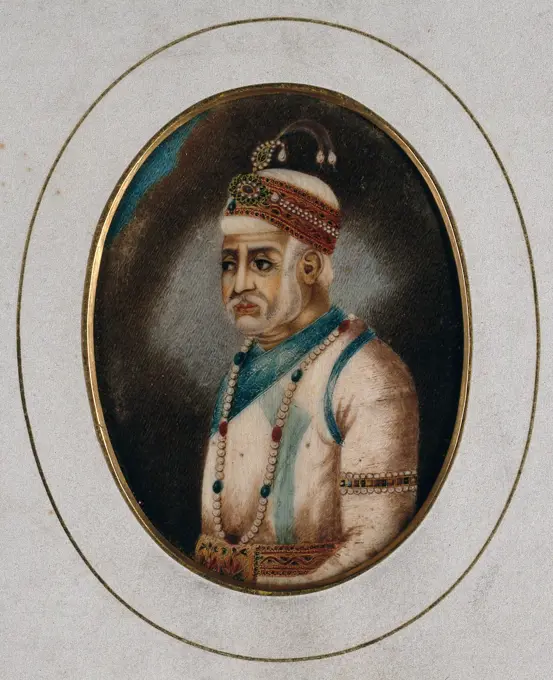
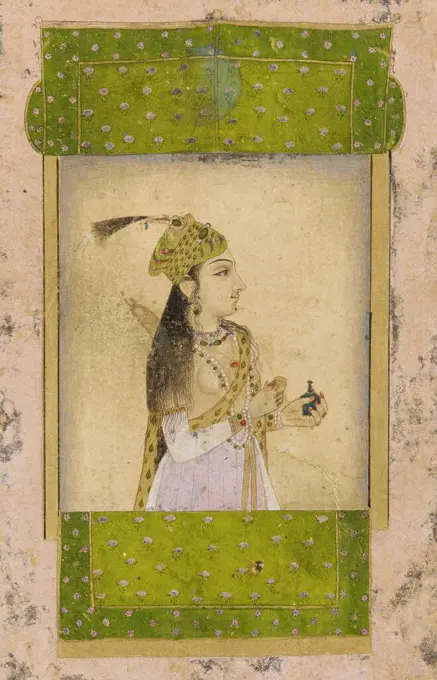
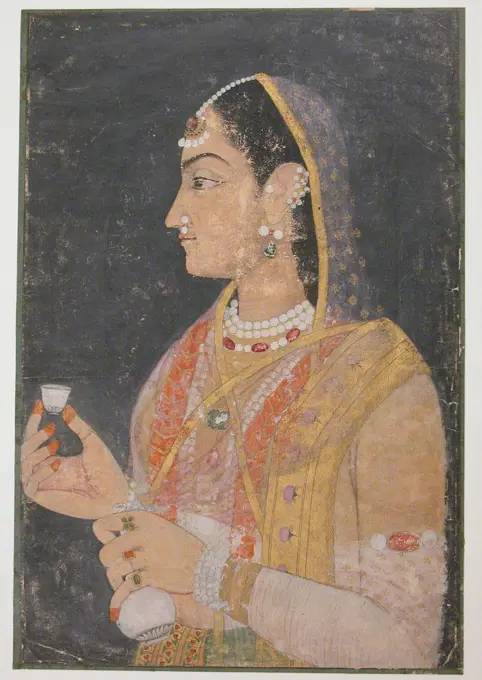
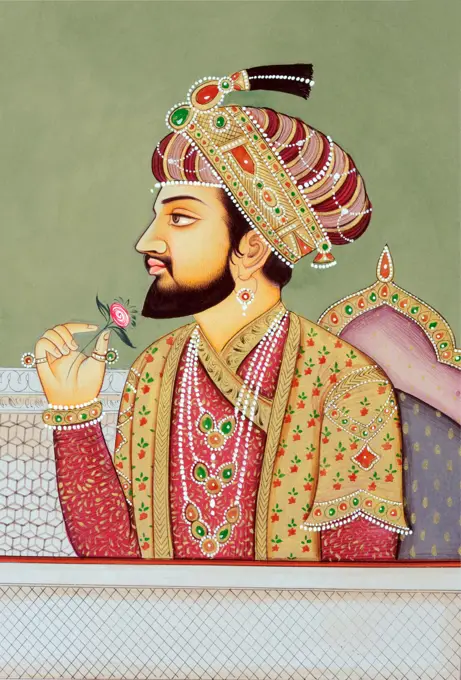
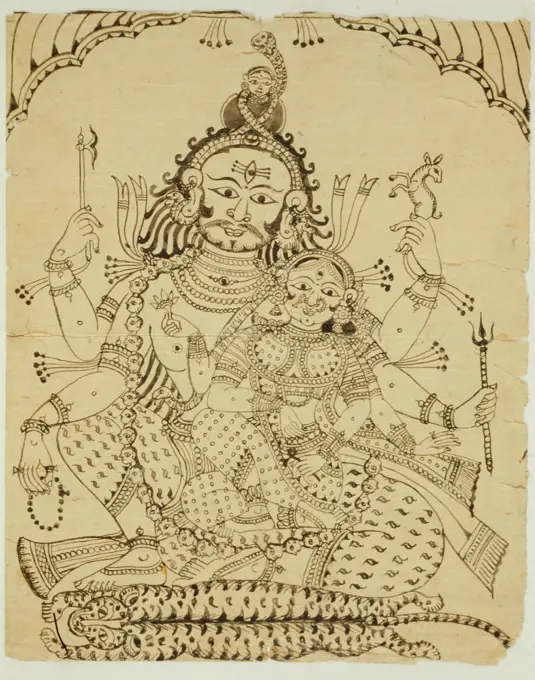
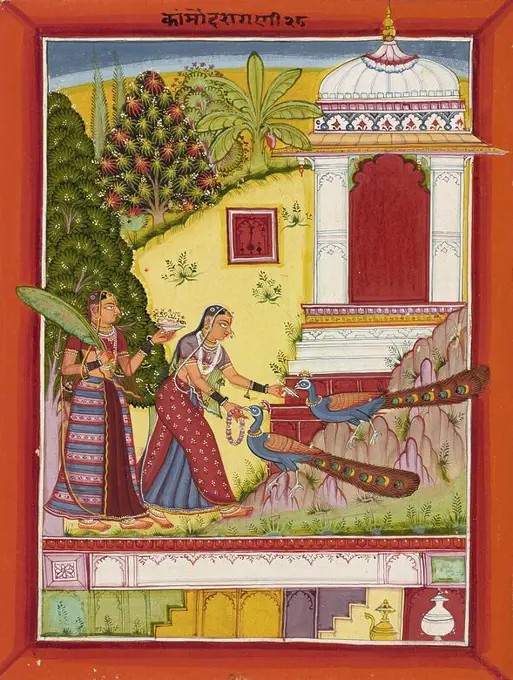
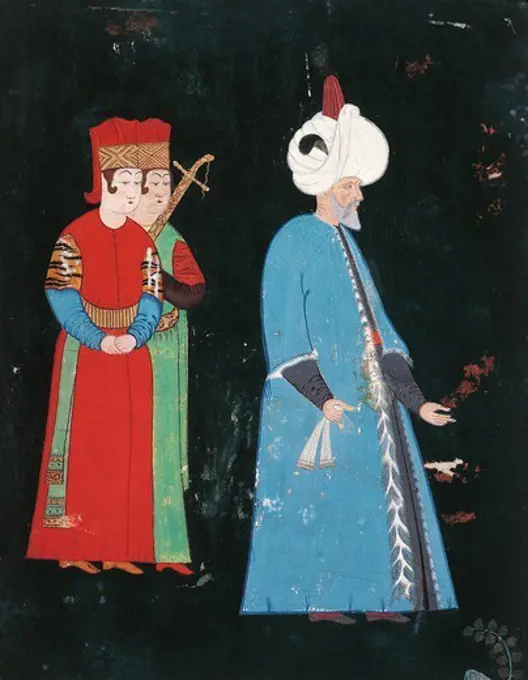
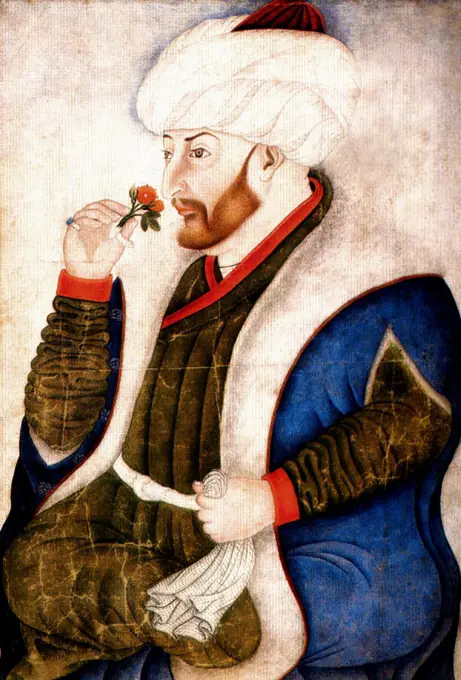
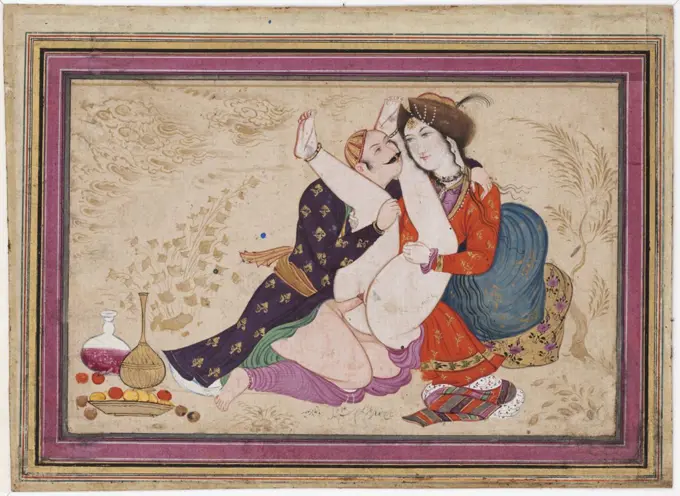
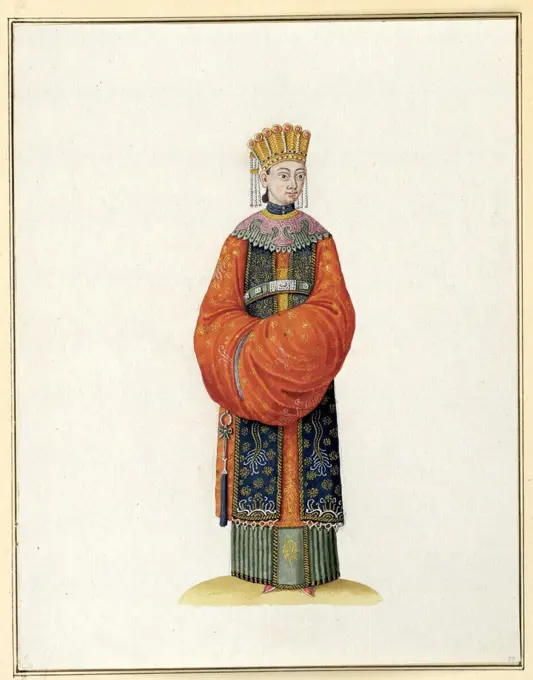
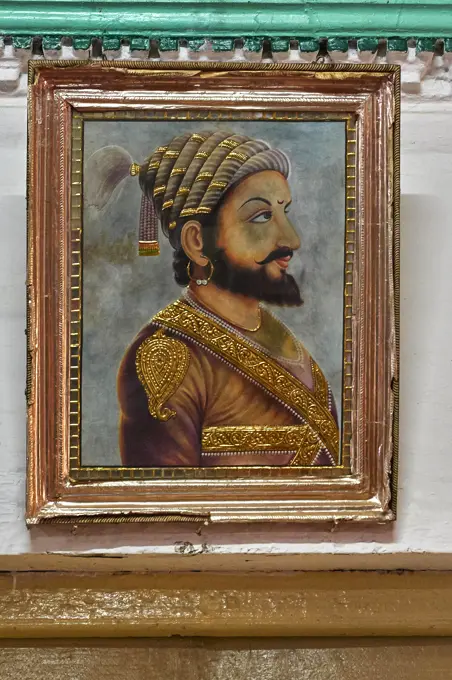
Elegant depictions of nobility from Mughal India, illustrating rich attire and opulent settings in vibrant colors and intricate designs.

Portrait of Kapur Singh. The picture is framed by a narrow dark blue ornamental border with a motif of floral and foliage scrolls in gold and white, around it three red lines are drawn and the rest of the leaf is painted pink., Portrait of Kapur Singh, draughtsman: anonymous, Pahari, 1850, paper, brush, brush, h 144 mm × w 200 mm
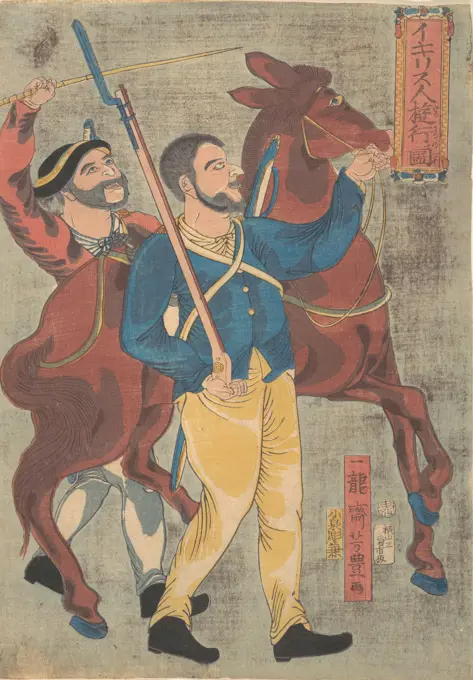
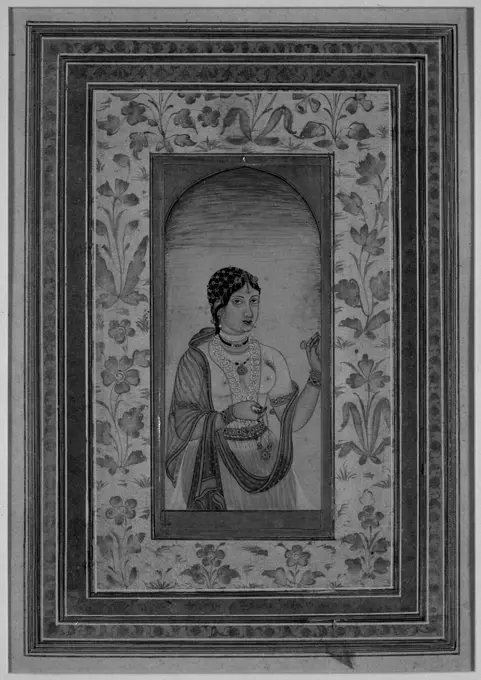
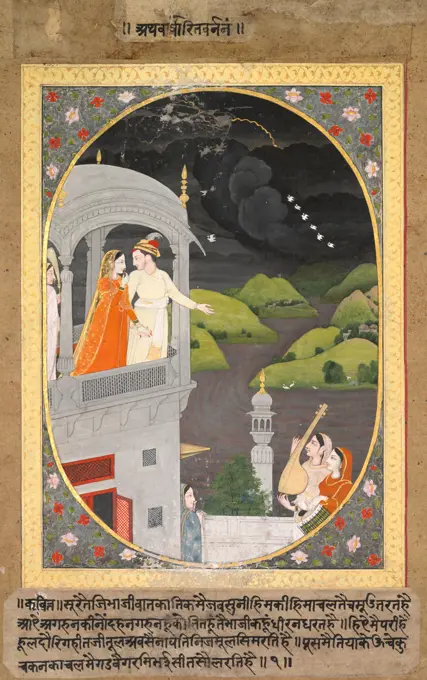
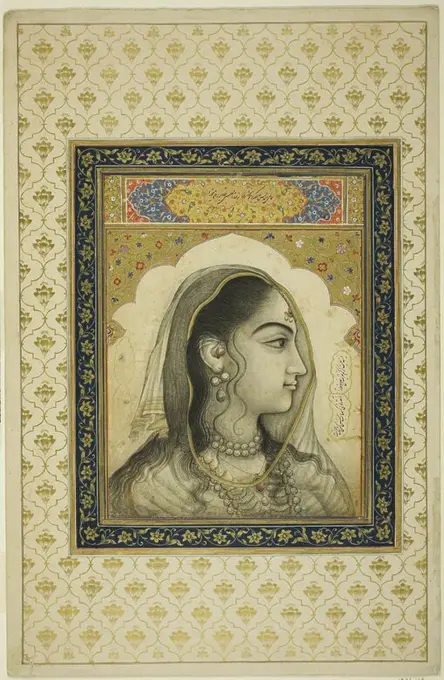
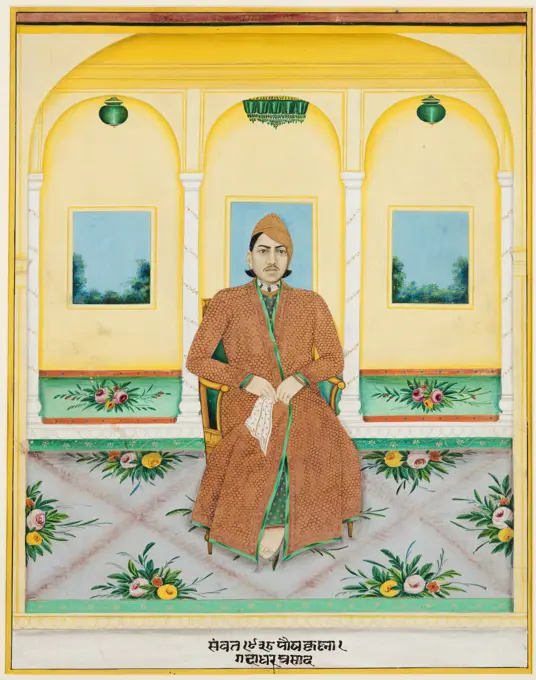
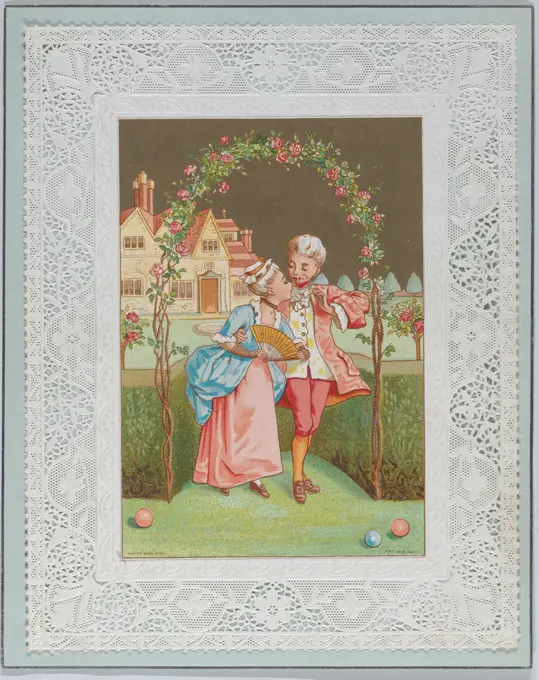
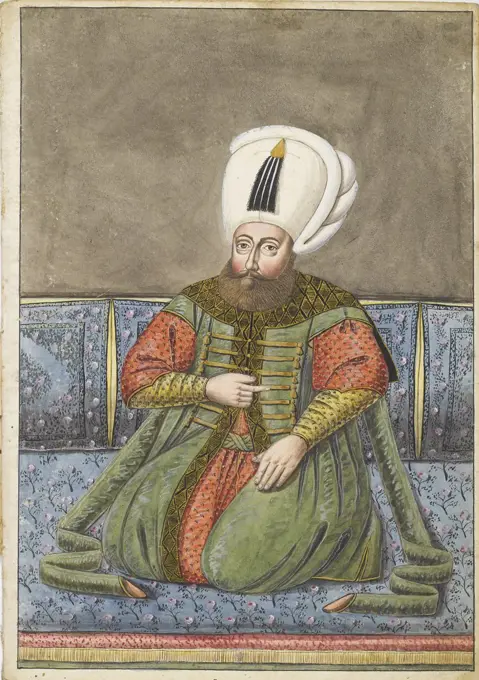
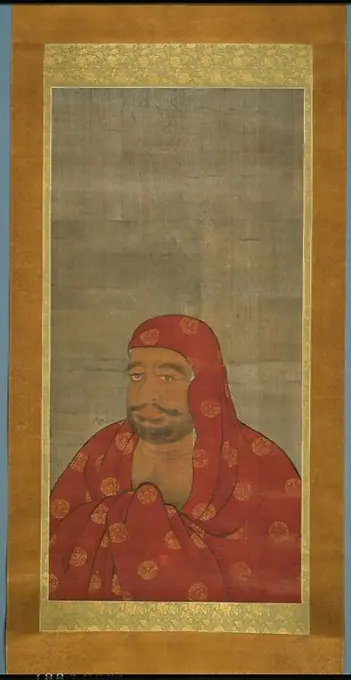
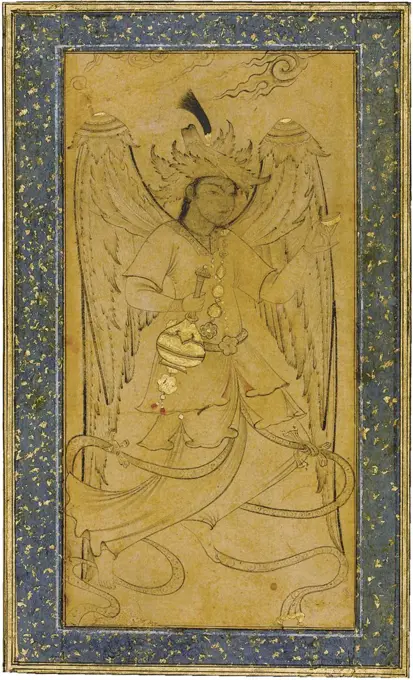
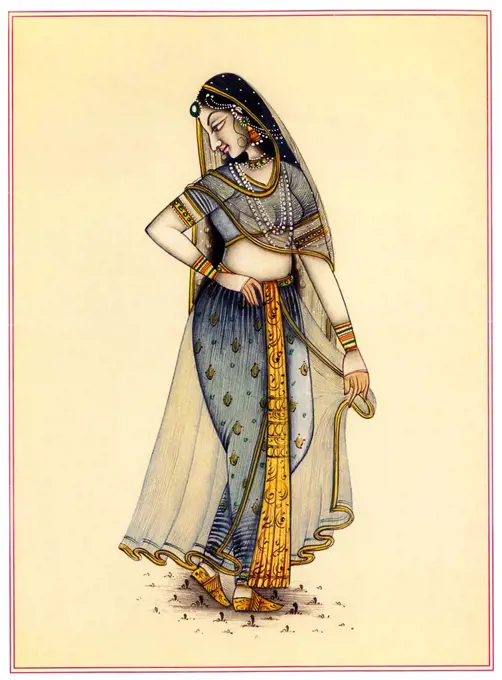
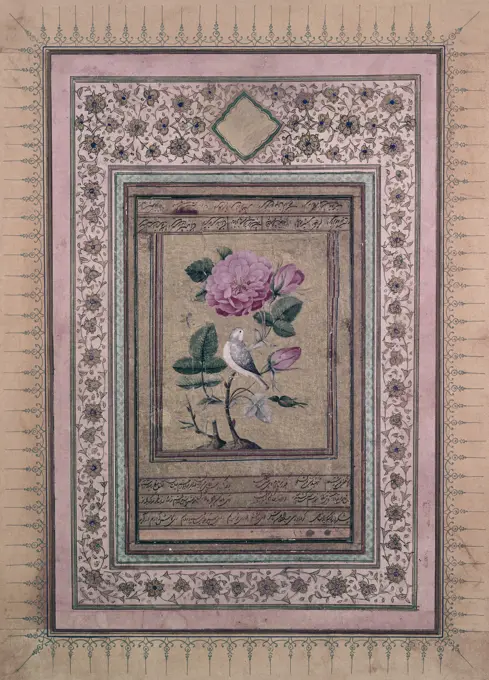
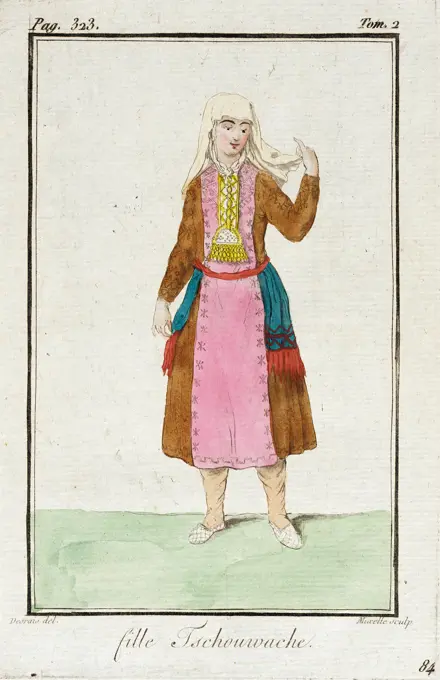
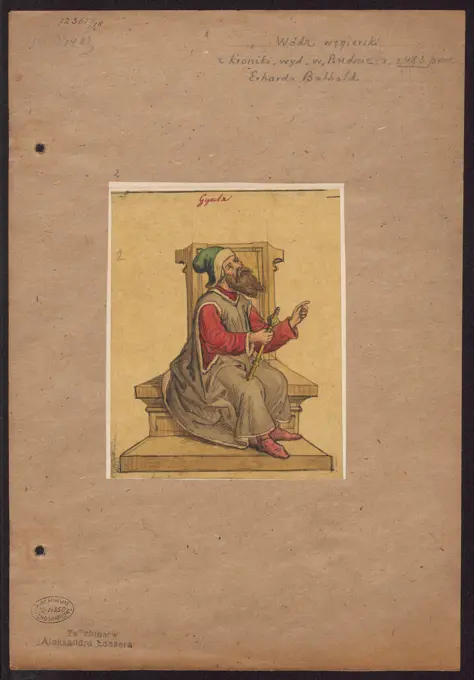
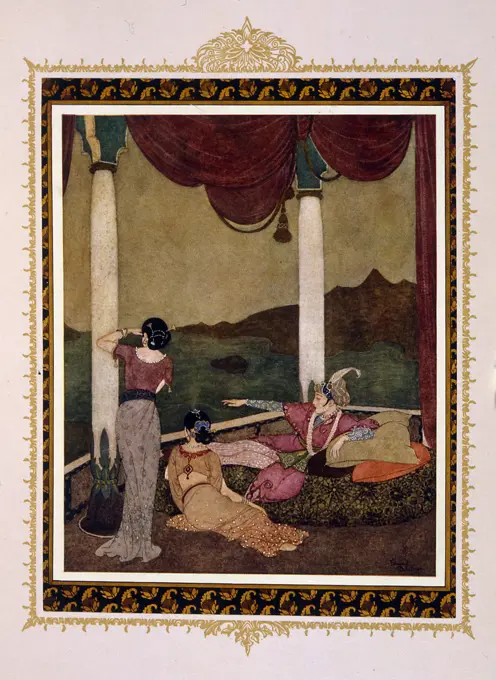
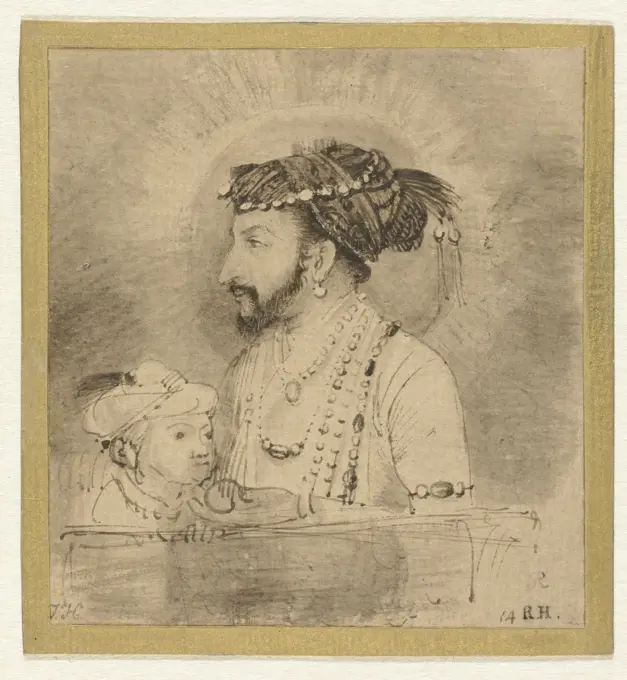
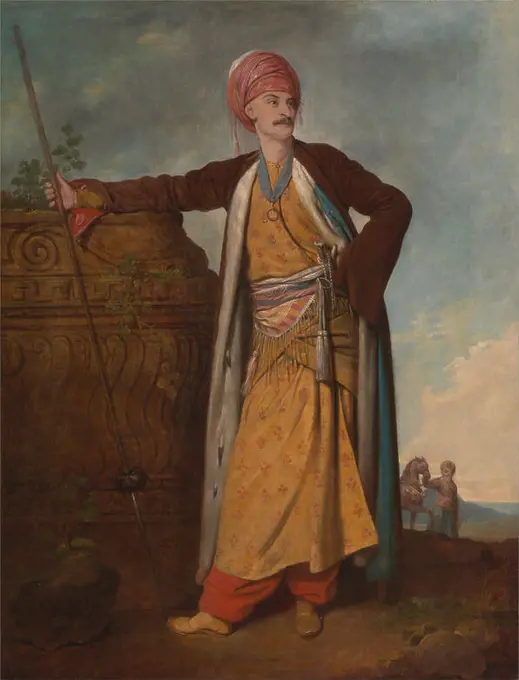
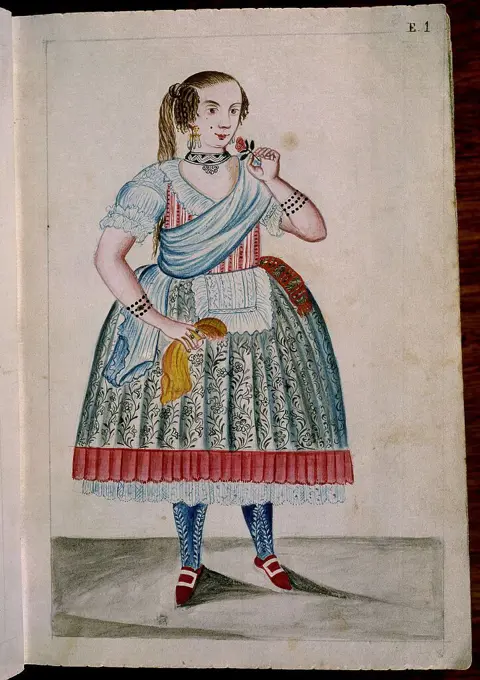
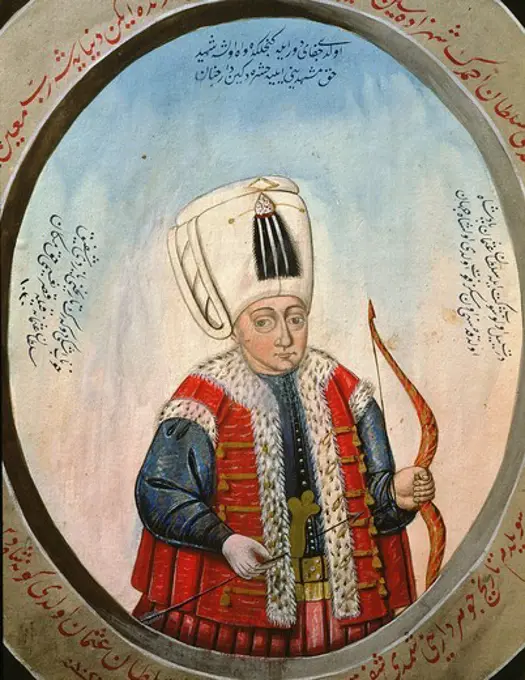
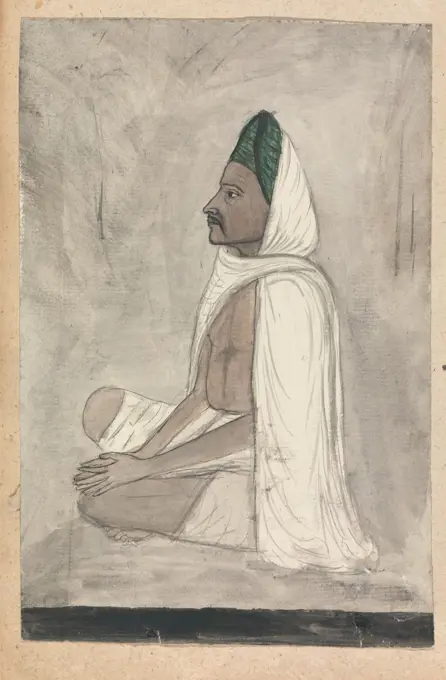
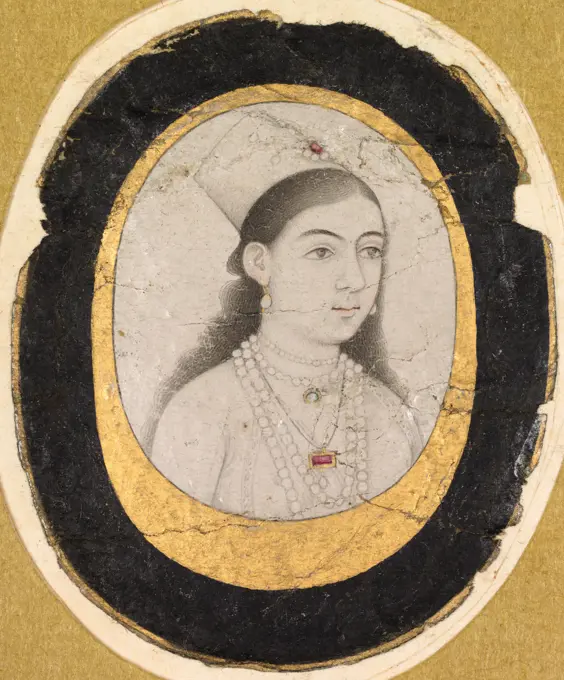
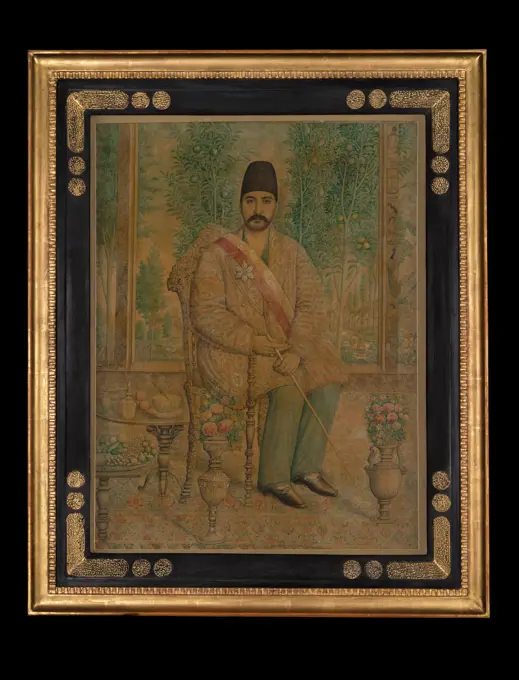
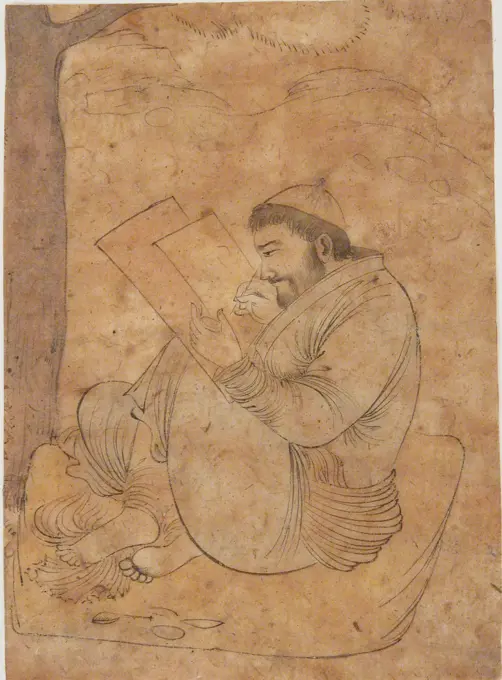
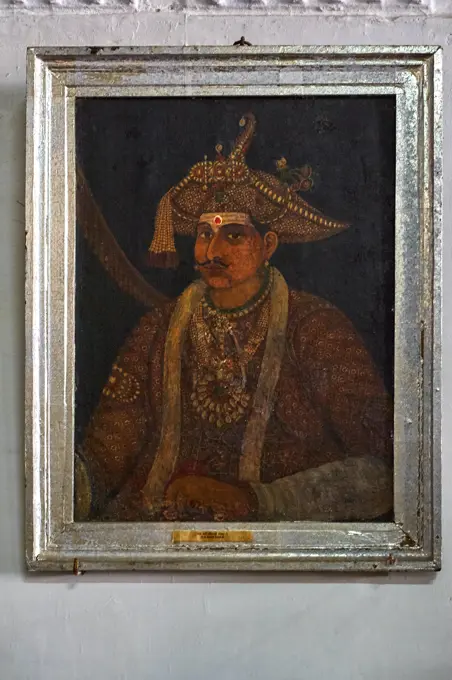
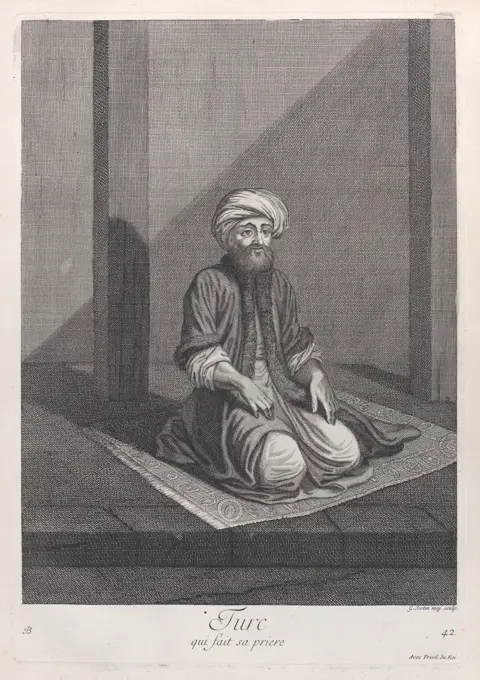
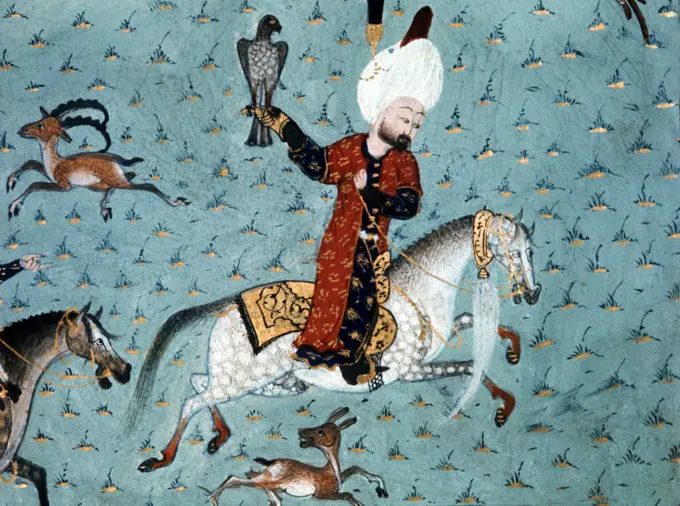
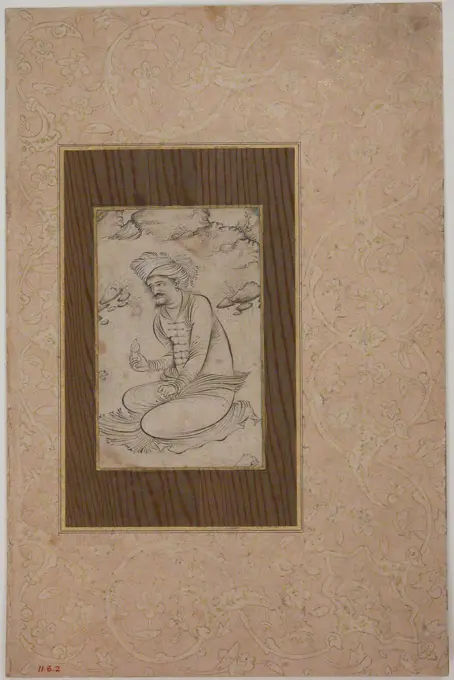
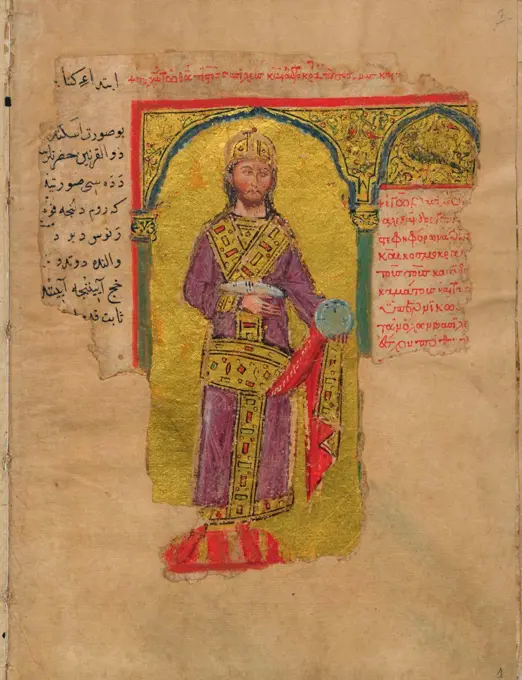
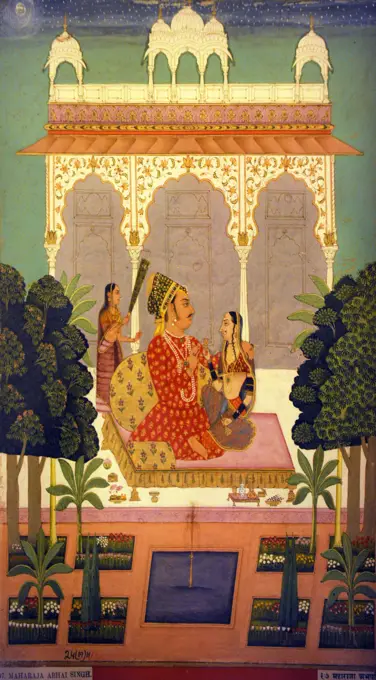
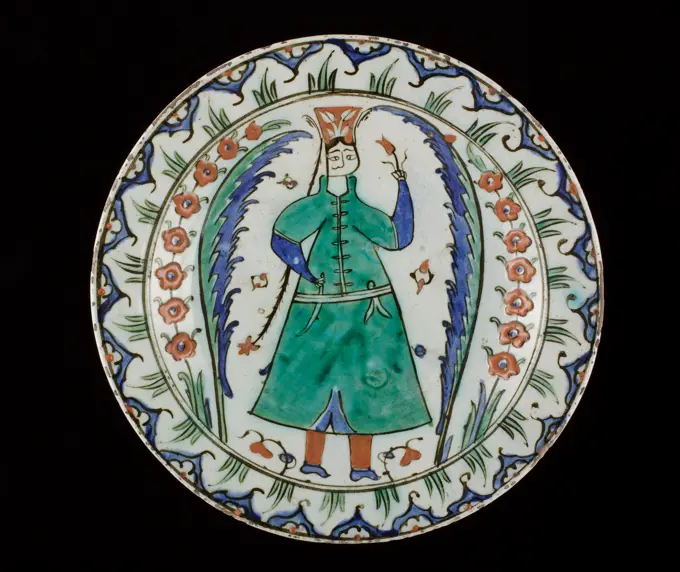
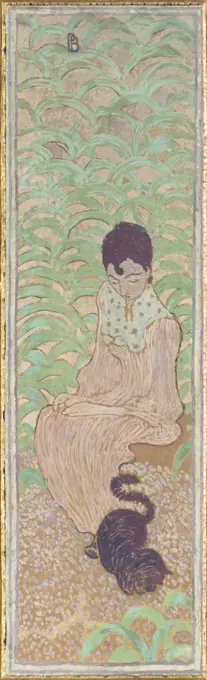
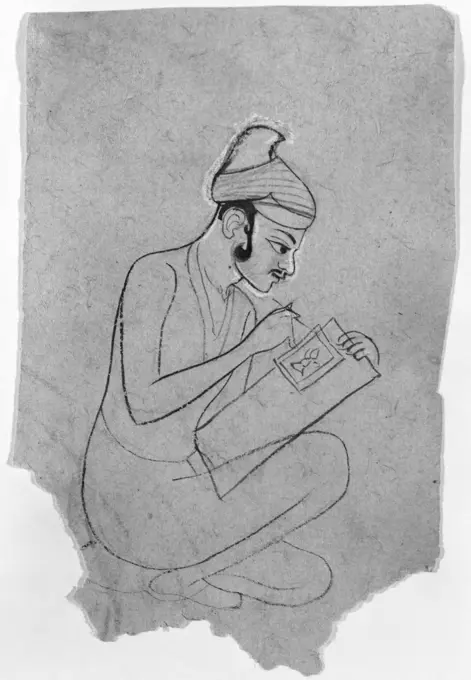
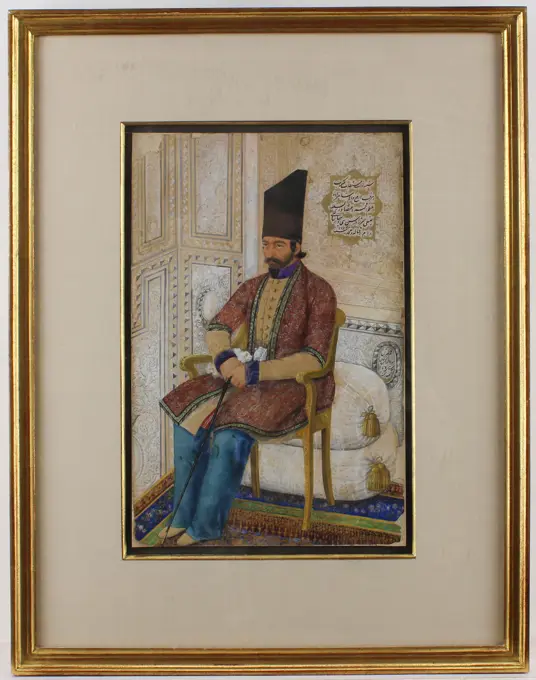
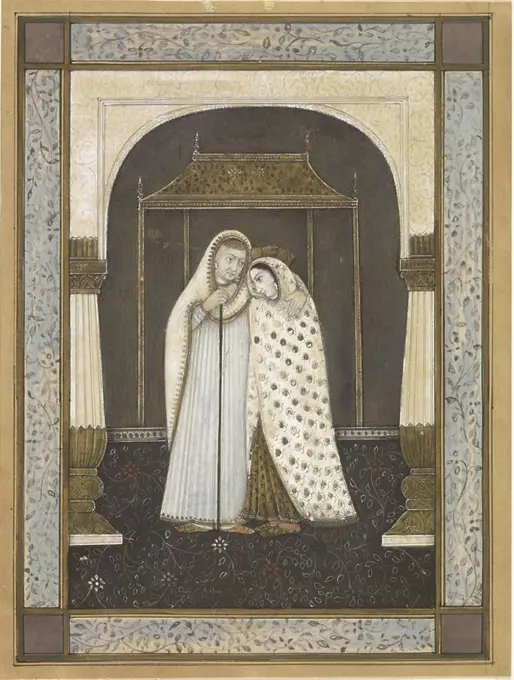
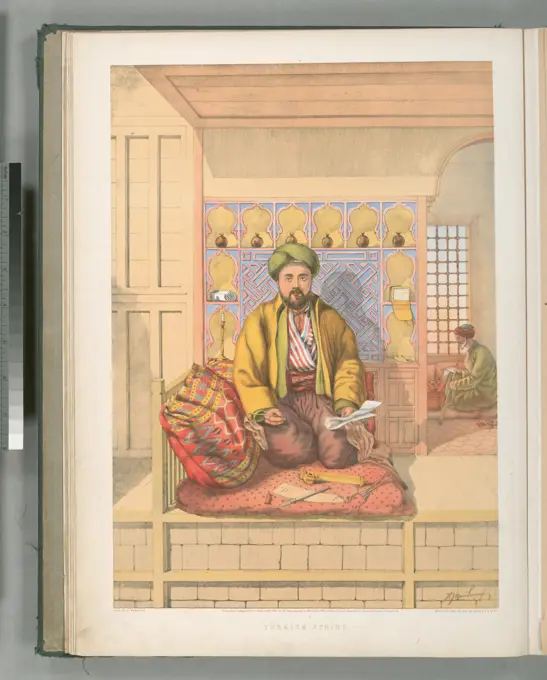
Turkish Scribe. Van-Lennep, Henry J. (Henry John), 1815-1889. W. Endicott & Co.. Prints, Portraits. 1862. The Miriam and Ira D. Wallach Division of Art, Prints and Photographs: Art & Architecture Collection. Turkey , Social life and customs, Koran and philosophy, Turbans , Turkey, Turks , Clothing and dress, ScribesDrawing of a Man with a Sword , early 17th century. Ink and watercolor on paper   Arts of the Islamic World early 17th centuryWomen in a garden for a palace. .Englishman Walking for Pleasure 12th month, 1860 Ichirysai Yoshitoyo Japanese. Englishman Walking for Pleasure. Ichirysai Yoshitoyo (Japanese, 1830-1866). Japan. 12th month, 1860. Woodblock print; ink and color on paper. Edo period (1615-1868). PrintsSultan MURAD III, 1546-95, from 16th century manuscript Memorie TurchescheBabar(), 1700s. India, Mughal, 18th century. Color on paper; image: 4.5 x 3.4 cm (1 3/4 x 1 5/16 in.).Courtesan in a Window Indian. Courtesan in a Window, 18th century. Washes of watercolor, gold, and ink on paper, sheet: 11 7/8 x 8 3/16 in. (30.2 x 20.8 cm).   Asian Art 18th centuryMiniature painting of Maharaja Pratap Singh Kishanjarh 1788Jahangir. Date: 17th century. Origin: India. Period: Mughal dynasty. Color and gold on paper. Museum: Freer Gallery of Art and Arthur M. Sackler Gallery.Old Persia. Seleucids. Costumes. Hellenistic state. 312 BC-63 BC. Man. Engraving. Color. 19th century.Krishna and Radha Watching Rain Clouds: The Month of Bhadon from Baramasa series, c. 1790. India, Pahari, Kangra school, 18th century. Color on paper; image: 13 x 9 cm (5 1/8 x 3 9/16 in.); overall: 20.7 x 15.2 cm (8 1/8 x 6 in.).Qamar al-Din Khan Indian. Qamar al-Din Khan, 1875-1900. Opaque watercolor and gold on paper, sheet: 19 5/8 x 11 13/16 in. (49.8 x 30.0 cm).   Asian Art 1875-1900Holding a Hookah, 19th century, 17 11/16 x 11 1/8 in. (45 x 28.3 cm), Watercolor on paper, India, 19th century, The babu, or Indian bureaucrat, was a much parodied figure in the arts. His mannerisms and appearance reflected his engagement with the British world of fashion and etiquette as he climbed the social ladder away from the Indian middle class. Here, he is depicted as a dapper dandy smoking a hookah. He is draped in a chic waistcloth, shawl, sports heeled shoes, and a Prince Albert hairstyle.Portrait of Hafiz Abd al-Rahim Khan, c.1815-1820. India, Company School, Delhi, 19th century. Opaque watercolor and gold on paper; sheet: 28.6 x 20.4 cm (11 1/4 x 8 1/16 in.); image: 27 x 19.1 cm (10 5/8 x 7 1/2 in.).A Young Prince on Horseback 1695-1705 India. Opaque watercolor and gold on paper .Portrait of a Beauty. India. Date: 1601-1700. Dimensions: Image: 22.4 x 16.6 cm (8 13/16 x 6 1/2 in.); Outermost Border: 41.8 x 26.7 (16 3/8 x 10 1/2 in.); Paper: 44 x 28.6 cm (17 3/8 x 11 1/4 in.). Opaque watercolor and gold on paper. Origin: India. Museum: The Chicago Art Institute, Chicago, USA. Author: Mughal.Suleiman I was the tenth and longest-reigning Sultan of the Ottoman Empire, from 1520 to his death in 1566. He is known in the West as Suleiman the Magnificent and in the East, as the Lawmaker for his complete reconstruction of the Ottoman legal system. Suleiman became a prominent monarch of 16th century Europe, presiding over the apex of the Ottoman Empire's military, political and economic power.A thin border of beige paper dyed with gold paint has been applied over the image, the whole is pasted on a piece of beige cardboard that is also dyed with gold paint, between the two borders a thin frame line has been applied, Pair on terrace with moonlight., draughtsman: anonymous, Deccan, 1800, paper, brush, h 165 mm × w 110 mmLady enjoying Drink Miniature Painting on Paper Copyright: xBhagwandasxRupani/DinodiaxPhotoxPortrait of Gadadhar Prasad, 1881. Northwestern India, Rajasthan, Rajput Kingdom of Alwar. Gum tempera and gold on cotton cloth; 47.6 x 37.5 cm (18 3/4 x 14 3/4 in.). The portrait is of a man clad in a sumptuous gold and maroon robe sitting on an armchair in a carpeted interior hung with green glass lamps. European influence is also notable in the front-facing depiction of the subject, instead of the profile-facing depiction in traditional Rajasthani portraiture. The person appears to be from a wealthy background as he wears pearl and emerald necklaces and gold bracelets.Valentine ca. 1880 Kate Greenaway. Valentine. Kate Greenaway (British, London 1846-1901 London). ca. 1880. White card stock with gilding; chromolithography, gold lithography, blue paper, blue watercolor, cameo-embossed lace paperShah where .Beary man with a vase in his arms, Anonymous, 1800 - 1949 Persian miniature. drawing A Baden man with a kind of turban holds a vase in his arms; All kinds of Persian texts have been included in the edge of four. The magazine with the show and text beach is glued to gray -blue cardboard on which framework lines are drawn in black and blue (fountain pen) Ink.  paper. ink pen / brushScene costume by Leon Bakst, watercolour on paper, 1911, 1866-1924, Private Collection, 30x20The Sultan Osman I, Anonymous  HISTORIA OTOMANA-SULTAN BAYACETO I(O BAYAZID I/BEYCIT) (1389-1402). Location: NATIONAL LIBRARY. France. BAYACETO I. BEYCIT I. BAYAZID I. BEYACIT I.Daruma. Artist Unknown; Japanese. Date: 1545-1555. Dimensions: 109.2 x 54 cm (43 x 21 1/4 in.). Hanging scroll; ink, colors, and gold on silk. Origin: Japan. Museum: The Chicago Art Institute, Chicago, USA.Peri, Anonymous  India: Mughal Era tawaif or courtesan, possibly a 20th century reproduction of an 18th century painting, Lucknow, anonymousPersian Manuscript 18th Century Islamic ArtA member of a Mughal royal family sitting on a chair, holding a fan and a flower in her hands. Gouache painting by an Indian painter.Costume Plate (Fille Tschouwache). Mixcelle (France, active 18th century)Claude-Louis Desrais (France, Paris, 1746-1816)Jacques Grasset de Saint-Sauveur (France, 1757-1810). France, late 18th to early 19th century. Drawings. Hand-colored engravingAttributed to Gangaram Chintaman Tambat, active 1790s, Anglo-Indian, Man with a Stringed Instrument, undated. Watercolor, gouache, and graphite with pen and black ink on medium, slightly textured, cream laid paper.A three quarter profile of an elderly high ranking man. Gouache painting on mica by an Indian artist.India: Colonel James Skinner (1778-1841), Anglo-Indian officer in India, often known as Sikandar Sahib later in life. The portrait is from Skinner's own Tazkirat al-Umara (An account of the Nobles), Delhi, 1830Costumes de Différents Pays, 'Femme Tatar Kastchintz'. L. F. Labrousse (France, Bordeaux, active late 18th century)Jacques Grasset de Saint-Sauveur (France, 1757-1810). France, circa 1797. Prints; engravings. Hand-tinted engraving on paperA Lady Archer Indian. A Lady Archer, 1875-1900. Opaque watercolor and gold on paper, sheet: 19 3/4 x 11 3/4 in. (50.2 x 29.8 cm).   Asian Art 1875-1900The leader of Giera Gyula sitting on the throne, according to the illustration with: "Chronica Hungarorum" by Johannes Thurocz (János Thur \ 'Odzi) published in Augsburg 1488; Lesser, Aleksander (1814-1884), Thurocz, Johannes de (Ca 1435-INTER 1488 ET 1489), Ratdolt, Erhard (1447-1527); 1830-1884 (1830-00-00-1884-00-00);Gyula (Hungarian leader - X/XI century), Gyula (Hungarian chief - X/XI century) - iconography, Lesser, Aleksander (1814-1884), Lesser, Aleksander (1814-1884) - collections, Lesser, Wiktor Stanisław Zygmunt (Baron - 1853-1935), Lesser, Wiktor Stanisław Zygmunt (Baron - 1853-1935) - collection, Lesser, Wiktor Stanisław Zygmunt - collections of Aleksander Lesser - Dar, Thurocz, Johannes de (Ca 1435 -INTER 1488 et 1489), Chronika Hungarorum ..., Hungary, gift (provenance), copy, a copy of the engravings, throne, clothing, foreign clothing, rulersPortrait of a Lady. Date: 17th century. Origin: India. Period: Mughal dynasty. Color and gold on paper. Museum: Freer Gallery of Art and Arthur M. Sackler Gallery.Portrait of a Woman 18th century. Portrait of a Woman 447054Coloured illustration of reclining royal persons in royal palace boat looking out over the sea. Illustrated by Edmund Dulac (1882-1953), a French British naturalised magazine and book illustrator.Shah Jahan and his Son, draughtsman: Rembrandt van Rijn, after: anonymous, draughtsman: Amsterdam, after: India, c. 1656 - c. 1658, Portrait of an Armenian. Date/Period: 1771. Painting. Oil on canvas. Height: 914 mm (35.98 in); Width: 711 mm (27.99 in). Author: RICHARD COSWAY.One of Set of Nine Watercolors showing Indians in Different Professions One of Set of Nine Watercolors showing Indians in Different Professions, 19th century. Watercolor on paper, 8 3/8 x 6 5/8 in. (21.3 x 16.8 cm).   Asian Art 19th centuryCODICE TRUJILLO DEL PERU - TOMO II, F 1 - ESPAÑOLA - ACUARELA - SIGLO XVIII. Author: MARTINEZ COMPAÑON BALTASAR. Location: PALACIO REAL-BIBLIOTECA. MADRID. SPAIN.A woman who washes, Adrianus Canter Visscher, c. 1750 - c. 1755 drawing Drawing from the manuscript of the VOC servant Adrianus Canter Visscher with twenty -eight Indian miniatures and two maps of places on the Coromandelkast. The text consists of two parts: a history of the Mogolrijk and the VOC locations on the Coromandelkast; This is followed by an advice to the lords XVII on the economic situation of the VOC in the Coromandel. Deccan paper writing (processes) / drawing royal household; courtiers, retinue, train. washing and bathing CoromandelkustOttoman Sultan OSMAN II (1604-22), watercolour, 19th centuryGangaram Chintaman Tambat, active 1790s, Anglo-Indian, Man in a Green Turban Sitting Crosslegged, undated. Watercolor and graphite with pen and black ink on medium, slightly textured, cream laid paper.Jewel Portrait of a Young Girl, c. 1660. India, Mughal, 17th century. Ink drawing with slight accents of color; image: 3.3 x 2.4 cm (1 5/16 x 15/16 in.); overall: 4.6 x 3.8 cm (1 13/16 x 1 1/2 in.). This small drawing of a young girl wearing a chaghtai cap may be a likeness of a member of a royal or courtly Mughal family. The accuracy of female portraiture is an unresolved issue in Mughal art, as there are many paintings of women that appear to be studies of female beauty rather than visual records of real people. However, because the girl in this painting is not an idealized type, it is more likely that this is a true portrait. Unlike jewel portraits of emperors that were intended to be worn in public as status symbols, this was more likely a private gift of sentimental value.Portrait of Mirza 'Ali Asghar Khan (Amin al-Mulk, Amin al-Sultan, Atabeg-i Azam) ca. 1880 Isma'il Jalayir This fine portrait, signed by the distinctive artist Ismail Jalayir, depicts Mirza Ali Asghar Khan, the most powerful minister in the government of Nasir al-Din Shah of Iran (r. 1848-1896). One of the most intriguing artists of the nineteenth century, Jalayir was trained and taught at the Dar al-Funun, Iran’s first modern institution of higher learning. Although Jalayir rarely dated his paintings, this work contains a partially legible date that suggests it was painted in 1299 A.H./1880 A.D. The artist’s work is characterized by the inclusion of myriad details that accentuate the grandeur, glory, and opulence of the court and its dialogue with European conventions of painting.. Portrait of Mirza 'Ali Asghar Khan (Amin al-Mulk, Amin al-Sultan, Atabeg-i Azam). Isma'il Jalayir (Iranian, active ca. 1858-81). ca. 1880. Opaque watercolor on paper. Made in Iran. CodicesPainting of Mughal Emperor Akbar 1956 Copyright: xBhagwandasxRupani/DinodiaxPhotoxSeated Man Painting or Writing first half 17th century. Seated Man Painting or Writing 452816Nautch-Dance, from National Dances (N225, Type 1) issued by Kinney Bros. 1889 Issued by Kinney Brothers Tobacco Company Trade cards from the series "National Dances" (N225), issued in 1889 to promote Kinney Brothers Cigarettes for Kinney Tobacco Company. There were two card variations issued within the series. Type 1 cards display a white border around the edges whereas Type 2 have no border.. Nautch-Dance, from National Dances (N225, Type 1) issued by Kinney Bros.. 1889. Commercial color lithograph. Issued by Kinney Brothers Tobacco CompanyRaja sarabhoji ii painting, tamil nadu, india, asia Copyright: xAnilxDave/DinodiaxPhotoxPortrait of Maharaja Rai Singh of Bikaner (reigned 1574-1612), c. 1610. Northwestern India, Rajasthan, Rajput Kingdom of Bikaner. Gum tempera and gold on paper; 25.4 x 38.1 cm (10 x 15 in.). The portly Rajput king wears a long, belted tunic tied under the left armthe custom of most Hindus. His berry-hued garments stand in pleasing contrast against the teal green background that references the lushness of paradise. Though the artist is unidentified, the naturalistic sensitivity of the portrait and delicacy of the garments imply the work of a master court painter, probably following a model by Nur Muhammad. Rai Singh had an illustrious career serving his overlord the Mughal emperor Akbar (reigned 1556-1605), and his daughter was married to Akbar’s son, Jahangir (reigned 1605-27).Turc, qui fait sa priere 1714-15 After Jean Baptiste Vanmour. Turc, qui fait sa priere. Plate 42; from "Recueil de cent estampes représentent differentes nations du Levant". After Jean Baptiste Vanmour (French, Valenciennes 1671-1737 Istanbul (Constantinople)). 1714-15. Etching and engraving. Jacques le Hay. PrintsSuleyman hawking, detail from a 16th century Turkish Miniature H15617 p 132A now in Topkapi Palace Museum, Istanbul, TurkeyMiniature painting of Mughal Emperor Shah Jahan Copyright: xBhagwandasxRupani/DinodiaxPhotoxminiature painting of young woman Copyright: xBhagwandasxRupani/DinodiaxPhotoxUma Maheshvara (Shiva and Parvati), late 19th century, 10 1/16 x 7 15/16 in. (25.6 x 20.2 cm)8 1/16 x 6 7/16 in. (20.5 x 16.4 cm) (image), Ink on paper, India, 19th century, These four sketches exemplify the liveliness and effectiveness of Rajput drawing. Numerous drawings such as the court ladies and poppy blossom shown here were done as conceptual studies for finished paintings. Others, like the Ramayana scene, may have been compositional underdrawings for unfinished paintings. The Orissan drawing of Shiva and Parvati was probably considered complete as is.The Witsen Album with 49 miniatures of rulers, anonymous, 1686 drawing. Indian miniature The `Witsen album ', with 49 Indian miniatures of Indian princes. Loose -leaf in a cover of red leather with gold print. On the back the title "Images after the life of Chinese and tartary Keizers ...". Hereby a folder with notes, name list, written title page by J. van Buren (1805) and folder with reproductions. On the title page an old inventory number `B. inv. 71 'of the K.B. on all magazines Lugt 240. Completely in a modern box with red linen with label.  paper. deck paint. gouache (paint) brush ruler, sovereign. historical person (...) - historical person (...) portrayed aloneFresco of King and Queen, Jhunjhunu, Shekhavati, Rajasthan, India Copyright: xAnilxDave/DinodiaxPhotoxKamod Ragini. Opaque watercolor on paper. Origin: Sirohi, Rajasthan state, India. Date: ca. 1670-1690. Museum: Freer Gallery of Art and Arthur M. Sackler Gallery.Sir David Wilkie, 1785-1841, British, Captain Leigh and His Dragoman, 1840 or 1841. Watercolor with brown ink, gouache, black crayon, and gum arabic over graphite on moderately thick, slightly textured, beige wove paper.Sultan Suleiman the Magnificent, miniature, 16th Century.Tipu Sultan, Srirangapatnam, Karnataka, India copyright: xtxsatyan/dinodiaxphotoxOljei Temur Khagan Bunyashiri (1408-1411) was the Mongol Emperor of Borjigin Mongolia. He was a son of Elbeg Nigulesugchi Khan and younger brother of Gun Temur Khan. He was one of the Borjigin princes, such as Tokhtamysh and Temur Qutlugh, backed by Tamerlane to seize the throne. Also known as Ulzitumur Khan, the younger brother of Guntumur was born in 1378, the yellow horse year. In 1408, the yellow rat year he assumed the throne and dedicated his entire life to the struggle against the Ming dynasty. Ulzitumur was killed in 1411.Suleiman I, (1494  1566) longest-reigning Sultan of the Ottoman Empire, from 1520 to his death in 1566.Suleiman the magnificent marching with army in Nakhichevan, summer 1554. Date 1561(1561) painted in 1480 painting by the Ottoman miniaturist Sinan Beyportrait of babar, painting Copyright: xBhagwandasxRupani/DinodiaxPhotoxPortrait of Mumtaz Mahal on paper painting Copyright: xBhagwandasxRupani/DinodiaxPhotoxMiniatura: Dos mujeres en una terraza. Museum: FREE LIBRARY PHILADELPH EEUU.Nasir Al-Din Shah Qajar (R. 1848-96) with a Cannon ca. 1850 This portrait depicts the Qajar ruler Nasir al-Din Shah Qajar (r. 1848-1896) as a youth standing next to a cannon, touching it with his bare hand. It highlights his aspirations and role as a military modernizer and reformer. He is dressed in a bright red European-style frockcoat with gold braided epaulettes but also dons traditional jewels such as an emerald and pearl aigrette, triple bejeweled armbands, and a sabre. Painted shortly after he ascended to the throne, it is one of a handful of paintings showing the young shah with a cannon, regarded as a quintessential emblem of modern military might. View more. Nasir Al-Din Shah Qajar (R. 1848-96) with a Cannon. ca. 1850. Opaque watercolor, ink, and gold on paper. Made in Iran. CodicesLove scene, Anonymous  A watercolor painting by an anonymous artist depicting the wife of a mandarin in a prominent position.Painting on the glass  a woman with a tray and a sitting dignitary unknownShivaji maharaj painting, museum and saraswati mahal library, tamil nadu, india, asia Copyright: xAnilxDave/DinodiaxPhotoxKhodasevich, Valentina Mikhailovna (1894-1970) A. Pushkin Memorial Museum, St. Petersburg 1940 31x23,3 Gouache, gold and silver on cardboard Attributed to Gangaram Chintaman Tambat, active 1790s, Anglo-Indian, Man with a Red Turban sitting Crosslegged, undated. Watercolor and graphite with pen and black on medium, slightly textured, cream laid paper.Jaipur is the capital and largest city of the Indian state of Rajasthan. It was founded on 18 November 1727 by Maharaja Sawai Jai Singh II, the ruler of Amber, after whom the city was named. The city today has a population of 3.1 million. Jaipur is known as the Pink City of India. The city is remarkable among pre-modern Indian cities for the width and regularity of its streets which are laid out into six sectors separated by broad streets 34 m (111 ft) wide. The urban quarters are further divided by networks of gridded streets. Five quarters wrap around the east, south, and west sides of a central palace quarter, with a sixth quarter immediately to the east. The Palace quarter encloses the sprawling Hawa Mahal palace complex, formal gardens, and a small lake. Nahargarh Fort, which was the residence of the King Sawai Jai Singh II, crowns the hill in the northwest corner of the old city. The observatory, Jantar Mantar, is a World Heritage Site.Seated Man in the Wilderness first half 17th century Drawings of kneeling figures in landscape proliferated in the first quarter of the seventeenth century in Iran. Often, but not exclusively, the figures are men drinking, reading poetry or holding a flower or fruit, as in this work. Intended for inclusion in an album, the drawing may have faced another work of a related subject, perhaps a person receiving the fruit proffered by the kneeling man. The figure's pear-shaped thighs and the line of variable thickness recall works by Riza-yi 'Abbasi (fl. 1589-1635).. Seated Man in the Wilderness 446153Alexander the Great in the Byzantine Emperor Dress (Miniature from the Alexander romance) by Byzantine Master   / Hellenic Institute of Byzantine and Post-Byzantine Studies, Venice / 14th century / Byzantium / Watercolour on parchment / Portrait,MythologMaster VCD, French (19th century), Oriental Woman with a Waterpipe, probably 1845, watercolor and gouache over graphite on wove paperPortraits of historical Indian people on wall of Park Regis Hotel in Jaipur, Rajasthan, IndiaIndia, Rajasthan, Jodhpur, Miniature painting in the Meherengarh Fort Palace MuseumDish. Turkey, Iznik, Ottoman Period, first half of 17th century. Ceramics. Fritware, underglaze paintedHamid Khan II  1840 - 1851  Junagadh  Gujarat  India Copyright: xDilipxRajgor/DinodiaxPhotoxAbdul Hamid Khan, from Portraits of the Emperors of Turkey 1815 England. The twenty-fifth Ottoman sultan, Othman III (Osman) ruled from 1754 to 1757 without much incident. His distinctive style of jewel-embroidered robe appears to have been adopted from his predecessor, Mahmud I, and reappears in John Youngís treatments of the remaining sultans.. Mezzotint, hand-colored with brush and watercolor, on ivory wove paper . John YoungForeign Words (Ikoku kotoba). Ochiai Yoshiiku; Japanese, 1833-1904. Date: 1860. Dimensions: 36.5 x 24.0 cm. Color woodblock print; oban. Origin: Japan. Museum: The Chicago Art Institute, Chicago, USA. Author: Utagawa Yoshiiku.Women in the Garden: Seated Woman with a Cat, Bonnard, Pierre (1867-1947)Man in white ironing at table. 1780 - 1858. Drawings. The Miriam and Ira D. Wallach Division of Art, Prints and Photographs: Art & Architecture Collection. Occupations , IndiaAn Evening's Music Indian. An Evening's Music, late 18th century. Opaque watercolor and gold on paper, sheet: 12 3/8 x 8 7/8 in. (31.4 x 22.5 cm).   Asian Art late 18th centuryArtist Sketching Indian. Artist Sketching, ca. 1800. Ink with white outline on paper, sheet: 5 3/8 x 3 1/2 in. (13.7 x 8.9 cm).   Asian Art ca. 1800Portrait of `Ali Quli Mirza, I`tizad al-Saltana dated A.H. 1273/A.D. 1856-7 Abu`l Hasan Ghaffari, known as Sani' al-Mulk This fine portrait of prince 'Ali Quli Mirza I'tizad al-Saltana 54th son of the ruler Fath 'Ali Shah Qajar, Minister of Higher Education, and Director of the Dar al-Funun academy (Iran's first modern insitution of higher learning). It demonstrates the court artist Abu'l Hasan Ghaffari's extraordinary skills in rendering naturalistic portraits that capture the sitter's psychological state. Here, the artist has devoted attention to a lavishly decorated interior of carved plaster walls with touches of cut mirrorwork and the prince's brocade cloak. By the 1850's photography was widely practiced at court which had a decisive impact on painting. The dialogue between painting and photography is evident in this portrait.. Portrait of `Ali Quli Mirza, I`tizad al-Saltana. Abu`l Hasan Ghaffari, known as Sani' al-Mulk (Iranian, 1814-66). dated A.H. 1273/A.D. 1856-7. Opaque waterArquero Mongolo a caballo (1368-1644). Museum: VICTORIA AND ALBERT MUSEUM LONDRES G. BRETAÑA.Miniature Painting of Mughal Emperor Shah jahan and Taj Mahal in background Copyright: xBhagwandasxRupani/DinodiaxPhotoxMan of Sorrows 1460-1475 Germany. Images such as the Man of Sorrows were intended to shock the beholder into repentance. The pristine condition, and even survival, of this hand-colored woodcut is primarily due to its having been pasted-like many early devotional woodcuts-within a protective book cover. This unique impression was discovered amidst the rubble during the bombardment of London in 1945.. Woodcut hand-colored with brush and watercolor on cream laid paper, edge-mounted to vellum, laid down on wooden book cover covered in hand-tooled leather with tooled metal hinges . Unknown artistTwenty-five Bust Portraits of Scholars. Artist: Unidentified Artist. Culture: China. Dimensions: 11 1/4 x 123 3/4 in. (28.6 x 314.3 cm). Museum: Metropolitan Museum of Art, New York, USA.Standing old and young woman. Draughtsman: anonymous. Dating: 1870 - 1890. Place: Lucknow. Measurements: h 154 mm × w 106 mm; h 194 mm × w 147 mm. Museum: Rijksmuseum, Amsterdam.Cusi Chimpo. UnknownThe Song Dynasty (960-1279) was an imperial dynasty of China that succeeded the Five Dynasties and Ten Kingdoms Period (907-960) and preceded the Yuan Dynasty (1271-1368), which conquered the Song in 1279. Its conventional division into the Northern Song (960-1127) and Southern Song (1127-1279) periods marks the conquest of northern China by the Jin Dynasty (1115-1234) in 1127. It also distinguishes the subsequent shift of the Song's capital city from Bianjing (modern Kaifeng) in the north to Lin'an (modern Hangzhou) in the south.