Inmate Photographs from Bureau of Prisons

Historic mugshots of inmates in dated prison uniforms with identification numbers, showcasing early 20th-century photography style and lighting.

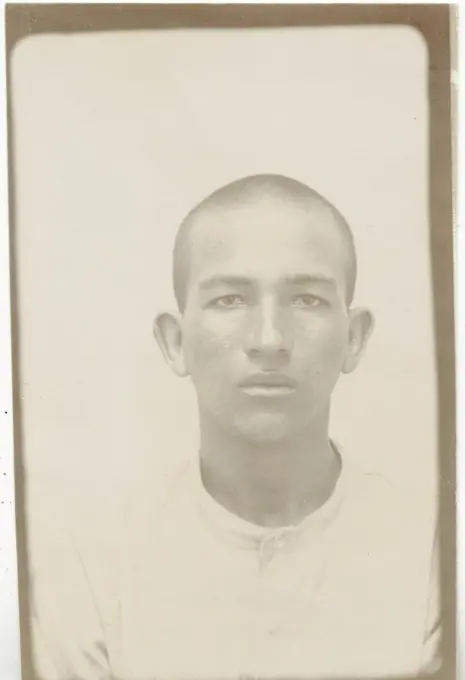
Photograph of Fred A. Lojowski.  Bureau of Prisons, Inmate case files.
Photograph of Fred A. Lojowski. Bureau of Prisons, Inmate case files.
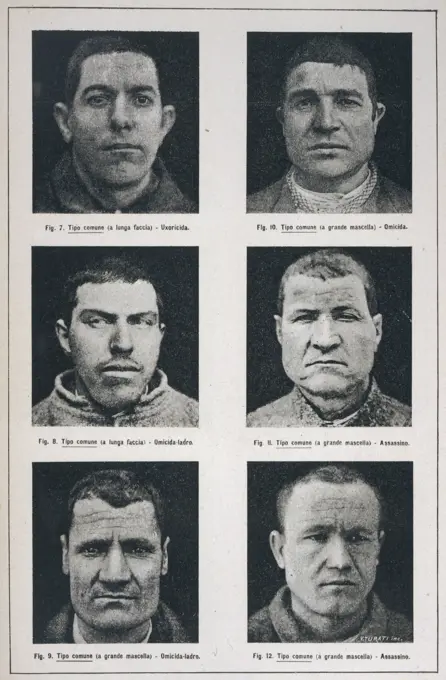
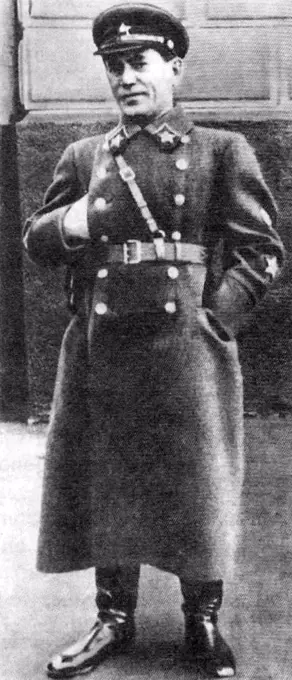
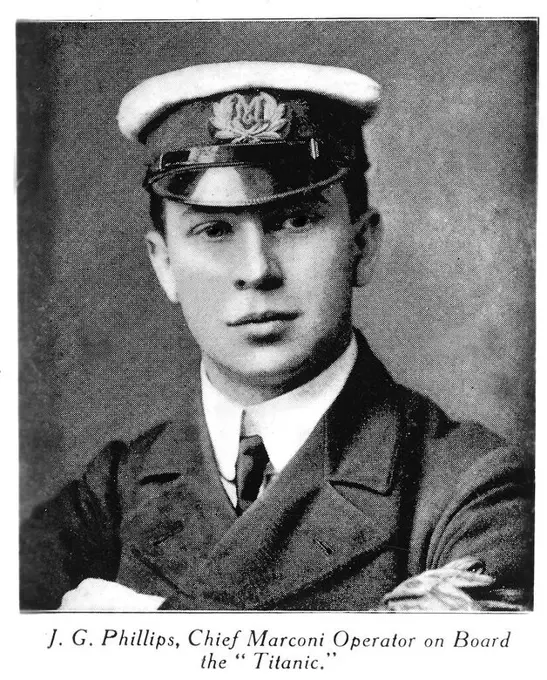
Man, visit format, Carte de Visite, photograph fixed on cardboard in the format from approx. 6 x 9 cm, from approx. 1860 the Carte de Visite became very popular and contributed significantly to the spread of photography, Historic, digitally restored reproduction of an original from the 18th centuryEva Braun's Photo Albums, ca. 1913 - ca. 1944. These albums are attributed to Eva Braun (four are claimed by her friend Herta Schneider, nee Ostermeyer) and document her life from ca. 1913 to 1944. There are many photographs of Eva, her sisters and their children, Herta Schneider and her children, as well as photographs of Eva's vacations, family members and friends. Included also are photographs taken by and of Eva Braun at Hitler's chalet Berghof (or Kehlstein), photographs of Hitler and his entourage, visitors to Berghof and the scenery around Berchtesgaden, and some studio portraits of Eva and members of her family.Photograph of Hiram Payne.  Bureau of Prisons, Inmate case files.Photograph of Robert Scott.  Bureau of Prisons, Inmate case files.An example from Lombroso's  study that claimed to relate  physiognomy to criminal  nature. This plate shows  'typical' murderers & assasins.      Date: 1895H. Robertson. June 1, 1955.Nikolai Yezhov's time in charge is sometimes known as the 'Yezhovshchina' ('the Yezhov era'), a term coined during the de-Stalinization campaign of the 1950s. After presiding over mass arrests and executions during the Great Purge, Yezhov became a victim of it himself. He was arrested, confessed under torture to a range of anti-Soviet activity, and was executed in 1940. By the beginning of World War II, his status within the Soviet Union became that of a political non-person. Among art historians, he has the nickname 'The Vanishing Commissar' because after his execution, his likeness was retouched out of an official press photo; he is among the best known examples of the Soviet press making someone who had fallen out of favor 'disappear'.Oregon Naturalization Petitions: Carl (Heinz Popst, Heinz P. Huebner) Papst , Naturalization Petition, Portland, Oregon, 1934Photograph of Ham Stuart.  Bureau of Prisons, Inmate case files.A questionable stamp showing a portrait of the Polishness;  1914-OK. 1921 (1914-00-00-1921-00-00);Portrait photography of Tore Magni . Portrait photography of Tore Magni, Staff Private Governance for Central Air Aeration Station in Västerås 1931-1932. Signed, framed photo.Anefo photo collection. National Socialist Movement, H.J. Woudenberg, authorized special service. 1940Skiopticon image from the Department of Photography at the Royal Institute of Technology. Use by Professor Helmer Bäckström as lecture material. Bäckström was Sweden's first professor in photography at the Royal Institute of Technology in Stockholm 1948-1958.Delförstorings from the same negative such as SKC7169, performed with magnifier with directed light. For more info see: Bäckström, Helmer. Photographic manual. Other revised edition. Nature and Culture. Stockholm. 1948. p. 645.Phillips, circa 1920, Wellington, by Berry & Co.01/01/1912. Head of the Titanic radiotelegraph service - Approximate date.Red Corridon i.e., Corriden, Detr. 1912