Japanese Calligraphy and Texts

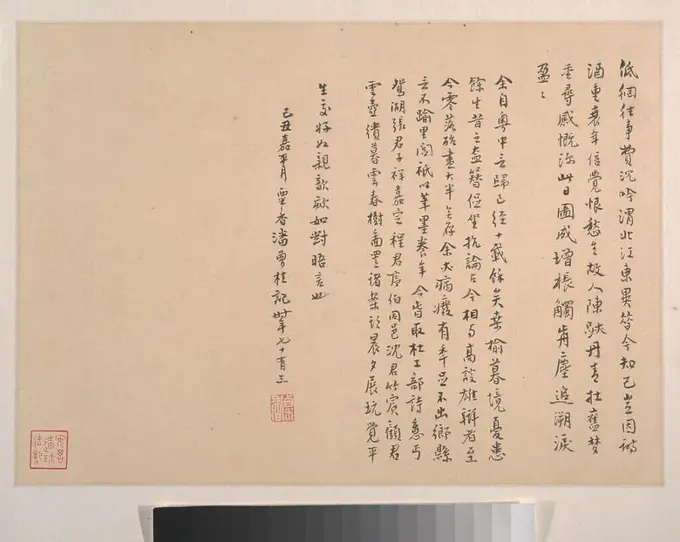
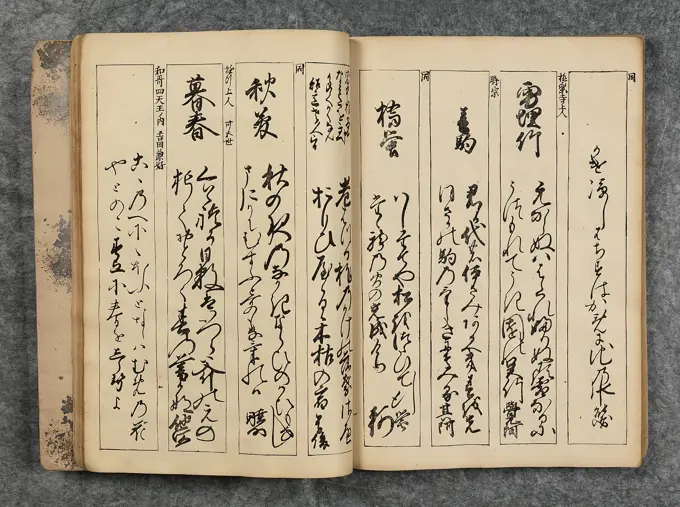
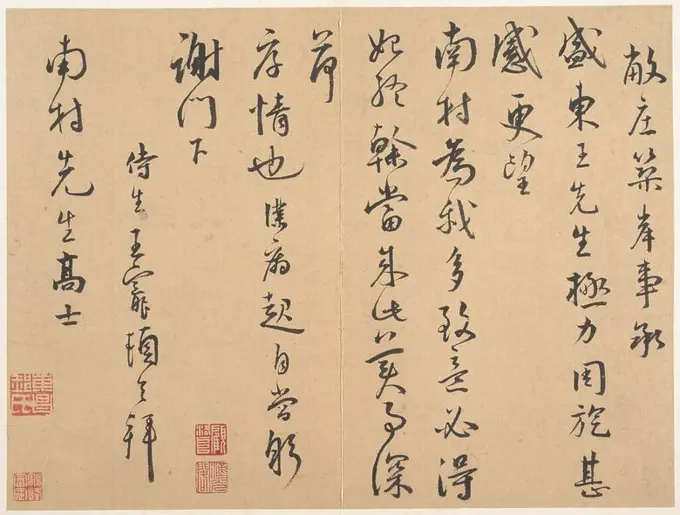
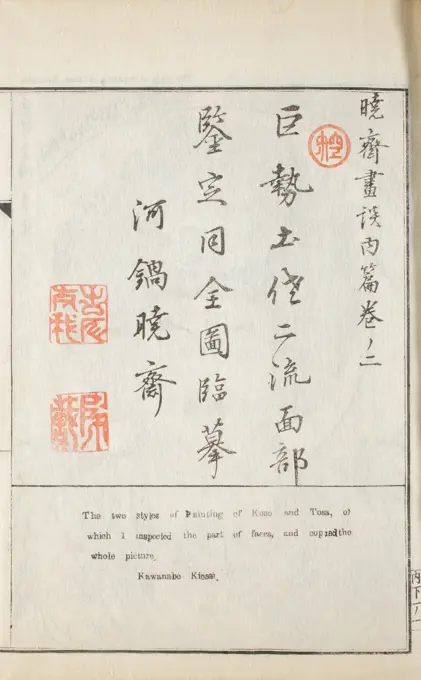
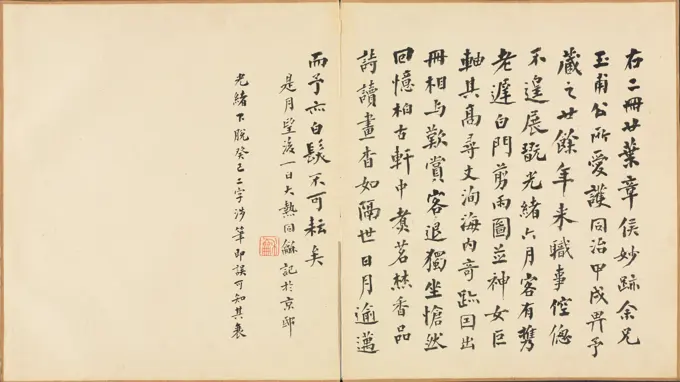
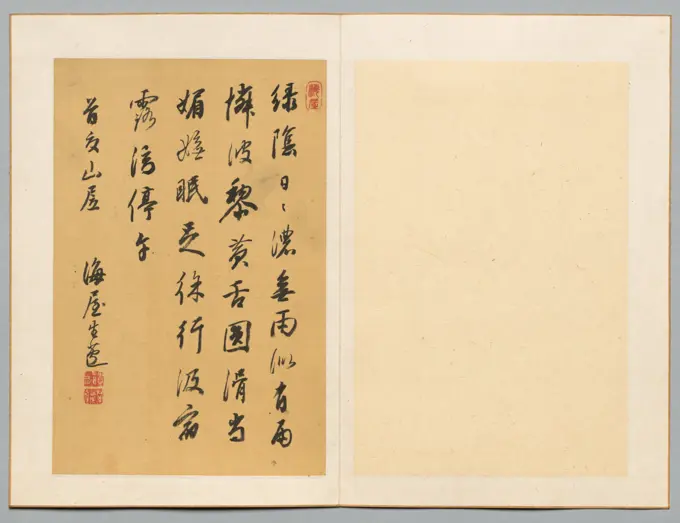
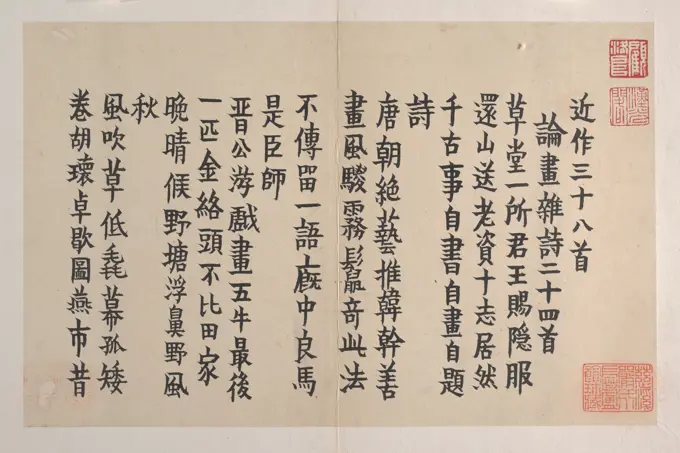
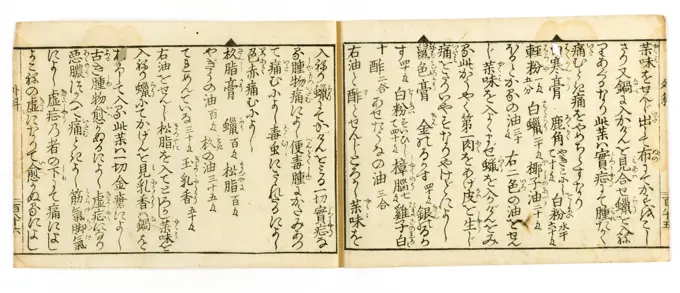
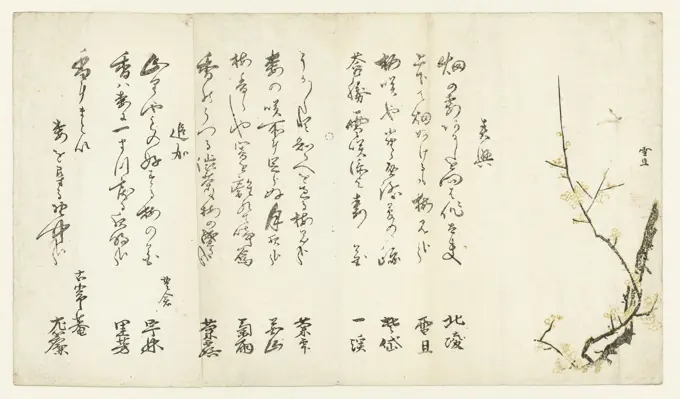
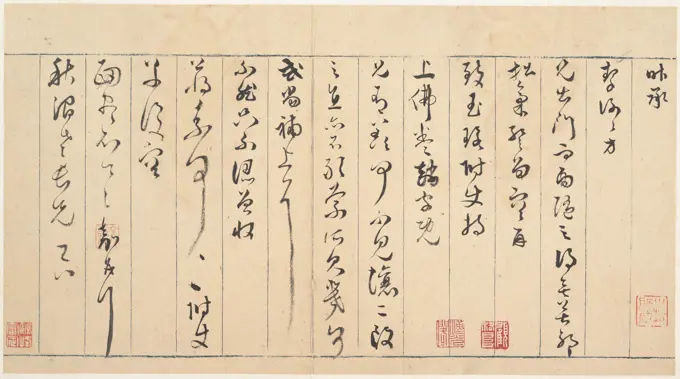
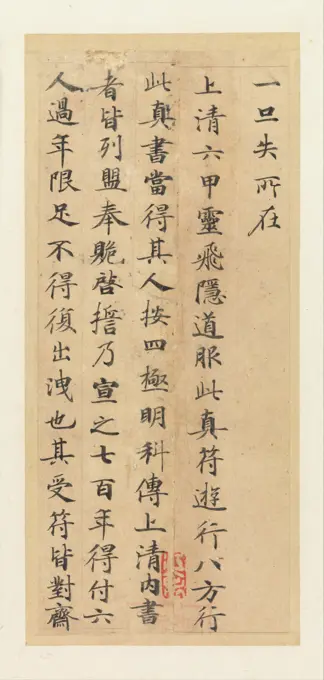
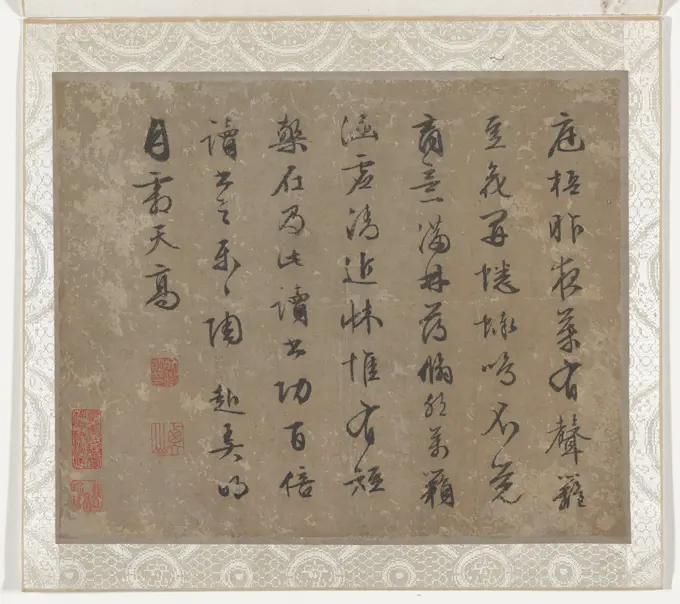
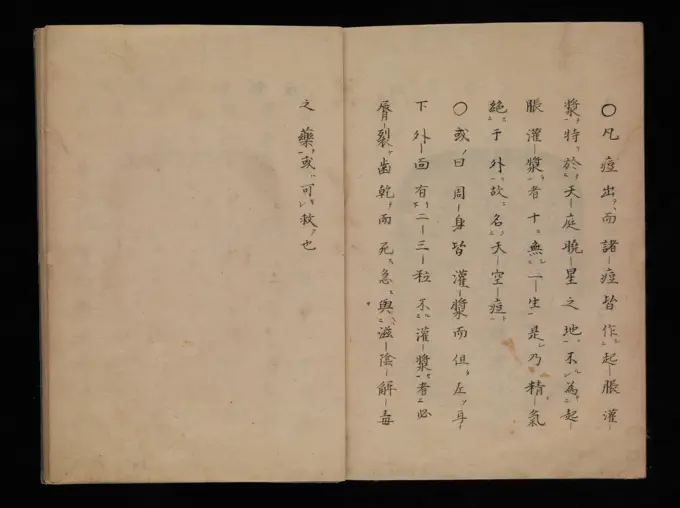
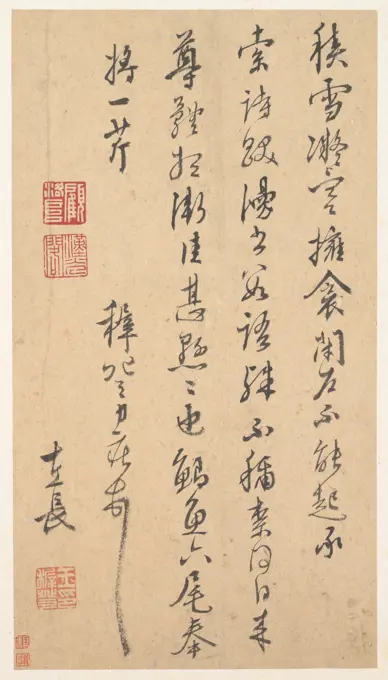
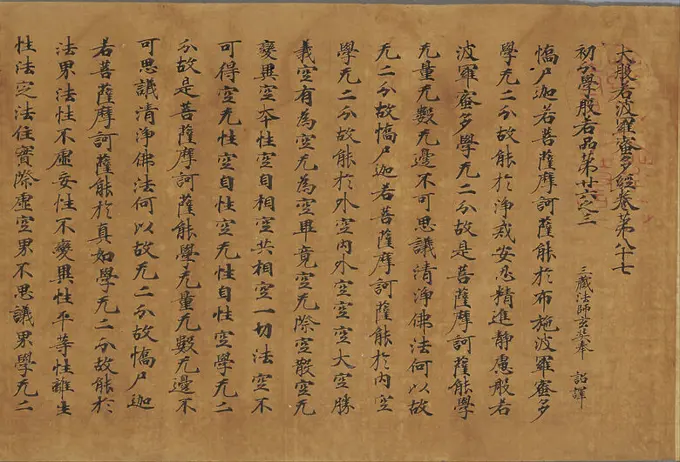
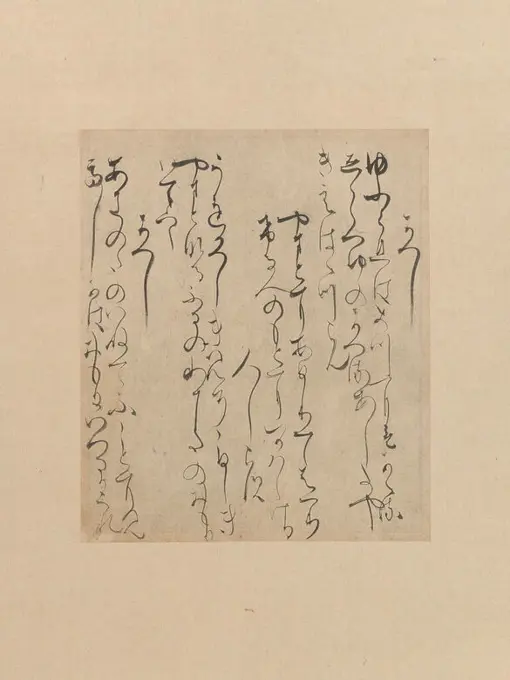
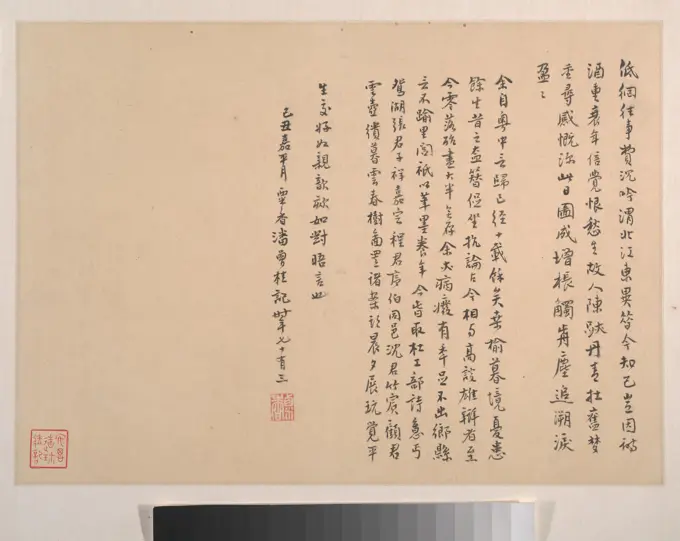
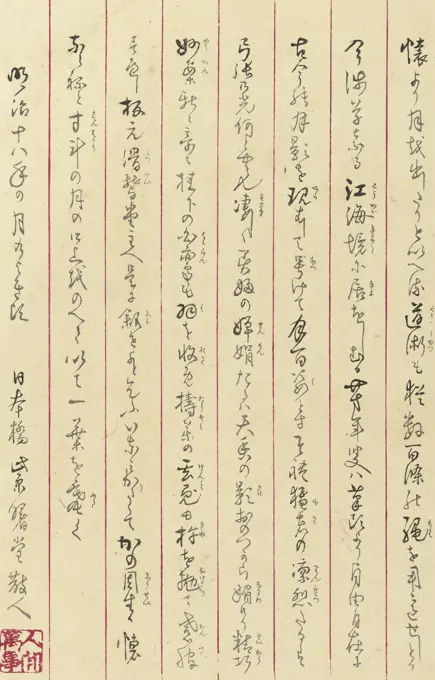
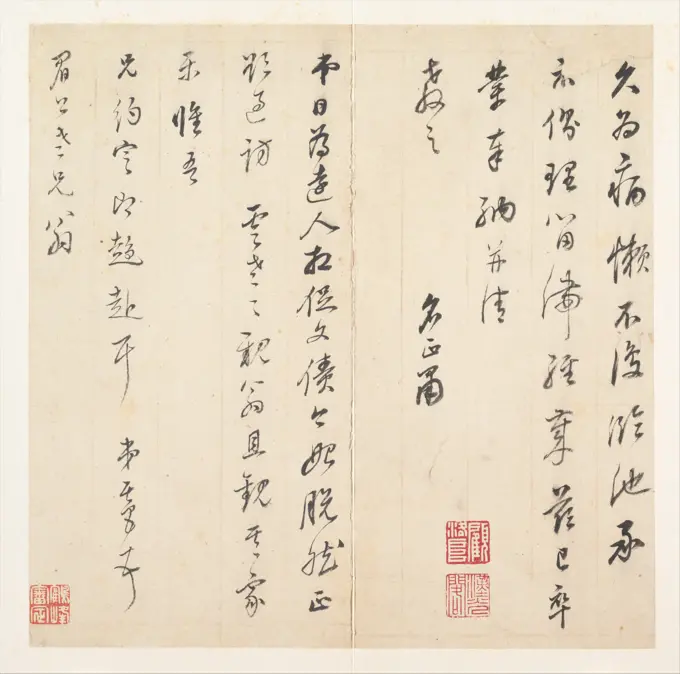
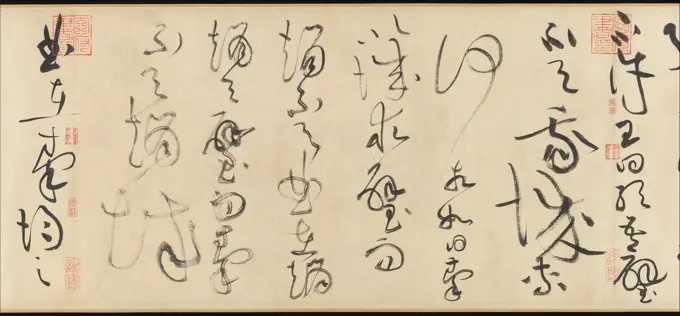
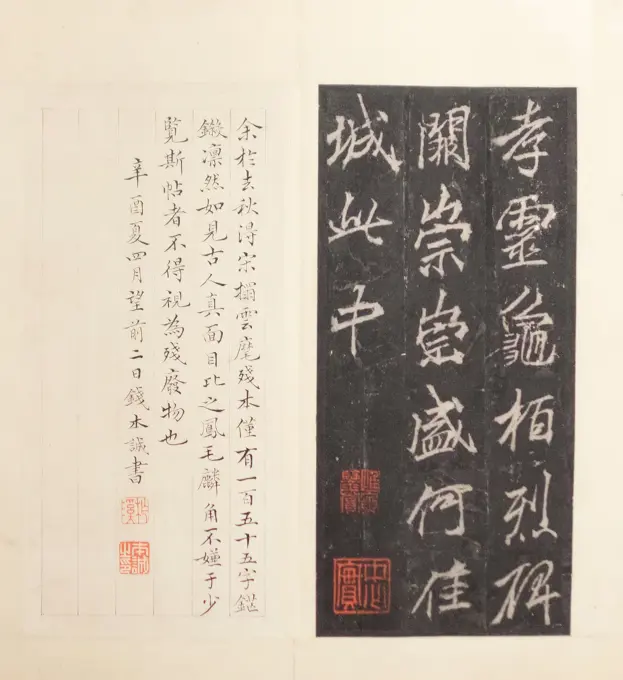
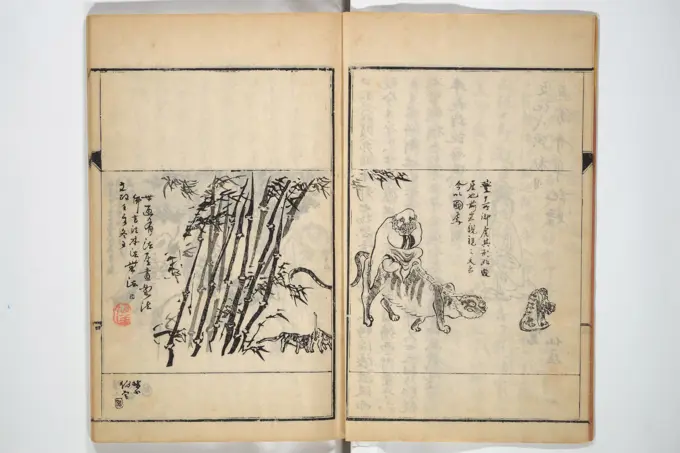
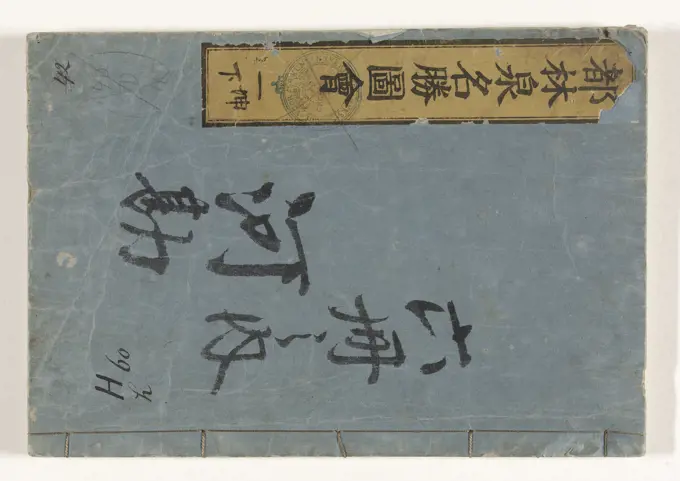
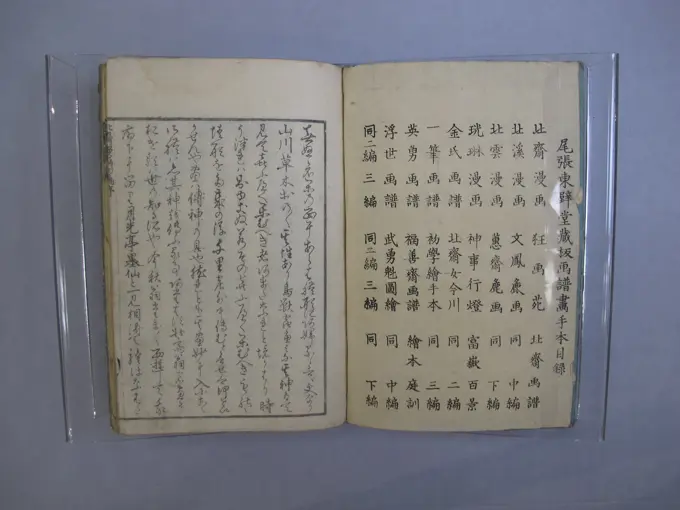
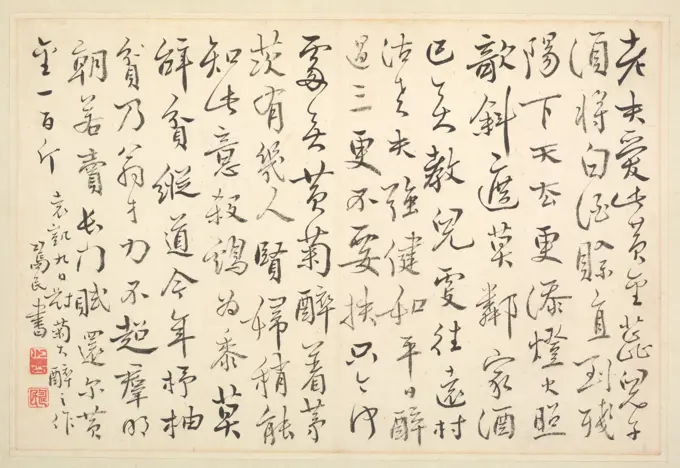
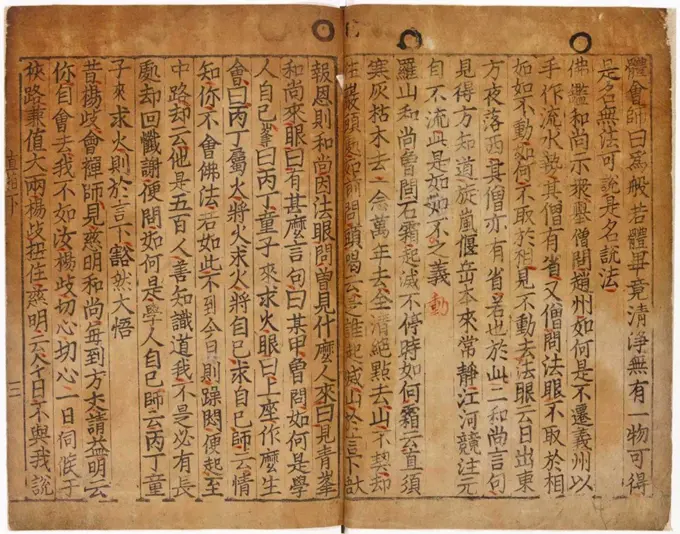
Ink on paper calligraphic works from Japan, highlighting the artistic expression in written form during the Edo period.
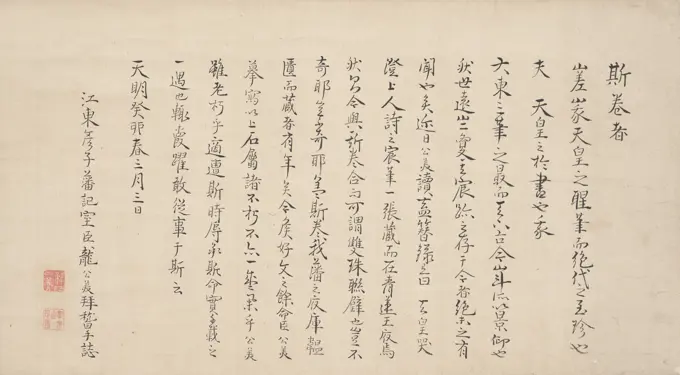
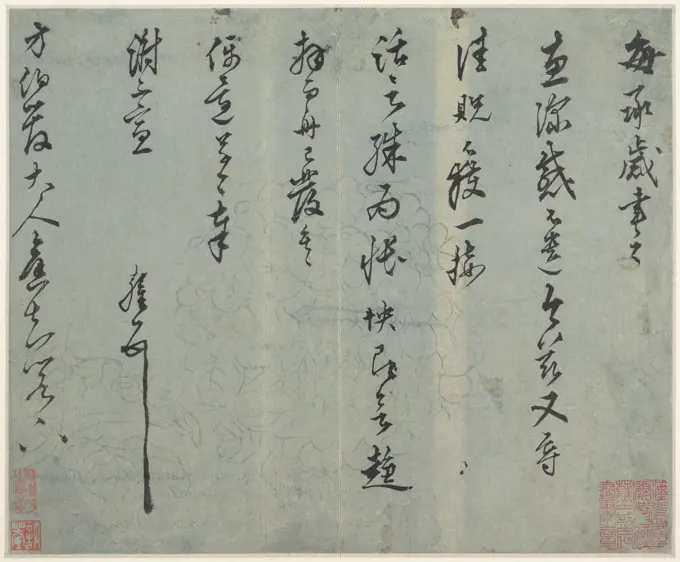
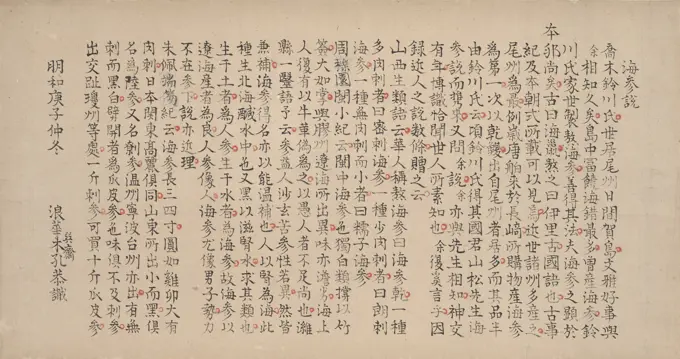
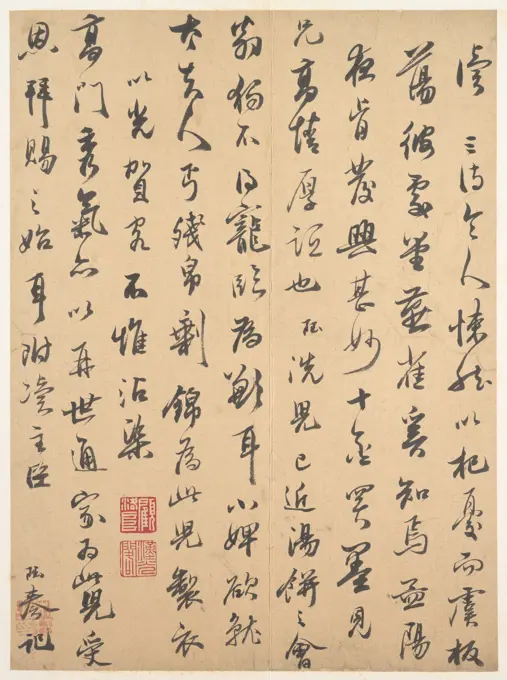
On the Calligraphy of Emperor Saga, 1783, 3rd lunar month, Ryū Kōbi, Japanese, 1715 - 1792, 14 1/4 × 25 13/16 in. (36.2 × 65.56 cm) (image)51 7/8 × 29 3/4 in. (131.76 × 75.57 cm) (without roller), Ink on paper, Japan, 18th century, This text, written in 15 lines of standard script that was executed thinly and precisely, discusses how the Emperor Saga (r. 809-823) was the finest of the 'Three Brushes' (Sanpitsu), a group of three famous calligraphers of the Heian period (794-1185). The author, Confucian scholar Ryū Kōbi, laments that it is so difficult to see his genuine works.