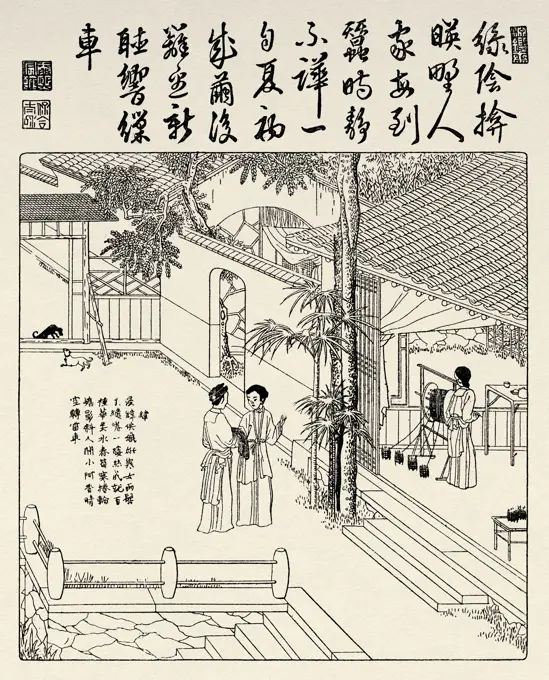
Japanese Ink Paintings

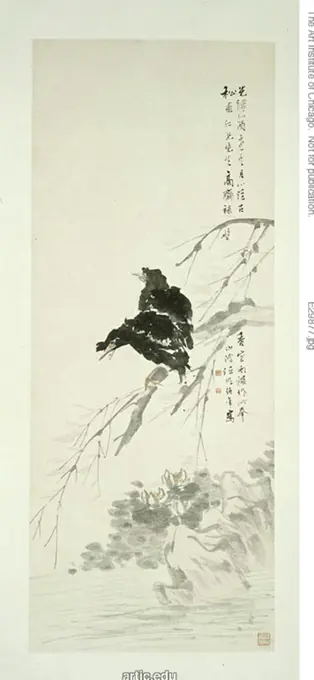
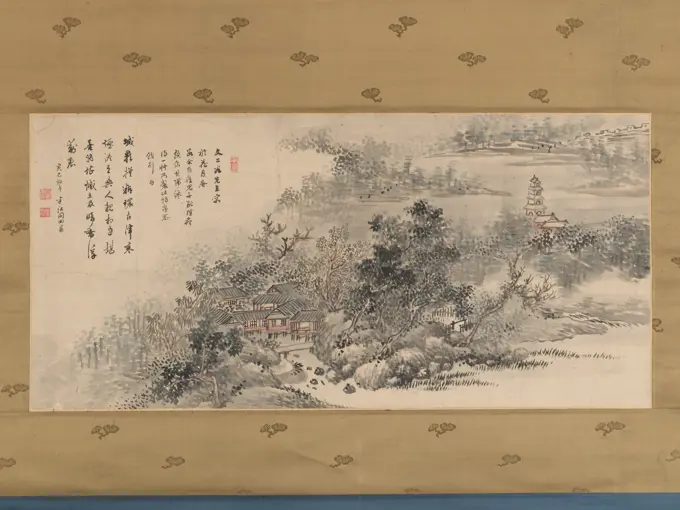
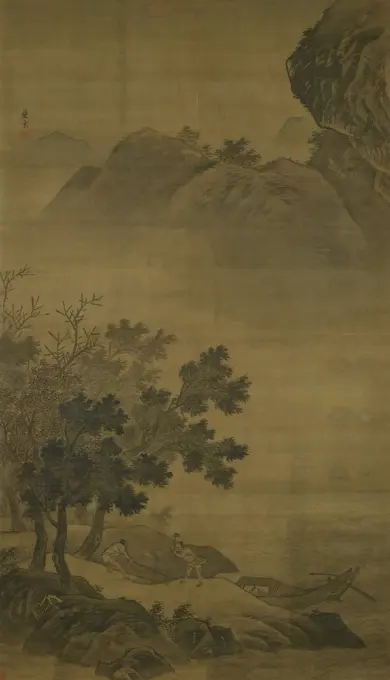
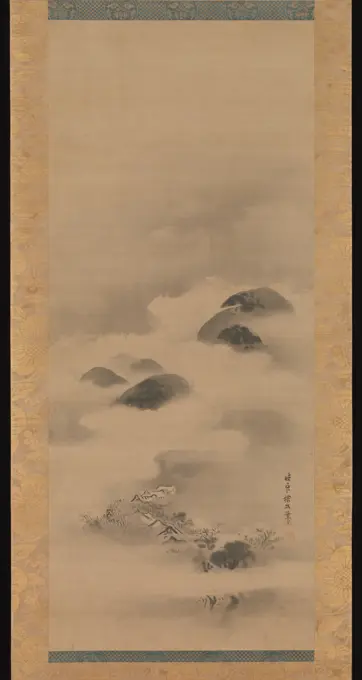
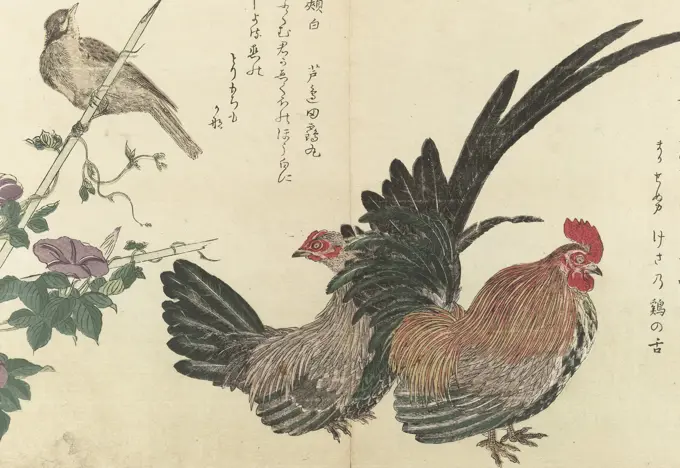
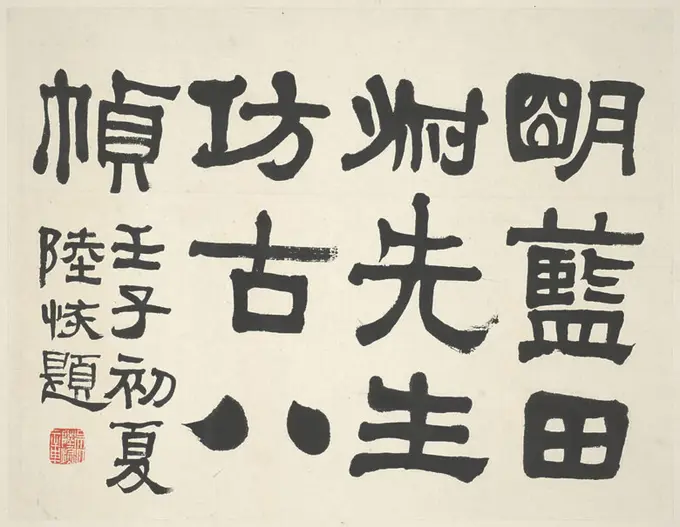
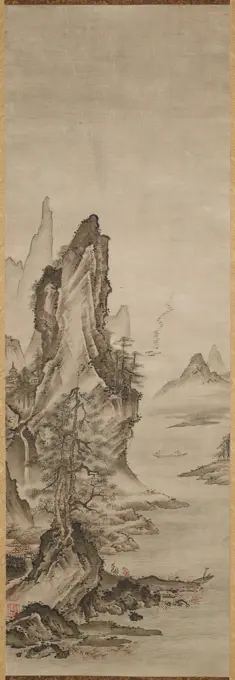
Traditional Japanese paintings featuring natural elements like orchids and bamboo, blending calligraphy with landscapes and poetic inscriptions.
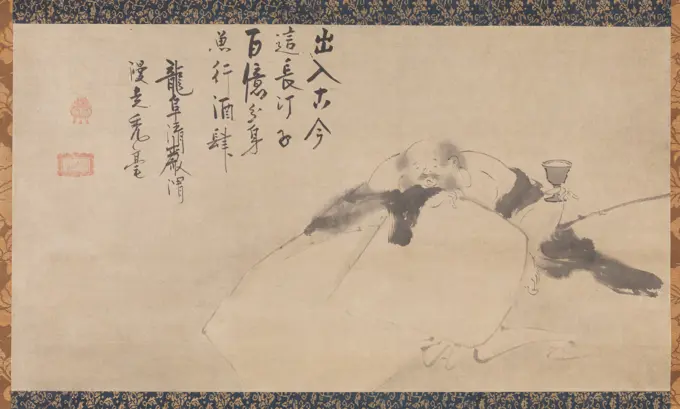
Budai, mid 17th century, Seigan Sōi, 1588 - 1661, 13 × 23 1/8 in. (33.02 × 58.74 cm) (image)45 1/4 × 25 1/8 in. (114.94 × 63.82 cm) (mount, without roller), Ink on paper, Japan, 17th century, Tea masters usually chose paintings related to Zen Buddhism or calligraphy by Zen monks to decorate the tearoom alcove during a gathering. This work by a Zen monk shows Budai (Hotei in Japanese), a legendary Chinese Zen monk who later came to be considered an incarnation of the Buddha of the Future, Maitreya. You may know Budai as the chubby 'Laughing Buddha' or 'Fat Buddha,' a common but often misunderstood Buddhist figure. Bald, bearded, and, yes, sometimes laughing, Budai is usually shown carrying a large cloth sack, which holds all his possessions. Here, he holds a full wine cup and rests his head on his sack. The picture is accompanied by a short poetic verse that hints at Budais omnipresence: 'Moving through past and present / is this Hotei' / In myriad incarnations / in fish markets and wi