Japanese Knife Handles

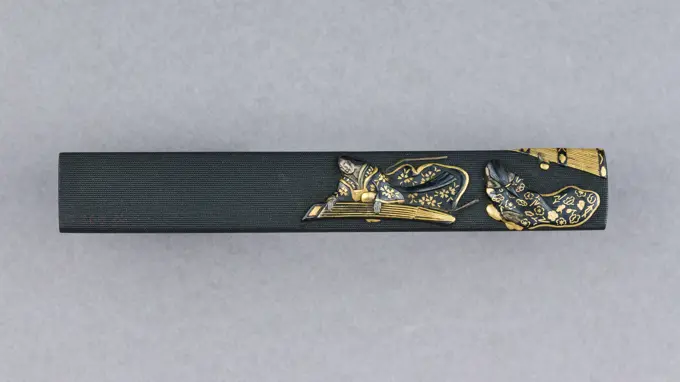
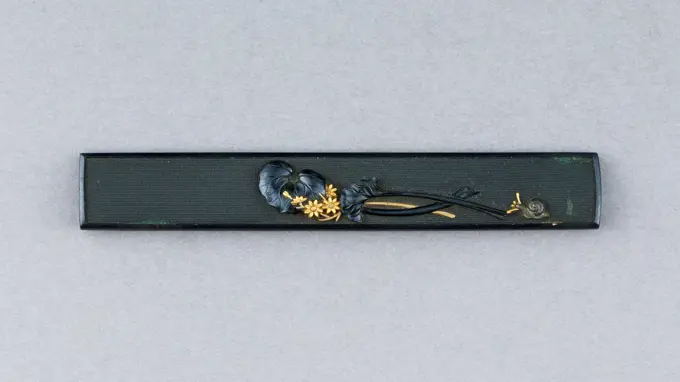
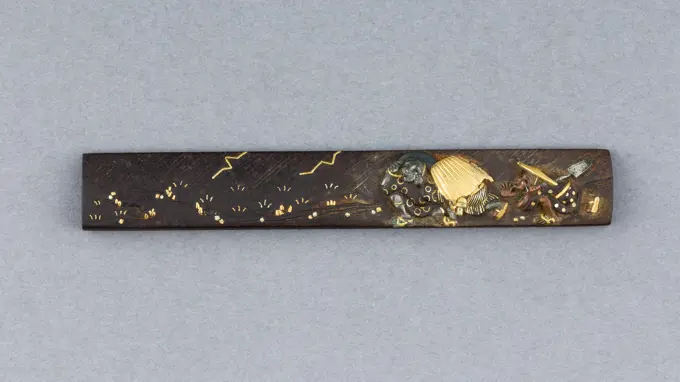
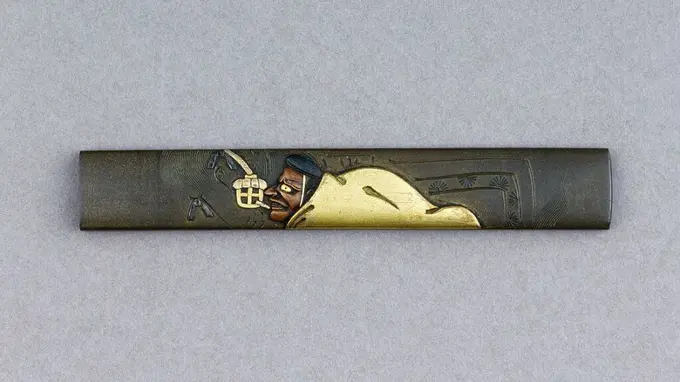
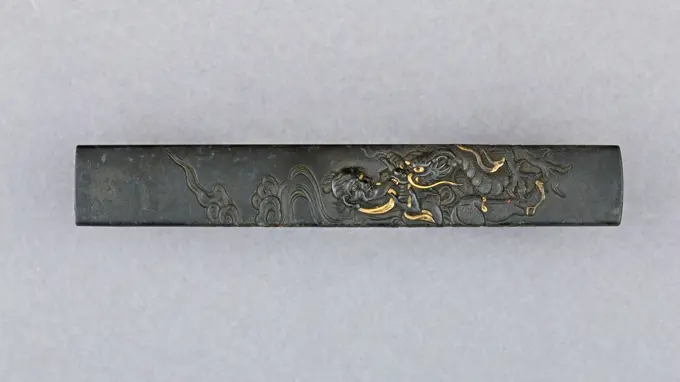
Exquisite decorative knife handles (kozuka) from Japan, featuring intricate designs and craftsmanship, reflecting rich cultural artistry from the 18th and 19th centuries.

Spoon, 19th century, 14 x 1 3/4 x 4.4 in. (35.6 x 4.4 x 11.2 cm), Wood, Zambia, 19th century
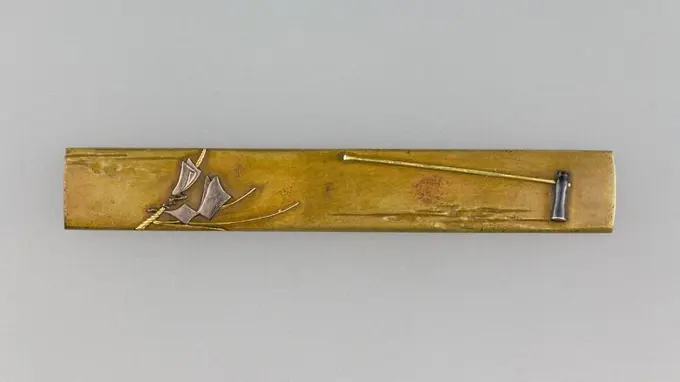
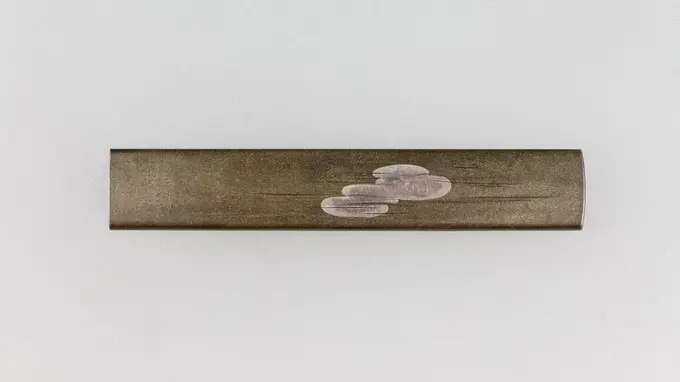
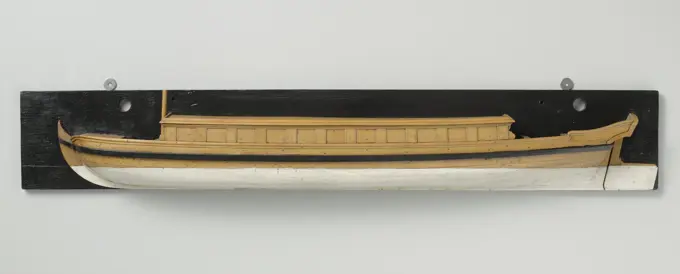
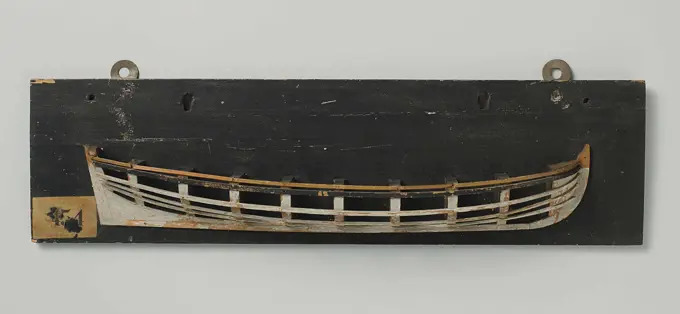
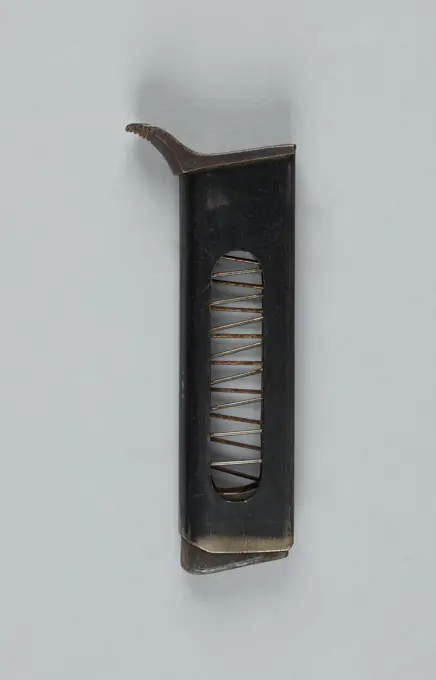
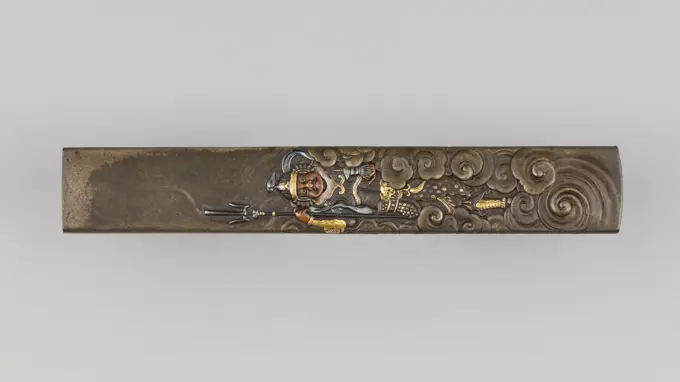
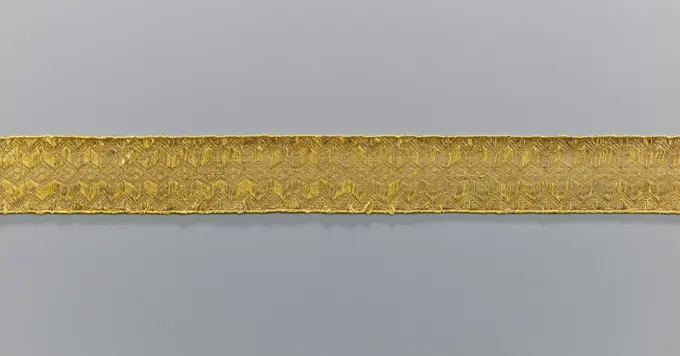
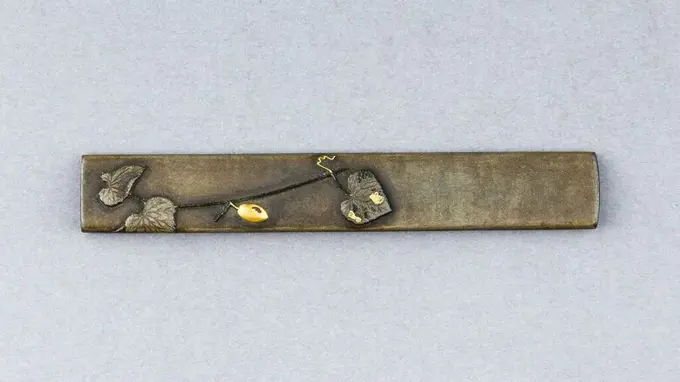
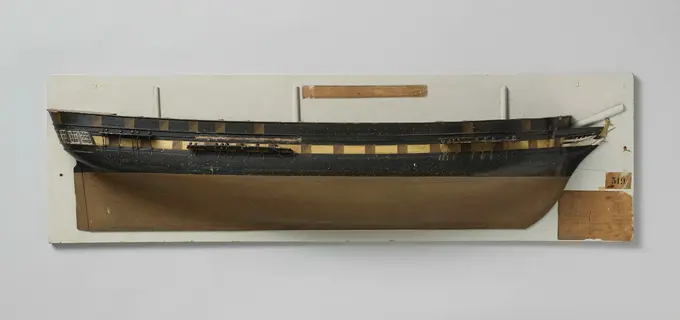
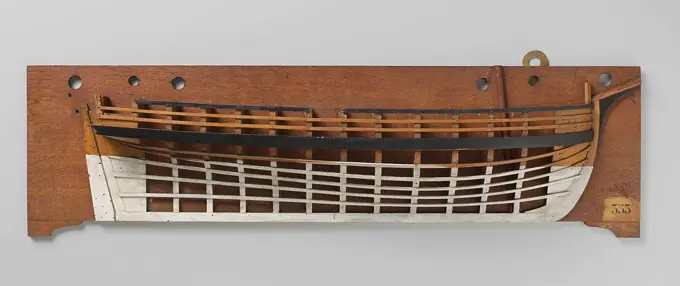
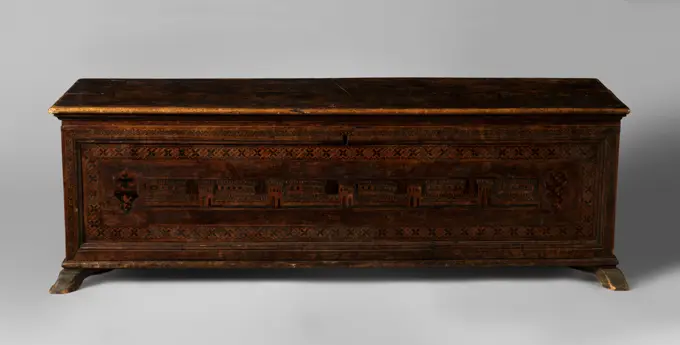
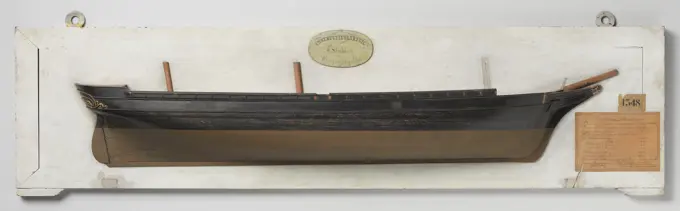
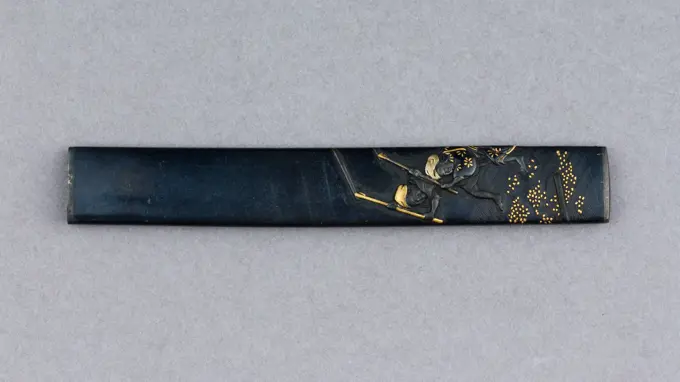
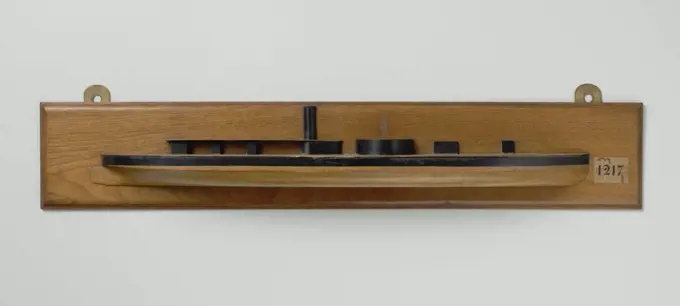
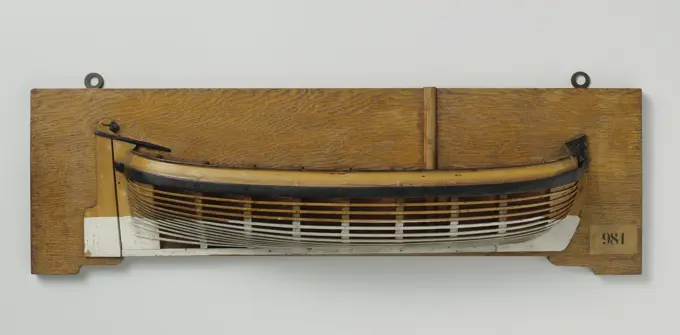
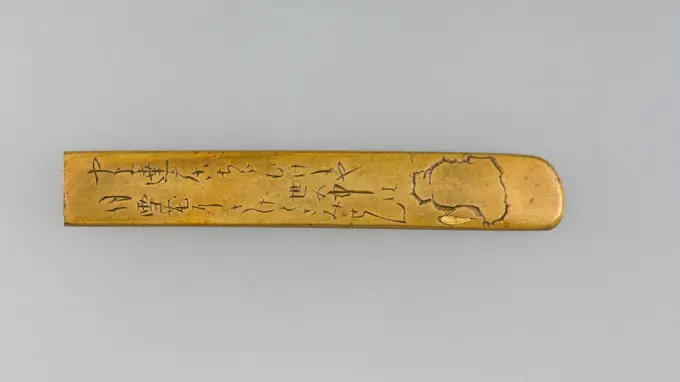
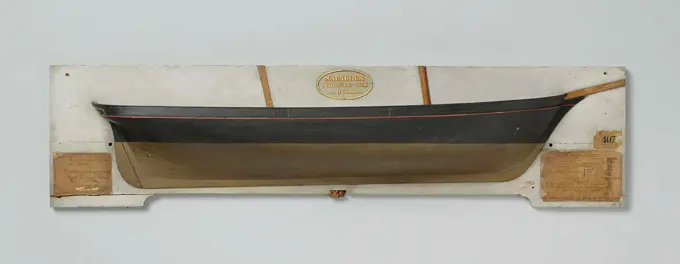
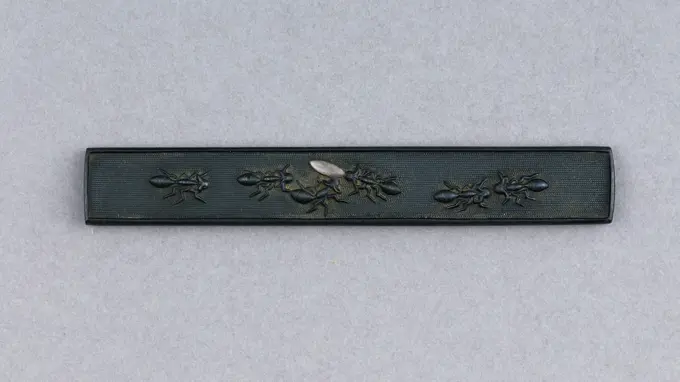
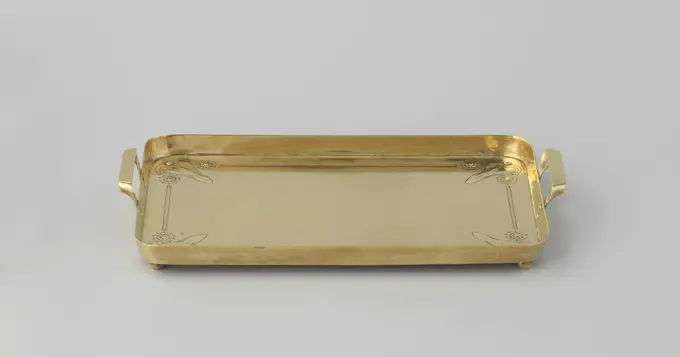
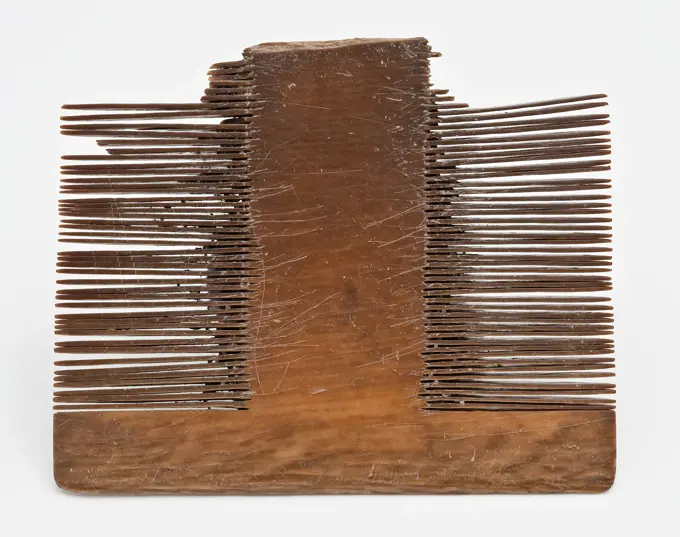
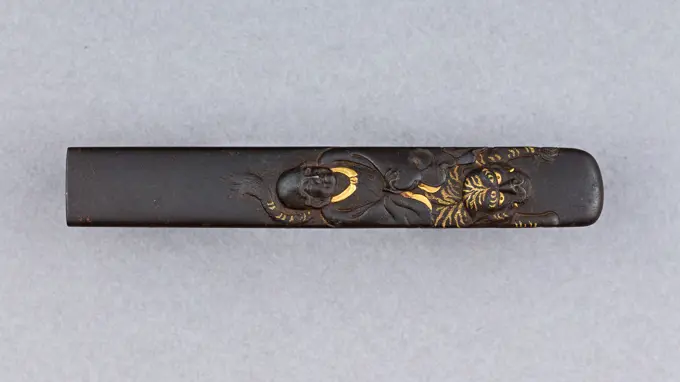
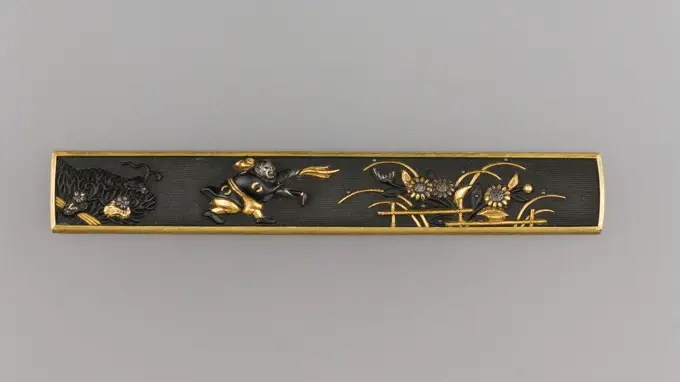
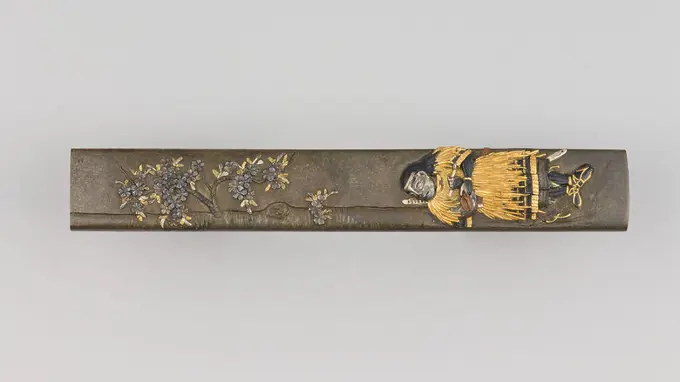
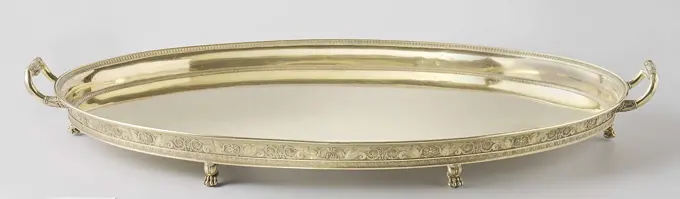
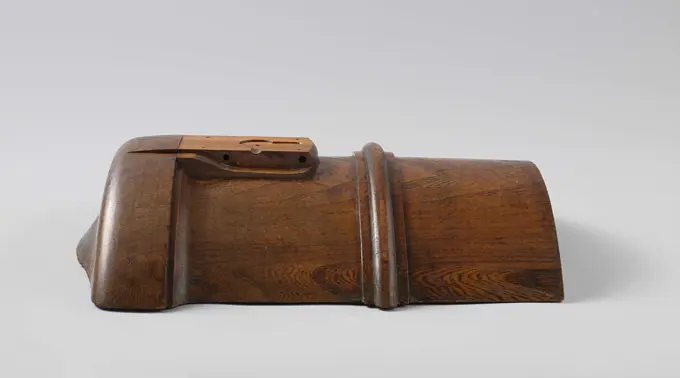
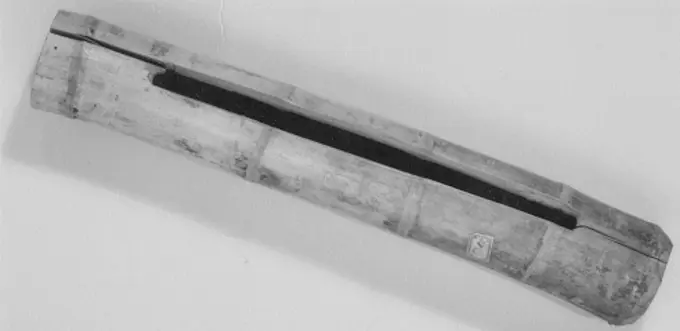
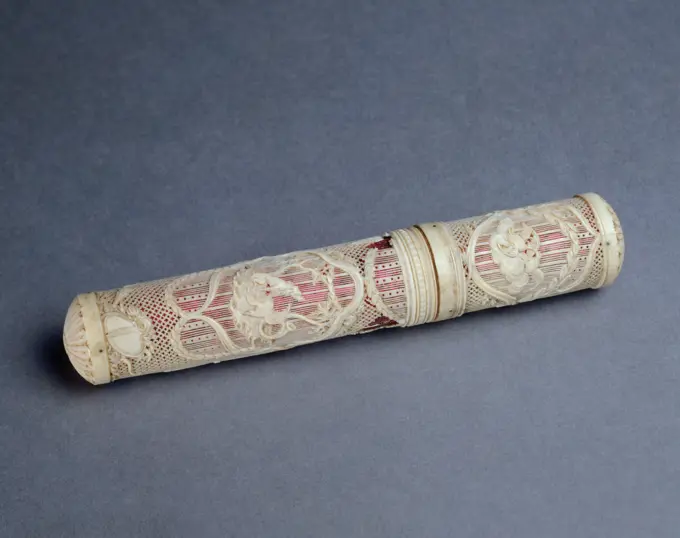
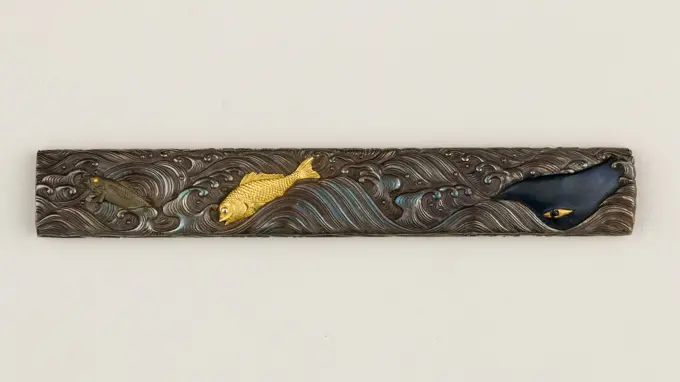
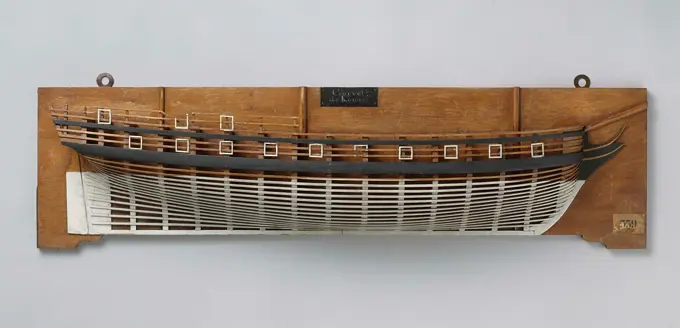
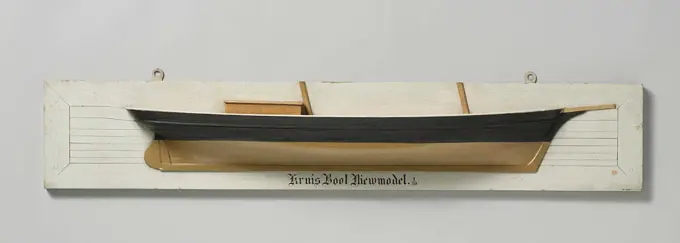
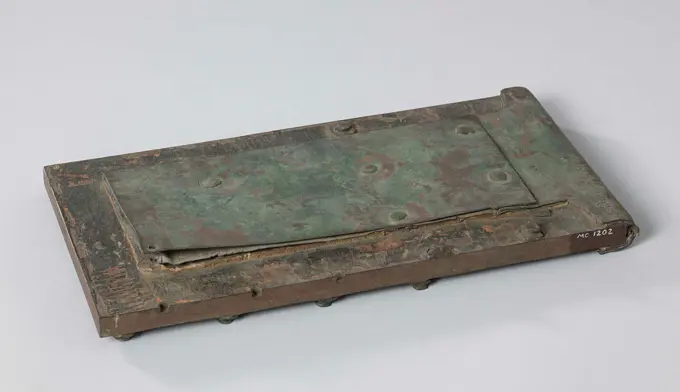
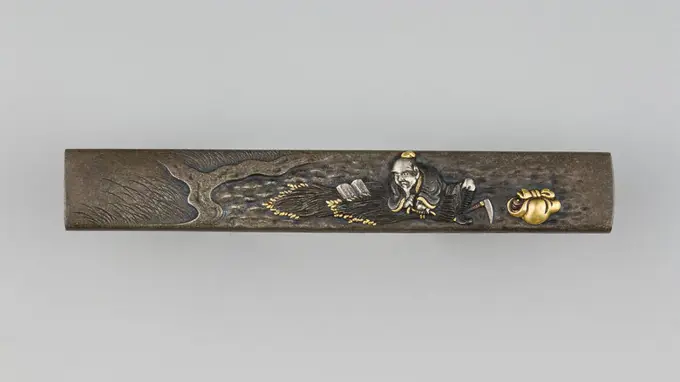
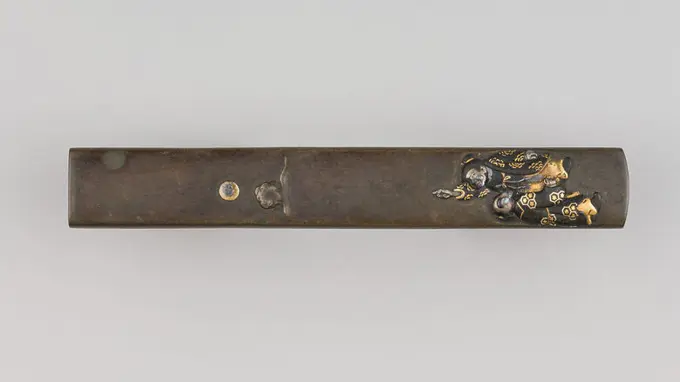
Knife Handle (Kozuka). Culture: Japanese. Dimensions: L. 3 13/16 in. (9.7 cm); W. 9/16 in. (1.4 cm); thickness 1/4 in. (0.6 cm); Wt. 1.2 oz. (34 g). Date: 19th century. Museum: Metropolitan Museum of Art, New York, USA.Knife Handle (Kozuka). Culture: Japanese. Dimensions: L. 3 13/16 in. (9.7 cm); W. 9/16 in. (1.4 cm); thickness 1/4 in. (0.6 cm); Wt. 1.2 oz. (34 g). Date: 18th century. Museum: Metropolitan Museum of Art, New York, USA.Knife Handle (Kozuka). Culture: Japanese. Dimensions: L. 3 1/4 in. (8.3 cm); W. 9/16 in. (1.4 cm); thickness 3/16 in. (0.5 cm); Wt. 1 oz. (28.3 g). Fittings maker: Inscribed by Kano Natsuo (Japanese, 1828-1898). Date: mid-19th century.This kozuka features a design of the moon's reflection in water. Museum: Metropolitan Museum of Art, New York, USA.Half Model of a Tow Yacht, anonymous, 1750 - 1850 ship model. half model. builder's model Polychromed block model (port) of a one -mast flat -bottomed passenger vessel. The deck is closed and has a long deck house with eleven lights. Flat mirror, hollow wulf, hekkbord; Wide rudder. The Zeeg is almost flat, one barkhout. The mast is probably a Jaagmast. Netherlands wood (plant material)Half Model of a Jolly Boat.Polychromed mold model (starboard) of a rowing boat. Flat mirror. The seam runs to both ends. Peaked round trip.Fabbrica d'Armi Pietro Beretta, semi-automatic pistol charger Beretta Modello 1934 for seven 9 mm short cartridges (attributed title), 1940. Bronzé metal. General Leclerc Museum of the Liberation of Paris - Jean Moulin Museum.Knife Handle (Kozuka) ca. 1615-1868 Japanese A kozuka is a handle of a by-knife that is part of a sword mounting. It is kept in a slot on the reverse of a katana scabbard, often with a matching kōgai (hairdressing tool).. Knife Handle (Kozuka) 25786List fragment: part of gilded list of pâte ornaments in neo-classical style, left style., C. 1600 - c. 1999    wood (plant material). gold leaf gildingKnife Handle (Kozuka) 19th century Ichijosai Hironaga (Hirotoshi) Japanese A kozuka is a handle of a by-knife that is part of a sword mounting. It is kept in a slot on the reverse of a katana scabbard, often with a matching kgai (hairdressing tool).. Knife Handle (Kozuka). Japanese. 19th century. Copper-silver alloy (shibuichi), gold, silver, copper, copper-gold alloy (shakud). Sword Furniture-KozukaSpoon, 19th century, 14 x 1 3/4 x 4.4 in. (35.6 x 4.4 x 11.2 cm), Wood, Zambia, 19th centuryGallon;  18th century (1701-00-00-1800-00-00);Knife Handle (Kozuka). Culture: Japanese. Dimensions: L. 3 3/4 in. (9.5 cm); W. 9/16 in. (1.4 cm); thickness 3/16 in. (0.5 cm); Wt. 1.2 oz. (34 g). Date: ca. 1615-1868. Museum: Metropolitan Museum of Art, New York, USA.Half model or a 44-gun frigate. Polychromed mold model (starboard) of a three-master. Twenty-five gunpaints on two decks. The sheek image is a crowned man with a spear. A lion's head on the crane bar. Stern with elliptical fence and side gallery of one floor, above that an open gun deck; Stir straight with square roofing. The seam runs something on both ends, one bark wood and one Reehout. The model is equipped with all rest with label blocks. Peaked round trip. Scale 1:50 (Scale by model).Tray. Dated: c. 1941. Dimensions: overall: 30.2 x 45.8 cm (11 7/8 x 18 1/16 in.) Original IAD Object: 12 5/8" long; 8 7/8" wide; 11/16" deep. Medium: watercolor, graphite, and gouache on paperboard. Museum: National Gallery of Art, Washington DC. Author: Charles Henning.Knife Handle (Kozuka) 18th century Japanese A kozuka is a handle of a by-knife that is part of a sword mounting. It is kept in a slot on the reverse of a katana scabbard, often with a matching kōgai (hairdressing tool).. Knife Handle (Kozuka) 35043Half Model of a 6-Gun Brig.Polychromed mold model (starboard) of a tweemaster. The winding is quite striker. Wrinkled mirror, hollow wulf, no details of fence or side gallery; Stir straight with square roofing. Sea back slightly ascending, one bark wood. Peaked round trip with sharp cut stern. The large mast is missing, but its location is indicated by a line.Case of nuthout decorated with intarsia of different woods and with inner work of poplar wood, anonymous, 1500 - 1515 Case of walnut decorated with intarsia of different woods and with inner work of poplar wood. The front is decorated in Intarsia with an edge of braided diamond motifs and in the middle with a strip, a reporter a repetitive motif of buildings within a reinforced wall with towers, with arms shields on either side. The coffin rests on overhoeks placed ojief -shaped profiled bobbins. The sides carry iron handles. Italy wood (plant material). walnut (hardwood). poplar (wood). iron (metal) Case of walnut decorated with intarsia of different woods and with inner work of poplar wood. The front is decorated in Intarsia with an edge of braided diamond motifs and in the middle with a strip, a reporter a repetitive motif of buildings within a reinforced wall with towers, with arms shields on either side. The coffin rests on overhoeks placed ojief -shaped profiled bobbins. The sideHalf Model or An Instruction Vessel, Rijkswerf Amsterdam, c. 1868 ship model. half model Polychromed block model (starboard) of a three -mast. Four gun gates on the main deck, behind a small Campanjedek. Sharp fore ship with curl as a shit; Elliptical fence with government weapon in gold -plated decorative frames; Stir with round stirring king (American rudder) and rounded Roerblad. De Zeeg rises to both ends, stretch around. Scale 1:40 (scale on model). Amsterdam wood (plant material)Knife Handle (Kozuka) dated 1850 Japanese A kozuka is a handle of a by-knife that is part of a sword mounting. It is kept in a slot on the reverse of a katana scabbard, often with a matching kōgai (hairdressing tool).. Knife Handle (Kozuka) 33368Half Model of a monitor, R. Napier & Sons, 1865 - 1866Half Model of a Poon, anonymous, c. 1780 - c. 1820 ship model. half model. builder's model Polychromed mold model (starboard) of a single -master. The skin above the barkwood is closed. Around aft ship; Wide stir with decorated roser head and ticker over the deck. De Zeeg rises to both ends, one barkhout. Stretch around. Netherlands wood (plant material)Knife Handle (Kozuka) ca. 1800 Japanese A kozuka is a handle of a by-knife that is part of a sword mounting. It is kept in a slot on the reverse of a katana scabbard, often with a matching kgai (hairdressing tool).. Knife Handle (Kozuka). Japanese. ca. 1800. Brass, gold, copper-silver alloy (shibuichi). Sword Furniture-KozukaLoop. Row of large openwork round stones on the outer edge, a row of small round and attached round stones on the inside edge.Lamella; Roman Empire; 3rd century; Silver; 4 x 18 cm (1 9,16 x 7 1,16 in.)Purse (USA); leatherFan box of cardboard, covered with silk with stripe motif with flower vessels in the colors red, pink, green and gold, anonymous, c. 1900 - c. 1915  Waaierdug made of cardboard, covered with silk with stripe pattern with flower vessels in the colors red, pink, green and gold. The edges where box and lid touch each other are trimmed with a gold -colored collar. The inside is covered with shiny ivory -colored paper. Box and lid are connected to each other on one side. Netherlands (possibly) Completely: Cardboard. Exterior: Silk. Inside: Paper. board:Passement of glossy creamy white cord through which loops are braided, on wooden frame, c. 1925 Passement of glossy creamy white cord through which loops are braided, on a wooden frame. Nijmegen frame: wood (plant material) Passement of glossy creamy white cord through which loops are braided, on a wooden frame. Nijmegen frame: wood (plant material)Side slicer from 1776, Anonymous, 1776 Schaaf from 1776, decorated with carving. The iron scrap is missing. Note: The handle can be taken away. Northern Netherlands (possibly)Netherlands (possibly) wood (plant material). beech (wood). walnut (hardwood). iron (metal) cutting / forging  Netherlands Schaaf from 1776, decorated with carving. The iron scrap is missing. Note: The handle can be taken away. Northern Netherlands (possibly)Netherlands (possibly) wood (plant material). beech (wood). walnut (hardwood). iron (metal) cutting / forging  NetherlandsMolding fragment, walnut, simple moulding fragment with double ogee channelling, carved with running elementary acanthus pattern., France, 18th century, Decorative Arts, Molding fragmentWall Facing (Netherlands); tin-glazed earthenware, underglaze; 5 tiles tall, various wideletter B - isolated antique wood letterpress printing  block stained by color inksHalf model or a 6-gun schooner-brig.Polychromed Blanket mold model (starboard) of a tweemaster. The deck is closed and surrounded by a railing with two gunpoids; The appearance with valpoids can be lowered on the front and rear deck. Sharp steep. Elliptical fence, surrounded by continuous railing, no side gallery, strongly falling stern; Stir with round roaring (Soetermeer version) and rounded stir sheet. Saints almost flat with emerging bow, one recessed bark wood. Peaked round trip, sharp underwater ship. Both masts slope back. Scale 1:40 (Scale by model).Left Leg Guard 16th century Turkish. Left Leg Guard 31947acupuncture needleKnife Handle (Kozuka) ca. 1615-1868 Japanese A kozuka is a handle of a by-knife that is part of a sword mounting. It is kept in a slot on the reverse of a katana scabbard, often with a matching kōgai (hairdressing tool).. Knife Handle (Kozuka) 34521Presenter magazine Van Messing, G. Dikkers & Co, c. 1900 - c. 1910 Presenter magazine Van Messing, belonging to a tea set. The leaf is on four round legs, is rectangular with round corners and has a straight -up edge. On both short sides is a handproof that is flat on the top, attached with four rivets. The bottom betail is decorated with flower and rank motifs in the corners Hengelodesigner: Netherlands brass (alloy) cutting Presenter magazine Van Messing, belonging to a tea set. The leaf is on four round legs, is rectangular with round corners and has a straight -up edge. On both short sides is a handproof that is flat on the top, attached with four rivets. The bottom betail is decorated with flower and rank motifs in the corners Hengelodesigner: Netherlands brass (alloy) cuttingRectangular, undecorated legs comb with double row of teeth, comb fragment bottomfound leg, sawn Rectangular unadorned comb with double row of fine teeth Scratching the middle section created by cleaning between the teeth with knife archeology Rotterdam rail tunnel cutting haircut louse hair personal care haircare Soil discovery: trajectory rail tunnel Rotterdam.Knife Handle (Kozuka) ca. 1615-1868 Japanese A kozuka is a handle of a by-knife that is part of a sword mounting. It is kept in a slot on the reverse of a katana scabbard, often with a matching kōgai (hairdressing tool).. Knife Handle (Kozuka) 34642Susanna and the Elders; Francis van Bossuit (Flemish, 1635 - 1692); Amsterdam, Netherlands; about 1690; Ivory, with carved and gilded wood frame; 26 x 15.9 cm (10 1,4 x 6 1,4 in.)Knife Handle (Kozuka) ca. 1615-1868 Japanese A kozuka is a handle of a by-knife that is part of a sword mounting. It is kept in a slot on the reverse of a katana scabbard, often with a matching kgai (hairdressing tool).. Knife Handle (Kozuka). Japanese. ca. 1615-1868. Iron, gold, copper, silver. Sword Furniture-KozukaKnife Handle (Kozuka) ca. 1615-1868 Japanese A kozuka is a handle of a by-knife that is part of a sword mounting. It is kept in a slot on the reverse of a katana scabbard, often with a matching kōgai (hairdressing tool).. Knife Handle (Kozuka) 25796A box for a fan unknownBobbin Lace Edging, 18th century. Belgium, Mechelen, 18th century. Lace, bobbin: silk; average: 5.7 x 62.3 cm (2 1/4 x 24 1/2 in.).Knife Handle (Kozuka). Culture: Japanese. Dimensions: L. 3 7/8 in. (9.8 cm); W. 9/16 in. (1.4 cm); thickness 5/16 in. (0.8 cm); Wt. 1.1 oz. (31.2 g). Date: ca. 1615-1868. Museum: Metropolitan Museum of Art, New York, USA.Knife Handle (Kozuka) 17th century Got Eij Japanese A kozuka is a handle of a by-knife that is part of a sword mounting. It is kept in a slot on the reverse of a katana scabbard, often with a matching kgai (hairdressing tool).. Knife Handle (Kozuka). Japanese. 17th century. Gold, copper-gold alloy (shakud), silver. Sword Furniture-KozukaKnife Handle (Kozuka). Culture: Japanese. Dimensions: L. 3 13/16 in. (9.7 cm); W. 9/16 in. (1.4 cm); thickness 1/4 in. (0.6 cm); Wt. 1.3 oz. (36.9 g). Date: ca. 1615-1868. Museum: Metropolitan Museum of Art, New York, USA.Fan box, tapered, covered with black paper and lined with blue paper, closure with two lead hooks and eyes, c. 1784 Fan box, tapered, covered with black paper and lined with blue paper. Closure with two lead hooks and eyes. 'Hinges' of coarse linen connect lid and bottom. Netherlands (possibly) whole: Paper. hooks and eyes: lead (metal) casting Fan box, tapered, covered with black paper and lined with blue paper. Closure with two lead hooks and eyes. 'Hinges' of coarse linen connect lid and bottom. Netherlands (possibly) whole: Paper. hooks and eyes: lead (metal) castingFerret 6th-7th century Frankish. Ferret 465571 Frankish, Ferret, 6th7th century, Copper alloy, Overall: 2 3/16 x 9/16 x 3/16 in. (5.6 x 1.5 x 0.5 cm). The Metropolitan Museum of Art, New York. Gift of J. Pierpont Morgan, 1917 (17.193.247)Knife Handle (Kozuka). Culture: Japanese. Dimensions: L. 3 13/16 in. (9.7 cm); W. 9/16 in. (1.4 cm); thickness 1/4 in. (0.6 cm); Wt. 1.2 oz. (34 g). Date: ca. 1615-1868. Museum: Metropolitan Museum of Art, New York, USA.Half Model of an 80-Gun Ship of the Line.Polychromed mold model (starboard) of a three-master. No gunpaints, no decks indicated; The semi-deck can be distinguished by the gillings. No lice. Wrecked mirror, hollow wulf, no fence or side gallery; Stir straight with square roofing. Pretty flat sea, two mountain wooden and one Reehout. Round underwater ship. Scale approx. 1:55 (derived).Knife Handle (Kozuka). Culture: Japanese. Dimensions: L. 3 13/16 in. (9.7 cm); W. 9/16 in. (1.4 cm); thickness 1/4 in. (0.6 cm); Wt. 1.2 oz. (34 g). Date: 18th century. Museum: Metropolitan Museum of Art, New York, USA.Half Model of a Yacht, anonymous, 1780 - 1820 ship model. half model. builder's model Polychromed mold model (starboard) of a one -mast flat -bottomed yacht. The skin above the barkwood is closed. The aft deck is slightly raised. Round stern, wide rudder with decorated stirring head and ticker over deck. The Zeeg runs up to both ends, one barkhout. Netherlands wood (plant material). brass (alloy)Apotropaic Wand ca. 1981-1640 B.C. Middle Kingdom Wands such as this were a common feature in burials of the late Middle Kingdom. They were usually carved out of hippopotamus ivory and still retain the shape of a hippopotamus tusk-line canine. These teeth are a hippo's most powerful weapon and make the animal most dangerous.The apotropaic wand here shows signs of wear on one tip, suggesting that it was used over a period of time before being placed in the tomb. The wand is decorated on one side with the figures of protective deities that carry knives to ward off evil forces.Some wands, like this one, and 15.3.197 are inscribed on the front with the words "protection of day" and "protection of night." Another wand in the collection (08.200.19) has a longer inscription on the back, indicating that it was used to protect a child. Although their exact use is unknown, these wands seem to have provided protection during birth and early in life. They were also placed in tombs to offer protectCoat rack of egg and ebony, equipped with two rows of buttons, anonymous, c. 1400 - c. 1950 Coat rack with seven large round buttons, one of which is later date. Northern Netherlands (possibly)Netherlands (possibly) oak (wood). ebony (wood) Coat rack with seven large round buttons, one of which is later date. Northern Netherlands (possibly)Netherlands (possibly) oak (wood). ebony (wood)Top and middle part of lantern with weapons above the windows ,, 1700 Six -sided middle part, formed from slightly bent styles, a dome -shaped roof consisting of different sections. Weapons have been installed above the windows. The lamp is decorated with rosettes. Coming from the collection of Dr. F. Mannheimer. Venice iron (metal). glass. wood (plant material) gilding Six -sided middle part, formed from slightly bent styles, a dome -shaped roof consisting of different sections. Weapons have been installed above the windows. The lamp is decorated with rosettes. Coming from the collection of Dr. F. Mannheimer. Venice iron (metal). glass. wood (plant material) gildingFoedraal, behorend bij bruidsbestek.Leather sheath with gold and niollo. The sheath is rectangular and rejuvenates itself to the bottom. The sheath is decorated with golden batter.Sword knife hilt with dragon and sword, anonymous, c. 1750 - c. 1850 Presentation of a dragon that wriggles around a sword. Japan . Presentation of a dragon that wriggles around a sword. Japan .This is not just any service. These objects belong to a huge coffee and tea service that originally comprised more than a thousand pieces. The Russian tsar Nicholas I bought it from the French silversmith Biennais in 1817. The pieces are double gilded, so they look like they are made of solid gold. The geometric shapes and type of rims are typical of the early Empire style.Dummy Breech of a 36-Pounder Cannon.Wooden model of a gun of a canon of 36 pounds. The flint slot that was present on this model is missing.Stone Musical Instrument before 16th century Mexican. Stone Musical Instrument 317640Gong late 19th century Chinese. Gong. Chinese. late 19th century. Bamboo. China. Idiophone-Struck-slit drumTextile Swatch; Manufactured by Deerfield Society of Blue and White Needlework (American, 1896-1926) (United States)Half Model of a 16-Gun Brig.Polychromed mold model (starboard) of a tweemaster. Wrinkled mirror, hollow wulf, no details of fence or side gallery; Stir straight with square roofing. Side backwards ascending, one bark wood. Something peaked around. It is unclear whether the inscription referring to the Gaathe belongs to this model. Scale approx. 1:55 (derived).Ax fragment (attributed title). Bronze. Carnavalet museum, history of Paris.Half Model of an 80-Gun Ship of the Line, anonymous, c. 1780 - c. 1825 ship model. half model. builder's model Polychromed mold model (starboard) of a three -masters without decoration. Forty gun gates spread over three decks. The side between baking deck and half cover is closed. Gewlen mirror, hollow wulf, no fence or side gallery. Straight with square stirring king. Almost flat Zeeg, two barkhouts and one reehout. Round underwater ship, painted white. Netherlands wood (plant material)Knife Handle (Kozuka). Culture: Japanese. Dimensions: L. 3 13/16 in. (9.7 cm); W. 9/16 in. (1.4 cm); thickness 3/16 in. (0.5 cm); Wt. 1.2 oz. (34 g). Date: 19th century. Museum: Metropolitan Museum of Art, New York, USA.Cylindrical Ivory Studies with round ends, in two 18th century parts. Paris, Cognacq-Jay museum. 39178-13 Box, round end, cylindrical case, ivoryKnife and Fork with Sheath (Knife), late 1500s. Italy, Venice, late 16th century. Gold, enamel, crystal, steel, leather; average: 18.3 cm (7 3/16 in.).Pendant for a Chain. UnknownPair of Manuscript Covers with Varaha and pseudo-inscription (A) and Yoga-Narasimha (B). India, Karnataka or Andhra Pradesh, mid-18th century. Manuscripts; covers. IvoryWall Gun (Hakenbüchse) with Stock and Stand Made 1500-1533 Europe. Bronze .Knife Handle (Kozuka) 18th century Japanese A kozuka is a handle of a by-knife that is part of a sword mounting. It is kept in a slot on the reverse of a katana scabbard, often with a matching kōgai (hairdressing tool).. Knife Handle (Kozuka) 25199Snuffbox; Thornton, Robert (Fl. Ca 1866-Ca 1880); 1867/68 (1867-00-00-1868-00-00);Half Model of a 28-Gun Sloop of War.Polychromed mold model (starboard) of a three-master. The skin above the bark wood is closed. Ten gunposes on one deck, semi-deck stated by a guill. Wrinkled mirror, hollow wulf, closed fence with two lights, no side gallery; Stir straight with square roofing. Side backwards, one Barkhout and one Reehout. Peaked round trip. Scale 1:48 (derived).Window Cornice ca. 1825 American. Window Cornice. American. ca. 1825. Gilt and painted wood. Made in New York, United States. Table from the Ming time, with paws probably from the Kangxi period. Decorated in cloisonné technique with dragons, phenikes, bats and flowers.Belt, 20th century, 63 1/4 x 1 3/16 in. (160.7 x 3 cm), Cotton, China, 20th centuryNecessaire; shagreenKontusz sash/belt. unknown, authorGlass monochrome inlay fragment late 1st century B.C.-early 1st century A.D. Roman Opaque light grey blue.Fragment of thin, flat strip with beveled edges at sides and slightly convex underside.Elongated bubbles; polished surface; iridescent weathering on back, edges, and jagged ends.Probably used as decoration in wall or ceiling revetment or as inlay for furniture.. Glass monochrome inlay fragment. Roman. late 1st century B.C.-early 1st century A.D.. Glass; cast. Early Imperial. GlassPanel 13th-14th century. Panel 445103Knife Handle (Kozuka). Culture: Japanese. Dimensions: L. 3 13/16 in. (9.7 cm); W. 9/16 in. (1.4 cm); thickness 3/16 in. (0.5 cm); Wt. 0.9 oz. (25.5 g). Date: ca. 1615-1868. Museum: Metropolitan Museum of Art, New York, USA.Knife Handle (Kozuka). Culture: Japanese. Dimensions: L. 3 13/16 in. (9.7 cm); W. 9/16 in. (1.4 cm); thickness 3/16 in. (0.5 cm); Wt. 1.2 oz. (34 g). Date: ca. 1785. Museum: Metropolitan Museum of Art, New York, USA.Tube ca. 9th century B.C. Iran. Tube 326177Knife Handle (Kozuka) ca. 1615-1868 Japanese A kozuka is a handle of a by-knife that is part of a sword mounting. It is kept in a slot on the reverse of a katana scabbard, often with a matching kōgai (hairdressing tool).. Knife Handle (Kozuka) 25785Half model or a crossboot. Polychromed stack model (starboard) of a tweemaster. No guns; On the deck a deck house behind the large mast. Klippersteven. Elliptical fence, stir with round roaring (American rudder) and widely rounded stir sheet. The seam runs something at both ends. Peaked round trip. Both masts slope back. The trusses are bracked on the back of the model. Scale 1:20 (Scale by model).Knife Handle (Kozuka) late 18th century Japanese A kozuka is a handle of a by-knife that is part of a sword mounting. It is kept in a slot on the reverse of a katana scabbard, often with a matching kōgai (hairdressing tool).. Knife Handle (Kozuka) 29732Half Model of A Screw Steamer, Rijkswerf Amsterdam, 1855 ship model. half model. builder's model Polychromed, fully plank mold model (starboard) of a three -mast screw steam ship. The Schegbeeld is a gilded curl. Elliptical gate with gilded national coat of arms; Stir with round stirring king (American rudder) and rounded Roerblad; The model has a cross -shaped screw cooker for a four -leaf screw in screw light device. Zeh to both ends a little rising, a reehout. Scorching around. Backing masts. The model has complete rest with putting. Scale 1:40 (scale on model). Amsterdam wood (plant material). brass (alloy)Model of a ship camel.The shallow waters around the Pampus sandbank off Amsterdam formed an obstacle for larger ships. To prevent them running aground, tanks filled with water were attached to their sides. Pumping the water out of these ship camels’ raised the vessels, allowing them to be towed over the shallows. One side of this model has been curved to fit against the ship’s hull. The planking has been omitted to reveal its internal structure.Black board looking through craft paperBarometer decorated with a coat of arms, two lions and a crown from the collection of the Rijksmuseum in Amsterdam, c. 1875 - c. 1900 photograph  Rijksmuseum Amsterdam photographic support  barometer. coat of arms (as symbol of the state, etc.)Sample of Armour Plate Covered with Copper.Sample of armor plate on both sides provided with three layers: a layer of unidentified material, a layer of lead, a layer of copper. The layers are riveted together on the armor plate.Knife Handle (Kozuka). Culture: Japanese. Dimensions: L. 3 13/16 in. (9.7 cm); W. 9/16 in. (1.4 cm); thickness 1/4 in. (0.6 cm); Wt. 1.1 oz. (31.2 g). Maker: Ichijosai Hironaga (Hirotoshi) (Japanese, died ca. 1800-25). Date: late 17th-early 18th century. Museum: Metropolitan Museum of Art, New York, USA.Kundu (drum) Melanesian (Papua New Guinean) late 19th centuryTray with Pond Scene, 1540-1296 BC. Egypt, New Kingdom, Late Dynasty 18, 1540-1296 BC. Steatite; overall: 2 x 6.9 cm (13/16 x 2 11/16 in.).Half Model of a 28-Gun Sloop of War, anonymous, c. 1825 ship model. half model. builder's model Polychromed mold model (starboard) of a three -mast. Thirteen guns on one deck, no other decks indicated. Get mirror, Hol Wulf, no details of the fence, no side gallery; Straight with square stirring king. Seeping to the front and back, two barkhouten and one reehout. Peaked around. Scale approx. 1:36 (derived). Rotterdam (possibly) wood (plant material)Envelope in which a report by Justinus Coljer was stored, Anonymous, 1668 letter Red silk letters envelope in which a report from Justinus Coljer was kept, dated November 24, 1668.  silkPlaque, Wood, carved, Pattern for architectural molding, 1820-30, Decorative Arts, PlaqueBobbin 9th-10th century. Bobbin 449836Salero de pastor. Museu Català de les Arts i Tradicions Populars.