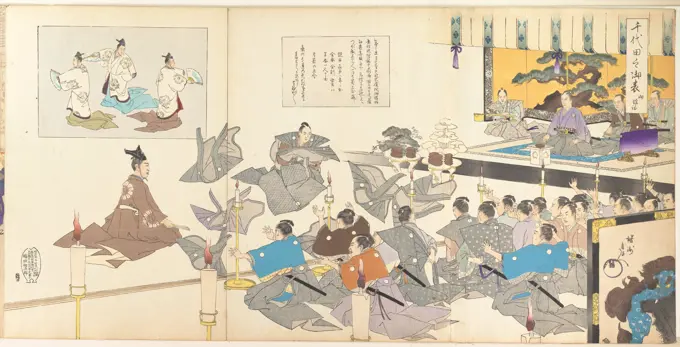
Japanese Landscapes and Nature

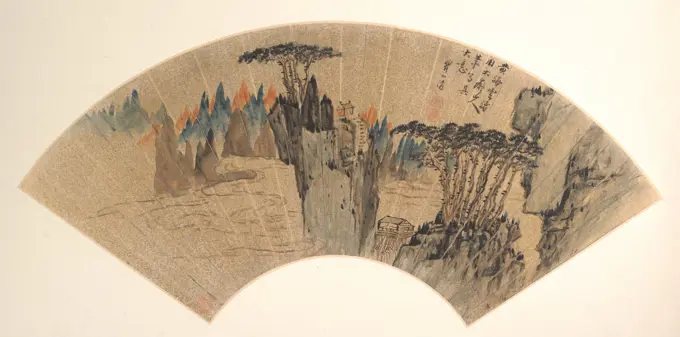
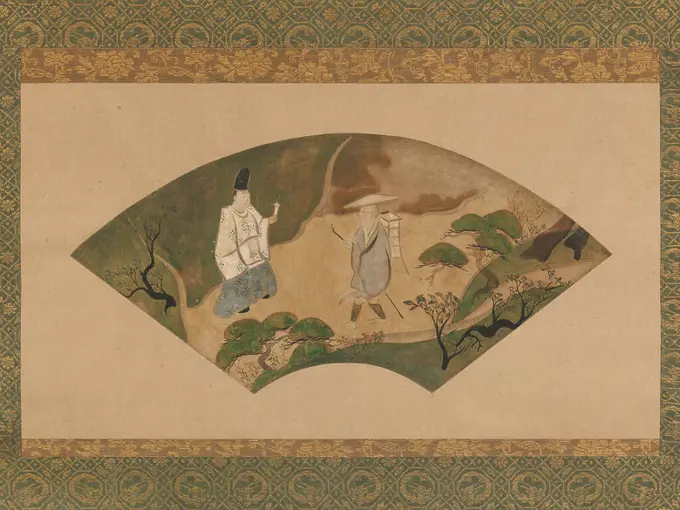
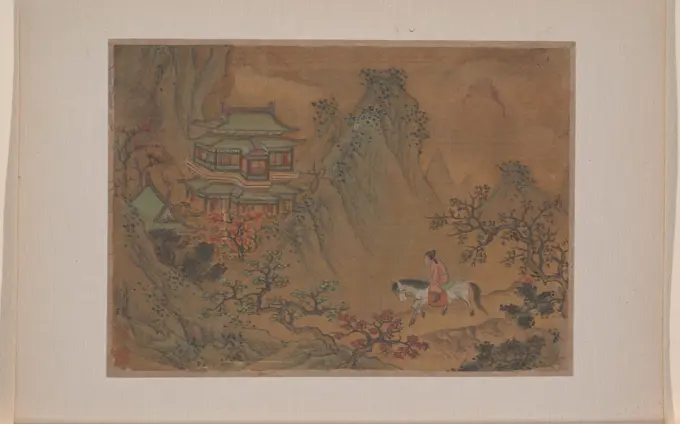
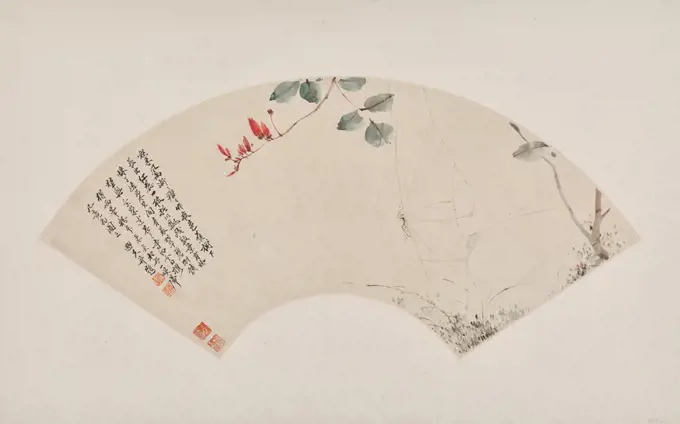
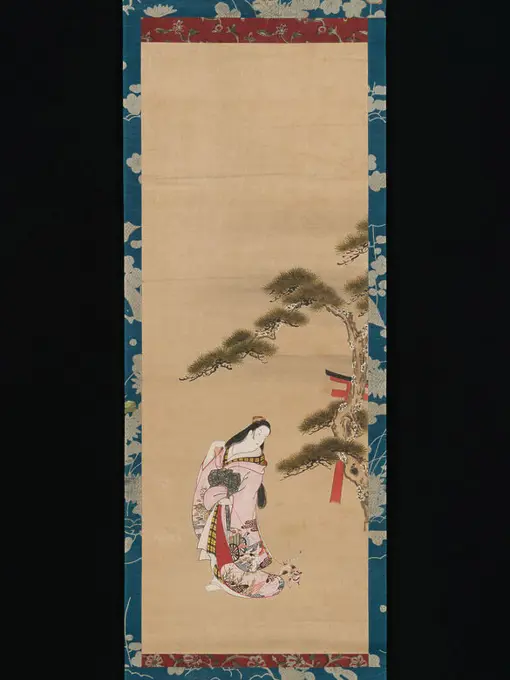
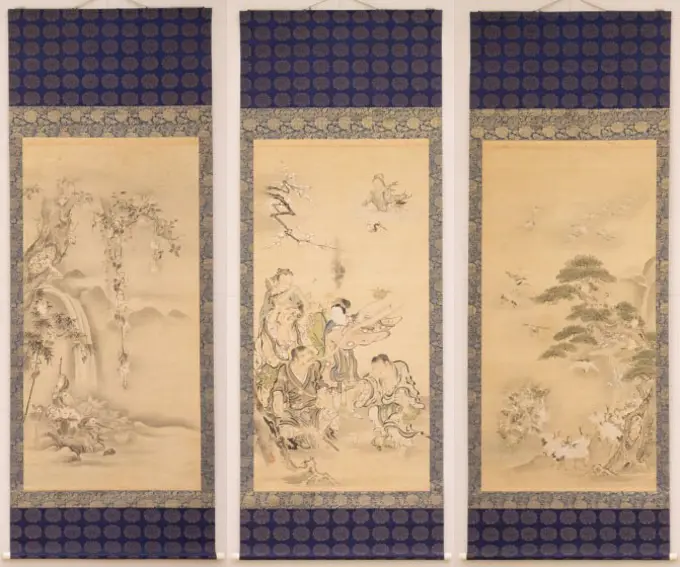
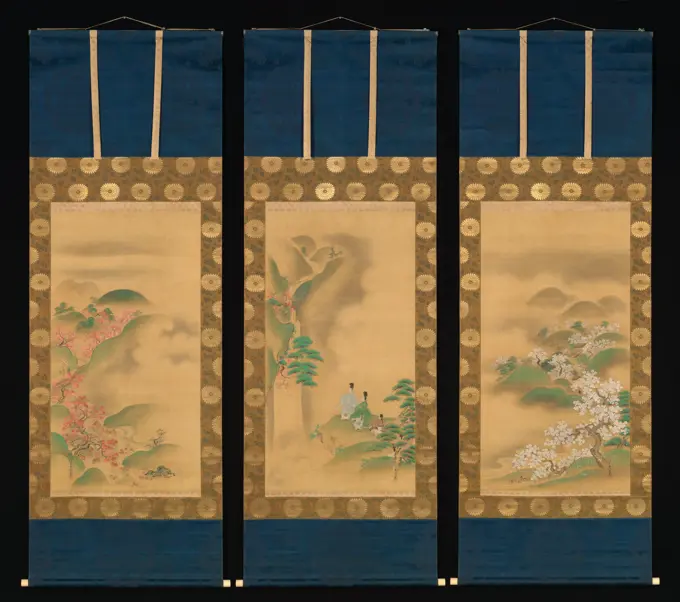
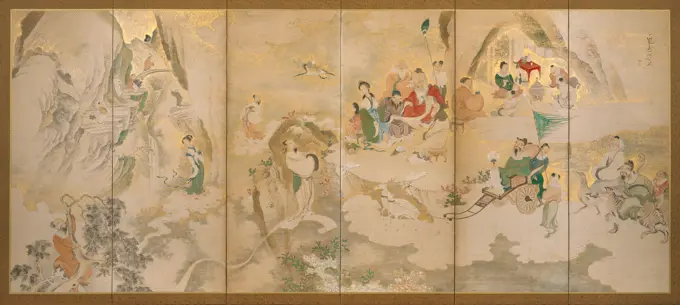
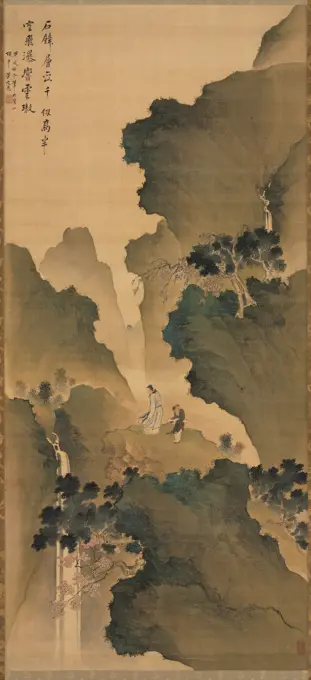
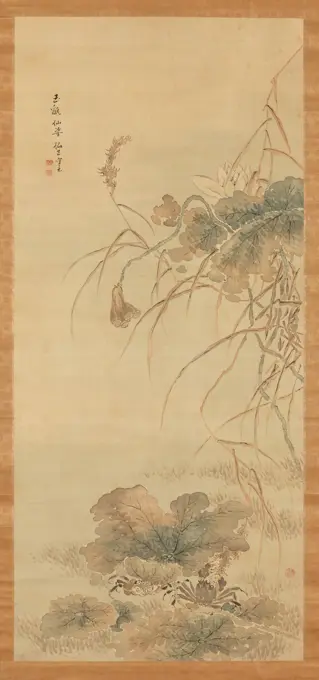
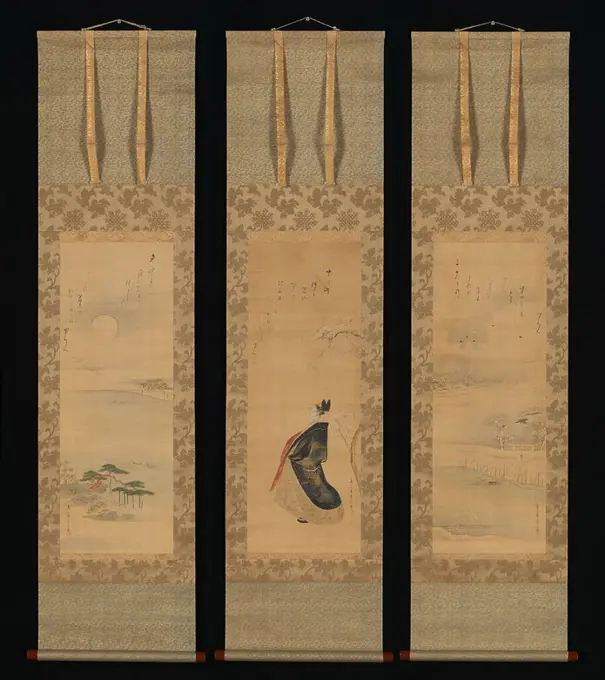
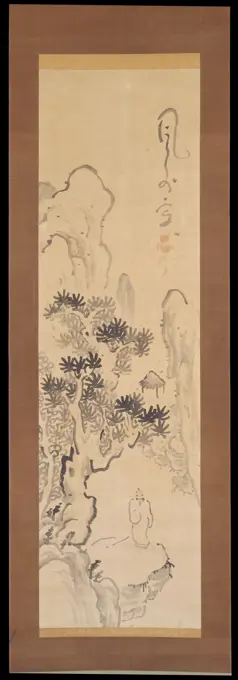
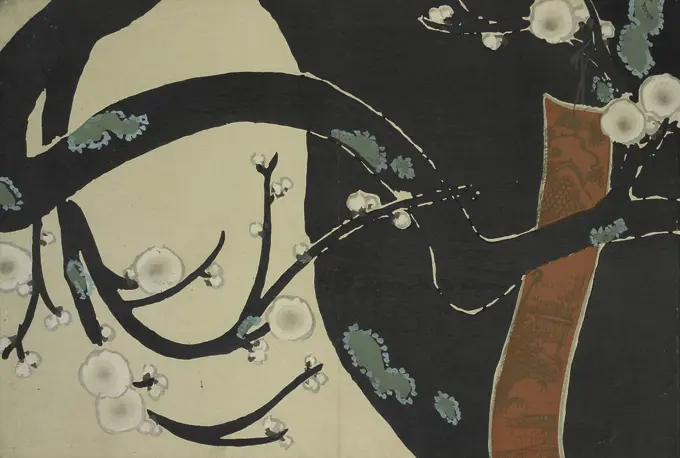
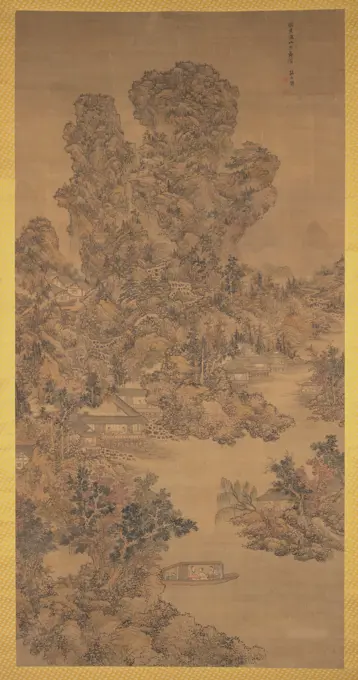
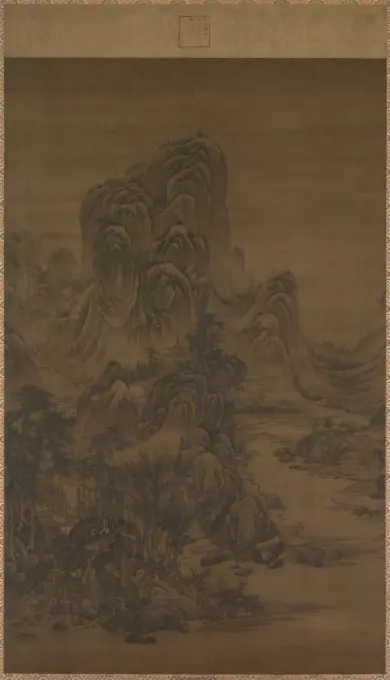
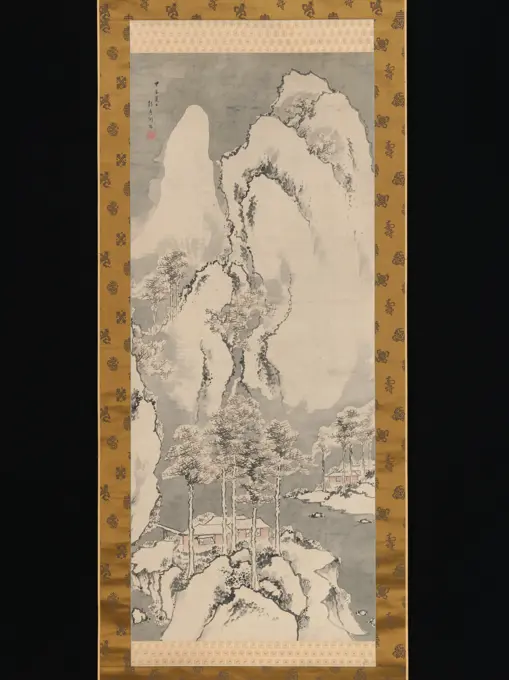
Traditional Japanese landscapes featuring nature scenes, ink and color artworks from different eras, highlighting mountains, rivers, and seasonal elements.
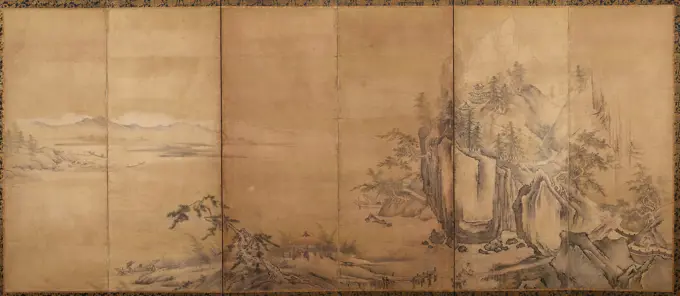
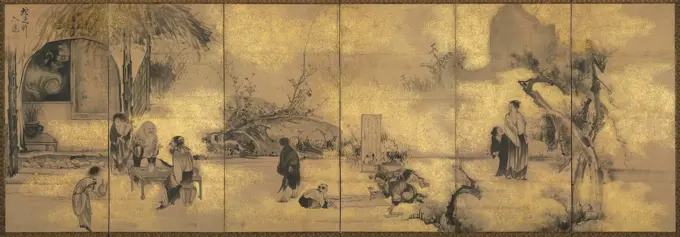
Spring and Summer right of a pair of Landscapes of the Four Seasons, mid 16th century, Kano School, Japanese, 67 5/8 x 150 in. (171.77 x 381 cm), Ink, light color, and gold on paper, Japan, 16th century, By the 1500s, Japanese painters had become adept at producing landscapes based on the imagined mountains and rivers of China. They based their works on prototypes produced by famous painters from Chinese antiquity, including Ma Yuan (c. 1160/65-1225) and Xia Gui (active c. 1195-1230). Stylistically, however, the Japanese approachparticularly that of artists associated with the Kano housewas more decorative, especially when applied to the large format of folding screens. Painters sharply outlined their trees and rocks and textured them with rhythmic patterns of dots and dashes. They also applied washes of gold for dramatic effect.