Japanese Netsuke and Artifacts

A collection of traditional Japanese netsuke showcasing characters and intricate detail. Includes wooden figures and an ornate chair from the 18th century.

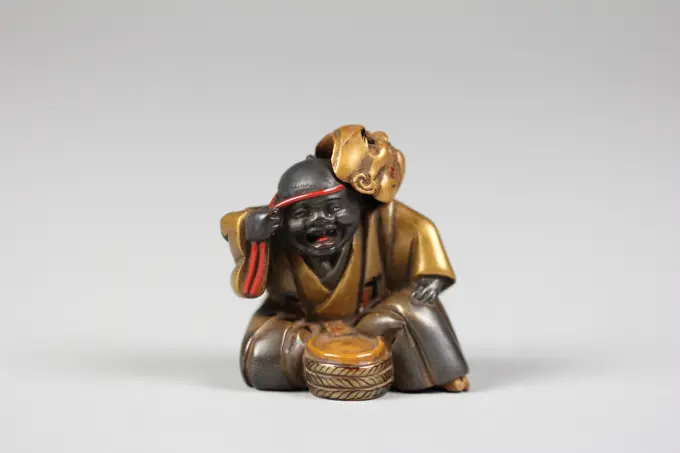
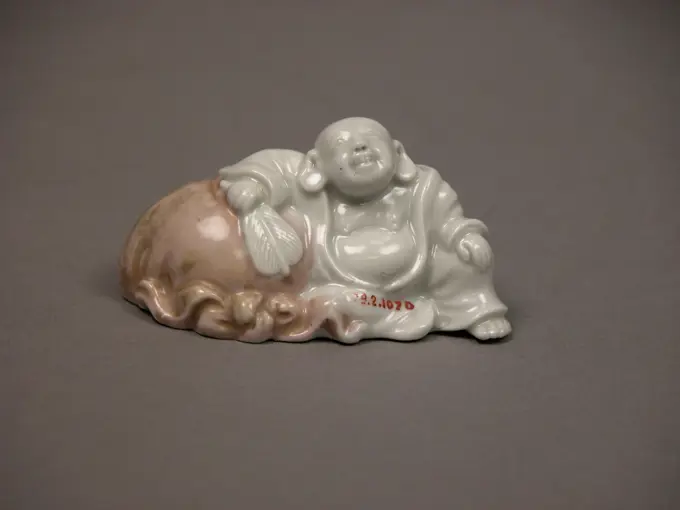
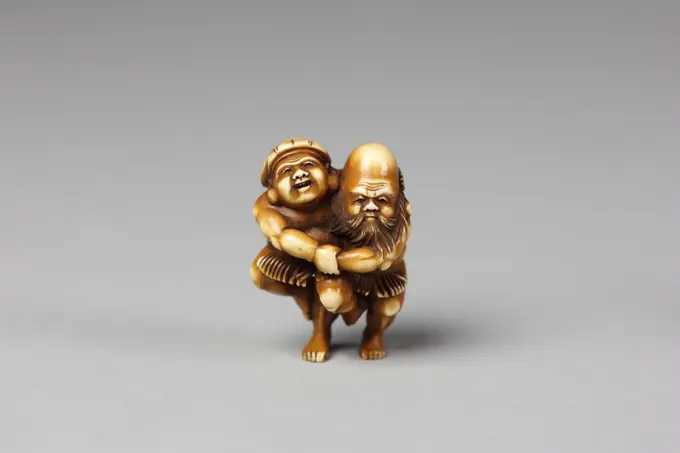
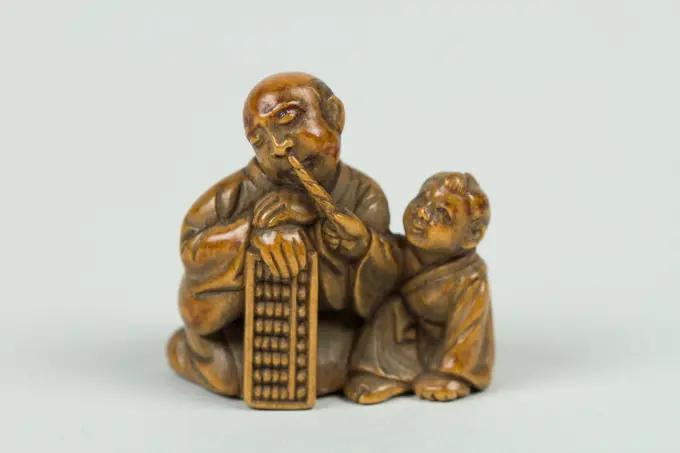
Netsuke Hotei, late 18th century, Unknown Japanese, 2 3/4 x 1 1/2 x 1in. (7 x 3.8 x 2.5cm), Wood, Japan, 18th century
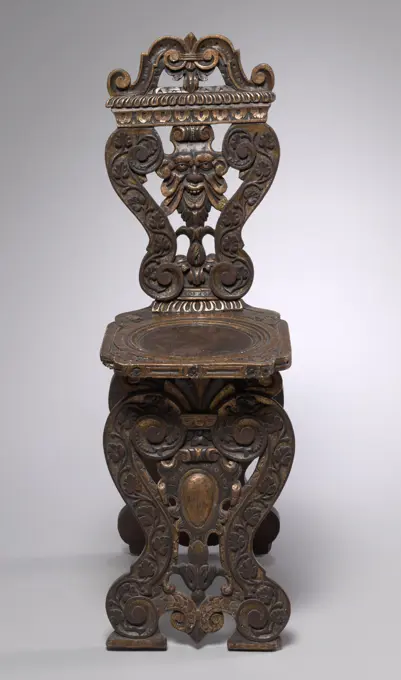
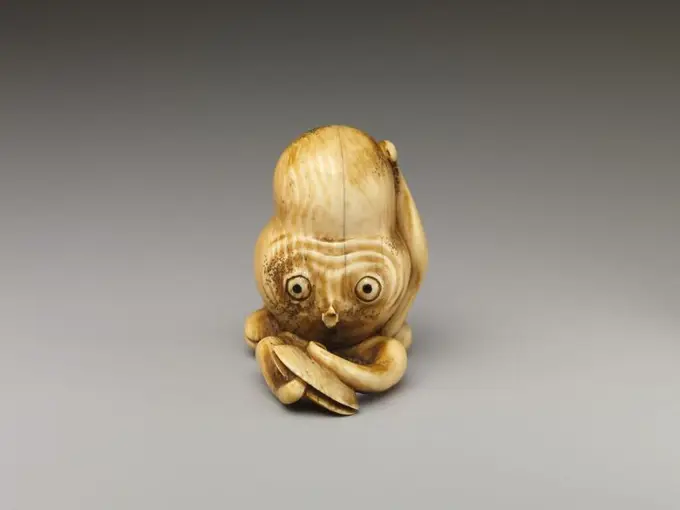
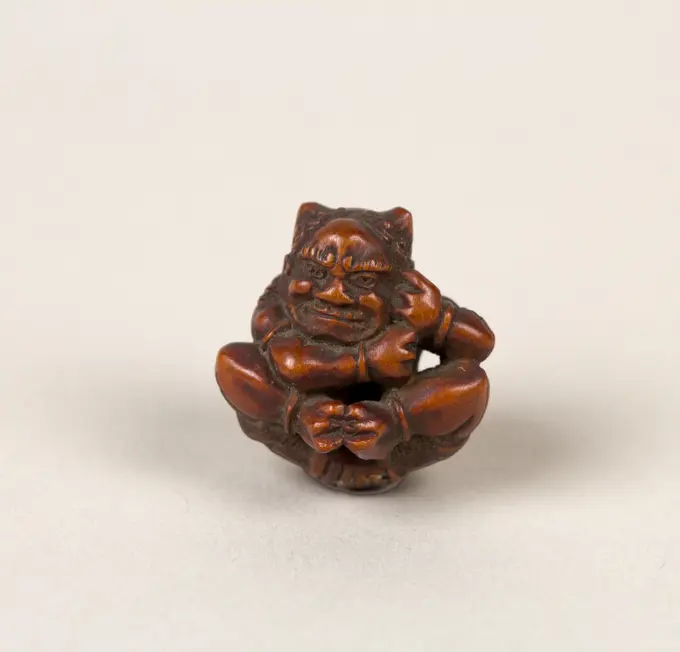
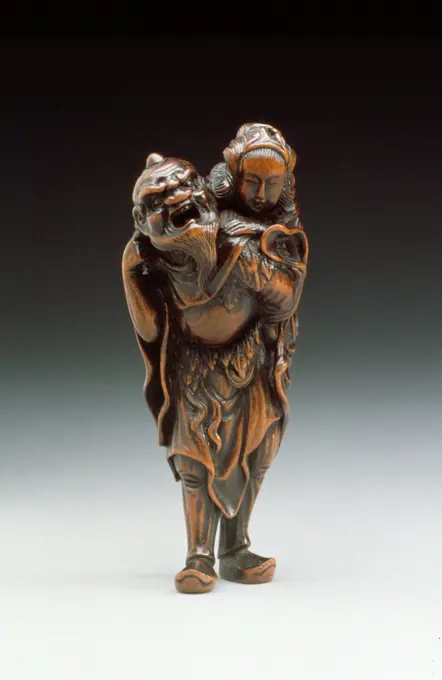
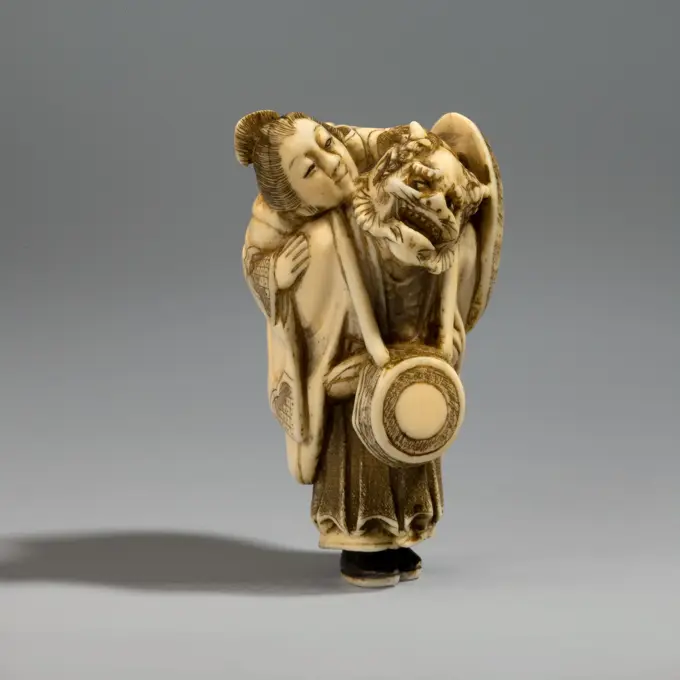
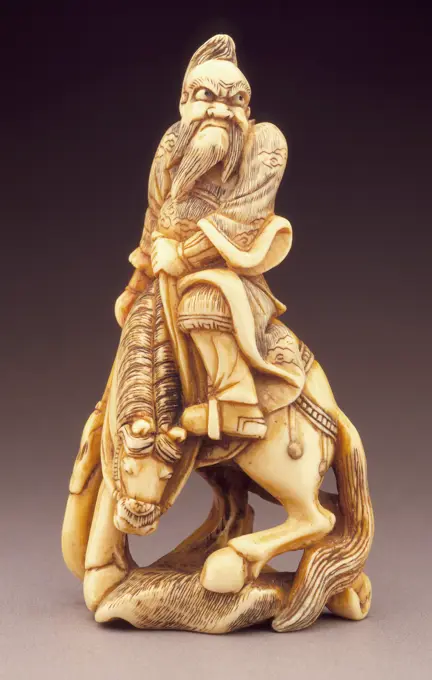
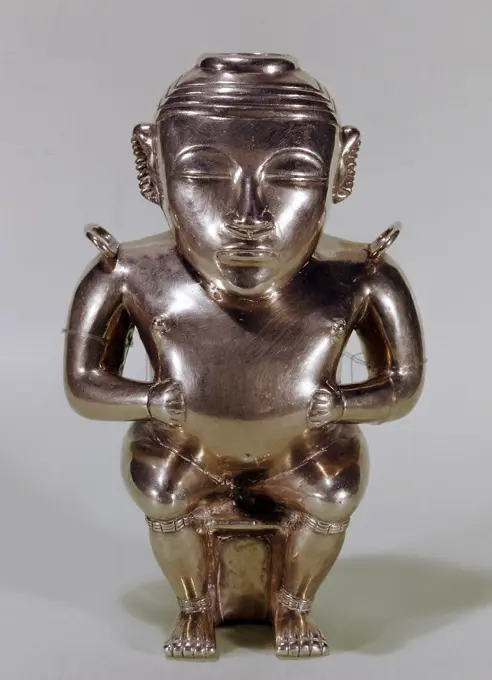
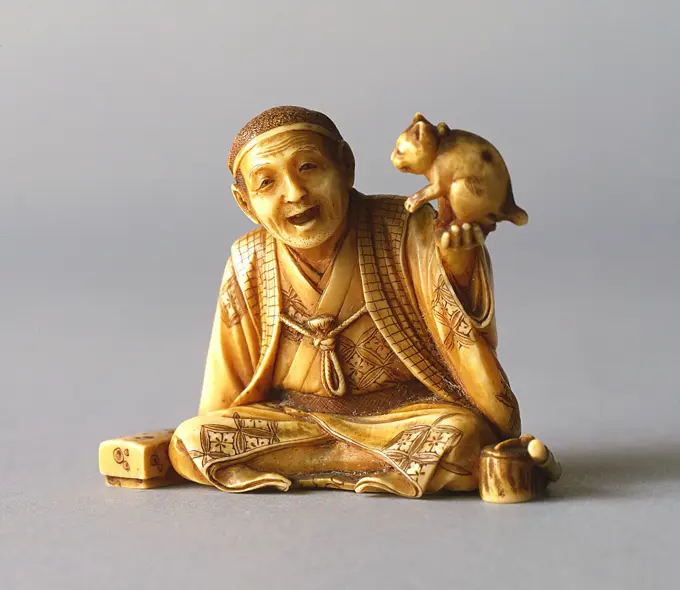
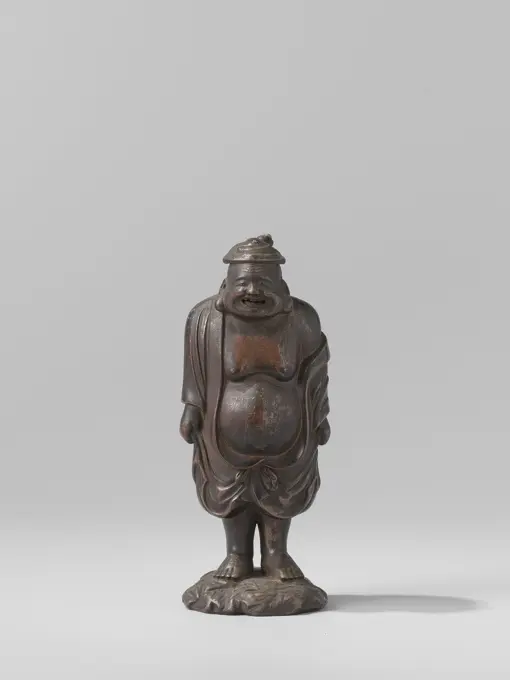
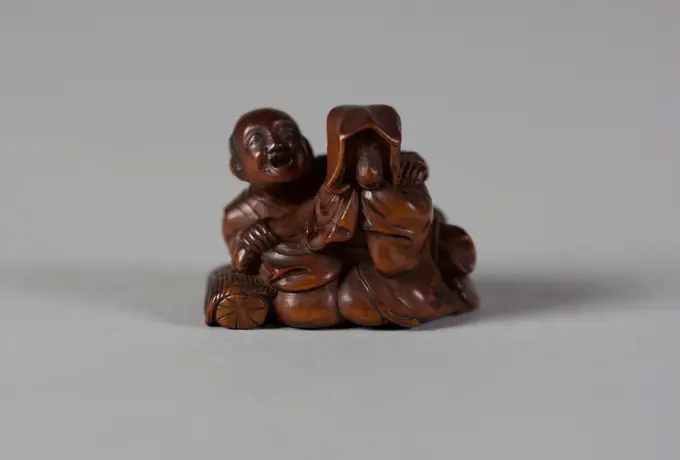
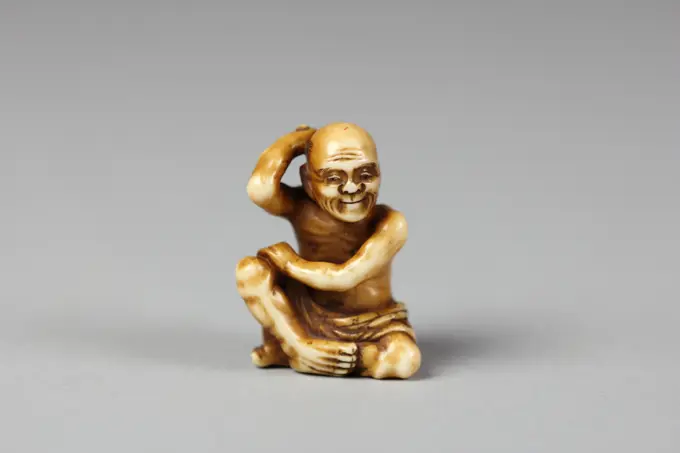
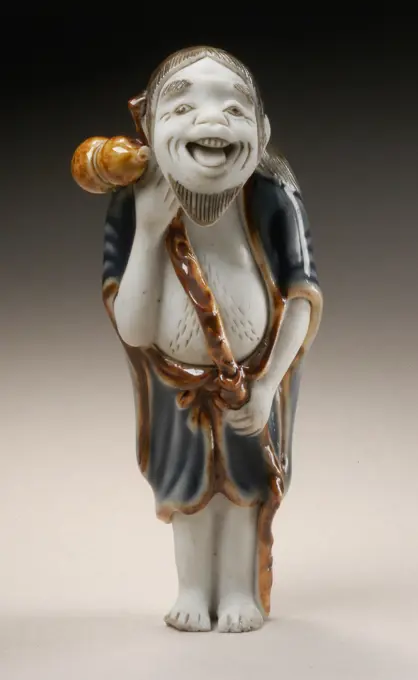
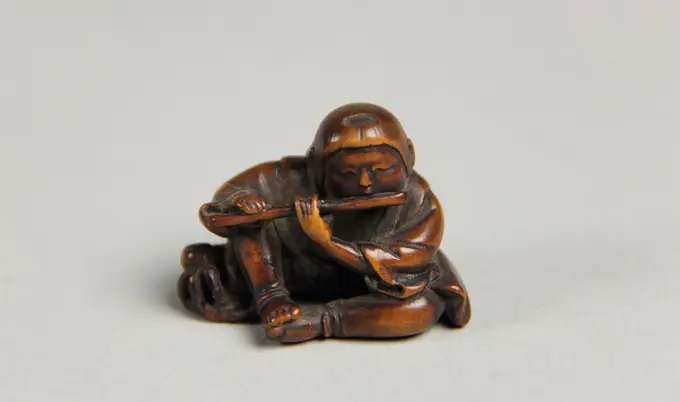
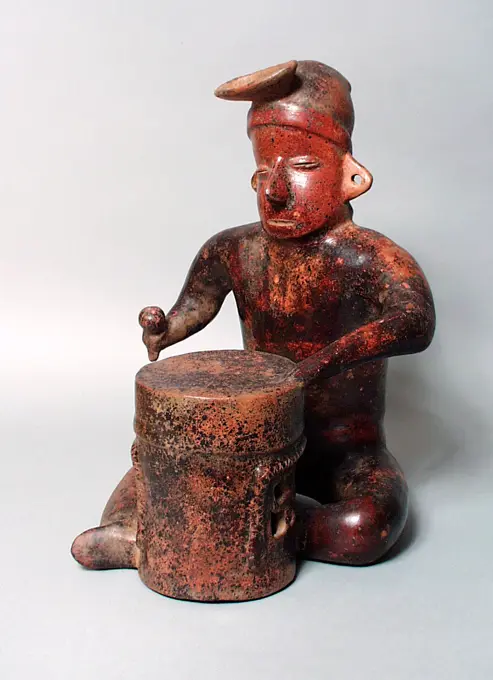
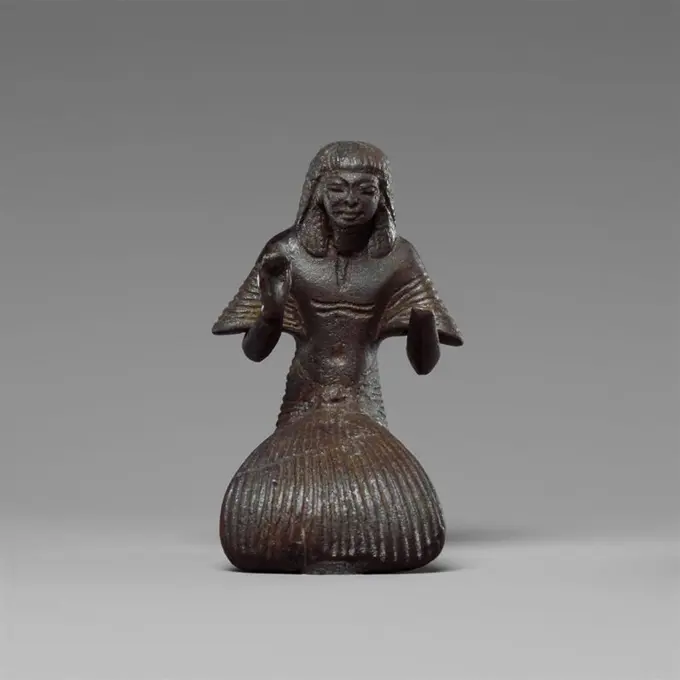
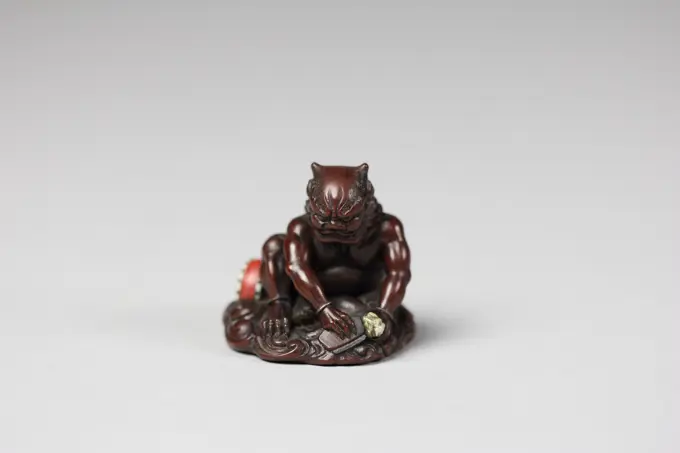
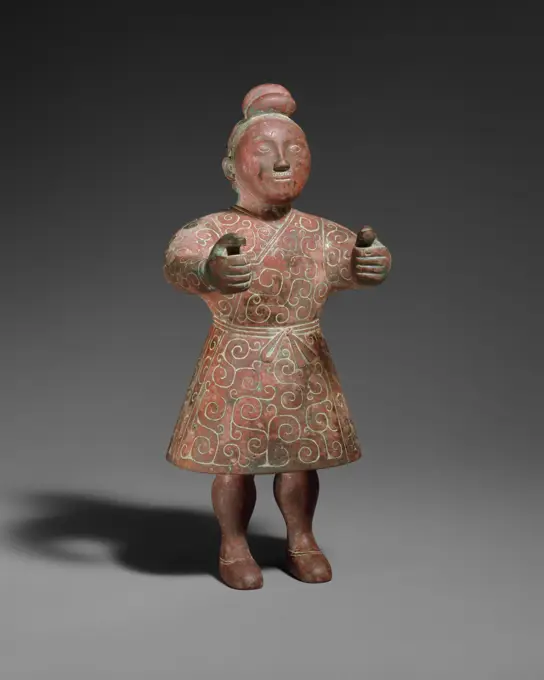
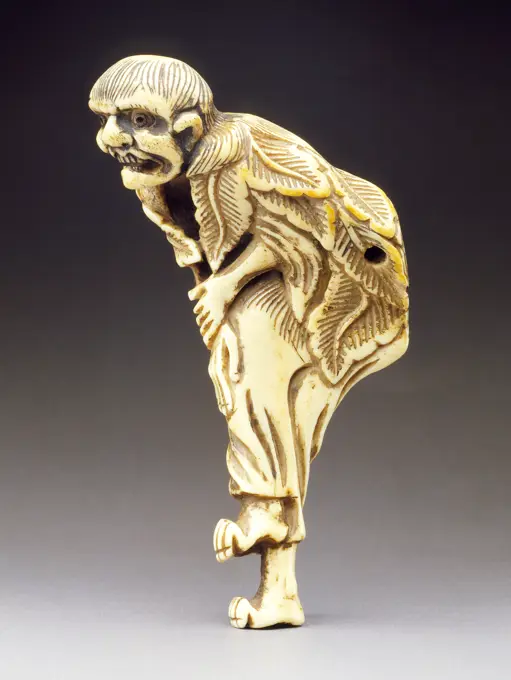
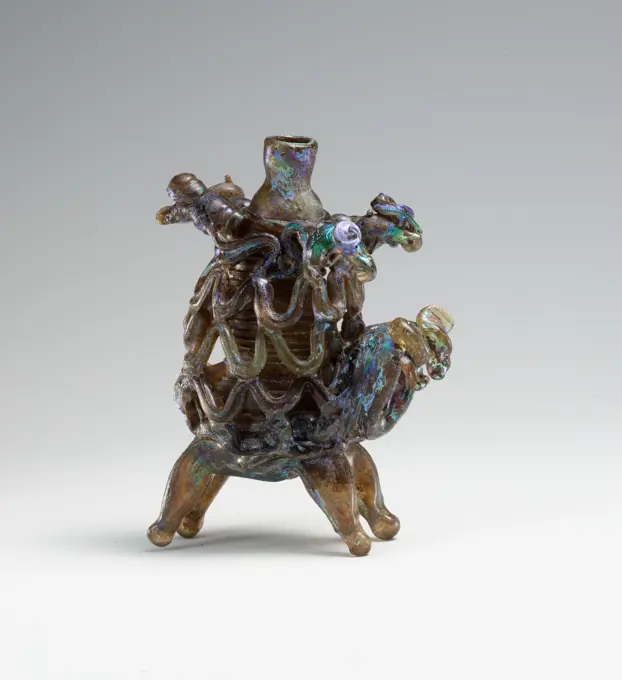
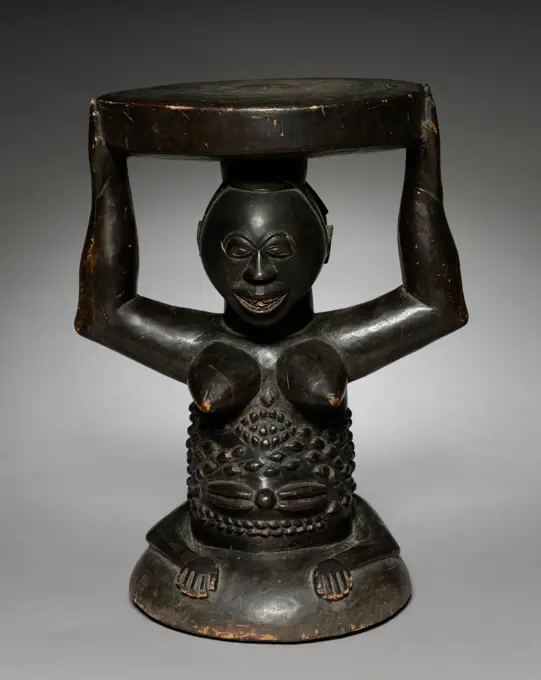
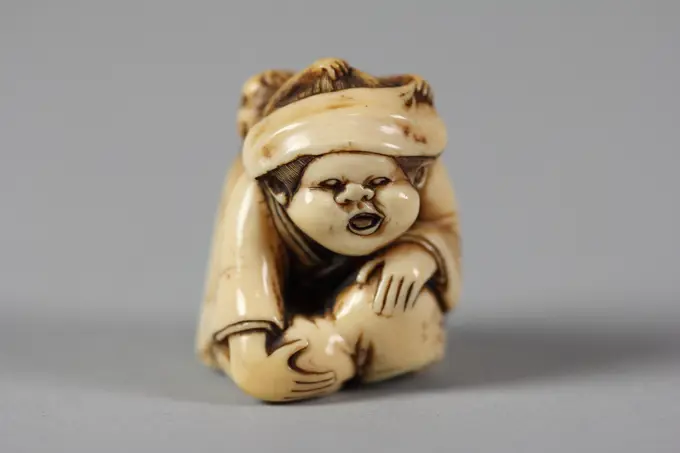
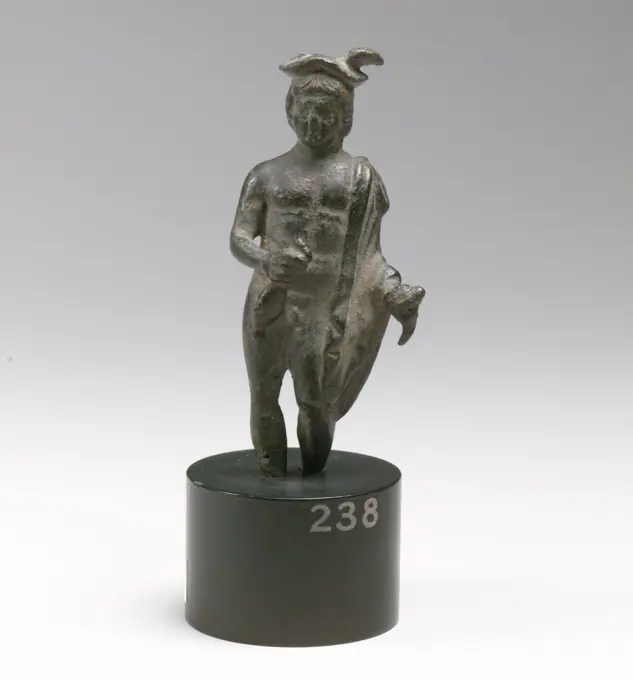
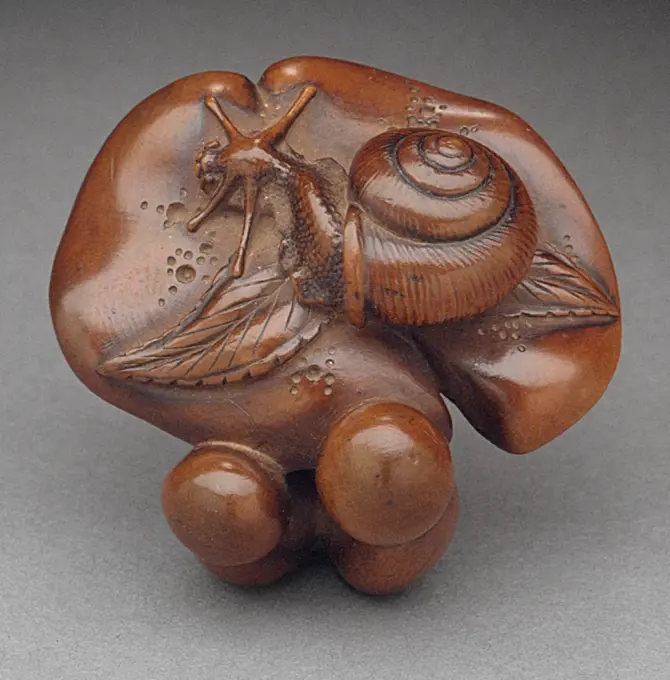
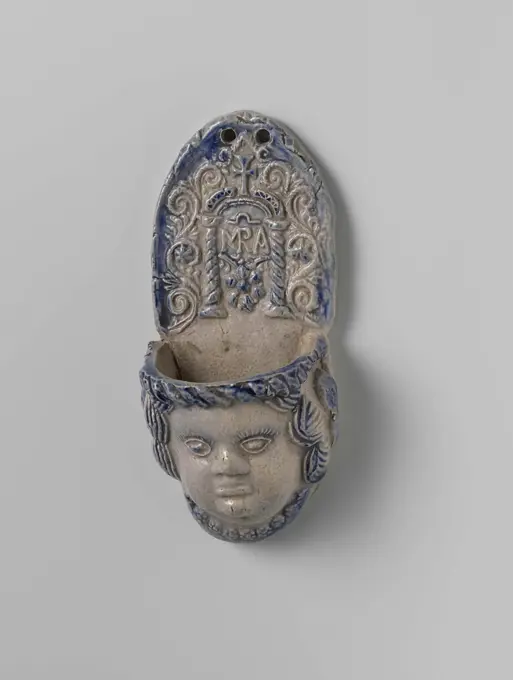
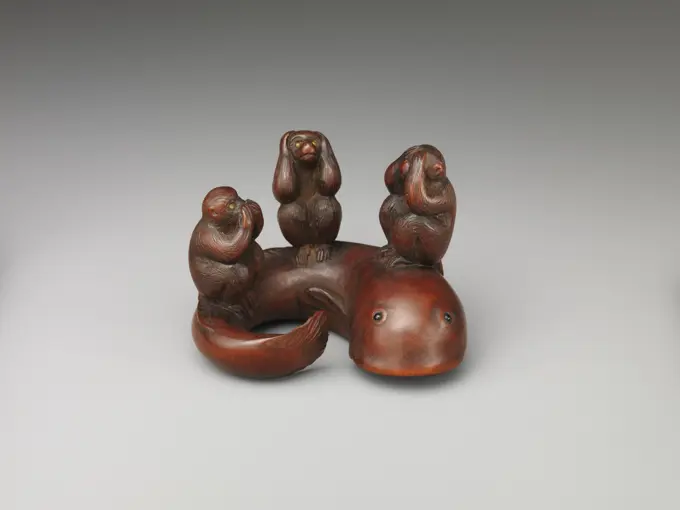
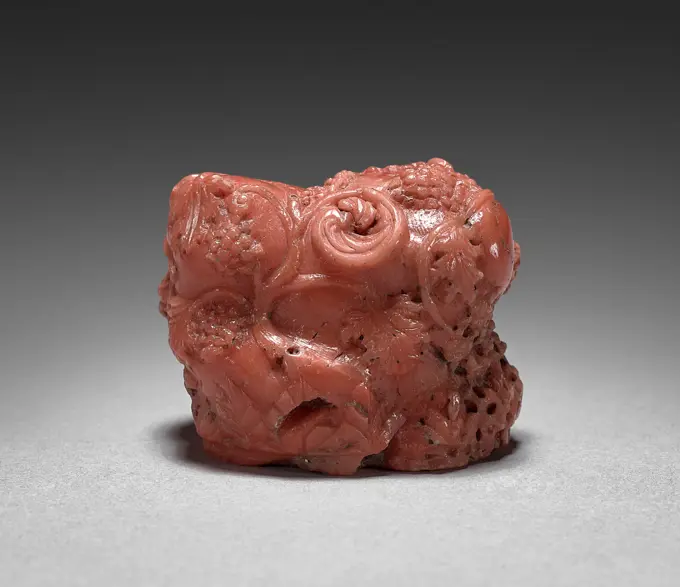
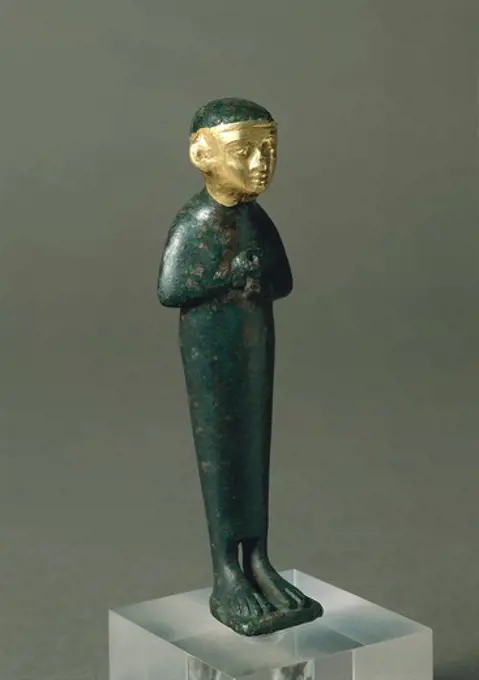
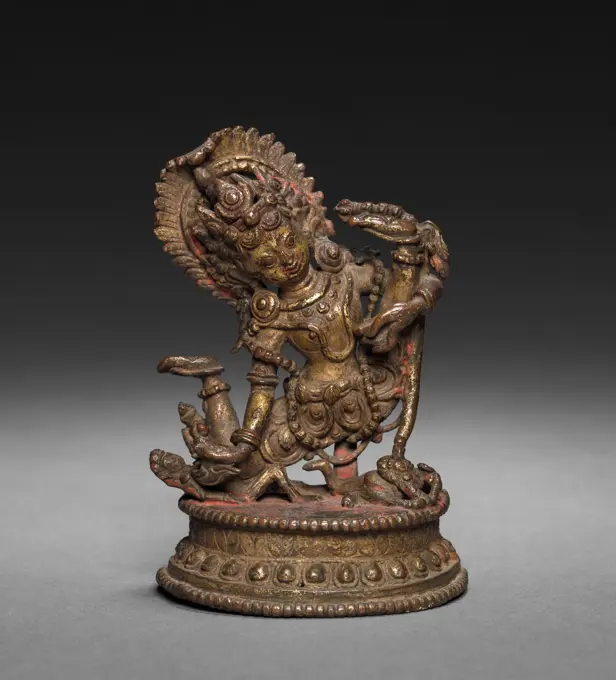
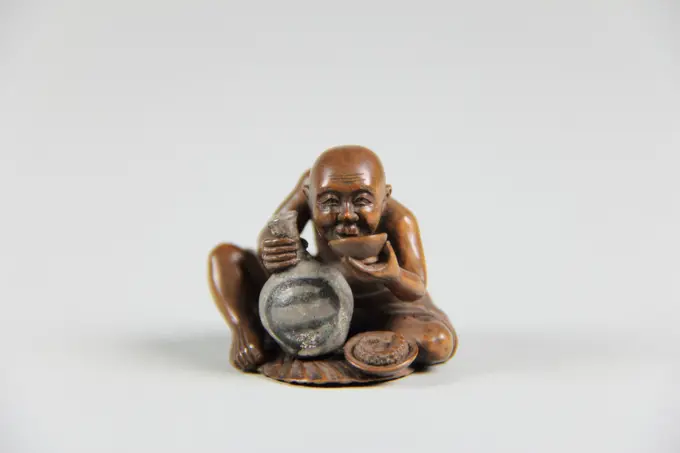
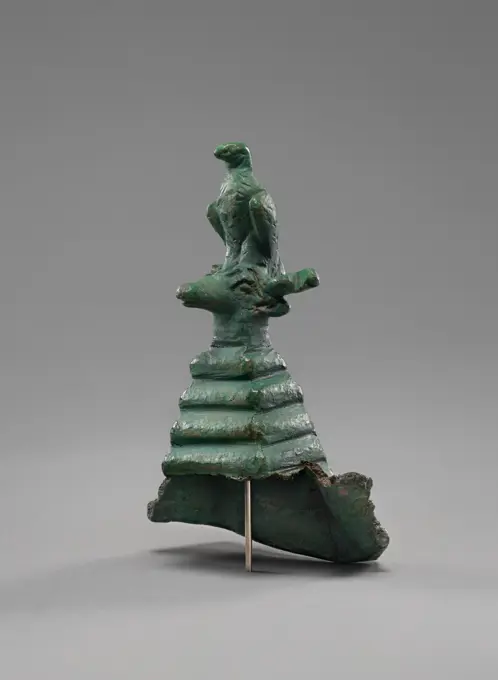
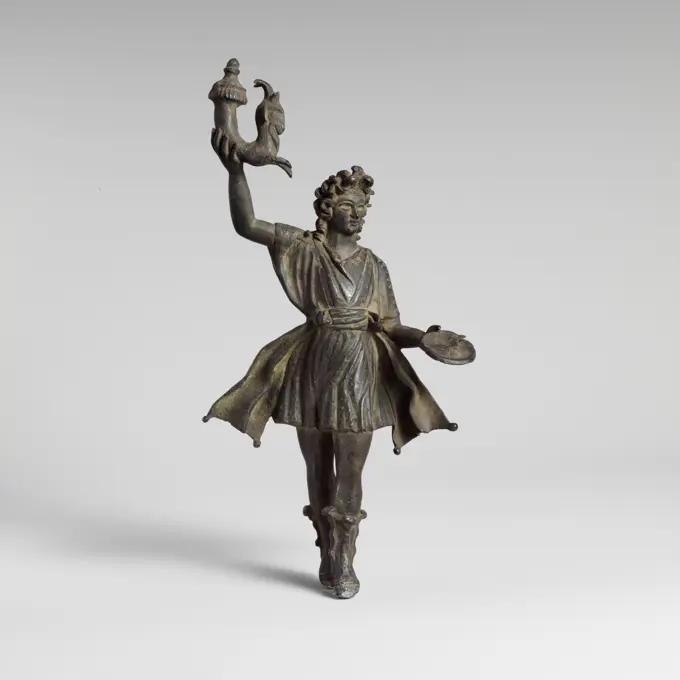
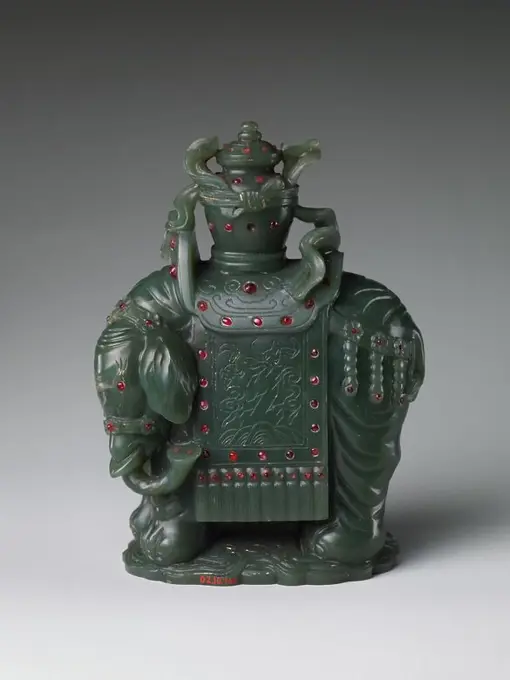
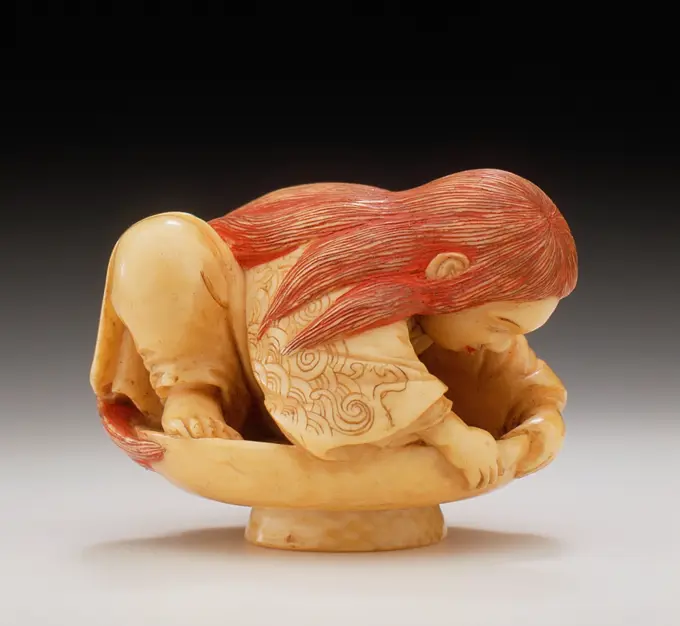
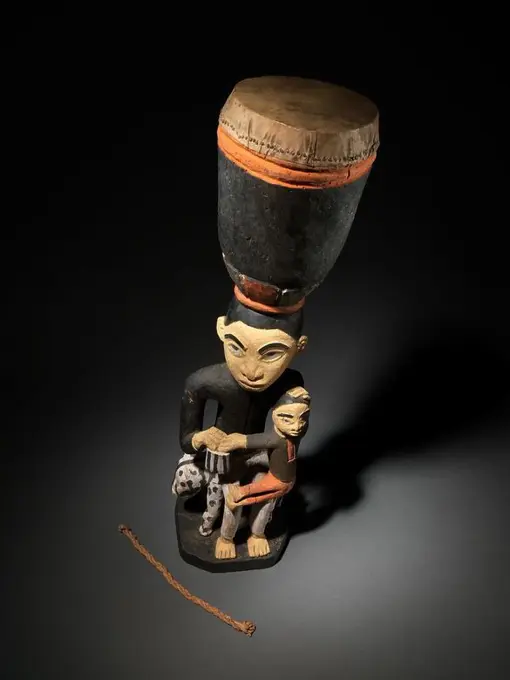
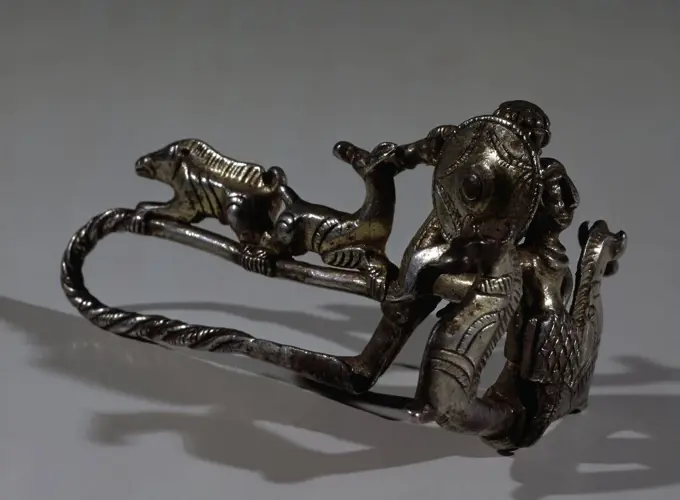
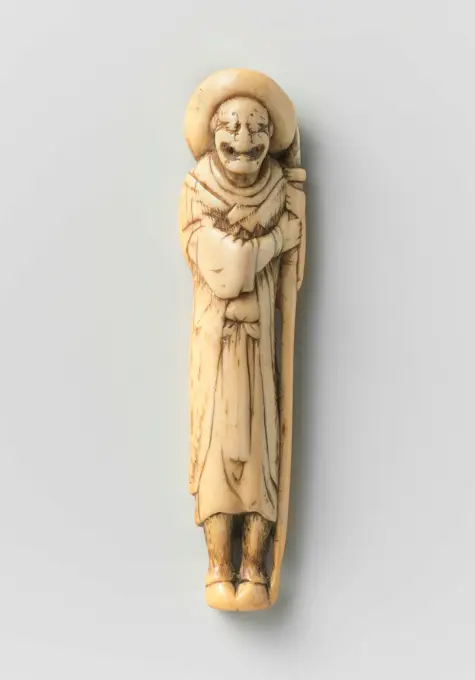
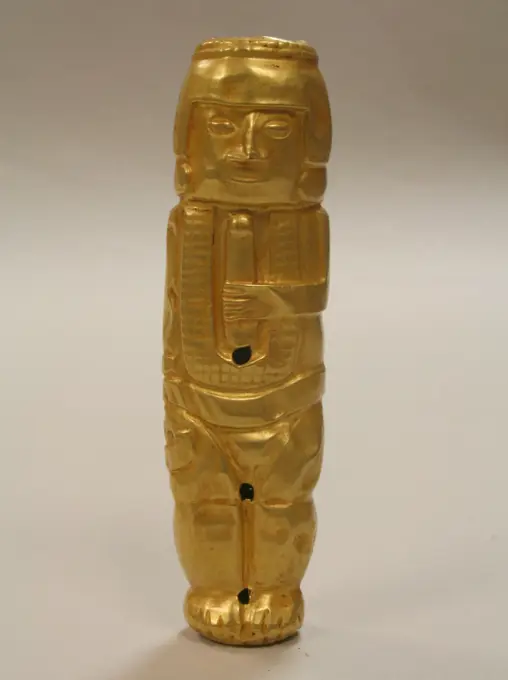
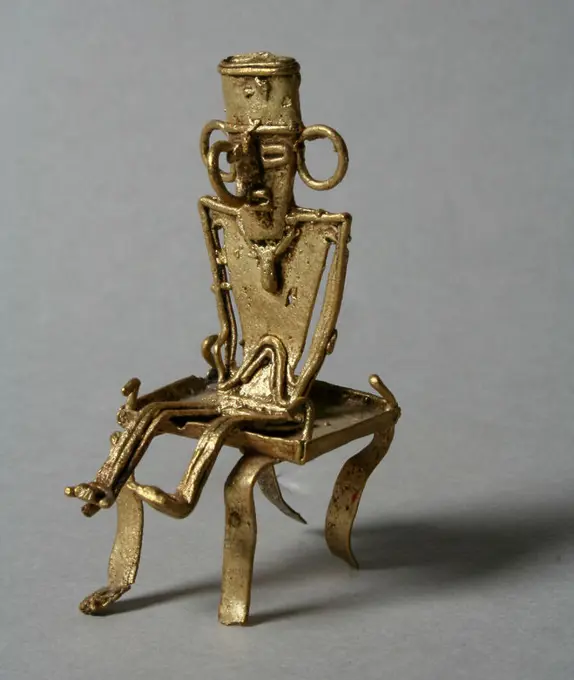
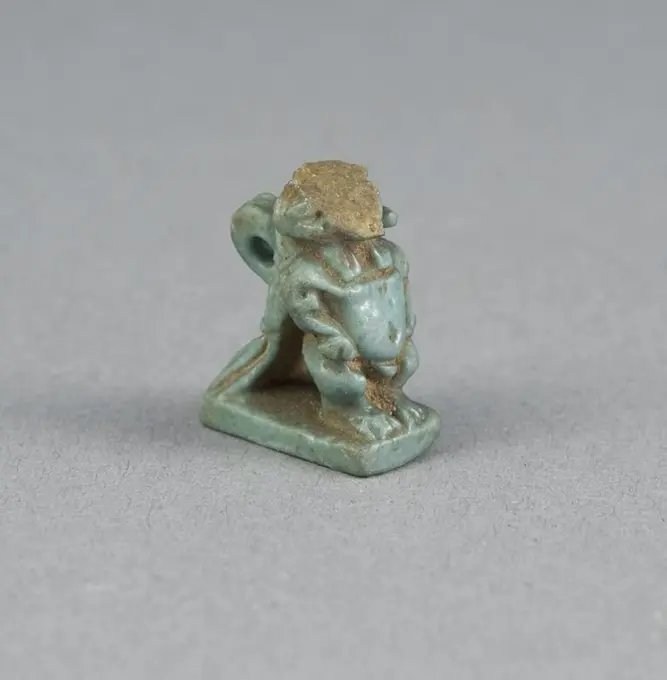
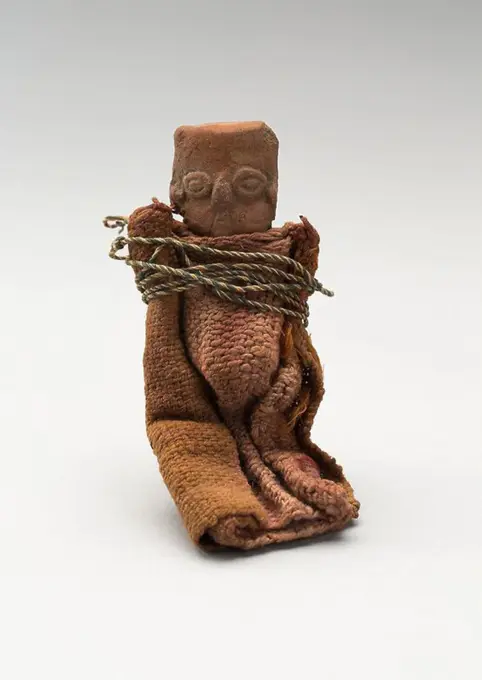
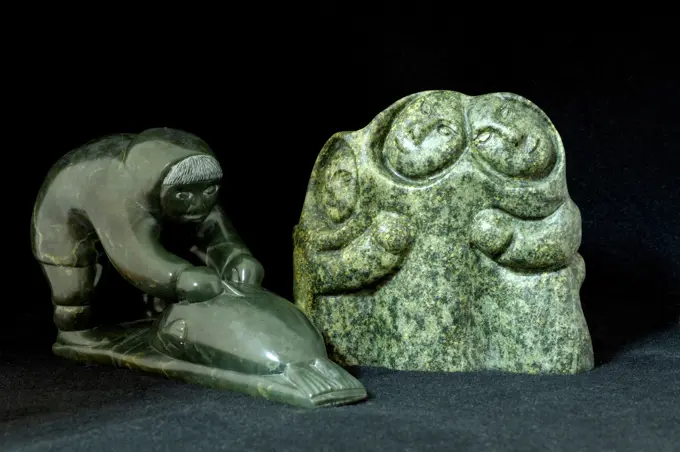
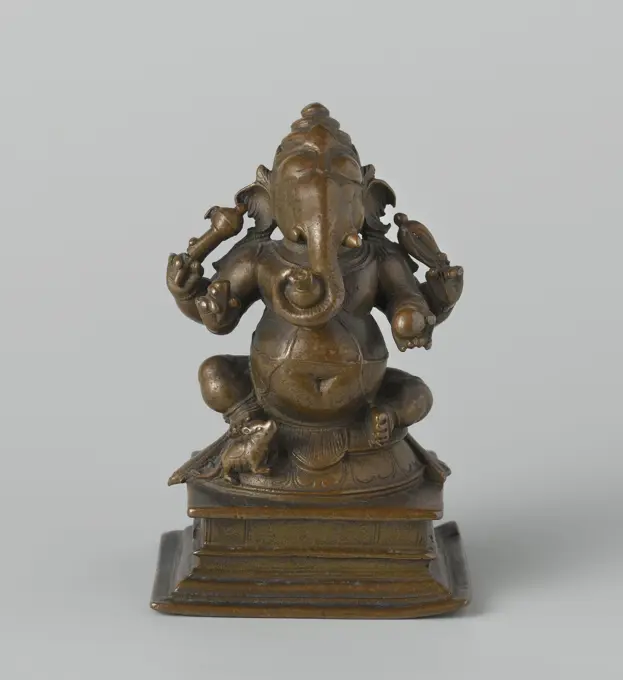
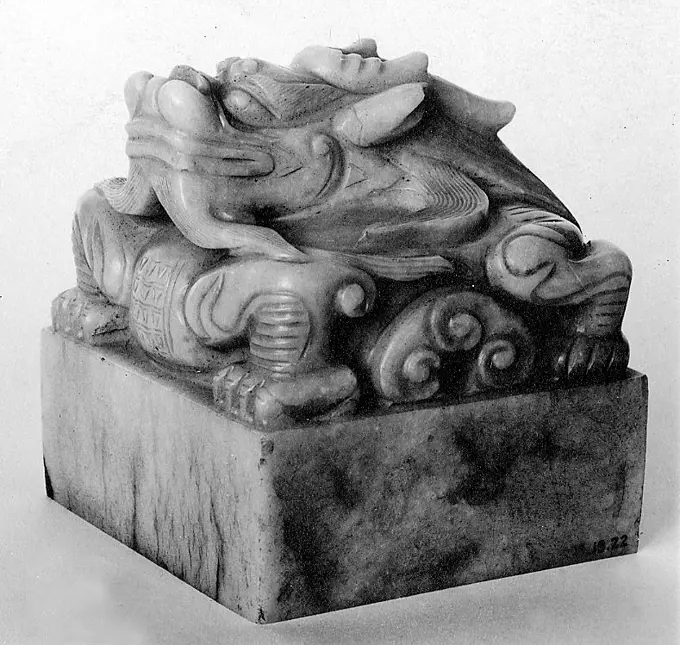
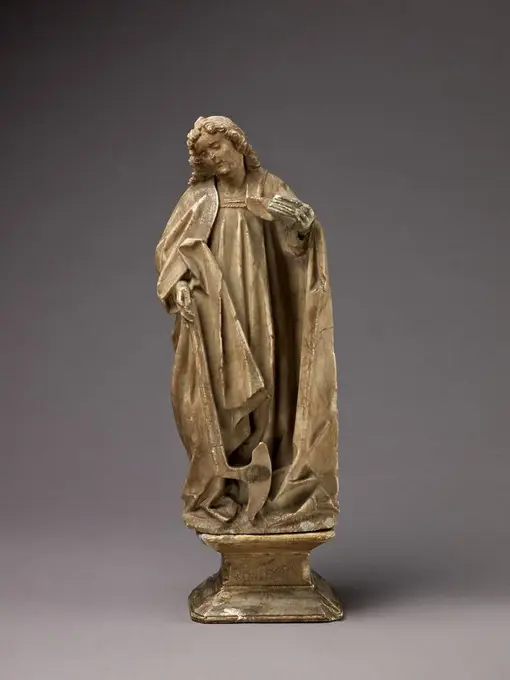
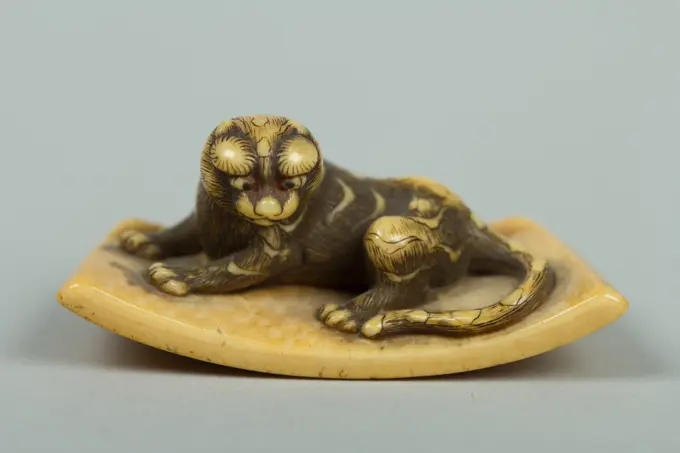
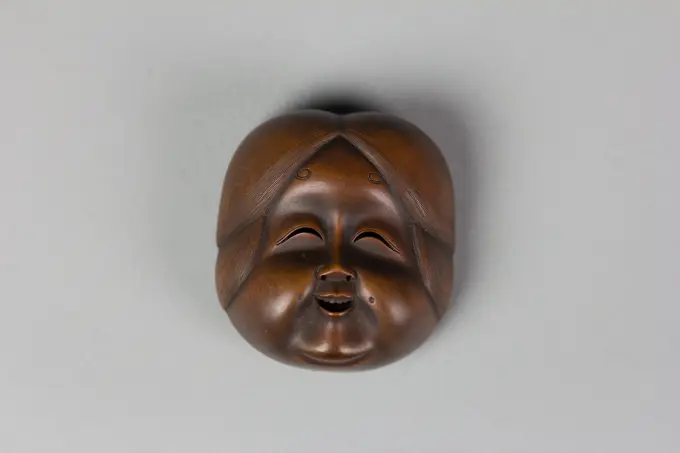
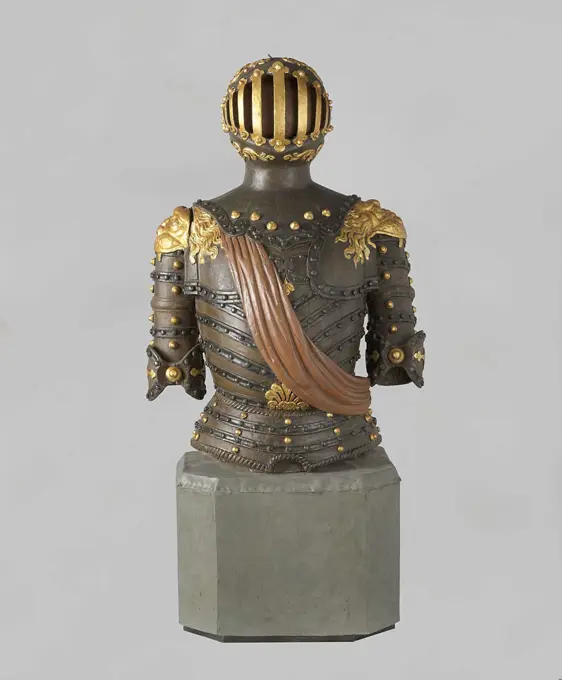
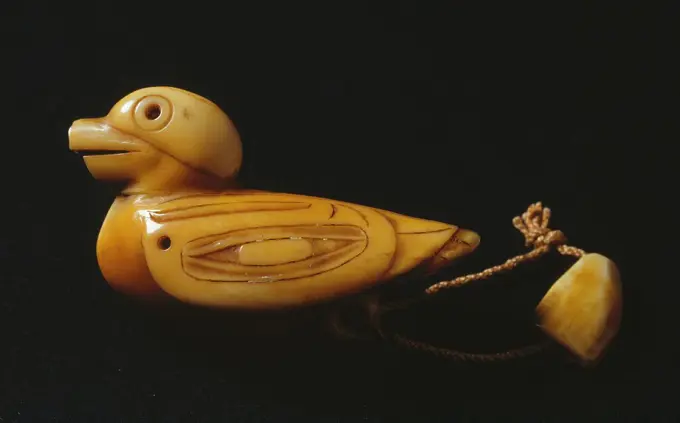
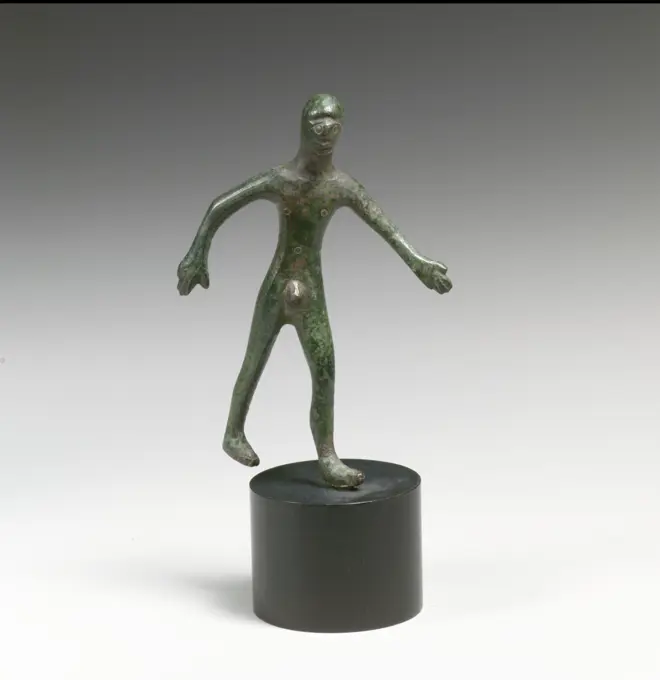
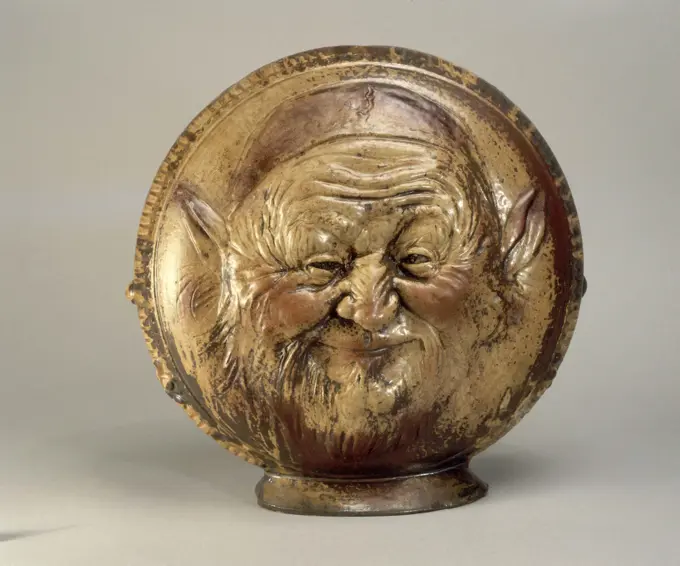
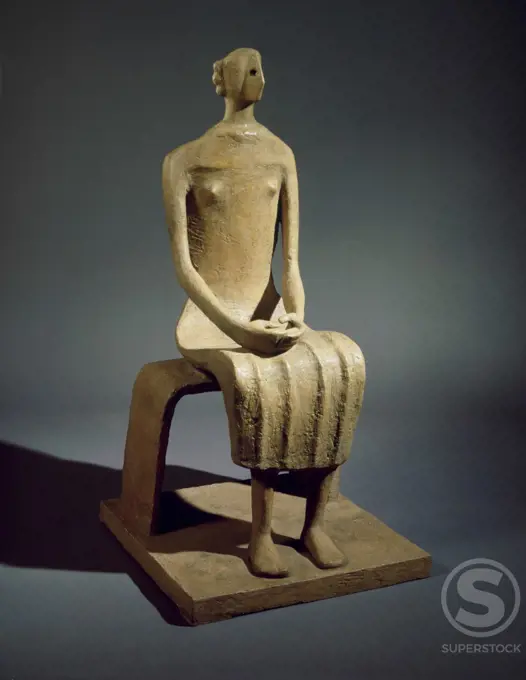
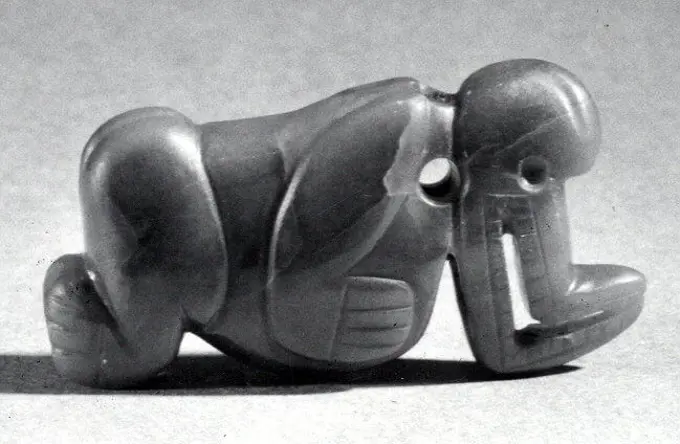
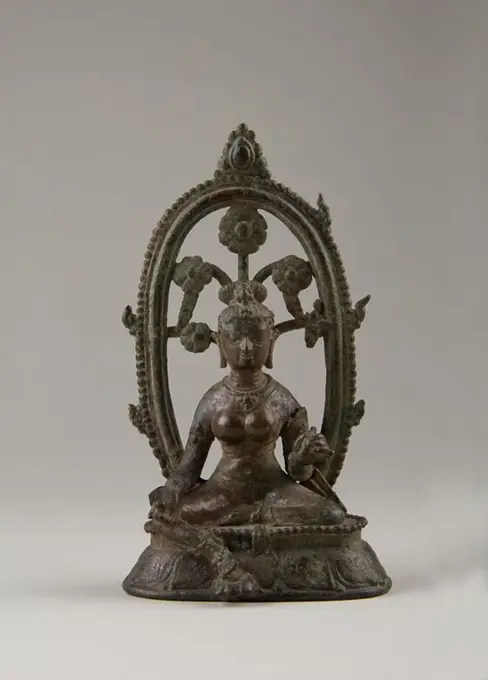
Netsuke Hotei, late 18th century, Unknown Japanese, 2 3/4 x 1 1/2 x 1in. (7 x 3.8 x 2.5cm), Wood, Japan, 18th centuryNetsuke of Boy with a Mask 19th century Japan. Netsuke of Boy with a Mask 59060Chair, Sgabello type, late 1500s. Italy, late 16th century. Walnut; overall: 100.3 x 33.7 x 44.2 cm (39 1/2 x 13 1/4 x 17 3/8 in.).Netsuke of Octopus Holding Clam. Culture: Japan. Dimensions: H. 1 1/4 in. (3.2 cm). Date: late 19th-early 20th century. Museum: Metropolitan Museum of Art, New York, USA.Netsuke of Demon 19th century Japan. Netsuke of Demon 59201Italian 17th Century, Handle in the Form of a Moor's Head, 17th century Handle in the Form of a Moor's Head. On a cylindrical base, on which birds of prey, turtles, lobsters and lizards are applied, a pedestal, the three sides of which are formed by a cartouche, on which the medical weapon. These cartouches are separated by three support ties in the form of heavy volutes, which are interconnected by Guirlandes. Under every volute a masceron.Ikkaku: The One-Horned Immortal. Japan, late 18th century. Costumes; Accessories. Wood with sumiBentmen (mitol.), Demon, figurines, Japanese (culture), Netsuke, message (provenance), Japanese artKan'u Mounted. Japan, 18th century. Costumes; Accessories. Ivory with staining, sumi, gold-colored powder pigmentTESORO DE LOS QUIMBAYAS - FIGURA MASCULINA DE ORO - COLOMBIA - 200-1000 DC. Location: MUSEO DE AMERICA-COLECCION. MADRID. SPAIN.Bag carrier. The object consists of two cast parts, which can be screwed together: the figure and the base. The man-dressed man standing in knee pants and wamboo is wearing a stuffed bag on his head, in which round characters are engraved as well as the numbers 17..17..3, and in which a granulated irregularly shaped field is cut off on the flat upper. The octagonal at the bottom hollow profiled pedestal narrows up.Corme with the family captains Dekema and Camstra, Anonymous, 1600 Korbeel of oak. On the consolorous front piece the weapons of the Dekema and Camstra families, above which a helmet with a lion as a helmet sign. The sides show s-shaped volutes with blossoms in the flower. Coming from the stins demolished in 1887 in Franeker. (See also inv.no. BK-16706-A to -F and BK-16706-H to -j) Northern NetherlandsNetherlands wood (plant material). oak (wood) Korbeel of oak. On the consolorous front piece the weapons of the Dekema and Camstra families, above which a helmet with a lion as a helmet sign. The sides show s-shaped volutes with blossoms in the flower. Coming from the stins demolished in 1887 in Franeker. (See also inv.no. BK-16706-A to -F and BK-16706-H to -j) Northern NetherlandsNetherlands wood (plant material). oak (wood)Figure (China); ivory; H: 3 x L: 4 x W: 2.3 cmFigure of a standing Budai, anonymous, 1500 - 1999 Image of metal (bronze) In the form of a standing Budai (Hotei) on a rock. Marked on the underside with an unidentified character. Japan metal Image of metal (bronze) In the form of a standing Budai (Hotei) on a rock. Marked on the underside with an unidentified character. Japan metalNetsuke of Tokutaro and Fox Disguised as a Woman 19th century Japan. Netsuke of Tokutaro and Fox Disguised as a Woman. Japan. 19th century. Wood. Edo (1615-1868) or Meiji period (1868-1912). NetsukeStirrup spout bottle with warrior figure. Culture: Moche. Dimensions: Overall: 9 1/8 x 9 5/8 in. (23.18 x 24.51 cm)Other: 9 5/8 in. (24.51 cm). Date: 3rd-5th century. Museum: Metropolitan Museum of Art, New York, USA.Bronze support in the form of a ram's head and foreleg 1st century B.C.-1st century A.D. Roman The foot combines a ram's head and leg.. Bronze support in the form of a ram's head and foreleg 248317Statue of pensive man on black backgroundNetsuke of Figure of a Man Scratching His Back 19th century Japan. Netsuke of Figure of a Man Scratching His Back 59870Candlestick 19th century, after 16th century original British, after Italian original This electrotype is after a sixteenth-century original in the Victoria and Albert Museum, London, at the time of reproduction.. Candlestick 185874Netsuke in the Form of a Daoist Immortal with a Gourd. Japan, 19th century. Ceramics. Hirado Mikawachi ware; porcelain with blue and iron glazes, inked detailsBodhisattwy;  XIV-XV century (1301-00-00-1500-00-00);Figure of Hotei 18th century Japan. Figure of Hotei 52459Netsuke of Boy Playing a Flute 19th century Japan. Netsuke of Boy Playing a Flute. Japan. 19th century. Wood. Edo (1615-1868) or Meiji period (1868-1912). NetsukeDrummerKneeling official. Dimensions: h. 7.3 cm (2 7/8 in) 9.8 cm (3 3/8 in) with tang; w.4.5 cm (1 3/4 in); d. 4.8 cm (1 7/8 in). Dynasty: Dynasty 19-20. Date: ca. 1250-1070 B.C..The number of examples of nonroyal statuettes in poses and stances typical for use in burials diminishes greatly in the New Kingdom, reflecting a general shift in funerary practices away from the deposition of statuary in tombs and toward placement in temples. This figure is the earliest metal statuette of a nonroyal man that can be ascribed to a shrine or temple provenance because of its ritual worshipping pose. It is datable to the late Nineteenth or Twentieth Dynasty based on the style of the official's hair and garments as well as the style of his face, which shows no influences of the earlier Amarna period. The statuette's open core cavity, without core supports, and its long, irregularly shaped tangs (not visible when the figure is displayed) also support such a date. Museum: Metropolitan Museum of Art, NewNetsuke of Demon 19th century Japan. Netsuke of Demon 59083Figure of a Charioteer 4th-3rd century B.C. China This figure is among the earliest Chinese representations of nomadic peoples on the northern frontier. Its identity is indicated by the short sword and belted jacket, a costume designed for an equestrian culture. The figure may have belonged to a larger assemblage. Judging from his posture and the position of his arms, it could have been a foot on the corner of a vessel or a lamp stand.. Figure of a Charioteer. China. 4th-3rd century B.C.. Bronze. Eastern Zhou dynasty, Warring States period (475-221 B.C.). SculptureFukurokuju: God of Wisdom. Sueyoshi Sekishū (Japan, active late 18th-early 19th century). Japan, late 18th-early 19th century. Costumes; Accessories. WoodDaoist Immortal. Japan, late 18th-early 19th century. Costumes; Accessories. Stag antlerAnimal Flask late 7th-8th century During Roman and early Islamic times, animalshaped vessels were made using an intricate decorated double or quadruple glass tube. Decorated with trailed glass threads, the tubes are carried on the backs of domestic animals and the trailed threads appear to imitate protective cages. Such vessels were probably used as containers for kohl or perfume.. Animal Flask. late 7th-8th century. Glass, amber-colored; blown, applied decoration. Attributed to probably Syria. GlassNetsuke of Daikoku and Fukurokuji 19th century Japan. Netsuke of Daikoku and Fukurokuji 59963Amulet - bóg Bes. unknown, authorFigurine of a Woman with a GooseCaryatid Stool, c. 1900. Central Africa, Democratic Republic of the Congo,Luba, early 20th century. Wood; overall: 43.8 cm (17 1/4 in.).Netsuke of Woman and Monkey 19th century Japan. Netsuke of Woman and Monkey 60214Figurine of a BaboonFragment of a clock. Top piece of a clock in the shape of a raised lion, between horns ring to which chain of 35 cm length, ending in hook. Is on disk.Lion shaped censer unknownStatuette of a man. Statuette of a man. Bronze. BronzesNetsuke, japanese miniature sculpture. Museum: COLECCION PRIVADA.Dutchman with a Rooster. Culture: Japan. Dimensions: H. 3 5/8 in. (9.2 cm); W. 1 1/8 in. (2.8 cm); D. 11/16 in. (1.7 cm). Date: late 18th century.The "Southern Barbarian" (Nanban) Dutchman netsuke were developed at a time when few Japanese had encountered foreigners. The cock is a possible reference to the Dutch colony's pastime of cockfighting. Museum: Metropolitan Museum of Art, New York, USA.Shiva as Pashupati. Culture: India. Dimensions: H. 10 3/4 in. (27.3 cm); W. 4 5/8 in. (11.7 cm); D. 4 3/4 in. (12.1 cm). Date: ca. 12th century. Museum: Metropolitan Museum of Art, New York, USA.Mold with Intaglio Figure 3rd-7th century Central Asia. Mold with Intaglio Figure 40024Toy Cart with Grimacing Potbellied Dwarf (Yaksha) 100 BCE-1 BCE West Bengal. Terracotta with red slip .Bead China. Bead. China. Jade. Han dynasty (206 B.C.-A.D. 220). JadeBronze statuette of Mercury 1st-2nd century A.D. Roman Mercury, the god of commerce, wears a winged petasos on his head and holds a money pouch in his right hand.. Bronze statuette of Mercury. Roman. 1st-2nd century A.D.. Bronze. Imperial. BronzesPeat-Carrier, anonymous, 1700 - 1725  Northern Netherlands gypsum  Northern Netherlands gypsumSnail on Mushrooms. Naitō Toyomasa (Japan, 1773-1856). Japan, first half of 19th century. Costumes; Accessories. WoodIncense Burner Shaped as a Comic Actor Seated on an Altar; Roman Empire; first half of 1st century; Bronze with silver inlay;Woodwater bin from stoneware. Woodwater bin from stoneware. Gray with blue. On the bin: MRA in a niche.Seated Female Figurine, 600 BC-AD 250. Mesoamerica, Guanajuato or Michoacán, Chupícuaro. Ceramic, pigments; overall: 7.6 x 3 cm (3 x 1 3/16 in.).Netsuke of Three Monkeys on the Back of a Fish (Sanbiki Saru) 19th century Japan. Netsuke of Three Monkeys on the Back of a Fish (Sanbiki Saru) 59336. Image of stoneware, covered with a red-brown glaze, representing the sitting priest Saigyo. Old label on the bottom with 'W841'. BIZEN.Sword Hilt, c. 2nd-3rd Century. Pakistan, Gandhara, Kushan Period (1st century-320). Coral; overall: 4 x 4.3 cm (1 9/16 x 1 11/16 in.).Spain, Cadiz, Statuette representing a divinity with golden face, bronzeNetsuke 18th century Japan. Netsuke. Japan. 18th century. Wood. Edo period (1615-1868). NetsukeSpanish 16th Century, Kneeling Supplicant, 16th century Kneeling SupplicantAchala, c 1300s . Nepal, 14th century (). Brass or bronze; turquoise; overall: 10.8 x 6.7 cm (4 1/4 x 2 5/8 in.).Netsuke of a Man Holding a Small Bottle in One Hand and Drinking from a Cup 19th century Japan. Netsuke of a Man Holding a Small Bottle in One Hand and Drinking from a Cup 60095Pre-Columbian era. Stirrup-spout ceramic bottle in form of men playing musical instrument. Moche. Peru. South Americal.Statuette of an Eagle and Stag's Head on top of a Stepped Pyramid. UnknownBronze statuette of a Lar 1st-2nd century A.D. Roman The lar familiaris was a household deity that protected the members of the family, ensuring their health and prosperity. From the time of Augustus onward, the lararium (a small shrine found in every Roman house) contained two lares, each with the same attributes of a rhyton (drinking vessel) and patera (offering dish).. Bronze statuette of a Lar. Roman. 1st-2nd century A.D.. Bronze. Imperial. BronzesPaperweightElephant carrying a vase. Culture: China. Dimensions: H. 4 9/16 in. (11.6 cm); W. 3 1/4 in. (8.3 cm); D. 2 in. (5.1 cm). Date: 18th-19th century.An elephant carrying a vase was a popular decorative arts subject because of its auspicious meaning. The words for "vase" and "elephant" are homonymic with those for "peace" and "signs," thus coinciding with a Chinese proverb: "When there is peace, there are signs" (tai ping you xiang). The use of inlaid gems on jade was not a Chinese tradition but was inspired by Mughal jades brought to China from northern India in the eighteenth century. The garnets add not only a bright color but also an exotic appearance. Museum: Metropolitan Museum of Art, New York, USA.Incense Burner, 19th century, 6 7/8 in. (17.46 cm), Green jadeite, China, 19th centuryShōjō, the Sea Sprite, in Sake Bowl. Ryūkōsai Jugyoku II (Japan, circa 1815-1877). Japan, mid-19th century. Costumes; Accessories. Ivory with staining, sumi, seal paste cinnabar pigmentNgoma (drum). Culture: Vili or Yombe people. Dimensions: H. 30 11/16 × W. 9 7/16 × D. 6 3/4 in. (78 × 24 × 17.2 cm). Date: 19th century.When drums are supported by sculpted works, female figures are most often depicted. Occasionally, a multitier complex of male and animal figures lifts the drum. This example, played with the rattan rope beater of the hands, is associated with the Nkisi cult of the lower Zaire river region, and adjacent areas to the north. Museum: Metropolitan Museum of Art, New York, USA.. Portage of a standing smiling woman with her right arm challenges a trunk and pulling a branch along her head with her left.FIBULA PLATA CON CAZADOR PROCEDENTE DE CHICLANA DEL SEGURA (JAEN) - ARTE IBERICO. Location: MUSEO ARQUEOLOGICO-COLECCION. SPAIN.NeroCanada, First Nations Canadian art. Typical carved caribou antler figure, Clyde River drummer. (Editorial Usage Only). Standing "stranger" with halberd.Standing Figure 2nd-12th century Yotoco. Standing Figure. Yotoco. 2nd-12th century. Gold (hammered). Colombia. Metal-SculptureMale Figure on Stool (tunjo). Culture: Muisca. Dimensions: H. 2 1/8 x W. 1 x D. 1 7/8 in. (5.4 x 2.5 x 4.8 cm). Date: 10th-16th century. Museum: Metropolitan Museum of Art, New York, USA.Netsuke of Two Figures 19th century Japan. Netsuke of Two Figures. Japan. 19th century. Wood. Edo (1615-1868) or Meiji period (1868-1912). NetsukeInkwell with monk in gothic pulpit. A five-sided inkwood, from a solid block of boxwood, formed as a gothic structure (pulpit) With support bears on the corners, between which fields with switched arc windows, fries of four passes and an edge of raised fleurons. The whole is on three lion's legs. At the top, a monk with tonsure sticks his head from the pulpit and his arms, without hands. At the location of the missing hands there is an opening in each arm to insert the pen / goose spring. The whole is eroded from the bottom; Here is a hole to close the inkwell.Amulet of a Hybrid Deity (Body of Dwarf, Ram Head, Bird Wings and Tail). Egyptian. Date: 664 BC-332 BC. Dimensions: 1.9 × 1.3 × 1.6 cm (3/4 × 1/2 × 5/8 in.). Ceramic. Origin: Egypt. Museum: The Chicago Art Institute, Chicago, USA. Author: Ancient Egyptian.Mold-Made Female Figurine Wrapped in Cloth and Tied with String. Possibly Moche; Possibly north coast, Peru. Date: 100 AD-600 AD. Dimensions: 11.4 x 3.8 cm (4 1/2 x 1 1/2 in.) figurine only: 3 x 2.5 cm (1 3/16 x 1 in.). Ceramic, cloth and string and pigment. Origin: Peru. Museum: The Chicago Art Institute, Chicago, USA.Canada,  First Nations Canadian art. Typical Inuit soapstone sculpture. Property release.Ganesha, anonymous, c. 1600 - c. 1699 Hindu-God Ganesha is placed on a double lotus pillow placed further on a square pedestal. The god has an elephant head (his main characteristic) and four arms with attributes: an ax, his own demolished tusk, a candy ball and a lasso. He is accompanied by his riding animal, a rat. The god wears the usual jewelry and the caste cord; His hair is arranged in the so-called Karanda-Mukuta. Tamil nadu bronze (metal) casting Hindu-God Ganesha is placed on a double lotus pillow placed further on a square pedestal. The god has an elephant head (his main characteristic) and four arms with attributes: an ax, his own demolished tusk, a candy ball and a lasso. He is accompanied by his riding animal, a rat. The god wears the usual jewelry and the caste cord; His hair is arranged in the so-called Karanda-Mukuta. Tamil nadu bronze (metal) castingSeal China. Seal 41004Puppet; carved and painted wood, glass and woven clothSaint Matthew. Artist: Southern Netherlands; or Northern France. Culture: Southern Netherlands or Northern France. Dimensions: H. 34.1 cm (excluding base), h. 6.4 cm (base).. Date: ca. 1450-70. Museum: Metropolitan Museum of Art, New York, USA.Netsuke of Tiger Lying on a Mat 19th century Japan. Netsuke of Tiger Lying on a Mat. Japan. 19th century. Ivory. Edo (1615-1868) or Meiji period (1868-1912). NetsukeNetsuke of Kygen Mask: Usume (or Ofuku or Okame) 19th century Japan. Netsuke of Kygen Mask: Usume (or Ofuku or Okame). Japan. 19th century. Wood. Edo (1615-1868) or Meiji period (1868-1912). Netsuke. This wooden figure once adorned the bow of a frigate built at the Naval Shipyard in Rotterdam in 1828. Originally called the Waal, the vessel was renamed the Prins van Oranje in 1844. The figurehead, representing upper body armour with an orange sash, dates from this period. The frigate was armed with sixty guns.France, Paris 8th area, zoom on a bronze handle of the enter of an art galleryAMULETO CON FORMA DE PATO - SIGLO XVIII - COLMILLO DE MORSA - 4,3 x 6,9 x 2,6 cm. Location: MUSEO DE AMERICA-COLECCION. MADRID. SPAIN.Inkwell late 16th century Italian, Veneto (Verona). Inkwell 460871Statuette of a youth 6th century B.C. Italic Nude, striding forward.. Statuette of a youth 246402Jean Carriès (1855-1894). Gourd with a grotesque mask on one side, ceramic in enameled sandstone, between 1875 and 1894. Museum of Fine Arts of the city of Paris, small palace. 24072-1 Ceramic, gourd, somaille, grotesque maskSeated Figure (The Queen)  1961  Henry Moore (1898-1986 British)  Bronze Christie's Images, LondonChess Piece Pawn 1800-1899 Burslem. Stoneware (jasperware) . Wedgwood Manufactory (Manufacturer)Masked Figure Pendant 4th-8th century Atlantic Watershed. Masked Figure Pendant 313032Ornament, Christmas tree, Dough, Shape reminescent of a lyre, with red and green sugar flakes and two black pearls., USA, 1850-99, Decorative Arts, Ornament, Christmas treeTara, the Buddhist Savioress. Culture: Bangladesh (probably Comilla District). Dimensions: H. 6 11/16 in. (17 cm); W. 4 7/8 in. (12.4 cm); D. 2 3/4 in. (7 cm). Date: ca. second half of the 8th century. Museum: Metropolitan Museum of Art, New York, USA.Head of an Iranian Nomad 4th century Pakistan (ancient region of Gandhara). Head of an Iranian Nomad 38812Anonymous. "Crocker or fripier". Bronze. 1830-1830. Paris, Carnavalet museum. STATUETTE