Japanese Netsuke Artifacts

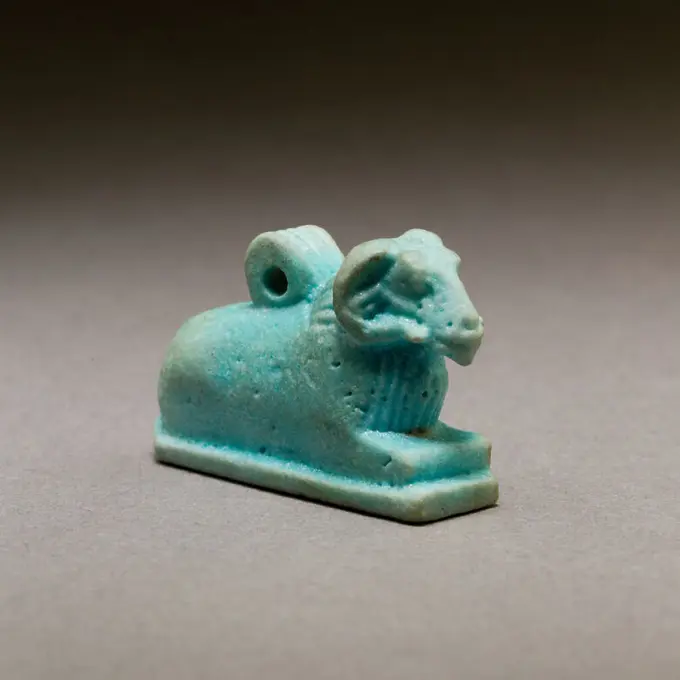
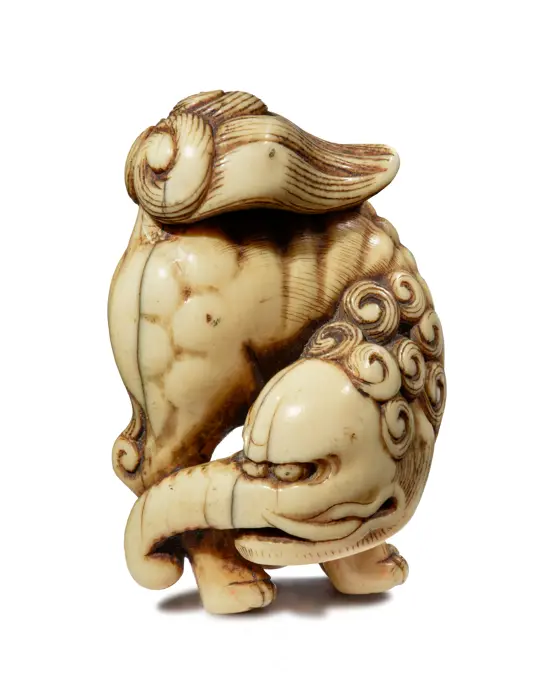
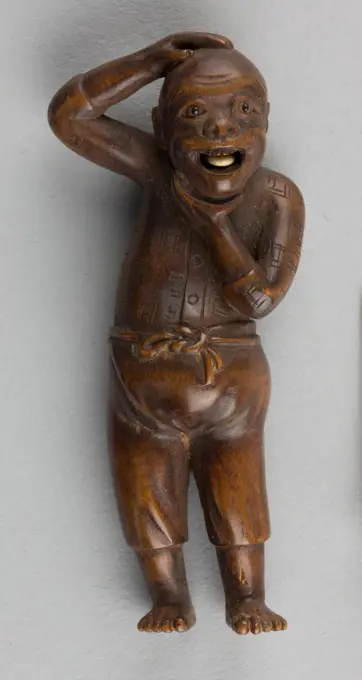
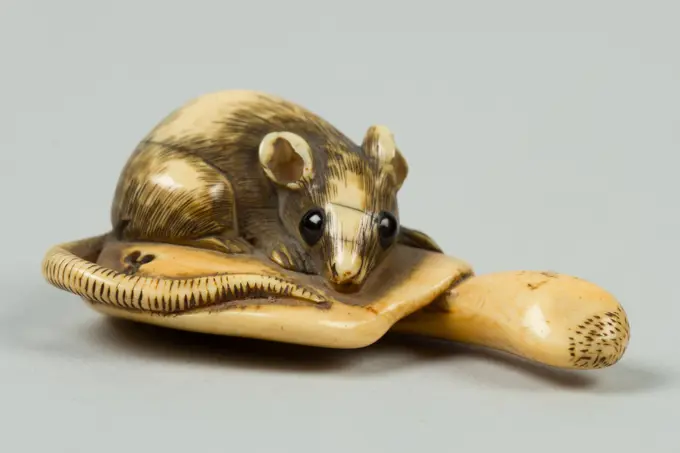
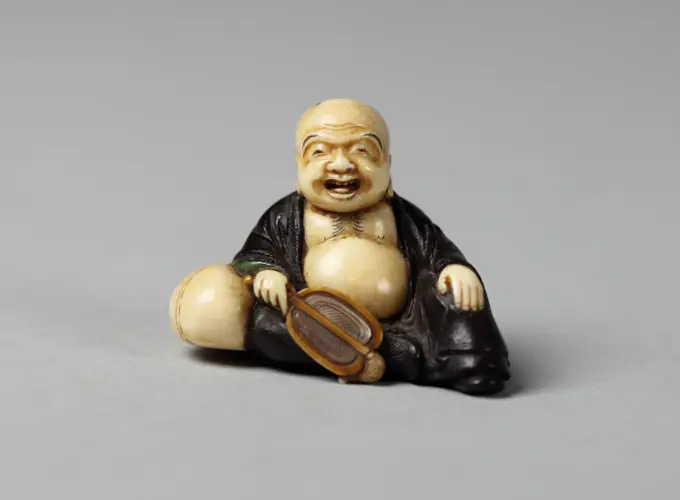
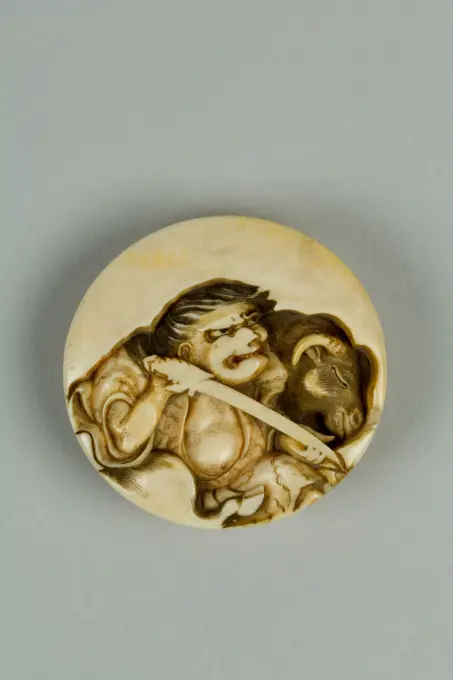
A collection of intricate Japanese netsuke, featuring various animal and human figures crafted from wood and ivory, showcasing traditional artistry.

Terracotta guttus (flask with handle and vertical spout) ca. 250-150 B.C. Greek, South Italian, Campanian The flask is in the form of a comic actor, a slave, seated on an altar.. Terracotta guttus (flask with handle and vertical spout) 248721
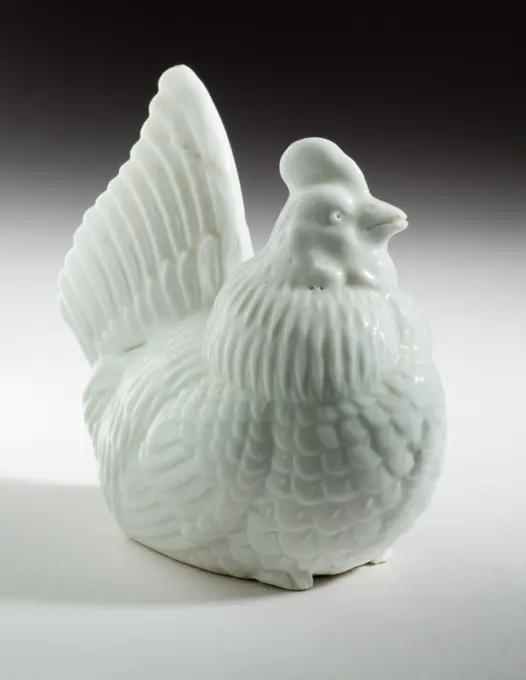
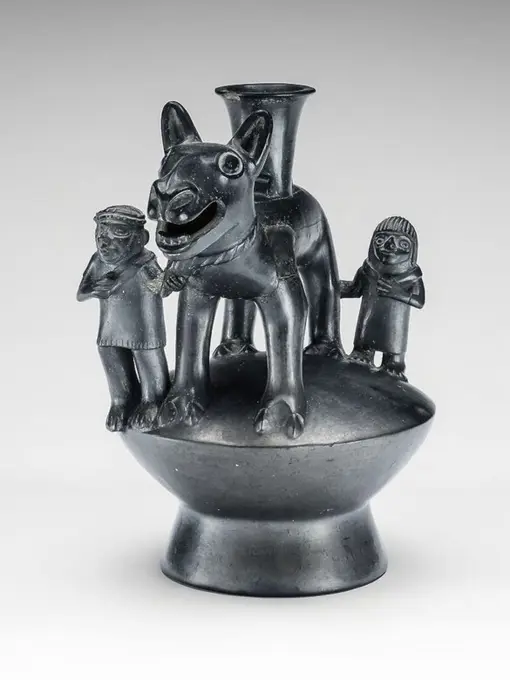
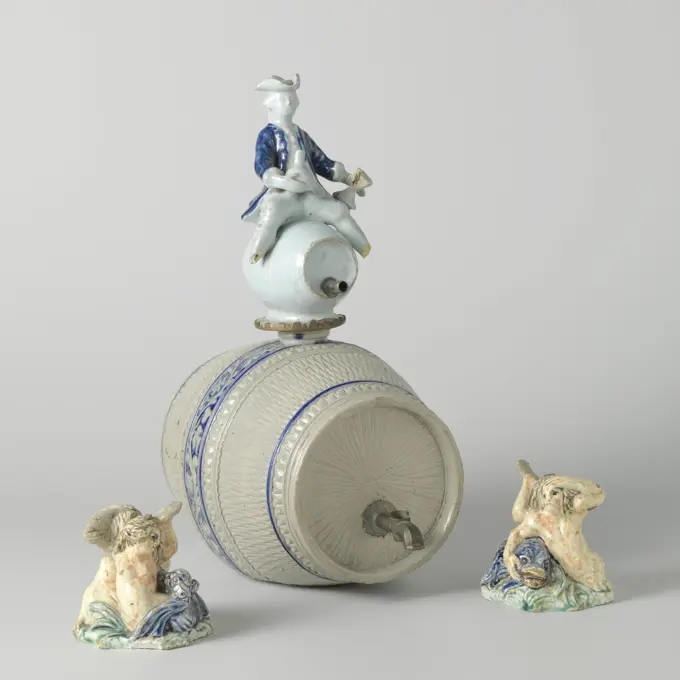
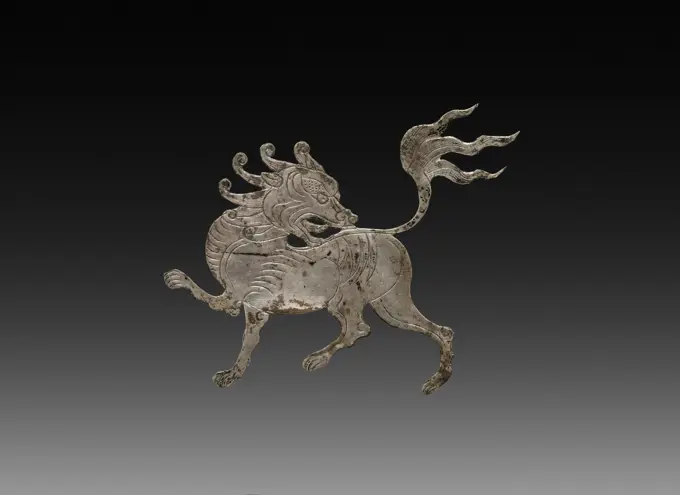
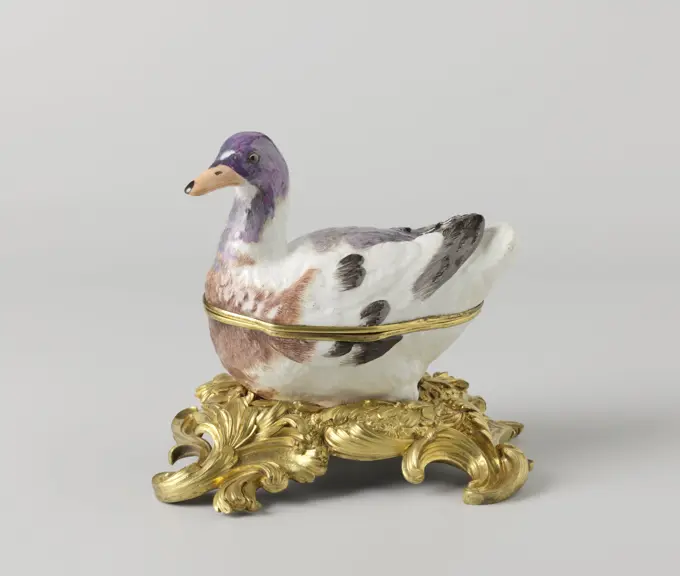
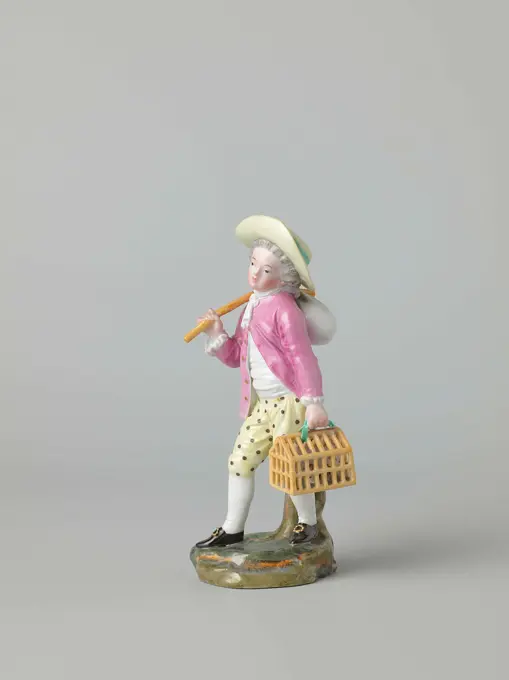
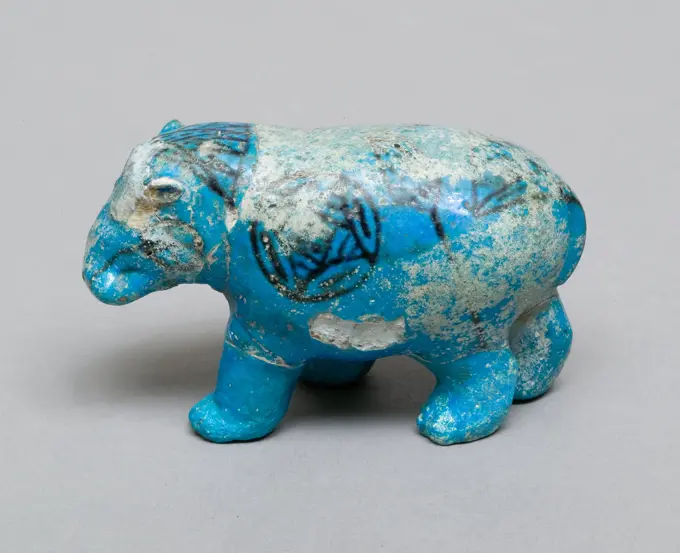
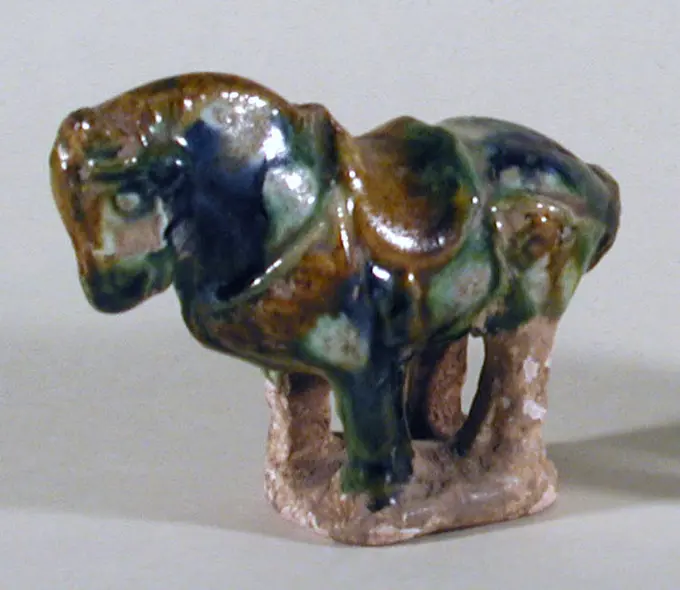
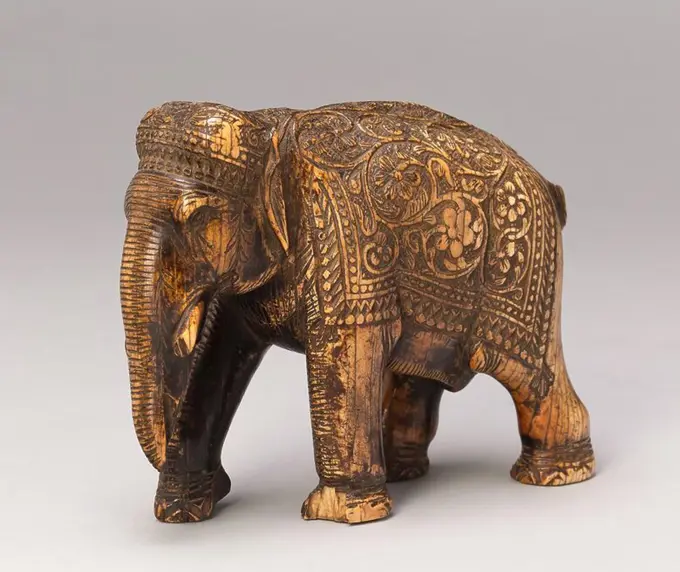
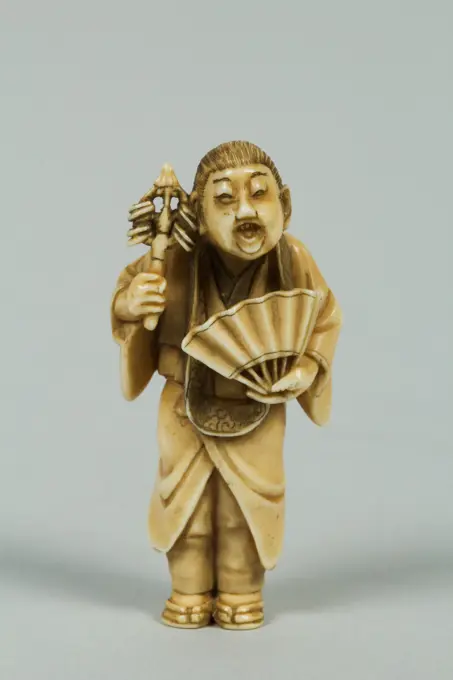
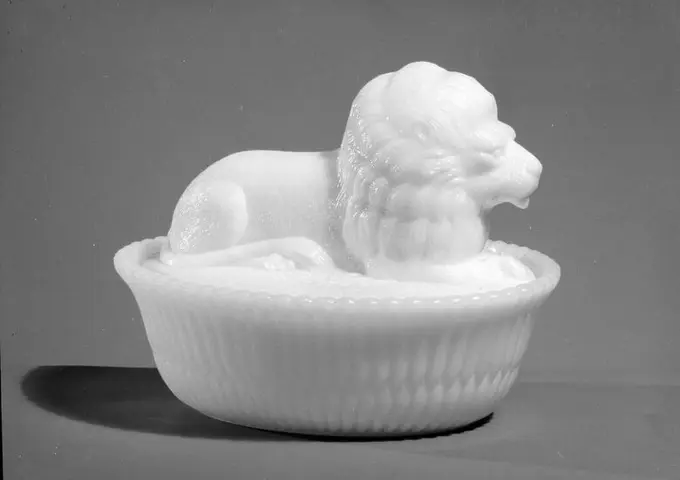
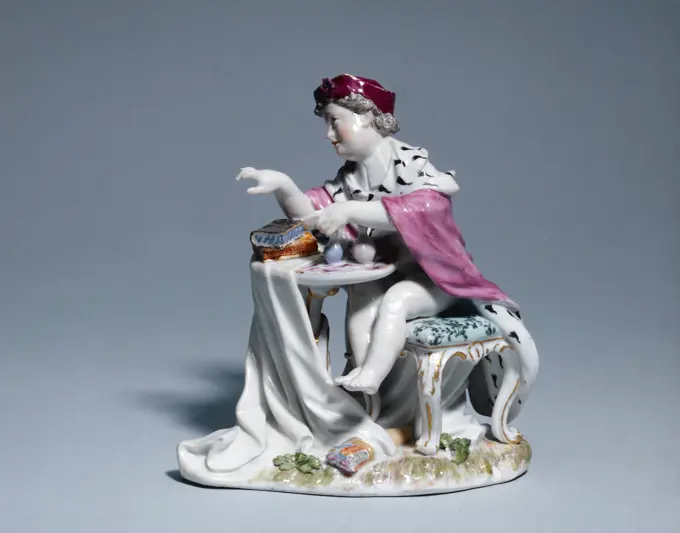
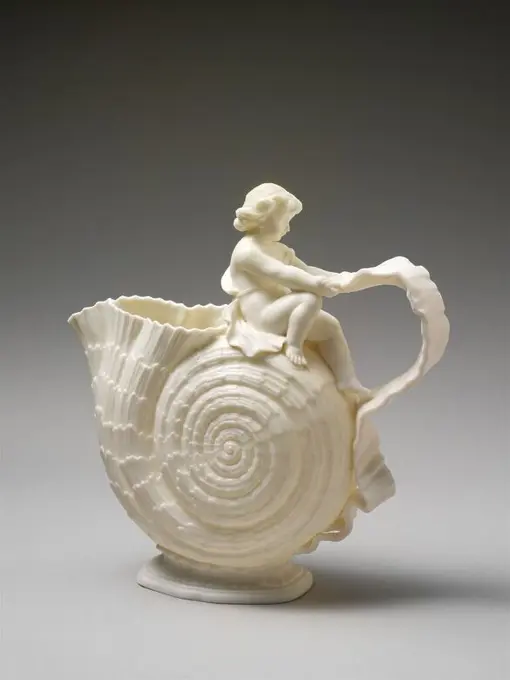
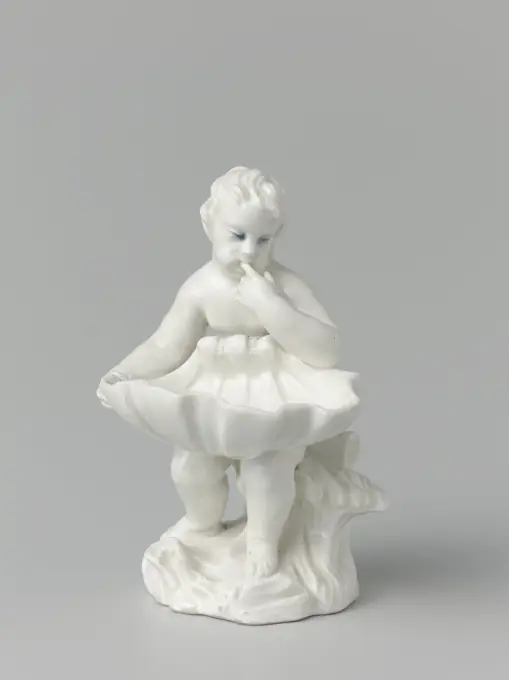
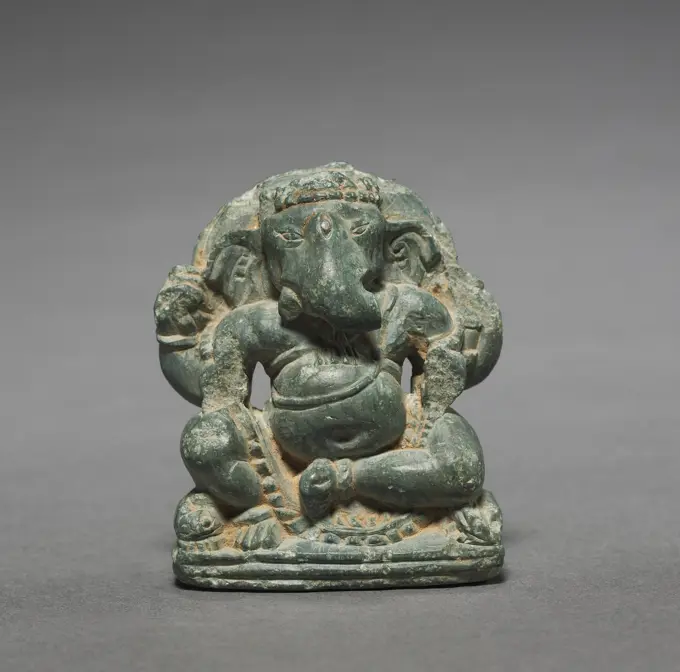
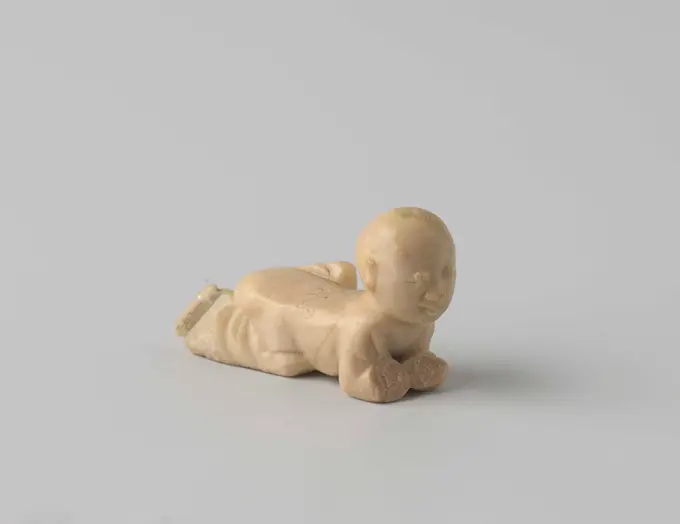
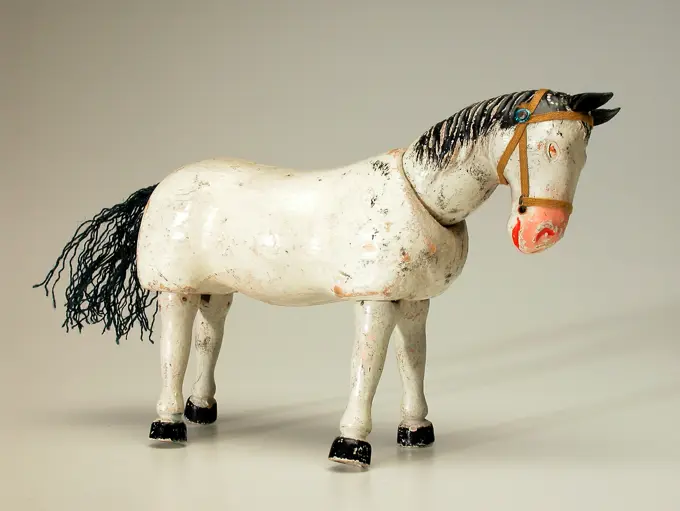
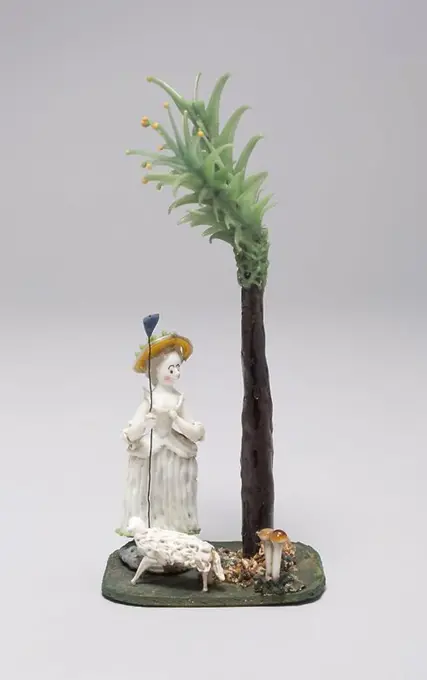
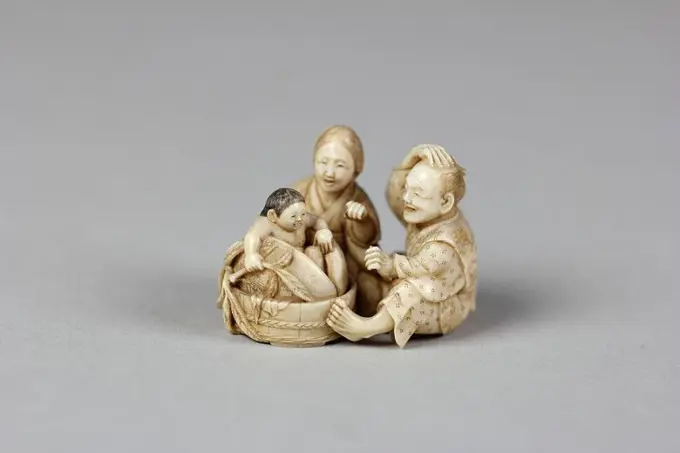
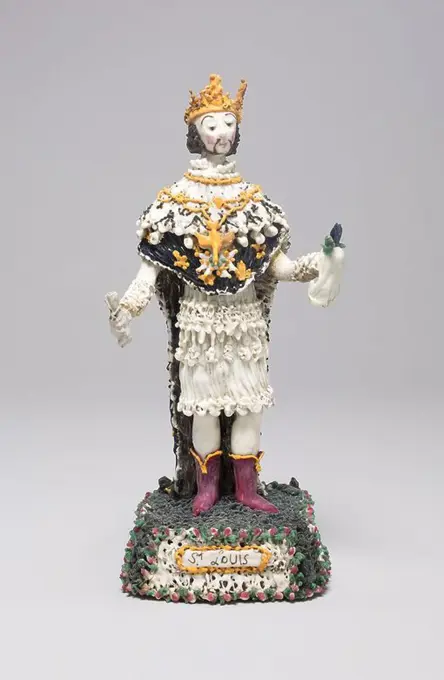
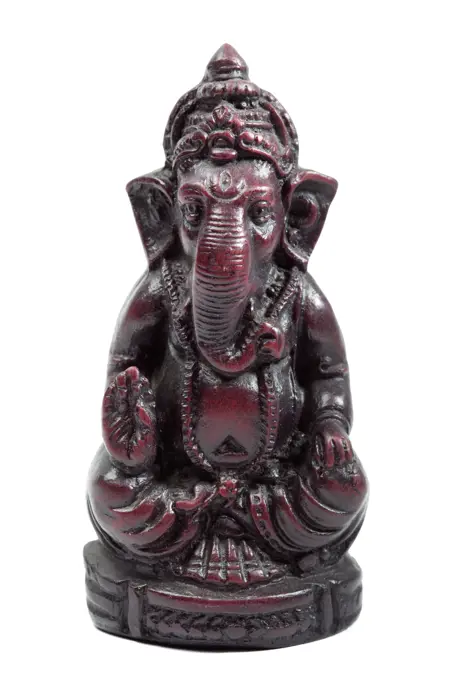
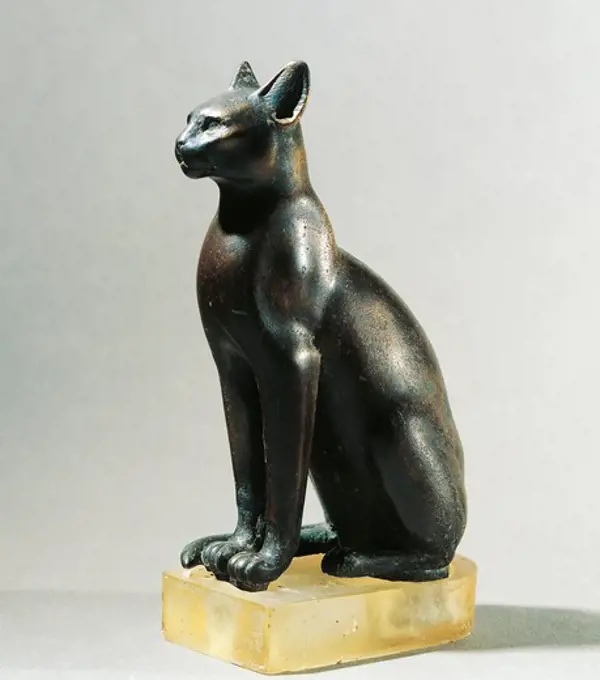
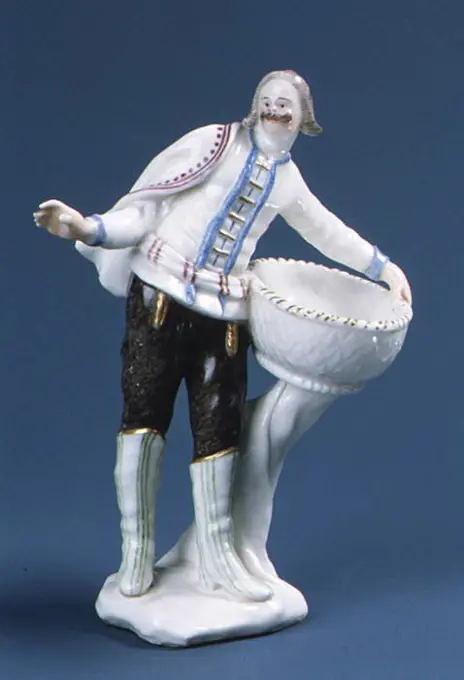
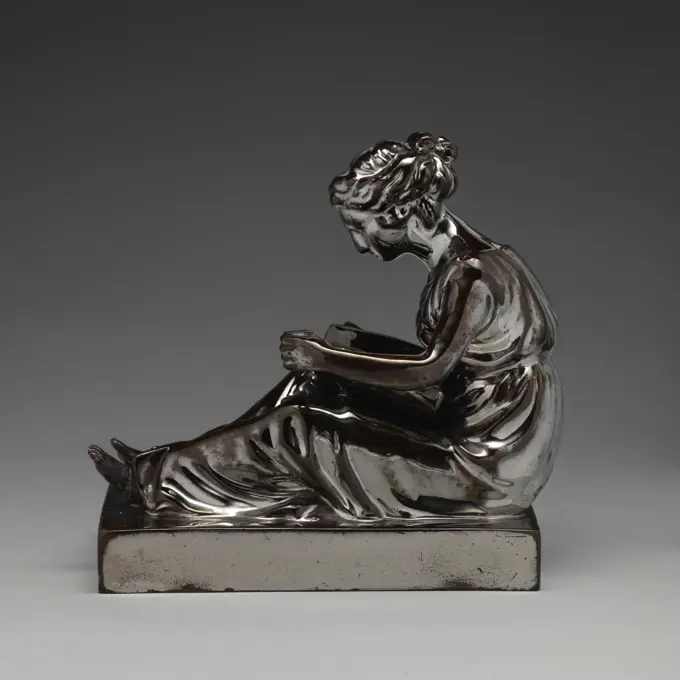
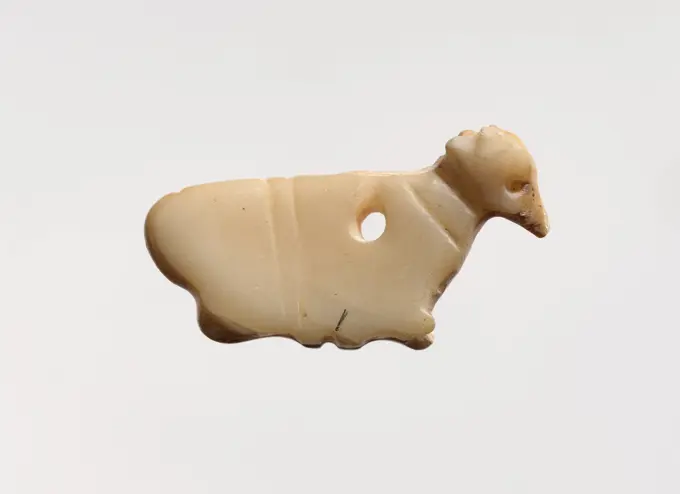
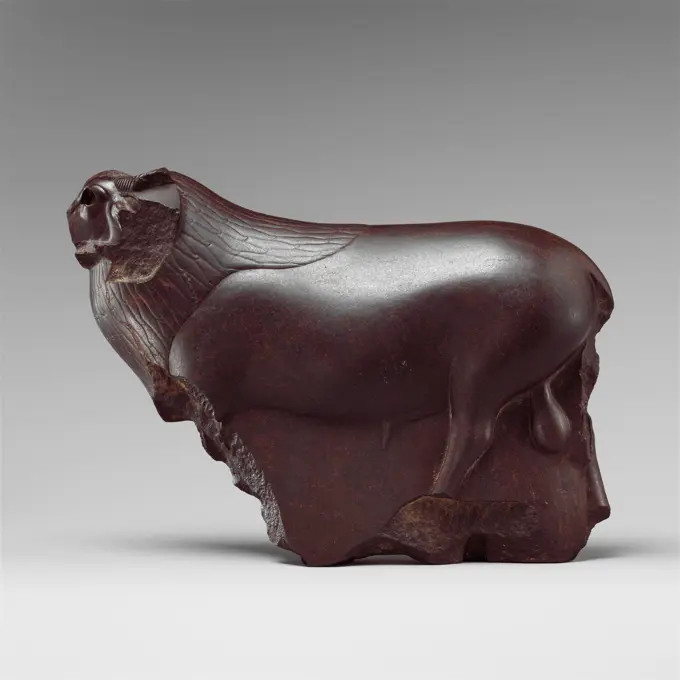
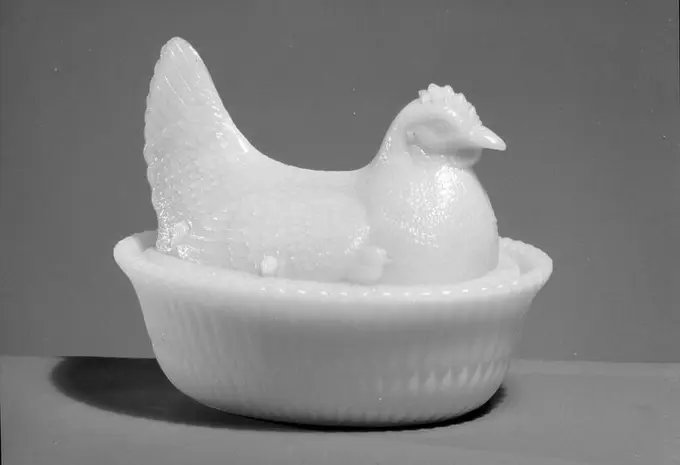
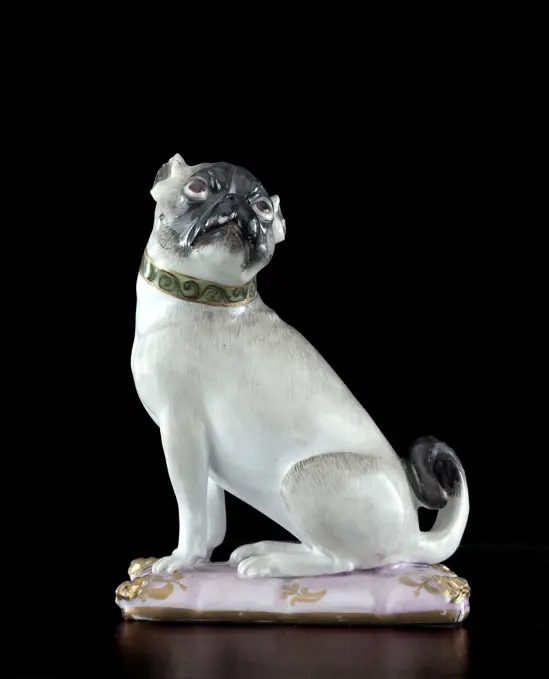
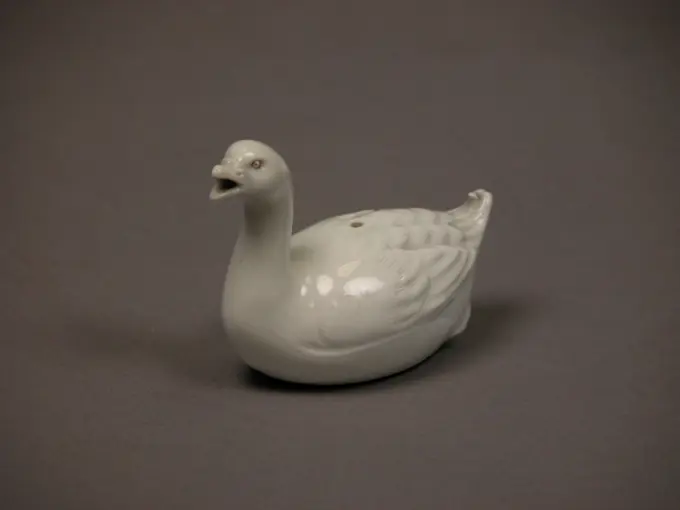
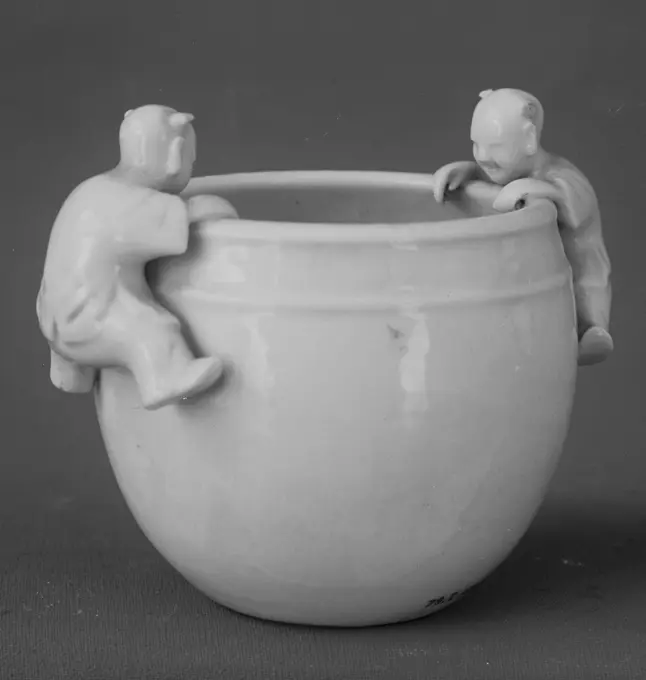
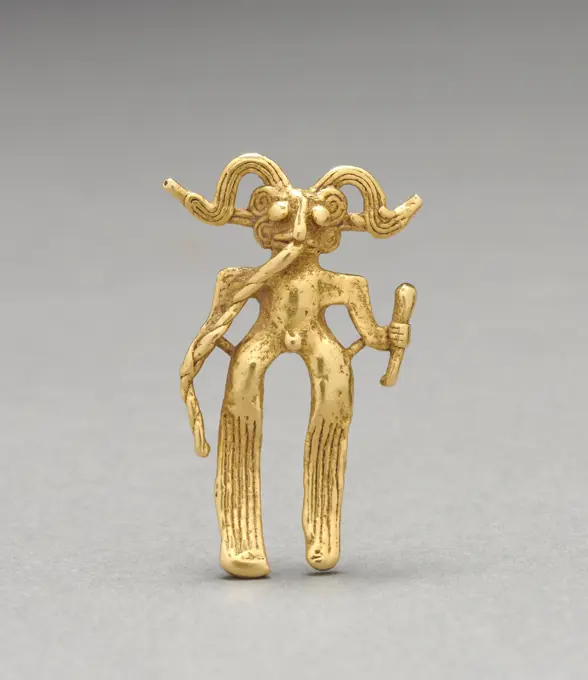
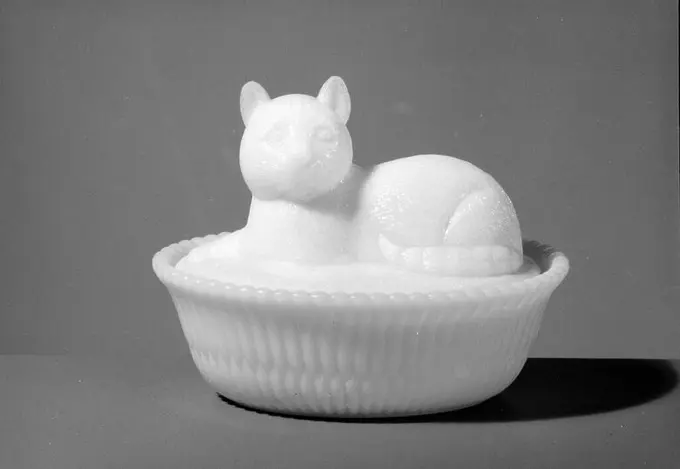
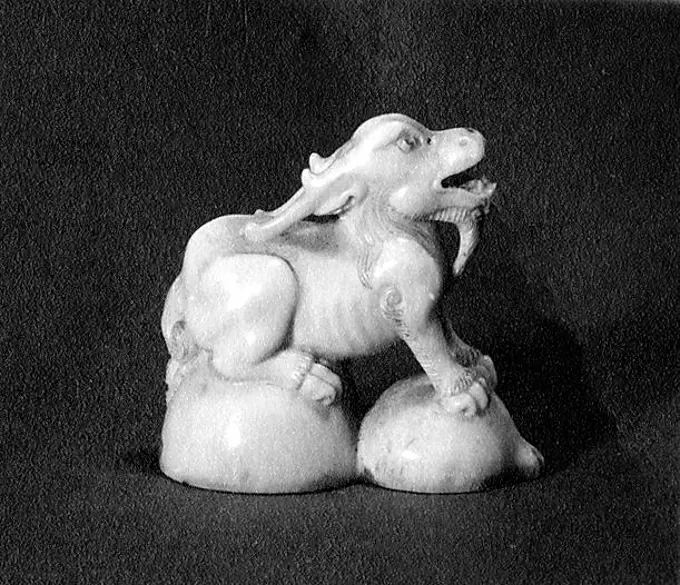
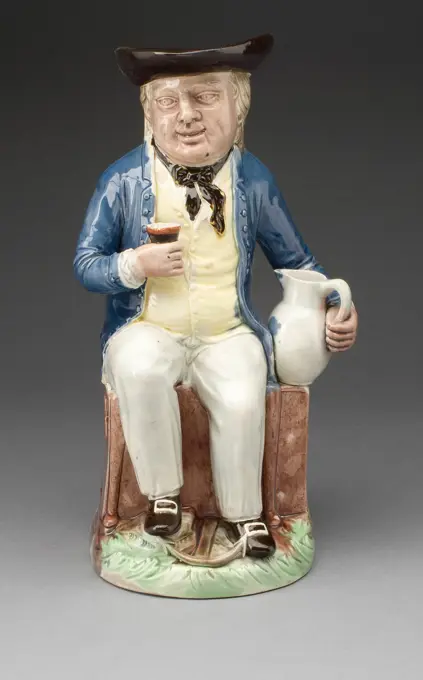
Netsuke in the shape of a reclining animal, anonymous, anonymous, c. 1700 - c. 1724 Netsuke van porcelain in the shape of a lying animal, painted on the glaze in blue, red and black. The animal has a collar and the coat is shown by means of lines. Arita. Japan porcelain. glaze. engraving / painting / vitrification Netsuke van porcelain in the shape of a lying animal, painted on the glaze in blue, red and black. The animal has a collar and the coat is shown by means of lines. Arita. Japan porcelain. glaze. engraving / painting / vitrificationFigure of the Clavian with the most and basket; The first Galician Factory of Art Fiances and Terracotty (Pacyków; 1912-1939), Popiel, Antoni (1865-1910); 1920-1930 (1920-00-00-1920-00-00);Vessel in the Form of a Feline. Iraq, 1000-1250. Ceramics. Earthenware, unglazed with applied and incised decorationCat Figure; Japan; stoneware; 8 x 11 x 10 cm (3 1/8 x 4 5/16 x 3 15/16 in.)Okimono in the Form of a Small Cockerel. Japan, 19th century. Ceramics. Hirado Mikawachi ware; porcelain with clear glazeVessel in the Form of a Llama and Attendant Figures. Chimú-Inca; North coast, Peru. Date: 1200-1450. Dimensions: 19.1 × 17.8 cm (7 1/2 × 7 in.). Ceramic. Origin: North Coast. Museum: The Chicago Art Institute, Chicago, USA.Poet. Culture: British, Chelsea-Derby. Dimensions: 2 1/4 × 1 1/2 in. (5.7 × 3.8 cm). Factory: Derby Porcelain Manufactory (British, 1751-1785). Date: ca. 1765-68. Museum: Metropolitan Museum of Art, New York, USA.Cask with floral scrolls and chip carving, anonymous, c. 1800 - c. 1899 Vat of Maywijnvat of stoneware in the form of a wooden barrel and with a pewter tap. Partly covered with cobalt blue. The wall is divided into different decorative tires. In the middle, a tire with flower vines saved in blue, interrupted by the stophole. The other tires with core cut. Belonging to the earthenware stop (BK-NM-2563-B) and two supports (BK-NM-2563-C and D). Westerwald. Westerwald stoneware. glaze. cobalt (mineral). tap: tin (metal) vitrification Vat of Maywijnvat of stoneware in the form of a wooden barrel and with a pewter tap. Partly covered with cobalt blue. The wall is divided into different decorative tires. In the middle, a tire with flower vines saved in blue, interrupted by the stophole. The other tires with core cut. Belonging to the earthenware stop (BK-NM-2563-B) and two supports (BK-NM-2563-C and D). Westerwald. Westerwald stoneware. glaze. cobalt (mineral). tap: tin (metal) vitrificationFigural Group of a Cherub and a Seated Lady, Meissen Porcelain Manufactory, German, active from 1710 to the present, hard paste porcelain, vitreous enamel, gold, Figural group; a cherub with a grown on one arm rides a lamb to a seated female., Germany, 18th century, ceramics, Decorative Arts, figure, figureInlay for a Mirror or Box: shih-shih, c. 900-1000. China, Tang dynasty (618-907) - Song dynasty (960-1279). Beaten silver with chased details; overall: 4.6 x 5.2 cm (1 13/16 x 2 1/16 in.). The p'ing-t'o technique of inlaying gold and silver foil on lacquer produced luxurious articles of elegance and fragility. These stray silver inlays were originally mounted on a mirror back or a cosmetic box whose lacquered surface has disintegrated. They combine auspicious symbols of Indian and Chinese origin--human-headed birds whose melodies filled the Buddhist paradise, and bird-riding deities who inhabited the skies of Taoist mythology. Like these imaginary beings, the lions were probably paired in a radial design; at least one has been lost.Box in the form of a duck, Meissener Porzellan Manufaktur, c. 1750 Box of painted porcelain, belly of the duck, with gold -colored edge. The duck is partially painted in blue, brown, gray, violet and black. The box is unnoticed. Float porcelain. bronze (metal) gilding Box of painted porcelain, belly of the duck, with gold -colored edge. The duck is partially painted in blue, brown, gray, violet and black. The box is unnoticed. Float porcelain. bronze (metal) gildingBoy with cage. Boy with cage. Marked and rebuilt HM and N4.Amulet of the Apis Bull 664 BCE-332 BCE Egypt. Faience . Ancient EgyptianHippopotamus figurine ca. 1981-1640 B.C. Middle Kingdom. Hippopotamus figurine. ca. 1981-1640 B.C.. Faience, blue glaze. Middle Kingdom. From Egypt, Memphite Region, Lisht South, tomb of Senwosretankh, debris, MMA excavations, 1932-33. Dynasty 12-13John Schuppe, Cream Jug, 1758/59, silver gilt.Rabbit still bank, 20th century, 4 15/16 x 4 13/16 x 2 13/16 in. (12.54 x 12.22 x 7.14 cm), Ceramic, metal, Germany, 20th centuryAmulet of the Goddess Taweret 1650 BCE-1295 BCE Egypt. Lapis lazuli . Ancient EgyptianSmall ceramic decorative owl isolated on white backgroundSeal Made 1750-1770 Chelsea. Soft-paste porcelain, polychrome enamels and gilding; hardstone and metal mount . Chelsea Porcelain FactoryHappy laughing Buddha brass figurine on white background.Khandoba and Mhalsi on Horseback 17th century India (Maharasthra). Khandoba and Mhalsi on Horseback 75277Horse 7th-9th century China. Horse. China. 7th-9th century. Earthenware with three color (sancai) glaze. Tang dynasty (618-907). Tomb PotteryRam amulet. Dimensions: l. 3.2 cm (1 1/4 in.) × h. 2.2 cm ( 7/8 in.). Date: 664-30 B.C..The amulets 44.4.23-44.4.28 have a uniformity of size and detailing that constitutes a stylistic relationship. Possibly they were made in related workshops. Museum: Metropolitan Museum of Art, New York, USA.Candlestick ca. 1800 Mexican. Candlestick 1183Baku: Monster that Eats Nightmares. Japan, 18th century. Costumes; Accessories. Ivory with staining, sumiBronze statuette of Apollo 1st-2nd century A.D. Roman A quiver of arrows hangs from his back.. Bronze statuette of Apollo 246408Netsuke 18th century Japan. Netsuke 59286Netsuke of Mouse on a Mushroom 19th century Japan. Netsuke of Mouse on a Mushroom. Japan. 19th century. Ivory. Edo (1615-1868) or Meiji period (1868-1912). NetsukeCock ca. 1790 British, Staffordshire. Cock. British, Staffordshire. ca. 1790. Pottery, brown glaze. Ceramics-PotteryParrot, 1st-5th century, 4 1/2 in. (11.4 cm), Earthenware, Mexico, 1st-5th centuryCharacter ". Jade. China, Han. Paris dynasty, Cernuschi museum. 72359-14 Han, Jade dynasty, characterWalking Elephant with Floral Caparison. India; Deccan. Date: 1601-1700. Dimensions: 10.3 × 14 × 5.8 cm (4 × 5 1/2 × 2 1/4 in.). Ivory. Origin: Deccan. Museum: The Chicago Art Institute, Chicago, USA.Netsuke 19th century Japan. Netsuke. Japan. 19th century. Ivory. Edo (1615-1868) or Meiji period (1868-1912). NetsukeFigure Dish. Culture: American. Dimensions: 4 3/8 x 4 5/16 x 5 1/2 in. (11.1 x 11 x 14 cm). Maker: McKee and Brothers (1856-89). Date: 1880-90. Museum: Metropolitan Museum of Art, New York, USA.Figurine L'Amour Médecin (view of three-quarters) ", 18th century. Anonymous after Johann-Joachim Kaendler. German porcelain from Meissen. Museum of Fine Arts of the city of Paris, Petit Palais. Allegorie, Germany, German, Love, Medecin, Meissen Manufacture, Porcelain, Trois-QuartsPitcher. Artist: Modeled by William Bromley. Culture: American. Designer: Designed by Walter Scott Lenox. Dimensions: H. 9 1/8 in. (23.2 cm). Maker: Willets Manufacturing Company (1879-1908). Date: 1887-93.In 1884, Walter Scott Lenox left Ott and Brewer to work for Willets, a rival firm; the British craftsman William Bromley Jr. had done the same by 1887. Bromley's father developed Belleek while working in Ireland, and the family brought the coveted recipe to the United States. The technical expertise of such artisans ensured the commercial success of the firms that employed them. This pitcher, a version of the first known dated example of Willets Belleek, descended in the Willets family. Museum: Metropolitan Museum of Art, New York, USA.Netsuke of Noh Dancer. Culture: Japan. Dimensions: H. 1 1/2 in. (3.8 cm); W. 1 in. (2.5 cm); D. 3/4 in. (1.9 cm). Date: 19th century. Museum: Metropolitan Museum of Art, New York, USA.Gull. Figure of painted porcelain. The figure represents a gull, standing on an irregular base, between green aquatic plants. The plumage is painted in black to gray, except the springs of the breast, the neck and the cup, which are brown red. The figure has been marked.Stirrup Spout Bottle with Owl. Culture: Moche. Dimensions: Overall: 7 1/4 x 6 1/4 in. (18.42 x 15.88 cm)Other: 6 1/4 in. (15.88 cm). Date: 2nd-5th century. Museum: Metropolitan Museum of Art, New York, USA.Cow, white glazed., Anonymous, 1725 - 1770 Animal figure of Faience, representing a cow. White glazed. Delft . Animal figure of Faience, representing a cow. White glazed. Delft .Bronze lion last quarter of the 5th century B.C. Greek The lion may have decorated the shoulder of a large vase.. Bronze lion. Greek. last quarter of the 5th century B.C.. Bronze. Classical. BronzesSALT CELLAR IN THE SHAPE OF A PUTTO, Weesper Porseleinfabriek, c. 1764 Salt barrel in the form of a sitting putto with a large shell on his knees. Marked with two crossed swords and three bulbs in under -glaze blue. Weesp porcelain Salt barrel in the form of a sitting putto with a large shell on his knees. Marked with two crossed swords and three bulbs in under -glaze blue. Weesp porcelainTerracotta vase in the form of a pig 6th century B.C. Greek, probably Corinthian Figural vases in the form of animals were produced particularly in Corinth and in Rhodes. These objects were also exported to Etruria and adapted by local artists. Their place of origin is, therefore, often difficult to establish. The articulation of the pig with glaze dots is a feature often found on Corinthian examples.. Terracotta vase in the form of a pig 255289Miniature Seated Ganesa, c. 700s. Northwest India or Kashmir, c. 8th Century. Greenish schist; overall: 5.4 cm (2 1/8 in.).A crawling children's figure of soapstone. A crawling children's figure of ivory-colored soapstone. On the back of bullying flower branches.Toy animal - Schoenhut (1872-1935) Schoenhut (1872-1935)UPUAUT DE BRONCE. EGIPCIO. (DEPOSITO: MUSEO ARQUEOLOGICO NACIONAL).Scent Bottle, 1780. Germany, Berlin, 18th century. Porcelain with gilt metal mounts; overall: 9.6 x 4 x 4.8 cm (3 3/4 x 1 9/16 x 1 7/8 in.).Shepherdess Under a Tree. Nevers, France. Date: 1775-1799. Dimensions: H. 13.3 cm (5 1/4 in.). Glass; lampwork (verre de Nevers), metal armature. Origin: France. Museum: The Chicago Art Institute, Chicago, USA.Mask Bead. UnknownPendant in the Shape of aPhoenixNetsuke in the shape of a sitting Daruma;  19th century (1820-00-00-1870-00-00);Dar (provenance), Japanese (culture), netsuke, Japanese artWoman's Bonnet. Probably France, circa 1885. Costumes; Accessories. SilkToothpicksTorillo (brauet) de Torralba den Salord (V a.C.).Museo de Menorca. Maó.Baleares.España.Netsuke of Group: Man, Woman and Child. Culture: Japan. Dimensions: H. 1 1/16 in. (2.7 cm); W. 1 1/2 in. (3.8 cm); D. 1 in. (2.5 cm). Date: 19th century. Museum: Metropolitan Museum of Art, New York, USA.St. Louis of France. Nevers, France. Date: 1675-1725. Dimensions: H. 19.1 cm (7 1/2 in.). Glass; lampwork (verre de Nevers), metal armature. Origin: France. Museum: The Chicago Art Institute, Chicago, USA.Indian Hindu God Ganesh (Ganesha) figurine isolated on whiteChess figure Pachołek Skirmuntt, Helena (1827 1874)Bronze statuette of cat, Bastet's sacred animal. .Netsuke, japanese miniature sculpture. Museum: COLECCION PRIVADA.Sweetmeat vendor (one of a pair) 1745-50 Capodimonte Porcelain Manufactory. Sweetmeat vendor (one of a pair) 207326Statuette of a Dog. Dated: c. 1938. Dimensions: overall: 28.6 x 21.8 cm (11 1/4 x 8 9/16 in.) Original IAD Object: 4 5/8" high; 4 1/4" long; 2 1/8" wide. Medium: watercolor and graphite on paper. Museum: National Gallery of Art, Washington DC. Author: Yolande Delasser.Allegorical Figure of "Asia" Figure; Manufactured by Royal Porcelain Manufactory, Berlin (Germany); Modeled by Wilhelm Christian Meyer (1726 - 1786); Germany; hard paste porcelain, vitreous enamel, gold"POT" O BOTE DE LA SERIE DEL PEREJIL DECORADO CON UN TORO - MANISES - SIGLO XV. Location: INSTITUTO VALENCIA DE DON JUAN-COLECCION. MADRID. SPAIN.Netsuke of Hotei with a Fan 19th century Japan. Netsuke of Hotei with a Fan. Japan. 19th century. Wood and ivory. Edo (1615-1868) or Meiji period (1868-1912). NetsukeBookend 1800-1830 British (American market). Bookend. British (American market). 1800-1830. Earthenware, lusterware. Made in Staffordshire, EnglandToby Jug c 1828-1830 New Jersey. Earthenware . D. and J. Henderson Company'Bull'. Italy, Florence, Early 17th century. Dimensions: height 22,5 cm; length 27,8 cm. Museum: State Hermitage, St. Petersburg.Golden putto playing violin, close upCow amulet ca. 2700-2600 B.C. Sumerian. Cow amulet. Sumerian. ca. 2700-2600 B.C.. Shell. Early Dynastic II. Mesopotamia, NippurBarrel and stand 19th century Italian, Venice (Murano). Barrel and stand. Italian, Venice (Murano). 19th century. Glass. GlassQuartz. minerals. Asia; JapanStatuette of a ram 570-300 B.C. Late Period This small sculpture probably represents the sacred ram of Amun. It would have been part of the cult equipment of a temple for display or use in ritual. Small ritual statuary was frequently made of precious metals or bronze. Absence of an integral base, traces of undercutting very rare in stone, and formerly inlaid eyes suggest that this statuette was intentionally modeled after a metal prototype. Stylistic details, most obviously the slight curl at the tip of the ram's shaggy locks, bear witness to the artistic influence of the Achaemenid Persians who ruled Egypt from 525-404 B.C.. Statuette of a ram. 570-300 B.C.. Brown stone (meta-arenite, that is, quartz-rich indurated sandstone)"quartzwacke". Late Period. From Egypt. Dynasty 26-4th centurySoaring Peak 18th century China. Soaring Peak 53132 China, Soaring Peak, 18th century, Sea-green hornblende with yellow markings; carved wood stand, Overall (with base): H. 28 1/2 in. (72.4 cm); W. 11 1/2 in. (29.2 cm); D. 7 1/4 in. (18.4 cm). The Metropolitan Museum of Art, New York. Gift of Richard Rosenblum Family, 2009 (2009.512.2ac)Netsuke 19th century Japan. Netsuke. Japan. 19th century. Ivory. Edo (1615-1868) or Meiji period (1868-1912). NetsukeMan with a Basket and Paddle, late 1800s-early 1900s. Japan, Meiji period (1868-1912). Ivory; overall: 10.8 cm (4 1/4 in.).Figure Dish. Culture: American. Dimensions: 4 3/8 x 4 1/4 x 5 1/2 in. (11.1 x 10.8 x 14 cm). Maker: McKee and Brothers (1856-89). Date: 1880-90. Museum: Metropolitan Museum of Art, New York, USA.Joann-Joachim Kaendler (1706-1775). Bulldog sitting on a cushion. Porcelain, 1740-1745. Paris, Cognacq-Jay museum. 79170-16 Seated, bulldog, collar, cushion, porcelain, statuette, 18th 18th 18th 18th 18th 18th 18th century, animal, dogWater holder 1820 Japan. Water holder 47097Statuette of a horse, 3. Culture: Greek, Laconian. Dimensions: Height: 1 in. (2.6 cm). Museum: Metropolitan Museum of Art, New York, USA.Seal, Ivory, gold, stone, diamond, lapiz lazuli, India, 18th century, jewelry, Decorative Arts, SealJames W. Lytle. Photograph.Pelican, Man Thumbing Nose', c. 1878, John Gerard; Manufacturer: J. & E. Stevens Company, Cromwell, Connecticut, 1843-1950s, American, 8 3/16 x 4 11/16 x 5 5/16 in. (20.8 x 11.91 x 13.49 cm), Iron, pigment, 19th centuryChristmas tree isolated on a white background.Bronze applique in the form of a bull's head ca. 4th century B.C.- 3rd century A.D. Italic or Roman Appliqué in the form of bull's head with small handle at top of head.. Bronze applique in the form of a bull's head 255603Pair of horses with grooms ca. 1753 Meissen Manufactory German These porcelain figure groups are distinguished by the high quality of their gilt-bronze bases. Their design reflects the pronounced naturalism that is a hallmark of the German rococo style. Small animals made of enameled lead have been incorporated among the waterfalls, tree stumps, and rockwork, all of which have been executed with great attention to detail.. Pair of horses with grooms 231052Statuette of an orator  3rd-1st century B.C. Italic On the left foot is a tang for insertion into a base.. Statuette of an orator  246405Water Pot with Boys 18th century China Archaeological evidence indicates that the kilns near Dehua, in Fujian Province, opened in the late thirteenth century and flourished after the sixteenth, when they became known for their distinctive white porcelains with thick, lustrous glazes. The Dehua kilns produced a range of goods, including religious figures and objects for the scholar's table such as this charming water pot. Works produced at the kilns were also exported to Europe, particularly in the seventeenth and eighteenth centuries, and, as a result, are often referred to in Western literature as blanc-de-chine, a French term meaning "Chinese white.". Water Pot with Boys. China. 18th century. Porcelain (Fujian ware). Qing dynasty (1644-1911). CeramicsPoodle Dog ceramic figurine, isolated on whiteNETSUKE EN MARFIL. Location: PRIVATE COLLECTION. MADRID. SPAIN.Figurine Pendant, c. 1000-1500. Western Panama, Veraguas-Gran Chiriquí Style, 11th-16th century. Cast gold; overall: 4.6 x 2.8 x 0.9 cm (1 13/16 x 1 1/8 x 3/8 in.).'Bull'. Italy, Florence, 17th century (pedestal was created afterwards ). Dimensions: height 22,3 cm; length 24 cm. Museum: State Hermitage, St. Petersburg.Figure Dish. Culture: American. Dimensions: 4 1/4 x 4 5/16 x 5 1/2 in. (10.8 x 11 x 14 cm). Maker: McKee and Brothers (1856-89). Date: 1880-90. Museum: Metropolitan Museum of Art, New York, USA.Seal 18th century China. Seal 41958Figure of a Turkish Merchant, Imperial Porcelain Manufaktur, c. 1741 - c. 1749 Image of porcelain in the form of a Turkish merchant, leaning on being true. Marked on the pedestal with a shield. Vienna porcelain. glaze vitrification Image of porcelain in the form of a Turkish merchant, leaning on being true. Marked on the pedestal with a shield. Vienna porcelain. glaze vitrificationDoll  a sitting man with a bow , In a court dress unknownEn no Gyōja with Zenki and Kōki, 1615-1868. Japan, Edo period (1615-1868). Wood with paint;Rodney's Sailor Toby Jug Made 1780-1790 Staffordshire. Lead-glazed earthenware . Ralph Wood, II