Japanese Netsuke Artifacts

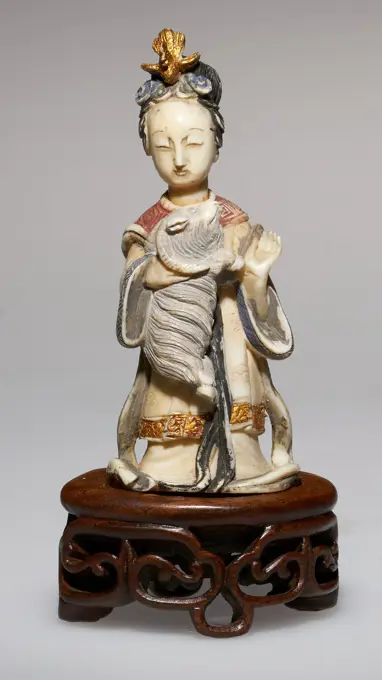
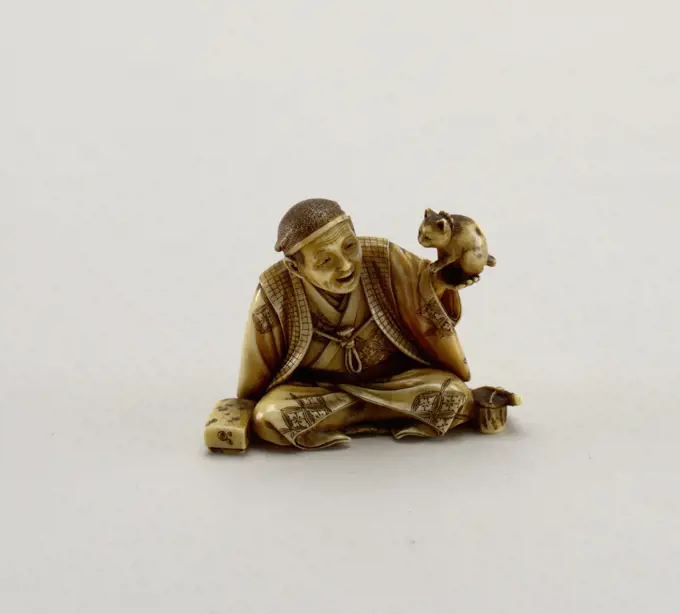
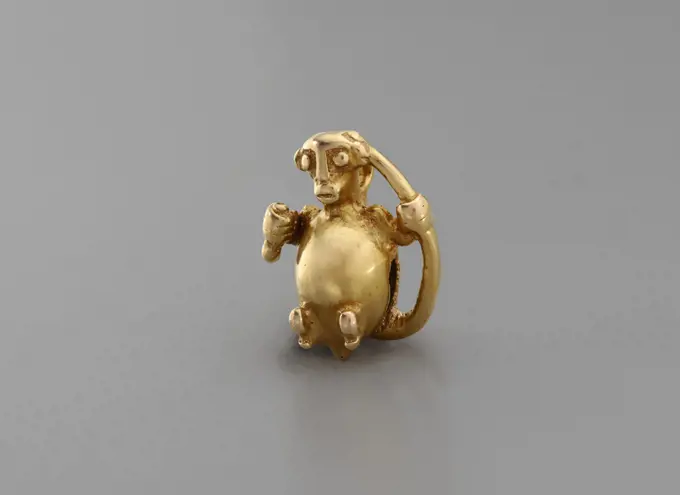
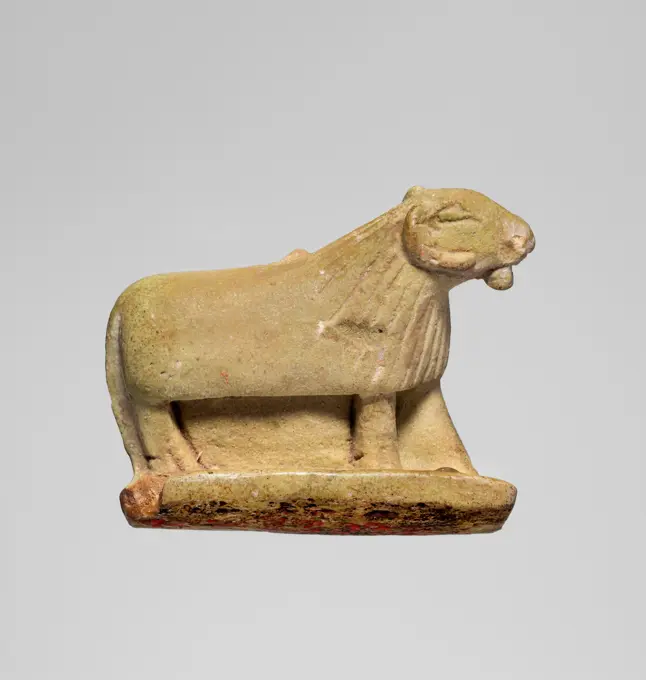
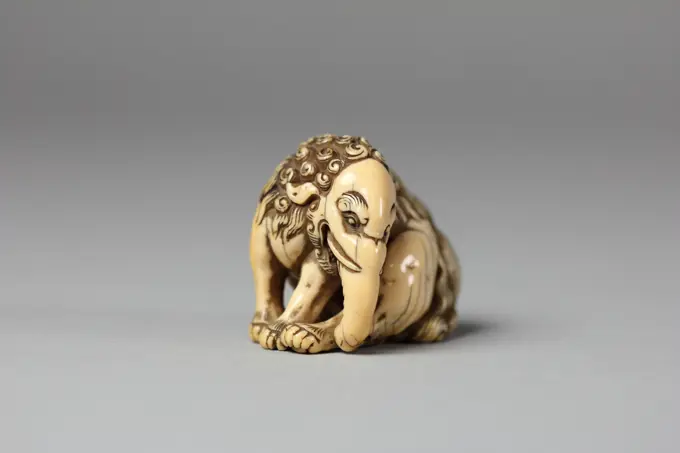
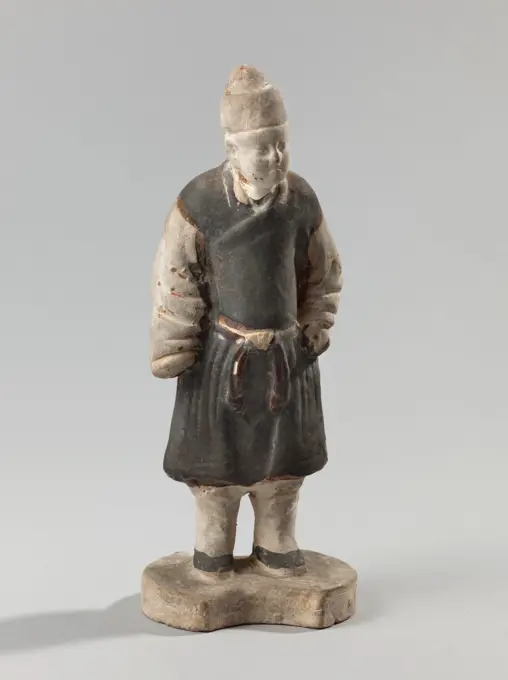
A collection of intricate Japanese netsuke, featuring various animal and human figures crafted from wood and ivory, showcasing traditional artistry.

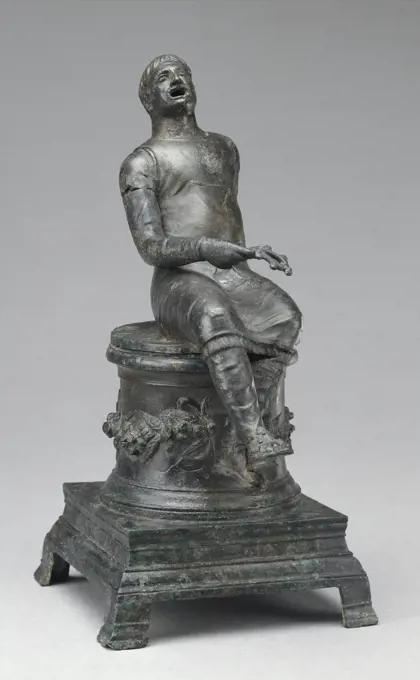
Terracotta guttus (flask with handle and vertical spout) ca. 250-150 B.C. Greek, South Italian, Campanian The flask is in the form of a comic actor, a slave, seated on an altar.. Terracotta guttus (flask with handle and vertical spout) 248721
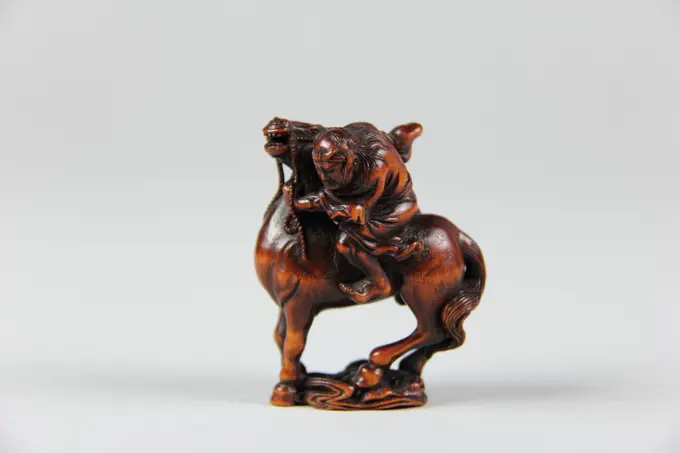
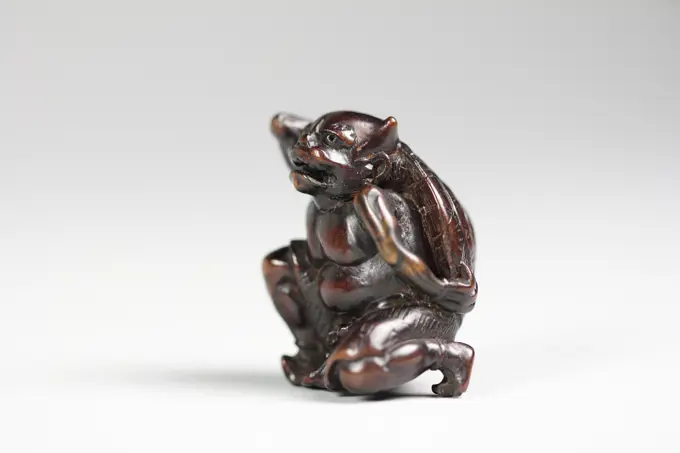
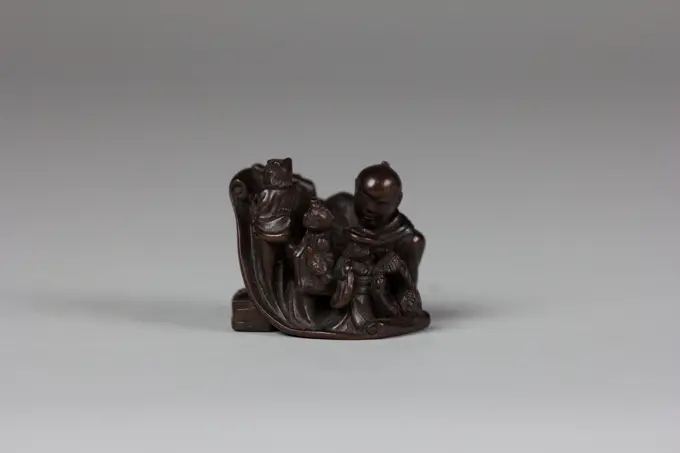
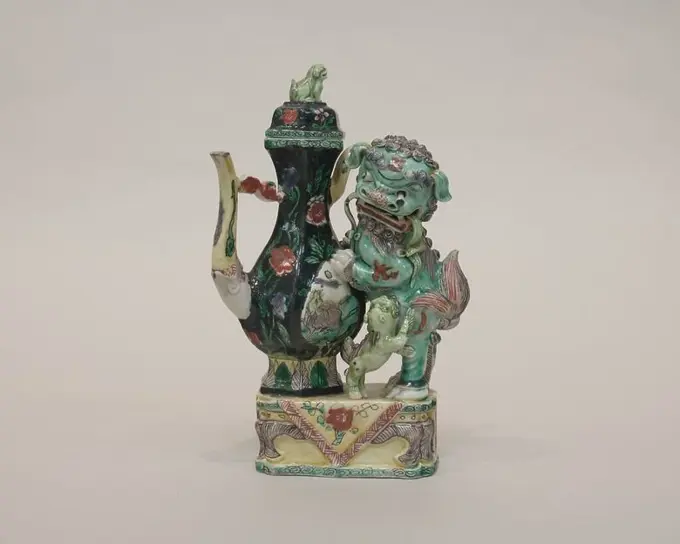
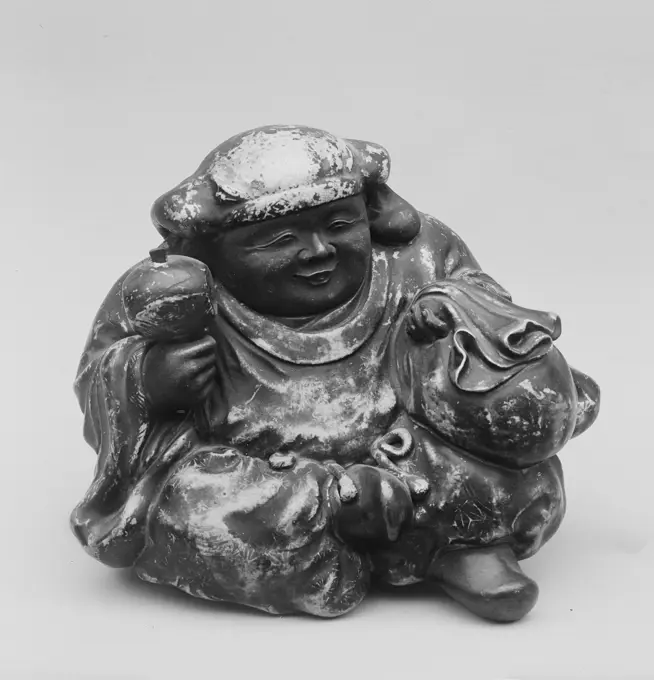
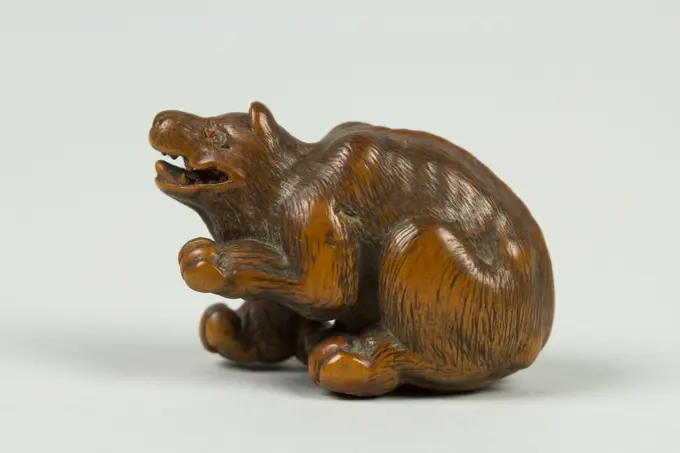
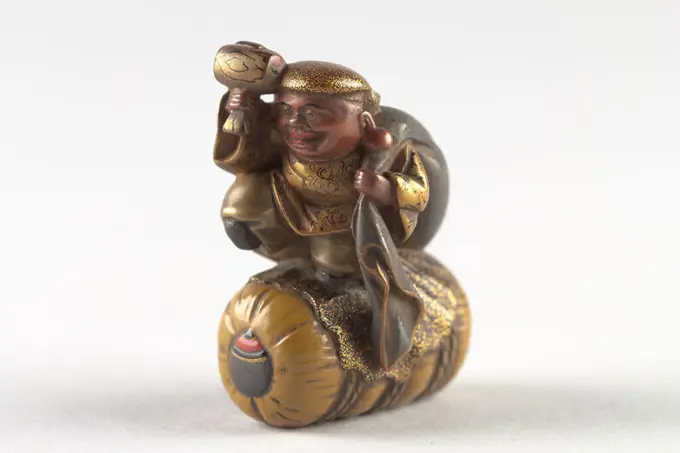
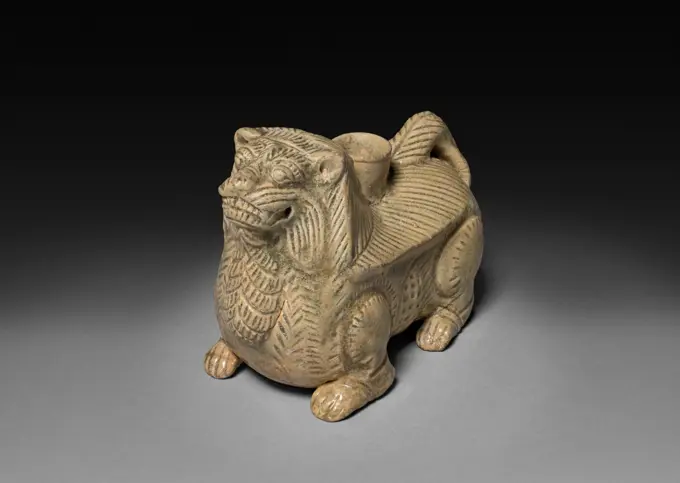
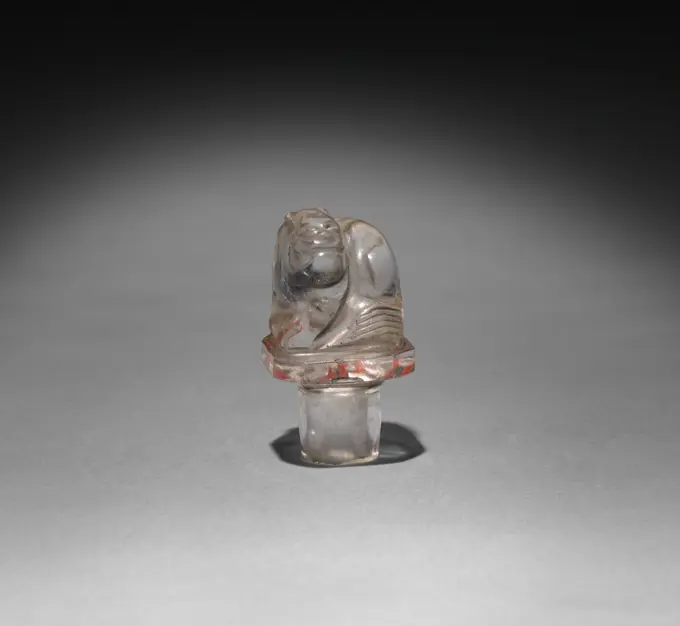
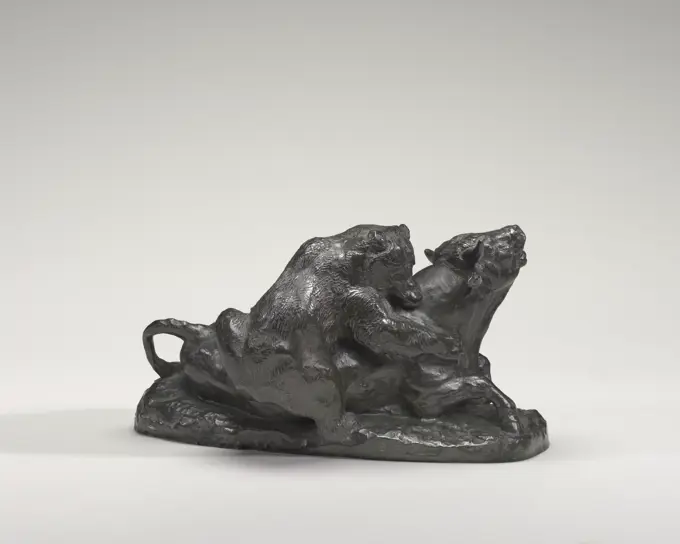
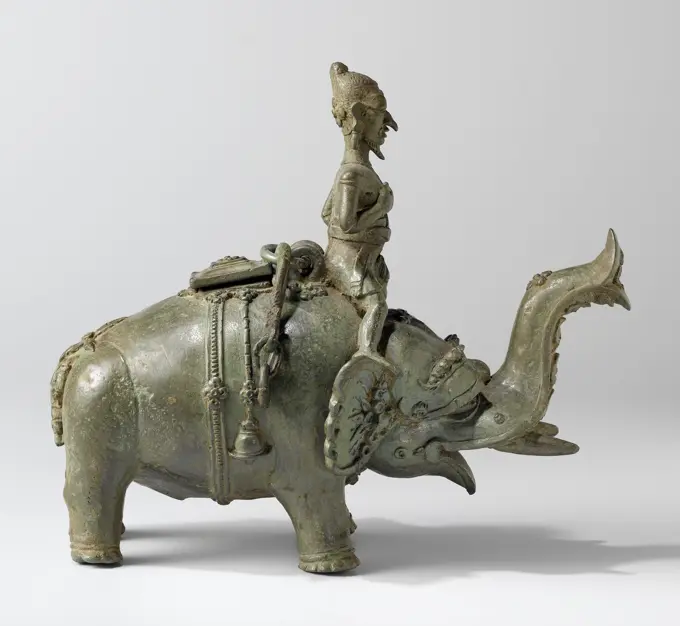
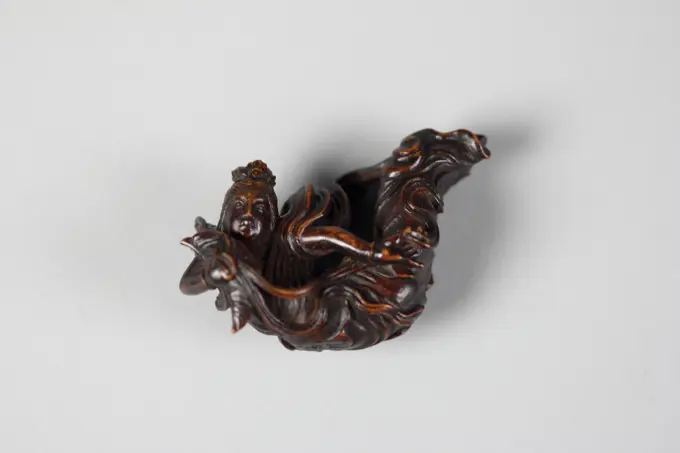
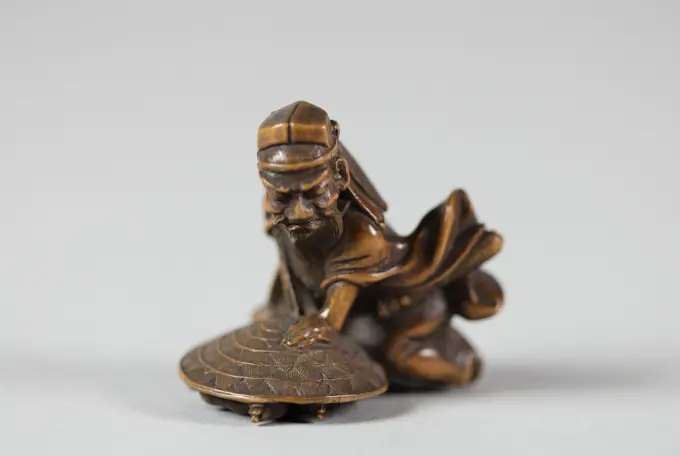
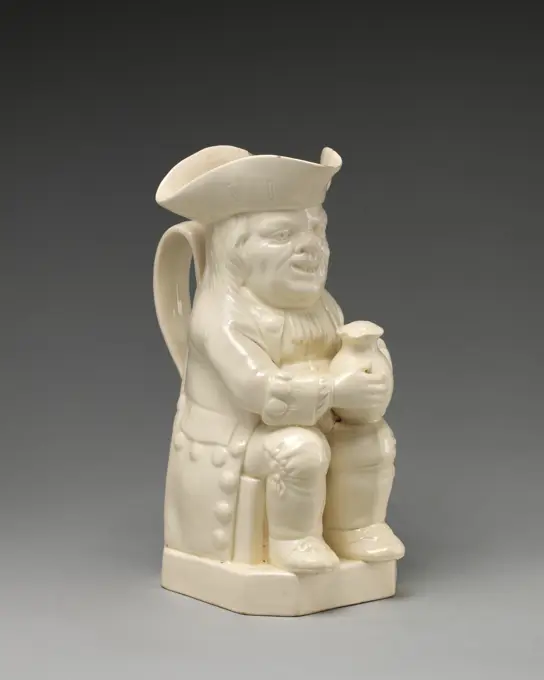
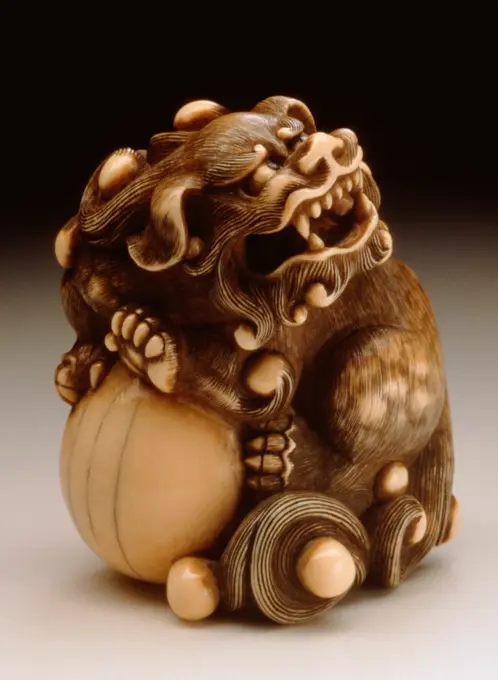
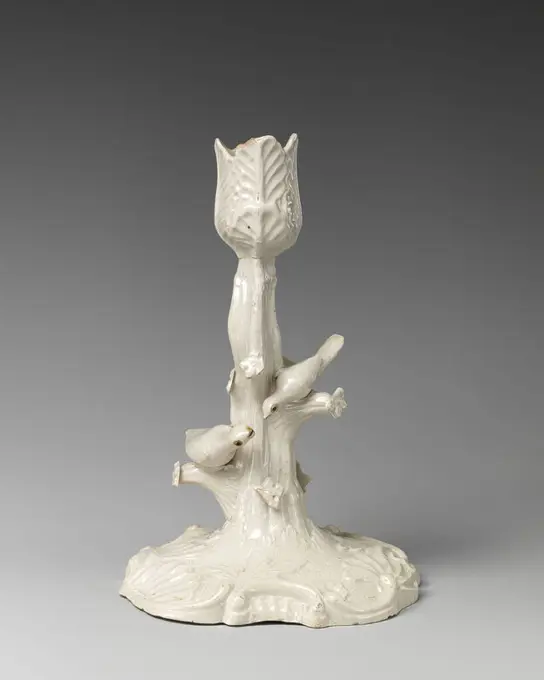
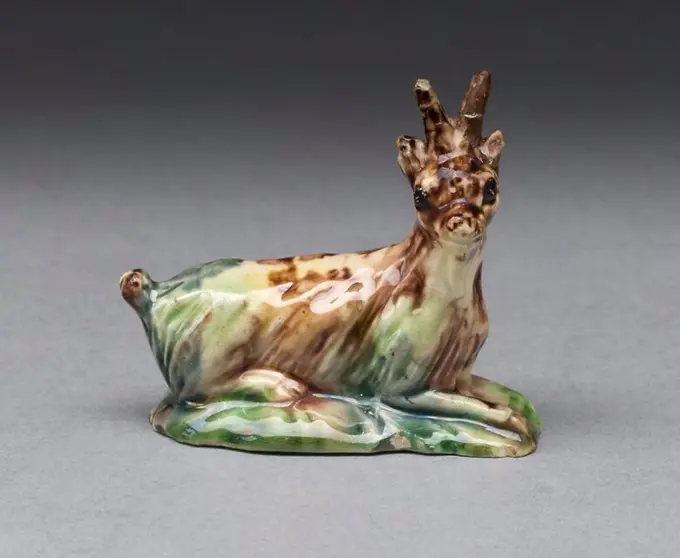
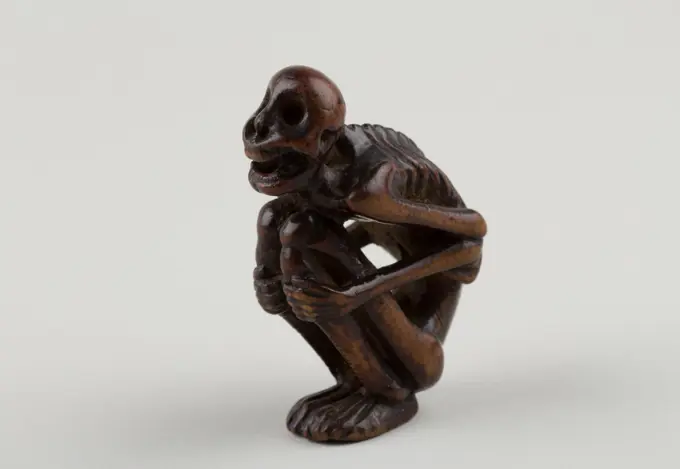
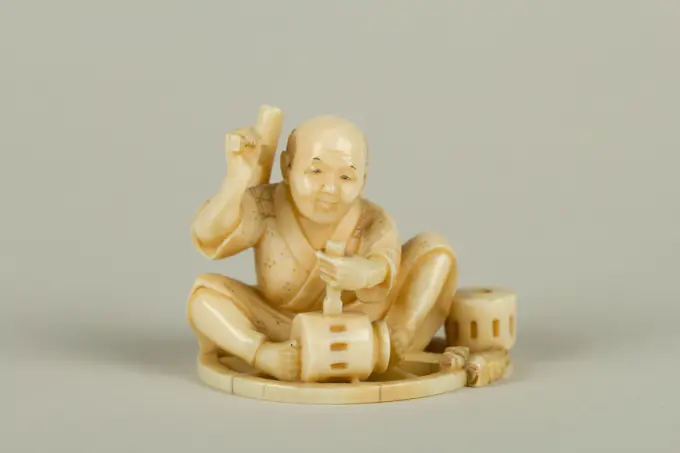
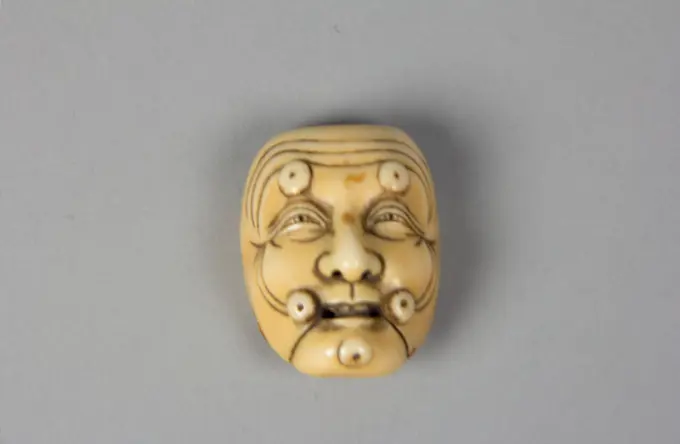
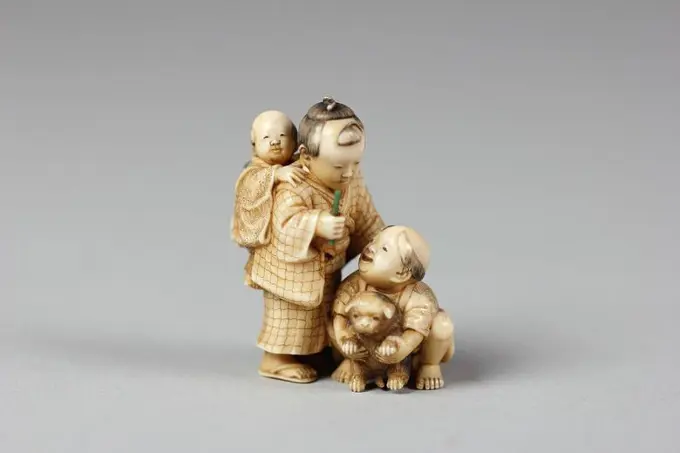
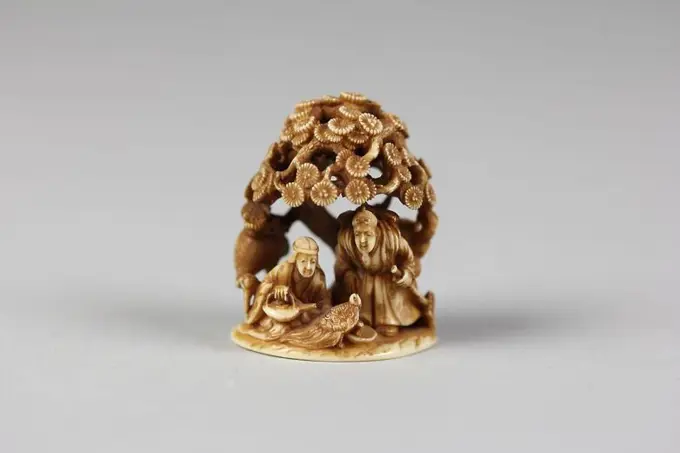
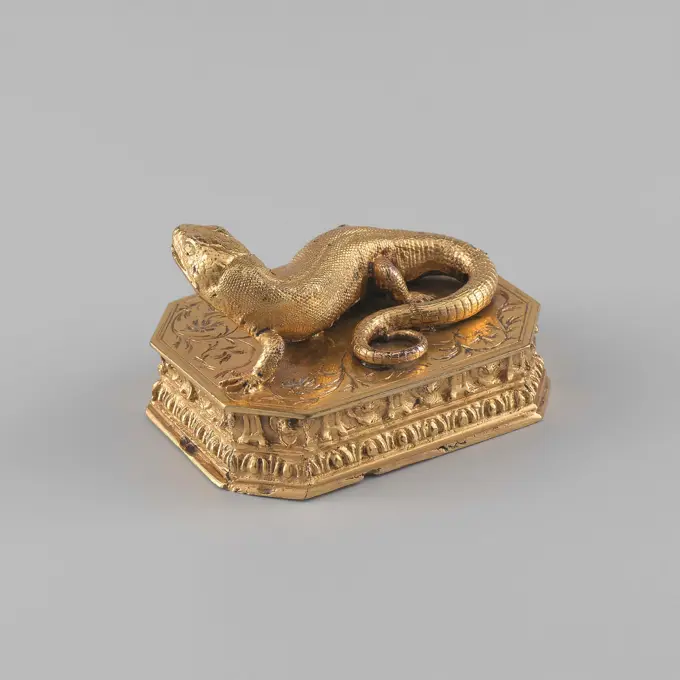
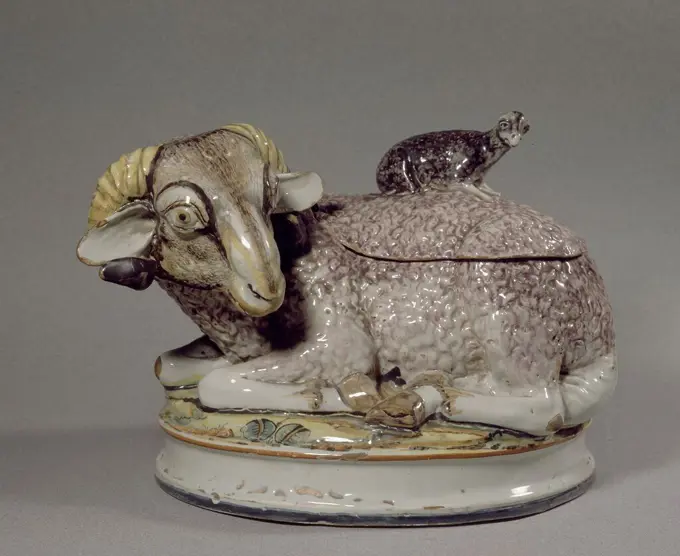
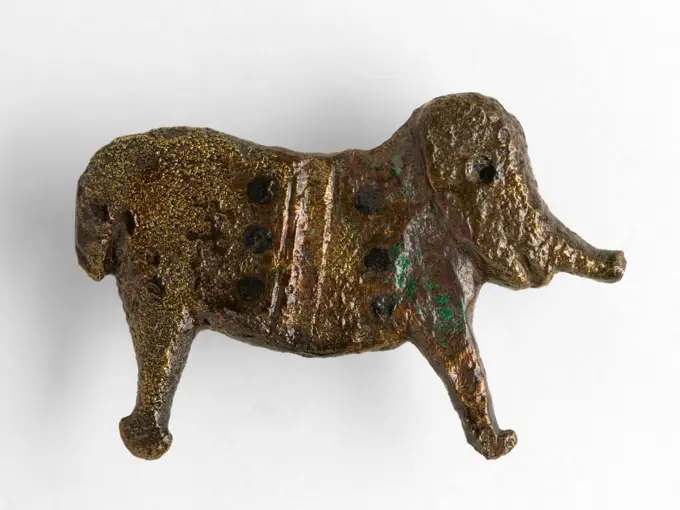
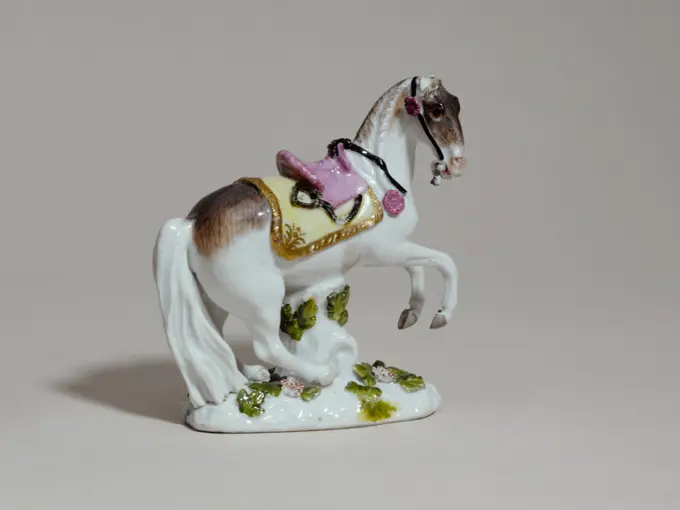
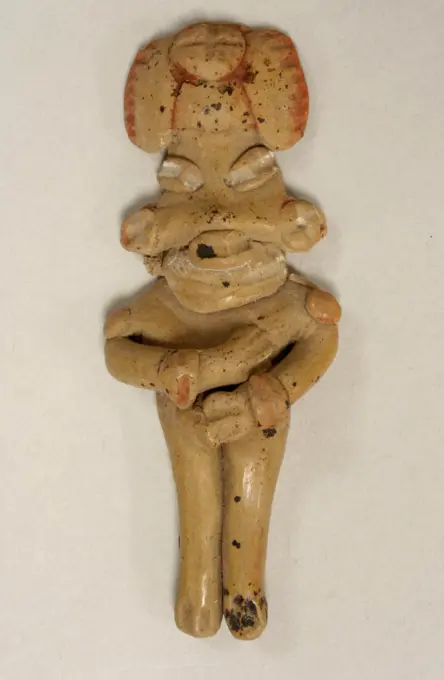
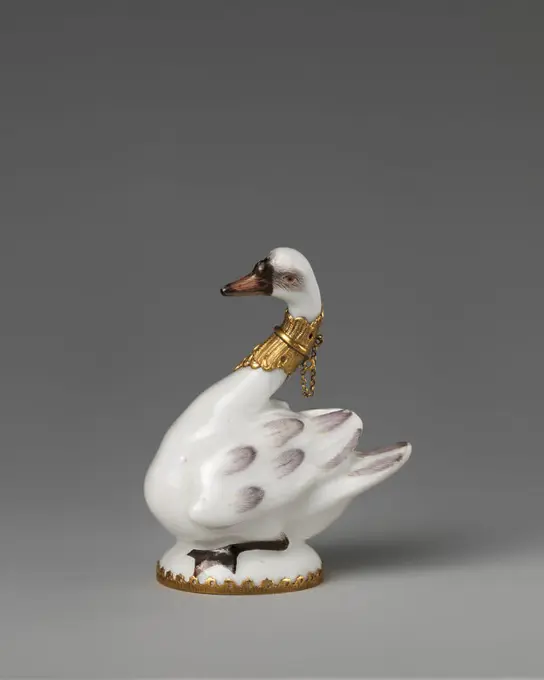
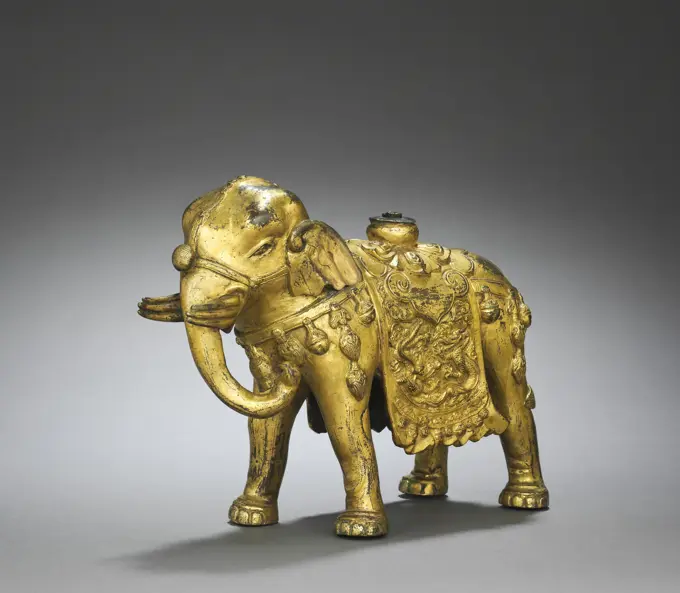
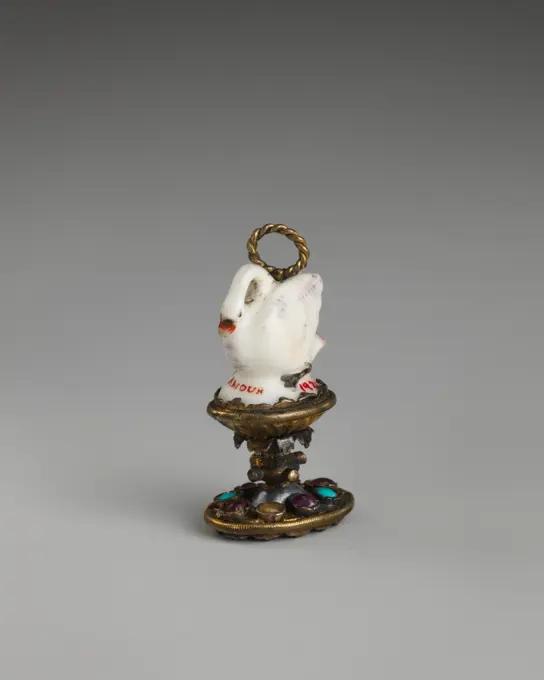
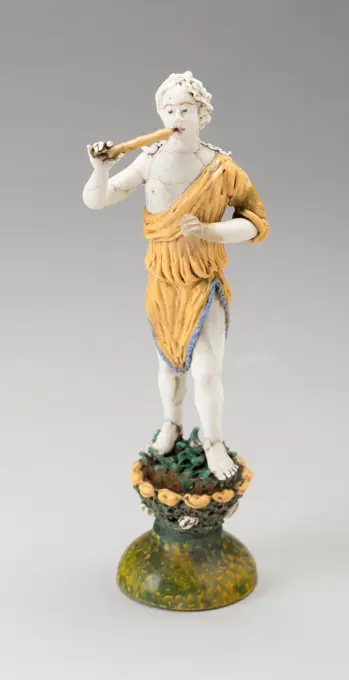
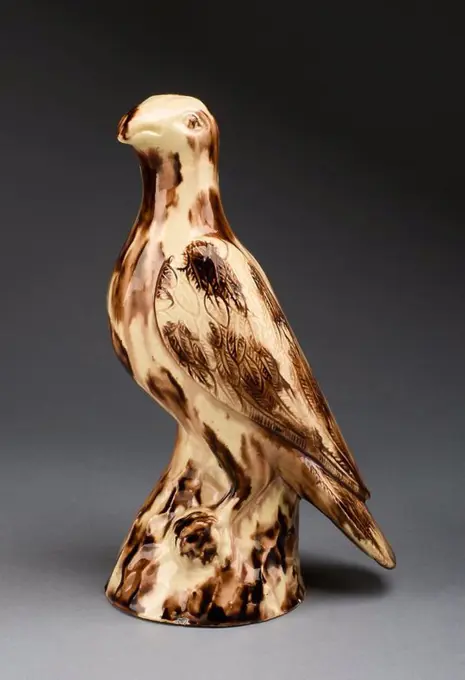
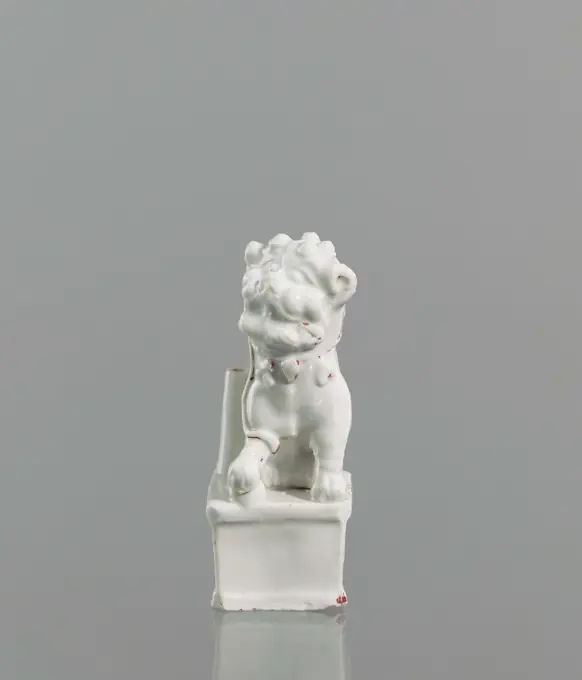
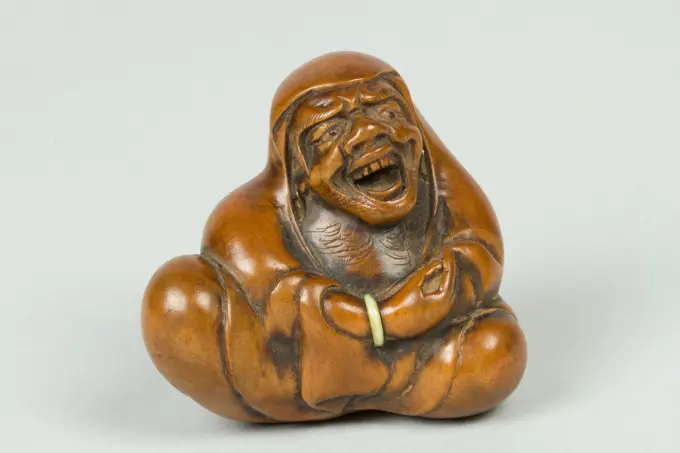
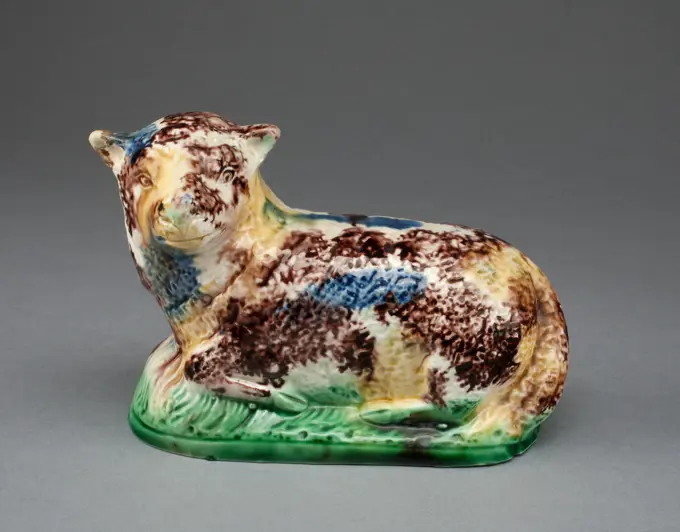
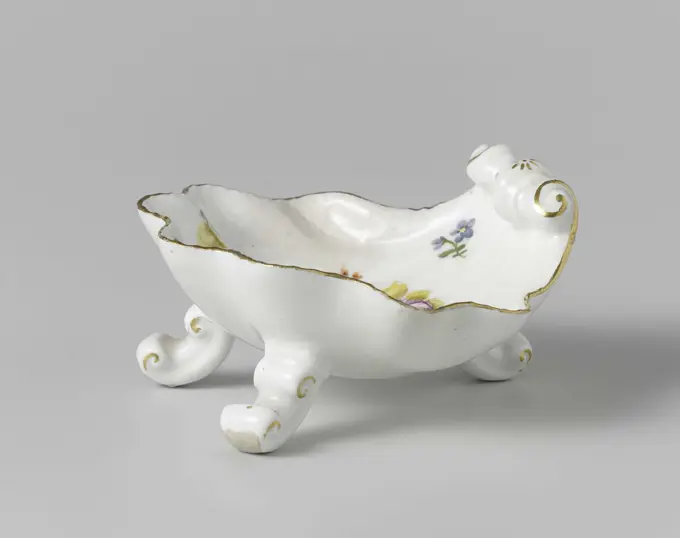
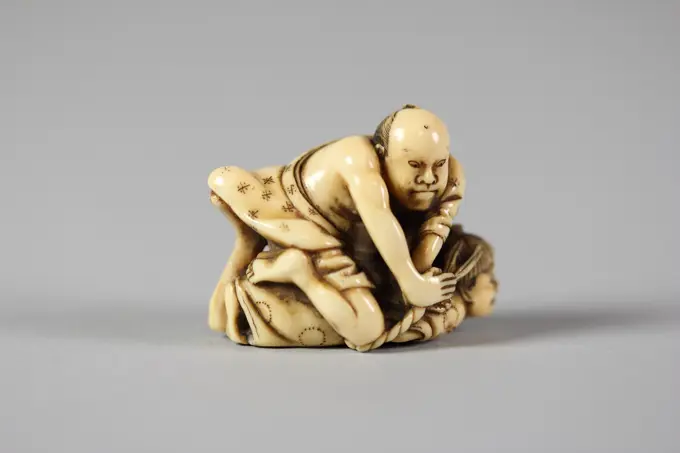
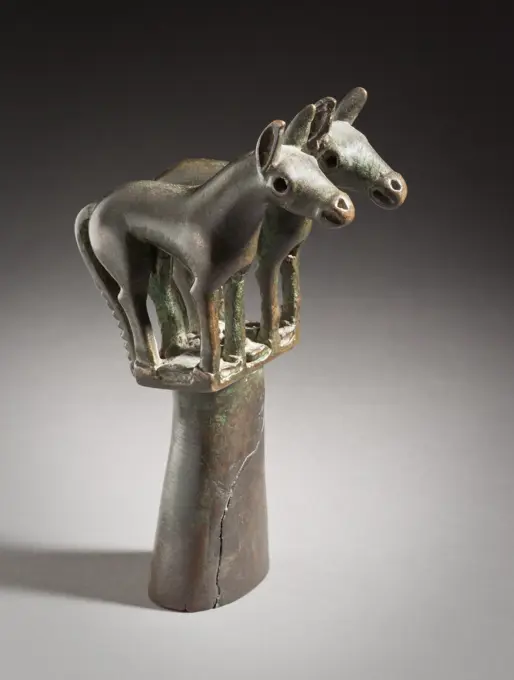
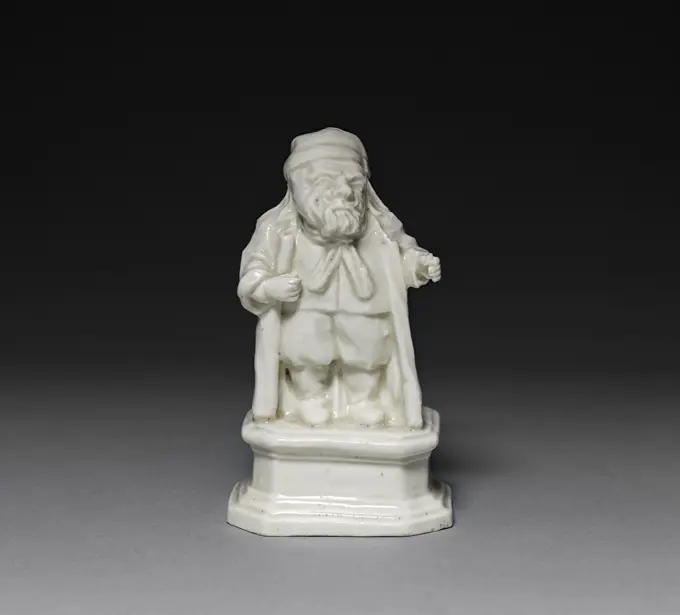
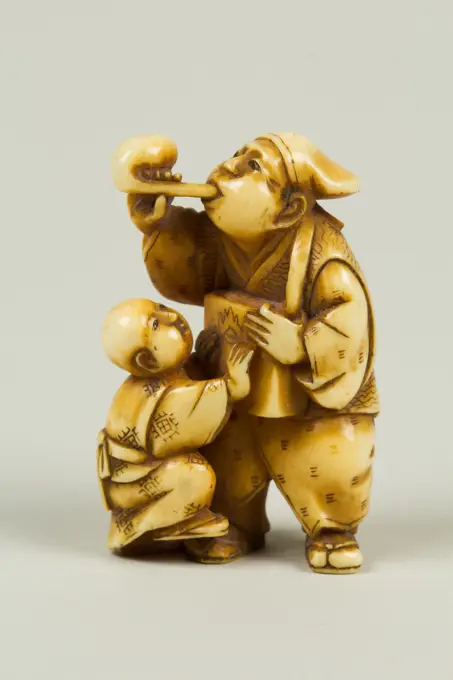
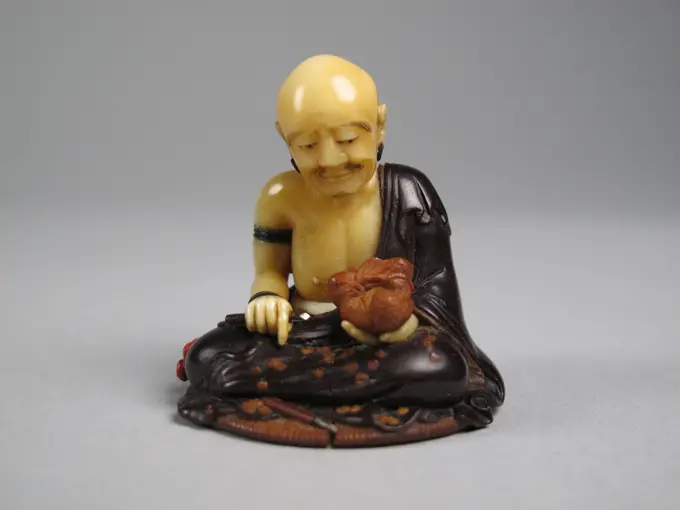
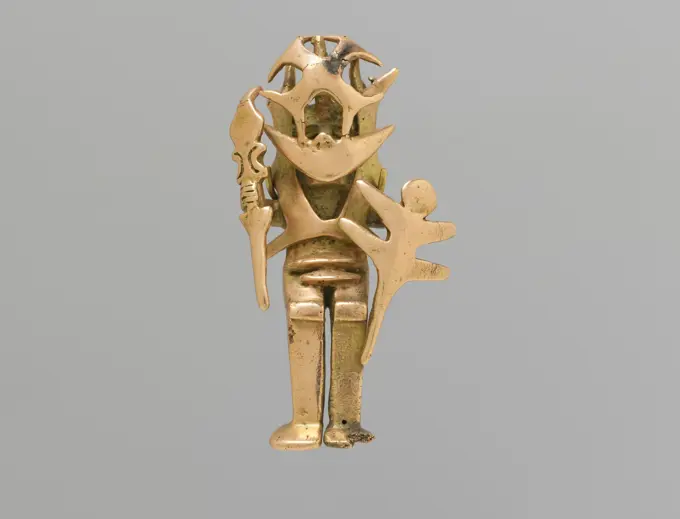
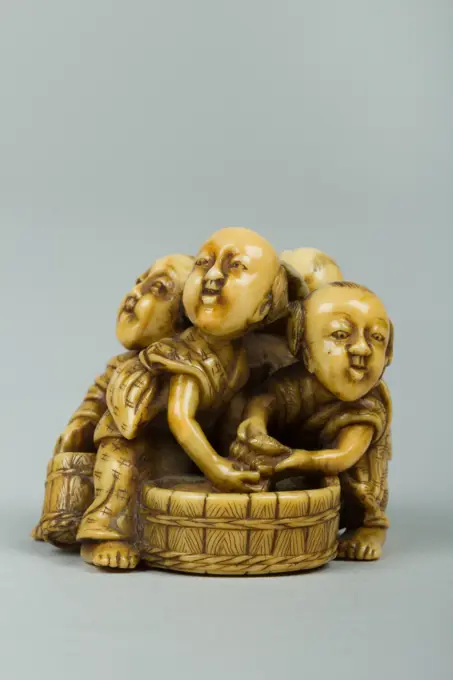
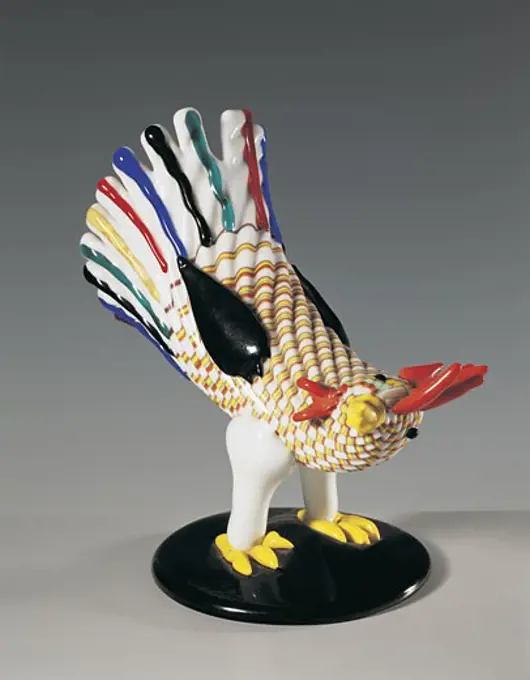
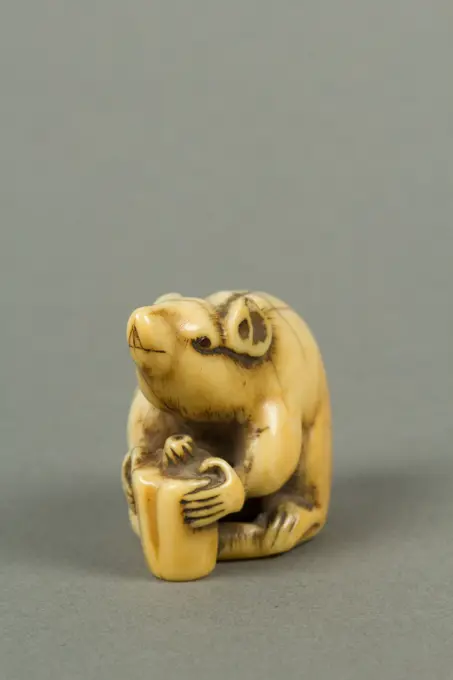
Netsuke of Mouse Gnawing on Candle 18th century Japan. Netsuke of Mouse Gnawing on Candle. Japan. 18th century. Ivory. Edo period (1615-1868). Netsuke. Children's figure of faience, representing a boy leaning against a tree stump. White glazed.Netsuke of Equestrian Figure 18th century Japan. Netsuke of Equestrian Figure 59367Netsuke of Demon 19th century Japan. Netsuke of Demon. Japan. 19th century. Wood. Edo (1615-1868) or Meiji period (1868-1912). NetsukeTerracotta guttus (flask with handle and vertical spout) ca. 250-150 B.C. Greek, South Italian, Campanian The flask is in the form of a comic actor, a slave, seated on an altar.. Terracotta guttus (flask with handle and vertical spout) 248721Saraswati;  XVIII-XIX century (1701-00-00-1800-00-00);Himalayan (culture), Art of Tibetan Buddhism, Himalayan art, purchase (provenance)Doorknocker in the Form of a Lion, 1400s. Italy (), 15th century. Wrought iron; overall: 15.3 x 4 cm (6 x 1 9/16 in.). Doorknockers such as this one were popular accessories for the homes of the wealthy during the Middle Ages. They are found in many different forms. The lion, symbolizing nobility, fortitude, and strength was highly favored.Manjusri Riding on a Lion, 900s. China, Liao dynasty (916-1125). Bronze; overall: 17 x 10.2 cm (6 11/16 x 4 in.).Eight Monkeys Cutting Up Pumpkin. Suganoya Shōko (Japan, active circa 1840-1880). Japan, 19th century. Costumes; Accessories. WoodBronze statuette of Isis with infant Horus 664-31 B.C. Egyptian Seated Isis with child Horus on her lap.. Bronze statuette of Isis with infant Horus. Egyptian. 664-31 B.C.. Bronze. Late Dynastic-Hellenistic. BronzesHerdersfiguur met vogel, anonymous, 1750 - 1770 FaaMence men's figure, in the form of a shepherd with a bird. White glazed. Delft (possibly) . FaaMence men's figure, in the form of a shepherd with a bird. White glazed. Delft (possibly) .Netsuke 18th century Japan. Netsuke 59312Wine Pot. Culture: China. Dimensions: H. 9 1/4 in. (23.5 cm); W. 5 3/4 in. (14.6 cm); Diam. 2 1/2 in. (6.4 cm). Museum: Metropolitan Museum of Art, New York, USA.Buffalo with Rider, early 1300s. China, Jiangxi province, Jingdezhen kilns, Yuan dynasty (1271-1368). Glazed porcelain with iron spots, qingbai ("blue-white") ware; overall: 6.9 cm (2 11/16 in.).Ornament in the shape of Daikoku, God of Luck 1698 Japan. Ornament in the shape of Daikoku, God of Luck. Japan. 1698. Clay glazed and gilt (Kiyomizu ware). Edo period (1615-1868). CeramicsPaperweight in the shape of resting lion. unknown, craftsmanNetsuke of Wolf 19th century Japan. Netsuke of Wolf. Japan. 19th century. Wood. Edo (1615-1868) or Meiji period (1868-1912). NetsukeTaweret amulet ca. 2110-2030 B.C. Old Kingdom-First Intermediate Period. Taweret amulet 545853Owl ca. 1750 British, Staffordshire. Owl. British, Staffordshire. ca. 1750. Salt-glazed stoneware. Ceramics-PotteryNetsuke of Daikoku and Bag on Rice Bale. Culture: Japan. Dimensions: H. 1 7/8 in. (4.8 cm); W. 1 3/8 in. (3.5 cm). Date: 19th century. Museum: Metropolitan Museum of Art, New York, USA.Zodiac figure: goat 18th century China. Zodiac figure: goat. China. 18th century. Biscuit porcelain with turquoise and purple glazes. Qing dynasty (1644-1911). CeramicsCamel 19th century Mary Atwood. Camel. Mary Atwood. British. 19th century. Lustreware. Ceramics-PotterySeal, Lion-Dog, 960- 1279. China, Song dynasty (960-1279). Gilt bronze; overall: 5.2 x 4.7 cm (2 1/16 x 1 7/8 in.).Chess figurine Mennecy VilleroyCandlestickCandlestand in the shape of Lion, AD 265-316. China, probably Zhejiang province, Western Jin dynasty (AD 265-316). Glazed stoneware with molded and incised decoration, Yue ware; overall: 8.3 cm (3 1/4 in.).Six-Sided Bottle (stopper), 1644-1911. China, Qing dynasty (1644-1911). Rock crystal; overall: 15 cm (5 7/8 in.).Antoine Louis Barye, Bull Brought Down by a Bear, model nd, cast c 1840 1873 Bull Brought Down by a BearTwo Water Vessels, anonymous, c. 1300 - c. 1500 Lamp, bronze, reservoir in the form of an elephant with ascetic as a rider. East Java bronze (metal) Lamp, bronze, reservoir in the form of an elephant with ascetic as a rider. East Java bronze (metal)Musician figurine;  1. PO. 20th century (1901-00-00-1950-00-00);Netsuke of Tennin (Apsara) 19th century Japan. Netsuke of Tennin (Apsara). Japan. 19th century. Wood. Edo (1615-1868) or Meiji period (1868-1912). NetsukeSeated Tiger. China. Date: 907 AD-1125. Dimensions: 20.6 × 9.2 × 12.4 cm (8 1/8 × 3 5/8 × 4 7/8 in.). Slip-coated and glazed stoneware. Origin: China. Museum: The Chicago Art Institute, Chicago, USA.Netsuke 19th century Japan. Netsuke. Japan. 19th century. Wood. Edo (1615-1868) or Meiji period (1868-1912). NetsukeAmulet of the Goddess Bastet 1070 BCE-656 BCE Egypt. Ceramic . Ancient EgyptianToby jug ca. 1780 British, Leeds, Yorkshire. Toby jug. British, Leeds, Yorkshire. ca. 1780. Creamware. Ceramics-PotteryCupid with key. Culture: British, Chelsea. Dimensions: 3 1/2 × 1 1/4 in. (8.9 × 3.2 cm). Factory: Chelsea Porcelain Manufactory (British, 1745-1784, Gold Anchor Period, 1759-69). Date: ca. 1765. Museum: Metropolitan Museum of Art, New York, USA.Chinese Lion Guarding the Jewel of the Buddha. Japan, 18th century. Costumes; Accessories. Ivory with staining, sumi, inlaysCandlestick. Culture: British, Staffordshire. Dimensions: Height: 7 1/4 in. (18.4 cm). Date: ca. 1760. Museum: Metropolitan Museum of Art, New York, USA.Double armadillopendant. Artist: UnknownTwo Images of Vajrasattva and a Vajra, anonymous, 1200 - 1300 Vajrasattva with attributes lightning bolt and clock, seated on an untreated throne. Thailand bronze (metal). gilding (material) gilding Vajrasattva with attributes lightning bolt and clock, seated on an untreated throne. Thailand bronze (metal). gilding (material) gildingGoat. England, Staffordshire. Date: 1760-1770. Dimensions: 5.1 x 5.8 cm (2 x 2 1/3 in.). Lead-glazed earthenware (creamware). Origin: Staffordshire. Museum: The Chicago Art Institute, Chicago, USA.Egungun headdress, 1950s, 8 3/4 x 12 x 10 1/4 in. (22.23 x 30.48 x 26.04 cm), Wood, pigment, cotton fibers, metallic threads, Nigeria or Benin, 20th centuryNetsuke of Crouching Figure of a Skeleton 19th century Japan. Netsuke of Crouching Figure of a Skeleton 59662Netsuke 19th century Japan. Netsuke 60271Noh Mask: Okina mid-19th century Ishimine The Okina (old man) mask is the oldest of Noh masks. The rounded eyebrows and divided chin make it easily recognizable.. Noh Mask: Okina. Ishimine. Japan. mid-19th century. Ivory. Edo period (1615-1868)-Meiji period (1868-1912). NetsukeChinese with a child; Koenigliche Porcellain Fabrique, Meissen (1710-1763), Ehder, Johann Gottlieb (1717-1750); around 1750 (1740-00-00-1750-00-00);Netsuke of Children with Puppy. Culture: Japan. Dimensions: H. 1 1/2 in. (3.8 cm); W. 1 1/2 in. (3.8 cm); D. 7/8 in. (2.2 cm). Date: 19th century. Museum: Metropolitan Museum of Art, New York, USA.Netsuke. Culture: Japan. Dimensions: H. 1 5/8 in. (4.1 cm); W. 1 3/8 in. (3.5 cm); D. 1 in. (2.5 cm). Date: 19th century. Museum: Metropolitan Museum of Art, New York, USA.. Originally two little pans hung on long cords from the ends of the lower crosspiece: one for the precious objects to be weighed, and the other for the weights. The counterweight is connected with a cord to the hinge at the top via the little wheel at the bottom of the stem. By sliding the counterweight closer to the foot of the scales, the balance can be adjusted, allowing different metals andprecious stones to be weighed.Vessel. Egypt, Old Kingdom - First Intermediate Period (2687 - 2061 BCE). Furnishings; Serviceware. CalciteCERAMICA DE ALCORA. Location: MUSEO DE CERAMICA-MANUFACTURA DE ALCORA. Barcelona. SPAIN.Clothing accessory, set, zoomorphic fibula in the shape of an elephant. Copper alloy. Gallo-Roman time. Haut-Empire () Paris, Carnavalet museum. Zoomorphe fibula Fashion accessory, copper alloy, antique, elephant, Gallo-Roman time, zoomorphic fibula, shape, high-empire, set, clothing, ancientAttributed to Johann-Joachim Kaendler (1706-1775). "Horse harnessed horse", between 1745 and 1750. German porcelain from Meissen. Paris, Cognacq-Jay museum. Horse harness, Meissen Manufacture, German porcelain, to rekle, saddleAnonymous, Fö dog (main title), 1736, turquoise blue porcelain. Petit Palais, Museum of Fine Arts of the City of Paris.Figure of A Shishi. Image of porcelain on a high, rectangular pedestal, painted on the biscuit with blue, green, yellow, eggplant and black. On the pedestal a shishi (lion dog) with a cub. The pedestal is covered with napkin work and open to two sides, in the form of a scalloped cartouche and a peach roof. Email sur biscuit in famille verte.Figurine of fo lion. unknown, craftsmanChinese, Cat, quartz.Male Figure 3rd century B.C.-A.D. 4th century Chupicuaro. Male Figure 313193Salt-Cellar with a Mermaid, Shells and Dolphins. Palissy (after), Bernard (France, 1509-1590). France, circa 1560-1600. Furnishings; Serviceware. Lead-glazed earthenware, Palissy wareMiniature seal 1753-58 Chelsea Porcelain Manufactory. Miniature seal. British, Chelsea. 1753-58. Soft-paste porcelain. Chelsea Porcelain Manufactory (British, 1745-1784, Red Anchor Period, ca. 1753-58). Ceramics-PorcelainSwan. Culture: British, Chelsea. Dimensions: 2 1/2 × 1 3/4 in. (6.4 × 4.4 cm). Factory: Chelsea Porcelain Manufactory (British, 1745-1784, Red Anchor Period, ca. 1753-58). Date: ca. 1755. Museum: Metropolitan Museum of Art, New York, USA.Caparisoned Elephant, c. 1000s. China, Liao dynasty (916-1125). Gilt bronze; overall: 18.5 cm (7 5/16 in.).Seal ca. 1751-54 Chelsea Porcelain Manufactory. Seal. British, Chelsea. ca. 1751-54. Soft-paste porcelain, metal gilt, lapis lazuli, rubies, turquoises. Chelsea Porcelain Manufactory (British, 1745-1784, Red Anchor Period, ca. 1753-58). Ceramics-PorcelainIncense Burner Shaped as a Singer Seated on an Altar; Roman Empire; first half of 1st century; Bronze; 19 × 9.4 cm (7 1,2 × 3 11,16 in.)Shepherd 1700-1750 France. Glass; lampwork (verre de Nevers), metal armature .Snuff Bottle, 19th century, 1 x 1 1/8in. (2.5 x 2.9cm), Ivory, China, 19th centuryBird. Staffordshire, England. Date: 1760-1770. Dimensions: 22.7 x 14 x 9.5 cm (8 15/16 x 5 1/2 x 3 3/4 in.). Lead-glazed earthenware (creamware). Origin: Staffordshire. Museum: The Chicago Art Institute, Chicago, USA.Seal amulet in the shape of hedgehog Late Period 664-380 B.C. View more. Seal amulet in the shape of hedgehog. 664-380 B.C.. Faience. Late Period. From Egypt. Dynasty 26-29Figurine of fo lion. unknown, craftsmanNetsuke 18th century Japan. Netsuke. Japan. 18th century. Wood. Edo period (1615-1868). NetsukeEwe 1775-1785 Staffordshire .Boat with Six Passengers, c 1800s. Japan, Edo period (1615-1868) to Meiji period (1868-1912). Ivory; overall: 7.6 cm (3 in.).Equestrian Figure, 19th century, 1 7/8 x 5/16 x 1 7/8 in. (4.8 x 0.8 x 4.8 cm), Bronze, Chad, 19th century'Lion Holding a Shield'. Italy. Venice, Early 15th century ( ). Dimensions: height 49,0 cm; length 58,0 cm. Museum: State Hermitage, St. Petersburg.. Salt barrel of painted porcelain. The salt barrel has the shape of a shell with a scalloped edge and stands on three volutely legs. The salt barrel is painted with Deutsche Blumen, insects and fruits. The edge is decorated with the Neuozier pattern in relief. The salt barrel is marked and belongs to a tableware (BK-17474-1 to BK-17474-253).Figure, Ivory, Sitting man with crossed legs, holding cat on his raised left palm. Boxes and utensils at his side., China, 19th century, sculpture, Decorative Arts, FigureMonkeyfigure, A.D.700-1550, Gold, 2.1 × 2.7 cm (13/16 × 1 1/16in.), Made in Costa Rica, Costa Rica,Diquis, 8th-16thcentury, JewelryAmulet - baran. unknown, authorNetsuke of Seated Baku (mythical animal) 19th century Japan. Netsuke of Seated Baku (mythical animal) 60291Pendant in the Form of a Boar, 400s BC. Italy, Etruscan, 5th Century BC. Amber; overall: 2.7 cm (1 1/16 in.).Male character mingqi. Terracotta, brown glaze, traces of polychromy. Paris, Cernuschi museum. 78843-12 Beyond, belief, figurine, mingqi, funeral object, male character, model character, funeral rite, statuetteAmulet of the God Thoth, Seated with Lunar Disk 2160 BCE-2055 BCE Egypt. Stone (mottled) . Ancient EgyptianNetsuke of Two Wrestlers 19th century Japan. Netsuke of Two Wrestlers 59610Smiling Elephant. Ozaki Kokusai (Japan, 1835-circa 1892). Japan, mid- to late 19th century. Costumes; Accessories. Stag antlerFinial (Kulan). Southern Siberia, 6th-5th century B.C.. Architecture; Architectural Elements. BronzeCallot Figure, c. 1720. Meissen Porcelain Factory (German). Porcelain; overall: 11.5 x 6.2 x 4.8 cm (4 1/2 x 2 7/16 x 1 7/8 in.). This small figure is made of the slightly yellowish porcelain developed by Böttger and used by the Meissen factory during the first decade of its existence. It is one of a series of small figures adapted from engravings in the style of Callot and is thought to have been modeled by Georg Fritzche, who had been employed at Meissen since 1712.Goldsmith's art, Flanders, 18th century. Figurine of Marcus Curtius in enamelled gold, silver, diamonds and pearls, 1700.Netsuke of Man and Child 18th century Japan. Netsuke of Man and Child 59994Netsuke of Wood Carver 19th century Japan. Netsuke of Wood Carver. Japan. 19th century. Wood and ivory. Edo (1615-1868) or Meiji period (1868-1912). NetsukeMasked Figure Pendant 1st-7th century Calima (Yotoco). Masked Figure Pendant 312491Netsuke of Group of Four Children 19th century Japan. Netsuke of Group of Four Children. Japan. 19th century. Ivory. Edo (1615-1868) or Meiji period (1868-1912). NetsukeCouncil. Transfer of a-type with one decoration of one four-lobbed cavity.Ornament with Recumbent Deer Built 599 BCE-400 BCE China. Bronze .Inkwell in the form of an owl early 18th century French, Rouen Faience, or tin-glazed and enameled earthenware, first emerged in France during the sixteenth century, reaching widespread usage among elite patrons during the seventeenth and early eighteenth centuries, prior to the establishment of soft-paste porcelain factories. Although characterized as more provincial in style than porcelain, French faience was used at the court of Louis XIV as part of elaborate meals and displays, with large-scale vessels incorporated into the Baroque garden designs of Versailles. Earlier examples of French faience attest to the strong influence of maiolica artists from Italy. Later works demonstrate the ways in which cities such as Nevers, Rouen, Lyon, Moustiers, and Marseille developed innovative vessel shapes and decorative motifs prized among collectors throughout Europe. While faience can be created from a wide mixture of clays, it is foremost distinguished by the milky opaque white color achieveBronze statuette of a rooster 6th century B.C. Cypriot Stands on small rectangular plate with feet close together; incised details.. Bronze statuette of a rooster 244414Man's head ca. 1760 Chelsea Porcelain Manufactory. Man's head. British, Chelsea. ca. 1760. Soft-paste porcelain. Chelsea Porcelain Manufactory (British, 1745-1784, Red Anchor Period, ca. 1753-58). Ceramics-PorcelainDog Tray Bank' mechanical bank, c. 1880, Louis Kyser; Designer: Alfred C. Rex; Manufacturer: Kyser & Rex Company, Philadelphia, c. 1879-1898, 4 1/4 x 4 5/16 x 2 7/16 in. (10.8 x 10.95 x 6.19 cm), Iron, pigment, United States, 19th centuryVessel in Form of a Dog with Turtle ShellClose-up of a vase in the shape of a cock, Murano, Venice, Veneto, ItalyFoot of a candlestick with sitting lion. Foot of a candlestick. It is molded as a whole and stretched object consists of a foot-decorated foot and a square portion with a seated lion, in which the square pin can be clenched to attach the candlestick.