Japanese Netsuke Figurines

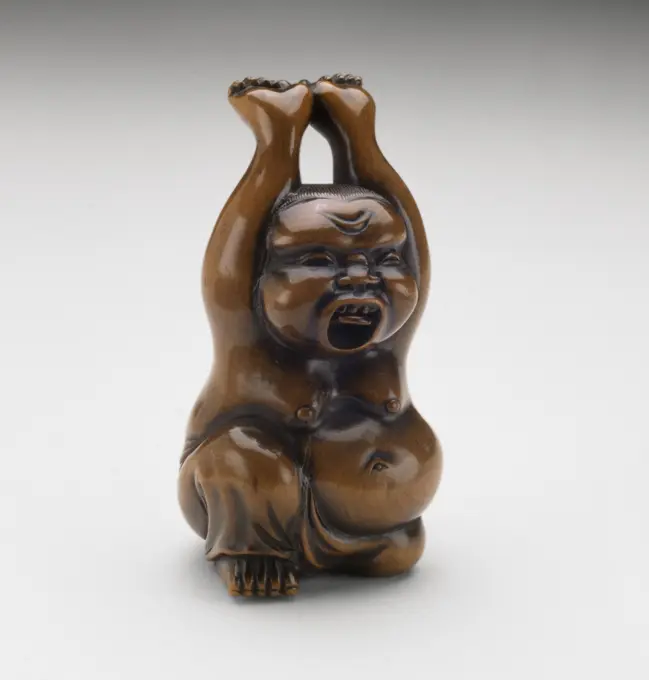
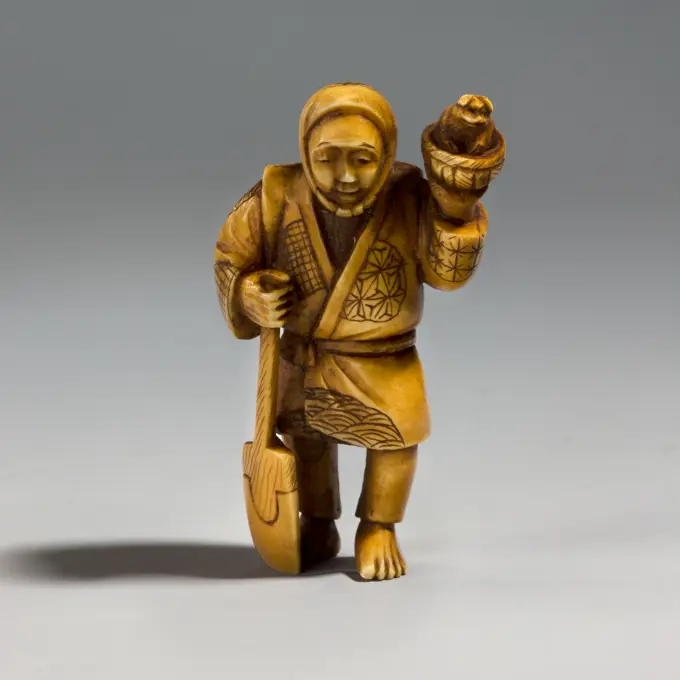
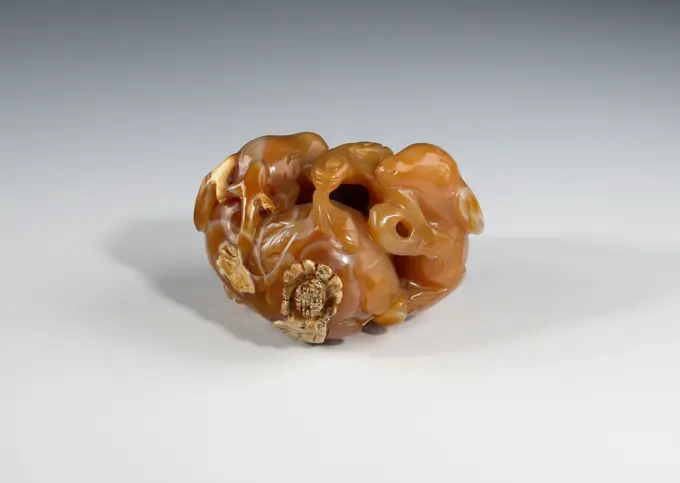
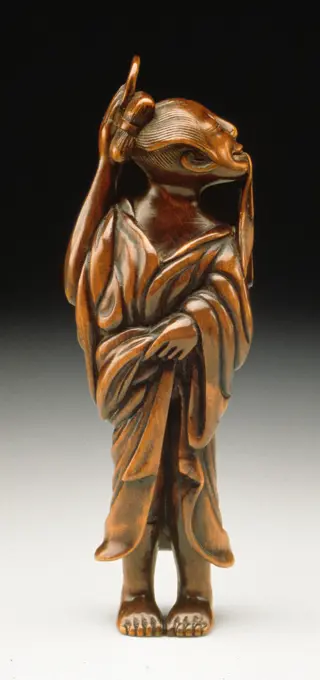
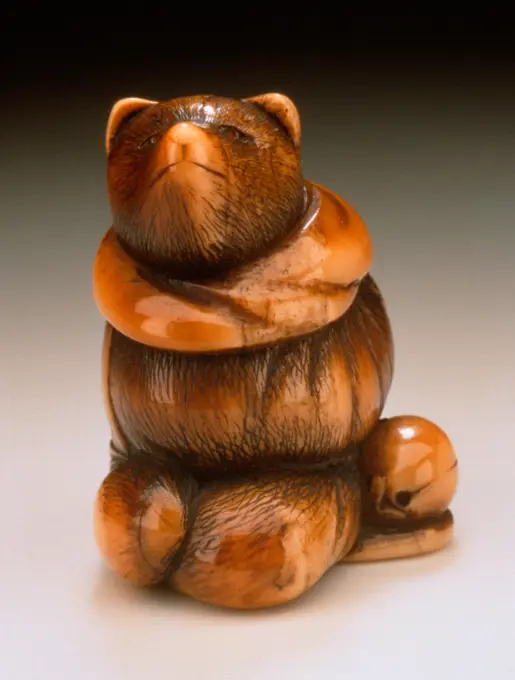
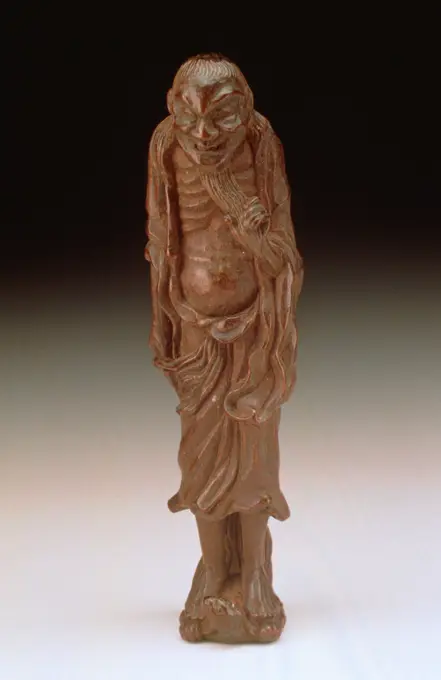
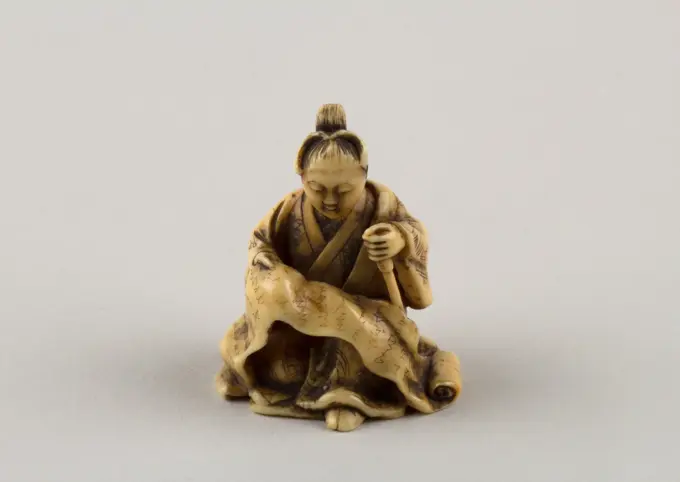
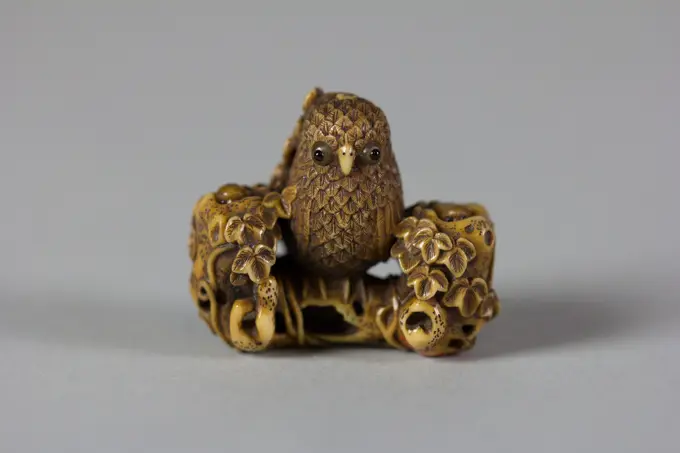
A collection of intricate 19th-century Japanese netsuke figurines, depicting humorous and playful scenes, featuring characters like monkeys and mythological figures, made from ivory and wood.
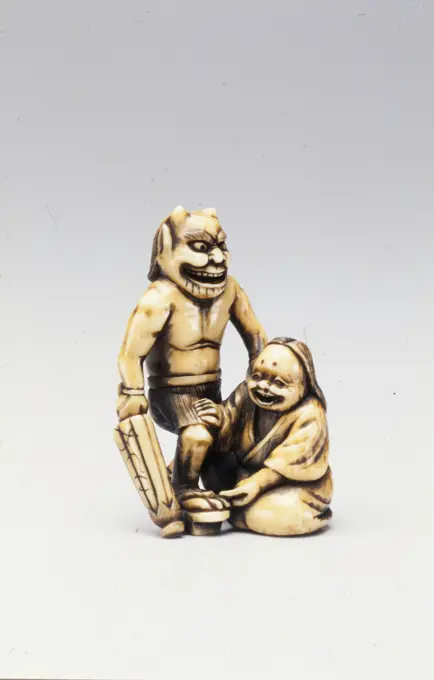
Netsuke Okame and Ohi, 19th century, Kosen, Japanese, 1 7/8 x 1 5/16 x 1 5/16in. (4.8 x 3.3 x 3.3cm), Ivory, Japan, 19th century
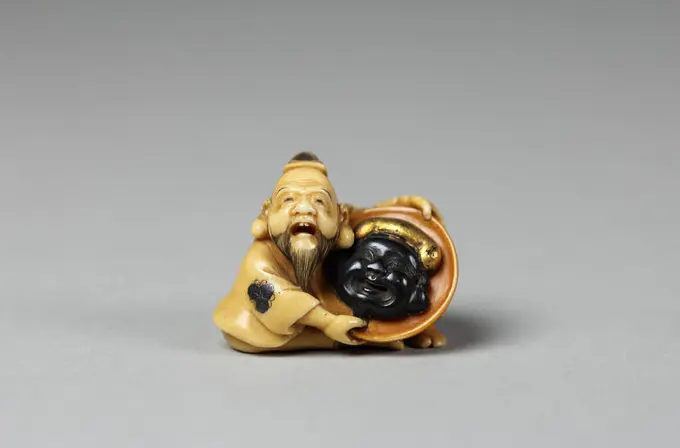
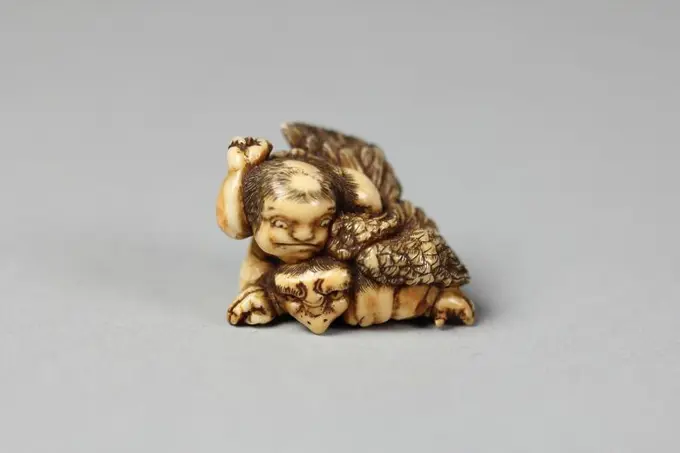
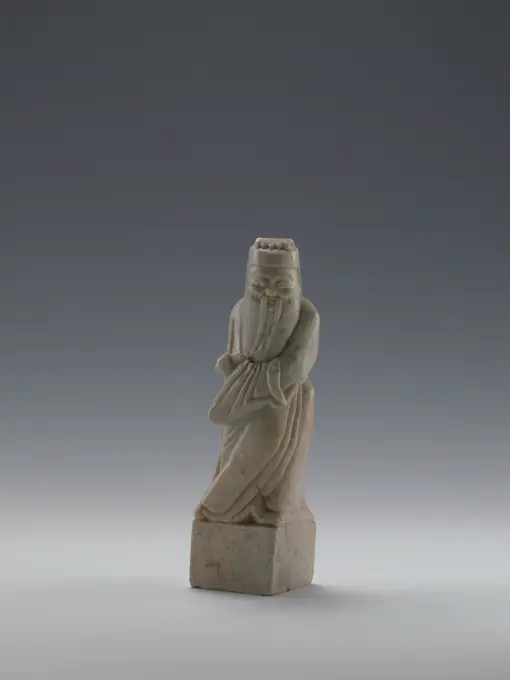
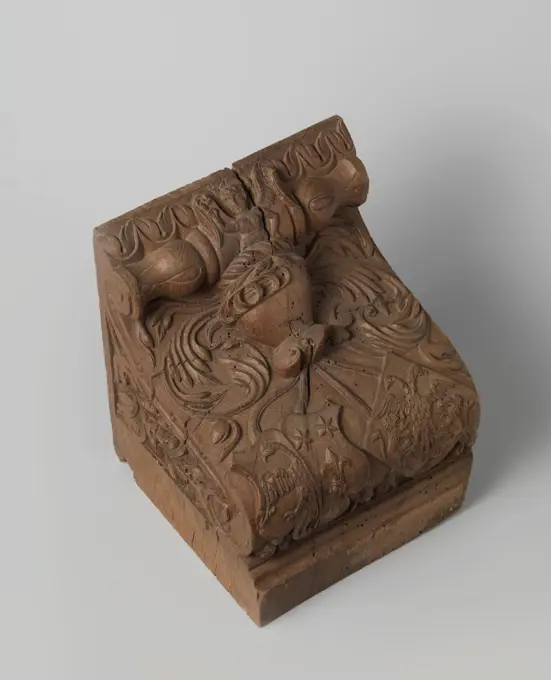
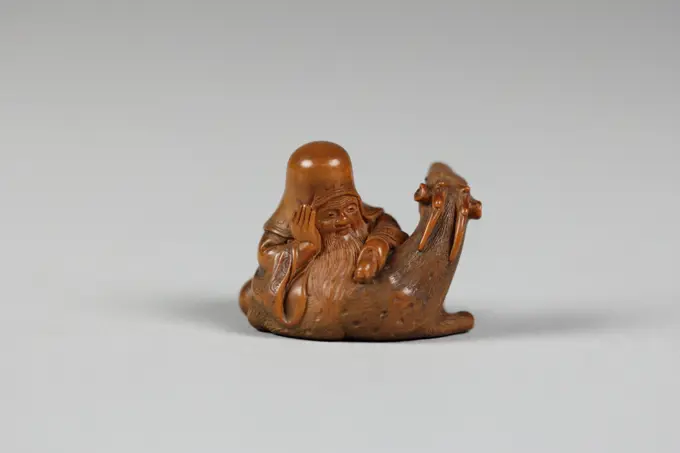
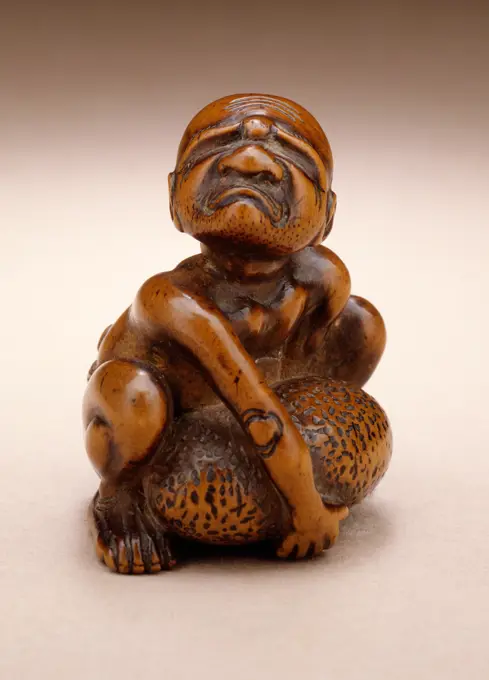
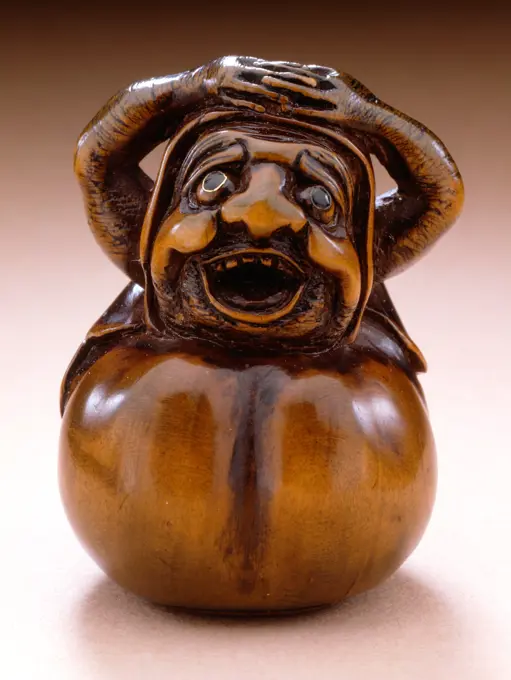
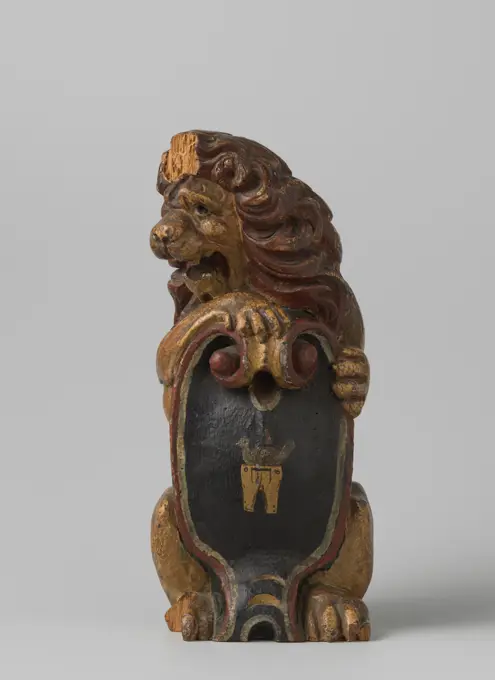
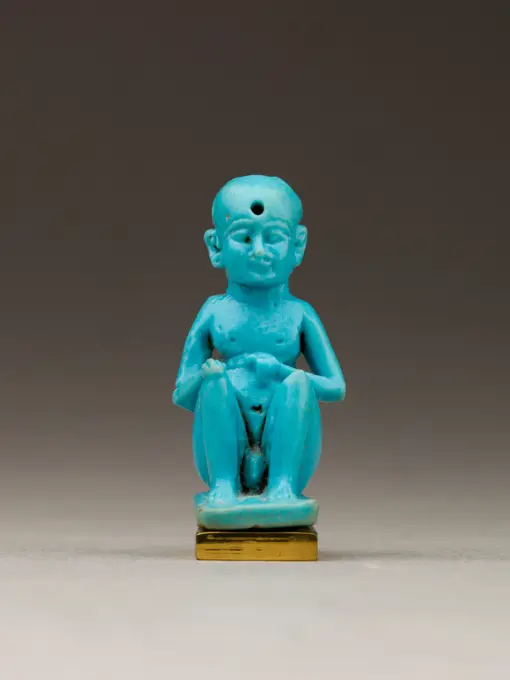
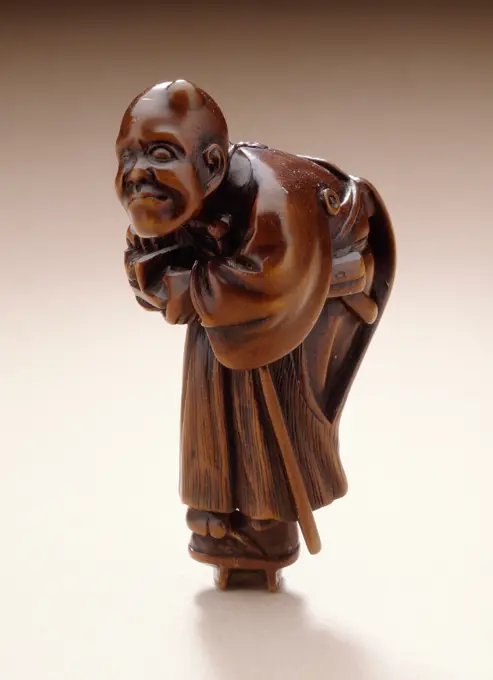
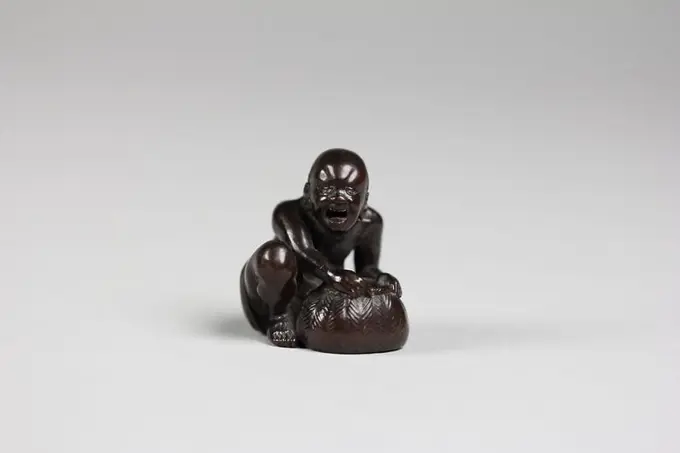
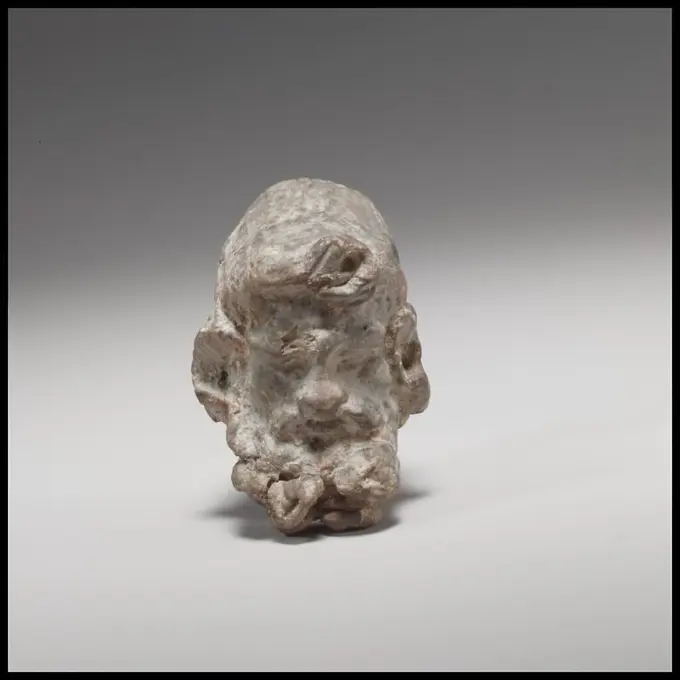
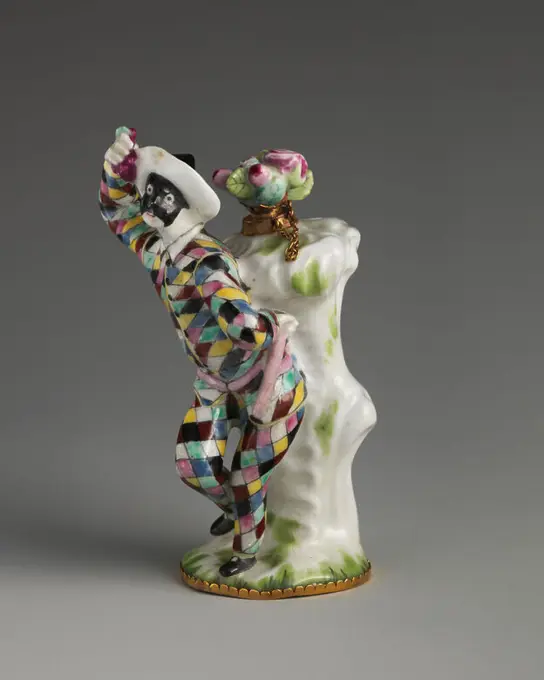
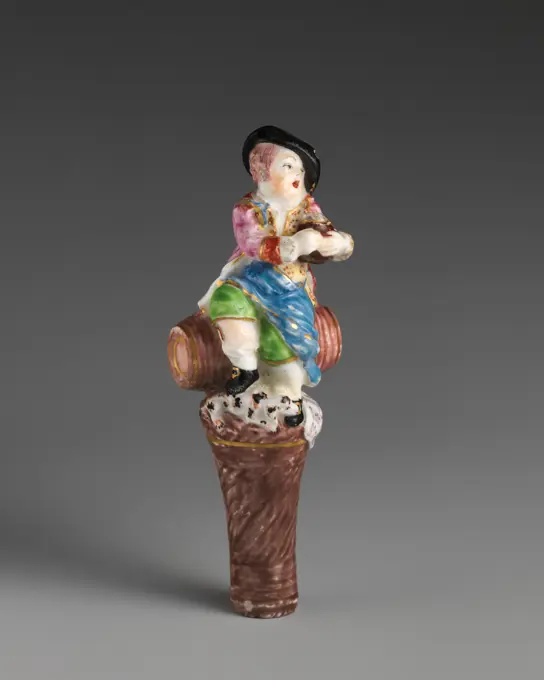
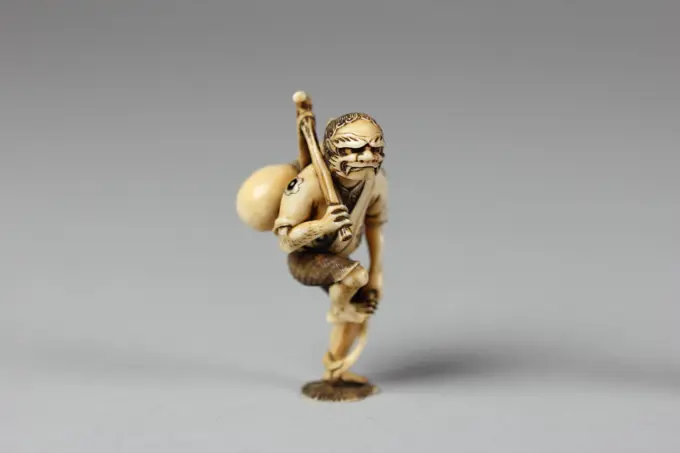
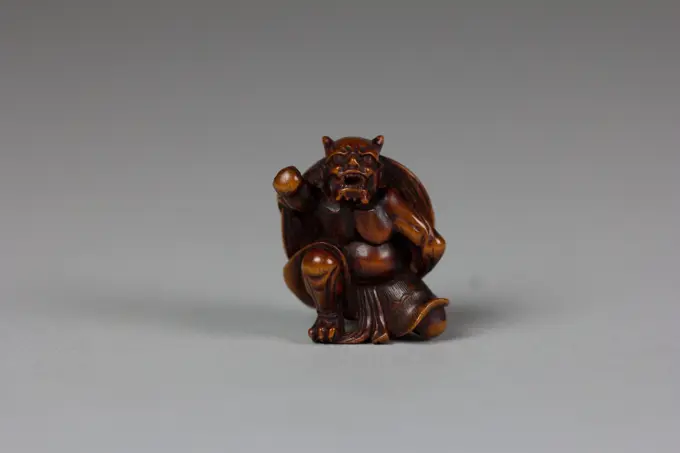
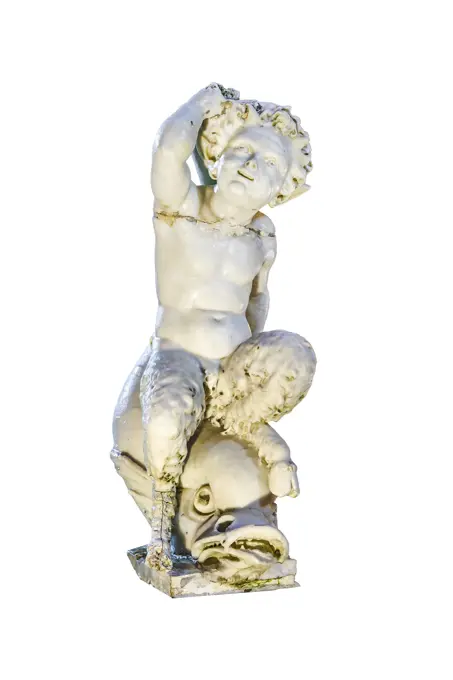
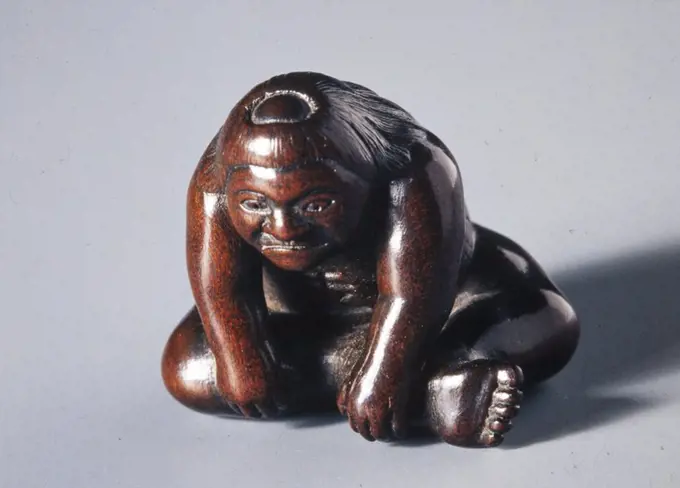
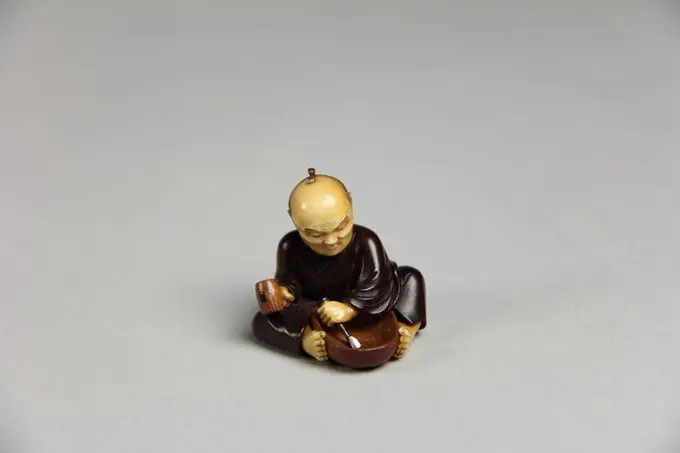
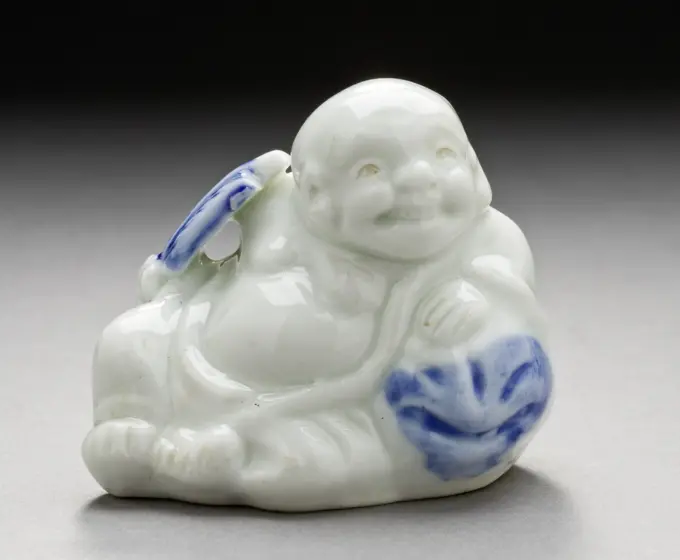
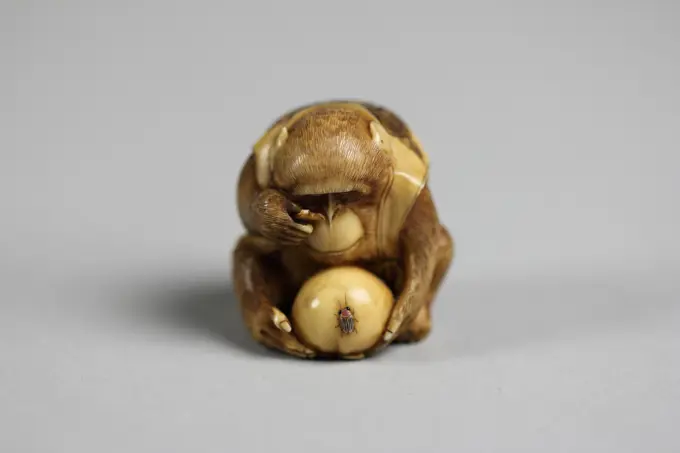
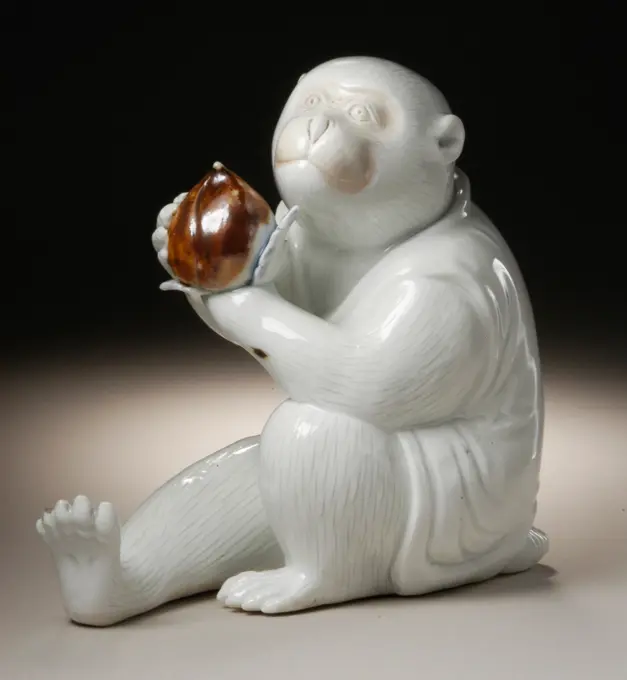
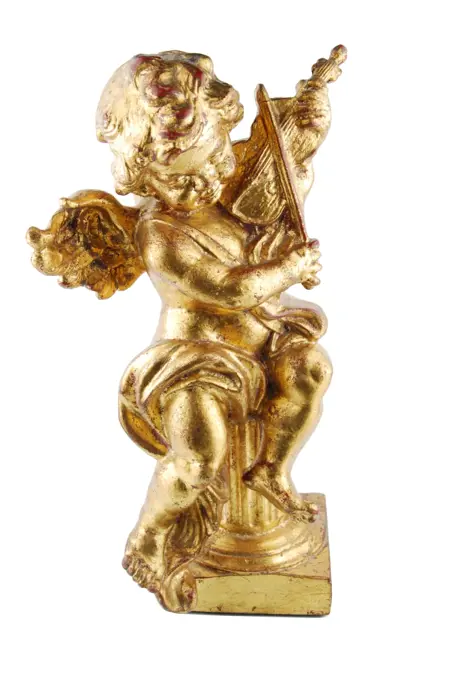
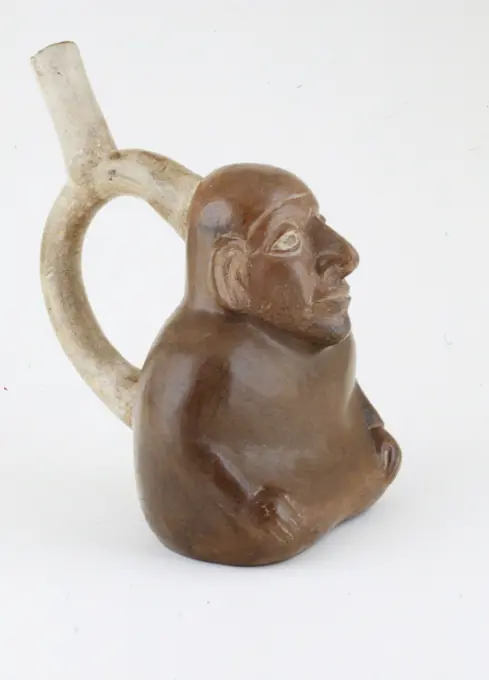
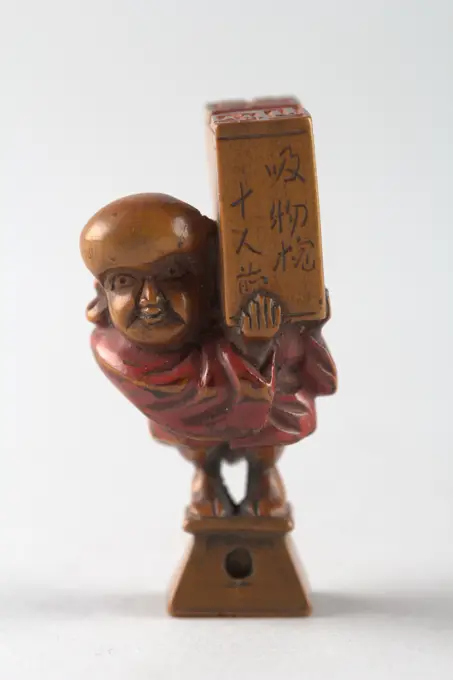
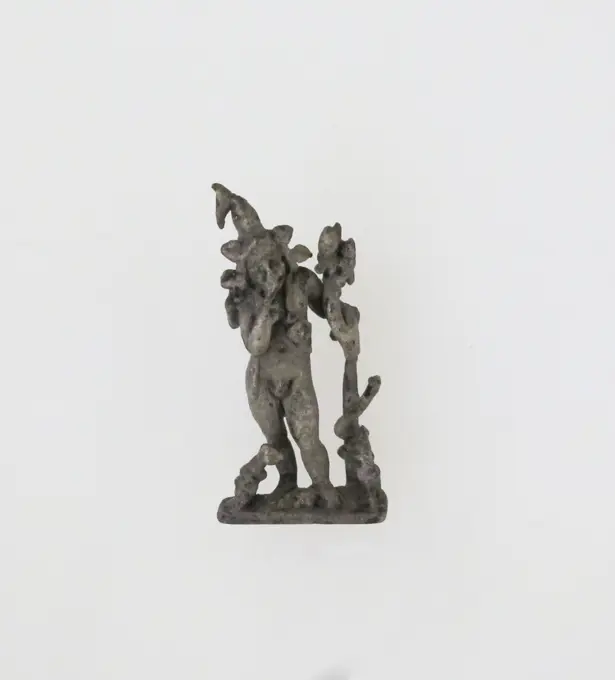
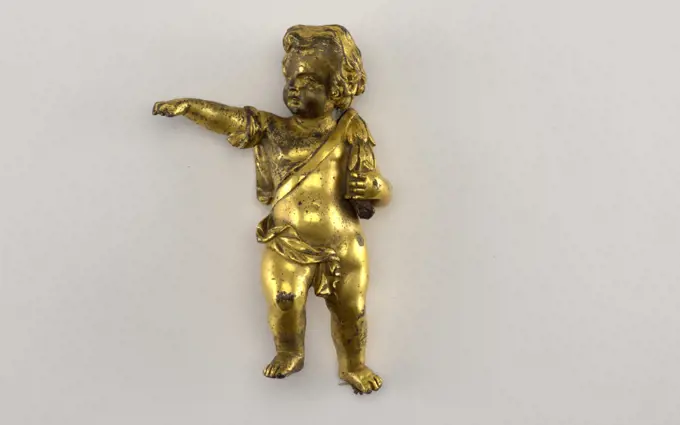
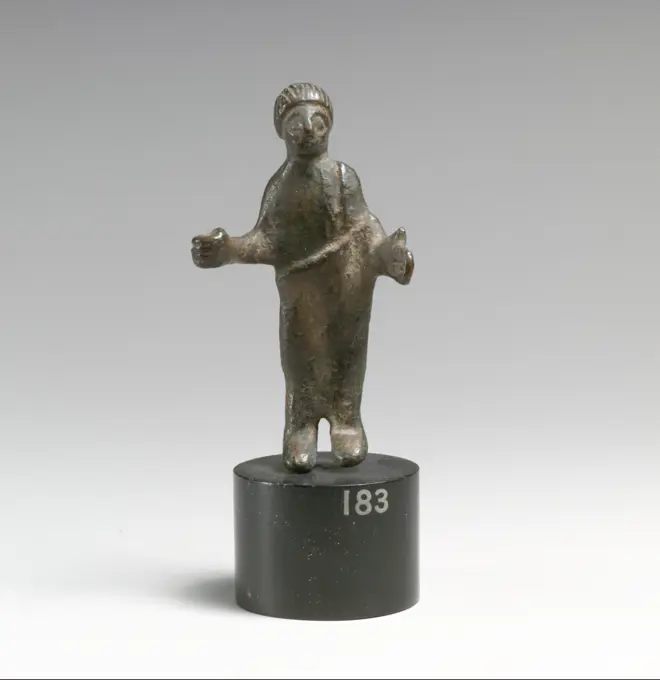
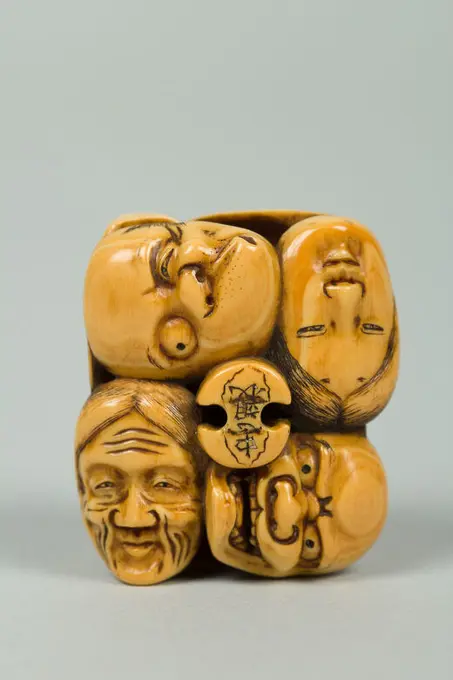
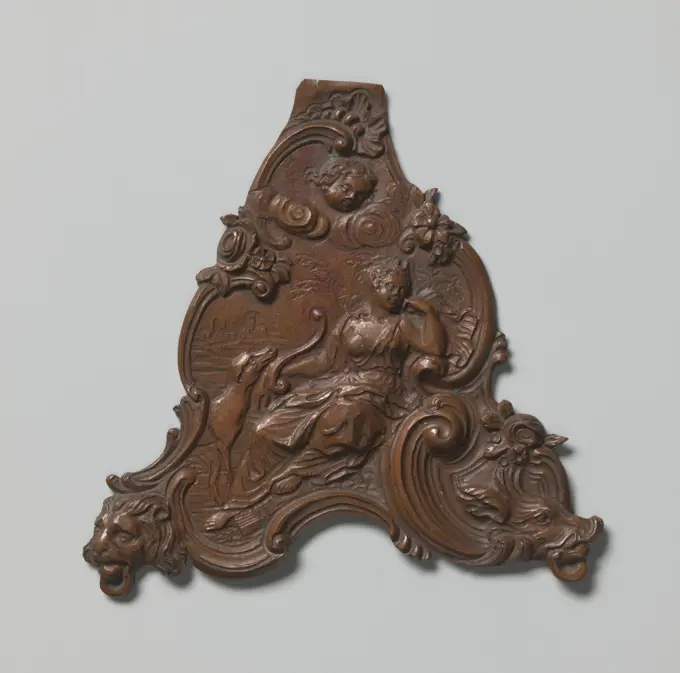
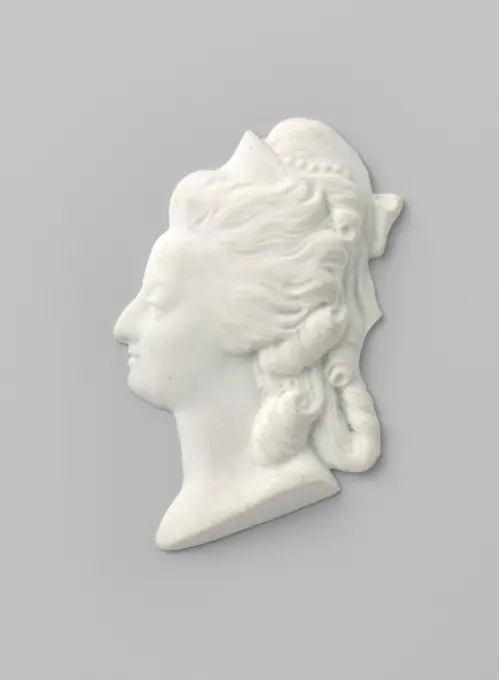
Netsuke Okame and Ohi, 19th century, Kosen, Japanese, 1 7/8 x 1 5/16 x 1 5/16in. (4.8 x 3.3 x 3.3cm), Ivory, Japan, 19th centuryNetsuke of Monkey Examining Turtle 19th century Japan. Netsuke of Monkey Examining Turtle 59237'Blackamoor' Figure, hard paste porcelain, vitreous enamel, gold, Figure dressed in diapered tunic and knee-length trousers, feather skirt and headdress, with quiver onback; seated cross-legged on cushion, holding lamp in each hand., Vienna, Austria, 1722-30, ceramics, Decorative Arts, figure, figureNetsuke of Daikoku with Hotei. Culture: Japan. Dimensions: H. 1 1/4 in. (3.2 cm); W. 1 3/4 in. (4.4 cm); D. 1 1/8 in. (2.9 cm). Date: 19th century. Museum: Metropolitan Museum of Art, New York, USA.Figure of a monkey, Wilhelm Caspar Wegely, c. 1752 - c. 1757 Image of porcelain in the form of a squatted monkey, eating a fruit. Marked on the bottom with a W and 1/90/26. Berlin porcelain. glaze vitrification Image of porcelain in the form of a squatted monkey, eating a fruit. Marked on the bottom with a W and 1/90/26. Berlin porcelain. glaze vitrificationShield bearer with a coat of arms with double-headed eagle. Sad oak sitting lion, placed on a square pedestal. The coat of arms has a crowned double-headed eagle in black on a golden fond; The heart shield shows a lion in gold on a dark fond. The back of the shield is red, the lion is brown and the pedestal is painted black. Coat of arms of Rhineland ()Tree-Shaped Snuff Bottle with a Hawk and Bear 1850-1900 China. Coral with carved decoration .Netsuke of Boy Killing a Bird. Culture: Japan. Dimensions: H. 1 in. (2.5 cm); W. 1 1/4 in. (3.2 cm); D. 7/8 in. (2.2 cm). Date: 19th century. Museum: Metropolitan Museum of Art, New York, USA.Mędrzec. unknown, craftsmanKorbeel with Weapon Dekema and Hermana (), Anonymous, 1600 Korbeel of oak. On the consolorous front piece the weapons of the Dekema and Hermana () Family, above which a helmet with an angel as a helmet sign. The sides show s-shaped volutes with blossoms in the flower. Coming from the stins demolished in 1887 in Franeker. (See also inv.no. BK-16706-A to -c and BK-16706-E to -j) Northern NetherlandsNetherlands wood (plant material). oak (wood) Korbeel of oak. On the consolorous front piece the weapons of the Dekema and Hermana () Family, above which a helmet with an angel as a helmet sign. The sides show s-shaped volutes with blossoms in the flower. Coming from the stins demolished in 1887 in Franeker. (See also inv.no. BK-16706-A to -c and BK-16706-E to -j) Northern NetherlandsNetherlands wood (plant material). oak (wood)Netsuke of Fukurokujin 19th century Japan. Netsuke of Fukurokujin 59247Miniature Seated Kubera, 800s-900s. Nepal, 9th-10th century. Schist; overall: 4.5 x 3.5 cm (1 3/4 x 1 3/8 in.).Blind Masseur Lifting a Strength Stone. Jobun (Japan, active late 18th-early 19th century). Japan, late 18th-early 19th century. Costumes; Accessories. BoxwoodRoly-Poly Daruma. Hidari Issan (Japan, active late 18th-early 19th century). Japan, early 19th century. Costumes; Accessories. Wood with inlaysShield bearer with hensbroek coat of arms. A sitting wooden polychromed lion, which loves Hensbroek weapon between the claws, where on a black fond a silver chicken, sat above a gold pants, is pictured.Uzume: Goddess of Mirth. Hidemasa (Japan, active early 19th century). Japan, early 19th century. Costumes; Accessories. Woodfigurines, Japanese (culture), men, Japanese art, purchase (provenance)LÜ Dongbin. Grès à Revêtmenta Glaçures Verete et browns. Par musée musée malée. 78840-27 Asian art, Chinese art, archeological object, characterAmulet: Horus falcon 664-332 B.C. Late Period. Amulet: Horus falcon. 664-332 B.C.. Agate. Late Period. From Egypt. Dynasty 26-29Figure of a bear. The ceramicist Chaplet was known for his exceptional glazes. Here he used a strikingly matt, pale turquoise glaze. A sculptor friend made the model of the little bear for him.Amulet: A Young Prince Represented as the Child Horus 664-332 B.C. Late Period. Amulet: A Young Prince Represented as the Child Horus 551002Porcelain. Figure represented an unpainted harlequin from the Italian comedy. Signature with the factory brand and L.Paper button in the shape of a deer and pine;  18th century (1701-00-00-1800-00-00);Paderewski, Ignacy Jan (1860-1941), Paderewski, Ignacy Jan (1860-1941)-collection, Chinese (culture), gift (provenance), Chinese art, animal imagesBlind Man with Stone in Clog. Suganoya Shōko (Japan, active circa 1840-1880). Japan, mid-19th century. Costumes; Accessories. WoodNetsuke of a South Sea Islander. Culture: Japan. Dimensions: H. 1 3/8 in. (3.5 cm); W. 1 1/4 in. (3.2 cm); D. 1 1/8 in. (2.9 cm). Date: 19th century. Museum: Metropolitan Museum of Art, New York, USA.Head of a satyr. Culture: Cypriot. Dimensions: H. 1 3/4 in. (4.5 cm). Date: 2nd century B.C..The head is mold-made and hollow. The back is probably handmade. The head and neck are preserved, broken from a background; it was originally designed to be seen three-quarters to the viewer's left. Museum: Metropolitan Museum of Art, New York, USA.Censer - stand for incense sticks. unknown, craftsmanAmulet, Horus falcon 664-332 B.C. Late Period. Amulet, Horus falcon. 664-332 B.C.. Gold. Late Period. From Egypt. Dynasty 26-30Harlequin. Culture: British, Chelsea. Dimensions: 3 3/8 × 2 in. (8.6 × 5.1 cm). Factory: Chelsea Porcelain Manufactory (British, 1745-1784). Date: ca. 1755. Museum: Metropolitan Museum of Art, New York, USA.Bouwfragment, anonymous, 1500 - 1600 Balk key with cutting work, those two portraits and two angels that hold a wreath. Northern NetherlandsAlkmaar wood (plant material). oak (wood) Balk key with cutting work, those two portraits and two angels that hold a wreath. Northern NetherlandsAlkmaar wood (plant material). oak (wood)Marble foot of a statue Roman Imperial Right foot wearing sandle. View more. Marble foot of a statue. Roman. Marble. Imperial. Stone SculptureVase with Three Furry Creatures 1662-1722 China. Porcelain painted in underglaze copper red .Netsuke 19th century Japan. Netsuke. Japan. 19th century. Ivory. Edo (1615-1868) or Meiji period (1868-1912). NetsukeNetsuke of Monkey Carrying a Cucumber on His Back 19th century Japan. Netsuke of Monkey Carrying a Cucumber on His Back 60425Netsuke Todaiji column and crawlspace, 19th century, Unknown Japanese, 1 1/2 x 1 1/16 x 1in. (3.8 x 2.7 x 2.5cm), Ivory, Japan, 19th centuryNetsuke of Two Noh Dancers. Culture: Japan. Dimensions: H. 1 3/4 in. (4.4 cm); W. 1 3/4 in. (4.4 cm); D. 1 in. (2.5 cm). Date: 19th century. Museum: Metropolitan Museum of Art, New York, USA.John Barleycorn ca. 1761 Chelsea Porcelain Manufactory. John Barleycorn. British, Chelsea. ca. 1761. Soft-paste porcelain. Chelsea Porcelain Manufactory (British, 1745-1784, Transitional (Brown Anchor) Period, ca. 1758-1759). Ceramics-PorcelainNetsuke of a Man Sleeping while Monkey Steals Contents of Basket 19th century Japan. Netsuke of a Man Sleeping while Monkey Steals Contents of Basket. Japan. 19th century. Ivory. Edo (1615-1868) or Meiji period (1868-1912). NetsukeKnaap with a grape food. On an oval soil, on which some vegetation, he is presented on foot with the right leg forward. He wears a grape tray in the right hand and holds a grape in the left at the height of his opened mouth.Netsuke of a Demon Carrying a Gourd on His Back 19th century Japan. Netsuke of a Demon Carrying a Gourd on His Back 60272Netsuke of Demon 19th century Japan. Netsuke of Demon 59251Kirin. Tametaka (Japan, active circa 1730-1790). Japan, mid- to late 18th century. Costumes; Accessories. Wood with inlaysBoy Sculpture Isolated Photo Front view boy over fish mythological sculpture photo isolated on white background Copyright: xZoonar.com/DanielxFerreira-LeitesxCiccarinox 13064074Incense holder with scholars in a landscape late 16th-early 17th century Zhu Sansong The ubiquitous motif of scholars in the midst of a remote landscape is elegantly carved on the surface of this incense holder. The openwork decoration facilitates the release of fragrance from incense sticks burning inside.. Incense holder with scholars in a landscape 39626Boy riding a hobbyhorse 18th century China. Boy riding a hobbyhorse. China. 18th century. Jade (nephrite). Qing dynasty (1644-1911). JadeBuddhas Hand with Dragon 18th century China. Buddhas Hand with Dragon 44065Figure of A Bearded Man Holding A Flower. Image of a man on a pedestal of porcelain, painted on biscuit in green, yellow, eggplant and black. The image shows a standing bearded man with a flower in his right hand. A chip in the pedestal. Email sur biscuit.Graff figure: servant, anonymous, -206 - 220 graffe figure of a servant. China earthenware. dye graffe figure of a servant. China earthenware. dyeAfter the Bath. Japan, late 18th-early 19th century. Costumes; Accessories. WoodSitting angel;  XVII/18th century (1690-00-00-1710-00-00);Paper buttonRaccoon Dog Disguised as a Priest. Japan, 19th century. Costumes; Accessories. Ivory with deep staining, sumiThe Immortal Rokō. Japan, mid- to late 19th century. Costumes; Accessories. WoodRocky crag with seated arhat 18th century China. Rocky crag with seated arhat. China. 18th century. Jade (nephrite). Qing dynasty (1644-1911), Qianlong period (1736-95). JadeMask; Glugielmo della Porta (around 1500-1577); 1547 (1547-00-00-1547-00-00);A man figurine Koriak folk productsPion 6, Saar de Swart, 1923 - 1925 Human figure with arms on the back. sculptor: Capricaster: Naples bronze (metal). patina: cuprous oxide casting Human figure with arms on the back. sculptor: Capricaster: Naples bronze (metal). patina: cuprous oxide castingNetsuke, japanese miniature sculpture. Museum: COLECCION PRIVADA.Netsuke of Mask Maker. Culture: Japan. Dimensions: H. 1 1/4 in. (3.2 cm); W. 1 3/8 in. (3.5 cm); D. 1 3/8 in. (3.5 cm). Date: 19th century. Museum: Metropolitan Museum of Art, New York, USA.Water Dropper in the Form of Hotei on His Bag Holding a Fan. Japan, 19th century. Ceramics. Hirado ware; porcelain with blue underglazeNetsuke of Monkey Looking at a Fly through a Magnifying Glass 19th century Japan. Netsuke of Monkey Looking at a Fly through a Magnifying Glass. Japan. 19th century. Ivory. Edo (1615-1868) or Meiji period (1868-1912). NetsukeCostumed Monkey Holding a Peach. Japan, 19th century. Ceramics. Hirado Mikawachi ware; porcelain with biscuit reserve, iron glaze and underglaze bluegolden angel playing on violin isolated on white backgroundGoldweight Pair of Figures Working Bellows, 19th-20th century, 1 1/4 x 1 1/2 x 2 1/4 in. (3.18 x 3.81 x 5.72 cm), Brass, Ghana, 19th-20th centuryNoh masks, 19th century, Hakuunsai, Japanese, 13/16 x 1 5/8 x 1 7/16in. (2.1 x 4.1 x 3.7cm), Ivory, Japan, 19th centuryNetsuke boy wearing a helmet, mid 19th century, Unknown Japanese, 1 1/2 x 1 1/8 x 15/16in. (3.8 x 2.9 x 2.4cm), Wood, ivory, Japan, 19th centuryVessel in the form of a seated man, 5th-8th century, 8 1/4 x 5 x 5 in. (21.0 x 12.7 x 12.7 cm), Ceramic, pigment, Peru, 5th-8th centuryBough Vase. Culture: British (American market). Dimensions: H. 5 1/16 in. (12.9 cm); Diam. 3 9/16 in. (9 cm). Date: 1775-1800. Museum: Metropolitan Museum of Art, New York, USA.Woman's Mourning Bonnet. Ireland, circa 1850. Costumes; Accessories. Silk satin, cottonNetsuke and Seal 18th century Japan. Netsuke and Seal. Japan. 18th century. Wood; red lacquer. Edo period (1615-1868). NetsukeStatuette of Harpokrates 1st century B.C.-1st century A.D. Roman. Statuette of Harpokrates. Roman. 1st century B.C.-1st century A.D.. Silver. Gold and SilverCupid, fire-gilt bronze, a cupid or amor putto standing with one arm outstretched, apparently to hold something, the other on a husk-like pelt, with a strap over his shoulder, one foot raisede, as if dancing or stepping on a stepped portion of a mount, France, ca 1760, metalwork, Decorative Arts, CupidPotter's stamp. Culture: Roman. Dimensions: H. 5.54 cm..Herakles with club raised, advancing. Museum: Metropolitan Museum of Art, New York, USA.Sculpture, anonymous, 1300 - 1500 Figure, sitting or squatting, without head. Bracelets around both arms and chain, or more likely a flower wreath around the neck. Indonesia terracotta (clay material) Figure, sitting or squatting, without head. Bracelets around both arms and chain, or more likely a flower wreath around the neck. Indonesia terracotta (clay material)Chess Piece King 1775-1799 Burslem. Stoneware green jasperware . Wedgwood Manufactory (Manufacturer)Lamp, Egypt; 1st century B.C. - 4th century A.D; Terracotta; 3.7 × 4 × 6 cm (1 7,16 × 1 9,16 × 2 3,8 in.)Natural wood sculpture imitating a scholar's rock from the Late Qing Dynasty. Dated 19th CenturyMount; 1904-21-23-aNetsuke 19th century Japan. Netsuke 59304Statuette of a man 4th-1st century B.C. With arms bent sharply at the elbows.. Statuette of a man 246297Pair of Sword-Grip Ornaments (Menuki). Culture: Japanese. Dimensions: L. of each 1 1/8 in. (2.9 cm); Wt. of each 0.3 oz. (8.5 g). Date: 18th century. Museum: Metropolitan Museum of Art, New York, USA.Triratna Pendant, 185-72 BC. India, Uttar or Madhya Pradesh, Sunga Period (185-72 BC). Gold; overall: 5.7 cm (2 1/4 in.).Whistle with Ruler, Bicephalic Serpent, and Ballplayers. Guatemala, Petén, Maya, 600-900 CE. Ceramics. Ceramic with post-fire pigmentChinese child with musical instrument late 18th century Japan. Chinese child with musical instrument 45824. Mask of Okame, the ugly girl. Signed "shuzan".Netsuke of Group of Noh Masks. Culture: Japan. Dimensions: H. 1 3/4 in. (4.4 cm); W. 1 1/2 in. (3.8 cm); D. 1 1/4 in. (3.2 cm). Date: 18th-19th century. Museum: Metropolitan Museum of Art, New York, USA.Bookend -Figures; painted terracotta, glass (eyes)Two dimensional reaIIstic dragons with a container on their backs unknownNetsuke of Woman Reading from a Scroll 19th century Japan. Netsuke of Woman Reading from a Scroll. Japan. 19th century. Ivory. Edo (1615-1868) or Meiji period (1868-1912). NetsukeNetsuke of Owl and Two Owlets 18th-19th century Japan. Netsuke of Owl and Two Owlets 60265Overrades ,, 1300 - 1500 Neighborhood council of the N-type with a decoration of a four-lobe cavity. Java gold (metal) Neighborhood council of the N-type with a decoration of a four-lobe cavity. Java gold (metal)Model for a crochet plate of a chatelaine, anonymous, c. 1750 - c. 1775 The triangular model driven out of plate for a mold is equipped with a landscape surrounded by rococo ornament with a sitting Diana with arch, tube and arrows, a hunting dog, and a cup in the clouds. At the bottom of the corners a lion and a boar head, each with an eye to attach links. Amsterdam copper (metal) The triangular model driven out of plate for a mold is equipped with a landscape surrounded by rococo ornament with a sitting Diana with arch, tube and arrows, a hunting dog, and a cup in the clouds. At the bottom of the corners a lion and a boar head, each with an eye to attach links. Amsterdam copper (metal)Marie-Antoinette, Queen of France. Marie-Antoinette, Queen of France (1755-1793), cut-out relief portrait in biscuit.Figure in a Litter, 500-900 (Thermoluminescence date, 590-1090). Wari (Pachacamac) style, Middle Horizon, Epoch 2. Earthenware with colored slips; overall: 26.3 x 21.6 x 24.8 cm (10 3/8 x 8 1/2 x 9 3/4 in.).Pair of Decorative Bronzes.Ok, baked;  18th century (1701-00-00-1900-00-00);Inscriptions, dragons, Chinese art, sealing pistons. Mask of a gaping man. Signed "sukenaga".Mold-Made Female Figurine Wrapped in Cloth and Tied with String. Possibly Moche; Possibly north coast, Peru. Date: 100 AD-600 AD. Dimensions: 8.3 x 2.9 cm (3 1/4 x 1 1/8 in.) figurine only: 4.8 x 1.2 cm (1 7/8 x 7 16 in.). Ceramic, cloth and string and pigment. Origin: Peru. Museum: The Chicago Art Institute, Chicago, USA.Figure with wings and a basket on the arm. Figure presented a woman with wings and a basket of the left arm. Marked with a climbing lion in underglazing blue and entered PH3.