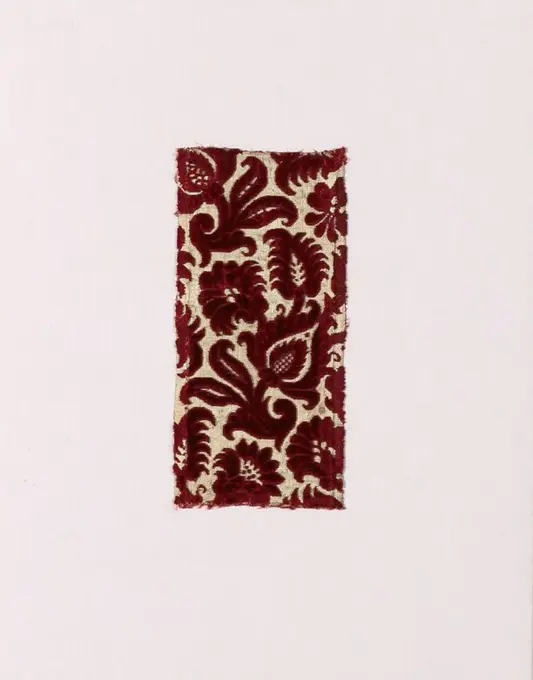
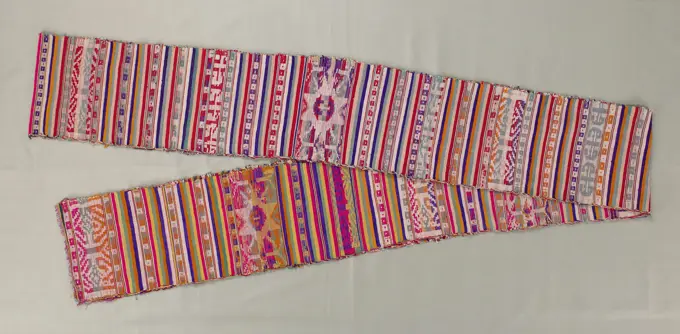
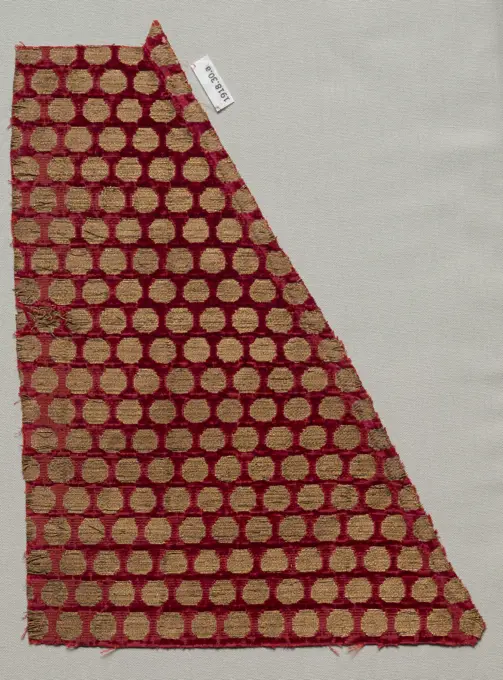
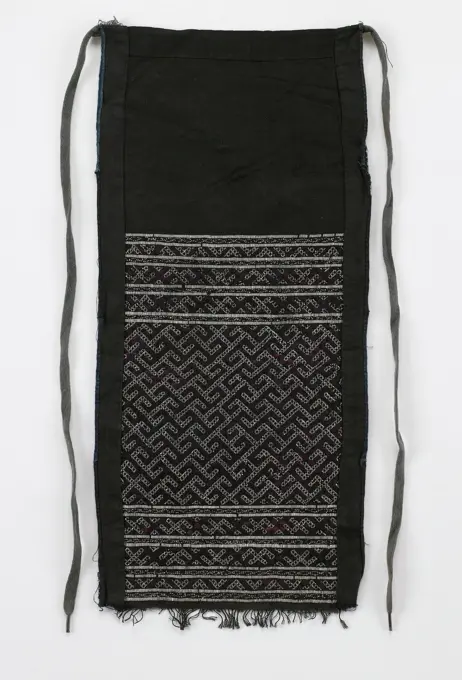
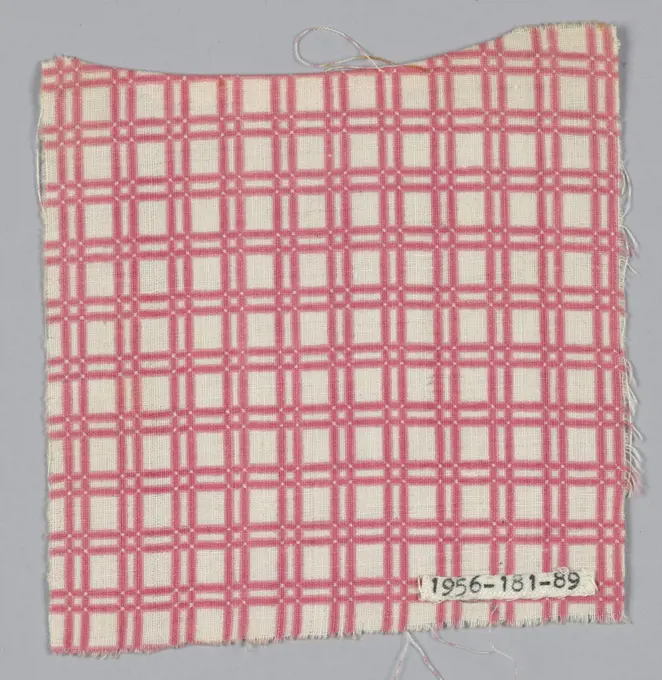
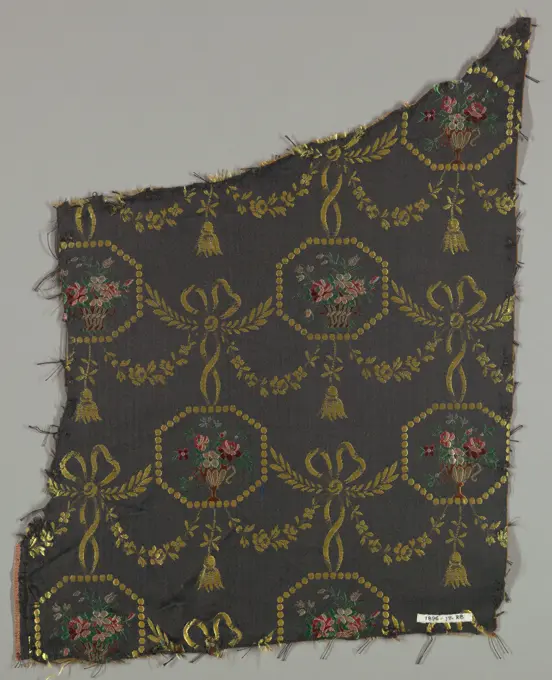
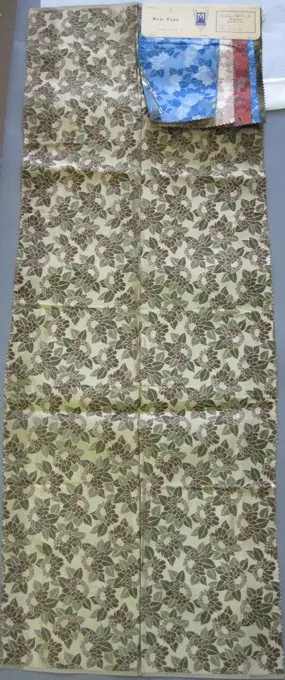
Japanese Silk Textiles

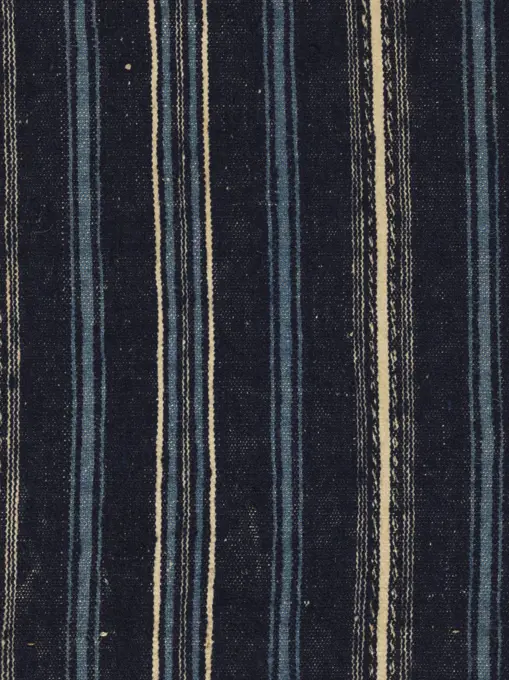
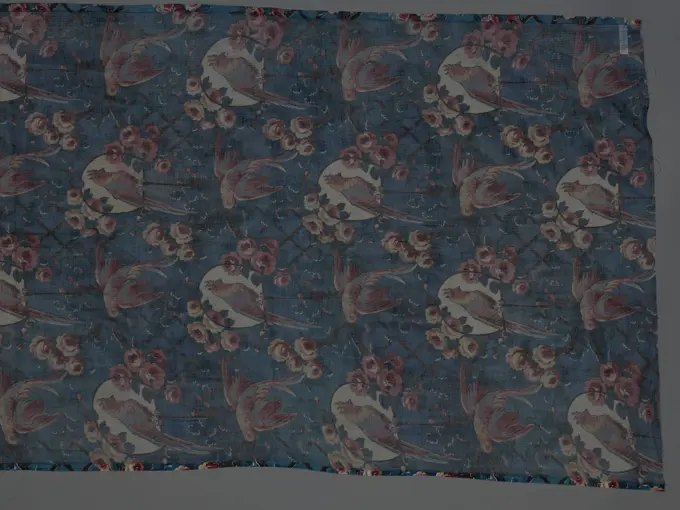
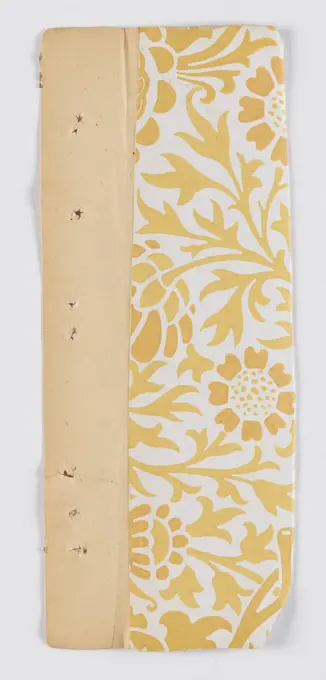
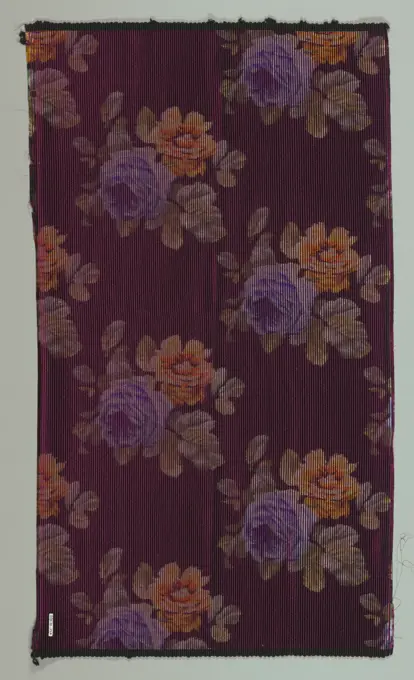
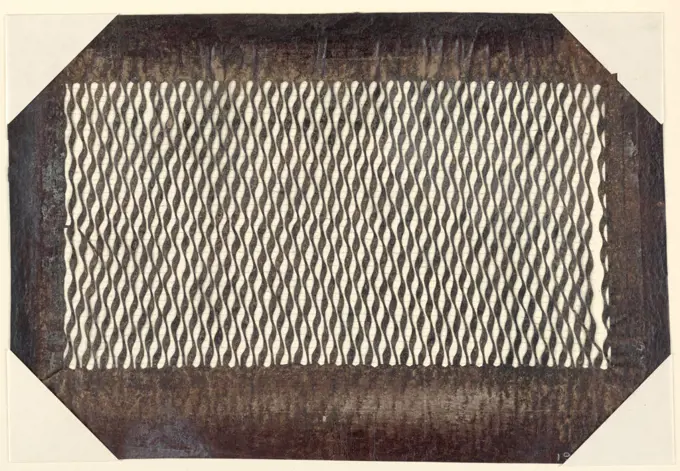
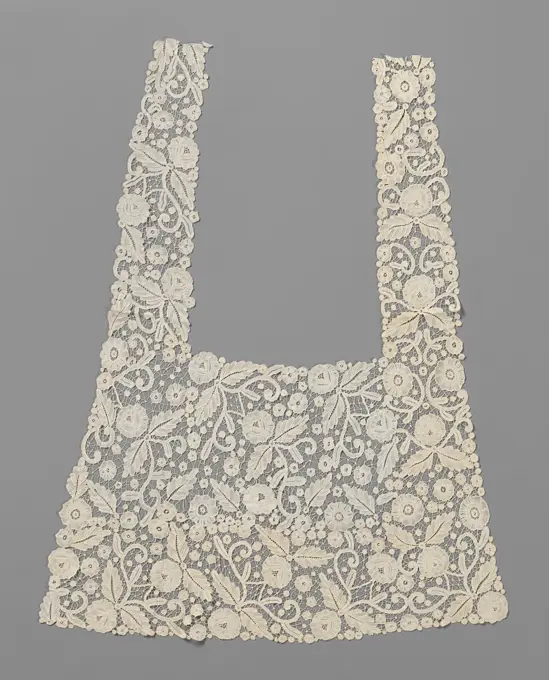
Collection of intricate silk textile fragments from Japan, showcasing rich patterns and elegant colors, reflecting 18th to 19th century craftsmanship.

Textile, Medium: silk Technique: plain weave with supplementary warp, Small scale allover pattern of a single diagonal floral sprig placed in half-drop vertical rows, facing left in one row and right in the other., France, late 18th century, woven textiles, Textile
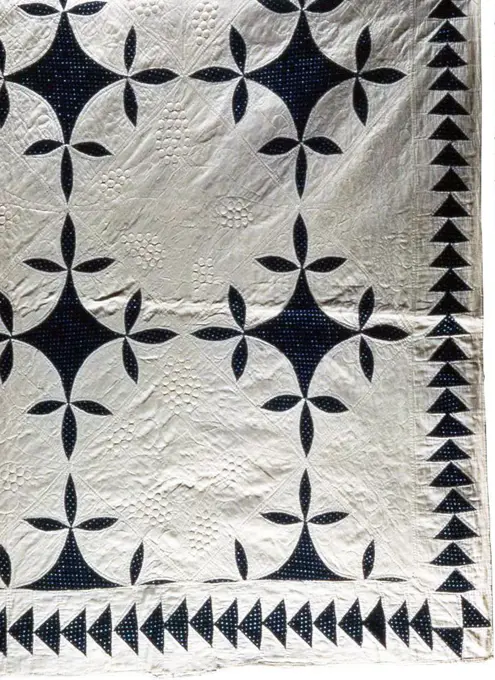
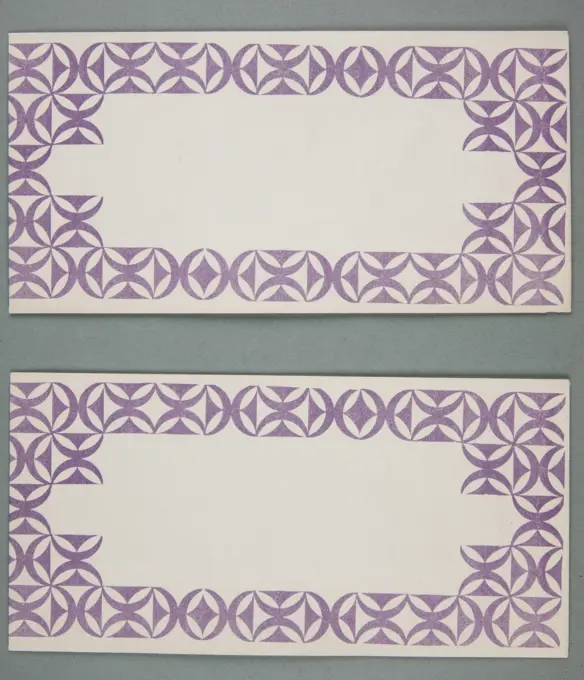
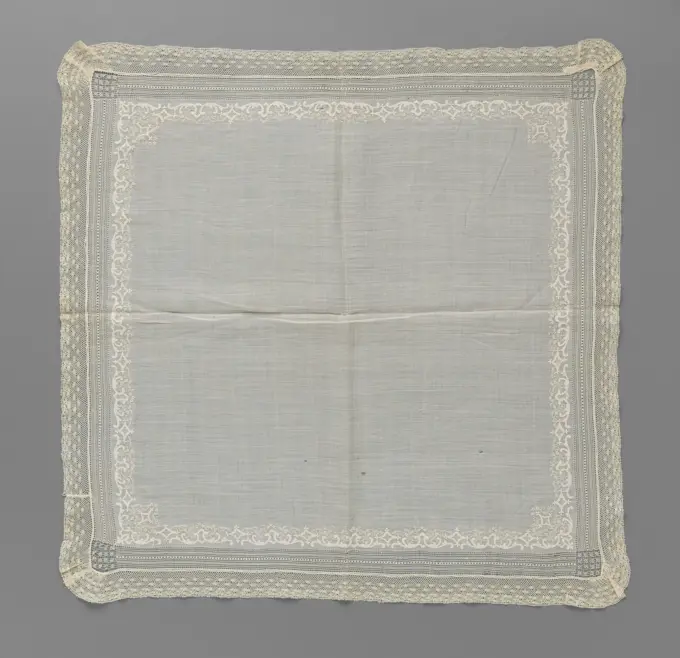
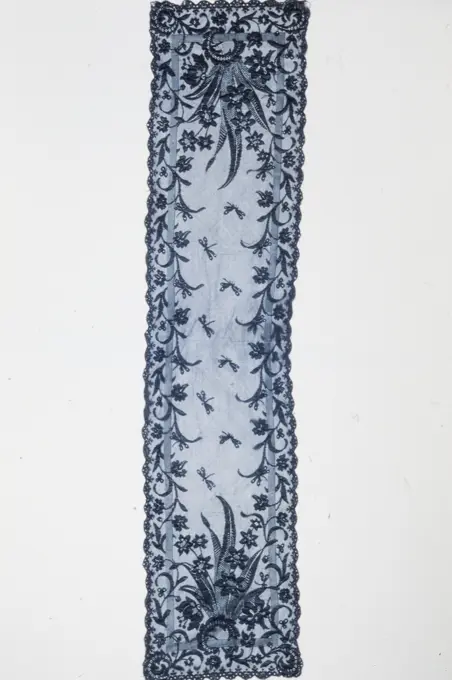
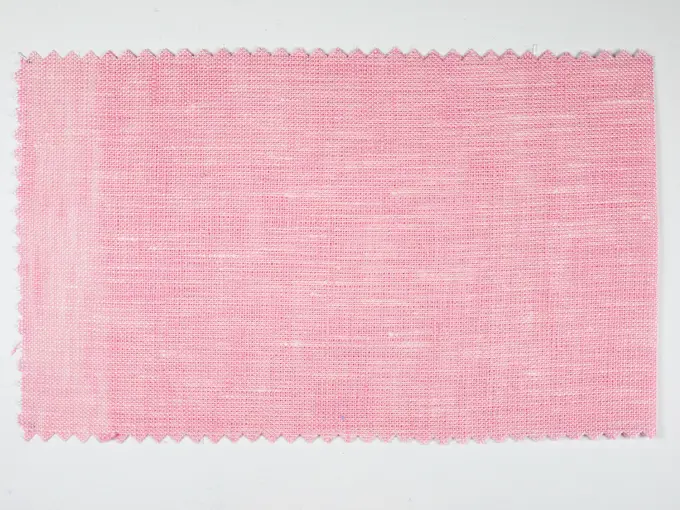
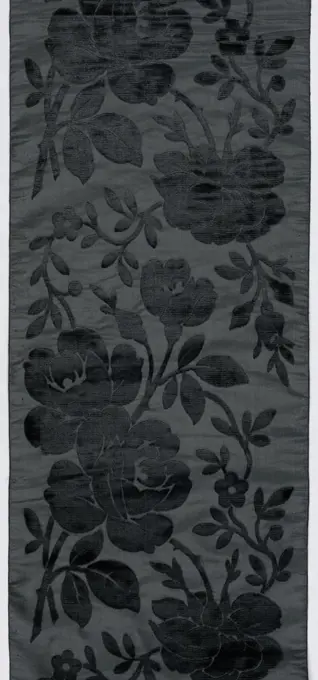
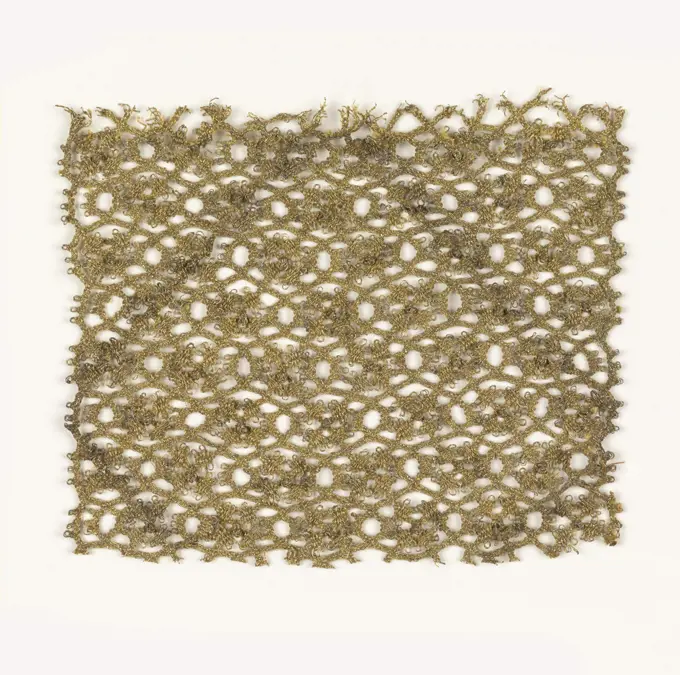
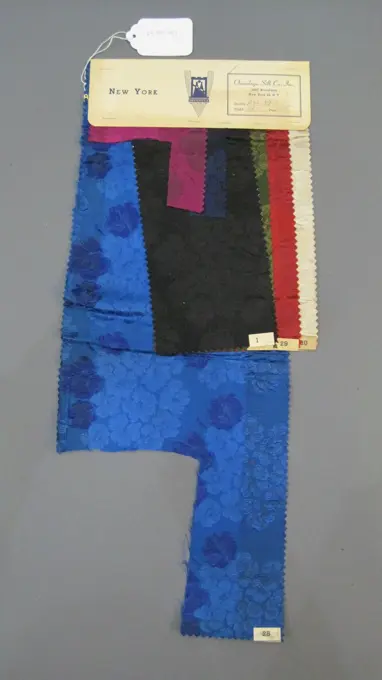
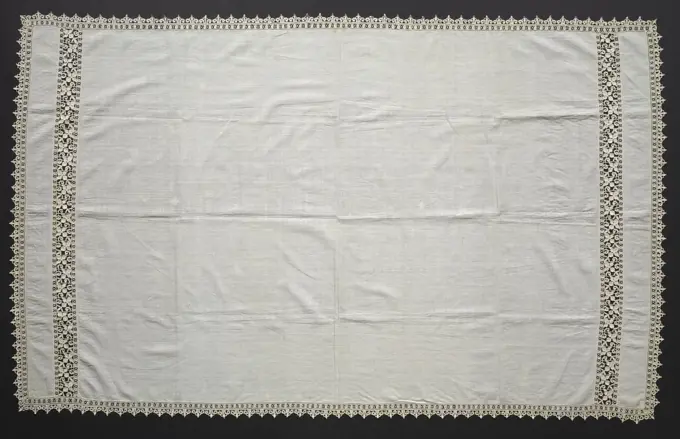
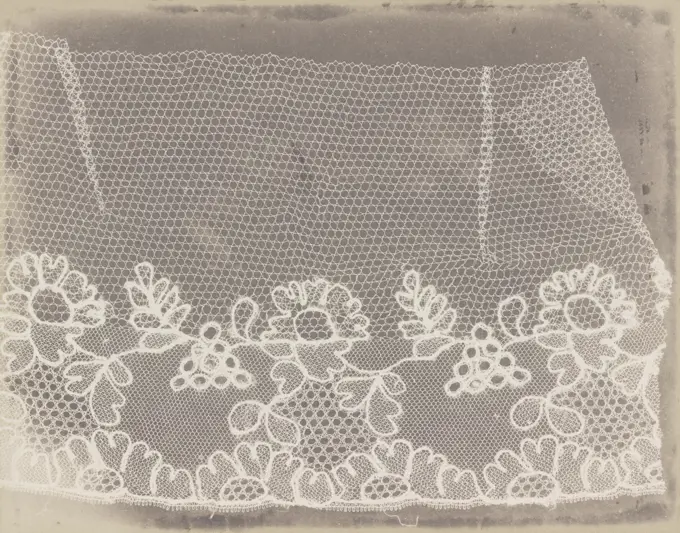
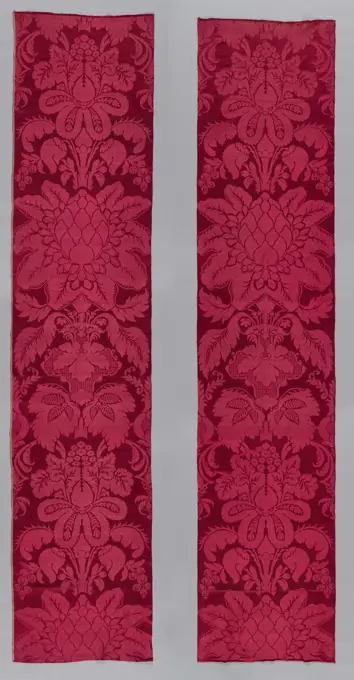
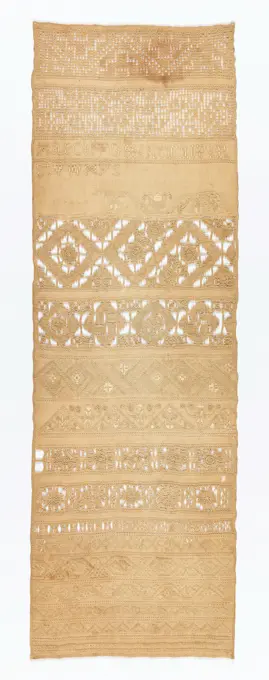
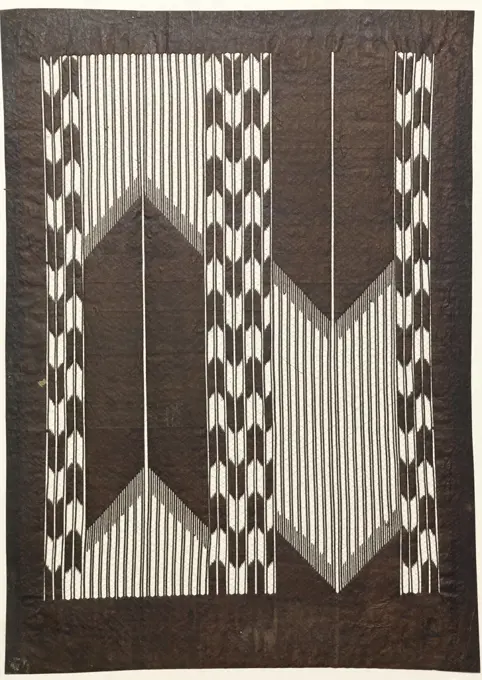
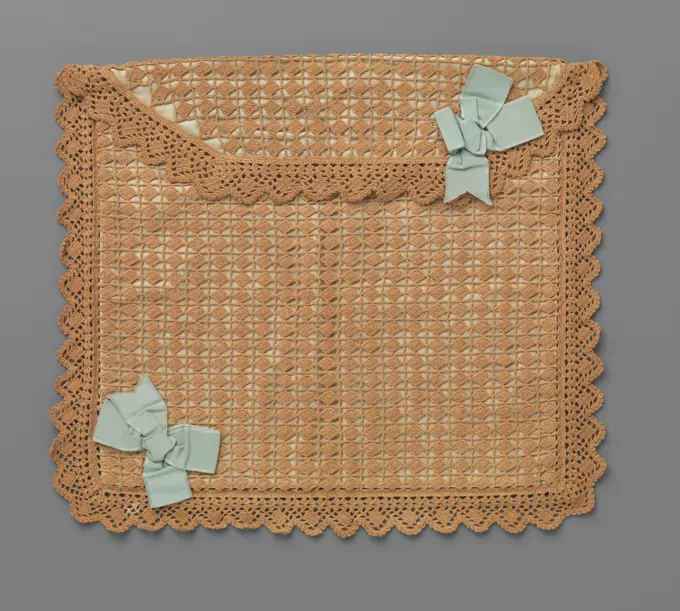
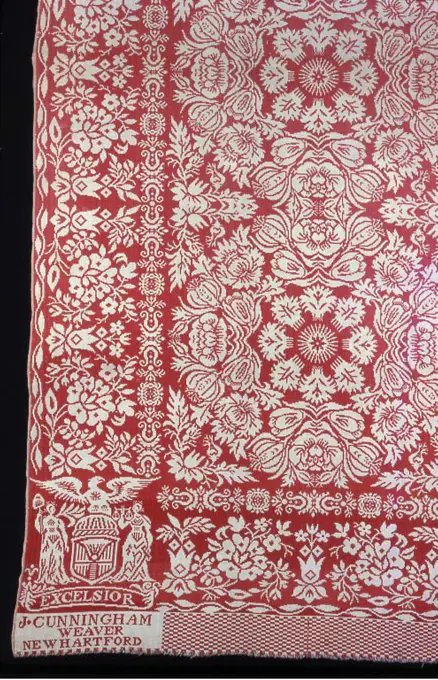
Textile Swatches Onondaga Silk Company, Inc. (1925-1981). , 1948-1959. Silk, 47 1/2 x 18 in. (120.7 x 45.7 cm).    1948-1959Bedcover (Pincushion and Burrs or Square and Swallows Quilt) Made 1820-1840 United States. Cotton, plain weave, in parts (block ) printed; pieced; backed with cotton, plain weave; quilted and stitched in trapunto technique ."Abundance" Textile. Designer: André Mare (French, Argentan 1887-1932 Paris). Dimensions: Length 100 1/2 in. (255.3 cm), width 49 3/4 in. (126.4 cm). Date: Designed ca. 1911; manufactured after 1918. Museum: Metropolitan Museum of Art, New York, USA.Woman's skirt, 20th century, 54 x 22 in. (137.16 x 55.88 cm), Cotton; woven fabric, India, 20th centuryTwo envelopes Krakow FactoryZakdoek van batist met een sierband met c-voluten en ruitvormen van borduurwerk en een strook machinale kant met sneeuwvlokken.Natural batist handkerchief with white embroidery and finished around with a strip machine side. Square model with straight sides and rounded corners because the strip side on the corners wrinkled on the handkerchief is sewn. The embroidery pattern consists entirely from a decorative tire of C-Voluten, voluntaries, diamond shapes and cartouches where fine spiral drinks with rosette flowers and conifer branches lie over. Along the edges of the batist, work with pulled wires has realized a dash cartridge. The strip of machining valenciennes side is adjacent to this openwork edge. The lace pattern consists of two rows of ringed snowflakes and along the underside from thin curved sprigs with a few round buttons or leaves. The motifs are connected by a hexagonal machine ground soil. The straight bottom of the edge strip is finished with PICTO.Samples (4) mid-19th century possibly French. Samples (4) 219313Fragment; silkServet van Wit Linnendamast Met Pobila Wapens from Inn- and Kniphausen en van Ewsum, Anonymous, c. 1665 - c. 1670 Napkin from White Linnamast with flower pattern around the linked weapons von Inn-und Kniphausen and Van Ewsum. Geld ": Kroon Le 17. Northern Netherlands linen (material) damask Napkin from White Linnamast with flower pattern around the linked weapons von Inn-und Kniphausen and Van Ewsum. Geld ": Kroon Le 17. Northern Netherlands linen (material) damaskSilk Fragment, 1700s. China, 18th century. Velvet (cut and voided); overall: 34.3 x 31.8 cm (13 1/2 x 12 1/2 in.).Textile (USA); Manufactured by American Print Works; cotton; Warp x Weft: 55 x 19 cm (21 5/8 x 7 1/2 in.)Shawl 18th century. Shawl. 18th century. Silk; woven. Attributed to India, Kashmir. Textiles-CostumesCravat (one of a pair) early 18th century Italian or Flemish. Cravat (one of a pair) 223010Back wrapper. Photographs, Photograms, Book covers. 1848-11 - 1849-06. Spencer Collection. Plants in artScarf, 19th century, 98 1/2 x 23 1/2 in. (250.19 x 59.69 cm), Silk; lace, 19th centuryPrzeszo Przyszoci unknownDemolition of white linen ,, 1773 - 1776 Merk PH 24 WH 2oonl. Northern Netherlands (Possible) linen (material) Merk PH 24 WH 2oonl. Northern Netherlands (Possible) linen (material)Collapsed color towel rejected from the edgeApron, 16 5/8 x 7 1/2 in. (42.23 x 19.05 cm), Cotton, metal, ChinaTextile Swatch; Manufactured by Deerfield Society of Blue and White Needlework (American, 1896-1926) (United States)Pink fabric sample Pink fabric sample swatch with zigzag border Copyright: xZoonar.com/ClaudioxDiviziax 8923157Textile, Herman A. Elsberg, (American, 1869-1938), Medium: silk Technique: cut and voided supplementary warp pile (velvet) in plain weave foundation, Sample of a wide ribbon with a black taffeta ground with a black cut velvet design of realistically-drawn climbing rose sprays., Lyon, France, ca. 1915, woven textiles, TextileFragment, Medium: metallic strips wrapped around linen core Technique: bobbin lace, Wide border fragment with a pattern of symmetrical diamonds placed on diagonals., Italy or Spain, late 16th-early 17th century, lace, FragmentTextile Swatches Onondaga Silk Company, Inc. (1925-1981). , 1948-1959. Silk, 22 3/4 x 10 in. (57.8 x 25.4 cm).    1948-1959Sample of printed IInen Unknown, Wiener WerkstätteNeedlepoint (Reticella) Lace Cloth, late 16th century. Italy, late 16th century. Lace, needlepoint: linen; average: 172.7 x 108 cm (68 x 42 1/2 in.).Bed cover, Medium: linen, wool Technique: 10-harness float weave, Two lengths of woven fabric with a diamond lattice pattern using linen warp and dark blue wool weft joined by openwork crochet., Switzerland, 19th century, woven textiles, Bed coverTextile Swatches Onondaga Silk Company, Inc. (1925-1981). , 1948-1959. Silk, 47 x 18 in. (119.4 x 45.7 cm).    1948-1959Coverlet. United States. Date: 1820-1825. Dimensions: 220.1 x 190.5 cm (86 3/4 x 75 in.)Repeat: 49 x 38.8 cm (19 1/4 x 15 1/4 in.). Cotton and wool, plain weave with supplementary patterning wefts ("summer and winter) and main warp fringe. Origin: United States. Museum: The Chicago Art Institute, Chicago, USA.Band, 19th-20th century, 36 1/2 x 2 in. (92.71 x 5.1 cm), Cotton, China, 19th-20th centuryWilliam Henry Fox Talbot, Lace, 1839 1844 LaceTwo Large Damask Cloths, 1600s. Italy, 17th century. Damask, silk; average: 300 x 65.5 cm (118 1/8 x 25 13/16 in.).Sampler (England); linenBurmese textileFragment of a Band 6th-7th century. Fragment of a Band 445748Waist Wrapper or Shroud(Sarung)Woven piece 1700-1800 Spanish, possibly. Woven piece 13816Arrow Design, Mulberry paper (kozo washi) treated with fermented persimmon tannin (kakishibu), and silk threads (itoire), Two rows of giant arrows are separated by smaller rows of tiny arrows alternating in the opposite direction. The larger chevron shape is decorated with thin stripes. In Japan, the arrow (yagasuri) represents good luck. There is a saying that once an arrow is fired, it never returns., Japan, late 19th-early 20th century, textile designs, Katagami, KatagamiFragment. Italy. Date: 1601-1625. Dimensions: 22.5 x 10.8 cm (8 7/8 x 4 1/4 in.). Silk, warp-float faced 7:1 satin weave with supplementary pile warps forming cut and uncut voided velvet. Origin: Italy. Museum: The Chicago Art Institute, Chicago, USA.Pillow, 19th century, 48 1/2 x 27 in. (123.19 x 68.58 cm), Wool; plain weave, Sweden, 19th centuryBuddhist temple banner, 20th century, 246 3/8 x 10 1/4 in. (625.79 x 26.04 cm) (approximate), Cotton, silk (); needlework, Vietnam, 20th centuryNight bag of brown crocheted with light blue lining and bows, anonymous, c. 1900 Night bag made of brown colored crocheted, with a light blue lining and two light blue bows. Rectangular envelope model. The crocheted consists of a grid of rectangles with a window in each rectangle. Around the bag and continuously along the valve, a border was crocheted in the same color and with a regular wavy scrap edge. The bag can be closed under the cover with two light blue upholstered buttons that are on the bag and fested eyes that are on the inside of the valve. Europe (possibly) crochet: Linen (Material). lining: Satin crocheting Night bag made of brown colored crocheted, with a light blue lining and two light blue bows. Rectangular envelope model. The crocheted consists of a grid of rectangles with a window in each rectangle. Around the bag and continuously along the valve, a border was crocheted in the same color and with a regular wavy scrap edge. The bag can be closed under the cover with tPiece French 19th centuryShawl. India, Kashmir, 1825-1850. Costumes; outerwear. Wool, twill-tapestry weave with embroideryTextile, Medium: cotton Technique: printed on plain weave, Length of sheer black fabric printed with a staggered repeat of three roses in dark orange connected vertically by twisted green cords., USA, ca. 1912, printed, dyed & painted textiles, TextileTable runner, Medium: linen, mercerized cotton floss Technique: embroidered on plain weave, Rectangular white table runner with geometrical pattern at each end embroidered in white and outlined in black. Narrow black border on all sides., USA, ca. 1910, embroidery & stitching, Table runnerFragment, Medim: silk Technique: 5-harness satin damask, Chartreuse damask with a highly conventionalized design of flowers and large scale leaves., France or Italy, 18th century, woven textiles, FragmentVelvet Fragment in Two Pieces, 1300s. Iran or Iraq, 14th century. Velvet, lancé, silk and Cyprian gold around silk core; overall: 21.5 x 28.5 cm (8 7/16 x 11 1/4 in.).Apron, 16 3/4 x 7 3/4 in. (42.55 x 19.69 cm), Cotton, metal, ChinaSampler Made 1801-1900 Spain. .Fragment, Medium: Technique: printed, USA, 19th century, printed, dyed & painted textiles, FragmentTextile, Medium: cotton Technique: plain weave, Gingham in dark blue, red, white and green., USA, late 19th century, woven textiles, TextileCloth (olowududu), early-mid 20th century, 34 3/4 x 40 in. (88.27 x 101.6 cm), Cotton, Nigeria, 20th centuryTextile Swatches Onondaga Silk Company, Inc. (1925-1981). , 1948-1959. Wool blend, a: 22 3/4 x 18 in. (57.8 x 45.7 cm).    1948-1959Shawl, Anonymous, 1900 - 1949 Shawl with horses and patola motifs. Soemba cotton (textile) Shawl with horses and patola motifs. Soemba cotton (textile)Fragment (France); silkTextile Swatches Onondaga Silk Company, Inc. (1925-1981). , 1948-1959. Silk, b, c, f: 11 1/4 × 6 in. (28.6 × 15.2 cm).    1948-1959Napkin from white Linnamast ,, 1692 - 1700 White Linnamasten napkin with pattern of volutes, brand is 24. Northern Netherlands (Possible) linen (material) damask White Linnamasten napkin with pattern of volutes, brand is 24. Northern Netherlands (Possible) linen (material) damaskQuilt, 'One-Patch' VariationPiece 18th-19th century Japan. Piece 67075Handkerchief (France); linenSquare, Medium: cotton Technique: plain weave, Gingham in brown, blue and white., USA, late 19th century, woven textiles, SquareSkirt fragment, Medium: cotton, linen, wool Technique: plain weave, Fragment of a skirt panel in stripes of dark blue, light blue and white., USA, late 18th-early 19th century, woven textiles, Skirt fragmentFragment, late 1200s - 1300s. Iran or Iraq, late 13th - 14th century. Lampas weave, silk; overall: 25.7 x 18.5 cm (10 1/8 x 7 5/16 in.).BedTextile Sample from Sample Book 19th century Japan. Textile Sample from Sample Book 68130Curtain panel ca. 1880-1910 American. Curtain panel 20475Border, Medium: linen Technique: needle lace, Nineteenth century rosepoint in pattern of seventeenth century candelabra type with narrow edging on one side of 'roses.' Worked in ecru thread., Burano, Italy, late 19th century, lace, BorderWrapper (Furoshiki), 1800s. Japan, 19th century. Cotton; average: 101.6 x 104.1 cm (40 x 41 in.).Lace, 1800s, maker unknown. Gift of Mrs Helen Watson, 2008.Piece 19th century Japan. Piece 67153Piece 18th century Japan. Piece 71177Fragment silk tissue., Silk weave Heshuyzen, 1750 - 1800 Fragment silk tissue. The pattern has yellow horizontal stripes on which small vertical blue stripes. Haarlem silk Fragment silk tissue. The pattern has yellow horizontal stripes on which small vertical blue stripes. Haarlem silkSidewall - Sample, Grafton; Designed by William Morris (British, 1834-1896); Manufactured by Jeffrey & Company (United Kingdom); Made for Morris & Co. (United Kingdom); block-printed paperTurkish needle work embroidery Ornamental with lace patterns, details, flowersTextile Swatch , 1950s to 1960s. Silk, 19 x 20 3/4 in. (48.3 x 52.7 cm).    1950s to 1960sBed Curtain Made 1675-1725 Greece. Linen, plain weave; embroidered with silk in running (pattern darning) stitches; edge finished with buttonhole and four-sided stitches; needle-made inserts of oblique interlacing; four loom widths joined .Coverlet Made 1840-1845 New York. Cotton and wool, plain weave double cloth; woven on loom with Jacquard attachment; two loom widths joined . James Cunningham (Weaver)Chasuble, embroidered unknownScarf, 15 7/16 x 14 1/8 in. (39.21 x 35.88 cm) (without fringe), Cotton, ChinaGreek Ornament and Etruscan OrnamentGlass Fragment 14th-15th century European. Glass Fragment. European. 14th-15th century. Colorless glass. Glass-StainedLinnamast finger cloth with a flower pattern., C. 1875 - c. 1900 Linnamast finger cloth with a flower wreath in which a rosette of leaves and around which sprinkled leaves. A flower pattern along the edge. The finger cloth has fringes along the edge and in white embroidered letters Aepd24. The finger cloth belongs to nine finger cloths (BK-1979-269-A to BK-1979-269-J). Netherlands (possibly)Germany (possibly) linen (material). damask Linnamast finger cloth with a flower wreath in which a rosette of leaves and around which sprinkled leaves. A flower pattern along the edge. The finger cloth has fringes along the edge and in white embroidered letters Aepd24. The finger cloth belongs to nine finger cloths (BK-1979-269-A to BK-1979-269-J). Netherlands (possibly)Germany (possibly) linen (material). damaskPackaging for the articles of the Universal Cooperative of Foods SpołemSector of a parasold deck of light green cotton, with two embroidered wavy leaf vines between which a wavy openwork strip, c. 1885 - c. 1900 Sector of a parasold deck of light green cotton, with two embroidered wavy leaf vines between which a wavy openwork strip. Nijmegenfrance parasoldek: cotton (textile). draad: cotton (textile) embroidering Sector of a parasold deck of light green cotton, with two embroidered wavy leaf vines between which a wavy openwork strip. Nijmegenfrance parasoldek: cotton (textile). draad: cotton (textile) embroideringTextile (France); silk, cotton; Anonymous bequest in memory of Albert and Rebecca Elsberg; 1938-82-51-bSidewall (France); flocked on ingrain paper; 43 x 55.5 cm (16 15/16 x 21 7/8 in.)Needlework sampler unknown, a professional school in KrakowTextile Sample from Sample Book 19th century Japan. Textile Sample from Sample Book. Japan. 19th century. Silk. Textiles-WovenRenaissance ornamentRising Steam Motif, Mulberry paper (kozo washi) treated with fermented persimmon tannin (kakishibu), and silk threads (itoire), Rising Steam (totewaku) shown as an undulating wave design, forms even gaps and spaces. Thin horizontal lines are carved out to create more texture., Japan, late 18th - early 19th century, textile designs, Katagami, KatagamiTextile Swatches Onondaga Silk Company, Inc. (1925-1981). , 1948-1959. Silk, 23 x 14 1/2 in. (58.4 x 36.8 cm).    1948-1959Old grunge postage stamp. Clean postage stamp template. Postage stamp border. Mockup postage stamp with shadow. Blank postage stamp. Vector illustrationSquare 16th-17th century Italian. Square 212807Piece 18th-19th century Japan. Piece 66094Piece 17th century Japan. Piece 71110Decoration for an evening casing of mixed side with rosen hedge. Decorative piece for an evening casing of natural-colored mixed side - climbing side in combination with coniferous lace - Brussels Duchesse. In a widely spread braid soil there are roses that usually support two leaves. An intermediate ornament consists of a few and double voluntaries and many small flowers.Light brown wooden shuttersPiece 18th-19th century Japan. Piece 66926Sample (USA); cotton