Japanese Silk Textiles

Collection of intricate silk textile fragments from Japan, showcasing rich patterns and elegant colors, reflecting 18th to 19th century craftsmanship.

Textile, Medium: silk Technique: plain weave with supplementary warp, Small scale allover pattern of a single diagonal floral sprig placed in half-drop vertical rows, facing left in one row and right in the other., France, late 18th century, woven textiles, Textile
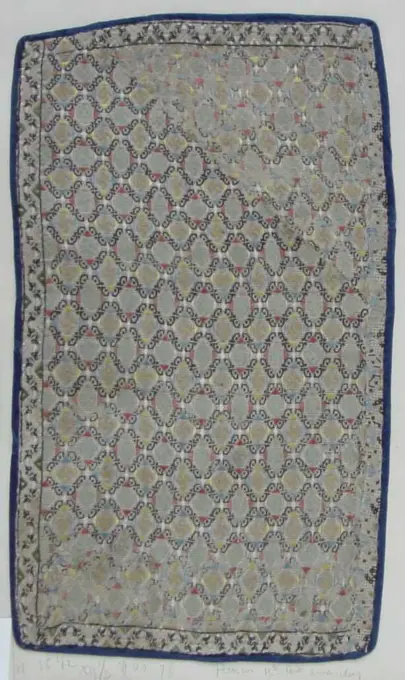
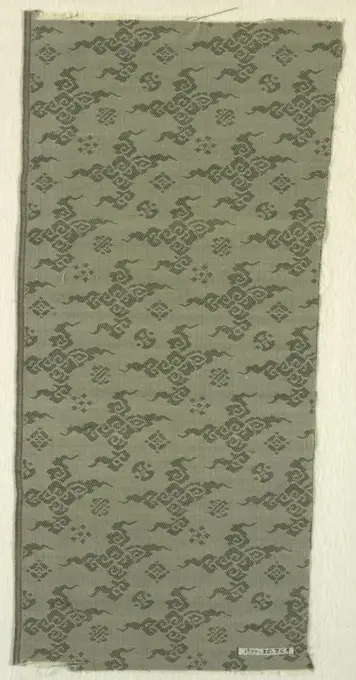
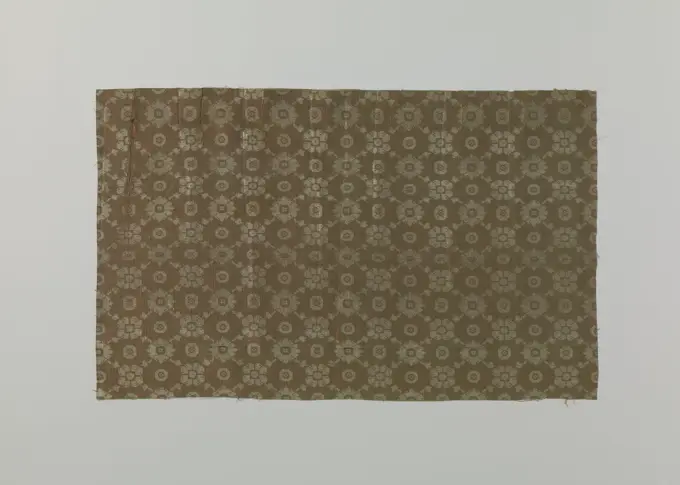
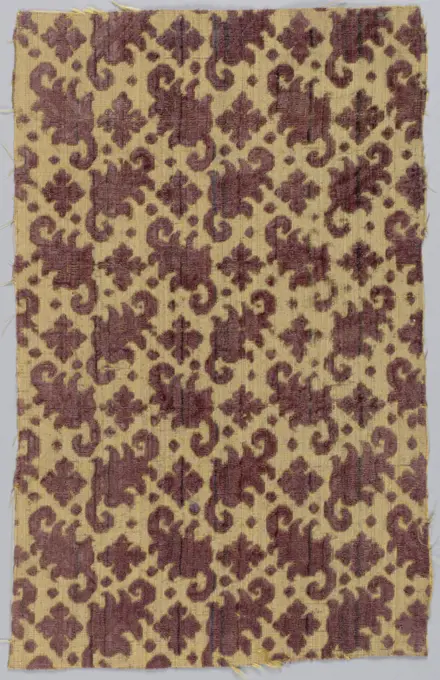
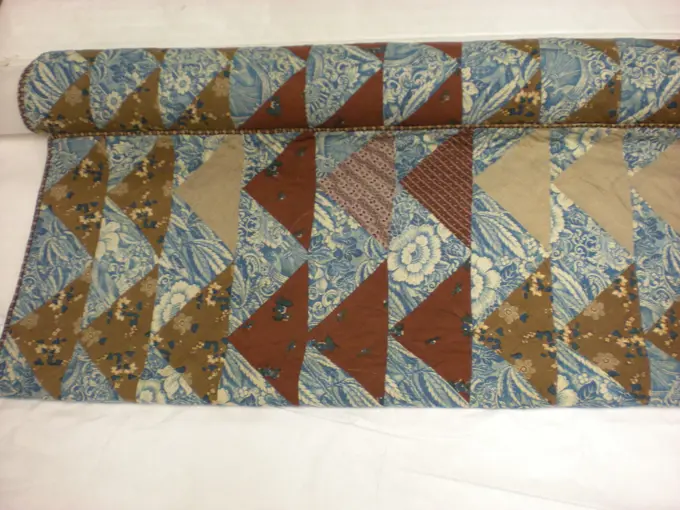
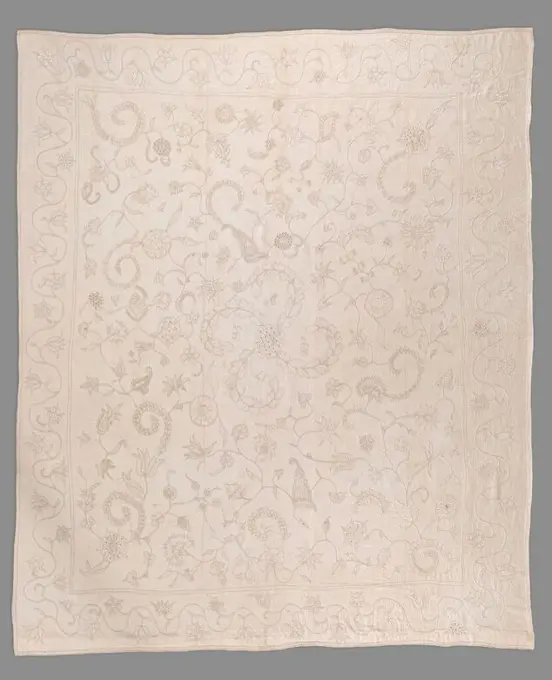
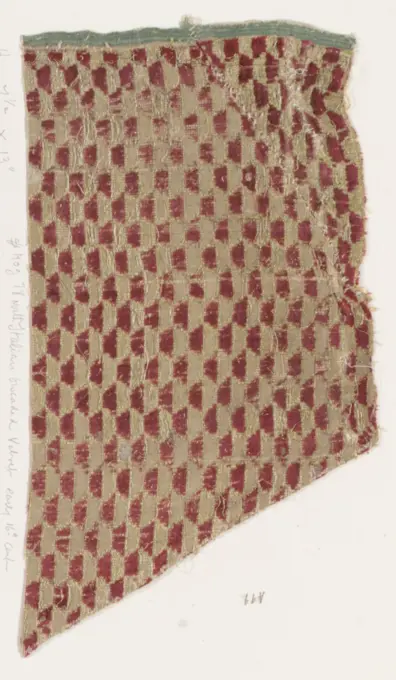
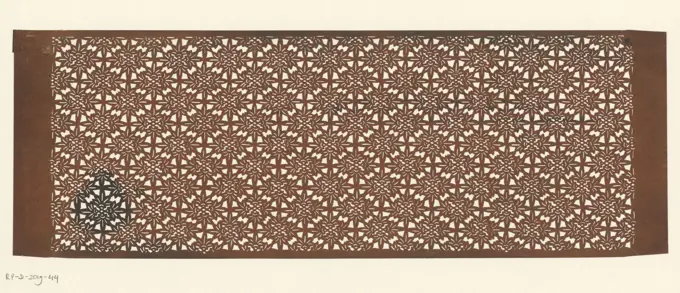
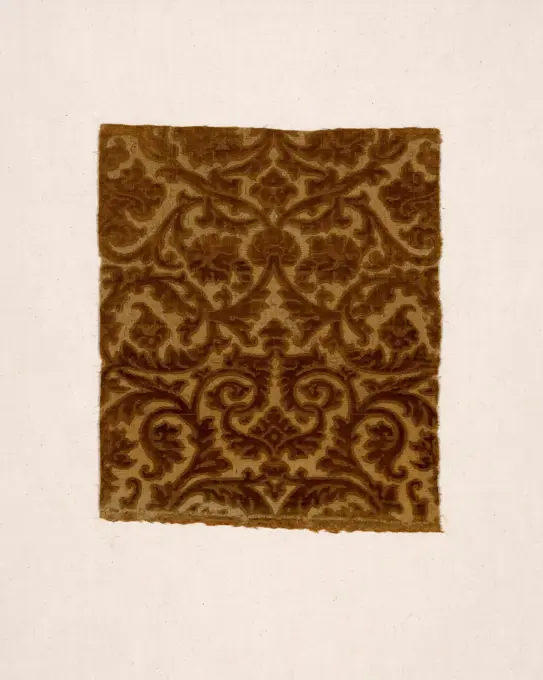
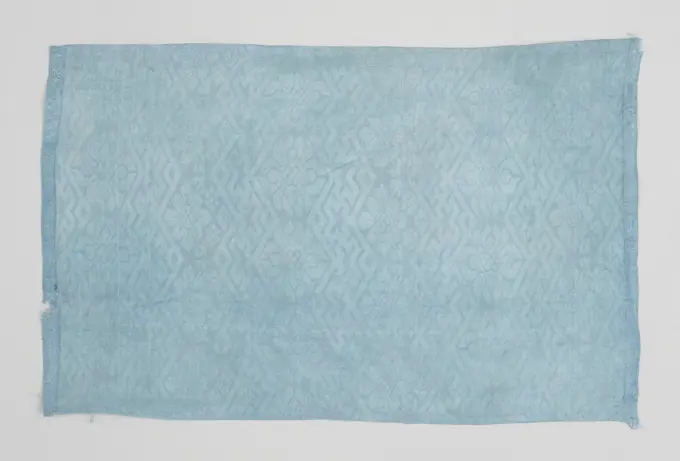
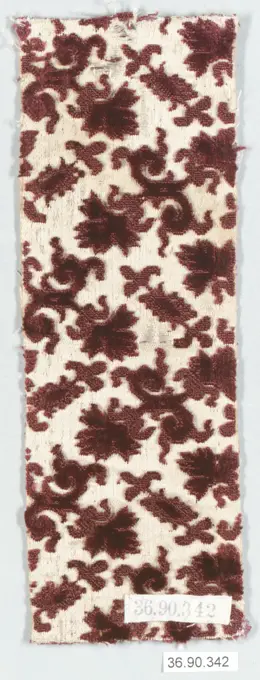
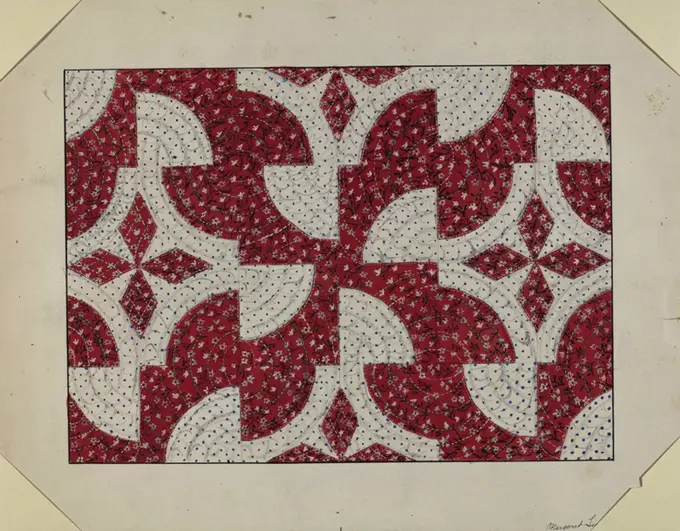
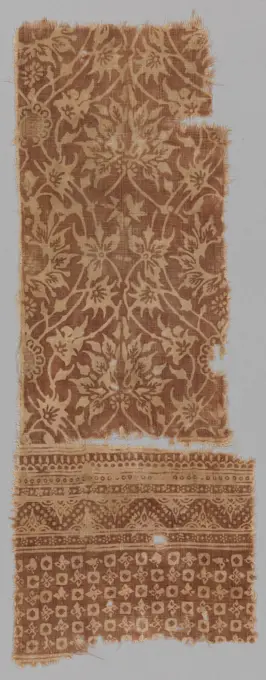
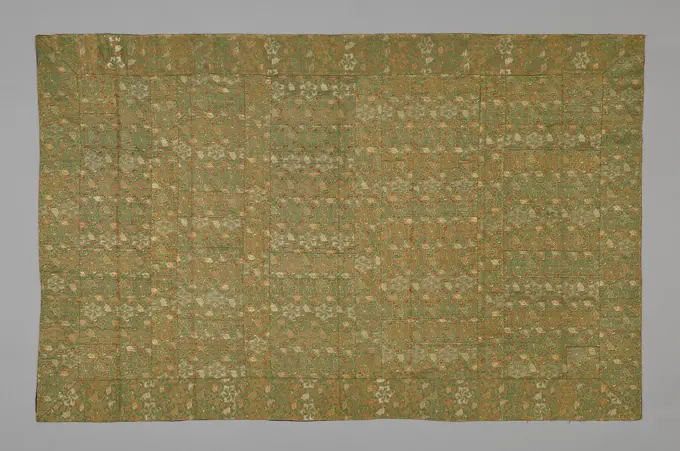
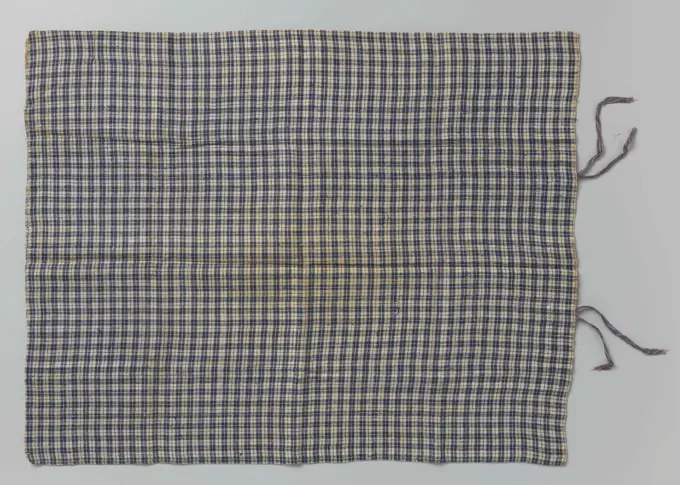
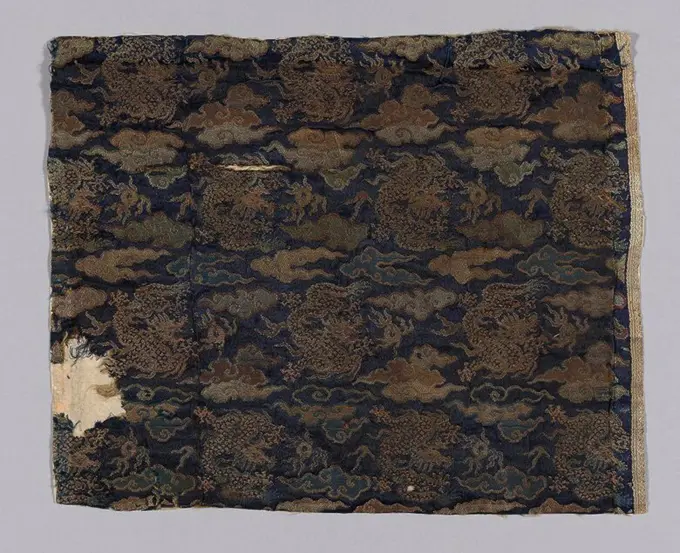
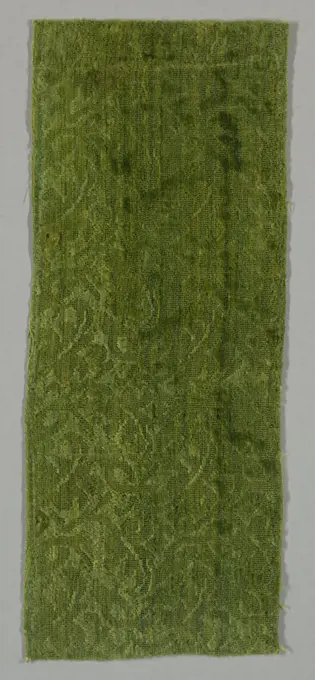
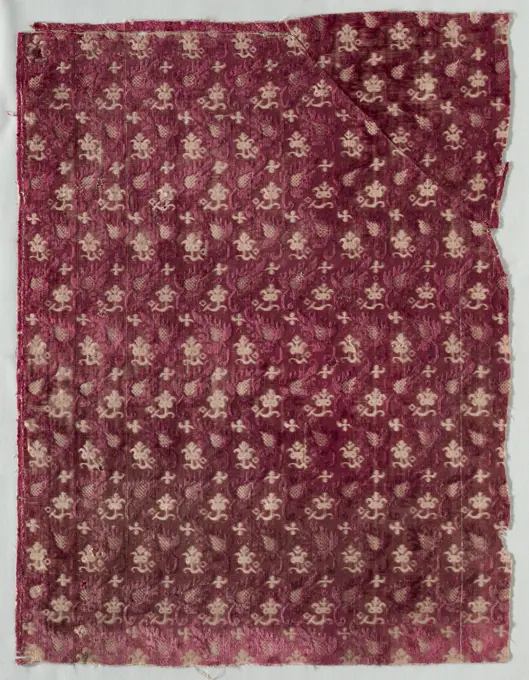
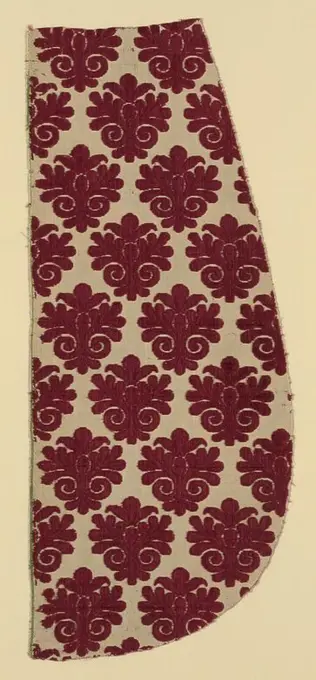
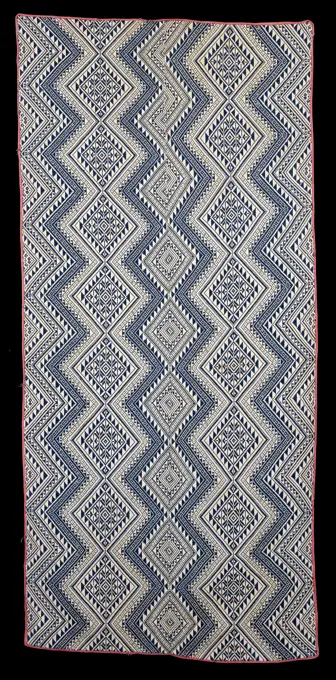
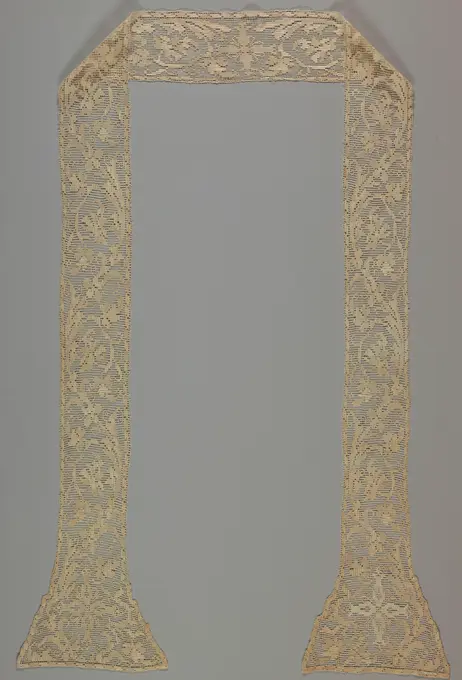
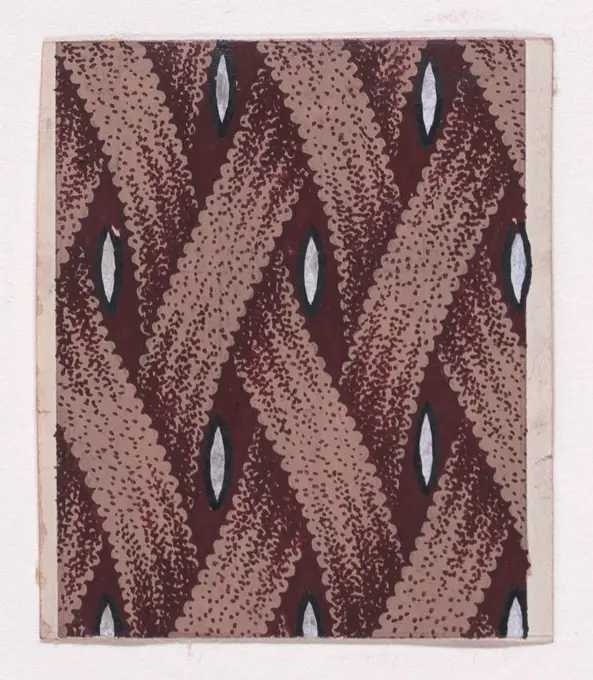
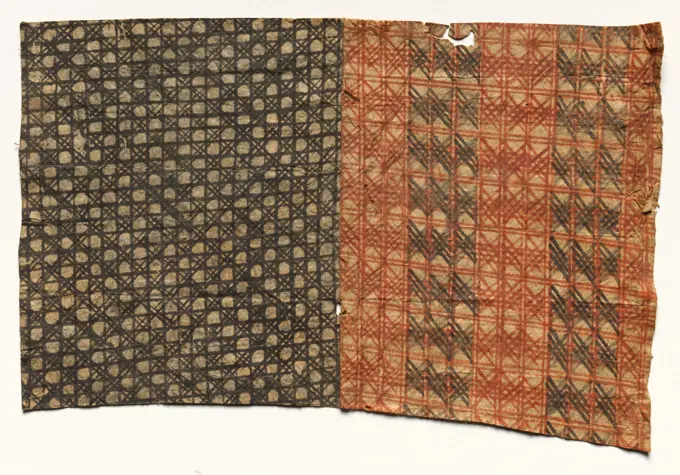
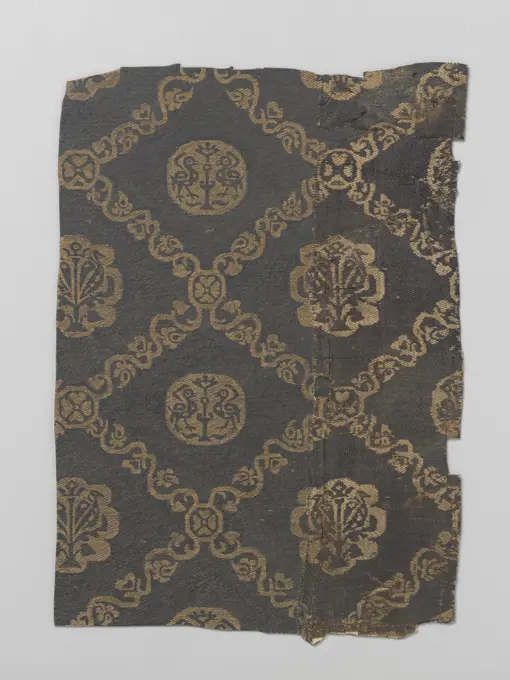
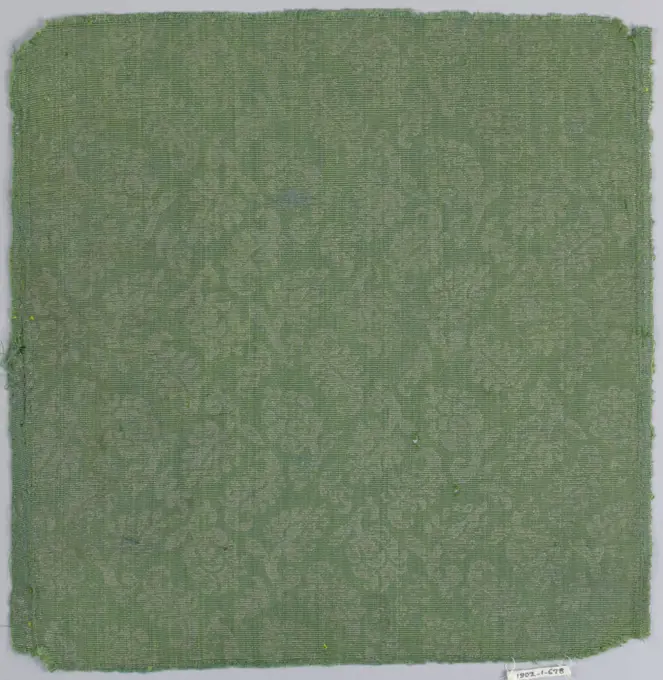
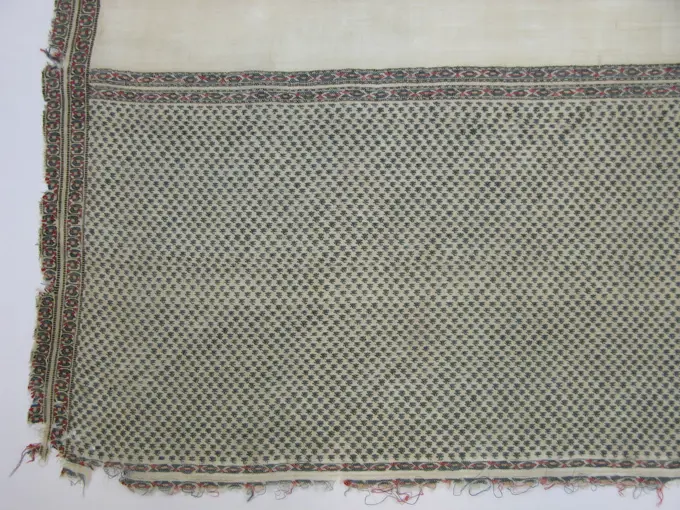
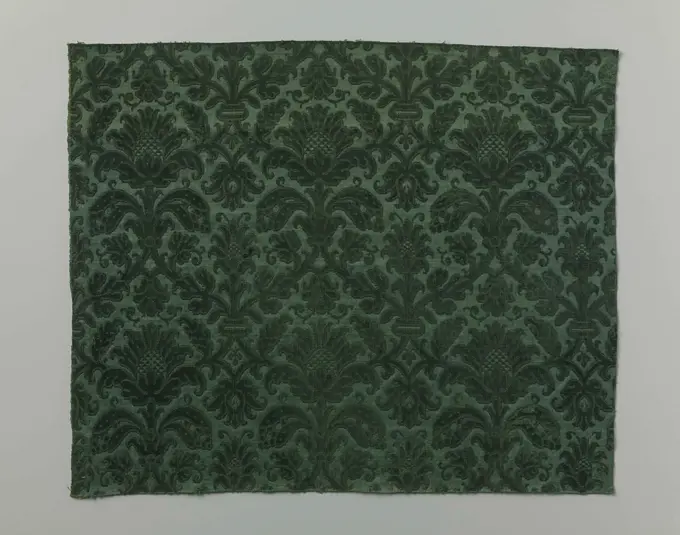
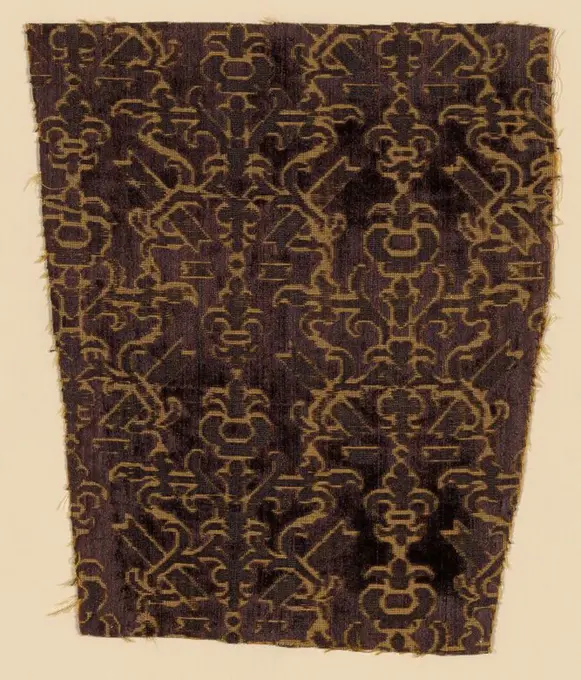
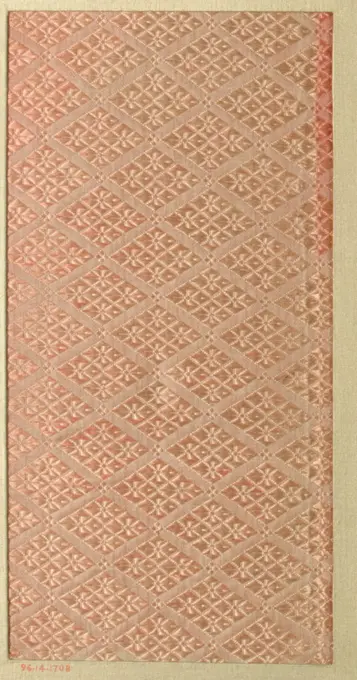
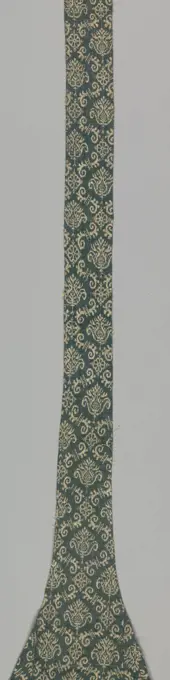
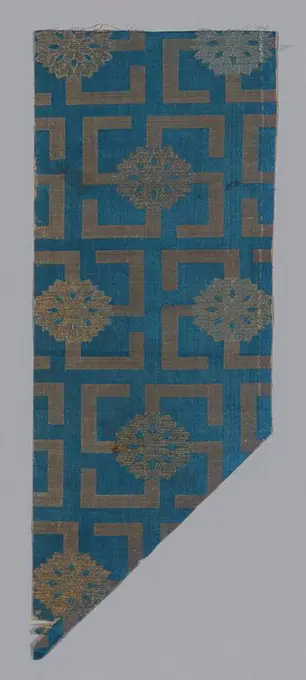
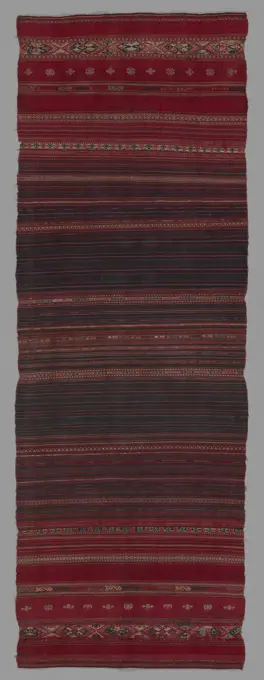
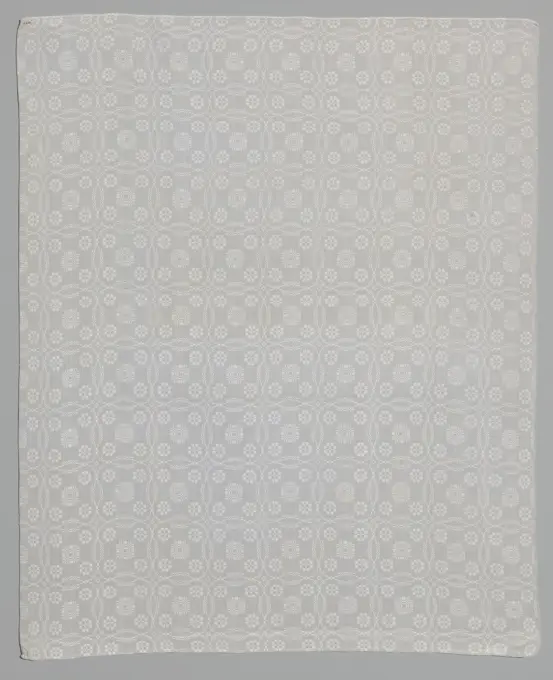
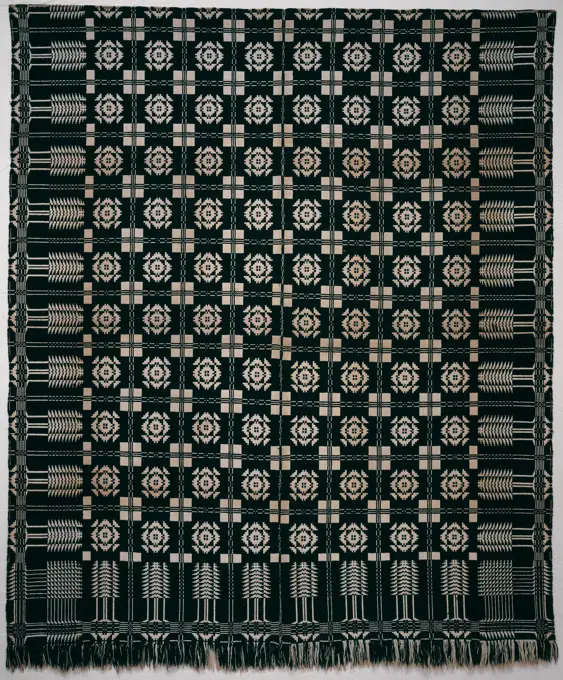
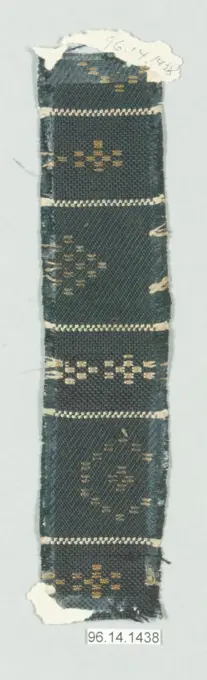
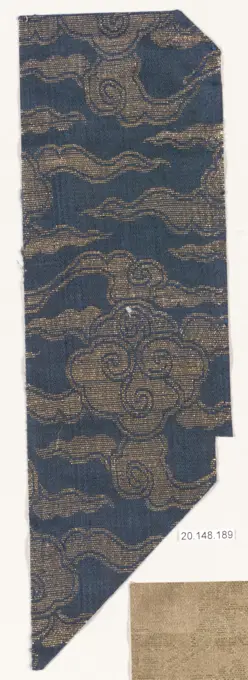
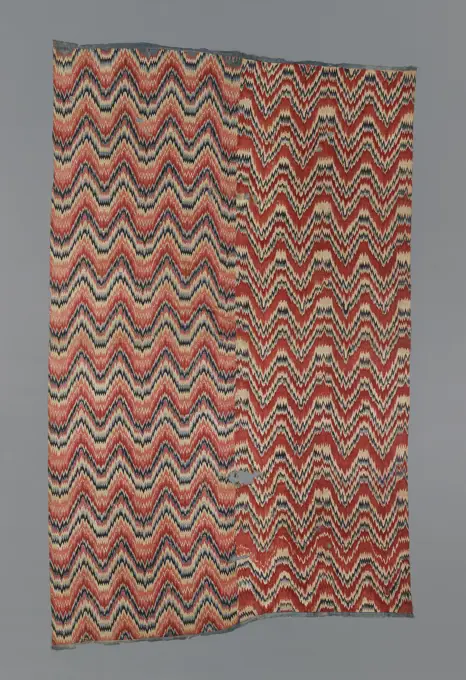
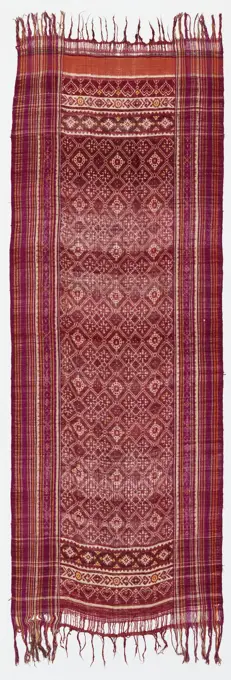
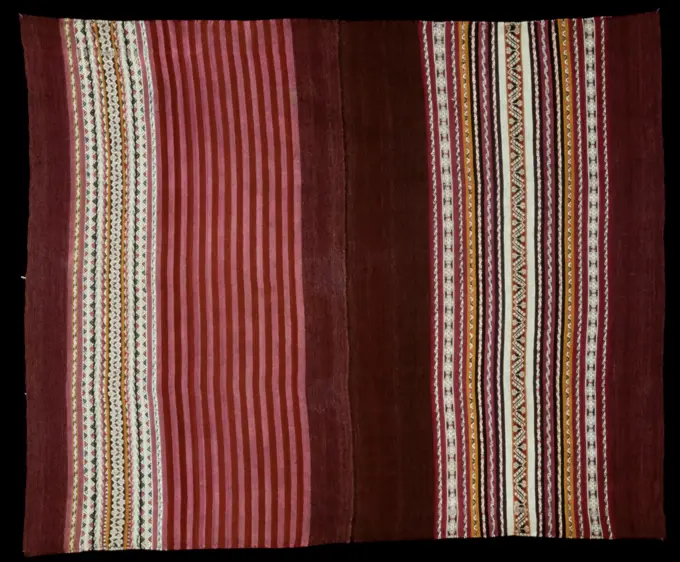
Piece 19th century Japan. Piece. Japan. 19th century. Silk. Textiles-WovenPiece 18th century Japan. Piece 71190Fragment, Medium: silk Technique: 5-harness satin damask, Small scale allover horizontal and vertical repeat of symmetrical sprigs framed by stylized leaves set at angles. One broad satin selvage of pinkish tan., France or Italy, 17th century, woven textiles, FragmentTextile, Medium: silk Technique: plain weave with supplementary warp, Small scale allover pattern of a single diagonal floral sprig placed in half-drop vertical rows, facing left in one row and right in the other., France, late 18th century, woven textiles, TextilePiece 16th-17th century Italian. Piece 223368Textile Fragment 18th century. Textile Fragment 454546Fragment, Medium: silk Technique: compound twill weave, Fragment with white silk warp and green silk weft in an allover small-scale pattern of Buddhist motifs: coin, knot, cloud, jewel, etc. On one side of fabric design worked in warp; on reverse, design worked in weft., Japan, late 19th century, woven textiles, FragmentTextile, c. 1700. Italy, early 18th Century. Lampas weave, silk and gold thread; overall: 175.9 x 98.5 cm (69 1/4 x 38 3/4 in.).Panel (Bedcover ) Made 1701-1800 Náxos. Linen, plain weave; embroidered with silk in running stitches (pattern darning); two panels joined in weft direction .Fragment zijdeweefsel, anonymous, c. 1750 - c. 1840 Fragment silk tissue. The soil is colored green-red and has a geometric pattern of a network with stylized flowers on the intersections and in the fields. Netherlands silk Fragment silk tissue. The soil is colored green-red and has a geometric pattern of a network with stylized flowers on the intersections and in the fields. Netherlands silkFragment (Iran); silk, metallicsFragments; silkFragment, Medium: silk Technique: supplementary warp firming cut and uncut raised pile in plain weave foundation (velvet), Diagonal branch and leaf motif in green., 17th century, woven textiles, FragmentFragment of Persian silk fabric unknownFragment, Medium: silk and metallic thread Technique: supplementary warp forming cut and uncut pile in a plain weave foundation (velvet), Stylized leaf forms turning alternately left and right in horizontal rows with small quatrefoil form between them. Pattern in purple cut and uncut pile on tan ground shot through with metal strips., 17th century, woven textiles, FragmentStrip of bobbin with volute bines and round flowers on curling side branches, anonymous, c. 1685 - c. 1699 Strip of natural -colored bobbin, Old Flemish side. The pattern consists of a maze of volute vines with numerous curled side branches with small mostly round or oval -shaped flowers and leaves. The motifs are connected by a potented braid ground. The motifs are made in linen battle with exhausts and openwork edges. The irregular scallops along the underside follow the curves of the volute bines and are finished with picots. The top is straight and also provided with picots. Southern Netherlands linen (material) bobbin lace / old Flemish lace Strip of natural -colored bobbin, Old Flemish side. The pattern consists of a maze of volute vines with numerous curled side branches with small mostly round or oval -shaped flowers and leaves. The motifs are connected by a potented braid ground. The motifs are made in linen battle with exhausts and openwork edges. The irregular scallops alongFragment late 18th century French, possibly Provence. Fragment 221993Quilt, 1800s, United States, maker unknown. Gift of Malcolm Harrison, 1998.Fragment, Medium: silk Technique: velvet, Small diaper pattern in purple and yellow., 18th century, woven textiles, FragmentFragment; silk, metallicFragment Made 1450-1500 Italy. Silk, warp-float faced satin weave with supplementary pile warps forming cut voided velvet .Embroidered coverlet. Culture: American or British. Dimensions: 94 1/2 x 82 1/2 in. (240 x 209.6 cm). Date: 1795. Museum: Metropolitan Museum of Art, New York, USA.Textile (France); cottonFragment of panel, Medium: silk Technique: 5-harness satin damask, Fragment of small panel, pieced, of red silk damask. Small pattern of flower clusters in all-over asymmetrical design. One selvage present., Italy, early 18th century, woven textiles, Fragment of panelFragment, Medium: silk Technique: cut and uncut velvet, Fragment of light brown velvet, cut and uncut, on a ground shot with silver thread; flowering branch pattern., Italy, 16th-17th century, woven textiles, FragmentFragment early 16th century Northern Italian. Fragment 230450Silk and wool scarf with a natural mirror and around edges of butas in red, blue, yellow and green, anonymous, c. 1800 - c. 1825 Scarf, pashmina, silk and wool with a natural mirror and around edges of butas in red, blue, yellow and green. The edges are woven and sewn. Model: elongated with wide decorated edge on the short ends and narrow edges along the long sides. Plain center piece or mirror. Technology: The characteristic of the intersection of the ornament in the Kashmierjaal, that the threads were beaten around each other during the transition from one color to another and that the threads are again in the next impact when changing the colors again around each other were beaten or double connected. With this 'double connect' small loops formed at the back of the fabric; These rows of loops are typical of the cashmere tissues. Colors: for carmine red the - imported from Hindustan - Cochenille, which was drawn from slice; For other shades red, a dye, which was extracted from tropicFragment of white satin, medallions with landscape, anonymous, 1780 Fragment of white satin, medallions with landscape. Furthermore, figures and encadrements of green velvet. Spain.  satin Fragment of white satin, medallions with landscape. Furthermore, figures and encadrements of green velvet. Spain.  satinTemplate with grid pattern, Anonymous, 1800 - 1909  Japanese template (Katagami) with a regularly contiguous grid of a leaf or flower pattern. Japan paper cutting ornament derived from plant formsHeadcloth. Chancay; Peru, Central coast. Date: 1000-1476. Dimensions: 99.1 x 99.1 cm (39 x 39 in.). Cotton, plain gauze weave; embroidered in knotted couching. Origin: Peru. Museum: The Chicago Art Institute, Chicago, USA.Fragment late 16th-17th century Italian. Fragment 230660Fragment Made 1575-1600 Italy. Silk, warp-float faced 3 1 broken warp chevron twill weave with gilt-metal-strip supplementary facing wefts and supplementary pile warps forming cut and uncut voided velvet .Fragment of fabric unknownFragment (India); cotton; Warp x Weft: 25.7 x 12.4 cm (10 1/8 x 4 7/8 in.); 1952-58-3Piece 16th-17th century Italian. Piece 223443Applique Quilt. Dated: c. 1936. Dimensions: overall: 27.7 x 35.7 cm (10 7/8 x 14 1/16 in.). Medium: watercolor, graphite, and gouache on paper. Museum: National Gallery of Art, Washington DC. Author: Margaret Linsley.Fragment, 700s. China, 8th century. Patterned tabby weave; silk; overall: 10.5 x 15.6 cm (4 1/8 x 6 1/8 in.).Napkin from white Linnamast with rose pattern ,, 1821 Wit linen damask napkin with a rose pattern and the investment MC and 1821 N 36. With separate fragments, washing label: 655. Netherlands linen (material) damask Wit linen damask napkin with a rose pattern and the investment MC and 1821 N 36. With separate fragments, washing label: 655. Netherlands linen (material) damaskTextile with Lotus and Arabesque Design 15th century This cotton, block-printed textile employs both Indian and Chinese ornamental motifs. Looking closely at Yuan period (ca. 1271-1368) silks, this textile emulates frontal facing lotus flowers seen in its center. The border of the textile fragment which include square-and-star patterning reflects Gujarati designs seen in tie-dye textiles (known as bandani.) The wavy lotus pattern was often used on Chinese storage jars found in Iran and therefore reflect the transregional dissemination of designs across geographies, especially during the fifteenth century. This textile fragment is one of a larger group of objects which were made in Gujarat, India, but found in Fustat, Egypt (known as Old Cairo.) It represents the intercontinental market and demand for vibrantly dyed and intricately block-printed Gujarati textiles that traveled across the Indian Ocean.. Textile with Lotus and Arabesque Design 448528Book cover with overall zigzag pattern 19th century Anonymous. Book cover with overall zigzag pattern. Anonymous , 19th century. 19th century. Relief print (wood or metal). PrintsPiece 18th century French. Piece 229702Band, Medium: silk, linen Technique: woven, Band with a flower and vine pattern and narrow borders in yellow on white., Italy or Spain, 16th-17th century, woven textiles, BandFragment, Medium: silk Technique: cut and uncut supplementary warp pile (velvet) in a twill weave foundation, Fragment of magenta-colored velvet, cut and uncut, against a gold-colored ground in a small serpentine leaf pattern., Italy, 16th century, woven textiles, FragmentPiece 18th century Japan. Piece 71747Panel, 20th century, 75 1/2 x 40 in. (191.77 x 101.6 cm) (uneven), Cotton, Mali, 20th centurySampler (England); linen; Warp x Weft: 43.5 x 14 cm (17 1/8 x 5 1/2 in.); Bequest of Mrs. Henry E. Coe; 1941-69-203Kesa Made 1866-1900 Japan. Silk .Cushion cover. Tie cushion cover of linen, white and blue checkered and checked.Strip of cotton with a lace pattern of lace plaque with rows of half forget-me-nots with openwork flower hearts, c. 1800 - c. 1849 Strip of natural cotton with lace bobbins: English embroidery. Pattern with ten staggered rows of half forget-me-not with open worked flower hearts. At the bottom consists of embroidery of a slightly curved row of open -worked circles that are connected by bows. An oval leaf or a branch with a flower alternately rises from the arcs. Europe cotton (textile). linen (material) embroidering Strip of natural cotton with lace bobbins: English embroidery. Pattern with ten staggered rows of half forget-me-not with open worked flower hearts. At the bottom consists of embroidery of a slightly curved row of open -worked circles that are connected by bows. An oval leaf or a branch with a flower alternately rises from the arcs. Europe cotton (textile). linen (material) embroideringFragment. Japan. Date: 1775-1800. Dimensions: 30.2 × 36.8 cm (11 7/8 × 14 1/2 in.). Silk, satin weave with satin interlacings of secondary binding warps and self-patterning wefts. Origin: Japan. Museum: The Chicago Art Institute, Chicago, USA.Napkin van Wit Linnamast ,, 1675 - 1700 White linen Damas napkin with 'lace pattern'. Flanders (Possible) linen (material) damask White linen Damas napkin with 'lace pattern'. Flanders (Possible) linen (material) damaskCeremonial Cloth (PuaKumbu)Fragment, Medium: silk Technique: supplementary warp forming cut and uncut raised pile (velvet), Scrolling branches in green., 18th century, woven textiles, FragmentVelvet Fragment, 1600s. Italy, 17th century. Velvet (cut and uncut); overall: 57.1 x 43.8 cm (22 1/2 x 17 1/4 in.).Rectangular cashmere scarf on white stock, with wide edges of lying botas in blue-red along the long side, and a double row of standing botas, anonymous, c. 1820 - c. 1850 Elongated palms scarf made of woven wool and silk with a white stock, wide transverse edges of botas with volute in Donkerkobalt blue and red on snake garlands and in the middle. A border all around with one-sided, upright botas whose lower and top are opposite to each other, a row of seven pieces. They correspond with the over -lying botas of the middle edge and the corner motifs. Around each bota, a white border has been saved like a halo on the stock, while between the botas there is a very filled pattern of snake garlands of ranks. The inside of all Botas has two concentric tires and serpentine volume vouchers in between. A foot or vase or leaf rosette is missing from all. The outer edge consists of narrow, each other at the corners of overcuting edges with winding branches on either side, contained in very narroFragment (From a Chasuble). Italy. Date: 1601-1650. Dimensions: 57.8 × 24.1 cm (22 3/4 × 9 1/2 in.). Silk, plain weave with supplementary binding wefts and supplementary pile warps forming cut, uncut and voided velvet. Origin: Italy. Museum: The Chicago Art Institute, Chicago, USA.Genop and sliced velvet with geometric pattern of hexagons, with stylized flower, in greenish blue, A. chrobolka (Possible), c. 1912 - c. 1915 Confirmation or spancing material of genop and cut velvet with geometric pattern of hexagons, with stylized flower, in greenish blue. maker: NetherlandsThe Hague silk velvet (fabric weave) Confirmation or spancing material of genop and cut velvet with geometric pattern of hexagons, with stylized flower, in greenish blue. maker: NetherlandsThe Hague silk velvet (fabric weave)Blanket, late 19th century, L.34-1/2 x W.73 in., Cotton. Supplementary weft patterning, Laos, 19th centuryStole; linen; 1910-22-2Ceremonial Textiles Made 1801-1900 Bali. a Cotton and gold-leaf-on-paper-strip-wrapped bast fiber (probably ramie), bands of plain weave; knotted main warp fringeb Cotton, bast fiber (probably ramie), and gold-leaf-on-paper-strip-wrapped bast fiber (probably ramie) bands of plain weave, weft resist dyed (weft ikat) plain weave and weft-faced plain weave; knotted main warp fringec Cotton, silk, and gold-leaf-over-lacquered-paper-strip-wrapped bast fiber (probably ramie), bands of plain weave, main warp fringe .Textile Design with a Basketweave Pattern and Alternating Rows of Lens-Shaped Pearls 1840 Anonymous, Alsatian, 19th century Rectangular sheet of paper with a textile design from a group, dated 1840, made in Mulhouse, Alsace, which was an important nineteenth-century center for textile production in the Haut-Rhin region of France. The design is made of a dark reddish-brown base over which a basketweave pattern of light tan color with dark reddish-brown stipples forming shades in the ribbons that make the pattern and alternating rows of lens-shaped pearls of white color stand out.. Textile Design with a Basketweave Pattern and Alternating Rows of Lens-Shaped Pearls. Anonymous, Alsatian, 19th century. 1840. GouacheFragment Made 1601-1700 Netherlands. Linen and wool; compound weave (i.e. Beiderwand or Lampas 2 1) .John Gasaway, Woven Coverlet, c 1940 Woven CoverletPiece ca. 1790 Russian. Piece 221689Medieval ornamentTextile; silkFragment lining fabric, brown checked., C. 1800 - c. 1950 Fragment lining fabric, brown checked.  cotton (textile) Fragment lining fabric, brown checked.  cotton (textile)Curtain panel, 19th century, 32 x 104 5/8 in. (81.3 x 265.7 cm) (without fringe), Cotton, silk; embroidery, Morocco, 19th centuryTapa Cloth, before 1930. Oceania, Polynesia, Hawaii, 20th century. Probably mulberry bark (Broussonetia papyrifera), two pieces joined together; overall: 31.2 x 20.7 cm (12 5/16 x 8 1/8 in.).Tissue fragment of Samiet, Anonymous, c. 600 - c. 1099 Close on cardboard and added tissue fragment, so that the entire pattern becomes visible. Ground in dark purper with pattern of diamond -shaped braided gold -colored leaf vines. In between, serrated skilled medallions with two birds slamming from each other in a tree and round medallions with birds wandered to each other next to a trunk. Egypt silk samite Close on cardboard and added tissue fragment, so that the entire pattern becomes visible. Ground in dark purper with pattern of diamond -shaped braided gold -colored leaf vines. In between, serrated skilled medallions with two birds slamming from each other in a tree and round medallions with birds wandered to each other next to a trunk. Egypt silk samitePiece 18th-19th century Japan. Piece 67343Fragment, Medium; silk, metallic Technique: plain weav with supplementary weft e, Diagonal flowers and leaves in green and silver, 17th century, woven textiles, FragmentShawl ca. 1790. Shawl 447918Fragment of Wool Velvet, early 16th century. Spain, early 16th century. Wool; average: 33 x 38.1 cm (13 x 15 in.).Fragment silk velvet with stylized pattern of flowers and leaves in diamond shape. Fragment green silk velvet with stylized pattern of flowers and leaves in diamond shape. Italy, middle 16th century.Fragment. Italy. Date: 1700-1725. Dimensions: . Cisele voided cloth velvet. Origin: Italy. Museum: The Chicago Art Institute, Chicago, USA.Sampler; cotton embroidery on linen foundationPanel 17th or 18th century Italian or French. Panel 460349Fragment, Technique: withdrawn element work, Fragment of a wide border with large symmetrical flowers and scrolling vines. Top and bottom sections have an acorn and leaf motif., Italy, 16th-17th century, lace, FragmentVelvet Fragment, 1500s - 1600s. Italy, 16th-17th century. Velvet; overall: 14 x 37 cm (5 1/2 x 14 9/16 in.).Piece 18th-19th century Japan. Piece 67421Cap Crown (Italy); linenSidewall Sample; machine-printed on paper; 22.5 x 22.5 cm (8 7/8 x 8 7/8 in.)Man's Coverlet, 20th century, 50 1/2 x 91 in. (128.3 x 231.1 cm), Wool; mushroom dye, Mali, 20th centuryTextile Swatches Onondaga Silk Company, Inc. (1925-1981). Textile Swatches, 1948-1959. 72 silk; 28 metal, a-d: 8 × 4 1/2 in. (20.3 × 11.4 cm).    1948-1959Stole fragments, Medium: wool, linen Technique: two interconnected structures, Two parts of a stole, formerly joined, in blue-green and off-white. Design has small-scale palmettes framed by banded S-curves in off-white on a blue ground., Spain, 16th-17th century, woven textiles, Stole fragmentsNapkin from white Linnamast with pattern of stripped fruits ,, 1870 Chicory dams napkin with a pattern of stripped fruits and an edge of flowers, marked with crown DWV 12 1870. Netherlands linen (material) damask Chicory dams napkin with a pattern of stripped fruits and an edge of flowers, marked with crown DWV 12 1870. Netherlands linen (material) damaskFragment (From a Noh Costume). Japan. Date: 1675-1725. Dimensions: 44.5 x 17.1 cm (17 1/2 x 6 3/4 in.). Compound damask, silk and gilt paper; 2 1.2 strips to m.m. Origin: Japan. Museum: The Chicago Art Institute, Chicago, USA.Waist Wrapper(Sarung)Servet van Pellendem, c. 1700 - c. 1750 Pellendam napkin. The napkin is marked: AOH. The napkin includes a napkin with invnr. BK-1980-114-A. Eastern Netherlands (possibly) linen (material) Pellendam napkin. The napkin is marked: AOH. The napkin includes a napkin with invnr. BK-1980-114-A. Eastern Netherlands (possibly) linen (material)Coverlet, Virginia Beauty pattern with Pine-tree border ca. 1825 American This dark blue wool and undyed cotton double cloth coverlet is woven in two panels and seamed at the center. The coverlet's ground is geometrically patterned, and it has a pine-tree border. There is a natural fringe along the bottom edge.. Coverlet, Virginia Beauty pattern with Pine-tree border. American. ca. 1825. Cotton and wool; Doublecloth, woven on a hand-loom. Made in Marion County, West Virginia, United StatesPiece 19th century Japan. Piece 67151Piece 18th century Japan. Piece 71178Medieval ornamentShawl;  19th century (1801-00-00-1900-00-00);Fashion accessories, bot (ornament), plant ornamentsIndian Trade Textile(Sarasa)Textile Swatches Onondaga Silk Company, Inc. (1925-1981). , 1948-1959. Silk, a: 41 x 23 3/4 in. (104.1 x 60.3 cm).    1948-1959Patola (India); silkFragment; silk, metallicCeremonial overskirt (aksu), 19th century, 56 1/4 x 47 1/4 in. (142.9 x 120.0 cm), Alpaca, Bolivia, 19th century, Textiles were the most important commodity in ancient Andean societies. They were an essential vehicle in representing and conveying regional culture and identity, as well as a tool for social and political relationships through gift and trade. Ceremonial skirts like this one were worn by women for special occasions, and because of their limited use and the general respect and care shown for textiles, many centuries-old garments remain. The elaborate patterns in Aymara weavings represent local design motifs and aesthetics. The weaver most likely chose the rhythmic geometric and organic designs based on the meaning they held and their visual appeal.