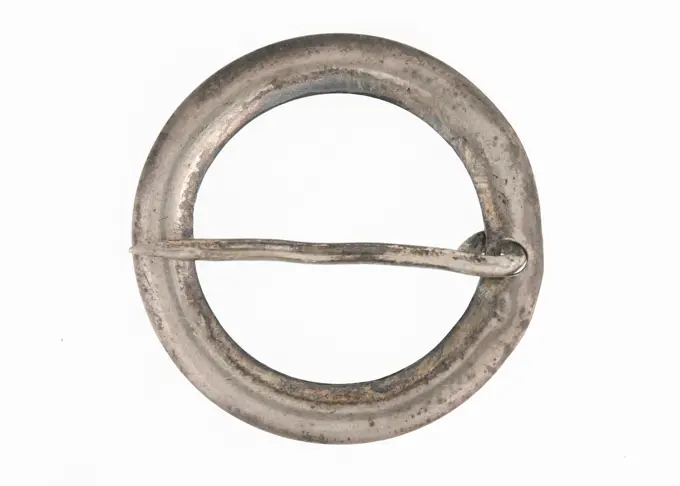
Japanese Sword Guards

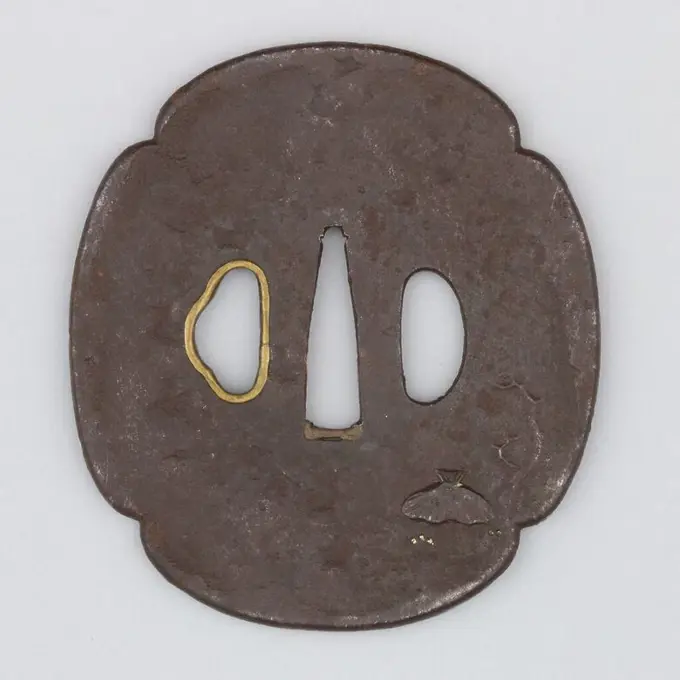
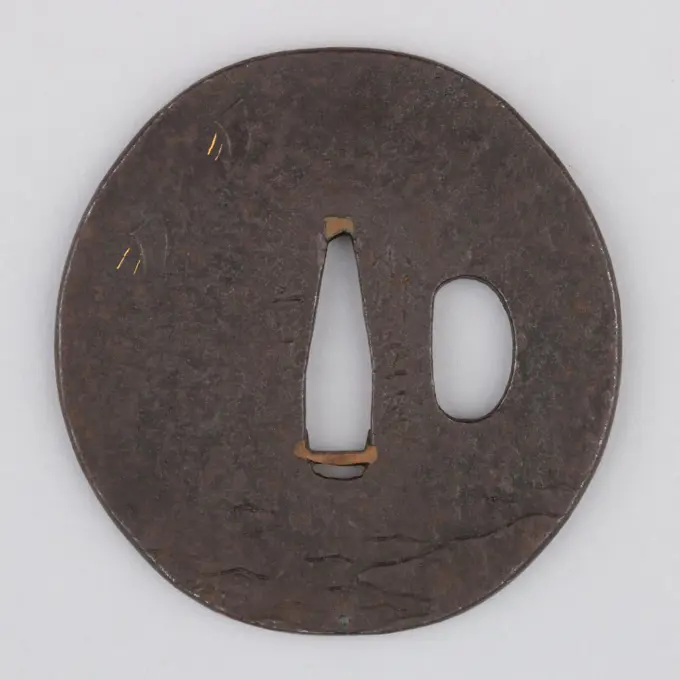
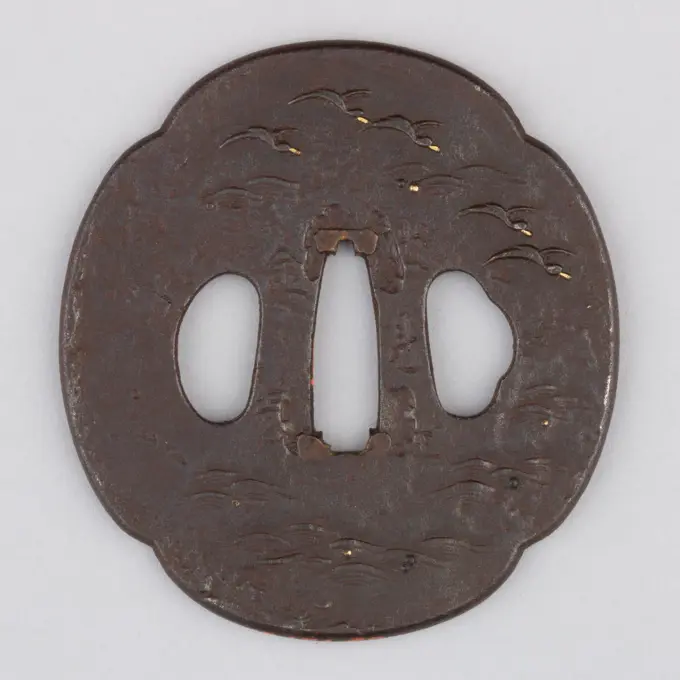
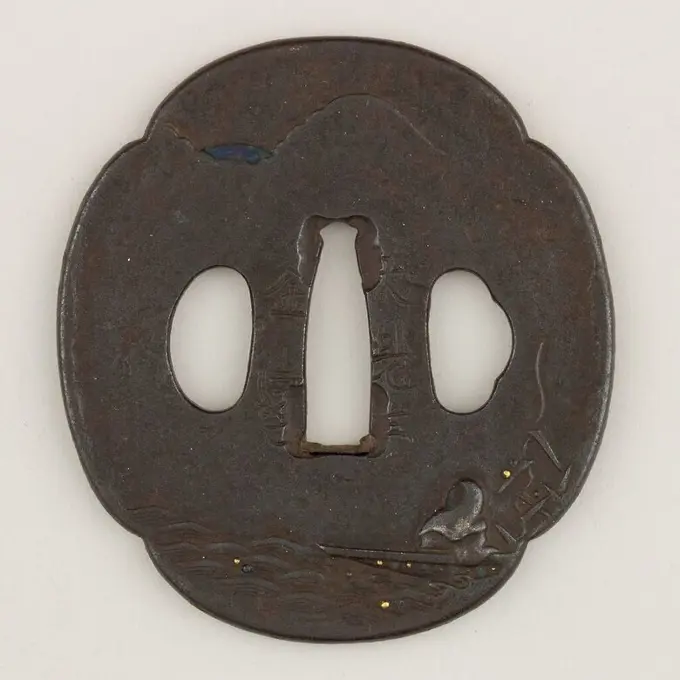
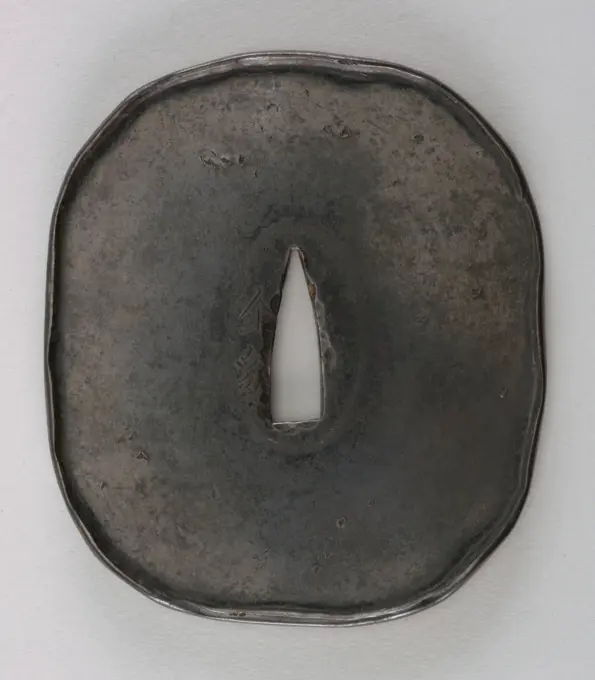
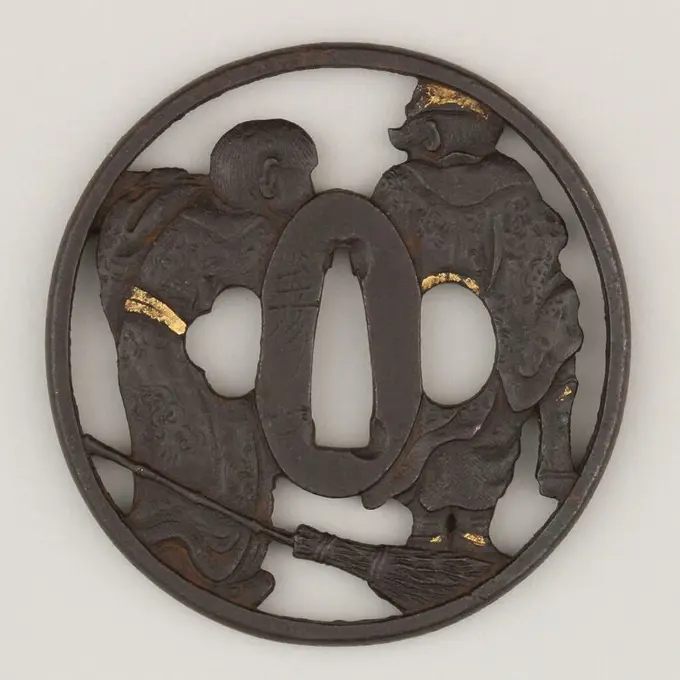
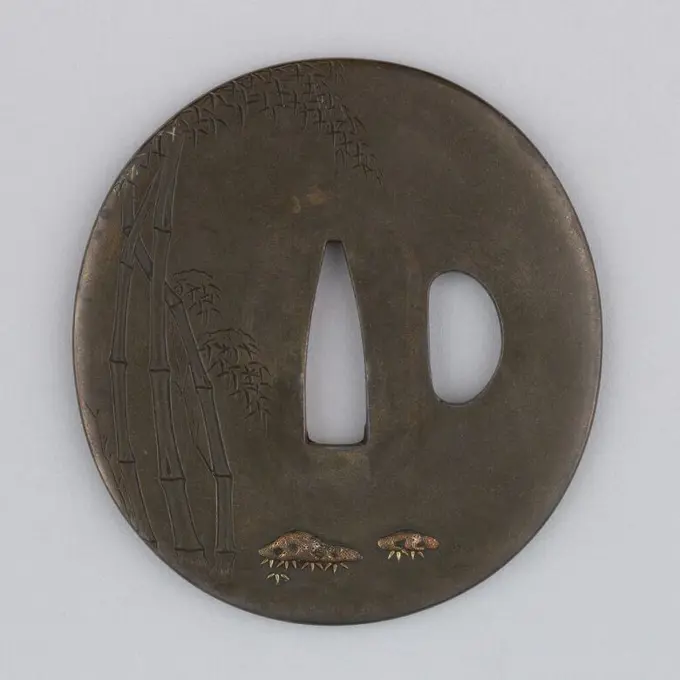
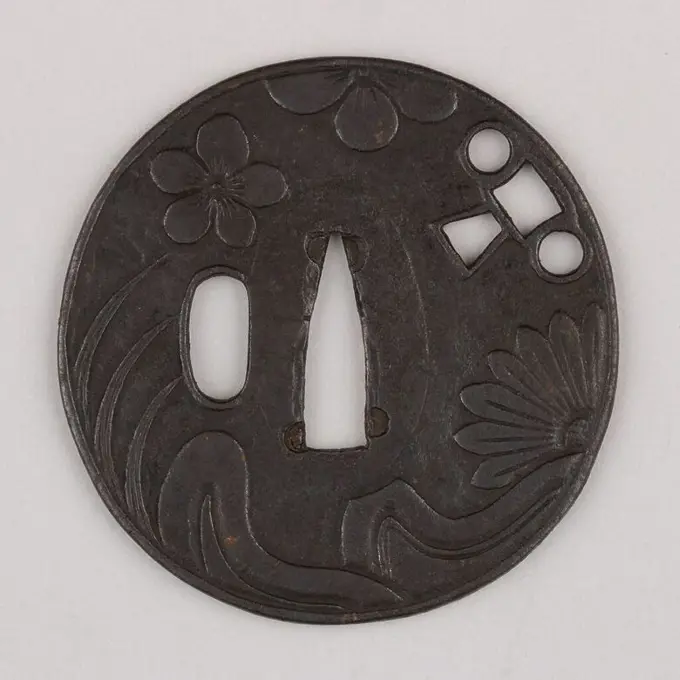
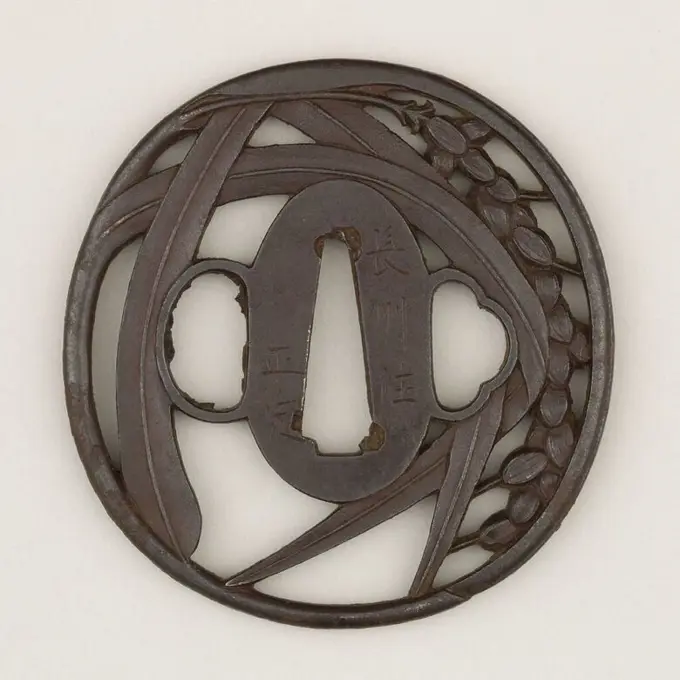
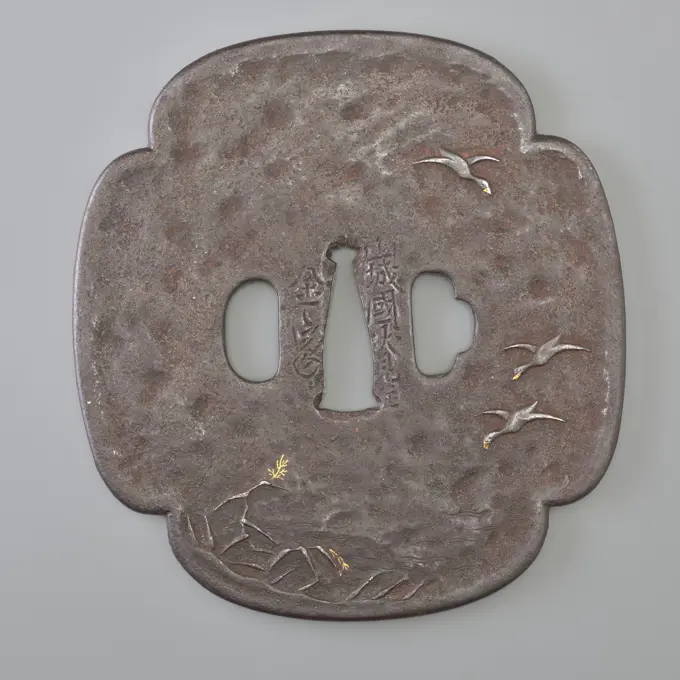
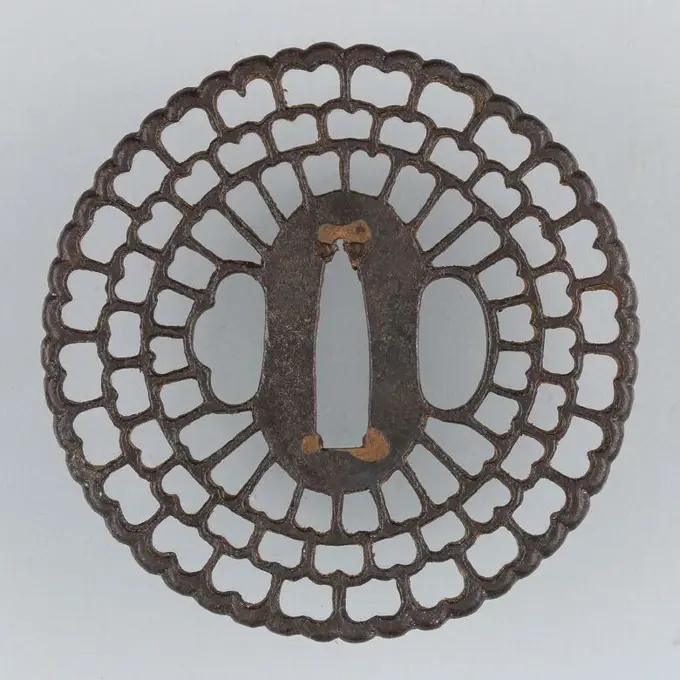
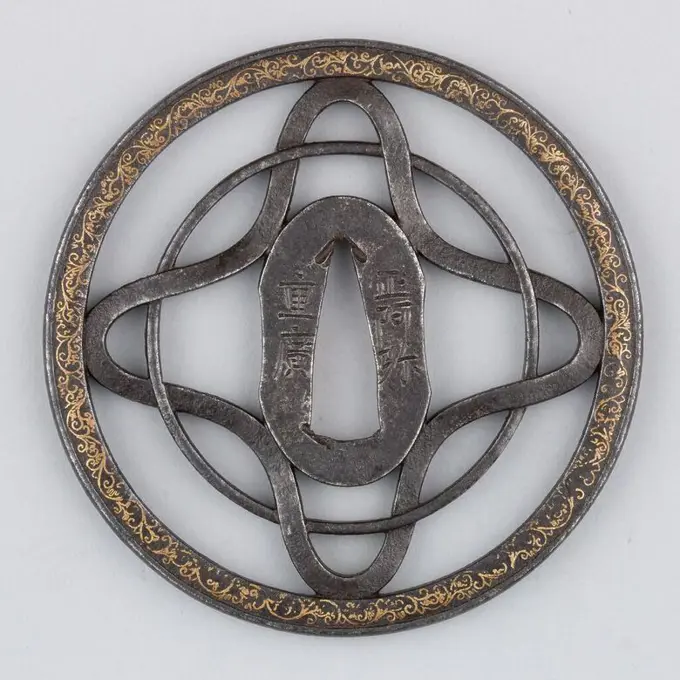
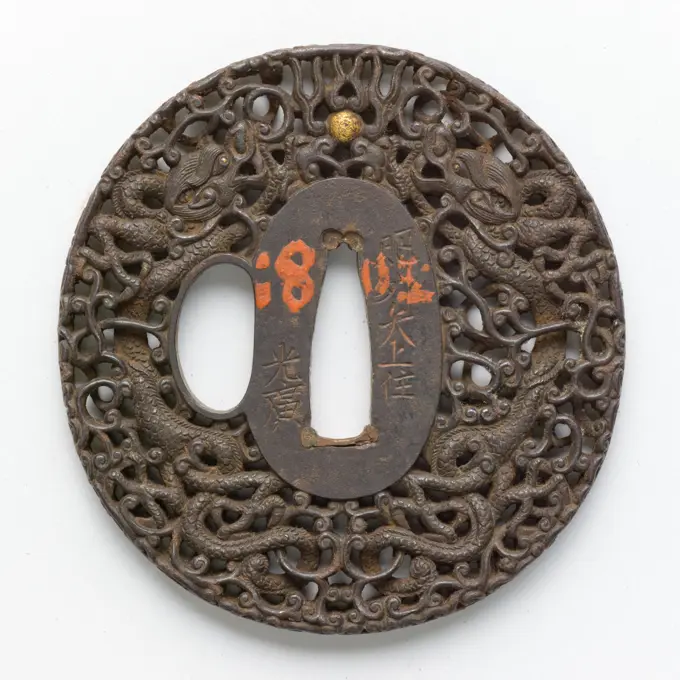
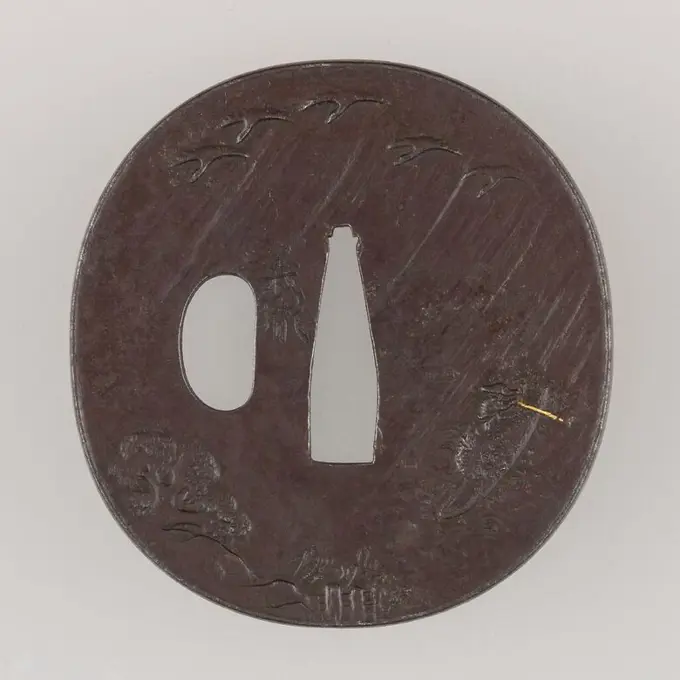
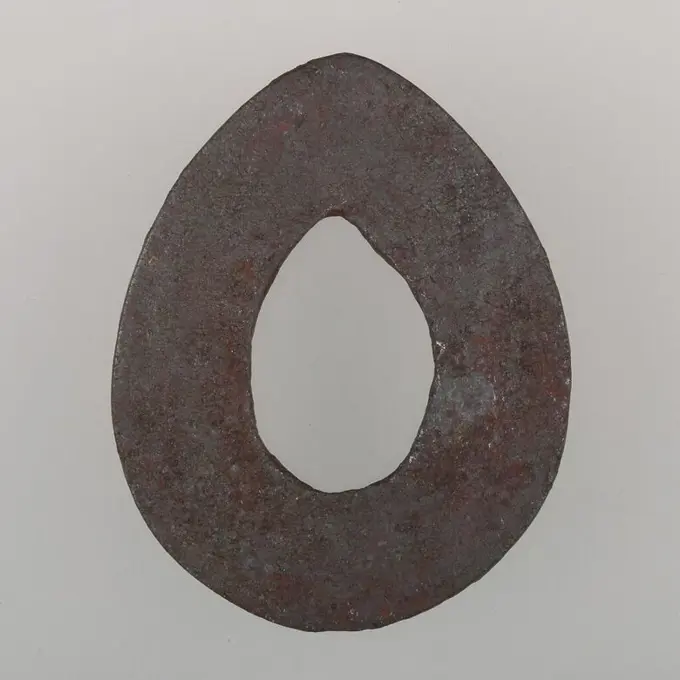
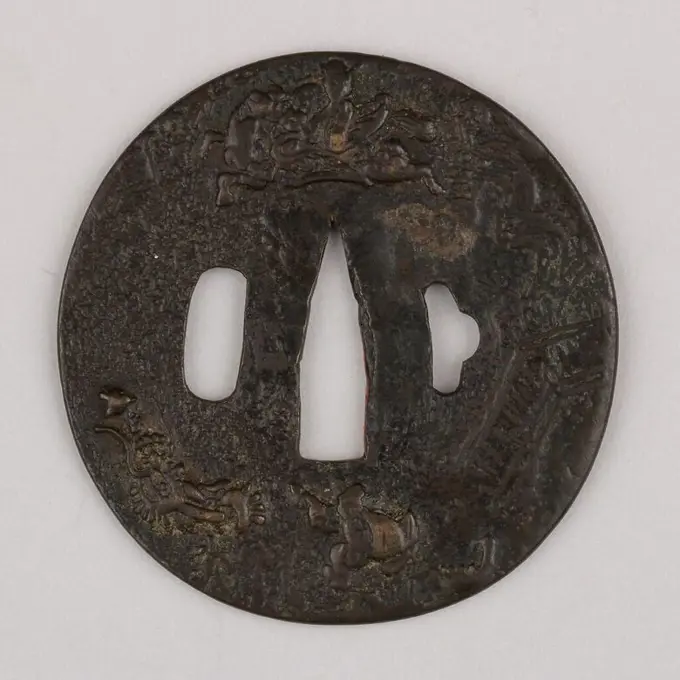
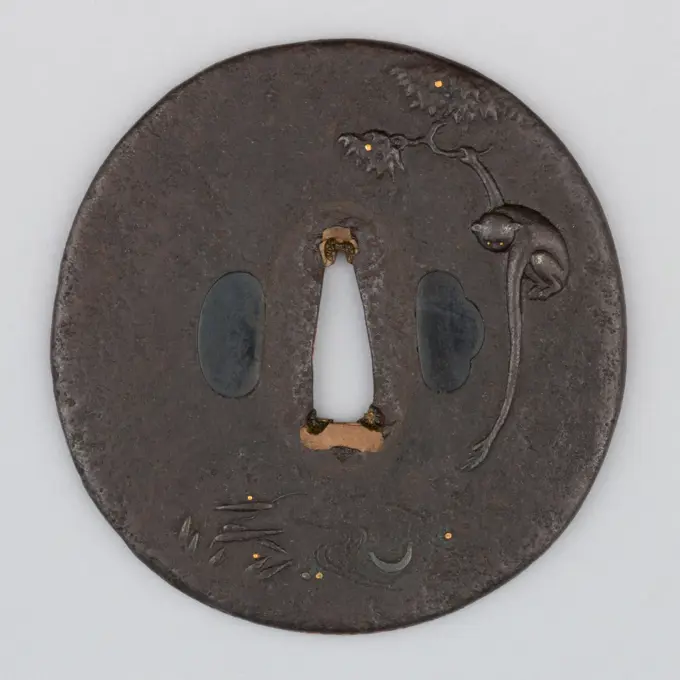
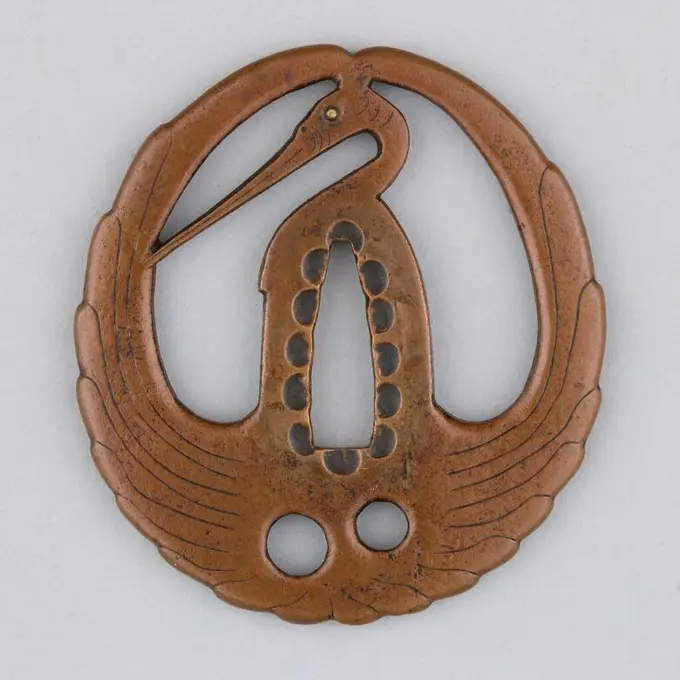
Elegant Japanese tsuba, or sword guards, showcasing intricate designs and cultural artistry from different centuries, crafted with care and detail.
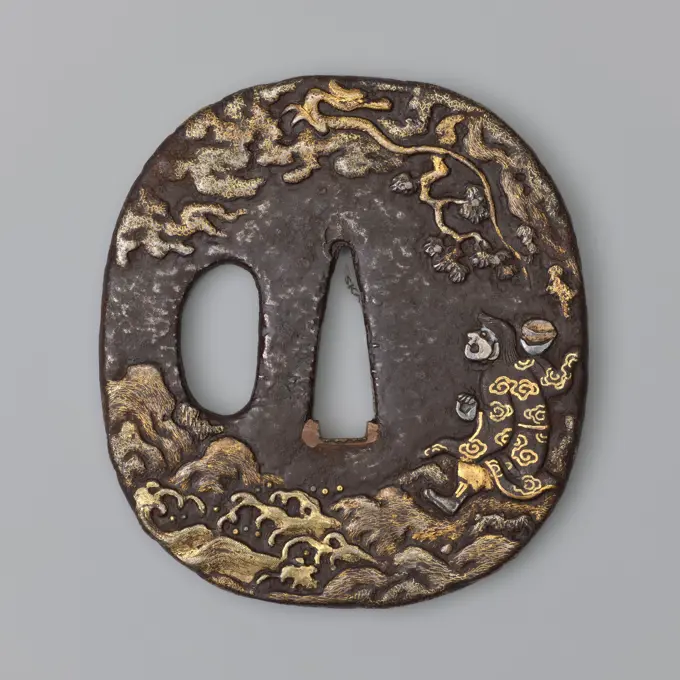
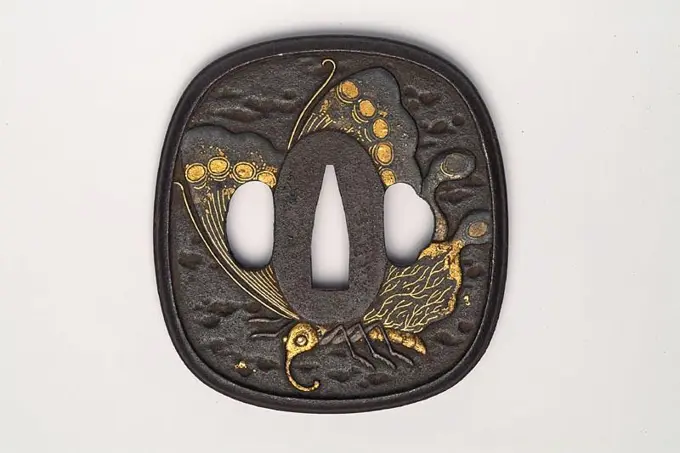
Jelec (Tsuba);  beginning of the 19th century (1801-00-00-1810-00-00);
Jelec (Tsuba); beginning of the 19th century (1801-00-00-1810-00-00);
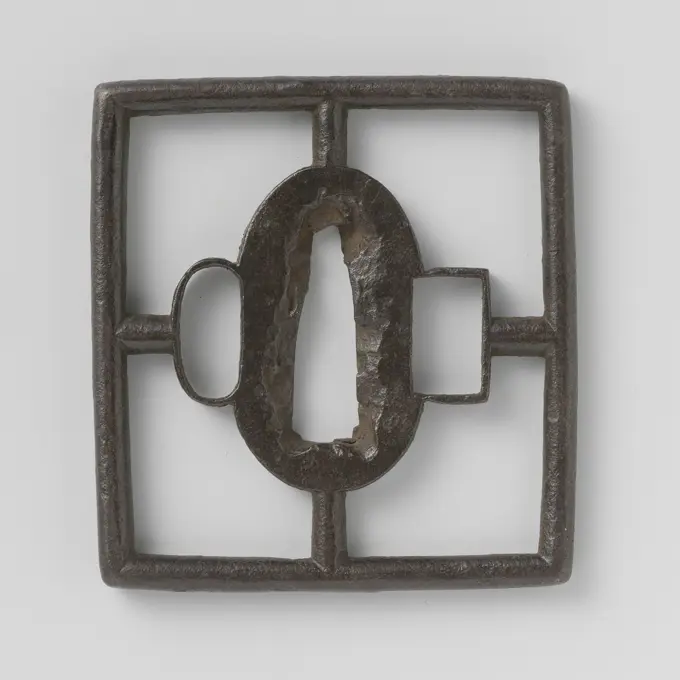
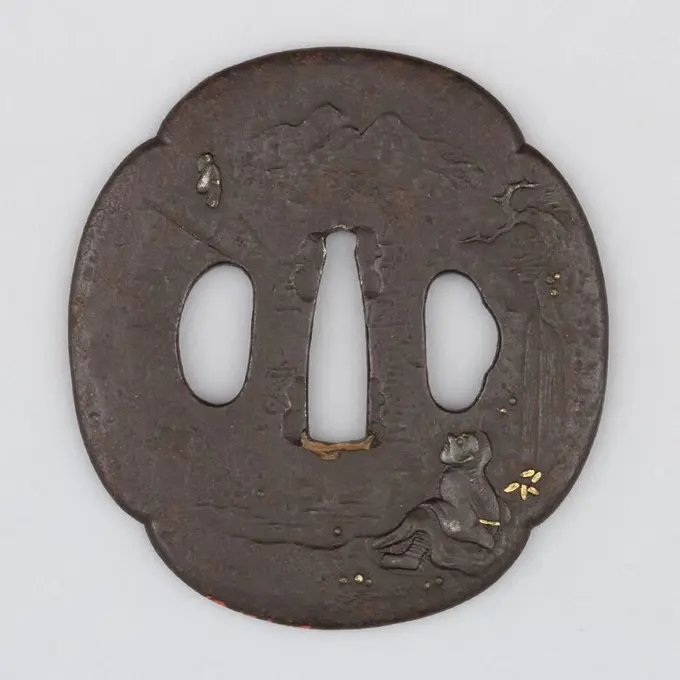
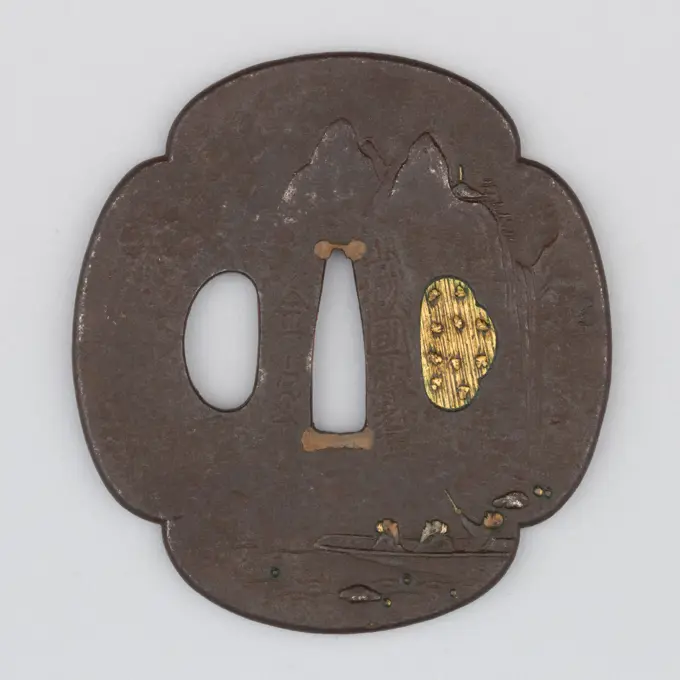
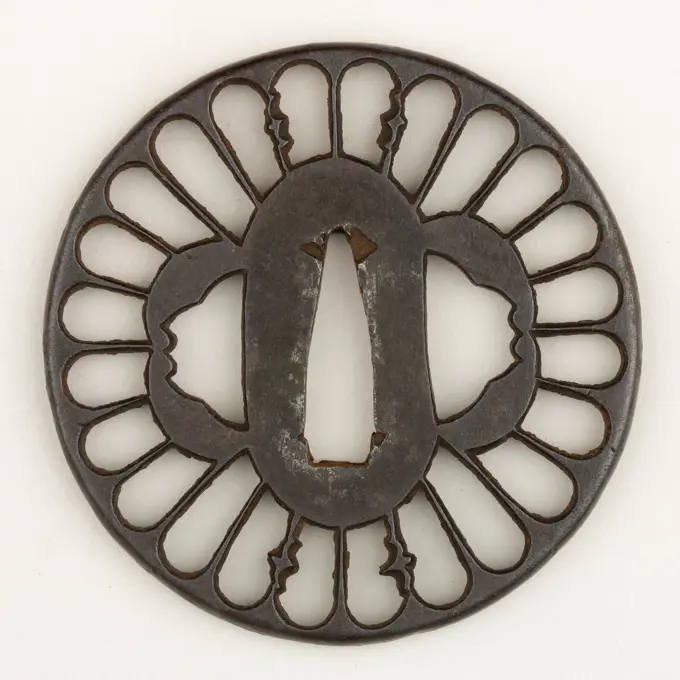
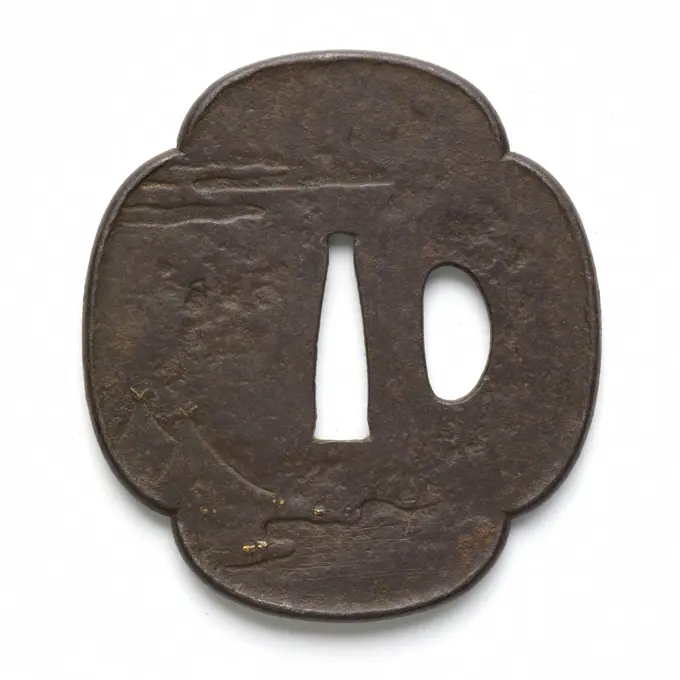
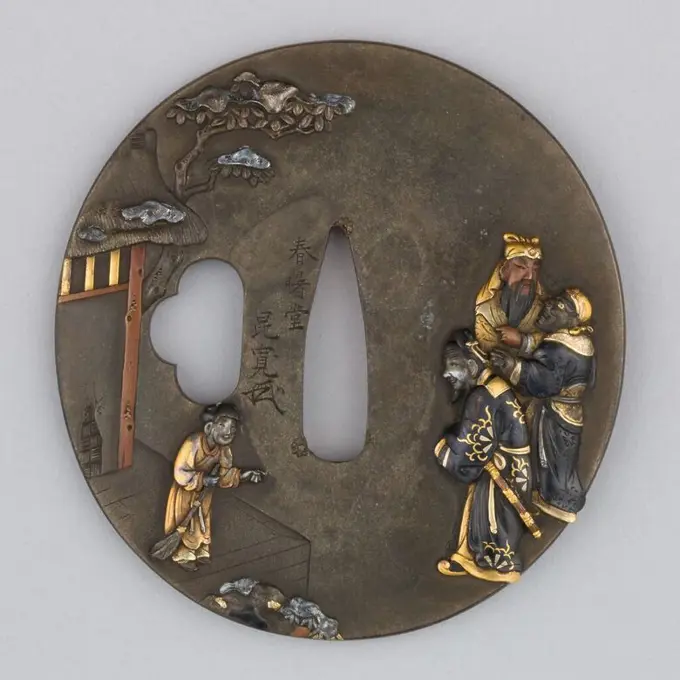
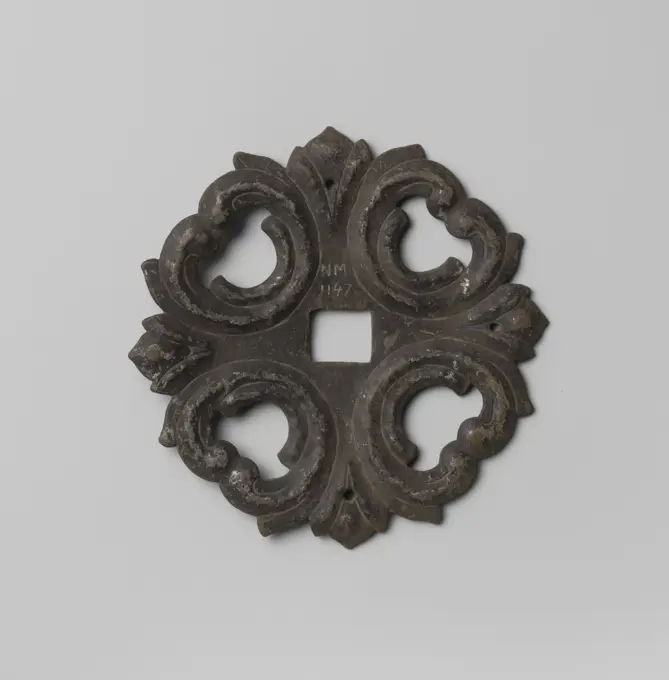
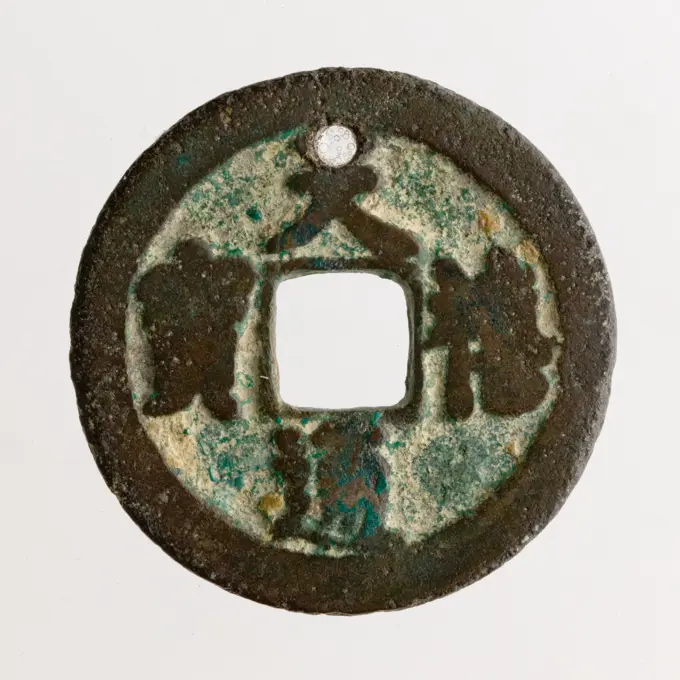
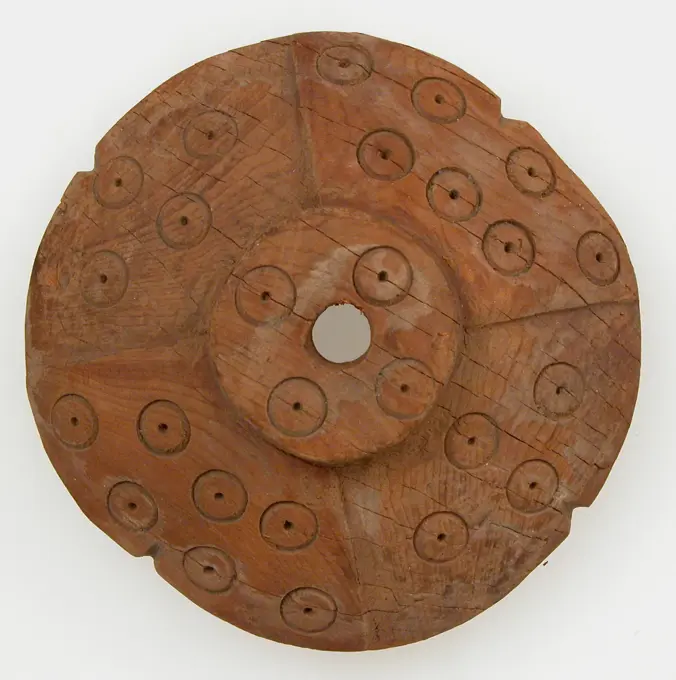
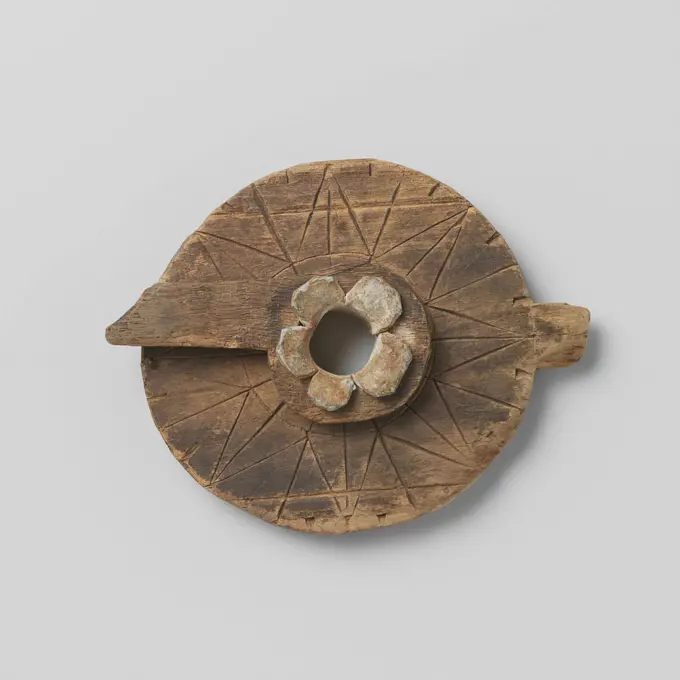
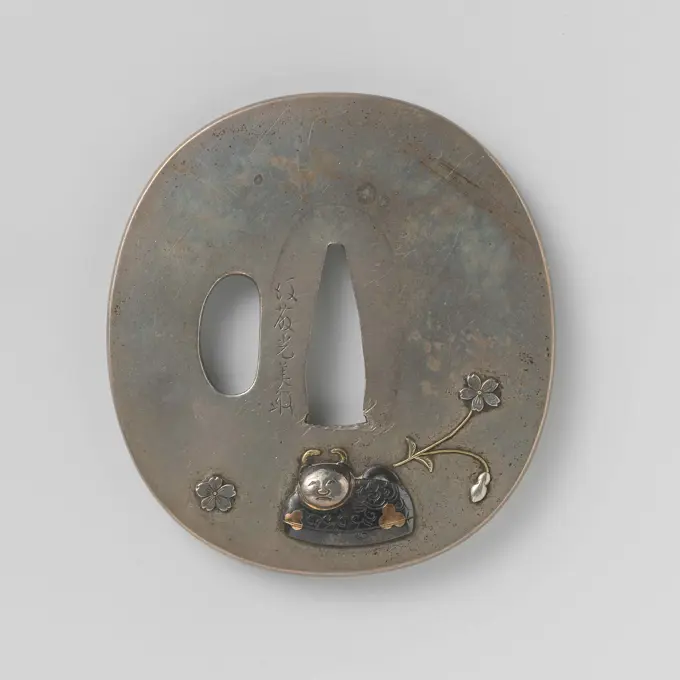
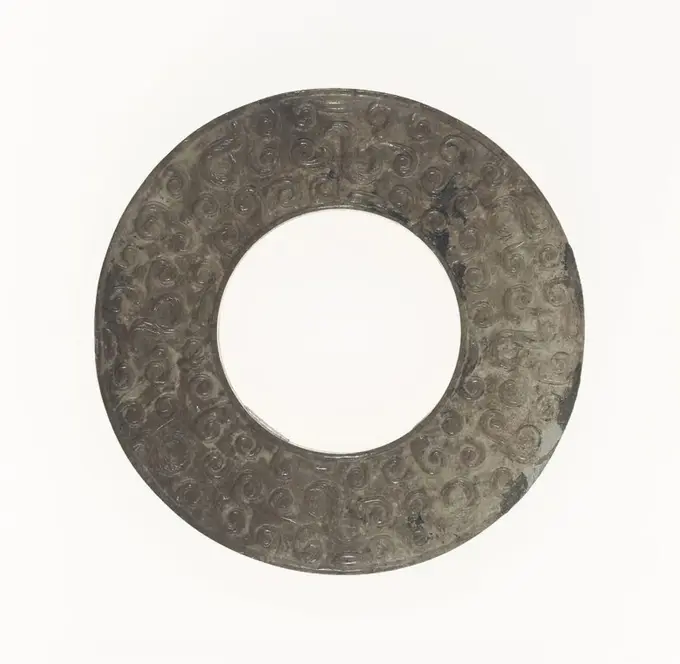
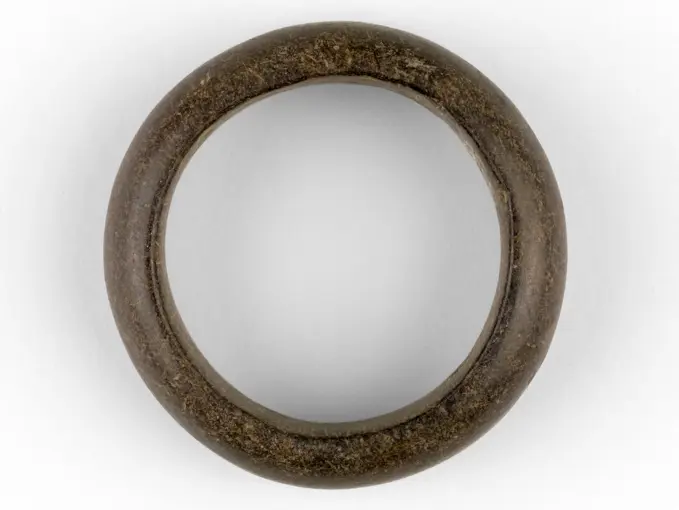
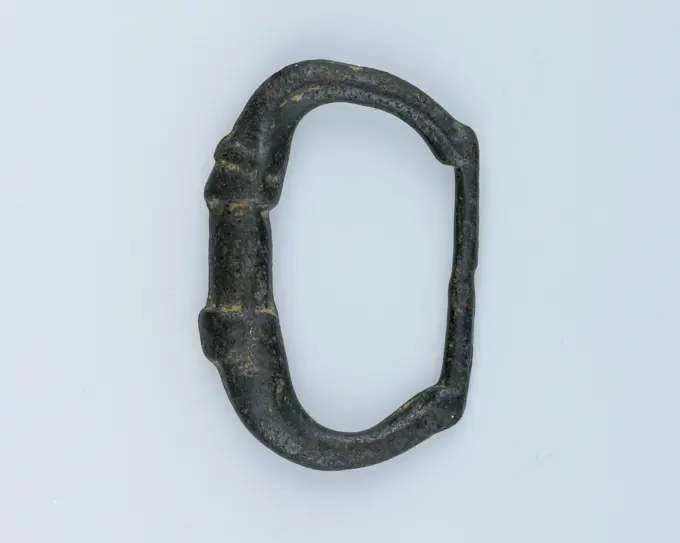
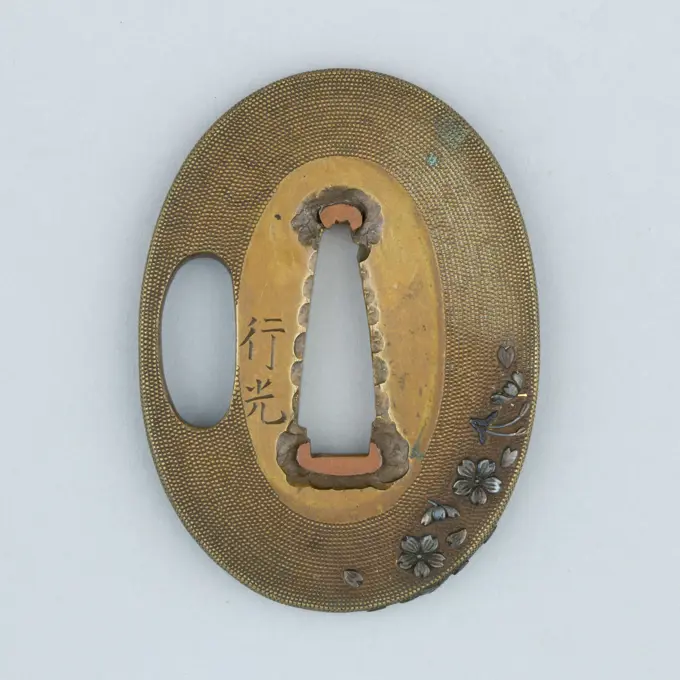
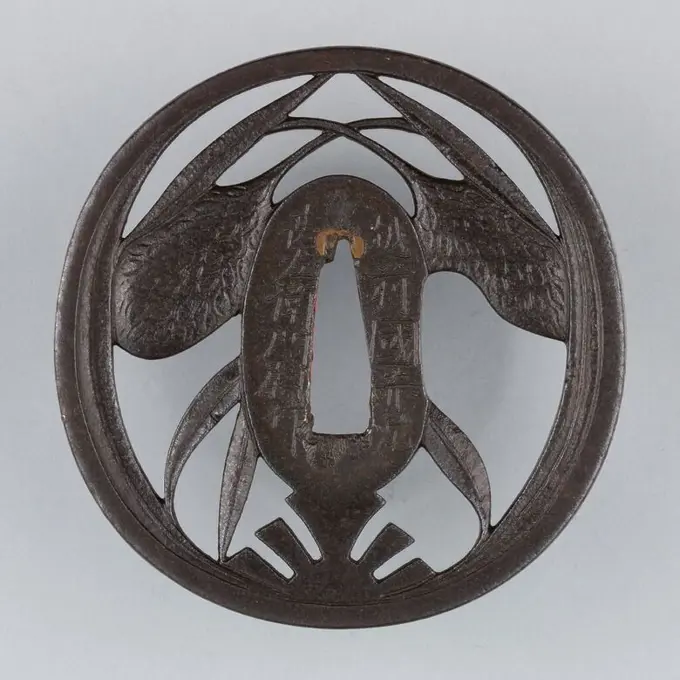
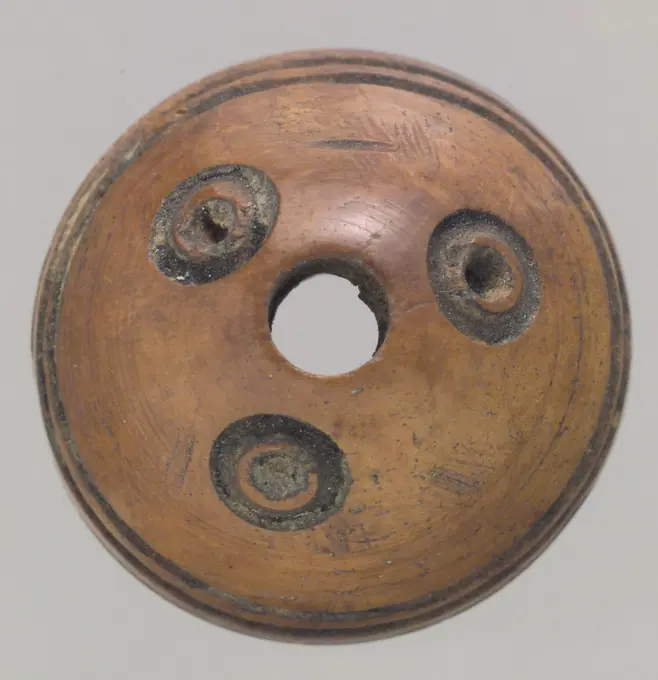
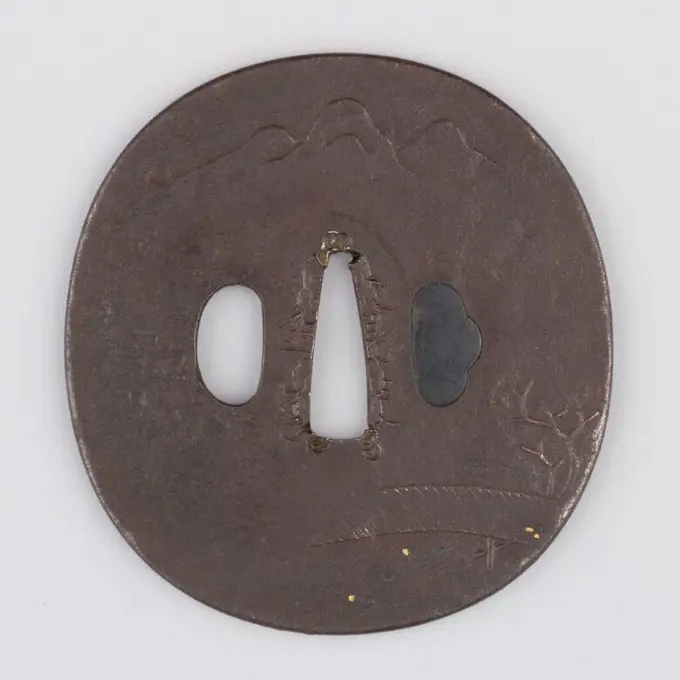
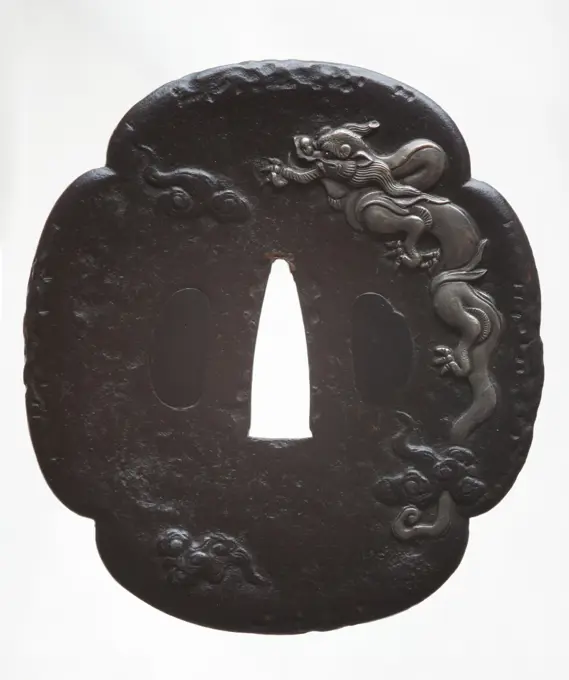
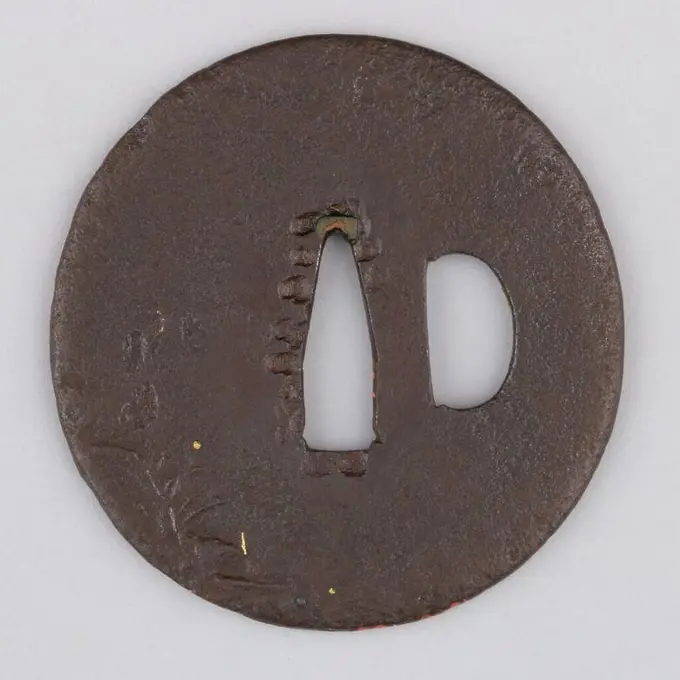
Jelec (Tsuba);  beginning of the 19th century (1801-00-00-1810-00-00);Sword Guard (Tsuba). Culture: Japanese. Dimensions: H. 2 3/4 in. (7 cm); W. 2 1/2 in. (6.4 cm); thickness 3/16 in. (0.5 cm); Wt. 3.5 oz. (99.2 g). Date: ca. 1615-1868. Museum: Metropolitan Museum of Art, New York, USA.Sword Guard (Tsuba). Culture: Japanese. Dimensions: H. 3 5/16 in. (8.4 cm); W. 2 15/16 in. (7.5 cm); thickness 3/16 in. (0.5 cm); Wt. 4.3 oz. (121.9 g). Date: late 17th century. Museum: Metropolitan Museum of Art, New York, USA.Sword Guard (Tsuba) 17th-18th century Japanese A tsuba is a sword guard and part of a sword mounting. It is mounted between the swords blade and grip to protect the users hands.. Sword Guard (Tsuba) 34946Sword Guard (Tsuba) ca. 1615-1868 Japanese A tsuba is a sword guard and part of a sword mounting. It is mounted between the swords blade and grip to protect the users hands.. Sword Guard (Tsuba) 33448Sword Guard (Tsuba) ca. 1615-1868 Japanese A tsuba is a sword guard and part of a sword mounting. It is mounted between the swords blade and grip to protect the users hands.. Sword Guard (Tsuba) 33442Sword Guard (Tsuba) late 18th-early 19th century Japanese A tsuba is a sword guard and part of a sword mounting. It is mounted between the swords blade and grip to protect the users hands.. Sword Guard (Tsuba) 25873Sword Guard (Tsuba) ca. 1615-1868 Japanese A tsuba is a sword guard and part of a sword mounting. It is mounted between the swords blade and grip to protect the users hands.. Sword Guard (Tsuba) 33450Sword Guard (Tsuba) late 17th century Japanese A tsuba is a sword guard and part of a sword mounting. It is mounted between the swords blade and grip to protect the users hands.. Sword Guard (Tsuba) 33455Sword Guard (Tsuba) 18th century Japanese A tsuba is a sword guard and part of a sword mounting. It is mounted between the swords blade and grip to protect the users hands.. Sword Guard (Tsuba) 26347Sword Guard (Tsuba) ca. 1615-1868 Japanese A tsuba is a sword guard and part of a sword mounting. It is mounted between the swords blade and grip to protect the users hands.. Sword Guard (Tsuba) 33480Sword Guard (Tsuba). Culture: Japanese. Dimensions: 2 3/4 x 2 5/8 in. (7 x 6.7 cm). Date: 17th-18th century. Museum: Metropolitan Museum of Art, New York, USA.Hand guard, anonymous, 1600 - 1699 Rectangular Tsuba with a horizontal and a vertical crossbar. Japan iron (metal) Rectangular Tsuba with a horizontal and a vertical crossbar. Japan iron (metal)Sword Guard (Tsuba). Culture: Japanese. Dimensions: H. 3 1/16 in. (7.8 cm); W. 2 13/16 in. (7.1 cm); thickness 1/4 in. (0.6 cm); Wt. 4.2 oz. (119.1 g). Date: 18th century. Museum: Metropolitan Museum of Art, New York, USA.Sword Guard (Tsuba) possibly 19th century Japanese A tsuba is a sword guard and part of a sword mounting. It is mounted between the swords blade and grip to protect the users hands.. Sword Guard (Tsuba) 33409Sword Guard (Tsuba) ca. 1615-1868 Japanese A tsuba is a sword guard and part of a sword mounting. It is mounted between the swords blade and grip to protect the users hands.. Sword Guard (Tsuba) 34382Hand guard, anonymous, 1600 - 1900 Oval tsuba with at the front in relief Congo Rikishi, one of the two temple guards (NIO); some details in gold nunome-zogan; A fence at the back. Japan iron (metal). gold (metal) Oval tsuba with at the front in relief Congo Rikishi, one of the two temple guards (NIO); some details in gold nunome-zogan; A fence at the back. Japan iron (metal). gold (metal)Sword Guard (Tsuba) 18th century Japanese A tsuba is a sword guard and part of a sword mounting. It is mounted between the swords blade and grip to protect the users hands.. Sword Guard (Tsuba) 26351Sword Guard (Tsuba). Culture: Japanese. Dimensions: H. 3 3/8 in. (8.6 cm); W. 3 1/4 in. (8.3 cm); thickness 5/16 in. (0.8 cm); Wt. 5.2 oz. (147.4 g). Date: ca. 1615-1868. Museum: Metropolitan Museum of Art, New York, USA.Sword Guard (Tsuba) ca. 1615-1868 Japanese A tsuba is a sword guard and part of a sword mounting. It is mounted between the swords blade and grip to protect the users hands.. Sword Guard (Tsuba) 33457Hand guard, Shoami Ietake (possibly), 1600 - 1699 Almost round tsuba with openwork decoration of two squares; On the outer edge of a decoration in silver of arabesken and on the edge of the square in a zigzag pattern; Signed "Yoshu Ju Shoami Ietake". Japan iron (metal). silver (metal) Almost round tsuba with openwork decoration of two squares; On the outer edge of a decoration in silver of arabesken and on the edge of the square in a zigzag pattern; Signed "Yoshu Ju Shoami Ietake". Japan iron (metal). silver (metal)Sheath; tetsu; Bequest of George Cameron Stone; 1936-4-1146-a/cSword Guard (Tsuba). Culture: Japanese. Dimensions: H. 3 3/16 in. (8.1 cm); W. 3 1/8 in. (7.9 cm); thickness 1/4 in. (0.6 cm); Wt. 4.8 oz. (136.1 g). Date: 17th century. Museum: Metropolitan Museum of Art, New York, USA.Sword Guard (Tsuba) 16th century Japanese A tsuba is a sword guard and part of a sword mounting. It is mounted between the swords blade and grip to protect the users hands.. Sword Guard (Tsuba) 35139Luckenbooth brooch -Saksonia , Denar of the Cross, between 1070 and 1100 unknownJelec (Tsuba); Migracks, shôami; 18th century (1701-00-00-1800-00-00);Sword Guard (Tsuba). Culture: Japanese. Dimensions: H. 2 5/8 in. (6.7 cm); W. 2 1/2 in. (6.4 cm); thickness 3/16 in. (0.5 cm); Wt. 4 oz. (113.4 g). Date: ca. 1615-1868. Museum: Metropolitan Museum of Art, New York, USA.Central Mount of Purse 7th century () Frankish. Central Mount of Purse 464953 Frankish, Central Mount of Purse, 7th century (), Silvered Copper alloy, Overall: 1 7/8 x 1/4 in. (4.7 x 0.6 cm) a only: 1 7/8 x 1 1/4 x 1/4 in. (4.7 x 3.1 x 0.6 cm) b only: 1 3/4 x 11/16 x 1/16 in. (4.4 x 1.7 x 0.1 cm). The Metropolitan Museum of Art, New York. Gift of J. Pierpont Morgan, 1917 (17.191.249a, b)Sword Guard (Tsuba). Culture: Japanese. Dimensions: Diam. 3 in. (7.6 cm); thickness 1/8 in. (0.3 cm); Wt. 3.1 oz. (87.9 g). Date: early 17th century. Museum: Metropolitan Museum of Art, New York, USA.Sword Guard (Tsuba). Culture: Japanese. Dimensions: H. 3 in. (7.6 cm); W. 2 7/8 in. (7.3 cm); thickness 3/16 in. (0.5 cm); Wt. 4.9 oz. (138.9 g). Date: ca. 1615-1868. Museum: Metropolitan Museum of Art, New York, USA.Sword Guard (Tsuba). Culture: Japanese. Dimensions: H. 2 3/4 in. (7 cm); W. 2 5/8 in. (6.7 cm); thickness 3/16 in. (0.5 cm); Wt. 3.3 oz. (93.6 g). Date: 18th century. Museum: Metropolitan Museum of Art, New York, USA.Sword Guard (Tsuba) ca. 1615-1868 Japanese A tsuba is a sword guard and part of a sword mounting. It is mounted between the swords blade and grip to protect the users hands.. Sword Guard (Tsuba) 33432Brooch -Brooch -Play disc with two holes and notches on both sides, disc game ground find lead metal, cast Round twice pierced archeology Rotterdam City Triangle Mariniersweg Kipstraat Hoogstraat play soil finding corner Mariniersweg Kipstraat Hoogstraat.. Oval tsuba with a man with a horse with branches or straw bosses in a mountain landscape with pine trees in Iroe-Taka-Zogan; At the rear a landscape and a cabin and a waterfall.Jelec (Tsuba); Kaneie; beginning of the 19th century (1801-00-00-1810-00-00);Tsuba. Japan. Fer. Paris, Muse Cernuschi. Assessment, armaments, Asian art, Japanese art, weapon custody, art object, metallic object, armament piece, tsubaSword Guard (Tsuba). Culture: Japanese. Dimensions: H. 2 5/8 in. (6.7 cm); W. 2 1/2 in. (6.4 cm); thickness 1/4 in. (0.6 cm); Wt. 3.6 oz. (102.1 g). Date: ca. 1615-1868. Museum: Metropolitan Museum of Art, New York, USA.Pearls. Glare, China, Iv-Iie s. to. J.-C. Par musée musée malée. Beauty, jewel, Asian civilization, Chinese civilization, pearl, glass, veroterie. Almost round tsuba; Flower drinks picked up on both sides in bronze on a very irregular surface.Sword Guard (Tsuba). Culture: Japanese. Dimensions: H. 2 3/4 in. (7 cm); W. 2 1/2 in. (6.4 cm); thickness 1/4 in. (0.6 cm); Wt. 4.4 oz. (124.7 g). Date: ca. 1615-1868. Museum: Metropolitan Museum of Art, New York, USA.Batter of Iron Beater Iron, decorated with leaf motifs, Anonymous, 1600 - 1800 Fittings for a door beater made of iron iron. Square opening in the middle. Around four closed C-Voluten with four three-leaves in between. West-Europa iron (metal). tin (metal) forging Fittings for a door beater made of iron iron. Square opening in the middle. Around four closed C-Voluten with four three-leaves in between. West-Europa iron (metal). tin (metal) forgingCash. Copper alloy, China, Song dynasty. Paris, Cernuschi museum. Amulet, Asian art, Chinese art, circle, Asian civilization, Chinese civilization, belief, disc, Song dynasty, currencySword Guard (Tsuba) ca. 1615-1868 Japanese A tsuba is a sword guard and part of a sword mounting. It is mounted between the swords blade and grip to protect the users hands.. Sword Guard (Tsuba) 33485Tsuba, Iron tetsu, Iron tsuba (sword hilt) with scalloped edges and flower-shaped piercings., Japan, 1596-1614, metalwork, Decorative Arts, TsubaSpindle Whorl 3rd-5th century Coptic. Spindle Whorl 475045Decorative Door Boss And Nail; steel-plated wrought ironMeasuring instrument, perhaps for measuring rates, consisting of a round wooden disk with a rotating pointer on a lead as. Measuring instrument (price meter) consisting of a round wooden disk with a rotating pointer on a lead as. On the top and bottom, a division in compass strokes is suspended, the main areas and intermediate streets are indicated by a star-shaped figure. Perhaps this was an instrument for measuring rates on a sea map or making a sketch of the route followed and mapping a sea area. It could also have been a compass judge for finding the corner between true and magnetic compass direction. The pointer has been demolished.Sword Guard (Tsuba). Culture: Japanese. Dimensions: H. 2 13/16 in. (7.1 cm); W. 2 3/4 in. (7 cm); thickness 3/16 in. (0.5 cm); Wt. 4.8 oz. (136.1 g). Date: ca. 1615-1868. Museum: Metropolitan Museum of Art, New York, USA.Plaque ". North-eastern China. Bronze, 5th century BC Paris, Cernuschi Museum. 59699-1 Chinese art, bronze, zoomorphic, animal, plate. Oval tsuba with a box in the form of a dog (inubariko) and some kerse blossoms at the front in Ire. a church blossom and two shells at the rear; Signed "Goto Mitsuyoshi".Ring. China. Date: 610 BC-390 BC. Dimensions: 4.6 × 1.4 × 0.5 cm (1 13/16 × 9/16 × 3/16 in.). Jade. Origin: China. Museum: The Chicago Art Institute, Chicago, USA.Shale bracelet. Iron Age Paris, Carnavalet museum. Fashion accessory, iron age, jewelry, bracelet, stone, protohistory, shaleBuckle Loop 16th century French. Buckle Loop. French. 16th century. Bronze. Miscellaneous-Buckles & OrnamentBrooch -Sword Guard (Tsuba) ca. 1615-1868 Japanese A tsuba is a sword guard and part of a sword mounting. It is mounted between the swords blade and grip to protect the users hands.. Sword Guard (Tsuba) 34471Sword Guard (Tsuba). Culture: Japanese. Dimensions: Diam. 3 1/16 in. (9.4 cm); thickness 1/8 in. (0.3 cm); Wt. 3.5 oz. (99.2 g). Date: first half 18th century. Museum: Metropolitan Museum of Art, New York, USA.Sword Guard (Tsuba). Culture: Japanese. Dimensions: Diam. 3 1/4 in. (8.3 cm); thickness 3/16 in. (0.5 cm); Wt. 2.9 oz. (82.2 g). Date: late 16th century. Museum: Metropolitan Museum of Art, New York, USA.Sword Guard (Tsuba). Culture: Japanese. Dimensions: Diam. 3 3/8 in. (8.6 cm); thickness 3/16 in. (0.5 cm); Wt. 3.8 oz. (107.7 g). Date: 18th century. Museum: Metropolitan Museum of Art, New York, USA.. Talam, sacrifice, bronze, in the middle a horn shell whose shape has been turned into a vegetative ornament.Excavated horseshoeTsuba. Signed: Hi-Shû Yagami-Jû Mitsuhiro: Mitsuhiro, resident of Yagami, in the province of Hizen, Yagami school. Japan. Iron inlaid with gold, 18th century. Paris, Cernuschi museum. Window, armament, Asian art, Japanese art, weapon custody, object of art, metallic object, armament piece, tsuba, 18th 18th 18th 18th 18th 18th 18Gold-colored round wire buckle, buckle, buckle fastener component soil find brass metal, archeologySword Guard (Tsuba). Culture: Japanese. Decorator: Inscribed by Honjo Yoshitane (Japanese, Edo period, 19th century). Dimensions: H. 2 3/4 in. (7 cm); W. 2 11/16 in. (6.8 cm); thickness 3/16 in. (0.5 cm); Wt. 3.7 oz. (104.9 g). Date: 19th century.Honjo Yoshitane is chiefly known as a masterful engraver of sword blades, but he also decorated some sword fittings, such as this tsuba. It features a design of a fisherman caught in a squall. Museum: Metropolitan Museum of Art, New York, USA.Center piece of brass buckle, consisting of three eyes, buckle harness clothing accessory clothing ground find copper brass metal, molded Middle part of brass buckle closure consisting of three eyes archeology Rotterdam City Triangle Oostplein New Harbor Confirmation Soil discovery: Oostplein end Nieuwe Haven 1985.Sword Guard (Tsuba). Culture: Japanese. Dimensions: H. 2 7/8 in. (7.3 cm); W. 2 1/4 in. (5.7 cm); thickness 1/8 in. (0.3 cm); Wt. 1.9 oz. (53.9 g). Date: ca. 3rd century-538. Museum: Metropolitan Museum of Art, New York, USA.Loop.Sword Guard (Tsuba). Culture: Japanese. Dimensions: Diam. 3 in. (7.6 cm); thickness 3/16 in. (0.5 cm); Wt. 3.4 oz. (96.4 g). Date: 16th century. Museum: Metropolitan Museum of Art, New York, USA.Sword Guard (Tsuba) ca. 1615-1868 Japanese A tsuba is a sword guard and part of a sword mounting. It is mounted between the swords blade and grip to protect the users hands.. Sword Guard (Tsuba) 33421Bead ca. 9th century B.C. Iran. Bead 325055Tsuba in the Tanaka School style. unknown, craftsmanPicture Frame, from the Hôtel Guimard; Designed by Hector Guimard ((French, 1867-1942)); France; fruitwood (pearwood), goldBelt hanger in the shape of an open heart with decorative function, belt accessory soil find tin metal, Cut-out heart with backward curved hook Can be clipped on belt archeology Rotterdam railway tunnel adornment Soil discovery: trajectory rail tunnel Rotterdam.Dragon Pendant, 1600-1100 BCE, 1 1/4 x 1 7/16 x 3/16 in. (3.18 x 3.65 x 0.48 cm), Translucent olive-green jade with traces of red pigment, China, 16th-11th century BCESword Guard (Tsuba). Culture: Japanese. Dimensions: H. 3 3/8 in. (8.6 cm); W. 3 3/16 in. (8.1 cm); thickness 3/16 in. (0.5 cm); Wt. 5.4 oz. (153.1 g). Date: ca. 1615-1868. Museum: Metropolitan Museum of Art, New York, USA.Brooch -Collar (China); cottonBrooch -Sword Guard (Tsuba). Culture: Japanese. Dimensions: H. 2 7/8 in. (7.3 cm); W. 2 5/8 in. (6.7 cm); thickness 1/4 in. (0.6 cm); Wt. 5 oz. (141.7 g). Date: ca. 1615-1868. Museum: Metropolitan Museum of Art, New York, USA.Waldhoorn bracket. Waldhoorn bracket. Signature: Des.1Sword Guard (Tsuba), c. 1615-1868. Japan, possibly Edo period (1615-1868). Iron; overall: 8.4 x 9 cm (3 5/16 x 3 9/16 in.).Tsuba  Srebrny Smok unknownBuckle ca. 100 B.C.-ca. 500 A.D. Ibero-Roman. Buckle. Ibero-Roman. ca. 100 B.C.-ca. 500 A.D.. Bronze. Miscellaneous-Buckles & OrnamentBuckle ca. 100 B.C.-ca. 500 A.D. Ibero-Roman. Buckle. Ibero-Roman. ca. 100 B.C.-ca. 500 A.D.. Bronze. Miscellaneous-Buckles & OrnamentJelec (Tsuba); Nakai, Tomoyuki, Nakai; beginning of the 18th century (1701-00-00-1710-00-00);Wedjat eye amulet. Dimensions: l. 1.9 cm (3/4 in). Dynasty: Dynasty 26-30. Date: 664-30 B.C..One of the most popular amulets in ancient Egypt, the wedjat eye represents the healed eye of the god Horus. It depicts a combination of a human and a falcon eye, since Horus was often associated with a falcon. Its ancient Egyptian name, wedjat, means "the one that is sound (again)." In Egyptian mythology Horus' eye was injured or stolen by the god Seth and then restored by Thoth. The wedjat eye embodies healing power and symbolizes rebirth. An amulet in this shape was thought to protect its wearer and to transfer the power of regeneration onto him or her. It was used by the living as well as for the dead. Museum: Metropolitan Museum of Art, New York, USA.Ring. China. Date: 500 BC-400 BC. Dimensions: Diam. 5.7 cm (2 1/4 in.); Thickness: 0.7 cm (3/10 in.). Jade. Origin: China. Museum: The Chicago Art Institute, Chicago, USA.Cash. Copper alloy, China, Song dynasty. Paris, Cernuschi museum. Amulet, Asian art, Chinese art, circle, Asian civilization, Chinese civilization, belief, disc, Song dynasty, currencySword Guard, mid-1800s. Japan, Edo period (1615-1868). Iron; diameter: 7.7 cm (3 1/16 in.).TsubaOh, I'm playing, S. d. Arquebuse de Charenton, S.D "bronze.Sword Guard (Tsuba). Culture: Japanese. Dimensions: H. 2 13/16 in. (7.1 cm); W. 2 11/16 in. (6.8 cm); thickness 1/8 in. (0.3 cm); Wt. 3.5 oz. (99.2 g). Date: ca. 1615-1868. Museum: Metropolitan Museum of Art, New York, USA.Pewter buckle, rectangular, framed relief embossed, marked, buckle fastener part soil find tin metal, cast Pewter shoe buckle. Rectangular shape. Flat frame embossed in relief. Marked and dated backside: D.C 34 archeology Rotterdam rail tunnel dressing wear fastening shoe shoe Soil discovery: Railway tunnel 1988-1993.Brakedate Halter; 15th century (1401-00-00-1500-00-00);Szymoński, Jan (1887-1954), Szymoński, Jan (1887-1954)-collections, boar head (iconogr.), One-sided coins, city coinsFederative Pact of the French, Federation Day, July 14, 1790 () Anonymous. Medal. Federative French Pact, Federation Day, July 14, 1790.Sword Guard (Tsuba). Culture: Japanese. Dimensions: H. 3 1/16 in. (7.8 cm); W. 2 7/8 in. (7.3 cm); thickness 3/16 in. (0.5 cm); Wt. 4.2 oz. (119.1 g). Date: 16th-17th century. Museum: Metropolitan Museum of Art, New York, USA.Brooch -Sword Guard (Tsuba) with Crickets and Chrysanthemums in Dew, c. 1615-1868. Japan, possibly Edo period (1615-1868). average: 6.1 x 6.7 cm (2 3/8 x 2 5/8 in.).