Japanese Sword Guards

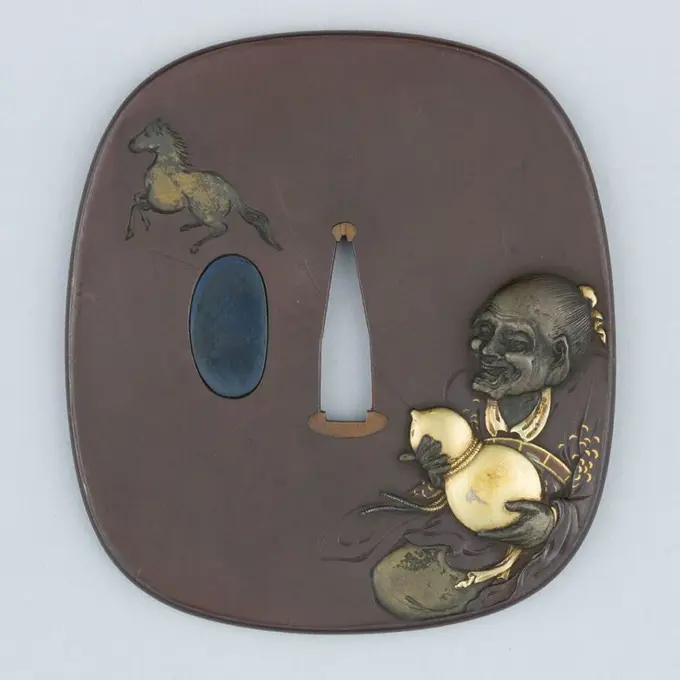
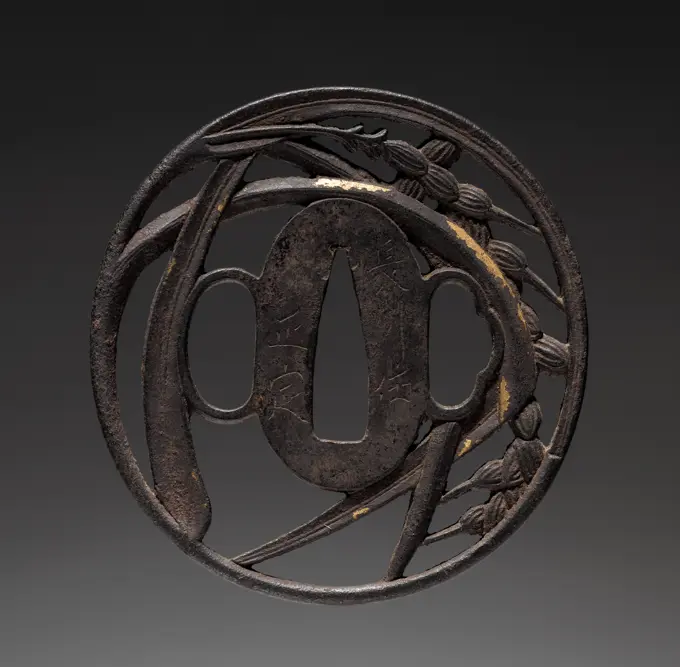
Artistic tsuba, or sword guards, featuring intricate designs and materials, highlighting the elegance of traditional Japanese sword fittings.

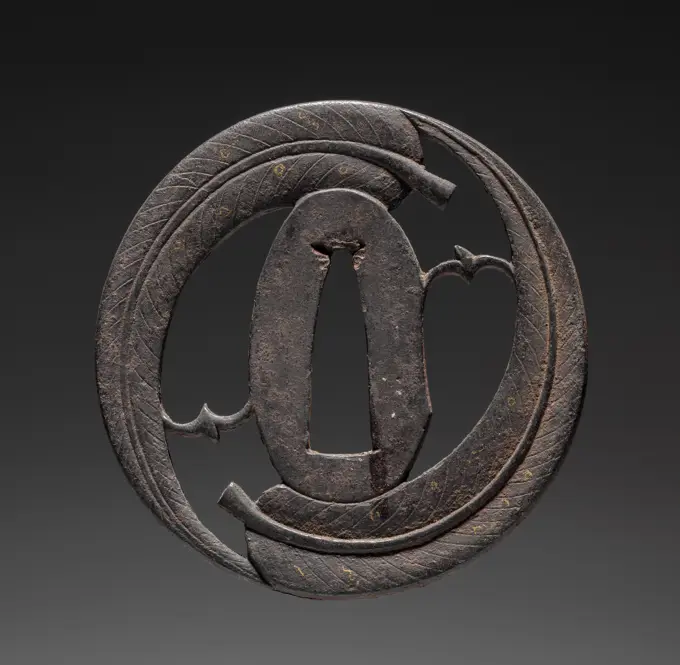
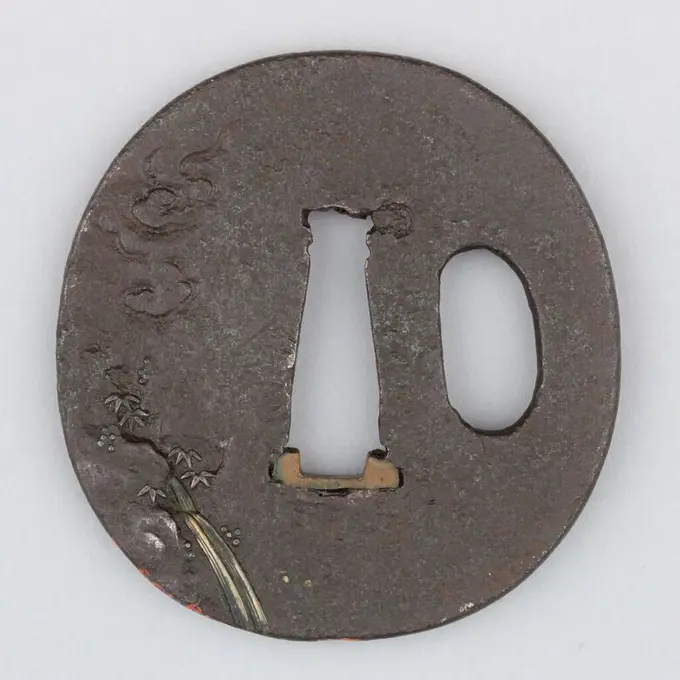
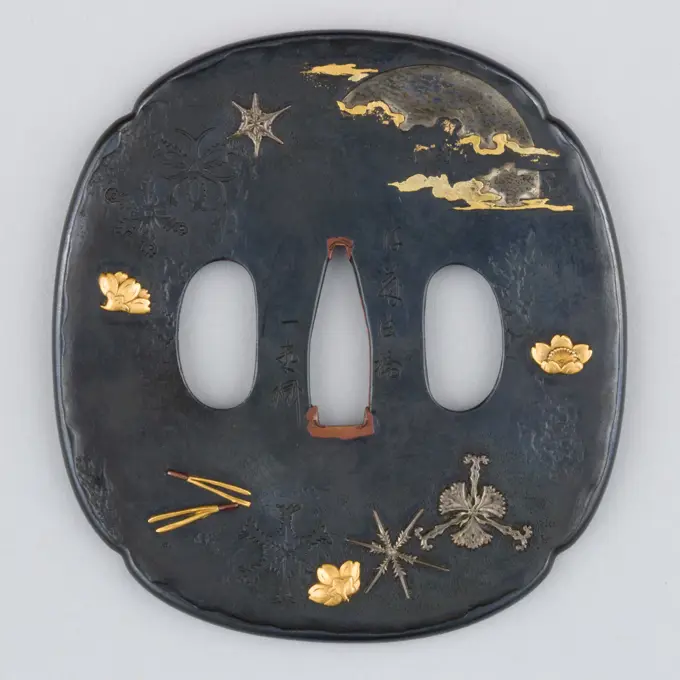
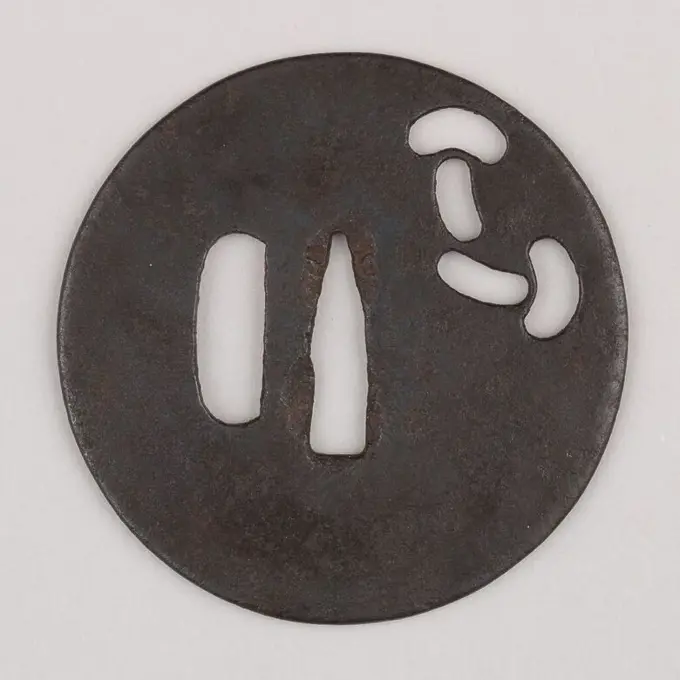
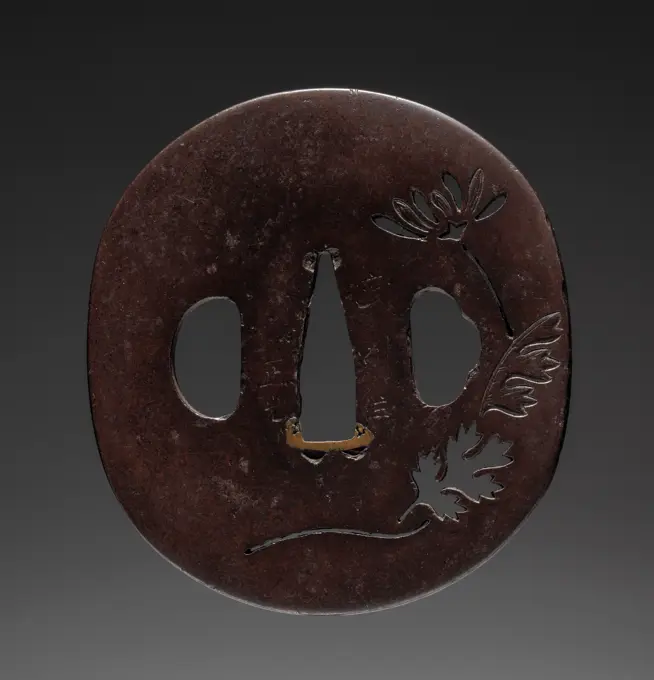
Sword Guard (Tsuba) ca. 1800 Japanese A tsuba is a sword guard and part of a sword mounting. It is mounted between the swords blade and grip to protect the users hands.. Sword Guard (Tsuba) 29963
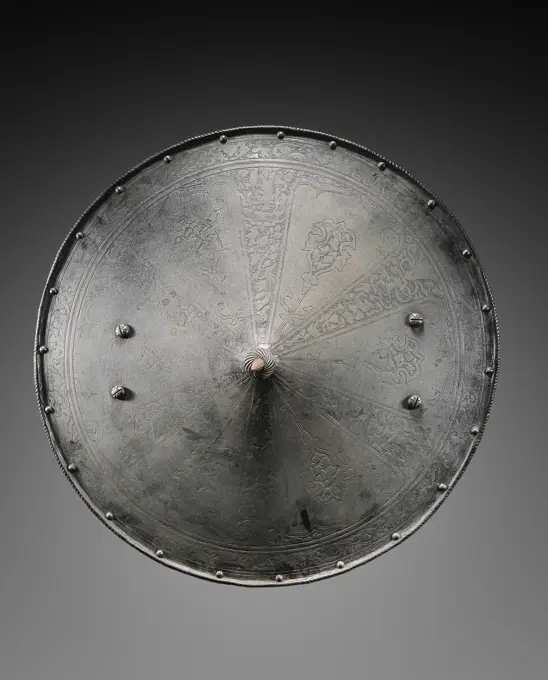
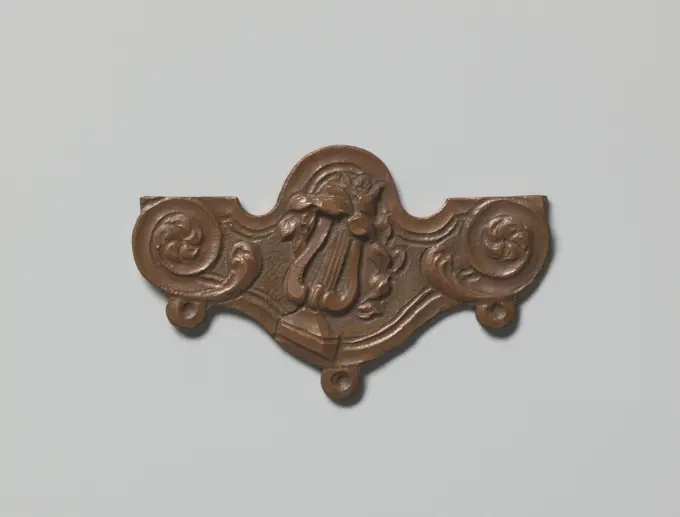
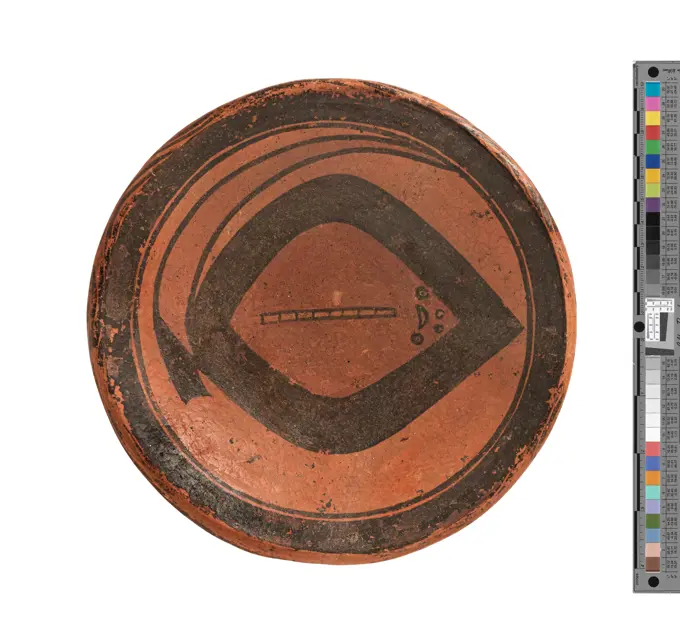
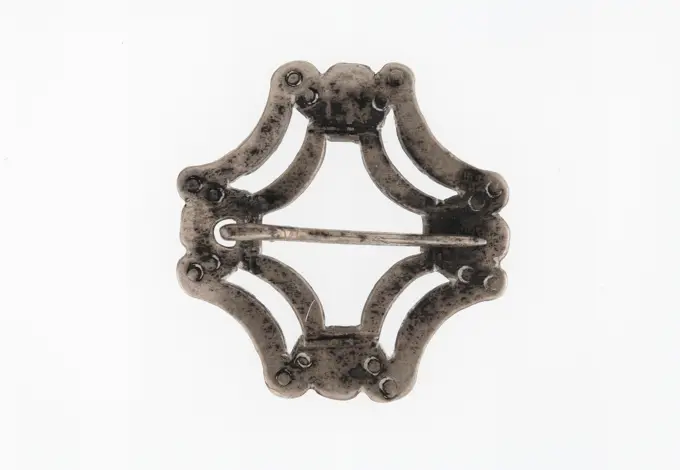
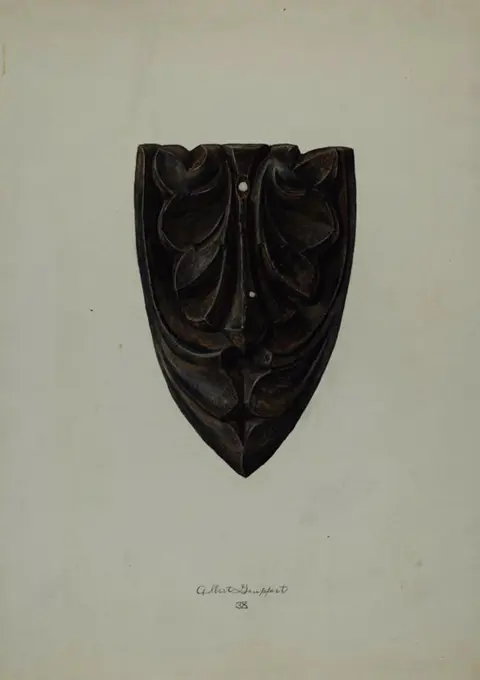
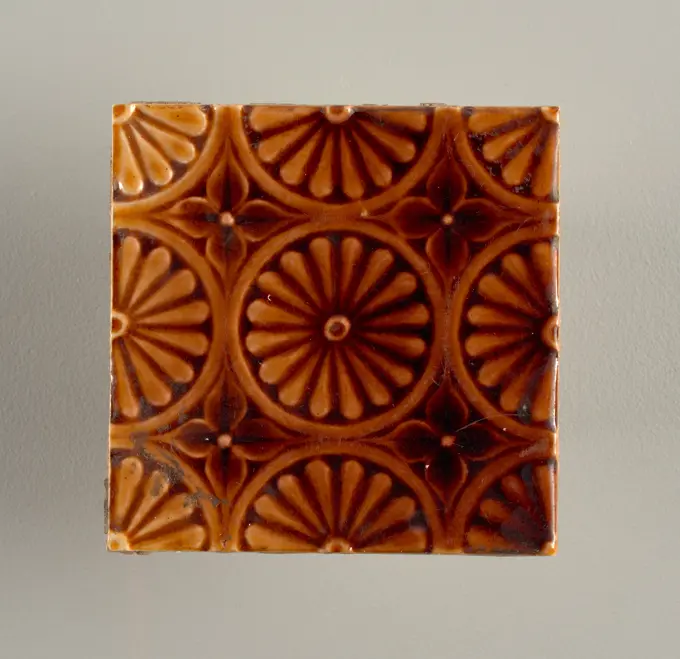
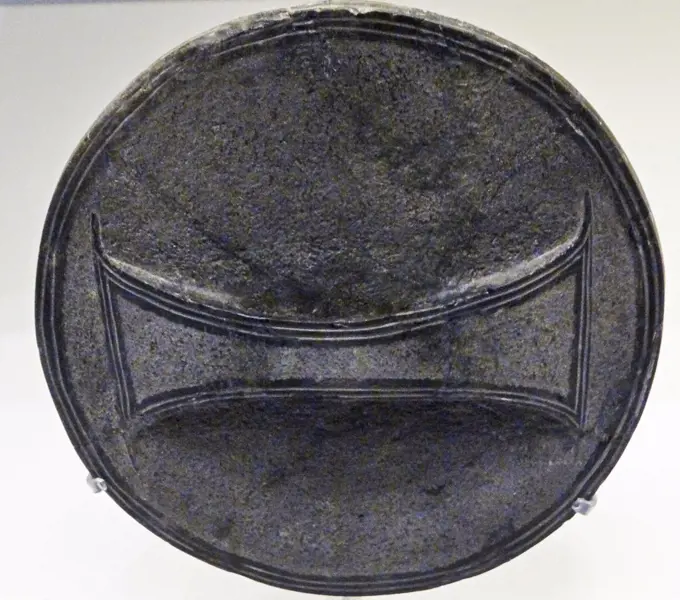
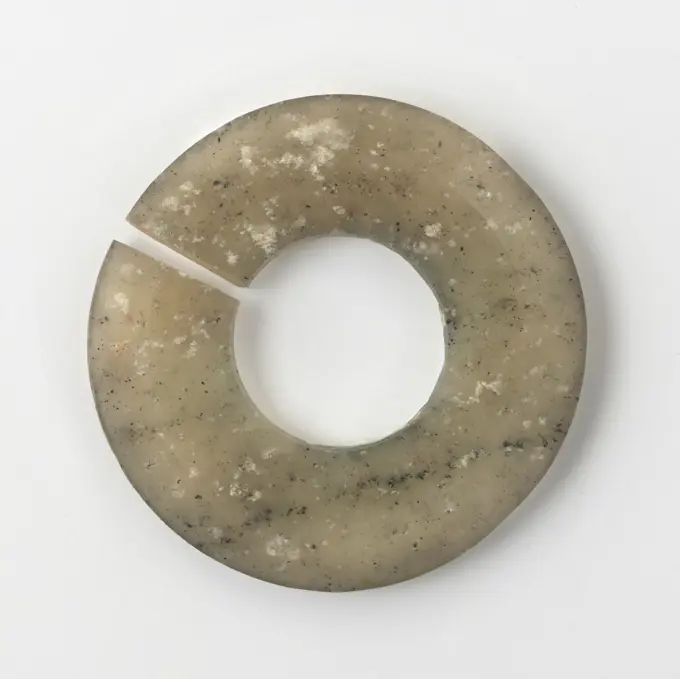
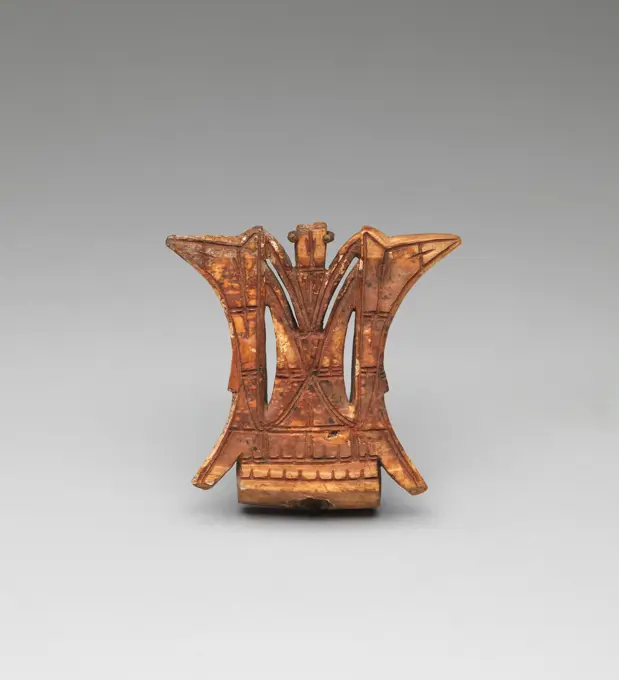
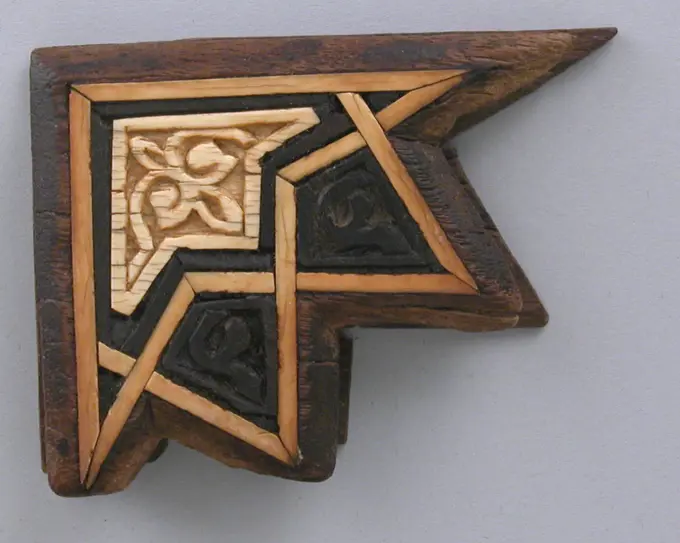
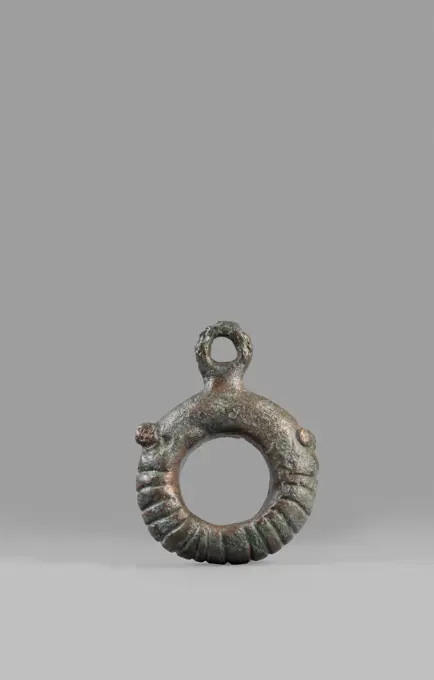
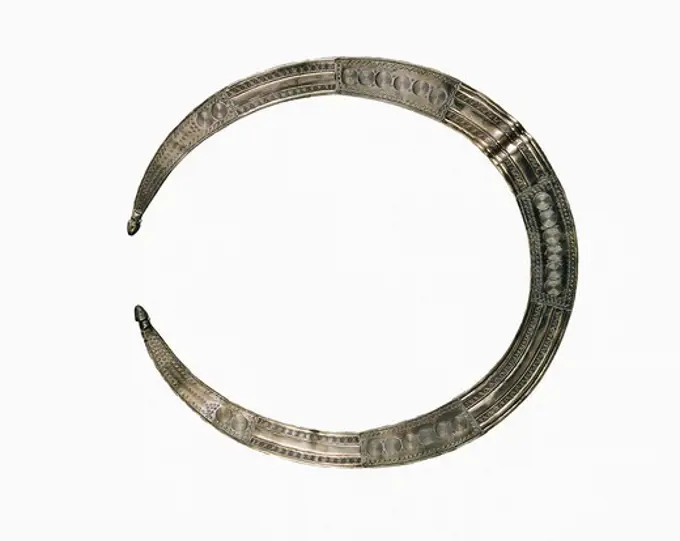
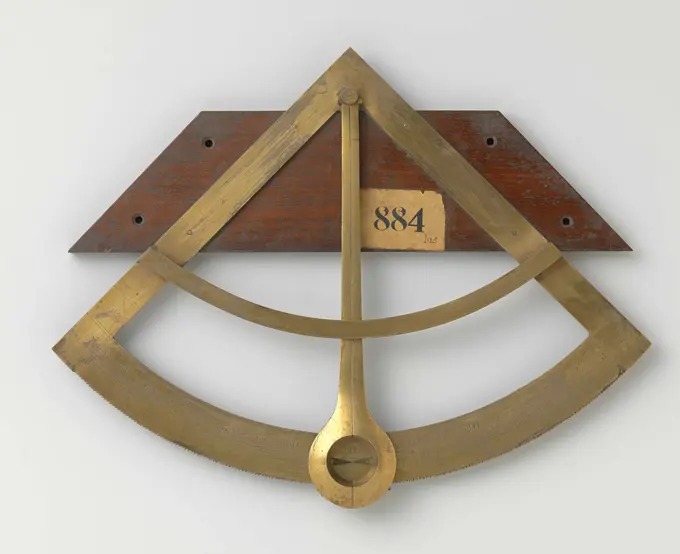
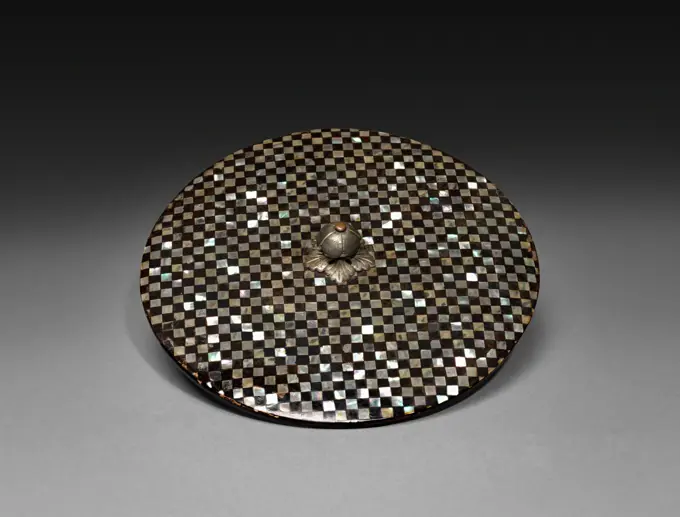
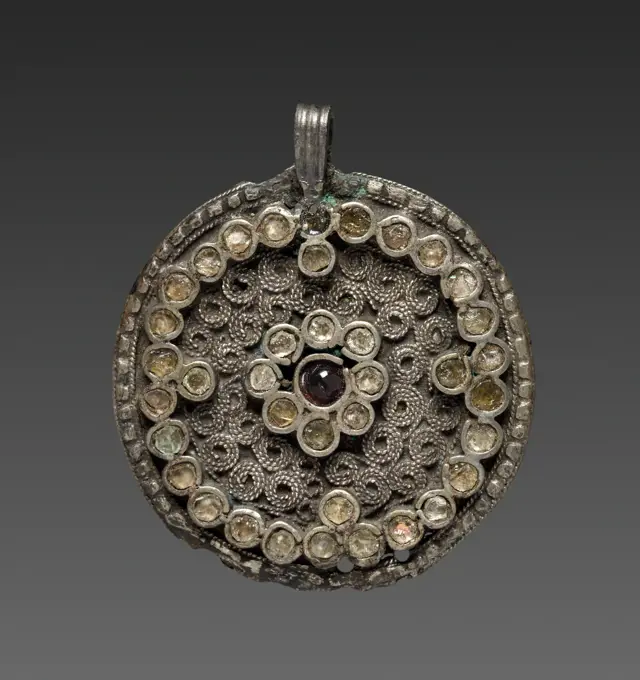
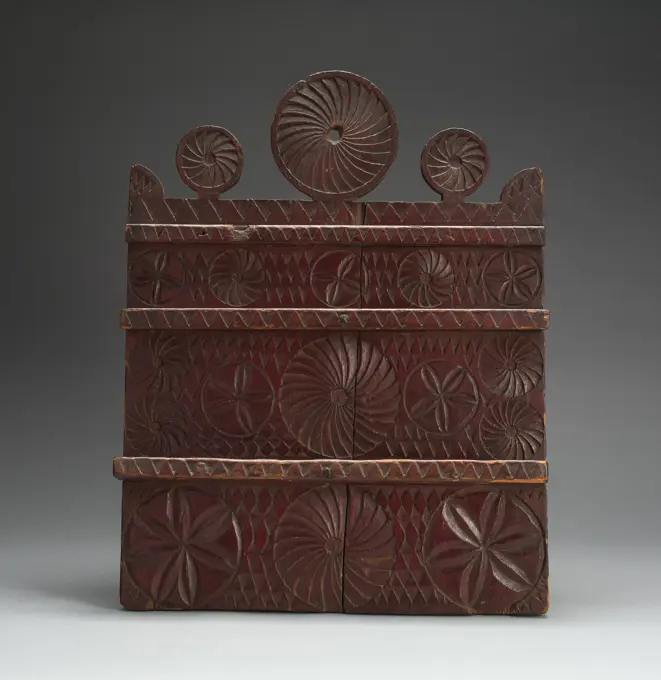
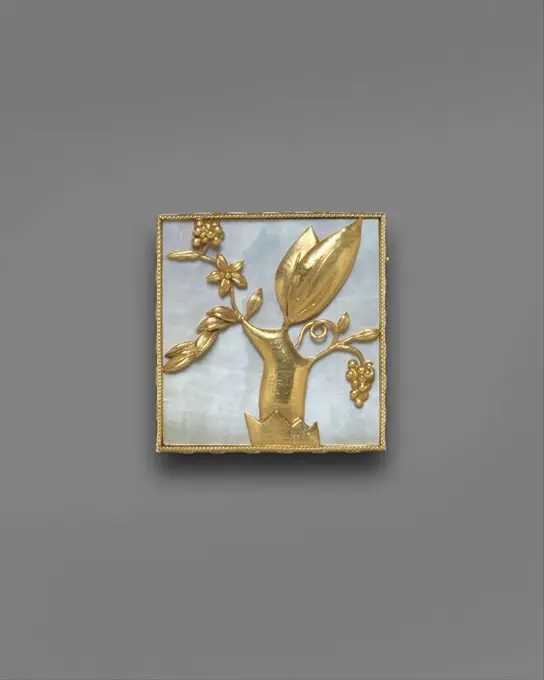
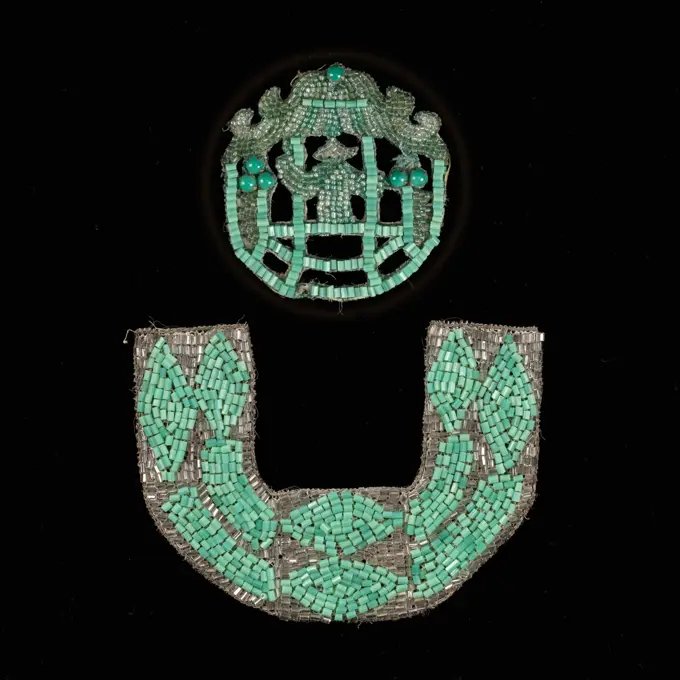
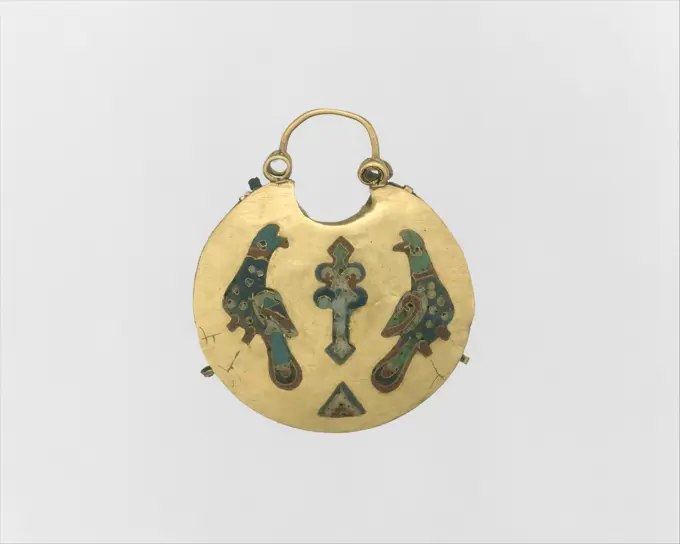
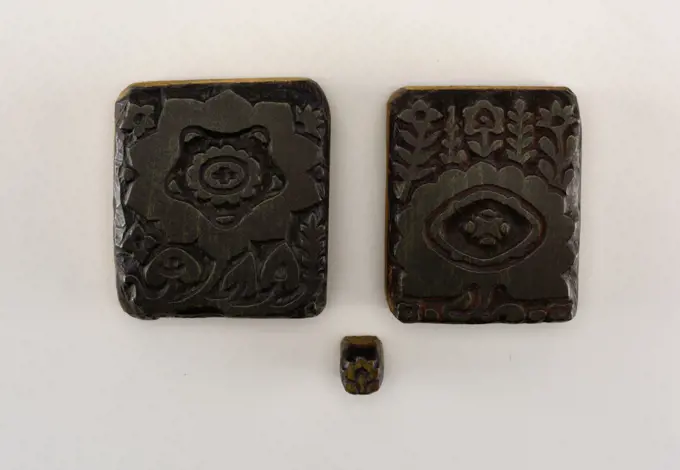
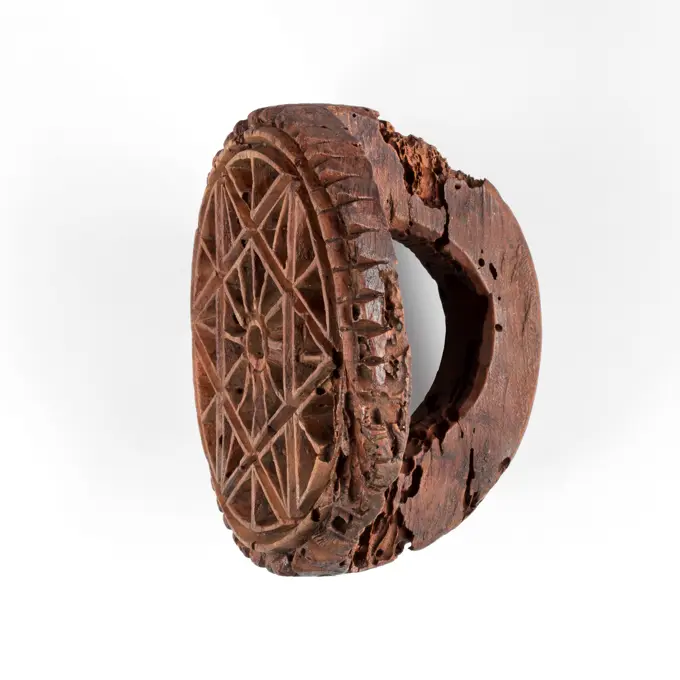
Tile. Tile, painted in yellow, manganese. Lobby rosette, in which an eight-pointed star. In the corners a quarter octos, with a thin line connected to the rosette.Sword Guard (Tsuba). Culture: Japanese. Dimensions: H. 3 1/4 in. (8.3 cm); W. 3 in. (7.6 cm). Date: 18th century. Museum: Metropolitan Museum of Art, New York, USA.Whip Socket. Dated: c. 1937. Dimensions: overall: 35.8 x 26.5 cm (14 1/8 x 10 7/16 in.) Original IAD Object: 7" high; 2" wide; 1 1/2" deep. Medium: watercolor, graphite, and pen and ink on paper. Museum: National Gallery of Art, Washington DC. Author: William McAuley.Brooch -Round Shield (Rondache), c. 1550-1600. North Italy, 16th century. Steel, etched panels, roped border; diameter: 56.5 cm (22 1/4 in.).Button or Bead 9th-10th century The dot-in-circle motif recalls designs presumed to be of magical significance, most likely an abstract eye to ward off the evil-eye, which serves an apotropaic function. Easily reproduced with a tool and visible in many cultures and times, this symbol may have lost its meaning, and become simply a decorative pattern, or may have one that we have not yet discovered.. Button or Bead 449223Dress of needle side with rosette in eight -pointed star, anonymous, c. 1925 - c. 1936  Dress of natural -colored needle side: reticella. Square model. The square is divided into four squares in which an eight -pointed star stands with a rosette with eight semicircular petals in the circular heart. Along the sides of the rug runs a narrow edge with a Spoorrils motif. Belgium linen (material)Model for a decorative element of a chatelaine, anonymous, c. 1775 - c. 1800 The model driven from plate for a mold has a decoration, consisting of a cracked winch and two rosettes in curly ornament on the corners. At the bottom of three eyes. Amsterdam copper (metal) The model driven from plate for a mold has a decoration, consisting of a cracked winch and two rosettes in curly ornament on the corners. At the bottom of three eyes. Amsterdam copper (metal)Pedestal plate with Stingray Design. Panama, Parita, Panama, 700-1000 CE. Ceramics. Slip-painted ceramicBowl 10th century. Bowl 449549Dishes of yellow-baking earthenware, with blue glaze on the top and bottom, on which a stylized painting of a flower on the flat, and stripes and dots on the edge, and on the back a pattern of semi-circles in blue, anonymous, C . 1500 - c. 1699 fragment   earthenware. glazeBrooch -Crowning Leaf. Dated: 1938. Dimensions: overall: 35.5 x 24.6 cm (14 x 9 11/16 in.). Medium: watercolor, graphite, and colored pencil on paper. Museum: National Gallery of Art, Washington DC. Author: Albert Geuppert.Sword Guard (Tsuba). Culture: Japanese. Dimensions: H. 3 1/4 in. (8.3 cm); W. 2 7/8 in. (7.3 cm); thickness 3/8 in. (1 cm); Wt. 6 oz. (170.1 g). Date: ca. 1615-1868. Museum: Metropolitan Museum of Art, New York, USA.Tile (USA); Manufactured by J. & J. G. Low Art Tile Works; glazed stonewarePlaque with mask designs 8th century B.C. China. Plaque with mask designs 64899Sword Guard (Tsuba), c. 1615-1868. Japan, possibly Edo period (1615-1868). Iron; diameter: 8.3 cm (3 1/4 in.).Sword Guard, 1615-1868. Japan, Edo period (1615-1868). Iron (Chosu type); diameter: 7 cm (2 3/4 in.).Obsidian mirror from Kabri, Wadi Rabah culture from 7,500 years ago. The mirror was found in a grave meaning that it could either have been a luxury item or something with magical connotations.Jean-Bertrand Andrieu (1763-1822)/Nicolas Brenet (1728-1792). Medal reverse. Back from the island of Elba. Metal, bronze. After 1815. Museum of Fine Arts of the City of Paris, Petit Palais. 58768-4 Bronze, medal, metal, inventory number, numismatics, reverseBrooch -Lid of turtle with Hertekop of silver (series of 28 pieces A to BB), Anonymous, c. 1700 - c. 1799 Turtle of turtle with Hertekop of silver (series from 28 pieces A to BB), Indonesia, 18th century Indonesia silver (metal) Turtle of turtle with Hertekop of silver (series from 28 pieces A to BB), Indonesia, 18th century Indonesia silver (metal)Dupré Augustin (1748 - 1833). Coin: Federative pact (title given by the author). Corner. Steel. in 1790. Paris, Carnavalet museum.Sword Guard, early 1800s. Japan, Edo period (1615-1868). Iron; diameter: 6.4 cm (2 1/2 in.).Split ring. Light green stone, gray veins. Provenance: Vietnam. Paris, Cernuschi museum. 78815-20 Ring, Archeological ObjectCarved wood picture frame isolated on white background.Brooch -Mirror Japan. Mirror. Japan. Bronze. Edo period (1615-1868). MirrorsHarpoon Counterweight 10th century Punuk In the last two millennia before the Common Era, the peoples who established themselves along the rim of the North Pacific Ocean between Asia and America were dependent for their livelihood to a great extent on the resources of the sea. Walrus, seal, and whale were significant to subsistence, and all were hunted. On the American side, the Bering Sea Eskimo were careful to decorate the ivory and wood tools with which they hunted. The beautifully balanced and elegantly incised objects were functional tools that were incised with spirit images and designs that honored the animals the hunters sought. Harpoon heads and foreshafts, and the socket pieces known as winged objects are salient examples. Also carved of walrus ivory were human figures, most frequently female. The purpose to which the enigmatic but equally elegant figures were put is unclear. Some authorities call them dolls-originally, they may have been dressed-while others call them ceremoBird Plaque Ornament 3rd century B.C.-A.D. 2nd century Vicús. Bird Plaque Ornament 315466Carnavalet museum, tokens collectionSand dollar by John KussSword Guard (Tsuba). Culture: Japanese. Dimensions: H. 3 1/4 in. (8.3 cm); W. 3 in. (7.6 cm); thickness 1/4 in. (0.6 cm); Wt. 5.9 oz. (167.3 g). Date: ca. 1615-1868. Museum: Metropolitan Museum of Art, New York, USA.Brooch -Lead wreath 6th-5th century B.C. Greek, Laconian Small flat votive figurines of cast lead have been found in great quantities at the ancient sanctuaries of Laconia; over one hundred thousand, dating from the seventh century B.C. to the Classical period, were dedicated to the goddess Artemis Orthia in Sparta.. Lead wreath 251737 Greek, Laconian, Lead wreath, 6th5th century B.C., Lead, Diameter: 5/8 in. (1.7 cm). The Metropolitan Museum of Art, New York. Gift of A. J. B. Wace, 1924 (24.195.171)Sword Guard (Tsuba). Culture: Japanese. Dimensions: H. 3 in. (7.6 cm); W. 2 3/4 in. (7 cm); thickness 3/16 in. (0.5 cm); Wt. 2.6 oz. (73.7 g). Date: ca. 1615-1868. Museum: Metropolitan Museum of Art, New York, USA.Rusty old fan isolated Vintage old rusted window fan isolated over white Copyright: xZoonar.com/ClaudioxDiviziax 7235139Amulet - znak życia anch. unknown, authorTable round, Medium: cotton, acetate Technique: embroidered on plain weave, Grey table round with an inner border of yellow-green squares outlined in blue with radiating spokes embroidered in brown, gold and light blue. Within the inner border are light blue crosses outlined in black that contain lobed floral forms in darker blue with yellow and green centers. Made from an embroidery kit. See 5896.42.2019., USA, ca. 1910, embroidery & stitching, Table roundWooden circle Decorative wooden pattern in circle shape with clipping path included Copyright: xZoonar.com/Baloncicix 14710309Slot, anonymous, 1400 - 1500 A lock. Gothic. A lock. Gothic.Sword Guard (Tsuba). Culture: Japanese. Dimensions: H. 2 3/8 in. (6 cm); W. 2 1/4 in. (5.7 cm); thickness 1/4 in. (0.6 cm); Wt. 2.1 oz. (59.5 g). Date: possibly 17th century. Museum: Metropolitan Museum of Art, New York, USA.Brooch -A few silver shoe spins, decorated with rocaille ornament, Toussaint Brunel, c. 1772 A pair of silver shoe pins, decorated with rocaille ornament. Middelburg silver (metal) A pair of silver shoe pins, decorated with rocaille ornament. Middelburg silver (metal)Wall Sconce (One of a Pair). Designed by William Arthur Smith Benson (English, 1854-1924); Made by W. A .S. Benson & Co. (England, 1880-1920); England, London. Date: 1880-1900. Dimensions: 27.9 × 29.2 × 22.9 cm (11 × 11 1/2 × 9 in.). Copper and brass. Origin: London. Museum: The Chicago Art Institute, Chicago, USA. Author: William Arthur Smith Benson.Rosette dated 1560 German, Saxony. Rosette. German, Saxony. dated 1560. Brass. Miscellaneous-Buckles & OrnamentBird Plaque, 2nd-3rd century, 5 3/16 x 10 in. (13.18 x 25.4 cm), Gilt bronze, China, 2nd-3rd centuryFragment of pocket sundial, sundial measuring instrument ground find brass metal h 0.4, cast engraved engraved Pocket sundial pocket Flat circle on which the hours are engraved Remains of the frame of the fin that could be folded up before casting shadow scale: T; 56789101112 12345678 archeology Rotterdam Noord Agniesebuurt Schiekade St. Franciscus Gasthuis timekeeping timekeeping arrangements soil conditions Schiekade first large waste pit under the foundation of the frontage of the St. Franciscus Gasthuis Rotterdam 18 March 1977.Batter of a door beater made of iron iron, decorated with French lilies, anonymous, 1600 - 1800 Fittings of a door beater from Vertind iron. The main shape is square. In the middle a circular opening with a square with slightly sharper points and heart -shaped recesses in the corners. Four French lilies are attached to the straight sides. West-Europa iron (metal). tin (metal) forging Fittings of a door beater from Vertind iron. The main shape is square. In the middle a circular opening with a square with slightly sharper points and heart -shaped recesses in the corners. Four French lilies are attached to the straight sides. West-Europa iron (metal). tin (metal) forgingBox and Cover, 16th century, 1 1/2 x 3 1/8 x 3 1/8 in. (3.8 x 7.9 x 7.9 cm), Red carved lacquer (tihong), China, 16th century, Carved lacquer involved building the lacquer up to a considerable thickness. A single color might be used, such as red lacquer (tihong) colored with cinnabar (red mercuric sulfide) as demonstrated here.Door Fitting. Syria or Egypt, 10th-11th century or possibly later. Metal. BronzeSword Guard (Tsuba) 19th century Japanese A tsuba is a sword guard and part of a sword mounting. It is mounted between the swords blade and grip to protect the users hands.. Sword Guard (Tsuba) 34360Old key and keyhole isolated on white backgroundArrowhead (Yanone) 18th century Japanese Although today Japanese warriors are renowned most for their swordsmanship, archery, especially from horseback, has been an essential part of samurai warfare and culture for centuries. Arrows were fitted with heads of varying shape according to their intended use in war, the hunt, or target practice. Arrowheads made for use on the battlefield incorporated different designs intended for specialized purposes such as the piercing of armor or to cause maximum damage to horses and unarmored personnel.Large arrowheads, pierced and elaborately chiseled with landscapes, birds, flowers, dragons, and Buddhist divinities, were created to be admired for the beauty of their metalwork and design rather than for use in archery. Such highly elaborate examples may have been made for presentation or as a votive offerings to a shrine.. Arrowhead (Yanone). Japanese. 18th century. Steel. Archery Equipment-ArrowheadsPanel 14th-15th century This small wooden panel probably formed the corner of a larger geometric design composed of many different shapes, including stars, tie-bars, polygonal elements, etc. Two polygonal panels in the collection (07.236.66 & 07.236.67) have similar designs and these three may have come from the same object. Such assemblages were common in Mamluk Egypt for wooden furnishings, as well as in doors and minbars for mosques. Similar designs can also be seen in other media, such as polychrome marble marquetry that was frequently employed as flooring or wall panels. The floor in the Damascus room (1970.170) is a stunning example of such complex design.. Panel 445116Zawieszka ozdobna z uprzęży końskiej. nieznany warsztat bliskowschodni, workshopGold Necklace. 7th - 6th c. BC. Celtic art. Jewelry. SPAIN. MADRID (AUTONOMOUS COMMUNITY). Madrid. National Museum of Archaeology. Proc: PORTUGAL. COIMBRA. Miranda do Corvo. Chao de Lamas.Sword Guard (Tsuba) ca. 1615-1868 Japanese A tsuba is a sword guard and part of a sword mounting. It is mounted between the swords blade and grip to protect the users hands.. Sword Guard (Tsuba) 25769Polychrome Gambling Tray. Yokuts; Central California, United States. Date: 1890-1900. Dimensions: Diam. 66 cm (26 in.). Plant fibers. Origin: California. Museum: The Chicago Art Institute, Chicago, USA.Buckle dated 1570 German. Buckle. German. dated 1570. Brass. Miscellaneous-Buckles & OrnamentLoop .Bliżej Kultury Gontarczyk, WiktorSaucer with horns and animals in a landscape, anonymous (possibly), c. 1800 - c. 1824  Porcelain saucer with a straight wall, painted on the glaze in email colors and gold. On the flat a gold medallion with an entry rosette. The wall with three times a rectangular compartment with leaf motifs in golds with a dog or a rabbit in a landscape. Between the courses a horn on a marbled background. Golden edge and golden line above the foot on the outside wall. Brussels porcelain. glaze. gold (metal) painting / gilding / vitrificationSword Guard (Tsuba). Culture: Japanese. Dimensions: Diam. 3 1/8 in. (7.9 cm); thickness 1/8 in. (0.3 cm); Wt. 3.3 oz. (93.6 g). Date: late 16th-early 17th century. Museum: Metropolitan Museum of Art, New York, USA.A A Copyright: xZoonar.com/Ax 807330Big cloth button closeup on white backgroundPlate; Eastern Mediterranean; 2nd - 3rd century; Glass; 1.7 x 14.7 cm (11,16 x 5 13,16 in.)Bulb Bowl China. Bulb Bowl. China. Porcelain. Qing dynasty (1644-1911), Yongzheng period (1723-35). CeramicsSupport; bronze (gilt)Green Tile with Star Design 12th-13th century. Green Tile with Star Design 456308Quadrant. Two almost identical clinometers to measure the maximum slope of a swinging ship. Both are made of brass, mounted on a wooden back plate with the center of the bow at the top. The bowl on the bow runs from 0 ° to 45 ° to each side. The outer edge of the arc has been struck, every side in the opposite direction. The two hands have polls against the back, which in the teeth seize: so they can only move outside along the arc. Hand, the pits can be released to return the hands to 0 °. Due to a small break from the Palrand, the hands cannot end up in each other's eighth of the arc. The teeth from one quadrant (A) divide the bow in a quarter degrees, which on the second (b) in half degrees. The hands on the first quadrant (a) walk with small rolls over the degree arch. When the ship swapped, every wiser turned out to the side where the ship told and gave up the maximum slope. Combined descriptionClose-up of a fence carved into the shape of a flower. Close up of a wooden fence carved with a simple floral pattern. Copyright: xZoonar.com/SuthepxTangphanx 21315668Sword Guard, early 1800s. Japan, Edo period (1615-1868). Iron (Choshu type); diameter: 6.7 cm (2 5/8 in.).Tile ca. 1882-84 J. and J. G. Low Art Tile Works. Tile 8534Wine Ewer (lid), late 1700's. Japan, late 18th century. Lacquer, nacre and metal; overall: 15.9 x 20.3 cm (6 1/4 x 8 in.); outer diameter: 9.3 cm (3 11/16 in.).Brooch -. Oval tsuba with chrysanthemums in positive silhouette and raised relief; The points of the leaves are golden; Signed "Inaba Ju Naonutsu".Disk Pendant, 300s-700s. Merovingian, Migration period, 4th-8th Centuries. Silver with glass inlays; diameter: 5 cm (1 15/16 in.).Carved wood picture frame isolated on white background.Spoon Rack c 1750-1850 New Jersey. White pine . Artist unknownBrooch. Designer: Dagobert Peche (Austrian, St. Michael im Lungau 1887-1923 Mödling bei Wien). Dimensions: H. 1-5/8 × W. 1-5/8 × D. 1/8 in. (4.1 × 4.1 × 0.3 cm). Manufacturer: Wiener Werkstätte. Date: ca. 1922. Museum: Metropolitan Museum of Art, New York, USA.Close-up of a decorated bowl, Milan, Lombardy, Italyblueberry pie blueberry pie isolated on a white background Copyright: xZoonar.com/RuslanxGrigolavax 3104665Horn paintingScaraboid with a Persian King Fighting a Greek Hoplite. UnknownMedal: Loïe Fuller (reverse), 1900. Pierre Roche (French, 1855-1922). Bronze; diameter: 19.1 cm (7 1/2 in.).Plate; Koenigliche Porzellan Manufaktur (KPM; Berlin; 1763-1918); 1870-82 (1823-00-00-1832-00-00);Sword Guard (Tsuba), early 1800s. Japan, Edo period (1615-1868). Iron (Akao type); average: 7 x 7.7 cm (2 3/4 x 3 1/16 in.).Dress ornaments ". Green and silver tubes. 1920s. Galliera, fashion museum of the city of Paris. 74725-20 Fashion accessory, jewelry, embroidery, haute couture, female mode, pearl, transparent, greenHand guard with cherry trees and pheasants, Ishiguro Masatsune, c. 1800 - c. 1850 Rounded rectangular tsuba with two pheasants at the front in Iroe-Taka-Zogan in a flowering cherry tree; Blossom branches and a current at the rear; Inscriptions "Minamoto Kagekuni Kitan" and "Soun No Zu"; Signed "Ishiguro Tominsai Masatsune". Japan iron (metal). gold (metal).. copper (metal) Rounded rectangular tsuba with two pheasants at the front in Iroe-Taka-Zogan in a flowering cherry tree; Blossom branches and a current at the rear; Inscriptions "Minamoto Kagekuni Kitan" and "Soun No Zu"; Signed "Ishiguro Tominsai Masatsune". Japan iron (metal). gold (metal).. copper (metal)Luckenbooth brooch -Dish (one of a pair) (part of a set) 1714/15 Lewis Mettayer British When Sir Paul Methuen embarked on his ambassadorial mission to Spain in 1714, he ordered a set of seventeen fruit dishes, of which these five survive (68.141.288-.292). They were used during the dessert service, when they were piled high with candied fruits, sweetmeats, and pastries and arranged in a perfectly symmetrical pattern on the table.. Dish (one of a pair) (part of a set) 205049One of a Pair of Temple Pendants, with Two Birds Flanking a Tree of Life (front) and Leaf and Rosette Motifs (back) 11th-12th century Kievan Rus' When Kievan Rus, a powerful new state to the north of the Byzantine Empire, accepted Christianity as its official religion in 988, the aristocracy also adopted the manners and dress of the Byzantine court. Local artists soon produced their own versions of Constatinopolitan fashions. This temple pendant of precious metals worked in cloisonné enamel or niello are local variants of the more intricately detailed works made for the Byzantine court.As in Byzantium, temple pendants may have been worn next to the face by both the men and the women of Rus. The works shown here were perhaps buried by their owners when the Mongol armies under Batu Khan sacked Kiev in 1240.. One of a Pair of Temple Pendants, with Two Birds Flanking a Tree of Life (front) and Leaf and Rosette Motifs (back) 464573Sabi Space, a collection of easy-to-install storage and organisation products, designed by Map Project Office, UK for Sabi, USA.War mask pongdudu, made by Boa people (Congo). Used to engender fear in the enemy and served during war and dances. African art. Decorative Arts. BELGIUM. FLANDERS. BRABANT. Tervuren. MusŽe Royal de l'Afrique Central (Royal Museum for Central Africa).Pair of ear-plugs, Brass, glass-setting, Pair of brass ear-plugs, round. Red Setting of glass on composition. Ornament, concentric circles (4) of grain-like pattern with holes punched to emphasize separate grains., India, probably 19th century, metalwork, Decorative Arts, Pair of ear-plugsBroochu isolated rusted letter with gears on white u isolated rusted letter with gears on white Copyright: xZoonar.com/OxanaxRishnyakx 8950583Printing blocks, Medium: wood, Three wood blocks used to print the patterns on 1977-77-1, 2, 3., USA, 1905-19, appliances & tools, Printing blocksBake  stamp; Unknown Egyptian workshop; XIII-XV century (1201-00-00-1500-00-00);Czartoryska, Maria Ludwika (1883-1958) - collection, geometric decorations, carved decorations, seals, woodcarving