Japanese Sword Guards

Artistic tsuba, or sword guards, featuring intricate designs and materials, highlighting the elegance of traditional Japanese sword fittings.

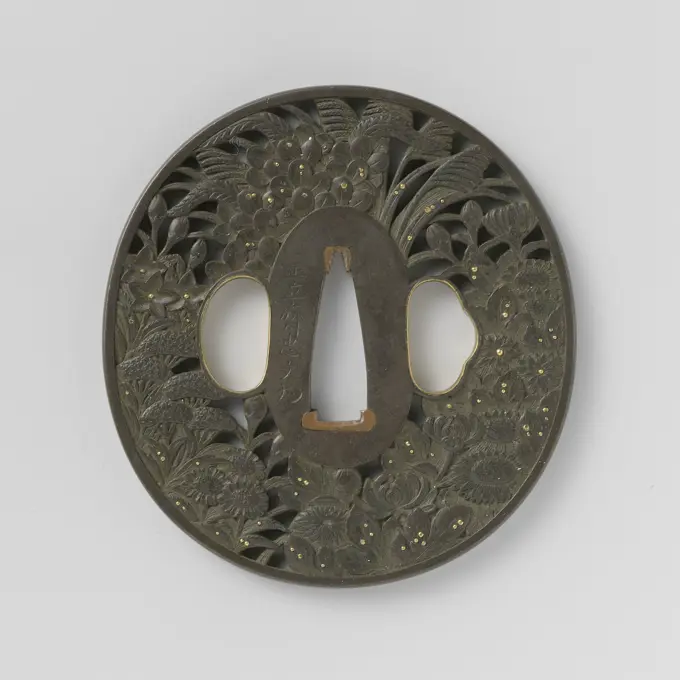
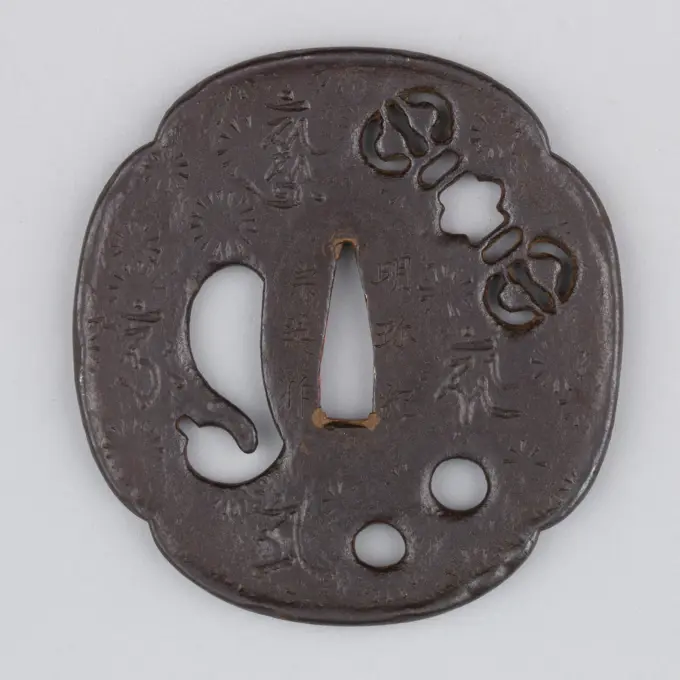
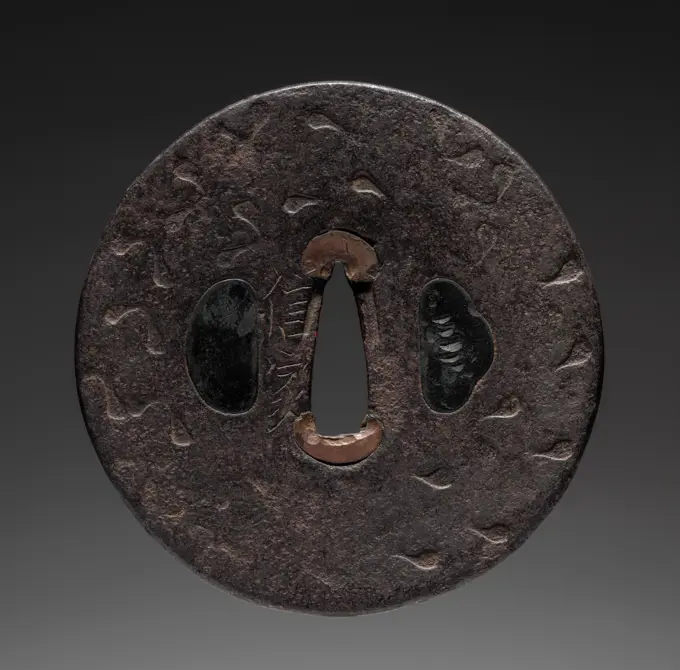
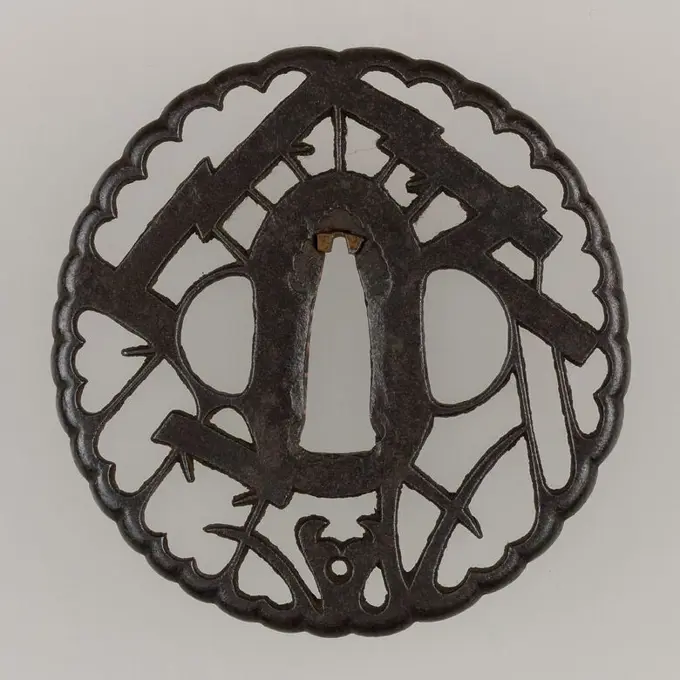
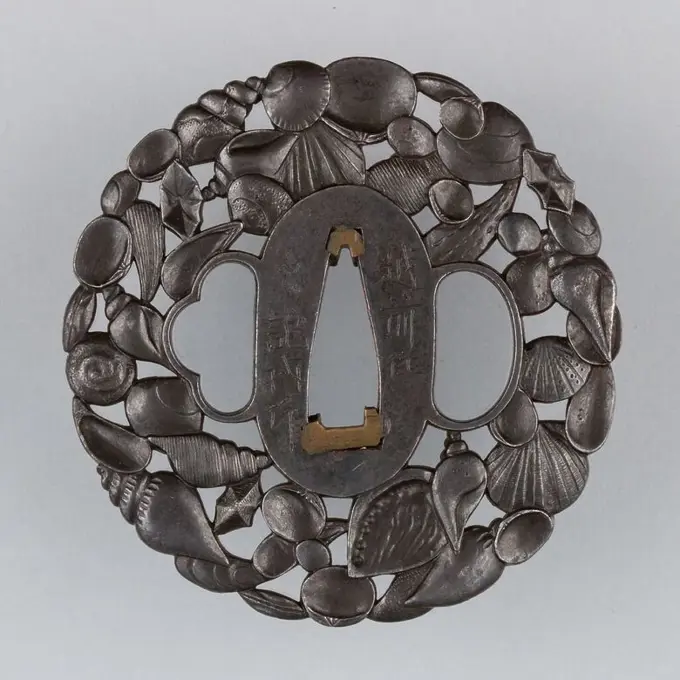
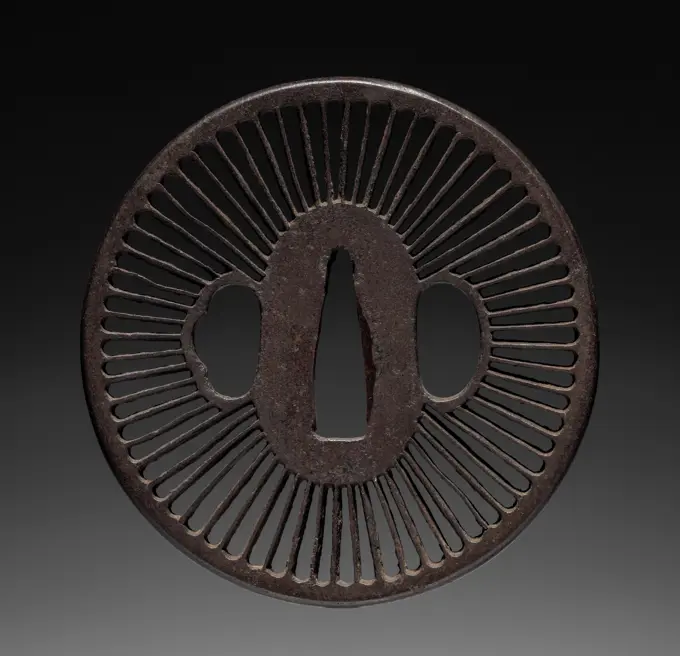
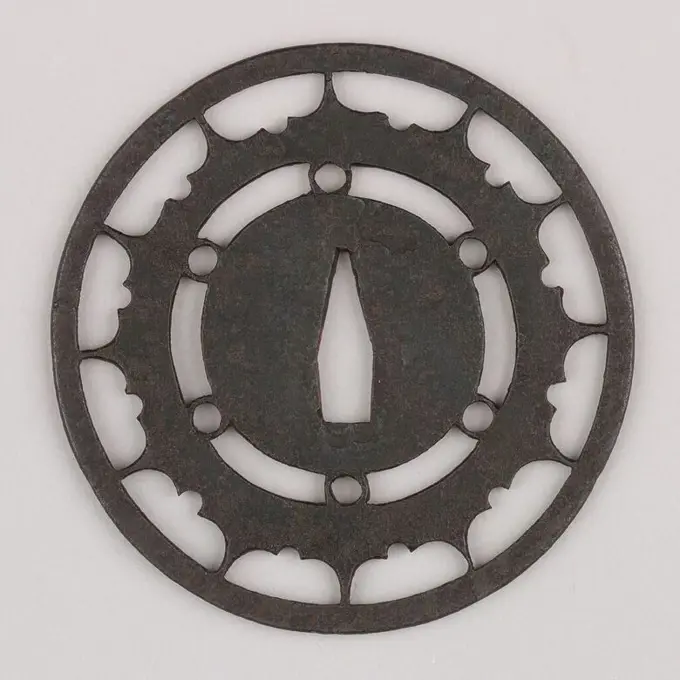
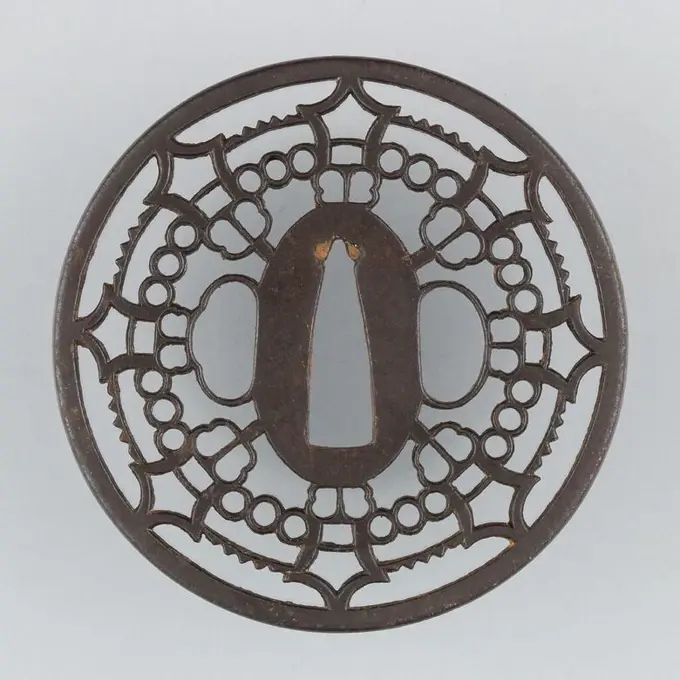
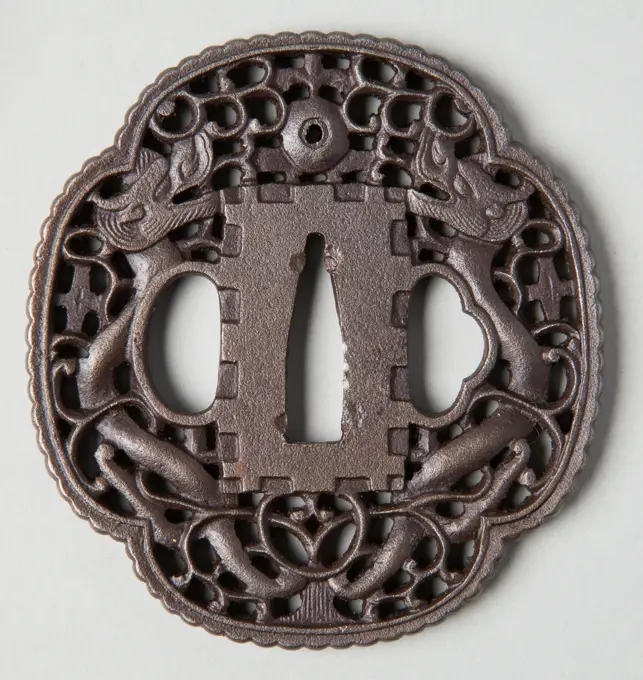
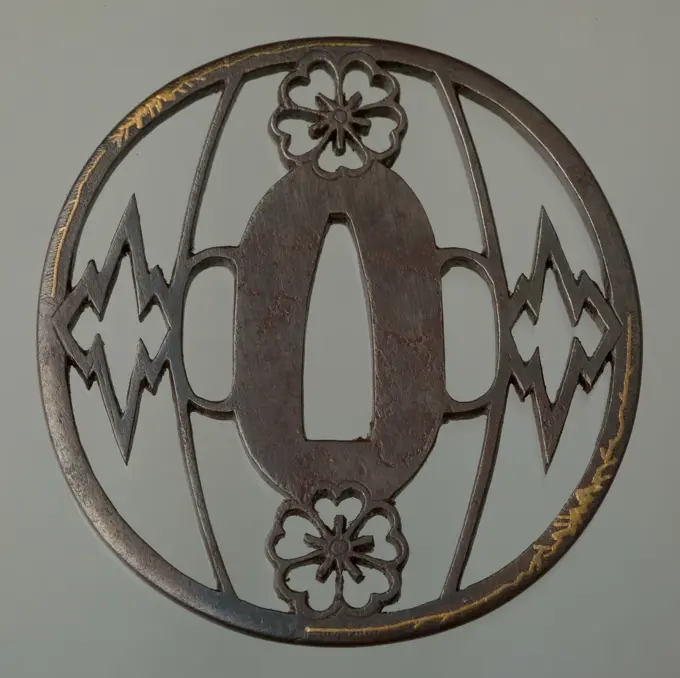
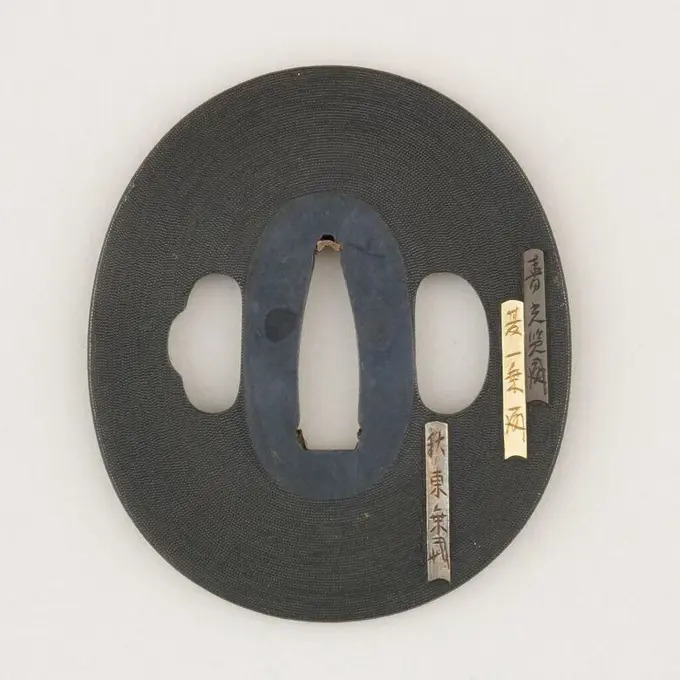
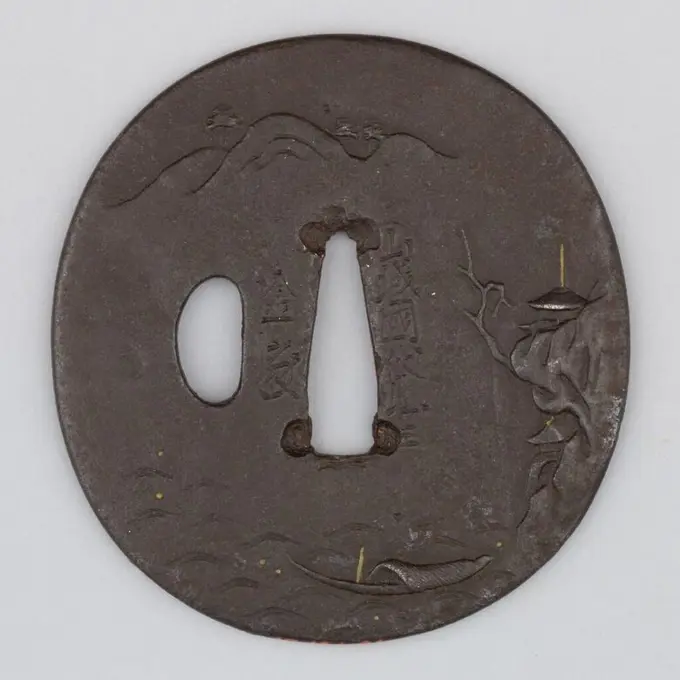
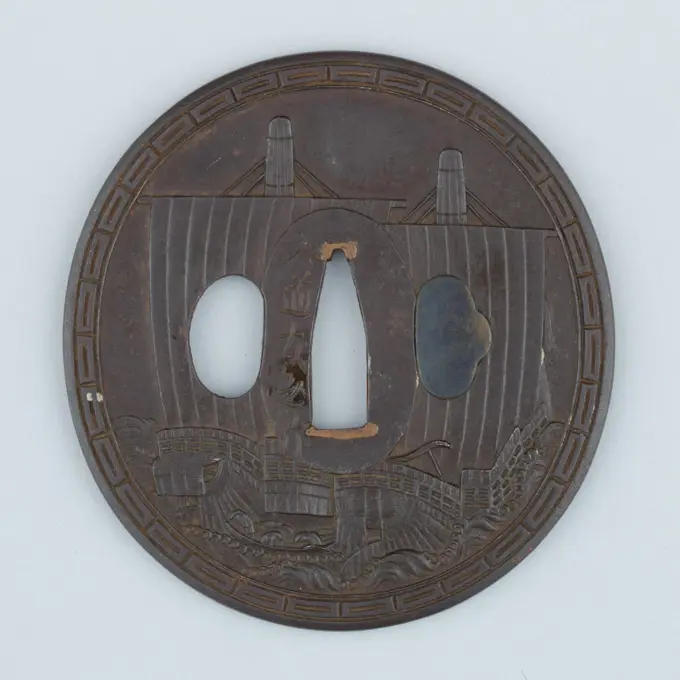
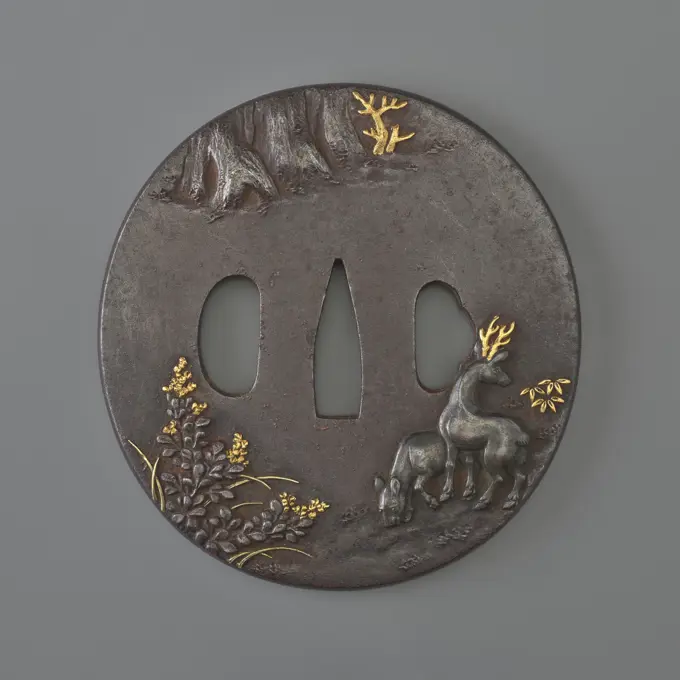
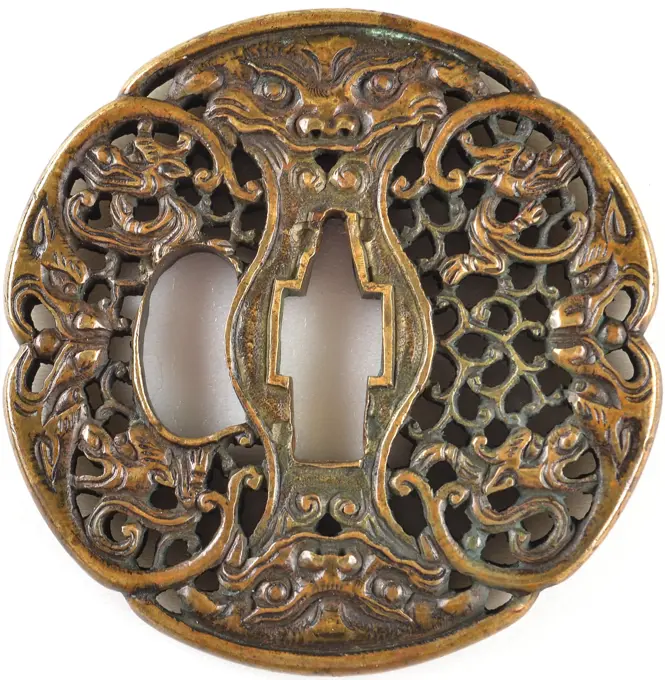
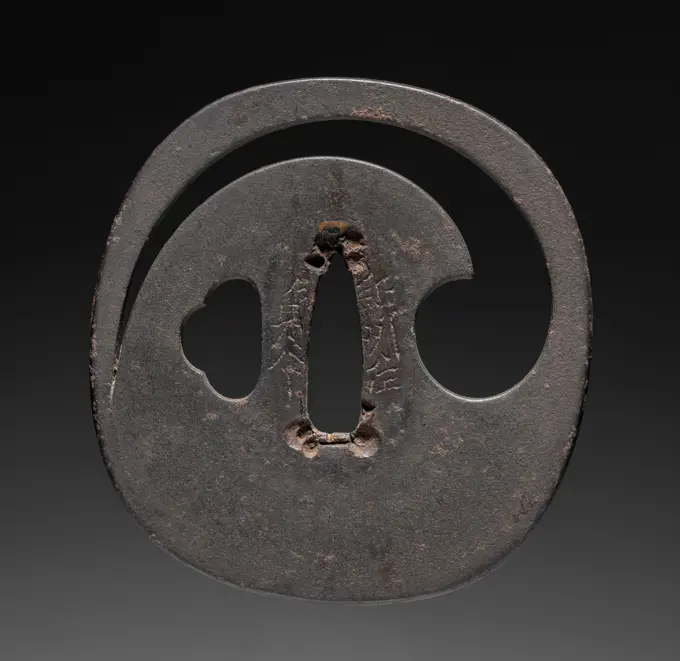
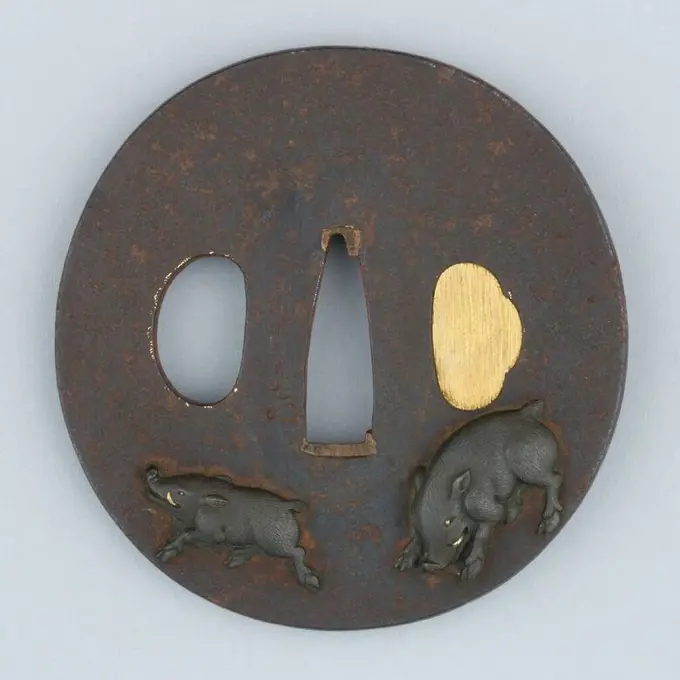
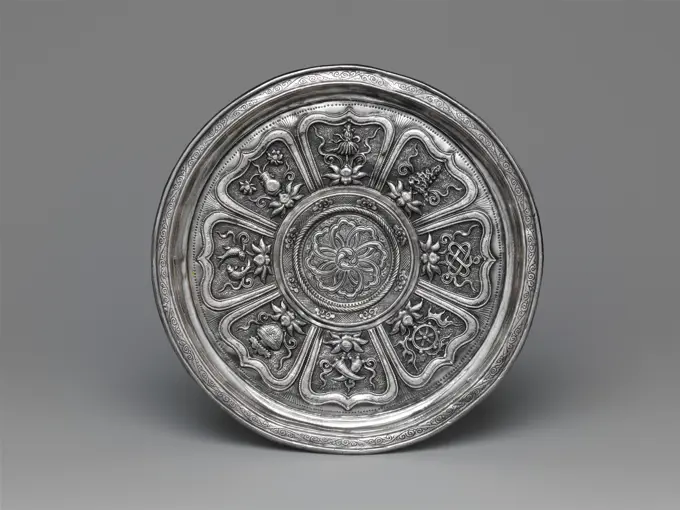
Sword Guard (Tsuba) ca. 1800 Japanese A tsuba is a sword guard and part of a sword mounting. It is mounted between the swords blade and grip to protect the users hands.. Sword Guard (Tsuba) 29963
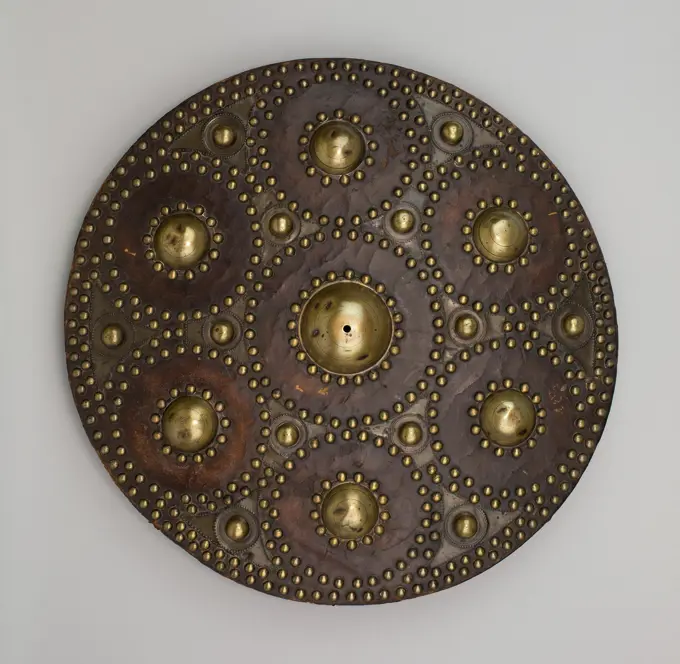
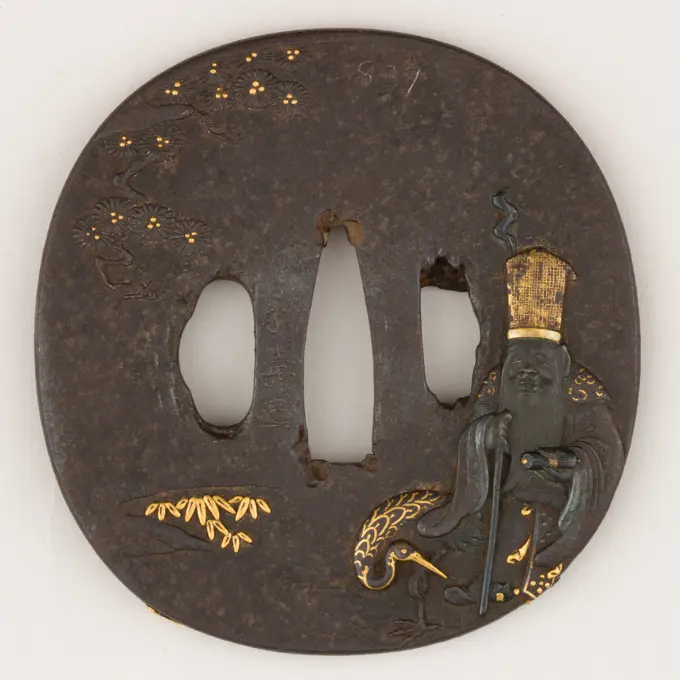
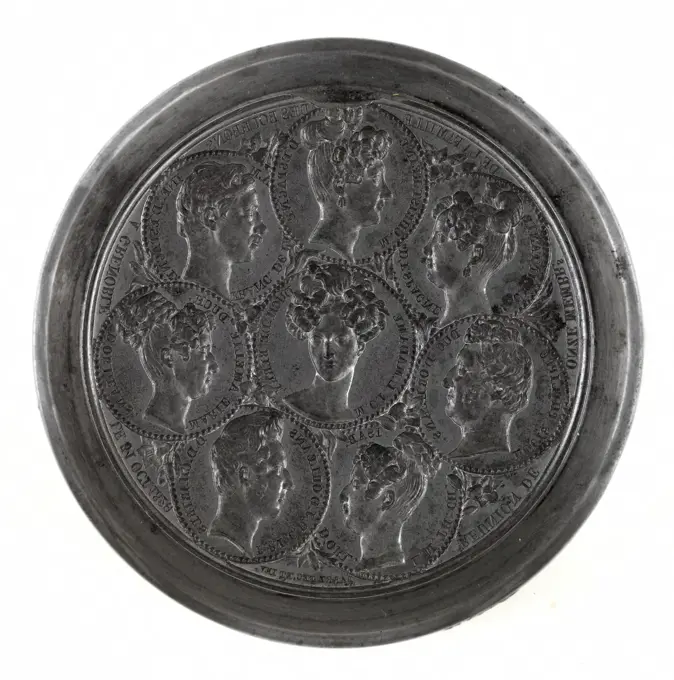
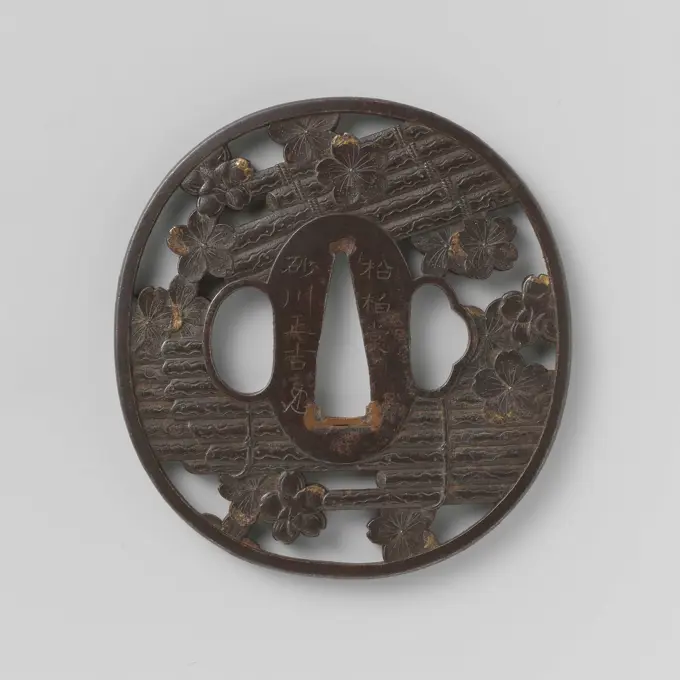
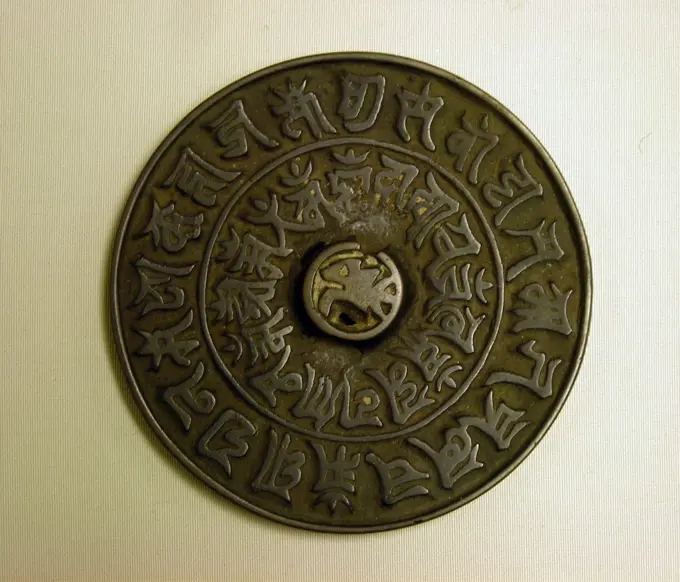
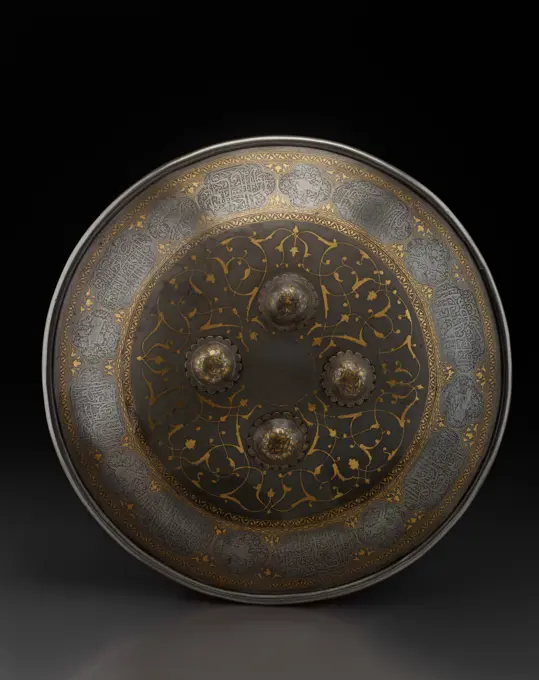
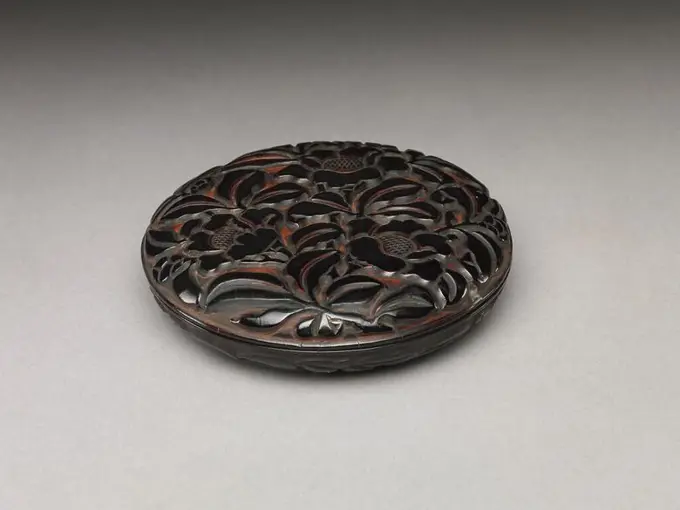
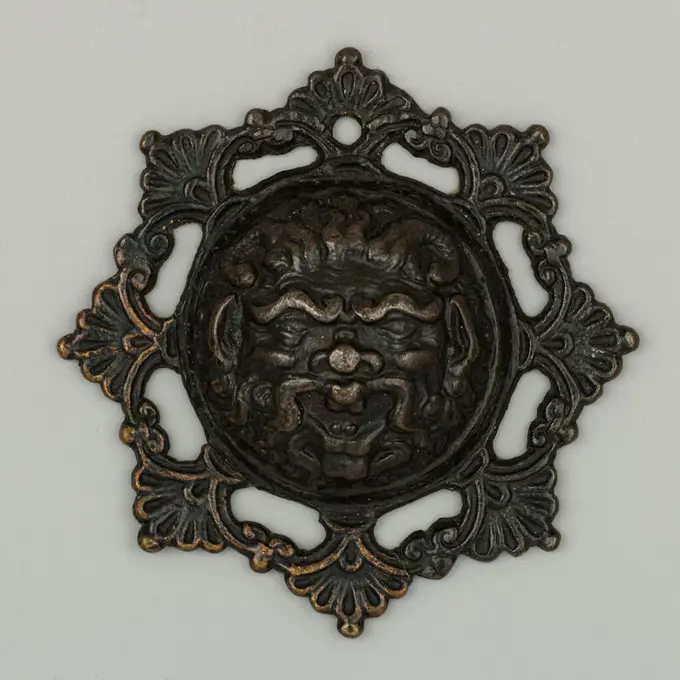
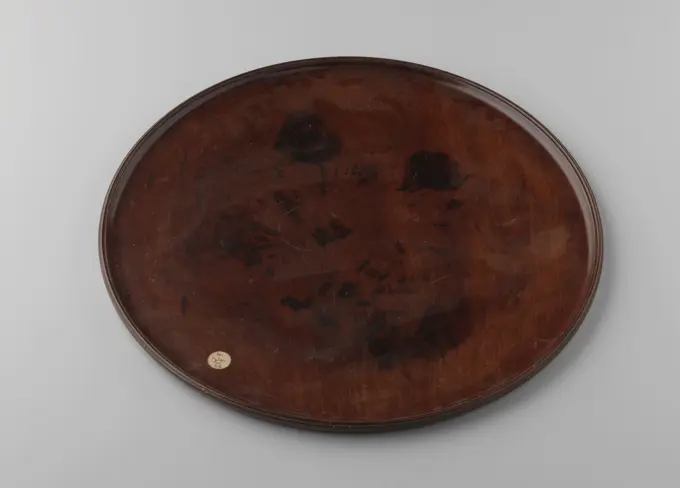
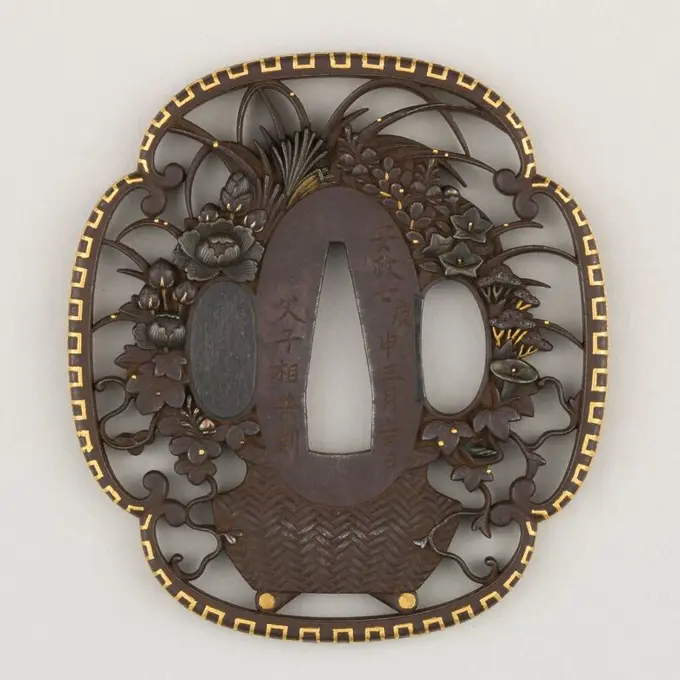
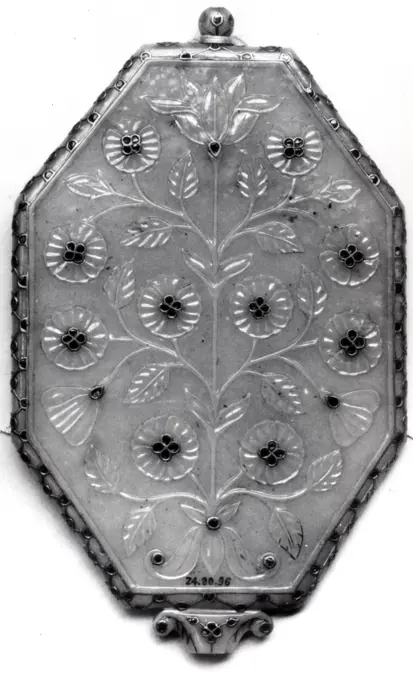
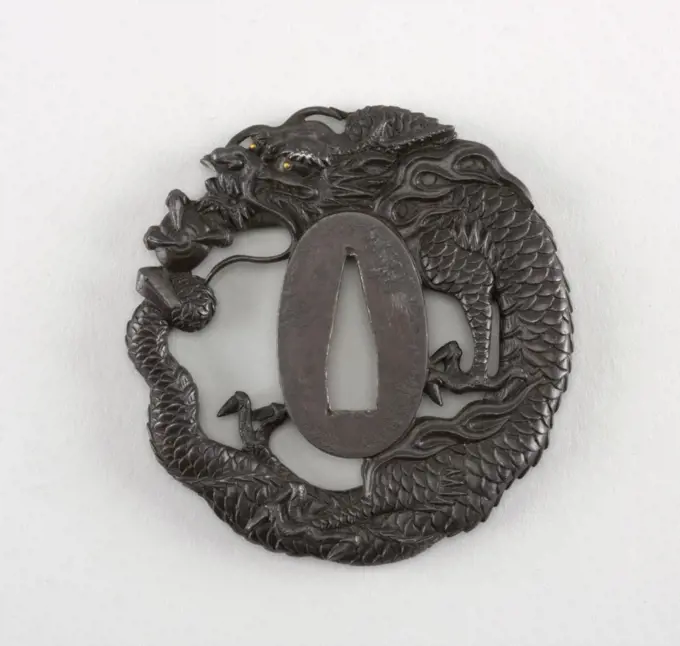
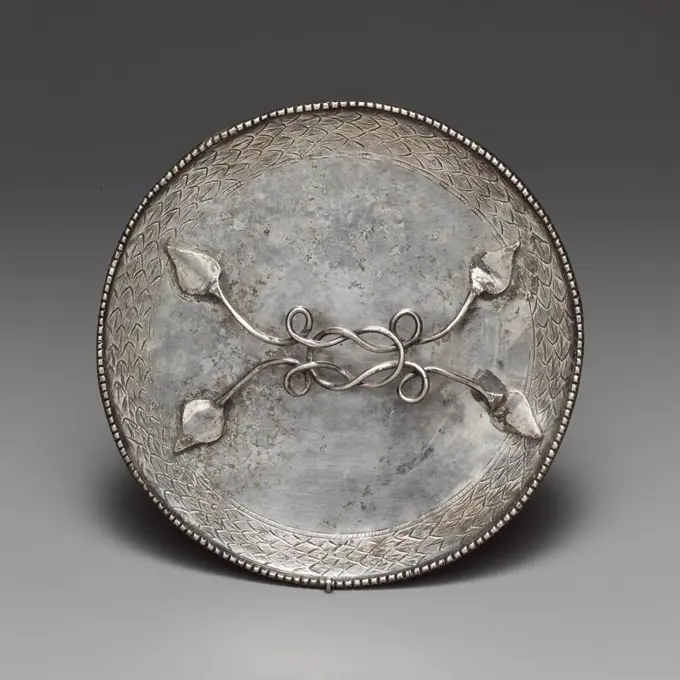
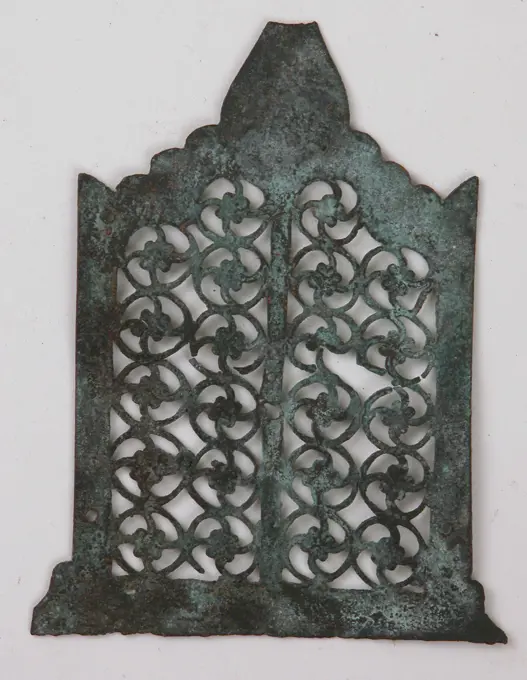
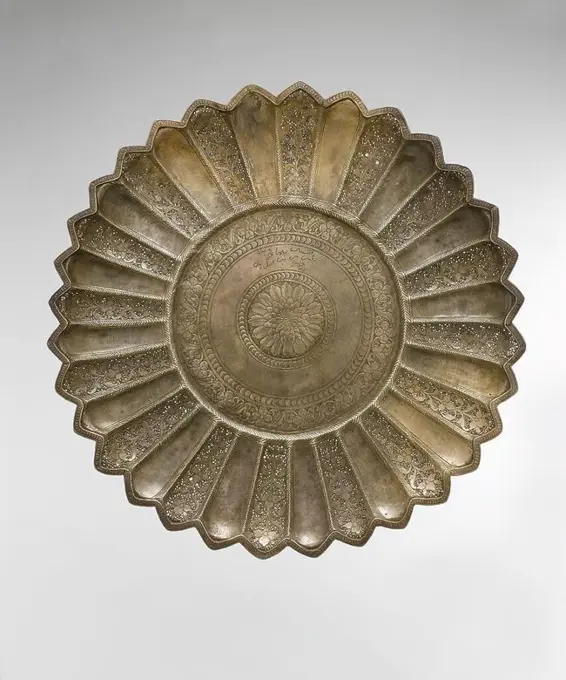
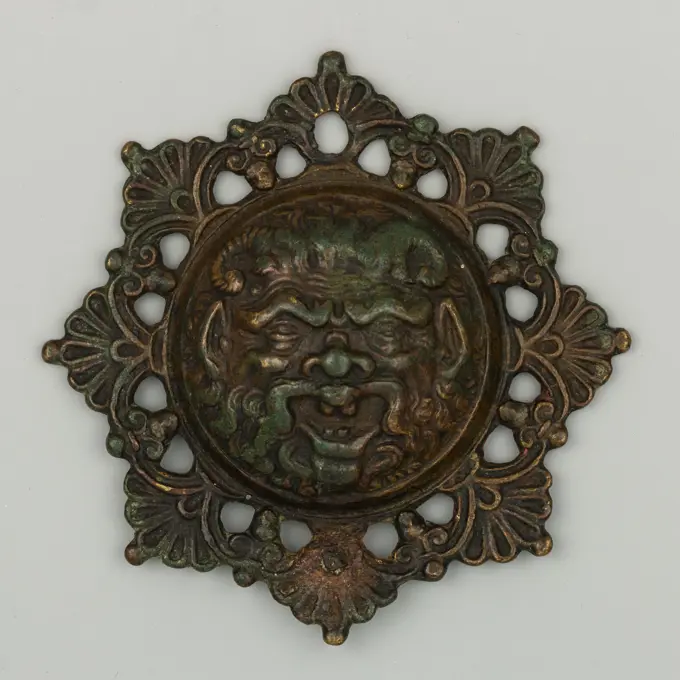
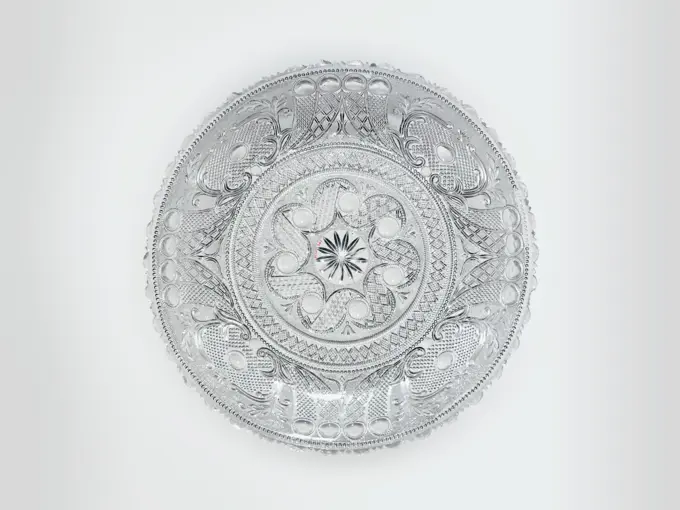
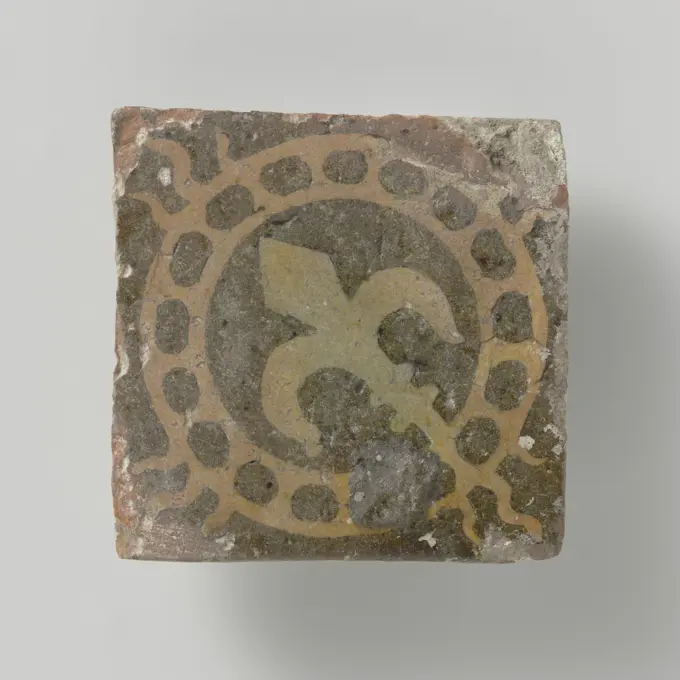
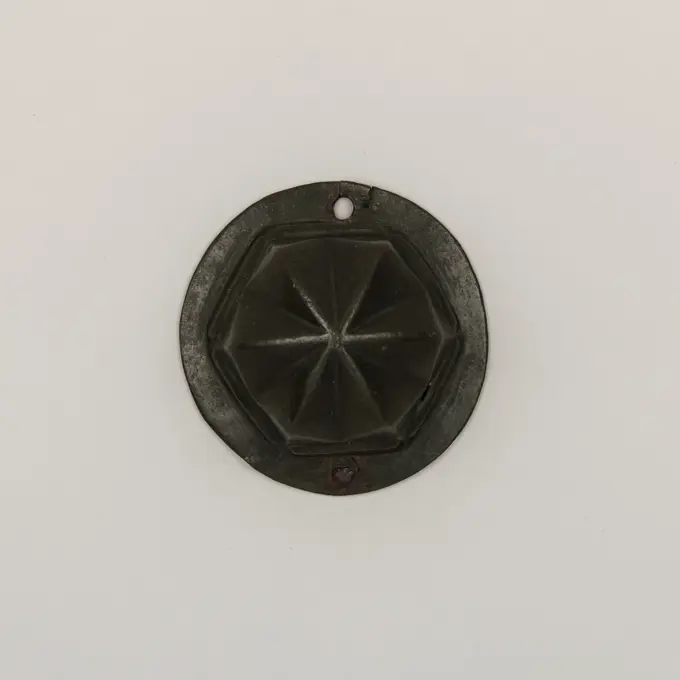
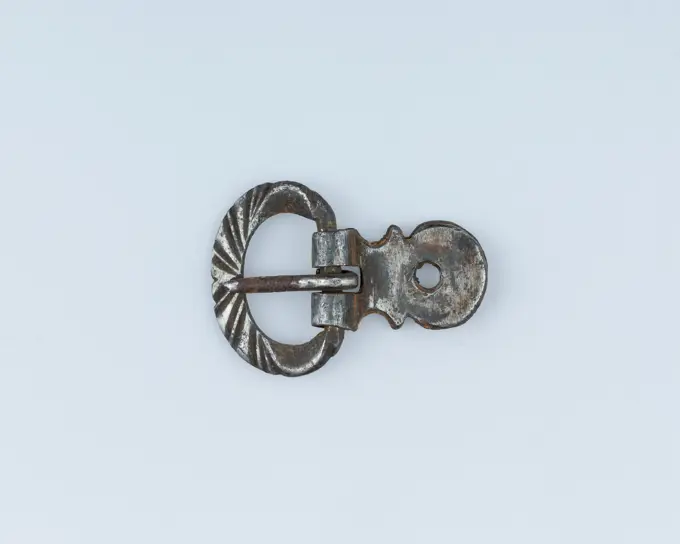
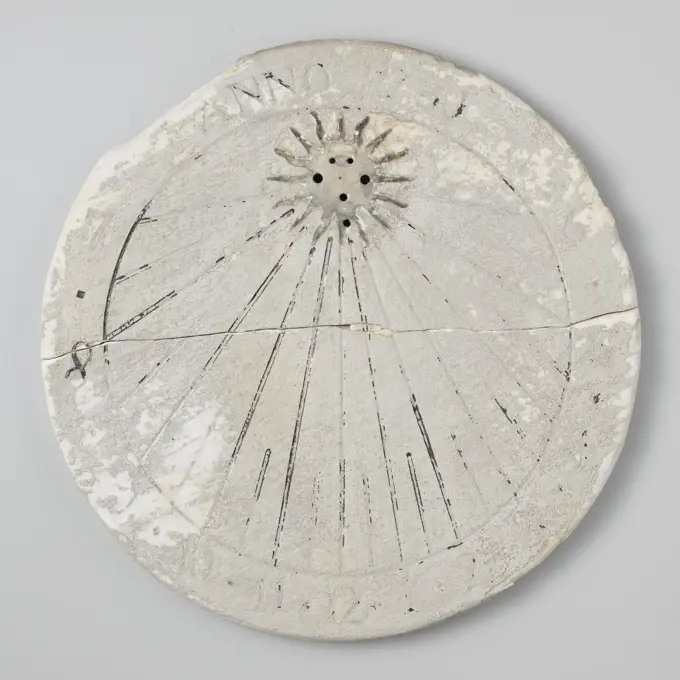
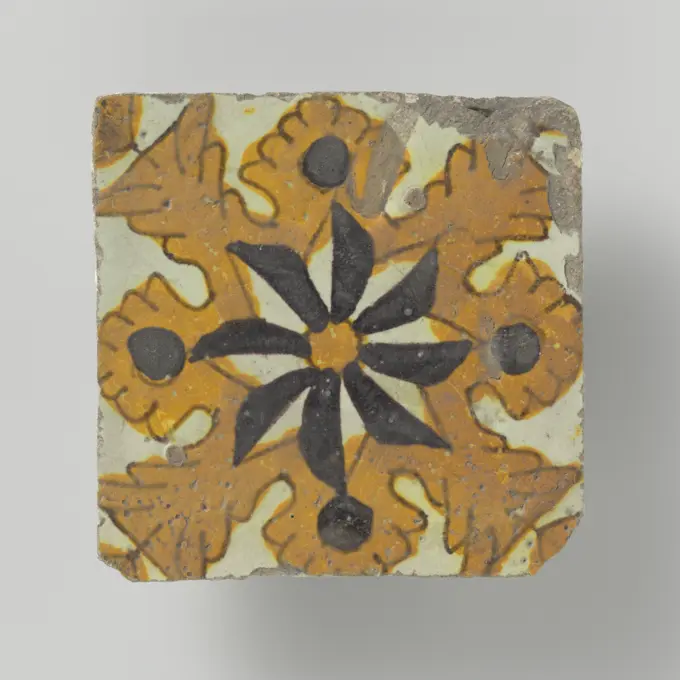
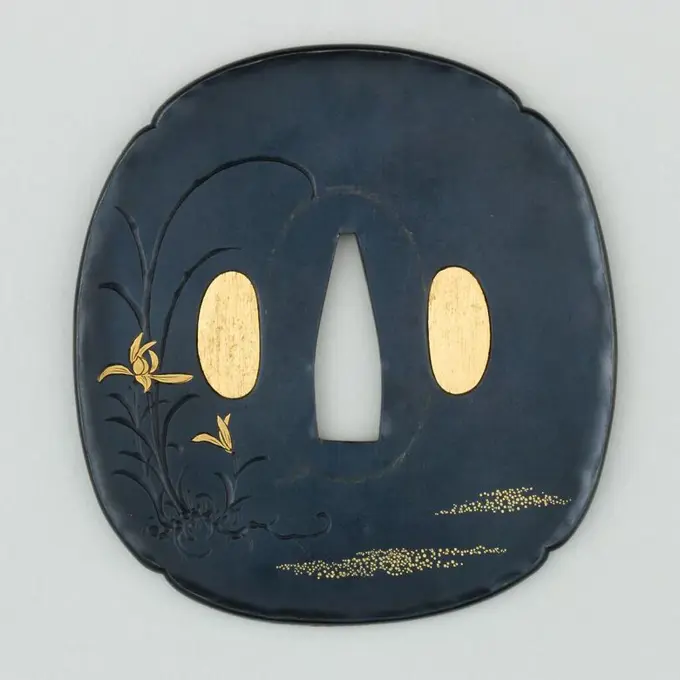
Hand guard, Seiryusai Tadafumi, 1800 - 1900 Oval tsuba with in a positive silhouette and relief flowers and plants; Details in gold; The ryo-hitsu are covered with gold on the inside; Signed "seiryusai tadafumi". Japan gold (metal) Oval tsuba with in a positive silhouette and relief flowers and plants; Details in gold; The ryo-hitsu are covered with gold on the inside; Signed "seiryusai tadafumi". Japan gold (metal)Bit Boss 16th - early 17th century Italian or French Bit bosses were ornamental elements decorating both sides of a horse bit. These hat-shape bit bosses, probably inspired by Ancient shield bosses excavated at the time, were very popular in Italy and France in the 16th and the early 17th century.. Bit Boss. Italian or French. 16th - early 17th century. Copper alloy. Equestrian Equipment-BitsSword Guard (Tsuba) 18th century Japanese A tsuba is a sword guard and part of a sword mounting. It is mounted between the swords blade and grip to protect the users hands.. Sword Guard (Tsuba) 29972Sword Guard (Tsuba) ca. 1615-1868 Japanese A tsuba is a sword guard and part of a sword mounting. It is mounted between the swords blade and grip to protect the users hands.. Sword Guard (Tsuba) 34436. Oval tsuba with plants, flowers and insects on one side in low embossed plants; On the other side various geometric motifs, placed side by side in fields; One of the Ryo-Hitsu is filled with shakudo; Signed "Kashu Ju ...." (wiped out).Hand guard, Yoshitane (possibly), 1800 - 1900 Rounded rectangular tsuba with raised edge; on one side lotus plants, grasses and a heron executed in different techniques (relief and inserting); on the other side lotus plants with a golden flower (also different techniques); Signed "Yoshitane". Japan copper (metal). gold (metal). Rounded rectangular tsuba with raised edge; on one side lotus plants, grasses and a heron executed in different techniques (relief and inserting); on the other side lotus plants with a golden flower (also different techniques); Signed "Yoshitane". Japan copper (metal). gold (metal).Sword Guard (Tsuba) 18th century Japanese A tsuba is a sword guard and part of a sword mounting. It is mounted between the swords blade and grip to protect the users hands.. Sword Guard (Tsuba) 642477Buckle dated 1535 German. Buckle. German. dated 1535. Brass. Miscellaneous-Buckles & OrnamentSword Guard (Tsuba). Culture: Japanese. Dimensions: Daim. 2 3/4 in. (7 cm). Date: early 17th century. Museum: Metropolitan Museum of Art, New York, USA.Sword Guard (Tsuba) ca. 1800 Japanese A tsuba is a sword guard and part of a sword mounting. It is mounted between the swords blade and grip to protect the users hands.. Sword Guard (Tsuba) 29963Bit Boss. Culture: Italian. Dimensions: Diam. 3 3/4 in. (9.5 cm); Wt. 5.4 oz. (154 g). Date: late 16th - early 17th century.Bit bosses were ornamental elements decorating both sides of a horse bit. The decoration of this very popular kind of Italian bit boss imitates traditional Venetian filigree. Museum: Metropolitan Museum of Art, New York, USA.. Rounded rectangular tsuba with elevated edge; on one side lotus plants, grasses and a reiger carried out in various techniques (relief and inlay); on the other side lotus plants with a golden flower (also different techniques); Signed "Yoshitane".. The Valckenier family coat of arms is featured on the flat part of this dish. Depicted along its rim is the so-called court journey to the shogun, Japans highest military official. The Dutch undertook this trip from their trading post on Deshima every year to bring gifts and pay their respects to the shogun.Sword Guard (Tsuba) early 17th century Japanese A tsuba is a sword guard and part of a sword mounting. It is mounted between the swords blade and grip to protect the users hands.. Sword Guard (Tsuba) 30086Jelec (Tsuba); unknown, tôryûsai; 19th century (1801-00-00-1900-00-00);Mirror with a Coiling Dragon, AD 200s. China, Three Kingdoms (221-280). Bronze; diameter: 9.9 cm (3 7/8 in.); overall: 1 cm (3/8 in.); rim: 0.8 cm (5/16 in.).Highland Targe 1700-1740 Scotland. Wood (fir), leather, and brass .Grahal-Manzara. Carnavalet 2013-2016 collection sites. Numismatics. Right eye inscribed in a radiant triangle surrounded by the three crowns of Austria, Russia and Prussia united by chains, and, in second row, by a ring of clouds; Reverse the three sovereigns on horseback going to the left on a portion of the globe where Europe is inscribed; Above them a flying renowned on the left, conflicting a trumpet and holding a crown.Sword Guard (Tsuba), 1500-1573. Japan, Muromachi period (1392-1573). Iron; diameter: 8 cm (3 1/8 in.).Sword Guard (Tsuba) 18th century Japanese A tsuba is a sword guard and part of a sword mounting. It is mounted between the swords blade and grip to protect the users hands.. Sword Guard (Tsuba) 26320Sword guard (Tsuba) Depicting God of Longevity Jurōjin (老人図鐔) late 17th-early 18th century Japanese This tsuba depicts the God of Longevity Jurōjin with his attributes staff, scroll, and crane. Jurōjin may also be shown in combination with a deer, which is the attribute of another of the Seven Gods of Furtune, Fukurokuju, hence the two are often confused. Fukurokuju however has a huge elongated head and it is also said that we are facing here just one deity who appears in two different manifestations. The reverse shows running water, a large pine tree, and a figure carrying a box on his back.The artist Toshinaga (利-利壽), first name Tabei (太兵衛) was born in Kanbun seven (寛文, 1667) and studied, depending on source, either with the third or the fourth Nara (奈良) School master, Toshiharu (利治) and Toshinaga (利永) respectively. Taking into consideration the fact that Toshiharu was born in Buroku two (文緑, 1593) (his year of death is unknown), it seems to be more likely that Toshinaga was his maSword Guard (Tsuba). Culture: Japanese. Dimensions: Diam. 2 3/4 in. (7 cm); thickness 1/4 in. (0.6 cm); Wt. 3.2 oz. (90.7 g). Date: 18th century. Museum: Metropolitan Museum of Art, New York, USA.Sword Guard (Tsuba). Culture: Japanese. Dimensions: H. 2 7/8 in. (7.3 cm); W. 2 7/8 in. (7.3 cm); thickness 1/4 in. (0.6 cm); Wt. 4.2 oz. (119.1 g). Date: 18th century. Museum: Metropolitan Museum of Art, New York, USA.Rod. "Medal matrix. The Orleans family". Metal, steel, 19th century. Museum of Fine Arts of the City of Paris, Petit Palais. 57559-8 Steel, bourbon, orleans family, matrix, medal, metal, numismatics, profile, portrait, queen, reverse, king France, 19th centurySword Guard (Tsuba), c. 1615-1868. Japan, possibly Edo period (1615-1868). Iron; overall: 9 x 9.6 cm (3 9/16 x 3 3/4 in.).. Almost round tsuba with a cut-away decoration in positive silhouette of geometric motifs.Sword Guard (Tsuba). Culture: Japanese. Dimensions: Diam. 3 5/8 in. (9.2 cm); thickness 1/8 in. (0.3 cm); Wt. 3.6 oz. (102.1 g). Fittings maker: Attributed to the Katchushi school (Japanese). Date: 15th century. Museum: Metropolitan Museum of Art, New York, USA.Beltbuckle.  Maker: Carence Crafters, American, ca. 1907-1911Sword Guard (Tsuba). Culture: Japanese. Dimensions: Diam. 3 1/4 in. (8.3 cm); thickness 3/16 in. (0.5 cm); Wt. 3.7 oz. (104.9 g). Date: 17th century. Museum: Metropolitan Museum of Art, New York, USA.. Oval tsuba with openwork decoration in positive silhouette of kerse blossoms on rafts; Some details are in gold; Signed "Kofu Ju Masatsune".Buckle dated 1530 German. Buckle. German. dated 1530. Brass. Miscellaneous-Buckles & OrnamentSword guard (Tsuba) Depicting Ebisu (比須図鐔) ca. 1615-1868 Japanese This tsuba depicts God of Fortune Ebisu and a young helper hauling in a net with fish. Ebisu is shown with his famous attributes fishing rod and fan as he is regarded as God of the fishing folk.. Sword guard (Tsuba) Depicting Ebisu (比須図鐔) 25716Byzantine Empire Bazyli 2 (976 1025) or Konstantyn 8 (1025 1028), Constantinople, 1023 1028, Copper Follis A3 (AE) Bazyli II (976 1025) or Constantine VIII (1025 1028)Brooch -Dish with pommel scrolls second half of the 14th century China. Dish with pommel scrolls 40183Mount; L x W x D: 12.8 x 8.4 cm (5 1/16 x 3 5/16 in.)Mirror Korea. Mirror. Korea. Bronze. Goryeo dynasty (918-1392). MirrorsDoor knocker. A door knocker.ShieldBox with Camellias. Culture: China. Dimensions: H. 1 3/16 in. (3 cm); Diam. 4 1/8 in. (10.5 cm). Date: 13th century.The lacquer body is built on a red-orange ground and has a thin layer of lacquer near the top that outlines the camellia blossoms and leaves in red, an allusion to the color of this flower that blooms around the Chinese New Year. As is typical of the thirteenth century, there is little overlapping of leaves and petals, and much of the ground is exposed. The lack of incisions to indicate the veins of the petals and leaves is another thirteenth-century characteristic. Museum: Metropolitan Museum of Art, New York, USA.Bit Boss. Culture: probably Netherlandish. Dimensions: Diam. 3 1/2 in. (9 cm); Wt. 3.9 oz. (111 g). Date: first half 17th century.Bit bosses were ornamental elements decorating both sides of a horse bit. The center of this boss is adorned with a smiling satyr's mask, while the rim displays a frieze of palmettes.This object belongs to a large group of bosses using a series of rims and centers combined in different ways. The exact center of production of these bosses is still unclear. If the motifs used are Italian, the scale of the production and the process of combining a series of rims and center recalls contemporary German practices. Some of them, however, are identical or very similar to bosses seen in several early 17th-century Netherlandish paintings, a likely origin for the manufacture of these objects. Museum: Metropolitan Museum of Art, New York, USA.Türklopfer an alter Maltesertür Türklopfer an alter Maltesertür LicenseRF Copyright: xZoonar.com/OpreanuxRobertoxSorinx 23255814Tsuba (sword guard) with Pierced Floral Design. Japan, late 15th-early 16th century. Arms and Armor; swords. Iron with stippled surface; openwork petalsNamban type tsuba  two dragons against the background of flagella unknownPresenteerblad van hout, anonymous, c. 1912 Presenter of dark wood. Netherlands wood (plant material) Presenter of dark wood. Netherlands wood (plant material)CDK Unknown, Higo school, NishigakiSword Guard (Tsuba). Culture: Japanese. Dimensions: H. 2 7/8 in. (7.3 cm); W. 2 5/8 in. (6.7 cm); thickness 1/4 in. (0.6 cm); Wt. 3 oz. (85 g). Date: 1860. Museum: Metropolitan Museum of Art, New York, USA.Sword Guard (Tsuba). Culture: Japanese. Dimensions: H. 2 11/16 in. (6.8 cm); W. 2 3/8 in. (6 cm); thickness 1/4 in. (0.6 cm); Wt. 3.9 oz. (110.6 g). Date: 18th century. Museum: Metropolitan Museum of Art, New York, USA.Sword Guard (Tsuba) with Flowers, c. 1615-1868. Japan, possibly Edo period (1615-1868). Iron;Sword Guard, 1615-1868. Japan, Edo period (1615-1868). Iron; diameter: 8.4 cm (3 5/16 in.).MountRound yellow copper pelvis. Round plate of metal (copper) with a spherical increase in the middle with a hole in it.Sword Guard (Tsuba). Culture: Japanese. Dimensions: H. 3 1/8 in. (7.9 cm); W. 2 15/16 in. (7.5 cm); thickness 3/16 in. (0.5 cm); Wt. 4.6 oz. (130.4 g). Date: possibly 18th century. Museum: Metropolitan Museum of Art, New York, USA.Double LotusRingDecorative door boss and nail, Wrought iron, Flat, square mount, pierced, shaped and embossed into a quadrant design derived from earlier leaf patterns. Notched square nail head on square shank., Spain, 16th-17th century, metalwork, Decorative Arts, Decorative door boss and nailAttic Red-Figure Volute Krater Fragment; Euthymides (Greek (Attic), active 515 - 500 B.C.); Athens, Greece; about 490 B.C; Terracotta; 4.9 cm (1 15,16 in.)Sword Guard (Tsuba) ca. 1615-1868 Japanese A tsuba is a sword guard and part of a sword mounting. It is mounted between the swords blade and grip to protect the users hands.. Sword Guard (Tsuba) 34361Mirror 18th century The white jade case of this mirror is carved with symmetrical flowering plants accented with inset rubies. Jade working is an exceptionally time-consuming process that requires a great deal of skill due to the hard and brittle nature of the stone. Highly skilled artisans of the Mughal Empire carved works like this example from jade that they then inset with precious gems. These objects, decorated with floral motifs favored by the Mughal elite, were often exchanged as gifts.. Mirror 447774Sword Guard (Tsuba) 18th century Japanese A tsuba is a sword guard and part of a sword mounting. It is mounted between the swords blade and grip to protect the users hands.. Sword Guard (Tsuba) 645456Disc from an Earflare Inscied with a Figure in Contoured Pose 1200-1500 Veracruz Llave. Shell with wood . HuastecTsuba, Iron, This tetsu (iron) tsuba is naga maru gata (round) in shape. It has sukashi marubori (round openwork carving) in the form of a dragon and jewel. Surrounding the central nakago-ana, the opening through which the sword passes, is the seppadai, a flat oval area that is migaki (burnished)., Japan, early 18th century, metalwork, Decorative Arts, TsubaSilver mirror. Culture: Roman. Dimensions: Diam.: 5 3/16 in. (13.2 cm). Date: 4th century A.D..The type of mirror with a horizontal handle originated in the Roman world during the first century B.C. It was subsequently adopted in various cultures of Asia and finally died out in the ninth to tenth century A.D. In this example, the classical origins are clear in the leaf-shaped attachments of the handle, the Herakles knot, and the wreath around the circumference of the disk. Museum: Metropolitan Museum of Art, New York, USA.Jelec (Tsuba); Otsurûken, Masanobu (1773-), Hamano; 1 PO. 19th century (1801-00-00-1850-00-00);Plaque 11th-12th century. Plaque 452865Plate. Dimensions: H. 1/2 in. (1.3 cm)Diam. 9 in. (22.9 cm)Wt. 7.4 oz. (209.8 g). Date: 18th century.This pan plate is attributed to the city of Karimnagar known for its production of filigreed pieces located one hundred miles north of Hyderabad. A similarly filigreed pan box would most likely have accompanied this tray. Museum: Metropolitan Museum of Art, New York, USA.Bit Boss first half 17th century probably Netherlandish Bit bosses were ornamental elements decorating both sides of a horse bit. The center of this boss is adorned with a smiling satyr's face, while the rim displays a fireze of palmettes flanked by small masks.This object belongs to a large group of bosses using a series of rims and centers combined in different ways. The exact center of production of these bosses is still unclear. If the motifs used are Italian, the scale of the production and the process of combining a series of rims and center recalls contemporary German practices. Some of them, however, are identical or very similar to bosses seen in several early 17th-century Netherlandish paintings, a likely origin for the manufacture of these objects.. Bit Boss. probably Netherlandish. first half 17th century. Copper alloy, iron. Equestrian Equipment-BitsSword Guard (Tsuba) in the Japanese Style late 17th-early 18th century Sri Lankan This is an example of a Southeast Asian sword guard that combines stylistic elements from European smallsword guards with Asian forms of decorative styles. With this mixture of styles, this piece can be recognized as part of a rare but distinct group of sword guards currently categorized under the term Asian Export Sword Guards” that were commissioned by maritime traders such as the Dutch. Due to the opening added later to accomodate a utility knife (kozuka), this guard was probably used at some point in time in Japan.. Sword Guard (Tsuba) in the Japanese Style. Sri Lankan. late 17th-early 18th century. Copper alloy. Sword Furniture-TsubaPlaque. Culture: China. Dimensions: H. 2 7/8 in. (7.3 cm); W. 3 7/8 in. (9.8 cm).The Hongshan culture, from which this plaque comes, remained unknown until the 1980s. Centered in northeastern China, it is known for large ceremonial structures built with rocks, graves lined with stone slabs, and distinctively shaped jades that were often the sole goods found in tombs. Judging from the holes on its back and on the top center, this piece may have been an ornament, however its exact function cannot be deciphered until more archaeological evidence becomes available. Museum: Metropolitan Museum of Art, New York, USA.fine arts, Hellas, classical period (500-323 BC), bowl of the Brygos painter (5th century BC), state collection of antiques Munich,Plate mid-15th century South Netherlandish. Plate. South Netherlandish. mid-15th century. Brass, silver and translucent enamel. Made in Dinant or Malines, Netherlands. Metalwork-BrassShield ca. 1585-90 Italian. Shield. Italian. ca. 1585-90. Etched and gilt steel, leather. ShieldsBowl 1835-55 Possibly Boston & Sandwich Glass Company. Bowl. American. 1835-55. Pressed glass. Made in Sandwich, Massachusetts, United StatesLid from the wreck of the East Indians' t Vliegend Hart, Anonymous, 1725 - 1735 lid Lid of a wooden barrel. Barrel, member. Middelburg wood (plant material)Bliżej Kultury Gontarczyk, WiktorEscutcheon (England); brassdiamond punch.Sword Guard (Tsuba) possibly 18th century Japanese A tsuba is a sword guard and part of a sword mounting. It is mounted between the swords blade and grip to protect the users hands.. Sword Guard (Tsuba) 33418Floor tile, Anonymous, 1400 - 1550 Floor tile decorated with a lily in a circle with dots. In the corners, flames. Netherlands (possibly)France (possibly) earthenware. lead glaze Floor tile decorated with a lily in a circle with dots. In the corners, flames. Netherlands (possibly)France (possibly) earthenware. lead glazeBit Boss 16th century European Bit bosses were ornamental elements decorating both sides of a horse bit.. Bit Boss. European. 16th century. Copper alloy, iron. Equestrian Equipment-BitsPlatter (Siye Kon). Culture: Ambrym Island. Dimensions: H. 5 7/8 x W. 12 x D. 33 3/4 in. (14.9 x 30.5 x 85.7 cm). Date: 19th-early 20th century. Museum: Metropolitan Museum of Art, New York, USA.Sword Guard (Tsuba), c. 1615-1868. Japan, possibly Edo period (1615-1868). Iron; overall: 8 x 7.4 cm (3 1/8 x 2 15/16 in.).Buckle 1510-20 German. Buckle. German. 1510-20. Steel. Miscellaneous-Buckles & OrnamentSword Guard (Tsuba) Depicting Crickets (虫図鐔) ca. 1615-1868 Japanese The plate of this tsuba is finished on both sides with shallow engravings that radiate around the opening for the tang. The obverse depicts two, and the reverse one shibuichi cricket(s). The antenna are of brass and the surface shows a few dew drops of brass and shibuichi. The rim is folded over and one leg of the cricket towards the bottom right is extending into the rim.. Sword Guard (Tsuba) Depicting Crickets (虫図鐔) 25692Sandstone sundial, Ignatius van Logteren (attributed to), c. 1735 Sunner, originally processed in a facade of a Louis XIV garden house (BK-BFR-403). In 2 parts. Amsterdam sandstone Sunner, originally processed in a facade of a Louis XIV garden house (BK-BFR-403). In 2 parts. Amsterdam sandstoneRusty old fan Vintage old rusted window fan Copyright: xZoonar.com/ClaudioxDiviziax 7243721Dominical letters for the years 1809-1814 Anonymous. Dominical letters for the years 1809-1814. Bronze. Around 1814.Tile, Anonymous, 1600 - 1800 Tile, painted in yellow, manganese. Lobbed rosette, in which an eight -pointed star. In the corners of a quarter of huge corners, connected to the rosette with a thin line. Tunisia (Possible) Morocco (Possible) earthenware. tin glaze Tile, painted in yellow, manganese. Lobbed rosette, in which an eight -pointed star. In the corners of a quarter of huge corners, connected to the rosette with a thin line. Tunisia (Possible) Morocco (Possible) earthenware. tin glazeSword Guard (Tsuba). Culture: Japanese. Dimensions: H. 3 1/8 in. (7.9 cm); W. 2 7/8 in. (7.3 cm); thickness 3/16 in. (0.5 cm); Wt. 4.2 oz. (119.1 g). Date: 18th century. Museum: Metropolitan Museum of Art, New York, USA.Sword Guard (Tsuba). Culture: Japanese. Dimensions: H. 2 3/4 in. (7 cm); W. 2 5/8 in. (6.7 cm); thickness 3/8 in. (1 cm); Wt. 4.5 oz. (127.6 g). Date: ca. 1615-1868. Museum: Metropolitan Museum of Art, New York, USA.Sword Guard (Tsuba). Culture: Japanese. Dimensions: H. 2 1/2 in. (6.4 cm); W. 2 5/16 in. (5.9 cm); thickness 3/16 in. (0.5 cm); Wt. 2.2 oz. (62.4 g). Date: ca. 1615-1868. Museum: Metropolitan Museum of Art, New York, USA.Thai native gong on white background Vamplate Belonging to an Armor for Field and Tournament Made for Duke Nikolaus "The Black" Radziwill (1515-1565), Duke of Nesvizh and Olyka, Prince of the Empire, Grand Chancellor and Marshal of Lithuania ca. 1555; probably repainted later Kunz Lochner German. Vamplate Belonging to an Armor for Field and Tournament Made for Duke Nikolaus "The Black" Radziwill (1515-1565), Duke of Nesvizh and Olyka, Prince of the Empire, Grand Chancellor and Marshal of Lithuania 684263Mennic sign of the clip; Stanis Aw August Poniatowski (Polish king; 1764-1795), Sylm, Fryderyk Wilhelm (Fl. 1765-1767); 1765-1767 (1765-00-00-1767-00-00);Clamp 15th-17th century European. Clamp. European. 15th-17th century. Brass. Miscellaneous-Buckles & OrnamentJelec (Tsuba); Kaneie; 18th century (1701-00-00-1800-00-00);Comb 7th-8th century. Comb. 7th-8th century. Wood; carved. From Egypt, Maghagha. WoodSword-Hilt Collar and Pommel (Fuchigashira) late 18th century Japanese A fuchigashira is a pair of matching sword fittings comprising the fuchi (collar at the base of the grip of the sword hilt) and kashira (pommel cap at the end of a sword hilt).. Sword-Hilt Collar and Pommel (Fuchigashira). Japanese. late 18th century. Copper-gold alloy (shakud), gold, copper. Sword Furniture-Fuchi-KashiraCup Stand with the Eight Buddhist Treasures 14th century China The objects resting on lotus buds on the interior of this cup stand represent seven of the Eight Buddhist Treasures: a wheel, an endless knot, a conch shell, a victory banner, lotus flowers, a pair of fish, and a treasure vase. (The traditional eighth treasure, a parasol, has been substituted here by a pair of elephant tusks.) After the fourteenth century these symbols, not necessarily in a group of eight, appeared on metalwork, porcelains, and textiles in China and Tibet.. Cup Stand with the Eight Buddhist Treasures. China. 14th century. Silver with repoussé decoration. Yuan dynasty (1271-1368). MetalworkPa. German Small Plate. Dated: 1938. Dimensions: overall: 46.8 x 36.7 cm (18 7/16 x 14 7/16 in.) Original IAD Object: 7 3/8" in diameter. Medium: oil paint on paperboard. Museum: National Gallery of Art, Washington DC. Author: Eugene Shellady.Spindle Whorl, 700s - 900s. Iran, early Islamic period, 8th - 10th century. Bone, incised; overall: 0.7 x 1.8 x 1.8 cm (1/4 x 11/16 x 11/16 in.).