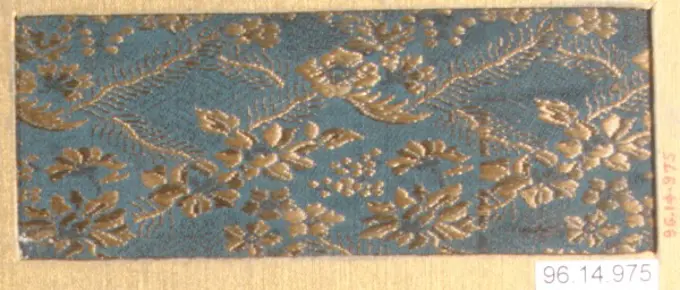
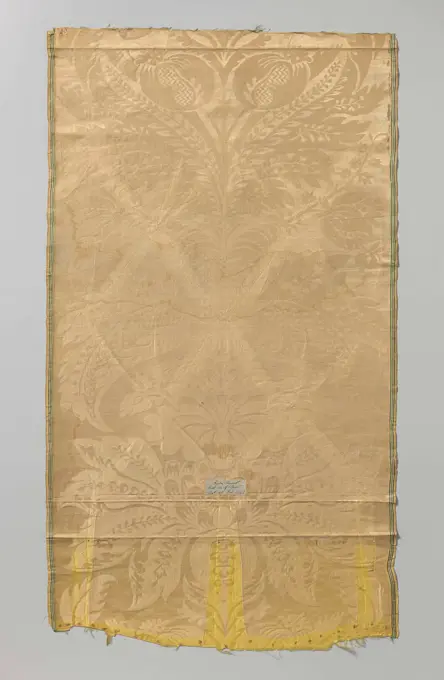
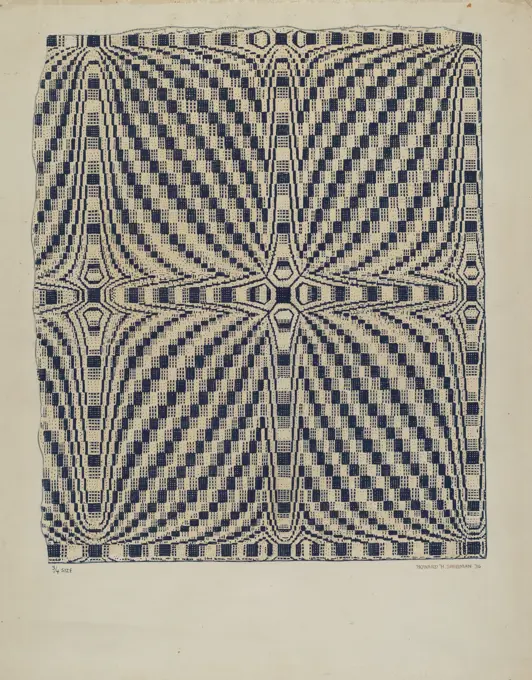
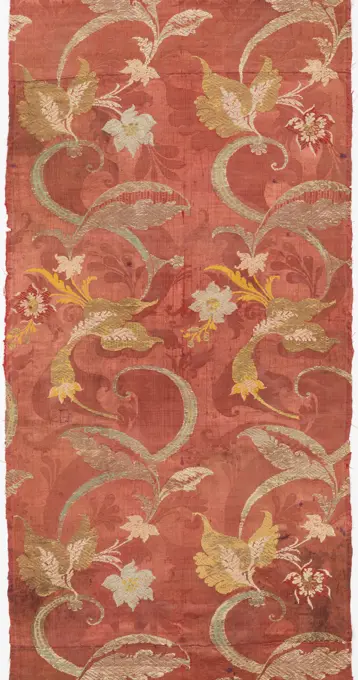
Japanese Textile Fragments

A collection of intricate silk textile fragments featuring floral and ornate designs, showcasing historical craftsmanship from Japan and Germany.
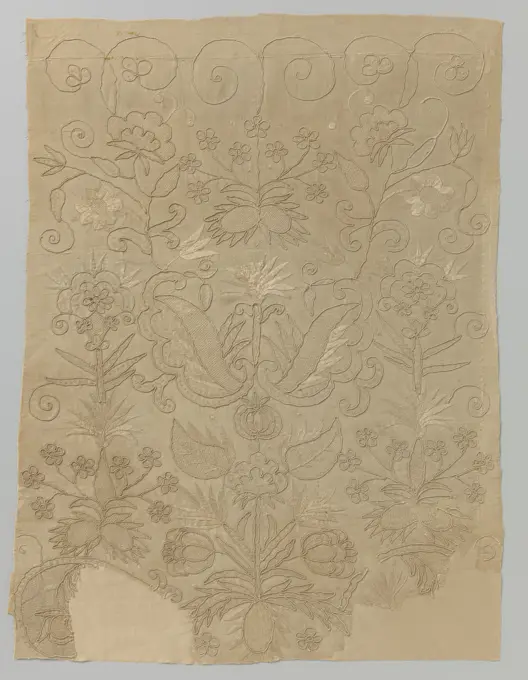
Fragment of a skirt of cream -colored silk embroidered with three -part symmetrical pattern with pomegranates, leaves, tulips, flowers and blossom branches, anonymous, c. 1690 - c. 1700 Fragment of embroidered skirt made of cream -colored silk on ditto taf side. Trading symmetrical pattern: branch with pomegranate, leaves and tulips; Rosette of leaves with branches and flowers; Blossom branch. In the lower corners of volute leaves with palmet on a stem. Above the whole three double spirals. France (possibly) silk. taffeta Fragment of embroidered skirt made of cream -colored silk on ditto taf side. Trading symmetrical pattern: branch with pomegranate, leaves and tulips; Rosette of leaves with branches and flowers; Blossom branch. In the lower corners of volute leaves with palmet on a stem. Above the whole three double spirals. France (possibly) silk. taffeta
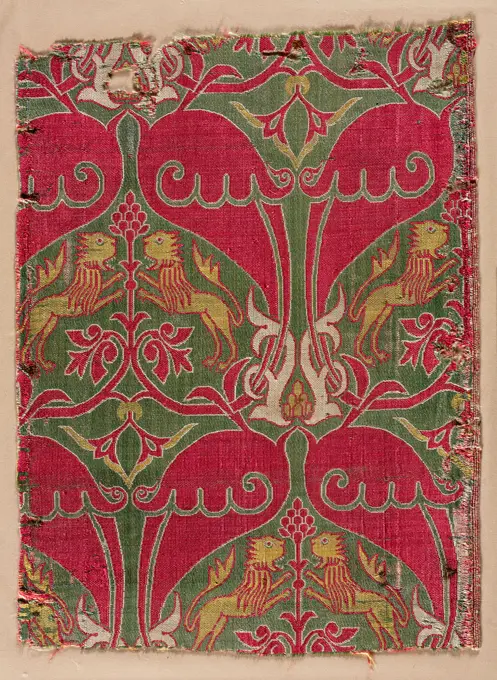
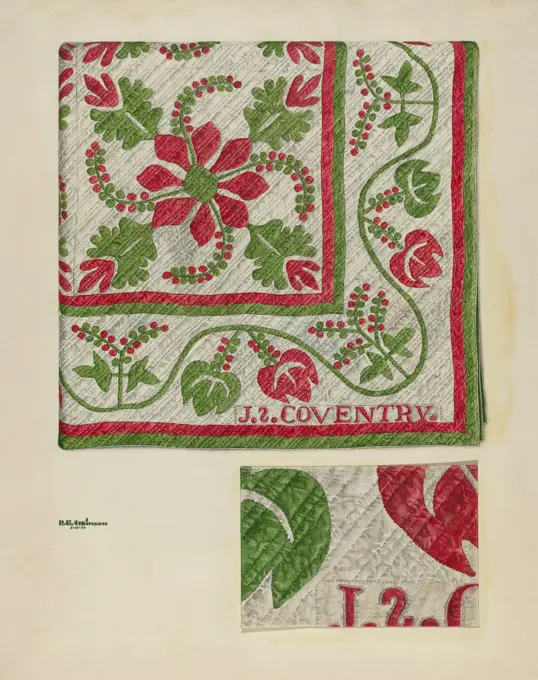
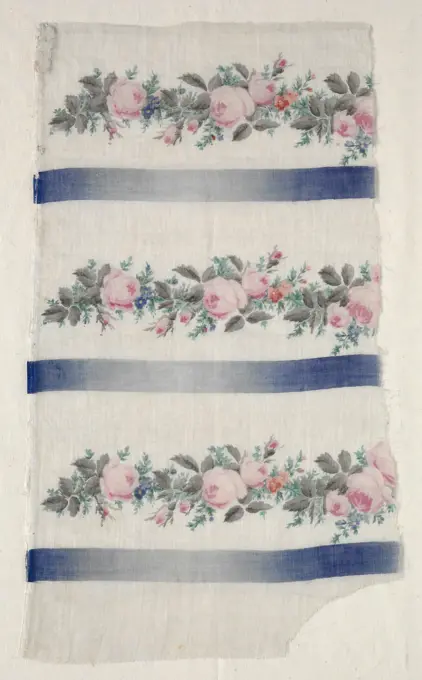
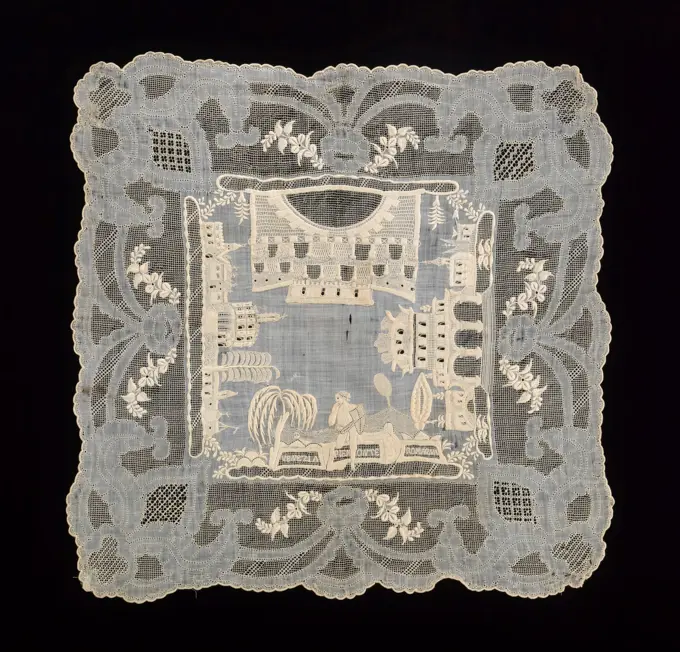
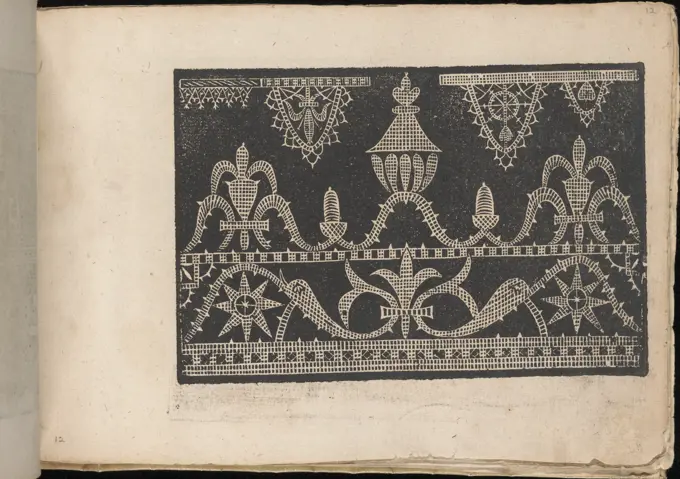
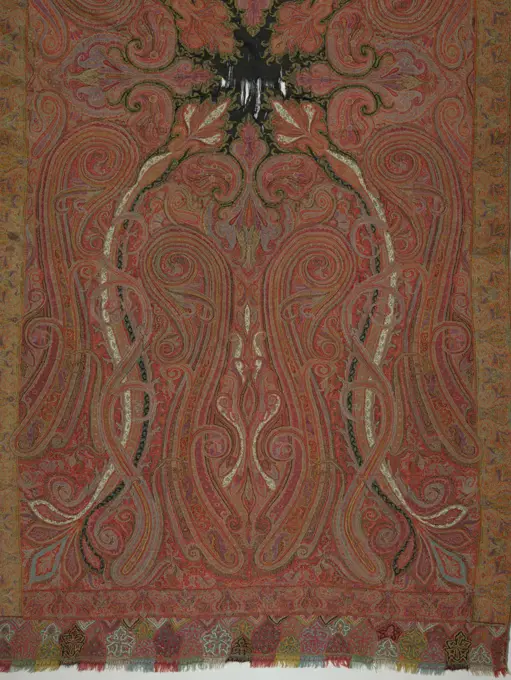
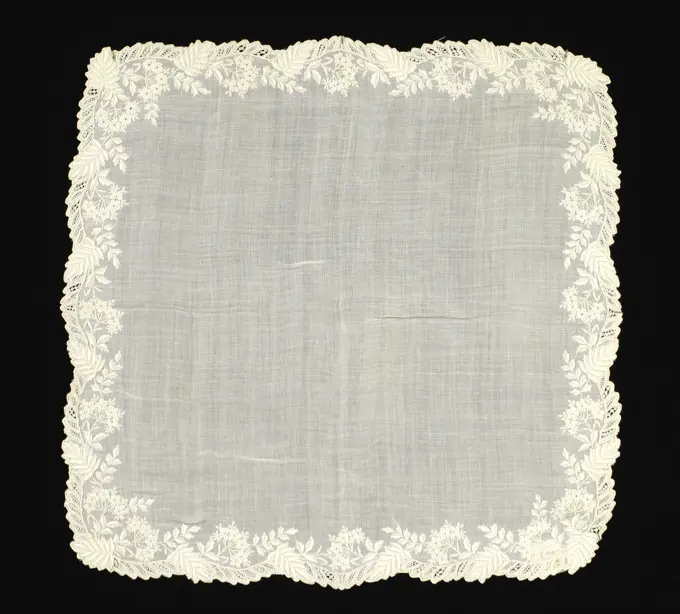
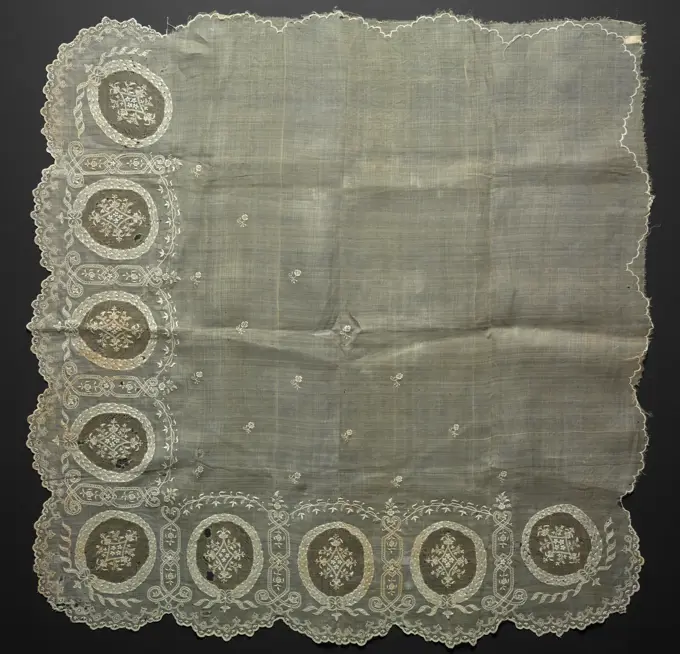
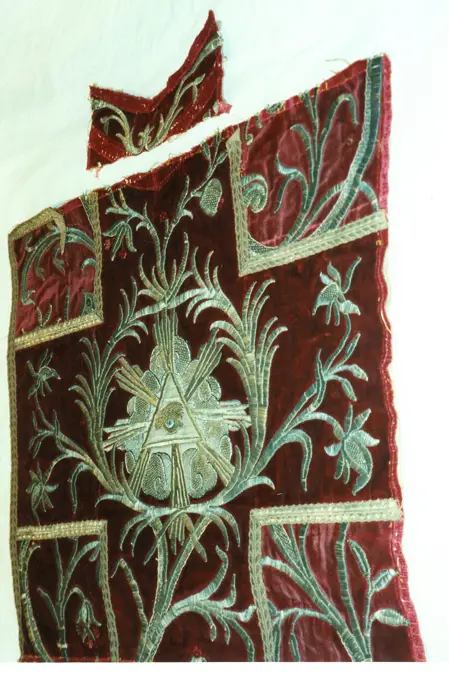
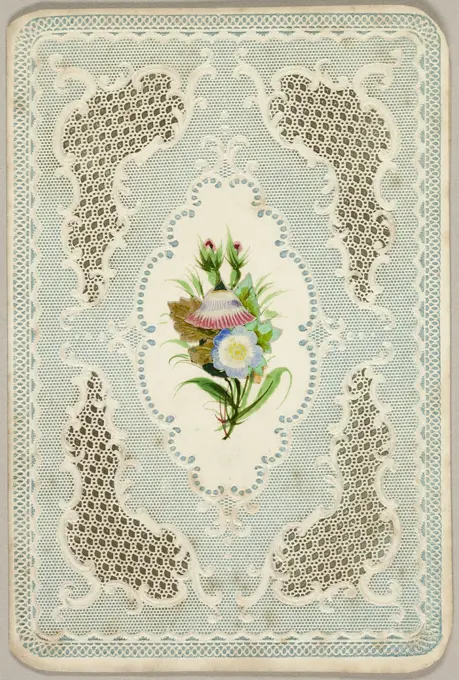
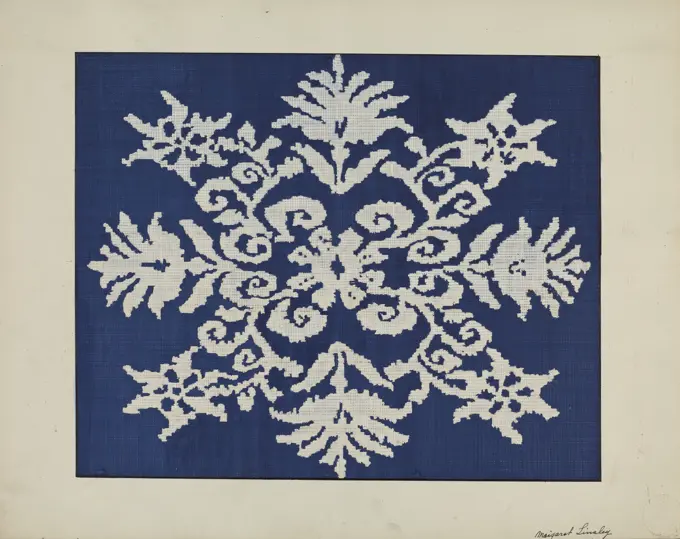
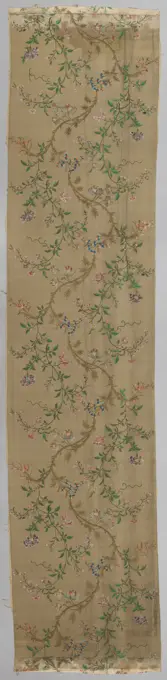
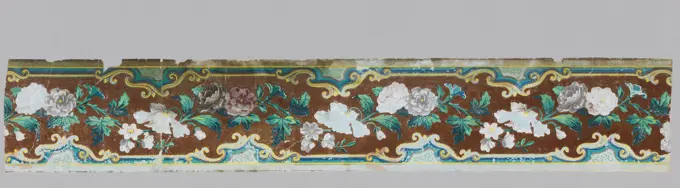
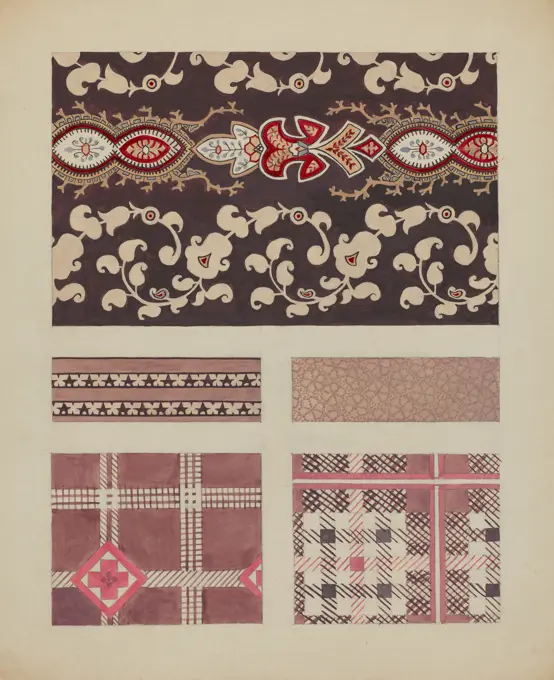
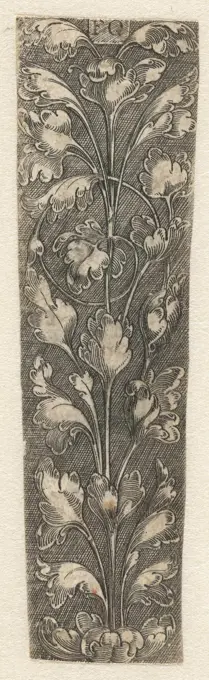
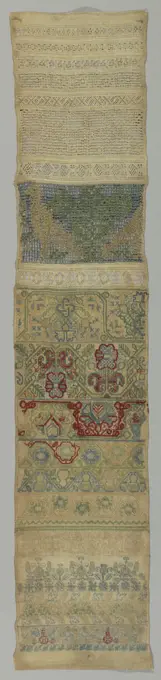
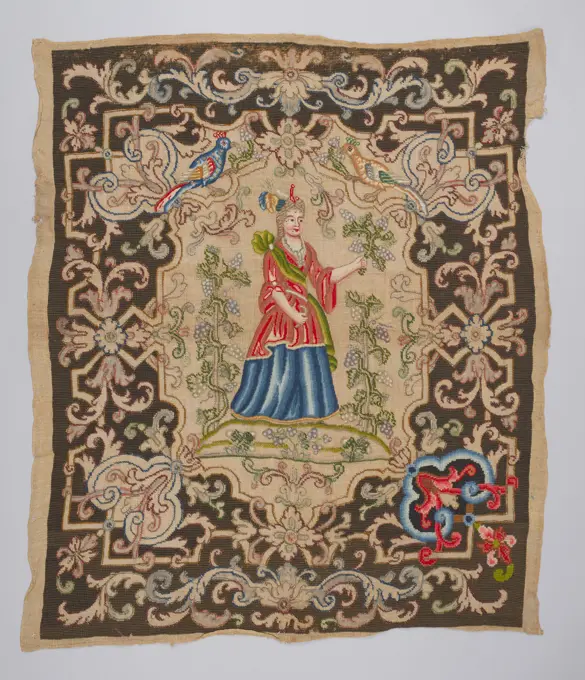
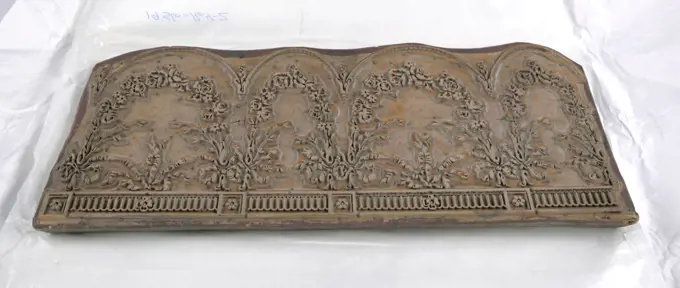
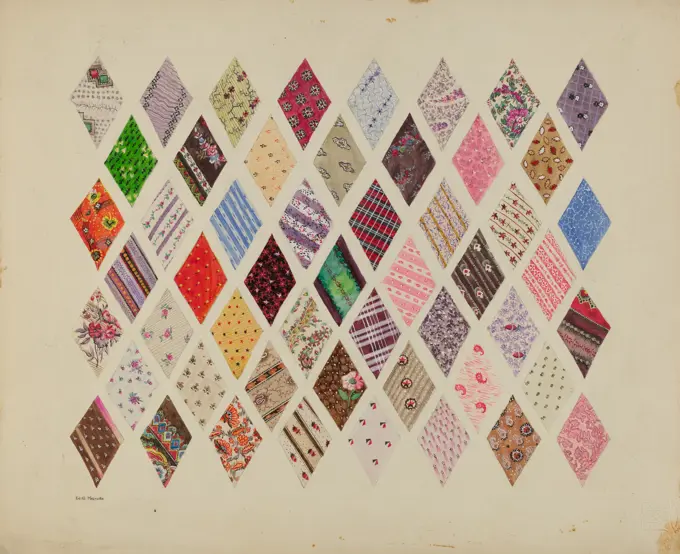
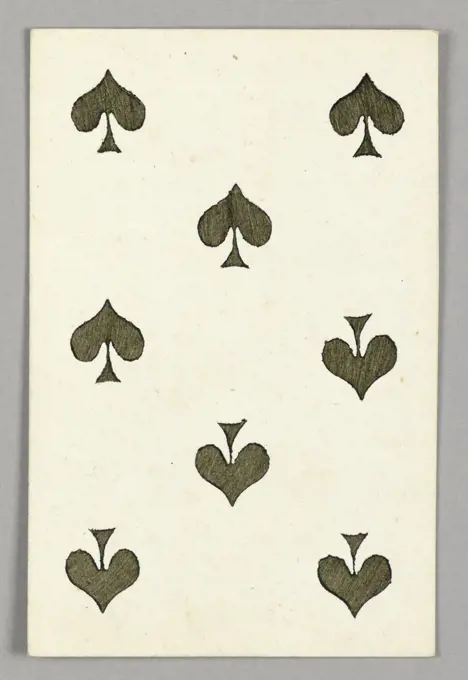
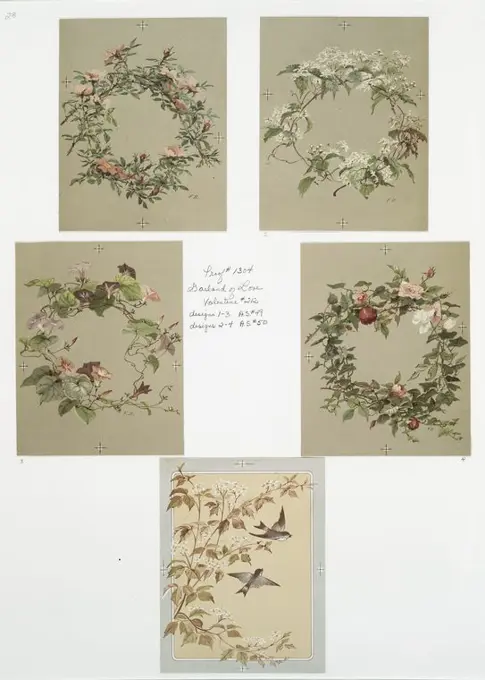
Sample Belgian, Brussels 19th centuryTextile, Medium: silk Technique: plain weave with discontinuous supplementary weft patterning (brocade), Fragment of brocaded silk with large-scale floral sprays and foliage in colored silks on a white ground., France, early 18th century, woven textiles, TextileLampas with rampant lions, palmettes, and escutcheons, 1400s. Spain, Granada, Nasrid period. Lampas: silk; average: 34.2 x 25.2 cm (13 7/16 x 9 15/16 in.).Piece 18th-19th century Japan. Piece 66605Sampler (Spain); silk on linenBatist handkerchief with double decorative table with curricula and j-shaped motifs. Natural batist handkerchief around finished with natural colosside: fine brugs flower work. The clamping side exists along the edges of the handkerchief from a double decorative frame. The inner decorative frame consists of four extremely narrow lines that are connected to each other by square shape strokes. The decorative filling from which this list exists is also called 'learning' (ladderjes). Attached to this, the second, outer, decorative frame with a recurring pattern of one row of J-shaped curls with a dot above the curly end. The J-shaped motifs are connected to each other with a braid ground and on the inner decorative frame. Outmost songs they are connected to the slight sloping edge, which is formed by a concatenation of flats, made alternately in linen stroke and scroll, where a thick contour wire swings around it. In every corner, overhoeks is placed a J-shaped motif with ditto flats, but Fragment. Italy. Date: 1450-1500. Dimensions: 70 x 49.3 cm (27 1/2 x 19 3/8 in.)Repeat: 61.1 x 30.3 cm (24 x 12 in.). Silk, warp-float faced 4:1 satin weave with supplementary pile warps forming cut voided velvet; stamped. Origin: Italy. Museum: The Chicago Art Institute, Chicago, USA.Piece of Cross-Stitch. Dated: c. 1937. Dimensions: overall: 34.5 x 36.7 cm (13 9/16 x 14 7/16 in.) Original IAD Object: 12" high; 12" wide. Medium: watercolor, gouache, and graphite on paper. Museum: National Gallery of Art, Washington DC. Author: George Beyer.Gigerl-Tarock, Treff Ralph Atkinson, Pepperberry Quilt, c 1939 Pepperberry QuiltPainted Organdy Strip, mid 1800s. France, mid-19th century. Painted organdy; overall: 41.2 x 22.6 cm (16 1/4 x 8 7/8 in.).PoIIsh carpet unknownFragment of a Deventer carpet, c. 1910 - c. 1925 Fragment of a hand -knotted Deventer carpet with red midfield and abstract edge decoration in green, beige, red and blue. Dark blue edge. The carpet is made for the villa of the Pull ter Gunne family on the Princess Marielaan in Apeldoorn. Deventer wool Fragment of a hand -knotted Deventer carpet with red midfield and abstract edge decoration in green, beige, red and blue. Dark blue edge. The carpet is made for the villa of the Pull ter Gunne family on the Princess Marielaan in Apeldoorn. Deventer woolFragment of a Deventer carpet, Deventer carpet factory, c. 1910 - c. 1925 Fragment of a hand -knotted Deventer carpet with red midfield and abstract edge decoration in green, beige, red and blue. Dark blue border. The carpet is made for the villa of the Pull ter Gunne family on the Princess Marielaan in Apeldoorn. Deventer wool Fragment of a hand -knotted Deventer carpet with red midfield and abstract edge decoration in green, beige, red and blue. Dark blue border. The carpet is made for the villa of the Pull ter Gunne family on the Princess Marielaan in Apeldoorn. Deventer woolBook cover with overall floral and dot pattern 18th century Anonymous. Book cover with overall floral and dot pattern. Anonymous , 18th century. 18th century. Relief print (wood or metal). PrintsHandkerchief third quarter 19th century Italian The inscription on this handkerchief reads: "Venezia Piemonte Romagna" (Venice, Piedmont, Rome) all popular destinations for 19th-century travelers. Handkerchiefs such as these were collected in the period as souvenirs of the one's European tour.. Handkerchief 157747Piece 18th-19th century Japan. Piece 66698Piece 1760-70 French. Piece 223294Fragment of yellow silk damask with large pattern of stylized fan-shaped spread leaves between flowers and fruits. Fragment of yellow silk damask with large pattern of stylized fan-shaped spread leaves between flowers and fruits.Howard H Sherman, Handwoven Coverlet, 1936 Handwoven CoverletCap crown, Medium: linen Technique: needle lace with ground of loop & twist with twisted return, Point d'Alençon worked with a design of a framed central urn with branching floral sprays. Individual flower and leaf in ground., Belgium, 18th century, lace, Cap crownIndian ornamentTextile Sample from Sample Book 19th century Japan. Textile Sample from Sample Book 68187Ceiling Paper (USA); Manufactured by Maxwell & Co., S.A. (United States); machine-printed paper, liquid mica; 92 x 49 cm (36 1/4 x 19 5/16 in.)Textile; silk, metallic yarns; 1976-67-2Handkerchief, Medium: piña (pineapple) fiber, cotton Technique: embroidery and drawnwork on plain weave, Handkerchief in piña cloth with scalloped edge, buttonholed and with border of flowering vine, embroidered in cotton, crossing circles of drawnwork. Corner in black and white with word: 'Recuerdo' with bird above and small dog or cat below flowers., Philippines, 19th century, embroidery & stitching, HandkerchiefGreek Ornament and Etruscan OrnamentTextile Sample from Sample Book 19th century Japan. Textile Sample from Sample Book 68271Trimming, Medium: silk, Trimming fragment in a design of serpentine stem with leaves and scrolls. In red on a white ground., France, early 19th century, trimmings, TrimmingDoily, Flora's Retinue: Daisy; Designed by Walter Crane ((English, 1845-1915)); Produced by John Wilson & Sons (United Kingdom); Great Britain; linen warp, silk weft; 18 x 18cm (7 1/16 x 7 1/16in.) fringed on all sidesTrimming Made 1850-1900 China. White gauze, embroidered strips . Han-ChineseFragment, Medium: silk, metallic thread Technique: two heights of cut supplementary warp pile (velvet) in a plain weave foundation with supplementary weft, Fragment of a branching pomegranate pattern in crimson cut velvet in two heights of pile. Certain pile areas accented with gold metal loops. Dark yellow ground accented with gold threads., Italy, 15th century, woven textiles, FragmentBorder 17th century Bosnian. Border 212268Tablecloth (France); linen, silk; Warp x Weft: 102.4 x 94.2 cm (40 5/16 x 37 1/16 in.)Sampler, Medium: silk embroidery on linen foundation Technique: embroidered in rococo stitches on plain weave foundation, 'Rococo' embroidered sampler showing diamond designs, potted plants, and bouquets throughout the field., Netherlands, 18th century, embroidery & stitching, SamplerFiori di Ricami Nuovamente Posti in Luce, page 12 (recto) 1591 Matteo Florimi Italian Designed by Matteo Florimi, Italian, active Siena, ca. 1581-died 1613, published by Francesco de' Franceschi, Italian, active 16th century, Venice.From top to bottom, and left to right:Design composed of 3 horizontal registers. Top register is decorated with 3 upside-down triangular motifs that are separated into 2 groups and sit on ornamented rectangular bases; left triangle is decorated with a fleur-de-lis, middle triangle is decorated with a flower above a circle, and right triangle is decorated with a heart. Middle register is decorated with a curving vine of flowers and acorns that has an urn placed at the center. Bottom register is decorated in the center with a flower with a stem forming 2 curves, under which exist two 8-pointed stars.. Fiori di Ricami Nuovamente Posti in Luce, page 12 (recto) 660979Panel Made 1725-1775 England. Silk, satin weave with brocading wefts and self-patterned by ground weft floats .ENCUADERNACION. Location: PRIVATE COLLECTION. MADRID. SPANIEN.Darning sampler, Medium: silk embroidery, cotton foundation Technique: embroidered in running and four sided cross stitches with overcasting over withdrawn element work on plain weave foundation, Small square sampler with nine squares of pattern darning, one simulating knitting. Above and below the center square are the initials F.L. and the date 1836. Hemmed on four sides with a decorative hemstitch., 1836, embroidery & stitching, Darning samplerSampler (Netherlands); silk and metallic on linenShawl, Medium: wool Technique: tapestry weave, Typically French swirling shawl pattern in shades of red and violet, etc. with a small plain black area in the center. The pattern is symmetrical and the pattern of the shawl can be divided into four quarters. Narrow borders at each end in a patchwork of embroidered fabrics., India, ca. 1865, woven textiles, ShawlHandkerchief 1860-70 American. Handkerchief 170102Cap crown. Date/Period: Mid- 18th century. Cap crown. Medium: linen. Technique: bobbin lace. Author: UNKNOWN.Textile (USA); Manufactured by Orinoka Mills (United States); wool, cottonSampler, Medium: silk on linen Technique: embroidered, While linen worked in multicolored silk, now faded, in a design of flowers, animals, people, architectural motifs, numerals and alphabet., Spain, 1800, embroidery & stitching, SamplerKelkker or velum of linen with a border of edge of edge and a border in a border. Skelker or velum of linen with natural-colored edging: work with pulled out wires (open sewing). The whole is finished around with an edge natural colosside. Square model with rounded corners. The work with pulled wires has between two narrow paths with opened ovals a wider path with larger openwork ovals and a wheel at every corner point. The clamping side consists of a network of diamonds in which the outer edge ends in a zigzag line with a picot edge of fine braqued dots thereby.Embroidered Strip of Edging, 19th century. Philippines, 19th century. Embroidery in ecru thread on pina cloth; overall: 80 x 77.8 cm (31 1/2 x 30 5/8 in.).A: Fragments of a chasuble 17th or 18th century Italian. A: Fragments of a chasuble 461700Textile Sample from Sample Book 19th century Japan. Textile Sample from Sample Book 68224Fragment Made 1525-1575 Italy. Silk and gilt-metal-strip-wrapped silk, broken warp chevron twill weave with supplementary warps forming cut, uncut, and solid velvet, embroidered with silk in couching and laid work .Fragment blue velvet brocade with pomegranate moths, anonymous, c. 1420 - c. 1499 Fragment blue silk velvet brocade with a pattern of wavy tendrils, rose hottles and large pomegranates. For similar fragments, see A TM C, and E and F. Italy silk. Fragment blue silk velvet brocade with a pattern of wavy tendrils, rose hottles and large pomegranates. For similar fragments, see A TM C, and E and F. Italy silk.Carpet Made 1650-1700 Northern France. Linen and wool, plain weave with supplementary pile warps forming cut solid velvet; edged with silk and linen plain weave extended weft cut fringe .Untitled Valentine (Flowers) 1840-1850 England. Collaged elements and watercolor on blue accented and embossed ivory wove paper .Textile Sample from Sample Book 19th century Japan. Textile Sample from Sample Book 68198Piece 17th century Japan. Piece 71248Margaret Linsley, Coverlet, c 1940 CoverletTextile (England); cottonTextile 19th century Japan. Textile. Japan. 19th century. Textiles-WovenBedcover Made 1675-1725 Shropshire. Linen, plain weave; underlaid with cotton, plain weave; embroidered with silk in back, chain, open chain, leaf, Roman, Roumanian, satin and stem stitches; edged with linen, plain weave tape; two loom widths joined . Jane Bolas VaughanFragment. Nazca; Peru, south coast, Probably Nazca Valley. Date: 200 AD-500 AD. Dimensions: 51.8 × 32.7 cm (20 3/8 × 12 7/8 in.). Wool (camelid) and cotton, plain weave of discontinuous single interlocking warps and wefts. Origin: Peru. Museum: The Chicago Art Institute, Chicago, USA.Ceiling Paper (USA); Manufactured by Cresswell & Washburn Ltd; machine-printed paper, liquid mica; 71 x 47.5 cm (27 15/16 x 18 11/16 in.)Medieval ornamentGreek Ornament and Etruscan OrnamentHandkerchief, Medium: cotton Technique: embroidered, Square handkerchief of sheer white cotton with border design of scallops and eyelets embroidered in white cotton., USA, ca. 1862, embroidery & stitching, HandkerchiefSpanning fabric with backdrop of branches, leaves, flowers and fruits, anonymous, c. 1750 - c. 1790 A lane multicolored painted cream spancing material from silk. Description See A. China silk printing / painting A lane multicolored painted cream spancing material from silk. Description See A. China silk printing / paintingChalice Veil 18th century French. Chalice Veil 460317Cap crown, Medium: linen Technique: needle lace, Cap crown with an architectural center motif surrounded by elaborate garland of ribbon and floral forms., France or Italy, 18th century, lace, Cap crownBorder (France); block printed and flocked on paper; 86.5 x 14.5 cm (34 1/16 x 5 11/16 in.)Piece 17th century China. Piece 71334Fragment Made 1850-1900 Japan. .Piece 19th century Japan. Piece. Japan. 19th century. Cotton(), silk, metallic thread. Textiles-WovenMaterials from Patchwork Bedspread. Dated: c. 1936. Dimensions: overall: 35.5 x 28 cm (14 x 11 in.). Medium: watercolor, graphite, and gouache on paperboard. Museum: National Gallery of Art, Washington DC. Author: Frances Lichten.Dorothy Posten, Materials from Quilt, c 1937 Materials from QuiltFragment of an ornament. Maintain part of a design for a sheath. Leaf rights on a shaded background.Sampler, Medium: silk and linen embroidery on linen foundation Technique: embroidered in cross, double running, surface looped and darning stitches on plain weave foundation, Long narrow samplers embroidered with horizontal bands of withdrawn element work and embroidery in stylized floral border forms, in blue, green, red, yellow and off-white., England, late 17th century, embroidery & stitching, SamplerFragment (France); silkUpholstery for a chair unknownTextile (England); cotton; 1947-17-12-aDarning sampler worked in colored silk and white linen on fine white linen, marked IB ANNO 1702, exercise, stoppage needlework image silk linen, textile stopping stitching embroidery Stopping of finely woven bleached linen with 24 threads in length and 26 threads in length at 1 cm. Around hem edge of 0.3 cm. The stoppers are regularly distributed around central insert Central white linen inset in linen binding with embroidery In the middle an oak leaf wreath in which the twigs cross under each other. in it the crowned letters IB are embroided in cross stitch. embroided on the corners AN-NO-17-02: IB ANNO 1702 handicraftPiece 18th-19th century Japan. Piece 67196Pin Cushion Doily. Dated: c. 1939. Dimensions: overall: 34.8 x 45 cm (13 11/16 x 17 11/16 in.). Medium: watercolor and graphite on paperboard. Museum: National Gallery of Art, Washington DC. Author: Frank Nelson.Wood block, Wood, brass, Rectangular block consisting of five layers of laminated wood, of which the upper is carved. At top, arches indicating fluting, alternating with rosettes. At bottom, two large and two small scallops; remaining area filled with swags of roses and bows of ribbons. Second block of a set of three. (1956-164-1 and -3)., France, 1860-70, Wallcoverings, Wood blockTextile, China, 18th-19th century, woven textiles, TextileEmbroidery sample for a man's suit. Culture: French. Dimensions: L. 10 1/2 x W. 6 3/4 inches26.7 x 17.1 cm. Date: 1800-1815. Museum: Metropolitan Museum of Art, New York, USA.Samuel O Klein, Chair Seat, c 1937 Chair SeatEdith Magnette, Patches of Diamond Patchwork Quilt, c 1937 Patches of Diamond Patchwork QuiltBorder (Germany); embossed, die cut, paper; 46.5 x 37 cm (18 5/16 x 14 9/16 in.)Lambrequin, anonymous, c. 1735 - c. 1740 Lambrequin made of cotton in multicolored sits, painted with a design of large and smaller red flowers and smaller flowers in every cru and yellow and with leaves in blue and green on a white stock; lined with light brown coarse linen and blue and white checkered cotton, omboard with yellow silk passion. Note: The design is inspired on French silk tissues from the time. Coromandelkust cotton (textile). paint (coating). stain (coating) Lambrequin made of cotton in multicolored sits, painted with a design of large and smaller red flowers and smaller flowers in every cru and yellow and with leaves in blue and green on a white stock; lined with light brown coarse linen and blue and white checkered cotton, omboard with yellow silk passion. Note: The design is inspired on French silk tissues from the time. Coromandelkust cotton (textile). paint (coating). stain (coating)Skirt Panel Made 1830-1850 France. Silk, plain weave with supplementary discontinuous pile warps forming cut and uncut voided velvet; fringe is extended lengths of pile warps; warp ainted appearance (chine) .Handkerchief Made 1830-1850 Philippines. Pineapple fiber, plain weave (pina cloth); cut and drawnwork embroidered with silk and cotton in cross, darned squared, darned wheels, interlocking, satin, and single faggot stitches; embroidered with cotton in the back, buttonhole, padded satin, and twined double running stitches .Pavement mosaics, private houses, Ephesus, Izmir Province, Turkey, AsiaFragment with factory stamp, Medium: cotton Technique: block printed on plain weave fabric; block registration marks visible, Factory mark at one end. Pattern of scattered dianthus (pinks) in three reds and two green on natural., London, England, ca. 1830, printed, dyed & painted textiles, Fragment with factory stampEmbroidery, Germany 19th century. Crown of roses embroidery design with a ribbon and a bunch of anemones in the middle.Rug;  1930s (1829-00-00-1839-00-00);Kilimy, purchase (provenance)Wallet - cover for a notebook. unknown, authorDesign for painted decoration of a ceiling incorporating interwined initials: DD. Artist: Jules-Edmond-Charles Lachaise (French, died 1897); Eugène-Pierre Gourdet (French, born Paris, 1820-1889). Dimensions: Overall: 10 11/16 x 8 1/4 in. (27.1 x 21 cm)image: 7 1/16 x 6 1/4 in. (17.9 x 15.8 cm). Date: second half 19th century. Museum: Metropolitan Museum of Art, New York, USA.Eight of Spades from Set of 'Jeu Imperial-Second Empire-Napoleon III' Playing Cards, F. Chardon, French, active 19th c., Lithograph on glazed paper, Eight of Spades from Set of 'Jeu Imperial-Second Empire-Napoleon III' Playing Cards., Paris, France, 1858, Playing Card, Playing CardBand containing eight different titles, 1904 book   paper. linen (material) printing / carbon printBand, Medium: silk on canvas; silk backing Technique: counted stitch embroidery on plain weave, Design of pink and blue morning glories with green leaves, arranged on stems growing form ends of strip towards the center. Bound and lined with ivory silk. Worked in tent stitch., Italy, 19th century, embroidery & stitching, BandGarlands of Love Valentines depicting flower garlands and birds.. Proofs, Greeting cards. 1865 - 1899. The Miriam and Ira D. Wallach Division of Art, Prints and Photographs: Print Collection. Birds, Flowers