Japanese Tsuba Sword Guards

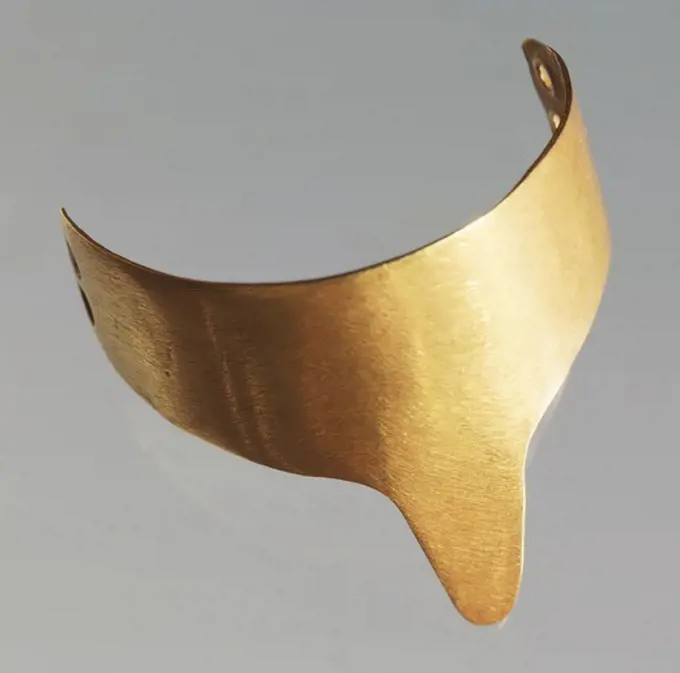
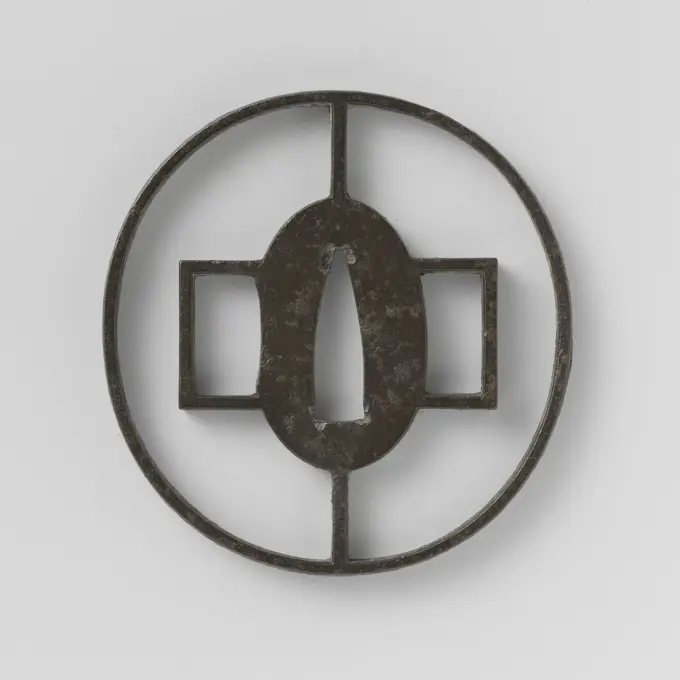
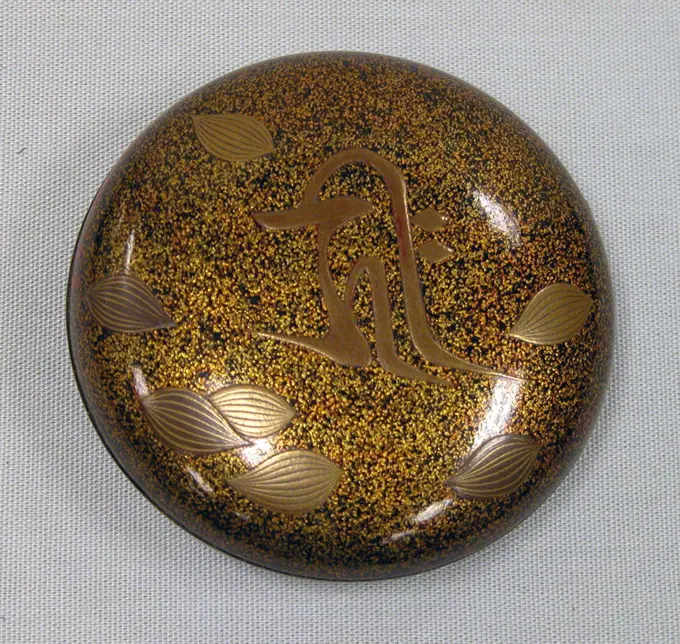
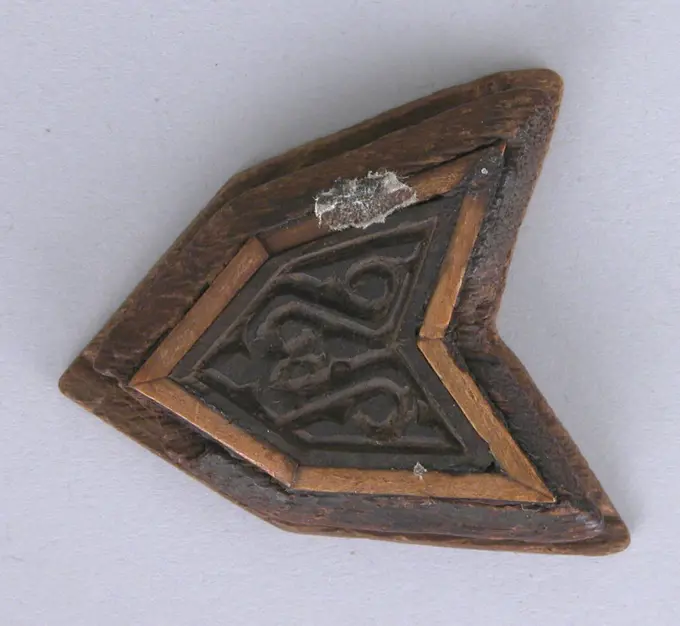
A collection of ornate Japanese tsuba sword guards featuring intricate designs and historical significance, showcasing craftsmanship from the 16th to 18th century.

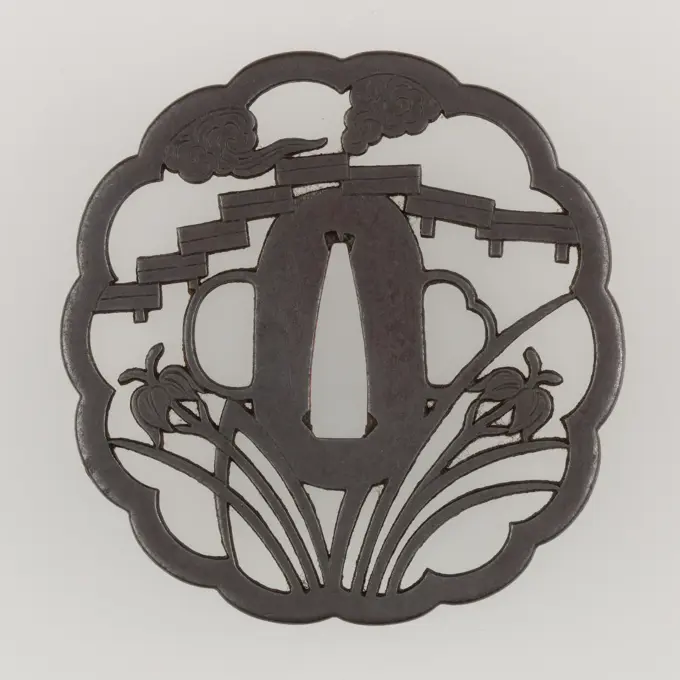
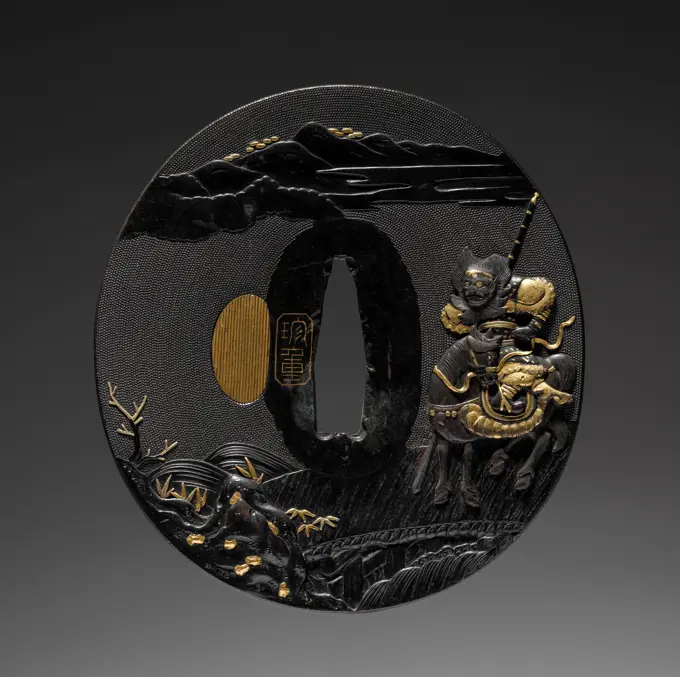
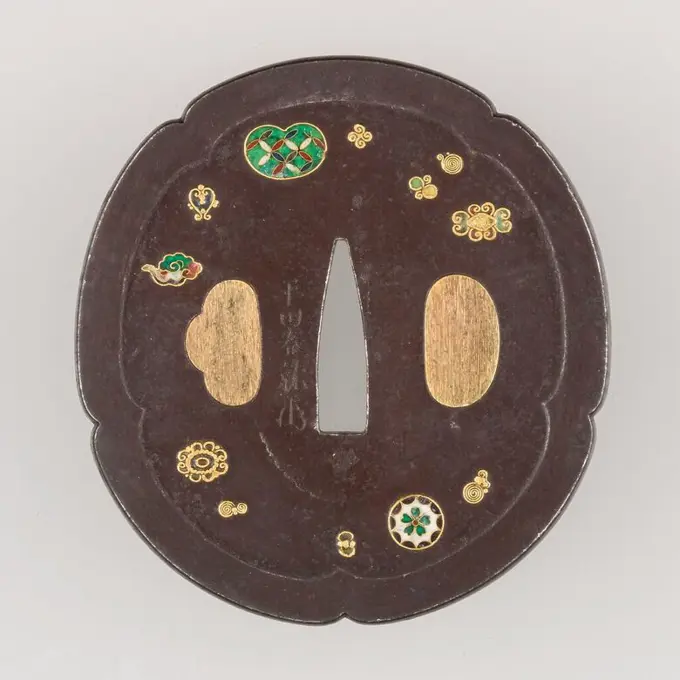
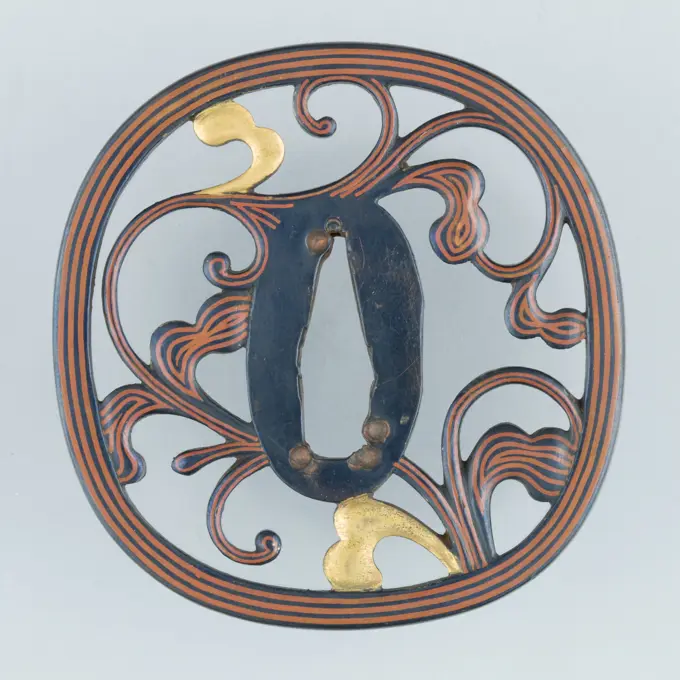
Sword Guard (Tsuba) possibly late 16th century Japanese A tsuba is a sword guard and part of a sword mounting. It is mounted between the swords blade and grip to protect the users hands.. Sword Guard (Tsuba) 29986
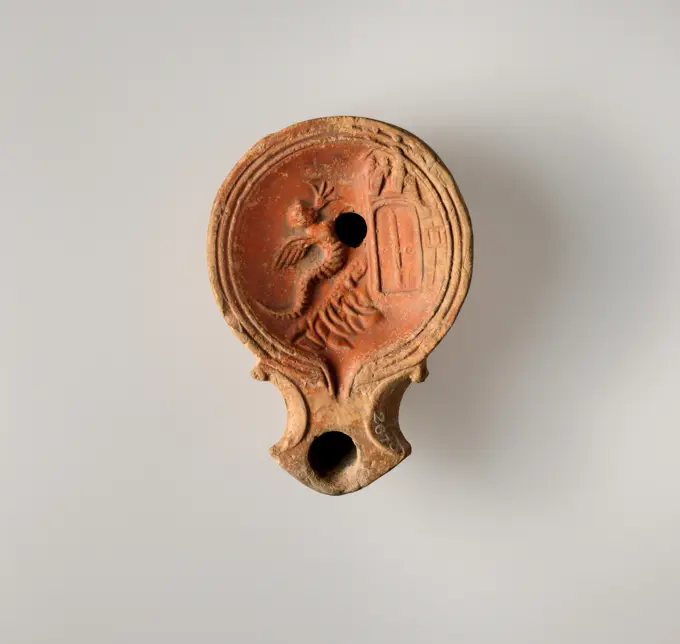
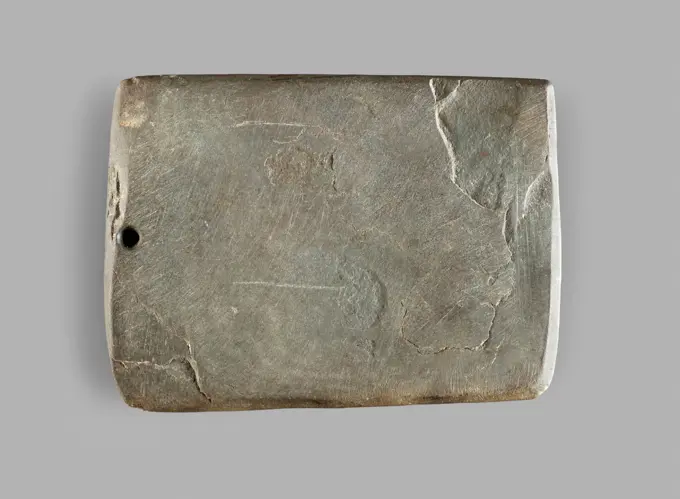
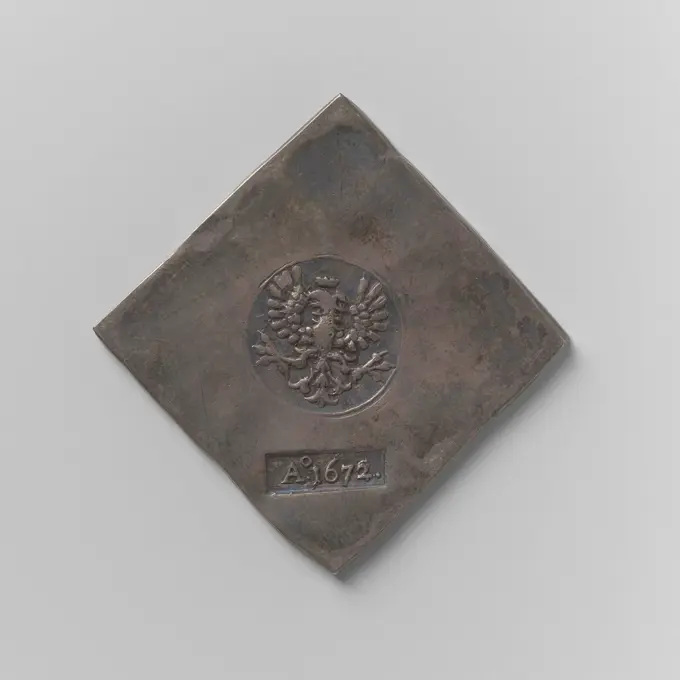
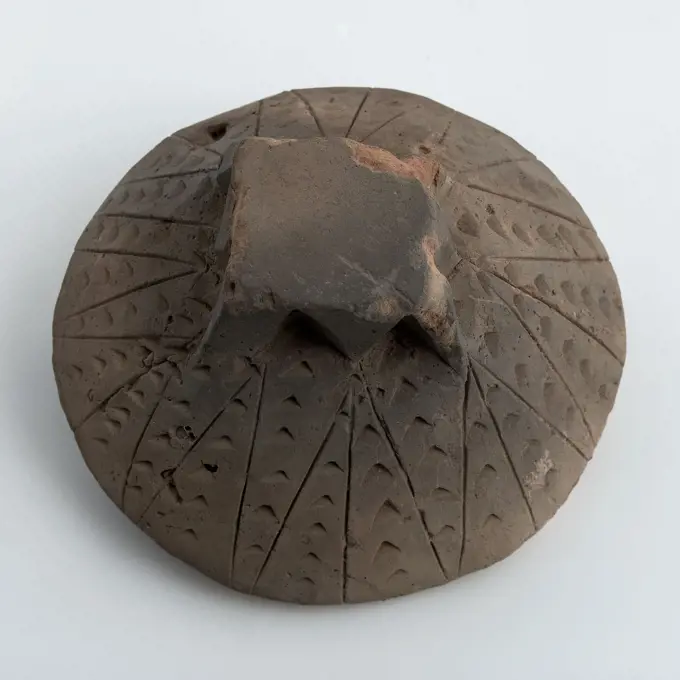
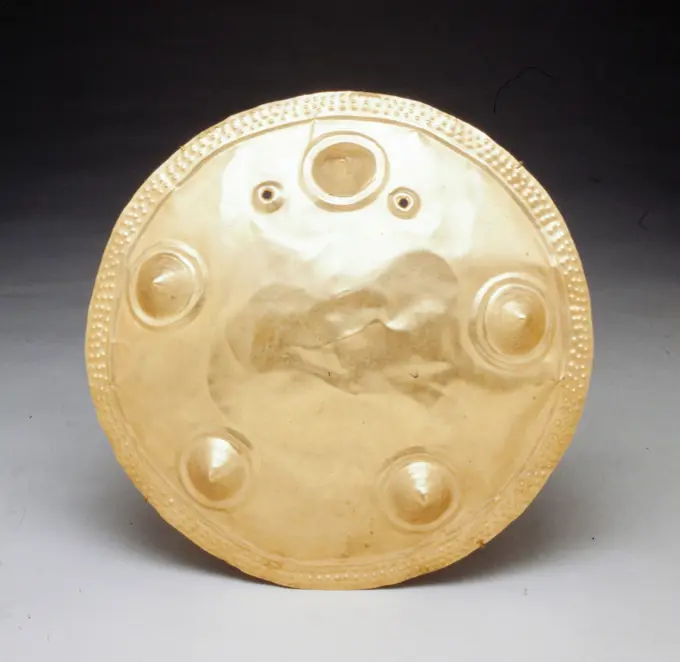
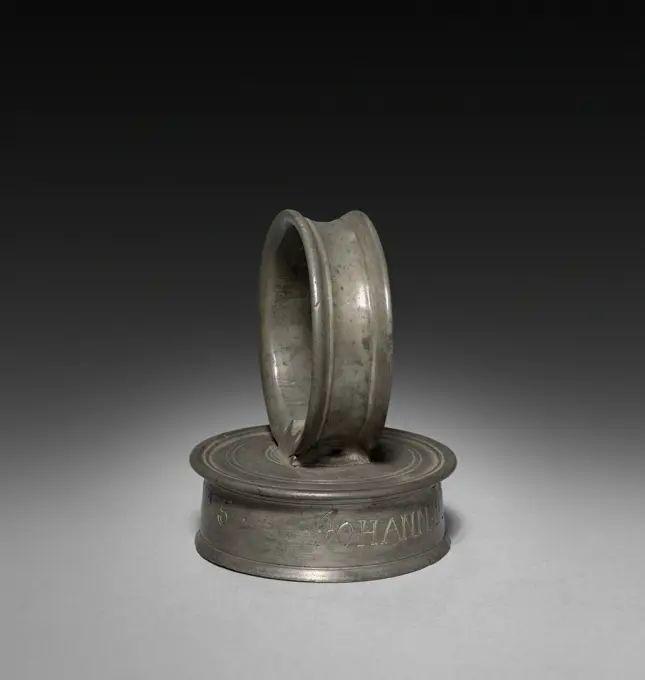
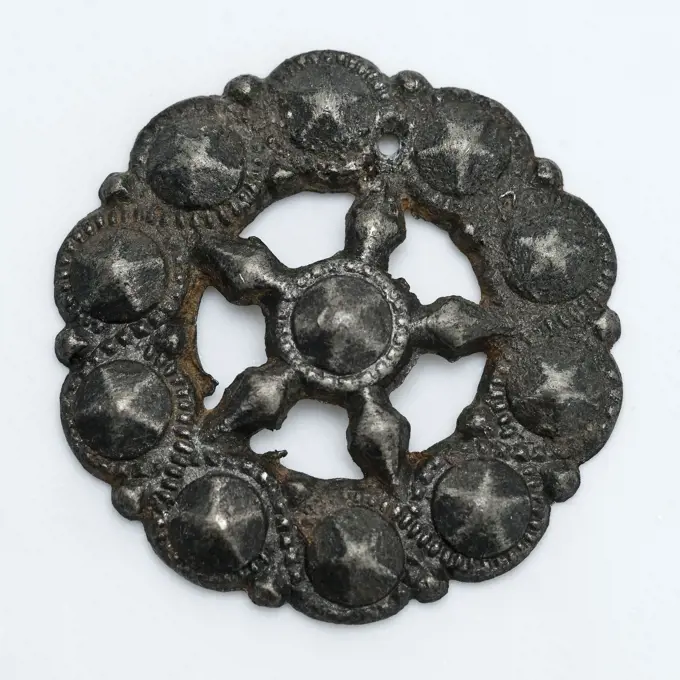
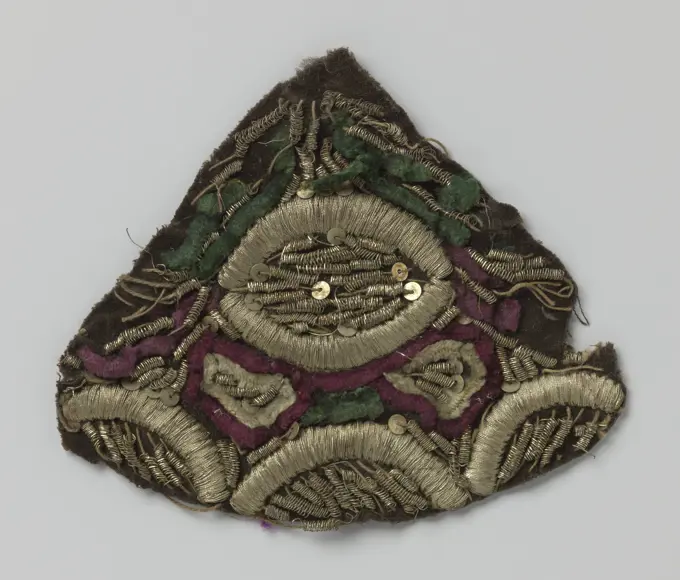
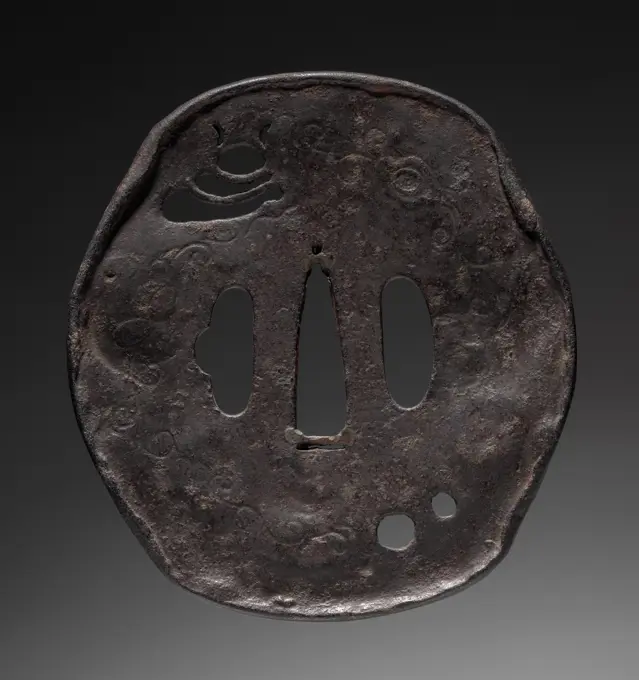
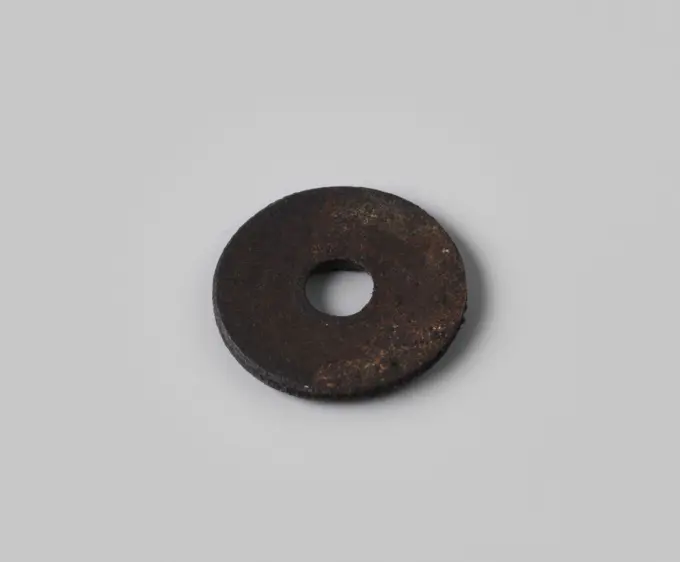
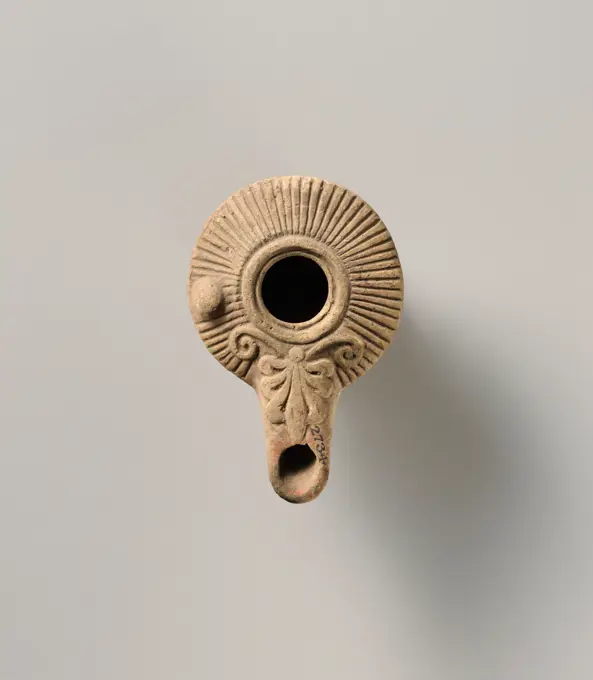
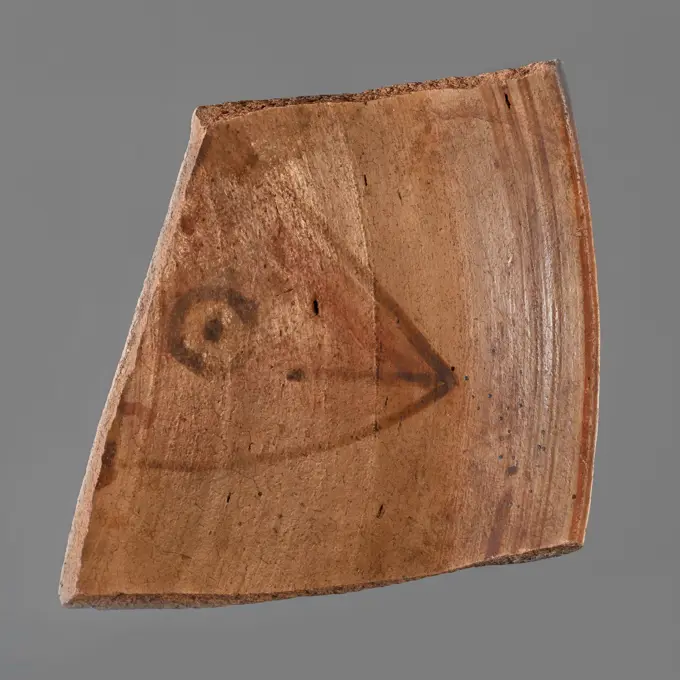
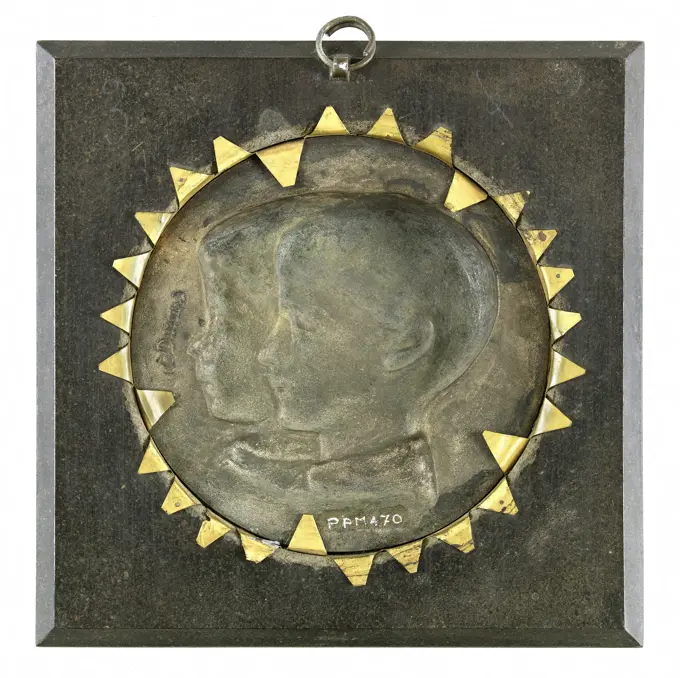
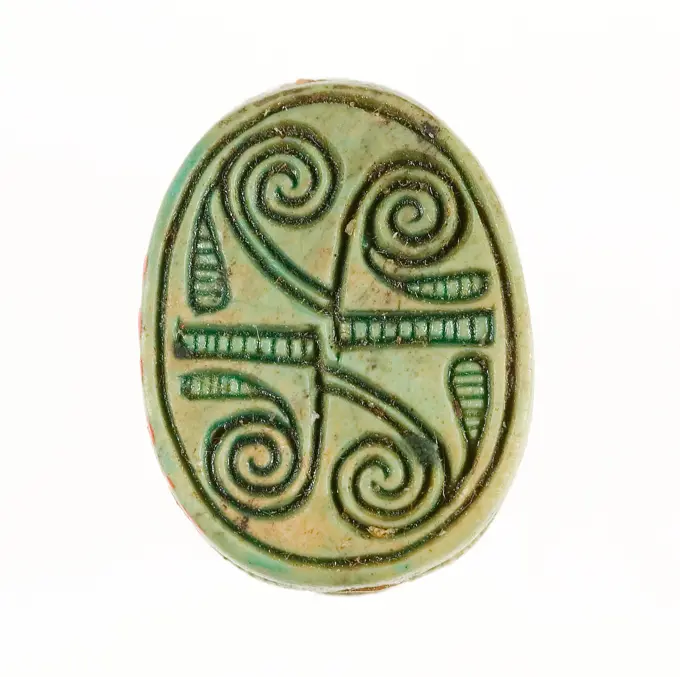
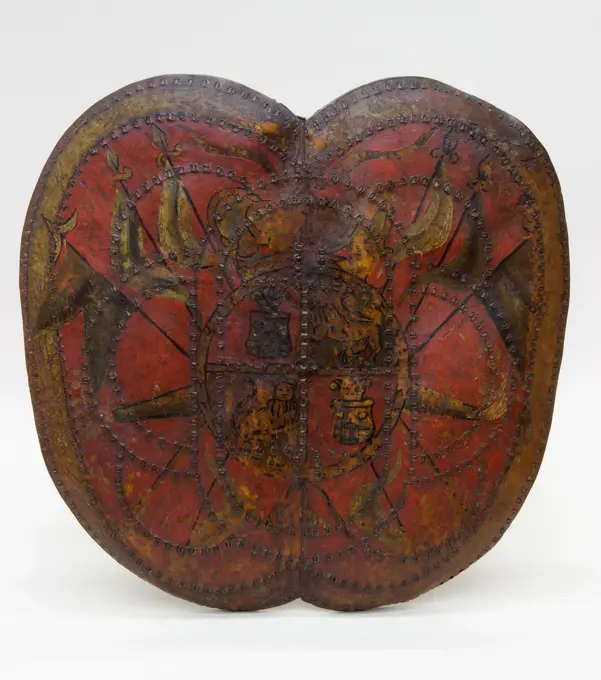
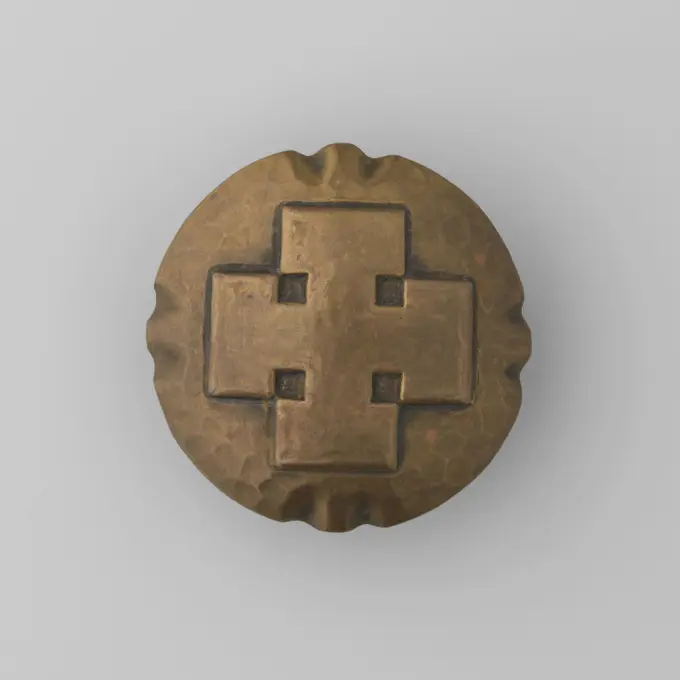
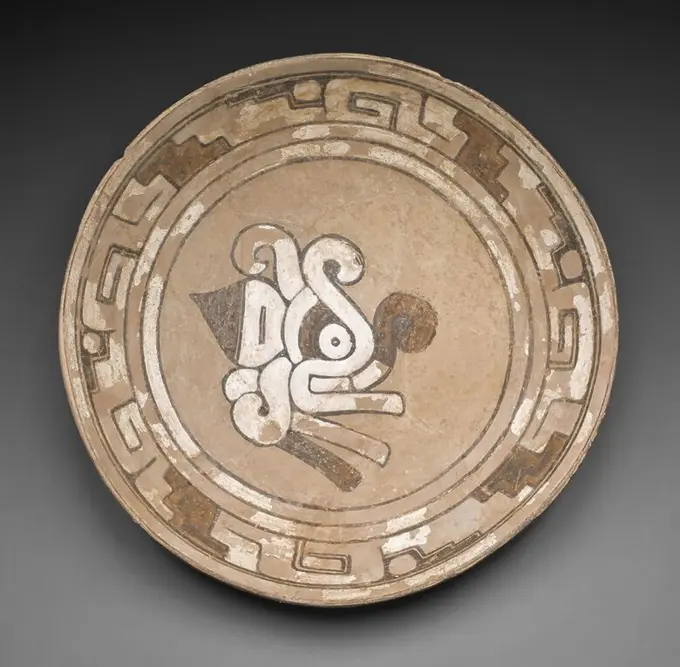
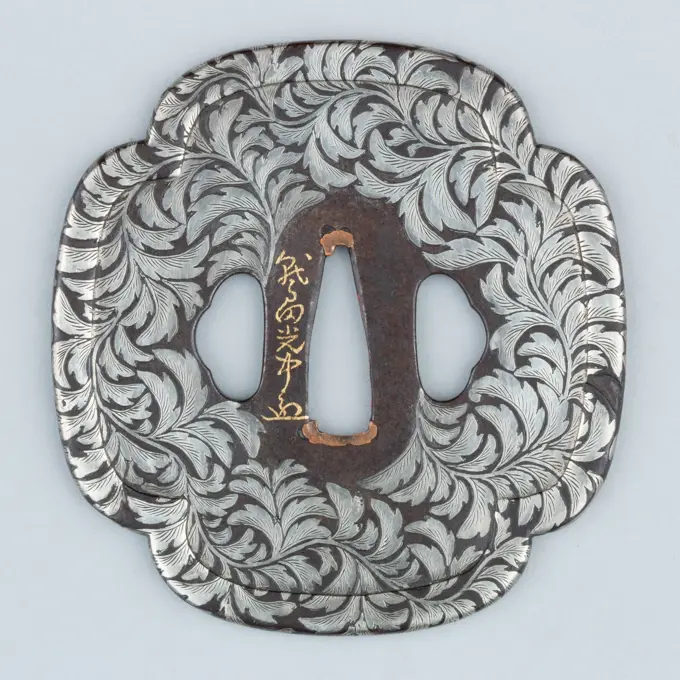
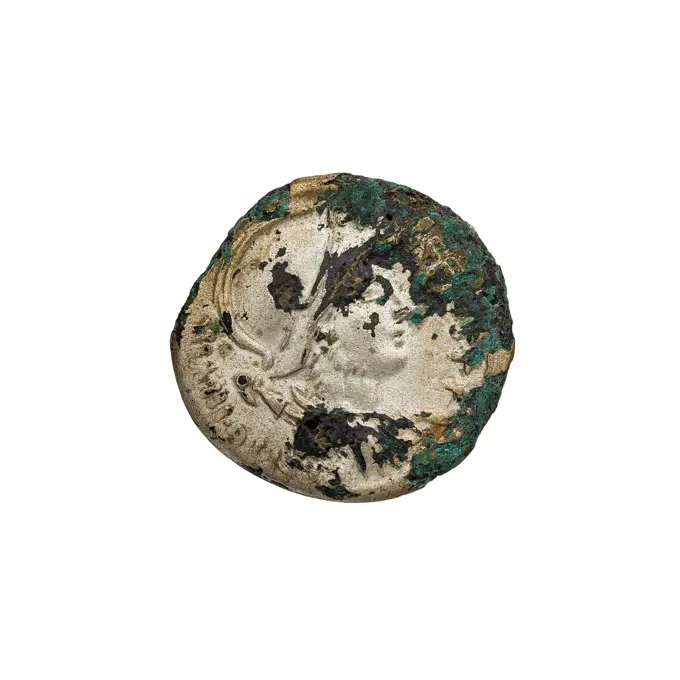
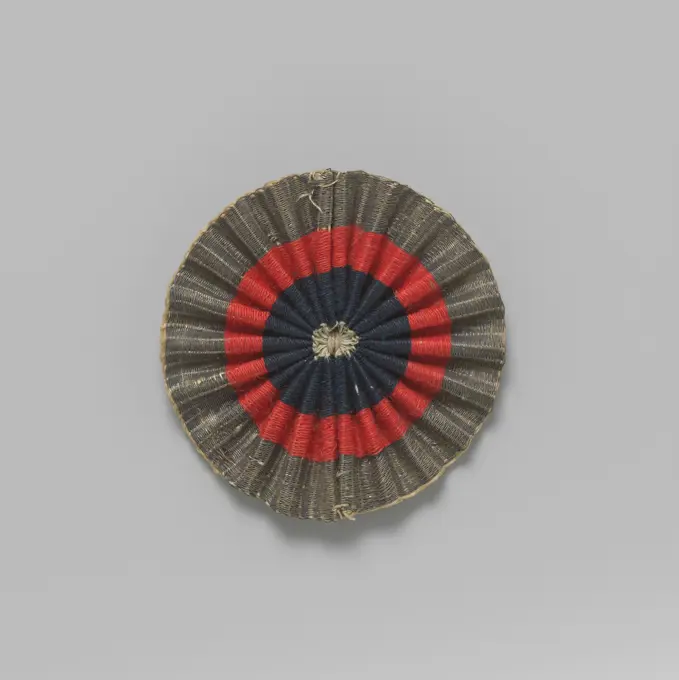
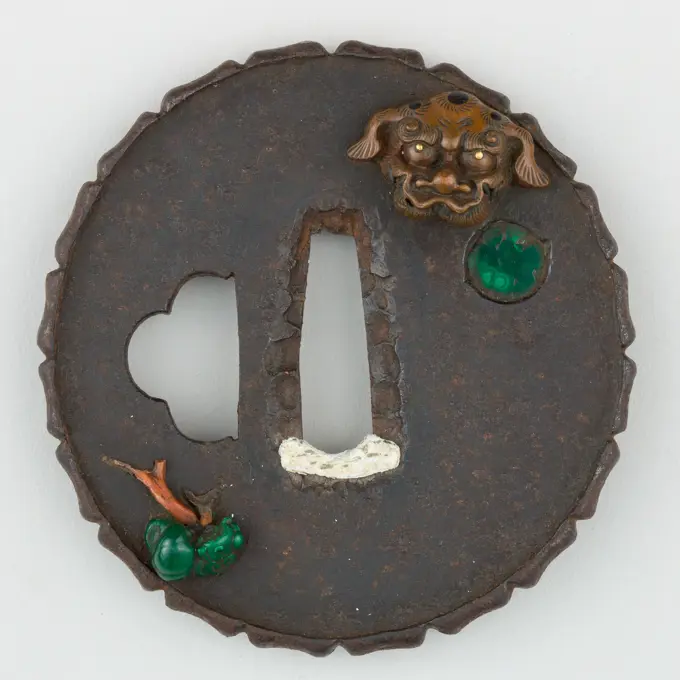
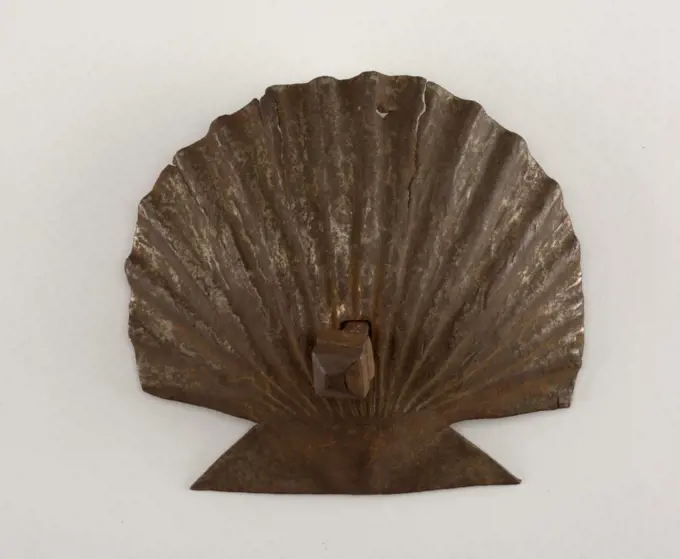
Rod. Medallion. Dona Maria, Queen of Portugal. Metal, Bronze, 1833. Museum of Fine Arts of the City of Paris, Petit Palais. 58762-18 Bronze, medallion, metal, numero inventory, numismatics, profile, portrait, queen portugalSword Guard (Tsuba) 18th century Japanese A tsuba is a sword guard and part of a sword mounting. It is mounted between the swords blade and grip to protect the users hands.. Sword Guard (Tsuba) 34938Sword Guard (Tsuba). Culture: Japanese. Dimensions: H. 3 in. (7.6 cm); W. 2 3/4 in. (7 cm); thickness 5/16 in. (0.8 cm); Wt. 6.1 oz. (172.9 g). Date: ca. 1615-1868. Museum: Metropolitan Museum of Art, New York, USA.. Round sheet of silver, with a decorated edge. In the past in use with official visits in Makassar (Ujung Pandang) of Inland Princes and Presins.Terracotta oil lamp ca. A.D. 40-100 Roman Loeschcke Type 1A. Mold-made. Deep concave discus: a sea monster, winged and with a snake-like body, breathes fire () before the gate of a walled city, defended by small figures bearing shields and a raised sword; below the monster, rising obliquely from left to right, are waves (); a single filling hole between monster and city gate, with a band of lines and grooves around the edge. A narrow, funnel-like channel runs from the discus to the back of the nozzle. Volutes flanking angular nozzle, with a large wick hole. Broad, raised base ring, and flat base, with the raised letter T at center.Complete, except for some wear on edge of discus.This lamp, depicting a sea monster before a walled city, is very similar in date, style, and illustration to the lamp 27.94.5 in this case.. Terracotta oil lamp. Roman. ca. A.D. 40-100. Terracotta. Early Imperial. TerracottasSword Guard (Tsuba). Culture: Japanese. Dimensions: Diam. 3 1/4 in. (8.3 cm); thickness 3/16 in. (0.5 cm); Wt. 4.8 oz. (136.1 g). Date: ca. 1615-1868. Museum: Metropolitan Museum of Art, New York, USA.Paletka prostokątna. unknown, authorSiege of Deventer, emergency minted from the council silver to payment of the war costs. diamond. Front: two stamps: large, round stamp: crowned eagle; Below: Rectangular stamp with year. Downside: engraved inscription: "by vyands Maght and Paaps violent is shine in four candies. H. N. applies.Dover with square button decorated in carving technique, three incised birds, damper heating earth finding ceramic earthenware, molded carved baked sgraffito Dover with square knob In the sides of the knob at the base, two triangles are cut out per side. Slanted sides Decorated in carving technique Decoration consists of lines that divide the sidewall into rough triangles between the lines of squeezed mespoints Three birds are incised on the underside. Red shard by heating discolored into gray pottery archeology Rotterdam City triangle Oostplein underground pit indigenous earthenware deaf fire room kitchen heating Soil discovery Rotterdam underground pit Oostplein from lower clay layer 1976.Badge of the Perfect Unity lodge in Eastern Vilnius. unknown, authorGrahal-Manzara. Carnavalet 2013-2016 collection sites. Numismatics.CDK Unknown, Higo school, Hayashi from KasugaBuckler (Targa) 1500-1530 Italy. Wood, parchment, and iron .Breast Plaque, 9th-15th century, 9 1/4 in. (23.5 cm) (Diam.), Gold, Panama, Pre-ColumbianBadge of graduation of the Officers' School of the Union of Active Combat Umbrella Miciński, W., Tetmajer, Włodzimierz (1861 1923)Grahal-Manzara. Carnavalet 2013-2016 collection sites. Numismatics.Forty -eight Batz, emergency coin from Breisach, beaten during the siege by the Sweden, Anonymous, 1633 coin. siege coin Unilateral, almost diamond -shaped emergency coin. Front: in round stamp: year above two coats of arms, separated by rose with five leaves; Below that: coat of arms between Roman numeral XLVIII. Reverse: Blanco Breisach silver (metal) striking (metalworking)  BreisachSword Guard (Tsuba) 17th century Japanese A tsuba is a sword guard and part of a sword mounting. It is mounted between the swords blade and grip to protect the users hands.. Sword Guard (Tsuba) 29983Mirror in a vaguely ancient style n.d. China. Mirror in a vaguely ancient style. China. n.d.. Bronze. MirrorsCannister (lid), 1715. Johann Melchoir Warner (German). Pewter; overall: 33 cm (13 in.).Spindle Whorl, 700s - 900s. Iran, early Islamic period, 8th - 10th century. Bone, incised; overall: 0.7 x 1.6 x 1.6 cm (1/4 x 5/8 x 5/8 in.).Rosette, consisting of radial frame with pearl edge around five-pointed star, fitting jewelery clothing accessories clothing soil find tin metal, cast Rosette consisting of radial frame with pearl edge around five-pointed star Possibly belonging to brooch or decorative fitting No recognizable frame. One small fastening hole in the periphery archeology Rotterdam Kralingen-Crooswijk Kralingche Bos Kralingse Plas adornment Soil discovery of Kralingse Plas.Hand guard, anonymous, 1600 - 1699 Almost round tsuba with an openwork decoration in positive silhouette of geometric motifs. Japan iron (metal) Almost round tsuba with an openwork decoration in positive silhouette of geometric motifs. Japan iron (metal)Scarab Hovering Falcon over Name of God Amun 1550 BCE-1069 BCE Egypt. Glazed steatite . Ancient EgyptianSword Guard (Tsuba) late 18th-early 19th century Japanese A tsuba is a sword guard and part of a sword mounting. It is mounted between the swords blade and grip to protect the users hands.. Sword Guard (Tsuba) 26363Ring 3000 BCE-2000 BCE China. Jade .Sword Guard (Tsuba), mid-1800s. Japan, Edo period (1615-1868). Bronze and gold foil; diameter: 7.7 cm (3 1/16 in.).Carnavalet Museum, Medals CollectionSword Pommel (Kashira) ca. 1615-1868 Japanese A kashira is a pommel cap mounted at the end of a sword hilt, usually made as part of a set with a matching fuchi (hilt collar).. Sword Pommel (Kashira). Japanese. ca. 1615-1868. Copper, copper-silver alloy (shibuichi), copper-gold alloy (shakud), gold. Sword Furniture-Fuchi-KashiraBrass disk, batter or button, disc batter soil found brass metal, cast-beaten archeology Rotterdam City Triangle Mariniersweg adorn confirm fastening Soil discovery: Mariniersweg Rotterdam 1983.Sword Guard (Tsuba). Culture: Japanese. Dimensions: H. 3 in. (7.6 cm); W. 2 13/16 in. (7.1 cm); thickness 3/16 in. (0.5 cm); Wt. 4.9 oz. (138.9 g). Date: early 19th century. Museum: Metropolitan Museum of Art, New York, USA.Octagonal amulet with carved inscription. unknown, craftsmanDisc (bi). China. Date: 3000 BC-2000 BC. Dimensions: Diam. 21.0 cm (8 1/4 in.); thickness 1.1 cm (7/16 in.). Jade. Origin: China. Museum: The Chicago Art Institute, Chicago, USA.Sword Guard (Tsuba) ca. 1615-1868 Japanese A tsuba is a sword guard and part of a sword mounting. It is mounted between the swords blade and grip to protect the users hands.. Sword Guard (Tsuba) 34503Reaal van Achten, beaten in Mexico, mint from the wreck of the East Indians' t Vliegend Hart ,, 1701 - 1734  Drained silver coin, beaten on irregular coin plate. Front: crowned coat of arms, largely covered by concretion of silver, containing the print of the structure of canvas in which coins were packed. Reverse: Cross in multi -pass; Between cross arms: arms figures. Mexico silver (metal) striking (metalworking)  MexicoOctagonal tea table. Culture: American. Dimensions: 28 x 33 1/4 x 24 5/8 in. (71.1 x 84.5 x 62.5 cm). Date: 1790-1825. Museum: Metropolitan Museum of Art, New York, USA.Bird Plaque Ornament 3rd century B.C.-A.D. 2nd century Vicús. Bird Plaque Ornament 315412Brooch -Jelec (Tsuba); Sunagawa, Masayoshi, Sunagawa; 1. PO. 19th century (1801-00-00-1850-00-00);Dish, painted with tulips and asters (). Round dish of multicolored painted majolica. The dish is painted with stylized flowers (three tulips and three asters) On a ground. Two tulips hang their heads. Along the edge, sweeping (Blue Dashes) painted. The dish has a wide, flat foot edge.Fragment velvet with multi -colored embroidery, c. 1650 Fragment velvet with multi -colored embroidery. The fragment is triangular and has three semic circles of silver -colored yarn along one side. An oval in silver color is embroidered in the middle. Germany silk. velvet (fabric weave). linen (material) embroidering Fragment velvet with multi -colored embroidery. The fragment is triangular and has three semic circles of silver -colored yarn along one side. An oval in silver color is embroidered in the middle. Germany silk. velvet (fabric weave). linen (material) embroideringSword Guard (Tsuba), c. 1615-1868. Japan, possibly Edo period (1615-1868). Iron; overall: 10.6 x 11.2 cm (4 3/16 x 4 7/16 in.).Emilia-Romagna Ferrara Ferrara Museo Civico di Schifanoia45. Hutzel, Max 1960-1990 General Notes: INCOMPLETE RECORD--NEGATIVES PROCESSED, PRINTS FILED German-born photographer and scholar Max Hutzel (1911-1988) photographed in Italy from the early 1960s until his death. The result of this project, referred to by Hutzel as Foto Arte Minore, is thorough documentation of art historical development in Italy up to the 18th century, including objects of the Etruscans and the Romans, as well as early Medieval, Romanesque, Gothic, Renaissance and Baroque monuments. Images are organized by geographic region in Italy, then by province, city, site complex and monument.. Buckle of silver, oval, unfiled, marked with two hinged teeth.Suppling ring from the wreck of the East Indians Hollandia, Anonymous, 1700 - in Or Before 1743  Varied parts or fragments, washers; circular, flat, circular central hole. Netherlands copper (metal)   SecondPilgrim's Badge 14th-16th century French. Pilgrim's Badge. French. 14th-16th century. Lead. Metalwork-LeadSword Guard (Tsuba) late 18th-19th century Japanese A tsuba is a sword guard and part of a sword mounting. It is mounted between the swords blade and grip to protect the users hands.. Sword Guard (Tsuba) 643318Medal: Creation (reverse), 1900s. Anthony de Francisci (American, 1887-1964). Metal; diameter: 7.4 cm (2 15/16 in.).Brooch -Terracotta oil lamp 1st century B.C.-1st century A.D. Greek or Roman Mold-made. Carinated, shallow body. Large, central filling hole, surrounded by a raised ring. Sharply sloping shoulder, decorated with close-set radiating lines; at left, a projecting knob, and on top of nozzle, a large palmette in relief. Raised base ring, and flat base.Intact.. Terracotta oil lamp. Greek or Roman. 1st century B.C.-1st century A.D.. Terracotta. Late Hellenistic or Early Imperial. TerracottasBadge of a member of the Citizens 'Citizens' City of WarsawSword Guard (Tsuba) 17th century Japanese A tsuba is a sword guard and part of a sword mounting. It is mounted between the swords blade and grip to protect the users hands.. Sword Guard (Tsuba) 29522A plateFragment of a p Unknown Nubian workshop; 2. PO. IX-XI century (851-00-00-1100-00-00);Painted ceramics, nubian ceramics, figural decorations, geometric decorations, fishPierre-Jules Cavelier (1814-1894). Medal plate. Ernest and Henri Laverne, artist's nephew. Metal, bronze. Museum of Fine Arts of the City of Paris, Petit Palais. 58756-2 Avers, bronze, supervision, child, medal, metal, new artist, inventory number, numismatics, profile, portrait, plateScarab Inscribed with a Geometric Pattern ca. 1479-1458 B.C. New Kingdom. Scarab Inscribed with a Geometric Pattern. ca. 1479-1458 B.C.. Steatite (glazed). New Kingdom. From Egypt, Upper Egypt, Thebes, Deir el-Bahri, Temple of Hatshepsut, Foundation Deposit 9 (I), MMA excavations, 1926-27. Dynasty 18, earlyPrehistory, Bulgaria, Eneolithic. Gold votive diadem. From tomb 34 of Varna excavations.Hand guard, anonymous, 1550 - 1700 Oval tsuba with a simple openwork decoration of a vertical line and a horizontal open crossbar. Japan iron (metal) Oval tsuba with a simple openwork decoration of a vertical line and a horizontal open crossbar. Japan iron (metal)Portable Shrine of Miroku Bosatsu with Sacred Sanskrit Syllable 19th century Japan. Portable Shrine of Miroku Bosatsu with Sacred Sanskrit Syllable 58352Celtic Bronze Mount of Stylised Human Head, Stanwick, Yorkshire, c1st century.  Artist: Unknown.Panel 14th-15th century. Panel 445137Shield (Adarga) probably mid-18th century Mexican Adargas are a type of leather shield introduced into Spain from North Africa in the 13th century. A later form was then used in the New World by the Spanish. This example is made of three layers of hide stitched together with leather laces that create an abstract pattern. It is painted with a simplified rendering of the Spanish royal arms. Acquired by the Museum in 1913, it was thought to be a Spanish work of the 16th century. It has since been recognized as a work of the 18th century from northern New Spain (Mexico), in what is now the American Southwest.. Shield (Adarga) 27236Round brooch van Onedel metal with Burgundian cross in relief, anonymous, c. 1940 - c. 1945 Round convex brooch made of an ingel -hammered gold -colored metal with Burgundian cross (or crutch cross) in relief with a hook closure. Netherlands metal hammering Round convex brooch made of an ingel -hammered gold -colored metal with Burgundian cross (or crutch cross) in relief with a hook closure. Netherlands metal hammeringBatter of a door knocker of tinned iron, decorated with French lilies. Batter of a door knocker of tinned iron. The main shape is square. In the middle a circular opening surrounded by a square with slightly sharper points and heart-shaped recesses in the corners. Four French lilies are attached to the straight sides.Grahal-Manzara. Carnavalet 2013-2016 collection sites. Numismatics.Spindle Whorl, 700s - 900s. Iran, early Islamic period, 8th - 10th century. Bone, incised; overall: 0.4 x 2.3 x 2.3 cm (3/16 x 7/8 x 7/8 in.).Fragment of a terracotta bell-krater (mixing bowl) late 5th century B.C. Greek, South Italian, Lucanian Head and arms of an Amazon with a spearThis detail from a mythological representation with numerous figures highlights the ease and rapidity with which the artist handled both the glaze line and the dilute glaze.. Fragment of a terracotta bell-krater (mixing bowl). Greek, South Italian, Lucanian. late 5th century B.C.. Terracotta; red-figure. Classical. VasesScarier, c. 1400 - c. 1950   iron (metal)   iron (metal)Tribute of the city of Amiens to his national guards engaged during the days of June, 1848 Alexis-Joseph Deaulis (1792-1867). Tribute of the city of Amiens to his national guards engaged during the days of June, 1848. Copper. 1848.Carnavalet museum, medal collectionPlate with an Image of a Moth. Huaxtec; Isla de Sacrificios, Veracruz, Mexico. Date: 850 AD-1250. Dimensions: 5.1 × 29.2 cm (2 × 11 1/2 in.). Ceramic and pigment. Origin: Veracruz state. Museum: The Chicago Art Institute, Chicago, USA. Author: Classic Veracruz.Buckle 17th century. Buckle 446157Gears & ChainSword Guard (Tsuba) 19th century Inscribed by Washida Mitsunaka Japanese This sword guard (tsuba) features a design of scrolling leaves.. Sword Guard (Tsuba) 23060Spiral Hair Ring with Serpent Head Terminals. UnknownDenar Plated; Fonteius Capito, P. (Fl. 55 BC); 55 BC (-55-00-00--55-00-00);Mars (mitol.), Helmets, prisoners, riders, horses, swords, plated coins, bust, Mars (iconogr.), Shields, trophies, warriors, spearsHat rosette of pleated ribbon in silver, red and in the center blue, anonymous, c. 1800 - c. 1815 Hat rosette of pleated ribbon in silver, red and in the center blue. Netherlands silk Hat rosette of pleated ribbon in silver, red and in the center blue. Netherlands silkSword Guard (Tsuba) Depicting an Arrangement of Masks (散図鐔) ca. 1615-1868 Japanese This tsuba shows what appears to be an arrangement of masks (men, ), with a copper lion mask on the obverse and a fox mask on the reverse. In addition, we see one circular recess on each side which is filled with jade and a flower-like copper/jade element on the obverse. The rim is carved into several segments. The reverse also features a banner which bears the inscription "Kikusuiken + monogram," although the relevant sources do not list any sword fittings maker using this art name.With the lion and fox masks being featured in the Nō plays Shakkyō (石橋) and Kokaji (小鍛冶) respectively, and the name Kikusuiken alluding to the play Kikujidō (菊慈童), the motif of this tsuba could be a general allusion to Nō.. Sword Guard (Tsuba) Depicting an Arrangement of Masks (散図鐔) 25702Bracelet 20th century China. Bracelet. China. 20th century. Jade. JadeOrnament - Wheel, 1736-1795. China, Qing dynasty (1644-1912), Qianlong reign (1735-1795). White jade; diameter: 5.6 cm (2 3/16 in.).Sword Guard (Tsuba) 18th century Japanese A tsuba is a sword guard and part of a sword mounting. It is mounted between the swords blade and grip to protect the users hands.. Sword Guard (Tsuba) 34914door boss and nail, wrought iron, In the form of a scallop shell. Squared nail head on squared shank., Spain, ca. 1500, metalwork, Decorative Arts, door boss and nailLazio Viterbo Viterbo Museo Civico3. Hutzel, Max 1960-1990 Views of paintings (Middle Ages through 18th c.), frescoes, a tabernacle, coffin, sculpture reliefs, portal fragments, busts, sculpture, tapestry found in the Pinacoteca, Second floor gallery and Second floor cloister sequences. Antiquities: Many views of Etruscan and Roman fragments, sculpture, sarcophagi, pottery, masks, jewelry and other objects found in the Storeroom sequence (inventory numbers on back of prints), and the Cloister, Second floor Cloister, Valle Giulia, Sala Romana and Sala Etrusca sequences. General Notes: There are eight separate numerical sequences for this location. The cloister as an architectural structure, rather than museum site, is documented in the record and file for S. Maria della Verita, Cloister, all views of which are stored in Medieval core collection. Five views from the Museo Civico Second floor cloister sequence are stored in Medieval. German-born photographer and scholar Max Hutzel (1911-1Vase fragment 1st century B.C.-1st century A.D. Roman Man fighting.. Vase fragment. Roman. 1st century B.C.-1st century A.D.. Terracotta. VasesPlate with an Image of a Moth 850 CE-1250 Veracruz state. Ceramic and pigment . Veracruz, ClassicEye of Horus Amulet. Egypt, Late Period - Ptolemaic Period (724 - 31 BCE). Jewelry and Adornments; amulets. FaiencePuzzleFalse coin, bracteate, sieciechUnattributed Trebizond Coin. UnknownAttic Red-Figure Cup. Epiktetos (Greek (Attic), active about 520 - 490 B.C.)Cloak Pin (Knob or Tieback). Probably Birmingham, England. Date: 1791. Dimensions: Diam. 4.8 cm (1 7/8 in.). Transfer printed and polychrome enamels on copper, brass and iron. Origin: England. Museum: The Chicago Art Institute, Chicago, USA.Double leather pouchPigment Box with Cover early 20th century Korea. Pigment Box with Cover 57402Disk China. Disk 43365China and crystal used in the White House. Porcelain dinner plate decorated with a blue-green border and gilt scrollwork. The plate was manufactured by Josiah Wedgwood Sons and is part of the china collection acquired during President William McKinley's administration.Augustin Dupré (1748-1833). Punch: Republic with the beam. Steel, irregular polygonal block. 1793 (obverse). Paris, Carnavalet museum. Medal, numismaticsGlove of dark brown glacéle leather, anonymous, c. 1900 Dark brown glacé leather left glove. Decorated on the back with five black lines. At the wrist a split with four metal buttons. With extra slender fingers. West-Europa (possibly) Copper (Metal). Buttons: Metal Dark brown glacé leather left glove. Decorated on the back with five black lines. At the wrist a split with four metal buttons. With extra slender fingers. West-Europa (possibly) Copper (Metal). Buttons: MetalCarnavalet museum, medal collection Right Phrygian Bonnet in the center of a star; Reverse registration on six lines.Bowl (Flower Holder) 19th century Japan. Bowl (Flower Holder) 40768Cameo with the Archangel Michael probably late 14th century Byzantine The archangel Michael, commander of the heavenly host, became one of the most popular saints during Byzantium's last centuries. Depictions usually show him in the robes worn by the Byzantine emperor or dressed in armor.. Cameo with the Archangel Michael 467685