Japanese Woodblock Prints of Actors

Elegant woodblock prints showcasing famous actors in traditional Japanese attire. Each piece illustrates cultural heritage and craftsmanship in Japanese art.

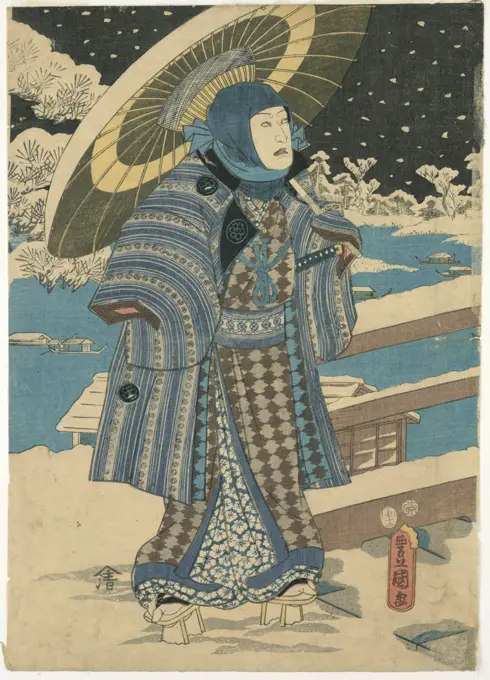
Standing Lord in Blue Over-Kimono, c. 1825 - c. 1830 print Ichikawa Danjûrô (1791-1859) in an unknown role, dressed in formal court clothing, leans on a sword. With three poems.  paper color woodcut portrait of actor, actress. hacking and thrusting weapons: sword
Standing Lord in Blue Over-Kimono, c. 1825 - c. 1830 print Ichikawa Danjûrô (1791-1859) in an unknown role, dressed in formal court clothing, leans on a sword. With three poems. paper color woodcut portrait of actor, actress. hacking and thrusting weapons: sword
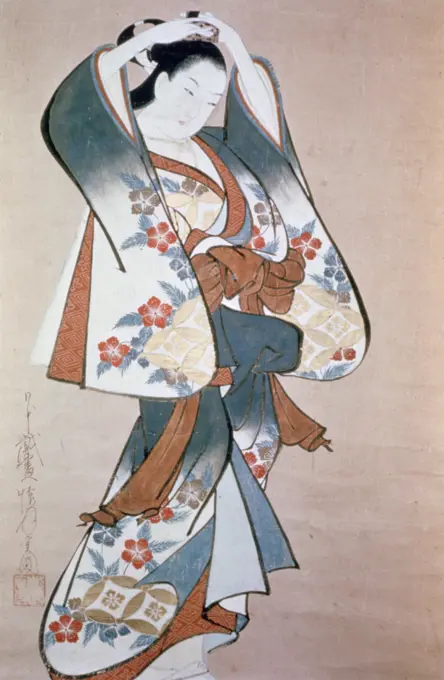
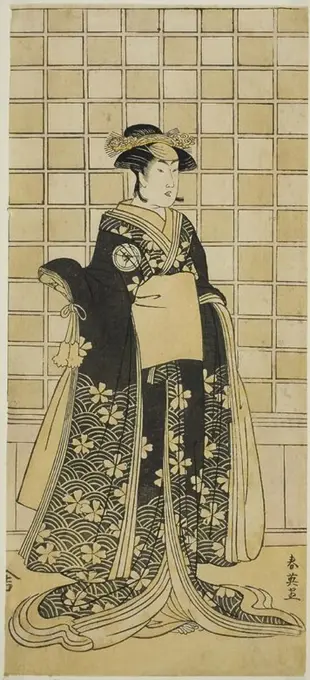
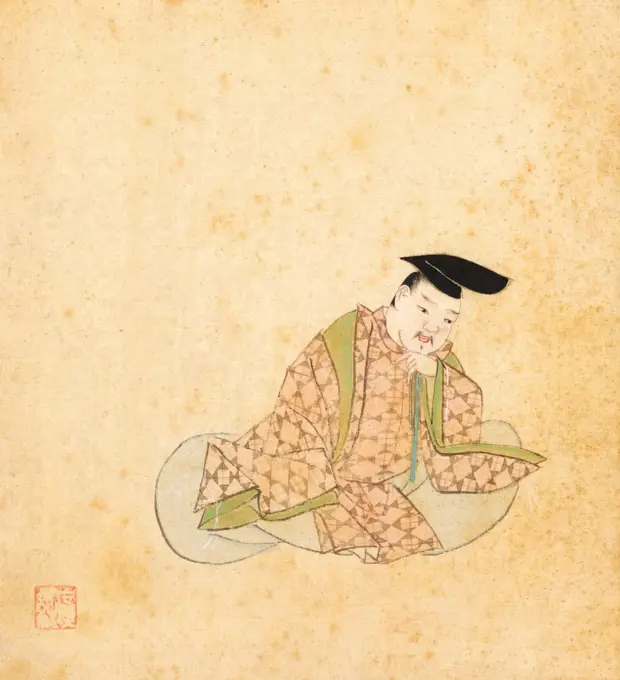
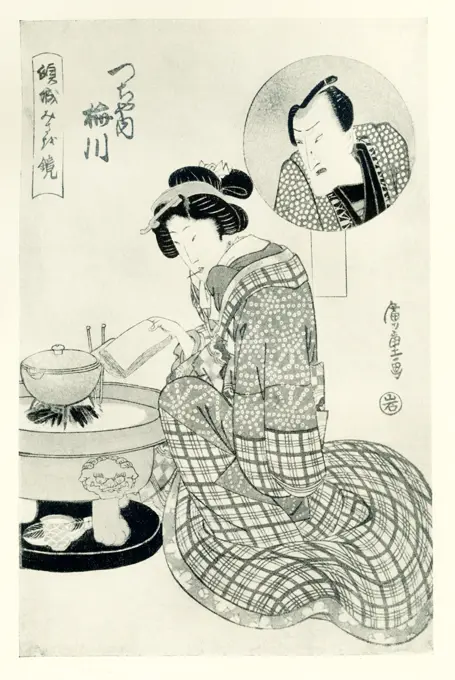
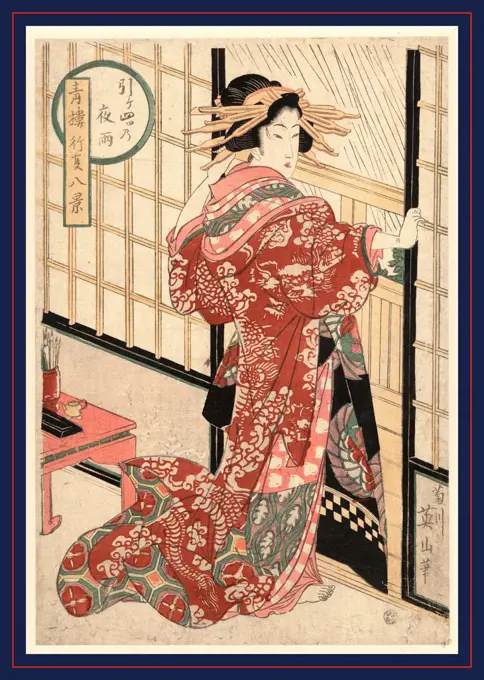
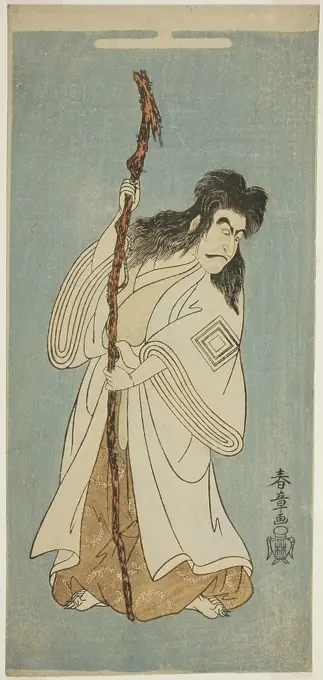
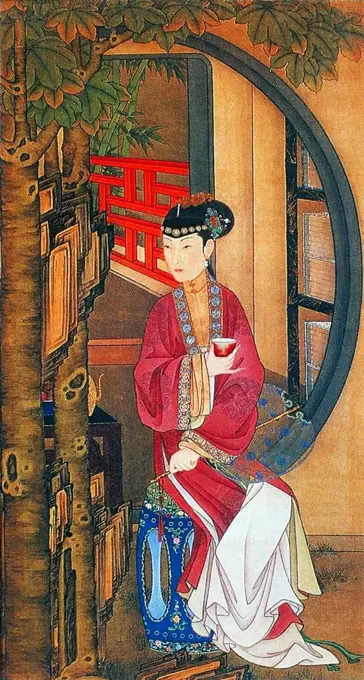
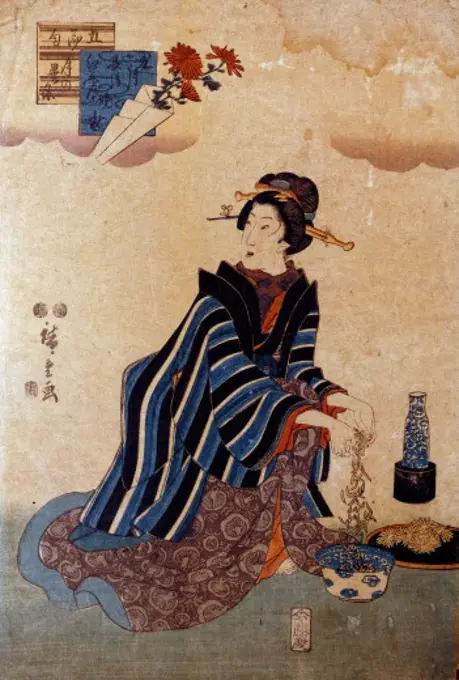
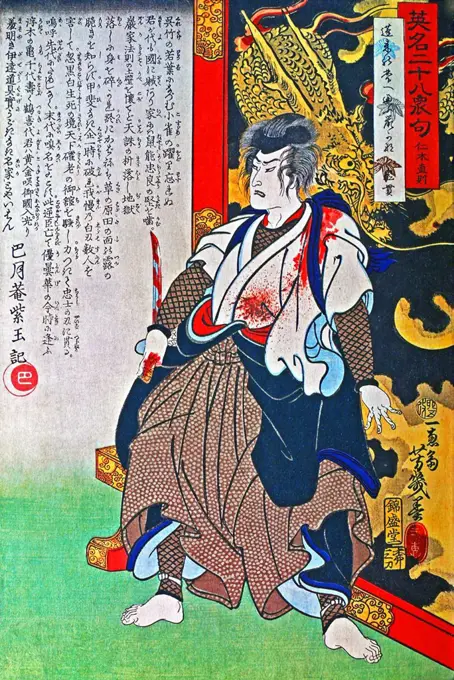
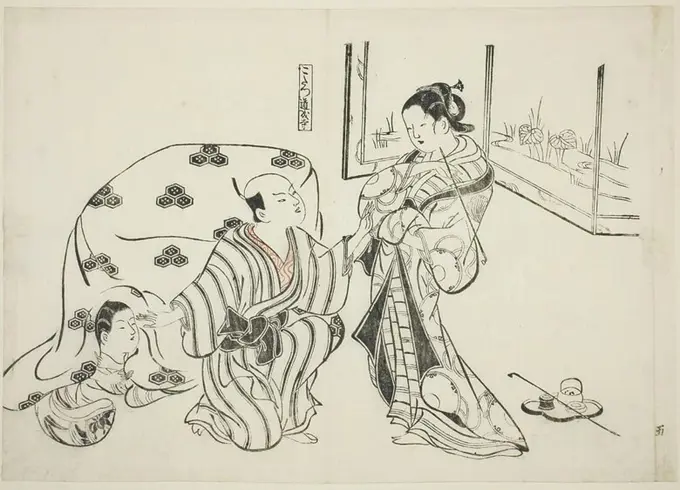
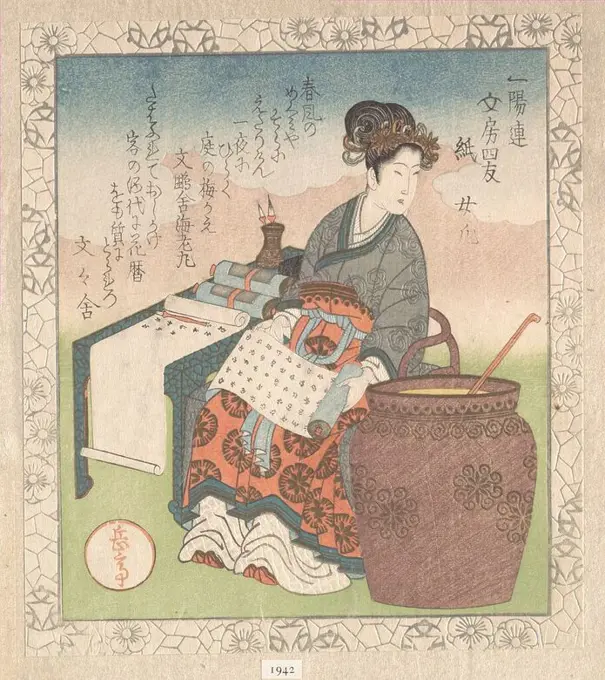
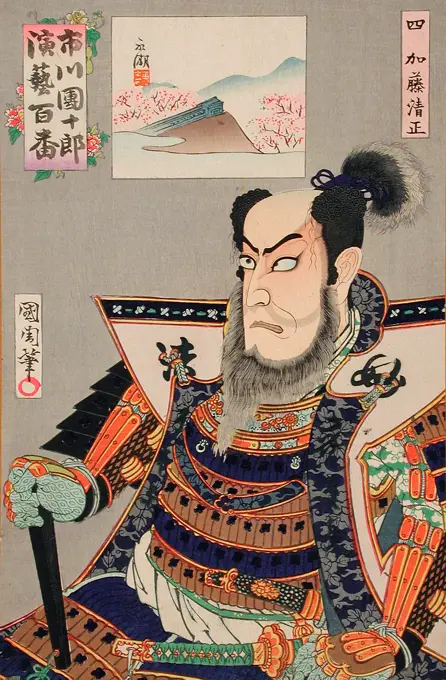
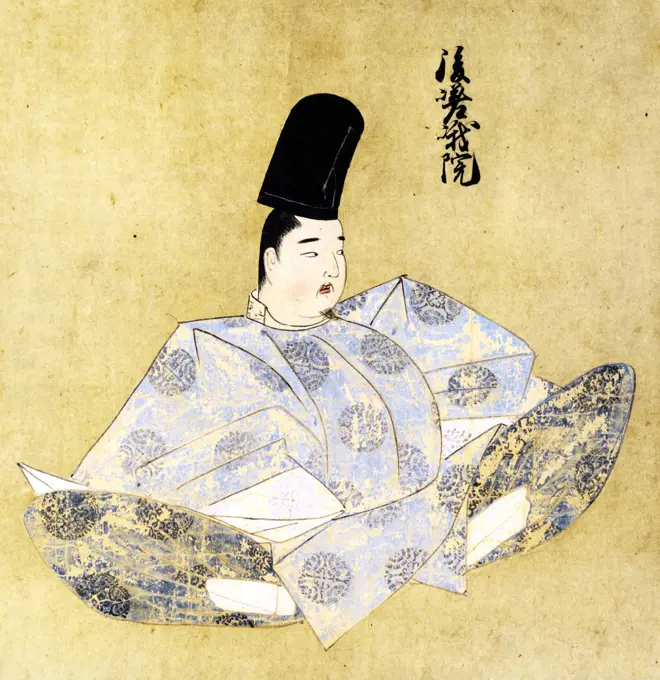
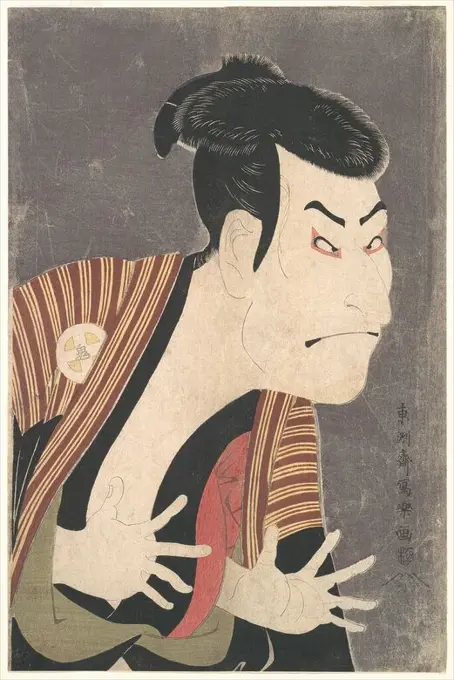
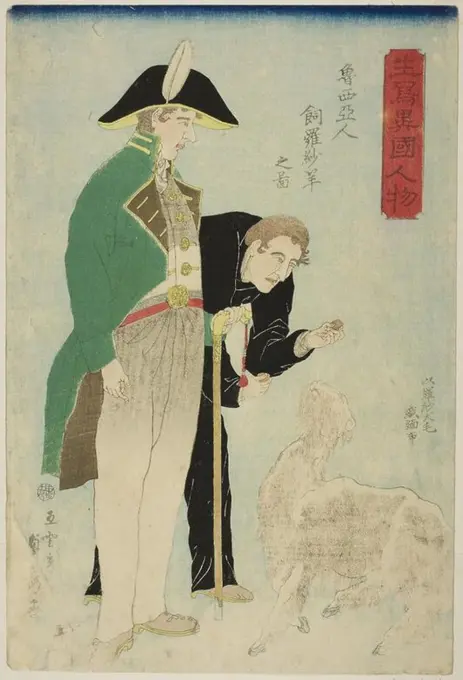
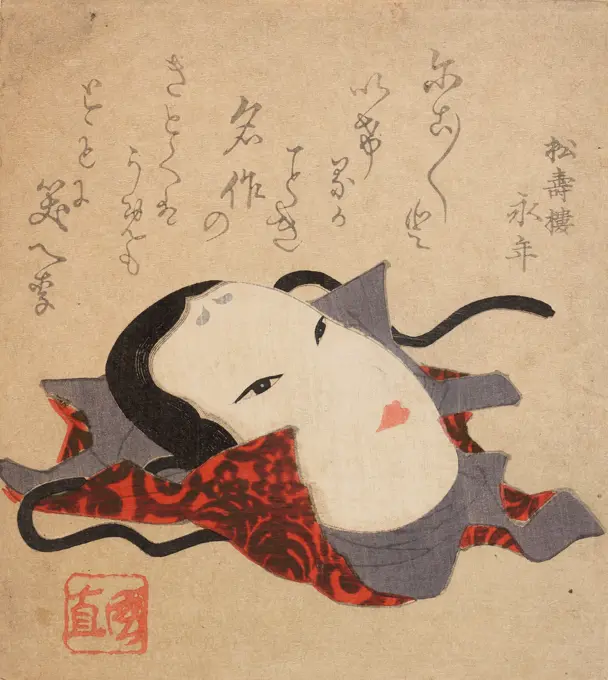
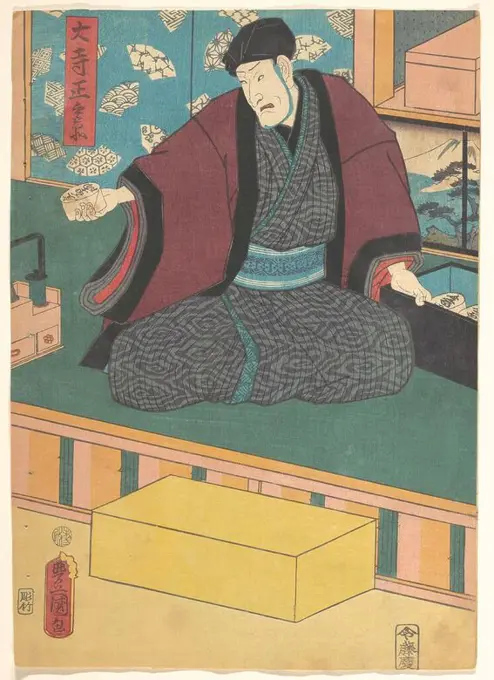
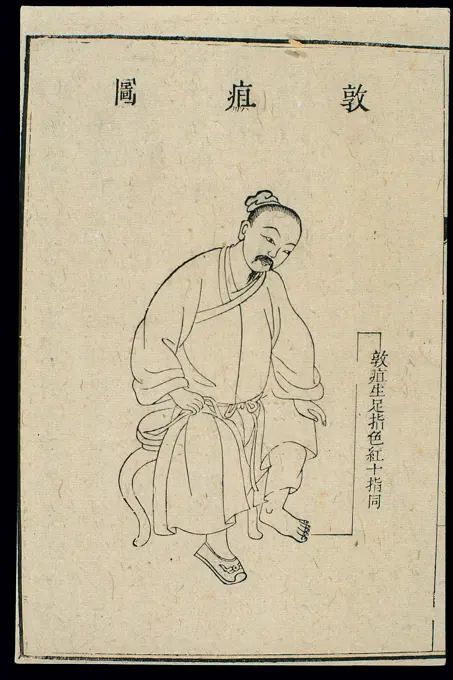
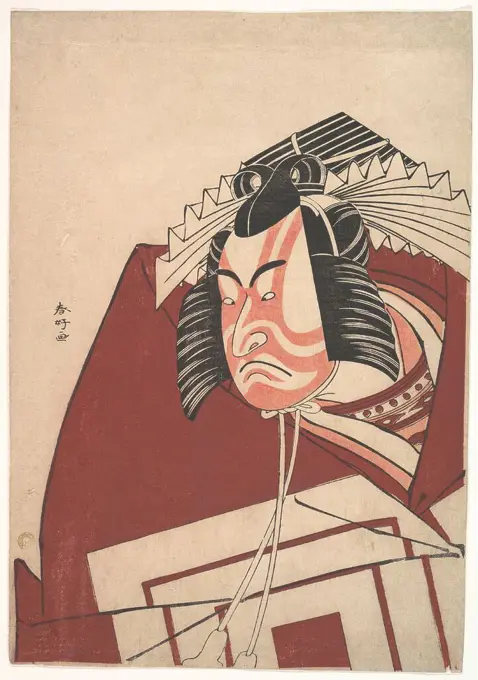
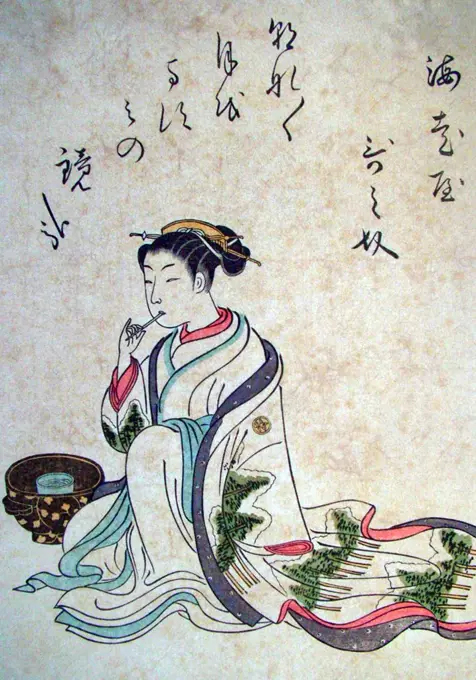
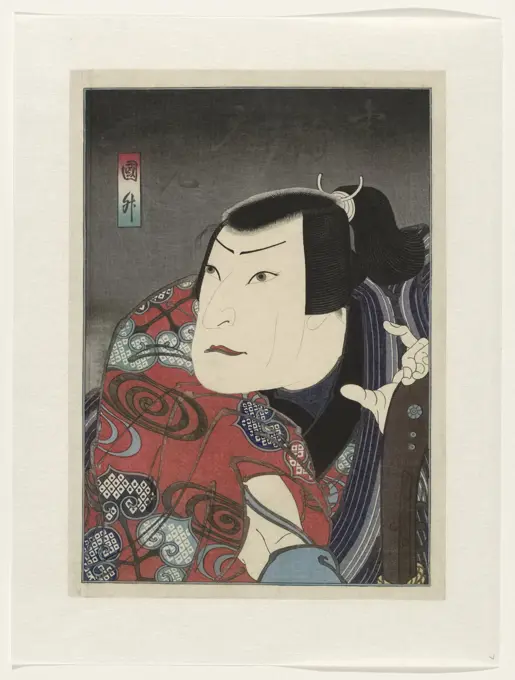
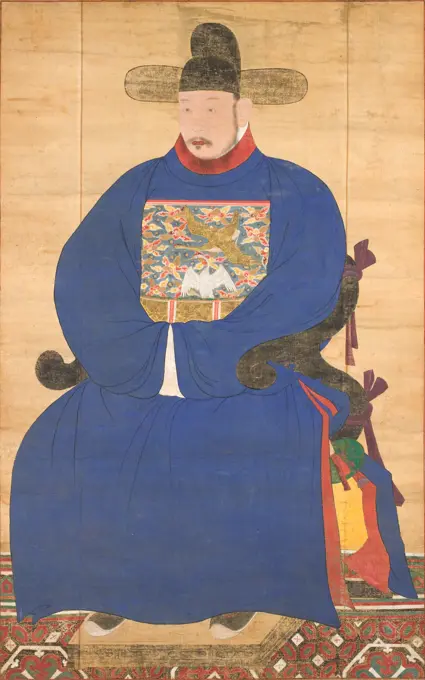
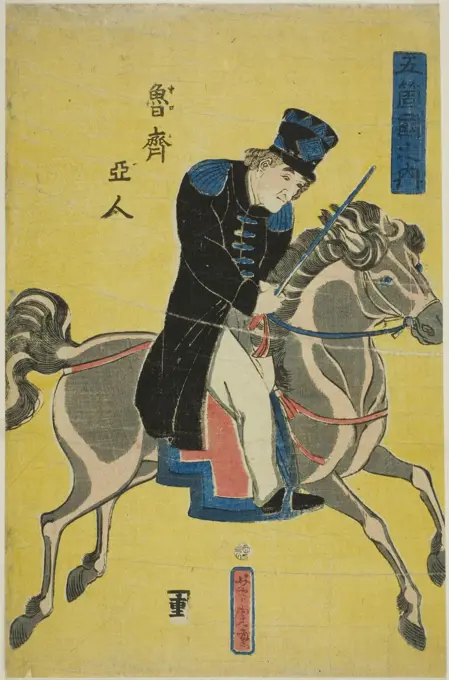
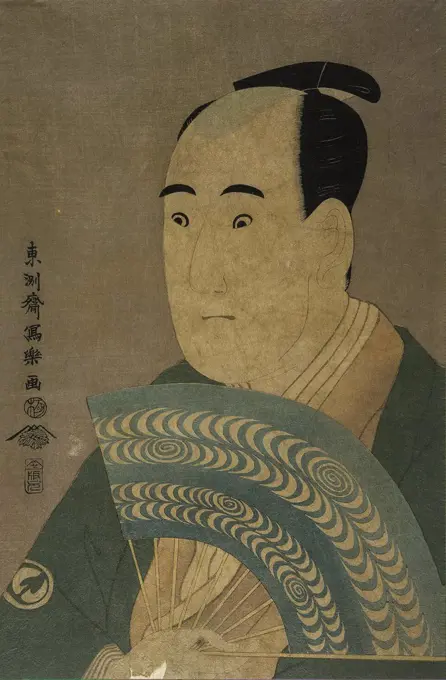
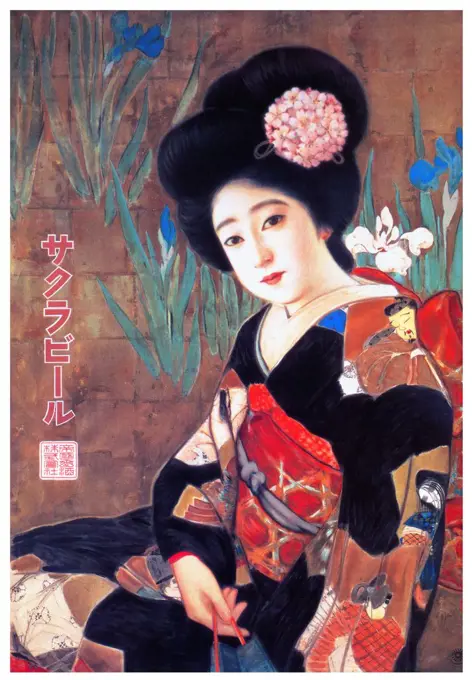
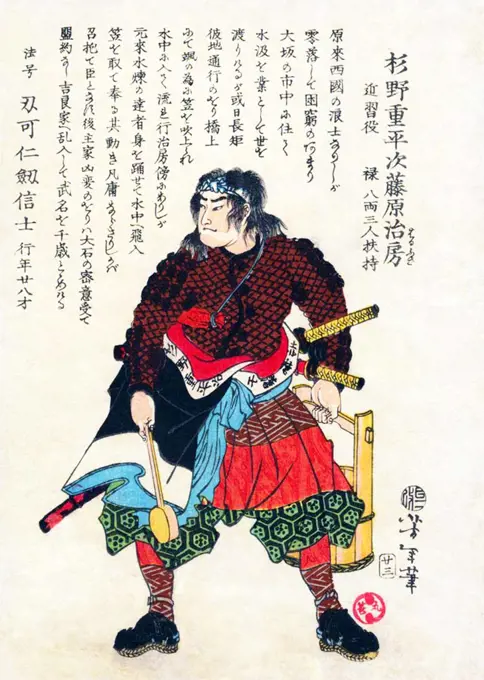
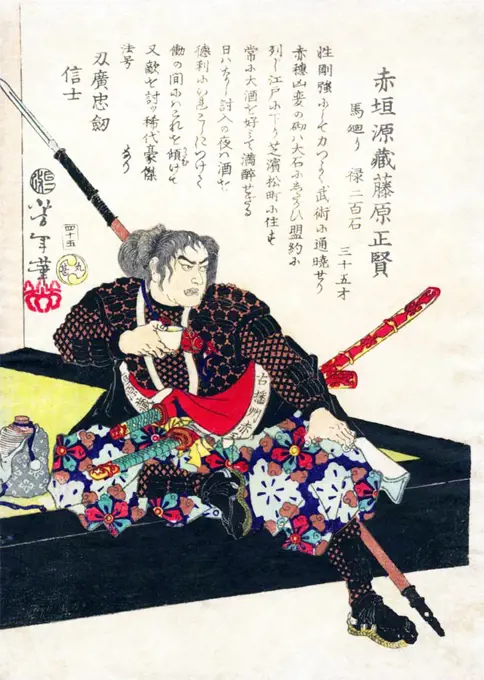
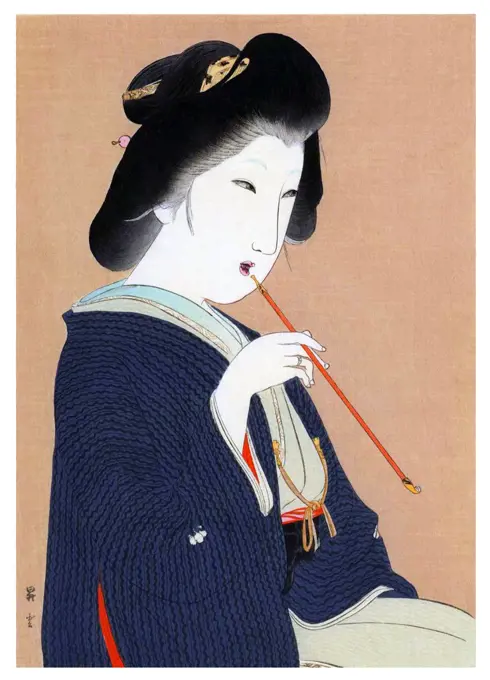
Wit, 1844 print Woman, with hand mirror in right hand, looking into her neck in standing mirror including white makeup and brush.  paper color woodcut adult woman. looking in the mirror; (possibly: contemplation of own beauty - AA - (for) women). making toiletStanding Beauty Arranging Her Hair', c1714. Artist: Ando Kaigetsudo. Ando Kaigetsudo(1671-1743) was a Japanese painter and the founder of the Kaigetsudo school of ukiyo-e art.The Actor Iwai Kiyotaro II as Lady Itohagi () in the Play Genji Saiko Kogane Tachibana (), Performed at the Ichimura Theater () in the Eleventh Month, 1788 (). Katsukawa Shun'ei; Japanese, 1762-1819. Date: 1783-1793. Dimensions: 30.8 x 13.8 cm (12 1/8 x 5 7/16 in.). Color woodblock print; hosoban; left sheet of diptych. Origin: Japan. Museum: The Chicago Art Institute, Chicago, USA.Japan: 'Portraits and Poems of the Thirty-six Poetic Immortals'. Album of thirty-six paintings and poems by Sumiyoshi Gukei (1631-1705). Sumiyoshi Gukei (1631 - April 23, 1705), born Sumiyoshi Hirozumi, was a Japanese painter from Kyoto. He became the first official painter of the ruling Tokugawa shogunate, and was a Yamato-e artist, a painting technique based on traditional Japanese subjects and culture.The 1920 caption reads: Umegawa of Tsuchi-ya. The inset in circle is her lover as an actor. It is one of a series 'A Mirror of faithful courtesans' that was signed by Hiroshige. The publisher is Iwato-ya. Umegawa of Tsuchi-ya was a courtesan. Utagawa Hiroshige, born Ando Hiroshige, was a Japanese ukiyo-e artist, considered the last great master of that tradition.Komagine hachibyoe, een pistool op de beschouwer Richtend, tsukioka yoshitoshi, 1868 print Komagine Hachibyoe, in white and blue robe, focuses his gun on the viewer.  paper color woodcut firearms: rifleHikeyotsu no yoru no ame, Night rain at 10 pm (hikeyotsu)., Kikukawa, Eizan, 1787-1867, artist, between 1818 and 1820, 1 print : woodcut, color ; 38.3 x 26.2 cm., Print shows a woman, full-length, standing at an open doorway, looking out at the rain.The Actor Ichikawa Danjuro IV possibly as Tenjiku Tokubei in the play "Tenjiku Tokubei Turns the Helm toward Home (Tenjiku Tokubei Kokyo no Torikaji)," performed at the Nakamura Theater in the eighth month, 1768. Katsukawa Shunsho  ; Japanese, 1726-1792. Date: 1763-1773. Dimensions: 32.6 x 15.2 cm (12 13/16 x 6 in.). Color woodblock print; hosoban. Origin: Japan. Museum: The Chicago Art Institute, USA.Irezumi (れ墨, 墨, 紋身, 刺花, 剳青, 黥 or 刺青) is a Japanese word that refers to the insertion of ink under the skin to leave a permanent, usually decorative mark; a form of tattooing. The word can be written in several ways, each with slightly different connotations. The most common way of writing irezumi is with the Chinese characters れ墨 or 墨, literally meaning to 'insert ink'. The characters 紋身 (also pronounced bunshin) suggest 'decorating the body'. 剳青 is more esoteric, being written with the characters for 'stay' or 'remain' and 'blue' or 'green', and probably refers to the appearance of the main shading ink under the skin. 黥 (meaning 'tattooing') is rarely used, and the characters 刺青 combine the meanings 'pierce', 'stab', or 'prick', and 'blue' or 'green', referring to the traditional Japanese method of tattooing by hand.Kunisada, work, Actor Bando Hikosaburo IV in the play Kataki-uchi uwasa no fuo-ichi (Rumours of Revenge in the Market), 1857, color woodblock print, graphicsTakanawa in the winter; Selection of famous places in Edo during the four seasons.; Toto Shiki Meisho Tsukushi. Man with blue headscarf and right hand at forehead, against fan-shaped cartouche with face on snowy river landscape with boats.Chinese C18 woodcut: External medicine - 'Button wind' rashKabuki Actor Nakamura Sukegoro II as Kaminari Shokuro. Artist: Katsukawa Shunsho (Japanese, 1726-1792). Culture: Japan. Dimensions: 12 11/32 x 5 5/8 in. (31.4 x 14.3 cm). Date: 2nd month, 1780. Museum: Metropolitan Museum of Art, New York, USA.An actor as ruffian Tsuribune no Sabu, full face, revealing his tattoos. Colour woodcut by Kunisada I, 1859.China: 'Sipping Tea under a Pauwlonia Tree', from the Yongzheng shier meiren tu or 'Twelve Beauties of Prince Yong', Qing Dynasty court painting, early 18th centuryfine arts, Japan, graphics, ""lady spreading leaves of white chrysanthemum in china bowl"", circa 1830, colour woodcut, 37 cm x 25,5 cm, private collection,The revenge of the Forty-seven Ronin (Shi-ju-shichi-shi), also known as the Forty-seven Samurai, the Aki vendetta, or the Genroku Aki incident (Genroku aki jiken) took place in Japan at the start of the 18th century. One noted Japanese scholar described the tale as the country's 'national legend'. It recounts the most famous case involving the samurai code of honor, bushidi. The story tells of a group of samurai who were left leaderless (becoming ronin) after their daimyo (feudal lord) Asano Naganori was forced to commit seppuku (ritual suicide) for assaulting a court official named Kira Yoshinaka, whose title was Ki zuke no suke. The ronin avenged their master's honor after patiently waiting and planning for two years to kill Kira. In turn, the ronin were themselves ordered to commit seppuku for committing the crime of murder. With much embellishment, this true story was popularized in Japanese culture as emblematic of the loyalty, sacrifice, persistence, and honor that all good peoplThe actor Sawamura Sojuro III as Oboshi Yuranosuke in the play "Edo no Hana Ako no Shiogama," performed at the Kiri Theater in the fourth month, 1796. Utagawa Toyokuni I   ; Japanese, 1769-1825. Date: 1796. Dimensions: 37.1 x 24.8 cm (14 9/16 x 9 3/4 in.). Color woodblock print; oban. Origin: Japan. Museum: The Chicago Art Institute, Chicago, USA.The actor in the role of Matsu o from the Kabuki Theater Kabukido, ENKYO (1749 1803)Russians raising sheep for wool (Roshiajin rashamen kau no zu), from the series Foreigners Drawn from Life (Ikiutsushi ikoku jinbutsu) 1860 Japan. Color woodblock print; oban . Utagawa SadahideUtagawa Yoshiiku (1833 - February 6, 1904, also known as or Ochiai Yoshiiku), was a Japanese printmaker and newspaper illustrator. The son of a tea house proprietor, he was a student of Utagawa Kuniyoshi. Utagawa went to school with Tsukioka Yoshitoshi, recognized as the last great masters of Ukiyo (woodblock printing). Eimei nijuhasshuku (28 Famous Murders with Verse)., also known as the 'Bloody Prints', is a collection of Japanese ukiyo-e from the 1860s, which depicted gruesome acts of murder or torture based on historical events or scenes in Kabuki plays. Although most of the works are solely violent by nature, it is perhaps the first known example of ero guro or the erotic grotesque in Japanese culture, an art sub-genre which depicts either erotic or extreme images of violence and mutilation.Kotatsu Dojoji, no. 5 from a series of 12 prints depicting parodies of plays. Okumura Masanobu; Japanese, 1686-1764. Date: 1711-1740. Dimensions: 27.2 x 38.6 cm. Hand-colored woodblock print; oban, sumizuri-e. Origin: Japan. Museum: The Chicago Art Institute, Chicago, USA.Nuji (Japanese: Joki; female attendant who compiled writings by Daoist sages); "Paper" (Kami), from Four Friends of the Writing Table for the Ichiyo Poetry Circle (Ichiyo-ren Bunbo shiyu)From the Spring Rain Collection (Harusame shu), vol. 1. Artist: Yashima Gakutei (Japanese, 1786-1868). Culture: Japan. Dimensions: 8 x 7 1/16 in. (20.3 x 17.9 cm). Date: ca. 1827.Surimono are privately published woodblock prints, usually commissioned by individual poets or poetry groups s a form of New Year's greeting card. The poems, most commonly kyoka (witty thirty-one-syllable verse), inscribed on the prints usually include felicitous imagery connected with spring, which in the lunar calendar begins on the first day of the first month. Themes of surimono are often erudite, frequently alluding to Japanese literary classics in both texts and images. Museum: Metropolitan Museum of Art, New York, USA.Katō Kiyomasa. Toyohara Kunichika (Japan, 1835-1900). Japan, 1894. Prints; woodblocks. Color woodblock print; embossing, brassEmperor Go-Saga 1220  1272 88th emperor of Japan reigned 1242-1246Kabuki Actor Otani Oniji III as Yakko Edobei in the Play The Colored Reins of a Loving Wife (Koi nyobo somewake tazuna). Artist: Toshusai Sharaku (Japanese, active 1794-95). Culture: Japan. Dimensions: 15 x 9 7/8 in. (38.1 x 25.1 cm). Date: 6th month, 1794.The actor Otani Oniji II is captured here in the role of Yakko Edobe. A yakko is a manservant often used by samurai to perform violent deeds. Otani Oniji's leering face, shown in three-quarter view, bristling hair, and groping outstretched hands capture the ruthless nature of this wicked henchman. Sharaku was renowned for creating visually bold prints that gave rare revealing glimpses into the world of kabuki. He was not only able to capture the essential qualities of kabuki characters, but his prints also reveal, often with unflattering realism, the personalities of the actors who were famous for performing them. Because kabuki plays have relatively simple plots, the acting style of the performer is central to the performance. As aRussians raising sheep for wool (Roshiajin rashamen kau no zu), from the series "Foreigners Drawn from Life (Ikiutsushi ikoku jinbutsu)". Utagawa Sadahide; Japanese, 1807-1873. Date: 1860. Dimensions: . Color woodblock print; oban. Origin: Japan. Museum: The Chicago Art Institute, Chicago, USA.Acting mask from the No (Waka-Onna) Theater, she is lying on a thin; poem by Shojuro Nagatoshi; Surimono; Utagawa, Kuninao (1793-1854); around 1890 (1891-00-00-1900-00-00);Mokrzycki, Ryszard - collection, woodcuts, Japanese (culture), masks, Japanese art, ukiyo -e, purchase (provenance)Seki Sanjuro III as Odera Shobei from "Kosode Soga azami no ironui". Artist: Utagawa Kunisada (Japanese, 1786-1865). Culture: Japan. Dimensions: Image: 13 5/8 × 9 5/8 in. (34.6 × 24.4 cm). Date: 1859. Museum: Metropolitan Museum of Art, New York, USA.Funabashi, from the series Pictures of No Performances (Nogaku Zue) 1893-1903 Japan. Color woodblock print . Tsukioka KôgyoChinese C18 woodcut: External medicine - Dui ulcerIchikawa Danjuro V in a Shibaraku Performance. Artist: Katsukawa Shunko (Japanese, 1743-1812). Culture: Japan. Dimensions: H. 12 11/16 in. (32.2 cm); W. 8 3/4 in. (22.2 cm). Date: ca. 1789.The Ichikawa family was renowned for playing heroic "Shibaraku!" roles. Shown here in such a performance, Danjuro wears a persimmon red robe with a huge family crest of three nested squares (mimasu) on each of his large sleeves. His face shows red lines on white makeup, and he wears a bizarre wig. Shunko portrayed Danjuro V striking a pose (mie) at a climactic moment to make a powerful impression on the audience. Museum: Metropolitan Museum of Art, New York, USA.Suzuki Harunobu (1724 July 7, 1770) was a Japanese woodblock print artist, one of the most famous in the Ukiyo-e style. He was an innovator, the first to produce full-color prints (nishiki-e) in 1765, rendering obsolete the former modes of two- and three-color prints. Harunobu used many special techniques, and depicted a wide variety of subjects, from classical poems to contemporary beauties (bijin, bijin-ga). Like many artists of his day, Harunobu also produced a number of shunga, or erotic images. During his lifetime and shortly afterwards, many artists imitated his style. A few, such as Harushige, even boasted of their ability to forge the work of the great master. Much about Harunobu's life is unknown.Miyahito of the Ogiya, Whose Assistants Are Tsubaki and Shirabe (Ogiya uchi Miyahito, Tsubaki, Shirabe). Kitagawa Utamaro  ; Japanese, 1753 ()-1806. Date: 1793-1794. Dimensions: . Woodblock print; oban, keyblock proof impression with mica. Origin: Japan. Museum: The Chicago Art Institute, Chicago, USA.Ichikawa Danjuro IX as Kezori Kyuemon; Kezori Kyuemon; One hundred roles of Ichikawa Danjuro IX; Ichikawa Danjuro Engei Hyakuban. The actor Ichikaiwa Danjuro IX in the role of the Rover Headman Kezori Kyuemon, dressed in Western costume with dragon motif, a stick in hands; Against light blue background.Jitsukawa ENZABURô I Als Kanemari Daisuke, Utagawa Kunimasu, 1848-1849 print Jitsukawa ENZABURô I Als Kanemari Daisuke.  paper  portrait of actor, actressActor onnagata as Chiyo, wife of Matsuo; print from the series: Kabuki sanjurok'ku (36 Kabuki Poems). Toyohara, Kunichika (1835-1900), graphic artistActor Matsumoto Kōshirō V as Banzui Chōbei, c. 1833, Utagawa Kunisada; Publisher: Yamaguchiya Tōbei, Japanese, 1786 - 1865, 14 1/8 × 10 1/8 in. (35.88 × 25.72 cm) (sheet, vertical ōban), Woodblock print (nishiki-e); ink and color on paper, Japan, 19th century, Related to the plav 'Mitsu ichō gozonji no Edo-zome' 銀杏御存地染, performed at the Nakamura Theater, 1833, fifth month.Kunisada, work, Actor Ichikawa Danjuro VIII in four roles: Sukeroku, Mitsu-uji, Kasugaya Tokikuro and Watonai, 1854, color woodcut: color woodcut, major category: graphicJitsukawa Enzaburô I like Sasaki Gennosuke. Diptiek. Jitsukawa Enzaburô I like Sasaki Gennosuke (on both prints), in the piece of Nagara Chôja Uguisuzuka, Naka Theater, September 1848. Title left: "Honchô Chûkôden" (stories from our country on loyalty and respect for parents). Title, right: "Budô Meiyoden" (stories about masters of combat stresses)Kitagawa Utamaro (ca. 1753 - October 31, 1806) was a Japanese printmaker and painter, who is considered one of the greatest artists of woodblock prints (ukiyo-e). He is known especially for his masterfully composed studies of women, known as bijinga. He also produced nature studies, particularly illustrated books of insects.Part of a triptych: man with a parasol, Utagawa Kunisada, Japanese, 1786 - 1864, Woodblock print (ukiyo-e) on mulberry paper (washi), ink with color, Japan, 1854, theater, Print, PrintPlaying women by Utagawa Kunisada (Toyokuni III), Colour woodcut, 1786-1865, Private CollectionPortrait of a Meritorious Subject. Korea, Korean, Joseon dynasty (1392-1910), 18th century. Paintings. Hanging scroll mounted as a panel, ink and color on silkRussian (Oroshiajin), from the series People of the Five Nations (Gokakoku no uchi) 1861 Japan. Color woodblock print; oban . Utagawa YoshitoraChinese C18 woodcut: External medicine - ScrofulaNakamura Utaemon as Yakanbei; Yakanbei Nakamura Utaemon; Contemporary comparisons between fans; Uchiwa Tosei Kurabe. Portrait on actor nakamura utaemon iii range in Yakanbei roll, with bare upper body, against green background.Japanese actor by Toshusai Sharaku, Color woodcut, 1794, active 1794-1795, Russia, St. Petersburg, State Hermitage, 37x24,5Utagawa Kunisada, Daiko Rokusaburo, the carpenter Rokusaburo, from the series Great theatrical successes, 1814, colour wood engraving, Museo de Bellas Artes, Bilbao, Spain.Japan: Advertising poster for Sakura Beer featuring a woman in a kimono, Tsunetomi Kitano, 1913The revenge of the Forty-seven Ronin (Shi-ju-shichi-shi), also known as the Forty-seven Samurai, the Aki vendetta, or the Genroku Aki incident (Genroku aki jiken) took place in Japan at the start of the 18th century. One noted Japanese scholar described the tale as the country's 'national legend'. It recounts the most famous case involving the samurai code of honor, bushidi. The story tells of a group of samurai who were left leaderless (becoming ronin) after their daimyo (feudal lord) Asano Naganori was forced to commit seppuku (ritual suicide) for assaulting a court official named Kira Yoshinaka, whose title was Ki zuke no suke. The ronin avenged their master's honor after patiently waiting and planning for two years to kill Kira. In turn, the ronin were themselves ordered to commit seppuku for committing the crime of murder. With much embellishment, this true story was popularized in Japanese culture as emblematic of the loyalty, sacrifice, persistence, and honor that all good peoplThe revenge of the Forty-seven Ronin (Shi-ju-shichi-shi), also known as the Forty-seven Samurai, the Aki vendetta, or the Genroku Aki incident (Genroku aki jiken) took place in Japan at the start of the 18th century. One noted Japanese scholar described the tale as the country's 'national legend'. It recounts the most famous case involving the samurai code of honor, bushidi. The story tells of a group of samurai who were left leaderless (becoming ronin) after their daimyo (feudal lord) Asano Naganori was forced to commit seppuku (ritual suicide) for assaulting a court official named Kira Yoshinaka, whose title was Ki zuke no suke. The ronin avenged their master's honor after patiently waiting and planning for two years to kill Kira. In turn, the ronin were themselves ordered to commit seppuku for committing the crime of murder. With much embellishment, this true story was popularized in Japanese culture as emblematic of the loyalty, sacrifice, persistence, and honor that all good peoplWoman, the hands warming at a Hibachi, 1859 print Woman, under striped blanket, the elbows supported on the edge of a Hibachi above which she warms her hands, looking up to rectangular cartouche in which child in snow.  paper color woodcut warming oneself at a fire (or hearth, stove, fire-pan, brazier). snowLooking Shy: The Manners of a Young Girl of the Meiji Era. Tsukioka Yoshitoshi (Japan, 1839-1892). 1888, November. Prints; woodblocks. Color woodblock printJapan: Imasugata or 'Modern beauty' with pipe, Yamamoto Shoun (1870-1965), c. 1905A Chinese seated figure with grey beard and black hat, hand on forehead. Painting by a Chinese artist, ca. 1850.The Song Dynasty (960-1279) was an imperial dynasty of China that succeeded the Five Dynasties and Ten Kingdoms Period (907-960) and preceded the Yuan Dynasty (1271-1368), which conquered the Song in 1279. Its conventional division into the Northern Song (960-1127) and Southern Song (1127-1279) periods marks the conquest of northern China by the Jin Dynasty (1115-1234) in 1127. It also distinguishes the subsequent shift of the Song's capital city from Bianjing (modern Kaifeng) in the north to Lin'an (modern Hangzhou) in the south.Utagawa Kunisada, Utagawa Toyokuni III (1786 - 12 January 1865) was the most popular, prolific and financially successful designer of ukiyo-e woodblock prints in 19th-century Japan. In his own time, his reputation far exceeded that of his contemporaries, Hokusai, Hiroshige and Kuniyoshi.Emperor Renzong (May 30, 1010 - April 30, 1063) was the fourth emperor of the Song Dynasty of China. He reigned from 1022 to 1063. Renzong was the son of Emperor Zhenzong of Song. Despite his long reign of over 40 years, Renzong is not widely known. His reign marked the high point of Song influences and power but was also the beginning of its slow disintegration that would persist over the next century and a half.<br/><br>  The Song Dynasty (960-1279) was an imperial dynasty of China that succeeded the Five Dynasties and Ten Kingdoms Period (907-960) and preceded the Yuan Dynasty (1271-1368), which conquered the Song in 1279. Its conventional division into the Northern Song (960-1127) and Southern Song (1127-1279) periods marks the conquest of northern China by the Jin Dynasty (1115-1234) in 1127. It also distinguishes the subsequent shift of the Song's capital city from Bianjing (modern Kaifeng) in the north to Lin'an (modern Hangzhou) in the south.China: Emperor Jiajing (16 September 1507 - 23 January 1567), 12th ruler of the Ming Dynasty (r. 1521-1567). Hanging scroll painting, 16th-17th century.The Song Dynasty (960-1279) was an imperial dynasty of China that succeeded the Five Dynasties and Ten Kingdoms Period (907-960) and preceded the Yuan Dynasty (1271-1368), which conquered the Song in 1279. Its conventional division into the Northern Song (960-1127) and Southern Song (1127-1279) periods marks the conquest of northern China by the Jin Dynasty (1115-1234) in 1127. It also distinguishes the subsequent shift of the Song's capital city from Bianjing (modern Kaifeng) in the north to Lin'an (modern Hangzhou) in the south.Japanese swimsuit, painting by Friedrich Stahl (1863-1940), woodcut by H Gedan from Moderne Kunst (Modern Art), illustrated magazine published by Richard Bong, 1892, Year VI, No 14, Berlin.Woman with a pipe Chinese, for the European market ca. 1760-80 A Chinese woman in furs pauses from smoking her pipe to gaze at the viewer in this seductive reverse-painted mirror decorated in Canton for the European market. In the eighteenth century, France and England began shipping silvered mercury glass to Canton, where specialized workshops decorated them to suit the taste of European consumers. Among the most popular subjects were beautiful women. This example probably represents a courtesan, who beckons the viewer into a space of fantasy and material desires. View more. Woman with a pipe. Chinese, for the European market. ca. 1760-80. Reverse-painted crown glass, imitation lacquer frame. Glass-PaintedLi Bo (701-62) Chinese poet. Tang Dynasty, XVIIIth century. Chinese painting. Museum: BRITISH LIBRARY, LONDRES, UK.The Writer Santō Kyōden (a.k.a. Kitao Masanobu) ca. 1795 Chōkyōsai Eiri 橋斎栄里 Japanese. The Writer Santō Kyōden (a.k.a. Kitao Masanobu) 45223Emperor Duzong (1240-1274) was the 15th emperor of the Song Dynasty of China, and the sixth emperor of the Southern Song. His personal name was Zhao Mengqi. He was the nephew of Emperor Lizong and reigned from 1264 to 1274. Duzong's reign was plagued with rebellions, warfare and upheaval. The Mongols had spent decades harassing the borders of the Southern Song and were on the verge of conquering the whole of China.<br/><br>  Duzong totally ignored his duties and instead delegated all state and military affairs to the hands of his incompetent minister Jia Sidao; the emperor instead indulged in drinking and women and lived in opulence. At first, he told the officials to be straightforward and tell him the problems in the country, but this was all an act. Soon, he completely neglected his duties. Furthermore, he had a very high sexual appetite. Under the Song's law, any female who had a sexual relation with the emperor needs to come pay respect to the emperor in the morning. At one point,Collection of Paintings showing Military Officials Unidentified artist. Collection of Paintings showing Military Officials 51823