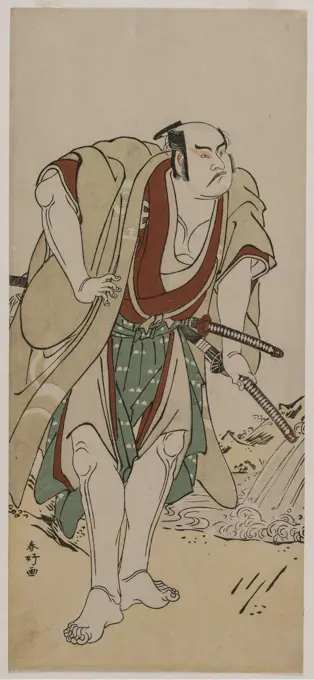
Japanese Woodblock Prints of Actors

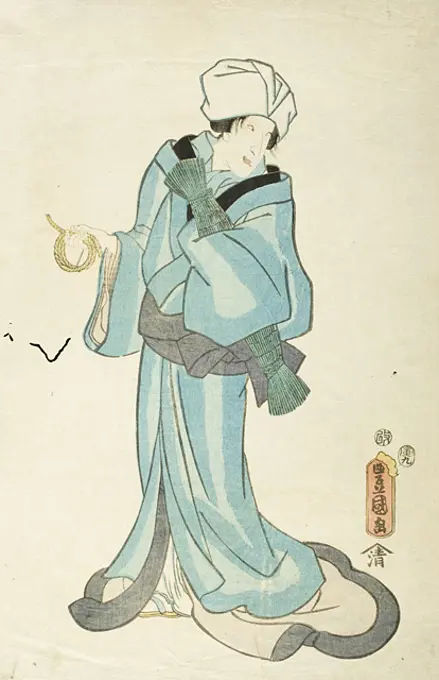
A collection of historical Japanese woodblock prints featuring actors in traditional costume, dramatic poses, and theatrical settings, showcasing rich colors and intricate details.
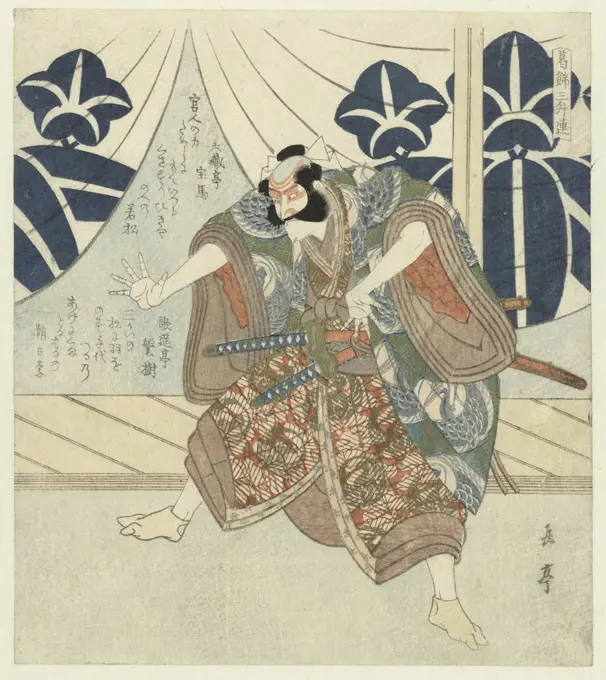
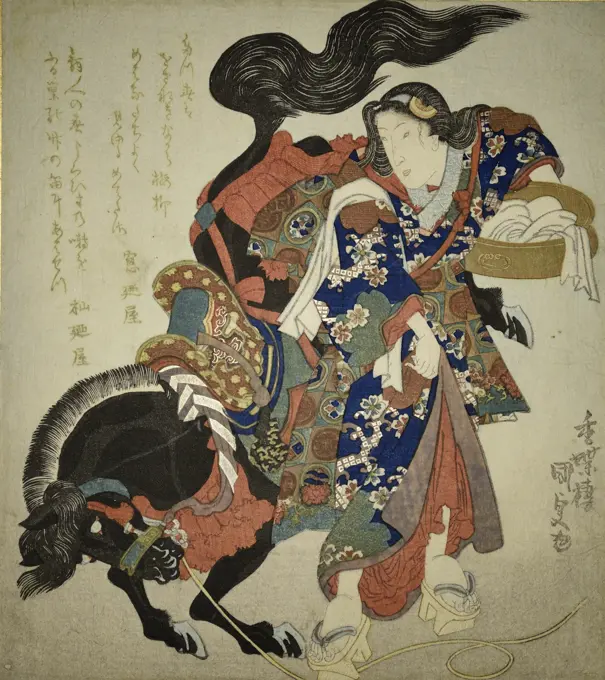
Asahina Saburô, The actor Seki Sanjûrô II (1786-1839) in the role of Asahina Saburô in the play about the Soga brothers. Saburô was a vassal of Kudô Suketsune who ran over to the enemy, the Soga brothers. With two poems. The third print (mainly) from a five-part, actor (on the stage), Yashima Gakutei (mentioned on object), Japan, 1823, paper, colour woodcut, h 212 mm × w 189 mm
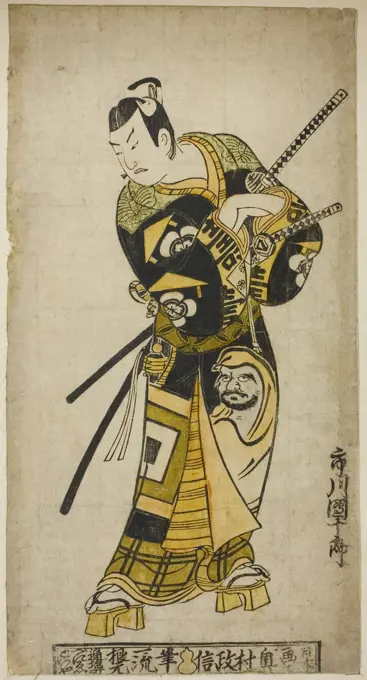
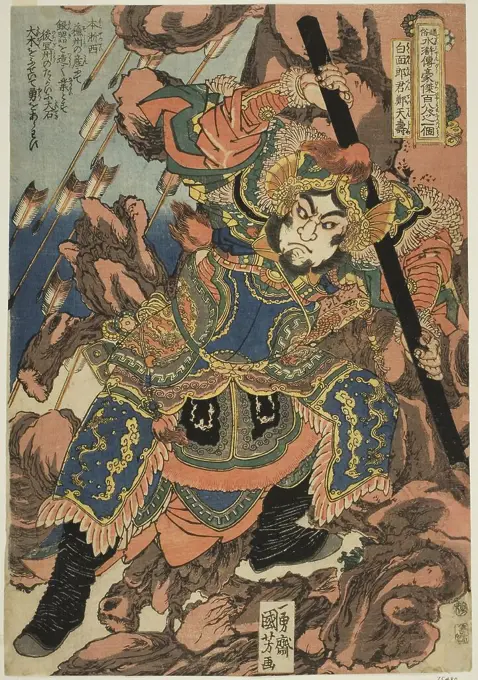
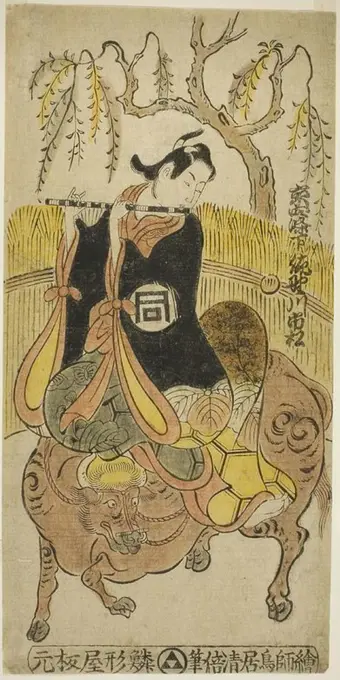
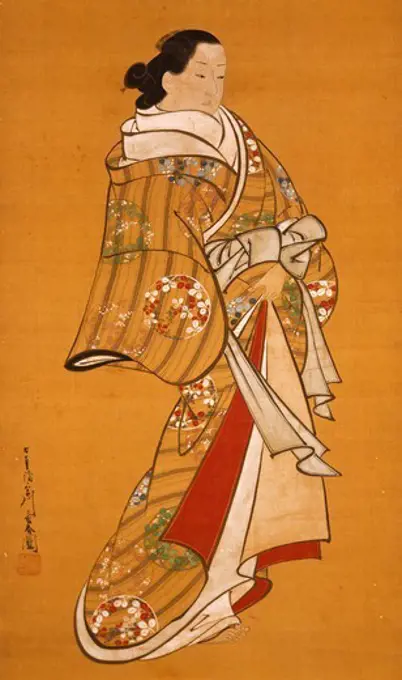
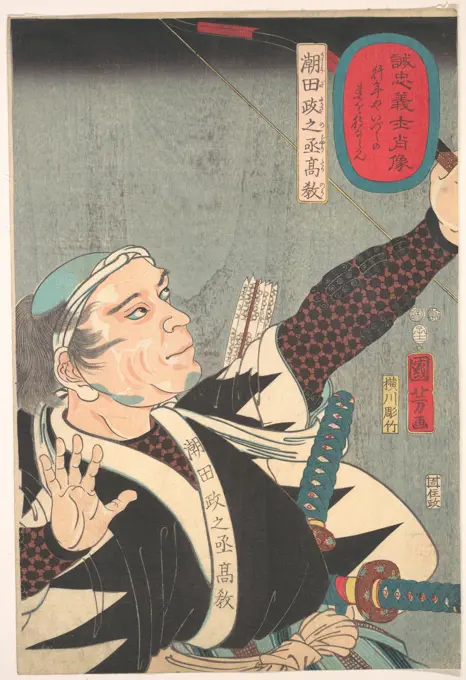
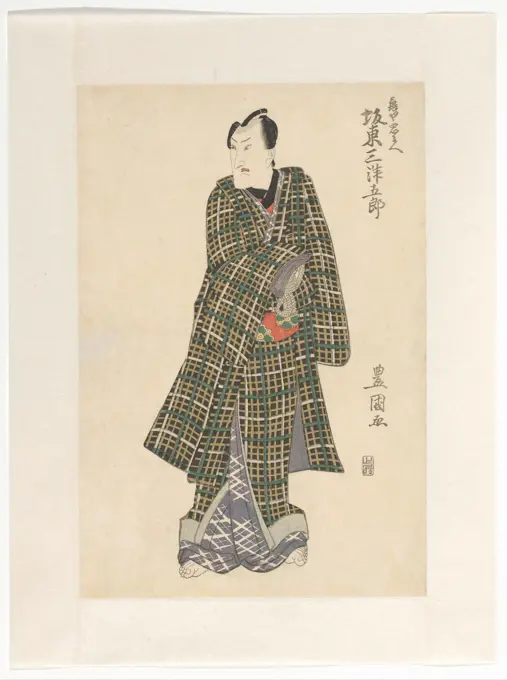
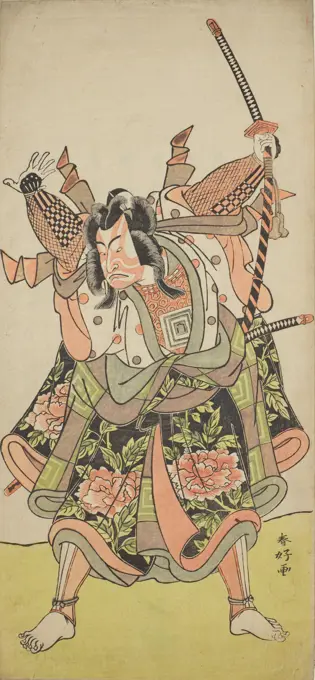
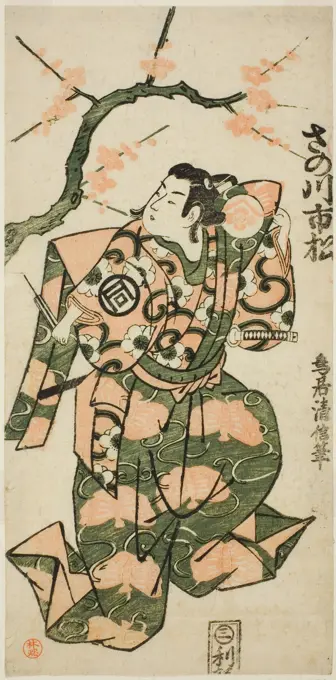
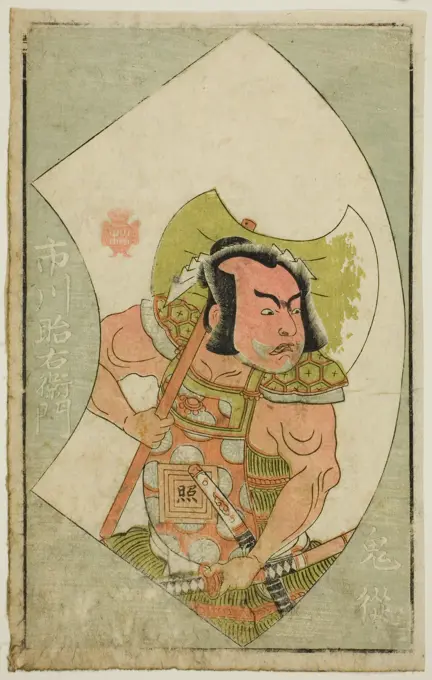
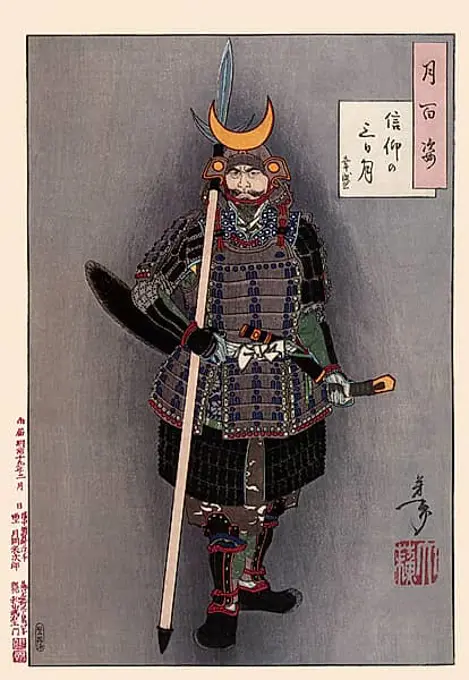
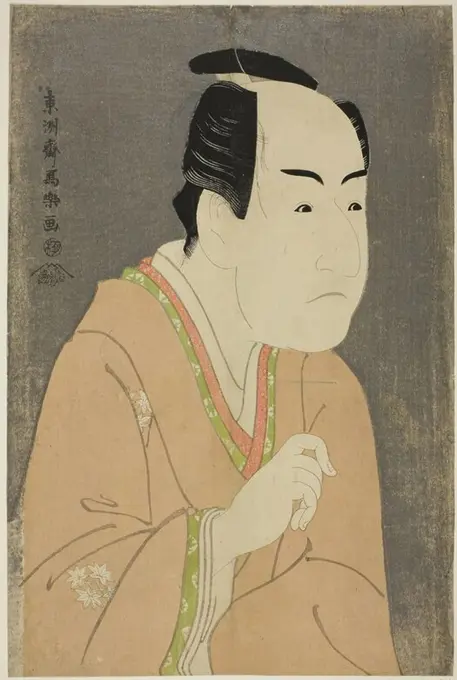
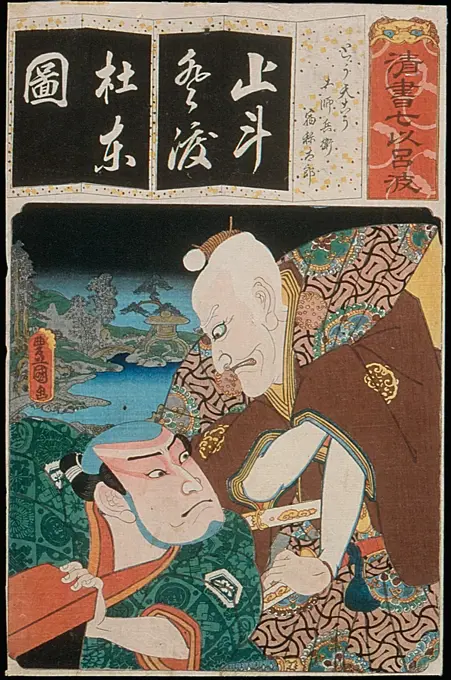
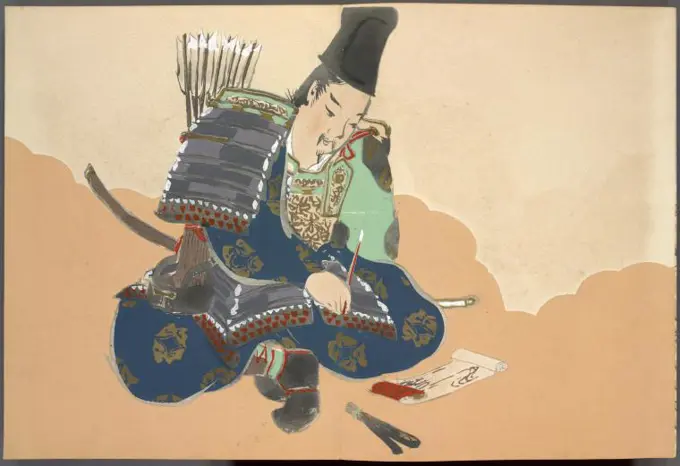
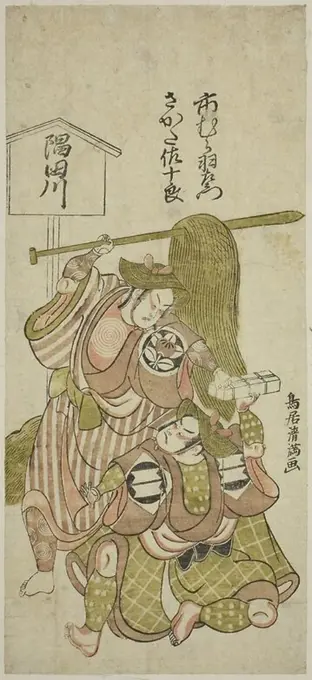
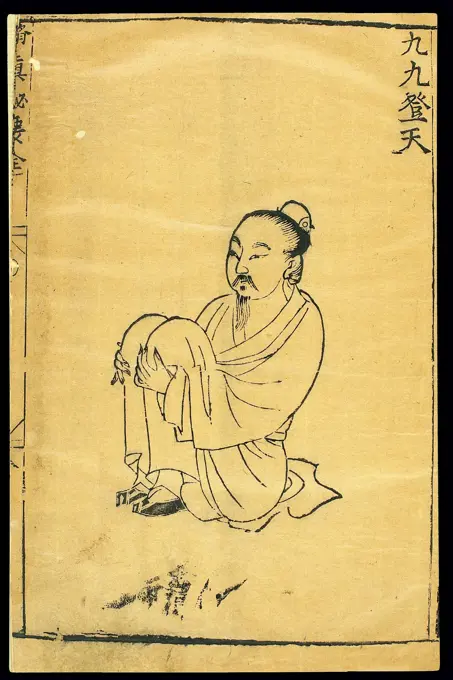
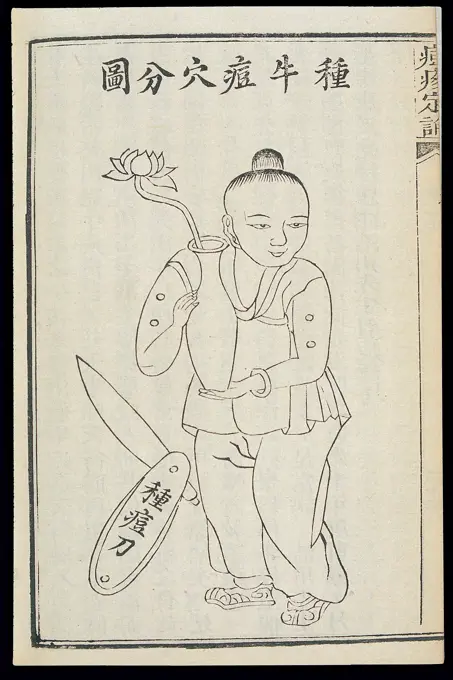
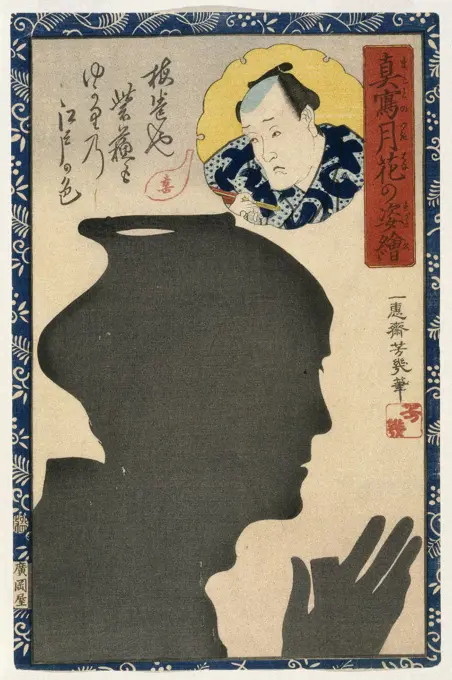
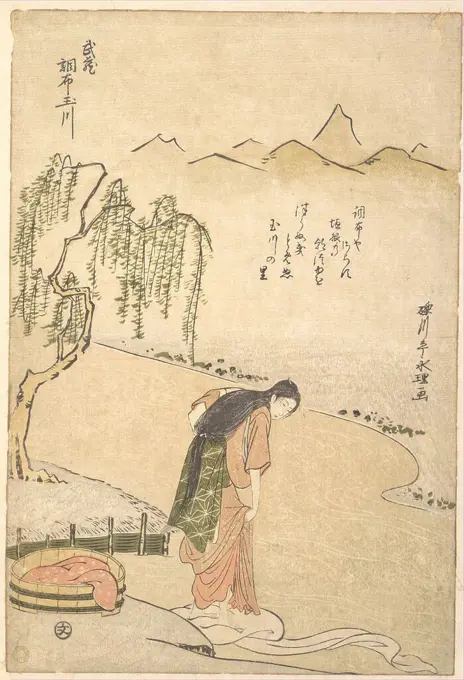
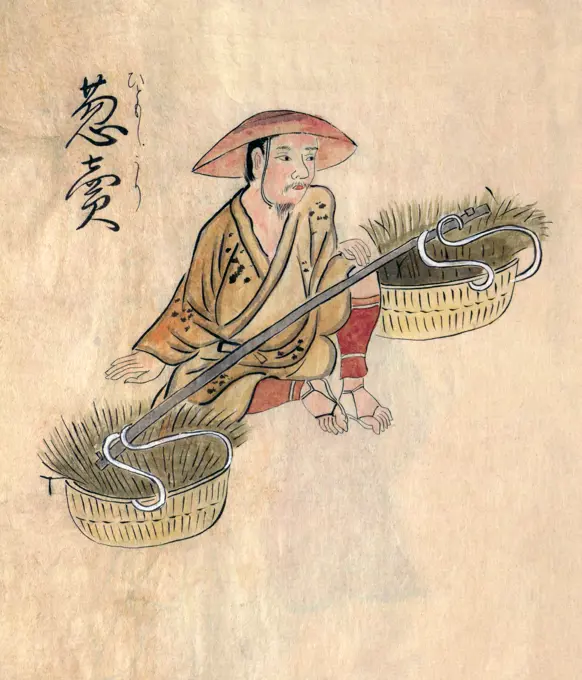
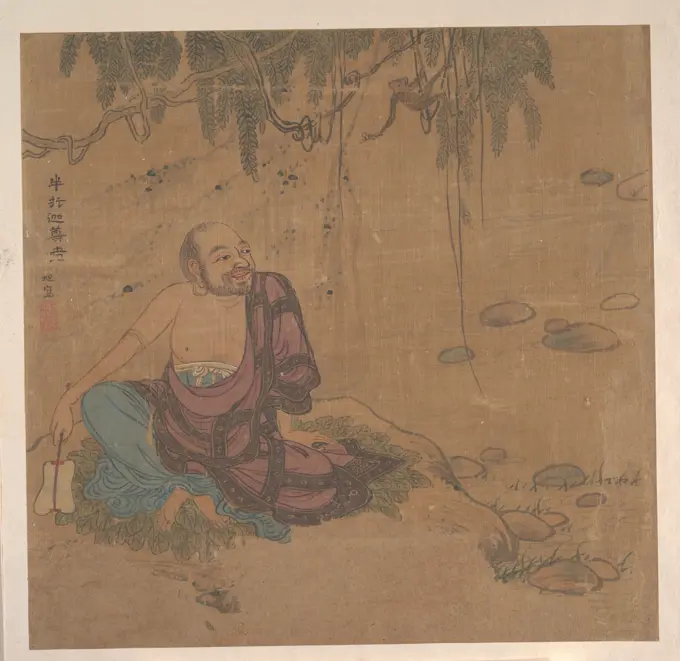
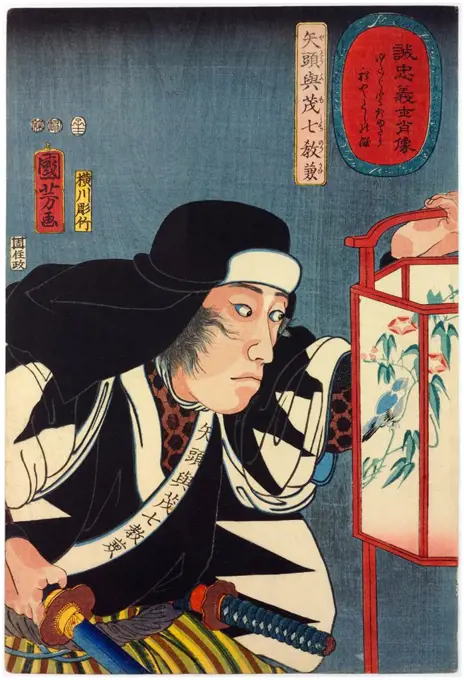
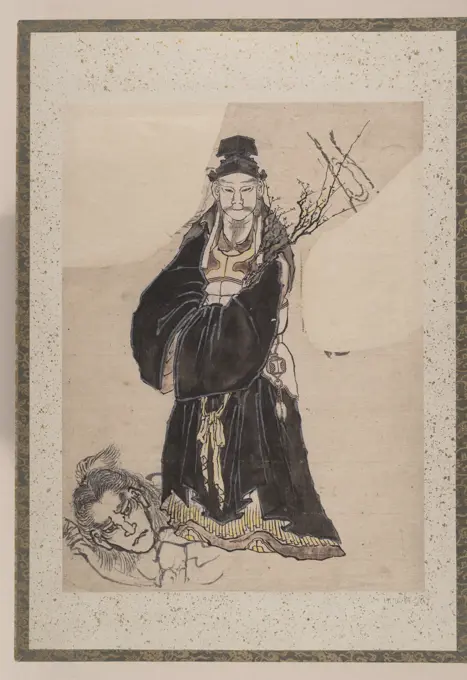
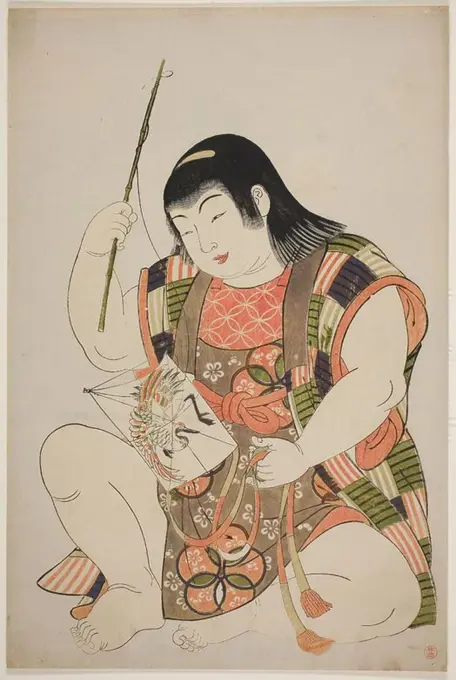
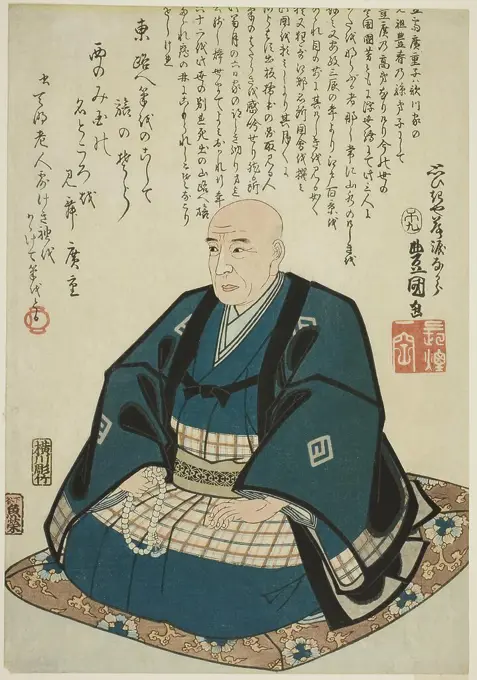
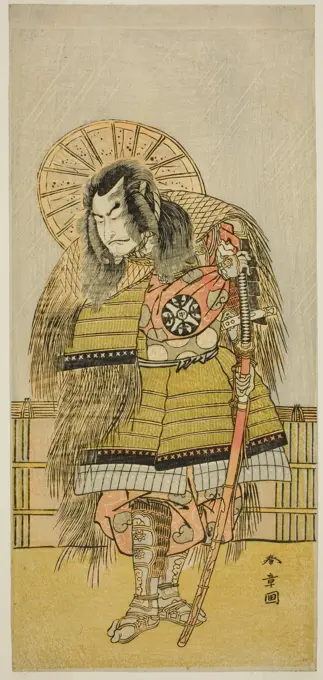
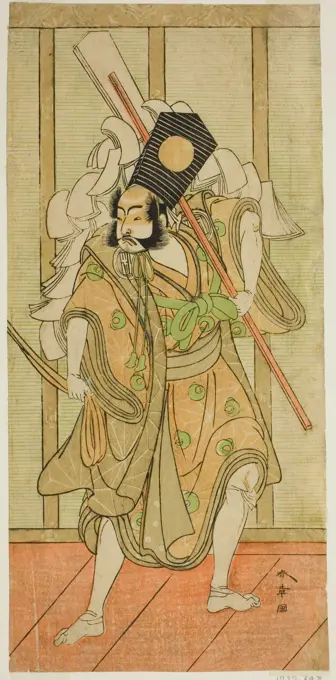
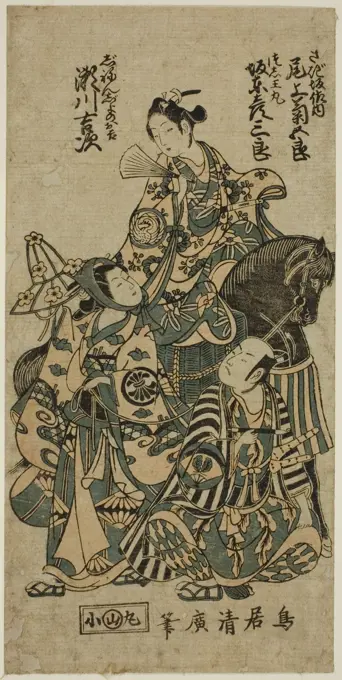
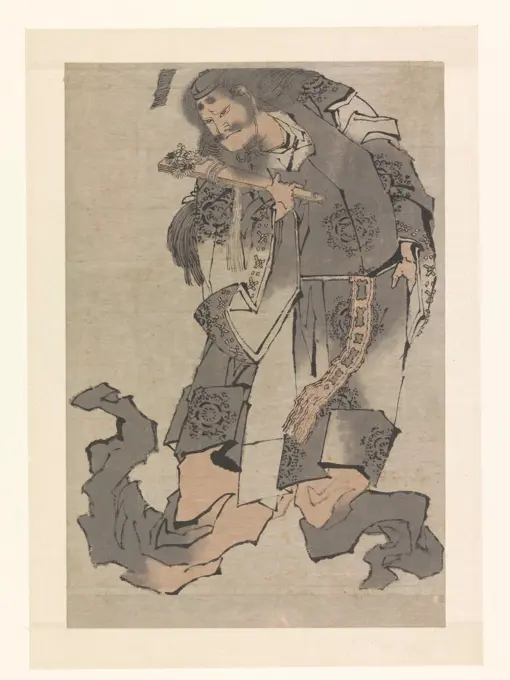
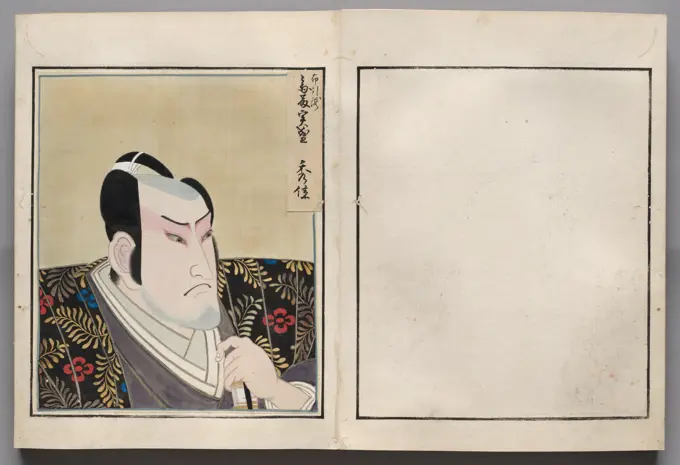
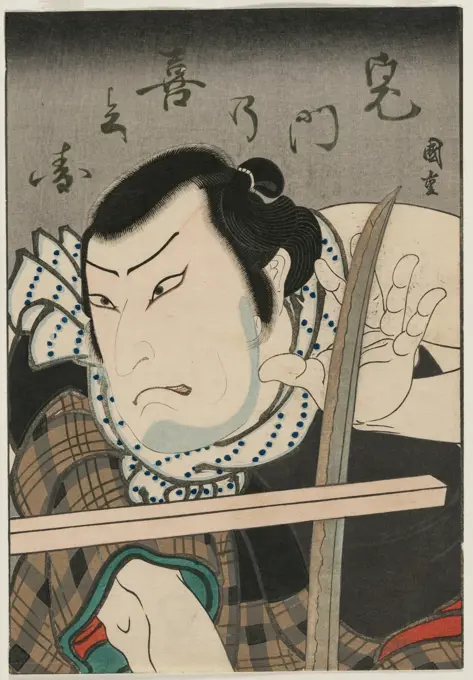
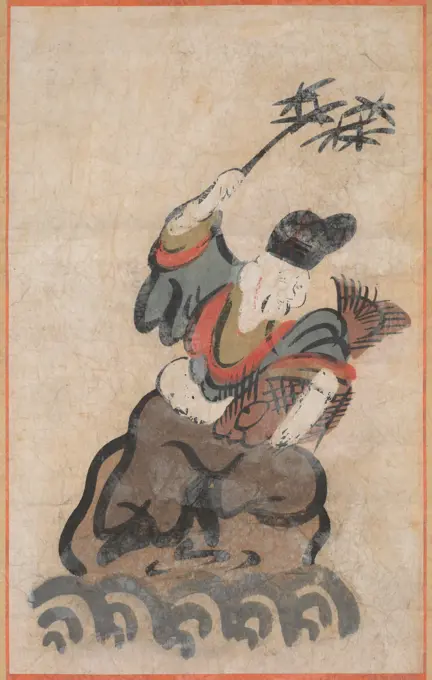
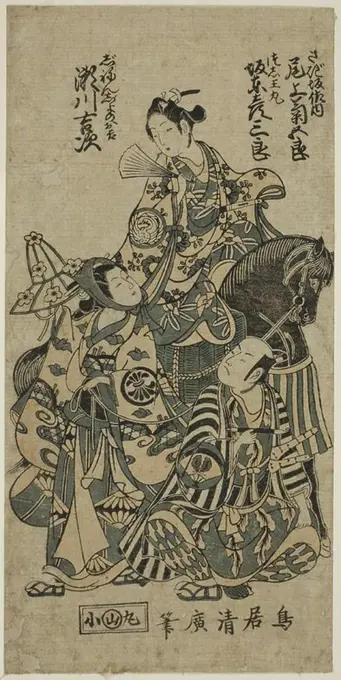
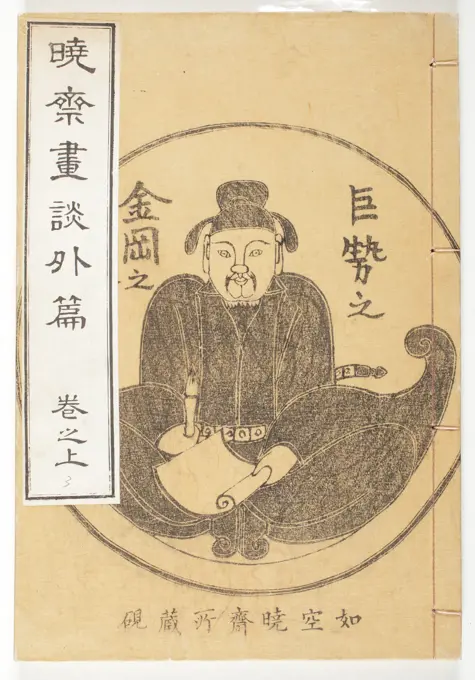
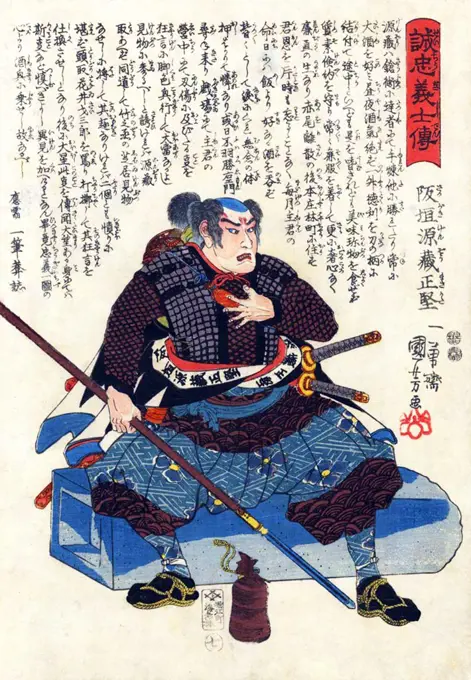
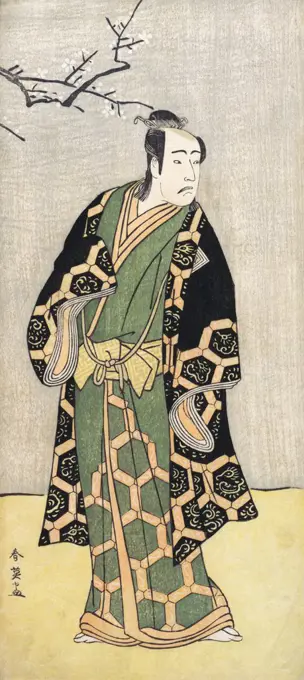
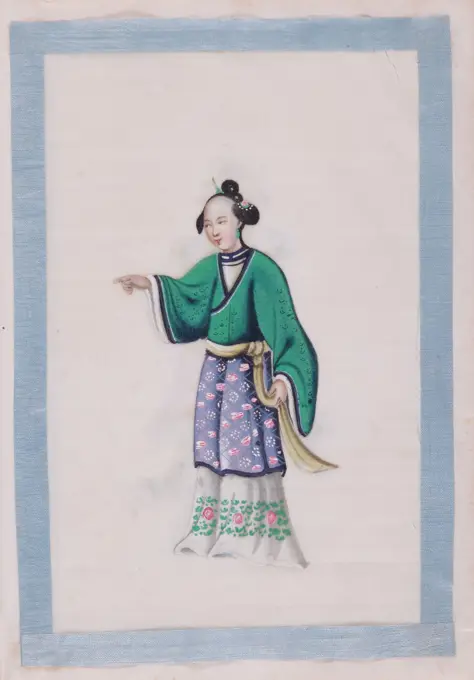
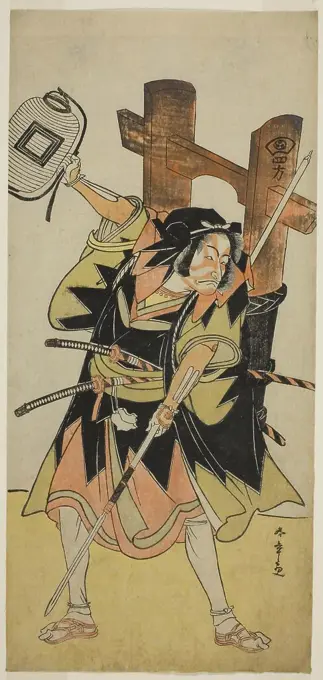
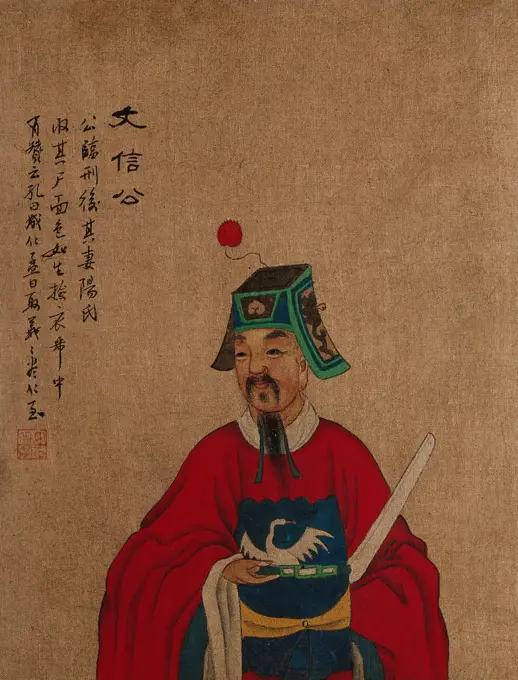
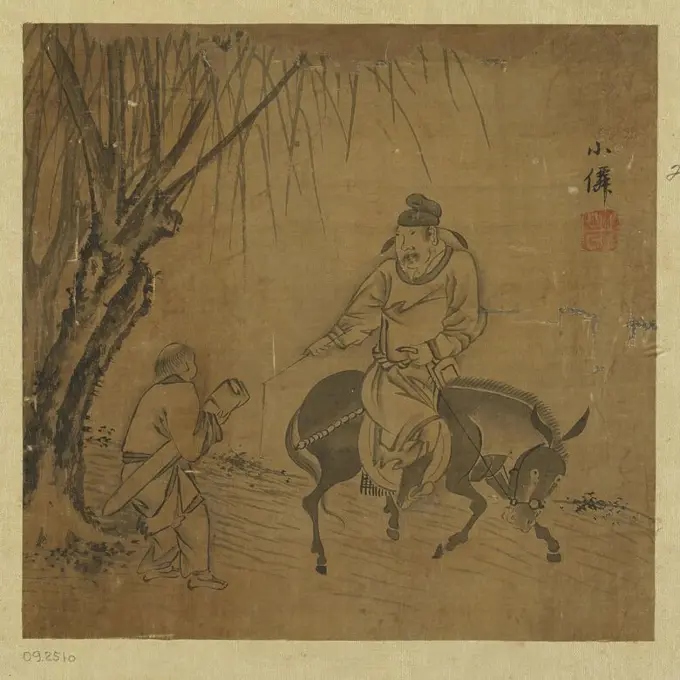
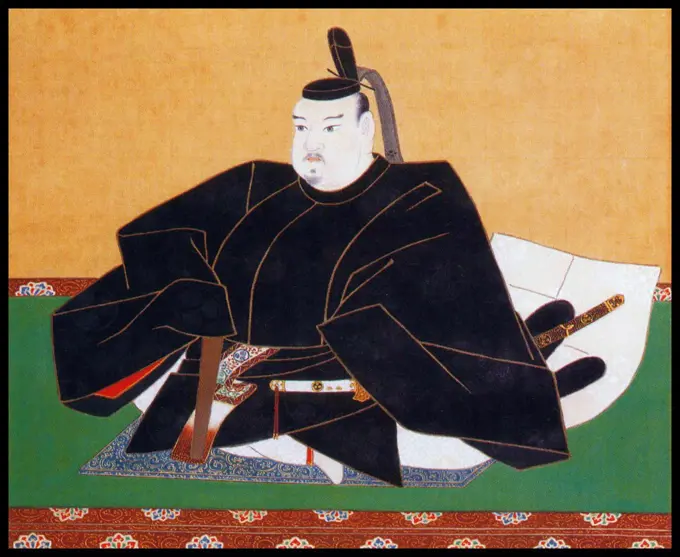
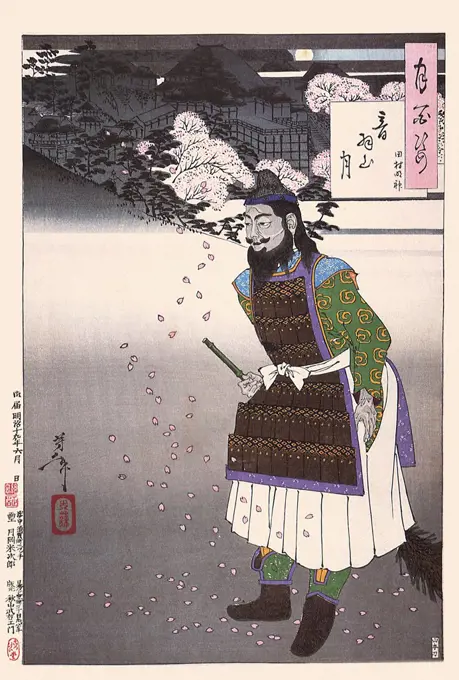
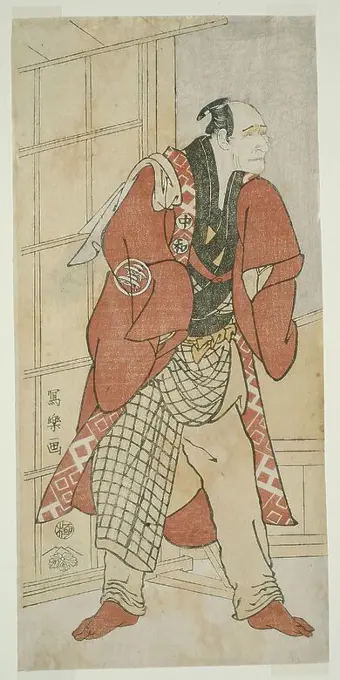
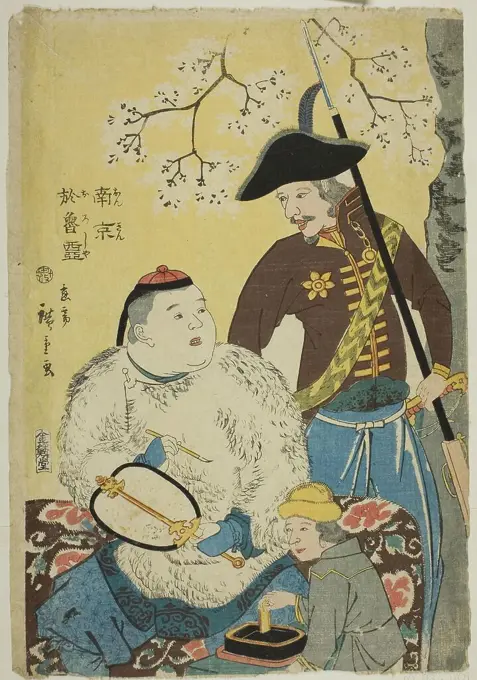
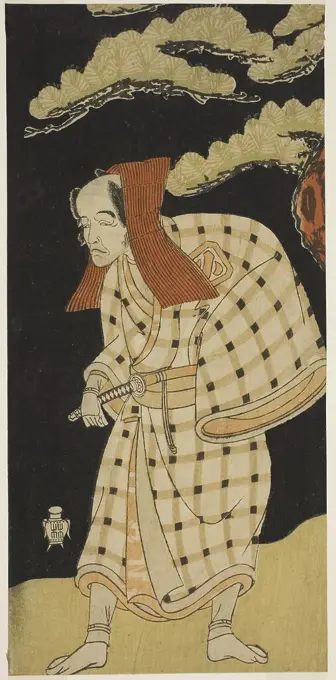
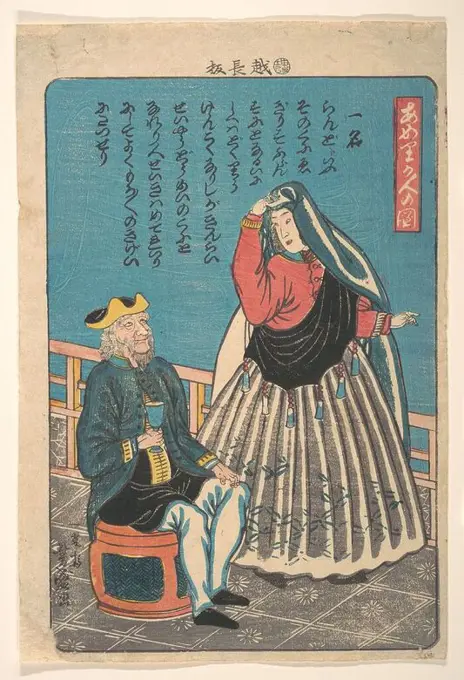
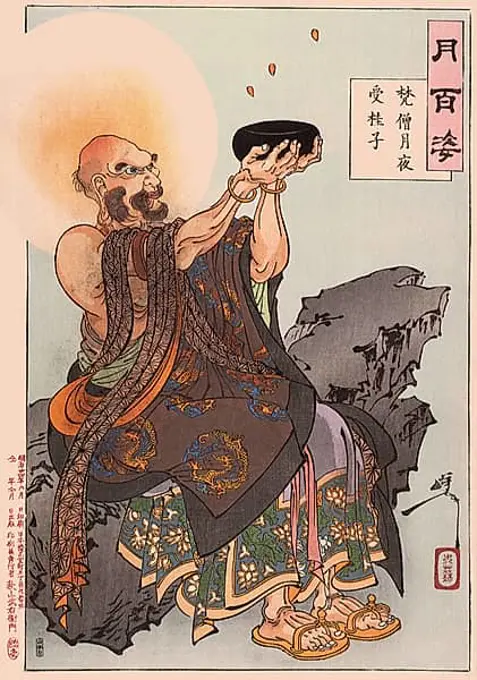
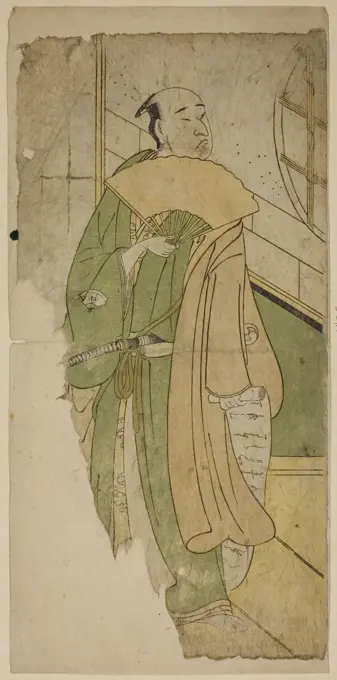
Memorial Portrait of an Onnagata: Actor Specializing in Female RolesOoboshi Yuranosuke Yoshio, from the series: pictures of the sincere faithful warriors. .The Actor Ichikawa Danjuro II as Soga no Goro 1723-1733 Japan. Hand-colored woodblock print; hosoban, urushi-e . Okumura MasanobuZheng Tianshou (Hakumenrokun Teitenja), from the series "One Hundred and Eight Heroes of the Popular Water Margin (Tsuzoku Suikoden goketsu hyakuhachinin no hitori)". Utagawa Kuniyoshi; Japanese, 1797-1861. Date: 1822-1835. Dimensions: 37.9 x 26.4 cm (14 15/16 x 10 3/8 in.). Color woodblock print; oban. Origin: Japan. Museum: The Chicago Art Institute, USA.The Actor Sanogawa Ichimatsu I as Kumenosuke in the play "Na no Hana Akebono Soga," performed at the Nakamura Theater in the second month, 1741. Torii Kiyomasu II; Japanese, 1706 ()-1763 (). Date: 1741. Dimensions: 29.2 x 14.5 cm (11 1/2 x 5 11/16 in.). Hand-colored woodblock print; hosoban, urushi-e. Origin: Japan. Museum: The Chicago Art Institute, Chicago, USA.The Actor Otani Hiroji I 1699-1747 in the Role of a Fish-vendor. Artist: Katsukawa Shunsho (Japanese, 1726-1792). Culture: Japan. Dimensions: H. 12 3/4 in. (32.4 cm); W. 6 in. (15.2 cm). Museum: Metropolitan Museum of Art, New York, USA.The Actor Matsumoto Koshiro III as Kikuchi Hyogo Narikage in the Play Katakiuchi Chuko Kagami, Performed at the Nakamura Theater in the Sixth Month, 1770 1765-1775 Japan. Color woodblock print; hosoban; second-from-left sheet in a four-sheet composotion . Katsukawa ShunshoFigure of a woman, kakemono (hanging scroll), by Miyagawa Choshun (1682-1752), Japan. Japanese Civilisation, 18th century.Portrait of Ushioda Masanojo Takano 1852 Utagawa Kuniyoshi Japanese. Portrait of Ushioda Masanojo Takano 55722The actors Ichimura Kodanji IV as Shendenō Hōzan, actually Shimizu-Kanja and Otani Tomomatsu IV as Oivakemura Osanbaba: The way forging of Kusatsu, from the series: from the 53 scenes. Donation Gerhard SchackKAMEYA CHûbei in Chequered Kimono, Utagawa toyokuni (i), C. 1813 print Kabuki ActEur Bandô MitsuGorô III in de Rol Van Kamiya Chûbei, in Geblockte Kimono.  paper color woodcut actor (on the stage)Strong woman Omi no Okane., 1830., Woodcuts., SurimonoKabuki Actor Ichikawa Ebiz III (Ichikawa Danjr IV) 2nd month, 1774 Katsukawa Shunsh Japanese. Kabuki Actor Ichikawa Ebiz III (Ichikawa Danjr IV). Katsukawa Shunsh (Japanese, 1726-1792). Japan. 2nd month, 1774. Woodblock print (nishiki-e); ink and color on paper. Edo period (1615-1868). PrintsThe actor Actor Ichikawa Monnosuke II with a raised sword Katsukawa, shunko (1743 1812)The Actor Sanogawa Ichimatsu I as Soga no Goro in the play Monzukushi Nagoya Soga, performed at the Ichimura Theater in the first month, 1748 1748 Japan. Color woodblock print; hosoban, benizuri-e . Torii Kiyonobu IIUntitled. Date/Period: Ca. -1829-1837. Print. Woodblock print on paper. Height: 360 mm (14.17 in); Width: 250 mm (9.84 in). Author: Shunkosai Hokuei.Chugoku hanga between 1750 and 1850. Japanese woodcut of a Chinese wise man holding a sword and riding on the back of a tiger.The Actor Ichikawa Shoemon, from A Picture Book of Stage Fans (Ehon butai ogi) 1770 Japan. Color woodblock print; page from illustrated book . Katsukawa ShunshoTsukioka Yoshitoshi (1839 - 9 June 1892) one of the last great masters of the classical Japanese colour woodcut, here the work Faith in the Third Day MoonThe actor Ichikawa Monnosuke II as Date no Yosaku. Toshusai Sharaku  ; Japanese, active 1794-95. Date: 1794. Dimensions: 38.6 x 25.6 cm. Color woodblock print; oban. Origin: Japan. Museum: The Chicago Art Institute, Chicago, USA.The Syllable To for Long-tailed Rooster (Tōtenkō): Actors Ichikawa Ebizô V as Toshibei and Nakamura Utaemon IV as Sukune Tarō. Utagawa Kunisada (Toyokuni III) (Japan, Edo, 1786-1865). Japan, 1856, 6th month. Prints; woodblocks. Color woodblock printMomoyogusa = Flowers of a Hundred Generations.. Kamisaka, Sekka, 1866-1942. Prints, Illustrations. 1909 - 1910. Spencer Collection. Japan , Social life and customs, Samurai, Painting , JapanJapanese warlord Minamoto no Yoritomo, 1845.Artist: Utagawa KuniyoshiThe Actors Ichimura Uzaemon IX as the footman Gunsuke and Sakata Sajuro I as Yamaga no Sashiro in the play "Iro Jogo Mitsugumi Soga," performed at the Ichimura Theater in the first month, 1765. Torii Kiyomitsu I; Japanese, 1735-1785. Date: 1765. Dimensions: 12 1/4 x 5 1/2 in. Color woodblock print; hosoban, benizuri-e. Origin: Japan. Museum: The Chicago Art Institute, Chicago, USA.Actor Kataoka Nizaemon VIII (1810-1864) as Sato Masakiyo. Utagawa, Kunisada I (1786-1864), graphic artistC16 Chinese woodcut: Daoyin technique for choleraChinese C19 woodcut: 'Cowpox inoculation'Actor Bandō Kichiroku I, from the series Portraits as True Likenesses in the Moonlight Utagawa Yoshiiku (Japanese, 1833-1904). Actor Bandō Kichiroku I, from the series Portraits as True Likenesses in the Moonlight, 1867, 4th month. Color woodblock print on paper, 13 3/4 x 9 in. (35.0 x 22.8 cm).   Asian Art 1867, 4th monthChofu Tamagawa, (Province of) Musashi. Artist: Rekisentei (Chokyosai) Eiri (Japanese, active ca. 1789-1801). Culture: Japan. Dimensions: 12 3/4 x 8 5/8 in. (32.4 x 21.9 cm). Date: ca. 1791. Museum: Metropolitan Museum of Art, New York, USA.Woman Fantasizing 1662-1722 China. Hanging scroll; ink and color on silk . Leng MeiJapan: Traditional crafts and trades of the 18th century from a hand-painted album by an anonymous artist. Folio 40 (left).  Hand-coloured illustration from a Japanese miscellany on traditional trades, crafts and customs in mid-18th century Japan, dated Meiwa Era (1764-1772) Year 6 (c. 1770 CE). Japan: Shi Jin or Kyumonryo Shishin, one of the '108 Heroes of the Water Margin', seated on a vanquished adversary, parrying a flying sword with his pole. Wooblock print by Utagawa Kuniyoshi (1797-1863), 1827-1830. The Water Margin (known in Chinese as Shuihu Zhuan, sometimes abbreviated to Shuihu, known as Suikoden in Japanese, as well as Outlaws of the Marsh, Tale of the Marshes, All Men Are Brothers, Men of the Marshes, or The Marshes of Mount Liang in English, is a 14th century novel and one of the Four Great Classical Novels of Chinese literature. Attributed to Shi Nai'an and written in vernacular Chinese.The First Nakamura Nakazo as a Rokuju-rokubu Standing at Night. Artist: Katsukawa Shunsho (Japanese, 1726-1792). Culture: Japan. Dimensions: 12 11/32 x 5 1/2 in. (31.4 x 14.0 cm). Date: 1780. Museum: Metropolitan Museum of Art, New York, USA.The Actor Ichikawa Danjuro V as Hei Shinno Masakado in the Play Hana no O-Edo Masakado Matsuri, Performed at the Ichimura Theater in the Eleventh Month, 1789 1784-1789 Japan. Color woodblock print; hosoban . Katsukawa Shun'eiShōki, the Demon Queller. Attributed to Kitagawa Kikumaro (Tsukimaro) (Japan, active -1830)Kitagawa Kikumaro (Tsukimaro) (Japan, died 1830). circa 1805-1815. Prints; woodblocks. Color woodblock printWoman Adjusting Her Hair, around 1900, After Katsushika Hokusai, Japanese, 1760 - 1849, 7 7/8 × 6 15/16 in. (20 × 17.7 cm) (image, sheet, shikishiban), Woodblock print (surimono); ink and color on paper, Japan, 19th century, Meiji-period reproductionMemorial Portrait of the Actor Ichikawa Danjuro IX 1903 Japan. Color woodblock print; oban . Utagawa Kunisada III (Kunimasa IV, Toyokuni V)Goddess of flowers;  beginning of the 20th century (1901-00-00-1932-00-00);Jabłońska, Antonina (1901-1994), Jabłoński, Witold (1901-1957), Jabłoński, Witold (1901-1957)-collection, Chinese (culture), gift (provenance), Chinese artA Beauty with a Mirror , c. 1743-46. Okumura Masanobu (Japanese, 1686-1764). Woodblock print with hand-coloring; image: 56.8 x 21.1 cm (22 3/8 x 8 5/16 in.); paper: 73.2 x 25 cm (28 13/16 x 9 13/16 in.).Nakamura Tomijuro as an Old Man with a Scanty Beard ca. 1780 Katsukawa Shunkō Japanese. Nakamura Tomijuro as an Old Man with a Scanty Beard 56850Ten Paintings of Luohans Unidentified artist. Ten Paintings of Luohans 51519Japan, Shunjo, Katsukawa, Actors Nakamura Nakazo I and Ichikawa Danjuro V as noblemen, verso, The actor Nakamura Nakazo I as an older man with grey hair, drawing his sword above the actor Ichikawa Danjuro V, seated with both hands on a sword., print, prints, Japan (collection), verso - stamped, height 322 mm, width 146 mm, Japanese - 1787, print maker, printmaker, 1783 - 1787, fourth quarter 18th century, paper, colour woodcutThe revenge of the Forty-seven Ronin ( Shi-ju-shichi-shi), also known as the Forty-seven Samurai, the Ako vendetta, or the Genroku Ako incident ( Genroku ako jiken) took place in Japan at the start of the 18th century. One noted Japanese scholar described the tale as the country's 'national legend'. It recounts the most famous case involving the samurai code of honor, bushido. The story tells of a group of samurai who were left leaderless (becoming ronin) after their daimyo (feudal lord) Asano Naganori was forced to commit seppuku (ritual suicide) for assaulting a court official named Kira Yoshinaka, whose title was Kozuke no suke. The ronin avenged their master's honor after patiently waiting and planning for two years to kill Kira. In turn, the ronin were themselves ordered to commit seppuku for committing the crime of murder. With much embellishment, this true story was popularized in Japanese culture as emblematic of the loyalty, sacrifice, persistence, and honor that allAn Actor as Okina, from "A Picture Book of Stage Fans (Ehon butai ogi)". Katsukawa Shunsho  ; Japanese, 1726-1792. Date: 1770. Dimensions: 9 5/8 x 6 in. Color woodblock print; page from illustrated book. Origin: Japan. Museum: The Chicago Art Institute, USA.Album of Sketches by Katsushika Hokusai and His Disciples 19th century Katsushika Hokusai Japanese The brush-inscribed text between the two roosters explains the odd dynamic of this work: A drawing of a real roostercoming to fight the woodenrooster made by Suminawa.(Suminawa ga tsukereru ki noniwatori makoto no niwatorikitaritekeru zu) This unsigned drawing is virtually identical to a woodblock-printed illustration published in the popular novel The Tale of the Craftsman of Hida (Hida no takumi monogatari, 1809), authored by Rokujuen Meshimori (1753-1830) and illustrated by Hokusai. The episode of the book represented here relates the story of the master carpenter Suminawa of Hida, who created a carved bird so lifelike that another bird mistook it for a real one. It is assumed that this is a preparatory drawing from which the hanshita-e (block drawing) was made.. Album of Sketches by Katsushika Hokusai and His Disciples 40011Endō Kiemon Masatada with Assailant. Tsukioka Yoshitoshi (Japan, 1839-1892). Japan, 1878. Prints; woodblocks. Color woodblock printBoy as Hotei, from an untitled series of children as the Seven Gods of Good Fortune. Kitao Shigemasa; Japanese, 1739-1820. Date: 1780-1789. Dimensions: 15 1/8 × 10 in. Color woodblock print; oban. Origin: Japan. Museum: The Chicago Art Institute, Chicago, USA.Two actors, playing as Matsushita Kahiji and Konoshita Tokichi, striking a pose on stage. Colour woodcut by Kunisada I, 1856.Memorial portrait of Utagawa Hiroshige. Utagawa Kunisada I (Toyokuni III); Japanese, 1786-1864. Date: 1858. Dimensions: 14 x 9 5/8 in. Color woodblock print; oban. Origin: Japan. Museum: The Chicago Art Institute, USA.Seated Nobleman Seated Nobleman, late 19th century. Brush sketch, ink on paper, Image: 11 3/8 x 10 1/2 in. (28.9 x 26.7 cm).   Asian Art late 19th centuryThe Actor Nakamura Nakazo I as Takechi Jubei Mitsuhide in the Play Shusse Taiheiki, Performed at the Nakamura Theater in the Eighth Month, 1775 1770-1780 Japan. Color woodblock print; hosoban . Katsukawa ShunshoEmbroidered Panel with Daoist Magician 16th century China A Daoist magician stands in a spare, rocky landscape holding a bottle from which four tiny bats emanate. The bottle is labeled with the Chinese character fu, or happiness, which is a homophone with the word for "bat." The scene also features trees and flowering shrubs, including tree peonies in the foreground. The collectors' seals along the edges of the work appear to be problematic, except for a small vertical rectangle on the right side, which is the mark of the collector A. W. Bahr, who owned the textile before it entered the Museum's collection.. Embroidered Panel with Daoist Magician. China. 16th century. Silk and metallic thread embroidery on silk satin. Ming dynasty (1368-1644). Textiles-EmbroideredThe Actor Arashi Sangoro II as Asahina Saburo in the Play Iro Maki-e Soga no Sakazuki, Performed at the Morita Theater in the First Month, 1773 1768-1778 Japan. Color woodblock print; hosoban; right sheet of diptych . Katsukawa ShunshoThe Actors Segawa Kichiji II as Okichi, Bando Hikosaburo II as Shuntokumaru, and Onoe Kikugoro I as Sagizaka Bannai in the play Yura Sengen Tsuki no Minato, performed at the Ichimura Theater in the eighth month, 1754 1754 JapanThe revenge of the Forty-seven Ronin (Shi-ju-shichi-shi), also known as the Forty-seven Samurai, the Aki vendetta, or the Genroku Aki incident (Genroku aki jiken) took place in Japan at the start of the 18th century. One noted Japanese scholar described the tale as the country's 'national legend'. It recounts the most famous case involving the samurai code of honor, bushidi. The story tells of a group of samurai who were left leaderless (becoming ronin) after their daimyo (feudal lord) Asano Naganori was forced to commit seppuku (ritual suicide) for assaulting a court official named Kira Yoshinaka, whose title was Ki zuke no suke. The ronin avenged their master's honor after patiently waiting and planning for two years to kill Kira. In turn, the ronin were themselves ordered to commit seppuku for committing the crime of murder. With much embellishment, this true story was popularized in Japanese culture as emblematic of the loyalty, sacrifice, persistence, and honor that all good peoplWarrior with impeller. .Leaf from Album of Actor Portraits, c. 1790-1810. Shōrakusai (Japanese). Album of 25 leaves; ink and color on silk; painting only: 21.8 x 17.6 cm (8 9/16 x 6 15/16 in.); each page: 28.1 x 21 cm (11 1/16 x 8 1/4 in.).Scene from a Play. Artist: Katsukawa Shunjo (Japanese, died 1787). Culture: Japan. Dimensions: H. 12 1/4 in. (31.1 cm); W. 5 3/4 in. (14.6 cm). Date: ca. 1780. Museum: Metropolitan Museum of Art, New York, USA.Man, full length, standing, facing left, wearing ornate hat. Colour ink drawing.Actor as Kimon no Kihei, before 1826. Ryūsai Shigeharu (Japanese). Color woodblock print; sheet: 23.2 x 15.9 cm (9 1/8 x 6 1/4 in.).Ebisu, 1800s. Japan, Edo period (1615-1868). Hanging scroll, ink and color on paper; overall: 129.5 x 30.5 cm (51 x 12 in.). Ebisu, one of the Seven Gods of Good Fortune, takes the guise of a Shinto priest who blesses his catch, a sea bream, with a branch of the camellia tree.The Actors Segawa Kichiji II as Okichi, Bando Hikosaburo II as Shuntokumaru, and Onoe Kikugoro I as Sagizaka Bannai in the play "Yura Sengen Tsuki no Minato," performed at the Ichimura Theater in the eighth month, 1754. Torii Kiyohiro; Japanese, active c. 1737-76. Date: 1754. Dimensions: 11 1/4 x 5 1/2 in. Color woodblock print; hosoban, benizuri-e. Origin: Japan. Museum: The Chicago Art Institute, Chicago, USA.Portrait of Yun Dongseom (1710-1795) ca. 1790-1805 Unidentified artist The identification of the sitter as Yun Dongseom, a celebrated scholar, calligrapher, and civil-official, can be confirmed by two other extant portraits in Korean collections. Here, the elderly statesman, dressed in formal attire, is shown in three-quarter view seated in a high-back chair draped with a leopard skin, and against a blank background. A heightened sense of realism guides the rendering of the figure, as was the trend in portraits of the time. The detailed treatment of Yuns face, through crisp, fluid lines and subtle shading, captures both his physical characteristics and strong personality. A quintessential example of traditional Korean ancestral portraiture, this painting would have functioned as the centerpiece of a family shrine dedicated to honoring the familys male lineages, in accordance with the strictures of neo-Confucian philosophy.Although there is no inscribed date, this piece is similar to Konishi Hirosada was the most prolific Osaka-based designer of ukiyo-e woodblock prints during the late Edo period. Like most producers of kamigata-e) - prints originating in the Osaka and Kyoto regions - he specialized in yakusha-e actor prints. Hirosada is particularly known for his diptychs and triptychs, and for his many okubi-e portraits of the leading actors on the Osaka kabuki stage during his day. In keeping with the custom for Edo period artists, Hirosada used a number of different go art names throughout his career, including Gosotei Hirosadao, Gorakutei Hirosada and Utagawa Hirosada.Kyōsai's Treatise on Painting, volume 3. Kawanabe Kyōsai (Japan, 1831-1889). Japan, 1887. Books. Color woodblock printed books; four volumes covered with a slip cover having woodblock printed illustration adhered to clothThe revenge of the Forty-seven Ronin (Shi-ju-shichi-shi), also known as the Forty-seven Samurai, the Aki vendetta, or the Genroku Aki incident (Genroku aki jiken) took place in Japan at the start of the 18th century. One noted Japanese scholar described the tale as the country's 'national legend'. It recounts the most famous case involving the samurai code of honor, bushidi. The story tells of a group of samurai who were left leaderless (becoming ronin) after their daimyo (feudal lord) Asano Naganori was forced to commit seppuku (ritual suicide) for assaulting a court official named Kira Yoshinaka, whose title was Ki zuke no suke. The ronin avenged their master's honor after patiently waiting and planning for two years to kill Kira. In turn, the ronin were themselves ordered to commit seppuku for committing the crime of murder. With much embellishment, this true story was popularized in Japanese culture as emblematic of the loyalty, sacrifice, persistence, and honor that all good peoplThe Actor Onoe Matsusuke I as the Ghost of Ki no Natora in the Play Kiku no En Mukashi no Miyako, Performed at the Nakamura Theater in the Eighth Month, 1791. Katsukawa Shun'ei; Japanese, 1762-1819. Date: 1786-1796. Dimensions: 29.4 x 13.5 cm (11 9/16 x 5 5/16 in.). Color woodblock print; hosoban. Origin: Japan. Museum: The Chicago Art Institute, Chicago, USA.Japan: 'An Unidentified Actor'. Ukiyo-e woodblock print by Katsukawa Shun'ei (1762-1819), late 18th - early 19th century. Katsukawa Shun'ei (1762 - 13 December 1819), real name Isoda Shun'ei, was a Japanese ukiyo-e artist from Tokyo. He joined the Katsukawa school of ukiyo-e artists, and mainly designed yakusha-e kabuki portraits, though he also dabbled in musha-e warrior prints and prints of sumo wrestlers. He became head of the Katsukawa school in 1800.Book of Ten IllustrationsThe Actor Ichikawa Danjuro V as a Loyal Ronin. Katsukawa Shunsho  ; Japanese, 1726-1792. Date: 1778-1788. Dimensions: 31.4 x 14.6 cm (12 3/8 x 5 3/4 in.). Color woodblock print; hosoban. Origin: Japan. Museum: The Chicago Art Institute, USA.Acupuncture points on the torso and arm of the human body. Acupuncture was based on the Chinese medical theory that stimulation by needles at specific points to restored healthy balance of the life force's flow along several channels (meridians). Wood engraving.An American Drawn from Life 1861 (2nd month) Utagawa Yoshitomi. An American Drawn from Life 55477The Actor Sawamura Sojuro III in Ceremonial Attire on the Occasion of His Return from Osaka at the Nakamura Theater in the First Month, 1793. Katsukawa Shun'ei; Japanese, 1762-1819. Date: 1788-1798. Dimensions: 32.7 x 14.6 cm (12 7/8 x 5 3/4 in.). Color woodblock print; hosoban. Origin: Japan. Museum: The Chicago Art Institute, Chicago, USA.A man with a green hat. Painting by a Chinese artist, ca. 1850.Mounted traveler and servant bearing a zither. Origin: China. Date: 1368-1644. Period: Ming dynasty. Ink on silk. Museum: Freer Gallery of Art and Arthur M. Sackler Gallery.Tokugawa Iemitsu (August 12, 1604  June 8, 1651) was the third shogun of the Tokugawa dynasty. He was the eldest son of Tokugawa Hidetada, and the grandson of Tokugawa Ieyasu. Iemitsu ruled from 1623 to 1651.Mount Otowa Moon, Yoshitoshi, TsukiokaKitagawa Utamaro (ca. 1753 - October 31, 1806) was a Japanese printmaker and painter, who is considered one of the greatest artists of woodblock prints (ukiyo-e). He is known especially for his masterfully composed studies of women, known as bijinga. He also produced nature studies, particularly illustrated books of insects.The Actor Nakajima Wadaemon as Migawari no Jizo, the Master of the House, from Inamuragasaki in Kamakura (Nakajima Wadaemon no Kamakura Inamuragaasaki no yanushi, Migawari no Jizo). Toshusai Sharaku  ; Japanese, active 1794-95; Publisher: Tsutaya Juzaburo; Japanese, 1748-1797. Date: 1789-1799. Dimensions: 32.3 x 15.5 cm. Color woodblock print; hosoban, nishiki-e. Origin: Japan. Museum: The Chicago Art Institute, Chicago, USA.China and Russia (Nankin, Oroshiya). Utagawa Hiroshige II (Shigenobu); Japanese, 1826-1869. Date: 1860. Dimensions: . Color woodblock print; oban. Origin: Japan. Museum: The Chicago Art Institute, USA.The Actor Arashi Otohachi I as Numataro Kyusei Disguised as the Burglar Ipponzaemon in the Play Otokoyama Yunzei Kurabe, Performed at the Ichimura Theater in the Eleventh Month, 1768. Katsukawa Shunsho  ; Japanese, 1726-1792. Date: 1763-1773. Dimensions: 28.5 x 13.7 cm (11 1/4 x 5 3/8 in.). Color woodblock print; hosoban. Origin: Japan. Museum: The Chicago Art Institute, USA.Figures, flowers, and landscapes one leaf dated 1627 leaves a-d by Chen Hongshou Chinese This album has four paintings by the late Ming master Chen Hongshou and seven by his son Chen Zi. The first is one of the most iconic images in Chen Hongshous oeuvre—a mournful self-portrait depicting the artist drowning his sorrows in wine. It is followed by paintings of landscapes, birds, flowers, and figures. The combining of diverse subjects in a single album was known as “zahua,” and it was an opportunity for a painter to demonstrate versatility. A zahua album is meant to delight the viewer with variety, as a new subject appears with each turn of the page.The paintings may have been brought together into an album by a collector at a later date, or even perhaps by Chen Zi himself. Comparison of the two mens work reveals that while Chen Zi worked in his fathers style, he could not match his fathers fluidity or quirky charm. Listen to experts illuminate this artwork's story Listen Play or pauForeigners in Miyozaki-cho. Artist: Utagawa Yoshimori (Japanese, 1830-1884). Culture: Japan. Dimensions: Image: 14 1/2 x 9 3/4 in. (36.8 x 24.8 cm). Date: 11th month, 1860. Museum: Metropolitan Museum of Art, New York, USA.Hyakujutei, 1802, WoodcutsAkashi Ridayu Hidemoto. Artist: Utagawa Kuniyoshi (Japanese, 1797-1861). Culture: Japan. Dimensions: Oban tate-e, 14 3/4 x 10 1/8 in. (37.5 x 25.7 cm). Date: ca. 1848.In this series, all the characters figured in the civil wars of the sixteenth century, an era that was uncomfortably close to the Edo period's Tokugawa shogunate. Thus, all are disguised as figures in the Taiheiki (Chronicle of Great Peace), a history of the wars of royalists against the Ashikaga warlords during the second quarter of the fourteenth century. However, the names of the heroes in the series have been changed, and it is difficult to identify the actual historical figures.This print portrays Akashi Ridayu Hidemoto wearing a straw rain cloak over his armor and armed with two swords and a hoe. A straw hat and blooming iris lie on the ground at his feet. He stands firmly with tightly closed lips and brandishes the hoe in a threatening manner. Museum: Metropolitan Museum of Art, New York, USA.Tsukioka Yoshitoshi (1839 - 9 June 1892) one of the last great masters of the classical Japanese colour woodcut, here the work Buddhist Monk Receives Cassia SeedsThe Chinese Explorer Zhang Qian on a Raft. Artist: Maejima Soyu (active mid-16th century). Culture: Japan. Dimensions: 20 5/16 x 13 11/16 in. (51.6 x 34.7cm). Date: mid-16th century.This bearded Chinese gentleman engaged in a most unlikely endeavor--white-water rafting--is Zhang Qian (Japanese: Choken), a legendary explorer of the second century b.c. Zhang was immortalized in a Yuan-dynasty poem that tells of his riding a log raft to the source of the Yellow River, only to find himself floating in the Milky Way. This painting is one of the works most reliably attributed to Maejima Soyu, a painter active in the Kanto region of eastern Japan. Museum: Metropolitan Museum of Art, New York, USA.'Boy with a Rod Riding Cock'. China, late 19th - early 20th century. Dimensions: 34x54 cm. Museum: State Hermitage, St. Petersburg.Chinese C18 woodcut: External medicine - Sabre scrofulaActeur Mimasu Daigoro IV in de Rol Van Gojogun Kanki, 1865 print Portrait of actor Mimasu Daigoro IV in the role of the bearded General Gojogun Kanki, in Chinese clothing with dragon and crane motifs.  paper color woodcut actor (on the stage)Tartar Officer with Blond Lady Playing Musical Instruments. Artist: Unidentified Artist. Culture: China. Dimensions: 10 1/2 x 10 7/16 in. (26.7 x 26.5 cm). Date: 19th century. Museum: Metropolitan Museum of Art, New York, USA.New Year Picture of Door God Qin Qiong (right one of a pair) early 20th century Unidentified artist(s). New Year Picture of Door God Qin Qiong (right one of a pair). Unidentified artist(s) , early 20th century. China. early 20th century. Polychrome woodblock print; ink and color on paper. Republic period (191249). PrintsA Chinese figure, seated and seen from the back, wearing dark blue silk robes with a brown border. Painting by a Chinese artist, ca. 1850.China: Detail from the painting 'Beauties in History', attributed to the Ming Dynasty artist Qiu Ying (1494-1552) (National Museum of China, Beijing)C19 Chinese ink drawing: Boils - boil on the lower cheekThe Actor Onoe Matsusuke 1800-1900 Japan. Color woodblock print; hosoban . Katsukawa ShunsenBóstwo mostów. unknown, graphic artistWatercolor of musician playing paiban. Culture: Chinese. Dimensions: Overall: 43.2 x 35.6 x 1.3cm (17 x 14 x 1/2in.). Date: late 18th century. Museum: Metropolitan Museum of Art, New York, USA.Otani Hiroji III as a Samurai Standing Beside a Stream, c. 1780. Katsukawa Shunkō (Japanese, 1743-1812). Color woodblock print; sheet: 31.5 x 14 cm (12 3/8 x 5 1/2 in.).Egoyomi (Two Peasants in Black Coats) Egoyomi (Two Peasants in Black Coats), 1790-1795. Color woodblock print on paper, sheet: 3 7/8 x 3 1/8 in. (9.8 x 8 cm).   Asian Art 1790-1795