Japanese Woodblock Prints of Actors

Color woodblock prints showcasing Kabuki actors in traditional attire, engaged in dramatic poses and performances, highlighting historic theatrical works.

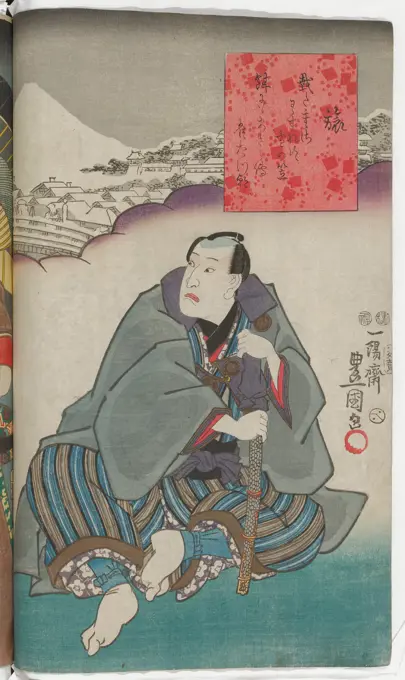
Yorikane with lure hair from his beloved, utagawa kuniyoshi, c. 1846 print Sakingo Yorikane depicted on a moon -lit night, with locks hair of his loved one and Takao murdered by him. Yorikane was in love with the Courtisane Takao and bought her free by paying her weight in gold. After Takao told that love is not mutual, Yorikane killed her.  paper color woodcut lock of hair. adult man. full moon
Yorikane with lure hair from his beloved, utagawa kuniyoshi, c. 1846 print Sakingo Yorikane depicted on a moon -lit night, with locks hair of his loved one and Takao murdered by him. Yorikane was in love with the Courtisane Takao and bought her free by paying her weight in gold. After Takao told that love is not mutual, Yorikane killed her. paper color woodcut lock of hair. adult man. full moon
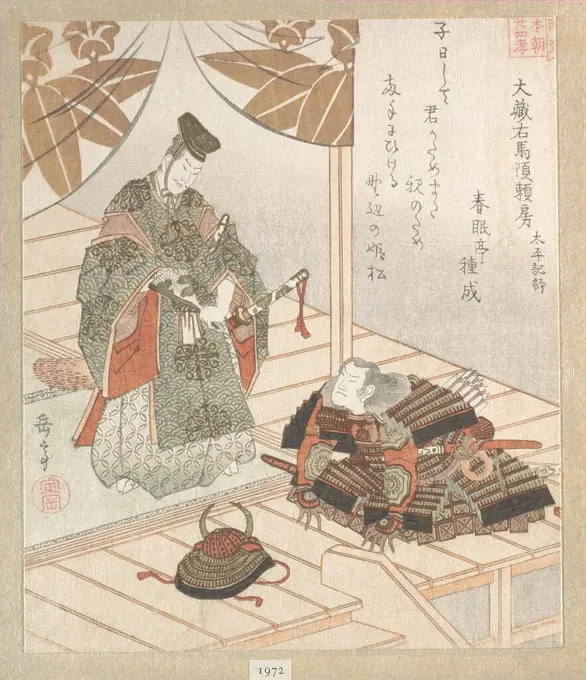
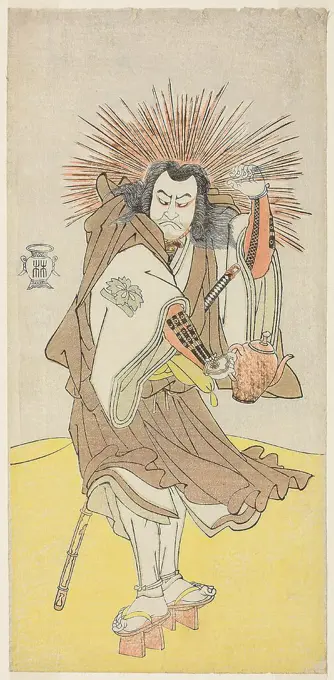
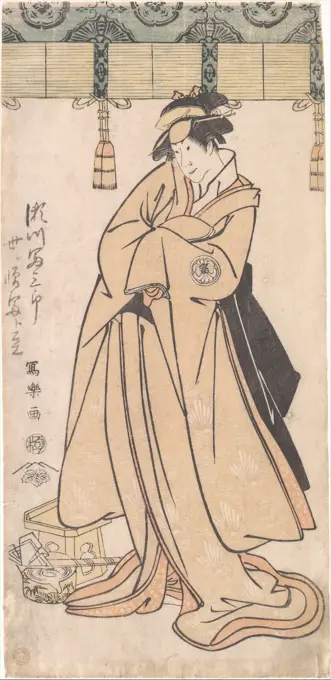
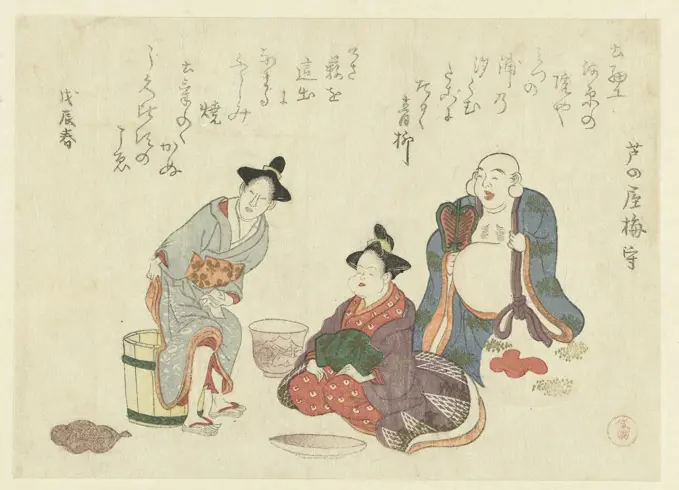
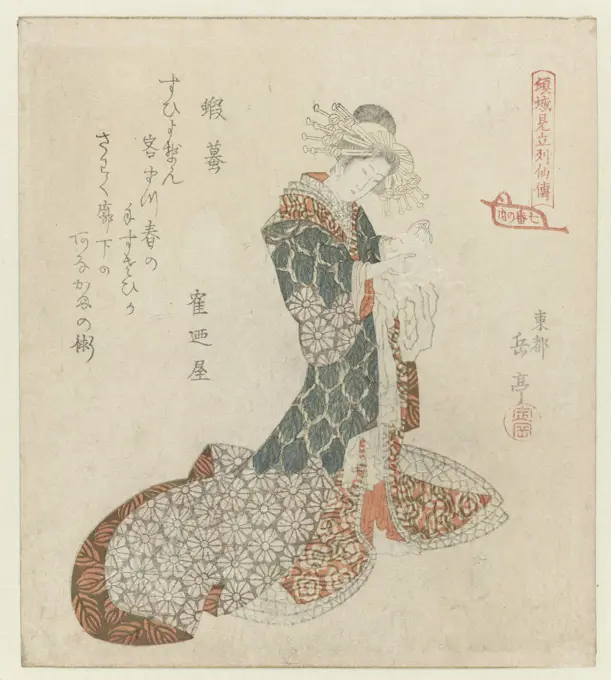
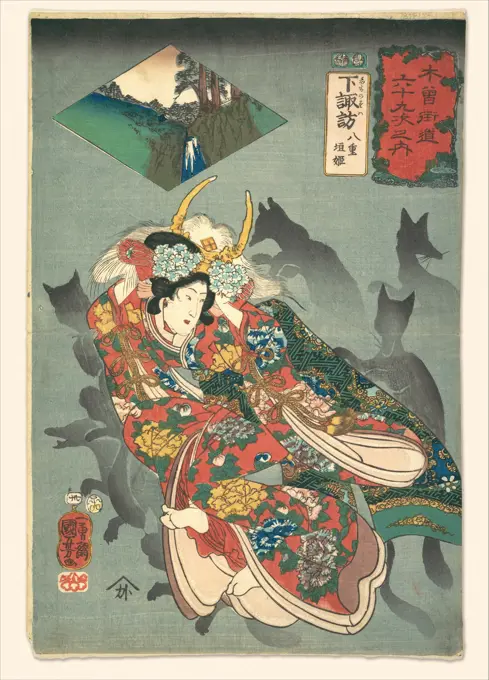
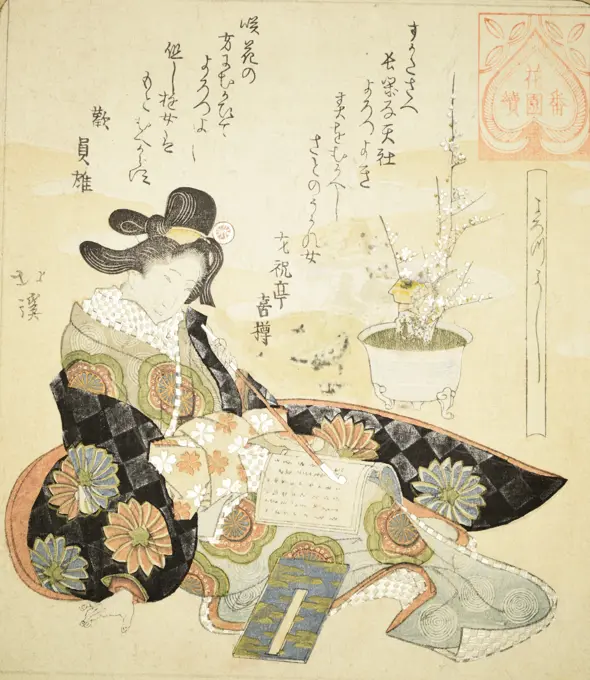
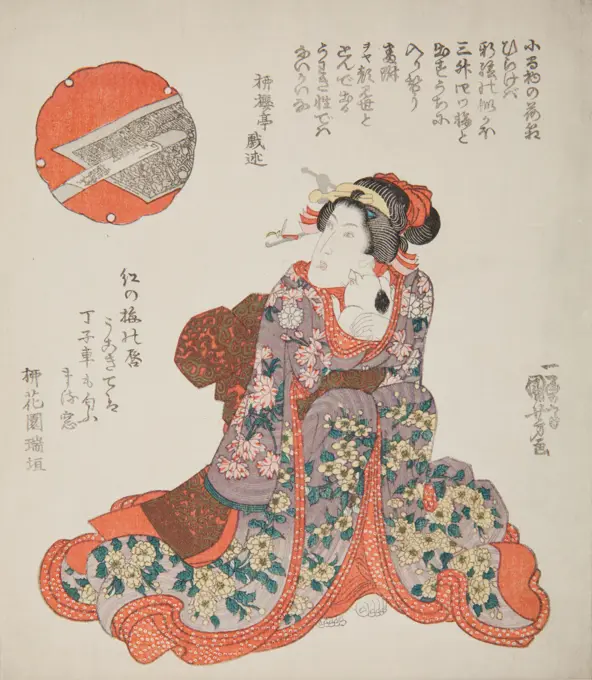
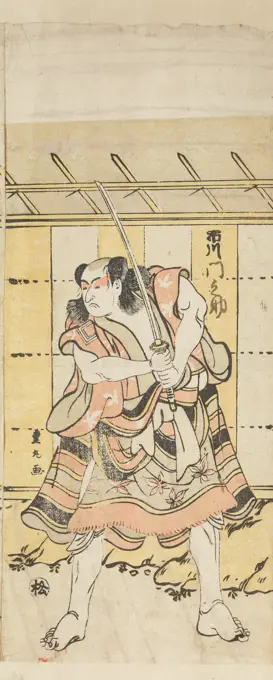
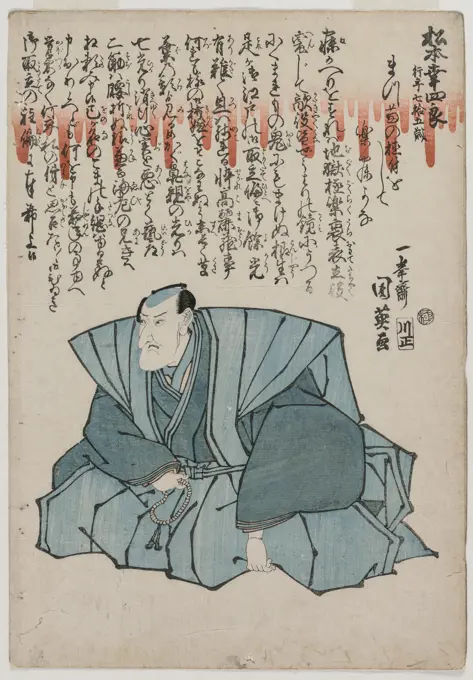
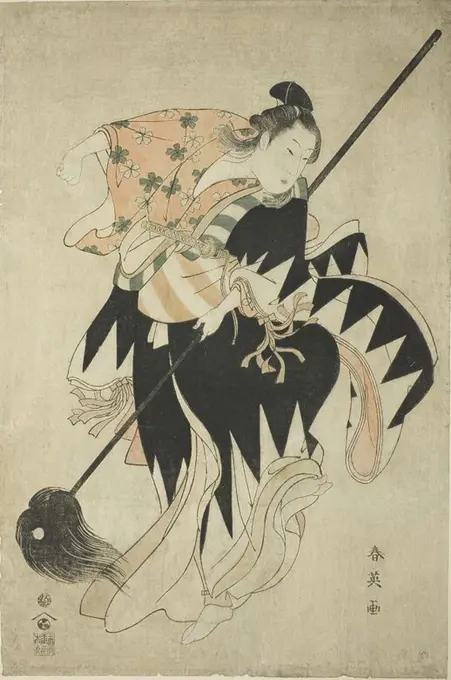
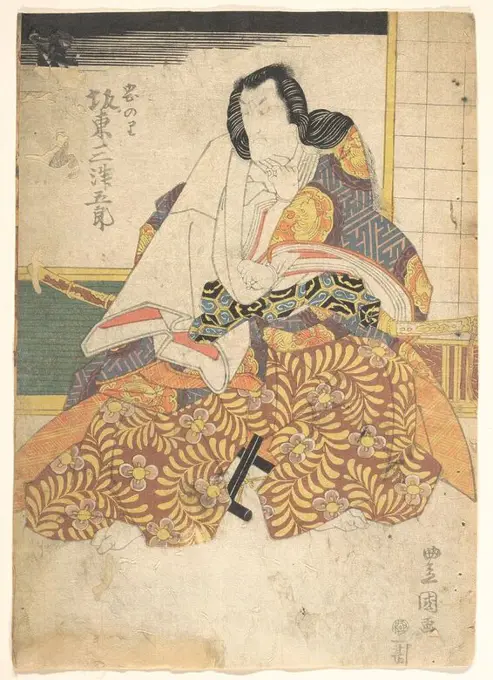
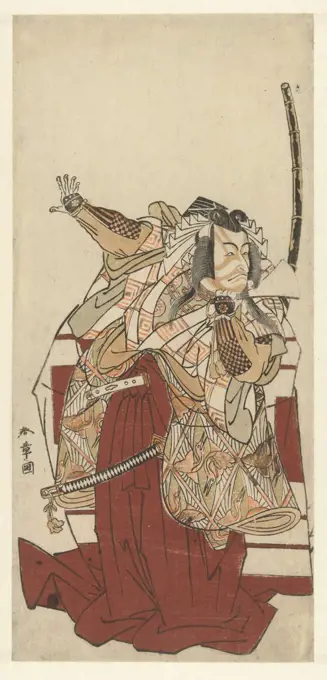
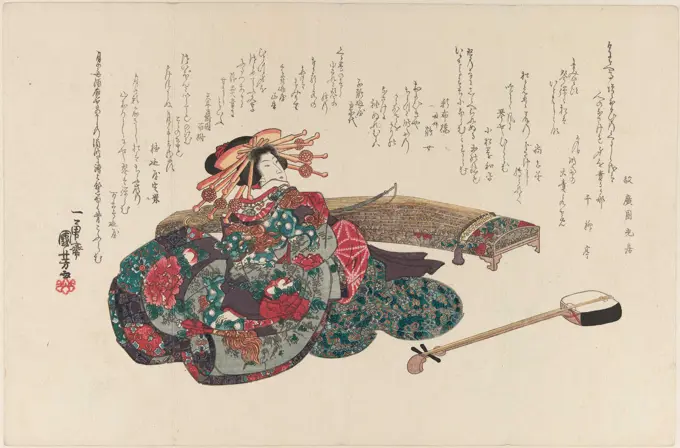
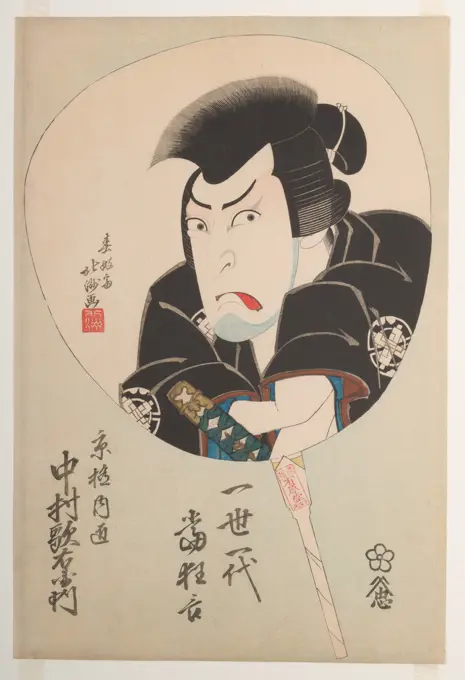
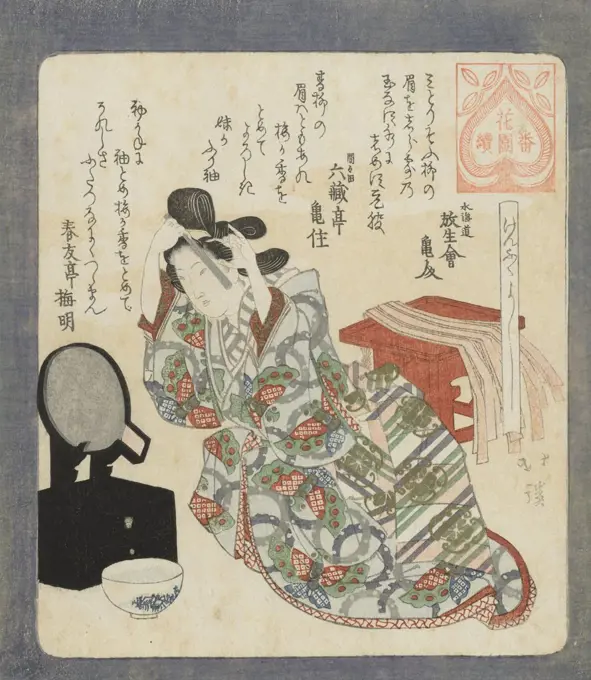
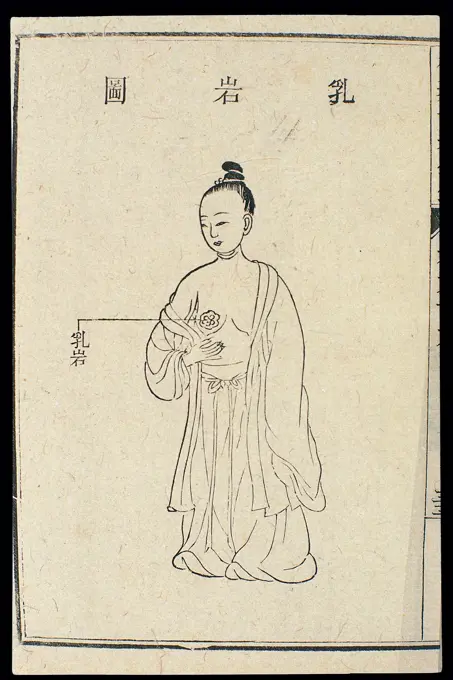
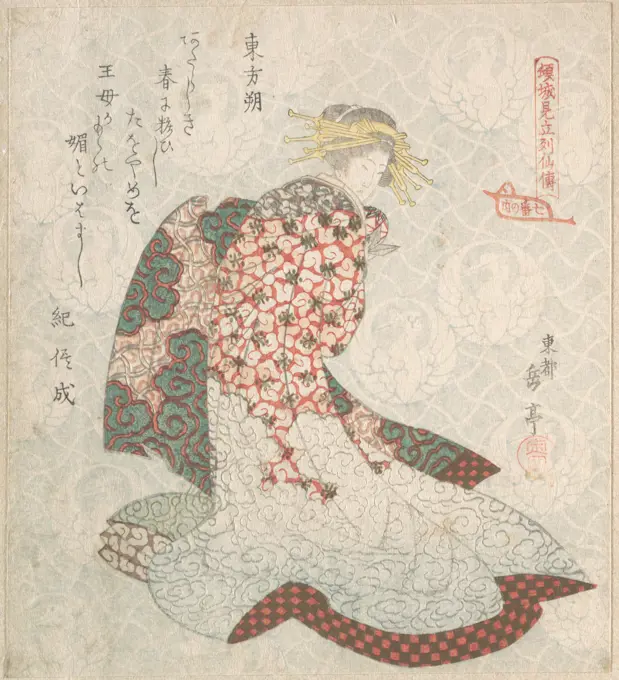
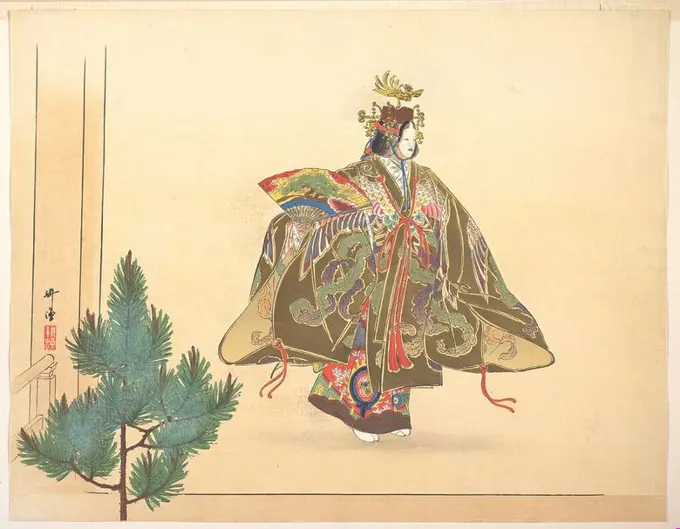
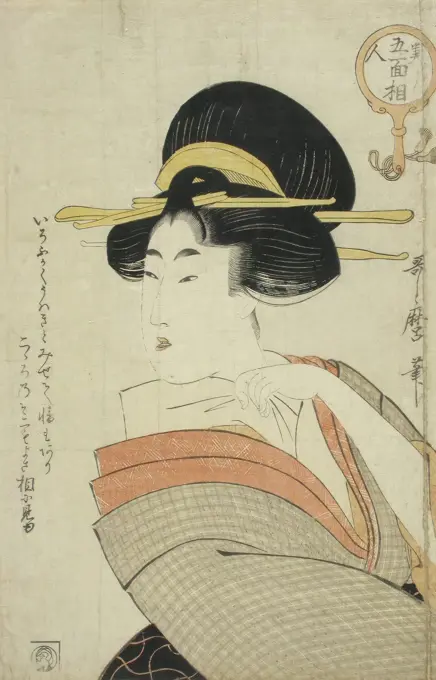
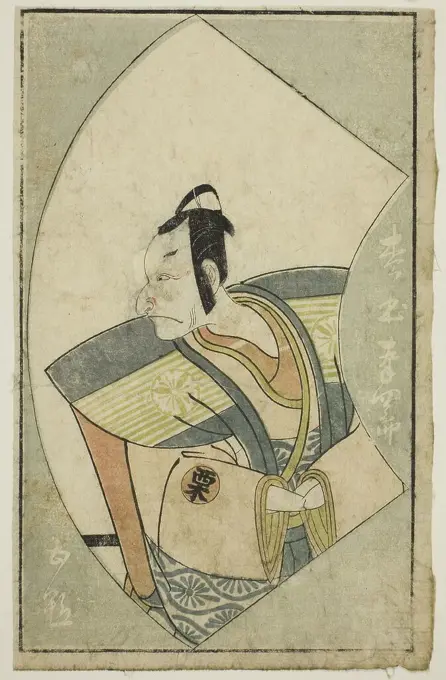
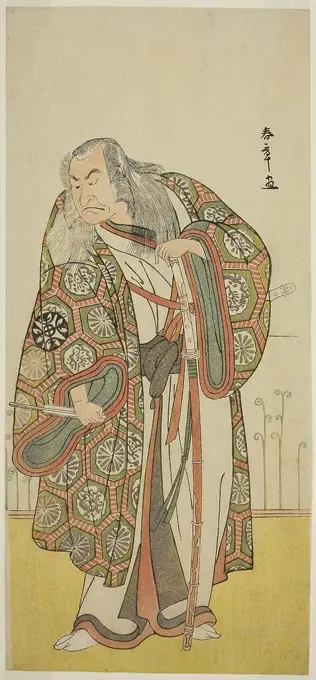
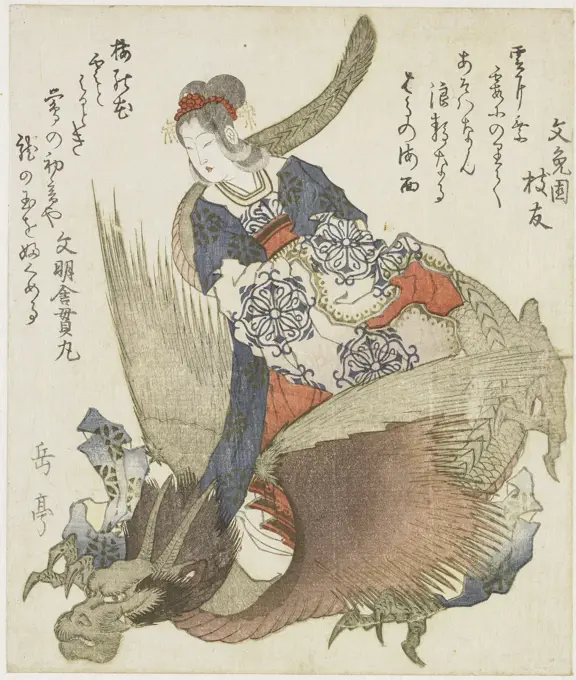
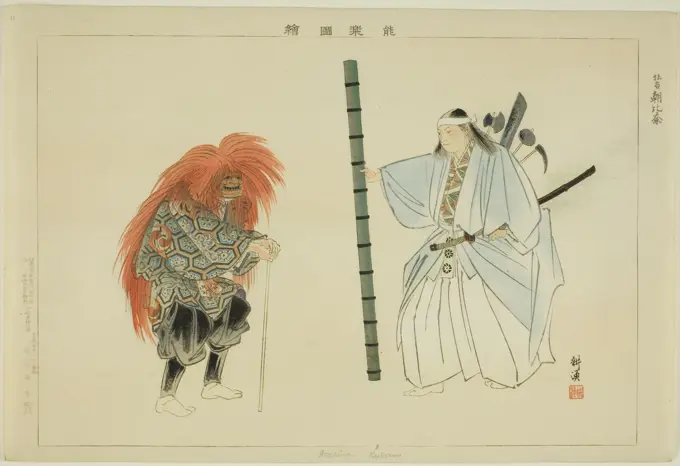
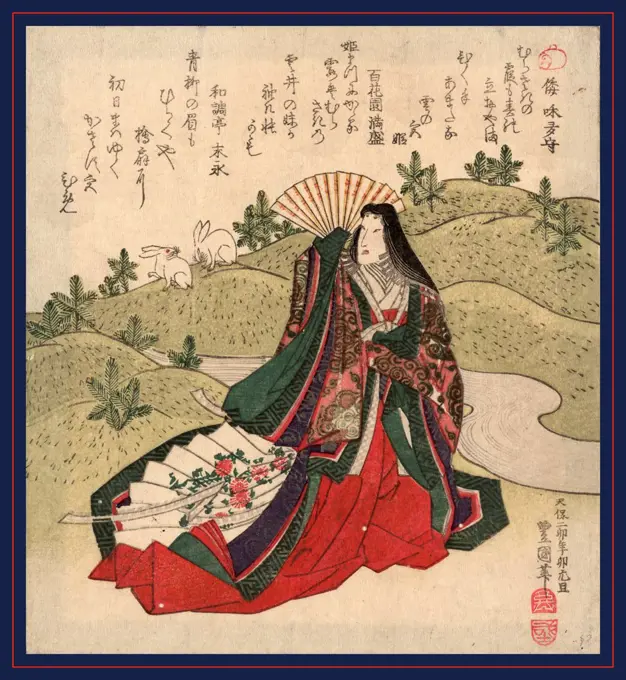
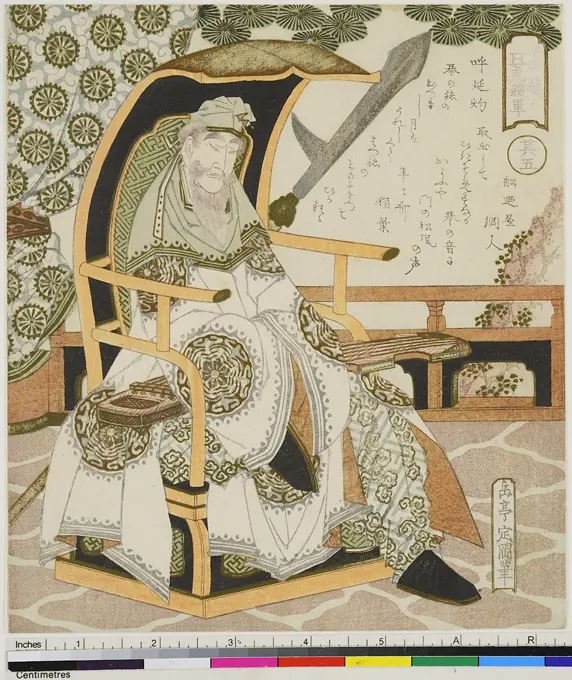
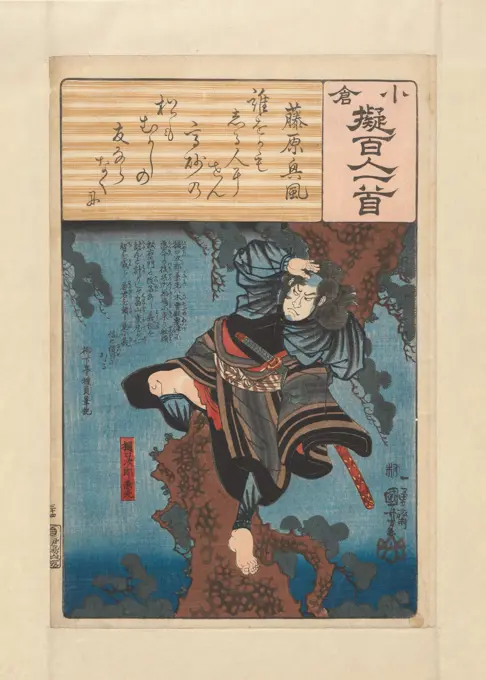
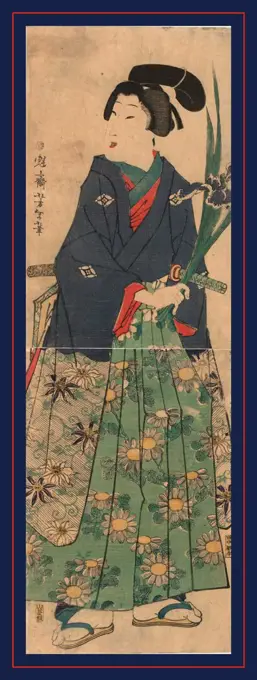
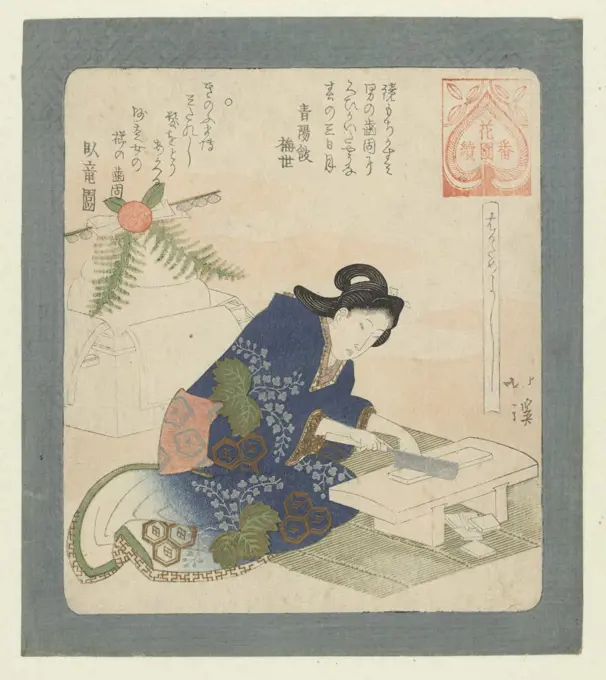
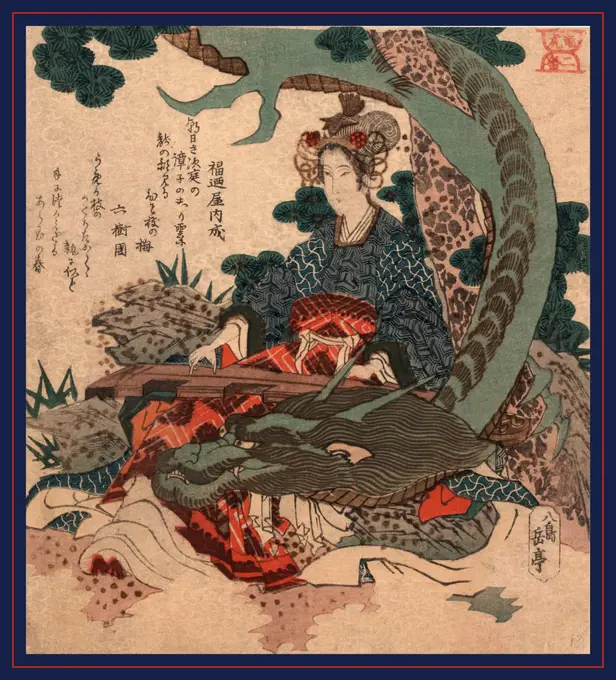
A pPair of actors: Matsumoto Kōshirō IV and Iwai Hanshirō IV Katsukawa, shunsho (1726 1792)Toyokuni I, work, Actor Iwai Kumesaburo in the play Futatsu cho-cho (Two Butterflies), (1822), color woodcut, graphicTravel, 1847-1852, Utagawa Kunisada, Japanese, 1786 - 1865, 14 3/8 × 9 5/8 in. (36.5 × 24.5 cm) (image, sheet, vertical ōban), Woodblock print (nishiki-e); ink and color on paper, Japan, 19th centuryIchimura Uzaemon IX as Umeomaru, mid 1770s. Katsukawa Shunshō (Japanese, 1726-1792). Color woodblock print; sheet: 31.8 x 15 cm (12 1/2 x 5 7/8 in.).The Actor Nakamura Nakazo I as Kakogawa Honzo in Komuso Attire in the Play Kanadehon Chushingura, Performed at the Ichimura Theater in the Seventh Month, 1783. Katsukawa Shunsho  ; Japanese, 1726-1792. Date: 1778-1788. Dimensions: 33 x 14.7 cm (13 x 5 13/16 in.). Color woodblock print; hosoban. Origin: Japan. Museum: The Chicago Art Institute, USA.The Actor Nakamura Sukegoro II as a Samurai Disguised as a Shicho or Attendant at a Shinto Shrine. Artist: Katsukawa Shunsho (Japanese, 1726-1792). Culture: Japan. Dimensions: H. 12 1/4 in. (31.1 cm); W. 5 5/8 in. (14.3 cm). Date: ca. 1778. Museum: Metropolitan Museum of Art, New York, USA.Nobleman and Warrior. Artist: Yashima Gakutei (Japanese, 1786-1868). Culture: Japan. Dimensions: 7 3/4 x 6 1/2 in. (19.7 x 16.5 cm). Date: 19th century. Museum: Metropolitan Museum of Art, New York, USA.Dong Ping (T Hei), from the series The Five Tiger Generals of “Heroes of the Water Margin,” No. 4 (Suikoden Go Ko-shgun: Sono Yon).  Artist: Yashima Gakutei, Japanese, ca. 1786-1868The Actors Otani Ryuzaemon II as Kajiwara Genta and Arashi Tominosuke I as Oiso no Tora in the play Tamagushi Yosooi Soga, performed at the Ichimura Theater in the first month, 1747 1747 Japan. Color woodblock print; hosoban, benizuri-e . Nishimura ShigenagaArtist: Utagawa Toyokuni  I, Japanese, 1769-1825, Actors Matsumoto Koshiro V and Ichikawa Danjuro VII, ca.1850’s, Polychrome woodblock print, sheet: 9 3/4 × 14 3/4 in. (24.8 × 37.5cm), Japan, Japanese, Edo period(1615-1868), Works on Paper -PrintsThe Actor Nakayama Kojuro VI as Osada no Taro Kagemune (in Reality Hatcho Tsubute no Kiheiji), in the Guise of a Lamplighter of Gion Shrine, in Act Three from Part One of the Play Yukimotsu Take Furisode Genji (Snow-Covered Bamboo: Genji in Long Sleeves), Performed at the Nakamura Theater from the First Day of the Eleventh Month, 1785. Katsukawa Shunsho  ; Japanese, 1726-1792. Date: 1780-1790. Dimensions: 31.6 x 15.2 cm (12 7/16 x 6 in.). Color woodblock print; hosoban. Origin: Japan. Museum: The Chicago Art Institute, USA.The actors Ichikawa Danjuro VII as Watanabe no Tsuna and Segawa Kikunojo V as the female demon in the play Modori Bridge (Modoribashi) 1833 Japan. Color woodblock print; vertical shikishiban diptych, surimono . Utagawa Kunisada I (Toyokuni III)The Actor Segawa Tomisaburo II as the Otomos' Maid Wakakusa, Actually Prince Korehito 1794-75 Tōshūsai Sharaku Japanese. The Actor Segawa Tomisaburo II as the Otomos' Maid Wakakusa, Actually Prince Korehito 37180Woman Using the Toilet and Two Popular Gods, 1808 print A woman with toilet paper in her hand makes her need in a wooden bucket. The lucky gods Hotei, with fan and pouch with treasures, and okay watch. The tea cup in the background indicates that no people are depicted here, but small statuettes. This is also clear from the two poems referring to ceramic comic statuettes from Fushimi, a place south of Kioto.  paper color woodcut piece of sculpture, reproduction of a piece of sculpture. defecation. wooden container: barrel, cask, bucketKunisada, Actor Ichikawa Ichizo in the play Irifune Soga Nihon no torikachi (The Soga clan conquers Japan), 1857, color woodblock print, graphicsThe immortal Gama, Yashima Gakutei, c. 1821 - c. 1822  A standing Courtisane with an origami path in her hand. The path identifies the Courtisane as Gama, an immortal that is always depicted with a three-legged path. With one poem. Japan paper color woodcut courtesan, hetaeraThe Actor Ichikawa Danjuro V as a Stone Image of Fudo Myoo in the Play Kitekaeru Nishiki no Wakayaka, Performed at the Nakamura Theater in the Eleventh Month, 1780 1775-1785 Japan. Color woodblock print; hosoban; left sheet of diptych . Katsukawa ShunshoPrincess Yaegaki 19th century Utagawa Kuniyoshi Japanese. Princess Yaegaki 55956A woman with a pipe reading., 1850. Woodcuts, Surimono; color. Image measures 6 7/8 x 6 1/8 in. (17.5 x 15.5 cm)The Actor Ichikawa Ebizo III as Akushichibyoe Kagekiyo () in the Play Wada Sakamori Eiga Kagami (), Performed at the Nakamura Theater () in the Third Month, 1773 (). Katsukawa Shunsho  ; Japanese, 1726-1792. Date: 1768-1778. Dimensions: 33 x 14.7 cm (13 x 5 13/16 in.). Color woodblock print; hosoban. Origin: Japan. Museum: The Chicago Art Institute, USA.Aktor iwai hanshiro vi w roli kobiety z kotem / iwai hanshiro vi Utagawa, kuniyoshi (1797 1861)Print Utagawa Kunisada Japanese. Print. Utagawa Kunisada (Japanese, 1786-1864). Japan. Woodblock print; ink and color on paper. Edo period (1615-1868). PrintsThe actor Ichikawa Monnosuke II Arashi Rynzo I with a seized sword, board 19 pasted onto a makimono: Selection of a hundred painters from the Ukiyo e school from Edo /Toto ukiyo e hiakkasen; part 5 TOYOMARU, UTAGAWA (FL.1785 1797)Memorial Portrait of Matsumoto Kōshirō V, Age 75, c. 1838. Utagawa Kunihide (Japanese, active 1820s-1850s). Color woodblock print; sheet: 37.5 x 26.1 cm (14 3/4 x 10 1/4 in.).Youth Dancing with a Spear. Katsukawa Shun'ei; Japanese, 1762-1819. Date: 1790-1794. Dimensions: 39.4 x 26.4 cm (15 1/2 x 10 3/8 in.). Color woodblock print; oban. Origin: Japan. Museum: The Chicago Art Institute, Chicago, USA.Print. Artist: Utagawa Kunisada (Japanese, 1786-1865). Culture: Japan. Dimensions: Image: 13 5/8 × 9 5/8 in. (34.6 × 24.4 cm). Date: 19th century. Museum: Metropolitan Museum of Art, New York, USA.Memorial Portrait of the Actor Ichikawa Ebizo II (Danjuro II) as a Peddler of the Medicine Uiro 1763-1775 Japan. Color woodblock print; hosoban . Katsukawa ShunshoThe revenge of the Forty-seven Ronin (Shi-ju-shichi-shi), also known as the Forty-seven Samurai, the Aki vendetta, or the Genroku Aki incident (Genroku aki jiken) took place in Japan at the start of the 18th century. One noted Japanese scholar described the tale as the country's 'national legend'. It recounts the most famous case involving the samurai code of honor, bushidi. The story tells of a group of samurai who were left leaderless (becoming ronin) after their daimyo (feudal lord) Asano Naganori was forced to commit seppuku (ritual suicide) for assaulting a court official named Kira Yoshinaka, whose title was Ki zuke no suke. The ronin avenged their master's honor after patiently waiting and planning for two years to kill Kira. In turn, the ronin were themselves ordered to commit seppuku for committing the crime of murder. With much embellishment, this true story was popularized in Japanese culture as emblematic of the loyalty, sacrifice, persistence, and honor that all good peoplMan Met Lange Pijp, Utagawa Kuniyoshi, C. 1830 -C. 1835  The actor Ichikawa Ebizô V (1791-1859) in the role of a samurai with a long pipe in hand. Against a background of colored clouds and spots, in simulation of old paintings. With one poem. Left leaf of a triptych. Japan paper color woodcutThree Beauties, central sheet of a triptych. Date: 1844-1845. Dimensions: 38 cm x 26 cm. Museum: Van Gogh Museum, Amsterdam. Author: UTAGAWA KUNISADA.Acteur als Krijger, Utagawa Kunisada (I), c. 1823 - c. 1824 print A night scene with the Kabuki actor Onoe Kikugorô III (1784-1849) in the role of Samurai, while he is fighting. In his right hand he has a sword while holding a sash with his left hand. With two poems. Center leaf of a five -part. Japan paper color woodcut portrait of actor, actress. fighting. hacking and thrusting weapons: swordIchikawa Danjûrô VII in his dressing room, The actor Ichikawa Danjûrô VII (1791-1859) sitting on a cushion with an open fan in the left and a brush in the right hand. He is probably about to write a poem on the fan. Behind him are his richly decorated dressing table and mirror. Danjûrô was very popular as an actor and poet and was often asked by admirers to sign a fan. With two poems, mirror, Kunisada (I), Utagawa (mentioned on object), Japan, c. 1821, paper, colour woodcut, h 211 mm × w 182 mm. A manzai dancer runs with a parasol behind a man dressed as a monkey. With three poems.Goten Hill (Goten-yama), from the series Flower Viewing in Edo (Edo hanami tsukushi) 1820-1829 Japan. Color woodblock print; oban . Utagawa Kunisada I (Toyokuni III)Righteousness (Gi), from the series "Five Designs for the Katsushika Poetry Circle (Katsushika goban)". Kubo Shunman; Japanese, 1757-1820. Date: 1810-1814. Dimensions: 20.2 x 18.1 cm. Color woodblock print; shikishiban, surimono. Origin: Japan. Museum: The Chicago Art Institute, Chicago, USA.The Ignorant Seekers. Shiba Shôjô (d. 126 BC) writes a wish on a pole on the shore of a waterfall. With two poems.Knight Shiōren Sajima Akki Masataka with a spear and developed Buddhist ganglion, board 29. From the series: from the life of Taiheiki heroes novel about the Great Peace / Taiheiki Eiyuden Utagawa, kuniyoshi (1797 1861)Print Utagawa Kunisada Japanese 19th centuryMemorial Portrait of the Actor Ichimura Takenojo V. Attributed to Utagawa Kunimaro I; Japanese, active c. 1850-75. Date: 1851. Dimensions: . Color woodblock print; oban. Origin: Japan. Museum: The Chicago Art Institute, Chicago, USA.Tsukioka Yoshitoshi (30 April 1839 - 9 June 1892) was a Japanese artist and Ukiyo-e woodblock print master. He is widely recognized as the last great master of Ukiyo-e, a type of Japanese woodblock printing. He is additionally regarded as one of the form's greatest innovators. His career spanned two eras - the last years of Edo period Japan, and the first years of modern Japan following the Meiji Restoration. Like many Japanese, Yoshitoshi was interested in new things from the rest of the world, but over time he became increasingly concerned with the loss of many aspects of traditional Japanese culture, among them traditional woodblock printing. By the end of his career, Yoshitoshi was in an almost single-handed struggle against time and technology. As he worked on in the old manner, Japan was adopting Western mass reproduction methods like photography and lithography. Nonetheless, in a Japan that was turning away from its own past, he almost singlehandedly managed to push the traditioActor Ichikawa Danjuro in a shibaraku roll, Actor in red skirt over which robe with a crane bird pattern, in his left hand a fan and right hand extended backwards, Ichikawa Danjûrô V, Katsukawa Shunsho (mentioned on object), Japan, 1773 - 1777, paper, colour woodcut, h 313 mm × w 146 mmMemorial Portrait of the Actor Ichikawa Danjuro VIII 1854 Japan. Color woodblock print; oban . Utagawa SchoolToyosumi, 1770, Woodcuts, Page from bookSeiôbô and a long-haired turtle; A set of room screens. Two parts of a miniature room with links a island worn by a long-haired turtle (minogame) and on the right the Chinese fairy Seiôbô with a servant and banana leaves in the background. A bowl with immortality treasics on a table. The long-haired turtle symbolizes a long life, because of the belief that his seaweed stares would only grow after a life of 10,000 years. With two poems.A God Playing a Drum (From the Series The Spring Cave), 1825. Totoya Hokkei (Japanese, 1780-1850). Color woodblock print; scabbard: 18.8 x 20.7 cm (7 3/8 x 8 1/8 in.). These elegant surimono prints come from a set of five images inspired by the legend of the Shinto Supreme Sun Goddess, Amaterasu. She was once so offended by her brother that she retreated into a cave, leaving the earth in darkness. Several attempts to lure her out with cocks crowing, music-making, and a goddess dancing failed, but a mirror hung from a nearby tree made Amaterasu curious, bringing her to the entrance of the cave. A stone was quickly placed at the entrance to block her way back into the cave, and light was restored to the world. Each print is set against a blue evening sky with embossed clouds enriched with gold, silver, and copper.FUJIWARA NO TADAMICHI, 1845-1848 print The thief Hakamadara Yasusuku in stolen clothes and on his back a box in which his loot is. Scene from a kabukitis piece. Poem by Fujiwara No Tadamichi.  paper color woodcut thief. carrying somethingSurimono - Lady with Fan and Peacock, Yashima Gakutei (Osaka, Japan, c.1786 - 1868) 1825-1849The Actor Iwai Hanshiro as a Courtesan Reading a Love Letter while Mounted on a Black Ox ca. 1763 Torii Kiyomitsu Japanese. The Actor Iwai Hanshiro as a Courtesan Reading a Love Letter while Mounted on a Black Ox. Torii Kiyomitsu (Japanese, 1735-1785). Japan. ca. 1763. Woodblock print; ink and color on paper. Edo period (1615-1868). PrintsThe Actor Sawamura Tosho in the Role of Sato Tadanobu, central sheet of a triptych. Date: 1840. Dimensions: 39 cm x 26 cm. Museum: Van Gogh Museum, Amsterdam. Author: UTAGAWA KUNISADA.Satomi Jirotarō Yoshinari Inspecting a Head Carried by a Dog. Tsukioka Yoshitoshi (Japan, 1839-1892). Japan, 1867, 8th month. Prints; woodblocks. Color woodblock printThe Actor Nakamura Nakazo I as Taira no Tomomori Disguised as Tokaiya Gimpei, in the Play Yoshitsune Sembon-zakura, Performed at the Morita Theater in the Fourth Month, 1777 1772-1782 Japan. Color woodblock print; hosoban . Katsukawa ShunshoSawamura Tanosuke. Portrait of the Kabuki actor Sawamura Tanosuke III in the role of Princess Yaegaki in colorful kimono and headdress of blue flowers; Against blue background.The Second Yamashita Kinsaku (1733-1790). Artist: Katsukawa Shunsho (Japanese, 1726-1792). Culture: Japan. Dimensions: 12 1/2 x 5 3/4 in. (31.8 x 14.6 cm). Date: ca. 1772. Museum: Metropolitan Museum of Art, New York, USA.The actor Ichikawa Hakuen as Akushichibyoe Kagekiyo in the play "Hatsumonbi Yosooi Soga," performed at the Kawarazaki Theater in the first month, 1802. Utagawa Toyokuni I   ; Japanese, 1769-1825. Date: 1802. Dimensions: 17 3/4 × 8 3/4 in. Color woodblock print. Origin: Japan. Museum: The Chicago Art Institute, Chicago, USA.DAINAGON TSUNENOBU, 1845-1846 print Akogi Heiji looks at the water as he shields the sun with his hat. In between the reeds, Parroper Hiragawara Jirozô is about to betray Heiji. Scene from a kabukitis piece. Poem by Dainagon Tsunenobu.  paper color woodcut water course. hiding, hiding oneself. head-gear: hatNo 1 Liu Bei (Sono ichi Ryubi), from the series Three Heroes of Shu (Shoku sanketsu) 1819-1829 Japan. Color woodblock print; shikishiban, surimono . Yashima GakuteiCourtisane with Koto. A seated Courtisane with Koto (Japanese lute) and Kokyû (a large four-carved string instrument). The Koto is usually associated with Courtisanes, but a Kokyû correct with traveling female musicians (Torioi). With ten poems.The Kabuki Actor Ichikawa Danjûrô II, 1825 print The Kabuki actor Ichikawa Danjûrô II (1688-1758) in the role of Soga No Gorô No Tokimune, in the play Yanone Gorô. This series is an ode to the famous Ichikawa Danjûrô actors, with approval from Ichikawa Danjûrô VII (1791-1859) himself, with his seal (Kiwame) and other name Sanshô VII. With one poem.  paper color woodcut / polishing portrait of actor, actress. weaponsKazuraki, from the series Pictures of No Performances (Nogaku Zue) 1893-1903 Japan. Color woodblock print . Tsukioka Kôgyo. .Twenty-four Japanese examples of branch piety for the Honors (series title), The Soga brothers in front of the tent of Kudo Suketsume in the Yoritomo hunting camp. The Story of the Soga Brothers is about the revenge that the brothers take on the death of their father in 1193. With two poems., Yashima Gakutei (mentioned on object), Japan, 1820 - 1825, paper, colour woodcut, h 204 mm × w 181 mmColored woodcut by Gountei Sadahide showing a lady holding an open umbrella, wearing traditional Japanese dress, with intricate patterns and detailing.Woman on Veranda ca. 1730 Takizawa Shigenobu. Woman on Veranda. Takizawa Shigenobu (Japanese, active 1720-40). Japan. ca. 1730. Hanging scroll; ink and color on silk. Edo period (1615-1868). PaintingsOnoe Kikugorō in the role of Yaoya Oshichi and Nakamura Kiyosaburō as her lover the koshō (page) Kichisaburō 1750 Okumura Masanobu Japanese The invention of color block printing by the mid-eighteenth century irrevocably transformed the vigorous early ukiyo-e style. The new technique, which used separate blocks for each color, placed greater attention on coordinating the component parts and emphasized the process of color overlays. Masanobu's pioneering efforts in the field of color printing advanced a new aesthetic, one in which the essential quality of the print was dependent on line and color. As the articulation of the early ukiyo-e artist's virtuosic line diminished, a new style featuring graceful and lyrical lines bound to color harmonies emerged.. Onoe Kikugorō in the role of Yaoya Oshichi and Nakamura Kiyosaburō as her lover the koshō (page) Kichisaburō 56782The Actors Ichikawa Danjuro II as Kamada Matahachi and Ichikawa Monnosuke I as Hisamatsu in the play Osome Hisamatsu Shinju Tamoto no Shirashibori, performed at the Morita Theater, 1720 1720 Japan. Hand-colored woodblock print; hosoban, urushi-e . Torii Kiyonobu IA man and geisha, Sukenobu, Nishikawa (1671-1750)Taira no Tomomori ( ) (1152-1185) was the son of Taira no Kiyomori, and one of the Taira Clan's chief commanders in the Genpei War at the end of the Heian period of Japanese history. He was the victor at the Battle of Uji in 1180, and also at the Battle of Yahagigawa in 1181, where, after forcing the enemy Minamoto forces to retreat, Tomomori fell ill, and so the pursuit was ended. Tomomori was again victorious over the Minamoto in a naval battle at Mizushima two years later. The Taira forces tied their ships together, to create a larger stable surface to fire arrows from, and to engage in hand-to-hand combat. At the Battle of Dan-no-ura, when the Taira were decisively beaten by their rivals, Tomomori joined many of his fellow clan members in committing suicide. He tied an anchor to his feet and leapt into the sea.Kabuki Actor Nakamura Utaemon III as the Sword Master Kygoku Takumi, from the series Issei ichidai atari Kygen (Hits of a Lifetime of Kygen) 1825 Shunksai Hokush  Japanese. Kabuki Actor Nakamura Utaemon III as the Sword Master Kygoku Takumi, from the series Issei ichidai atari Kygen (Hits of a Lifetime of Kygen). Shunksai Hokush  (Japanese, active 1808-32). Japan. 1825. Woodblock print; ink, metallic pigment, and color on paper. Edo period (1615-1868). PrintsCeremony of growing up Genbukuyoshi (title on object) A series for the Hanazono poetry association (series title) Hanazono bantsuzuki (series title on object), A young vrwou sits in front of her mirror to shave her eyebrows. Japanese women used to shave their eyebrows, blacken their teeth and put up their hair after getting married. With three poems. The prints from this series are in line with the belief that the first activities of the new year were extra special. The red cartouche on the prints refers to almanacs in which it was indicated which activities could or could not be undertaken on certain days by people born in a certain year, mirror, care of the hair, Totoya Hokkei (mentioned on object), Japan, c. 1822, paper, polishing, h 204 mm × w 178 mmChinese C18 woodcut: The chest/breasts - Breast tumourCourtesan 19th century Yashima Gakutei Japanese. Courtesan 54982Chinese C18 woodcut: The eye - 'millet sores' on eyelidIn the Style of a Page (Kosho fu), Center Sheet of Triptych (Sanpukutsui chu). Nishimura Shigenaga; Japanese, 1697 ()-1756. Date: 1725-1735. Dimensions: 6 3/8 x 13 3/8 in. Hand-colored woodblock print; hosoban, urushi-e. Origin: Japan. Museum: The Chicago Art Institute, Chicago, USA.Arashi Rikan II Als Matsuemon (Higuchi Jirô Matsuemon), In Het Stuk 'Hiragana Seisuiki', Naka Theater.Illustration of Noh Dance Scene. Artist: Tsukioka Kogyo (Japanese, 1869-1927). Culture: Japan. Dimensions: 14 13/16 x 19 in. (37.6 x 48.3 cm). Date: ca. 1910. Museum: Metropolitan Museum of Art, New York, USA.Oiso, section of sheet no 3 from the series Cutout Pictures of the Tokaido (Tokaido harimaze zue) 1842-1857 Japan. Color woodblock print; section of harimaze sheet (uncut sheet 1939.1291) . Utagawa HiroshigeUtamaro, Kitagawa, From the series 'Bijin go menjo', (1000 - 2000), color woodcut, graphics, sheet width 24 cm, leaf height 37 cm, image width 24 cm, image height 37 cmThe Actor Shinomiya Heihachi I 1698-1708 Japan. Hand-colored woodblock print; hosoban, tan-e . Torii Kiyonobu IThe Actor Matsumoto Koshiro II, from "A Picture Book of Stage Fans (Ehon butai ogi)". Katsukawa Shunsho  ; Japanese, 1726-1792. Date: 1770. Dimensions: 9 5/8 x 6 in. Color woodblock print; page from illustrated book. Origin: Japan. Museum: The Chicago Art Institute, USA.Japan: One of the daughters of the Dragon King who lives at the bottom of the sea, Utagawa Kuniyoshi (1798-1861), 1832The Actor Nakamura Shikan in the Role of Gen Kuro Kitsune, one sheet of a polyptych. Date: seventh month 1867. Dimensions: 37 cm x 25 cm. Museum: Van Gogh Museum, Amsterdam. Author: Utagawa Kunisada II.The Actor Sawamura Sojuro III as Kobayashi no Asahina Saburo in the Play Kuruwagayoi Komachi Soga, Performed at the Nakamura Theater in the Second Month, 1781. Katsukawa Shunsho  ; Japanese, 1726-1792. Date: 1776-1786. Dimensions: 33.4 x 14.9 cm (13 1/8 x 5 7/8 in.). Color woodblock print; hosoban. Origin: Japan. Museum: The Chicago Art Institute, USA.The Actor Nakamura Nakazo I as the Sword Master Takuma Genryu () in the Play Edo no Fuji Wakayagi Soga (), Performed at the Nakamura Theater () in the First Month, 1789 (). Katsukawa Shunsho  ; Japanese, 1726-1792. Date: 1784-1794. Dimensions: 32.7 x 15 cm (12 7/8 x 5 7/8 in.). Color woodblock print; hosoban. Origin: Japan. Museum: The Chicago Art Institute, USA.Actor The actor Yamashita Kinsaku in the role of a womenGuan Sheng (Kan Sh), from a series of The Five Tiger Generals of “Heroes of the Water Margin, No. 1”.  Artist: Yashima Gakutei, Japanese, ca. 1786-1868Woman with dragon, Yashima Gakutei, 1820  A woman in Chinese costumes on a dragon. The woman could be the goddess Benten or the Chinese goddess of the West, HSI Wang Mu. With two poems. Japan paper color woodcut dragonMan looks up at woman with dragon wreath; A series of three prints about the dragons capitol; Tatsu no Miyako Sanban Tsuzuki. A woman with a dragon crown on and a range in her hand, stands behind a seated man. The man is the actor Bandô Mitsugoro III (1775-1832) in the role of Urashimatarô, the young fisherman who is broken by the daughter of the Dragon King, played by Segawa Kikunojô v (1802-32) to her father's palace on the bottom of the sea. When Urashimatarô returns to the main country, hundreds of years appear to have expired. With two poems.Asahina (Kyogen), from the series Pictures of No Performances (Nogaku Zue) 1893-1903 Japan. Color woodblock print . Tsukioka KôgyoIwai Shijaku no Miyahime, Iwai Shijaku as Miyahime., Utagawa, Toyokuni, approximately 1777-1835, artist, 1831 (Year of the Rabbit)., 1 print : woodcut, color ; 19.6 x 17.7 cm., Print shows onnagata actor Iwai Shijaku, full-length portrait, in the role of Miyahime, standing next to a stream in a hilly landscape with two rabbits in the background.Huyan Zhuo, Sheet 5 from the series: The five tiger generas of the suicides. .Kakuju in Kawacho; Famous restaurants in the eastern capital; Toto Komei Kaitei Tsukushi. Actor in the role of the old woman kakuju, with white hair and a headdress, a sword in the right hand; Rectangular cartouche with lanterns and umbrellas; Round cartouche with face on river and shore in rain. The actor is a kunisada design, the cartouches of Hiroshige.Higuchi Jiro Kanemitsu; poem by Fujiwara Okikaze; print 34 from the series: Ogura nazorae hyakunin isshu (Imitations of one hundred poems by one hundred poets). Utagawa, Kuniyoshi (1798-1861), graphic artistKakitsubata o matsu wakashu, Young dandy carrying irises., Taiso, Yoshitoshi, 1839-1892, artist, 1866., 1 print : woodcut, color ; 36.3 x 23.7 cm (top panel), 34.7 x 23.7 cm (bottom panel), Print shows a full-length portrait of a man holding an iris.Shigeno Yozaemon looking up to an exploding grenade, Tsukioka Yoshitoshi, 1869 print Shigeno Yozaemon, in purple jacket with colorful lining, looks up to an exploding grenade above him.  paper color woodcut projectiles, explosives, etc.. adult man. looking upwardsOsagawa Tsuneyo II as Itsukushima Tennyo in the Kabuki Play Tokimekuya o-Edo no hatsuyuki” 1775-1785 Japan. Color woodblock print; hosoban . Katsukawa ShunshoThe Second Nakajima Mihoemon in the Role of Sadaijin Jihei. Artist: Katsukawa Shunsho (Japanese, 1726-1792). Culture: Japan. Dimensions: 12 7/32 x 5 5/8 in. (31.1 x 14.3 cm). Date: 1776. Museum: Metropolitan Museum of Art, New York, USA.Actor in the role of Urasa, a girl bound with a rope according to a poem of the poet Chunagon Tomotade, from the series: Travesty of the poem of one of thirty six famous poets /Mitate sanju rokkasen no uchi Kunisada, UTAGAWA (1786 1864)It is good to harden the teeth Hagatameyoshi (title on object) A series for the Hanazono poetry association (series title) Hanazono bantsuzuki (series title on object), A woman uses a knife to make dried rice cake to cut, with behind her New Year decorations. At the beginning of the new year eating hard things like dried rice cake was something that would make the teeth harder and thus extend life. With two poems. The prints from this series are in line with the belief that the first activities of the new year were extra special. The red cartouche on the prints refers to almanacs in which it was indicated which activities could or could not be undertaken on certain days by people born in a certain year., Totoya Hokkei (mentioned on object), Japan, c. 1822, paper, colour woodcut, h 205 mm × w 182 mmFlower Vase with Stand; Dress Hanging on a Clothesrack. Artist: Hachifusa Shuri (Japanese, 18th-19th century). Culture: Japan. Dimensions: 7 5/8 x 7 1/8 in. (19.4 x 18.1 cm). Museum: Metropolitan Museum of Art, New York, USA.Ryu ko niban, Tiger and dragon no. 2: dragon., Yajima, Gogaku, active 19th century, artist, between 1818 and 1830, printed later, 1 print : woodcut, color ; 20.7 x 18.3 cm., Print shows a woman playing a koto with a dragon curled around her.