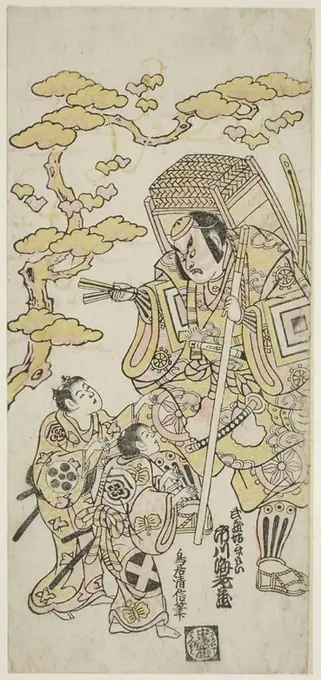
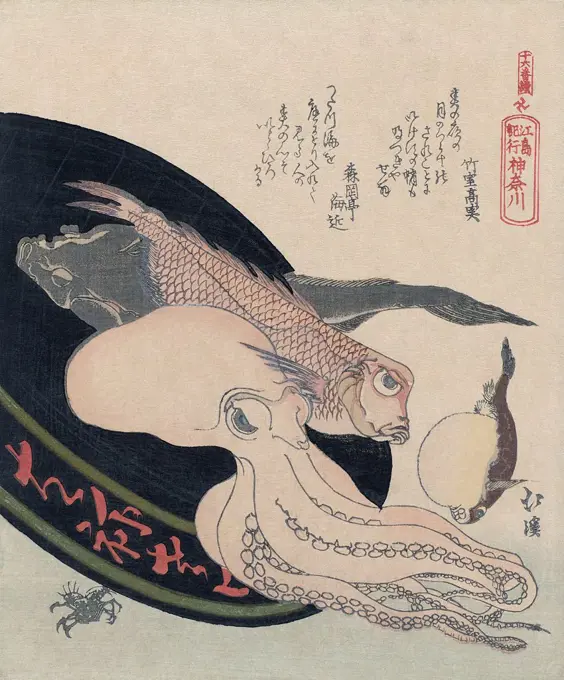
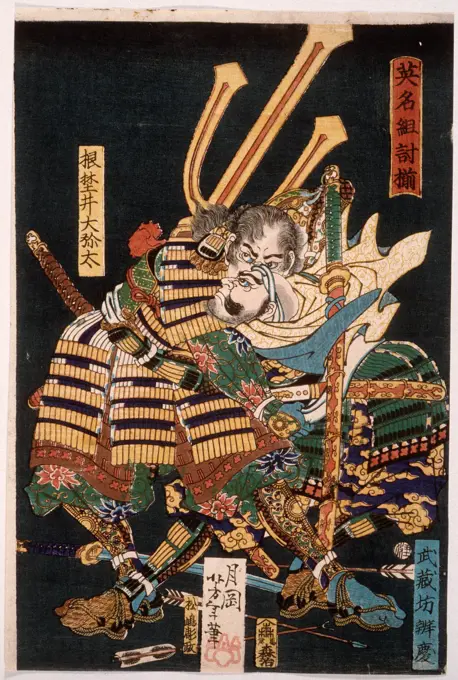
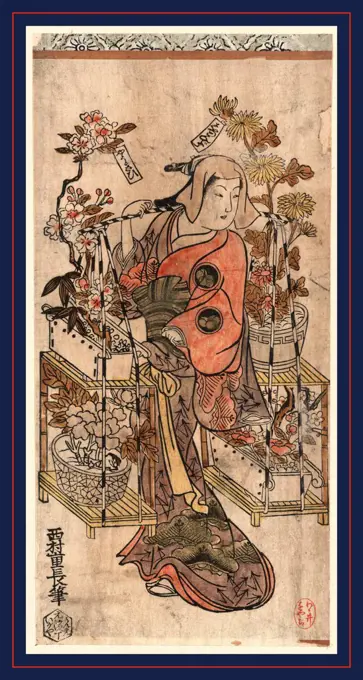
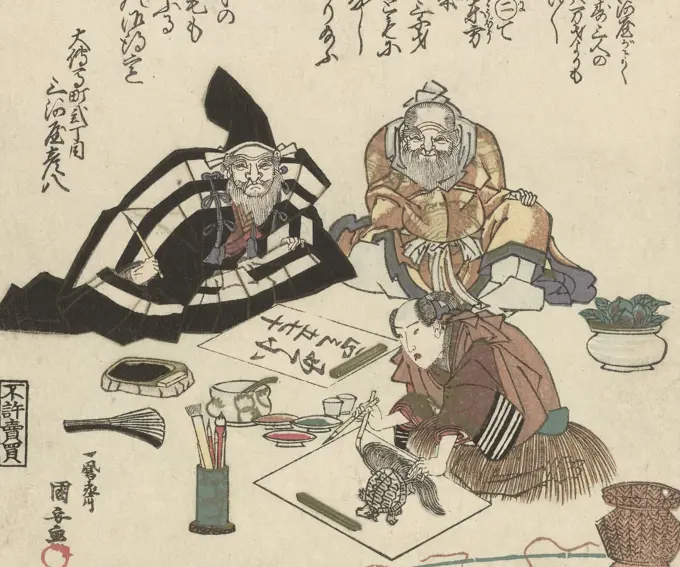
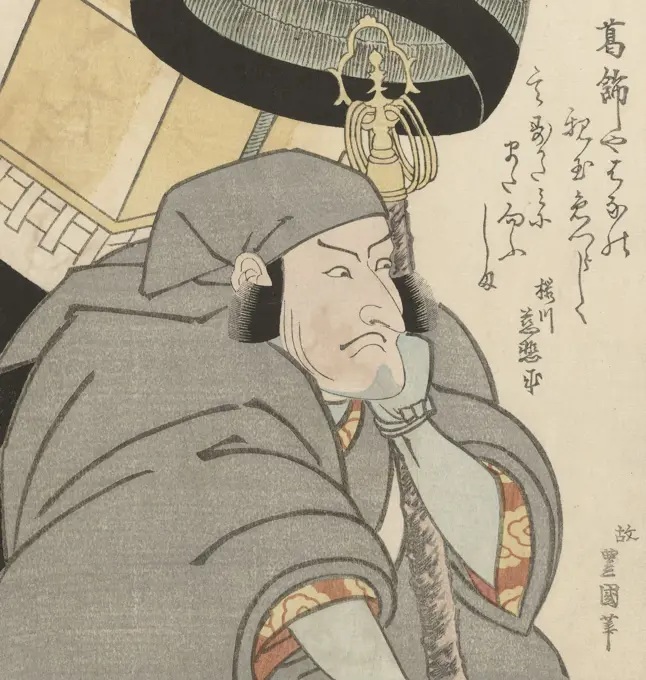
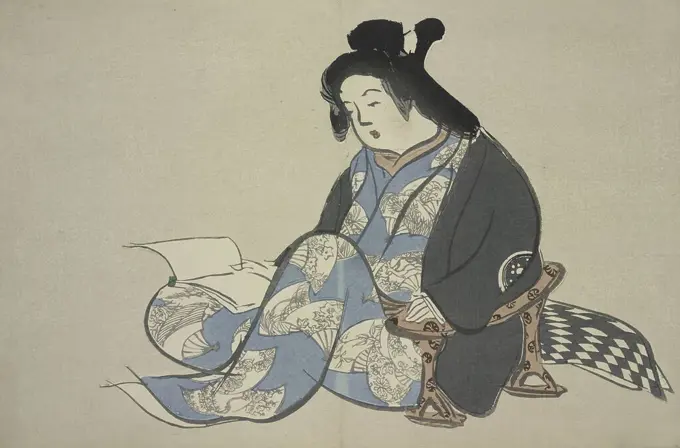
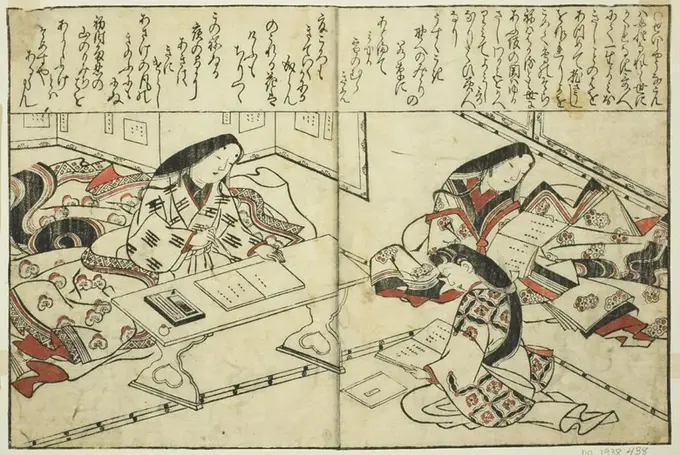
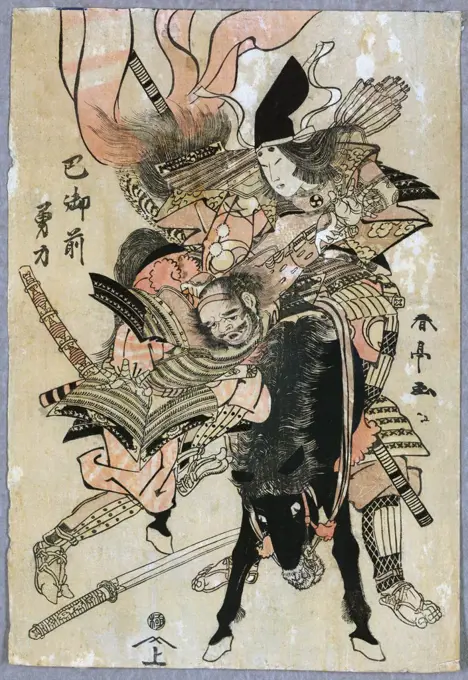
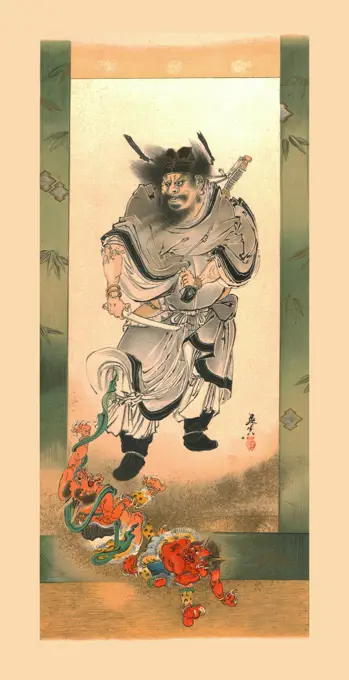
Japanese Woodblock Prints of Actors

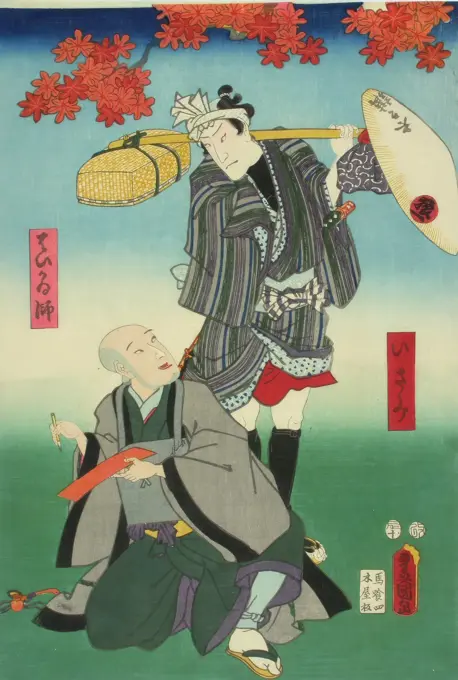
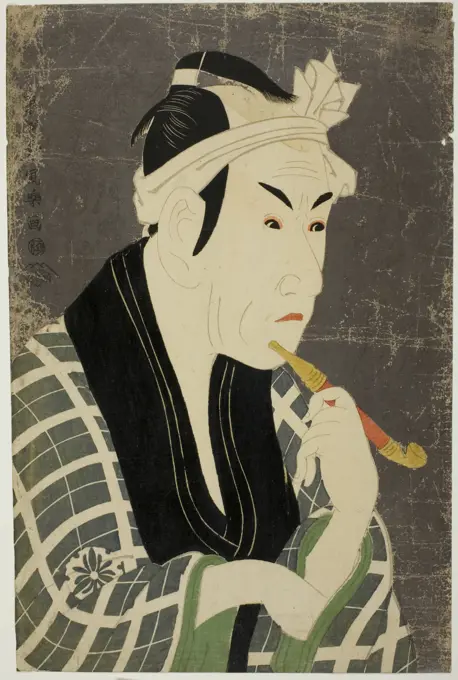
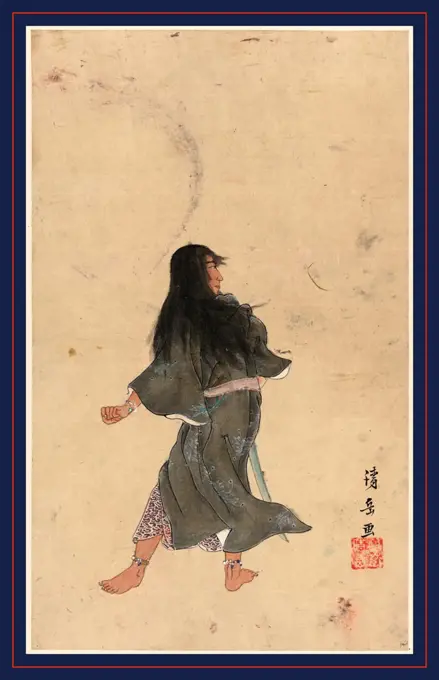
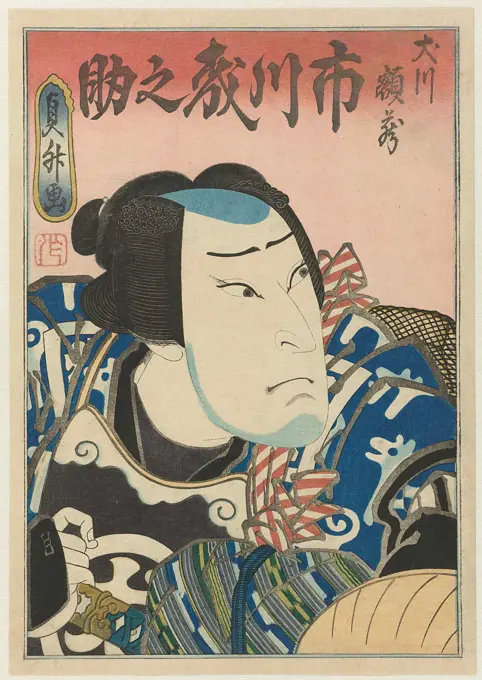
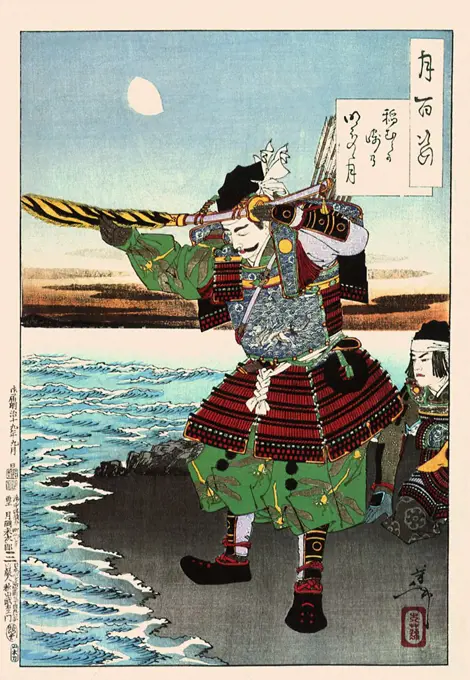
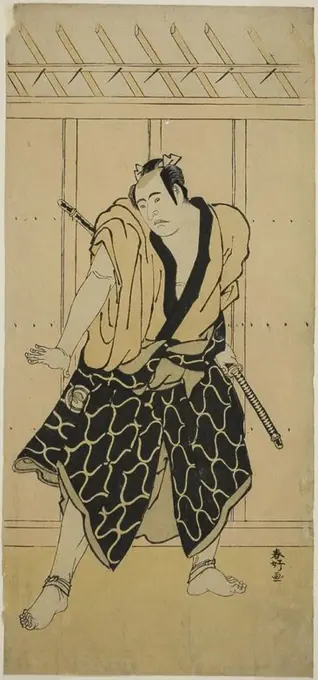
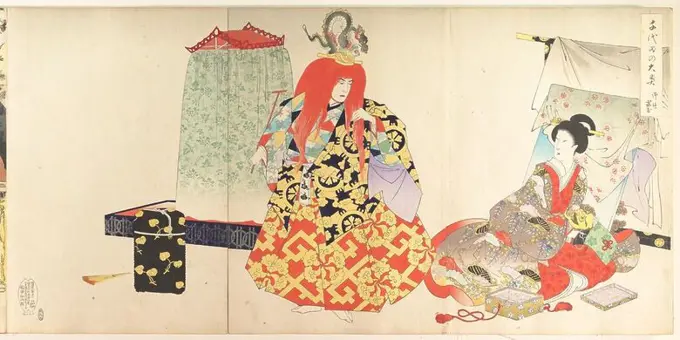
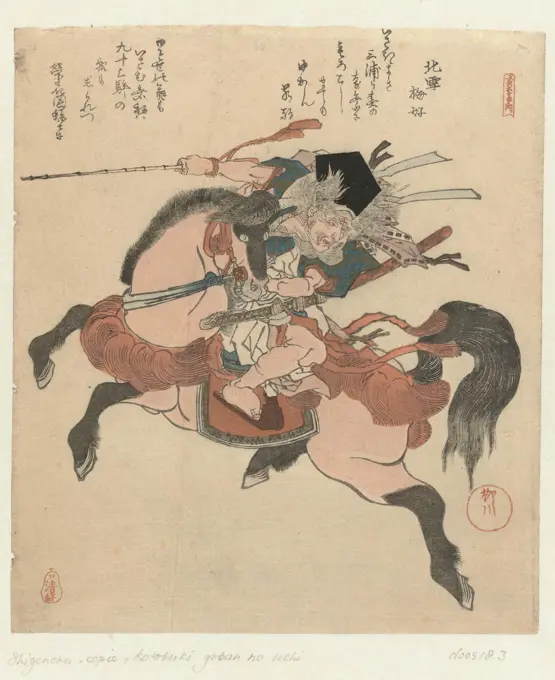
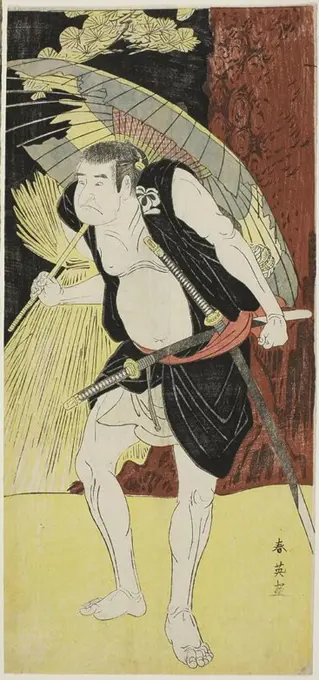
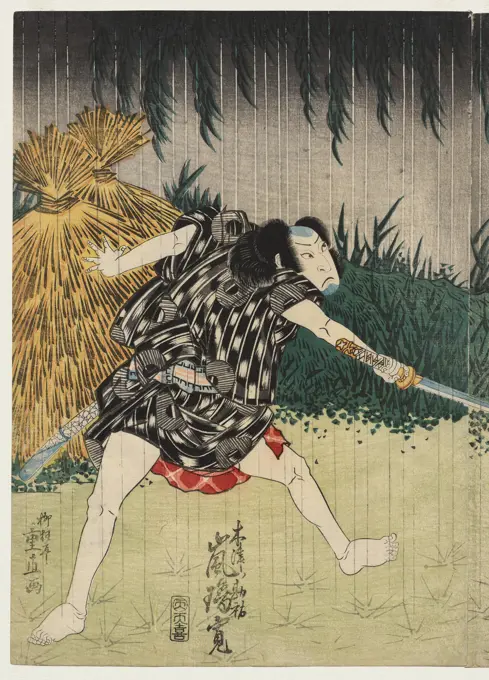
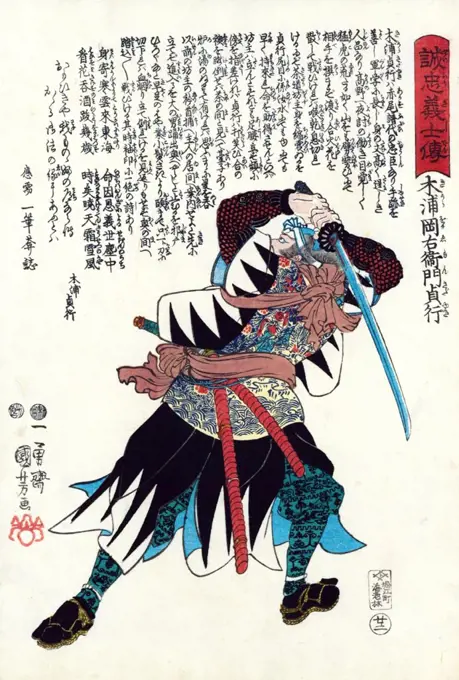
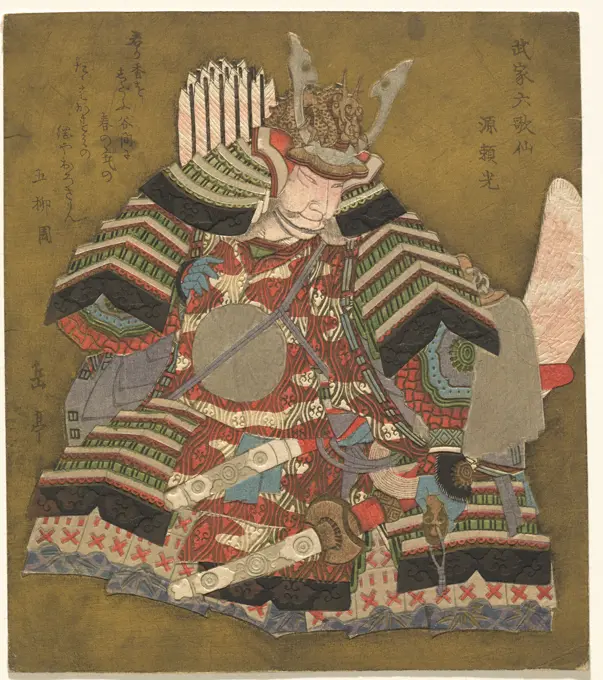
Color woodblock prints showcasing Kabuki actors in traditional attire, engaged in dramatic poses and performances, highlighting historic theatrical works.

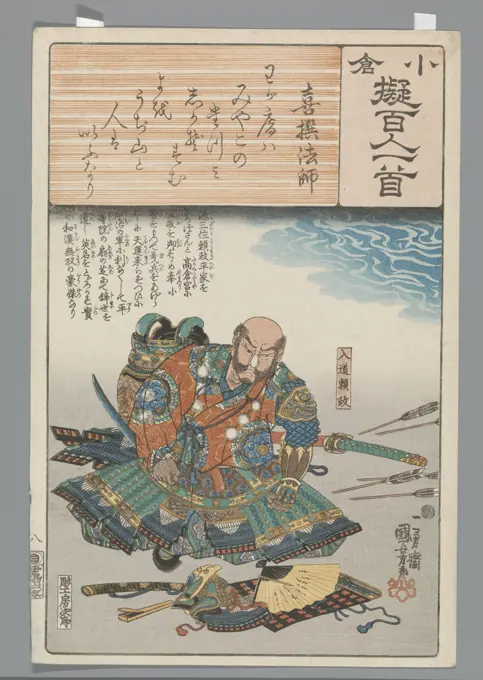
Yorikane with lure hair from his beloved, utagawa kuniyoshi, c. 1846 print Sakingo Yorikane depicted on a moon -lit night, with locks hair of his loved one and Takao murdered by him. Yorikane was in love with the Courtisane Takao and bought her free by paying her weight in gold. After Takao told that love is not mutual, Yorikane killed her.  paper color woodcut lock of hair. adult man. full moon
Yorikane with lure hair from his beloved, utagawa kuniyoshi, c. 1846 print Sakingo Yorikane depicted on a moon -lit night, with locks hair of his loved one and Takao murdered by him. Yorikane was in love with the Courtisane Takao and bought her free by paying her weight in gold. After Takao told that love is not mutual, Yorikane killed her. paper color woodcut lock of hair. adult man. full moon
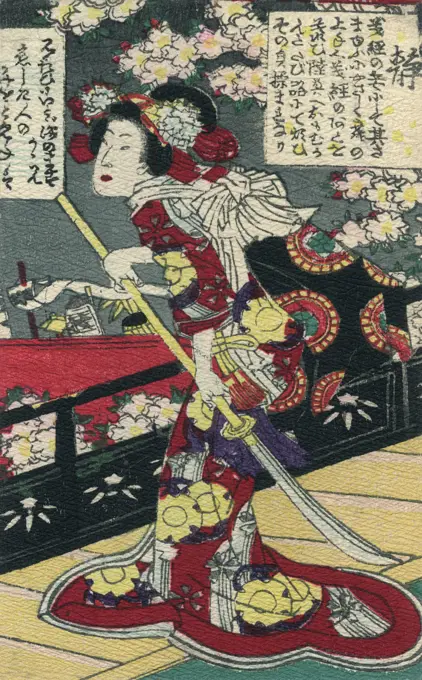
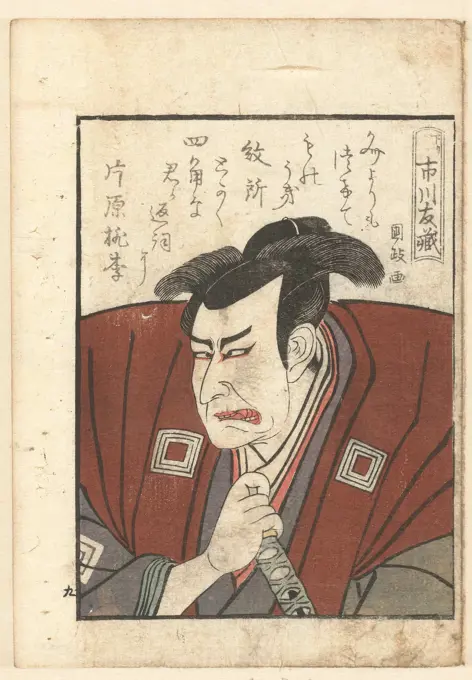
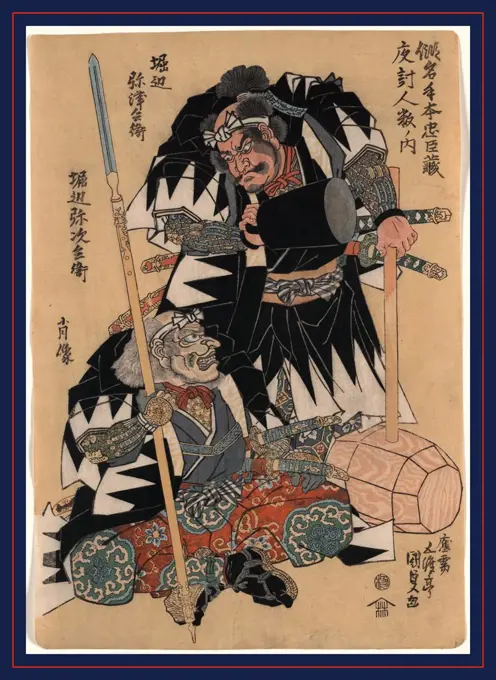
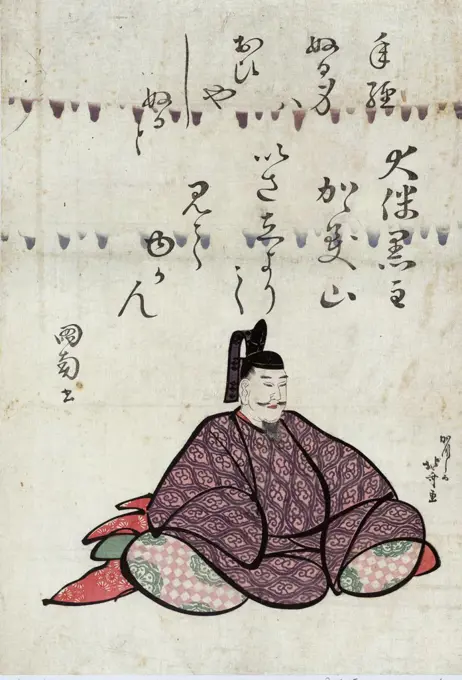
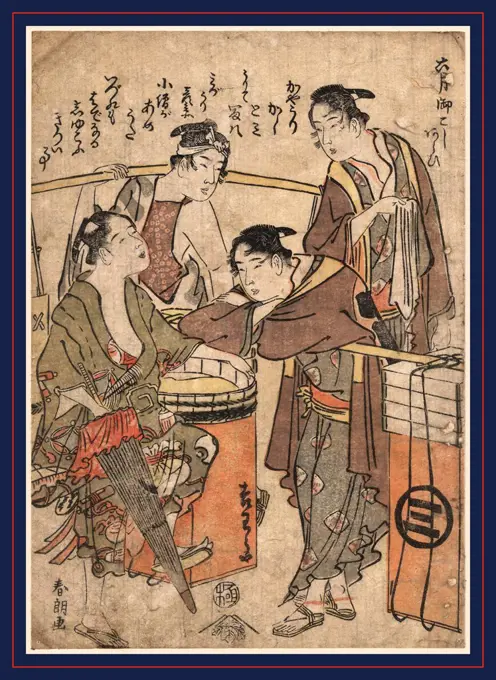
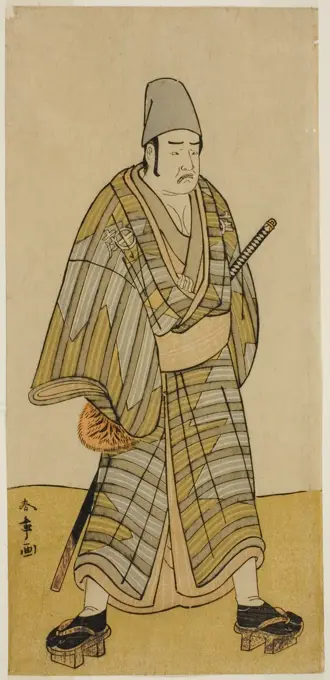
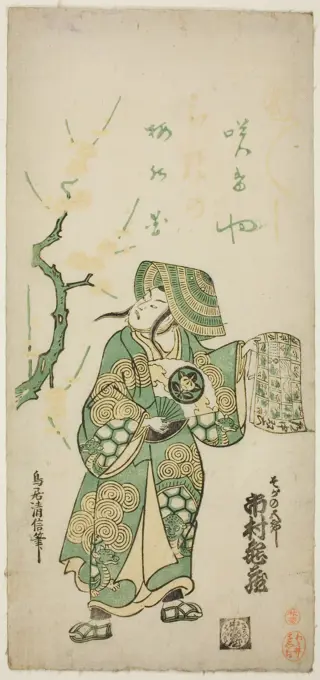
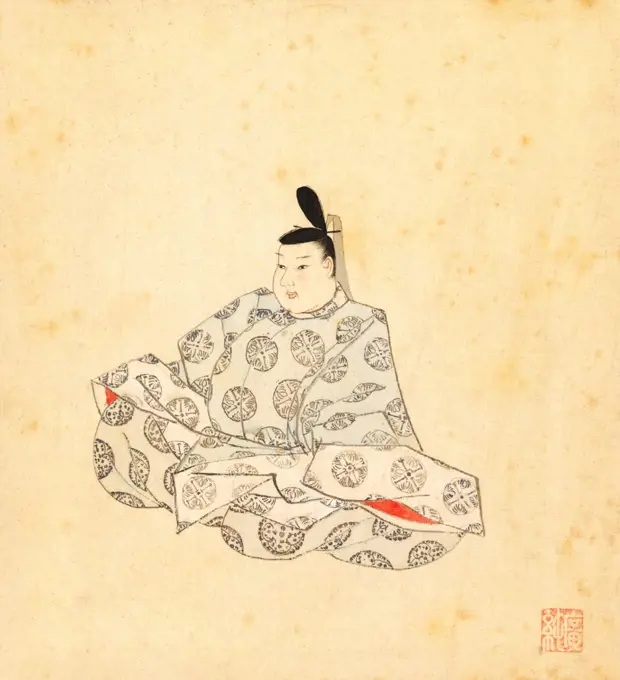
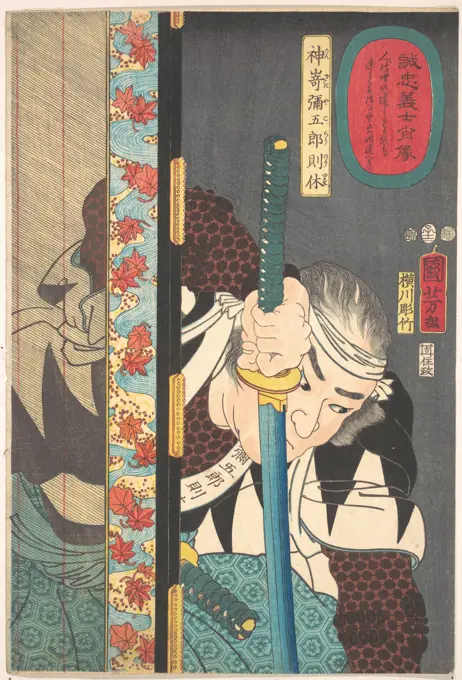
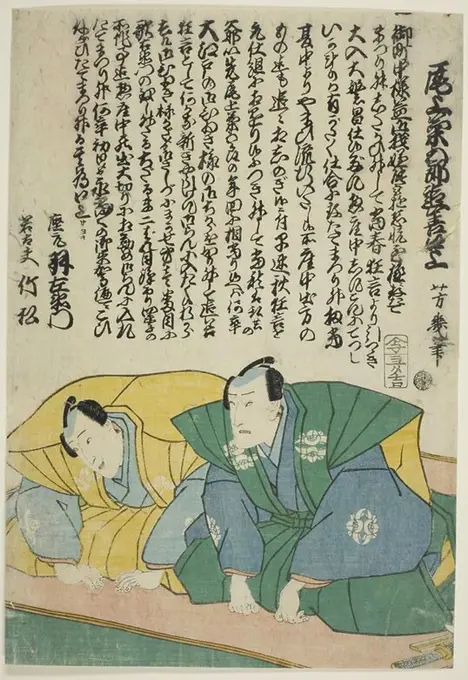
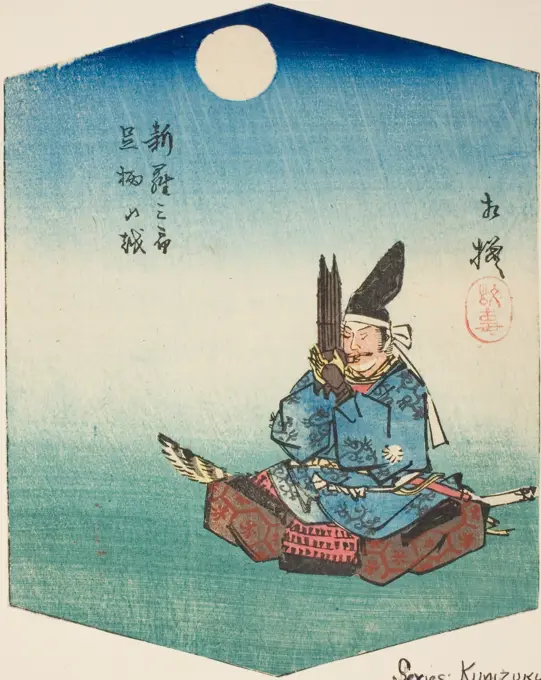
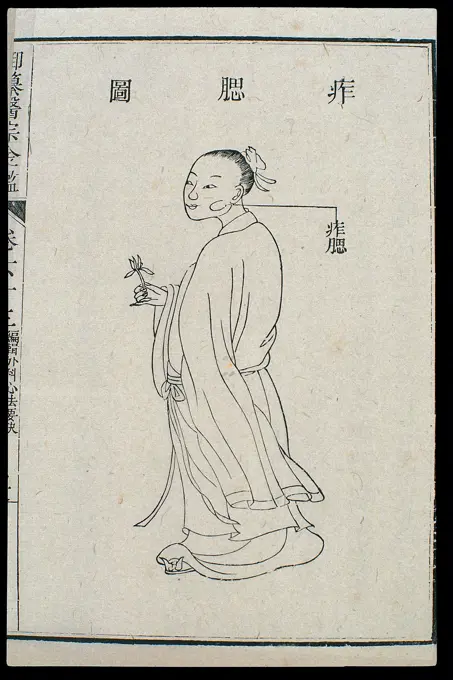
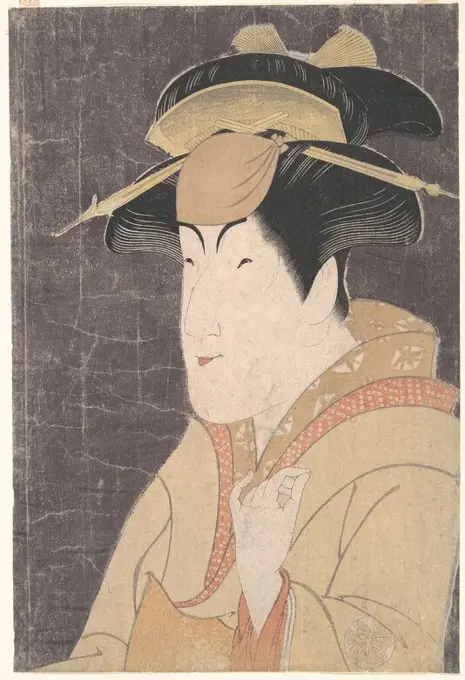
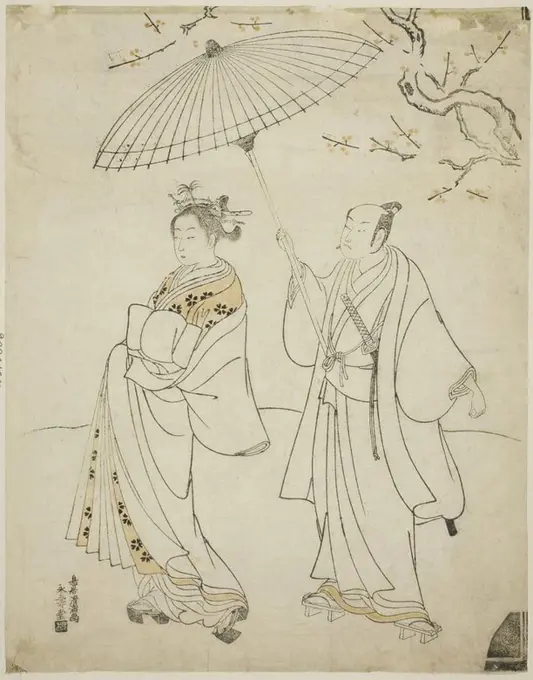
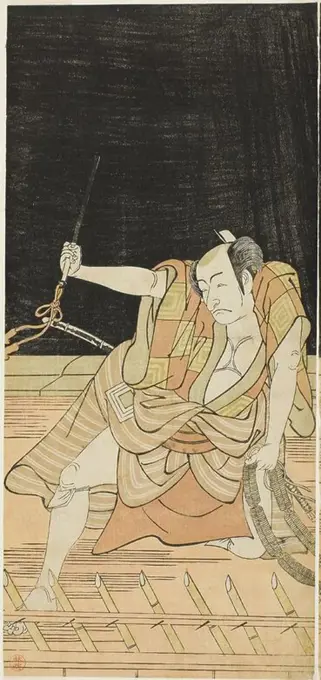
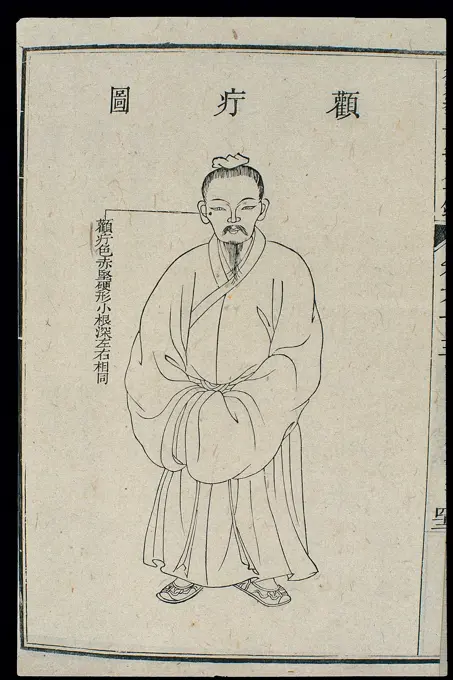
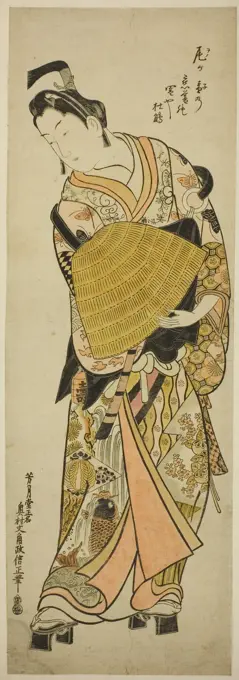
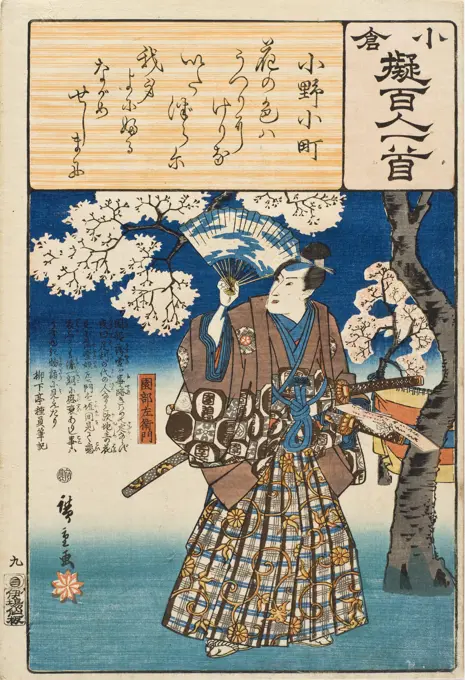
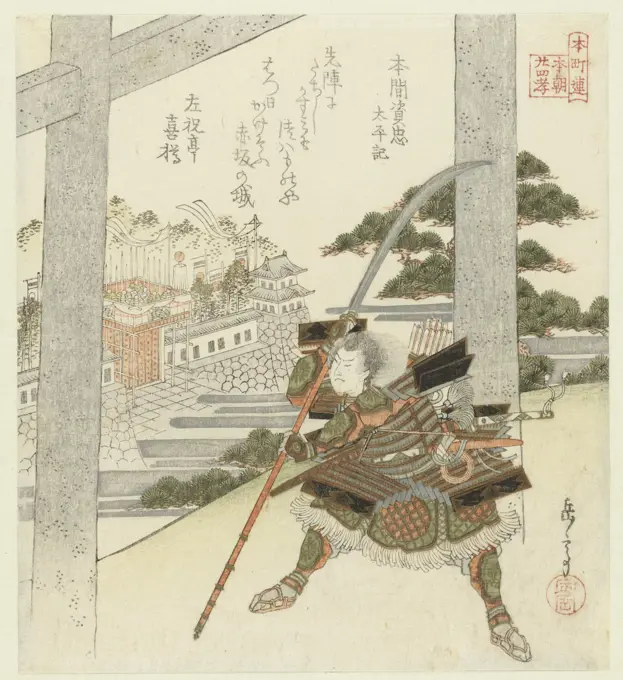
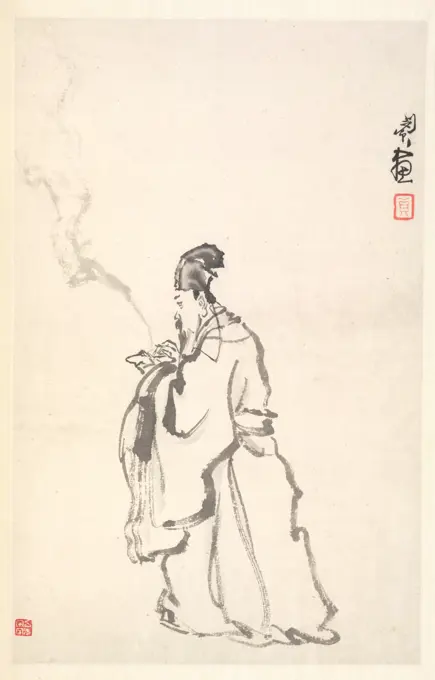
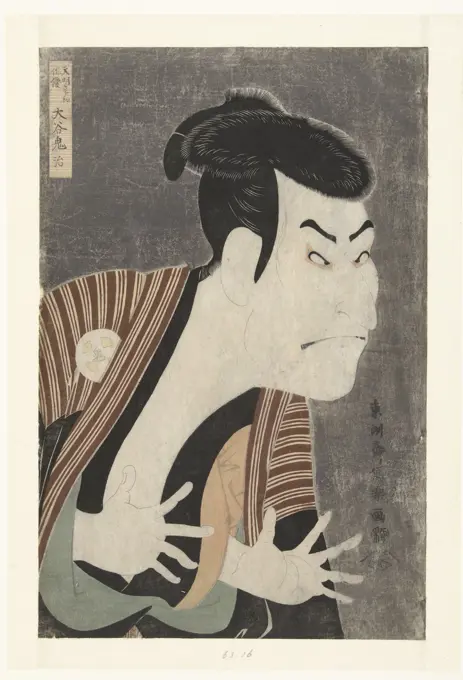
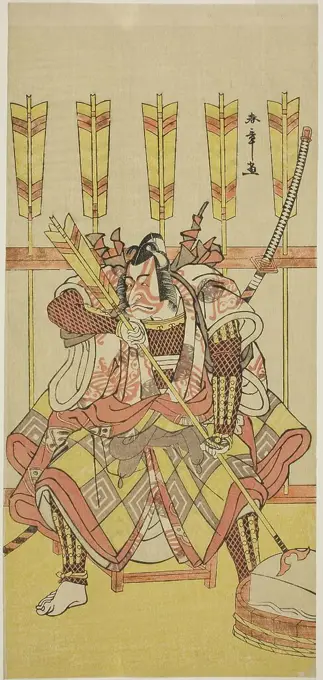
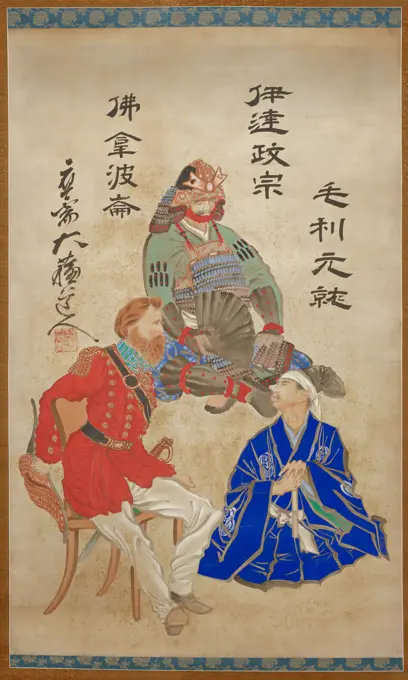
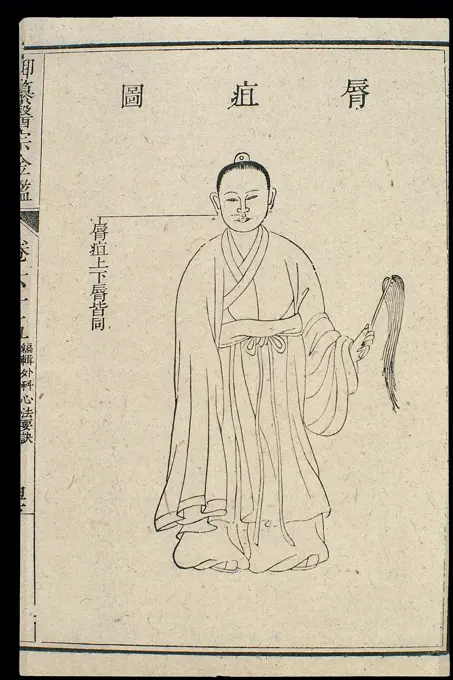
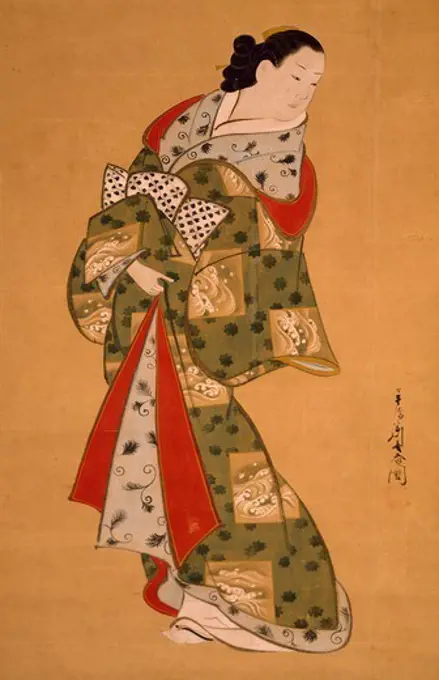
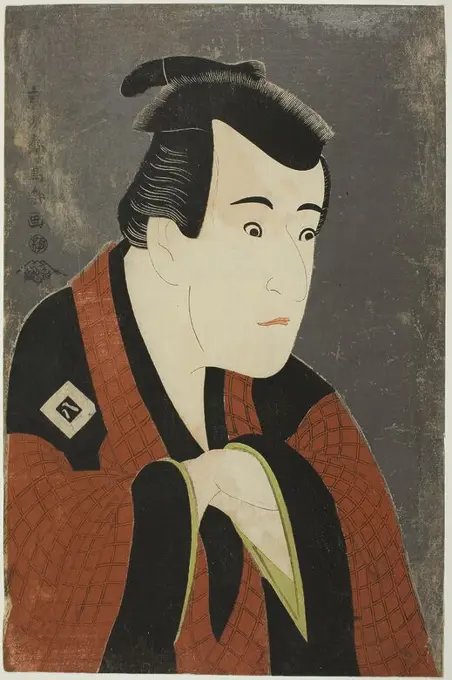
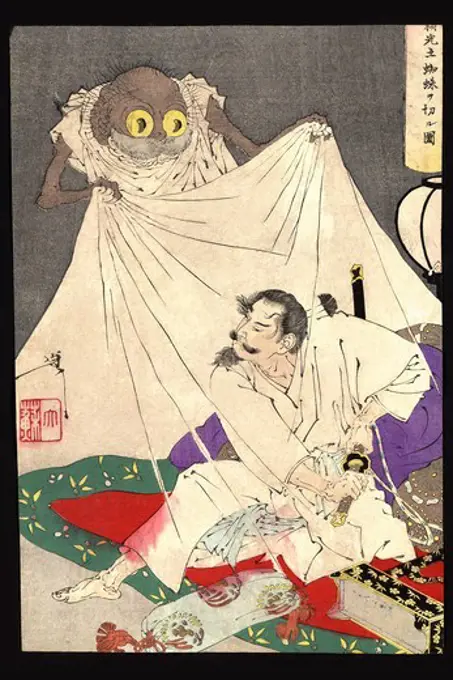
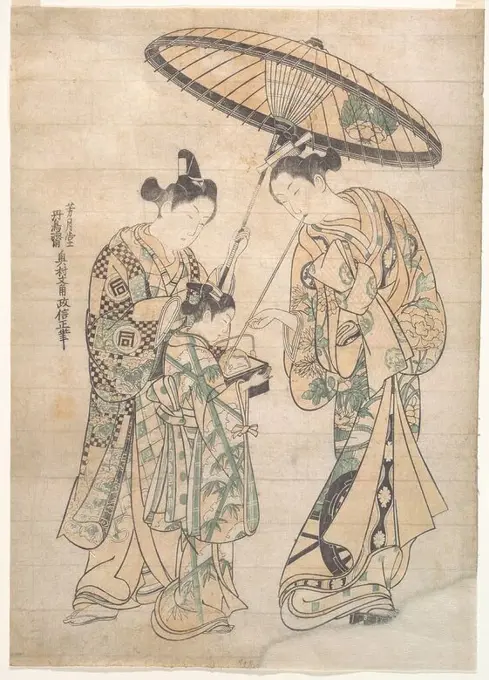
Two Figures. Artist: Okumura Masanobu (Japanese, 1686-1764). Culture: Japan. Dimensions: H. 12 1/8 in. (30.8 cm); W. 17 in. (43.2 cm).The invention of color block printing by the mid-eighteenth century irrevocably transformed the vigorous early ukiyo-e style. The new technique, which used separate blocks for each color, placed greater attention on coordinating the component parts and emphasized the process of color overlays. Masanobu's pioneering efforts in the field of color printing advanced a new aesthetic, one in which the essential quality of the print was dependent on line and color. As the articulation of the early ukiyo-e artist's virtuosic line diminished, a new style featuring graceful and lyrical lines bound to color harmonies emerged. Museum: Metropolitan Museum of Art, New York, USA.The rRider on a white horse getting across the waterKunisada, work, Poet and traveler, 1856, color woodcut, graphicsKitagawa Utamaro (ca. 1753 - October 31, 1806) was a Japanese printmaker and painter, who is considered one of the greatest artists of woodblock prints (ukiyo-e). He is known especially for his masterfully composed studies of women, known as bijinga. He also produced nature studies, particularly illustrated books of insects.Japan: Kong Liang and Song Wan or Dokukasei Koryo and Unrikongo Soman, one of the 'One Hundred and Eight Heroes of the Water Margin', disguised as a rice merchant, with Kong Liang (left), Japanese name Dokukasei Koryo, disguised as a beggar, outside the walls of Peking. Woodblock print by Utagawa Kuniyoshi (1797-1863), 1827-1830. The Water Margin (known in Chinese as Shuihu Zhuan, sometimes abbreviated to Shuihu, known as Suikoden in Japanese, as well as Outlaws of the Marsh, Tale of the Marshes, All Men Are Brothers, Men of the Marshes, or The Marshes of Mount Liang in English, is a 14th century novel and one of the Four Great Classical Novels of Chinese literature. Attributed to Shi Nai'an and written in vernacular Chinese.Kabuki Actor in a Female Role Standing with a Fan. Artist: Utagawa Kunisada (Japanese, 1786-1865). Culture: Japan. Dimensions: 8 1/4 x 7 1/6 in. (21 x 18.2 cm). Date: 19th century. Museum: Metropolitan Museum of Art, New York, USA.The actor Matsumoto Koshiro IV as Gorobei 1789-1799 Japan. Color woodblock print; oban . Tôshûsai SharakuWarrior or actor with long hair and bracelets around wrist and ankles, full-length, seen from behind, holding a sword, between 1750 and 1850, 1 painting : color.Ichikawa Morinosuke II as Inukawa Gakuzô. Ichikawa Morinosuke II as Inukawa Gakuzô, in the piece "Satomi Hakkenden", Wakadayû Theater, 1841 (almost certainly around May 1841)It is good to open for business (Akinai hajime yoshi), from the series A Series for the Hanazono Group (Hanazono bantsuzuki) 1817-1827 Japan. Color woodblock print; shikishiban, surimono . Totoya HokkeiCourtesan by Kitagawa Utamaro (Japanese, 1753-1806)Japanese warrior woman with a large Naginata. A naginata is a pole weapon that was traditionally used in Japan by members of the samurai class. It consists of a wood shaft with a curved blade on the end, similar to the Chinese Guan Dao or European glaive or Russian sovnya. Usually it also had a sword-like guard (tsuba) between the blade and shaft as depicted on this card. During the Edo Period, as the naginata became less useful for men on the battlefield, and became a symbol of the social statuLove poem for Ichikawa Tomozo; Ichikawa Tomozo; A look behind the scenes at the actors; Yakusha gakuya tsu. Bust portrait of the actor Ichikawa Tomozo with right hand to sword, depicted under a love poem aimed at him; In the left margin the page number nine. Leaf from the Japanese book Yakusha Gakuya Tsu.Emperor Kōkō (孝天皇 Kōkō-tennō, 830 - August 26, 887) was the 58th emperor of Japan, according to the traditional order of succession. Kōkō reigned from 884 to 887. Before his ascension to the Chrysanthemum Throne, his personal name was Tokiyatsu (時康親王) or Komatsu-tei. He would later be identified sometimes as 'the Emperor of Komatsu'. This resulted in the later Emperor Go-Komatsu adopting this name (go- meaning 'later', so 'Later Emperor Komatsu' or 'Emperor Komatsu II'). Tokiyatsu Shinnō was the third son of Emperor Nimmyō. His mother was Fujiwara no Sawako. Kōkō had four Imperial consorts and 41 Imperial sons and daughters.Horibe yatsubei horibe yajibei shozo, Portraits of Horibe Yatsubei and Horibe Yajibei., Utagawa, Toyokuni, 1786-1865, artist, ca. 1818-1830, 1 print : woodcut, color ; 37.7 x 26.3 cm., A scene from the drama The Storehouse of the Loyalties. The two figures in the image are the actors Horibe Yatsubei (Yasubei) and Horibe Yajibe.Shunbaisai Hokuei (d. 1837), also known as Shunko III, was a designer of ukiyo-e style Japanese woodblock prints in Osaka, and was active from about 1824 to 1837. He was a student of Shunkosai Hokushu. Hokueis prints most often portray the kabuki actor Arashi Rikan II.Otomo no kuronushi. Print shows Otomo Kuronushi, a poet, sitting, facing right. From the series, Rokkasen: Six poets.Minazuki, The sixth month, washing the shrine., Katsushika, Hokusai, 1760-1849, artist, 1791 or 1792, 1 print : woodcut, color ; 22 x 15.4 cm., Print shows four men taking a break from washing the shrine.Takenouchi-no Sukune, from the series: Kotobuki goban-no uchi (Five examples of longevity); surimono. Yanagawa, Shigenobu (1787 - 1832), graphic artistThe Actor Nakamura Tomijuro I as Nagoya Osan in the Play Fuki Kaete Tsuki mo Yoshiwara (Rethatched Roof The Moon also Shines Over the Yoshiwara Pleasure District), Performed at the Morita Theater in the Eleventh Month, 1771 1766-1777 Japan. Color woodblock print; from the illustrated book Yakusha Kuni no Hana (Prominent Actors of Japan) . Katsukawa ShunshoThe Actor Otani Hiroemon III as Gokumon Shobei in the Play Sugata no Hana Kurofune Zukin, Performed at the Morita Theater in the Ninth Month, 1774 1769-1779 Japan. Color woodblock print; hosoban; from a multisheet composition ( ) . Katsukawa ShunshoThe Actor Ichimura Kamezo I as Soga no Goro in the play Hatsugoyomi Kotobuki Soga, performed at the Ichimura Theater in the first month, 1745 ( ) 1740-1750 Japan. Color woodblock print; hosoban, benizuri-e . Torii Kiyonobu IIJapan: 'Portraits and Poems of the Thirty-six Poetic Immortals'. Album of thirty-six paintings and poems by Sumiyoshi Gukei (1631-1705). Sumiyoshi Gukei (1631 - April 23, 1705), born Sumiyoshi Hirozumi, was a Japanese painter from Kyoto. He became the first official painter of the ruling Tokugawa shogunate, and was a Yamato-e artist, a painting technique based on traditional Japanese subjects and culture.Portrait of Kansake Yagoro Noriyasu 1852 Utagawa Kuniyoshi Japanese. Portrait of Kansake Yagoro Noriyasu 55715The actor Matsumoto Koshiro V as Ishikawa Goemon in the play "Sanmon Gosan no Kiri," performed at the Ichimura Theater in the third month, 1810. Utagawa Toyokuni I   ; Japanese, 1769-1825. Date: 1810. Dimensions: 14 3/4 x 10 1/8 in. Color woodblock print; oban. Origin: Japan. Museum: The Chicago Art Institute, Chicago, USA.Paper Talisman with the Blue-dragon God of the East early 20th century Unidentified artist(s). Paper Talisman with the Blue-dragon God of the East. Unidentified artist(s) , early 20th century. China. early 20th century. Polychrome woodblock print; ink and color on paper. Republic period (191249). PrintsThe Actors Ichimura Uzaemon XIII and Ichimura Takematsu III. Utagawa Yoshiiku; Japanese, 1833-1904. Date: 1861-1862. Dimensions: . Color woodblock print; oban. Origin: Japan. Museum: The Chicago Art Institute, Chicago, USA.Busteportret Van Ichikawa Yaozo III, Toshusai Sharaku, 1794 print The actor Ichikawa Yaozo III in the role of Hachimantaro Yoshiie, with fan in the right hand; Against yellow background. Scene from the play Otokoyama o Edo No Ishizue, performed in the Kiri-Sza in 1794. print maker: Japanpublisher: Tokyo paper nishiki-e / color woodcut portrait of actor, actress. fanSagami Shinra Saburo (Minamoto no Yoshimitsu), section of sheet no 8 from the series Cutout Pictures of the Provinces (Kunizukushi harimaze zue) 1852 Japan. Color woodblock print; section of harimaze sheet . Utagawa HiroshigeChinese C18 woodcut: External medicine - MumpsFlowers. Utagawa Kunisada (Toyokuni III) (Japan, Edo, 1786-1865). Japan, circa 1847-1852. Prints; woodblocks. Triptych; color woodblock printsInamura Promontory Moon at Daybreak, Yoshitoshi, TsukiokaThe Actor Sawamura Sojuro III as Soga no Dozaburo (). Katsukawa Shunko I; Japanese, 1743-1812. Date: 1784-1794. Dimensions: 31.9 x 14.7 cm (12 9/16 x 5 13/16 in.). Color woodblock print; hosoban; from a multisheet composition (). Origin: Japan. Museum: The Chicago Art Institute, Chicago, USA.Chiyoda Castle (Album of Women). Artist: Yoshu (Hashimoto) Chikanobu (Japanese, 1838-1912). Culture: Japan. Dimensions: L. (page) 13 7/8 in. (35.2 cm); W. (page) 9 1/4 in. (23.4 cm). Date: 1895. Museum: Metropolitan Museum of Art, New York, USA.Miura No ôsuke on horseback; Five prints about longevity; Kotobuki Goban No Uchi. The warrior miura no ôsuke on horseback, with two poems. This print is a copy from the late Meiji period (1868-1912).Nakayama Tomisaburo as Miyagino in the Play "Katakiuchi Noriyaibanashi". Artist: Toshusai Sharaku (Japanese, active 1794-95). Culture: Japan. Dimensions: 14 1/8 x 9 7/16 in. (35.9 x 24.0 cm). Date: 1794. Museum: Metropolitan Museum of Art, New York, USA.The Actors Ichikawa Komazo I (L) and Nakamura Matsue I (R). Torii Kiyomitsu I; Japanese, 1735-1785. Date: 1765-1775. Dimensions: 27.7 x 21.9 cm (10 7/8 x 8 9/16 in.). Woodblock print; chuban, keyblock proof impression. Origin: Japan. Museum: The Chicago Art Institute, Chicago, USA.Four actors as ruffians against a check background. Colour woodcut by Kunisada I, 1858.Kisen Hôshi, 1843-1846 print Minamoto No Kiyomasa looks with sword in his hand at the fan on which he wrote his farewell poem. With his armor and armor behind him, he is about to commit suicide after a lost battle. Scene from a kabukitis piece. Poem by Kisen Hôshi.  paper color woodcut fan. adult man. hacking and thrusting weapons: swordThe Actor Ichikawa Danjuro V as Issun Tokubei in Act Eight of the Play Natsu Matsuri Naniwa Kagami (Mirror of Osaka in the Summer Festival), Performed at the Morita Theater from the Seventeenth Day of the Seventh Month, 1779. Katsukawa Shunko I; Japanese, 1743-1812. Date: 1774-1784. Dimensions: 31.4 x 14.5 cm (12 3/8 x 5 11/16 in.). Color woodblock print; left sheet of hosoban diptych (right: 1942.113). Origin: Japan. Museum: The Chicago Art Institute, Chicago, USA.The Actors Ichikawa Ebizo II as Musashibo Benkei, Sakata Shintaro () as Soga no Goro, and Takigawa Kinya () as Soga no Juro in the play "Sazareishi Suehiro Genji," performed at the Nakamura Theater in the first month, 1744. Torii Kiyonobu II; Japanese, active c. 1725-61. Date: 1744. Dimensions: 29.8 x 13.8 cm (11 11/16 x 5 7/16 in.). Color woodblock print; hosoban, benizuri-e. Origin: Japan. Museum: The Chicago Art Institute, Chicago, USA.Totoya Hokkei (1780-1850) was a 19th century Japanese artist of the ukiyo-e style. Born as Iwakubo Tatsuyuki in Edo, Hokkei started as a fishmonger before becoming an artist. He became Hokusai's first and eventually one of his most renowned students, developing a light and simple design influenced by his master.Sanjô No Udaijin, 1845-1846 print Kintoki (Kaidômaru) with Bijl and the Jager Urbe Suetake. Scene from a kabukitis piece. Poem by Fujiwara No Sadakata (Sanjô No Udajin).  paper color woodcut tools, aids, implements ~ crafts and industries: axe. hunterMusashibō Benkei Fighting Nenoi Ōyata. Tsukioka Yoshitoshi (Japan, 1839-1892). Japan, 1865, 11th month. Prints; woodblocks. Color woodblock printActor in The no Play Hanjo, TSUKIOKA KôGYO, 1925 print Actor with noh mask, dressed in kimono with flour and butterfly pattern, bamboo branch in hand.  paper color woodcut group of actors, troupe; actors on the stageHanauri, Flower vendor., Nishimura, Shigenaga, 1697-1756, artist, between 1725 and 1730, 1 print : woodcut, color ; 29.2 x 14.6 cm., Print shows a woman selling flowers in pots on shelves suspended from a shoulder pole.Japan, Hikohachi, Mikawaya, Kuniyasu, Utagawa, Painting competition between three men, Two older men watch as a younger man paints a long-haired turtle (minogame). This surimono clearly shows a painting competition between Tôbôsaku (far right), Miura no Ôsuke (with black court hat) and Urashimatarô (foreground). According to legend, Urashimatarô once made a journey on a long-haired turtle, which is why he depicts it. A minogame would grow a seaweed tail after it was over 1, 000 years old, hence the long-haired turtle symbolizing longevity. Miura no Ôsuke depicted the numbers of the short months (1, 3, 5, 7, 10) for the year 1829. The numbers for the long months are circled in the text at the top of the surimono. This print was a New Year's surimono for the Miuraya Hikohachi, a stationery shop in Edo (present-day Tokyo), and was not intended for sale, as the black cartouche at the bottom left indicates. With one poem and text., print, prent, surimono, egoyomi (calendar leaf), prints, JaJapan, Jihinari, Sakuragawa, Toyokuni (I), Utagawa, Danjûrô family of Kabuki actors, Godaime Mukôjima Oyadama Danjûrô - kiwame shichidaime Sanshô, Danjûrô V, known as Oyadama from Mukôjima, approved by Sanshô VII, Actor Ichikawa Danjûrô VII, The kabuki actor Ichikawa Danjûrô V (1741-1806) in the role of a itinerant monk (yamabushi). This series is an ode to the famous Ichikawa Danjûrô actors, with the approval of Ichikawa Danjûrô VII (1791-1859) himself, with his seal (kiwame) and other name Sanshô VII. With one poem: 'There is a band leader known as the "Nose" - as wonderful as the blossoms at Katsushika - he goes back again to Mukôjima', print, prent, surimono, prints, Japan (collection), height 182 mm, width 178 mm, Japanese, 1769 - 1825, print maker, printmaker, 1825 - 1825, second quarter 19th century, paper, colour woodcut, colour woodblock print, 1761 - 1837, poetReading Lady., Kamisaka, Sekka, (Artist), Date Issued: 1909, Momoyogusa = Flowers of a Hundred Generations.Sei Shonagon, from the illustrated book "Collection of Pictures of Beauties (Bijin e-zukushi)". Hishikawa Moronobu; Japanese, ()-1694. Date: 1673-1683. Dimensions: 22.1 x 33.0 cm (8 5/8 x 13 in.). Hand-colored woodblock print; double-page illustration cut from a book. Origin: Japan. Museum: The Chicago Art Institute, Chicago, USA.Tsubasa of Ōgiya. Japan, Edo period (1615-1868). Color woodblock print; sheet: 36 x 24.5 cm (14 3/16 x 9 5/8 in.).The Old Warrior Tomobayashi Rokurō Mitsuhira. Tsukioka Yoshitoshi (Japan, 1839-1892). Japan, 1888, April. Prints; woodblocks. Color woodblock printChinese C18 woodcut: External medicine - Boil on cheekboneThe Actor Onoe Kikugoro I as Soga no Goro 1739-1749 Japan. Hand-colored woodblock print; habahiro hashira-e, urushi-e . Okumura MasanobuOno no Komachi; Sonobe Saemon. Utagawa Hiroshige (Japan, Edo, 1797-1858). circa 1845-1849. Prints; woodblocks. Color woodblock printDe Krijger Homma Suketada, an example from the chronicles of great peace, Yashima Gakutei, c. 1821  A warrior with a hella beer stands under a gate, with the Akasaka castle behind him. Honma No Suketada died during an attempt to save his father from the castle. The Chronicles of Great Peace (Taiheiki) is a report of the end of a period of unrest in Japan, ending with the establishment of the Kamakura shogunate. With one poem about the first day of the new year at the Akasaka Castle. Japan paper color woodcut helved weapons, polearms (for striking, hacking, thrusting): halberdBusteportret Van Matsumoto Koshiro IV, 1900-1925 print The actor Matsumoto Koshiro IV in the role of the fishmonger Sakanaya Gorobei, with pipe in the left hand; Against dark gray mica background. Scene from the play Katakiuchi Noriaibanashi, staged in the Kiri-Za in 1794. print maker: Japanpublisher: Tokyopublisher: Tokyo paper. nishiki-e / color woodcut portrait of actor, actress. fisherman. pipe ~ tobaccoSu Dongpo, 1788. Min Zhen (Chinese, 1730-after 1788). Album leaf, ink on paper; sheet: 29 x 18.4 cm (11 7/16 x 7 1/4 in.).Busteportret van Otani oniji., Toshusai Sharaku, 1794 print The actor Otani Oniji in the role of Edohei, the house servant of one of the villains from the play Koi Nyobo Somewake Tazuna, performed in the Kawarazaki-Sat in 1794; Against dark gray mica background. print maker: Japanpublisher: Tokyo paper. nishiki-e / color woodcut portrait of actor, actressThe Actor Ichikawa Danjuro V as Yanone Goro in the Play Kuruwa-gayoi Komachi Soga, Performed at the Nakamura Theater in the Fifth Month, 1781. Katsukawa Shunsho  ; Japanese, 1726-1792. Date: 1776-1786. Dimensions: 32.1 × 14.9 cm (12 5/8 × 5 7/8 in.). Color woodblock print; hosoban. Origin: Japan. Museum: The Chicago Art Institute, USA.Great Generals of the East and West, c. 1874, Tsukioka Yoshitoshi, Japanese, 1839 - 1892, 63 1/2 × 39 1/4 in. (161.29 × 99.7 cm) (image)79 3/16 × 45 5/16 in. (201.14 × 115.09 cm) (without roller), Ink and color on silk, Japan, 19th century, One of the largest paintings by Yoshitoshi, this is also one of the most mysterious. The six people from right to left are the warlord and unifier of Japan Toyotomi Hideyoshi (1537-1598), as a child with dog; the first shogun of the Edo period (1603-1868), Tokugawa Ieyasu (1543-1616); the first president of the United States, George Washington (1732-1799), as a drummer boy during the American Civil War; the feudal lord Mōri Motonari (1497-1571); Date Masamune (1579-1636), the Lord of Sendai; and the emperor of France Napoleon III (1808-1873). The signature indicates that this painting was commissioned, and the signature style puts the date at around 1874. Napoleon IIIs death in 1873 might have been the stimulus. But the meaning of this painting, inUtagawa Yoshiiku (1833 - February 6, 1904, also known as or Ochiai Yoshiiku), was a Japanese printmaker and newspaper illustrator. The son of a tea house proprietor, he was a student of Utagawa Kuniyoshi. Utagawa went to school with Tsukioka Yoshitoshi, recognized as the last great masters of Ukiyo (woodblock printing). Eimei nijuhasshuku (28 Famous Murders with Verse)., also known as the 'Bloody Prints', is a collection of Japanese ukiyo-e from the 1860s, which depicted gruesome acts of murder or torture based on historical events or scenes in Kabuki plays. Although most of the works are solely violent by nature, it is perhaps the first known example of ero guro or the erotic grotesque in Japanese culture, an art sub-genre which depicts either erotic or extreme images of violence and mutilation.Flower Vendor Unidentified artist. Flower Vendor 51496Volare Digital CaptureDancer with a Fan Unidentified ca. 1670-80 A dancer garbed in a sumptuous kimono holds a golden folding fan decorated with the red orb of the sun rising though suzuki grass. The textile patterns on the on the dancers outer robes include large snowflake motifs containing kanoko (fawn spot) stitch-resist dyeing, outlined with gold thread. Scrolling patterns in gold on the blue ground of the sash may be intended to represent a design in gold leafconveying an aura of luxury. At first glance, we assume the elegant raiment, gentle facial features, pale powdered complexion, and delicate hands were meant to capture the appearance of a female performer frozen in a dance movement. The white kerchief covering the dancers hair, however, suggests that this is actually a young man cross-dressed as a stylish woman. Such cross-dressing performers were common, especially on the Kabuki stage after 1629, when female actors were banned from performing stage because it was thought that they were using theaChinese C18 woodcut: External medicine - 'Snail sores'Chinese woodcut, Famous medical figures: Huangfu MiUtagawa Kunisada, Daiko Rokusaburo, the carpenter Rokusaburo, from the series Great theatrical successes, 1814, colour wood engraving, Museo de Bellas Artes, Bilbao, Spain, EuropeMemorial Portrait of the Actor Suketakaya Kodenji. Utagawa Kunisada III (Kunimasa IV, Toyokuni V); Japanese, 1848-1920. Date: 1899. Dimensions: . Color woodblock print; oban. Origin: Japan. Museum: The Chicago Art Institute, Chicago, USA.Woman Playing a Poppin, Japanese Prints - UtamaroParting. Isoda Koryusai; Japanese, 1735-1790. Date: 1767-1777. Dimensions: 12 x 2 7/8 in. Color woodblock print; tanzaku. Origin: Japan. Museum: The Chicago Art Institute, USA.fine arts, Toshusai, Shikimaro, graphics, ""courtesan with hair finery painting fan"", first half 19th century, colour woodcut, 36,4 cm x 24,3 cm, private property,The Actor Nakayama Kojuro VI as Ono Sadakuro, in Act Five of Kanadehon Chushingura (Treasury of the Forty-seven Loyal Retainers), Performed at the Nakamura Theater from the Eleventh Day of the Fifth Month, 1786. Katsukawa Shun'ei; Japanese, 1762-1819. Date: 1781-1791. Dimensions: 31.6 x 14.7 cm (12 1/2 x 5 3/4 in.). Color woodblock print; right sheet of hosoban diptych (left: 1939.925). Origin: Japan. Museum: The Chicago Art Institute, Chicago, USA.Arashi Rikan II as Kizu Kansuke, 1829. Shigenao (Japanese). Color woodblock print; sheet: 36.4 x 25.4 cm (14 5/16 x 10 in.).The revenge of the Forty-seven Ronin (Shi-ju-shichi-shi), also known as the Forty-seven Samurai, the Aki vendetta, or the Genroku Aki incident (Genroku aki jiken) took place in Japan at the start of the 18th century. One noted Japanese scholar described the tale as the country's 'national legend'. It recounts the most famous case involving the samurai code of honor, bushidi. The story tells of a group of samurai who were left leaderless (becoming ronin) after their daimyo (feudal lord) Asano Naganori was forced to commit seppuku (ritual suicide) for assaulting a court official named Kira Yoshinaka, whose title was Ki zuke no suke. The ronin avenged their master's honor after patiently waiting and planning for two years to kill Kira. In turn, the ronin were themselves ordered to commit seppuku for committing the crime of murder. With much embellishment, this true story was popularized in Japanese culture as emblematic of the loyalty, sacrifice, persistence, and honor that all good peoplMinamoto no Raik (Yorimitsu), from the series Six Immortal Samurai Poets (Buke Rokkasen).  Artist: Yashima Gakutei, Japanese, ca. 1786-1868Ichikawa Danjr VII as Gongor Kagemasa.  Artist, attributed to: Utagawa Toyokuni I, Japanese, 1769-1825Chinese C18 woodcut: The mouth - abscesses on the lipsFigure of a woman, kakemono (hanging scroll), by Miyagawa Choshun (1682-1752), Japan. Detail. Japanese Civilisation, 18th century.Spleen channel of leg taiyin, C17/18 Chinese book artThe Actors Ichikawa Ebizo II as Mushanosuke, Segawa Kikunojo I as Ochiyo, and Matsushima Kichisaburo as Ochiyo's spirit in the play Higashiyama Gojitsu Yaoya Hanbei, performed at the Nakamura Theater in the eighth month, 1744 1744 Japan. Color woodblock print; hosoban, benizuri-e . Torii Kiyonobu IIThe actor Ichikawa Yaozo III as Tanabe Bunzo. Toshusai Sharaku  ; Japanese, active 1794-95. Date: 1794. Dimensions: 37.9 x 25.0 cm. Color woodblock print; oban. Origin: Japan. Museum: The Chicago Art Institute, Chicago, USA.Water Margin (known in Chinese as Shuihu Zhuan, sometimes abbreviated to Shuihu), also known as Suikoden in Japanese, as well as Outlaws of the Marsh, Tale of the Marshes, All Men Are Brothers, Men of the Marshes, or The Marshes of Mount Liang, is a 14th century novel and one of the Four Great Classical Novels of Chinese literature. Attributed to Shi Nai'an and written in vernacular Chinese, the story, set in the Song Dynasty, tells of how a group of 108 outlaws gathered at Mount Liang (or Liangshan Marsh) to form a sizable army before they are eventually granted amnesty by the government and sent on campaigns to resist foreign invaders and suppress rebel forces. In 1827, Japanese publisher Kagaya Kichibei commissioned Utagawa Kuniyoshi to produce a series of woodblock prints illustrating the 108 heroes of the Suikoden. The 1827-1830 series, called '108 Heroes of the Water Margin' or 'Tsuzoku Suikoden goketsu hyakuhachinin no hitori', made Utagawa Kuniyoshi's famous.Earth spider., Japanese PrintsIbaraki-doji was an oni (demon / ogre) in Japanese tales and legends from the Heian Era. The demon was known to go on murderous rampages throughout the countryside and across Kyoto. She would also fool innocent travellers and kill them, wearing various disguises to lure them in. Once, she tried to kill the legendary samurai Watanabe no Tsuna as he was travelling, appearing as a beautiful maiden who needed help. When Tsuna approached, the girl transformed into an oni and grabbed him by his hair, flying through the air to Mount Atago. Tsuna, not panicking, easily cut off the demon's arm however, causing Ibaraki-doji to flee. Tsuna took the arm back as a trophy to his estate. Seven days later, Tsuna was visited by his aunt Mashiba, and when he told her of his ordeal with the oni, she asked to see the severed arm. When Tsuna complied and brought it out, Mashiba suddenly transformed into Ibaraki-doji, who grabbed the arm and then flew away. So shocked was Tsuna that he did not try to stop tHojo-maro, 1802, WoodcutsThe court captain; Eboshiori; The thirty-six poets as a craftsmen; Shokunin Sanjûrokkasen. A courtesman and a lady who ceases a court hood (Eboshi) with both hands. The man has a golden court hood in a more simple style for yourself. With one poem.The Sumo Wrestlers Uzugafuchi Kandayu and Takasaki Ichijuro. Katsushika Hokusai  ; Japanese, 1760-1849. Date: 1778-1789. Dimensions: 32.7 x 22.5 cm. Color woodblock print; aiban. Origin: Japan. Museum: The Chicago Art Institute, Chicago, USA.The revenge of the Forty-seven Ronin (Shi-ju-shichi-shi), also known as the Forty-seven Samurai, the Aki vendetta, or the Genroku Aki incident (Genroku aki jiken) took place in Japan at the start of the 18th century. One noted Japanese scholar described the tale as the country's 'national legend'. It recounts the most famous case involving the samurai code of honor, bushidi. The story tells of a group of samurai who were left leaderless (becoming ronin) after their daimyo (feudal lord) Asano Naganori was forced to commit seppuku (ritual suicide) for assaulting a court official named Kira Yoshinaka, whose title was Ki zuke no suke. The ronin avenged their master's honor after patiently waiting and planning for two years to kill Kira. In turn, the ronin were themselves ordered to commit seppuku for committing the crime of murder. With much embellishment, this true story was popularized in Japanese culture as emblematic of the loyalty, sacrifice, persistence, and honor that all good peoplThe renowned female samurai, Tomoe-gozen in the 11th Century. Her husband or love was the Genji General Kiso Yoshinaka. According to the 'The Tale of Heike', Tomoe was especially beautiful, with white skin, long hair, and charming features. She was also a remarkably strong archer, and as a swords-woman she was a warrior worth a thousand, ready to confront a demon or a god, mounted or on foot. She handled unbroken horses with superb skill; she rode unscathed down perilous descents. Whenever a battle was imminent, Yoshinaka sent her out as his first captain, equipped with strong armor, an oversized sword, and a mighty bow, and she performed more deeds of valor than any of his other warriors.'Shoki and the Demons', c1880, (1886).  Artist: Wilhelm Greve.Sawamura Tannosuke as Princess Wakana, from the series Great Swords of Kabuki Collected. Date: second month 1869, Edo. Museum: PRIVATE COLLECTION. Author: UTAGAWA KUNISADA.Free couple with reversing girl, kiyonobu (i), torii, c. 1690  Girl with a teacup in her hand looks to a liberating couple. A folding screen in the background.  paperThe Actor Onoe Matsusuke I as Nakaomi Katsumi Disguised as the Farmer Datta no Nizo, in the Play Shitenno-ji Nobori Kuyo, Performed at the Ichimura Theater in the Eighth Month, 1773 1768-1778 Japan. Color woodblock print; hosoban; from a multisheet composition ( ) . Katsukawa ShunshoA Chinese figure, seated and shown from behind, wearing blue coloured silk robes with white undergarments. Painting by a Chinese artist, ca. 1850.Hachimantarō Yoshiie at Nakoso Barrier. Tsukioka Yoshitoshi (Japan, 1839-1892). Japan, circa 1876. Prints; woodblocks. Color woodblock printOgura imitation of the one hundred poems. Higuchi Jirô Kanemitsu climbs into a pine to explore the area. Isami Tomokichirô in battle with Rokuya Ongundayû, who has just thrown a knife in the sword of Tomokichirô. Scene from a Kabukite team. Poem by Fujiwara No Okikaze.Pontius, Paul, inventor: Anton van Dyck, Corn. van der Geest, (1000 - 2000), Copperplate, Graphics, 25 cm x 18 cmBusteportret Van Een Acteur, Utagawa Kunisada (I), 1947-1948 drawing BostePortret of an actor dressed in formal clothing, with headgear, as a daimyo; A haiku in the cartouche on the right. The drawing is partly colored. Japan paperMenshen gate guard in the form of an artemisia;  beginning of the 20th century (1900-00-00-1932-00-00);Jabłoński, Witold (1901-1957) - collection, menshen, gift (provenance), collection, Chinese art