Kitchen Dishes and Utensils

An assortment of kitchen items like white china dishes, glass bowls, and a whisk, showcasing a clean and elegant culinary aesthetic.
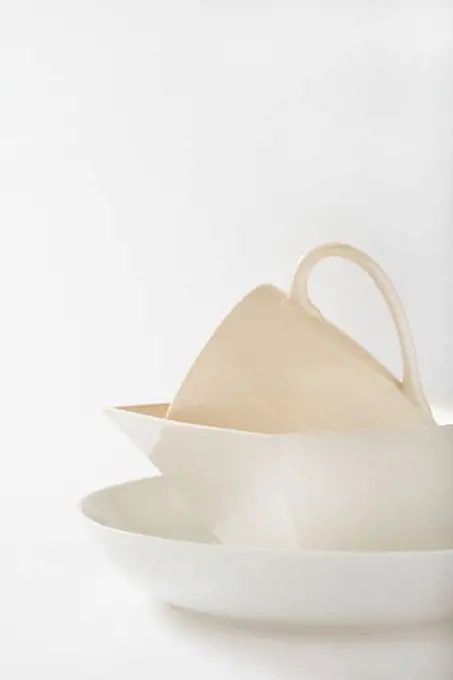
White china dishes and cup
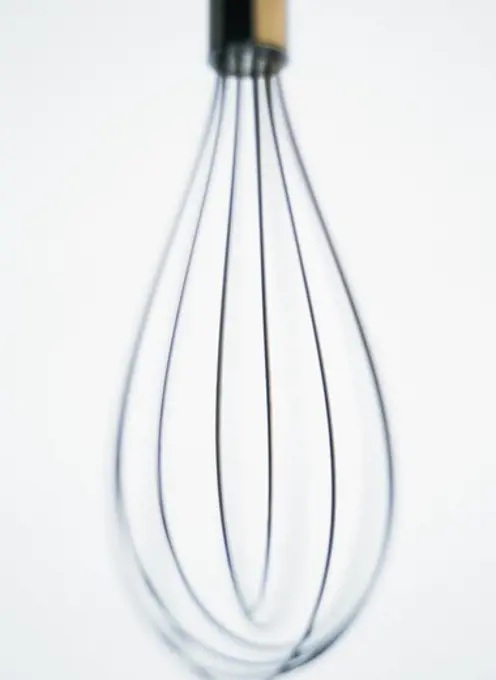
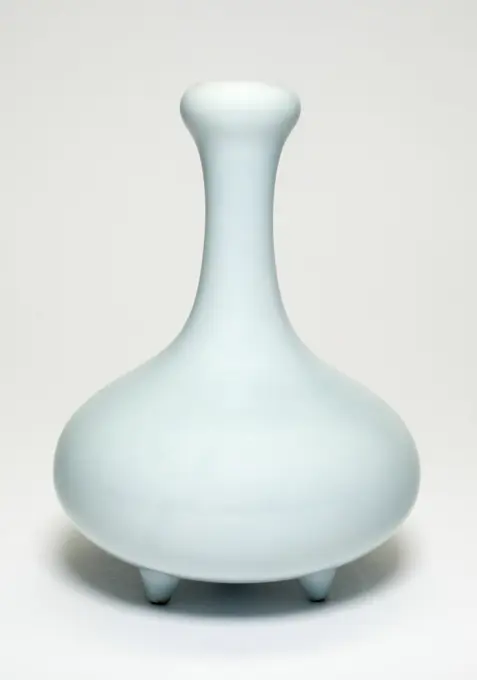
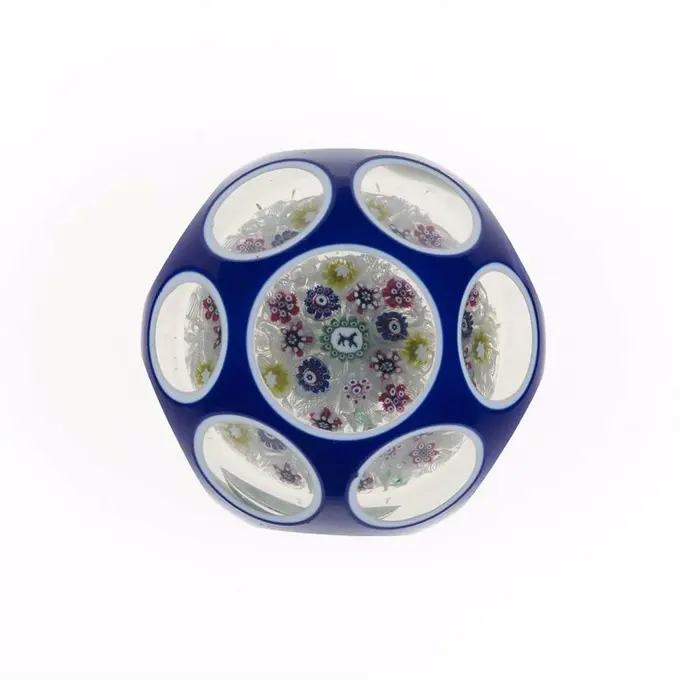
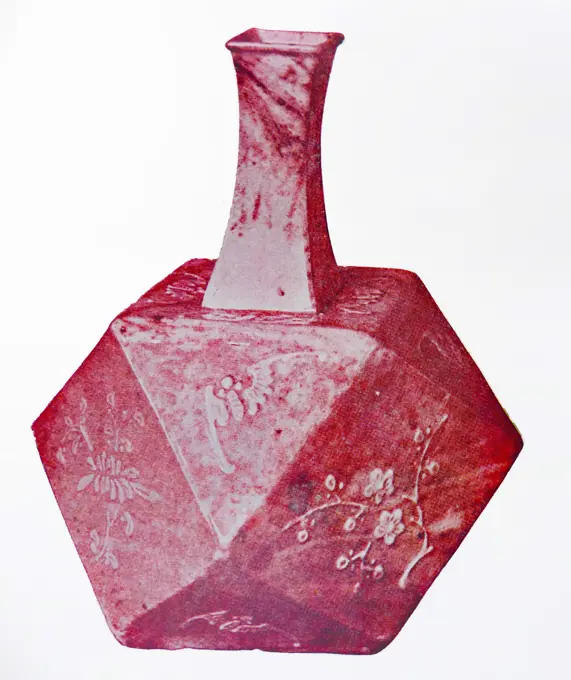
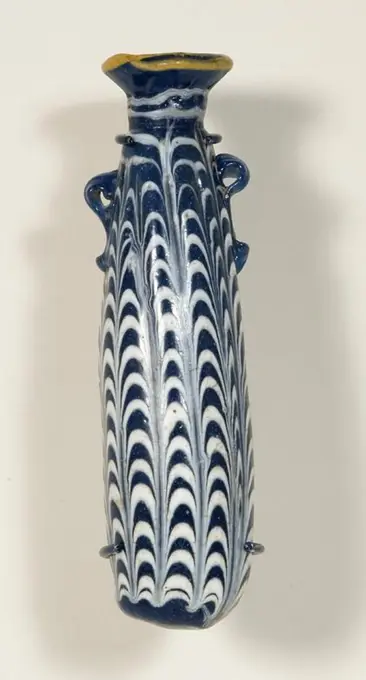
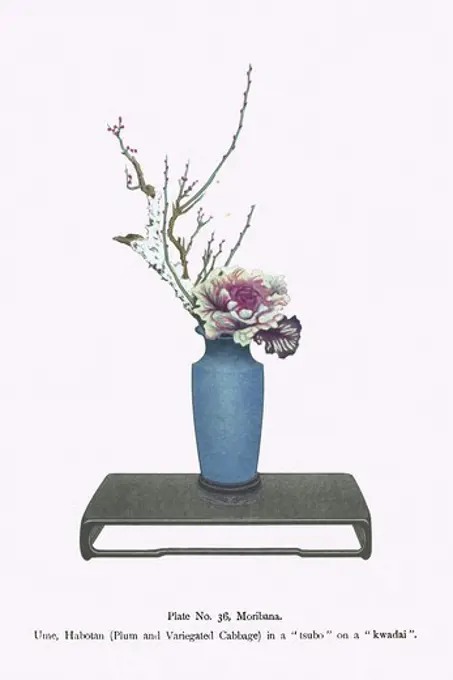
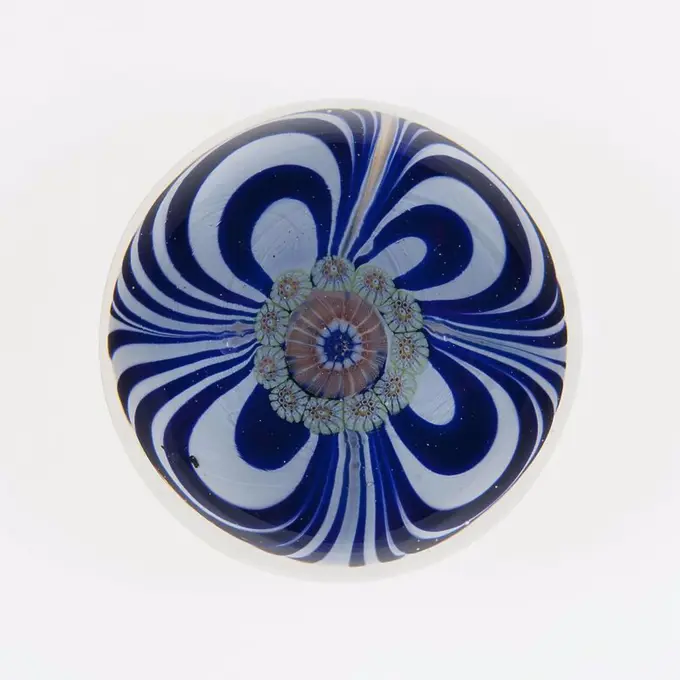
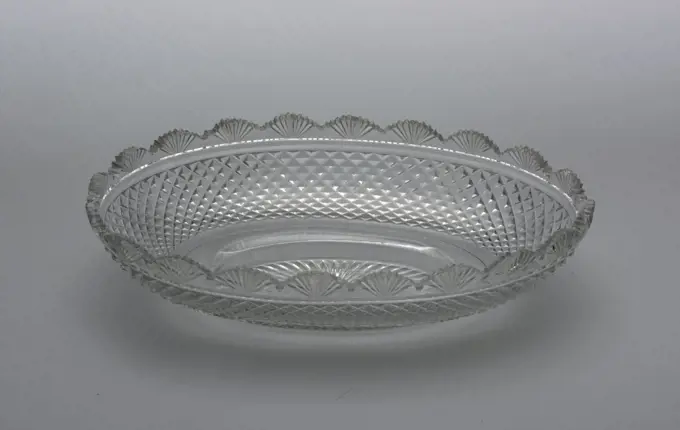
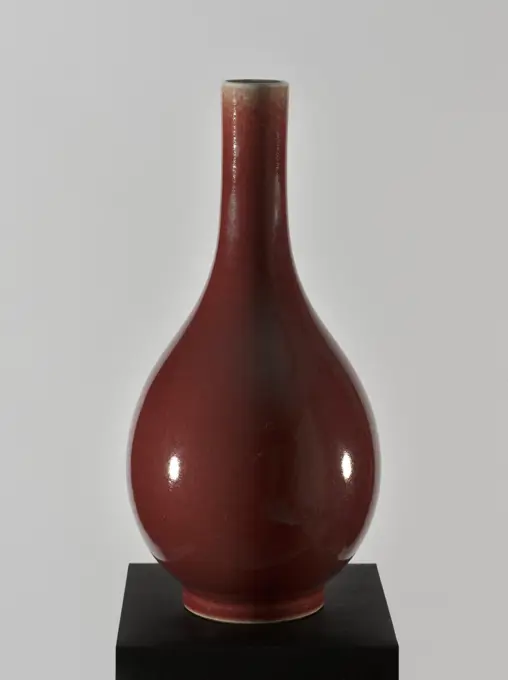
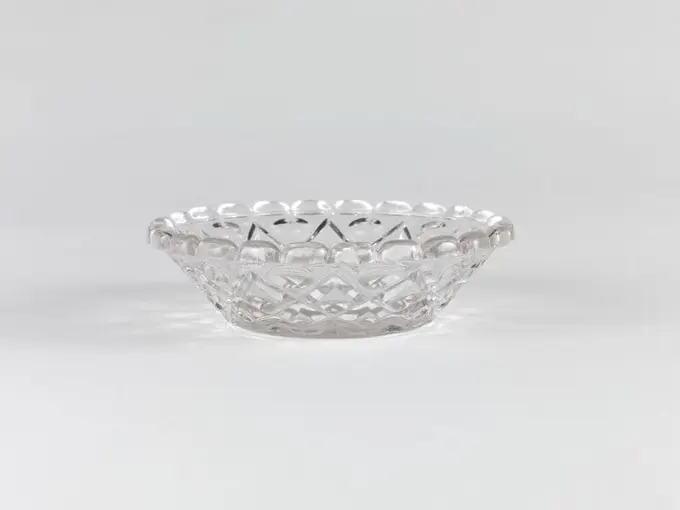
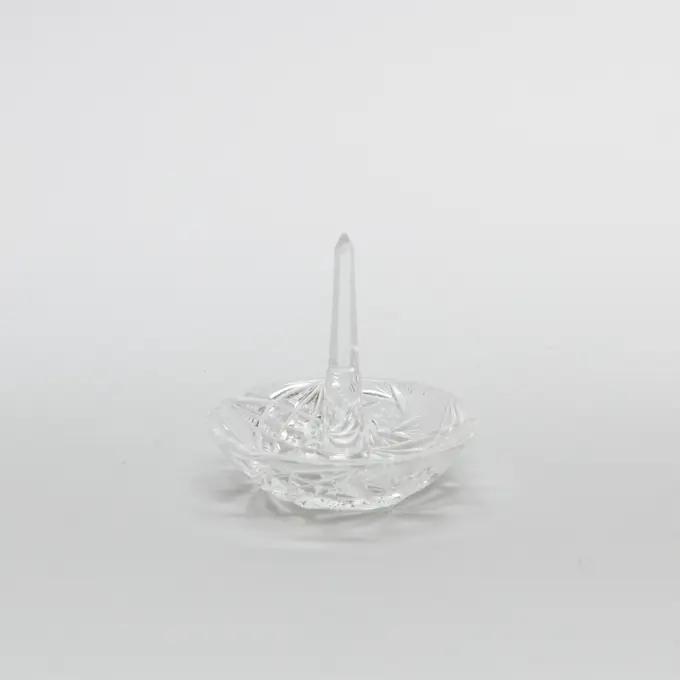
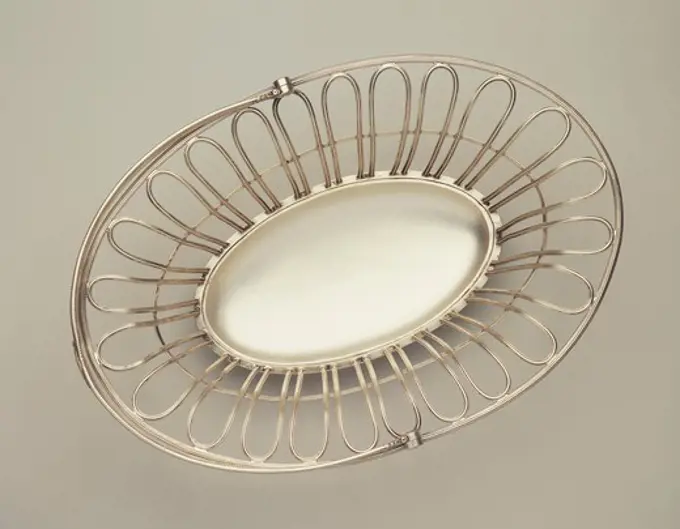
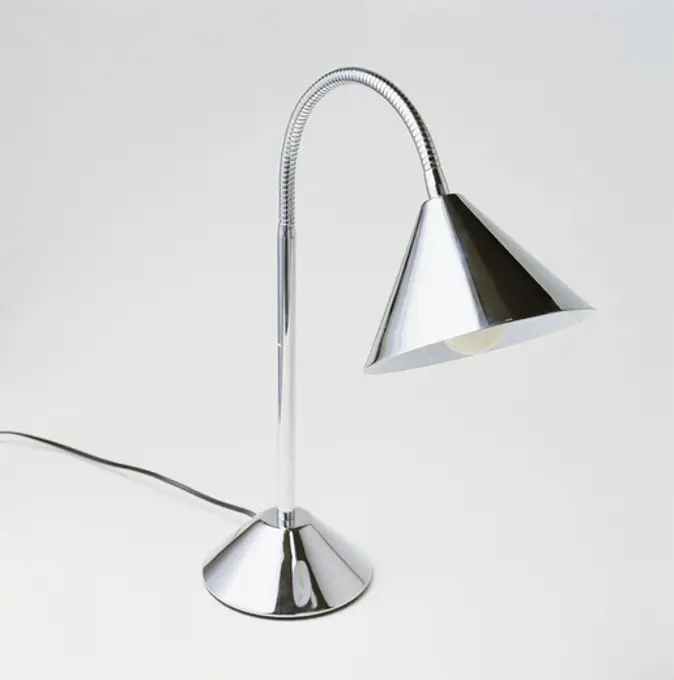
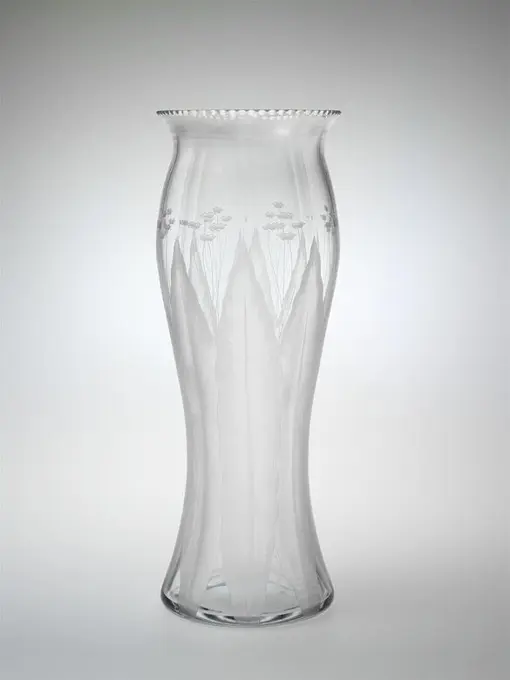
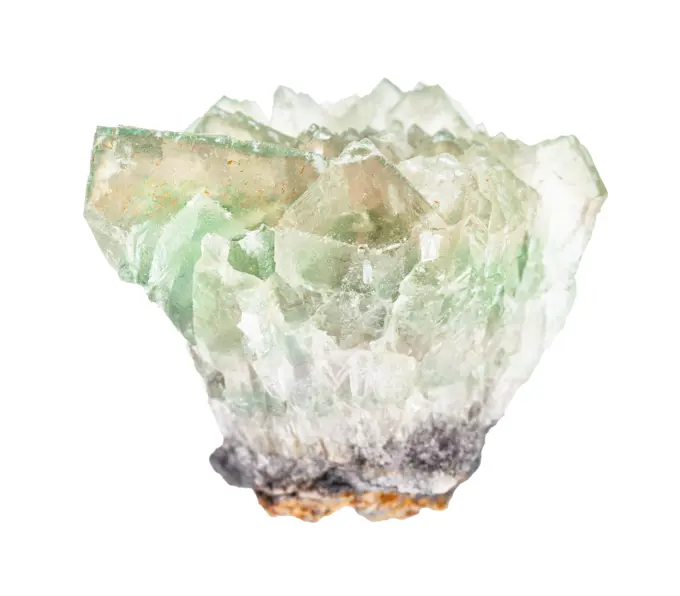
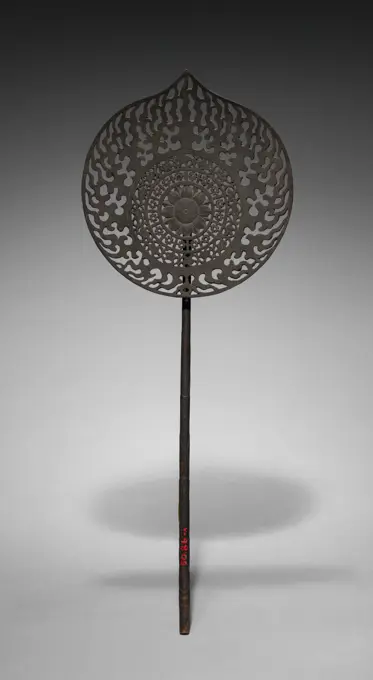
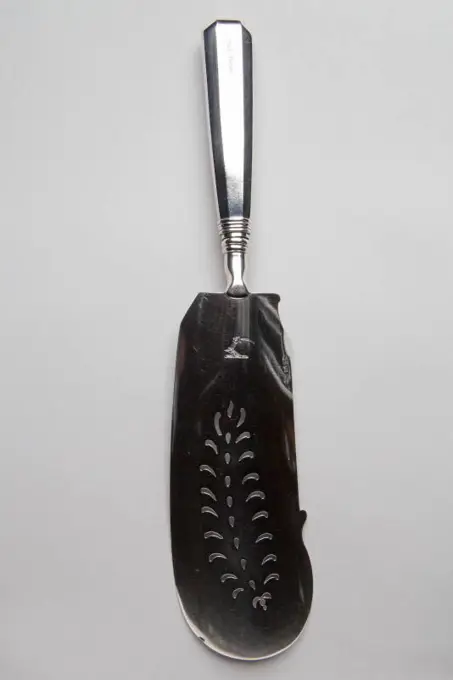
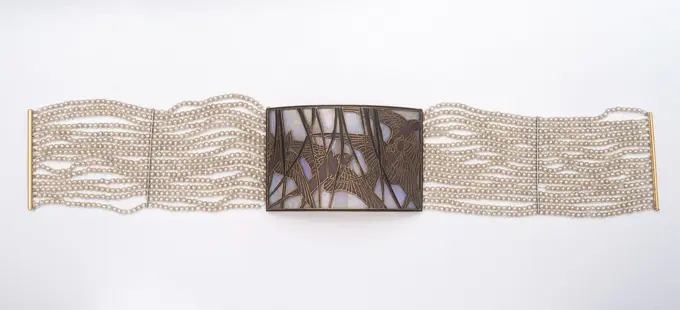
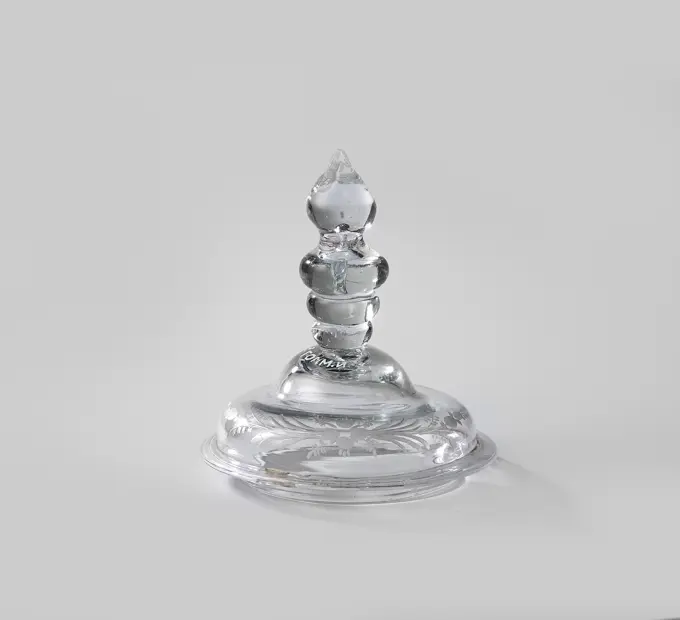
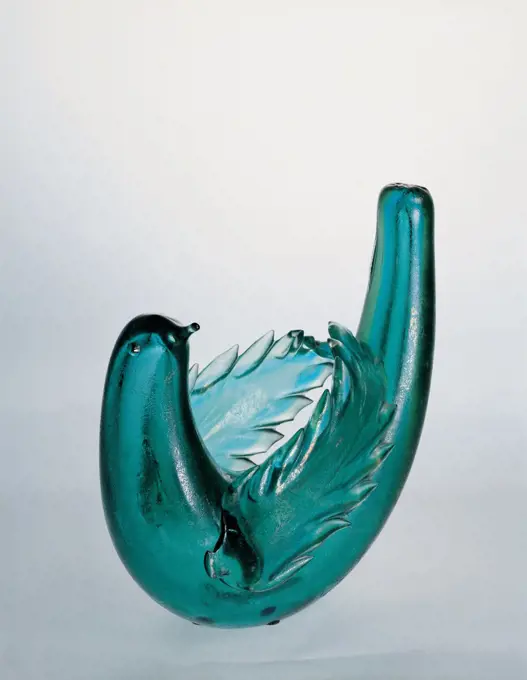
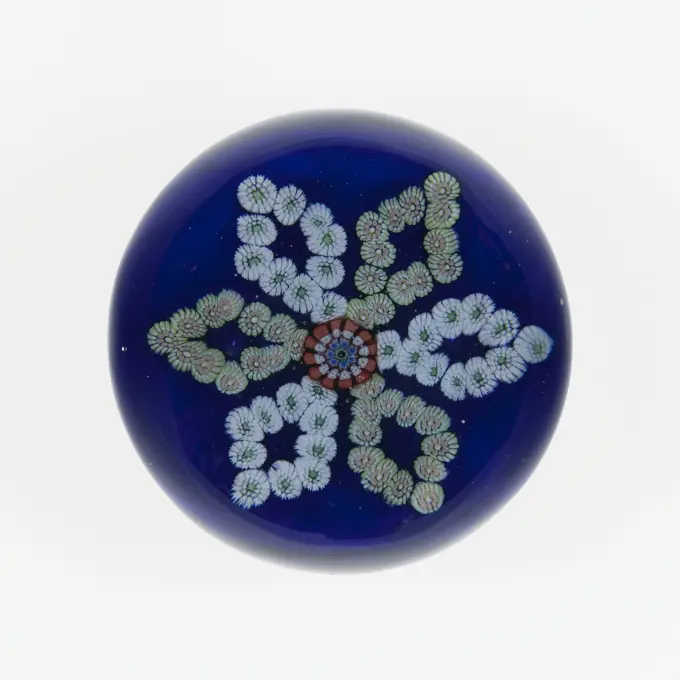
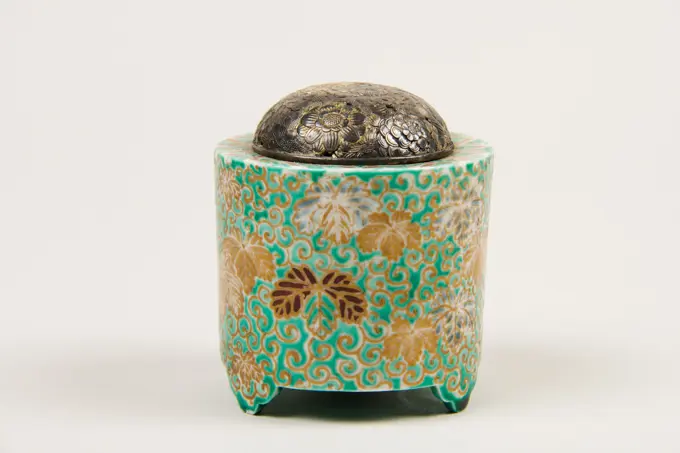
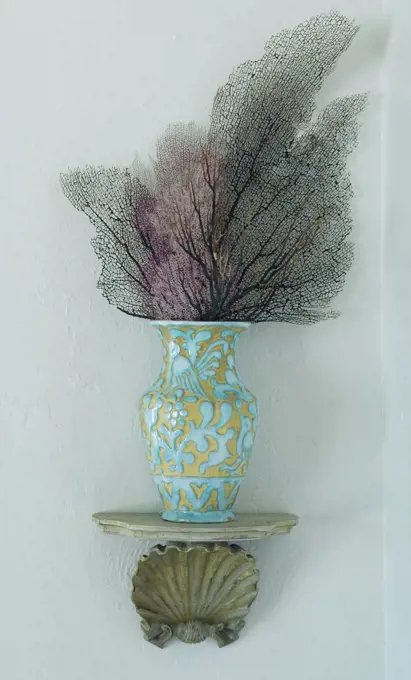
White china dishes and cupA bowl for herring Glassworks HydrangeaWhisk against white background, close-upBowl 18th century Italian, Venice (Murano). Bowl. Italian, Venice (Murano). 18th century. Glass. GlassDisplay product empty light brown round pedestal with light lamp. Stage for product. Vector illustrationBulbous-Shaped Vase 1736-1795 China. Porcelain with clair de lune glaze .Dish. The inscription translates as: Foresight accompanied by wise counsel form robust pillars of the State’.Paperweight. Saint-Louis; France, founded 1767. Date: 1825-1850. Dimensions: Diam. 6.4 cm (2 1/2 in.). Glass. Origin: France. Museum: The Chicago Art Institute, Chicago, USA.Paperweight 1840-1865 France. The colorful geometric clusters embedded in this paperweight reflect the nineteenth-century European fascination with optical effects. Sir David Brewster invented the kaleidoscope in 1815, and its colorful and changing patterns brought great visual entertainment. Paperweights such as this example reformed this childlike pastime for a sophisticated adult audience. Depicted in glass were tiny glittering flowers, small black and blue cameos of figures, and even miniature bottlecaps. These were delicately arranged within the orb for the observant eye to discover.From the late 1840s to early 1860s, French manufacturers of fine glass and crystalósuch as Baccarat (Alsace), Clichy (Paris), and Saint-Louis (Lorraine)ócatered to the vast public enthusiasm for beautiful yet functional desk accessories. Paperweights, which were designed to secure loose papers against drafts, were among their most popular products.. Glass . Baccarat GlassworksDish from the 'Saxonia' coffee and tea set. Dish of porcelain, painted in blue and gray. The dish is part of the Saxonia coffee and tea set. The dish has been marked.Paperweight 1840-1865 France. Technological improvements to optical scientific instruments in the mid-nineteenth century spurred a veritable obsession across Europe with identifying and classifying the natural world. Amateur botanists were eager to collect and preserve floral specimens, which they intently researched and catalogued. In response to this broad appeal, French glassmakers made paperweights that portrayed the very botanical subjects that were so enthusiastically sought. Many weights represented specimens with horticultural correctness, but others were entirely fanciful creations. Paperweights like this example speak to the periodís fascination with taxonomic systems.From the late 1840s to early 1860s, French manufacturers of fine glass and crystalósuch as Baccarat (Alsace), Clichy (Paris), and Saint-Louis (Lorraine)ócatered to the vast public enthusiasm for beautiful yet functional desk accessories. Paperweights, which were designed to secure loose papers against drafts, weDessert plate - Fall of Montmorency near Quebec Enoch Wood & Sons, 1818-1845 Enoch Wood & Sons, 1818-1845Paperweight 1840-1865 France. Technological improvements to optical scientific instruments in the mid-nineteenth century spurred a veritable obsession across Europe with identifying and classifying the natural world. Amateur botanists were eager to collect and preserve floral specimens, which they intently researched and catalogued. In response to this broad appeal, French glassmakers made paperweights that portrayed the very botanical subjects that were so enthusiastically sought. Many weights represented specimens with horticultural correctness, but others were entirely fanciful creations. Paperweights like this example speak to the periodís fascination with taxonomic systems.From the late 1840s to early 1860s, French manufacturers of fine glass and crystalósuch as Baccarat (Alsace), Clichy (Paris), and Saint-Louis (Lorraine)ócatered to the vast public enthusiasm for beautiful yet functional desk accessories. Paperweights, which were designed to secure loose papers against drafts, wePetal-Lobed Dish. China. Date: 960 AD-1127. Dimensions: H. 2.0 cm (3/4 in.); diam. 11.0 cm (4 5/16 in.). Qingbai ware; glazed porcelain. Origin: China. Museum: The Chicago Art Institute, Chicago, USA.colored basket made from recycled paper on white backgroundMylti-plane bottle with overall underglaze cinnabar slip. From the time of Joseon Dynasty (1392 - 1910)Bread plate - Robert Cochran & Company, 1846-1896 Robert Cochran & Company, 1846-1896Alabastron (Container for Scented Oil). Eastern Mediterranean. Date: 550 BC-250 BC. Dimensions: 12.8 × 3.3 × 3.2 cm (5 × 1 1/4 × 1 1/4 in.). Glass, core-formed technique. Origin: Eastern Mediterranean Region. Museum: The Chicago Art Institute, Chicago, USA. Author: Ancient Eastern Mediterranean.Paperweight 1840-1865 France. Technological improvements to optical scientific instruments in the mid-nineteenth century spurred a veritable obsession across Europe with identifying and classifying the natural world. Amateur botanists were eager to collect and preserve floral specimens, which they intently researched and catalogued. In response to this broad appeal, French glassmakers made paperweights that portrayed the very botanical subjects that were so enthusiastically sought. Many weights represented specimens with horticultural correctness, but others were entirely fanciful creations. Paperweights like this example speak to the periodís fascination with taxonomic systems.From the late 1840s to early 1860s, French manufacturers of fine glass and crystalósuch as Baccarat (Alsace), Clichy (Paris), and Saint-Louis (Lorraine)ócatered to the vast public enthusiasm for beautiful yet functional desk accessories. Paperweights, which were designed to secure loose papers against drafts, weUne and Habotan (Plum & Variegated Cabbage) in a Tsubo, IkebanaPaperweight 1848 France. This paperweight uses a traditional glass-making technique called millefiori to great effect. Italian for ìone thousand flowers,î millefiori was first developed in fifteenth-century Venice. In the nineteenth century, French glassmakers revived the technique with a cultural twist. Arranged to evoke traditional French gardens such as the Tuileries in Paris, paperweights like this example brought a little of this landscaping magic indoors.From the late 1840s to early 1860s, French manufacturers of fine glass and crystalósuch as Baccarat (Alsace), Clichy (Paris), and Saint-Louis (Lorraine)ócatered to the vast public enthusiasm for beautiful yet functional desk accessories. Paperweights, which were designed to secure loose papers against drafts, were among their most popular products.. Glass . Compagnie de Saint LouisVase, The Gates Potteries, 1890 - 1930, Fernand Moreau, French, American Terracotta and Ceramic Company, 1881-1935, Earthenware, Moss green, four-handled buttress form. Buff-colored clay body, cast. Baluster body tapering to a point at base; low ring neck on shoulder. Supported by four buttress-like feet that extend upward to mid-body. Allover pale silvery-green matte glaze; no decoration. Glaze thick in recessed areas, some crystalization. Bottom and interior glazed., 1905-20, ceramics, Decorative Arts, VaseVase (usual name). Gray covered cracked in Guan style. Cernuschi Museum, Asia Museum of Asia in the city of Paris.Paperweight. Saint-Louis; France, founded 1767. Date: 1848. Dimensions: Diam. 8 cm (3 1/8 in.). Glass. Origin: France. Museum: The Chicago Art Institute, Chicago, USA. Author: Compagnie de Saint Louis.Chucs Westbourne Grove shop lamp detail. Chucs Restaurant & Café Westbourne Grove, London, United Kingdom. Architect: Stiff + Trevillion Architects, 2016.Paperweight 1801-1900 France. Glass . Compagnie de Saint LouisCandlestick -Conical Bowl with Phoenixes and Peonies. China. Date: 960 AD-1279. Dimensions: H. 4.6 cm (1 13/16 in.); diam. 14.2 cm (5 9/16 in.). Qingbai ware; porcelain with underglaze molded decoration; copper rim. Origin: China. Museum: The Chicago Art Institute, Chicago, USA.Compot of blackberries in glass bowl isolated on whiteScale, in the form of a rocaille, Petrus Regout, 1867 Sale of earthenware, in the form of a rocaille, with blue continuous flower decor, belonging to a children's service. Maastricht . Sale of earthenware, in the form of a rocaille, with blue continuous flower decor, belonging to a children's service. Maastricht .Bowl, Glass, Shallow oval bowl with flat, oval base, radial cut. Body cut with sharp diamonds of graduated size. Fan scalloped rim with saw tooth top., possibly Waterford, Ireland, early 19th century, glasswares, Decorative Arts, BowlToy butter dish - Beaded Oval Inconnu / UnknownPaperweight 1841-1860 Lunéville. This paperweight uses a traditional glass-making technique called millefiori to great effect. Italian for ìone thousand flowers,î millefiori was first developed in fifteenth-century Venice. In the nineteenth century, French glassmakers revived the technique with a cultural twist. Arranged to evoke traditional French gardens such as the Tuileries in Paris, paperweights like this example brought a little of this landscaping magic indoors.From the late 1840s to early 1860s, French manufacturers of fine glass and crystalósuch as Baccarat (Alsace), Clichy (Paris), and Saint-Louis (Lorraine)ócatered to the vast public enthusiasm for beautiful yet functional desk accessories. Paperweights, which were designed to secure loose papers against drafts, were among their most popular products.. Glass . Baccarat GlassworksCart; Non -like Lona Huta; 1. W. 18th century (1700-00-00-1725-00-00);GlovestretchersVase. Red monochrome covered porcelain. Paris, Cernuschi museum. 78837-23 Asian art, Chinese art, porcelain, container, vaseHoney dish. Culture: American. Dimensions: Diam. 3 1/2 in. (8.9 cm). Date: 1850-60.With the development of new formulas and techniques, glass-pressing technology had improved markedly by the late 1840s. By this time, pressed tablewares were being produced in large matching sets and innumerable forms. During the mid-1850s, colorless glass and simple geometric patterns dominated. Catering to the demand for moderately-priced dining wares, the glass industry in the United States expanded widely, and numerous factories supplied less expensive pressed glassware to the growing market. At the Exhibition of the Industry of All Nations at New York's Crystal Palace in 1853, for example, the New England Glass Company exhibited 130 pieces of one design, "consisting of bowls, tumblers, champagnes, wines, and jelly glasses." This object belongs to one such service. Although the glass manufactory is not known, the glassware is very typical of the large services that were very popular with America's mToilet set: Rings standSilversmith's Art, Great Britain 18th century. Sheffield plate, oval basket with handle, 1780-90.Steel electric lamp against white backgroundBasket with Handle, Wiener Werkstätte, c. 1905 Spitsovale handle basket made of silver, with inner box of colorless glass. The right -wing basket has a loop -shaped handle. Both the walls of the basket and the handle are completely collected with a pattern of squares. Vienna silver (metal). glass Spitsovale handle basket made of silver, with inner box of colorless glass. The right -wing basket has a loop -shaped handle. Both the walls of the basket and the handle are completely collected with a pattern of squares. Vienna silver (metal). glassPaperweight, c. 1847, Saint Louis Glass Works, 2 x 2 5/8 x 2 5/8 in. (5.08 x 6.67 x 6.67 cm), Glass, France, 19th centuryset of ceramic vases, isolated 3d renderGolden Glossy Application Icon Template Vector Illustration EPS10. Golden Glossy Application Icon Template Vector IllustrationCandy dish -Alabastron. UnknownVase. Culture: American. Dimensions: H. 14 1/4 in. (36.2 cm); Diam. 15 in. (38.1 cm). Manufacturer: C. Dorflinger and Sons (American, White Mills, Pennsylviania, 1881-1921). Date: 1905-15.In contrast to the deeply cut and finely engraved decoration on the other glasses in this case, the simple, flat pattern on this vase was achieved by acid etching. The hard geometry of Dorflinger's cut patterns has been replaced here by representational floral designs, whose gentle curves suggest the Art Nouveau style. Museum: Metropolitan Museum of Art, New York, USA.No. 126 Champagne Flute; Designed by Ludwig Lobmeyr (Austrian, 1829 - 1917); Manufactured by J. & L. Lobmeyr GmbH (Austria); Austria; mouth-blown crystal, hand-painted goldraw green Fluorite fluorspar rock isolated closeup of sample of natural mineral from geological collection - raw green Fluorite fluorspar rock isolated on white background Copyright: xZoonar.com/ValeryxVoennyyx 14990194Halo for Buddha of the Future (Miroku Bosatsu) 勒菩薩像 光背, late 600s. Japan, Asuka period (538-710). Cast bronze, incised, with traces of gilding; overall: 45.8 cm (18 1/16 in.). Buddhism was introduced to Japan in the sixth century. For early Japanese devotees, Buddhism offered the promise of salvation through faith in the Buddha of the Future, who would appear at the end of the world. The concept of eternal salvation held particular resonance with the Japanese aristocracy, who became the staunchest supporters of this new faith. Small sculptures like this one, with its gentle grace and powerful presence, were popular devotional objects.Selling bowl, painted with the flügelmuster decor. Semi-circular sliding bowl of painted porcelain. The scale is painted in green and blue with the flügelmuster. The scale belongs to a tableware (BK-1976-65-1 to BK-1976-65-34) and has been labeled.Alte blaue chinesische Keramikvase isoliert auf weißem Hintergrund. Old blue chinese ceramic vase isolated on white background with clipping path. Copyright: xZoonar.com/VeeravongxxKomalamenax 22785463Paperweight 1841-1860 Baccarat. The colorful geometric clusters embedded in this paperweight reflect the nineteenth-century European fascination with optical effects. Sir David Brewster invented the kaleidoscope in 1815, and its colorful and changing patterns brought great visual entertainment. Paperweights such as this example reformed this childlike pastime for a sophisticated adult audience. Depicted in glass were tiny glittering flowers, small black and blue cameos of figures, and even miniature bottlecaps. These were delicately arranged within the orb for the observant eye to discover.From the late 1840s to early 1860s, French manufacturers of fine glass and crystalósuch as Baccarat (Alsace), Clichy (Paris), and Saint-Louis (Lorraine)ócatered to the vast public enthusiasm for beautiful yet functional desk accessories. Paperweights, which were designed to secure loose papers against drafts, were among their most popular products.. Glass . Baccarat GlassworksWhiskWarenautomat, Kaugummiautomat um 1930 bis 1950 Warenautomat, Kaugummiautomat um 1930 bis 1950 Copyright: xZoonar.com/FrankxRohdex 1746362Fish Slice, James Erskine (Aberdeen, Scotland, active 1790 - 1818) 1790Necklaces "Swallows in the reed". Acquired by the artist at the World's Fair 1900 in ParisLid of a jar. Vaulted lid with dome-shaped increase, crowned with articulated lid knob, consisting of three buttons with an elongated air bubble and a pear-shaped end. On the lid a engraved flower garland.Lamp with painted footGlass with a dissolved green paintIlluminated green lightDove, by Lundgren Tyra, 1935, 20th Century, glass. Italy, Piemonte, Turin, private collection. Whole artwork. Bird clear glass light blue: azure.Paperweight 1840-1860 Saint-Louis. This paperweight uses a traditional glass-making technique called millefiori to great effect. Italian for ìone thousand flowers,î millefiori was first developed in fifteenth-century Venice. In the nineteenth century, French glassmakers revived the technique with a cultural twist. Arranged to evoke traditional French gardens such as the Tuileries in Paris, paperweights like this example brought a little of this landscaping magic indoors.From the late 1840s to early 1860s, French manufacturers of fine glass and crystalósuch as Baccarat (Alsace), Clichy (Paris), and Saint-Louis (Lorraine)ócatered to the vast public enthusiasm for beautiful yet functional desk accessories. Paperweights, which were designed to secure loose papers against drafts, were among their most popular products.. Glass . Compagnie de Saint LouisthumbtackVial; unknown eastern workshop; 4th century (301-00-00-400-00-00);Broom Grunge Icon Broom grunge icon Copyright: xfile404xDinner service (julita)  deep plate Ruszczyński, Edmund (1920 Ca 1995), Wałbrzych, WawelGolden Islamic style lantern for Ramadan Kareem day on coral color background. Eid Mubarak and holy religion concept. 3D illustration renderingSaucer with gold borders on a red ground, anonymous, c. 1800 - c. 1824 Porcelain saucer, covered on the glaze with red and gold. The wall and edge are covered with tires of red and gold, with a flower drink on the edge. Golden line closely. Empire. France porcelain. glaze. gold (metal) painting / gilding / vitrification Porcelain saucer, covered on the glaze with red and gold. The wall and edge are covered with tires of red and gold, with a flower drink on the edge. Golden line closely. Empire. France porcelain. glaze. gold (metal) painting / gilding / vitrificationDustpanStack of two red and two black porcelain bowls isolatedA splash of oiltoothpicksDaum brothers. "Cup decorated with tulips", early 20th century. Blown glass, engraved with acid and enamelled. Museum of Fine Arts of the City of Paris, Petit Palais. Art Nouveau, Cup, Emaille, Grave Acid, Ornee, Tulip, Breath GlassBlonde turtle and horn hair comb with ajour worked back in which two crossed arrows, ten teeth, anonymous, c. 1830 Hair comb of blonde turtle and horn with high back. The comb is cut with a flower pattern, within which two crossed arrows can be seen. Kam consisted of ten teeth, one of which was broken off. Netherlands (possibly) horn (animal material) sawing / filing / polishing Hair comb of blonde turtle and horn with high back. The comb is cut with a flower pattern, within which two crossed arrows can be seen. Kam consisted of ten teeth, one of which was broken off. Netherlands (possibly) horn (animal material) sawing / filing / polishingThe Tropical granite Podium geometric and plants decoration on white background .3D renderingTumbler ca. 1883-88 Probably New England Glass Company. Tumbler 9123Bumpy empty ceramic plate on a textured concrete background Bumpy empty ceramic plate on a textured concrete background. Kitchen utensil item Copyright: xZoonar.com/TetianaxChernykovax 21723549Incense Burner with Paulownia (kiri) and Scrolling Grass (karakusa) Design 1780 Japan. Incense Burner with Paulownia (kiri) and Scrolling Grass (karakusa) Design 52369A pot of sea fans sits on a scallop plinth by British designer Nicky Haslam in the drawing room of Little Whale House, Little Whale CayFrance, Bourgogne Franche-Comte, Cote d'Or, Bard les epoissesLow angle view of a lamp lit up at nightA plate;  19th century (1801-00-00-1900-00-00);Shimeji mushroomsToy car as a transportation device in a heart cageGlass ampoules of various trace elements.Two orchid blossoms (Orchidaceae) in a wooden bowl3d podium cylinder platform stage with golden hexagonal frame product presentation realistic vector illustration. Pedestal round basic foundation event celebration contest win construction decorShell with pearl. Clam, oyster. 3d rendering Shell with pearl. Clam, oyster. 3d rendering isolated on white background Copyright: xZoonar.com/natatravelx 22980451Reflex hammer on white background.Paperweight 1840-1865 France. This paperweight uses a traditional glass-making technique called millefiori to great effect. Italian for ìone thousand flowers,î millefiori was first developed in fifteenth-century Venice. In the nineteenth century, French glassmakers revived the technique with a cultural twist. Arranged to evoke traditional French gardens such as the Tuileries in Paris, paperweights like this example brought a little of this landscaping magic indoors.From the late 1840s to early 1860s, French manufacturers of fine glass and crystalósuch as Baccarat (Alsace), Clichy (Paris), and Saint-Louis (Lorraine)ócatered to the vast public enthusiasm for beautiful yet functional desk accessories. Paperweights, which were designed to secure loose papers against drafts, were among their most popular products.. Glass . Clichy GlasshouseDish, white, with blue piping. Dish of pottery, belonging to a coffee and tea set, white, with blue piping on the flat and the edge.Chandelier, Chapel of St. Kunigunde, Salt Mine, Wieliczka, Poland, EuropeBowl 1803-67 Attributed to Hervey Brooks. Bowl 681Vase; about 1915; England; Stourbridge; Stevens & Williams; Cameo glass. Cameo glass is a luxury form of 'art glass' produced by etching and carving through fused layers of different coloured glass.Bliżej Kultury Reinemer & Spiegel Vienna VIIBORD, TELDERD MET Het wing pattern decor, Meissener porcelain manufactory, 1901 Plate of painted porcelain. The board is painted in green and blue with the Flügelmuster. The board belongs to a service (BK-1976-65-1 to BK-1976-65-34) and is marked. Float porcelain Plate of painted porcelain. The board is painted in green and blue with the Flügelmuster. The board belongs to a service (BK-1976-65-1 to BK-1976-65-34) and is marked. Float porcelainHaekeldeckchen - Crochet doily Haekeldeckchen - Crochet doilyVase (England); Manufactured by James Powell & Sons (United Kingdom); glassGolden leaves styled stock scene, product podium with copy space, rich earth tones. Golden leaves styled stock scene