My Boards
View Pictures
  • My Boards

Laboratory Research and Experiments

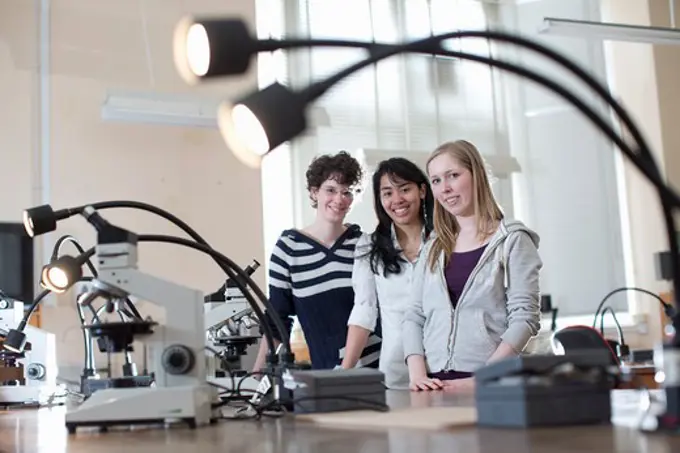
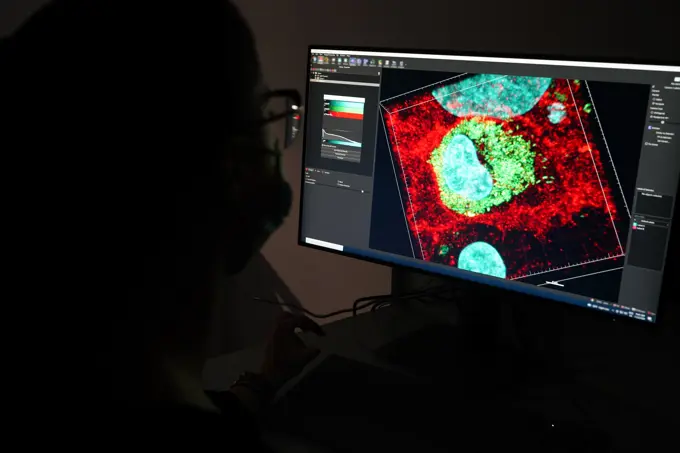
Scientists conducting various experiments in a laboratory setting, utilizing microscopes, petri dishes, and computer analysis to advance research.

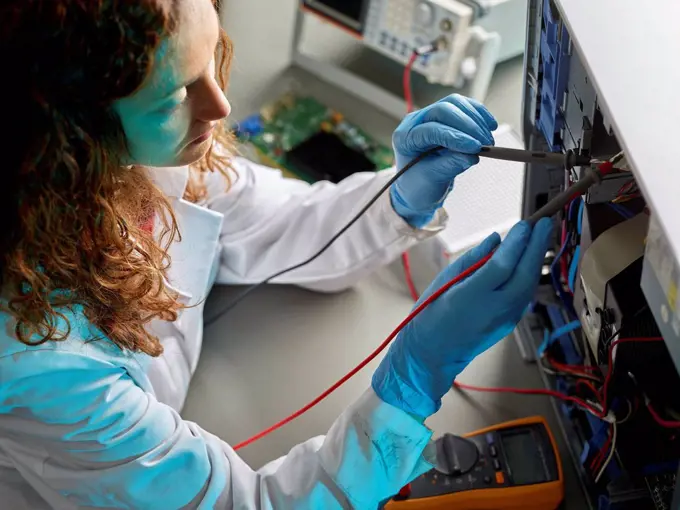
Female technichian working on open computer, using measuring device
162 assets in this story
6145-44715753
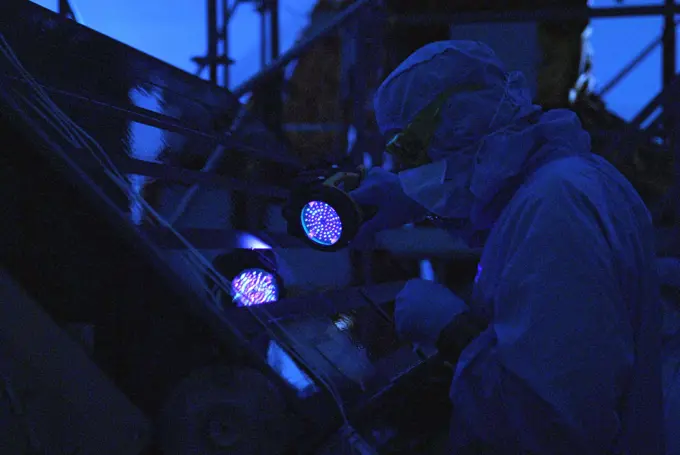
CAPE CANAVERAL, Fla. - In the clean room of the Payload Hazardous Processing Facility at NASA's Kennedy Space Center, a worker from NASA's Goddard Space Flight Center uses black light inspection for a thorough cleaning of the Cosmic Origins Spectrograph, or COS.  Black light inspection uses UVA fluorescence to detect possible particulate microcontamination, minute cracks or fluid leaks. The COS will be installed on the Hubble Space Telescope on space shuttle Atlantis' STS-125 mission. COS will be the most sensitive ultraviolet spectrograph ever flown on Hubble and will probe the "cosmic web" - the large-scale structure of the universe whose form is determined by the gravity of dark matter and is traced by galaxies and intergalactic gas. The COS far-ultraviolet channel has a sensitivity 30 times greater than that of previous spectroscopic instruments for the detection of extremely low light levels. Launch of Atlantis on the STS-125 mission is targeted for Oct. 8.
6145-54488352
Electronic Technician Third Class (ET3) Karina A. Larson makes adjustments and repairs under a microscope to a circuit card on board the submarine tender USS HOLLAND (AS-32). Country: Pacific Ocean (POC)
5514-65776663
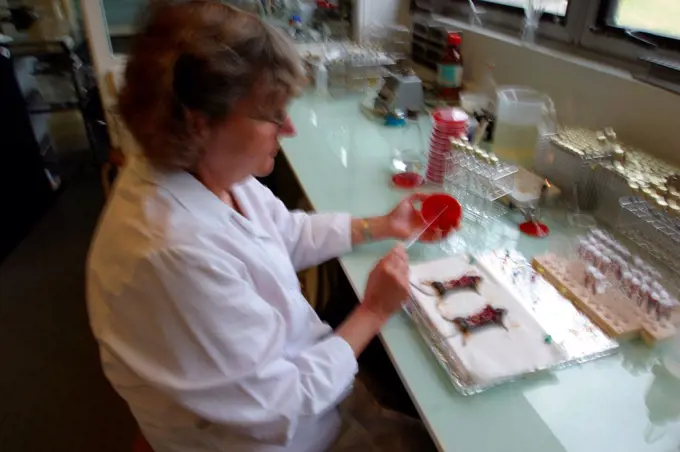
Bisphenol A researcher
4269-7417
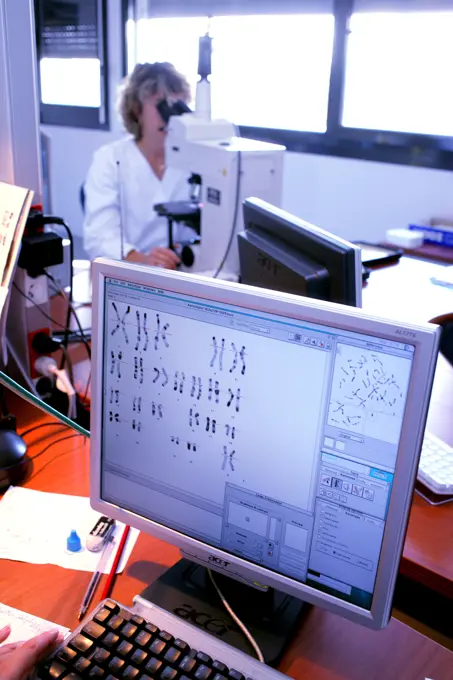
Antenatal diagnosis : microscopic observation and analysis of the chromosomes. Cytogenetics and reproductive biology unit, Limoges hospital, France.
1850-15290
Media , Film, Digital, Female Technician Scanning Analogue Slide Film With An Imacon Scanner
1439-60795798
Scientist standing in a lab of a medical practice with computer equipment, UK
1899-53512764
Training of medical interns in the ECMO technique, Extracorporeal Membrane Oxygenation.
6145-44899509
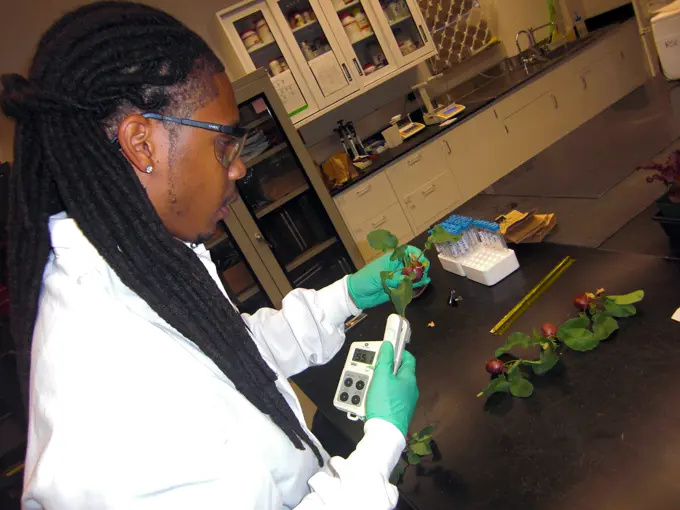
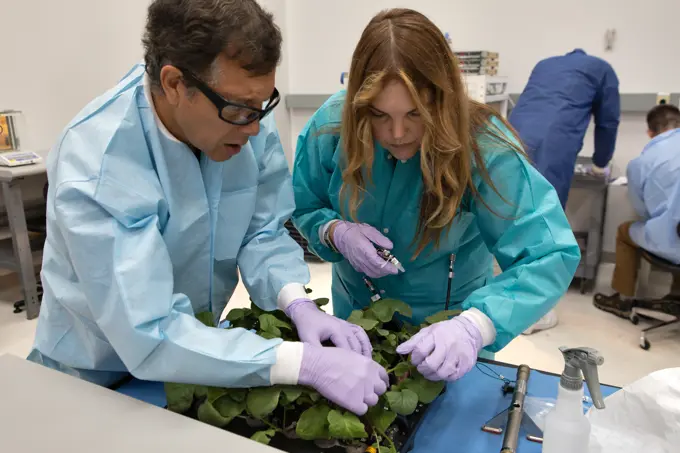
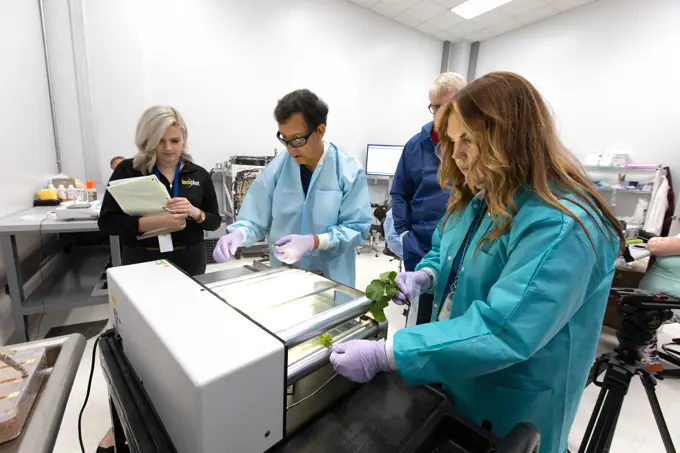
CAPE CANAVERAL, Fla. - Inside the Space Life Sciences Laboratory, or SLSL, at NASAs Kennedy Space Center in Florida, Dr. Matthew Mickens, a plant biologist from North Carolina Agriculture and Technical State University in North Carolina, measures radish plants that were just harvested from a plant growth chamber. The plants were grown under red and blue LED lights.  The plant experiment at Kennedy is part of the Advanced Exploration Systems, or AES, program in NASAs Human Exploration and Operations Mission Directorate. This plant experiment studies the effects of different types of lighting on plants such as radishes and leaf lettuce. Results of these studies will help provide information on how to grow food sources for deep space exploration missions. AES projects pioneer new approaches for rapidly developing prototype systems, demonstrating key capabilities and validating operational concepts for future human missions beyond Earth orbit.
6145-45161117
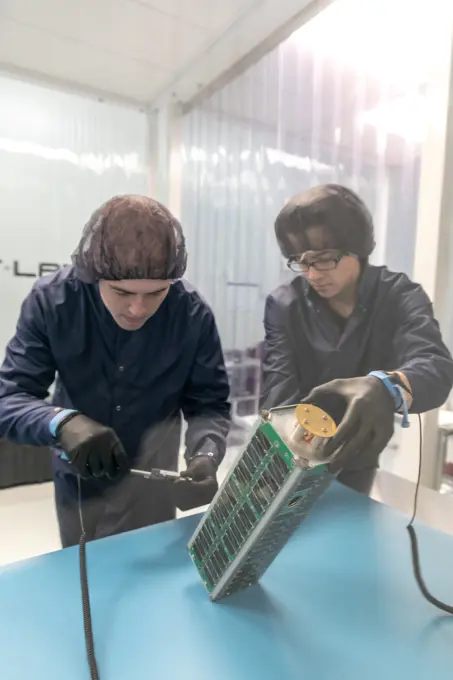
NMTSat is a student-built satellite built by undergraduate and graduates students primarily from New Mexico Tech. NMTSat is designed to operate five sensors in four experiments in space for 3 months of data collection. The experiments will provide data on earths magnetic field, high altitude plasma density, atmospheric weather measurements, and an optical beacon experiment. Approximately 50 students have contributed to NMTSat and its design not including the students and groups who have developed the science instruments. NMTSat CubeSat is providing the opportunity for these science experiments to be conducted on orbit and demonstrates the collaborative nature of the Educational Launch of Nano Satellite (ELaNa) Program at NASA. The instruments have been contributed by New Mexico Tech, Turabo University in Puerto Rico, Los Alamos National Laboratory, and Atmospheric and Space Technology Research Associates (ASTRA) in Boulder, CO. Dr. Anders M. Jorgensen, Associate Professor at New Mexic
6145-45285457
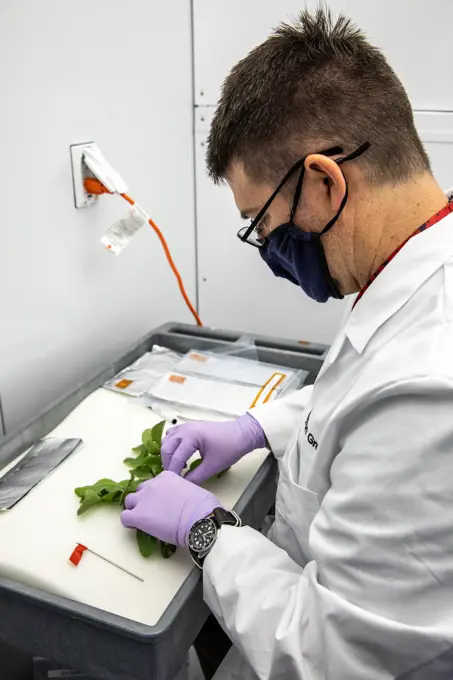
A research scientist collects measurements of radishes harvested from the Advanced Plant Habitat (APH) ground unit inside the Space Station Processing Facility at NASAs Kennedy Space Center in Florida on Dec. 14, 2020. The radishes are a ground control crop for the Plant Habitat-02 (PH-02) experiment, which also involves growing two similar radish crops inside the International Space Stations APH. NASA astronaut Kate Rubins harvested the first crop on Nov. 30, and the second harvest aboard the orbiting laboratory is planned for Dec. 30. Once samples return to Earth, researchers will compare those grown in space to the radishes grown here on Earth to better understand how microgravity affects plant growth.
1525-28405643
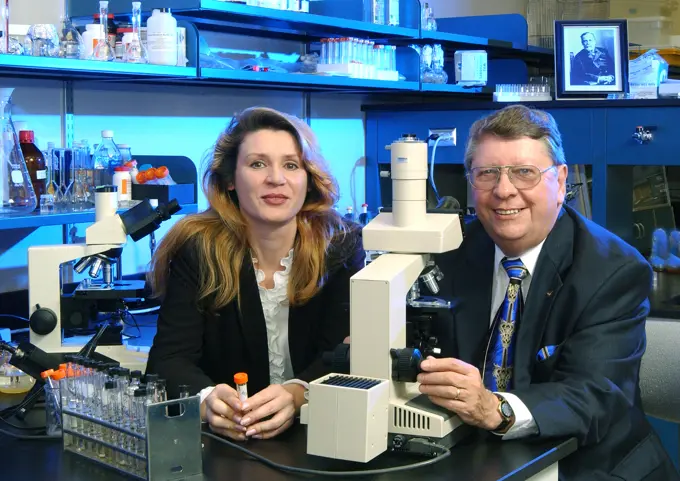
Two men with eyeglasses and microscopes
6145-45228482
Matthew English is the Exploration Research and Technology facility manager for the Space Station Processing Facility (SSPF) at NASAs Kennedy Space Center in Florida. Englishs responsibilities include ensuring that the International Space Station teams inside the SSPF have the facilities, tools and capabilities they need to support their launch customers, thus providing the support necessary to enable further research and design discoveries within NASA.
6145-45244094
ZEISS COMPOUND MICROSCOPE WITH MONITOR & MELISSA KIRVEN-BROOKS. Space Station Biological Research Project. (SSBRP)
6145-44965732
BCAT-5, ISS, International Space Station
6145-58960875
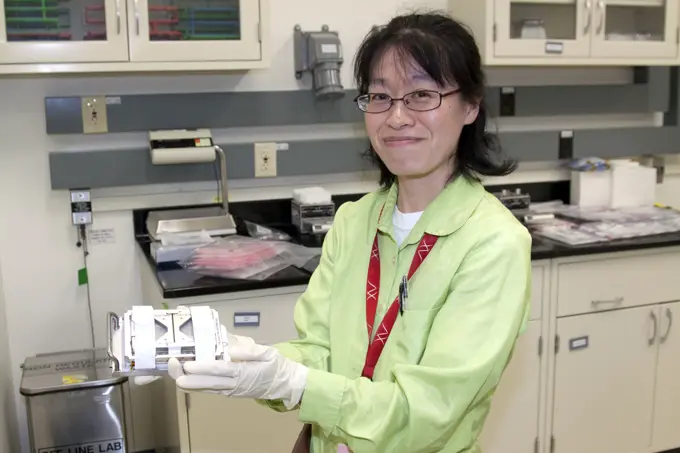
CAPE CANAVERAL, Fla. - In the Space Station Processing Facility at NASA's Kennedy Space Center in Florida, Japan Aerospace Exploration Agency scientist, Yano Sachiko, prepares the fish scale experiment for its flight to the International Space Station aboard the STS-132 mission. Expedition crew members aboard the station will examine regenerating scales collected from anesthetized goldfish in microgravity using the Cell Biology Experiment Facility, or CBEF, and the results will be compared with ground controls. In mammals, bone is formed and maintained by continuous remodeling through bone resorption called osteoclasts, and subsequent new bone formation called osteoblasts. The experiment will use osteoclasts and osteoblasts to examine the effect of microgravity on bone metabolism.
1815R-11564648
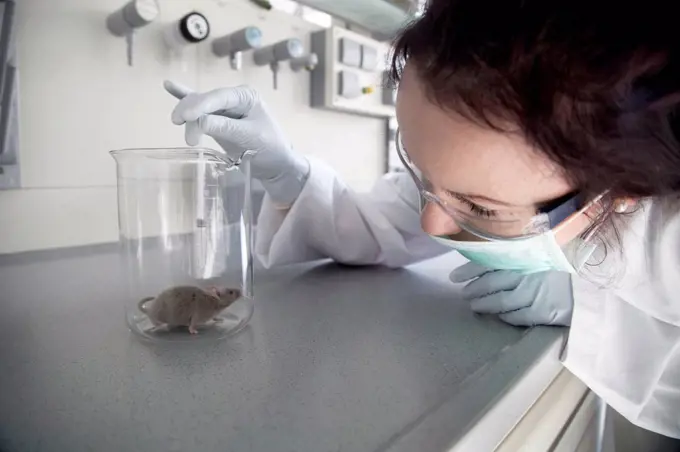
Germany, Research laboratory, Young female scientist treating laboratory mouse
824-63211008
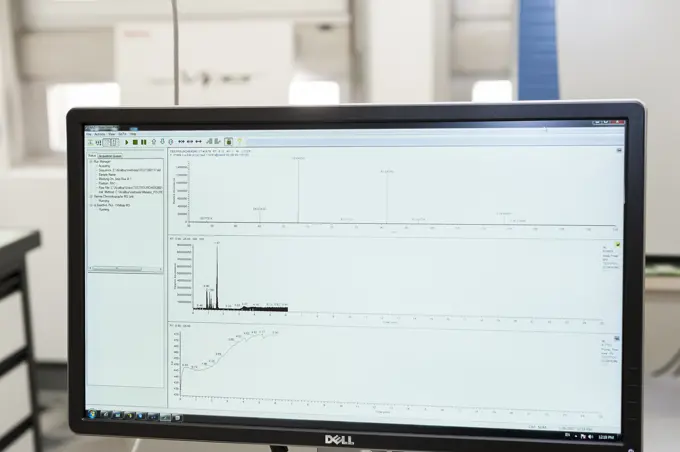
Reportage on the TIRO lab (Oncology Imaging and Radiotherapy Transporters), an interdisciplinary structure within the Medicine Department of Nice University in France, grouping clinicians and biologists. The fundamental research is devoted to providing answers to the clinicians needs. One of the labs aims is to develop a precise molecular diagnosis for cancer, by identifying its metabolome from samples taken. The molecular characteristics of the tumour should enable the oncologist to provide treatment adapted to each patient. Metabolomics: analysis of samples by mass spectometry coupled with a high pressure chromatography.
824-28704371
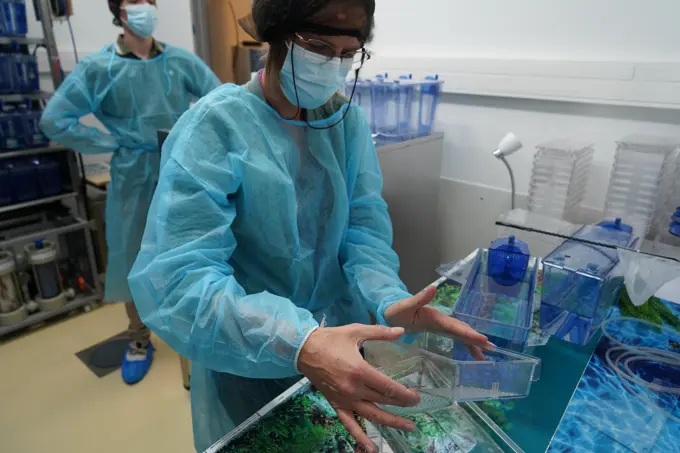
Study on opportunistic infections with Burkholderia cepacia complex using Zebra Fish embryos
6145-44471177
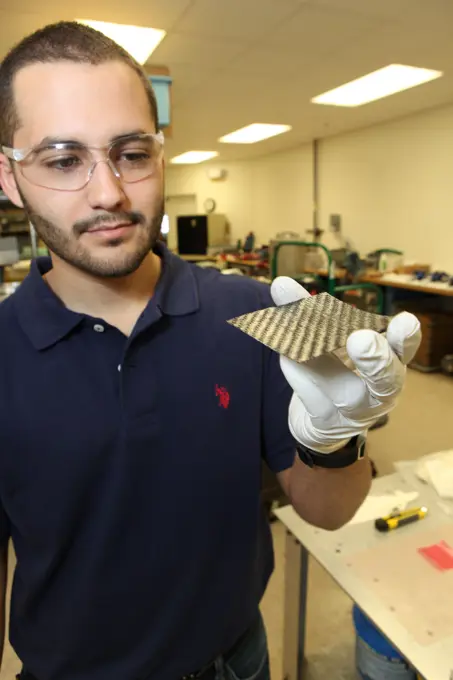
Parts for the Orion crew module which will carry astronauts on Artemis II are machined at Aerospace Engineering Corporation in California on June 18, 2018.
6145-52641659
Fish Biologist Richard Glenn from the Abernathy Fish Technology Center studies fish DNA with the help of a PCR machine. This device is used to amplify copies of DNA samples to assist the scientists in identifying genetic variations in fish populations. Subjects: Fish hatcheries; Fisheries management; Fishes; Employees (USFWS); Scientific personnel (USFWS); Work of the Service. Location: Washington. Fish and Wildlife Service Site: ABERNATHY FISH TECHNOLOGY CENTER.
6145-44683287
LCROSS flight hardware in clean room at Ames N-240. EEL personnel fabricating & assembling components with Glen Sasaki of Ames, Engineering Evaluation lab
6145-45124744
Daniel Perez, Ph.D., a graduate student from the University of Miami, displays a piece of the prototype structure for a new solid-state battery in the Prototype Laboratory at NASA's Kennedy Space Center in Florida. The size of the battery is so small that it could be a prime candidate for use in microsatellites, including CubeSats. Researchers at Kennedy are collaborating with experts at the University of Miami. The university partnership is funded through the Small Spacecraft Technology Program, in NASA's Space Technology Mission Directorate.
1525-27508953
they are studying the machine anatomy
1773R-60461
Students working in geology lab
824-63179585
Reportage at the Neuroimaging research centre in Pitié Salpêtrière hospital in Paris, France. Magnetoencephalography (MEG) platform. MEG detects variations in the brain's magnetic field during various types of cerebral activity. It studies normal and abnormal brain function. Recording the magnetic field produced by neuronal currents requires ultra sensitive sensors called SQUIDs (Superconducting Quantum Interference Device). The 306 sensors spread over 102 areas allow both near and far magnetic fields to be measured, and the brain's deep structures to be 'seen'. Denis Schwartz looks at the results of a healthy patient who was visually stimulated. The right-hand image combines an MRI scan with the MEG.
4128R-27395
Oscilloscope.
1848-V61932010
6145-45205481
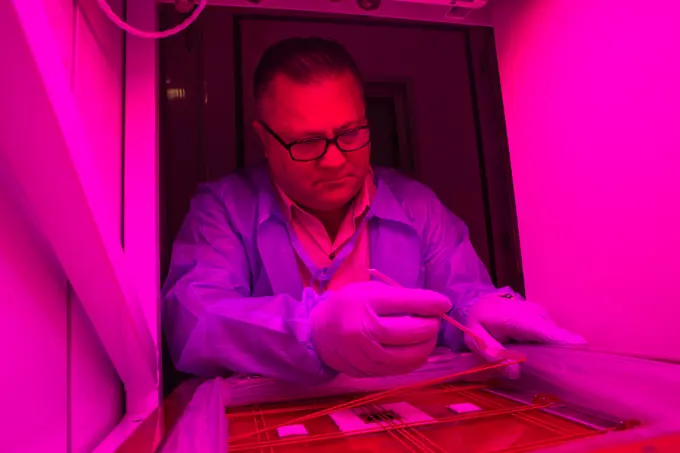
From left, Oscar Monje, Ph.D., a plant physiologist with AECOM Management Services; and Alora Mazarakis, an electrical engineer with Techshot, prepare to harvest radish plants from the base of the Advanced Plant Habitat ground unit inside a laboratory in the Space Station Processing Facility at NASAs Kennedy Space Center in Florida on June 13, 2019. The radishes are being harvested as part of a science verification test. The APH is currently the largest plant chamber built for the agency in use on the International Space Station. It is an autonomous plant growth facility that is being used to conduct bioscience research on the space station with the goal of enabling astronauts to be sustainable on long duration missions to the Moon, Mars and beyond.
6145-54228983
The Clavicle Matching Program (CMP) is a computer program that compares the shape of collarbones to better help the Defense POW/MIA Accounting Agency find a possible match to someone still missing. When historical data, DNA and other contextual information aren't available to narrow down the list, the CMP can be used. First, the clavicles in each of the radiographs were digitally traced to create an outline. Then the clavicles in the lab are 3-D scanned using a surface scanner (Artec Space Spider).  The CMP compares the scans from multiple angles to the traced outlines and identifies any similarities. The program can create a shortlist of names for further analysis that may lead to identification. The pictured elements are part of the Agency's reference collection and do not depict casework. (DoD photo by Air Force Lt. Col. Tamara R Fischer-Carter)
824-63179584
Reportage at the Neuroimaging research centre in Pitié Salpêtrière hospital in Paris, France. Magnetoencephalography (MEG) platform. MEG detects variations in the brain's magnetic field during various types of cerebral activity. It studies normal and abnormal brain function. Recording the magnetic field produced by neuronal currents requires ultra sensitive sensors called SQUIDs (Superconducting Quantum Interference Device). The 306 sensors spread over 102 areas allow both near and far magnetic fields to be measured, and the brain's deep structures to be 'seen'. Denis Schwartz looks at the results of a healthy patient who was visually stimulated. The right-hand image combines an MRI scan with the MEG.
6145-48798741
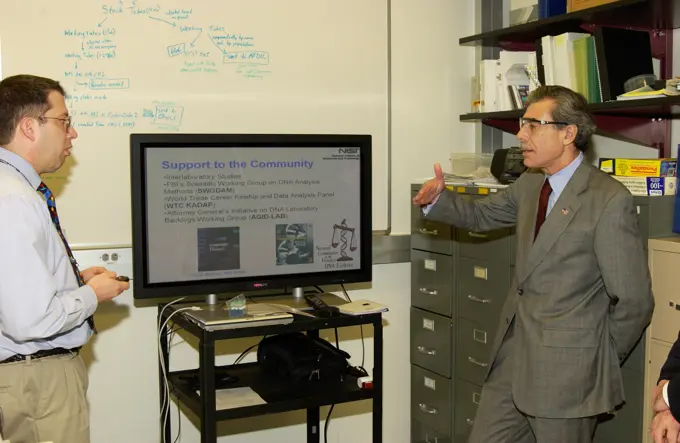
Office of the Secretary - NIST Site Visit
1916-111278788
Two female scientists conducting research in a wildlife lab
4201-22082080
Kakapo (Strigops habroptilus) researcher reviewing genetic sequence, Dunedin, Otago, New Zealand
6145-52109847
An operator works with a Univac DCT 9000 message receiver and printer in the computer side of a message center. The airman is a member of the 1965th Communications Squadron, Air Force Communications Command (AFCC). Base: Norton Air Force Base State: California (CA) Country: United States Of America (USA)
1899-53508398
Research on chronic bacterial infections within Inserm. PhD student, working on brucellosis bacteria.
1525-27060757
man in the lab fixes glasses for vision
4413-214509
Relocation of mouse embryos in a healthy female CDTA Orleans
4269-7419
Antenatal diagnosis : study of a karyotype. Cytogenetics and reproductive biology unit, Limoges hospital, France.
6145-58971233
jsc2021e019398 (12/9/2020) --- Simulation of the Pilote experiment. In order to test the ergonomics of a multisensory interface for controlling robotic arms and spacecraft, it is necessary to perform the trials in microgravity. Performing the test on Earth would lead to a design of a work station using terrestrial ergonomic principles that do not correspond to conditions experienced on a spacecraft in orbit. The Pilote investigation tests the effectiveness of novel control schemes for the remote operation of robotic arms and space vehicles, using virtual reality and a new class of user-machine interfaces based on haptics. Image courtesy of CNES/DE PRADA Thierry.
6145-45139215
In the Space Life Sciences Laboratory at NASA's Kennedy Space Center in Florida, student interns such as Ayla Grandpre, left, and Payton Barnwell are joining agency scientists, contributing in the area of plant growth research for food production in space. Grandpre is pursuing a degree in computer science and chemistry at Rocky Mountain College in Billings, Montana. Barnwell is a mechanical engineering and nanotechnology major at Florida Polytechnic University. The agency attracts its future workforce through the NASA Internship, Fellowships and Scholarships, or NIFS, Program.
6145-45205486
From left are Ashleigh Ruggles, a launch operations support specialist with Techshot; Oscar Monje, Ph.D., a plant physiologist with AECOM Management Services; and Sam Logan, senior mechanical engineering technician; and Alora Mazarakis, an electrical engineer, both with Techshot. They are harvesting radish plants from the base of the Advanced Plant Habitat ground unit inside a laboratory in the Space Station Processing Facility at NASAs Kennedy Space Center in Florida on June 13, 2019. The radishes are being harvested as part of a science verification test. The APH is currently the largest plant chamber built for the agency in use on the International Space Station. It is an autonomous plant growth facility that is being used to conduct bioscience research on the space station with the goal of enabling astronauts to be sustainable on long duration missions to the Moon, Mars and beyond.
1899-61461048
Technical platform of the Inovie 34 laboratory . Digitized optical microscope for the interpretation of blood smears
6145-45190355
Anna Maria Ruby, project scientist for the ISS Research Office at NASAs Kennedy Space Center in Florida, views samples on a microscope in the Microgravity Simulation Support Facility on Dec. 20, 2018.
6145-44979269
CAPE CANAVERAL, Fla. -- Dr. Carlos Calle, senior research scientist on the Electrodynamic Dust Shield for Dust Mitigation project, demonstrates a dust particle experiment in the Electrostatics and Surface Physics Laboratory in the SwampWorks at NASA's Kennedy Space Center in Florida. The technology works by creating an electric field that propagates out like the ripples on a pond. This could prevent dust accumulation on spacesuits, thermal radiators, solar panels, optical instruments and view ports for future lunar and Mars exploration activities.Electrodynamic dust shield, or EDS, technology is based on concepts originally developed by NASA as early as 1967 and later by the University of Tokyo. In 2003, NASA, in collaboration with the University of Arkansas at Little Rock, started development of the EDS for dust particle removal from solar panels to be used on future missions to the moon, an asteroid or Mars. A flight experiment to expose the dust shields to the space environment c
1848-50829244
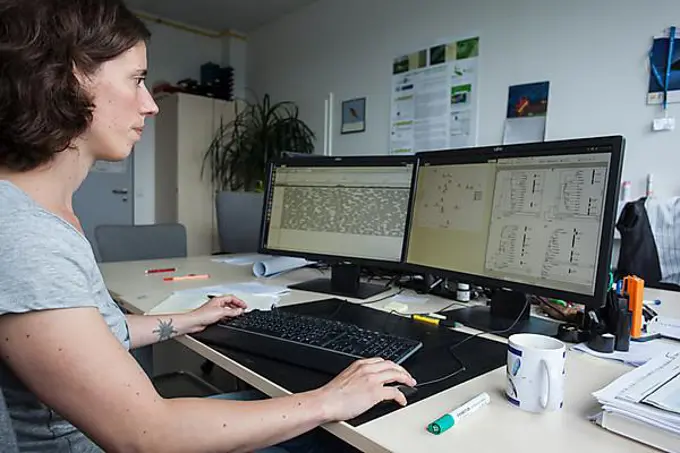
Scientist for Bioinformatics at the University of Duisburg-Essen
824-28704399
Research on chronic bacterial infections within Inserm. PhD student, working on brucellosis bacteria.
6145-44595808
Microbiologist Dr. Elena V. Pikuta, and Astrobiologist Richard Hoover culture extremophiles, microorganisms that can live in extreme environments, in the astrobiology laboratory at the National Space Science and Technology Center (NSSTC) in Huntsville, Alabama. The scientists recently discovered a new species of extremophiles, Spirochaeta Americana. The species was found in Northern California's Mono Lake, an alkaline, briny oxygen-limited lake in a closed volcanic crater that Hoover believes may offer new clues to help identify sites to research for potential life on Mars. Hoover is an astrobiologist at NASA's Marshall Space Flight Center (MSFC), and Pikuta is a microbiologist with the Center for Space Plasma and Aeronomy Research Laboratory at the University of Alabama in Huntsville. The NSSTC is a partnership with MSFC, Alabama universities, industry, research institutes, and federal agencies.
6145-58971415
jsc2023e065203 (10/19/2023) --- Lynbrook High School student researchers Jack and Aiden work on their experiment on the Wine cap mushroom , which will be included in the Nanoracks-National Center for Earth and Space Science Education-Orbiter-Student Spaceflight Experiments Program Mission 17 to ISS (Nanoracks-NCESSE-Orbiter-SSEP).
6145-45064625
PHOTO DATE:  07-10-14LOCATION:  Bldg. 17, Room 1070 - Food Lab SUBJECT:  Soyuz 43 (Expedition 44/45) crew members Kjell Lindgren and Kimiya Yui during Food Tasting #2.
6145-44916009
CAPE CANAVERAL, Fla. -- Inside the Applied Physics Laboratory in the Operations and Checkout Building at NASAs Kennedy Space Center in Florida, lead researcher Dr. Bob Youngquist demonstrates a technology developed for the Space Shuttle Program to a group of Society of Physics students.About 800 graduate and undergraduate physics students toured Kennedy facilities. A group of about 40 students toured laboratories in the Operations and Checkout Building and the EDL during their visit. The physics students were in Orlando for the 2012 Quadrennial Physics Congress.
6145-48904394
Airman 1st Class Troy Hall places a funnel onto the filter before pouring in the JP-8 fuel to be tested Nov. 8, 2011, at Eglin Air Force Base, Fla. The test evaluated how quickly the JP-8 filtered through the mechanism and the amount of sediment that was captured on the filter pad. Troy is assigned to the 96th Logistics Readiness Squadron.
6145-44719570
S73-30856 (29 June 1973) --- John Boyd observes a bag with two brackish water minnows known as Mummichog Minnows which will be onboard Skylab 3 with astronauts Alan L. Bean, Owen K. Garriott and Jack R. Lousma. The fish were added to the flight at the request of scientist-astronaut Dr. Owen K. Garriott, science pilot. Fifty eggs from the minnows will also be included in the bag. The objective of this experiment is to show what disorientation the fish will experience when exposed to weightlessness. Many fish have vestibular apparatus quite similar to man. Even though they live in an environment usually considered to resemble weightlessness, they do perceive a gravity vector. An aquarium of the minnows, caught off the coast of Beaufort, North Carolina, is in the background.
6177-V53472627
1848-V61528555
6145-54228985
The Clavicle Matching Program (CMP) is a computer program that compares the shape of collarbones to better help the Defense POW/MIA Accounting Agency find a possible match to someone still missing. When historical data, DNA and other contextual information aren't available to narrow down the list, the CMP can be used. First, the clavicles in each of the radiographs were digitally traced to create an outline. Then the clavicles in the lab are 3D scanned using a surface scanner (Artec Space Spider).  The CMP compares the scans from multiple angles to the traced outlines and identifies any similarities. The program can create a shortlist of names for further analysis that may lead to identification. The pictured elements are part of the Agency's reference collection and do not depict casework. (DoD photo by Air Force Lt. Col. Tamara R Fischer-Carter)
4409-62619978
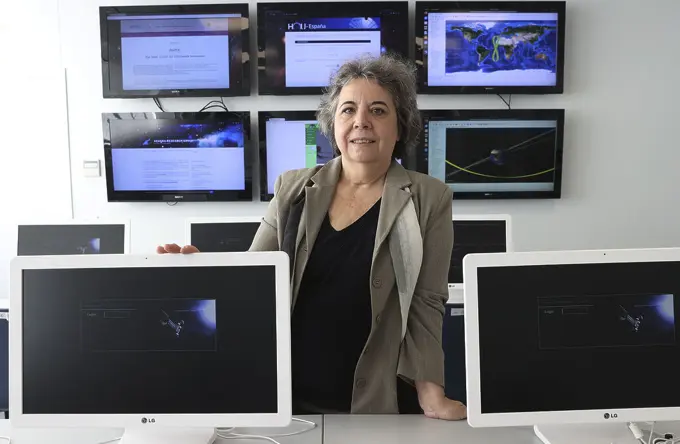
Madrid, 04/16/2024. Interview with Ana Inés Gómez de Castro, Astrophysicist. Photo: Ernesto Agudo. Archdc.
6145-58971338
jsc2023e065214 (2/7/2023) --- Eighth grade student researchers work on their experiment, Microgreen Growth in Microgravity Environment, which will be included in the Nanoracks-National Center for Earth and Space Science Education-Orbiter-Student Spaceflight Experiments Program Mission 17 to ISS (Nanoracks-NCESSE-Orbiter-SSEP).
6145-55886679
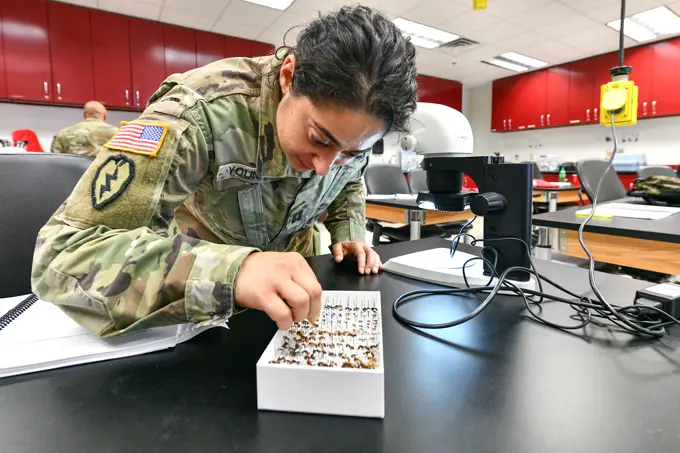
U.S. Army Cpt. Rachael Younan, a 72D environmental science/engineering officer from Fort Benning, Georgia, looks through a collection of preserved insects while attending the DOD Pesticide Applicator Certification Course at the U.S. Army Medical Center of Excellence, Joint Base San Antonio-Fort Sam Houston, Texas, on September 1, 2022. Younan attended the three-week course to obtain certification to apply and/or supervise the application of pesticides.
6145-58971402
jsc2023e065181 (10/19/2023) --- Student researchers work on their experiment, which will be included in the Nanoracks-National Center for Earth and Space Science Education-Orbiter-Student Spaceflight Experiments Program Mission 17 to ISS (Nanoracks-NCESSE-Orbiter-SSEP).
6145-45118694
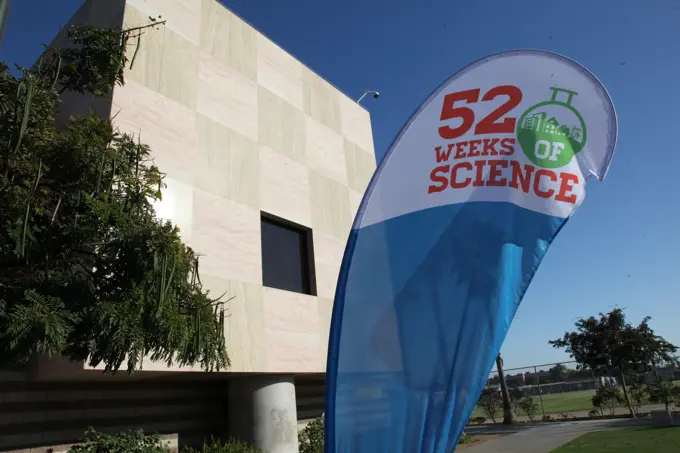
A banner celebrating 52 Weeks of Science” is positioned outside of the Logan Heights Library in San Diego, California. The Ground Systems Development and Operations (GSDO) Program is participating in the special event for students with a Journey to Mars display. GSDO’s participation before the start of Underway Recovery Test 5 using a test version of the Orion spacecraft in the Pacific Ocean off the coast of California. The test will allow NASA, Orion manufacturer Lockheed Martin and the U.S. Navy to demonstrate and evaluate the recovery processes, procedures, hardware and personnel necessary for recovery of the Orion crew module on its return from a deep space mission. Orion is the exploration spacecraft designed to carry astronauts to destinations not yet explored by humans, including an asteroid and NASA Journey to Mars. It will have emergency abort capability, sustain the crew during space travel and provide safe re-entry from deep space return velocities. Orion is scheduled to la
6145-45288633
Perseverance Mars rover mission managers and scientist give remarks during a NASA Perseverance rover press briefing about the search for ancient life at Mars and about samples to be brought back to Earth on a future mission, Wednesday, Feb. 17, 2021, at NASA's Jet Propulsion Laboratory in Pasadena, California. The Perseverance Mars rover is due to land on Mars Thursday, Feb. 18, 2021. A key objective for Perseverances mission on Mars is astrobiology, including the search for signs of ancient microbial life. The rover will characterize the planets geology and past climate, pave the way for human exploration of the Red Planet, and be the first mission to collect and cache Martian rock and regolith.
6145-54179467
Alexander Atanasov, a graduate student in the physics department at Harvard University, presents his on neural networks research at the 2022 DoD National NDSEG Fellows Conference. Atanasov was one the NDSEG Fellows sponsored by the Office of Naval Research.
PREVIOUS
of 2
NEXT
2401 S. Ervay, Suite 206
Dallas, Texas 75215
United States
Get Started
Free ResearchMy BoardsMy Cart
For Creators
How To License Your ContentContributor PortalFrame of Mind
Resources
API accessPricing
Contact
+1 866 236 0087help@viewpictures.co.uk Contact form
©2026 View Pictures. All Rights Reserved. -B
This site is protected by reCAPTCHA and Google Privacy Policy and Terms of Service apply.