Leather and Metal Accessories

A collection of accessories showcasing leather belts, silverware, and jewelry. The items exhibit a blend of classic and contemporary aesthetics, emphasizing craftsmanship.

Abraham Monsieur, Silver ball holder with hook, Tangle holder holder silver, molded maker's mark: AMS knitting
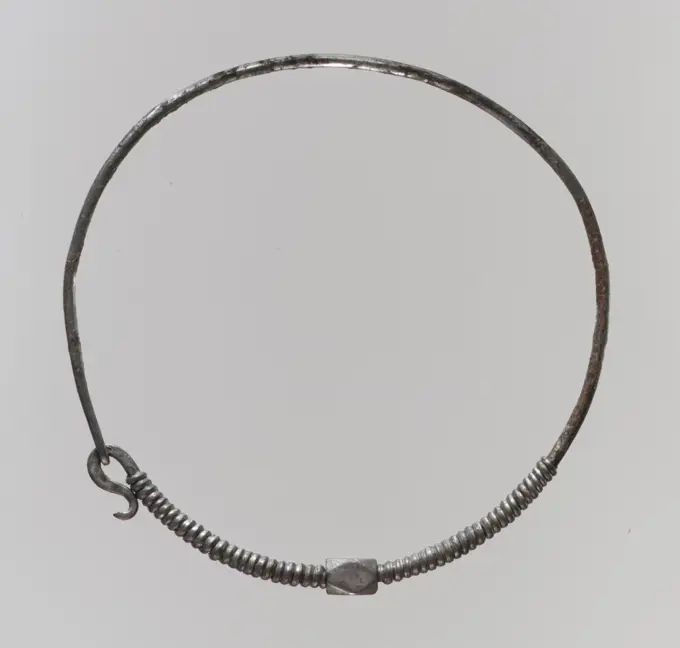
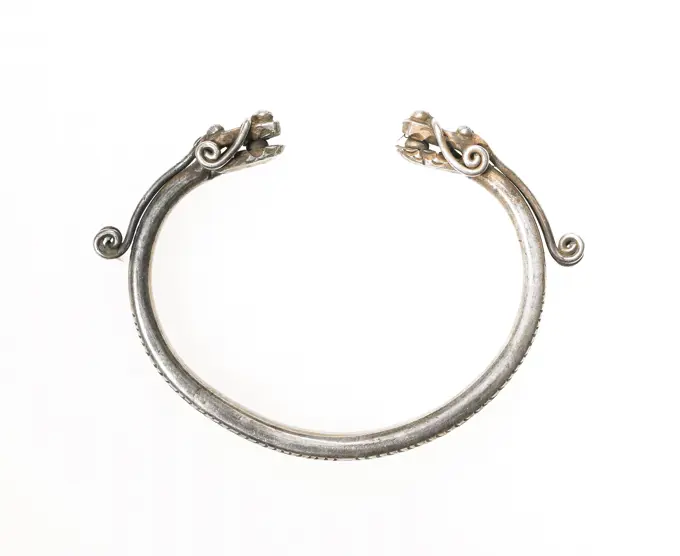
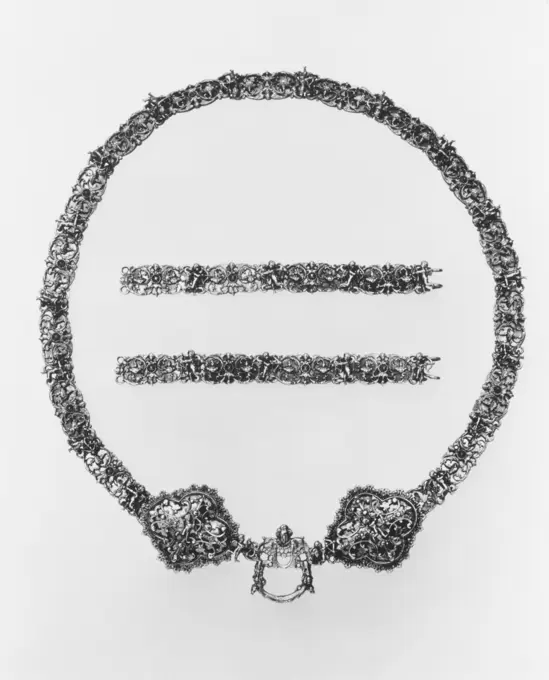
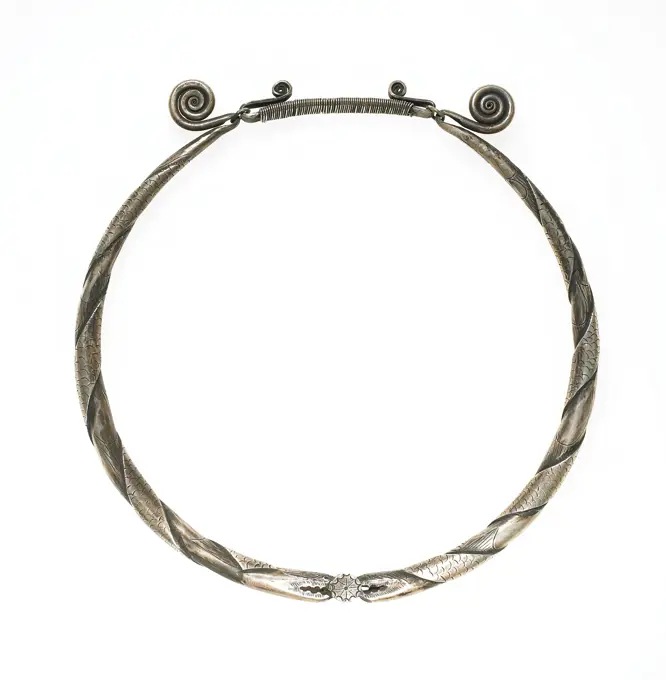
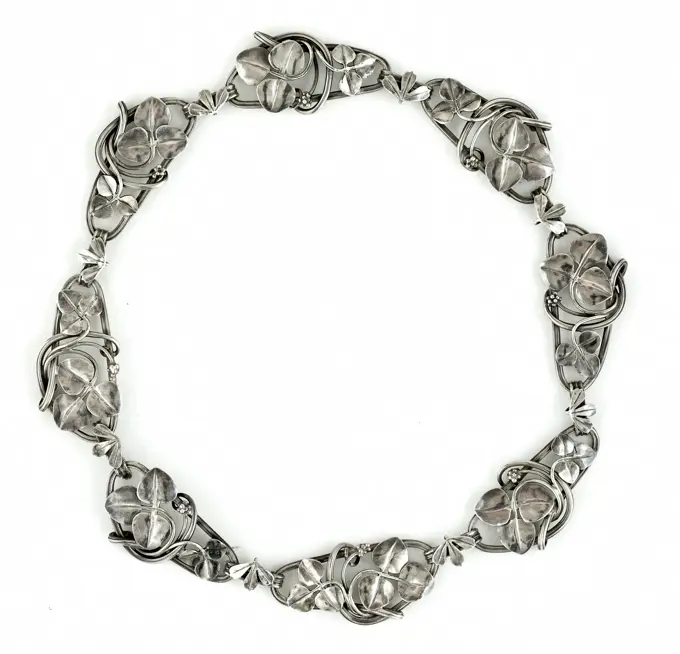
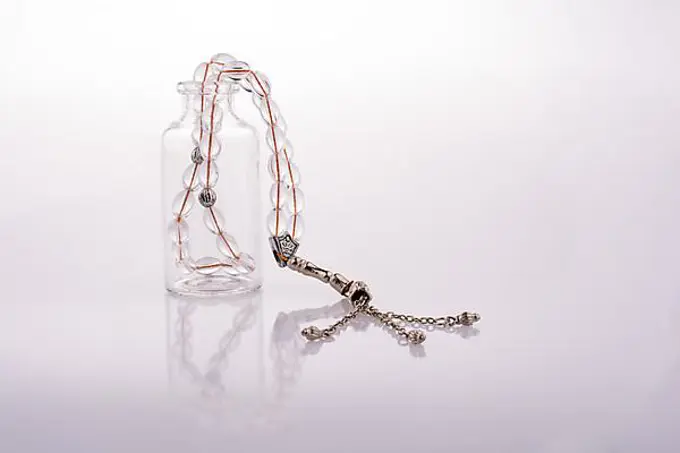
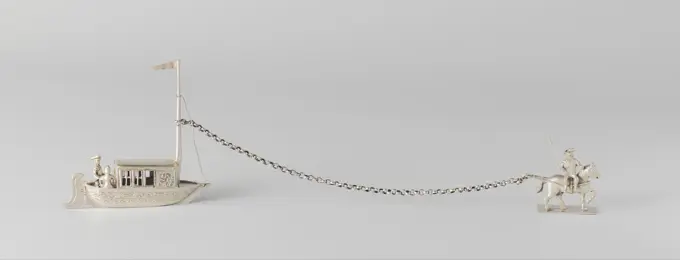
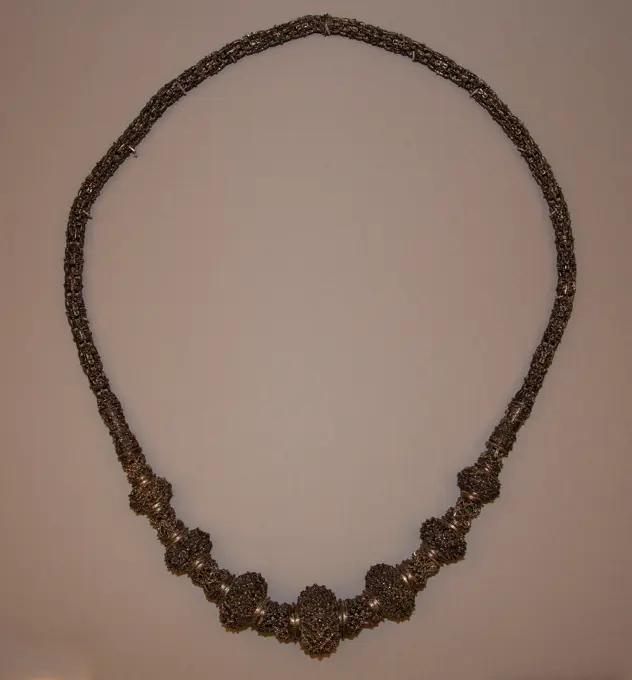
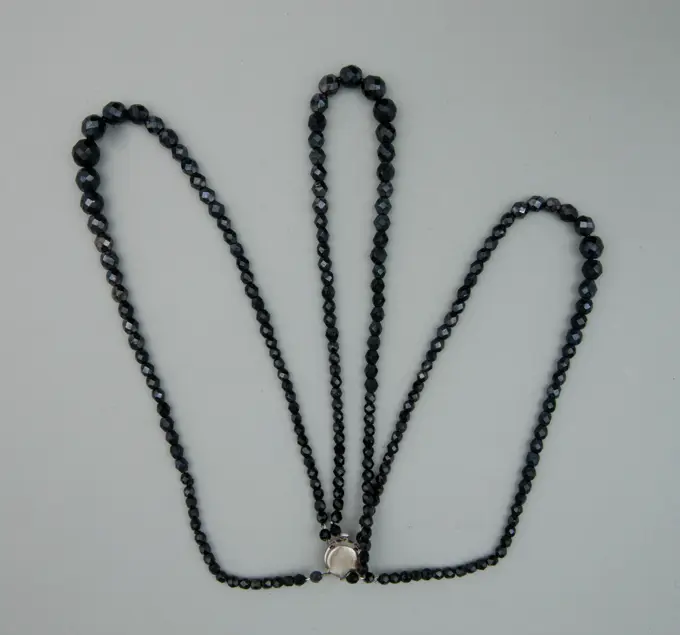
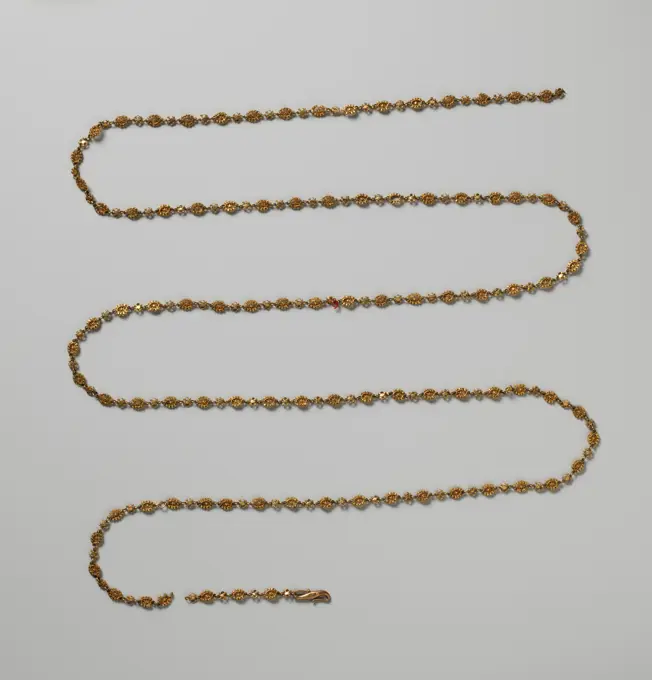
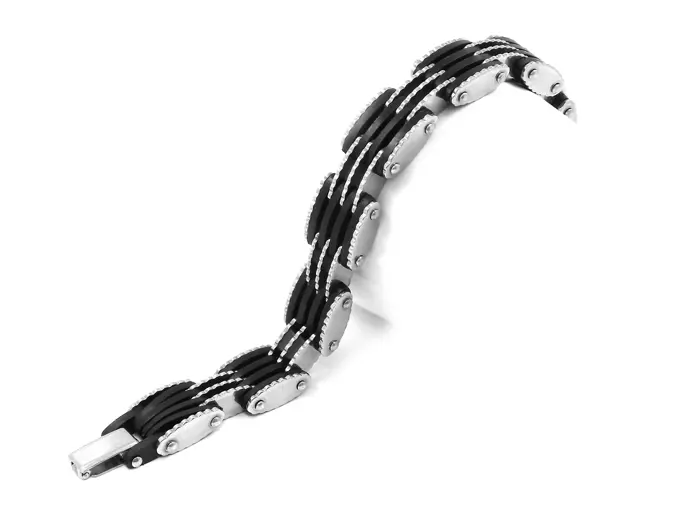
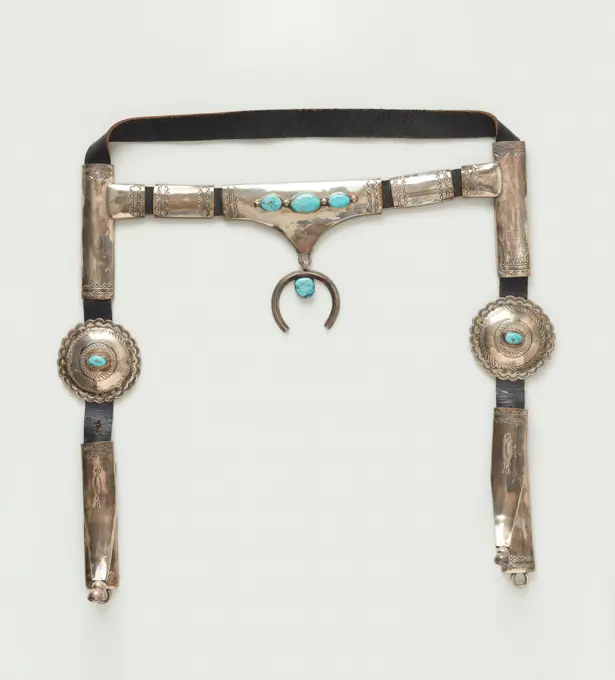
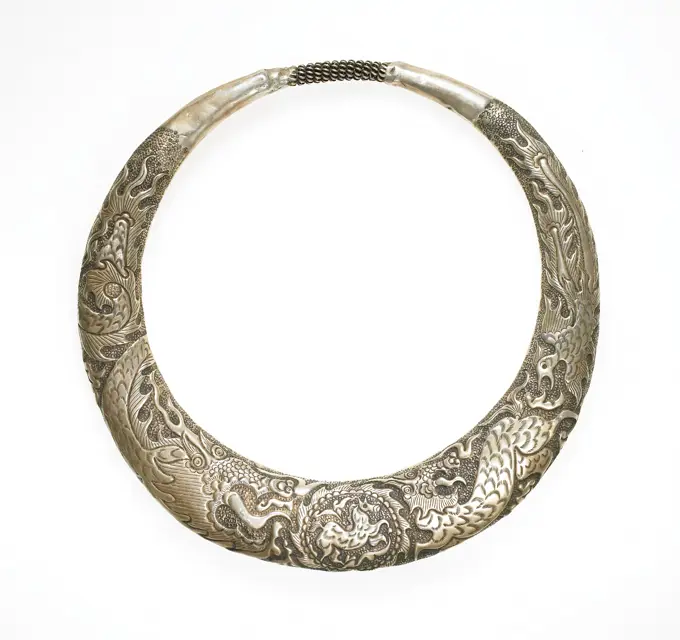
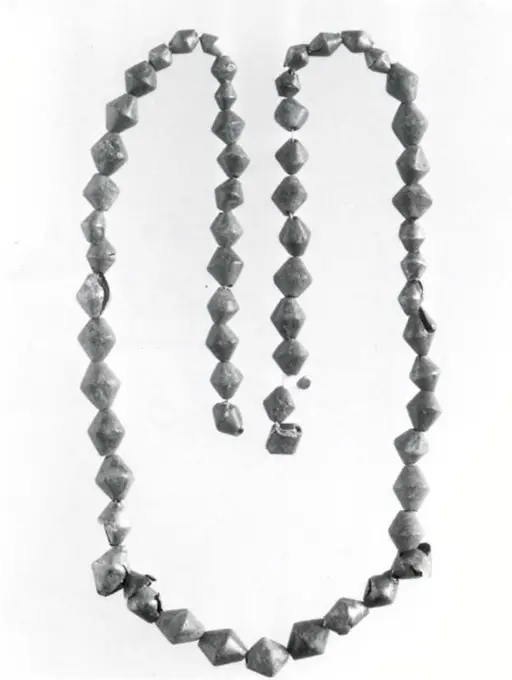
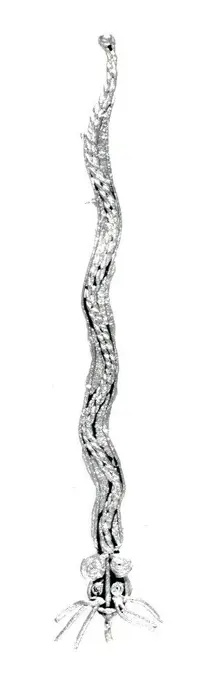
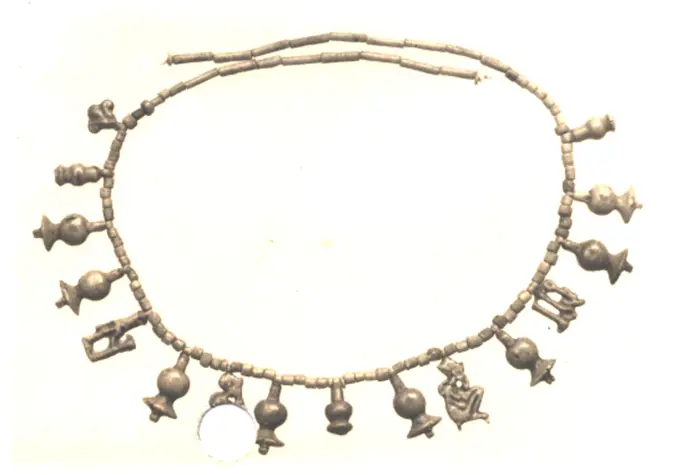
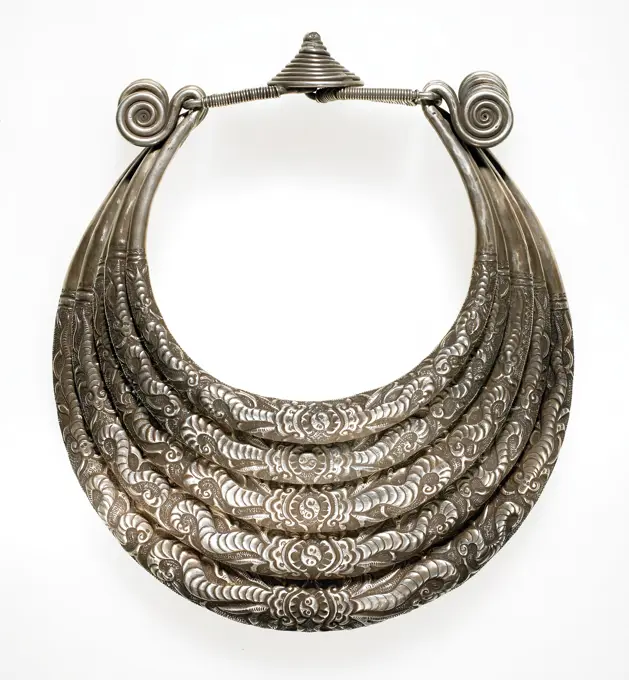
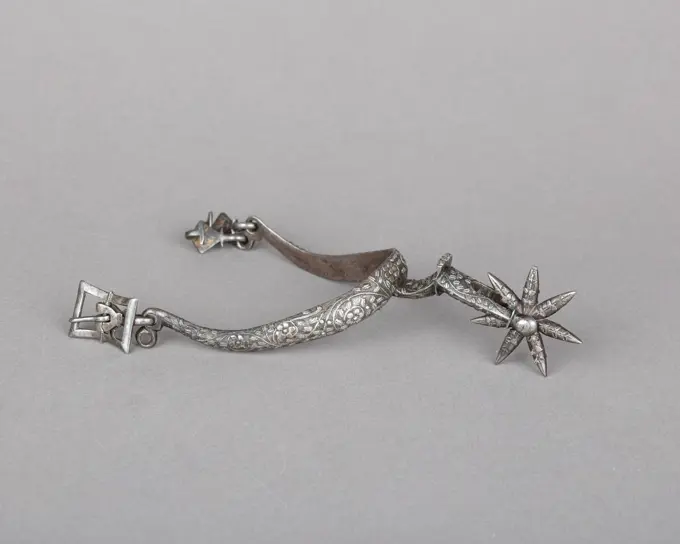
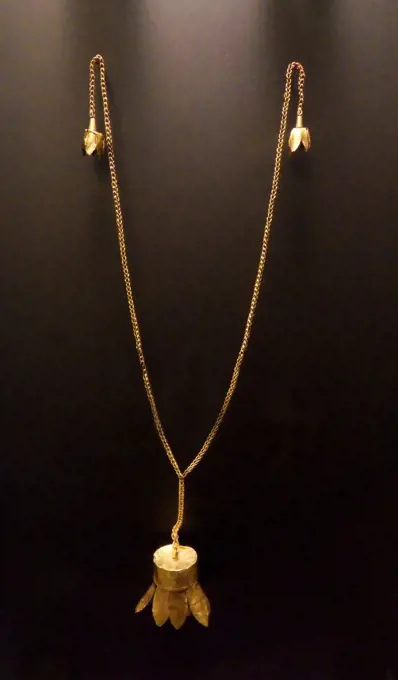
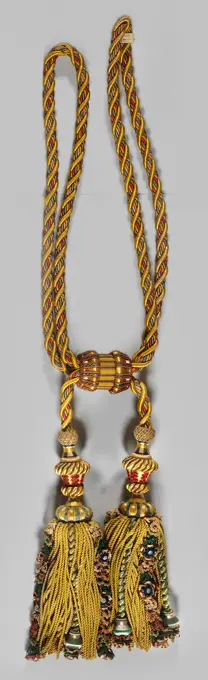
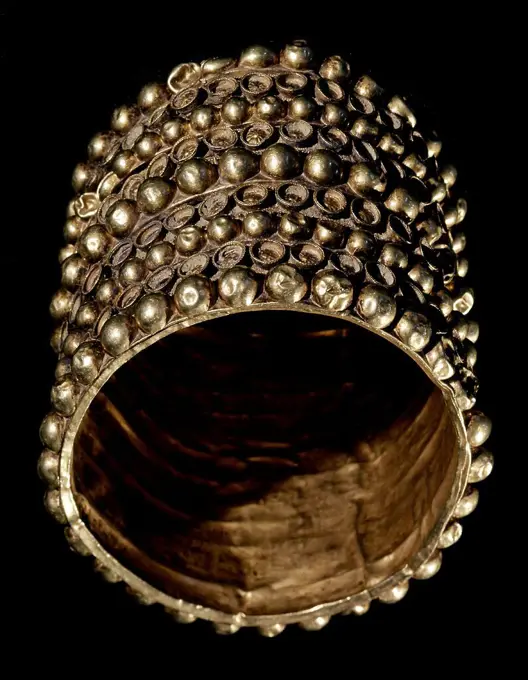
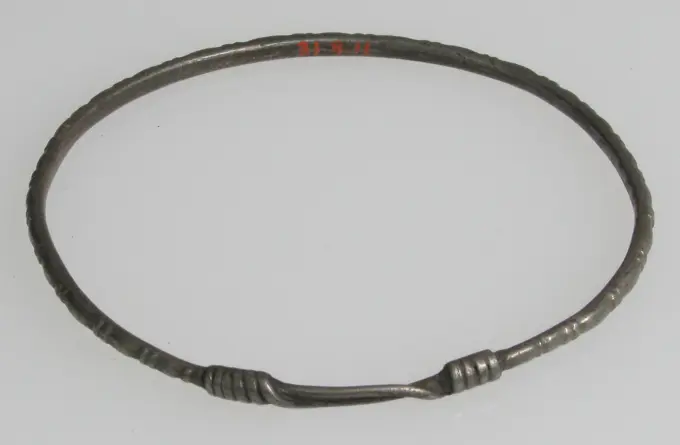
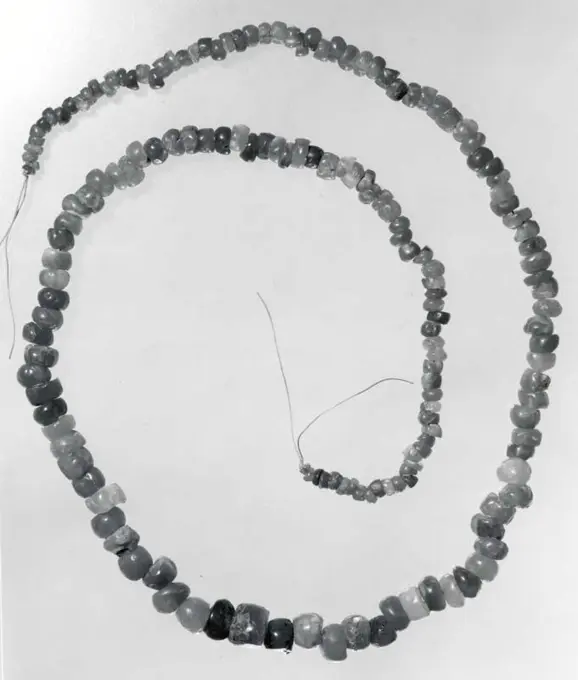
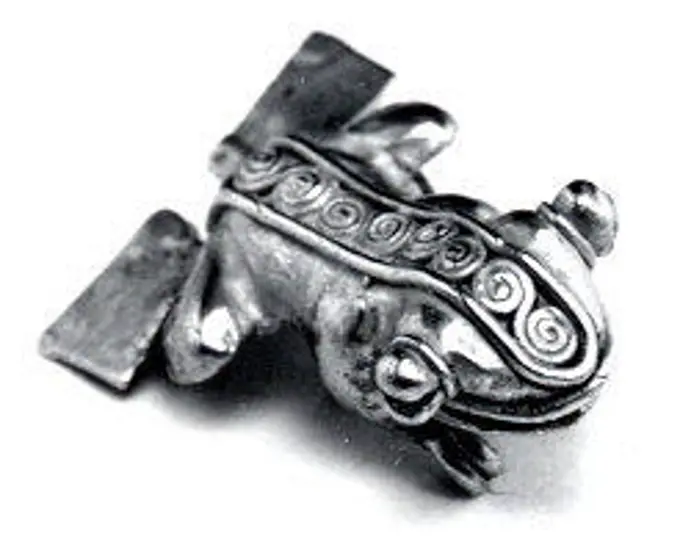
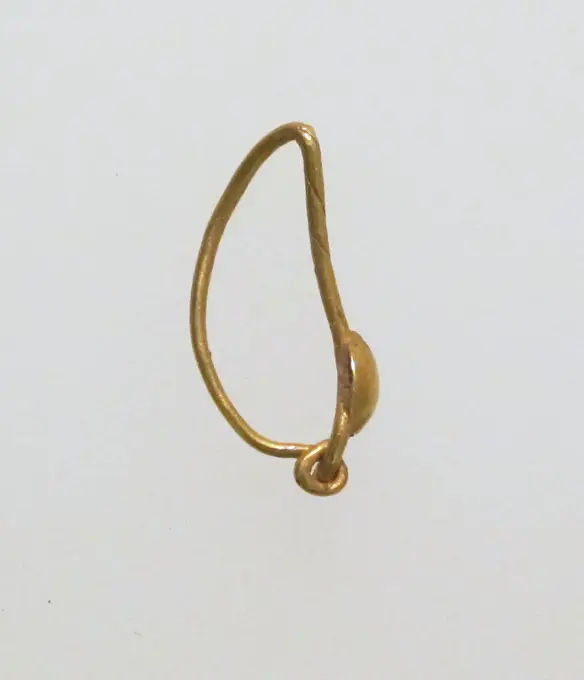
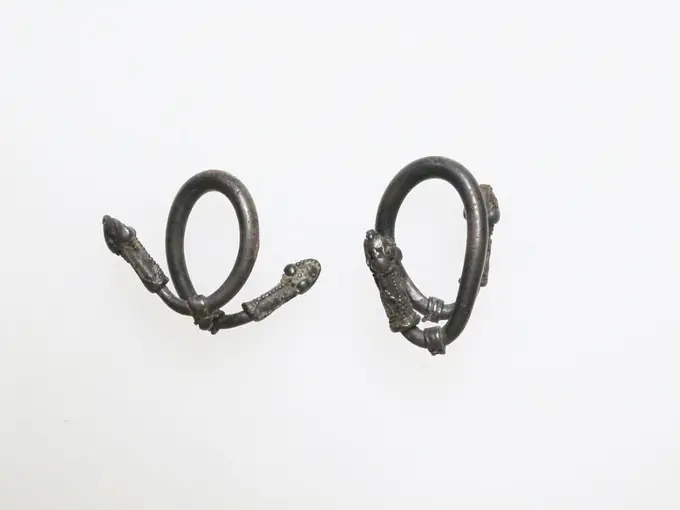
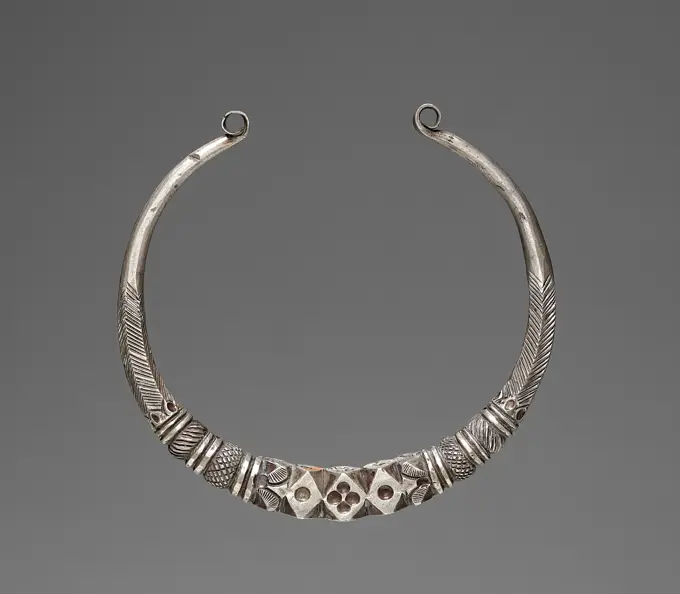
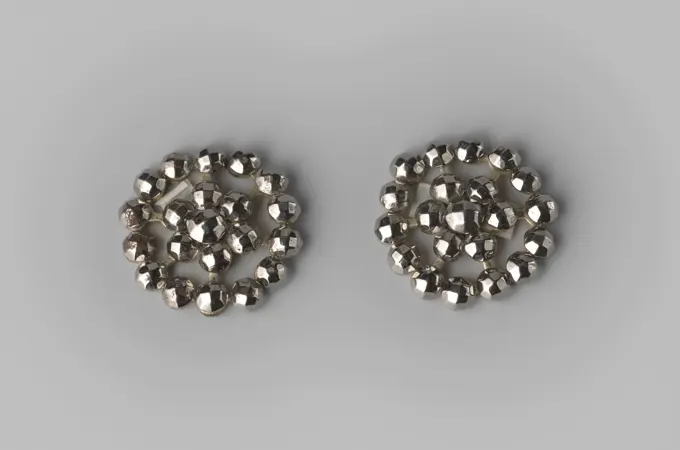
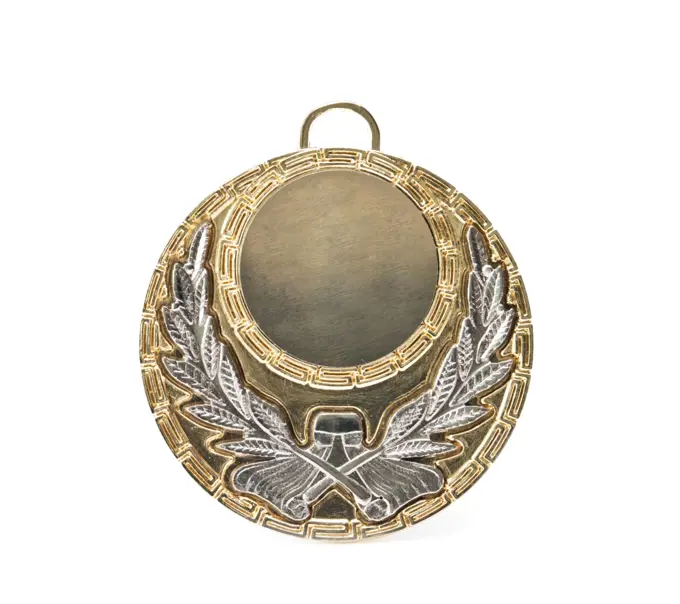
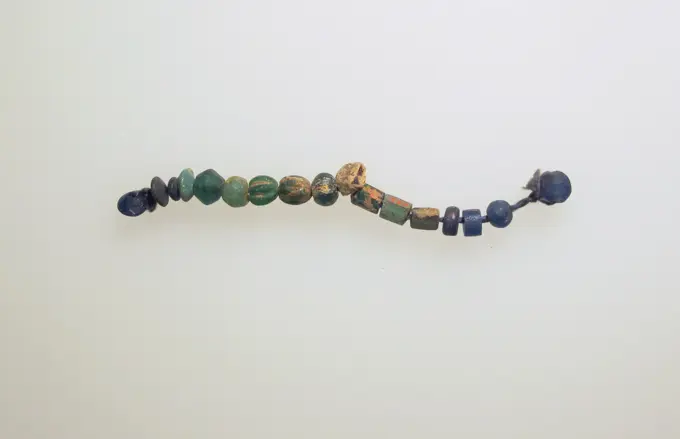
White leather belt, anonymous, c. 1800 - c. 1950 White leather belt with an iron buckle.  Belt: Leather. Buckle: Iron (Metal) White leather belt with an iron buckle.  Belt: Leather. Buckle: Iron (Metal)Venetian Salad Serving Fork; Manufactured by Reed & Barton (United States); USA; silver-plated metalNecklace. Necklace 243094Celtic civilization, Italy, 3rd century b.C. Silversmith's art. Silver torque or necklace and armilla or bracelet from the excavations of Carpenedolo, Brescia province.Torque, 9 1/4 x 8 3/4 x 1/2 in. (23.5 x 22.23 x 1.27 cm), Silver, ChinaAbraham Monsieur, Silver ball holder with hook, Tangle holder holder silver, molded maker's mark: AMS knittingTinsel and metal thread 17th-18th century French. Tinsel and metal thread 214205Earring 675-725 Frankish Hoop earrings with polyhedral beads, derived from late Roman jewelry, remained fashionable among Frankish women from the 400s through the 700s. Many are delicate pieces, their beads decorated with garnets or precious stones. Others, often with the least imposing beads, impress by their large hoops and distinctive closures.. Earring 465411 Frankish, Earring, 675725, Silver, Overall: 3 1/4 x 3/16 in. (8.3 x 0.5 cm) Hoop: 3 1/4 in. (8.3 cm) Bead: 1/4 in. (0.6 cm). The Metropolitan Museum of Art, New York. Gift of J. Pierpont Morgan, 1917 (17.193.105)Collier van Gold in Vossenstaart form, Johannes Mattheus van Kempen, c. 1840 - c. 1850  Netherlands gold (metal)  Netherlands gold (metal)Bracelet, one of a pair, 2 3/16 x 3 5/8 x 1/2 in. (5.56 x 9.21 x 1.27 cm), Silver, ChinaGirdle late 16th or early 17th century French, Strasbourg Purses, rosaries, prayer books, and other small accessories were hung from girdles, which were often given as wedding gifts. The girdle and its two extensions feature the same decorative scheme of cast cupids and foliated scrolls.. Girdle 198822Torque, 9 x 8 5/8 x 1/2 in. (22.86 x 21.91 x 1.27 cm), Silver, ChinaHenri Husson / Adrien-Aurélien Hébrard. Necklace. Now, melted silver, gilded, hammered, welded, engraved, cornear. 1909-1914. Museum of Fine Arts of the City of Paris, Petit Palais. 75295-28 Melted silver, necklace, corneal, dore, grave, hammer, gold, sodaPrayer beads and bottle on a white backgroundCanal Boat, Gebr. van Straten, c. 1885 - c. 1891 Jaagschuit that is pulled by a man with stabbing on a horse. The horse is on an elongated plate. A chain runs from the horse to the mast of the barge. At the helm of the barge is a man. There is a woman next to the man. The wall of the barge has a decorated edge. The image is marked: Mt. = Gebr. from Straten and an ax. Hoorn (North Holland) silver (metal) Jaagschuit that is pulled by a man with stabbing on a horse. The horse is on an elongated plate. A chain runs from the horse to the mast of the barge. At the helm of the barge is a man. There is a woman next to the man. The wall of the barge has a decorated edge. The image is marked: Mt. = Gebr. from Straten and an ax. Hoorn (North Holland) silver (metal)Necklace 18th-19th century. Necklace. 18th-19th century. Silver. Attributed to Sri Lanka. JewelryMourning collier of black beads made of wood, c. 1880 - c. 1900 Mourning collier of black beads made of wood. The necklace consists of twenty elongated beads that are always interspersed with three beads in spherical shape, of which the middle one is the largest. The necklace closes with a hook and eye. Europe wood (plant material). metal basting Mourning collier of black beads made of wood. The necklace consists of twenty elongated beads that are always interspersed with three beads in spherical shape, of which the middle one is the largest. The necklace closes with a hook and eye. Europe wood (plant material). metal bastingSilver Medal  isolated on white backgroundString of cowrie shell beads on fiber ca. 2030-1640 B.C. Middle Kingdom . String of cowrie shell beads on fiber 561770NecklaceAuguste Fannière (1818-1900) and Joseph Fannière (1820-1897). Bouquet bouquet of rushes. Now, vermeil. Around 1871. Museum of Fine Arts of the City of Paris, Petit Palais. Fashion accessory, jewelryBracelet isolated on the white backgroundOpen close zip. Realistic zipper fastener reveal vector. Metallic gold elegant zip locker with runner horizantal white background. Graphic illustrationEarring with plain loop and disc. Earring with plain loop and disc 243133Brooch -Hat ca. 1760-70 British A rare, quite flat hat would have perched precariously atop the head; embossed paper was used instead of fabric.. Hat 79632Chain. Necklace in box.in Aesthetic Style with Diagonal Opening, Silver, Rectangular, with rounded corners, featuring alternating, applied, diagonal bands of bead and leaf ornament, a horizontal band of bead and flower motifs directly beneath, as well as intersecting horizontal bands of bead and spiral motifs at opposite mid-section. All ornament wraps around box body. Undecorated surfaces are slightly mottled. Hinge located on lower corner so that box opens on the diagonal, seperating the bead, leaf, and flower ornament from the bead and spiral. When opened, an unadorned, interior match container is revealed, also attached at corner hinge, so that it may swing from side to side. Striker attached to one side of interior container., New York City, New York, USA, ca. 1875, containers, Decorative Arts, Matchsafe, MatchsafeMen s Bracelet stainless steel Men s Bracelet stainless steel and rubber on a white background Copyright: xZoonar.com/Jandix2gmail.comx 7851319Bridle, 1960s, 14 7/8 x 14 1/2in. (37.8 x 36.8cm), Leather,silver, turquoise, United States, 20th centuryHat. Culture: British. Date: ca. 1760-70.A rare, quite flat hat would have perched precariously atop the head; embossed paper was used instead of fabric. Museum: Metropolitan Museum of Art, New York, USA.Pendant, One of a pair 11th-12th century. Pendant, One of a pair 451079Earring, crescent-shaped. Earring, crescent-shaped 243284Pendant in the Shape of an Arc. Culture: China. Dimensions: H. 1 1/2 in. (3.8 cm); W. 7 3/8 in. (18.7 cm). Museum: Metropolitan Museum of Art, New York, USA.Bracelet, 20th century, 1/4 x 2 7/8 x 2 7/8 in. (0.6 x 7.3 x 7.3 cm), Silver, China, 20th centuryShoe buckles late 18th century British. Shoe buckles 98933Earring, crescent-shaped. Earring, crescent-shaped 243306Woman shoes isolated on the white backgroundSwitch bracelet with alternating links in two colors of gold, c. 1930 - c. 1950 Switch bracelet with hollow alternating links in two colors of gold (red and yellow). The round red (rosé) links are bulb, the yellow links are flat and have the shape of an oval (coffee bean), with a horizontal opening in the middle. The master sign is defeated. The bracelet has been worn a lot and is equipped with a baking closure with a safety night. Amsterdam gold (metal) Switch bracelet with hollow alternating links in two colors of gold (red and yellow). The round red (rosé) links are bulb, the yellow links are flat and have the shape of an oval (coffee bean), with a horizontal opening in the middle. The master sign is defeated. The bracelet has been worn a lot and is equipped with a baking closure with a safety night. Amsterdam gold (metal)Stirrup. Culture: West Slavic. Dimensions: H. 5 1/4 in. (13.3 cm); W. 5 3/4 in. (14.6 cm); D. 1 1/4 in. (3.2 cm); Wt. 4.2 oz. (119.1 g). Date: 10th-12th century.This simple stirrup of Slavic type is said to have been found on the site of Dolkheim, today in Northern Poland.Horses had great importance in Slavic society, in both its social and religious aspects. Equestrian equipment, like stirrups, spurs and bits, are regularly found in their burials, even after their Christianization, among the goods warriors wanted to bring with them to the afterlife. The elite would sometimes even be accompanied by sacrificed horses, a meaningful practice at that time, considering the high economic value of horses. Museum: Metropolitan Museum of Art, New York, USA.Necklace, c. 1930 or earlier, 14 in. (35.56 cm), Silver, United States, 20th centuryChainWoman bracelet isolated on the white backgroundTorque, 3/4 x 9 5/8 x 9 1/2 in. (1.91 x 24.45 x 24.13 cm), Silver, ChinaGoldsmith's art, 19th century. Crescent moon diamond brooch.Netsuke,, 1700-1900 Imagination of a collection of fruit -grenade aphets, pumpkin, etc. -connected by branches. One of the apples has cracked open and shows a red -painted inside. One of the other apples shows a notification (damage). The original cord is attached to one of the branches. A small lady figure hangs on the cord, with legs raised and lit her. Japan ivory Imagination of a collection of fruit -grenade aphets, pumpkin, etc. -connected by branches. One of the apples has cracked open and shows a red -painted inside. One of the other apples shows a notification (damage). The original cord is attached to one of the branches. A small lady figure hangs on the cord, with legs raised and lit her. Japan ivoryMedal of honour for Michiel de Ruyter. In 1657 Admiral de Ruyter was awarded a medal of honour by the Admiralty of Amsterdam, the headquarters of the Dutch navy, following his capture of two French privateers off the coast of Corsica. On the front is thelion of Holland, on the back the arms of the Admiralty, a lion behind a fence gripping two anchors. Both medal and chain are made of gold.Necklace ca. 2600-2500 B.C. Sumerian. Necklace 322901spring on a white backgroundFloral circle frame, line art hand drawn eucalyptus leaves wreath, vector illustration for card or wedding invitation. Isolated on white backgroundyellow chain with carabiner close-up isolated yellow chain with carabiner close-up isolated on white background Copyright: xZoonar.com/ValeryxVoennyyx 14440073Serpent (tunjo) 10th-16th century Muisca Depictions of snakes are frequent among the many animal tunjos the Muisca people made as offerings. They are often shown with whiskered heads, as on these examples. Lakes were believed to be inhabited by mythical ancestors in the form of snakes that required offerings. One well-known ritual during which tunjos were offered to Lake Guatavita, north of Santa Fé de Bogotá, gave rise to the famous legend of "El Dorado" (The Gilded Man). Sixteenth-century Spaniards recount that, before taking office, each Muisca ruler was covered from head to toe in gold dust and conveyed on a raft to the middle of the lake. There, he threw quantities of gold objects into the water as offerings to the gods. In the centuries since the conquest in the 1530s, countless lives and great fortunes have been lost in attempts to recover the treasures from Lake Guatavita. One, undertaken at the end of the sixteenth century, cut a great notch into the mountain on one side of thGolden necklace isolated on the white backgroundNecklace, 20th century, 5/8 x 9 7/8 x 9 7/8 in. (1.6 x 25.08 x 25.08 cm) (oval), Silver, China, 20th century. Soft spectacle box decorated with a stylized leaf edge in relief. The box consists of two parts, which can be opened on the side by means of a button. The glasses fits double folded in the box.Empty open purse isolated on white backgroundBracelet with garnet 4th century B.C. Greek. Bracelet with garnet. Greek. 4th century B.C.. Gold, garnet. Late Classical. Gold and SilverEarring with ball pendant and green stone setting Roman. Earring with ball pendant and green stone setting. Roman. Gold. Gold and SilverSa Amulet ca. 2051-1981 B.C. Middle Kingdom This amulet depicts the hieroglyph that writes the word "sa," which means protection. The sa amulet thus extends protection to the wearer, whether in life or death. The piece was found in the same tomb with a "seweret" bead (25.3.252) and a wooden box (25.3.255a-c).. Sa Amulet 545150Pendant on golden chain isolated on the whiteRail of metal, belonging to a rijkostuum, anonymous, c. 1934 Rail of metal belonging to a rijkostume. Confirmation to driving boot by means of a leather belt. Netherlands Spoor: Metal. belt: Leather forging Rail of metal belonging to a rijkostume. Confirmation to driving boot by means of a leather belt. Netherlands Spoor: Metal. belt: Leather forgingSnaffle Bit. Culture: European, Bohemia. Dimensions: W. 6 1/4 in. (15.9 cm); Wt. 1.7 oz. (48.2 g). Date: 1st - 4th century.The snaffle bit is the simplest type of horse bit, and has an effect on the bars (part of the horses' jaw without teeth) and the corners of the lips. Here the twisted canons and the central piece add some severity, since by bending over the tongue, they would bring the twisted links in contact with the bars. This bit was originally probably completed by larger metal rings or cheekpieces made of perishable material, like wood or bone. The cheekpieces help indicate the direction to the horse and keep the rings from pulling through the horse's mouth. The headstall would have probably being connected to these missing rings or cheekpieces as well.This kind of bit is found in burials associated with several populations living and travelling between eastern and central Europe during this period. This example was found in what is today Podebrady, in Czech Republic. MuseuOrnament, one of a pair, 7 x 4 1/2 x 3 in. (17.78 x 11.43 x 7.62 cm), Silver, China3D rendering of a curling flowing metal chain on white background. 3D rendering 3D illustration of a curling flowing metal chain on white background. Copyright: xZoonar.com/HugoxKurkx 13889304String of beads and amulets ca. 1353-1323 B.C. New Kingdom, Amarna Period. String of beads and amulets 545974metal chain on white backgroundTorque, 11 x 11 x 2 1/4 in. (27.94 x 27.94 x 5.72 cm), Silver, ChinaTorque, 10 x 8 3/4 x 2 1/2 in. (25.4 x 22.23 x 6.35 cm), Silver, ChinaBerber diadem from Djebel Siroua, Morocco,"Corral del Carbón" , "al-fundaq al-yadida", 14th century, Granada, Andalusia, Spain.Geometric gold frame for wedding or birthday invitation background. Vector modern design template for brochure, poster or greeting card. Art Deco.. Geometric gold frame for wedding or birthday invitation background. Vector modern design template for brochure, poster or greeting card. Art DecoRowel Spur (Left) first half 17th century British This type of silver-inlaid decoration standing out against a blackened background was very popular on 17th-century German metalwork. In the first half of the 17th century, the fashion trend for gentlemen was to wear boots and spurs even non-riding circumstances, including for dancing or walking around at court. Spurs became then more than equestrian tools, but pieces of male jewelry often enriched by the same goldsmiths also working on armor and weapons. Their decoration was sometimes intended to match the sword hilt and the general outfit and horse tack of their owner. These trendy accessories were also a significant mark of status for gentlemen, sometimes nonetheless copied by the bourgeoisie. This fashion progressively disappeared after the mid-17th century.. Rowel Spur (Left). British. first half 17th century. Iron alloy, silver. Equestrian Equipment-SpursIllustration of antique ship horizontal chain. Hand drawn watercolor painting on white background. Illustration of antique ship horizontal chain. Hand drawn watercolor painting on white background Copyright: xZoonar.com/LiubovxPonomarchukx 18626248Gold pendant and chain with a Lotus flower. jewellery from the 2nd century BC Souttoukeny, IndiaBuckle 15th-17th century European. Buckle. European. 15th-17th century. Brass. Miscellaneous-Buckles & OrnamentLittle model Eiffel Tower in chains on a white backgroundautumn brown pine cone isolated on whiteLoop.Embrasse belonging to a set of curtains with floral design on yellow fond. Embrasse associated with a set of silk curtains with floral design on a yellow fond, from the small dance hall of Palace Noordeinde.TESORO DEL CARAMBOLO-BRAZALETE DE ORO S VI/VII AC-ARTE TARTESICO. Location: MUSEO ARQUEOLOGICO-COLECCION. Sevilla. Seville. SPAIN.Pendant on golden chain isolated on the whiteCollar with Lappets Made 1875-1900 France. Silk, bobbin straight lace (made in vertical strips) .Bracelet 4th-7th century Coptic. Bracelet 477756Necklace ca. 9th century B.C. Iran. Necklace 325317Small chair created by the muzzle. Small chair created by the muzzle. Isolated on a white background Copyright: xZoonar.com/OlegxBegunenkox 5803552Necklace 19th century Moroccan (Turkoman) This collection of largely ethnographic jewelry includes examples from cultures in South America, North America, Europe, Asia, and Africa and dates from the Pre-Columbian period to the twentieth century. Owned by renowned art collector and fashion enthusiast Muriel Kallis Newman, the collection represents her knowledge and appreciation of a wide range of jewelry design and making traditions. Numerous items in her collection are composite artifacts made from various cultures and time periods reappropriated as modern jewelry creations by or for Muriel. It is important to note that Newman wore many of the pieces in the collection, interpreting them to suit and express her own singular, often avant-garde style.. Necklace 141588Earrings ca. 3rd-7th century A.D. Sasanian. Earrings 326940Frog Pendant 12th-14th century Coclé (Parita). Frog Pendant. Coclé (Parita). 12th-14th century. Gold. Panama. Metal-OrnamentsVector isolated image for use in design of jewelry-themed website. Gold chain around neck on black backgroundSmall brown pretzels frame on a white background Small brown pretzels frame on a white background Copyright: xZoonar.com/EitanxTertmanx 2215464Earring with disc Etruscan Twisted wire; small disc attached.. Earring with disc 245970Earring or spiral. Culture: Greek. Dimensions: Other (.130): 1 5/8 × 5/8 × 1 3/16 in. (4.2 × 1.7 × 3.1 cm)Other (.131): 7/8 × 5/8 × 1 7/16 in. (2.3 × 1.5 × 3.7 cm). Date: 7th century B.C.. Museum: Metropolitan Museum of Art, New York, USA.Neckpiece, 1800s. India. Silver; diameter: 12.8 cm (5 1/16 in.).Curb Bit second half 16th century German, Saxony According to contemporary equestrian manuals, this severe mouthpiece was designed for horses with a bad mouth, low bars (the part of the horses jaw without teeth), a thick tongue, arming lips (lips placed between the bars and the mouthpiece). It is also designed to correct the horse which leans too much on the bit and forces the hand. The rolling bead at the top of the trebuchet (the central swinging piece) has a direct action on the palate and holds the head in place.This type of bit is called a geschraubt Biss in German, literally a 'screwed bit', a kind of adjustable dressage bit popular in Germany in the 16th and 17th centuries. The three lengths of the shanks (the levers on the sides of the bit to which the reins were attached), allow the rider to adjust the severity of their leverage effect. In its shortest position the bit is weaker. The longer its shanks and the further forward its swivel rings for the reins, the more severe it Hammock end, 18th century, 1 1/4 x 27 x 5/16 in. (3.18 x 68.58 x 0.79 cm), Ivory, China, 18th centuryElsevier photo collection. Chain Rector-Magnificus University Nijmegen. undated. NijmegenString of 7 Mosaic Beads 9th century Islamic Period. String of 7 Mosaic Beads. 9th century. Glass. Islamic Period. From EgyptAlphabet made from hammered nails isolated on white backgroundTwo knots of diamond -shaped steel, anonymous, c. 1785 - c. 1800 Two decorative nodes of cut steel. Rose of seven diamond buttons enclosed by a circle. France (possibly) whole: Steel (Alloy) forging Two decorative nodes of cut steel. Rose of seven diamond buttons enclosed by a circle. France (possibly) whole: Steel (Alloy) forgingold gold Sports  medal isolated on a white backgroundBeads, 17 Roman. Beads, 17. Roman. Glass. Glass