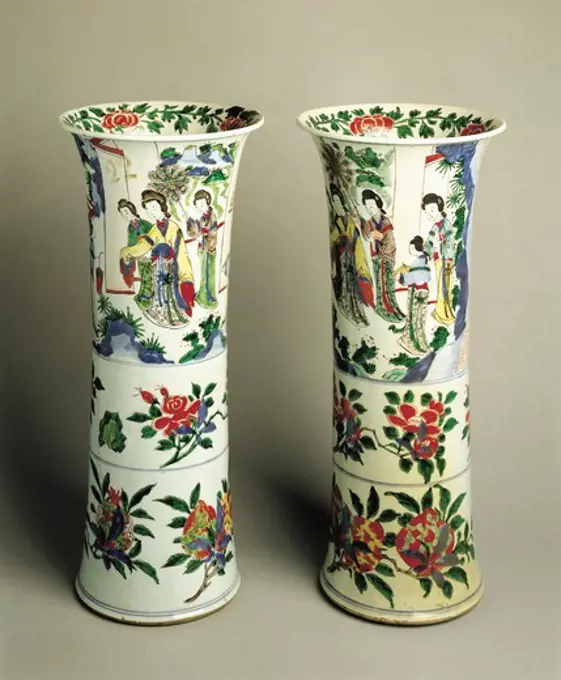
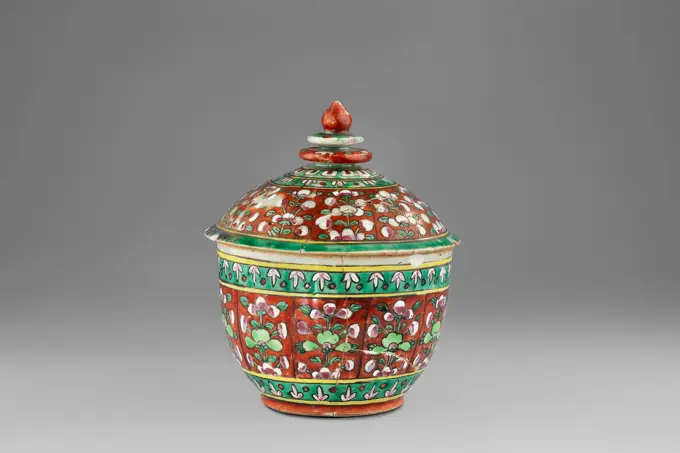
Lidded Porcelain Jars

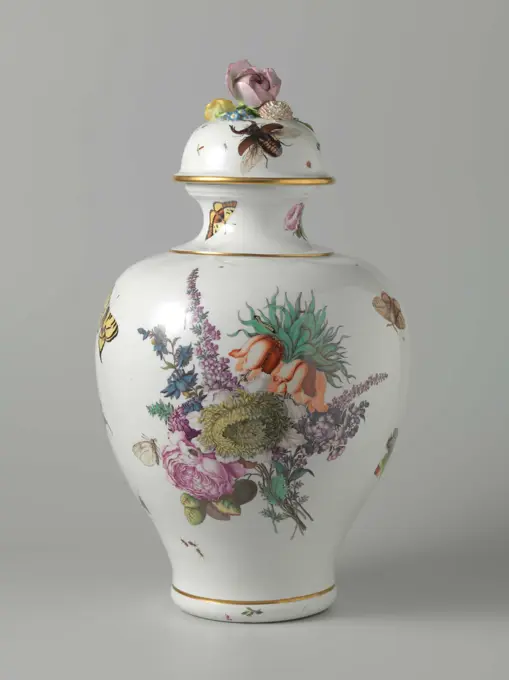
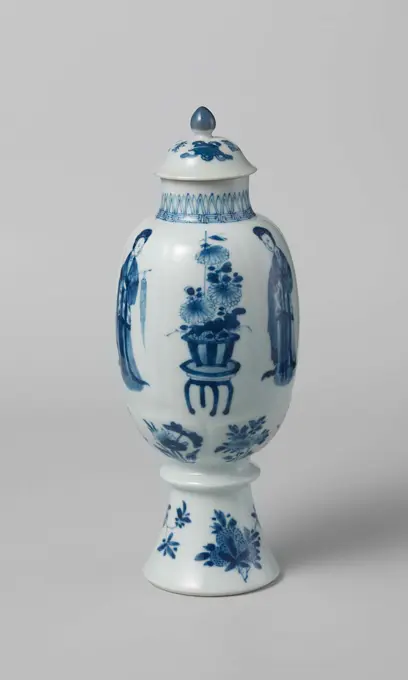
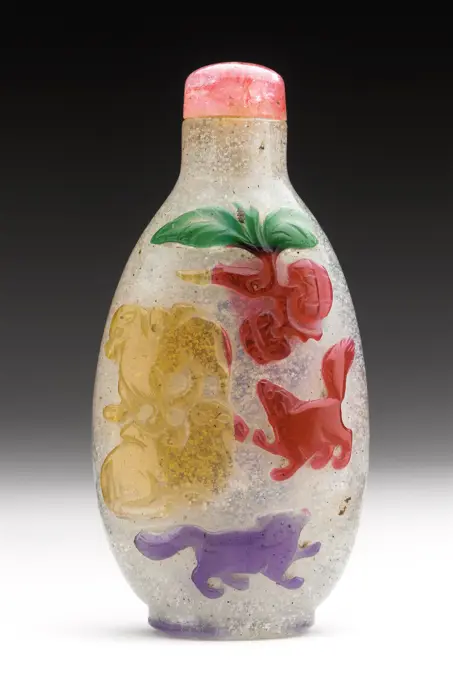
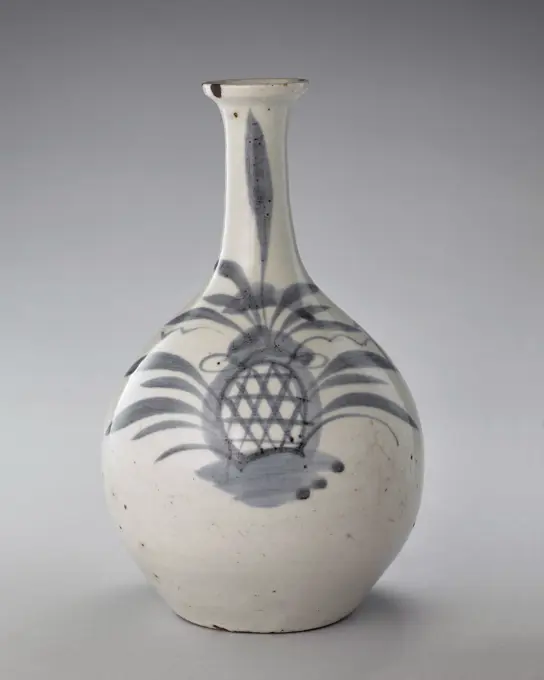
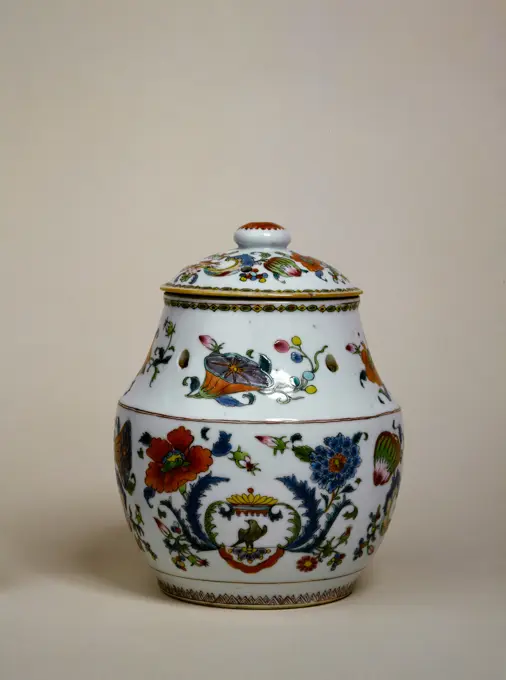
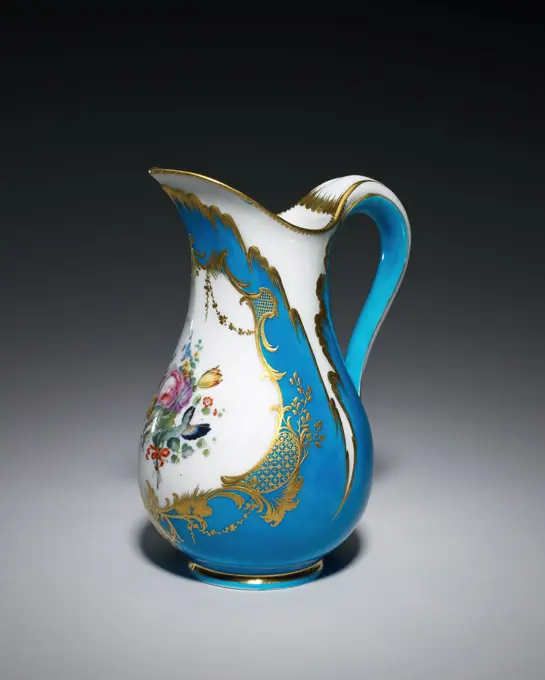
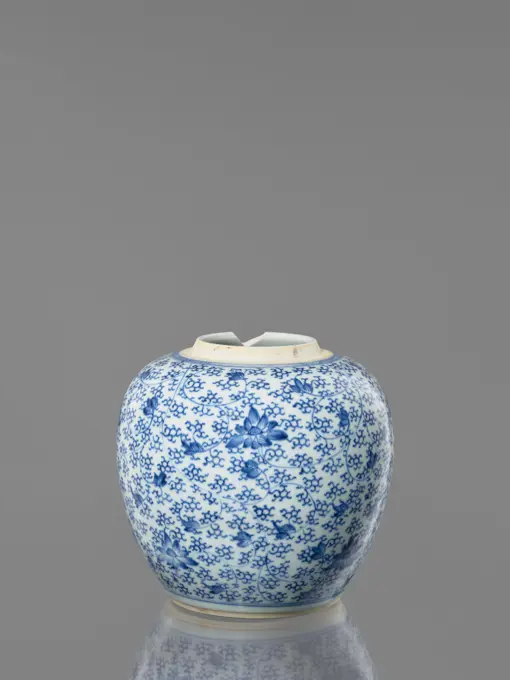
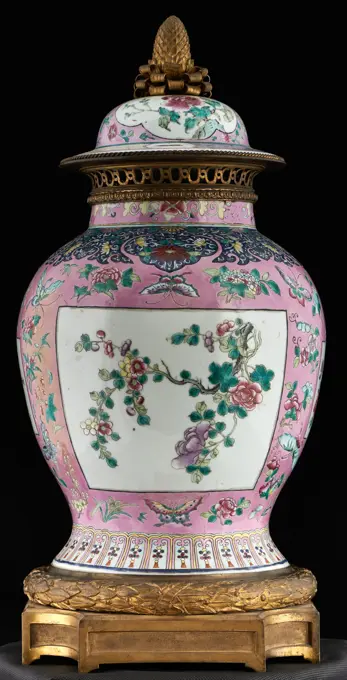
Group of large, beautifully crafted porcelain jars with intricate underglaze blue decorations and floral motifs. Each jar has a distinctive lid design and vibrant details.

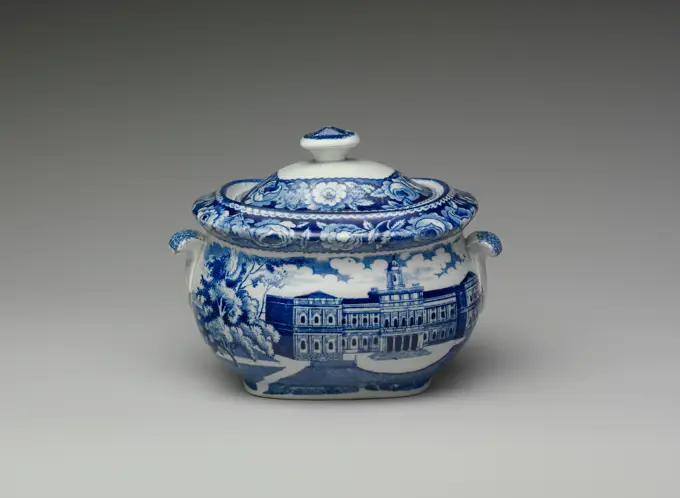
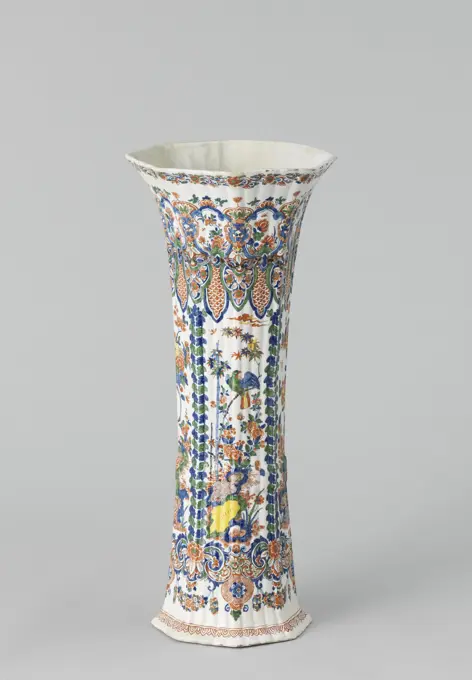
Vase, the Moriaanshooft (attributed to), after Jannitge Claesdr Hoppesteijn-van Staten, c. 1670 - c. 1680 Vase van Faience with a chinoiserie decoration Delft . Vase van Faience with a chinoiserie decoration Delft .
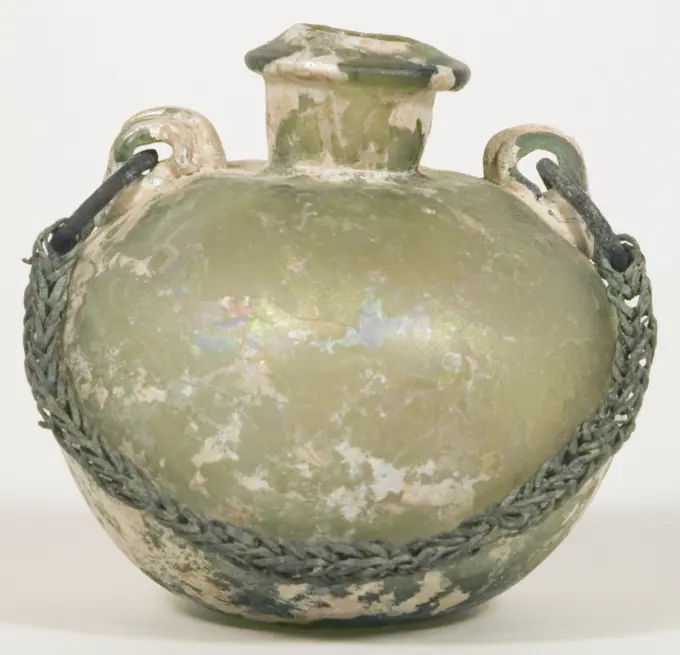
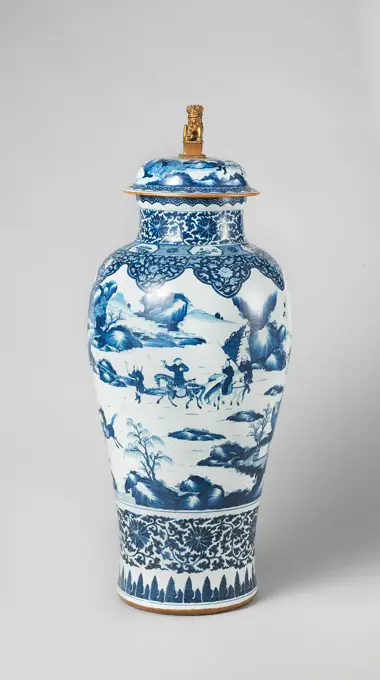
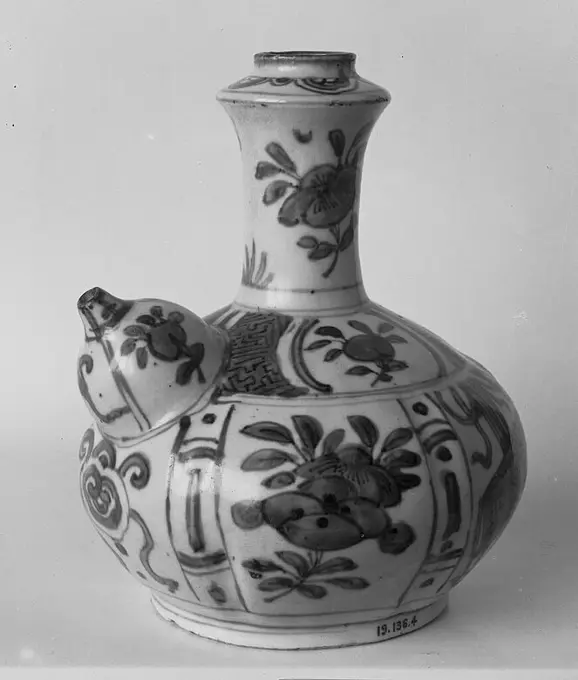
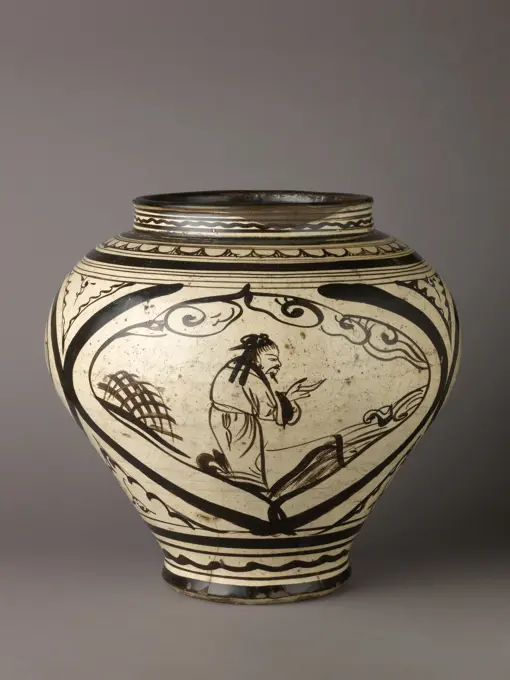
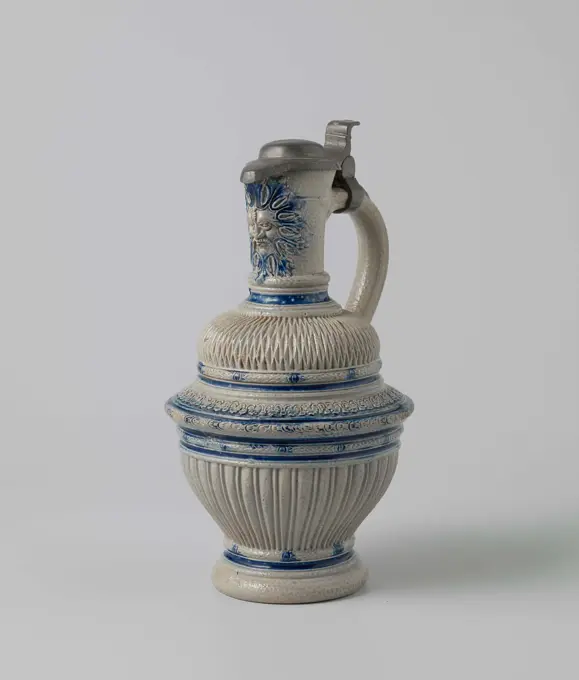
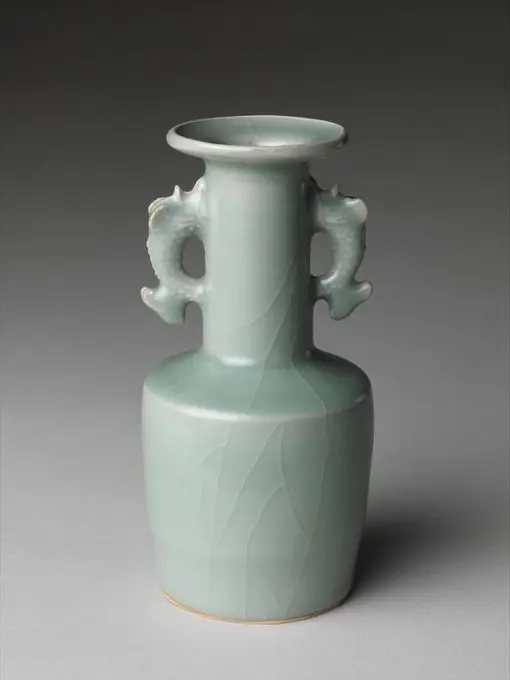
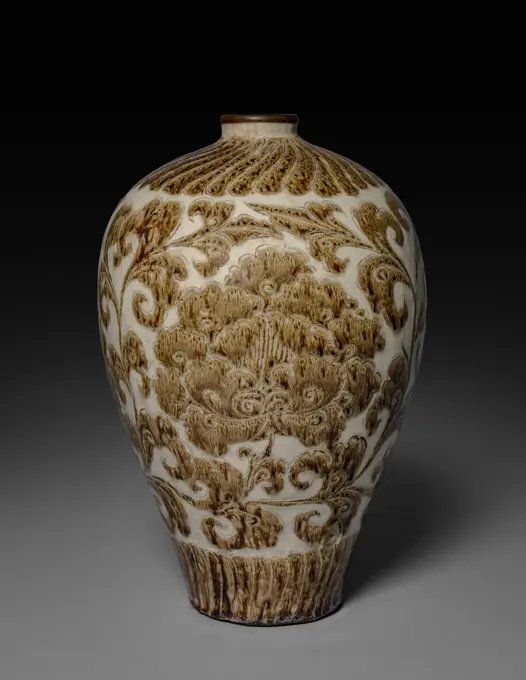
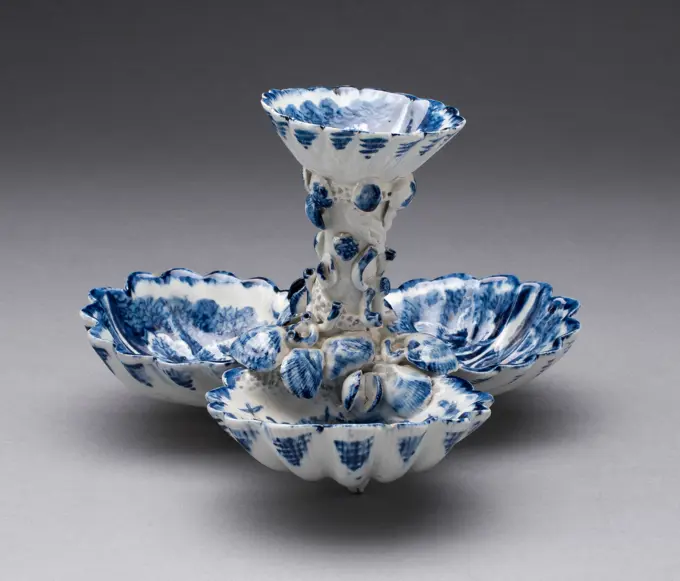
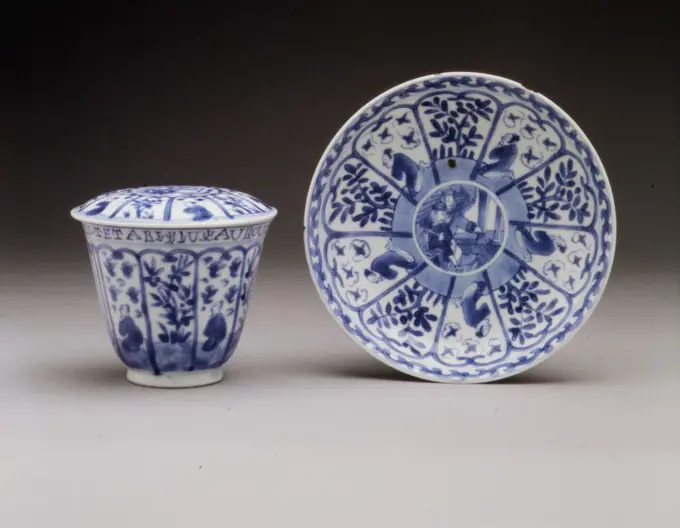
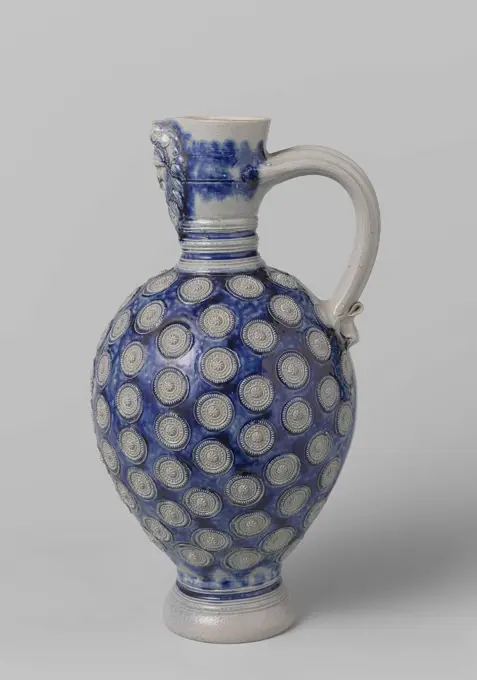
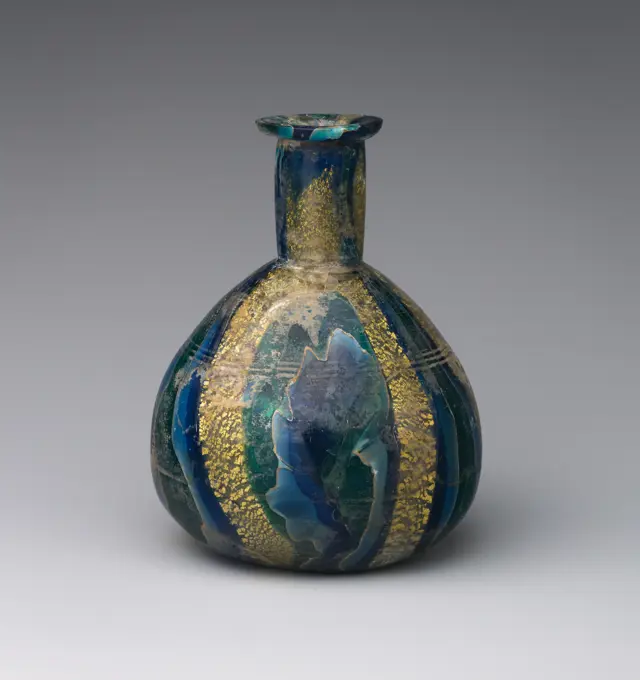
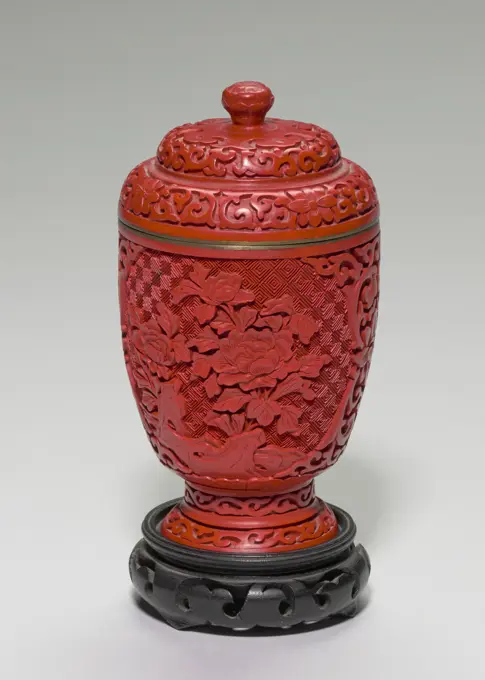
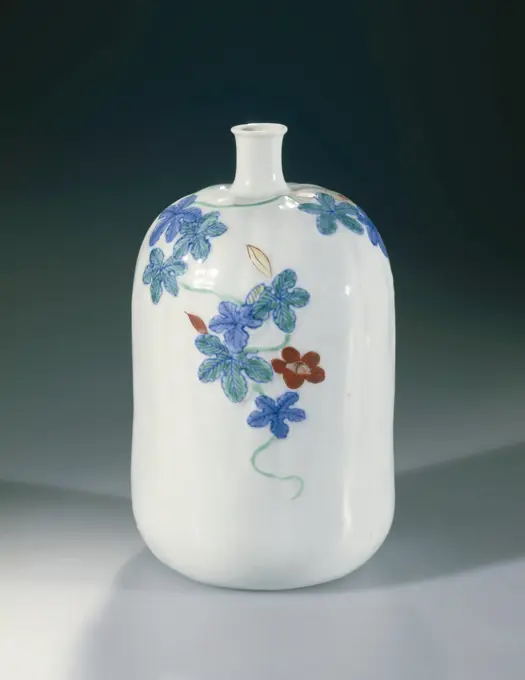
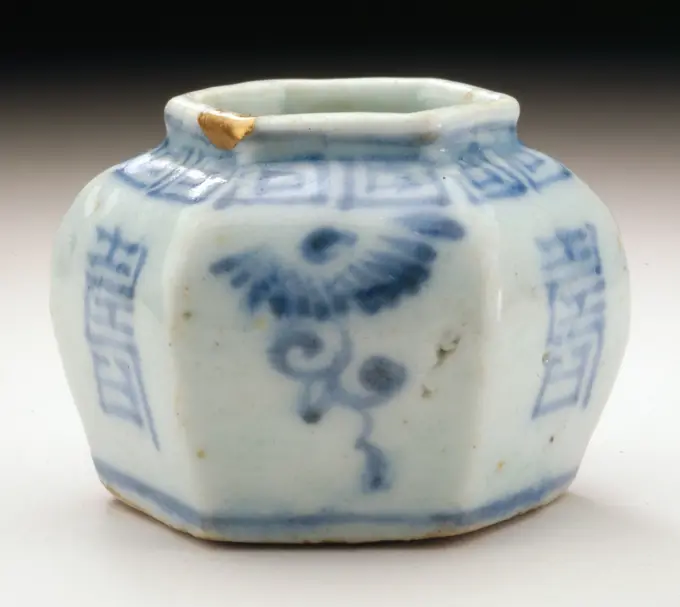
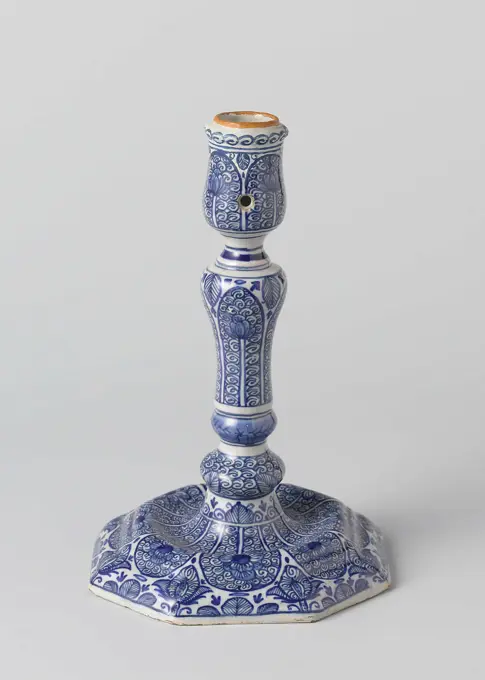
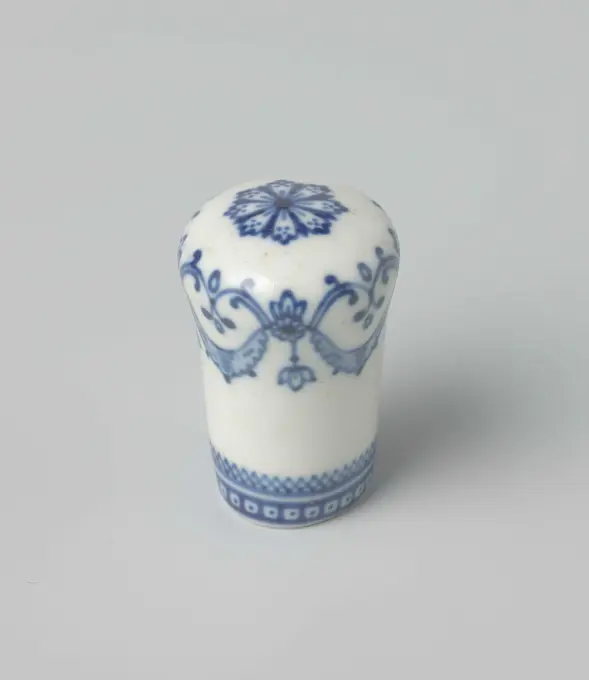
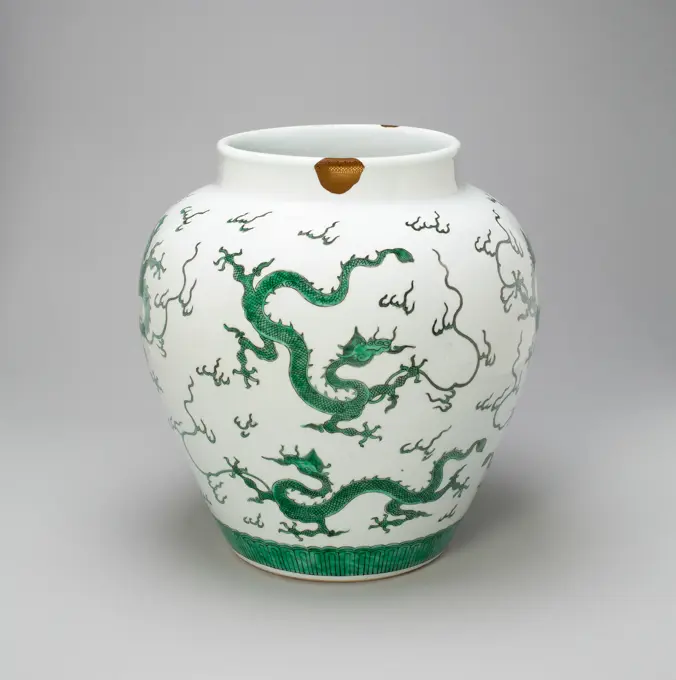
Sugar Bowl ca. 1826-ca. 1836 Joseph Stubbs. Sugar Bowl 7974Middle vase of a flower holder, anonymous, c. 1680 - c. 1700 Middle vase of flower holder of blue painted faience. Delft earthenware. tin glaze. Middle vase of flower holder of blue painted faience. Delft earthenware. tin glaze.Vase, 18th century, Unknown Korean, 8 5/8 in. (21.91 cm), Porcelain with underglaze cobalt blue and copper red decor, Korea, 18th century, While highly skilled potters at the official kilns produced elegant shapes out of refined porcelain clay, local potters had to manage with inferior materials. The squat proportions and surface imperfections of this jar suggest its rural origins. Nevertheless, the rendering of a bird on a branch of blossoming plum was skillfully executed.. Between 1705 and 1711, both the De Roos and the De Witte Ster pottery factories were in the hands of the same owners. There must have been a lively exchange of motifs and painters, for it is impossible to distinguish between the objects made in either factory during those years.Pot lid, green glazed with relief ,, c. 1850 - c. 1950 Pot lid, of earthenware, green glazed and relief decorated with cloverdrie magazines. China earthenware Pot lid, of earthenware, green glazed and relief decorated with cloverdrie magazines. China earthenwareOvoid covered jar with powder blue and panels in reserve with Lanscape, Flower basket and antiques. Egg-shaped pot with porcelain lid, painted in underglaze blue and on the glaze red, green, yellow, eggplant, black and gold. The pot is covered with bleu poudré (powder blue) with three large medallions on the wall in reserve filled with antiques (vase, ruyi scepter, flock burner, books) and animals (bird, shishi / lion dog, hare), a flower basket, people in a river landscape with mountains, trees and pavilions; between the medallions a fan-shaped and a square cartouche with squeezed corners filled with flour branches and insects; in gold around the foot a flower drink and on the shoulder a band with Ruyi motif; A double circle on the bottom. The lid with bleu poudré and a medallion in reserve with curlwork and a boy (ocean) hanging on a flower branch against a green background, the wall with flower branches and a decorative tape in gold. Bleu poudré with famille verte.Vase;  around 1900-1910 (1801-00-00-1900-00-00);Vase. Culture: China. Dimensions: H. 8 7/8 in. (22.5 cm). Museum: Metropolitan Museum of Art, New York, USA.Vase. unknown, craftsmanVase, late 19th century, Unknown Japanese, 8 1/8 x 4 3/16 x 4 3/16 in. (20.64 x 10.64 x 10.64 cm), Glazed porcelain, Japan, 19th centuryMiniature Double Gourd-Shaped Vase With Flower Sprays. Miniature baleub shaped porcelain vase, painted in underglaze blue. A flower branch (Prunus) on the wall and neck. Blue White.Pharmacy Jar 1435-75 Spanish. Pharmacy Jar 468526Aryballos (Container for Oil) with Chain 50 CE-150 CE Syria. Vessels of this sort were used to hold cosmetic oil and were standard accessories for Roman bathing. The bronze chains looped around the userís wrist. In the absence of soap, oil was rubbed onto the skin, and then scraped off with a strigil, an instrument with a curved, blunt blade.. Glass, blown technique; bronze . Ancient RomanVaas, Jan van Putten & Co., 1830 - 1850 Vase of Faience. Multicolored painted with Japanese Imari Decor. The vase is part of a cupboard set. Delft . Vase of Faience. Multicolored painted with Japanese Imari Decor. The vase is part of a cupboard set. Delft .Apothecary Jar 1800-1825 Mexican. Apothecary Jar 3471Vase. Dynasty: Dynasty 18. Date: ca. 1550-1295 B.C.. Museum: Metropolitan Museum of Art, New York, USA.Two beaker vases and a vase, part of a garniture, De Porceleyne Byl, c. 1750 - c. 1800 Vase of Faience. Blue painted with a landscape. The cup is part of a cupboard set. Delft . Vase of Faience. Blue painted with a landscape. The cup is part of a cupboard set. Delft .Baluster vase with a hunting scene and borders with floral scrolls.Large, baluster-shaped porcelain vase, painted in underglaze blue and on the glaze gold. On the belly a yacht scene with hunters on horseback and on foot with weapons and dogs in a landscape with trees, mountains and rocks. Below a band with lotus drinks. Above the foot a band with standing leaf motifs. On the shoulder a band with lambrequins with alternating lotus and flower refines. Above a band with server work with a flower rosette interrupted by cartouches with flowering plants (lotus, peony, bamboo, chrysanthemum, prunus). The neck with a band with lotus drinks. On the edge a bond with Ruyi motif. The lid with the same decoration. Deksclop in the shape of a shishi. Blue White.PUL with tin lid. Gray with blue pulp with pewter lid. On the belly 3 medallions whose middle between 2 crowned lions. The pewter lid is marked () With the weapon of Amsterdam.Pharmacy Jar. Culture: Spanish. Dimensions: Overall: 12 1/16 x 5 5/8 in. (30.6 x 14.3 cm). Date: second half 15th century. Museum: Metropolitan Museum of Art, New York, USA.Vase with branch of white blossom (one of a pair) 1870s Coalport. Vase with branch of white blossom (one of a pair). British, Coalport. 1870s. Porcelain. Ceramics-PorcelainJug with medaillons, birds and flowers, anonymous, c. 1650 - c. 1699 Can of stoneware on the stand ring with a pear -shaped body and wide neck. The C-shaped ear is attached to the neck and shoulder. Profiles on the neck and foot. Partly covered with cobalt blue and mangangan purple. The front of the abdomen with different printed and imposed decorations. Four times a octagonal medallion with the inscription 'IHS' surrounded by two men, an angel and a heart. These medallions are interspersed with five times a vertical bond with angels, a bird and a medallion with Justitia. On the neck a horizontal band with angels and flowers. Westerwald. Westerwald stoneware. glaze. cobalt (mineral). manganese oxide vitrification Can of stoneware on the stand ring with a pear -shaped body and wide neck. The C-shaped ear is attached to the neck and shoulder. Profiles on the neck and foot. Partly covered with cobalt blue and mangangan purple. The front of the abdomen with different printed and imposed de. Pot (without lid), blue-white painted with flowers, framed with volutes and leaf work in Relief.Vase with a motif of plant flagellum and styIIsed flowers unknownLidded vase.Meissen porcelain manufactory Meissen, c. 1740 Hard Paste PorcelainOvoid covered vase with Chinese ladies, flower sprays and vases.Egg-shaped porcelain lid plug at high foot with annular thickening, painted in underglaze blue. On the wall six modeled compartments with a Chinese lady (long lice) or a flower vase (Lotus, chrysanthemum); Below six smaller modeled compartments with flower and fruit varieties; the foot with a flower and fruittak; On the neck a band with Meander motif above which pointed leaves. Blue White.. Meissen porcelain manufactory ice cream, c. 1740-1745Hard Paste PorcelainBottle vase with antiques, precious object and auspicious objects. Bottle-shaped vase of porcelain with a spherical body and a long, narrow neck, painted on the glaze in blue, red, green, yellow, eggplant, black and gold. On the belly antiques (tripod. Books, flower vase, rolls, incense burner, Qin, Ruyi scepter, vase with peacock feathers, lotus scepter), valuables (musical stone, artemisiablad) and lucky objects (shell). On the shoulder a bond with flower drinks; The edge with a band depending brushes. The bottle is caught in a bronze Louis XV frame. Famille Verte.Jar. Culture: China. Dimensions: H. 5 in. (12.7 cm). Museum: Metropolitan Museum of Art, New York, USA.FaaMence lid jar with a multicolored painting with flowers on brown stock. On lid a lion with ball, anonymous, c. 1770 - c. 1800  Pot of multi -colored faience, with a brown stock. The pot is baluster -shaped and has a lid. Flowers are painted on the pot in the colors white, green, yellow, red, blue and purple. On the lid is a lion with its front legs on a ball. The pot is part of a couple, the other parts are an identical pot (BK-NM-13329-A) and two identical vases (BK-NM-13326-B and BK-NM-13326-D). Delft earthenware. tin glaze.Set of two lidded vases and two horn-like vases. unknown, craftsmanSnuff Bottle (Biyanhu) with Flower Vase and AnimalsBottle (usual name), 1700. White porcelain with cobalt blue decoration under cover. Cernuschi Museum, Asia Museum of Asia in the city of Paris.Vase 1830-70 American. Vase 9202Pouring Vessel (Kendi) with Flowers and Fruits. Culture: China. Dimensions: H. 7 3/8 in. (18.7 cm); W. 5 1/2 in. (14 cm). Date: late 16th century.Chinese manufacture of this drinking vessel with a long neck and a spout, known as kendi (a Malay word), began during the fourteenth century for export to Muslim communities in Southeast Asia. By the sixteenth century it was carried farther afield to the Middle East, where Persian copies were made. This late sixteenth-century version, not necessarily made for export to Europe, is decorated in patterns that commonly were applied to kraak porcelain. Museum: Metropolitan Museum of Art, New York, USA.Wine jar (Guan), Cizhou ware late 13th-early 14th century Chinese. Wine jar (Guan), Cizhou ware 460666Vase, printed egg-shaped, painted multi-colored with trophies, mermaid, elephant, horse and two angel heads. Printed egg-shaped vase of multi-colored painted majolica. On the belly his trophy, a mermaid, an elephant, a horse and two angel heads painted on a brown fond.Can be from stoneware. Yellow gray jug of stoneware with here and there spotty cobalt color and pewter lid. A leaf mask is pressed under the spout. The bottom of the belly is koose-shaped and vertically clay. The upper part is bell-shaped and is decorated with a inserted network.Jug (England); Designed by George Tinworth (English, 1843 - 1913); Manufactured by Doulton Pottery and Porcelain Company (United Kingdom); salt-glazed stoneware, incised and relief decoration; 25.4 x 14 cm (10 x 5 1/2 in.)Anonymous vase in the shape of a double gourd (common name), 1700. Sandstone with blue decor under cover. Flakel ivory email covering the dough (slip). Cernuschi Museum, Asia Museum of Asia in the city of Paris.Vase with cranes and peaches 18th century China. Vase with cranes and peaches 48621Vase with Dragonfish Handles. Culture: China. Dimensions: H. 6 3/4 in. (17.1 cm). Date: 12th-13th century.Vases of this type were especially popular in Japan, where they were sometimes used in the tea ceremony. The vase's form, known as a mallet shape, can be traced to glass vessels produced in Syria in the ninth and tenth century and was most likely introduced to China at around that time. The fanciful handles are a Chinese addition. Museum: Metropolitan Museum of Art, New York, USA.Meiping Vase: Cizhou Ware, 1100s. China, Northern Song dynasty (960-1127). Buff stoneware with carved underglaze slip decoration; diameter: 20.7 cm (8 1/8 in.); overall: 34.3 cm (13 1/2 in.).Vase. Culture: China. Dimensions: H. 15 3/4 in. (40 cm). Date: late 17th-early 18th century. Museum: Metropolitan Museum of Art, New York, USA.Vase 1882-86 Ernest Chaplet French. Vase 487341Sweetmeat Dish Made 1750-1760 Bow. Soft-paste porcelain, underglaze blue decoration . Bow Porcelain FactoryEwer with flower sprays and spout shaped like a feng huang, anonymous, c. 1700 - c. 1724 Can be made of porcelain with modeled walls, a flared neck with beaten, ribbed edge and spout in the form of a Feng Huang. Painted on the glaze in red, green, yellow, eggplant and black. The wall is divided into four large compartments with flower courses (Lotus, peony, prunus, chrysanthemum) and six smaller compartments with geometric pattern or servetwork; On the shoulder loose flowers against a black speckled green soil; the lower part of the neck with the four flower areas in courses, above it, separated by a meander band, four compartments with servetwork; the edge with flower vines; on the foot a band with lottery branches in courses; Above the foot a band with modeled lotus leaves. Lid is missing. Famle Verte. China porcelain. glaze. painting / vitrification Can be made of porcelain with modeled walls, a flared neck with beaten, ribbed edge and spout in the form of a Feng Huang. Painted on tVase. unknown, craftsmanCache-Pot; Bernardi and Wolff; K.XVIII century (1791-00-00-1800-00-00);Przeszo Przyszoci FaenzaTea Caddy. Royal Worcester Porcelain Company (England, Worcester, founded 1751). England, circa 1770. Furnishings; Serviceware. Porcelain, underglaze- blue, fretted, squaremarksVase by J & L Lobmeyr, Vienna, Austria. Lead glass painted with enamels and gilt. During the 19th century Islamic objects were collected avidly throughout Europe.Beaker with cover and saucer ca. 1690 Chinese, for European market. Beaker with cover and saucer 185932Garniture of Three Lidded Vases and Two Open Vases. UnknownCan. Gray with blue can of stoneware. The belly is strewn with rosettes printed in flat relief on a blue fond. On the neck, under the spout a kind of lion mask.Baluster covered jar with flower baskets, flower sprays and insects, anonymous, c. 1700 - c. 1724 Balus -shaped porcelain lid jar, painted on the glaze in blue, red, green, yellow, eggplant, black and gold. On the belly four times a flower basket with aster, peony, prunus, blue rain, lotus, chrysanthemum and iris. One basket with Shishi and Ruyi motifs and one basket with Feng Huangs and Chinese characters. Between the baskets loose flower branches and insects. Above the foot a band with stylized leaf motifs. On the shoulder a bond with shaft work. The neck with flower branches and butterflies. A crack in the edge of the pot. Famle Verte. China porcelain. glaze. gold (metal) painting / gilding / vitrification Balus -shaped porcelain lid jar, painted on the glaze in blue, red, green, yellow, eggplant, black and gold. On the belly four times a flower basket with aster, peony, prunus, blue rain, lotus, chrysanthemum and iris. One basket with Shishi and Ruyi motifs and one basket with FengSprinkler China. Sprinkler. China. Porcelain painted in underglaze blue, with incised highlights. Qing dynasty (1644-1911). CeramicsA bottle in the shape of a cylinder with the decoration of stylized lotus and leaves unknownBaluster covered jar with flower baskets, flower sprays and insects, anonymous, c. 1700 - c. 1724 Balus -shaped porcelain lid jar, painted on the glaze in blue, red, green, yellow, eggplant, black and gold. On the belly four times a flower basket with aster, peony, prunus, blue rain, lotus, chrysanthemum and iris. One basket with Shishi and Ruyi motifs and one basket with Feng Huangs and Chinese characters. Between the baskets loose flower branches and insects. Above the foot a band with stylized leaf motifs. On the shoulder a bond with shaft work. The neck with flower branches and butterflies. The lid with peon branches, butterflies and a strap with arched work on the edge, the round lid button with a stylized flower. A crack in the edge of the pot; A few chips in the edge of the lid. Famle Verte. China porcelain. glaze. gold (metal) painting / gilding / vitrification Balus -shaped porcelain lid jar, painted on the glaze in blue, red, green, yellow, eggplant, black and gold. On the beJar with cover 18th-19th century India. Jar with cover. India. 18th-19th century. Jade (nephrite) with gold and stone inlays. Mughal period (1526-1858) or Qing dynasty (1644-1911). JadeApothecary Jar. Culture: Mexican. Dimensions: H. 5 in. (12.7 cm). Date: ca. 1750. Museum: Metropolitan Museum of Art, New York, USA.Ovoid Bottle, 13th century, 5 1/4 x 5 1/4 x 5 1/4 in. (13.34 x 13.34 x 13.34 cm), Cizhou type ware Stoneware with 'cut-glaze' floral decoration, China, 13th centuryCup with a Benjarong lid. unknown, craftsmanBurnt-Parfum with floral decor said to the Pompadour, China, mid-18th century ". Porcelain and enamel. Museum of Fine Arts in the city of Paris, Petit Palais. Brule-sponsor, ceramic, China Qing Dynasty, Floral Decor, Decoration, Email, Flower, Perfume, PompadourJug with a lion's head and medallions, anonymous, c. 1630 - c. 1660 Can be made of stoneware on high foot with a narrow neck, egg -shaped body and a pinched spout in the edge. The C-shaped ear is attached to the neck and shoulder. Partly covered with cobalt blue. A few profiles on the foot and neck. The KAN is decorated with a relief decoration in which the abdomen is largely covered with printed, imposed medallions with a flower rosette against a blue background. A modeled lion's head has been installed on the neck under the spout. Westerwald. Westerwald stoneware. glaze. cobalt (mineral) vitrification Can be made of stoneware on high foot with a narrow neck, egg -shaped body and a pinched spout in the edge. The C-shaped ear is attached to the neck and shoulder. Partly covered with cobalt blue. A few profiles on the foot and neck. The KAN is decorated with a relief decoration in which the abdomen is largely covered with printed, imposed medallions with a flower rosette against a blue De la Bouëxière Ewer, 1753-1755, Vincennes Porcelain Factory, France, c. 1740-1758, 7 1/4 x 5 1/2 x 4 5/16 in. (18.42 x 13.97 x 10.95 cm), Painted and glazed porcelain, gilt, France, 18th century, This Ewer was originally commissioned on February 19, 1753, by Jean Gaillard de la Bouëxière, the patron of the Grand Salon which surrounds us. But according to the archives, when the ewer was finished in 1755, it was delivered to Madame de Pompadour, who must have been infatuated with this Ewer when she first saw it. With its elegant shape, its refined pictorial decoration of a flower bouquet and a butterfly, its energetic gold hatching and its intensive color fields of white and celestial blue, the De la Bouëxière Ewer epitomizes the artistic essence of the Vincennes porcelain factory at the height of its production, after it had surpassed Meissen as the most fashionable porcelain maker in Europe, and just before the founding of Sèvres.Jar with Floral Medallions. China. Date: 618 AD-906 AD. Dimensions: H. 30.5 cm (12 in.); diam. 26.0 cm (10.2 in.). Earthenware with molded decoration and three-color (sancai) lead glazes. Origin: China. Museum: The Chicago Art Institute, Chicago, USA.Jug with a coat of arms among concentric circles, anonymous, c. 1650 - c. 1670 Can be made of stoneware on a high base with a spherical body and narrow neck with a pinched spout. The C-shaped ear is attached to the neck and shoulder. Profiles on the neck and the foot. Partly covered with cobalt blue and mangangan purple. On the front of the abdomen a medallion formed by concentric circles of printed and imposed semicircle, heart shapes and grape vines. In the center an octagon with a weapon with a standing man, in which the brand 'C.H.' On either side of the helmet sign in the form of Lady Justicia. Around the ear a large, stamped rosette saved in blue within a circle of heart shapes and grape vines. The sides with a vertical band masks with leaf motifs on either side. A modeled mask on the neck. Attached to the ear a pewter frame with lid. Westerwald. Westerwald Stoneware. Glaze. Cobalt (Mineral). Manganese oxide. frame: tin (metal) vitrification Can be made of stoneware on a high basVessel for spices. unknown, craftsmanStorage pot - decorative vase. unknown, craftsmanJug - milk; Gotzkowsky-Manufaktur; around 1760 (1755-00-00-1765-00-00);Vase with domed lid. unknown, craftsmanGlass gold-band mosaic bottle 1st half of 1st century A.D. Roman Translucent cobalt blue, turquoise green, opaque white, and colorless encasing shattered gold leaf.Everted, horizontal rim with rounded underside to lip; cylindrical neck, with horizontal indent around base; globular body; slightly concave bottom.Gold-band mosaic pattern formed from a single serpentine length of layered canes formed in the following order: green outlined in white, blue (appearing light blue in places when backed by white), colorless with gold leaf, and blue again; the length is wound three times round body, being fused together across bottom. A single fine horizontal line incised on upper surface of rim near outer edge; a band of three parallel horizontal grooves around upper body; another single horizontal groove on body at point of greatest diameter; and a band of two concentric grooves around outer edge of bottom.Intact, except for one small chip in base of neck and some short internal cracks; slight dBox with diaper pattern and flowering plants in a panel decoration, anonymous, c. 1400 - c. 1600 Lid of stone box, painted in underly glaze blue and on the glaze red and green. On the wall of the box, continuously on the lid, scalloped cartouches with alternating servetwork or a flowering plant. The top of the lid with a flower rosette surrounded by a band with a kind of Ruyi motifs. Decoration following the Chinese squatter porcelain. Vietnam stoneware. glaze. cobalt (mineral) painting / vitrification Lid of stone box, painted in underly glaze blue and on the glaze red and green. On the wall of the box, continuously on the lid, scalloped cartouches with alternating servetwork or a flowering plant. The top of the lid with a flower rosette surrounded by a band with a kind of Ruyi motifs. Decoration following the Chinese squatter porcelain. Vietnam stoneware. glaze. cobalt (mineral) painting / vitrificationTea Caddy, Weesper Porseleinfabriek, c. 1759 - c. 1771 Tea bag, cylindrical and ribbed with a multi -colored flower bouquet. Marked with two crossed swords and three bulbs in under -glaze blue. Weesp porcelain Tea bag, cylindrical and ribbed with a multi -colored flower bouquet. Marked with two crossed swords and three bulbs in under -glaze blue. Weesp porcelainAltar Bowl with Winged Animals among Waves mid-15th century China. Altar Bowl with Winged Animals among Waves. China. mid-15th century. Porcelain painted with cobalt blue under and red enamel over transparent glaze (Jingdezhen ware). Ming dynasty (1368-1644), Chenghua period (1465-87). CeramicsSquare Bottle With Figures in a Landscape, A Flower Vase and a Flowering Plant Near a Rock. Square bottle of porcelain, painted in underglaze blue. On the wall Four different performances: one with two ladies with a range in a landscape for a large tree with two birds, a flower vase with a lady with a range, a flowering chrysanthemum at rocks and a water carrier at a house and a large tree with a bird. The shoulder with flower drinks. A chip in the edge of the bottle. Arita, blue-white.Covered Vase, 20th century, 6 1/8 x 3 7/16 in. (15.56 x 8.73 cm), Cinnabar, cloisonne, China, 20th centurySake bottle with fluted sides and a continuous flower spray, anonymous, c. 1800 - c. 1899 Sake-bottle of porcelain with ribbed wall and narrow neck, slightly spreading upwards, painted on the glaze in blue, red, green and yellow. A continuous, modeled flower branch on the wall and shoulder. Nabeshima. Japan porcelain. glaze. painting / vitrification Sake-bottle of porcelain with ribbed wall and narrow neck, slightly spreading upwards, painted on the glaze in blue, red, green and yellow. A continuous, modeled flower branch on the wall and shoulder. Nabeshima. Japan porcelain. glaze. painting / vitrificationHexagonal Jarlet with Floral Sprays and Longevity (Su) Characters. Korea, Korean, Joseon (1392-1910), 18th century. Furnishings; Serviceware. Molded porcelain with blue painted decoration under clear glazeChurn c 1881-1885 Bennington. Stoneware and salt glaze with cobalt oxide glaze . E. Norton & CompanyVase of multi -colored fowence, anonymous, c. 1695 - c. 1715 Ribbed, octagonal multicolored painted vase. Part of a cupboard set consisting of five parts. Delft earthenware. tin glaze. painting Ribbed, octagonal multicolored painted vase. Part of a cupboard set consisting of five parts. Delft earthenware. tin glaze. painting. Candlestick of faience. Painted blue.Vase Albarello Sainte Agathe, Italian Majolic of Faenza, between 1550 and 1570 (side of rosettes and leaves). Museum of Fine Arts of the City of Paris, Petit Palais. 27014-14 Ceramic, Floral Decor, Italy, Majolique de Faenza, Italian Renaissance, Crockery, Vase AlbarelloWalking stick button with painting in blue. Walking stick of porcelain, painted in underglaze blue with a kind of garland at the wall, always a hanging flower and on top of a rosette.Vase with geometric ornament in blue and yellow, Th. Verstraaten, c. 1910 Vase of earthenware, painted in blue and yellow with Geometrich ornament. Oegstgeest earthenware Vase of earthenware, painted in blue and yellow with Geometrich ornament. Oegstgeest earthenwareEuropean" vase;  1st half 18th century (1701-00-00-1750-00-00);Phial;  19th/20th century (1891-00-00-1910-00-00);Jar with Dragons 1662-1722 China. Porcelain painted in overglaze enamel with gold repairs .Vase with cover (part of a garniture) ca. 1765-70 Bow Porcelain Factory British. Vase with cover (part of a garniture). British, Bow, London. ca. 1765-70. Soft-paste porcelain. Bow Porcelain Factory (British, 1747-1776). Ceramics-PorcelainStem Cup, 1426-1435. China, Jiangxi province, Jingdezhen, Ming dynasty (1368-1644), Xuande mark and period (1426-1435). Porcelain with reversed underglaze blue and incised decoration; diameter: 10.1 cm (4 in.); overall: 9 cm (3 9/16 in.).Vase with a plum blossom motif unknownVase late 18th-first half of the 19th century China. Vase 47315Pair of Ku vases. Faience lid pot. Blue painted with 2 figures playing a board game, and rocks.Goblet with a dragon motif on a turquoise blue background unknown. Five-part cabinet made of porcelain with three baluster vases with lid and two cup cubes with ribbed wall, painted on the glaze in blue, red, pink, green, yellow, purple, black and gold. On the wall cartouches against a common background of vertical tires (harlequin pattern); Two cartouches in the shape of open rolls with a lady (long lijs) with boy (ocean) in a fenced garden with flowering plants, including two leaf-shaped cartouches with ponda branch and butterfly, on either side of the large courses a smaller pomegranate and finger lemon-shaped box with lucky symbols; On the neck a bond with flower drinks. The lid with the same decoration. Family Rose.Jar with Cover (lid), 19th Century. China, Qing dynasty (1644-1911). Porcelain; overall: 13.9 cm (5 1/2 in.).'Chinese Porcelain Ewer with Five-Colour Decoration. Period of Wan Li, 1573-1619', (1928). Artist: Unknown.Rice pot (tho) decorated in the Benjarong style. unknown, craftsman