My Boards
View Pictures
  • My Boards

Lunar Observations and Phases

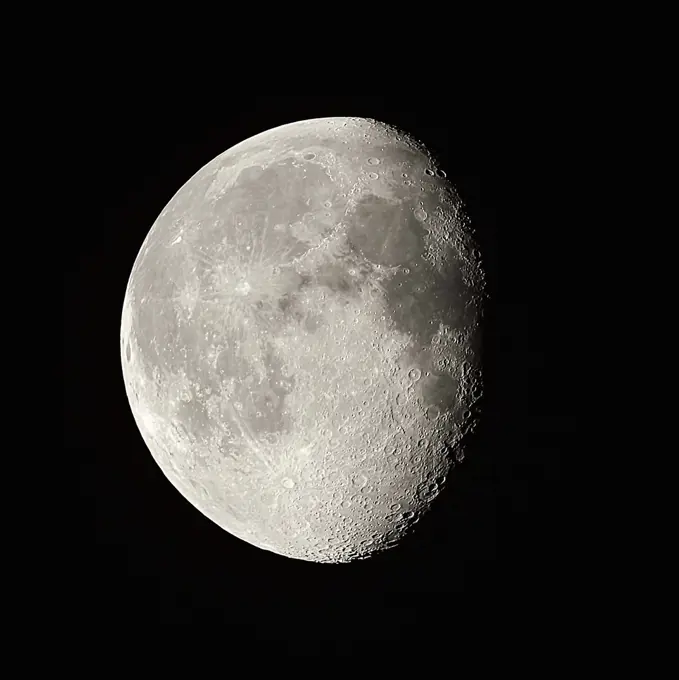
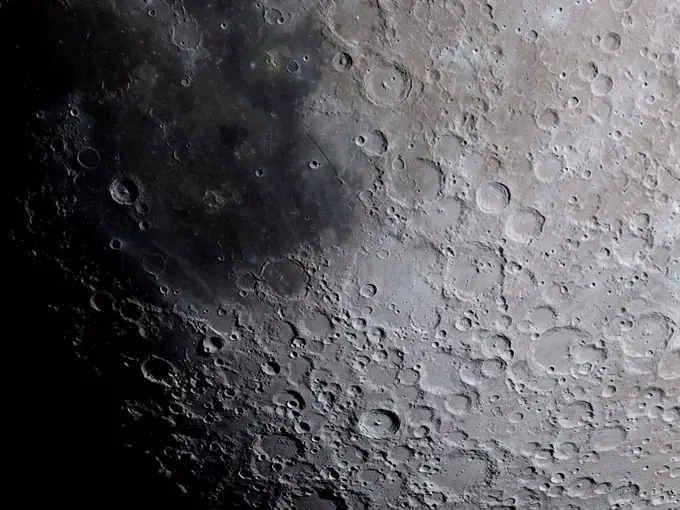
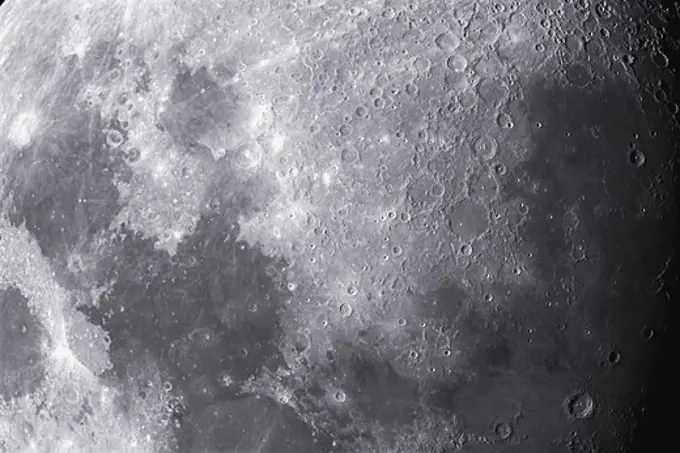
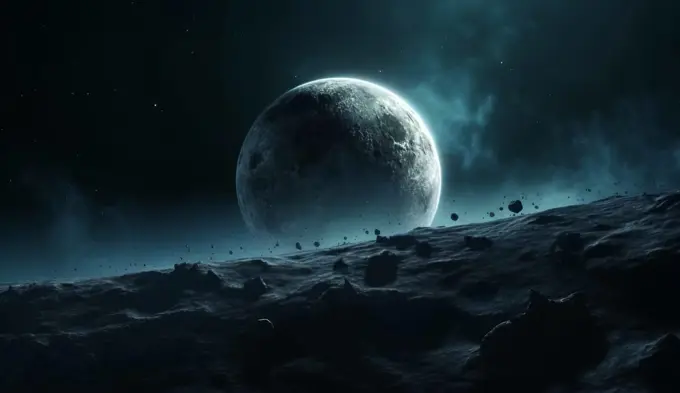
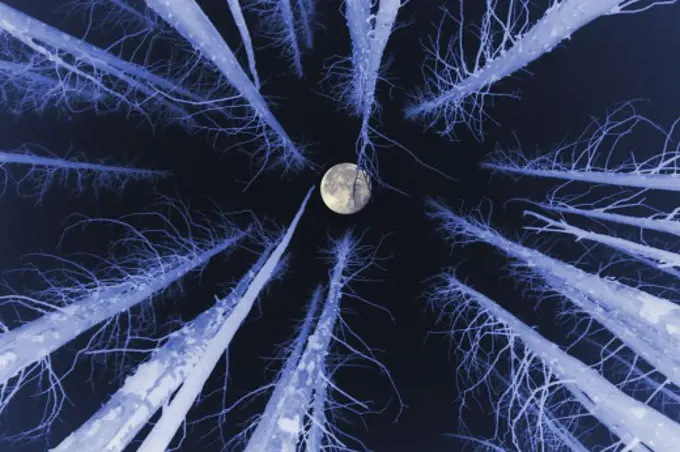
Various high-quality images of the moon in different phases, captured through telescopes, showcasing details of its surface and texture against a dark backdrop.

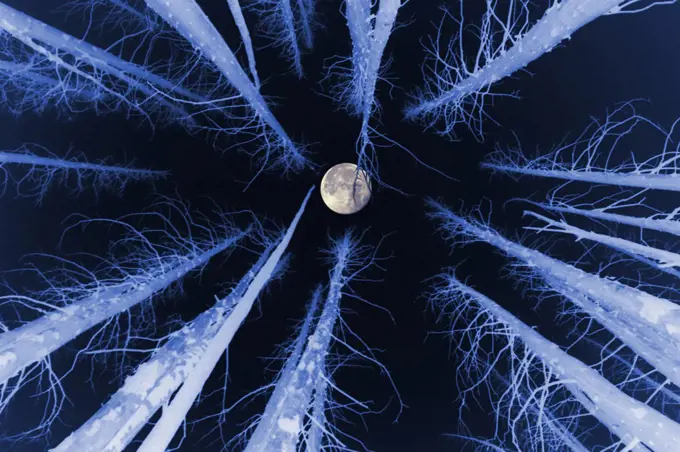
Moon in Gibbous Phase over a dark sky
281 assets in this story
7024-69938358
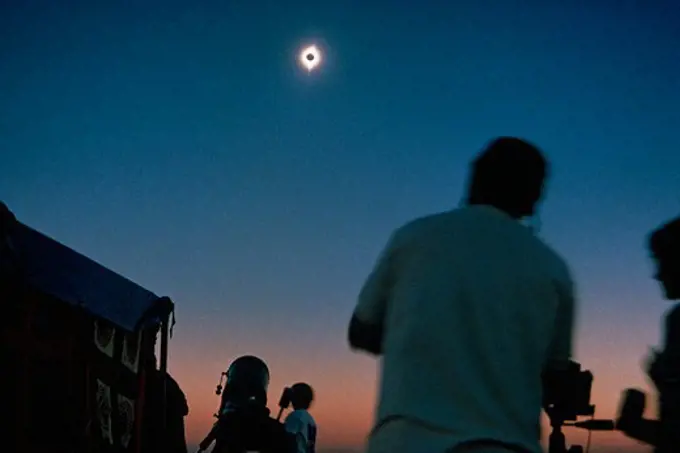
USA, Nevada, Winnemucca. Annular Solar Eclipse.
1848-50711483
Space Background With Stars And Moon
1525-25917366
3D render illustration of the total solar eclipse with Sun and Moon in space
4048-5338
Map of the surface of Earth's Moon at the end of the Imbrian Period.  Geologic and artistic interpretations have been combined to produce reconstructions of the visual appearance of the Moon  3.3 billion years. Artist, Donald E. Davis of the U.S. Geological Survey.
6145-44736943
P-21744 C Range 4.2 million kilometers (2.6 million miles) In this image of Europa acquired by Voyager 2, global scale dark streaks are becoming visible. Europa, the size of the earth's moon, is apparently covered by water ice as indicated by ground based spectrometers and its brightness. The central longitude of this view is 235° west. Bright rayed impact craters which are abundant on ancient Ganymede and Callisto would easily be visible at this range. The suggestion is that Europa's surface is young and that the streaks are reflections of currently active internal dynamic processes.
4128R-11289031
Moon, computer artwork.
6188-58506988
Total Solar Eclipse, Seen From Dublin, Ohio, April 8, 2024 Total Solar Eclipse, Seen From Dublin, Ohio, April 8, 2024 Copyright: xZoonar.com/RichardxWoodx 21554497
4239R-932
Close up view of the Moon
6145-44736937
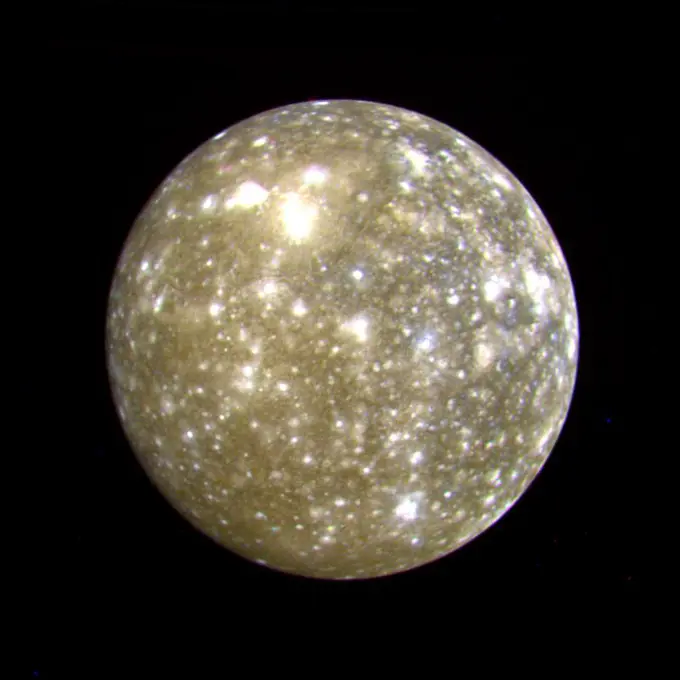
P-21740 C Range 2,318,000 kilometers (1,438,000 miles) This picture of Callisto taken by Voyager 2 shows the moon covered with bright spots which are metoerite impact craters--a fact originally discovered from the high resolution pictures taken by Voyager 1. Scientists believe that heavily cratered terrains like these on Callisto are indicative of ancient planetary surfaces. Voyager 2 mapped the side of Callisto not seen by Voyager 1. The obsure dark streaks in this area may be fault zones, but higher resolution pictures are needed for identification.
1848-78807241
A rocket launches on a moonlit night with a pink full moon and a silhouetted branch in the foreground, tree, moon, space shuttle, image composition, current, lunar mission
6145-44885518
Debussy (red), Debussy (green), Debussy (blue)
1525-22202104
Planet
1848-50408847
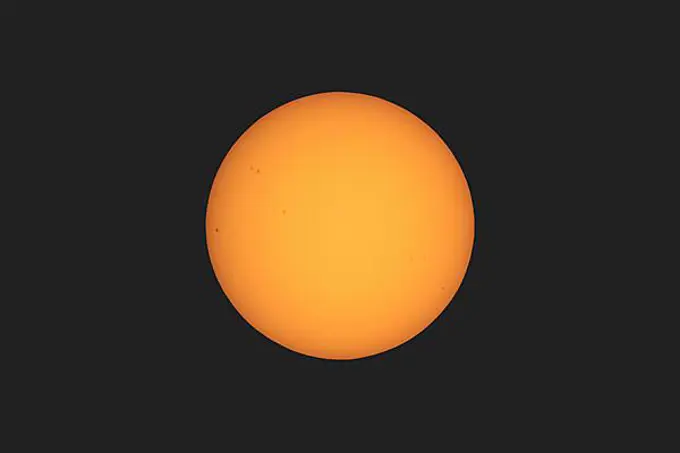
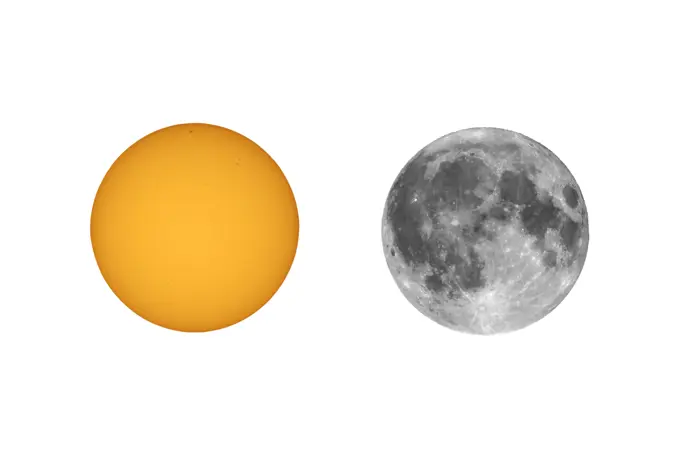
Sun with sunspots seen with telescope
5507-49029743
Moon in space in the background of the planet
4128R-11322411
At the extreme poles of the Moon, the Sun appears so low down on the horizon that some craters have floors which are in perpetual shadow, as in this i...
6145-45004659
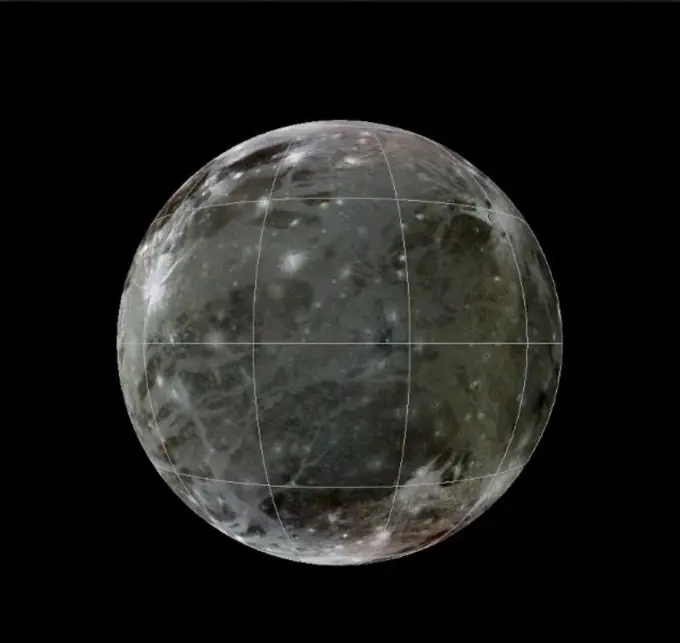
This is a frame from an animation of a rotating globe of Jupiter's moon Ganymede, with a geologic map superimposed over a global color mosaic, incorporating the best available imagery from NASA's Voyager 1 and 2 spacecraft, and Galileo spacecraft.
6145-44519695
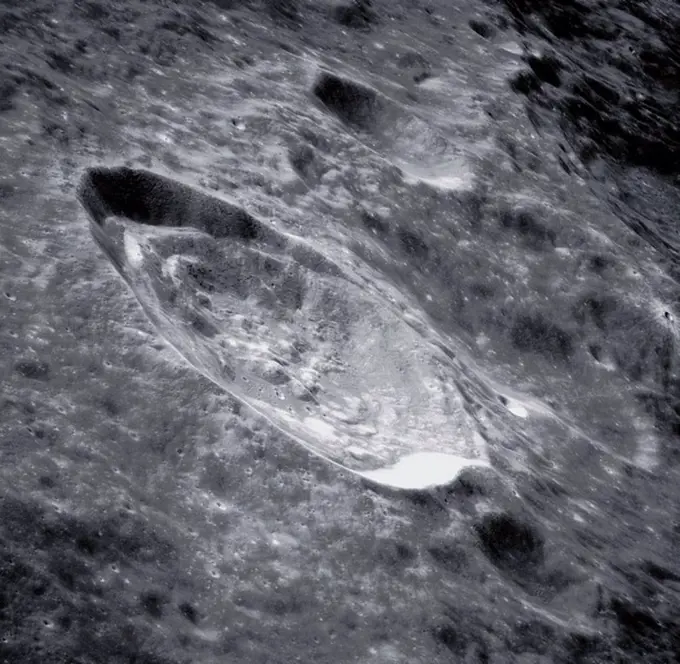
AS12-47-6870 (November 1969) --- An Apollo 12 high-oblique view of the crater Tsiolkovsky (in center of horizon) on the lunar farside, as photographed from lunar orbit. The crew men of the Apollo 12 lunar landing mission were astronauts Charles Conrad Jr., commander; Richard F. Gordon Jr., command module pilot; and Alan L. Bean, lunar module pilot. Tsiolkovsky is centered at 128.5 degrees east longitude and 20.5 degrees south latitude. This view is looking south.
6145-52930751
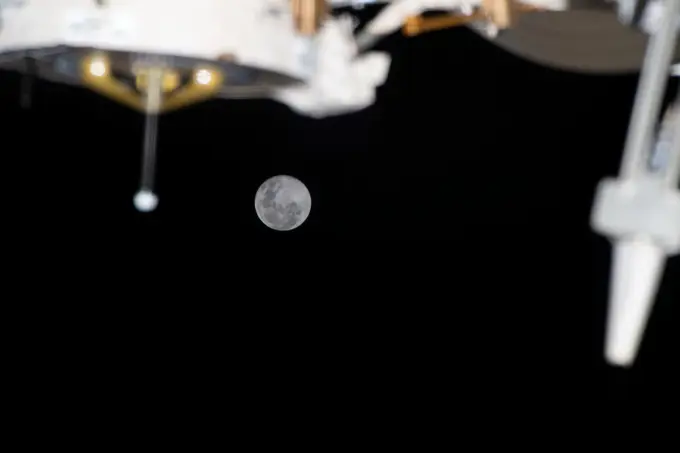
. iss068e039237 (Jan. 12, 2023) - The Full Moon is pictured from the International Space Station as it orbited 262 miles above the Indian Ocean off the coast of Madagascar.
1574R-016825
Low angle view of the moon
1482R-548
Low angle view of the moon
4389-2462
Earth's Moon
6145-44546613
These photos of the four Galilean satellites of Jupiter were taken by NASA's Voyager 1 during its approach to the planet in early March 1979. Io, Europa, Ganymede, and Callisto are shown in their correct relative sizes.
6019-19043438
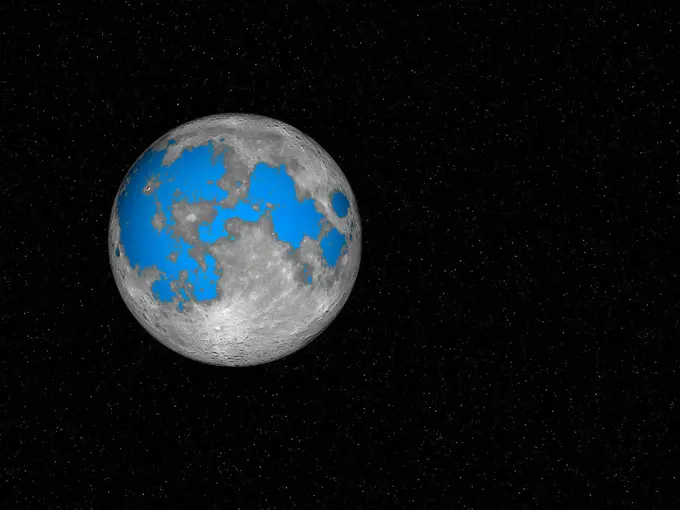
If Our Moon Had Oceans and Seas
4048-8629
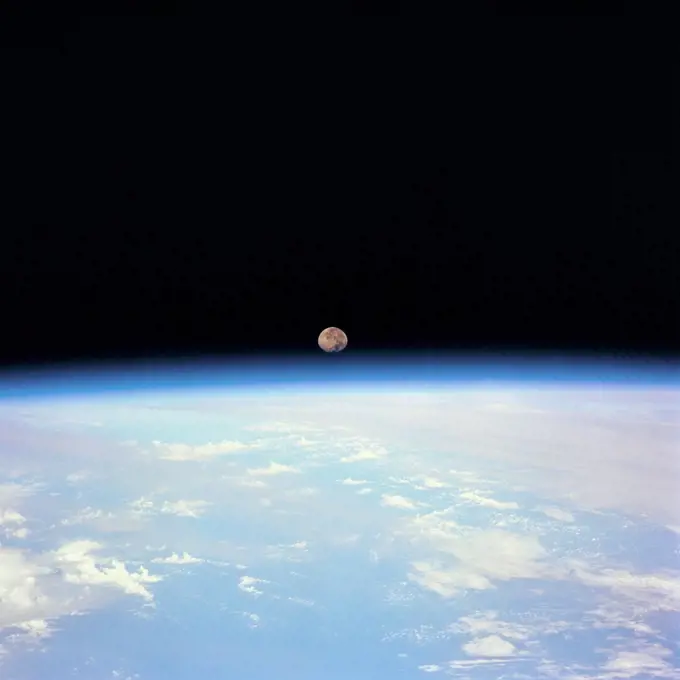
Moon set and Earth horizon taken from Space Shuttle Discovery. July 14, 1995.
6145-44718050
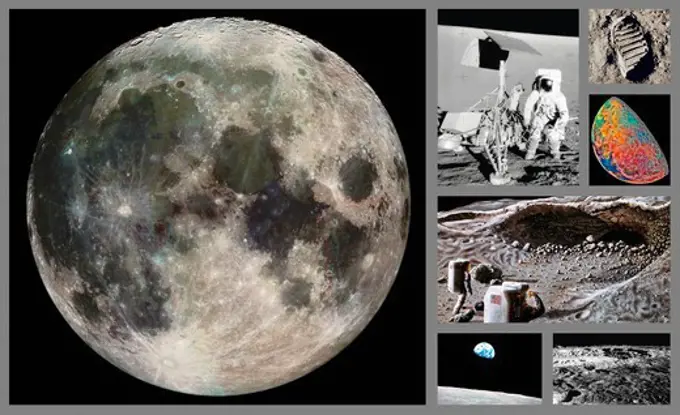
S72-01718 (July 1972) --- A photographic illustration of a full moon showing the location of the Apollo 17 landing site on the lunar nearside. The black dot pinpointing the landing site is in the Taurus-Littrow area at the southeastern edge of the Sea of Serenity. The coordinates of the landing point are 30 degrees 44 minutes 58 seconds east longitude and 20 degrees 9 minutes 50 seconds north latitude.
1525-22516997
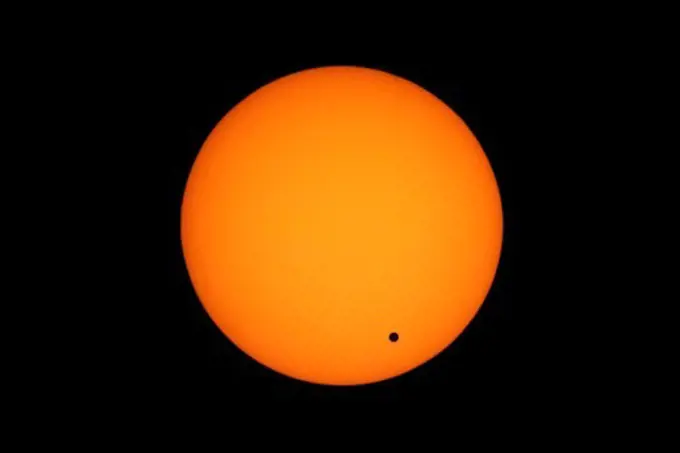
Passage of Venus across the disk of the Sun 06.06.2012
1849-66221593
Planet earth between the sun and the moon from space
5507-45705187
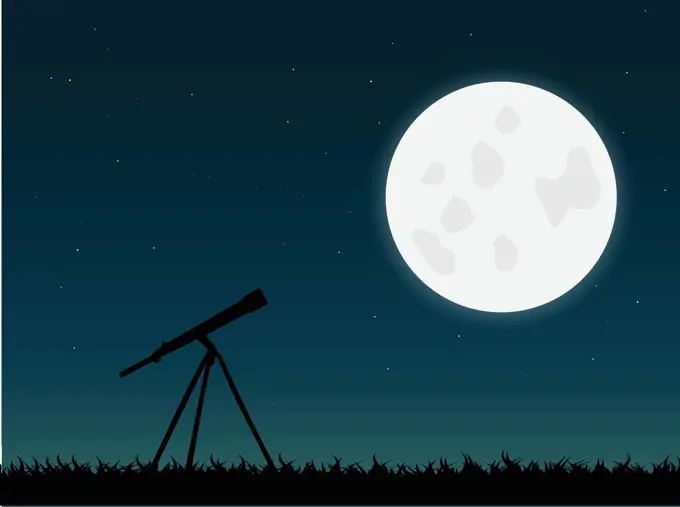
Telescope and Moon Illustration
6145-44810487
089 nature moon 237
1606-19089060
Marne. Region of Esternay. Total lunar eclipse of September 28, 2015. Rosary realized during the totality phase showing the movement of the Moon relative to the stars. This image is the result of the addition of 728 images.
6145-44733205
STS126-S-042 (14 Nov. 2008) --- The moon is seen rising above the Space Shuttle Endeavour (STS-126) on pad 39A Friday, November 14, 2008, at the Kennedy Space Center in Cape Canaveral, Fla. The Shuttle lifted off from launch pad 39A at 7:55 p.m. (EST).
6145-45233146
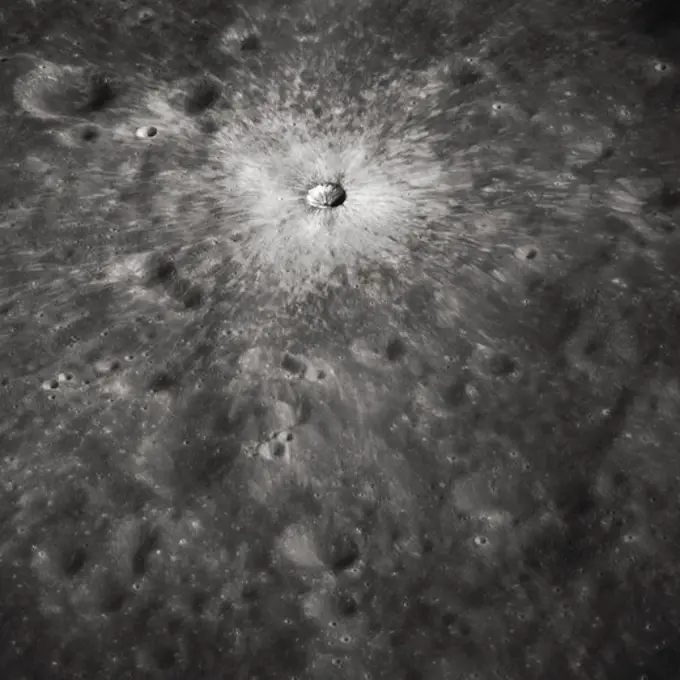
AS13-60-8675 (April 1970) --- This bright-rayed crater on the lunar farside was photographed from the Apollo 13 spacecraft during its pass around the moon. This area is northeast of Mare Marginus. The bright-rayed crater is located at about 105 degrees east longitude and 45 degrees north latitude. The crater Joliot-Curie is located between Mare Marginus and the rayed crater. This view is looking generally toward the northeast.
6145-45236712
AS13-60-8659 (14 April 1970) --- Excellent view of the lunar farside showing the crater Tsiolkovsky, as photographed by the crew of the Apollo 13 mission during their lunar pass. The view is looking southeast toward the lunar horizon. The approximate coordinates of Tsiolkovsky are 128.5 degrees east longitude and 20.5 degrees south latitude. The Apollo 13 crew members were forced to cancel their scheduled lunar landing because of an apparent explosion of oxygen tank number two in the Service Module (SM).
4389-310
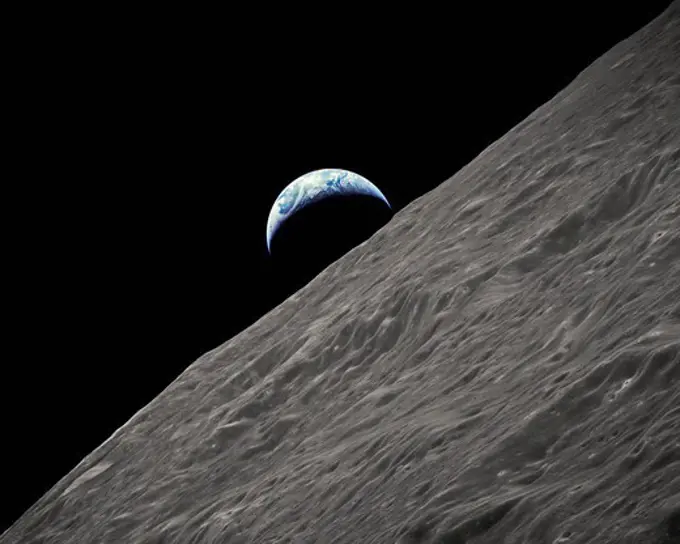
Apollo 17 - The Crescent Earth Rises
4239R-1997
Sunspots on the Sun's surface.
4389-2018
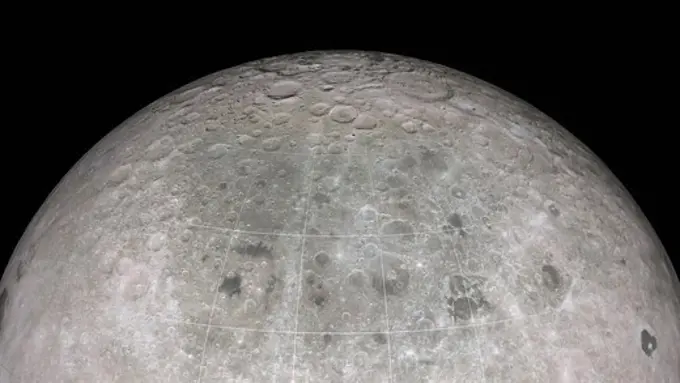
Moon's South Pole-Aitken Basin
6145-45233157
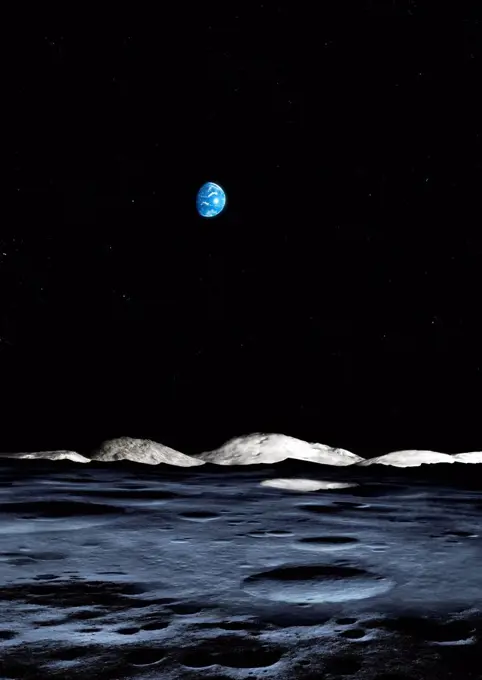
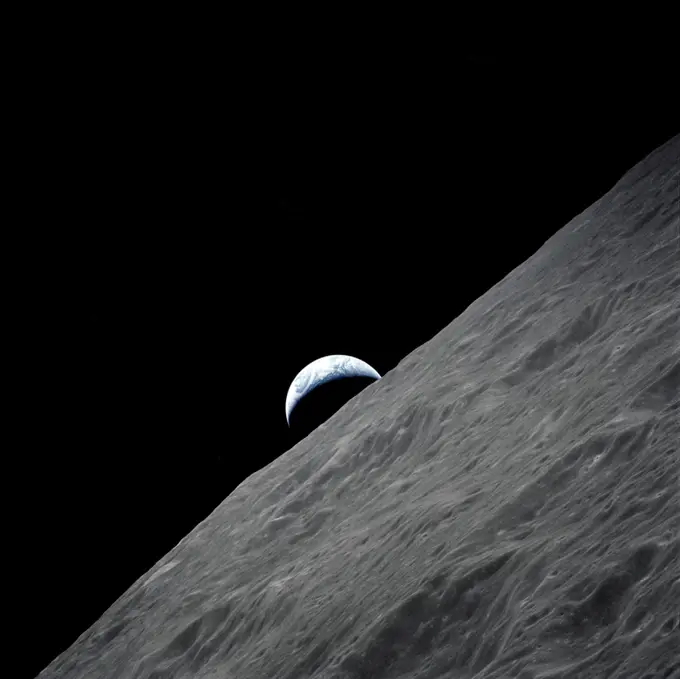
AS17-152-23274 (7-19 Dec. 1972) --- The crescent Earth rises above the lunar horizon in this spectacular photograph taken from the Apollo 17 spacecraft in lunar orbit during National Aeronautics and Space Administration's
6145-44546648
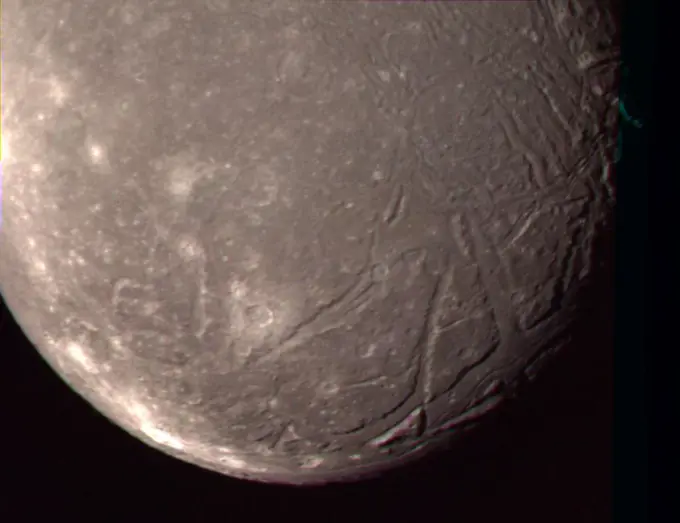
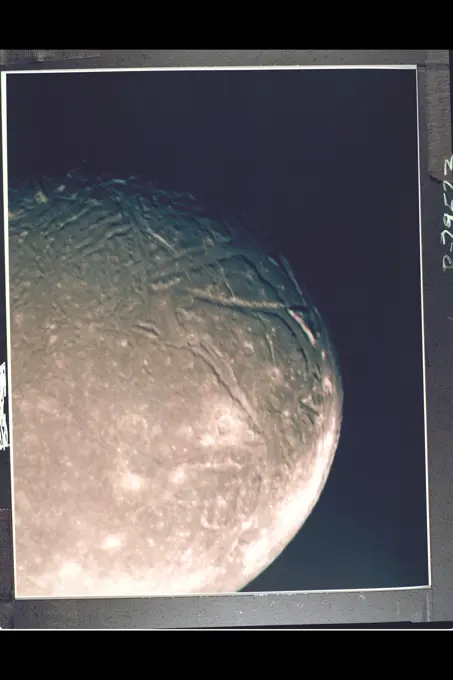
On Jan. 24, 1986, NASA's Voyager 2 obtained this color picture of the Uranian moon, Ariel. Most of the visible surface consists of relatively intensely cratered terrain transected by fault scarps and fault-bounded valleys (graben).
1848-49377340
Telescope looking at the sky
6145-45297205
AS16-122-19527 (23 April 1972) --- The Apollo 16 Lunar Module (LM) ascent stage, with astronauts John W. Young and Charles M. Duke Jr. aboard, returns from the lunar surface to rejoin the Command and Service Modules (CSM) in lunar orbit. Astronaut Thomas K. (Ken) Mattingly II took this photograph from the Command Module (CM). The LM is above the Crater Schubert B. The lunar surface area visible in this picture is located at the western edge of Smyth's Sea.
4128R-13575783
Amalthea is a moon of Jupiter, the third closest to the planet at 181365 km away (about 2.6 Jupiter radii from the centre of the planet). At just 250 ...
6145-29241225
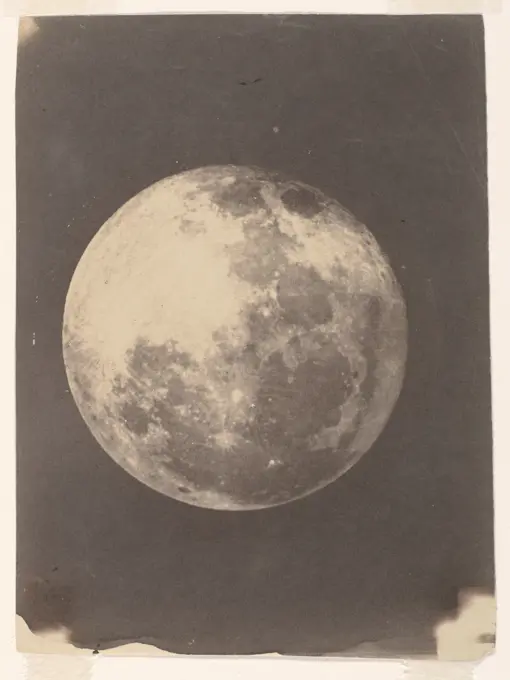
The Moon 1857-60 John Adams Whipple American Whipple and his partner Black collaborated with scientists at Harvard College Observatory over the course of a decade, adapting new photographic processes to astronomical research. After the observatory installed a new clock drive on the telescope in 1857, the pair photographed the moon using collodion-coated glass negatives, from which they produced salted paper prints. This example appears to have been made by cutting the image of the moon out of an earlier print and rephotographing it against a dark background. This may have been done to enlarge the lunar orb or to eliminate imperfections in the original background.. The Moon. John Adams Whipple (American, Cambridge, Massachusetts 1822-1891 Grafton, Massachusetts). 1857-60. Salted paper print from glass negative. Photographs
4351-112
Transit of Venus, 2004
1916-111271057
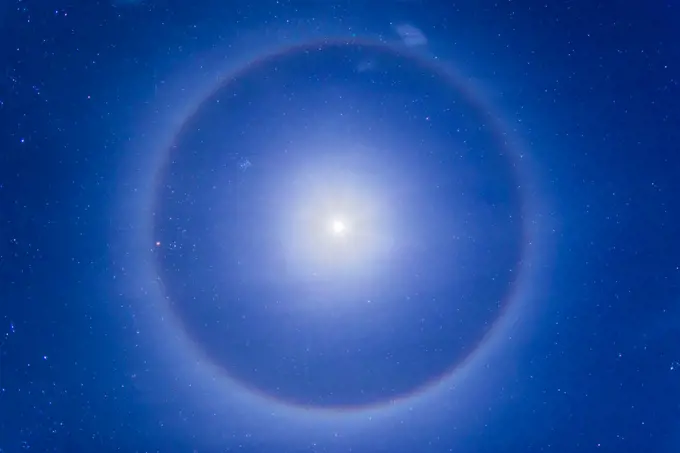
An ice crystal halo around the first quarter Moon high in the northern winter sky, on January 27, 2015, taken from near Pinos Altos, New Mexico. The Pleiades is above and left of the Moo, the Hyades and Aldebaran at left. The green Comet Lovejoy (C/2014 Q2) is on the lunar halo at top.This is a stack of two exposures, a 13 second exposure for the sky and halo and and 0.8 second exposure for the Moon itself, though it remains overexposed. However, its intensity is reduced by blending in the are
6188-55585547
Full moon at night over the sea Full moon over the dark blue sea at night with stars taken with my own telescope, no NASA images used Copyright: xZoonar.com/ClaudioxDiviziax 7990651
1525-25626749
A telescope standing at backyard with night sky in the background. Astronomy and stars observing concept.. A telescope standing at backyard with night sky in the background. Astronomy and stars observing concept
6145-44736908
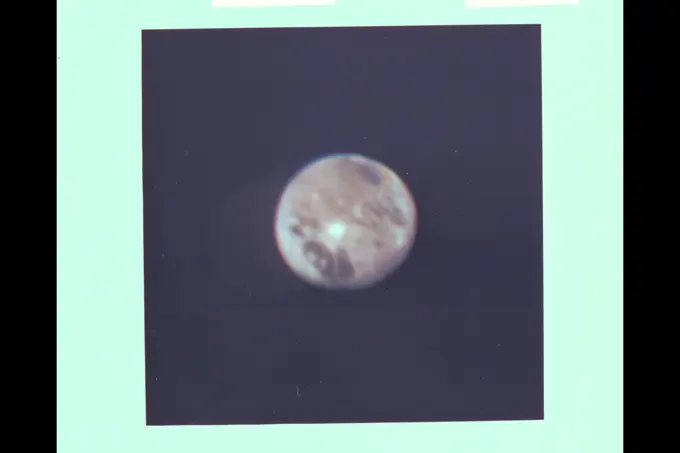
Range 5 million miles (8.025 million kilometers) This is a morning shot of Ganymede, largest of Jupiter's 13 satellites. It's slightly larger than Mercury with a density about twice that of water. It's believed to be made of rock and ice with a surface of water and ice. Ganymede is 4 times brighter than our Moon with the bright spot in center of photo 5 times brighter than the Moon, and may contain more ice than surrounding areas. The bright pattern around the spot seems like ray craters on the Moon and Mercury and the area may in fact be an impact crater that has exposed fresh, underlying ice. Photo taken through blue, green and orange filters.
6145-44549205
Callisto False Color
6188-55591749
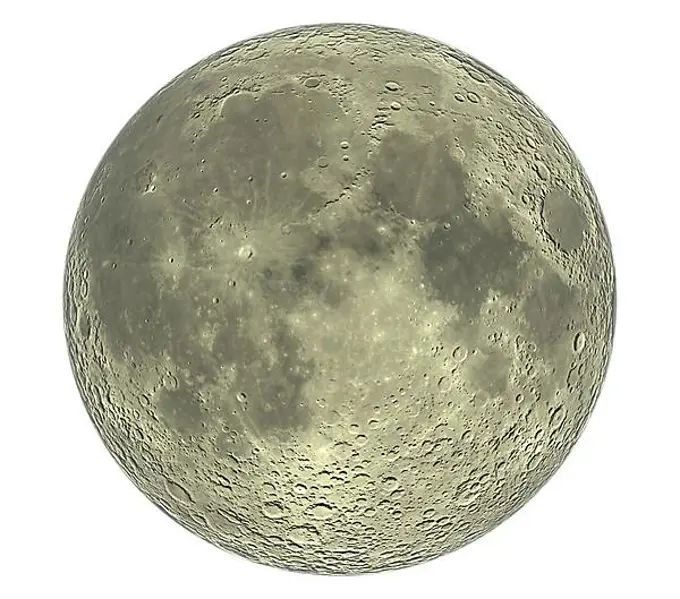
Full moon map, enhanced colours, names in Latin and English Map of full moon seen with telescope, with enhanced colours to show the real colours of terrain surface. Names of seas and craters in Latin and English Copyright: xZoonar.com/ClaudioxDiviziax 9565904
1899-19513248
(7-19 Dec. 1972) --- The crescent Earth rises above the lunar horizon in this spectacular photograph taken from the Apollo 17 spacecraft in lunar orbit during the final lunar landing mission in the Apollo program.
6188-56067529
Lunar exploration, Moon with ladder. 3D rendering Lunar exploration, Moon with ladder. 3D rendering isolated on white background Copyright: xZoonar.com/alexlmxx 21220266
6145-52771376
Collotype print by James Nasmyth showing the full moon, created around 1874.
4239R-276
A thin veil of gaseous material surrounding the blue-white star Vega is seen here as a hazy sunrise on a small moonlet in orbit around the cloudy planet
6188-55587690
Sun with sunspots seen with telescope The Sun with sunspots and Full Moon seen with telescope from planet Earth Collage of two real photos taken with my own telescope isolated over white, no NASA images used Copyright: xZoonar.com/ClaudioxDiviziax 8654595
4239R-20483154
An artist's illustration of a blue moon rising over a calm alien ocean with a starry sky as a backdrop.
4378-435
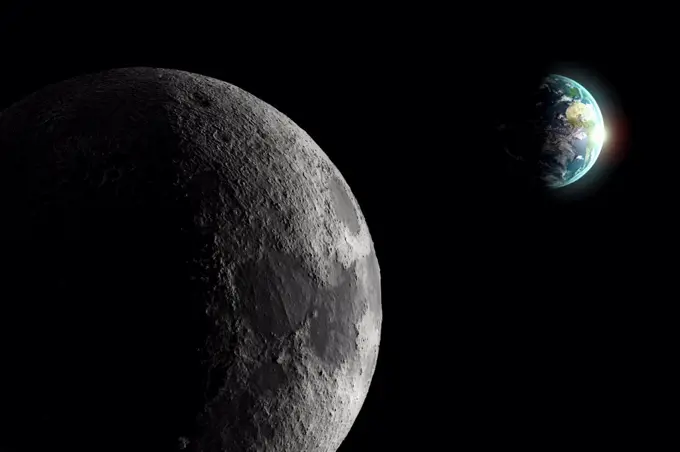
The moon with the planet earth visible in the background.
6145-44514004
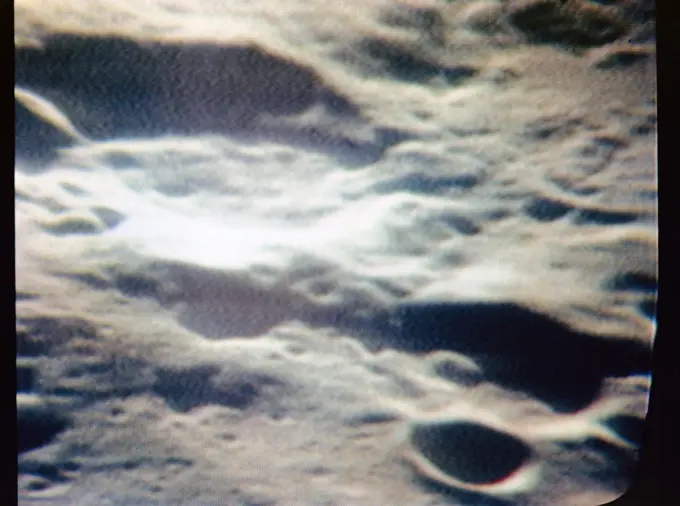
S69-34476 (21 May 1969) --- An oblique view of a group of craters just west of the Sea of Fertility (Mare Fecunditatis) on the lunar nearside is seen in this color reproduction taken from a telecast made by the color television aboard the Apollo 10 spacecraft as it orbited the moon. In this area are Gutenberg I, Capella A, Capella D, Capella E, and Capella M.
1848-49521928
Digitally rendered planet mercury isolated on white
6145-44738602
Range 170,000 km. ( 105,000 mi. ) Resolution 3 km. ( 2 mi. ) P-29523C This Voyager 2 photograph of the Uranian Moon Ariel, is the best quality to date. This view of Ariel's southern hemisphere is a composite of photographs taken through green, blue, and violet filters from the narrow angle camera. Most of the visible surface consists of relatively intensely cratered terrain transected by fault scarps and fault bounded valleys (graben). Some of the largest valleys, which can be seen near the terminator (at right), are partly filled with younger deposits that are less heavily cratered. Bright spots near the limb and toward are chiefly the rims of small craters. Most of the brightly rimmed craters are too small to be resolved here, although one about 30 km. (20 mi.) in diameter can be easily distiguished near the center. These bright-rim craters, thogh the youngest features on Ariel, probably have formed over a long span of geological tome. Although Ariel has a diameter of abou 1,200 km.
6145-44810528
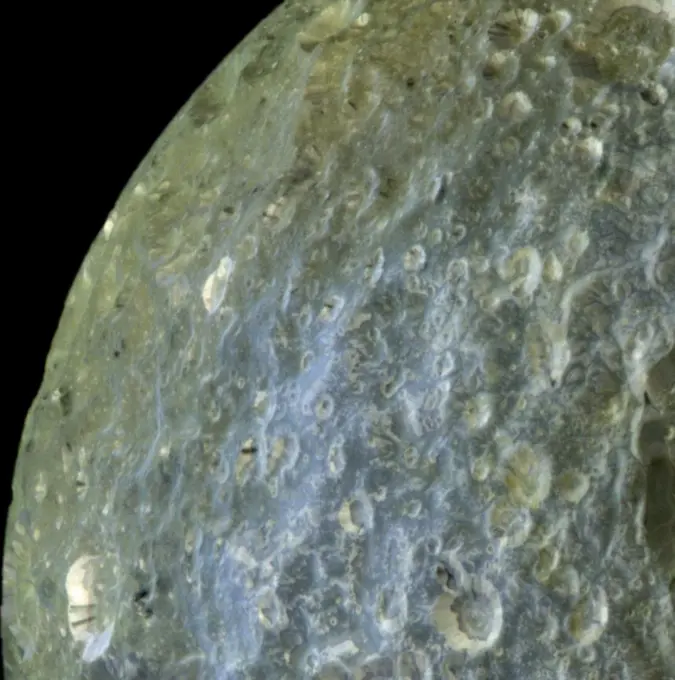
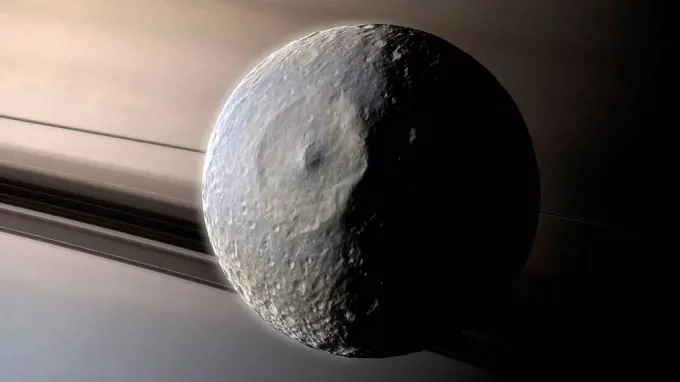
A false-color view of Saturn's moon Mimas from NASA's Cassini spacecraft accentuates terrain-dependent color differences and shows dark streaks running down the sides of some of the craters on the region of the moon that leads in its orbit around Saturn.
1838-51330361
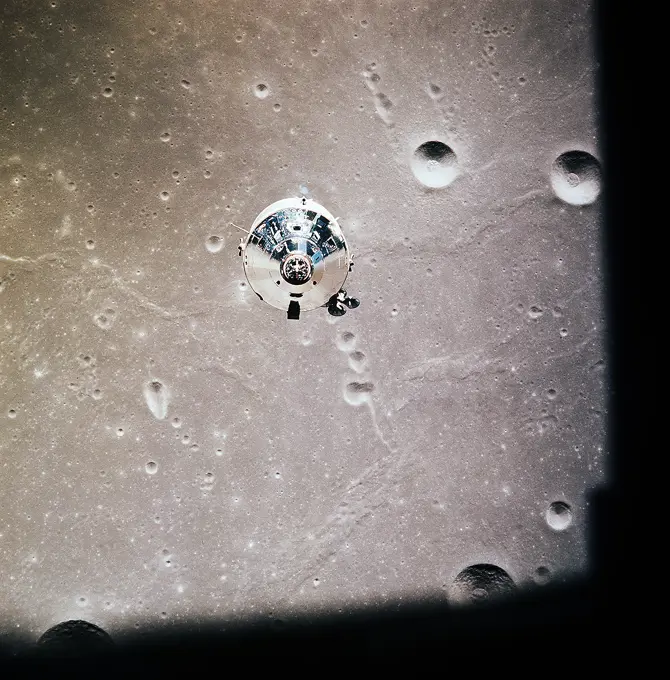
The Apollo 11 Command and Service Modules photographed from Lunar Module in lunar orbit during Apollo 11 lunar landing mission, lunar surface below is in north-central Sea of Fertility, Johnson Space Center, NASA, July 20, 1969
6145-44466860
The SpaceX Dragon Endeavour crew ship carrying four Axiom Mission 1 astronauts approaches the International Space Station less than a day after launching from NASA's Kennedy Space Center in Florida. Pictured above Endeavour is the first quarter Moon as both spaceraft were orbiting 259 miles above the Atlantic Ocean off the coast of Morocco.
6145-45100043
Saturn's rings are so expansive that they often sneak into pictures of other bodies from NASA's Cassini spacecraft. Here, they appear with the planet in a picture taken during a close flyby of Dione.
1570R-130671
An American flag on the surface on the moon
1525-20863536
Telescope and starry sky. The Instrument telescope observing for the moon and starry sky.Vector illustration
1899-50282
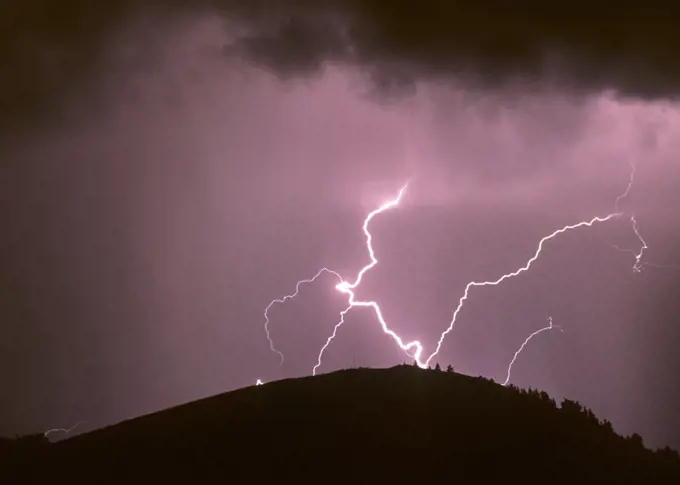
Hilltop bristling with towers and rocket launchers for lightning and thunderstorm research at Langmuir Laboratory for Atmospheric Research. An electrically isolated underground bunker lies on the summit of this mountain peak. Facility operated by New Mexico Institute of Mining and Technology in Socorro. Summit of the Magdalena Mountains, New Mexico, USA.
4389-305
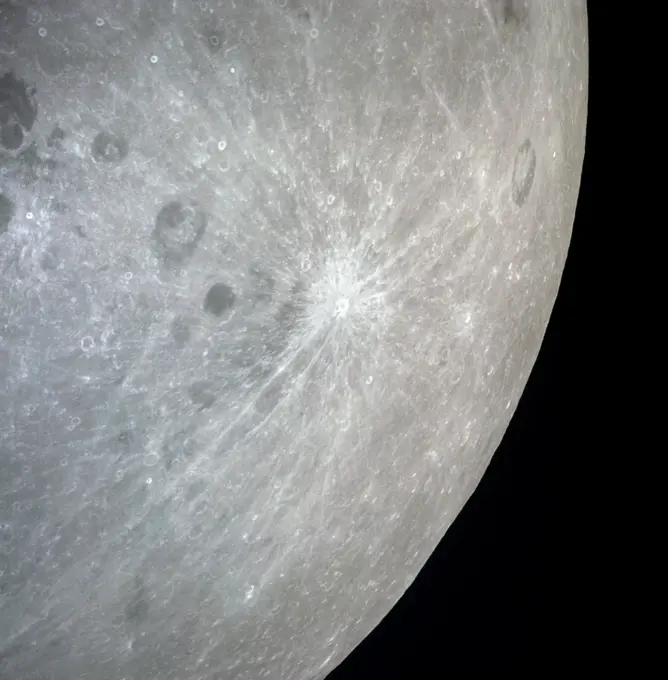
Apollo 17 - Moon Crater with Bright Ejecta
6145-52333722
Total eclipse of the sun: Observed July 29, 1878, at Creston, Wyoming Territory. Trouvelot, E. L. (Etienne Leopold). Prints, Scientific illustrations. 1881 - 1882. Rare Book Division. Astronomy
6188-63329127
Hands cupping holding our moon Two hands cupping the moon. Our moon is a dry orb whose surface is studded with craters and strewn with rocks and dust called regolith. The moon has no atmosphere Moon image December 7 1992. The dark areas are lava rock filled impact basins. The colour is due to the ccd being sensitive to infrared wavelengths of light beyond human vision. ,model released, Symbolfoto Copyright: xZoonar.com/Leah-AnnexThompsonx 2888270 ,model released, Symbolfoto ,property released
4128R-13590747
Impression of the gas giant planet Saturn, with the rings seen edge on. Sunlight filtered through the rings has stained the lower hemisphere a shade o...
6177-V54005911
6145-29733930
Panorama of Moon Surface, from Apollo 16 Mission April 1972 National Aeronautics and Space Administration (NASA) American Beginning in 1968, NASA officials put great stress on the importance of creating an accurate atlas of the lunar surface by means of photography. To do so, they used extensive and technologically advanced camera equipment, most of which was designed to work with a remote human operator. This panoramic photograph was made with such equipment during the Apollo 16 mission, which launched on April 16, 1972. NASA's commitment to photography proved popular with general audiences as well as scientifically useful. In large part, that popularity reflects the widespread interest in everything connected to space exploration during the late 1960s and early 1970s, but the photographs are fascinating in their own right. Although we may be tempted to call them landscapes, the photographs are utterly unlike those of earth, exhibiting none of the traditional markers of scale, such
4351-440
Total Solar Eclipse
6145-45270566
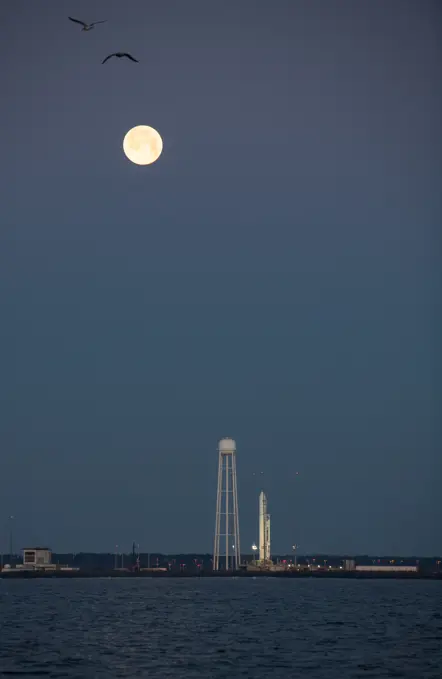
A Northrop Grumman Antares rocket carrying a Cygnus resupply spacecraft is seen early in the morning as the Moon sets on Pad-0A, Sunday, Feb. 9, 2020, at NASA's Wallops Flight Facility in Virginia. Northrop Grummans 13th contracted cargo resupply mission with NASA to the International Space Station will deliver more than 7,500 pounds of science and research, crew supplies and vehicle hardware to the orbital laboratory and its crew. The CRS-13 Cygnus spacecraft is named after the first African American astronaut, Major Robert Henry Lawrence Jr..
4128R-616
Crater Einthoven
6188-64697428
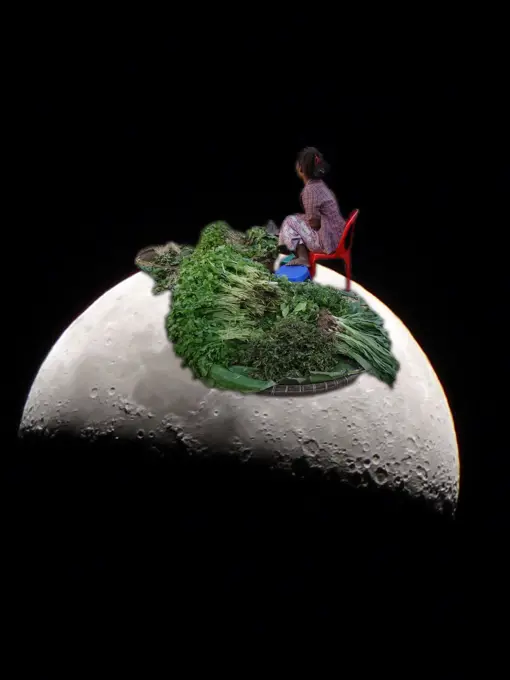
Marketplace Moon Birmesian Market Frau on the moon - Fun
4389-2480
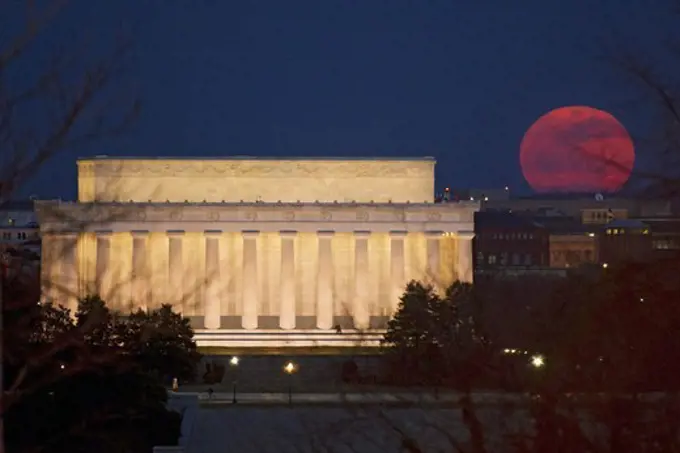
Super Perigee Moon
6145-45095210
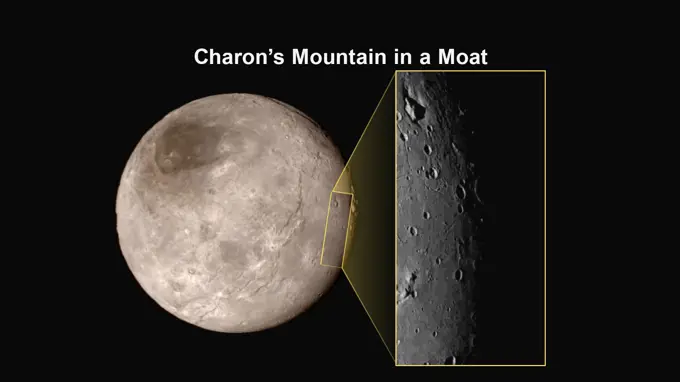
This image, taken by NASA's New Horizons, is of an area on Pluto's largest moon Charon featuring a captivating feature-a depression with a peak in the middle, shown here in the upper left corner of the inset.
6145-45260864
This frame from an animation shows the sudden appearance of a bright aurora on Mars during a solar storm. The purple-white color scheme shows the intensity of ultraviolet light seen on Mars' night side over the course of the event. The data are from observations on Sept. 12 and 13, 2017, by the Imaging Ultraviolet Spectrograph instrument (IUVS) on NASA's Mars Atmosphere and Volatile Evolution orbiter, or MAVEN. The aurora is occurring because energetic particles from the solar storm are bombarding gases in the planet's atmosphere, causing them to glow. A simulated image of the Mars surface for the same time and orientation is also shown, with the dayside crescent visible on the right. The auroral emission appears brightest at the edges of the planet where the line of sight passes along the length of the glowing atmosphere layer. Note that, unlike auroras on Earth, the Martian aurora is not concentrated at the planet's polar regions. This is because Mars has no strong magnetic field lik
1848-51513084
Mirador astronomico, La Muralla, Tijarafe, La Palma, Spain, Europe
6188-56075521
Japanese Lunar Exploration Program. Planetary rover with Moon and Japanese flag. 3D rendering Japanese Lunar Exploration Program. Planetary rover with Moon and Japanese flag. 3D rendering isolated on white background Copyright: xZoonar.com/alexlmxx 21227780
PREVIOUS
of 3
NEXT
2401 S. Ervay, Suite 206
Dallas, Texas 75215
United States
Get Started
Free ResearchMy BoardsMy Cart
For Creators
How To License Your ContentContributor PortalFrame of Mind
Resources
API accessPricing
Contact
+1 866 236 0087help@viewpictures.co.uk Contact form
©2026 View Pictures. All Rights Reserved. -A
This site is protected by reCAPTCHA and Google Privacy Policy and Terms of Service apply.