Marine Artifacts

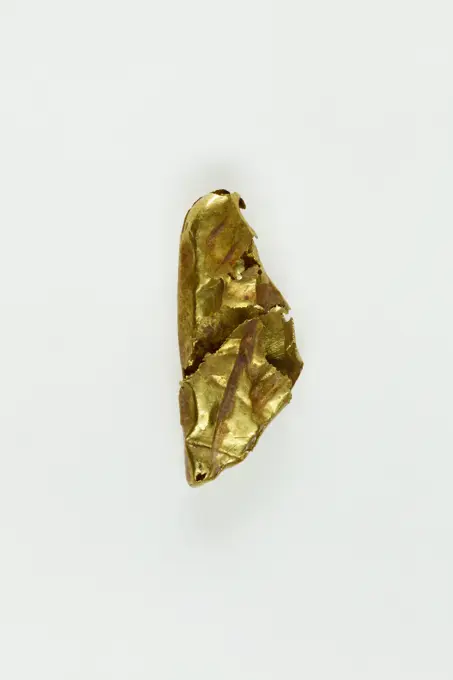
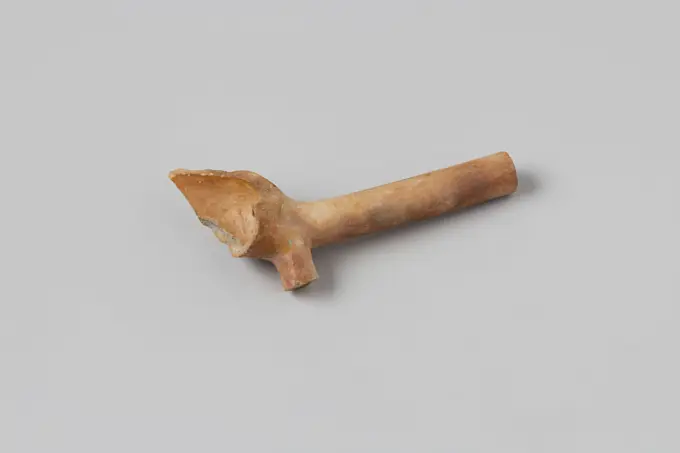
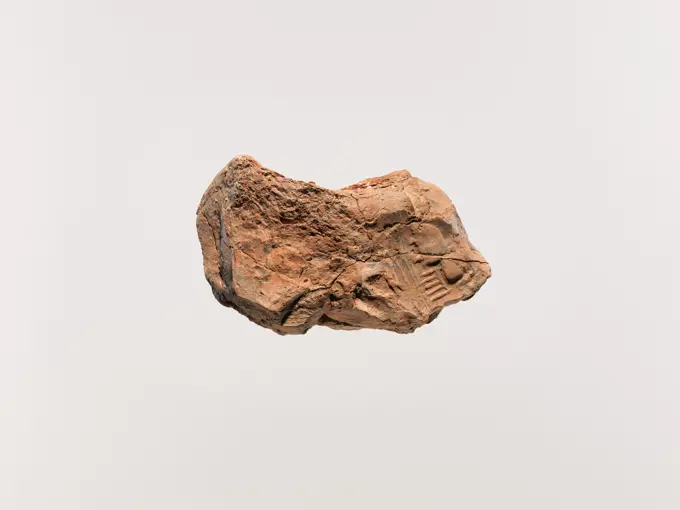
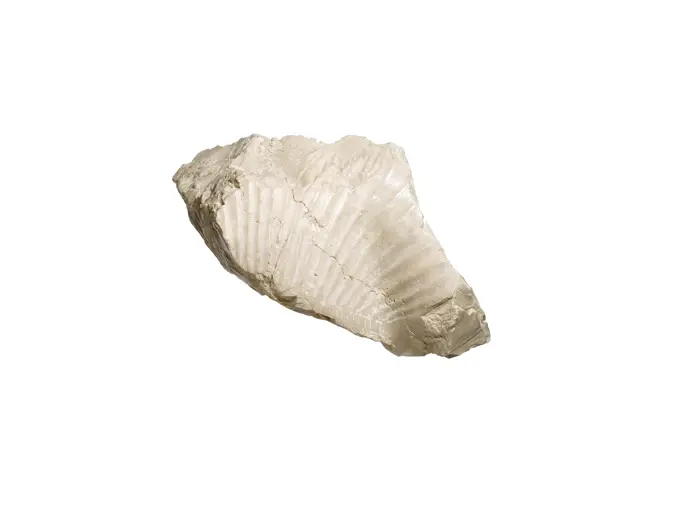
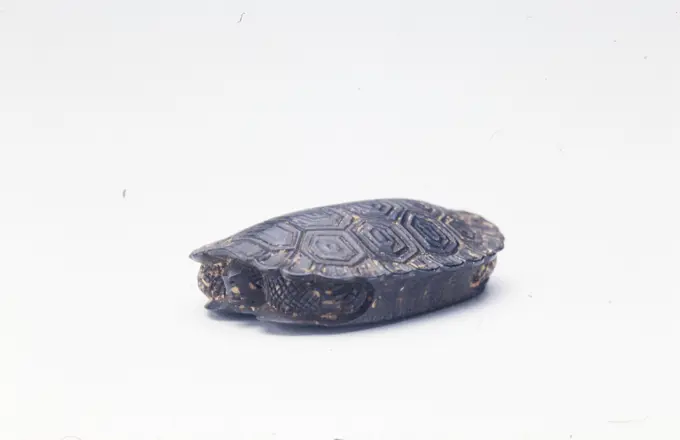
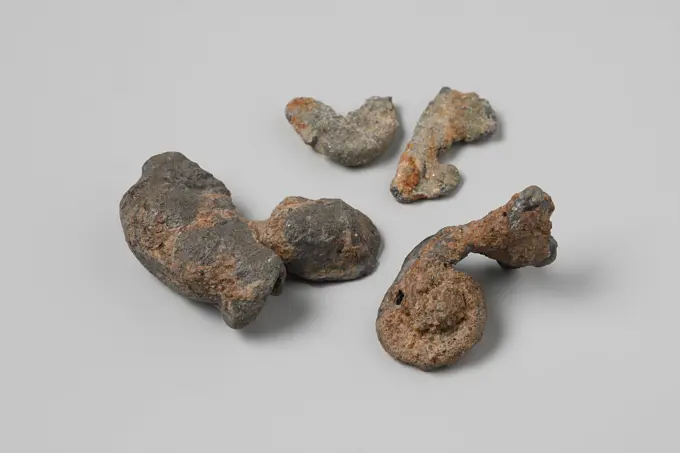
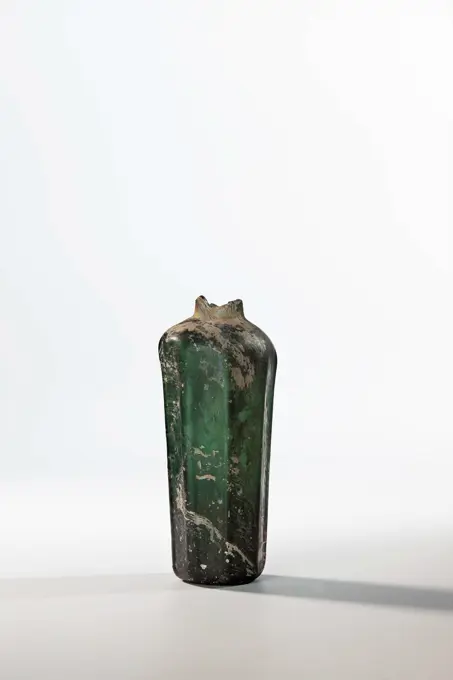
Exhibits of shipwreck fragments including shells and metal remnants, highlighting historical maritime artifacts from the East Indies.
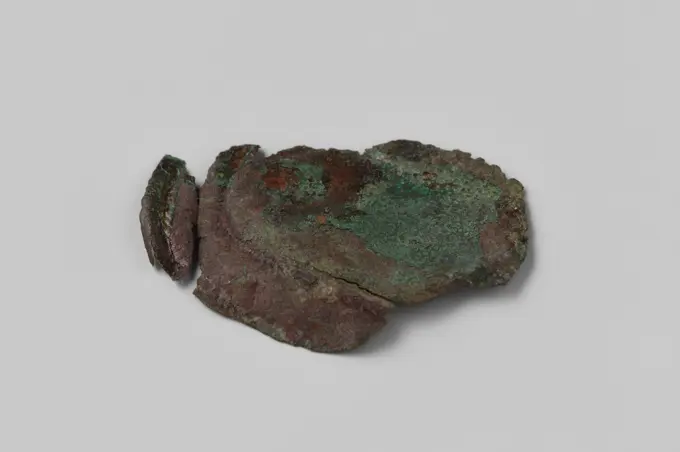
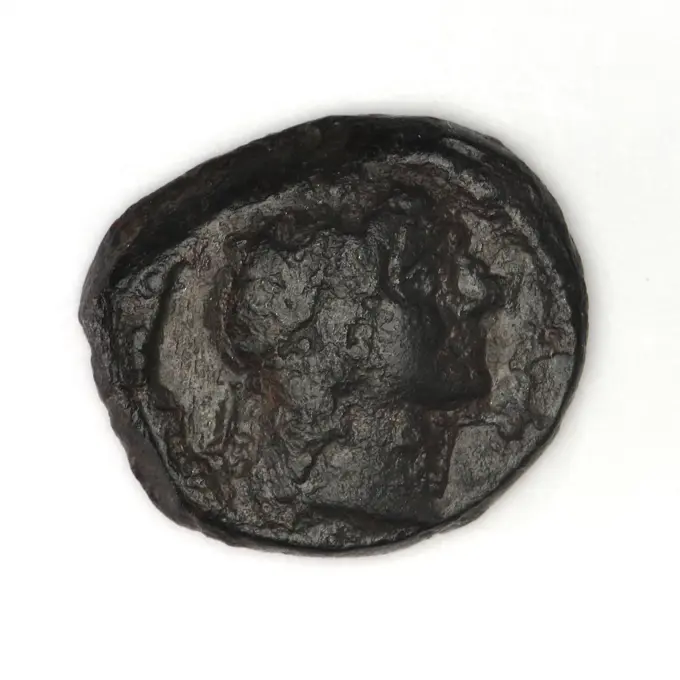
Copper fragment from the wreck of the East Indians Hollandia, Anonymous, 1700 - in Or Before 1743 fragment Varied parts or fragments, sheet metal fragments: worked, moulded or shaped; fragm, heavily eroded; flat, curved outline (oval), stepped rim. Netherlands copper (metal)   Second
Copper fragment from the wreck of the East Indians Hollandia, Anonymous, 1700 - in Or Before 1743 fragment Varied parts or fragments, sheet metal fragments: worked, moulded or shaped; fragm, heavily eroded; flat, curved outline (oval), stepped rim. Netherlands copper (metal) Second
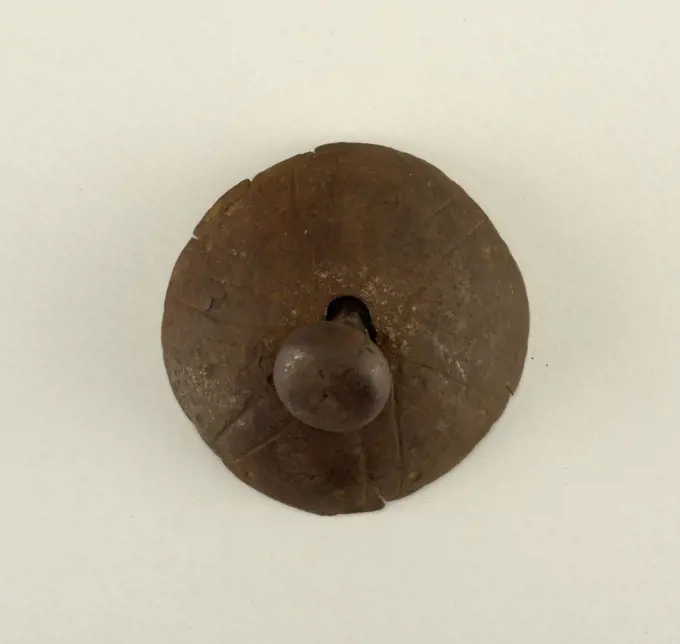
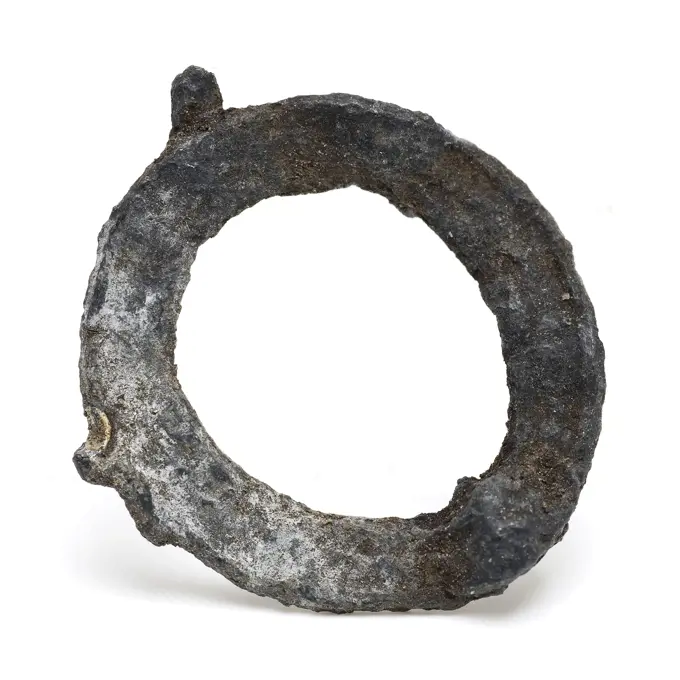
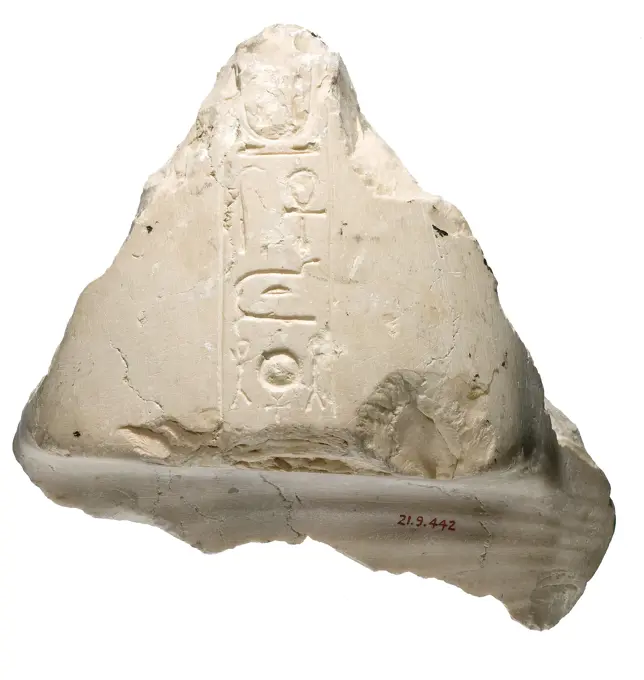
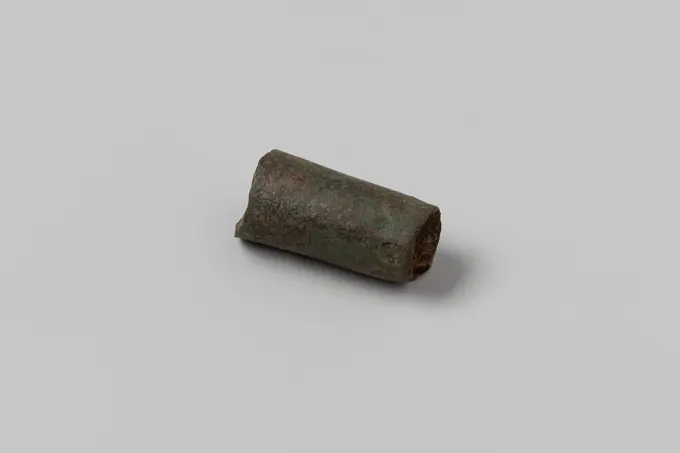
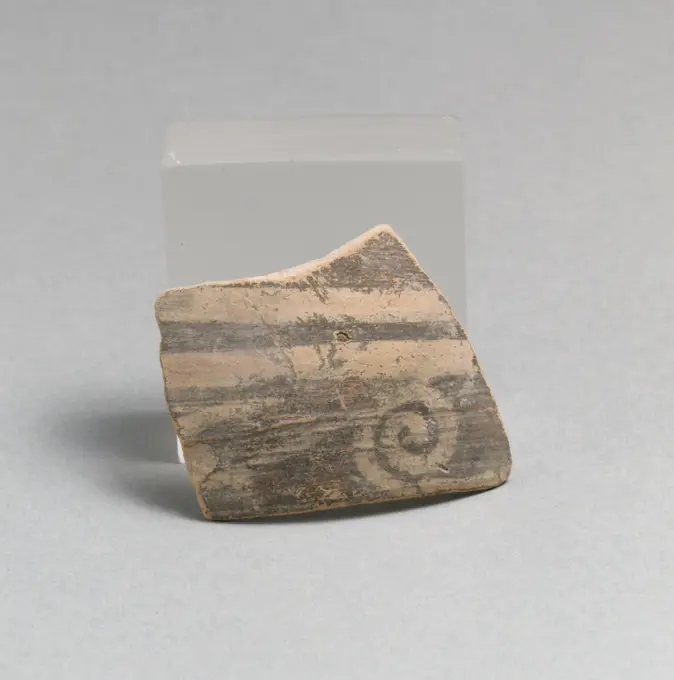
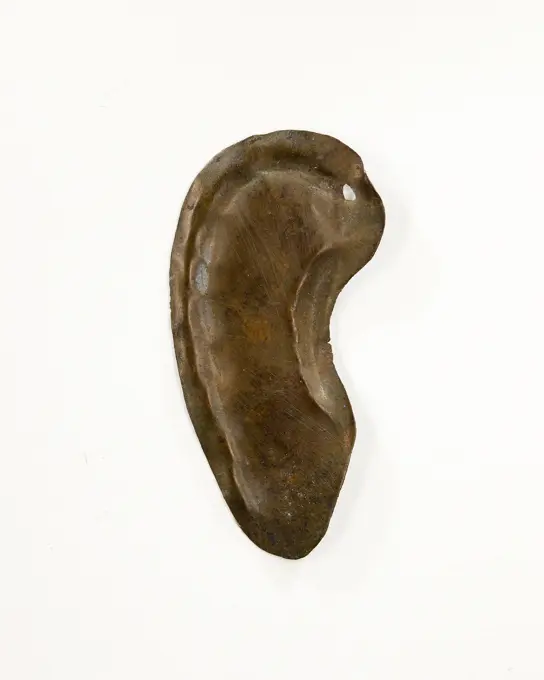
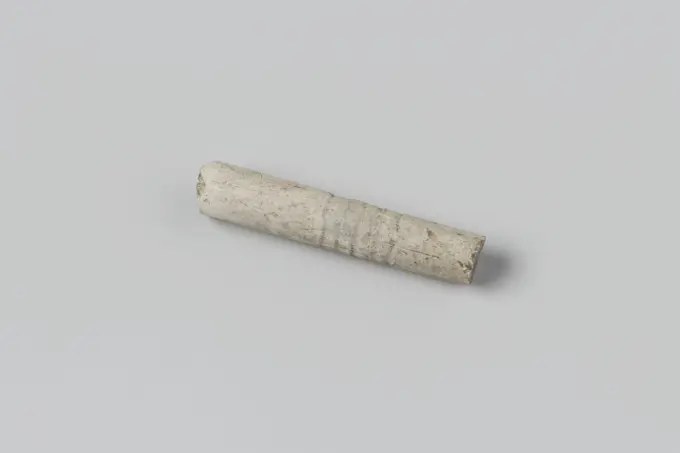
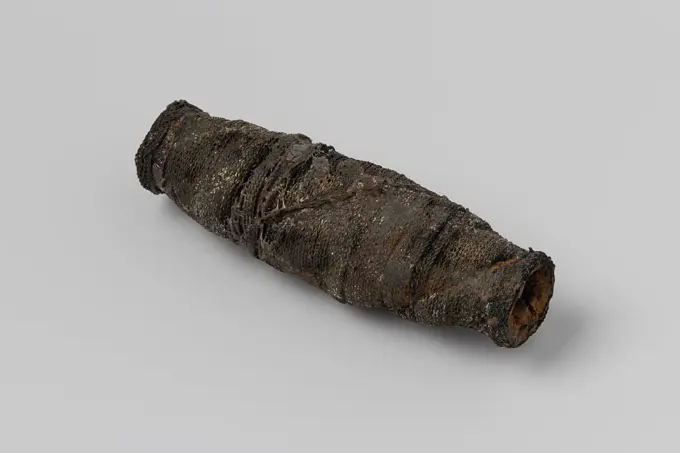
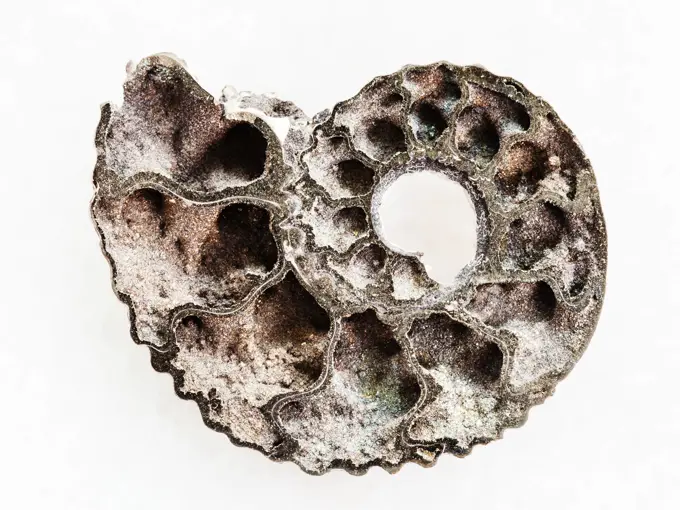
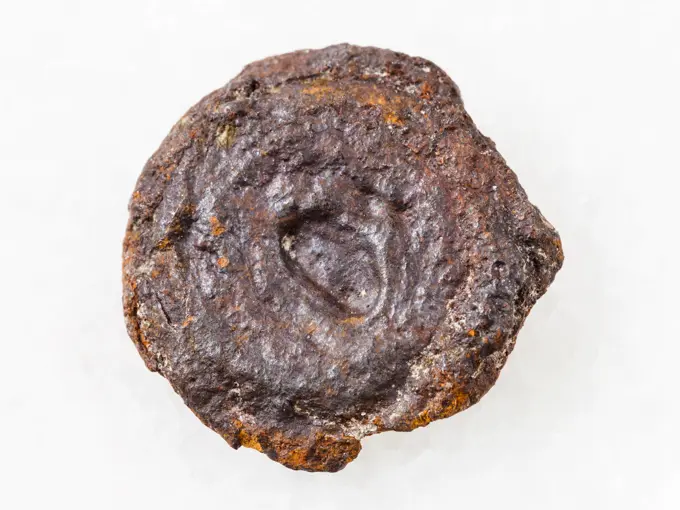
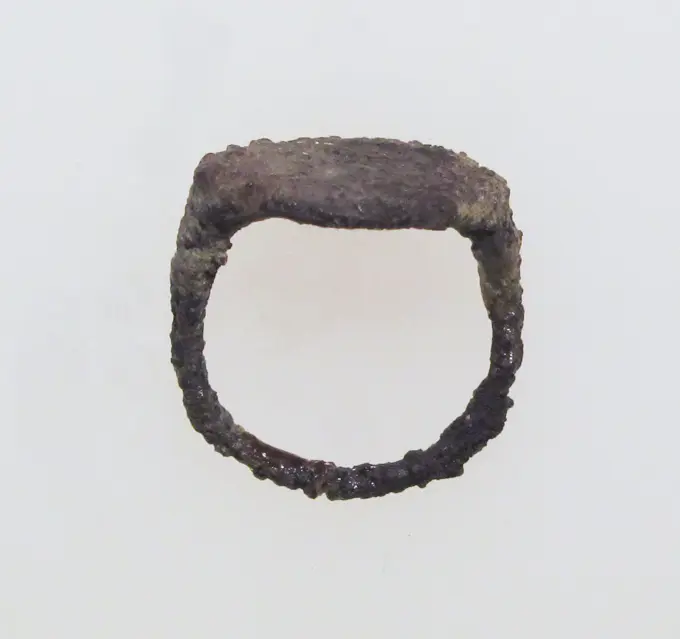
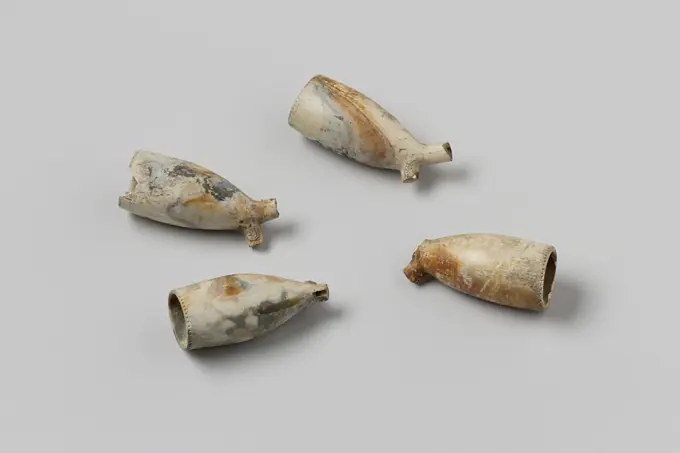
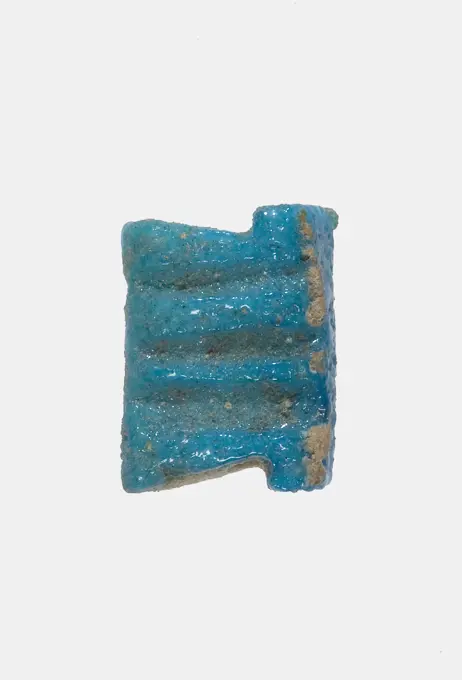
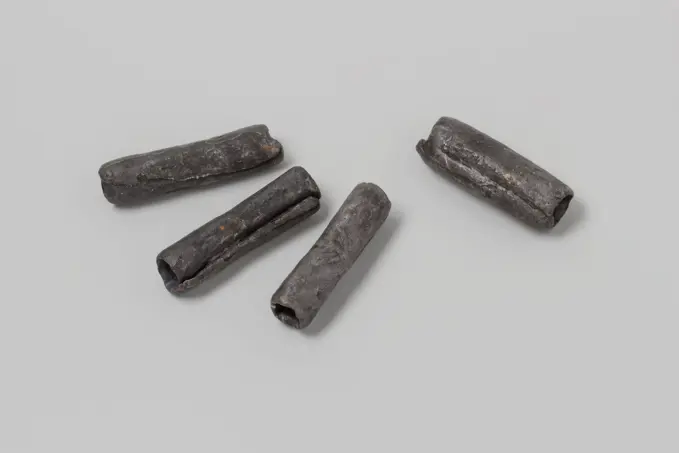
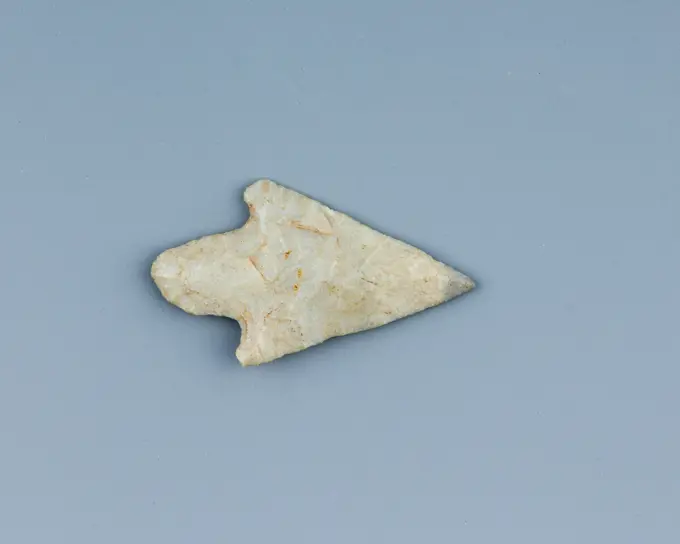
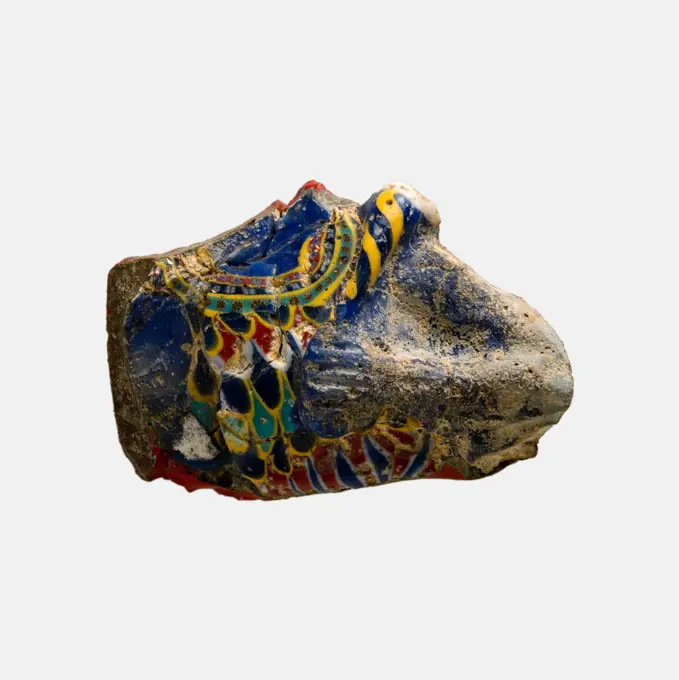
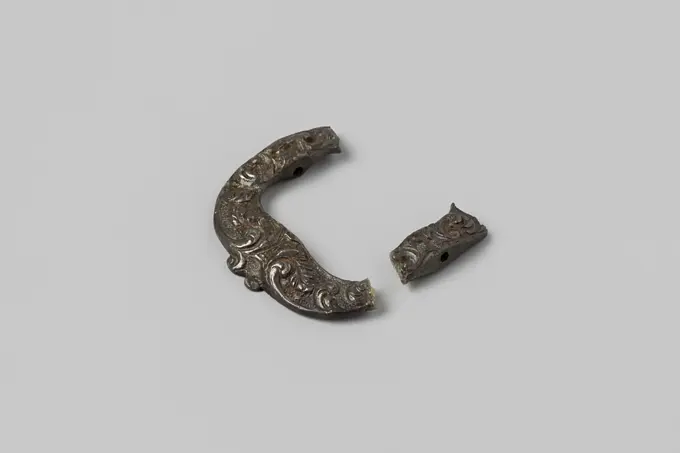
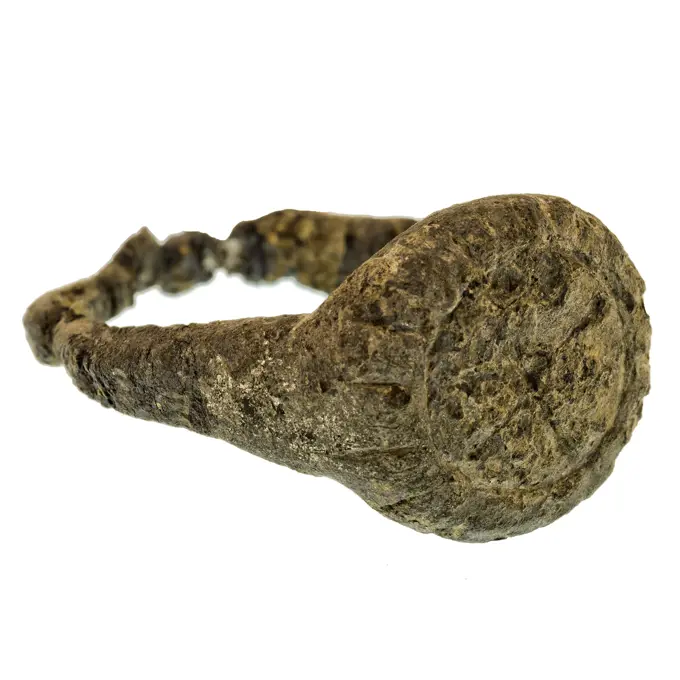
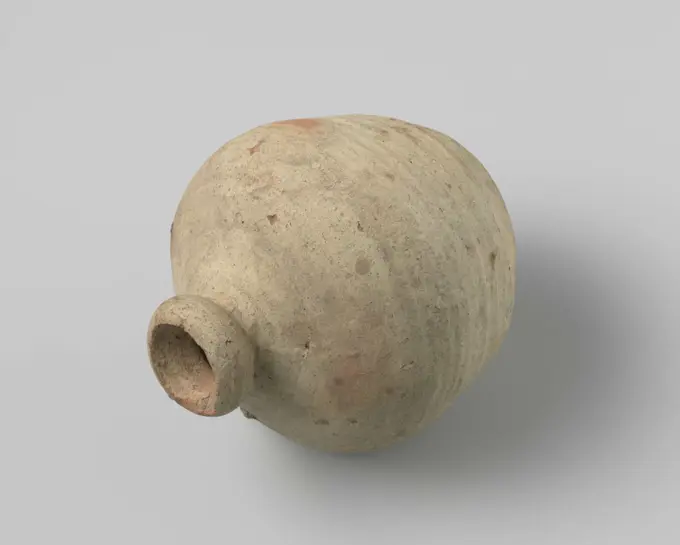
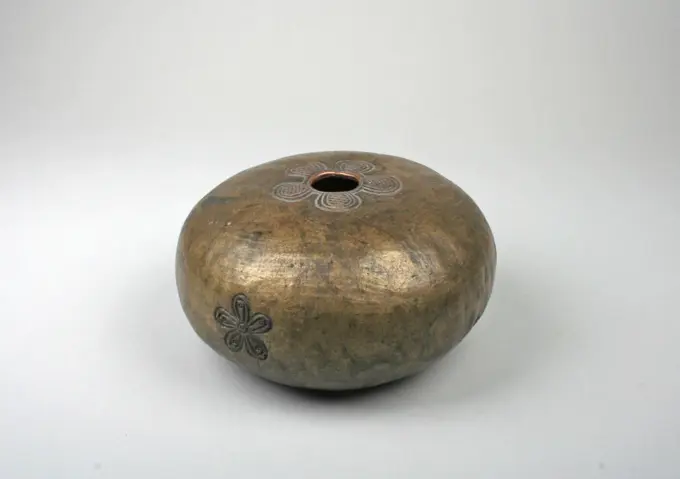
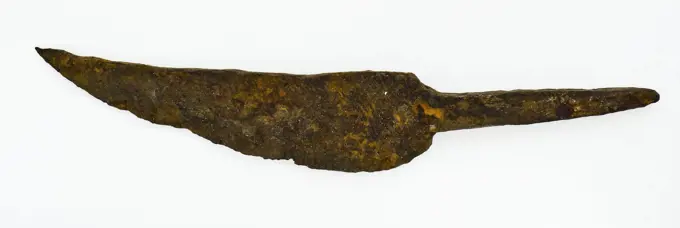
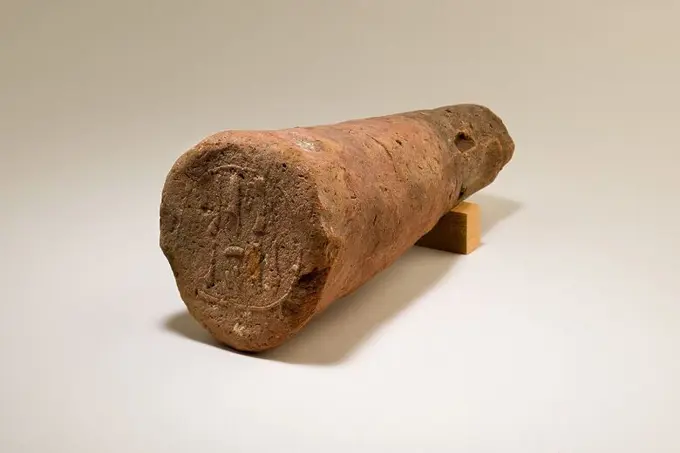
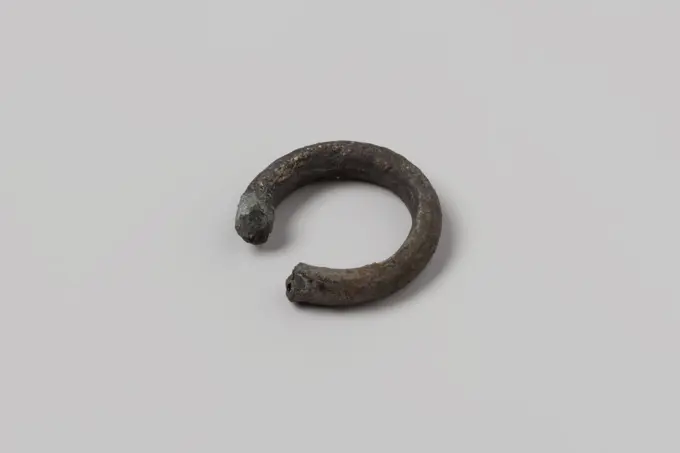
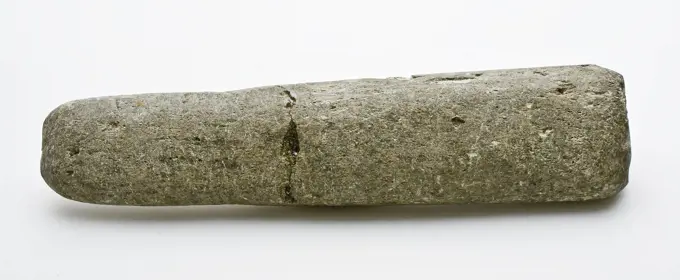
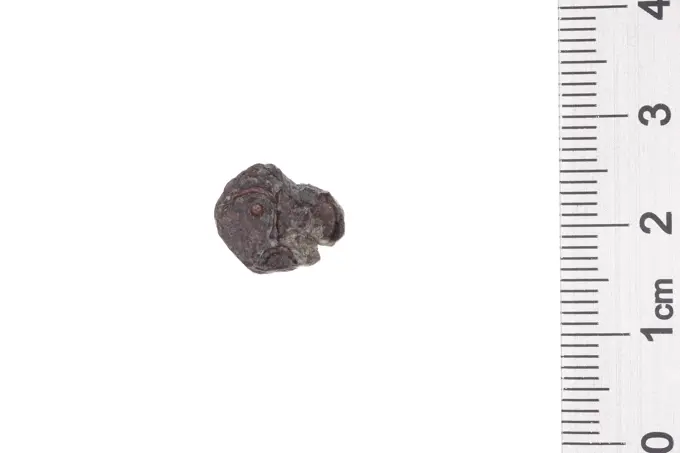
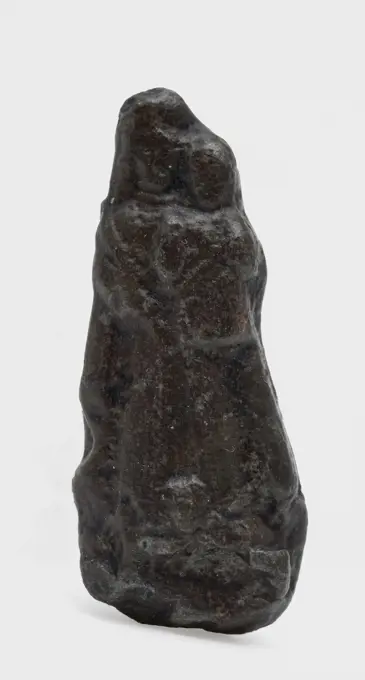
Figurine without stand of Mary and Child, tin or lead, figurine soil finds tin lead metal, w 1,4 cast Small pewter or lead statue of Mary and the Child Jesus Mary has staff in the right hand. Depicting on one side. No clear pedestal or pedestal archeology Rotterdam City Triangle Botersloot Binnenrotte devotion worship religion transport bible Jesus Christ Maria archaeological find in the soil Rotterdam Binnenrotte is behind the Botersloot.Decorative door boss and nail, Wrought iron, Hemispherical boss divided into six triangular sections by paired lines. Nail with mushroom-shaped head and a squared shank., Spain, 15th century, metalwork, Decorative Arts, Decorative door boss and nailRaised relief fragment 664-610 B.C. Late Period, Saite see 23.3.468. Raised relief fragment. 664-610 B.C.. Limestone. Late Period, Saite. From Egypt, Upper Egypt, Thebes, Deir el-Bahri, Tomb of Nespekashuty (TT 312, MMA 509), 1st chamber E. wall; bottom register, MMA excavations, 1922-23. Dynasty 26Silver sanguisuga-type fibula (safety pin) 8th-7th century B.C. Italic Sanguisuga ("leech") fibulae have arched bows with closed undersides.. Silver sanguisuga-type fibula (safety pin). Italic. 8th-7th century B.C.. Silver. Geometric. Gold and SilverCoin 5th-14th century. Coin. 5th-14th century. Copper. Excavated in Iran, Nishapur. CoinsSmall pewter pins or brooches, ornament clothing accessory clothing soil find tin metal largest, molded Eight circular openwork brooches or pins. Rear leftovers of pin front decorated archeology Rotterdam rail tunnel decorate archaeological find in the soil: trajectory rail tunnel Rotterdam.Drohiczyn seal. unknown, managerBliżej Kultury Valens (328 378)Schoen uit het wrak van de Oost-Indiëvaarder Meresteijn.Leather shoe. Sole made up of two layers of leather and the heel from eight or more layers. In the heel the nails are still visible, with the sole the holes for the stitching but the stitching itself. The leather is covered with a low rust or rusty cage. Shoe.Wig of Nefertiti, inscribed ca. 1352-1336 B.C. New Kingdom, Amarna Period. Wig of Nefertiti, inscribed 549781Messenheft from the wreck of the East Indians Hollandia, Anonymous, 1700 - in Or Before 1743  Knife, handle, cylindrical: tapering; id. NG 1979-403H. Netherlands wood (plant material)   SecondFragment crane from the wreck of the East Indieschief Hollandia. Tap, part or tap; NG 1979-521H.Jewel, pendulum and polished shale pendant (common name). Schist cut and polite. Carnavalet museum, history of Paris.Grahal-Manzara. Carnavalet 2013-2016 collection sites. Numismatics. Women's right sitting on the left, leaning on a shield ().Female Head. UnknownSteen, received by Drees from the American ambassador, Before 1969  Red-black piece of petrified wood, weighing 89.5 grams.  wood (plant material). plaquette: cardboard   United States of America. Amsterdam. MoonFalcon amulet probably ca. 1850-1640 B.C. Middle Kingdom-Early New Kingdom Made of thin sheet gold, this amulet takes the form of a falcon. This high-flying raptor is associated with a number of deities, primary among whom was Horus. Originally a sun god identified as both guardian and earthly incarnation of the king, the Horus falcon is often interpreted in funerary contexts as a protector of the dead.. Falcon amulet 557141Votive Menat fragment ca. 1479-1458 B.C. New Kingdom. Votive Menat fragment. ca. 1479-1458 B.C.. Faience. New Kingdom. From Egypt, Upper Egypt, Thebes, Deir el-Bahri, Hatshepsut Hole, Hathor Shrine, MMA excavations, 1922-23. Dynasty 18Daisy Pendant ca. 1390-1353 B.C. New Kingdom. Daisy Pendant. ca. 1390-1353 B.C.. Faience. New Kingdom. From Egypt, Upper Egypt, Thebes, Malqata, Palace of Amenhotep III, MMA excavations, 1910-11. Dynasty 18Sealing ca. 1981-1640 B.C. Middle Kingdom. Sealing 560443Fragment pipe from the wreck of the East Indiesman Hollandia.Pipe, Bowl, Healmar: Coat of Arms of the Province of Gelderland; Fragm, no HSM.Bead (in two parts). Unknown 5th century B.C.Pendant: head of a woman 5th century B.C. Italic. Pendant: head of a woman. Italic. 5th century B.C.. Amber. Classical. Miscellaneous-AmberSealing with cylinder seal impression ca. 2700-2600 B.C. Sumerian. Sealing with cylinder seal impression. Sumerian. ca. 2700-2600 B.C.. Clay. Early Dynastic II. Mesopotamia, NippurTerracotta rim fragment with running spiral ca. 2300-2100 B.C. Minoan From Gournia, CreteRim fragment with running spiral.. Terracotta rim fragment with running spiral 247818Votive Ear ca. 1479-1458 B.C. New Kingdom. Votive Ear 549440Arm with Aten cartouche ca. 1353-1336 B.C. New Kingdom, Amarna Period. Arm with Aten cartouche 549840Coin. Culture: China. Dimensions: L. 2 1/16 in. (5.2 cm). Museum: Metropolitan Museum of Art, New York, USA.Drohiczyn seal. unknown, managerFragment Pijpensteel, Anonymous, 1600 - 1800 Fragment pipe stalk with 5 dotted lines all around. Of the excavations on the Hofstede Arentsburg 1827-1831 under the supervision of Professor Reuvens. Netherlands pipe clay Fragment pipe stalk with 5 dotted lines all around. Of the excavations on the Hofstede Arentsburg 1827-1831 under the supervision of Professor Reuvens. Netherlands pipe clayTeardrop-Shaped Bead, 1980-1801 BC. Egypt, Middle Kingdom, Dynasty 12. Gold over calcite gesso core; average: 2.4 cm (15/16 in.).Excerpt of copper from the wreck of the East Indians Hollandia, 1700 - in or before 1743 fragment Varied parts or fragments, strips and strip-shaped fragments; fragm. Netherlands copper (metal)   SecondHold from Hilt from the wreck of the East Indied Flying Heart. Handle from a blank weapon consisting of a round wooden core vertically wounded by two-knit copper wire. Of the diagonal three-stranded copper wire, only a print is visible.Brown coin; Fanagoria; 2. PO. 1st century BC (-50-00-00--1-00-00);Apollo (mitol.False Coin, Jagiellonian Crown Half Groschenpolished half of Ammonite fossil on white macro shooting of natural mineral rock specimen - polished half of Ammonite fossil on white marble background Copyright: xZoonar.com/ValeryxVoennyyx 11947395Drohiczyn seal. unknown, managerLid of crockery from the wreck of the East Indieschief Hollandia. Vessel Part, member; Fragm, circular, slightly domed, Central Finial Broken Off, Circular Convex Recess Underneath.raw lake iron ore coin type limonite on white macro shooting of natural mineral rock specimen - raw lake iron ore coin type limonite on white marble background Copyright: xZoonar.com/ValeryxVoennyyx 11951434Fragment of Statesbti;  332-30 BC ; Ptolemean period (-332-00-00--30-00-00);Nefertiti breast and shoulder fragment, cartouche of Aten ca. 1352-1336 B.C. New Kingdom, Amarna Period. Nefertiti breast and shoulder fragment, cartouche of Aten 549777Drohiczy seal;  XI-XIII century (1090-00-00-1110-00-00);guild seals, customs seals, touches, seals of customs chambers, official seals, seals with a cross, seal with the image of the faceHeft van hertshoorn., anonymous, c. 1400 - c. 1950 Handle from Hertshoorn.  horn (animal material). Handle from Hertshoorn.  horn (animal material).Half Coconut from V.O.C. ship De 'Witte Leeuw', Before 1613 coconut (fruit) Half coconut from V.O.C. ship De 'Witte Leeuw'. The underside, with hole.  coconut shell   Sint-HelenaNetsuke turtle, late 19th century, Unknown Japanese, 7/16 x 1 3/8 x 1 3/4in. (1.1 x 3.5 x 4.4cm), Ebony, Japan, 19th centuryDove Tree, fruit, Handkerchief Tree (Davidia involucrata), Ghost Tree, NyssaceaeAdministrative Seal ca. 1981-1640 B.C. Middle Kingdom. Administrative Seal 565826Decorative batter from the wreck of the East India Hollandia. Fitting, decorative fitting or fragment; Fragm ID. NG 1980-27H1749, Squashed, eroded; ID. NG 1980-27H1051, eroded.Pocisk do procy z przedstawieniem wiązki piorunów. unknown, authorBottle. unknown, craftsmanArrowheads, needles, hooks and harpoons. Culture: Japan. Dimensions: a. W. 1/2 in. (L. 4 1/8 in. (10.5 cm)b. W. 3/4 in. (1.9 cm); L. 5/8 in. (1.6 cm).These implements--an arrowhead, fishhooks, needle, and harpoon--were skillfully carved from bone, a material worked by Japanese artisans since Paleolithic times. They were found in the Obara Shell Mound at Ofunato Bay in Iwate Prefecture. According to information gleaned from shell mounds, or middens, the people of the Jomon period relied on a variety of strategies to obtain food. The large number of fishhooks, fashioned with and without barbs, together with the rich array of marine remains found in these rubbish heaps since very early times indicate that some fifty species of fish and shellfish constituted an essential dietary staple. Toggle-head harpoons, a later innovation, facilitated the hunting of sea mammals. Attaching a line to the toggle allowed the hunter to draw in his prey once the toggle had broken away from the harpoon shaFragment of Vase Handle ca. 1390-1353 B.C. New Kingdom. Fragment of Vase Handle. ca. 1390-1353 B.C.. Faience. New Kingdom. From Egypt, Upper Egypt, Thebes, Malqata, Green Buildings, MMA excavations, 1910-11. Dynasty 18Ring. Ring 243481Techniques of restoration of Romanesque decorative stuccoes, finds n 148 and 149, verso, basilica of Santa Maria Maggiore, Lomello, Lombardy. Italy, 11th century.Blue brain egg (cow's milk cheese with blue mold, Switzerland)Pipe heads from the wreck of the East India Hollandia.Pipe, Bowl, Heelmark: Fish, Flounder; Fragm, 2HSM1.4, 1HSM1.Drohiczyn seal. unknown, managerAmulet ca. 1802-1450 B.C. Late Middle Kingdom-Early New Kingdom. Amulet. ca. 1802-1450 B.C.. Faience. Late Middle Kingdom-Early New Kingdom. From Egypt, Memphite Region, Lisht North, Cemetery south of pyramid, House A1, so-called "faience factory", MMA excavations, 1920-22. Dynasty 13-18, earlyLead Role from the wreck of the East Indies' t Vliegend Hart ,, 1700 - 1735 lead Tubes rolled plates. Black-gray and silver gray of color. Roll of Lead. Middelburg lead (metal)Bliżej Kultury PhraseArrowhead ca. 10,000 B.C.-5000 B.C. European, Italian peninsula. Arrowhead. European, Italian peninsula. ca. 10,000 B.C.-5000 B.C.. Stone. Archery Equipment-ArrowheadsNeolithic Tools, India, AsiaDrohiczyn seal. unknown, managerArrowhead ca. 7th century B.C.-2nd century A.D.. Arrowhead 325120Drohiczyn seal. unknown, managerHeavy oxidized plug-like lead object, weight, weight of founding lead metal, cast Conical lead weight Probably measuring at the top with caliwating and inspecting archeology measuringScherf of a wine bottle from the wreck of the East Indians Hollandia, Anonymous, 1700 - in Or Before 1743  Typologically not identifiable, belly, fragment. Netherlands .   SecondPieces of stone on dishHigh relief inlay fragment, frontal bust of a god in a feather garment and holding a scepter 200 BC-100 AD Ptolemaic Period-Roman Period Monochrome blue glass has been fused with three patterns of mosaic glass: twisted blue and yellow form a staff, another pattern forms a broad collar, and a feather pattern represents a god's garment... High relief inlay fragment, frontal bust of a god in a feather garment and holding a scepter. 200 BC-100 AD. Glass. Ptolemaic Period-Roman Period. From Egypt; Said to be from RomeKneeespoon from the wreck of the East Indiescher Hollandia.Kniegesp, with a broken fragment. Buckle, chape buckle, knee buckle; (3) Fragment (1) Half Ring (3L, 0.2T), Relieved Scrolling and Foliate Decoration, Scrolling Projection On The Long Side (Longitudinal Spindle)Cast of a Pot Sherd mid-20th century Lapita people. Cast of a Pot Sherd 314215Drohiczyn seal. unknown, managerTobacco pipe., C. 1400 - c. 1950 Tobacco pipe. Stamp: Crowned Roos and I.D.  earthenware. pipe clay Tobacco pipe. Stamp: Crowned Roos and I.D.  earthenware. pipe clayTin signet ring, ring ornament clothing accessory clothing semi-finished soil find tin metal, inside, Two rings: 'signet rings' with round chaton (1) and with an oval chaton (2 ) archeology Rotterdam railway tunnel adorn prosperity status goldsmith tinnegieter tingieterij craft Soil discovery: trajectory rail tunnel Rotterdam.Quartz Schist  Dawson City, Yukon, Canada     Date: Cuneiform tablet: declaration before witnesses, Egibi archive ca. mid 6th-early 5th century B.C. Babylonian or Achaemenid. Cuneiform tablet: declaration before witnesses, Egibi archive 321552Fragment of a dish of earthenware with lead glaze., Anonymous, c. 1735 - c. 1760 Fragment of a dish of earthenware with lead glaze. The excerpt looks like a fragmentary dish with invnr. BK-1979-23-A. Just like BK-1979-23-A and BK-1979-23-C, the excerpt is a soil find from Noord-Holland. Staffordshire earthenware. lead glaze   North Holland Fragment of a dish of earthenware with lead glaze. The excerpt looks like a fragmentary dish with invnr. BK-1979-23-A. Just like BK-1979-23-A and BK-1979-23-C, the excerpt is a soil find from Noord-Holland. Staffordshire earthenware. lead glaze   North HollandVase fragment ca. 4000-3000 B.C. Neolithic, Hagiorgetika. Vase fragment 253279 Neolithic, Hagiorgetika, Vase fragment, ca. 40003000 B.C., Terracotta, length 2 1/4in. (5.8cm). The Metropolitan Museum of Art, New York. Anonymous Gift, 1930 (30.119.74)Votive Fragment, Sealing ca. 1479-1458 B.C. New Kingdom. Votive Fragment, Sealing. ca. 1479-1458 B.C.. Clay. New Kingdom. From Egypt, Upper Egypt, Thebes, Deir el-Bahri, Temple of Hatshepsut, Hathor Chapel, Egypt Exploration Fund excavations. Dynasty 18Pipe of white soil with loosely figures containing lilies, anonymous, c. 1400 - c. 1950 Pipe of white soil with loosely figures containing lilies.  earthenware. pipe clay Pipe of white soil with loosely figures containing lilies.  earthenware. pipe clayPot of pottery. Round, light gray pot of pottery, no foot, with narrow neck and angular belly.Vessel () 16th-19th century Edo peoples At its origins, the centralized city-state of Benin was founded by Edo-speaking peoples. The accounts by official court historians and descriptions provided by visitors evoke a vibrant cultural center continually redefined by its leadership through shifting internal and external power dynamics. According to oral tradition, circa 1300, Edo chiefs are reputed to have reached out to the leader of neighboring Ife, Oranmiyan, to establish a new divinely sanctioned royal dynasty. Since then, the investiture of Benin’s rulers to the title of obas has conferred upon them at once a role of chief priest officiating in important religious ceremonies and presiding over an elaborate structure of palace officials. During the fifteenth century reign of Oba Ewuare, Benin’s armies were formed and the fortification of its capital with a massive wall undertaken. In parallel, delegations of Portuguese traders assiduously sought to secure exclusive commercial treatiFossil on white background with clipping markDrohiczyn seal. unknown, managerCharacter with folded hands;  III-II century BC (-300-00-00--201-00-00);Anonymous little arrow point. Bronze. Cernuschi Museum, Asia Museum of Asia in the city of Paris.Arched blade with pointed end and narrowed sting, knife cutting tool soil find iron metal, Arc shaped blade with pointed end narrowed angel Top side is thick and shows oblique machining traces archeology Rotterdam rail tunnel cutting Soil discovery: rail tunnel Rotterdam.Funerary Cone of the Herald Ibety. Dimensions: Preserved L. 19.8 cm (7 13/16 in.); Diam. 7.8 cm (3 1/16 in.). Dynasty: Dynasty 18. Date: ca. 1550-1295 B.C.. Museum: Metropolitan Museum of Art, New York, USA.Saw and chisel. Chalcolithic. Copper. Unknown origin. National Archaeological Museum. Madrid. Spain.Ring of a tap from the wreck of the East Indians Hollandia, Anonymous, 1700 - in Or Before 1743  Tap, spigot, removable; fragm, handle, sim. NG 1980-27H903. Netherlands copper (metal)   SecondGray whetstone, little tapered in shape and oval cross-section, whetstone sharpening stone tool kit earth found stone shale, minced chopped elongated whetstone or sharpening stone. Gray natural stone Lightly tapered. Oval section Wide sides smoothly polished by grinding and laws. Deep kerf in the middle at right angles to the legeas archeology Valckensteyn Poortugaal Albrandswaard stone sharpening laws inciting harvests sharpening Soil discovery: castle Valckensteyn in Poortugaal now AlbrandswaardTabakspijp., anonymous, c. 1400 - c. 1950 Tobacco pipe. On the stem a figure in a diamond shape.  earthenware. pipe clay Tobacco pipe. On the stem a figure in a diamond shape.  earthenware. pipe claySeal Stamp. Culture: Minoan. Dimensions: Other: 1/2 x 9/16 in. (1.2 x 1.5 cm). Date: ca. 1800-1700 B.C.. Museum: Metropolitan Museum of Art, New York, USA.Snuff box from the wreck of the East India Flying Heart. Horns side of a snuff box with curly copper part of a hinge. Belongs to a similar side with the same find number but without hinge.Mace head Western Asia 4th-3rd millennium BCEDrohiczyn seal. unknown, managerKnife leftring from the wreck of the East Indiesman Hollandia. Knife-Handle, Ferrule; SIM. NG 1980-27H563.Skuwka from the sword of the sword (Kashira);  18th century (1701-00-00-1800-00-00);Winged arrowhead in carved stone. Neolithic period. North Africa. 3 cm.Figure of Fertility Goddess ca. 2700-3000 B.C. Baluchistan. Figure of Fertility Goddess. Baluchistan. ca. 2700-3000 B.C.. Terracotta. Ceramics