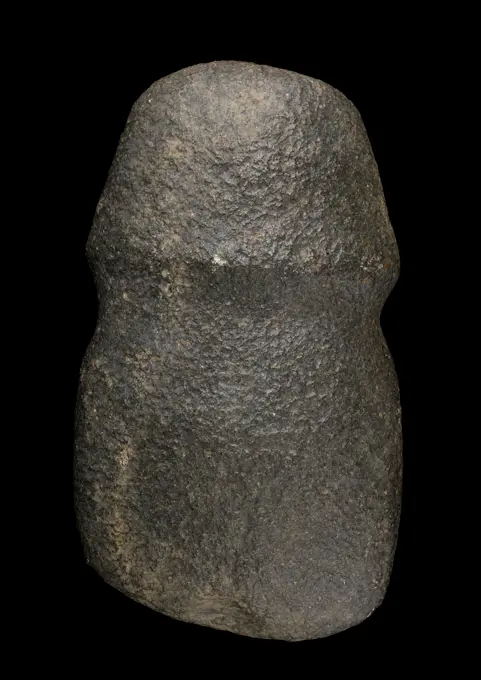
Marine Artifacts

Exhibits of shipwreck fragments including shells and metal remnants, highlighting historical maritime artifacts from the East Indies.
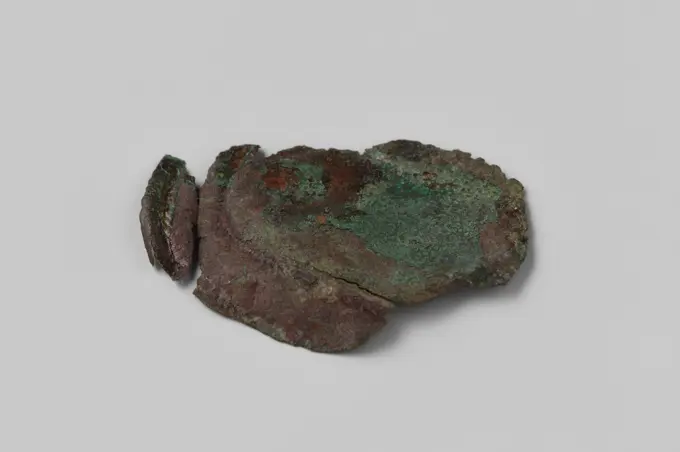
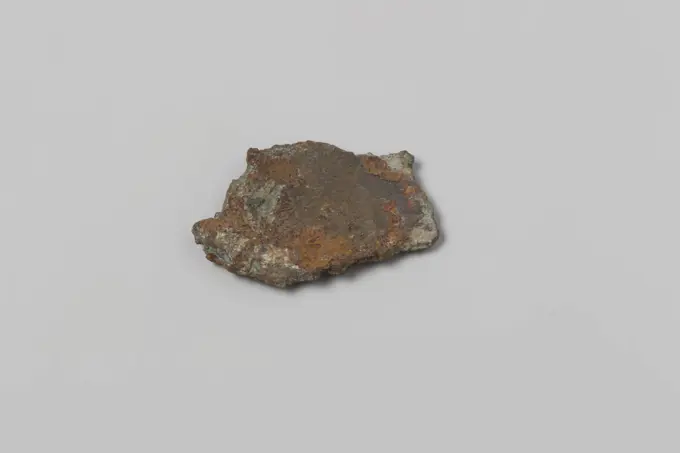
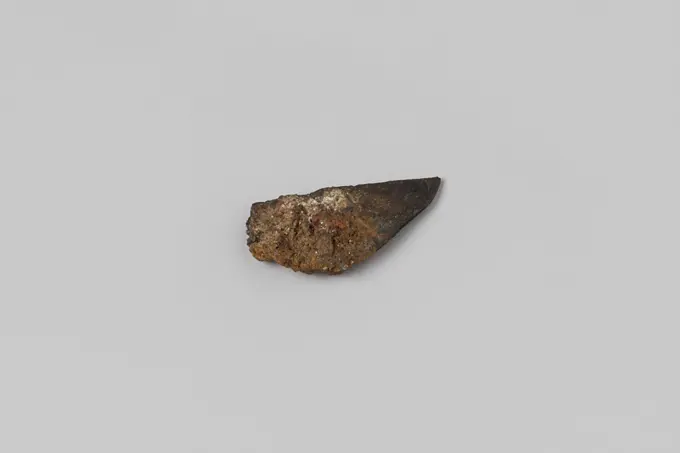
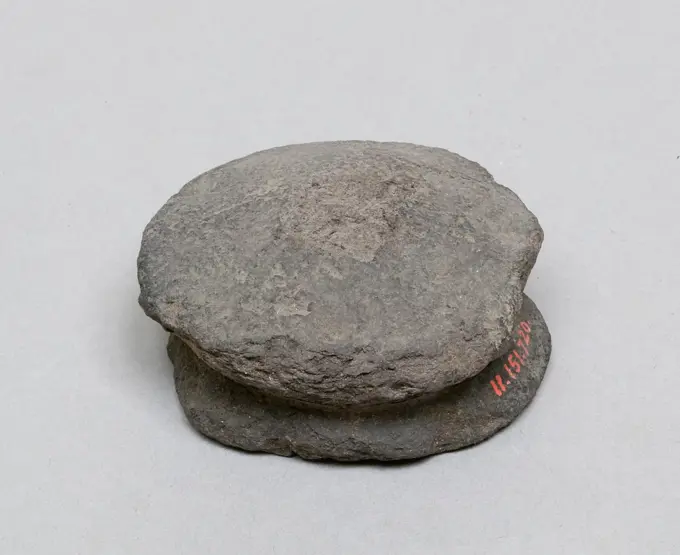
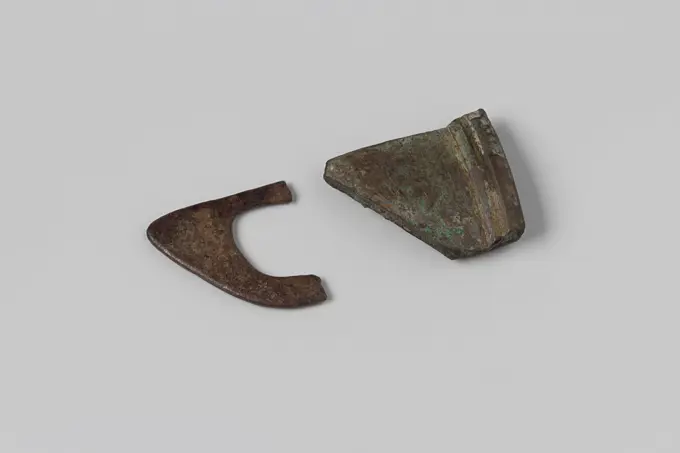
Copper fragment from the wreck of the East Indians Hollandia, Anonymous, 1700 - in Or Before 1743 fragment Varied parts or fragments, sheet metal fragments: worked, moulded or shaped; fragm, heavily eroded; flat, curved outline (oval), stepped rim. Netherlands copper (metal)   Second
Copper fragment from the wreck of the East Indians Hollandia, Anonymous, 1700 - in Or Before 1743 fragment Varied parts or fragments, sheet metal fragments: worked, moulded or shaped; fragm, heavily eroded; flat, curved outline (oval), stepped rim. Netherlands copper (metal) Second
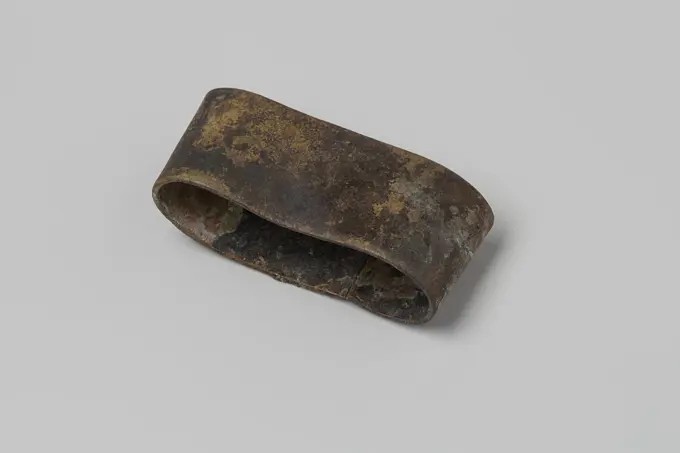
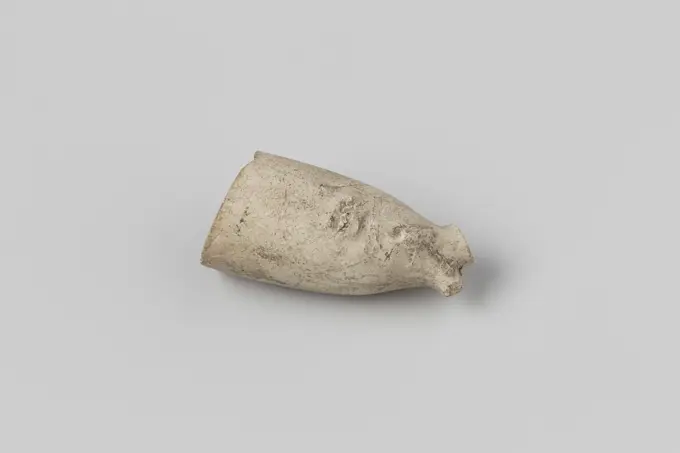
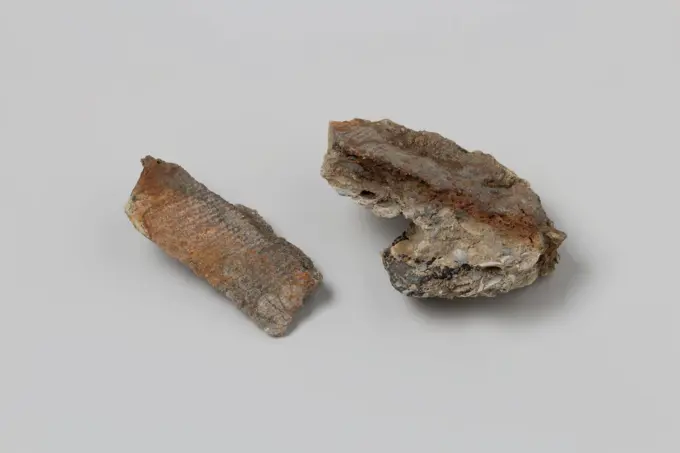
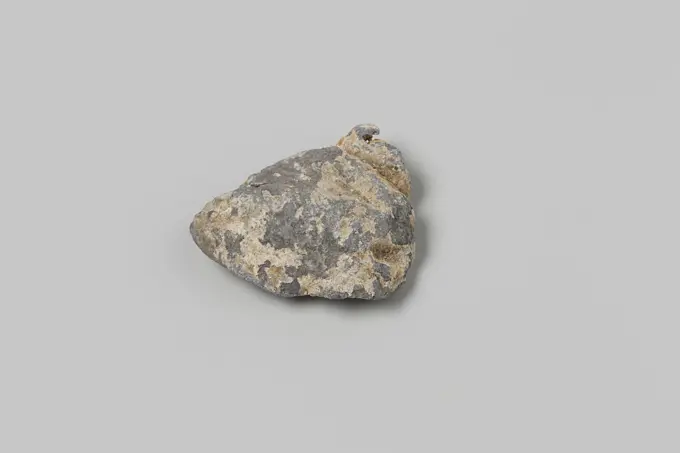
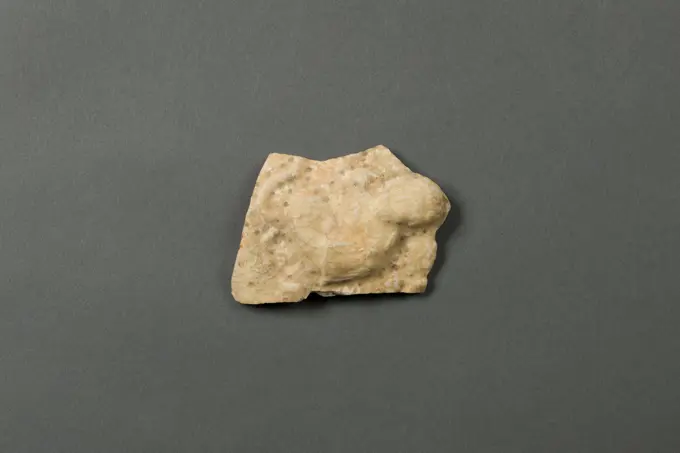
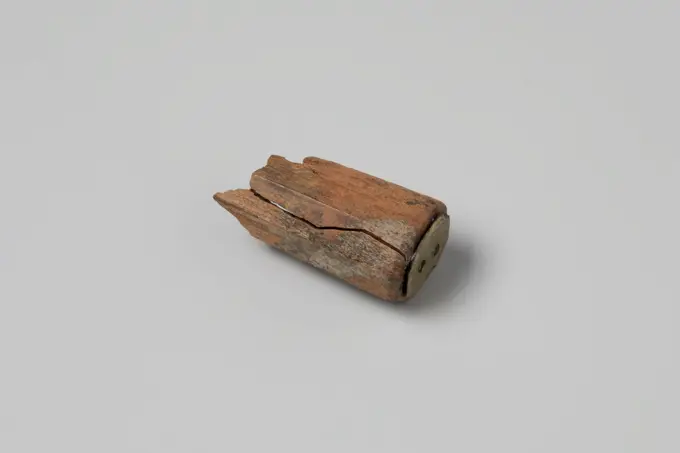
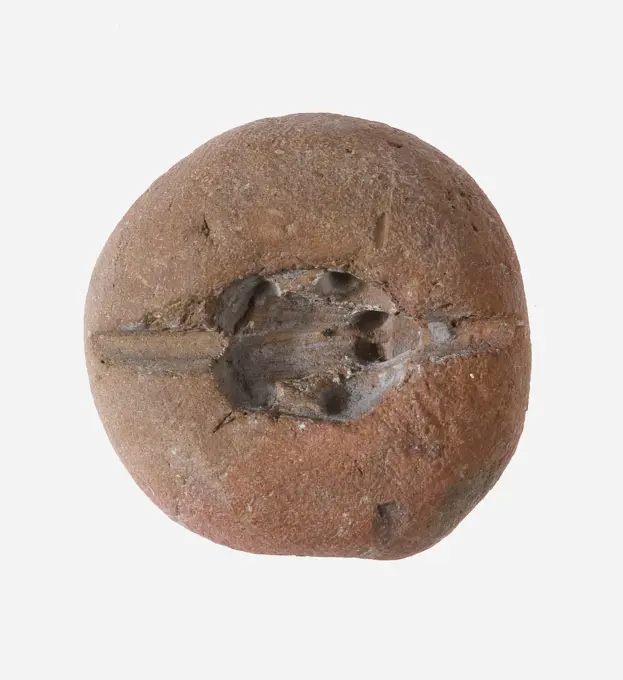
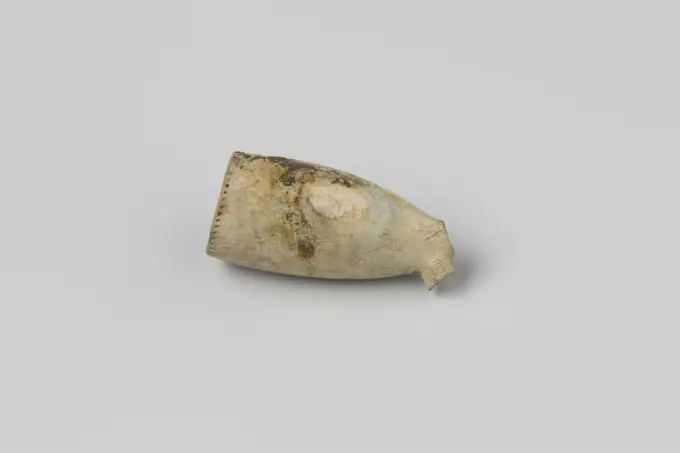
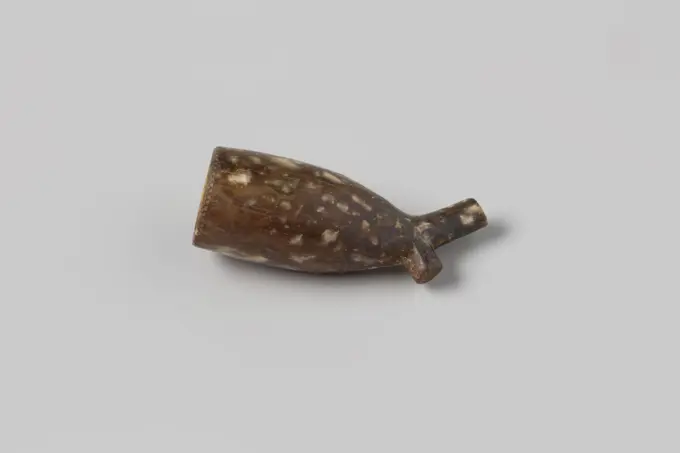
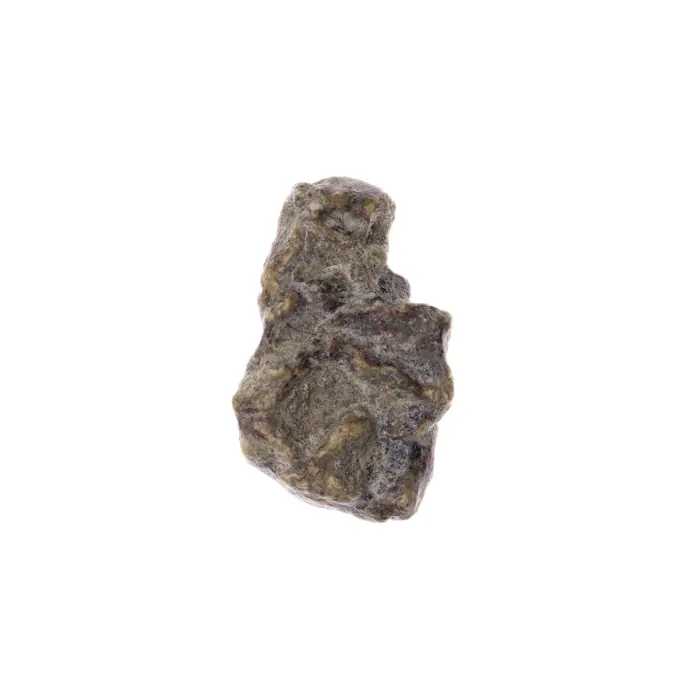
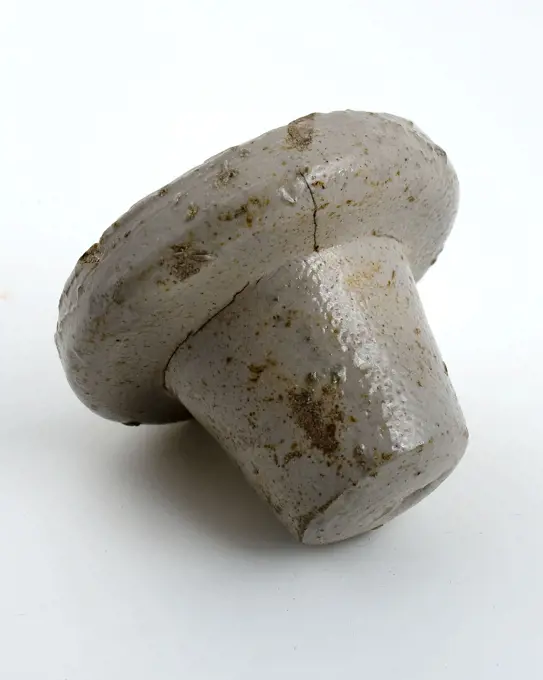
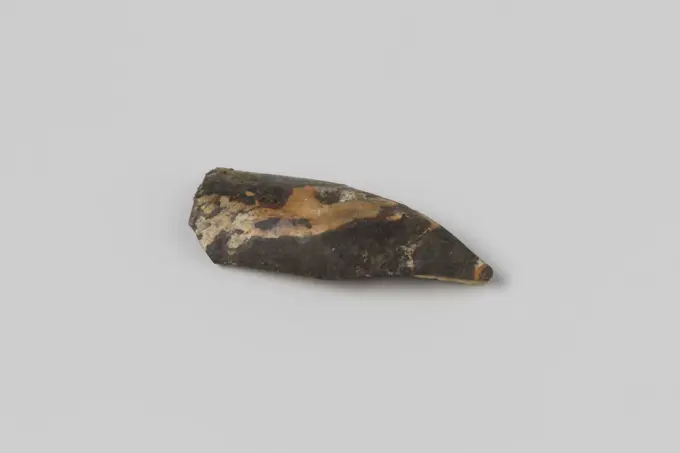
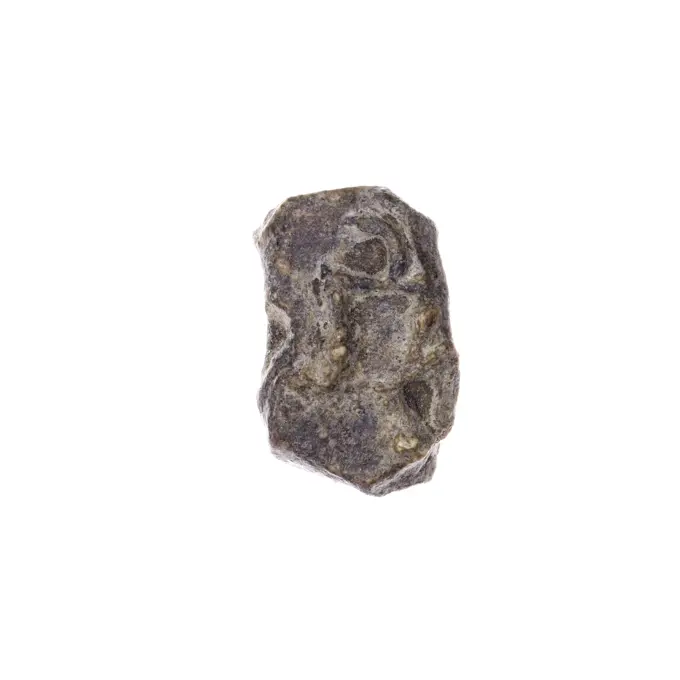
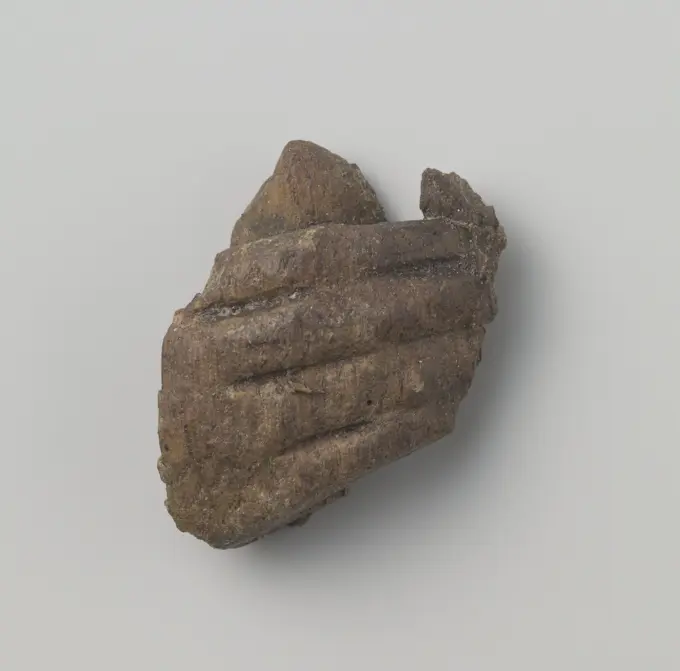
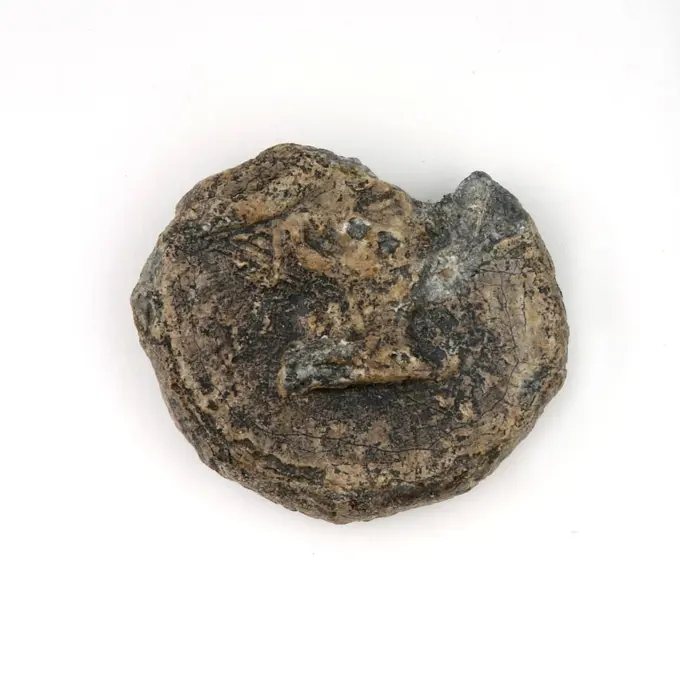
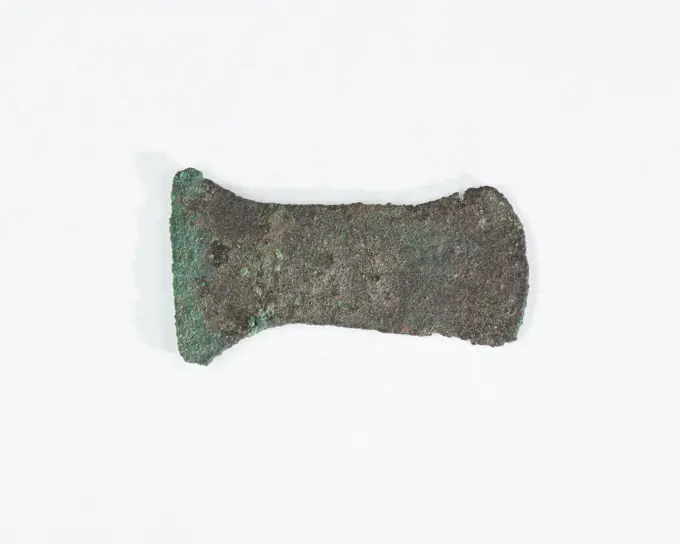
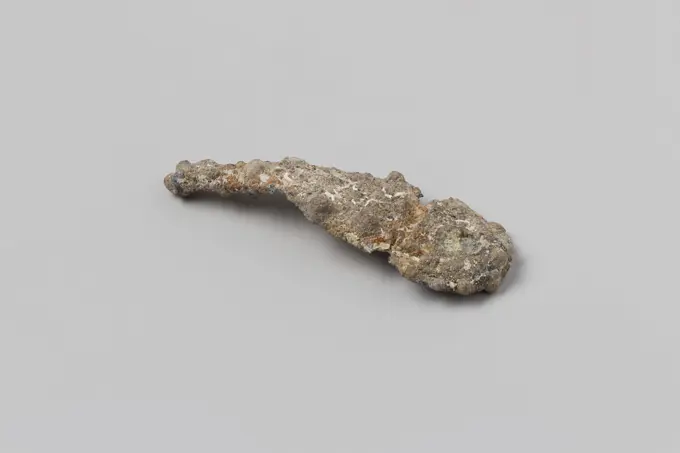
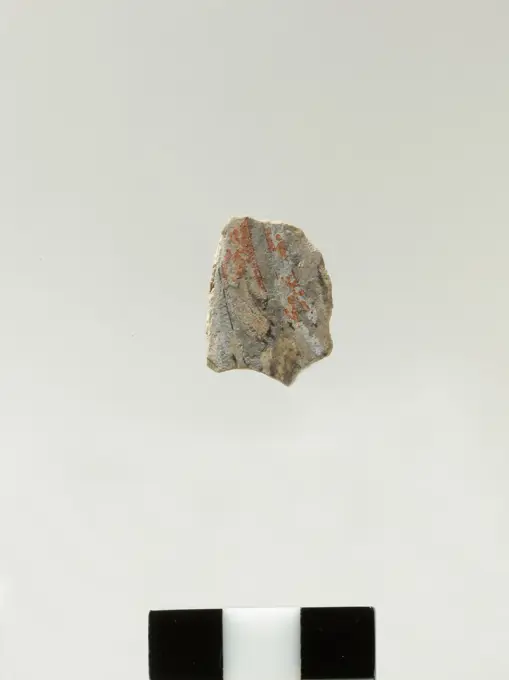
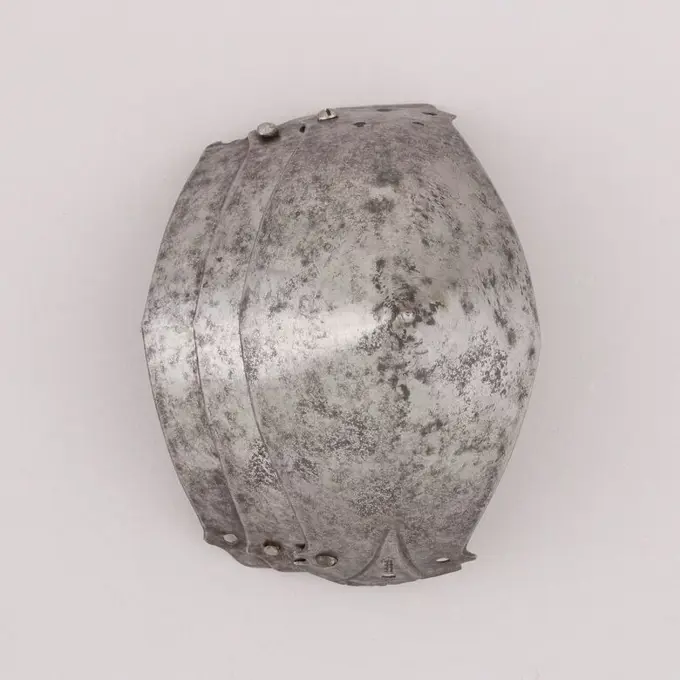
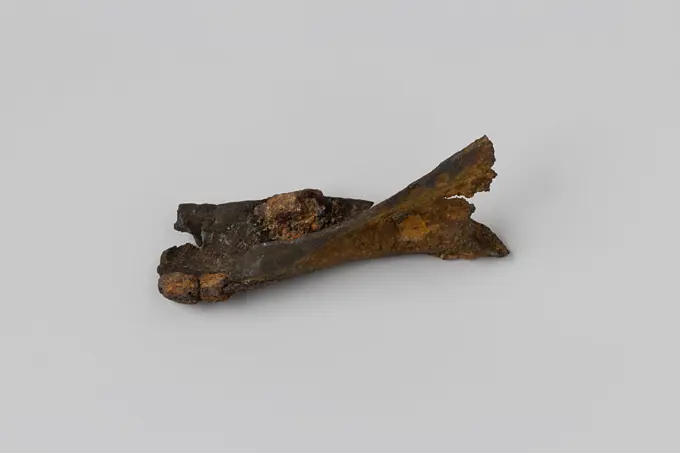
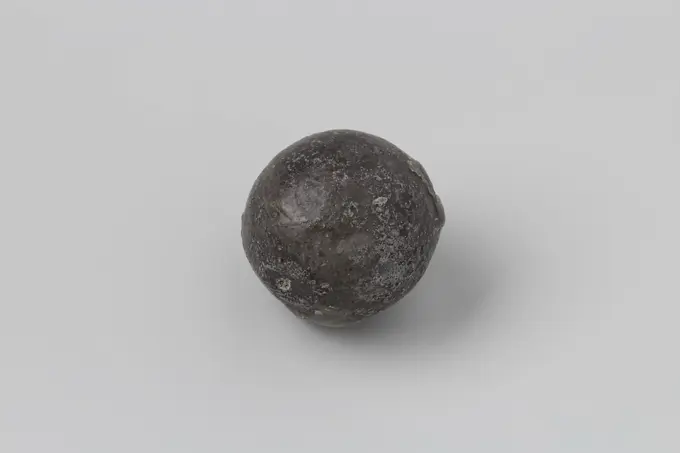
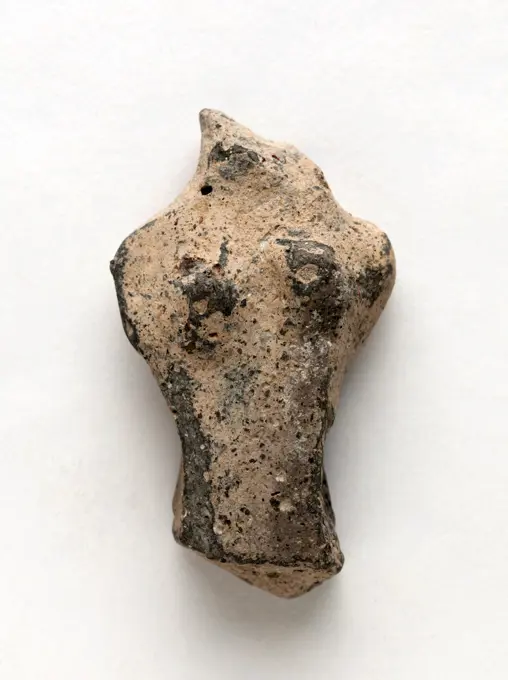
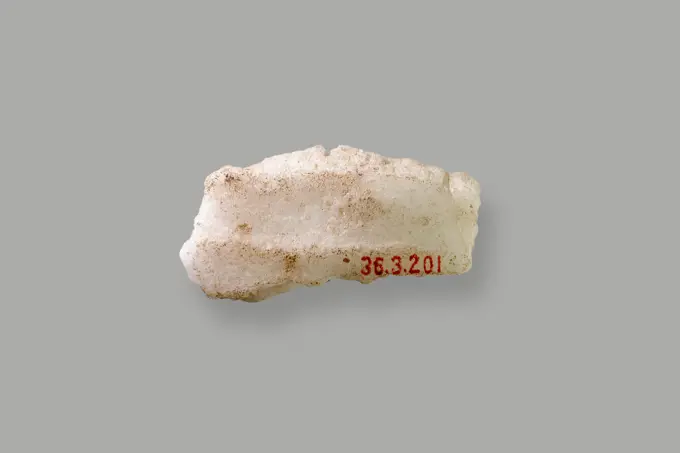
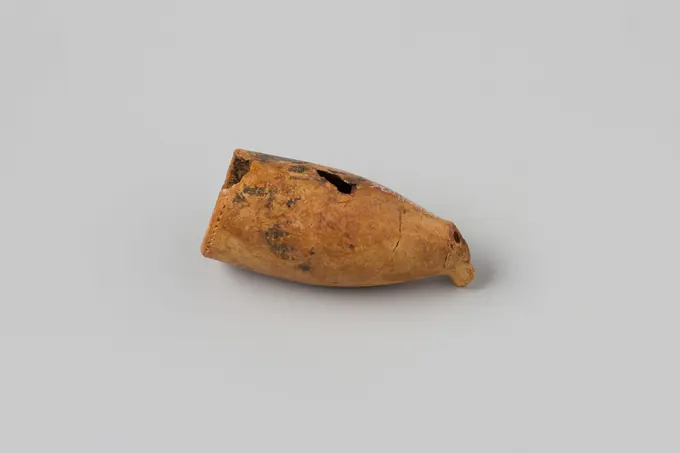
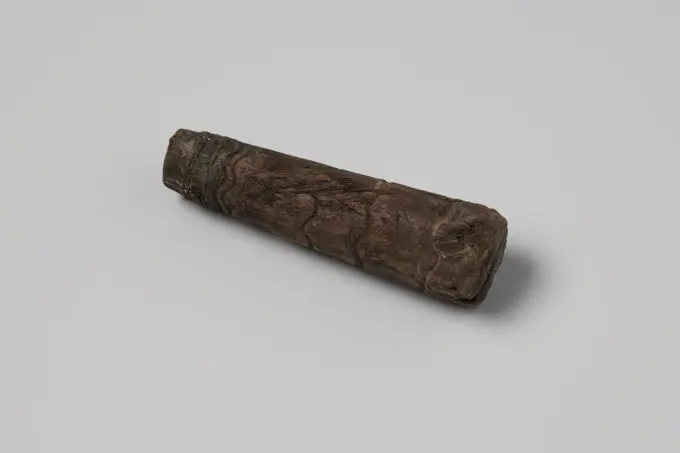
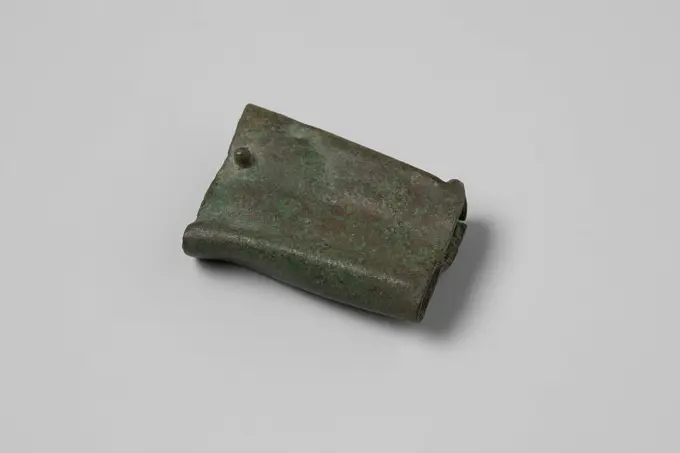
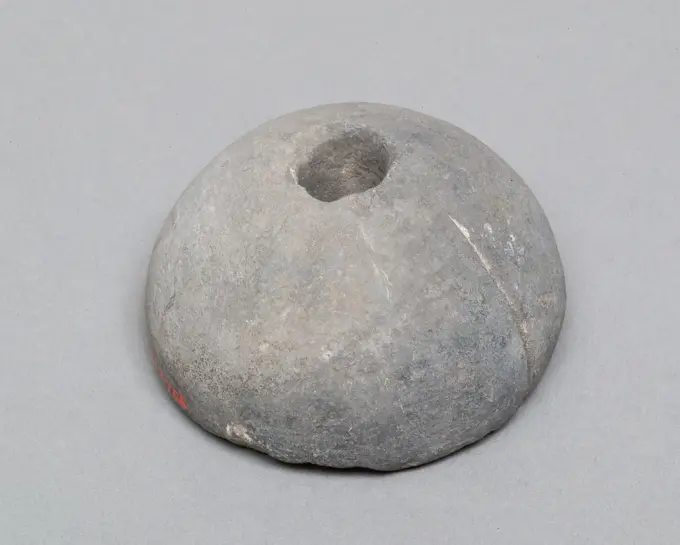
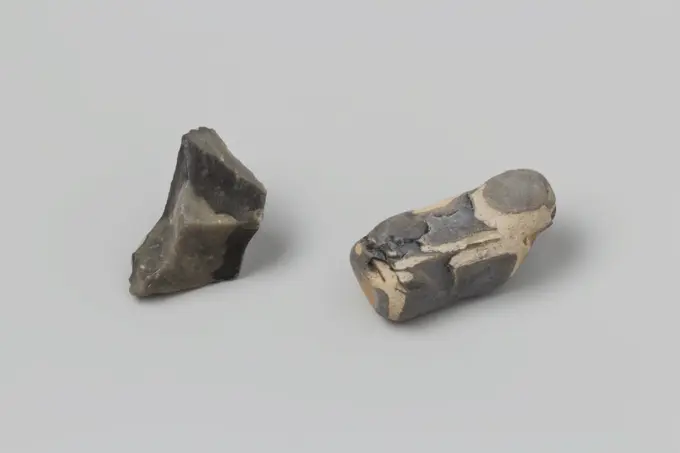
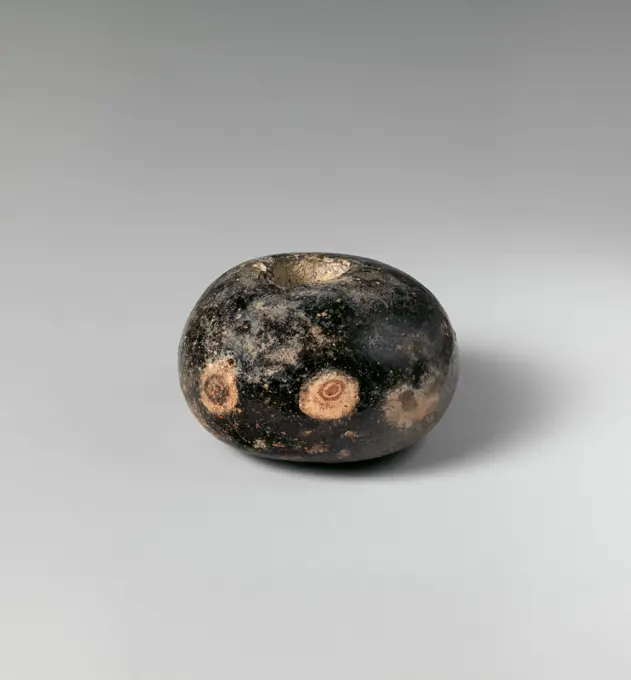
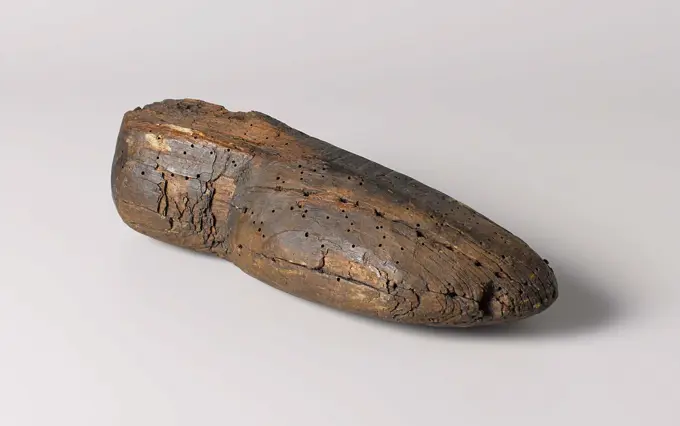
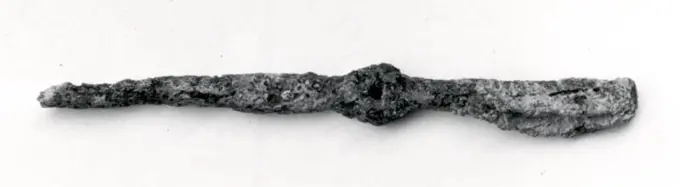
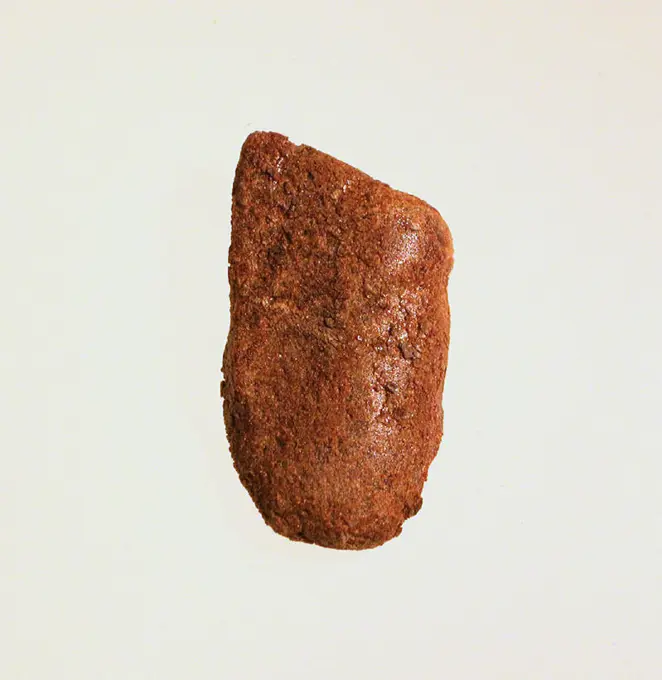
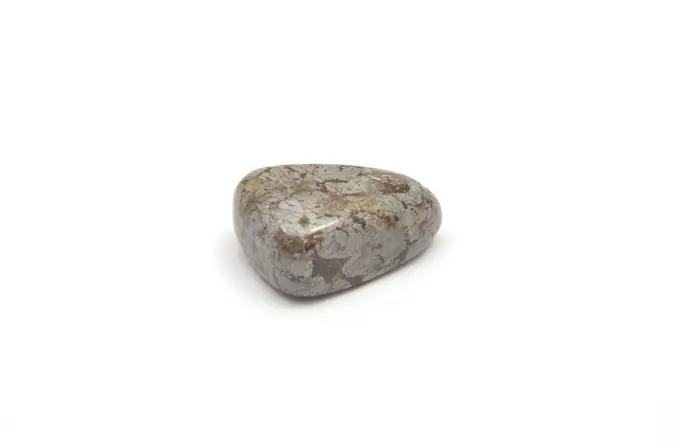
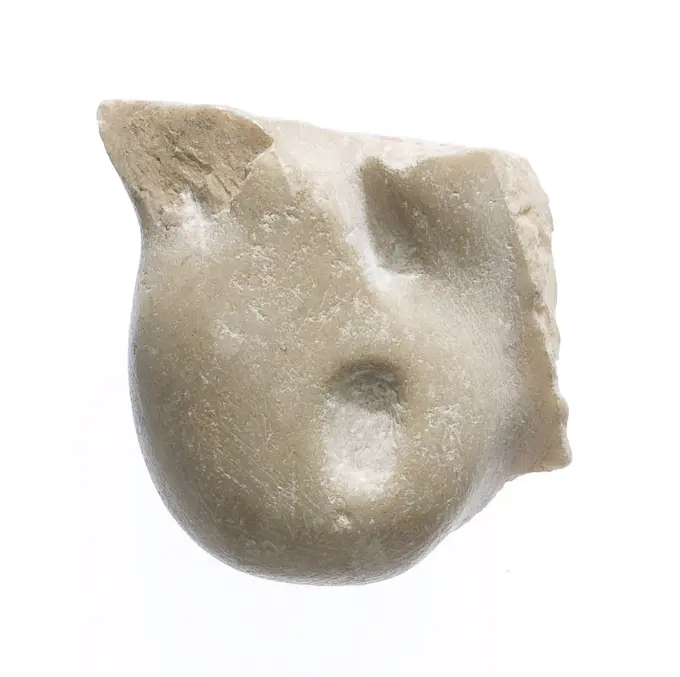
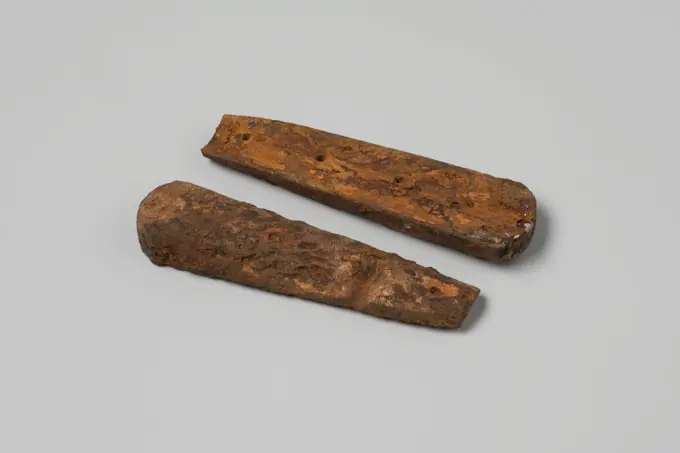
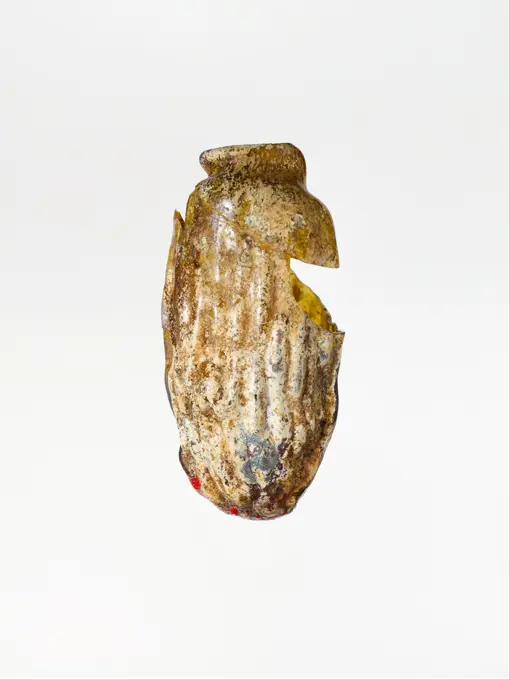
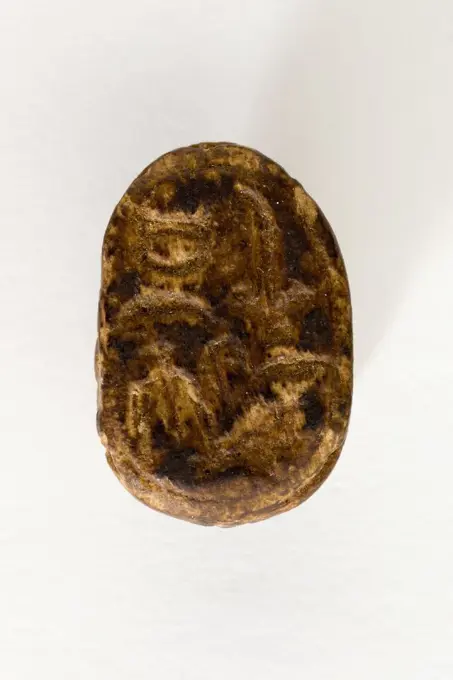
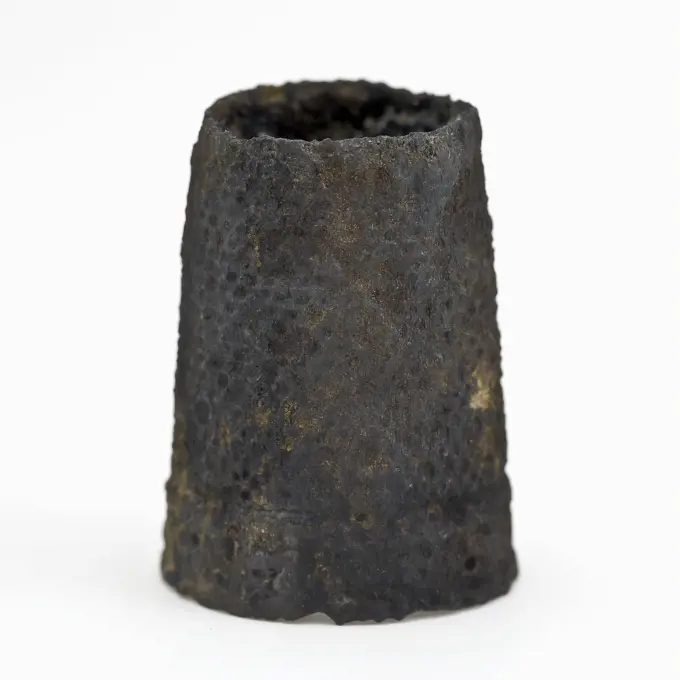
Fragment of buyer from the wreck of the East India Hollandia.parts or artifacts; eroded fragments: Materials; Copper.Cornus marmoreus shell from the wreck of the Dutch East India ship Witte Leeuw, before 1613  Shell from V.O.C. ship the 'Witte Leeuw'.  .   Sint-HelenaFragment of fire hose rings from the wreck of the East Indiesman Hollandia. Fire Engine, Firehose; Fragments, ID. NG-1975-20-H-1271-A, Squashed.Fragment stem from a candlestick from the wreck of the East Indieschief Hollandia. Candlestick, voice; Fragm of Molded Rim, Faceted, SIM. NG 1980-27H2988.Fragment pipe head. Fragment blowjob with a crown and a bird (stork) Depicted. Of the excavations at the Hofstede Arentsburg 1827-1831 under the supervision of professor Reuvens.Excerpt from a lead plate from the wreck of the East Indians' t Vliegend Hart ,, 1729 - 1735  Elongated piece of lead plate, bushed and corroded. Lead sheaing fragment, lead batter fragment. Netherlands lead (metal)Cover of a Martavan from V.O.C. ship De 'Witte Leeuw', Before 1613 lid Cover of a Martavan from V.O.C. ship the 'Witte Leeuw'. 50 present.  earthenware   Sint-HelenaCopper fragment from the wreck of the East Indians Hollandia, Anonymous, 1700 - in Or Before 1743 fragment Varied parts or fragments, sheet metal fragments: worked, moulded or shaped; fragm, heavily eroded; flat, curved outline (oval), stepped rim. Netherlands copper (metal)   SecondExcerpt copper from the wreck of the East Indies Hollandia, 1700 - in or before 1743 fragment Parts of artefacts; eroded fragments: materials; copper. Netherlands copper (metal)   SecondExcerpt stem from a candlestick from the wreck of the East Indians Hollandia, Anonymous, 1700 - in or before 1743 candlestick Candlestick, stem; fragm of moulded rim, faceted, sim. NG 1980-27H2988. Netherlands silver (metal)   SecondIron Concrete from the wreck of the East Indies Fleet in 1735 't Vliegend Hart with print of textiles, 1700 - 1735 concretionary stone The two chunks of concretion (originally one piece) show textile prints. Probably this is the print of a money bag. Shells are enclosed in the concrete. Concretion  concretionary stoneShard from one can be from the wreck of the East Indiesman Hollandia. Stoneware, rhenish, frechen-ware, jug; Fragm or body.Fragment Pijpenkop, Huijvenaar (De Oude), Jacobus, 1760 - 1795 Fragment piping head with a crown and the letters I h n and n. Of the excavations on the Hofstede Arentsburg 1827-1831 under the supervision of Professor Reuvens. Schoonhoven pipe clay Fragment piping head with a crown and the letters I h n and n. Of the excavations on the Hofstede Arentsburg 1827-1831 under the supervision of Professor Reuvens. Schoonhoven pipe clayFragment of silver from the wreck of the East India Hollandia.parts or artifacts; eroded fragments: Materials; Silver.Shipwreck finds from the wreck of the East Indiesman Hollandia. Parts or artifacts; eroded fragments: Materials; Lead.Drohiczy seal;  XI-XIII century (1090-00-00-1110-00-00);guild seals, customs seals, touches, seals of customs chambers, official seals, seals with a crossFragment of an Ewer 11th-12th century View more. Fragment of an Ewer. 11th-12th century. Stonepaste; gritty, grayish white body, mold-made, under transparent glaze. Excavated in Iran, Nishapur. CeramicsSmall hornblende triangular axe 6th-4th millennium B.C. Cretan Celt.. Small hornblende triangular axe 252423 Cretan, Small hornblende triangular axe, 6th4th millennium B.C., Stone, Length 1 1/4 in. (3.2 cm); H. 1/2 in. (1.2 cm). The Metropolitan Museum of Art, New York. Bequest of Richard B. Seager, 1926 (26.31.503)Bronze button in the shape of a wild boar. Bronze button in the shape of a wild boar.Messenheft from the wreck of the East Indians Hollandia, Anonymous, 1700 - in Or Before 1743  Knife-handle, straight-sided: tapering; fragm of upper end, id. NG 1980-27H1701, octagonal plate riveted on flat end, hollow core with fragm of original stuffing. Netherlands bone (material). brass (alloy)   SecondFrog Mold ca. 1390-1353 B.C. New Kingdom. Frog Mold. ca. 1390-1353 B.C.. Pottery. New Kingdom. From Egypt, Upper Egypt, Thebes, Malqata, Palace of Amenhotep III, MMA excavations, 1910-11. Dynasty 18Pijpenkop from the wreck of the East Indians Hollandia, Anonymous, 1700 - in Or Before 1743  Pipe, bowl, whole market illegible; Fragment, no HSM. Netherlands pipe clay   SecondExcerpt copper from the wreck of the East Indies Hollandia, 1700 - in or before 1743 fragment Parts of artefacts; eroded fragments: materials; copper. Netherlands copper (metal)   SecondPijpenkop with a piece of stem from the wreck of the East Indians Hollandia, Anonymous, 1700 - in Or Before 1743  Pipe, bowl, heelmark: tobacco's brazier; no hsm. Netherlands pipe clay   SecondCorner fittings from the wreck of the East Indians Hollandia, Anonymous, 1700 - in Or Before 1743  Corner-fitting; eroded: curved, semicircular in section, concave inside, tapering ends, circular hole in apex of curve. Netherlands copper (metal)   SecondDrohiczy seal;  XI-XIII century (1090-00-00-1110-00-00);guild seals, customs seals, touches, seals of customs chambers, official seals, seals with a crossGray stoneware stopper, flat and round with conical cone, stop closure component ground find ceramic stoneware glaze salt glaze, hand turned glazed baked Stoneware stopper belonging to stoneware jug Flat top Bottom conical cone which fits in the jug. Gray glazed Top finished untidy. Some drought tear in earthenware archeology Rotterdam City Triangle Oostplein underground pit uitheems earthenware import store transporting packaging close storage Soil discovery: underground pit Oostplein Rotterdam 04061976.Fragment Pijpenkop from the wreck of the East Indians Hollandia, Anonymous, 1700 - in Or Before 1743  Pipe, bowl, whole market illegible; fragment. Netherlands pipe clay   SecondDrohiczy seal;  XI-XIII century (1090-00-00-1110-00-00);guild seals, customs seals, touches, seals of customs chambers, official seals, seals with a cross, seal with the letterPitji van Sultan Mamoed Bader Ed-Din II Van Palembang, Sumatra, AH 1219 (1804) ,, 1804 coin Pewter octagonal mint. Front: Dischanging in Arabic characters, between which year in Islamic era. Downside, smooth. In the middle around hole. Palembang (City) tin (metal) castingFragment with remains of polychromy; (possibly) belonging to the retable of Soest, c. 1475 - c. 1499   wood (plant material)   wood (plant material)Shard from one can be from the wreck of the East Indiesman Hollandia. Stoneware, Rhenish, Westerwald, JUG; (1) Fragm or Base, SIM. NG 1980-27H2615.Fragment of a hand; (possibly) belonging to the retable of Soest, c. 1475 - c. 1499   wood (plant material)   wood (plant material)Spindle whorl ca. 1295-1070 B.C. New Kingdom, Ramesside. Spindle whorl. ca. 1295-1070 B.C.. Wood. New Kingdom, Ramesside. From Egypt, Memphite Region, Lisht North, Cemetery, MMA excavations. Dynasty 19-20tessera; Chersonez; 2. PO. III century BC (-300-00-00--251-00-00);Hermes (mitol.Fragment Pijpenkop from the wreck of the East Indians Hollandia, Anonymous, 1700 - in Or Before 1743  Pipe, bowl, whole market illegible; fragment. Netherlands pipe clay   SecondBlade for a Model Axe from a Foundation Deposit ca. 1479-1458 B.C. New Kingdom. Blade for a Model Axe from a Foundation Deposit. ca. 1479-1458 B.C.. Bronze or copper alloy. New Kingdom. From Egypt, Upper Egypt, Thebes, Deir el-Bahri, Tomb of Senenmut (TT 353), Foundation deposit 3 and 5a, MMA excavations, 1926-27. Dynasty 18Brown Clay Seal. UnknownBell 4th century B.C. Cypriot. Bell 244510Arrowhead ca. 480-330 B.C. Cypriot. Arrowhead 244202Fragment stem from fork or spoon from the wreck of the East Indiesman Hollandia. Cutlery, fragment: voice or fork or spoon; Fragm, corroded, id. NG 1980-27H67.Fragment Baluster-shaped handle from a flute glass from the wreck of the East India Hollandia. Glass, voice glass, stem, baluster-shaped; Fragment, Pear-Shaped Knob with Small Tears, Both Ends Broken off.Glass pendant in the form of a miniature jug or gourd ca 4th-5th century A.D. Roman Deep cobalt blue, appearing black, with same color handle; trail in pale blue.Thick, bulging rim; concave neck; piriform body; rounded bottom; large ring handle (for suspension) trailed on to top of body, neck, and underside of rim.Applied, marvered trail wound spirally on body. Complete, except for large, weathered chip in body; some pitting, dulling, and encrustation.. Glass pendant in the form of a miniature jug or gourd. Roman. ca 4th-5th century A.D.. Glass; rod-formed and trailed. Late Imperial. GlassRelief fragment from the tomb of Meketre ca. 1981-1975 B.C. Middle Kingdom. Relief fragment from the tomb of Meketre. ca. 1981-1975 B.C.. Limestone. Middle Kingdom. From Egypt, Upper Egypt, Thebes, Southern Asasif, Tomb of Meketre (TT 280, MMA 1101), MMA excavations, 1920. Dynasty 12Reduced housing model: roof of the pavilion of the left angle. Terracotta. Cernuschi Museum, Asia Museum of Asia in the city of Paris.Fragments Hand grenade from the wreck of the East Indiesman Hollandia. Handgrenade; Fragm or shell, eroded, sim. NG 1980-27H2901.Fragment lead from the wreck of the East Indians Hollandia, 1700 - in or before 1743 fragment Parts of artefacts; eroded fragments: materials; lead. Netherlands lead (metal)   SecondFragment stem from fork or spoon from the wreck of the East Indiesman Hollandia. Cutlery, fragment: voice or fork or spoon; Fragm, Sim. NG 1980-27H536A.Elbow Defense (Couter). Culture: Italian. Dimensions: H. 3 1/2 in. (8.9 cm); W. 5 in. (12.7 cm); D. 3 1/4 in. (8.3 cm); Wt. 4.5 oz. (127.6 g). Date: ca. 1430-40. Museum: Metropolitan Museum of Art, New York, USA.Fragment of buyer from the wreck of the East India Hollandia.parts or artifacts; eroded fragments: Materials; Copper.Musketball from the wreck of the East India. The flying heart. Lead spherical bullet that was fired from a musket. The bullet is dark gray in color. The bullet has been immersed in beeswax for conservation. Identical to NG-1984-1, 3 to 5. Musket Calibre.Female anthropomorphic statuette. Terracotta. Neolithic. Paris, Carnavalet museum. Anthropomorphic, feminine, neolithic, statuette, terracotta, archeological vestigeExcerpt of copper from the wreck of the East Indians Hollandia, 1700 - in or before 1743  Parts of artefacts; eroded fragments: materials; copper. Netherlands copper (metal)   SecondLump of Rock Salt ca. 1479-1458 B.C. New Kingdom. Lump of Rock Salt. ca. 1479-1458 B.C.. Rock Salt. New Kingdom. From Egypt, Upper Egypt, Thebes, Sheikh Abd el-Qurna, Tomb of Senenmut (TT 71), below, burial 2, in box, MMA excavations, 1935-36. Dynasty 18Reel ca. 1295-1070 B.C. New Kingdom, Ramesside. Reel. ca. 1295-1070 B.C.. Clay. New Kingdom, Ramesside. From Egypt, Memphite Region, Lisht North, Cemetery, MMA excavations. Dynasty 19-20Sample of Fibrolite. Culture: China. Dimensions: H. 3/4 in. (1.9 cm); W. 1 1/4 in. (3.2 cm); L. 1 5/8 in. (4.1 cm). Date: 20th century. Museum: Metropolitan Museum of Art, New York, USA.Drohiczy seal;  XI-XIII century (1090-00-00-1110-00-00);guild seals, customs seals, touches, seals of customs chambers, official seals, seals with a cross, seal with the image of the faceEar of a storage jar from the wreck of the East Indiescher Hollandia. Stoneware, Rhenish, Langerwehe-Ware, Storage-Jar; Fragm of Handle, Reeded Exterior, Lens Shaped in Section.Pijpenkop from the wreck of the East India Hollandia.Pipe, Bowl, Healmar: Crowned 47; Fragment, 2HSM1.2.Excerpt of copper from the wreck of the East Indians Hollandia, 1700 - in or before 1743  Parts of artefacts; eroded fragments: materials; copper. Netherlands copper (metal)   SecondOracle bone fragment. Culture: China. Dimensions: 3 × 7 in. (7.6 × 17.8 cm). Museum: Metropolitan Museum of Art, New York, USA.Fragment Pijpenkop, Nicolaas Walter, 1790 - 1794 Fragment Pijpenkop with the letters N K W and crowned N. of the excavations on the Hofstede Arentsburg 1827-1831 under the supervision of Professor Reuvens. Schoonhoven pipe clay Fragment Pijpenkop with the letters N K W and crowned N. of the excavations on the Hofstede Arentsburg 1827-1831 under the supervision of Professor Reuvens. Schoonhoven pipe clayAnse in two pieces. Copper alloy. Gallo-Roman. Paris, Carnavalet museum. 51539-12 Copper alloy, handle, Gallo-Roman time, Gallo-RomanDrohiczy seal;  XI-XIII century (1090-00-00-1110-00-00);guild seals, customs seals, touches, seals of customs chambers, official seals, seals with a cross, seal with the image of the faceMessenheft from the wreck of the East Indians Hollandia, Anonymous, 1700 - in Or Before 1743  Knife, handle, cylindrical: tapering; flat upper end, turned decoration of wavy lines, concentric circles at lower end. Netherlands wood (plant material)   SecondFalcon Amulet. Dimensions: 1.5 cm (9/16 in.). Dynasty: Dynasty 12, late-17. Date: ca. 1850-1550 B.C..This amulet was found in the plundered chamber reached by a shaft in the portico of a rock-cut tomb in the Asasif section of the Theban necropolis. Among the finds were parts of a rectangular wooden coffin with green hieroglyphs on a yellow background as well as a few remains of one or more model wooden boat(s), three scarabs (13.180.8- .10), two anhydrite toilet vessels (13.180.19a- .c, .20) and the group of jewelry items (13.180.1- .18a- .l) striking for the extensive use of silver. Dates that can be ascertained by stylistic comparisons to some of the objects range from the late Middle Kingdom (ca. 1850-1700 B. C.) to the late Second Intermediate Period (ca. 1580-1550 B. C.). A number of clay pots (28.3.239- .241 now in the Oriental Institute Museum, Chicago) from the area of the tomb but not with certainty identified as found inside the shaft and chamber from which the jewelry was oButton from the wreck of the East Indians' t Vliegend Hart ,, 1700 - 1735 button Button of wood. Middelburg wood (plant material)Fragments from buyer from the wreck of the East India Hollandia.parts or artifacts; eroded fragments: Materials; Copper.Fitting ring from the wreck of the East India Hollandia. Fittings, bands and bracing, conical; Squashed, longitudinal soldered Seam Broken, Short Threaded Pin fitted in Rim.Spindle whorl ca. 1295-1070 B.C. New Kingdom, Ramesside. Spindle whorl. ca. 1295-1070 B.C.. Black baked clay. New Kingdom, Ramesside. From Egypt, Memphite Region, Lisht North, Late New Kingdom Settlement, MMA excavations, 1920-22. Dynasty 19-20Tin spoonbox. Fragment of a round tin spoonbox. The handle has been broken down.Flint from the wreck of the East Indians' t Vliegend Hart, 1730 - 1735  Flint, Witig from the outside, where the stone is split glossy black. Two pieces. Flint.  .Beechoot from the wreck of the East Indians' t Vliegend Hart, 1700 - 1735  The brown beech nut is broken in two halves.  nut (plant material)Glass eye bead ca. 1st century A.D. Roman () Uncertain color, appearing black; eyes in opaque white and translucent purple.Slightly compressed spherical body with uneven edges around vertical hole.Six eyes placed irregularly around body, five with solid central dot, one with fine circle around smaller dot.Intact; dulling and creamy weathering, with slight iridescence.. Glass eye bead. Roman (). ca. 1st century A.D.. Glass; rod-formed. Early Imperial. GlassSealing ca. 1850-1700 B.C. Late Middle Kingdom. Sealing. ca. 1850-1700 B.C.. Mud. Late Middle Kingdom. From Egypt, Memphite Region, Lisht North, cemetery south of pyramid below House A1:2, Pit 884, MMA excavations, 1920-21. Dynasty 12, late - 13 up to 1700Shoe livestock for rightshoe. Sleeping for right shoe 42.5. The shoe lest is much used, at most five to six times. In the reads, wooden pins that are abnormally large, the reads is probably used for a clog.polished shungite gemstone on white marble macro shooting of natural mineral rock specimen - polished shungite gemstone on white marble background from Tolvoja region of Karelia, Russia Copyright: xZoonar.com/ValeryxVoennyyx 11949718Messenheft from the wreck of the East Indians Hollandia, Anonymous, 1700 - in Or Before 1743  Knife, handle, cylindrical: tapering; id. NG 1979-403H, ferrule, id. NG 1980-27H426. Netherlands wood (plant material). copper (metal)   SecondPlay medal from the wreck of the East Indies Hollandia, Anonymous, 1700 - in Or Before 1743  Rectangular, square, flat, engraved diagonal cross on one side, game token. Netherlands lead (metal)   SecondMessenheft from the wreck of the East Indies' t Vliegend Hart, 1700 - 1735 in 1735  The kneft is made of wood, presumably Lindenhout (Tilia Spec.Div.) And Van Metal (Washing ring, where the sting of the knife comes out of the handle). It has eight sides and runs pointed to the end. The color is grayish-dark brown.  wood (plant material). linden. metalThe plood out of the East India's wreck of Dutchia. Tools and Instruments, Navigation, Sounding Lead; Fragm, ID. NG 1980-27H3129.Pin ca. 1780-1580 B.C.. Pin 323113Pendant: head of a woman 5th century B.C. Italic. Pendant: head of a woman. Italic. 5th century B.C.. Amber. Classical. Miscellaneous-AmberCipolin Cipolin Copyright: xZoonar.com/lantapixx 1080426Ear lobe from a statue of king or queen ca. 1353-1336 B.C. New Kingdom, Amarna Period. Ear lobe from a statue of king or queen 549635Piece of granite stone isolated on white backgroundFemale Head and Left Shoulder Fragment. UnknownFragment of image. .Fragment Balus -shaped stem of a flute glass from the wreck of the East Indians Hollandia, Anonymous, 1700 - in Or Before 1743 drinking glass Glass, stem glass, steel, baluster-shaped; fragment of knop, spherical, eroded, both ends broken off. Netherlands glass   SecondMessenheft from the wreck of the East Indians Hollandia, Anonymous, 1700 - in Or Before 1743  Knife-handle, tangplate; flat, tapering strips, semicircular upper end, 4 rivet-holes. Netherlands bone (material)   SecondFragment foot from crockery from the wreck of the East India Hollandiah. Vessel part, Basal Feet; Fragm, circular, commanded RIM, concave underneath.Attic Oinochoe Fragment. UnknownGlass bottle shaped like a date mid-1st-early 2nd century A.D. Roman Translucent yellowish brown.Thick, everted rim folded round and in, then tooled into a triangular mouth with spout; almost no neck; elongated body; uneven round bottom. One continuous mold seam around body.Body molded into the shape of a wrinckled date, with pattern of wavy ridges and hollows.Broken and repaired (some weathered edges to breaks), with two large holes in upper body; dulling, patches of creamy weathering, and brilliant iridescence.. Glass bottle shaped like a date 249489Scarab Inscribed for the Principal Queen Ahmose(-Nefertari). Dimensions: l. 1.7 cm (11/16 in). Dynasty: Dynasty 18. Reign: reign of Ahmose. Date: ca. 1550-1525 B.C.. Museum: Metropolitan Museum of Art, New York, USA.Copper molded thimble, thimble sewing kit soil find brass copper metal, cast Copper cast thimble without top with blank board archeology seamstress tailor sewing textile edit clothing needle and thread repairPitji van Sultan Mamoed Bader Ed-Din II Van Palembang, Sumatra, AH 1219 (1804) ,, 1804 coin Pewter octagonal mint. Front: Dischanging in Arabic characters, between which year in Islamic era. Downside, smooth. In the middle around hole. Palembang (City) tin (metal) castingA truffle potatoBasalt Throat Axe. Neolithic period. North Africa. 13,5cm.Scherf of a wine bottle from the wreck of the East Indians Hollandia, Anonymous, 1700 - in Or Before 1743  Typologically not identifiable, flat fragment, fragment. Netherlands .   SecondBead, one of six, 15th century, 2 1/8 x 1 1/8 in. (5.4 x 2.86 cm) (varies (largest)), Jade, Mexico, 15th century