Medieval and Early Mural Art

Frescoes and murals from various Italian regions featuring religious figures and scenes, showcasing the artistic styles of the 13th to 15th centuries.
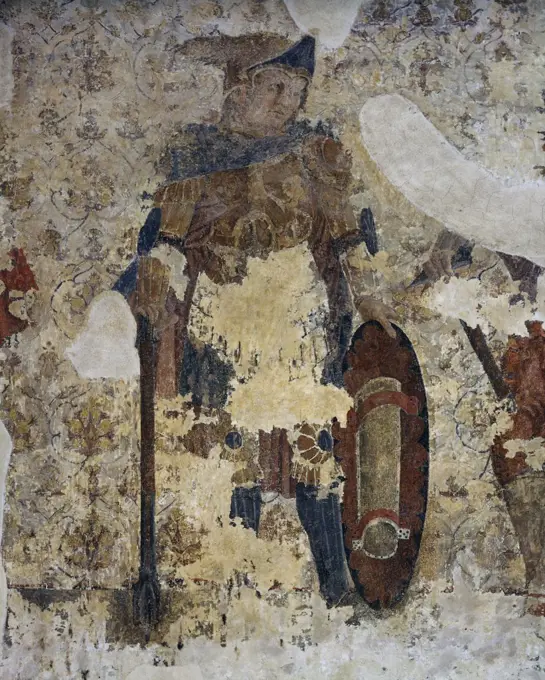
Men of arms, frescoes attributed to Giovanni Boccati, Ducal palace, Urbino, Marche, Italy, 15th century.
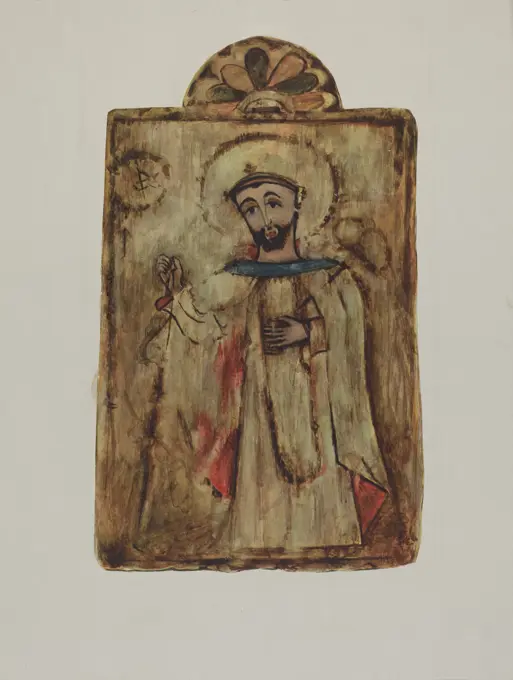
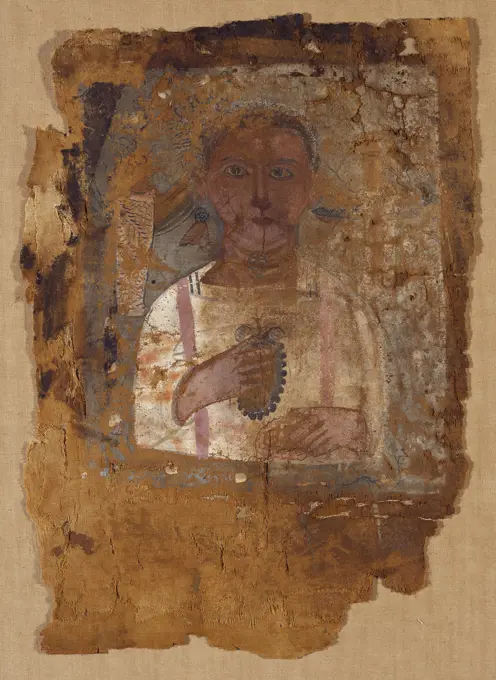
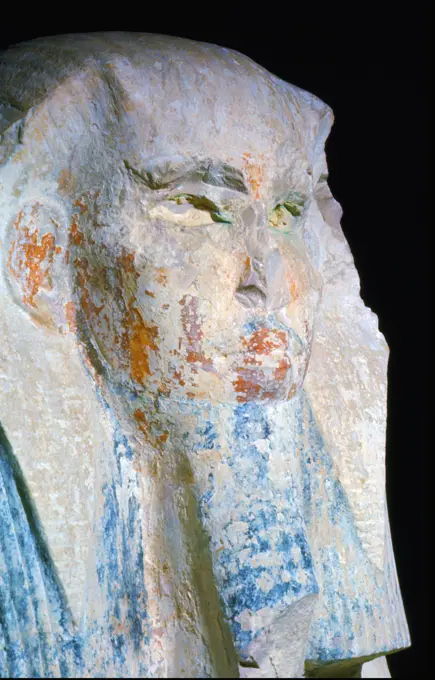
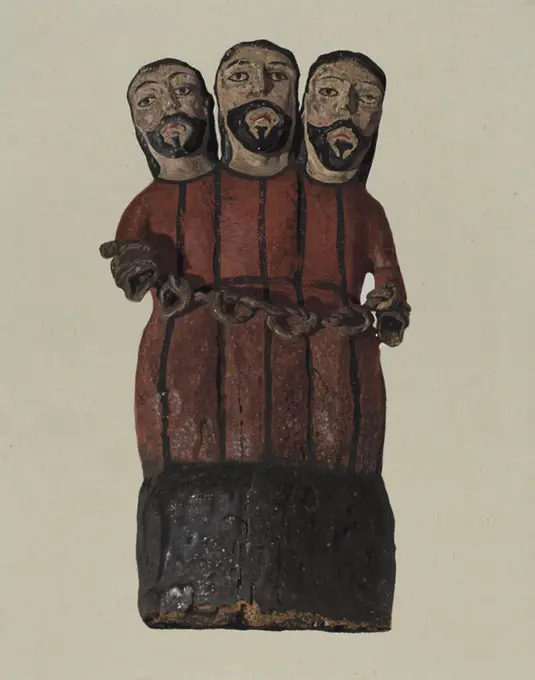
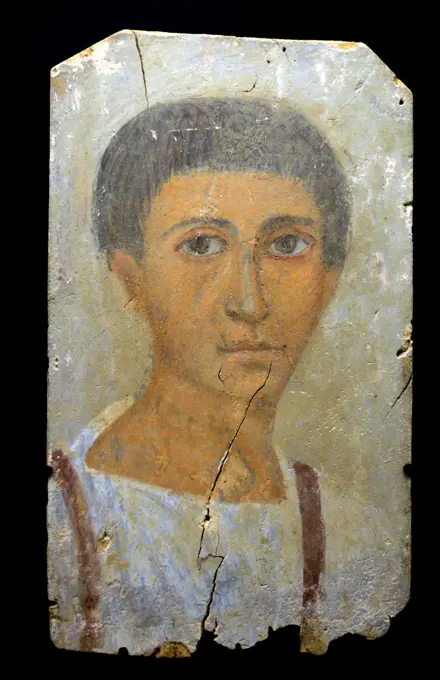
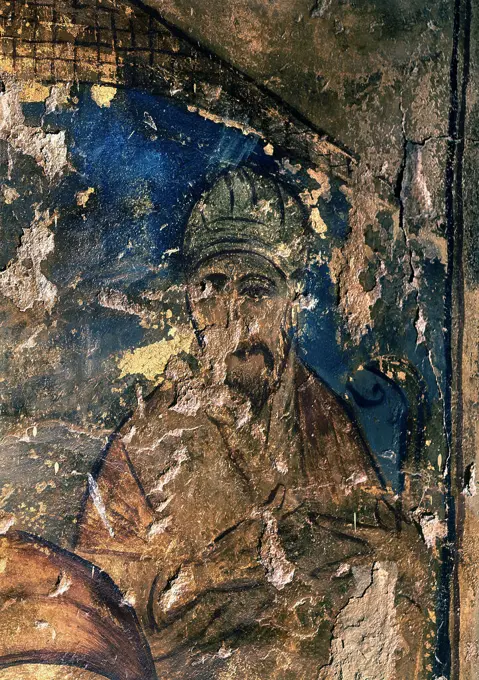
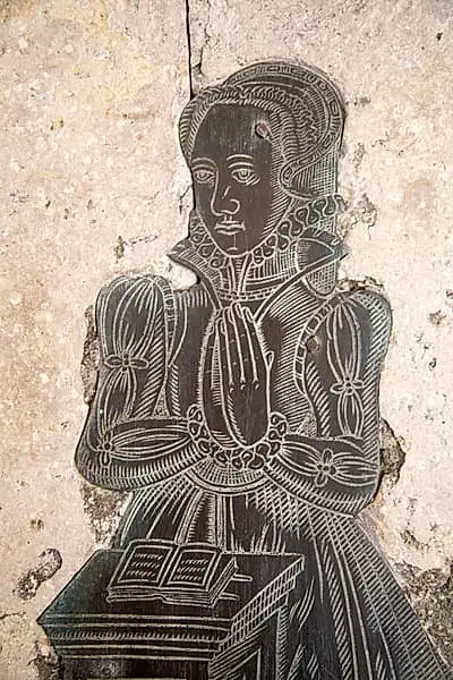
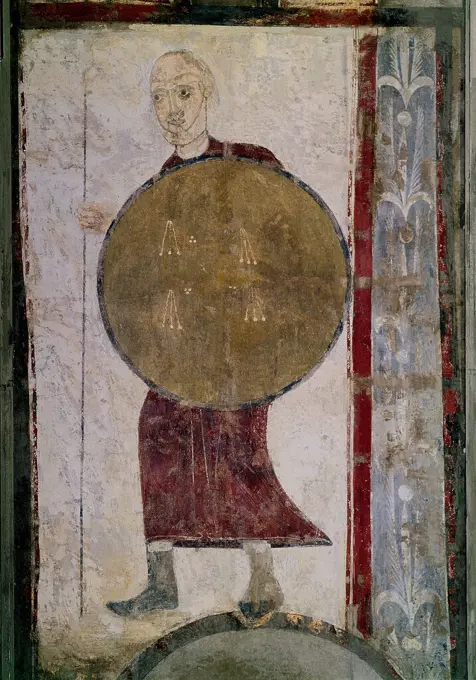
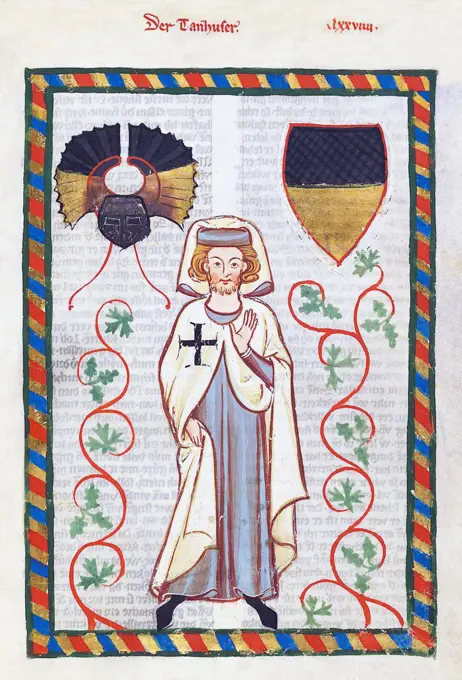
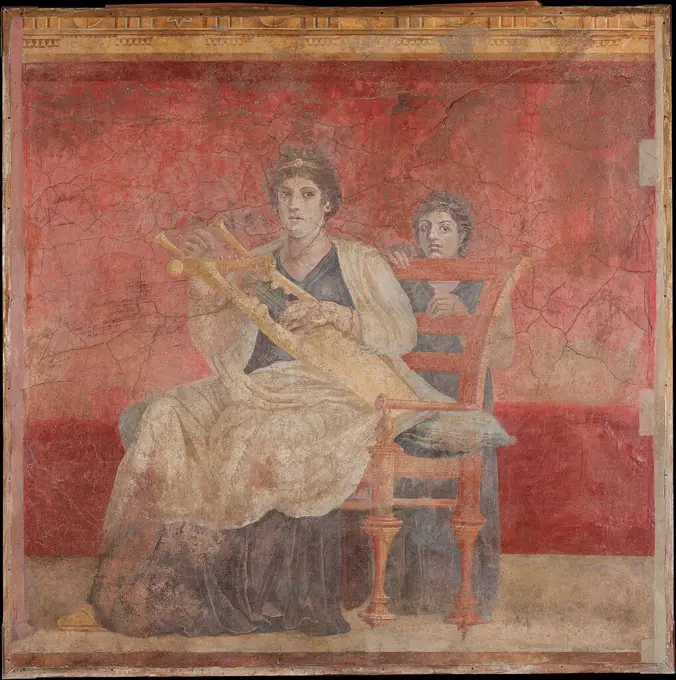
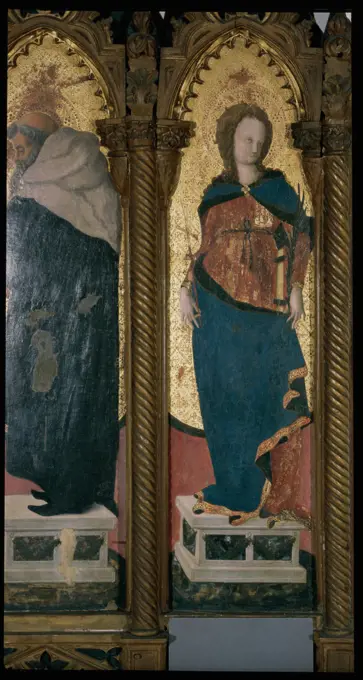
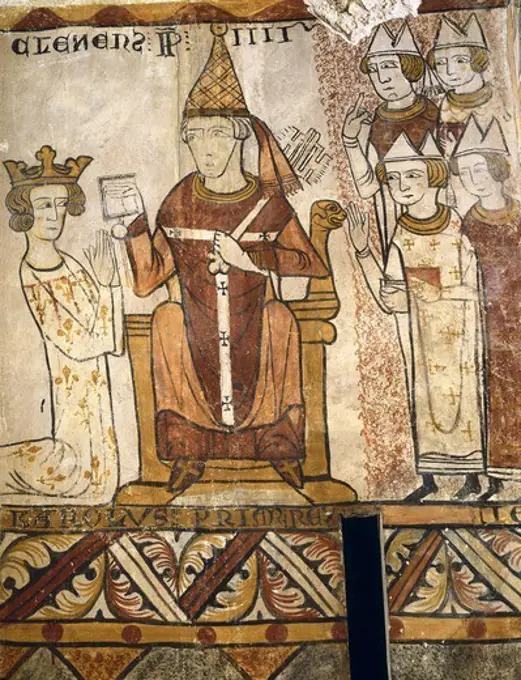
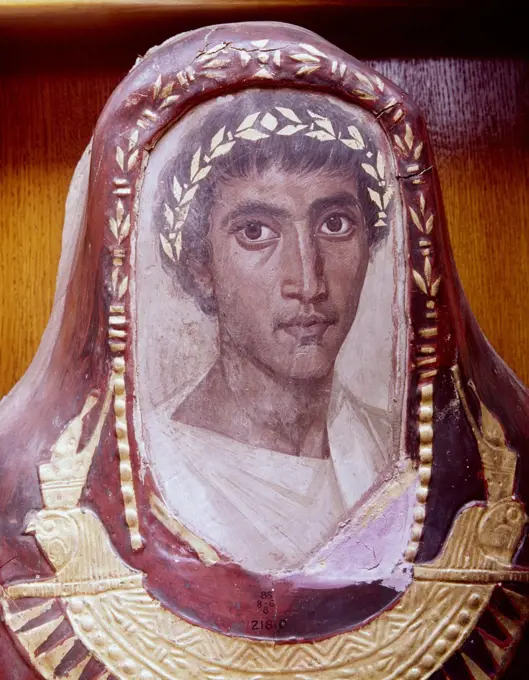
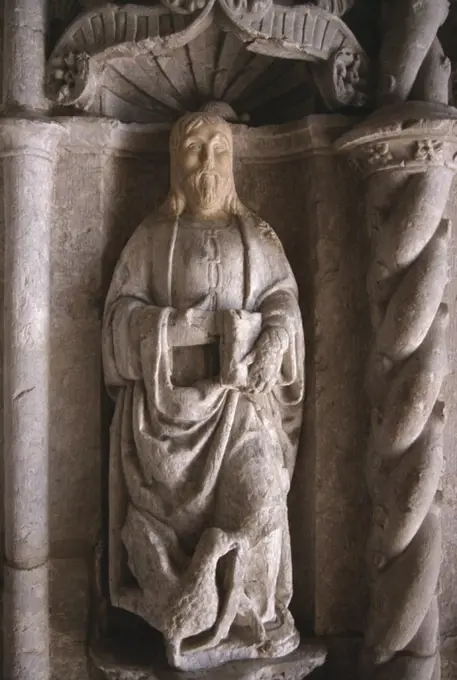
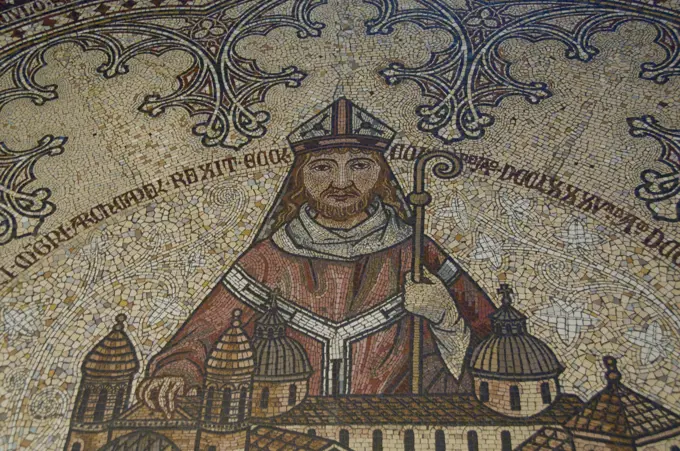
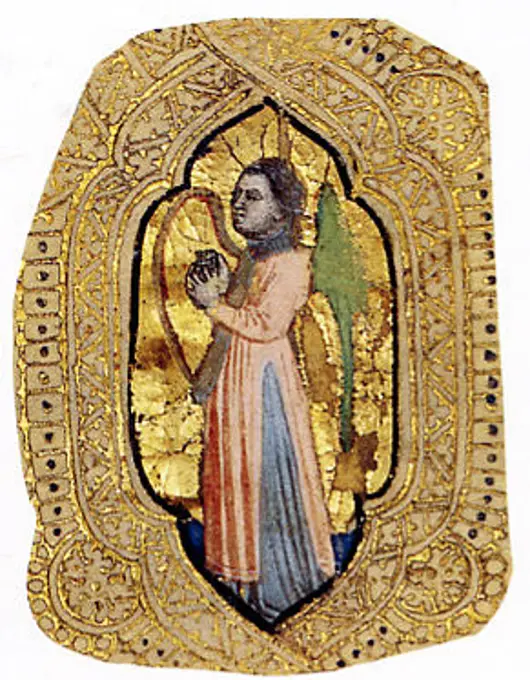
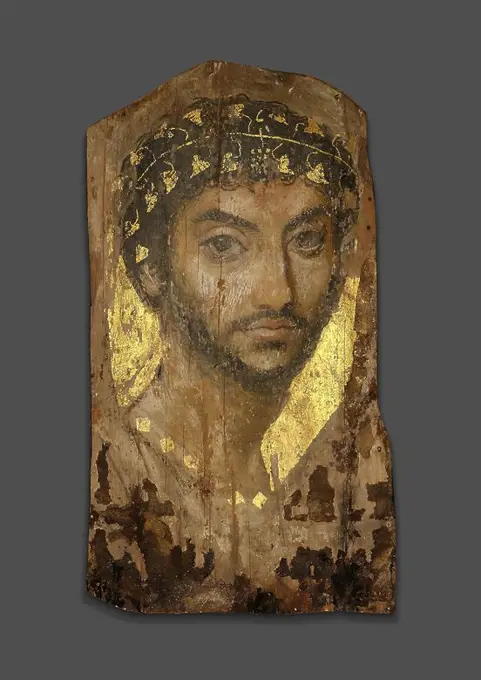
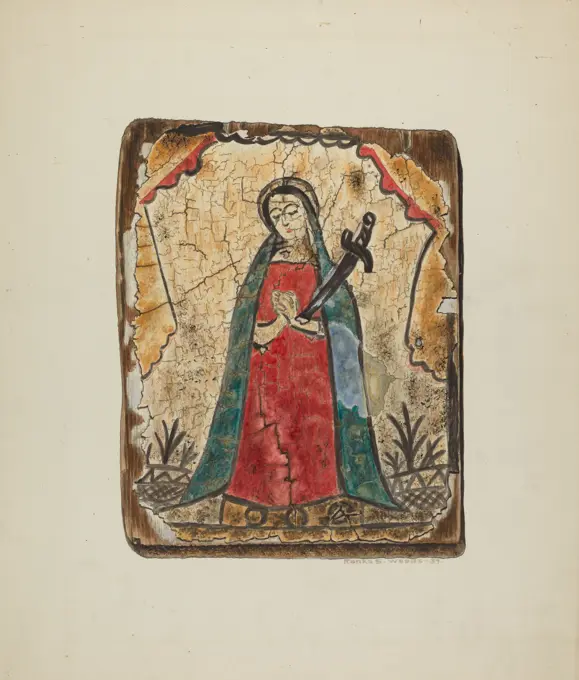
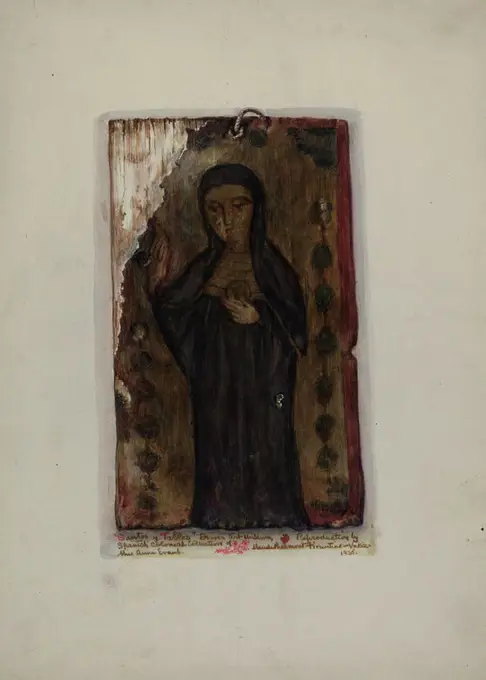
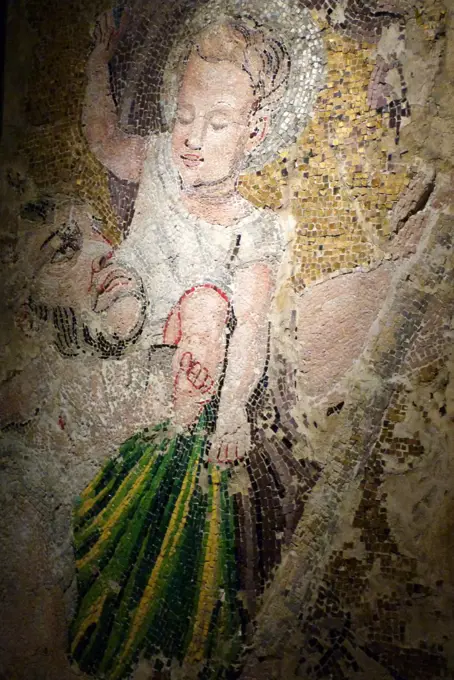
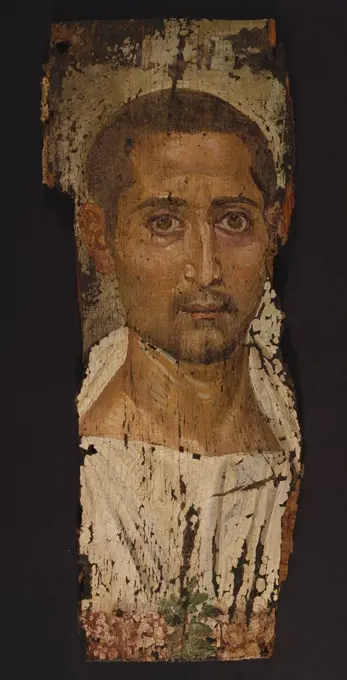
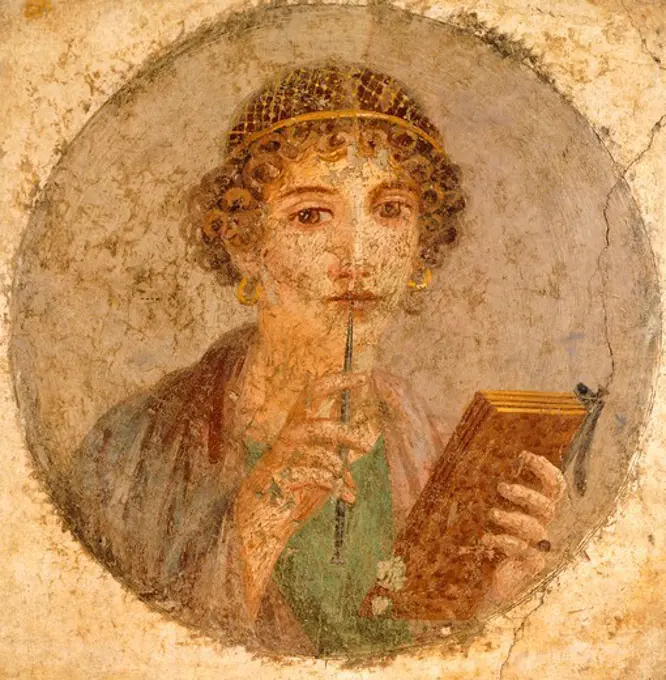
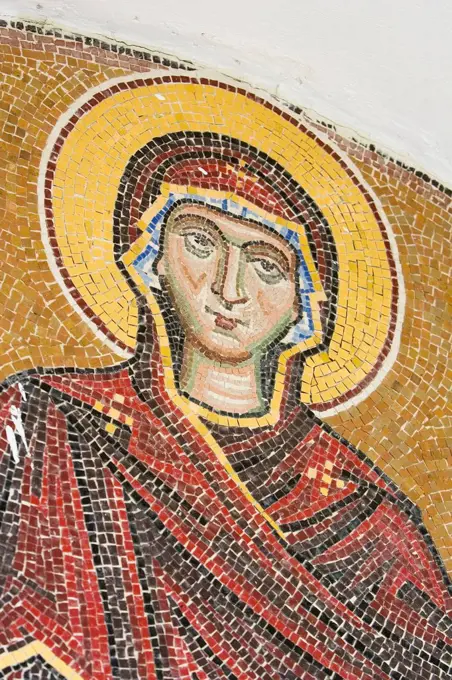
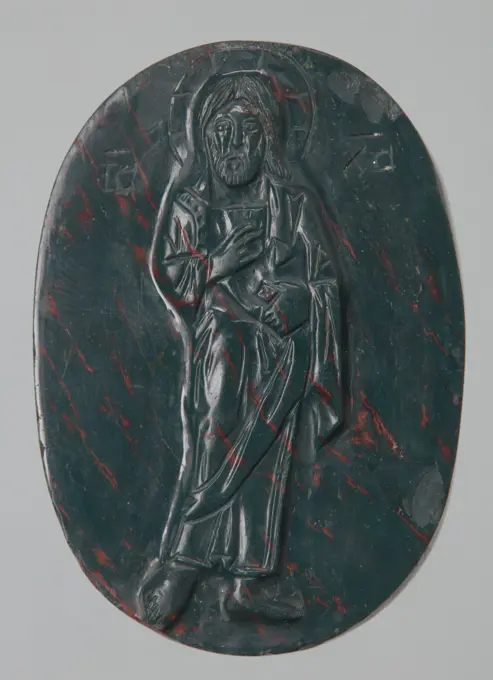
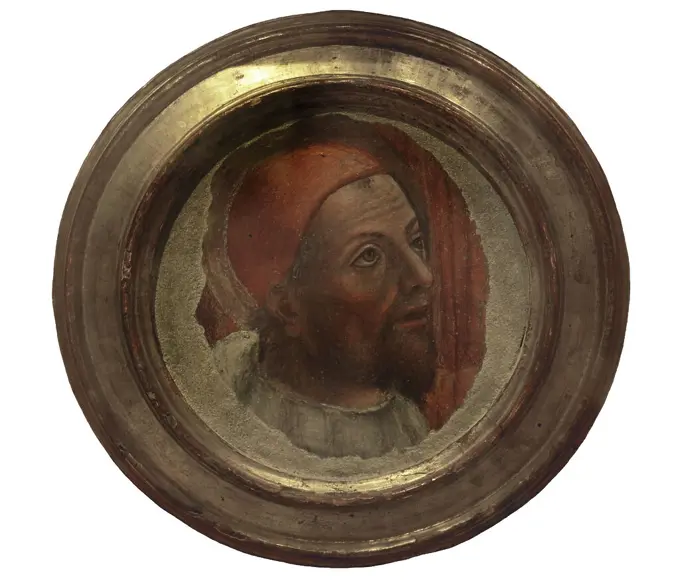
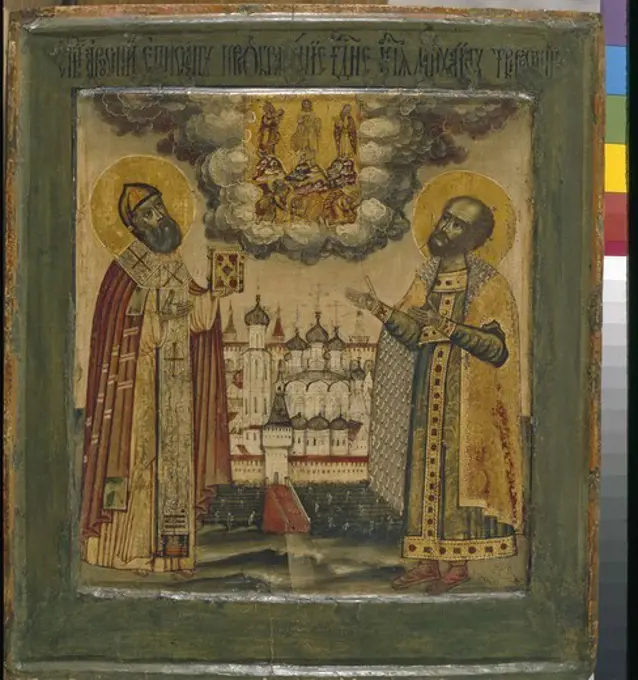
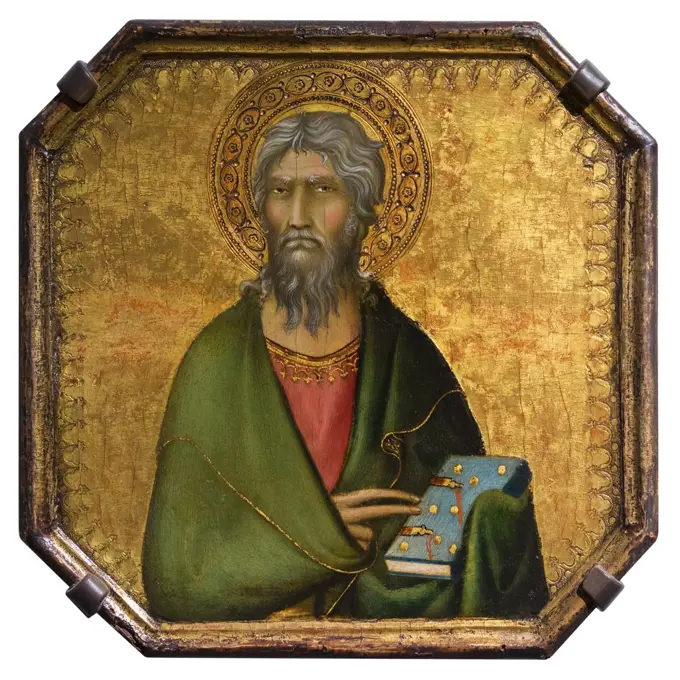
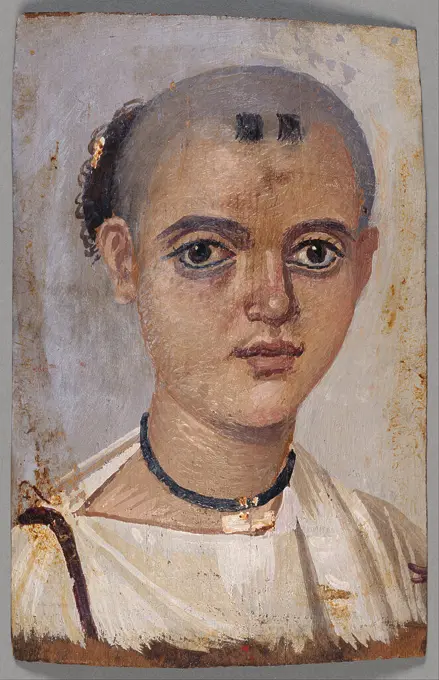
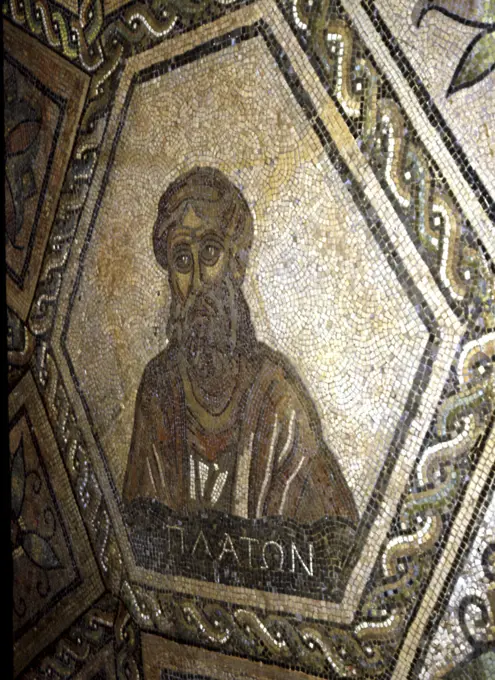
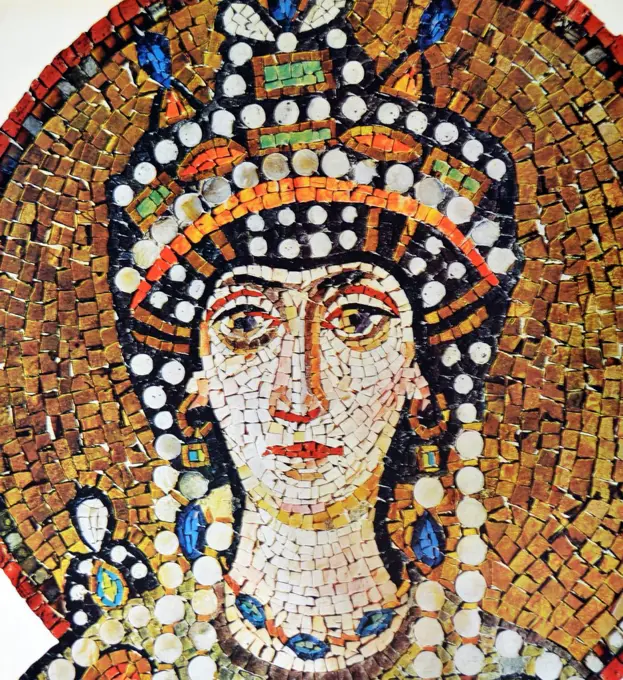
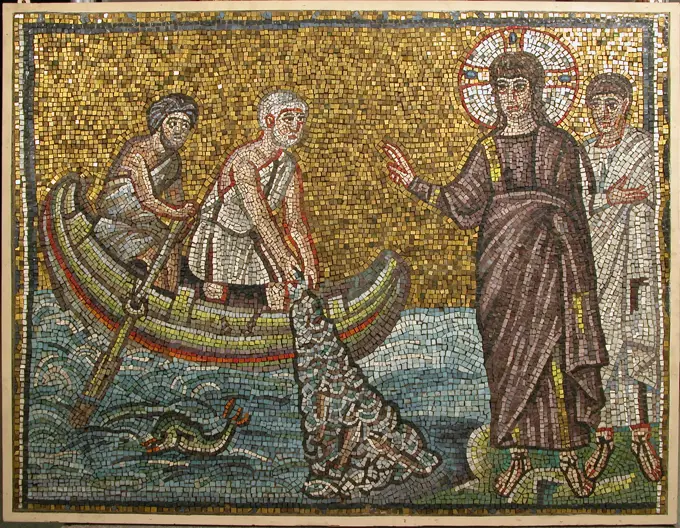
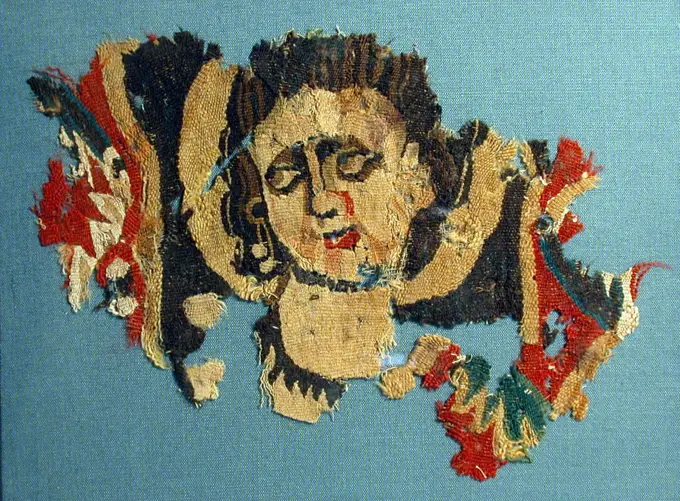
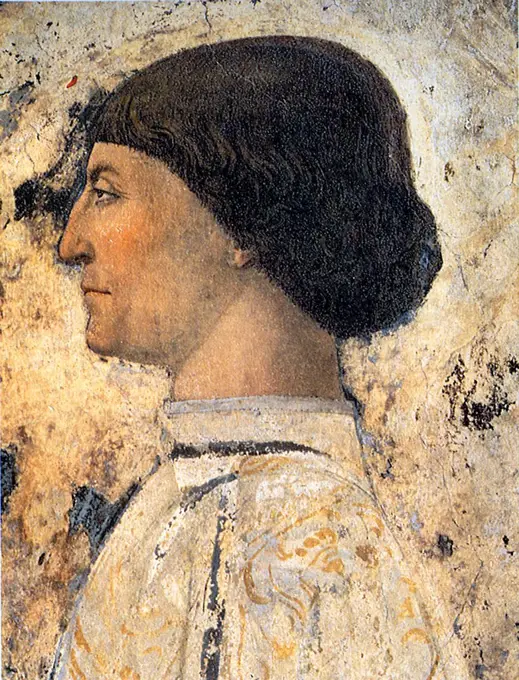
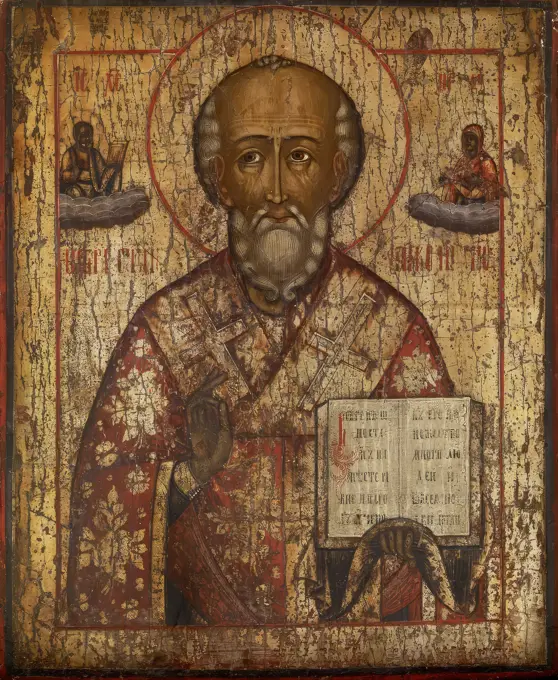
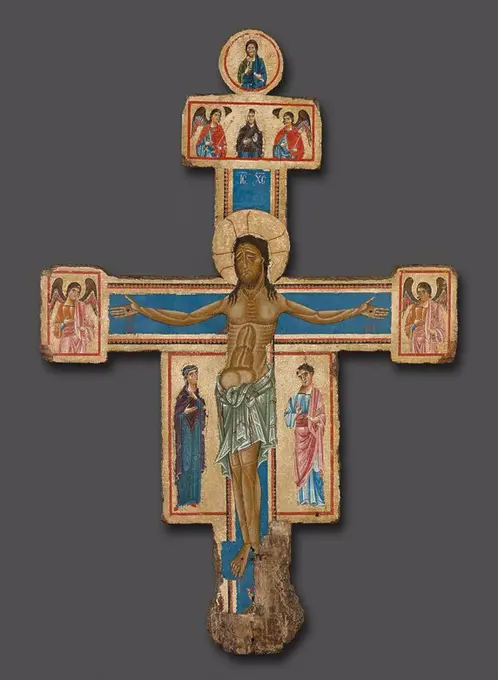
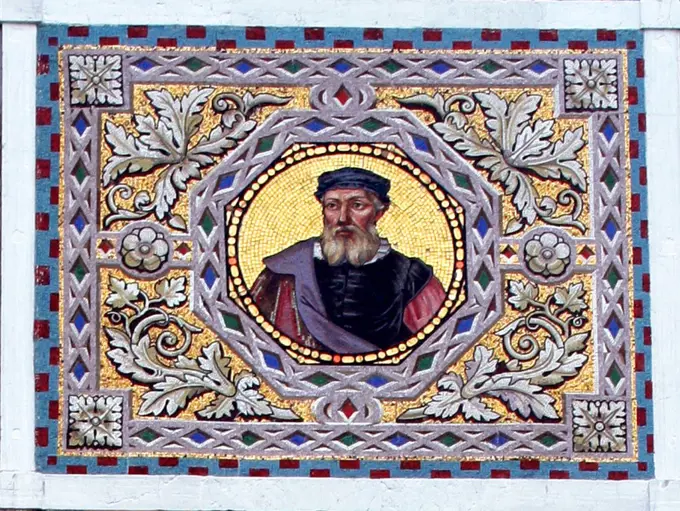
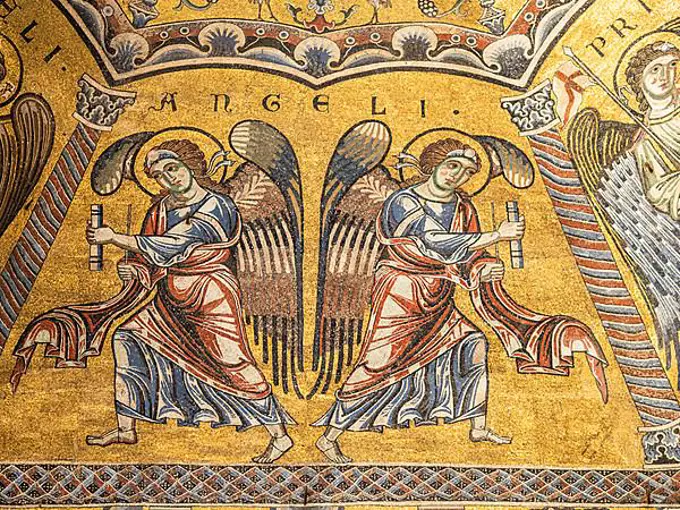
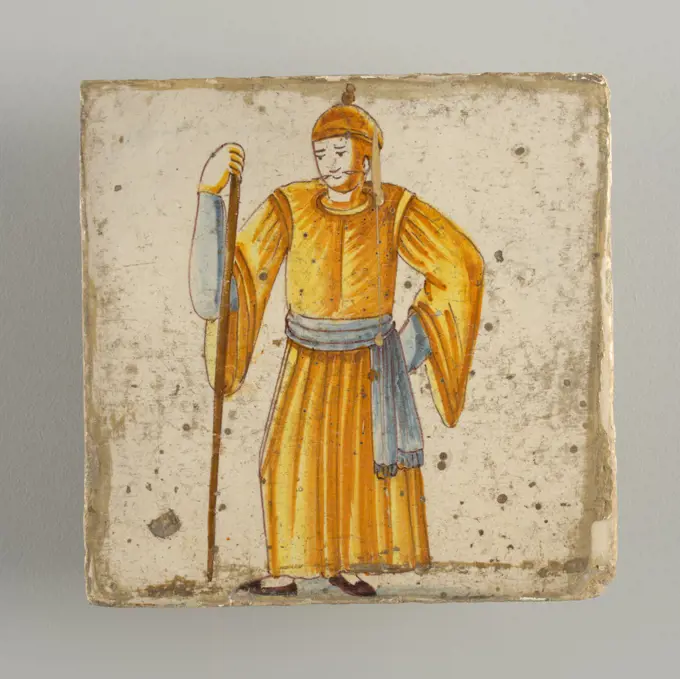
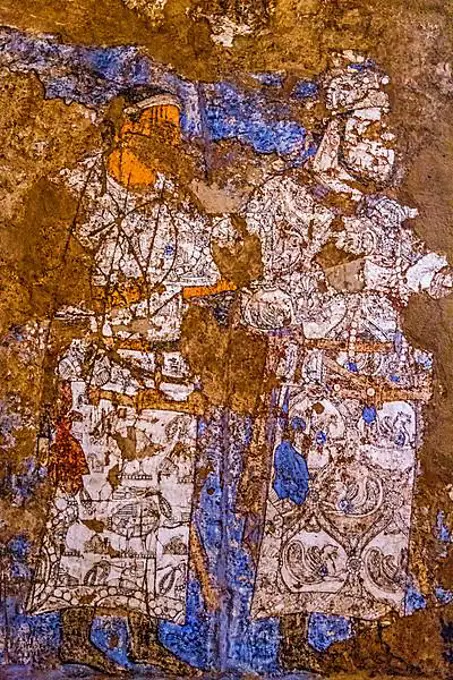
Wall paintings of the Sogdian palaces, Afrasiab Museum, Samarkand, Uzbekistan, Samarkand, Uzbekistan, AsiaMaude Valle, Santo, 1935 1942 SantoPortrait of a Boy on Linen; Egypt; 220 - 250; Tempera on linen; 49.5 × 35.5 cm (19 1,2 × 14 in.)'Head of a Monk. Fragment'. China, 8th century. Dimensions: 83x35 cm. Museum: State Hermitage, St. Petersburg.ESTATUAS ORANTE DE SIMON RUIZ (1526/1597) Y SUS DOS ESPOSAS: MARIA MONTALVO Y MARIANA PAZ MIRANDA-15. Author: CUADRA PEDRO. Location: HOSPITAL SIMON RUIZ. MEDINA DEL CAMPO. Valladolid. SPAIN.Limestone statue of Dozer (also read as Djeser and Zoser); Egyptian pharaoh of the 3rd dynasty ca. 2670 BCSanto. Dated: c. 1937. Dimensions: overall: 25.2 x 19.9 cm (9 15/16 x 7 13/16 in.) Original IAD Object: 9 3/4" high; 4 1/2" wide. Medium: watercolor, graphite, and gouache on paperboard. Museum: National Gallery of Art, Washington DC. Author: Ranka S. Woods.Appliqué 13th century French. Appliqué 464667 French, Appliqu, 13th century, Champlev enamel, copper-gilt, 2 7/16 x 7/8 x 1/8 in. (6.2 x 2.2 x 0.3 cm) 62 x 22 x 3 mm. The Metropolitan Museum of Art, New York. Gift of J. Pierpont Morgan, 1917 (17.190.803)Encaustic roman-Egyptian mummy portraits from Fayum in Egypt; 150 ADFIGURA MASCULINA BARBADA CON CASQUETE Y BACULO - PINTURA MURAL DEL INTERIOR DEL CASTILLO DE QUSEIR AMRA - SIGLO VIII - DINASTIA OMEYA. Location: CASTILLO. QUSEIR AMRA.MUJER SOSTENIENDO EL TONDO CON IMAGEN DEL CALIFA - INTRADOS DEL ARCO ORIENTAL DEL GRAN SALON DEL CASTILLO DE QUSEIR AMRA - SIGLO VIII - PINTURA OMEYA. Location: CASTILLO. QUSEIR AMRA.Wife of Sir Edward Bayntun, chantry chapel Church of Saint Nicholas, Bromham, Wiltshire, England, UK'Soldier or Beater. San Baudelio in Casillas de Berlanga', 12th century, Fresco, 288 x 130 cm, P07266. Author: ANONIMO ESPAÑOL. Location: MUSEO DEL PRADO-PINTURA. MADRID. SPAIN.Tannhauser (died after 1265) was a German songwriter and poet. Historically, his biography is obscure beyond the poetry, which dates between 1245 and 1265. Socially, he presumed familial lineage with the old nobles, the Lords of Thannhausen, residents in their castle at Tannhausen, near Ellwangen and Dinkelsuhl; moreover, the historical Tannhausen castle, is at Neumarkt in der Oberpfalz. Tannhauser was an active courtier at the court of Frederick II of Austria (1230-1246), and the Codex Manesse (1340) depicts him clad in the Teutonic Order habit, suggesting he might have fought the Fifth Crusade (1213-21).Wall painting from Room H of the Villa of P. Fannius Synistor at Boscoreale. Culture: Roman. Dimensions: Overall: 73 1/2 x 73 1/2in. (186.7 x 186.7cm). Date: ca. 50-40 B.C..This painting of a seated woman playing a kithara is from Room H, either a dining room (triclinium) or a room for social gatherings (oecus), in the villa at Boscoreale. Each of the paintings that originally adorned this room derives from the Greek tradition of megalographia, or large-scale painting, about which so much was written in antiquity; Apollinaris of Sidonius, Petronius in the Satyricon, and Vitruvius all shed light on the use of megalographia in Roman villas.In this fresco, the kithara player is depicted as a plump young woman clothed in a purple chiton and white himation. She is adorned with a bracelet, earrings, and headband with a central medallion, all of gold. A small figure of Atlas supports the arm of her elaborately carved chair that originally was lacquered a deep lustrous red. The instrument she Polyptych Of Saint Jerome - Detail Of Saint Giustina Squarcione, Francesco(1397-1468 Italian) Museo Civico, Padua, Italy Charles I, Duke dÇAnjou (1226-1285). King of Sicily and Naples (1266-1285) and King of Hungary (1308-1342).; CLEMENT IV ( -1268). Pope from 1265 to 1268. Charles of Anjou is granted the title of King of Sicily by Pope Clement IV. This painting belongs to a series which depicts Charles of Anjou's conquest of Sicily. Romanesque art. Fresco. FRANCE. Pernes-les-Fontaines. Tour Ferrande.Campania Caserta Ventaroli S. Maria in Foro Claudio5. Hutzel, Max 1960-1990 German-born photographer and scholar Max Hutzel (1911-1988) photographed in Italy from the early 1960s until his death. The result of this project, referred to by Hutzel as Foto Arte Minore, is thorough documentation of art historical development in Italy up to the 18th century, including objects of the Etruscans and the Romans, as well as early Medieval, Romanesque, Gothic, Renaissance and Baroque monuments. Images are organized by geographic region in Italy, then by province, city, site complex and monument.Mummy Portrait of a Man Wearing an Ivy Wreath 101 CE-150 CE Fayum. This portrait belongs to a large group of similar works known as ìFayum portraits,î so-named for the region in northern Egypt in which many have been discovered. To create this manís likeness, the artist painted a thin piece of wood with encaustic, or pigmented wax, a medium that not only gave the impression of three-dimensionality but also resisted fading and deterioration in the dry climate of Egypt. These highly individualized and lifelike portraits conveyed the wealth and status of the person depicted through clothing, jewelry, and other embellishments, such as the gold wreath of ivy worn by this man.. Lime (linden) wood, beeswax, pigments, gold, textile, and natural resin . Ancient RomanAltarpiece of Saint Vincent by Bernat Martorell, Catalan painter of the International Gothic Style. Dated 15th CenturyJUGLARESA. TECHUMBRE DE LA CATEDRAL DE TERUEL. TEMPLE SOBRE TABLA - SIGLO XIV. Location: CATEDRAL. TERUEL. SPAIN.PEDRO I DE PORTUGAL (1320-1367)- MINIATURA MEDIEVAL DEL LIBRO DE PRIVILEGIOS DEL REINO DE MALLORCA - SIGLO XIV. Author: ROMEU DES POAL (S XIV). Location: ARCHIVO HISTORICO. Palma. MALLORCA. SPAIN. PEDRO I DE PORTUGAL EL JUSTICIERO. ALFONSO IV EL BRAVO HIJO.Artemidorus. 2nd century encaustic coffin portrait. Roman. British Museum, LondonMosteiro dos Jerónimos de Belém, s.XVI. Figura del pórtico lateral.Lazio Roma Rome S. Croce in Gerusalemme15. Hutzel, Max 1960-1990 Medieval: Cosmati pavement, architecture (facade). Post-medieval: Architecture, architectural sculpture, sculpture, frescoes: "Leggenda della Santa Croce," Antoniazzo Romano (attr) & "S. Elena sale al cielo," Corrado Giaquinto; mosaic ceiling in Cappella di S. Elena; coats-of-arms German-born photographer and scholar Max Hutzel (1911-1988) photographed in Italy from the early 1960s until his death. The result of this project, referred to by Hutzel as Foto Arte Minore, is thorough documentation of art historical development in Italy up to the 18th century, including objects of the Etruscans and the Romans, as well as early Medieval, Romanesque, Gothic, Renaissance and Baroque monuments. Images are organized by geographic region in Italy, then by province, city, site complex and monument.Fragment of Funerary Drape with Portrait. Date/Period: 500. Linen, wool. Height: 16.50 mm (0.64 in); Width: 23.50 mm (0.92 in). Author: UNKNOWN.Germany, Cologne (aka Koln). 13th Century Gothic Cologne Cathedral. Spectacular medieval mosaic floors.Angel with Harp ca. 1401-7 Cristoforo Cortese Italian This miniature, together with another illuminated music-making angel (Robert Lehman Collection, 1975.1.2465b), is a fragment of the decorative border of a manuscript folio. The leaf may have belonged to an antiphonarya choir book containing sung portions of the Divine Officethat was commissioned in 1401 for the newly founded Dominican Convent of Corpus Domini in Venice. These miniatures were illuminated by Cristoforo Cortese, the most famous and prolific Venetian illuminator of the first half of the fifteenth century, and are his earliest known works.. Angel with Harp 462005Spain: A bear, fresco from the Hermitage of San Baudelio de Berlanga, Soria, c. 1125Bust of Christ as a man of SMARTEN, 1525 - 1575 Bust of Christ as the man of sorrows in polychromed and gilded stucco in the list of Lindenhout. Naples (possibly) stucco Bust of Christ as the man of sorrows in polychromed and gilded stucco in the list of Lindenhout. Naples (possibly) stuccoPainting of woman with tasselled fan, nathdwara, rajasthan, india, asia Copyright: xRajeshxVora/DinodiaxPhotoxIkona: Św. mnich (Nifon). nieznany warsztat rosyjski (1700-1970), factoryMummy Portrait of a Man Wearing an Ivy Wreath. Roman. Date: 101 AD-150 AD. Dimensions: 39.4 × 22 × 0.2 cm (15 1/2 × 8 5/8 × 1/16 in.), depth with support 3.5 cm (1 3/8 in.). Lime (linden) wood, beeswax, pigments, gold, textile, and natural resin. Origin: Fayum. Museum: The Chicago Art Institute, Chicago, USA. Author: Ancient Egyptian.Ranka S Woods, Retablo, 1937 RetabloSanto. Dated: 1936. Dimensions: overall: 38.7 x 28.8 cm (15 1/4 x 11 5/16 in.) Original IAD Object: 5"x9". Medium: watercolor, colored pencil, graphite, and heightening on paperboard. Museum: National Gallery of Art, Washington DC. Author: Maude Valle.Green Man from Canterbury Cathedral. Roof Boss.Detail from Saint Mark's Basilica (Basilica Cattedrale Patriarcale di San Marco). In Venice, Italy. Consecrated in 1650 AD. Internal walls of the Basilica, adorned with mosaics and paintings.Paquius Proculus and his wife (Terentius Neo and his wife), by Unknown artist, 1st Century, fresco (mural). Italy: Campania: Naples: National Archaeological Museum: 9058. Detail. Wall decoration panel portrait of a couple man woman husband wife Terentius Neo representation clothes mantle/cloak purplish red ocher background waxed boardsDetail of the banquet of the ten first kings of the Nasrid dynasty.. Painting on leather. Granada, the Alhambra Kings room. Location: ALHAMBRA-SALA DE LOS REYES. GRANADA. SPAIN.The Sudarium Made 1460-1465 Germany. Communion bread came in different shapes in Renaissance Europe, and this variety is particularly clear from depictions of the Last Supper, when Christ symbolically offers his body to his disciples. In this metalcut series on the life of Christ, the shape of the breadóthe traditional Bretzel, or pretzelóbetrays that the prints were made in Bavaria. While the handwritten text on the verso of the adjoining sheet in the booklet (once comprising nineteen metalcuts) does not mention the pretzel, it is handcolored in a warm, doughy yellow. A similar glow suffuses the head-on Sudarium at center, an unusually abstract inclusion for an image of the Passion.The fifteen metalcuts, or ìdotted prints,î that form this Passion suite constitute one of the most complete block books in existence. It is possible that the series at one time included as many as nineteen images, each exquisitely hand-colored with the biblical text inscribed on the reverse. The stars, shelMummy Portrait of a Bearded Man; Unknown; Egypt, Africa; about 225 - 250; Encaustic on wood; Object: H: 47.5 x W: 19 cm (18 11/16 x 7 1/2 in.)Portrait of Johanna Doré, François Dieussart, c. 1647 - C. 1651 The woman is placed head -on, the head slightly to the left. The hair separated in the middle falls on either side of the fleshy face in small curls to the shoulders; A braid is placed in a wreath on the back of the head. She is wearing a dress with a deep, rectangular neck -cut, from which a shirt comes out that has been deposited along the neck with a wide lace strip. On the chest, one end of a sash is tied and pinned with a cameee, on which the profile portrait of her husband is applied. The other, longest part of the sash is draped along the back and ends on the right shoulder. On profiled, swiveled pedestal. The Hague marble (rock) The woman is placed head -on, the head slightly to the left. The hair separated in the middle falls on either side of the fleshy face in small curls to the shoulders; A braid is placed in a wreath on the back of the head. She is wearing a dress with a deep, rectangular neck -cut, from whichLazio Viterbo Orte S. Silvestro Museo Diocesano d'Arte Sacra20. Hutzel, Max 1960-1990 Medieval: Romanesque architecture (12th century), architectural sculpture, 8th century mosaic, paintings on canvas and panel, including 13th century panel with scenes from the life of St. Francis, sculpture, carved wooden coffin, church furnishings. Post-medieval: Paintings on canvas and panel Antiquities: Fragments of sculpture German-born photographer and scholar Max Hutzel (1911-1988) photographed in Italy from the early 1960s until his death. The result of this project, referred to by Hutzel as Foto Arte Minore, is thorough documentation of art historical development in Italy up to the 18th century, including objects of the Etruscans and the Romans, as well as early Medieval, Romanesque, Gothic, Renaissance and Baroque monuments. Images are organized by geographic region in Italy, then by province, city, site complex and monument.Fresco depicting a portrait of young girl known as Sappho, from Pompeii (UNESCO World Heritage List, 1997), Campania. Roman Civilization, 1st Century.Bronze relief with St. James, St. James's Church, St. James' Way Station, Jakobervorstadt, Augsburg, Swabia, Bavaria, Germany, EuropeMummy Portrait of a Youth. UnknownMosaicsBasilica of Aquileia from the 11th century, largest floor mosaic of the Western Roman Empire, UNESCO World Heritage Site, important city in the Roman Empire, Friuli, Italy, Aquileia, Friuli, Italy, EuropeSaint John the Baptist Pray for Us. Dated: c. 1820. Dimensions: image: 34.5 x 26.1 cm (13 9/16 x 10 1/4 in.) sheet: 39.7 x 30.2 cm (15 5/8 x 11 7/8 in.). Medium: hand-colored woodcut on blue laid paper. Museum: National Gallery of Art, Washington DC. Author: French 19th Century.Talla de Sant Jeroni. Escuela Castellana. Museo de Mataró.Mosaic depicting the Allegory of Winter, from Quintana del Marco, Spain. Hispano-Roman Civilization, 5th Century.11/22/2013 Madrid. Masaveu Collection in Centro Centro, Madrid city hall. photo, Isabel Permuy ARCHDC.. During his sojourn in Italy, the Flemish sculptor Dieussart mastered a modern portrait style based on Classicalmodels and executed in Italian marble. Dieussarts likenesses of Pieter Spiering and Johanna Doré reflect the form of Classical busts, but are subtly enlivened by having the sitters turn their heads towards each other.'Baldachin from Ribes (detail)'. Tempera on wood, 12th, 80.5 x 157 cm. Museum: Museu Episcopal, Vic.Side plate of a reliquarian with representation of Petrus, Anonymous, c. 1175 - c. 1200 Copper side plate of a relectarium, decorated with an image of the apostle Peter in Email. The plate is rectangular with a triangular top. Peter is supported by two columns under an arc and wears a cloak of blue over a green underwear that is trimmed along the edges with narrow, yellow borders. In the left hand he wears the key, a book in the right hand. The face, hands and the book are copper -colored, the feet are gilded. The halo is made of black enamel with a backdrop of white and yellow flowers. Peter stands for a gilded background decorated with leaf vines. The edge of the plate is decorated with insert of email in the shape of semi -circles in the colors blue, yellow, green, white and red. A few copper nails in the edge are still present. Limoges copper (metal). gilding Copper side plate of a relectarium, decorated with an image of the apostle Peter in Email. The plate is rectangular with a tPrzeszo Przyszoci unknownOld Man Statue in the Brick Wall Statue of an old man in the niche in the brick wall in Turkey Copyright: xZoonar.com/vicspacewalkerx 1106135MOSAICO DE NOHEDA: RETRATOS DETALLE DE LOS PERSONAJES DEL MOSAICO.Mary and Child. unknown, graphic artist, Łazarski, Zygmunt (1885-1943), publisher, Kostrycki, Maciej (Płazów ; drzeworytnia ludowa ; fl. ca 1830-ca 1838), woodcut atelierVincenzo Foppa (1430-1516). Italian painter. Head of a Saint, 1460-1464. Detached fresco. Pinacoteca Castello Sforzesco, Milan, Italy. Author: Vincenzo Foppa (ca. 1430-1516). Italian painter.Michael and Arseny Tverskie, tempera on wood, Museum of TverPortrait of Mauritius Cappadocius in architectural frame, Rudolf Wyssenbach, 1559 print Portrait of Roman emperor Mauritius Cappadocius, to the right, with golden crown on the head, in round frame, in which his name. This list is contained in an architectural framework with texts in Latin. Verso: text in book print in ornament list with putti, fruits and mascarons.  paper letterpress printing historical persons. ornaments ~ artHuayna Capac, Twelfth Inca, 1 of 14 Portraits of Inca Kings Unknown. Huayna Capac, Twelfth Inca, 1 of 14 Portraits of Inca Kings, mid-18th century (probably). Oil on canvas, 23 1/2 x 21 1/2in. (59.7 x 54.6cm).  The blue background of these twelve portraits of Inca kings could have been produced with a variety of pigments that were available in the Viceroyalty of Peru in the eighteenth century: Prussian blue, from Germany; indigo, from the Americas; and smalt, imported from Europe. In the Viceroyalty of Peru, the choice of a blue back-ground for these portraits was strategic, elevating the subjects as blue did in European paintings of rulers and nobles. Following the European tradition, Cuzcos surviving Inca aristocracy likely commissioned these portraits to document their royal heritage and thus legitimize their political and social authority. American Art mid-18th century (probably)Mosaic Fragments (2); Eastern Mediterranean (); 5th century; Stone and concrete; 48 × 68 cm (18 7,8 × 26 3,4 in.)Saint Andrew (); early 1320s Tempera on panel Simone Martini Italian (Siena); about 1284-1344Panel; silk, metallicANTROPOTILO - 2002 - TEMPLE Y GRAFITO/MADERA ESTUCADA - 43x22. Author: GUILLERMO PEREZ VILLALTA. Location: GALERIA SOLEDAD LORENZO. MADRID. SPAIN.La creacion del Mundo. Museum: COLECCION PARTICULAR MADRID ESPAÑA. Author: JOSÉ GURVICH.Saint Pantaleon. Colour reproduction of painting.Mummy Portrait of a Boy. Date/Period: 150 - 200. Panel. Encaustic on wood. Height: 203 mm (7.99 in); Width: 130 mm (5.11 in). Author: UNKNOWN.Royal image, fresco, Saint Candidus Collegiate Church, San Candido (Innichen), Trentino-Alto Adige, Italy.Giotto /Esau bef.Isaac, Detail/ FrescoRoman mosaic. Plato. Greek philosopher. 4th cent. BC.Byzantine Mosaic, Palermo  John Newcomb, Watercolor, 2007Sant Bernardi and Sant Onofre, Joan Rosat -Rosato-, 1460, tempera on panel, convent of Sant Francesc, Museu de Mallorca, Palma, Majorca, Spain.Mummy Portrait of a Young Woman. UnknownEgypt, Nile valley, painted Nubian house close Aswan,Detail of the mosaic of Justinian and Theodora. Princess Theodora was best known for her talents as head of state in the eastern Empire of Justinian. Located in the church of San Vitale at Ravena, Italy. Dated 548 A.D.Head of Saint John the Baptist. Artist: Emmanuel Tzanès (Greek, active by 1636-died 1690). Dimensions: 8 3/8 x 7 1/8 in. (21.3 x 18.1 cm). Museum: Metropolitan Museum of Art, New York, USA.Egyptian wax portrait of a man, 2nd century. Artist: UnknownFerdinand I the Great, King of Castile and Leon, miniature, Spain 13th Century.Sculpture with old Croatian writing, fishing village Valun, Cres Island, Adriatic Sea, Kvarner Bay, Croatia, EuropeUp Ta Helena; unknown, Azarski, Zygmunt (1885-1943); 1921 (print); 1746-1755 (matrix) (1746-00-00-1921-00-00);Helena (Saint - Ca 249 -Ca 330), devotional pictures, ethnography, purchase (provenance), Łazarski, portfolio of old people's old woodcuts 1921, illustration, Łazarski, Zygmunt (Ca 1885-1943) - collectionSpain, Castile-Leon region, Burgos. Detail of painted city gate arch. UNESCO.Miraculous Draught of Fishes early 20th century (original dated early 6th century) Byzantine. Miraculous Draught of Fishes. Byzantine. early 20th century (original dated early 6th century). Tesserae, glass in wooden frame. Reproductions-MosaicsHenri Cros (1840-1907). "Female woman head medallion". Terracotta. Museum of Fine Arts of the City of Paris, Petit Palais. 74618-12 Woman, medallion, profile, terracotta, headHead of a Young Woman early 14th century North French. Head of a Young Woman 466279The "Madonna with children"; Manufaktura Majoliki in Nieborów (Nieborów; Wytwórnia; 1881-1899); 1881-1886 (1881-00-00-1886-00-00);Andra Mari de Zestafe, 14th century, polychrome and gilded carved wood, San Nicolas de Zestafe, Vitoria, María Inmaculada Cathedral, Álava, Spain.Fragment of a Woman 4th-5th century Early Byzantine Darting her gaze left, this nimbed woman likely formed part of a colonnade of mythological figures connected to Dionysus. The fine shading and contours of her face are exquisitely modeled in brown, black, and beige threads. The woven brown and black threads depict elegant waves in her dark hair. On her left ear, a gold and pearl earring appears to sway with movement. Although we do not know exactly where it was found, this textile was likely excavated from a late-antique burial in Egypt during the late nineteenth century and early twentieth century. Beginning in the third century AD, elegant textiles like these were wrapped around deceased bodies and were preserved by Egypts dry climate.. Fragment of a Woman 329977RETRATO FUNERARIO PROCEDE DE ANTINOE (EGIPTO) - SIGLO III. Location: LOUVRE MUSEUM-PAINTINGS. France.Portrait of Sigismondo Pandolfo Malatesta by Piero della Francesca, fresco, 1451, circa 1415-1492, Italy, Rimini, Tempio MalatestianoTile. unknown, factoryEdelfelt, Albert, Sketch book, 1890-91, drawing, 21.5x30, Edelfelt, Albert, 1890-91, Albert Gustaf Aristides Edelfelt 1854 - 1905, Finnish painter. Painting in a naturalistic style and with a Realist approach to art. He lived in FinlandCrucifix. Master of the Bigallo Crucifix; Italian, active about 1225-65. Date: 1255-1265. Dimensions: 191 × 127.2 cm (75 1/4 × 50 1/8 in.). Tempera on panel. Origin: Italy. Museum: The Chicago Art Institute, Chicago, USA.Mosaic detail from The Palazzo Barbarigo, a palace on the Grand Canal in Venice, Italy. The palazzo was built in the 16th century but the mosaics were added in 1886. Made from of Murano glass and inspired by the exterior mosaics on the facade of St Mark's Basilica.Medieval mosaics on the ceiling of the Baptistery, Florence Cathedral, Florence, Tuscany, Italy, EuropeNational Museum of Ancient Art. Saint Paul. 14th century. Portuguese workshop. Polychrome limestone.SAN NICOLAS DE BARI - SIGLO XV - GOTICO ESPAÑOL. Author: PEDRO DE CORDOBA (1482-1521). Location: MUSEUM OF FINE ARTS. CORDOBA. SPAIN.Tile, Earthenware, glazed nd high fire decorated, Standing man, dressed in long yellow costume and blue under sleeves and belt; leaning on long stick which he holds in his right hand. Chinoiserie type of decoration., Alcora, Spain, late 18th-early 19th century, tiles, Decorative Arts, Tile