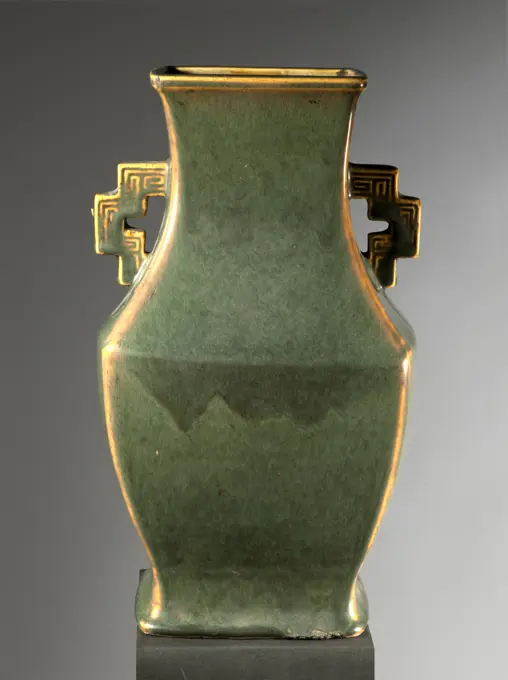
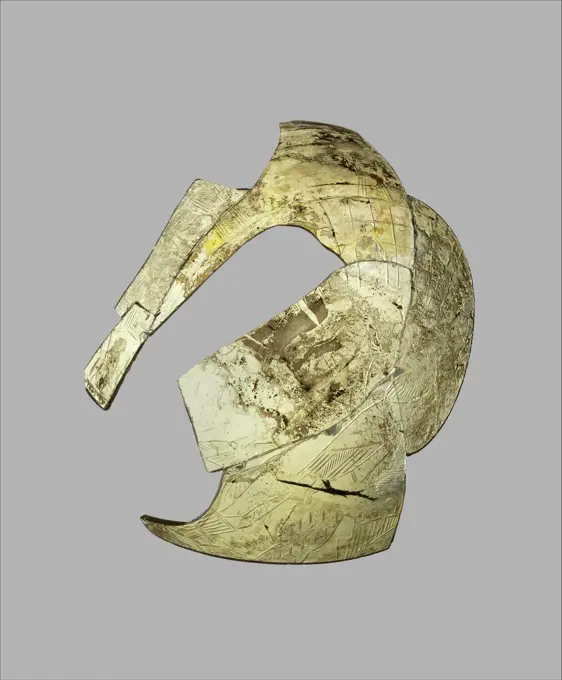
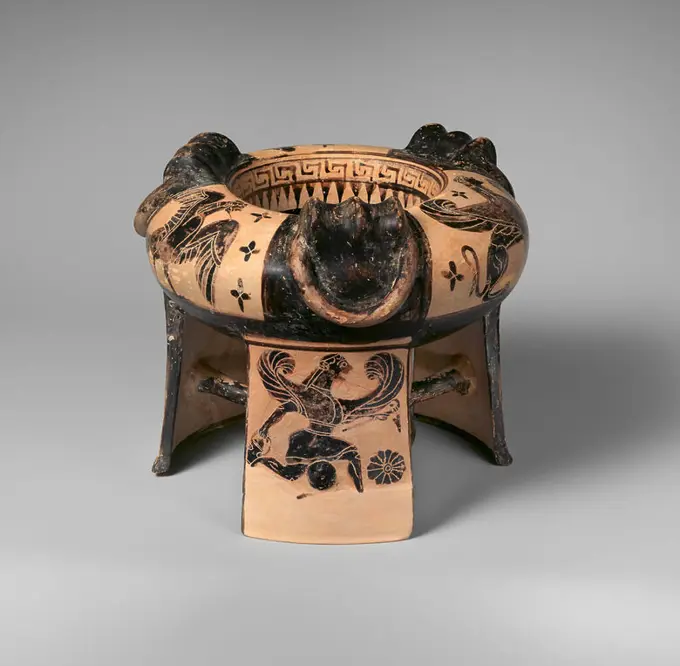
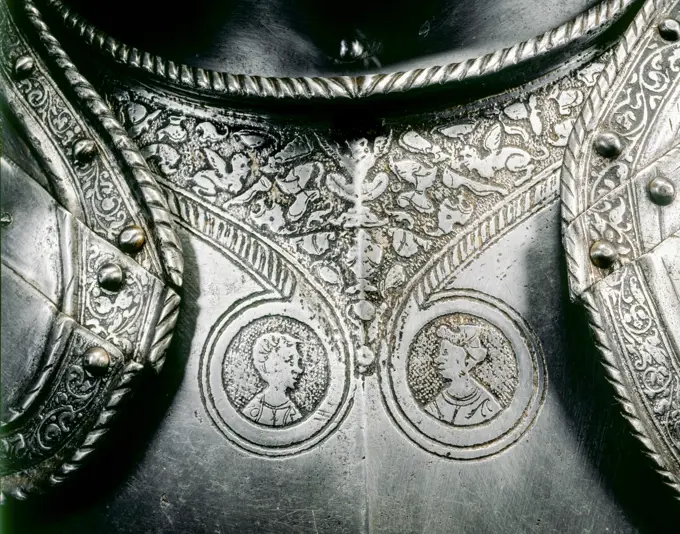
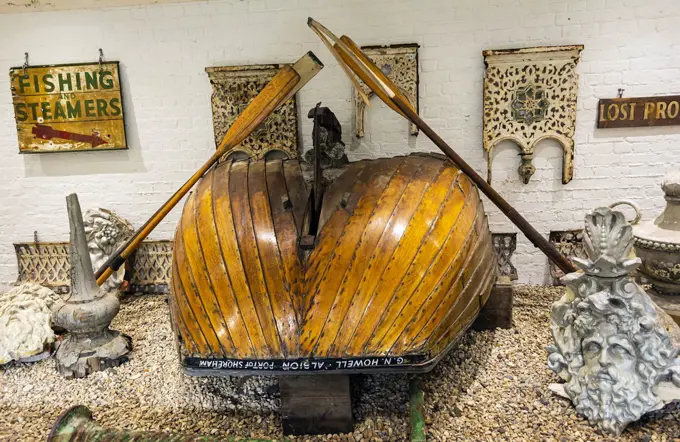
Medieval Armor Components

A collection of historical armor pieces including helmets and breastplates, highlighting craftsmanship from various European eras.
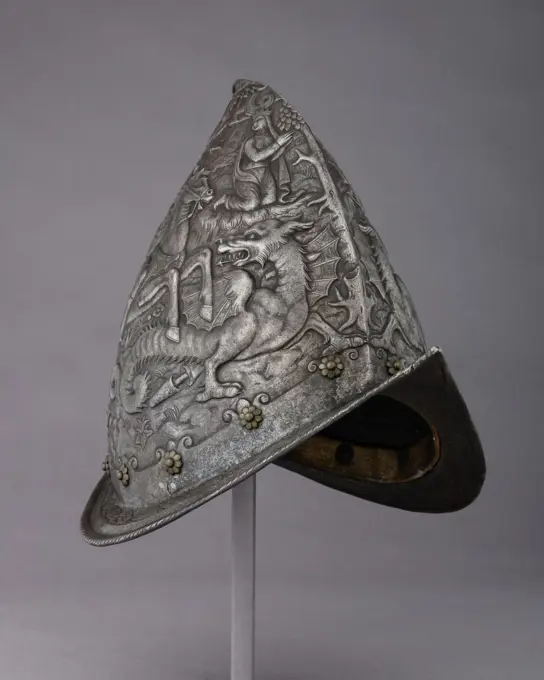
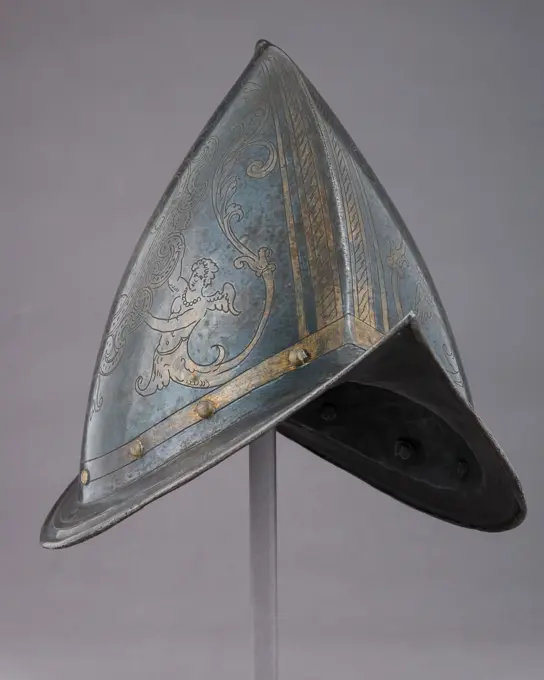
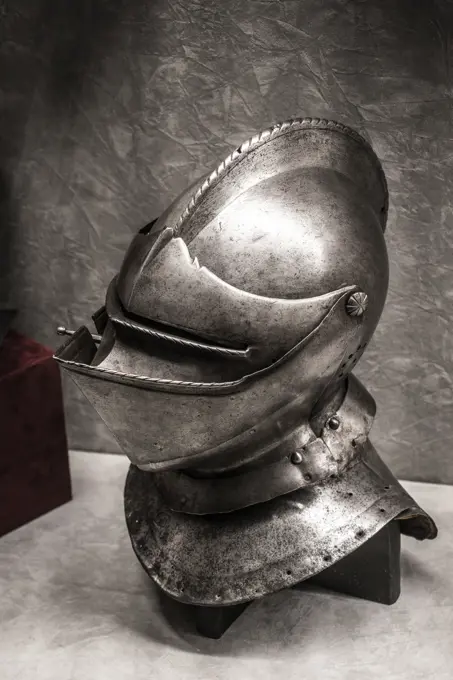
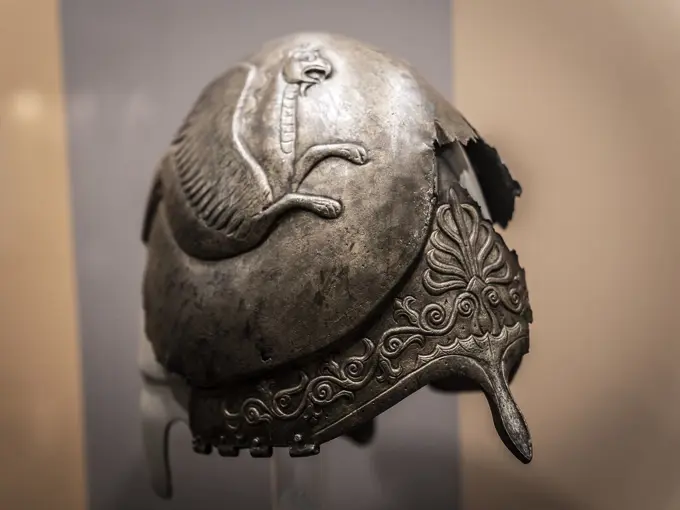
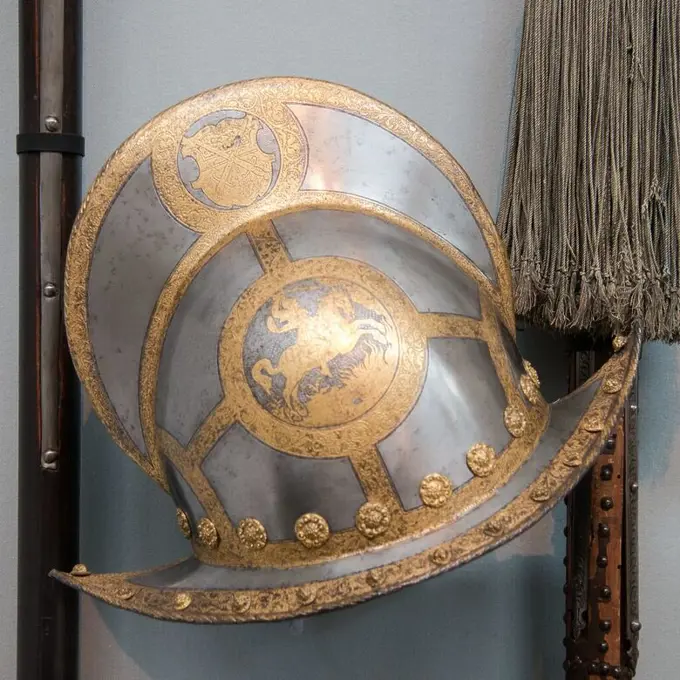
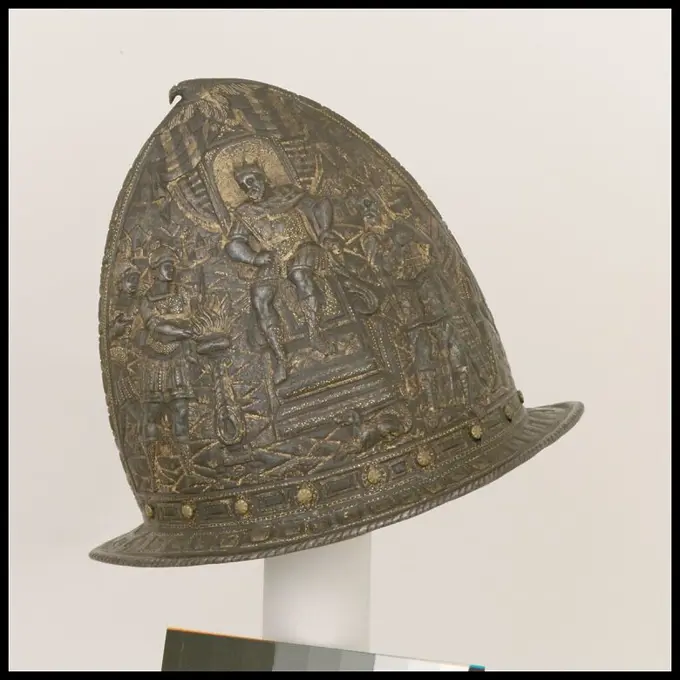
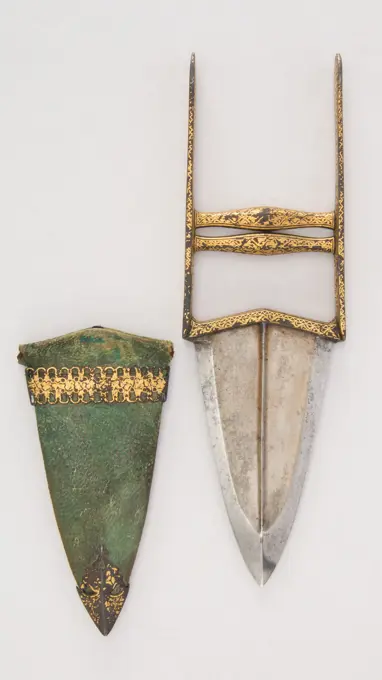
Cabasset 16th century; embossed decoration, probably 18th-19th century French or Italian. Cabasset 26541
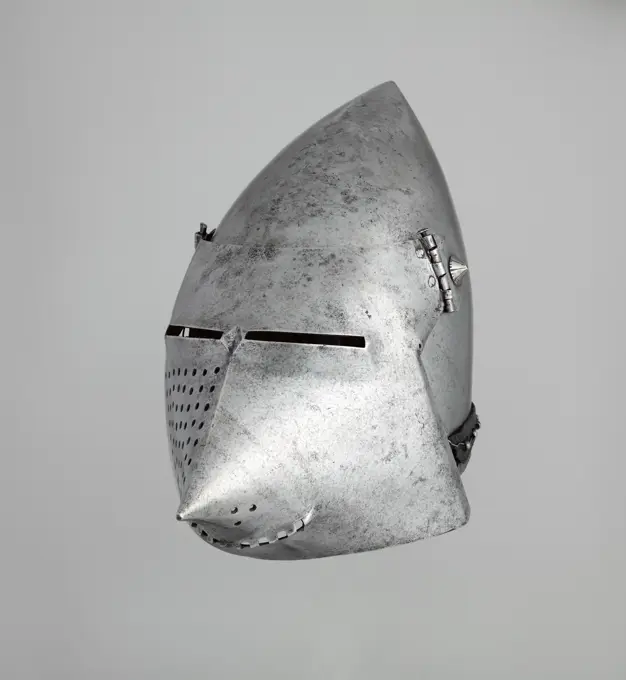
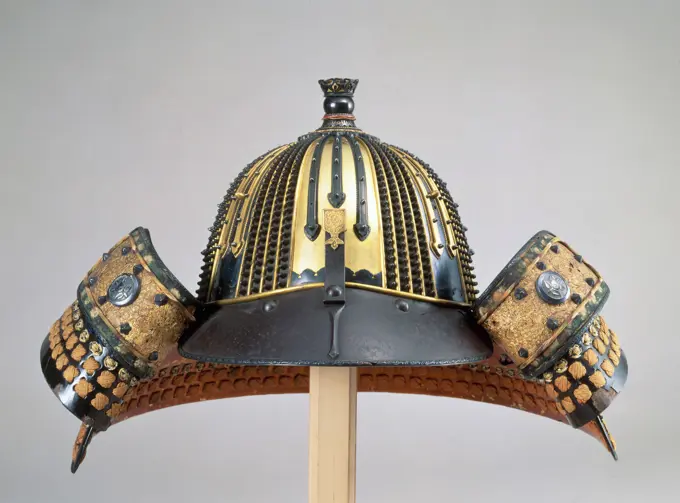
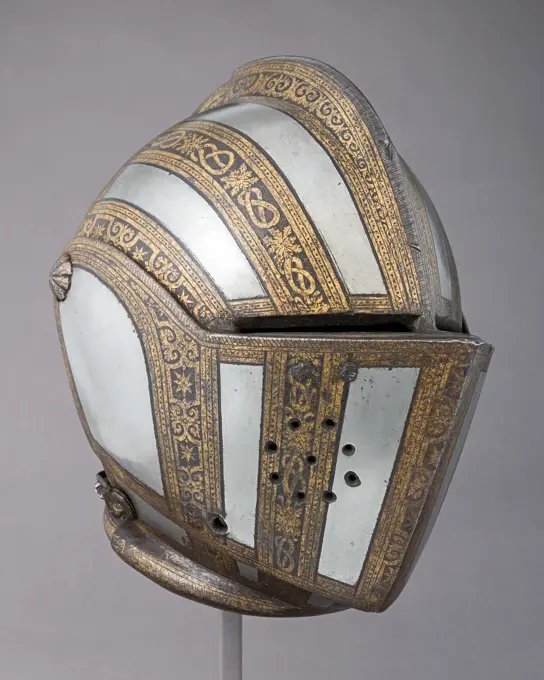
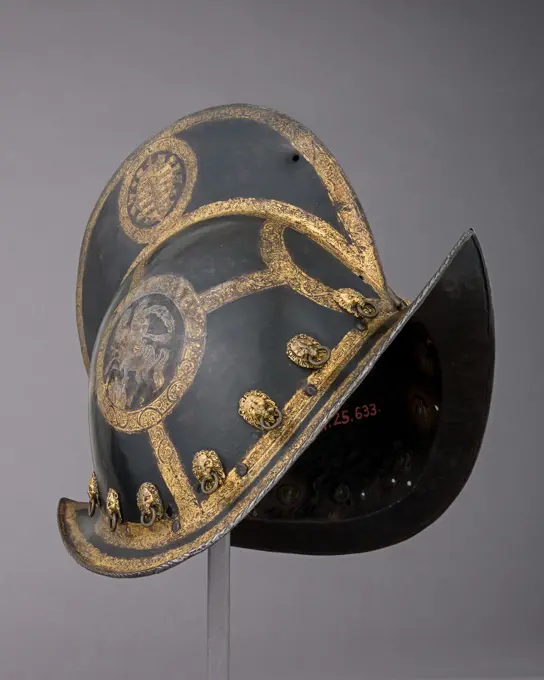
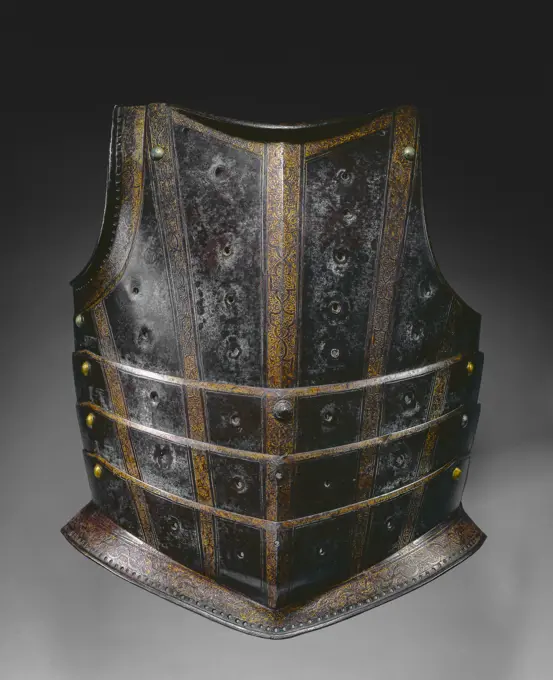
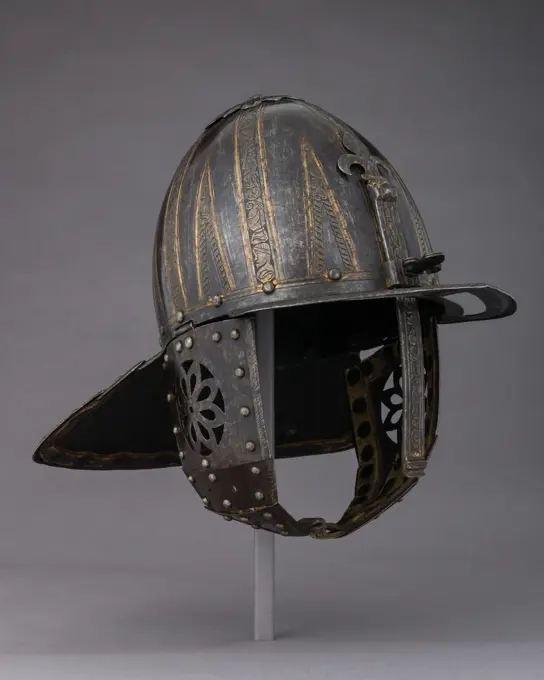
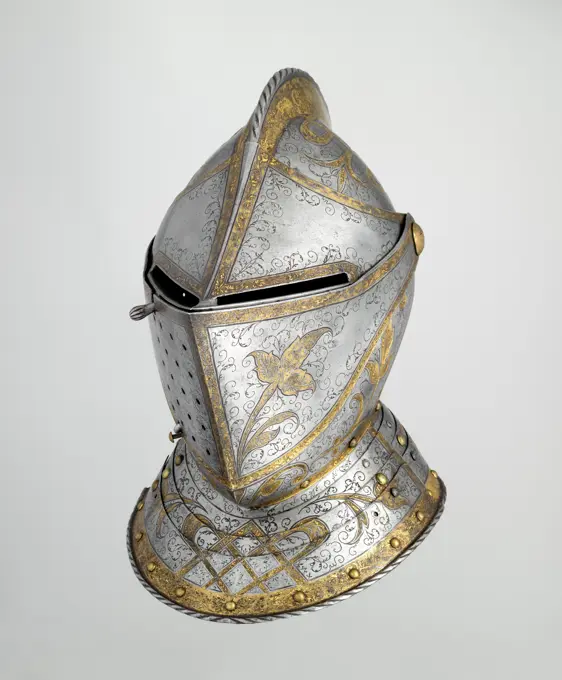
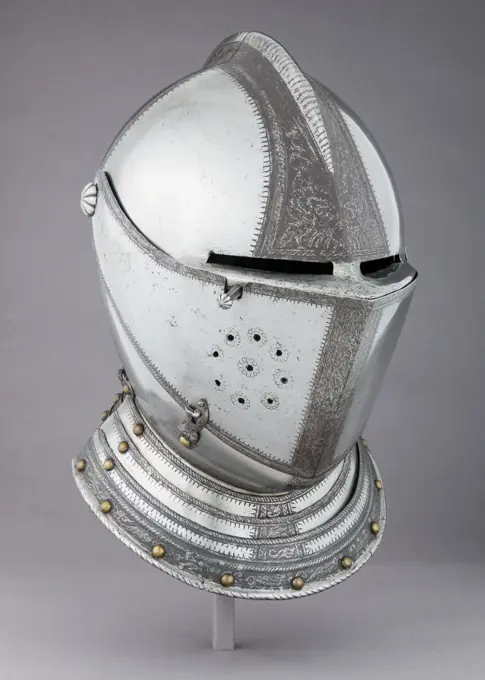
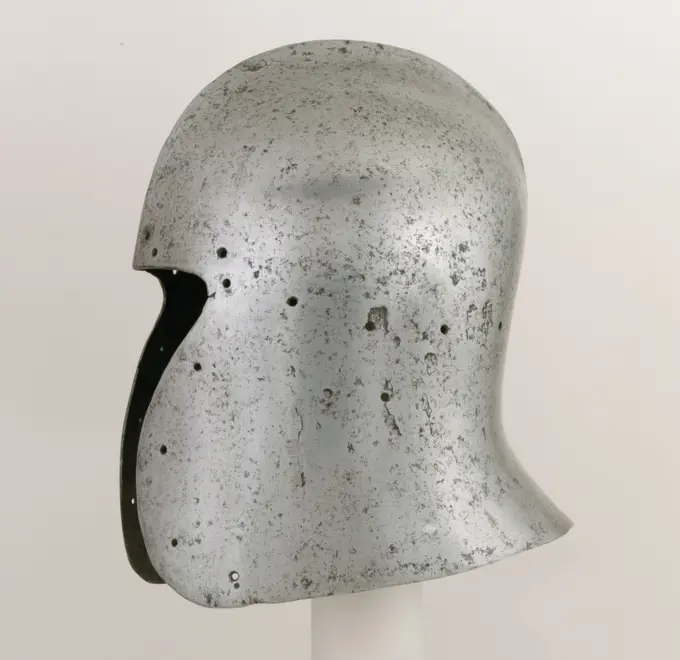
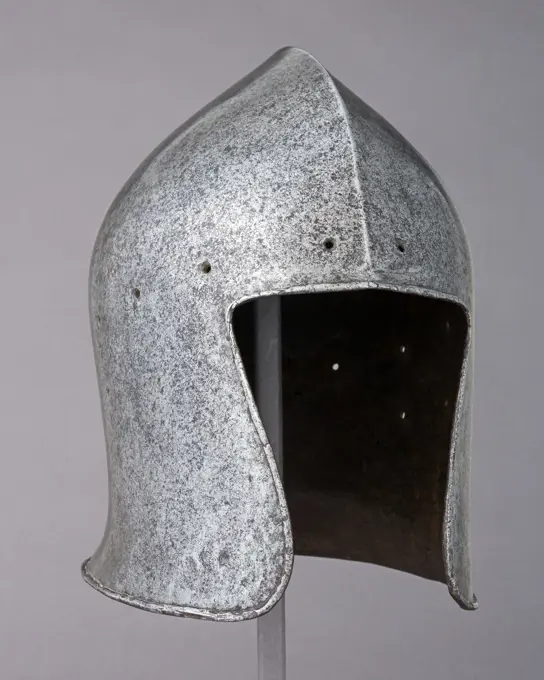
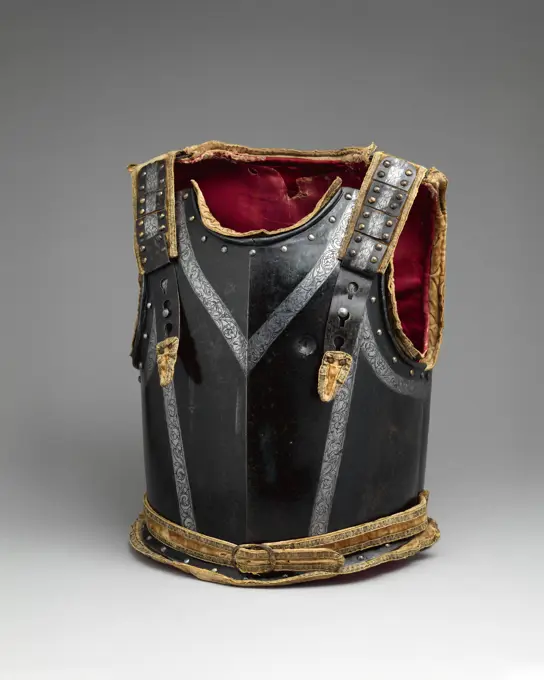
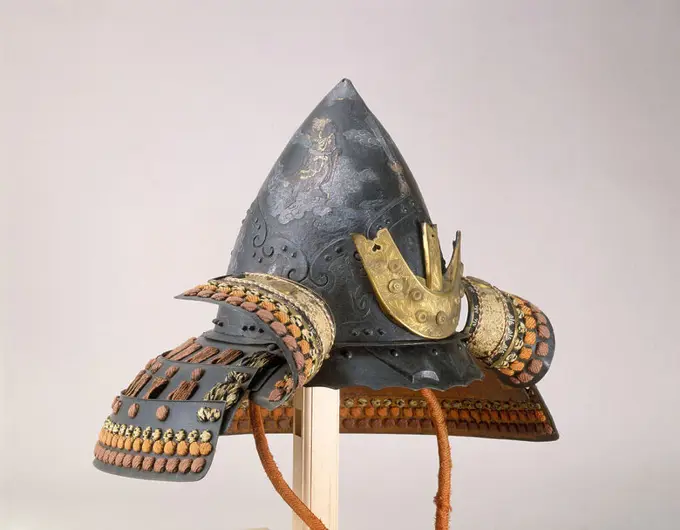
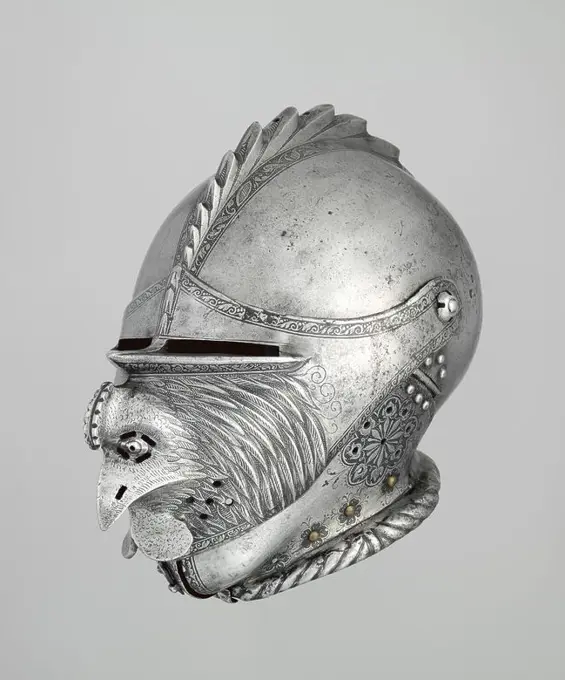
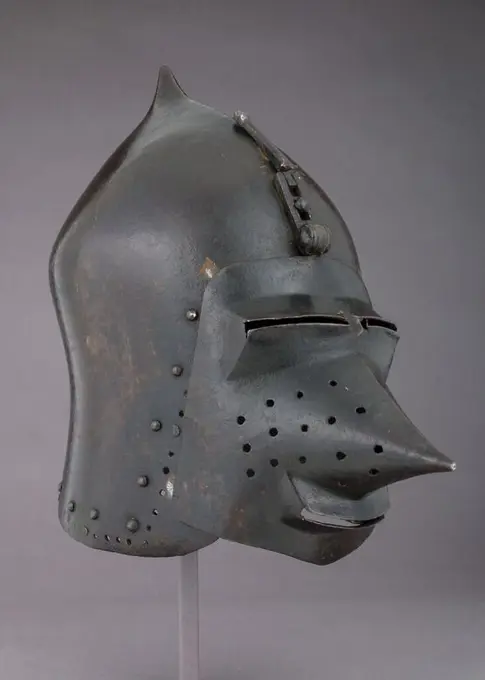
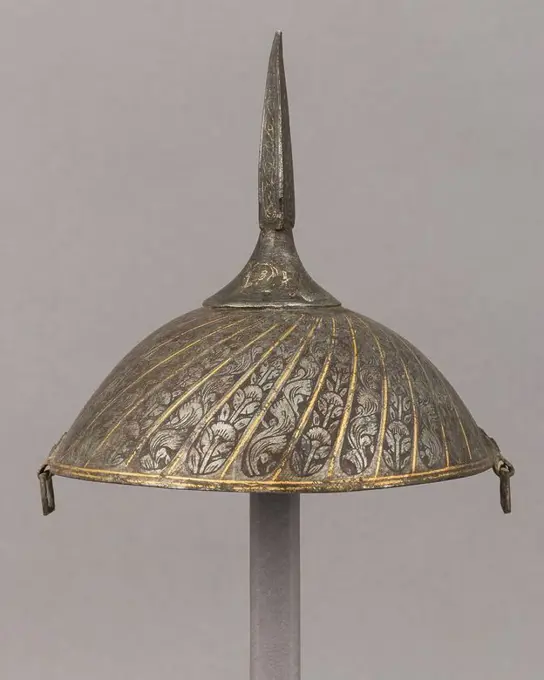
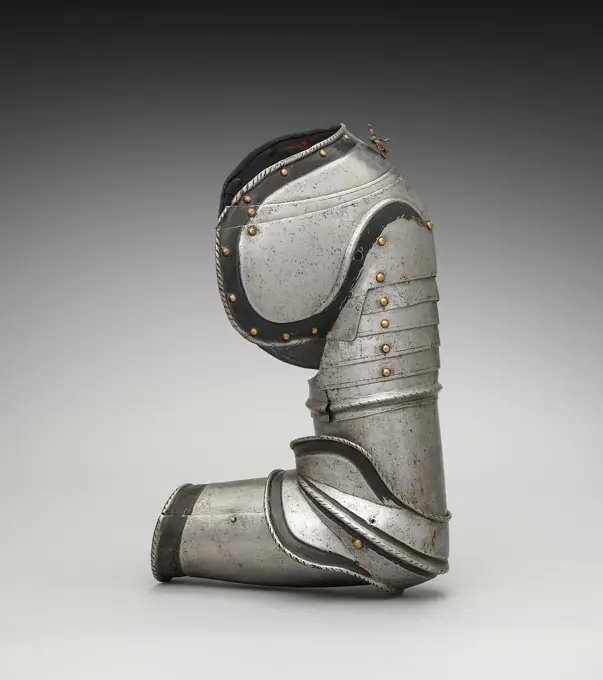
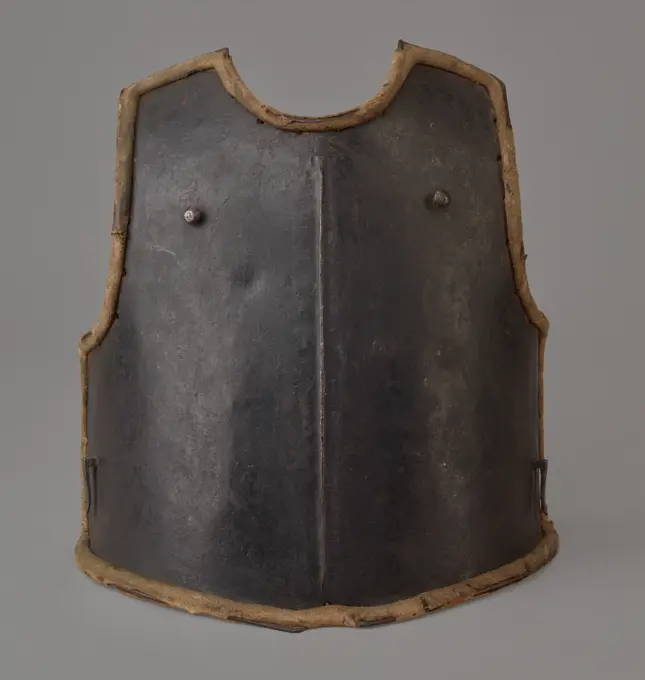
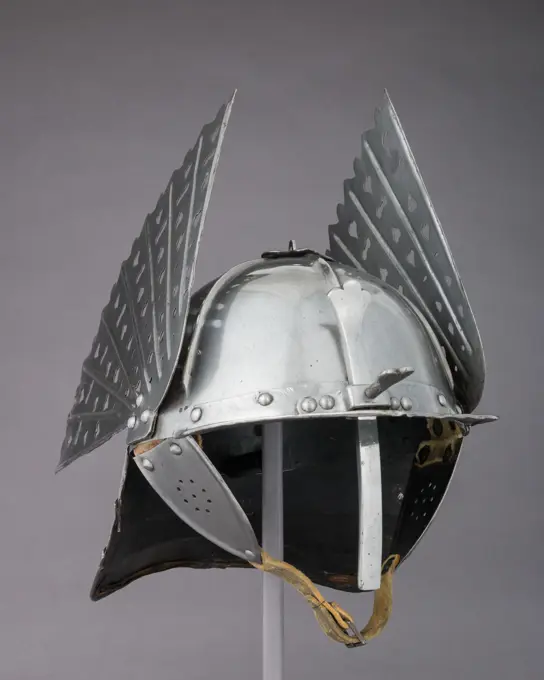
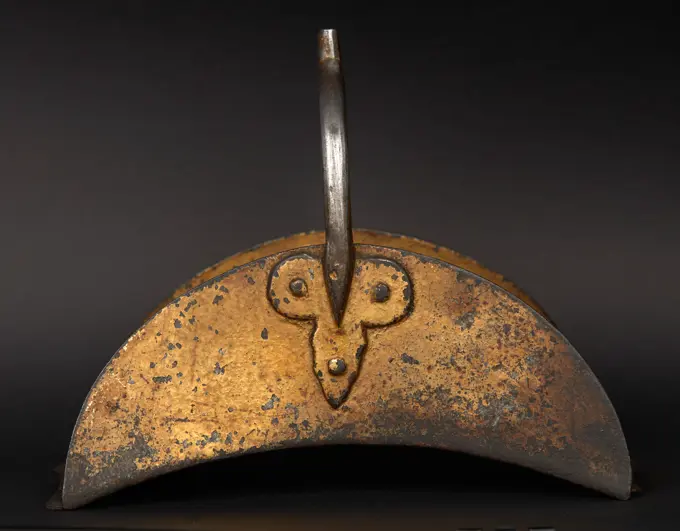
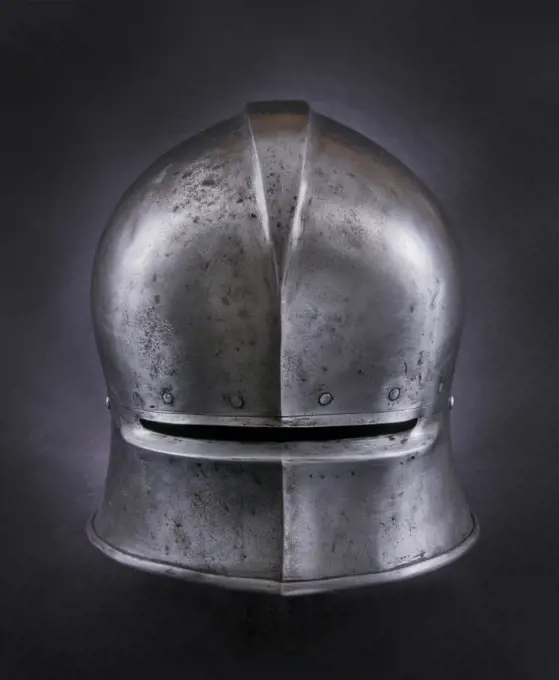
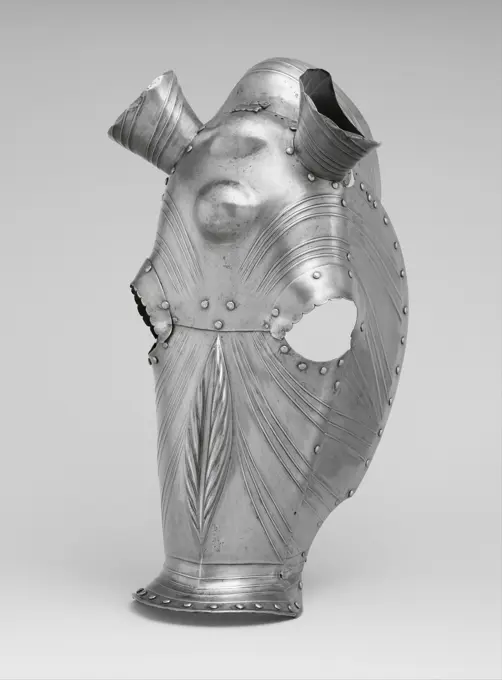
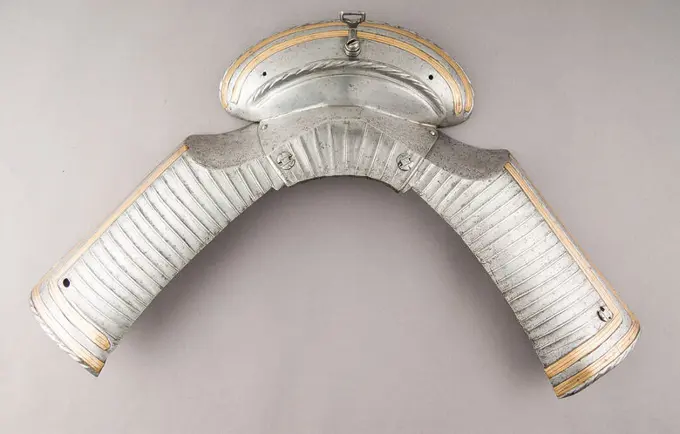
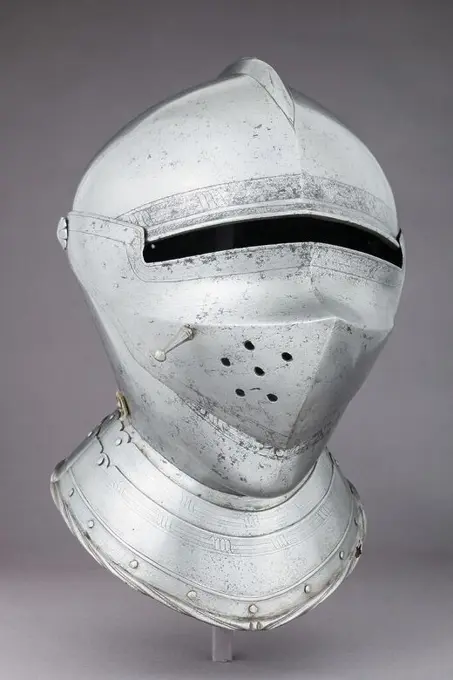
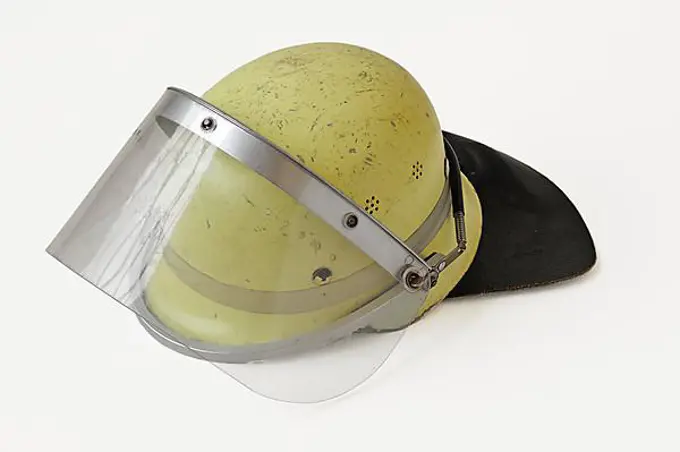
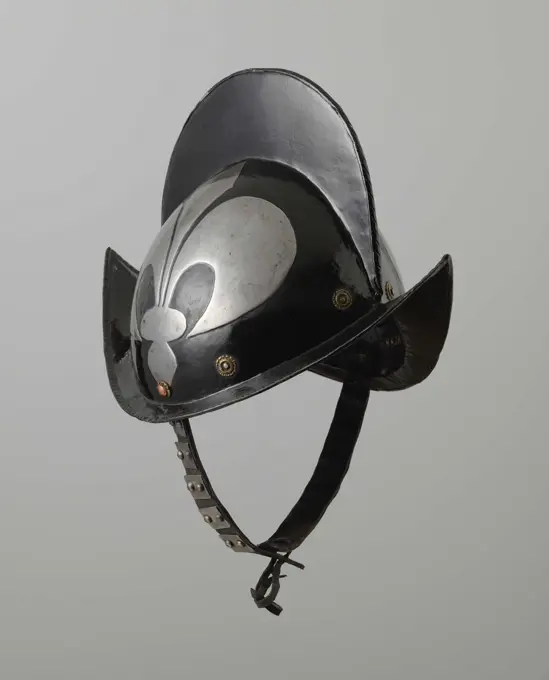
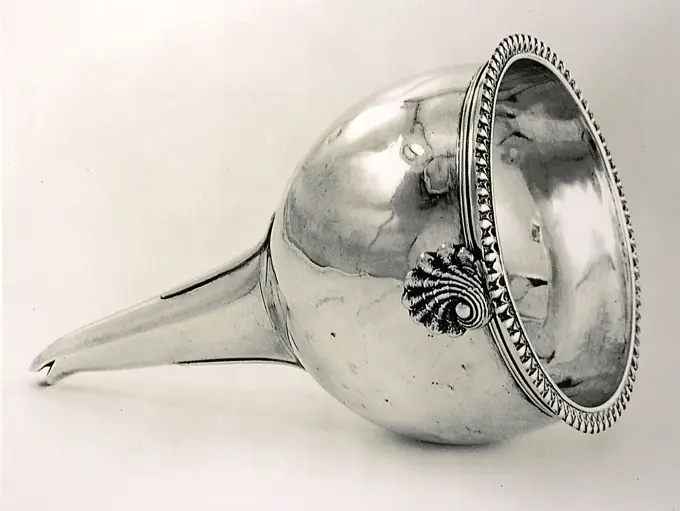
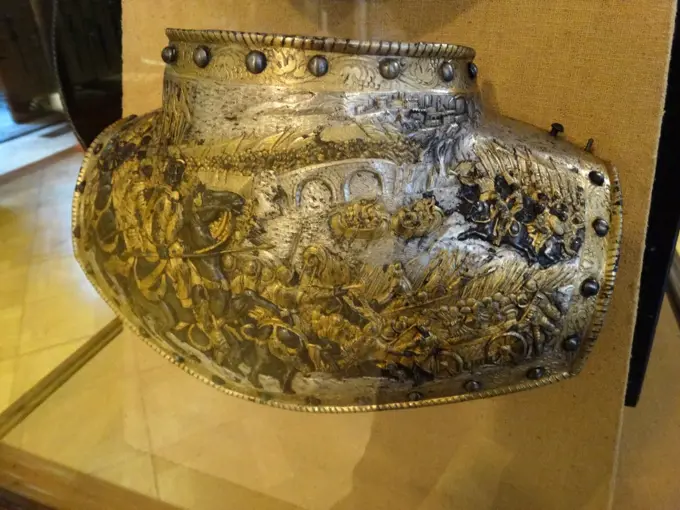
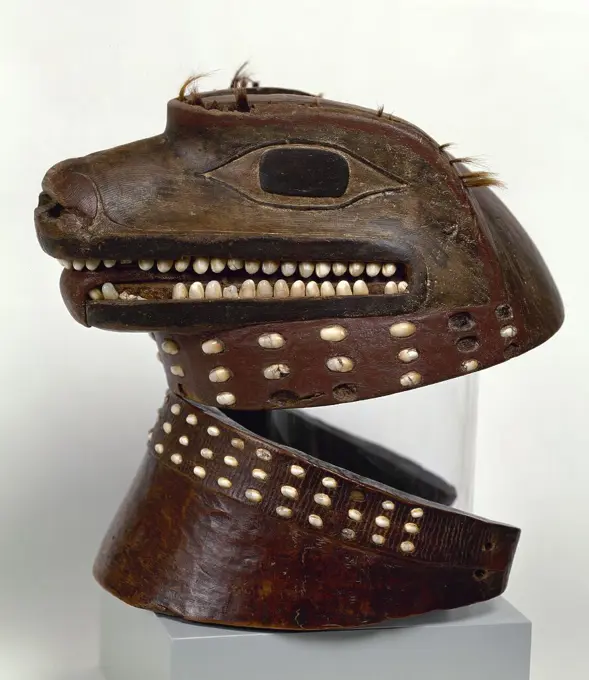
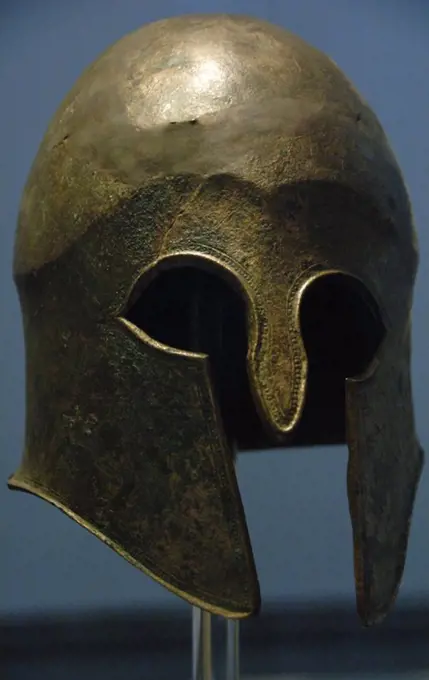
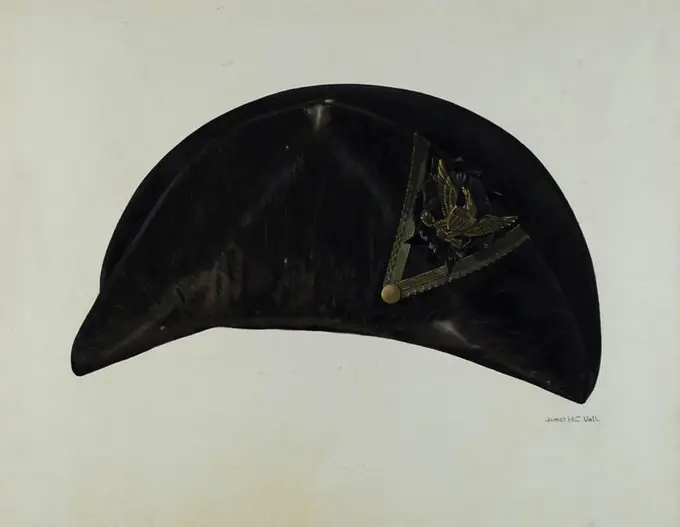
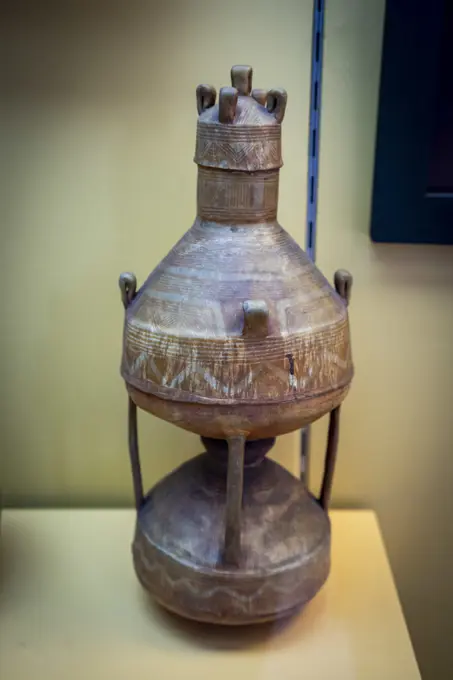
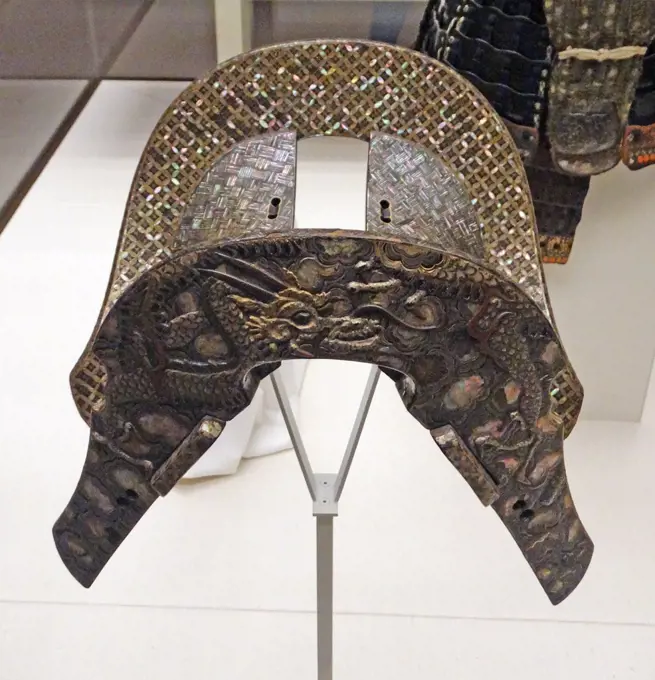
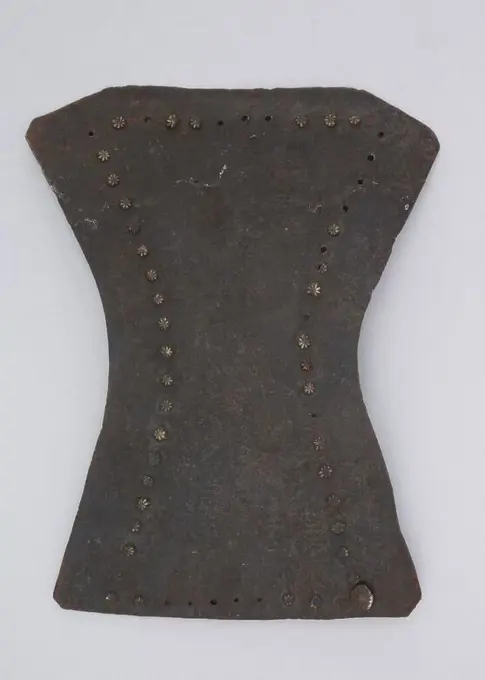
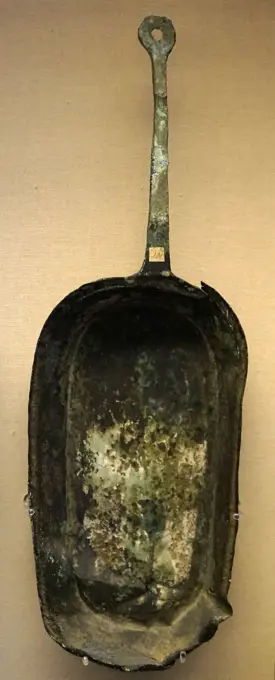
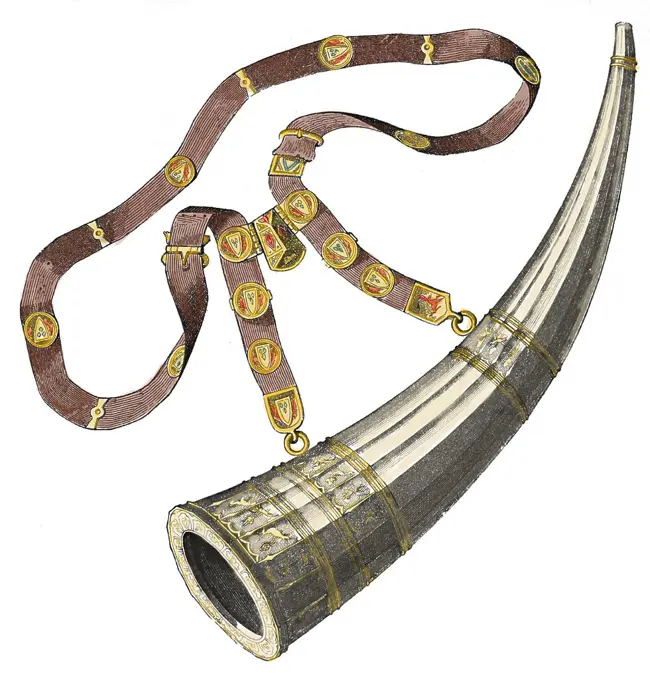
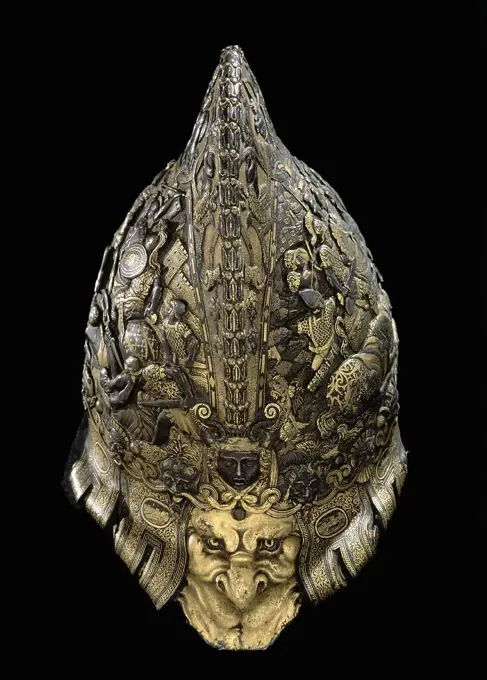
Peytral ca. 1510-20 German, Nuremberg This peytral belongs to a large group of horse armor, including more than a dozen peytrals, which came from the armory of Nieśwież Castle, the seat of the Polish noble family Radziwill, the greater part of which was sold at two London auctions in 1926 and 1927. Most of the peytrals from the group were made in Nuremberg and are struck with that city's control mark. This example also bears a related Nuremberg mark, the letter N within a pearled circle, on the inside of the central plate.The Radziwills ordered armor from a number of German armorers during the sixteenth century. The Metropolitan Museum is fortuante to own important pieces from their armory, among them the portions of a magnificent "costume" armor made about 1525 by Kolman Helmschmid of Augsburg, possibly for Prince Jerzy Herkules Radziwill (acc. nos. 24.179 and 26.188.1, .2), and elements belonging to a larger garniture of armor with distinctive gilt and polychromed decoration made aboCabasset 16th century; embossed decoration, probably 18th-19th century French or Italian. Cabasset 26541Visored Bascinet ca. 1375-1400 Western European The visored bascinet served as the standard helmet worn throughout Europe from about 1300 to about 1420. The pierced studs along the rim held the aventail (a defense of mail covering the lower face, neck, and shoulders).. Visored Bascinet. Western European. ca. 1375-1400. Steel, leather. HelmetsBreastplate with Lance Rest and Fauld 1500-1600 Italy. Steel .Helmet (Hoshi-Kabuto) 17th century Inscribed by Iyehisa of Nara Japanese The orange blossom badge of the Iie family, daimyo (lords) of Hikone, is found on the turnbacks of the neck guard.. Helmet (Hoshi-Kabuto). Japanese. 17th century. Iron, lacquer, gilt copper, copper-gold alloy (shakūdo), silver, silk, gilt leather. HelmetsClose Helmet for Foot Combat ca. 1600-1610 Attributed to the Master of the Castle Mark Italian This helmet was intended for use in a tournament fought on foot over a waist-high barrier. Because it was made for the tournament, it is about twice as heavy as a battle helmet of the same period. The presence in the decoration of the distinctive Savoy knot, an emblem of the Order of the Annunciation, indicates that the helmet was made for a member of the house of Savoy, perhaps Duke Emanuele Filiberto (1588-1624). A complete armor for foot combat with identical decoration is in the Museo Civico, Brescia.. Close Helmet for Foot Combat 22232Pate Defense ca. 1545-50 German, probably Augsburg. Pate Defense 25376Morion for the Bodyguard of the Prince-Elector of Saxony ca. 1570 Probably Martin Schneider the Younger German The electors of Saxony appear to have been the only German princes in the sixteenth century to outfit their bodyguards with matching equipment. The guards' helmets are etched and gilt on one side with the coat of arms of the dukedom of Saxony and on the other side with the crossed swords that signify the duke's office as archmarshal of the Holy Roman Empire. Originally, the gilt decoration was contrasted with black painted surfaces (some now polished bright). The black and gold derived from the Saxon coat of arms and were also the colors of the guards' uniforms. This helmet and a similar one also in the Metropolitan Museum's collection (acc. no. 14.25.652) were made by armorers in Nuremberg.. Morion for the Bodyguard of the Prince-Elector of Saxony 22234Breastplate from Hussar's Cuirass, c. 1580. Germany, Augsburg or Hungary, 16th century. Steel (originally blued, now russet), etched and gilded strapwork bands; ; overall: 42.3 x 35 cm (16 5/8 x 13 3/4 in.). This style of breastplate, with its numerous articulating lames, was probably used by a Hungarian hussar, a type of light cavalryman. The steel plates were originally blued-now turned russet-and etched and gilded with strapwork bands. The rows of vertical holes once provided gilt-brass settings for stones or glasspaste jewels. The effect would have suggested the semi-oriental costume and armor of the Near East favored by Polish and Hungarian armies of the late Renaissance.Morion-Cabasset ca. 1570 Italian. Morion-Cabasset 27154Helmet. Iran, 224-651. Arms and Armor; armor. Bronze with silver and overlays, ironLobster-Tail Burgonet ca. 1610 North Italian. Lobster-Tail Burgonet 27101Iron helmet Iron helmet of the medieval knight. Very heavy headdress Copyright: xZoonar.com/ValeryxxSibrikovx 2466753Backplate 1600-1650 Italy. Steel .Close Helmet from a Garniture Made for a Member of the d'Avalos Family ca. 1560-70 German, Augsburg This helmet was originally part of a complete field armor made for a member of the dAvalos family, probably Ferrante Francesco dAvalos (1531-1571), marquis of Vasto, who served the king of Spain as governor of Milan (1560-63), viceroy of Sicily (1568-71), and commander-in-chief of Spanish forces in northern Italy. The only other surviving parts of the armor, in addition to the helmet, are a shoulder and arm defense in the Bavarian National Museum, Munich. The distinctive and finely executed decoration ranks among the best examples of Augsburg armor ornament from this period.. Close Helmet from a Garniture Made for a Member of the d'Avalos Family. German, Augsburg. ca. 1560-70. Steel, gold. Augsburg. HelmetsArmet ca. 1570 Italian. Armet. Italian. ca. 1570. Steel, leather, brass, gold. HelmetsArmour Armour of the medieval knight. Metal protection of the soldier against the weapon of the opponent Copyright: xZoonar.com/ValeryxxSibrikovx 2425279Breastplate with Associated Fauld. Italian (), possibly German. Date: 1520-1540. Dimensions: Wt. 7 lb. 3 oz. Steel. Origin: Italy. Museum: The Chicago Art Institute, Chicago, USA.Turkish ceremonial helmet. Gilded bronze. Provenance unknown. 16th-17th centuries. National Archaeological Museum. Sofia. Bulgaria.Boiler hat, anonymous, c. 1400 - c. 1500  Helmet, boiler hat, iron, black. The helmet is composed of one part with a narrow comb on top. The helmet has a high spherical top and a wide valve that is slightly bent forward at the front. Two horizontal viewing holes are visible in the valve. There are various holes in the entire valve in the entire valve. There is clumped rock on the inside. North Europe iron (metal)Sallet ca. 1470-80 Italian, Milan The proportions of this helmet are notable, as it is taller than most examples and extends almost to the shoulders. The rivet holes encircling the center of the bowl originally served as an attachment for the lining, with a pair of holes below on each side for the Y-shaped chin straps. Additional holes around the edge, one of them filled with a copper rivet, indicate that this example was once covered with textile and fitted with gilt-copper mounts in the Venetian style (for another example in the Metropolitan Museum's collection, see acc. no. 29.158.17), fittings that probably were added later in the helmet's working life. The bowl is stamped on the left side near the back with Milanese-style armorers' marks: two letters (IO) beneath a crown and below, struck twice, two letters (AO) beneath a double-armed cross.. Sallet. Italian, Milan. ca. 1470-80. Steel. Milan. HelmetsBarbute ca. 1475 Italian, probably Milan By the end of the thirteenth century, the armor-producing cities of northern Italy had gained an international reputation and were exporting arms and armor throughout Europe. Milan was preeminent through the sixteenth century, followed by Brescia. The greatest Milanese armorers were members of the Missaglia family, a dynasty of merchant-armorers active from the late fourteenth to the early sixteenth century. During the fifteenth century, the Italians perfected complete armor of plate. Probably developed in Milan around 1400, it covered the wearer from head to foot. The advanced technical and stylistic features of Milanese armor influenced local craftsmen wherever it was exported. Thus, in the fifteenth century, armors worn across western Europe from Spain to Flanders displayed Italian characteristics. Thriving local centers of armor-making were found at Burgos and Calatayud in Spain; Paris, Tours, and Lyons in France; and Arbois in Burgundy.. BaCuirass late 17th century German. Cuirass. German. late 17th century. Steel, satin, velvet, silver galloon, sheepskin, leather, gold. Armor Parts-CuirassesArmor (Gusoku). Armorer: Helmet signed by Saotome Iyetada (Japanese, Edo period, active early-mid-19th century). Culture: Japanese and European. Date: early-mid-19th century.This armor reflects several waves of Western influence in Japan. The helmet, modeled on a late sixteenth-century Dutch cabasset, is by the Japanese armorer Saotome Iyetada, whose signature is found inside the bowl. The cuirass appears to be of early nineteenth-century European manufacture. These older elements, completed by more modern ones, were decorated with Buddhist divinities and literary figures by a Japanese craftsman using etching, which is a Western process. The helmet bears the badge of the Arima family, daimyo (lords) of Kurume. Museum: Metropolitan Museum of Art, New York, USA.Armet with Mask Visor in Form of a Rooster. Culture: German, probably Augsburg. Dimensions: H. 10 3/16 in. (25.9 cm); W. 9 in. (22.9 cm); D. 14 3/8 in. (36.5 cm); Wt. 6 lb. 6 oz. (2892 g). Date: ca. 1530.This helmet is remarkable for the three-dimensional figure of a rooster's head in the center of the visor, which is an outstanding example of sculpture in steel and is unprecedented even among mask visors. Museum: Metropolitan Museum of Art, New York, USA.Helmet (Basinet) with Detachable Visor. Culture: probably German. Dimensions: H. 13 in. (33 cm); W. 8 in. (20.3 cm); D. 14 11/16 in. (37.3 cm); Wt. 6 lb. 9 oz. (2986 g). Date: ca. 1420-30.One of the most widely used head defenses of the fourteenth century, the bascinet went out of general fashion soon after 1400. The present example is of a rare late type distinguished by its deep and elegantly curved sides and by its centrally hinged, detachable visor. Especially in Germany, this form remained popular well into the first half of the fifteenth century and eventually influenced the development of another helmet type, the sallet, examples of which can be found in the Metropolitan Museum's collection (acc. nos. 29.150.4a, 29.150.8a, 29.158.11). Museum: Metropolitan Museum of Art, New York, USA.Shoulder covering left, c. 1599 - c. 1799  Armpiece on the left, iron, white, consists of a articulated shoulder plate, articulated upper arm pipe, an elbow hood and a forearm pipe. There is an iron buckle on the top of the shoulder plate, underneath strips that have been sounded over each other. On the shoulder plate rivets that keep the strips together and the leather belts on the inside of the shoulder plate. The upper arm pipe consists of articulated strips riveted over each other to the elbow pipe. On the elbow pipe an oval plate that protects the side of the elbow. The forearm pipe consists of two parts that are attached to a hinge so that it can be opened. The inside of the shoulder plate has five strips of white leather that are clank Europe whole: Iron (metal) forging / striking (metalworking)casco Celtibérico, siglo IV. a.C, La Fuentona, museo Numantino de Soria, Soria, Comunidad Autónoma de Castilla, Spain, Europe.Iron helmet of the medieval knight. Very heavy headdressHelmet, Arm Guard, and Shield ca. 1800 Persian. Helmet, Arm Guard, and Shield 32117Helmet. Culture: Indian, possibly North Indian. Dimensions: H. 5 in. (12.7 cm); Diam. 5 1/8 in. (13 cm); Wt. 8.4 oz. (238.1 g). Date: 19th century. Museum: Metropolitan Museum of Art, New York, USA.engole helmet, 16th century, Álava Armory Museum, Vitoria, Basque Country, SpainLeft Pauldron with Rerebrace (upper cannon) and Lower Cannon, c.1550-1570. Germany, 16th century. Iron, steel, leather and brass rivets; overall: 34.5 x 20 x 31.2 cm (13 9/16 x 7 7/8 x 12 5/16 in.).Kirazerski PijerśnikThracian armor Helm Thrakian armor helmet copyright: xzoonar.com/toloxbalaguerx 22682460Lobster-Tail Burgonet 17th century Polish. Lobster-Tail Burgonet 27090Przeszo Przyszoci unknown23-cm palliser shot. 23 cm Glassed dot bullet with three rings cams for a drawn loop with six towing fields and a flat bottom with sharp edge. At the nose six shallow holes for the ammunition tap. This is a palliser shot mk i 9 inch RML.Thracian armor helmet, bronze, 4th century BC, Bulgarian National Archaeological Museum, Sofia, Republic of Bulgaria, Europe.Roman Centurion's helmet with eagle decoration. ITALY.Corinthian style bronze helmet, from Necropolis at Ayia Paraskevi, tomb 262Iron helmet of the medieval knight. Very heavy headdressMorion for the Bodyguard of the Prince-Elector of Saxony. Culture: German, Nuremberg. Dimensions: H. 11 3/8 in. (28.9 cm); W. 9 1/4 in. (23.5 cm); D. 13 3/4 in. (34.9 cm); Wt. 4 lb. 5 oz. (1956 g). Date: ca. 1570.The electors of Saxony appear to have been the only German princes in the sixteenth century to outfit their bodyguards with matching equipment. The guards' helmets are etched and gilt on one side with the coat of arms of the dukedom of Saxony and on the other side with the crossed swords that signify the duke's office as archmarshal of the Holy Roman Empire. Originally, the gilt decoration was contrasted with black painted surfaces (some now polished bright). The black and gold derived from the Saxon coat of arms and were also the colors of the guards' uniforms. This helmet and a similar one also in the Metropolitan Museum's collection (acc. no. 14.25.633) were made by armorers in Nuremberg. Museum: Metropolitan Museum of Art, New York, USA.Match boxPointed Morion. Culture: Italian, Milan. Dimensions: H. 9 3/4 in. (24.8 cm); W. at base 9 5/16 in. (23.7 cm); D. at base 11 1/2 in. (29.2 cm); Wt. 2 lb. 15 oz. (1341 g). Date: ca. 1560-70. Museum: Metropolitan Museum of Art, New York, USA.Helmet, Arm Guard, and Shield 1751 Indian. Helmet, Arm Guard, and Shield 32116Shako of black felt, leather and velvet band, blank metal emblem JE MAINTIENDRAI and metal fittings on leather belt, red pompon, orange metal cockade, officer Schutterij, shako hat headgear workwear men's clothing uniforms uniform part uniform leather hair felt velvet metal, to 91.0 textile Sjako officer of the militia Model 1855 to 1868 These models are worn till 1868. Leather top. Bottom and top edge trimmed with black belt velvet. Front plate of bare metal Sun in which the national coat of arms metal orange cockade above which dark red plush ball or pompon. Blank metal so-called squalled storm band (so-called herring) YOUR MAINTIENDRAI (I will maintain) heraldry militaria dress head cover man Rotterdam militia officer Worn by Johs. de Kuijper in Rotterdam now (= 1903) living in The Hague born in 1830.Germanic Iron Age helmet, 7th century. Artist: UnknownVase. Dark brown covered porcelain. Paris, Cernuschi museum. 78839-15 Asian art, Chinese art, porcelain, container, vaseShaffron (Horse's Head Defense) ca. 1515-20 German, probably Nuremberg This shaffron is noteworthy not only for its large size but also for the unusual sculptural quality imparted by the boldly roped double ridges and the boss on the forehead. The fluted surfaces increased the rigidity of the plate but also served to lighten the shaffron's massive form. This piece of armor exemplifies the distinctive new fashion for fluted armor that developed in Germany in the early sixteenth century and remained popular until about 1530.. Shaffron (Horse's Head Defense) 27175Shaffron (Horse's Head Defense) ca. 1520 German. Shaffron (Horse's Head Defense) 22994Glass bowl fragments with cut decoration ca. A.D. 330-380 Roman Translucent green.Hemispherical bowl with plain, ground rim; convex curving side; round bottom.Below rim, a single horizontal wheel-cut groove; around body, a figural frieze. It comprises three figures wearing short-sleeved tunics, facing front with their heads turned in profile to left and their arms raised, standing above a structure marked with five courses of masonry in which two opening are visible (probably three existed); to the right of the structure, the lower part of a column and the legs and lower body of a robed figure; to the left, three other standing figures, one apparently wearing leggings, flanking a rock from which flows a stream of water. On the bottom, is a circular medallion, in which is depicted a man, standing facing left, wearing a long robe and with a long staff under his outstretched right arm.Broken and incomplete, repaired from six joining fragments (including 1992.61); some pinprick bubbles; paTerracotta tripod kothon (vessel for perfumed oil). Culture: Greek, Boeotian. Dimensions: H. 6 1/2 in. (16.5 cm)diameter 7 1/8 in. (18.1 cm). Date: mid-6th century B.C..On the body are a bearded siren, a sphinx, and a lion. The legs are decorated with two padded dancers, two men with spears, and a running winged figure representing Aristaios, a son of Apollo and the nymph Cyrene, who was well-known in Boeotia. Aristaios was celebrated for his agricultural discoveries and for his gifts to mankind. Here he holds a mattock in his left hand and a small pot in his right. The mattock would have been used to cover the newly sown seeds with soil to protect them from birds; the pot may contain seed. Museum: Metropolitan Museum of Art, New York, USA.Pommel Plates of Saddle. Culture: German. Dimensions: H. 15 3/4 in. (40 cm); W. 27 1/2 in. (69.9 cm); D. 4 in. (10.2 cm); Wt. 3 lb. 2 oz. (1417.5 g). Date: ca. 1520. Museum: Metropolitan Museum of Art, New York, USA.Armet. Culture: Italian. Dimensions: H. 14 3/4 in. (37.5 cm); W. 9 1/2 in. (24.1 cm); D. 12 3/16 in. (31 cm); Wt. 7 lb. 6 oz. (3350 g). Date: ca. 1500. Museum: Metropolitan Museum of Art, New York, USA.Iron helmet with calligraphic silver damascening decoration, Turkish (Mamluk), 15th century. Artist: UnknownFireman's helmet with a protective face shield, 20th century, "Fire and Flame - the fire department from 1850 to today" exhibition, industrial museum, Lauf an der Pegnitz, Middle Franconia, Bavaria, Germany, EuropeMorion helmet with extruded lily. Morion helmet, iron, blackened with blank extruded lily, made from two halves. High helmet bulb with high comb the border is taberted. Around the base of the helmet globe eight goelkoperen rosettes. The valve has highly rising points on the front and rear. The edge of the valve is flaven. On the left and right side on the helmet globe copper-colored rivets with which the chin belt is attached to the inside. The leather chin belt consists of two leather tires whose ends are attached to each other. Each band has five metal plates that each are attached to two rivets.Thomas Death, Wine Funnel, 1820-21, silver.Battle ax with different battle marks, battle ax ax battle weapon weapon founding iron metal, Various battle marks including two shields with human figure crescent moon with three stars and three slanted notches at the transition to the battlefield archeology Rotterdam militaria yard construction woodworking Soil discovery dredging work Rotterdam 1909.Complete Gorget, composed of two plates. The surface decoration is made of embossing in high relief, engraving, gold and silver plating and russeting. The design is representative of the Siege of a Town. French, 1615-1620.Close Helmet Made 1551-1557 Landshut. Steel with gilding .CASCO Y COLLERA QUE REPRESENTAN A UN LOBO- MADERA CONCHA Y CRIN-FABRICADO POR LOS INDIOS TLINGIT. Location: MUSEO DE AMERICA-COLECCION. MADRID. SPANIEN.Bronze helmet of Corinthian type. 5th century b.C. Votive offering in the Sanctuary of Zeus by Hieron, tyrant of Syracuse, and his supporters after victory in Cyme (Italy) against the Etruscans in 474 BC Olympia Archaeological Museum. Ilia Province. Peloponnese region.Military Chapeau. Dated: 1935/1942. Dimensions: overall: 40.9 x 51 cm (16 1/8 x 20 1/16 in.). Medium: watercolor and graphite on paper. Museum: National Gallery of Art, Washington DC. Author: James Vail.Fang culture pots, Equatorial Guinea, 1900-1950, clay and vegetable fiber, Anthropology National Museum, Madrid, SpainWood, lacquer and shell inlay saddle with dragons and clouds. Dated 17th CenturyAustria, Hallstatt, Helmet with double crest, tomb 259, bronzeBrigandine Plate. Culture: Italian. Dimensions: H. 8 13/16 in. (22.4 cm); W. 6 3/4 in. (17.1 cm); Wt. 15.8 oz. (447.9 g). Date: 1400-1450. Museum: Metropolitan Museum of Art, New York, USA.Pair of fIIntlock blunderbusseshead of the horse on shipPair of Thigh Defenses (Cuisses) with Knee Defenses (Poleyns) ca. 1590 Italian, Milan or Brescia. Pair of Thigh Defenses (Cuisses) with Knee Defenses (Poleyns). Italian, Milan or Brescia. ca. 1590. Steel. Milan or Brescia. Armor Parts-Thigh and Leg DefensePhotograph of a plate showing Stephen Bathory with royal insignia. unknown, photographerArab helmet of Abd Allah Muhammad, known as Boabdil, last sultan of the Arabic Nasride dynasty of Grenada. Armeria de Madrid. Anonymous photography. Albumin paper draw. Paris, Carnavalet museum. 123100-11Siege Helmet 17th century possibly French. Siege Helmet 27079Polychrome ceramic vase with chimerical figures with bridge handle, from PeruHead  Roman Art  Musee du Louvre, Paris Dagger (Katar) with Sheath dated 1243 A.H./A.D.1827 Indian, Mughal. Dagger (Katar) with Sheath 31466Emilia-Romagna Ferrara Ferrara Museo Civico di Schifanoia09. Hutzel, Max 1960-1990 General Notes: INCOMPLETE RECORD--NEGATIVES PROCESSED, PRINTS FILED German-born photographer and scholar Max Hutzel (1911-1988) photographed in Italy from the early 1960s until his death. The result of this project, referred to by Hutzel as Foto Arte Minore, is thorough documentation of art historical development in Italy up to the 18th century, including objects of the Etruscans and the Romans, as well as early Medieval, Romanesque, Gothic, Renaissance and Baroque monuments. Images are organized by geographic region in Italy, then by province, city, site complex and monument.Detail from the reconstructed Sutton Hoo Helmet, which was part of the Staffordshire Hoard is the largest hoard of Anglo-Saxon gold and silver metalwork. Dated 5th CenturyGa'u casket. unknown, craftsmanRyton w kształcie głowy barana. Malarz Karlsruhe (ok. 460 p.n.e.), workshopVase with Dragons. Mesopotamian art. Ceramics. IRAQ. Bagdad. Baghdad Museum.Proper Left Tasset, c. 1575. North Italy, Brescia (), 16th century. Steel with etched decorative bands and roundels; overall: 26.8 x 28.2 cm (10 9/16 x 11 1/8 in.). Decoration was critical to fine armor, and etching was the most commonly used technique. Here, the bands along the borders are etched. On the breastplate, pauldrons (shoulder guards), and tassets (hip and upper leg guards), etched medallions enclose profile busts reminiscent of ancient Roman portraits. The lance rest on the breastplate indicates that this half-suit was once part of a complete field armor for man and horse. The etching technique used for armor was developed in the late 1400s. The metal surface was first coated with an acid-resistant substance, such as wax or varnish. An etching needle was then used to scratch a design into the surface. The exposed areas were then treated with an acid that would "bite" or etch the lines into the metal. When the coating was removed, the etched design was blackened for contraBronze frying-pan from Ancient Rome. Dated 1st CenturyMiddle Ages. Olifant, or hunting horn. Engraving, 19th century.Hat 1896-98 American. Hat. American. 1896-98. strawCASCO CARLOS V VISTA FRONTAL ALTA. Location: PALACIO REAL-REAL ARMERIA DE MADRID. MADRID. SPAIN.Indigenous contributions bronze sculpture on Peel Street in downtown Montreal, Quebec, CanadaBrighton and Hove, East Sussex, UK - November 4, 2019: Part of an old fishing boat inside the brighton fishing museum. Part of an old fishing boat inside the brighton fishing museumCollection of medieval armour, basquets and horse champrons in the Royal Museum of the Army and Military History in Brussels, Belgium, EuropeDiving suit helmet Middle shot old diving suit helmet isolated photo Copyright: xZoonar.com/DanielxFerreira-LeitesxCiccarinox 19511984Football cap - McGillIron breastplate with decoration in gold, from treasures of royal room in Philip II's tomb, Verginaleater hat on wood blockComb 1830-49 Argentinean. Comb 110218MODELO A ESCALA DEL NAVIO REAL BORBON DE 112 CAÑONES -1818 - VISTA FRONTAL CON VELAS. Location: MUSEO NAVAL / MINISTERIO DE MARINA. MADRID. SPAIN.Close-up of a shiny motorbike helmet with Harley-Davidson logo and water droplets, Parque Natural Cienaga de Zapata, Zapata Peninsula, Cuba, Central AmericaModel of a gaff-rigged gunboat, anonymous, 1835 ship model. fully rigged model Testing with a seal of a one -mast flat -bottom gunboat; The model can be explained in two layers. Round bow and stern, a gate and fall gates in the bow, two in the stern and two in the sides behind; A cannon on rotators in the bow, two carronades at the rear, four swivel basses. The deck is detailed with a capstan, a chimney in front of the galley, shutters, a roef, a compass house, loading utensils for the guns, a swab and bucket, four rowing stirs, cannonballs and two anchors. A schans rug in the sides and four posts on either side for a higher rug. Below deck complete shelling with galley and square brass waterists. Wide stir with brass tie stick over the deck. Flat Zeeg, a Barkhout, swords. The model is witnessed with a one -mast gaffel rig with sails: the mast has a steng, breefok and top sail, stagfok and jib, mainsail of gaffel and boom, Gaffel top sail, tricolor flag and pennant. Scale 1:30 (accordiHat ca. 1869 American. Hat 113360