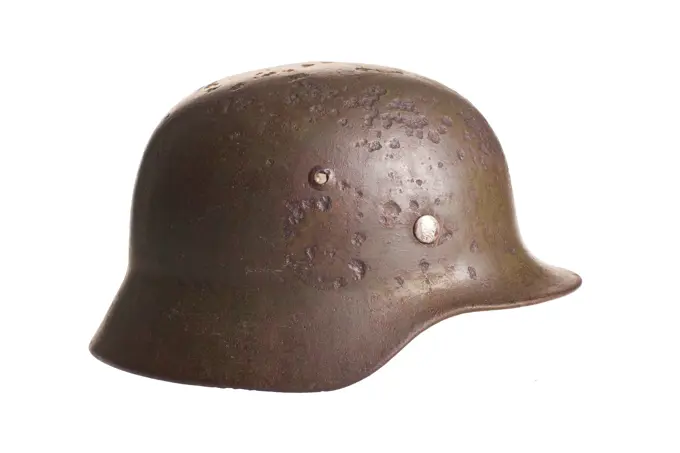
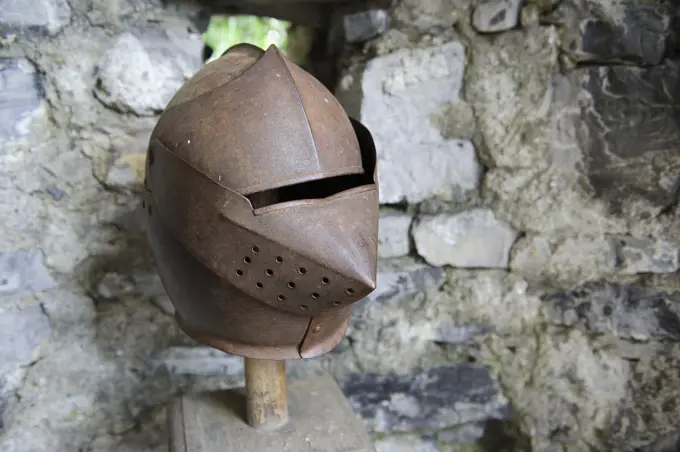
Medieval Armor Helmets

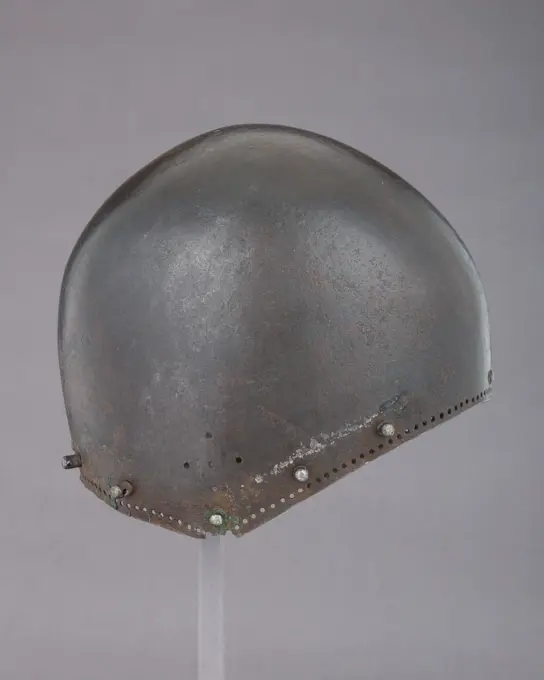
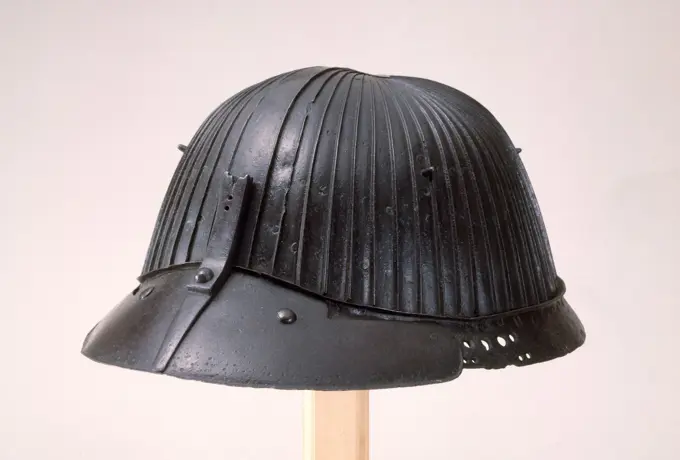
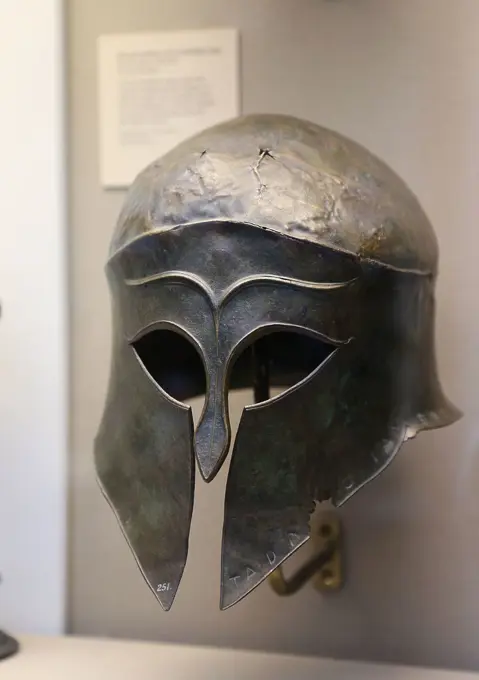
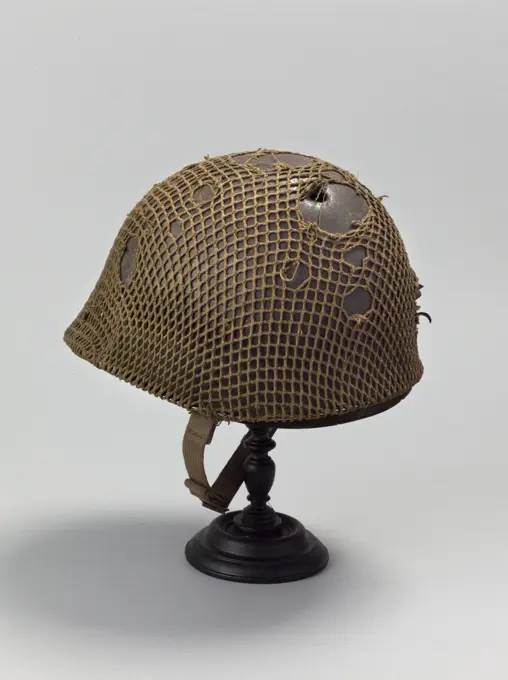
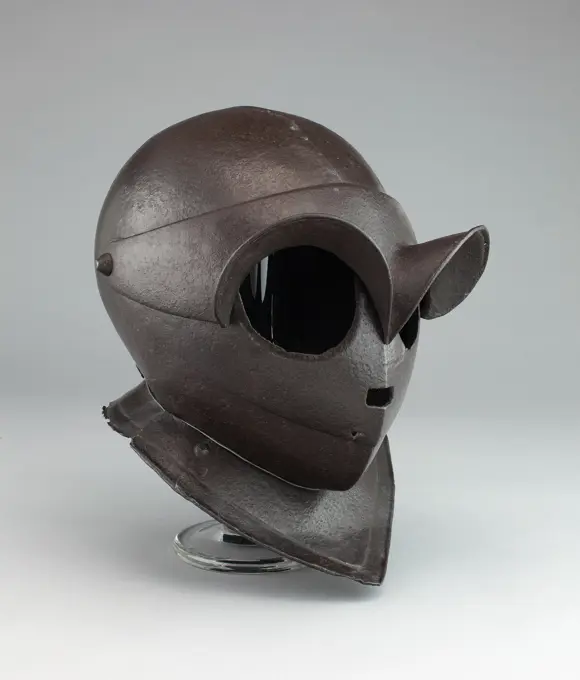
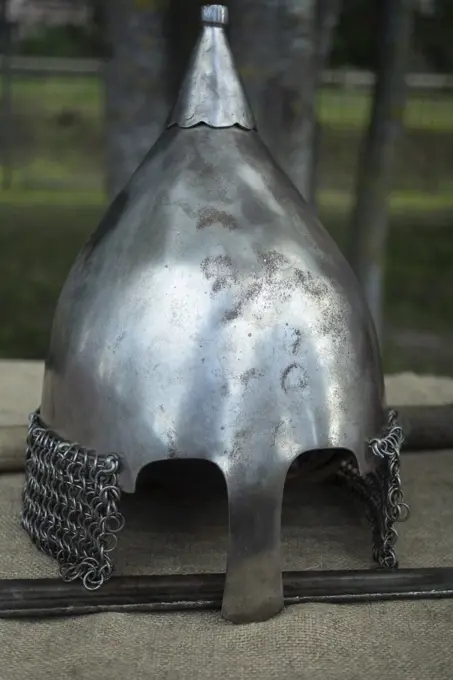
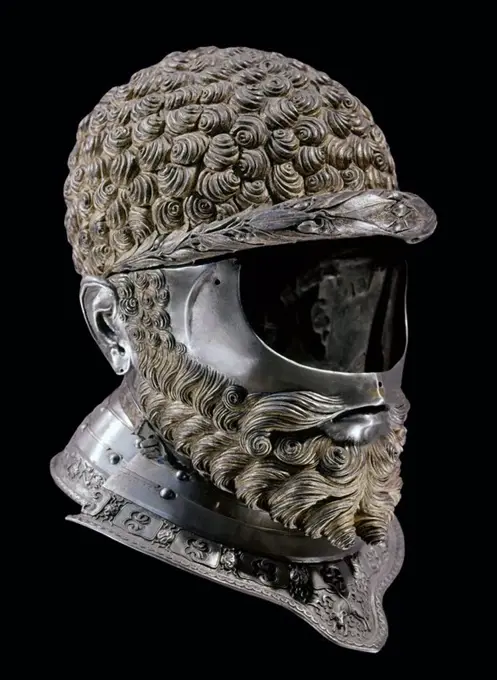
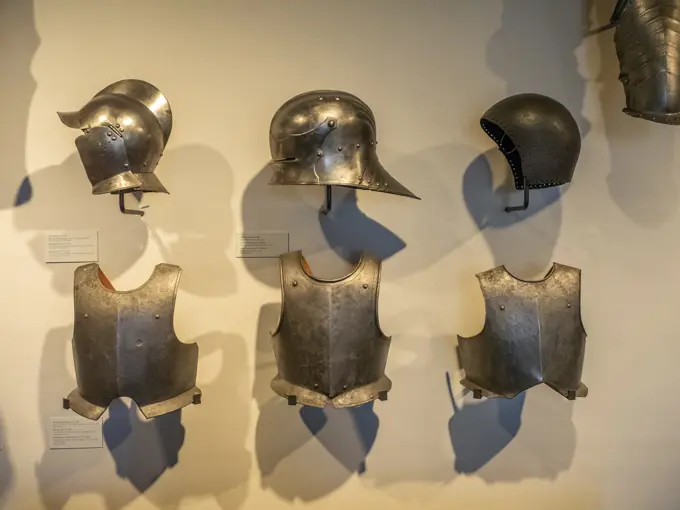
A collection of ornate medieval helmets showcasing steel craftsmanship, featuring designs like burgonets and sallets, highlighting historical and artistic significance.

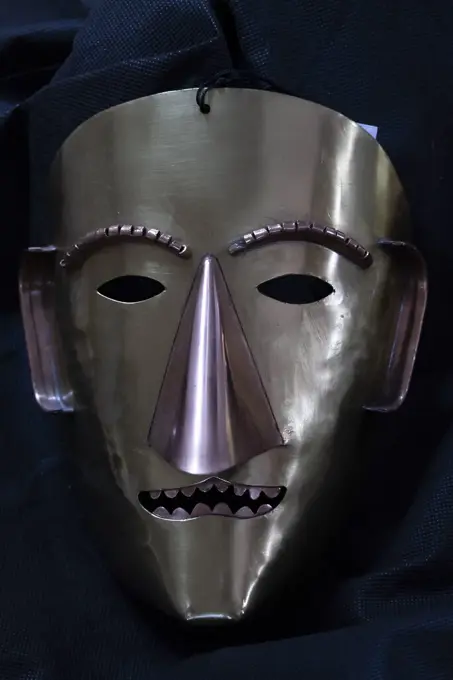
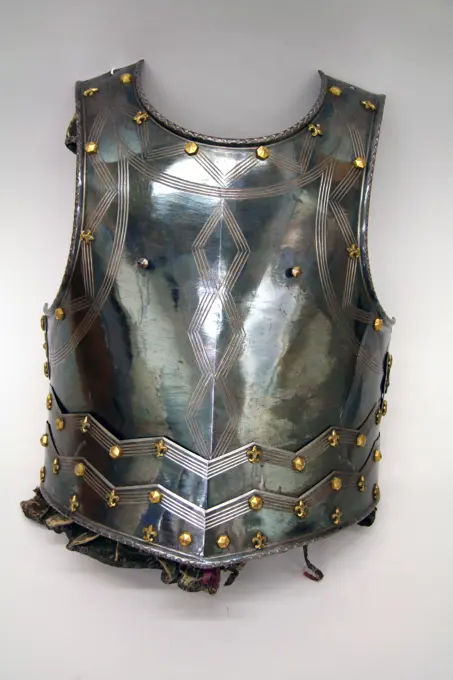
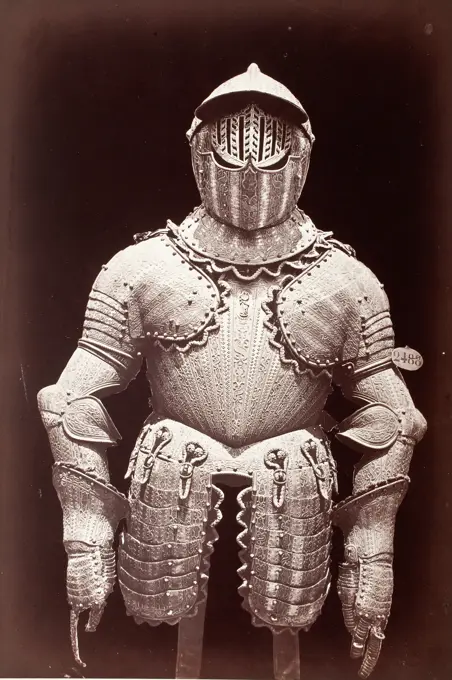
Armour Armour of the medieval knight. Metal protection of the soldier against the weapon of the opponent Copyright: xZoonar.com/ValeryxxSibrikovx 2416552
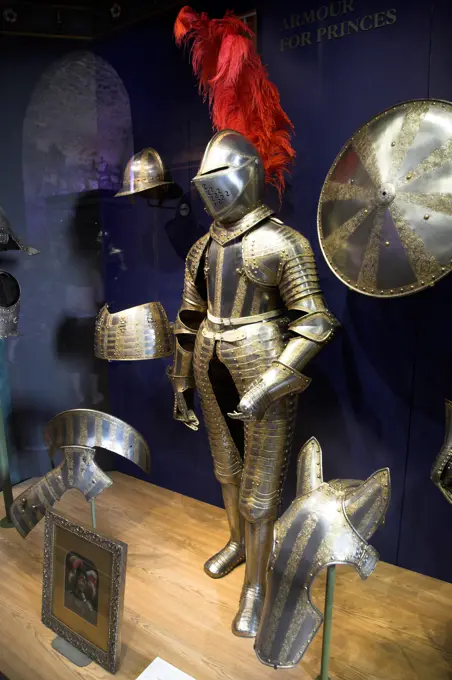
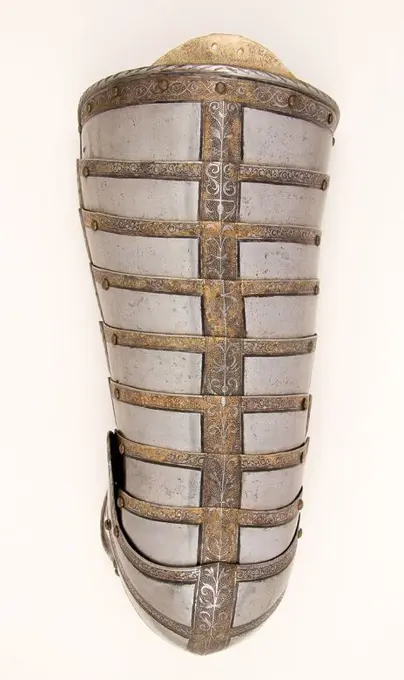
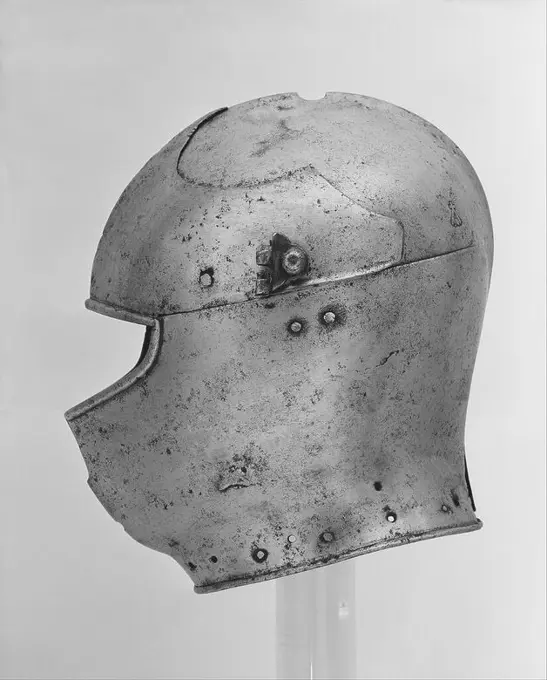
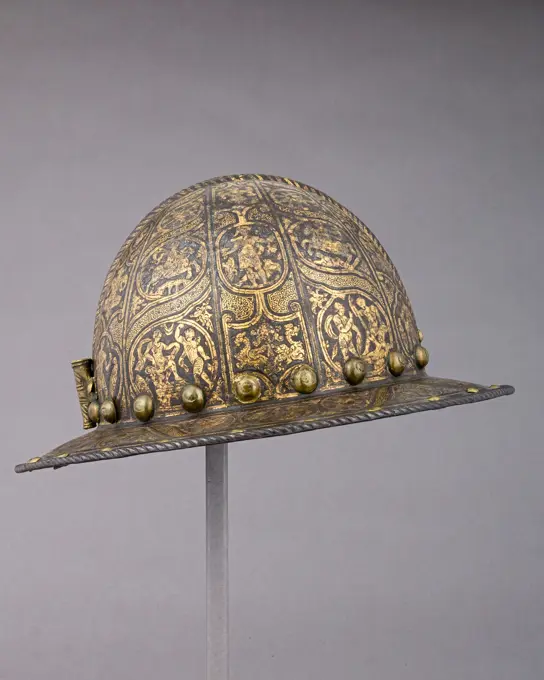
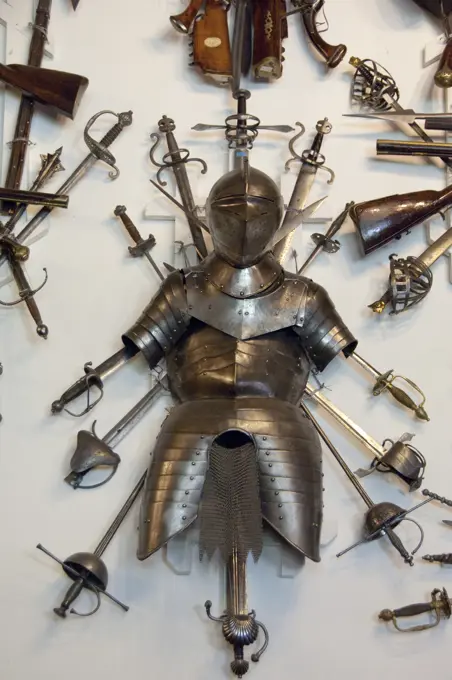
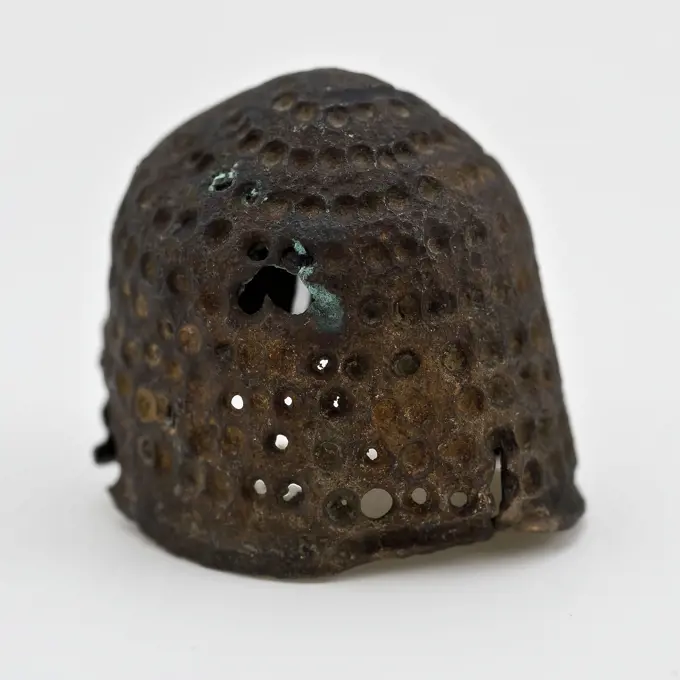
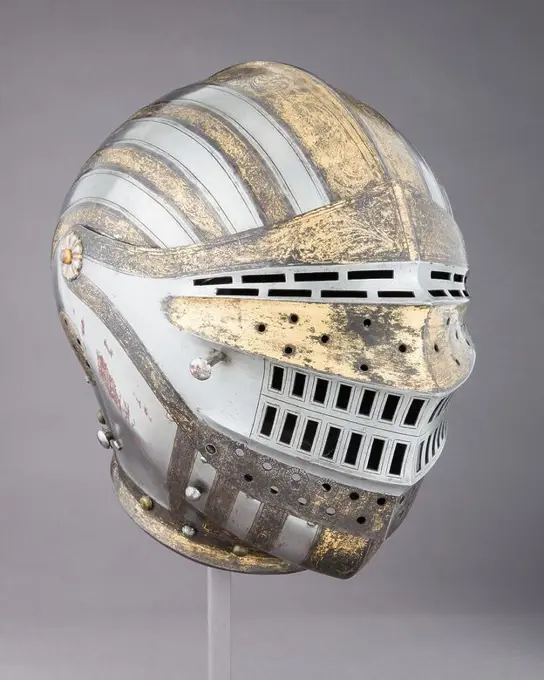
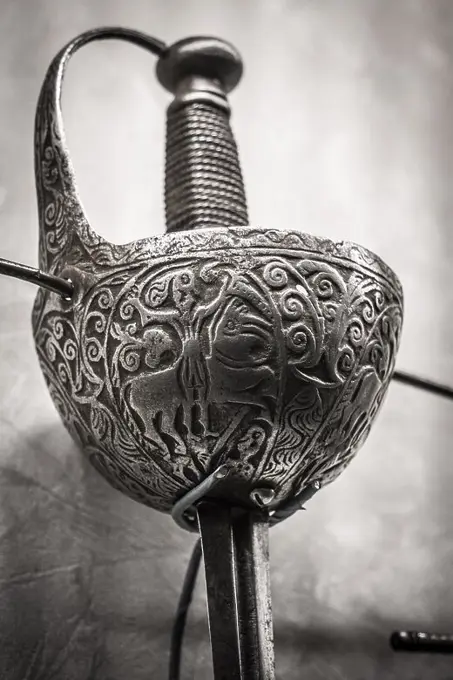
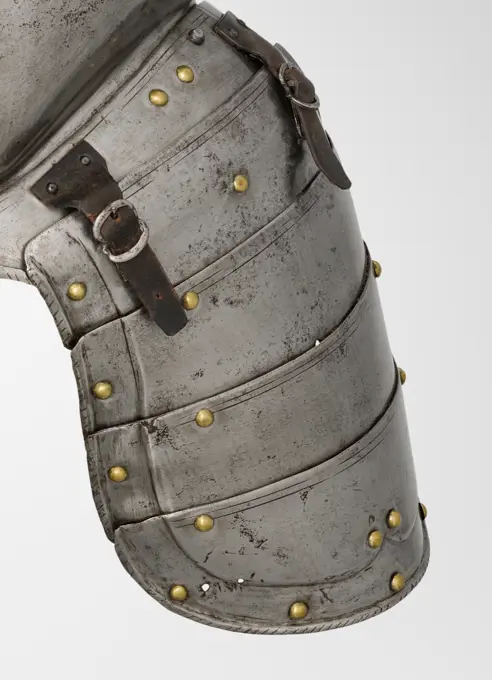
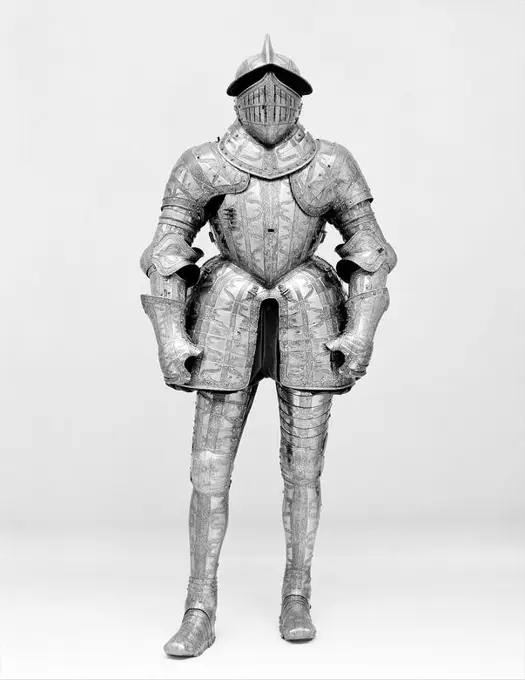
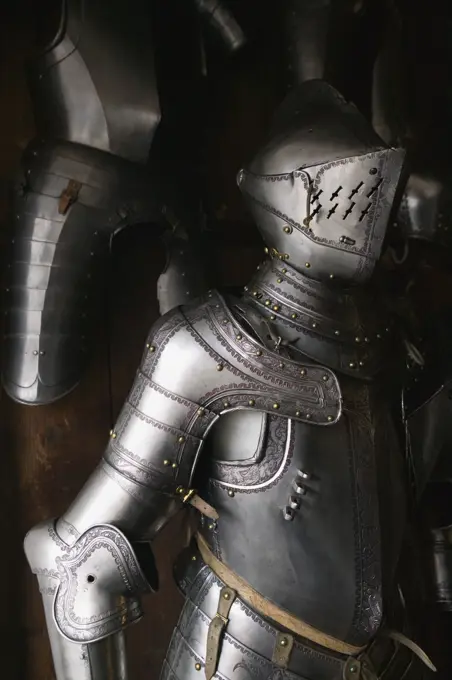
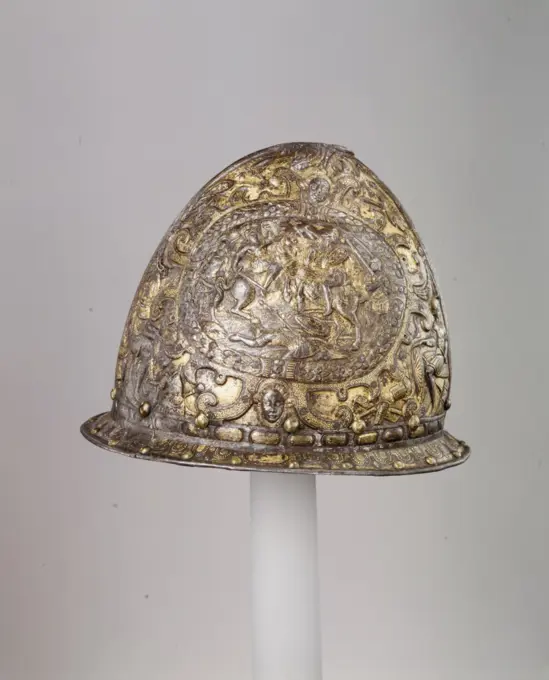
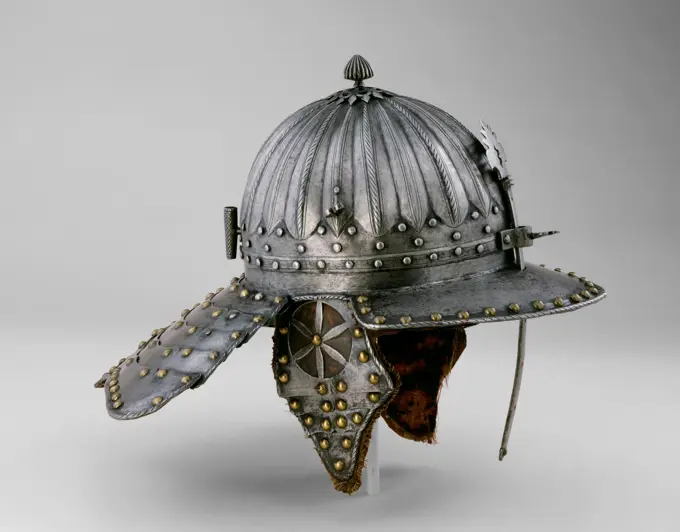
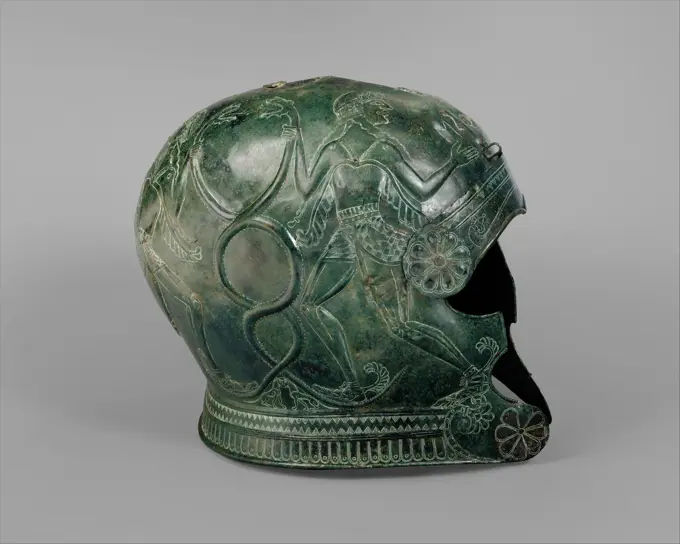
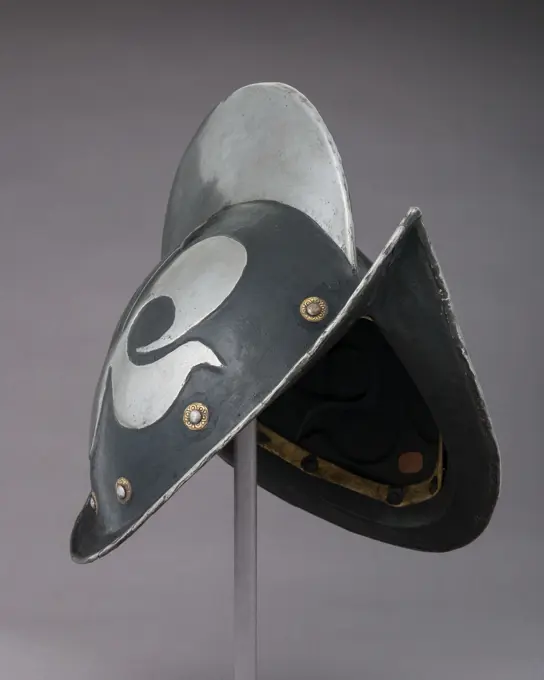
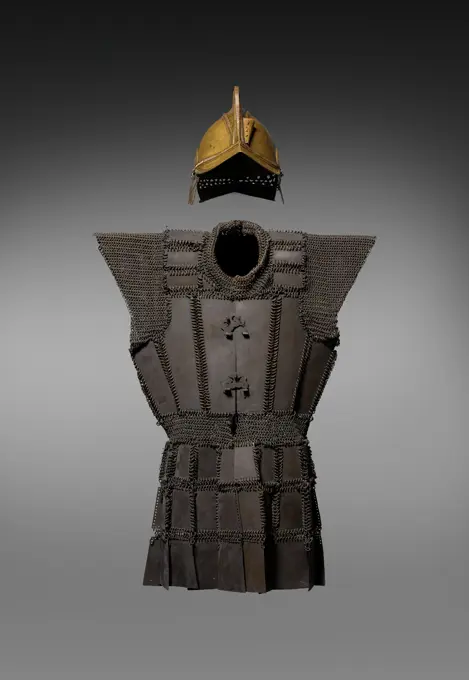
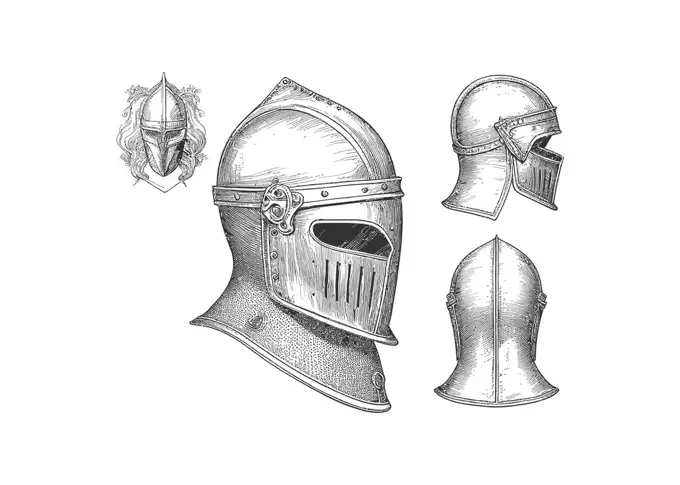
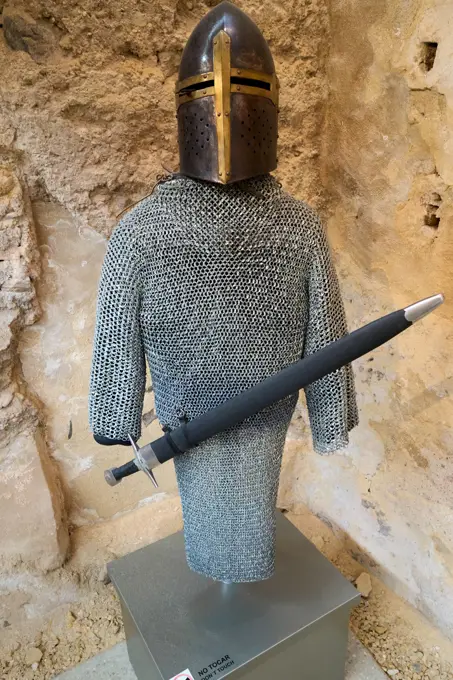
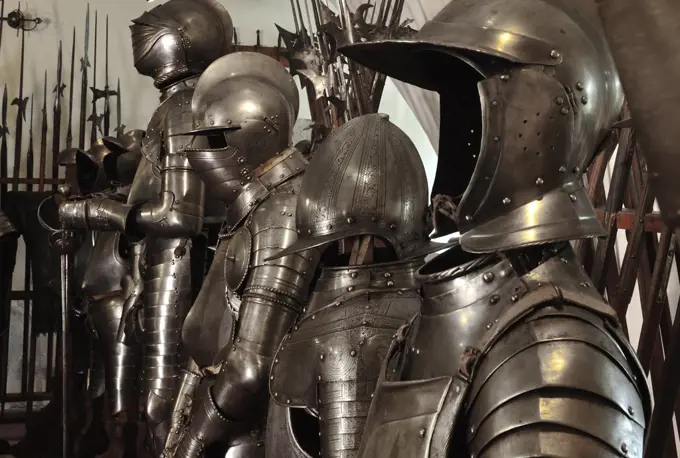
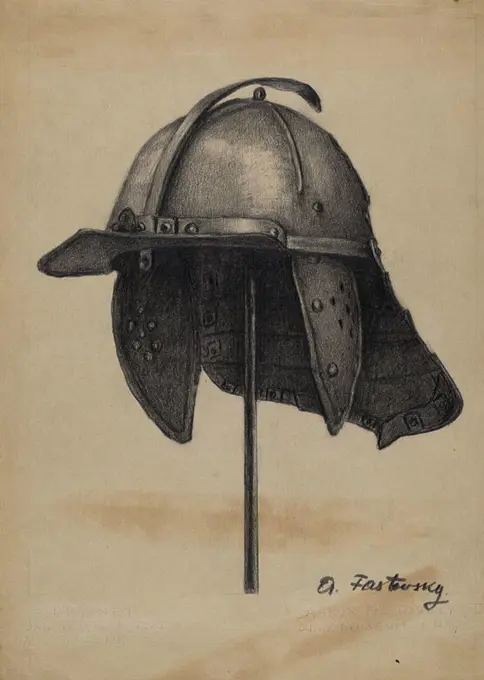
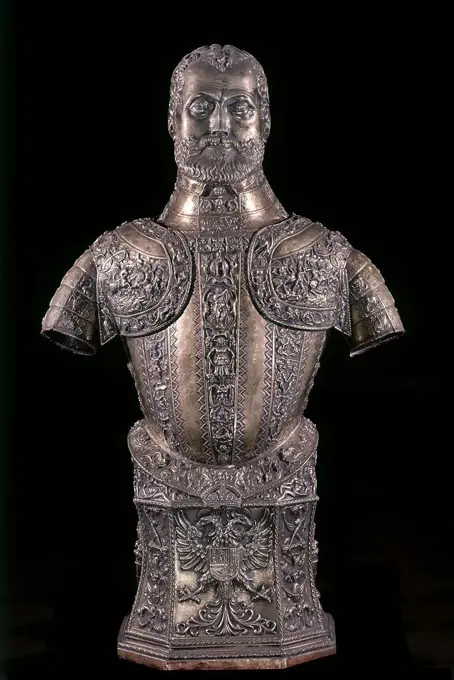
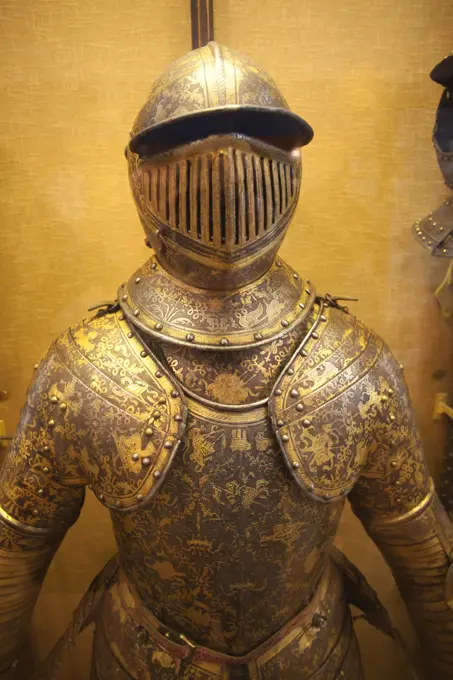
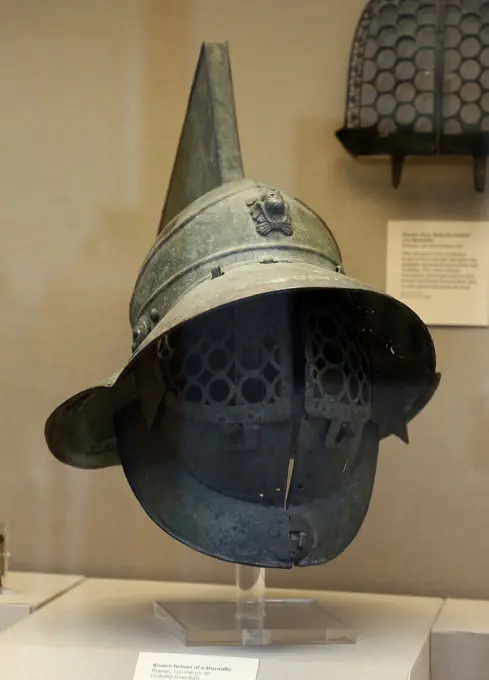
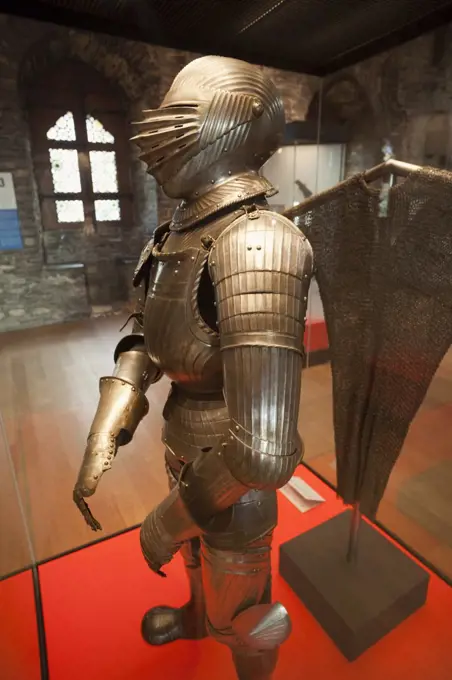
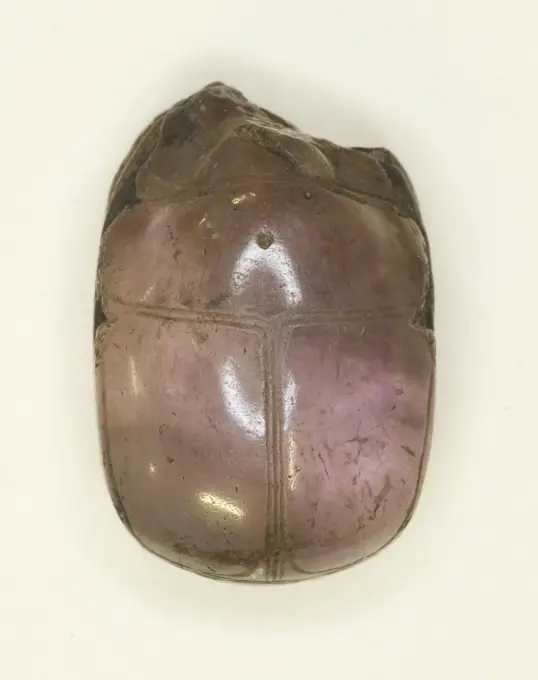
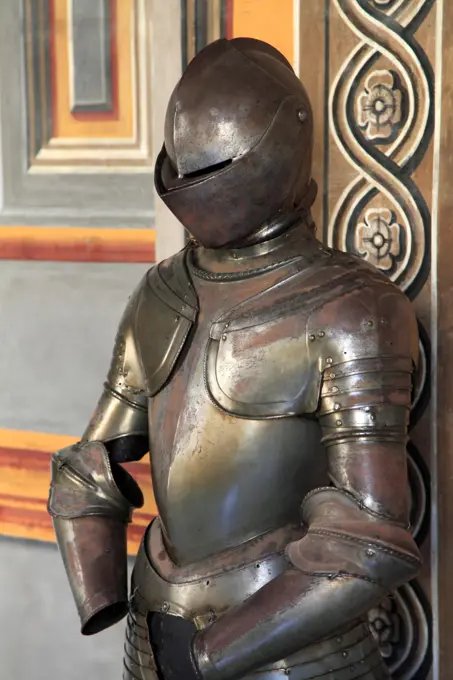
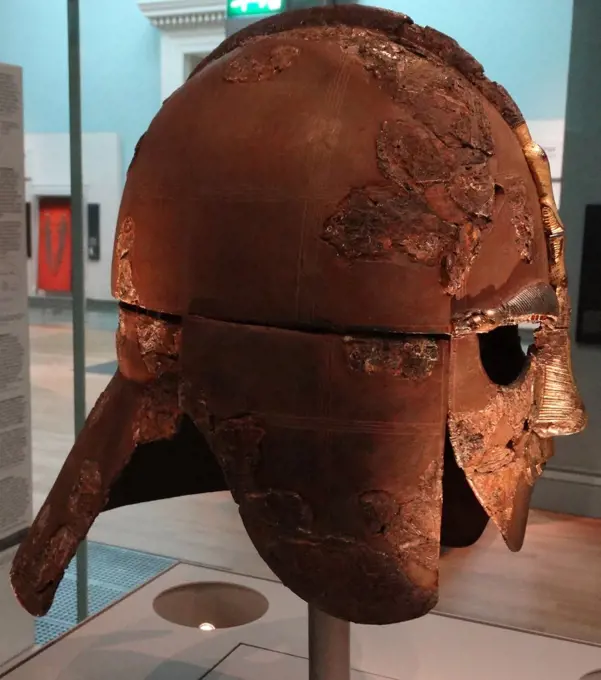
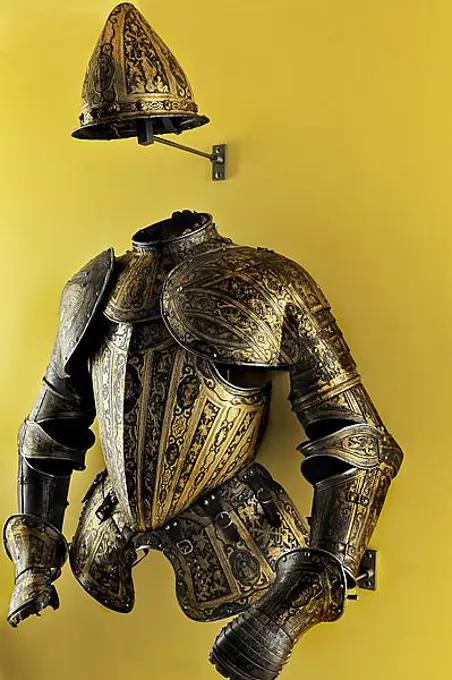
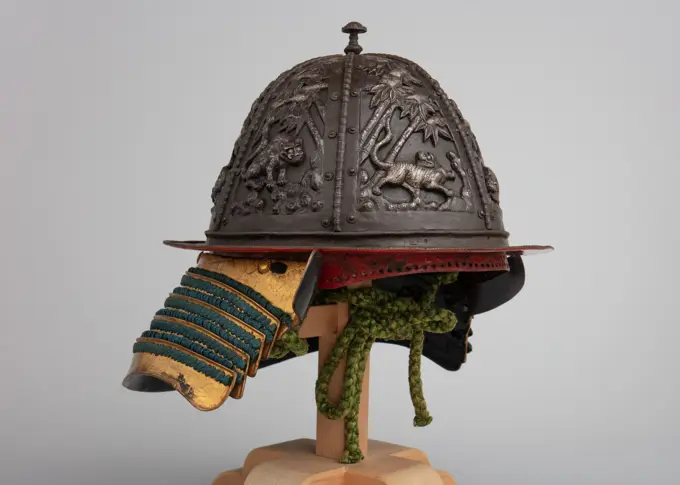
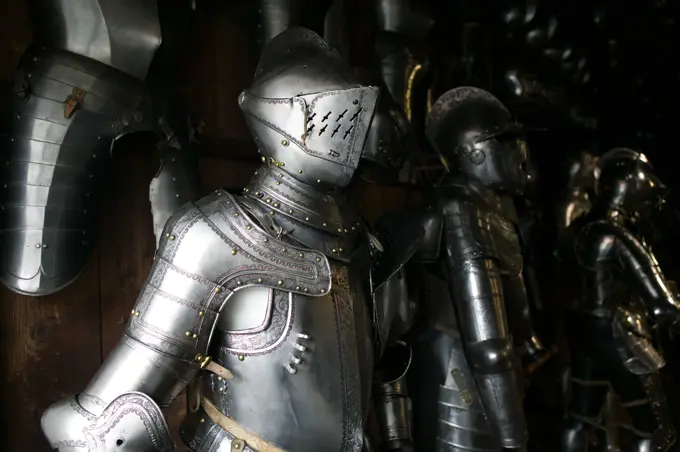
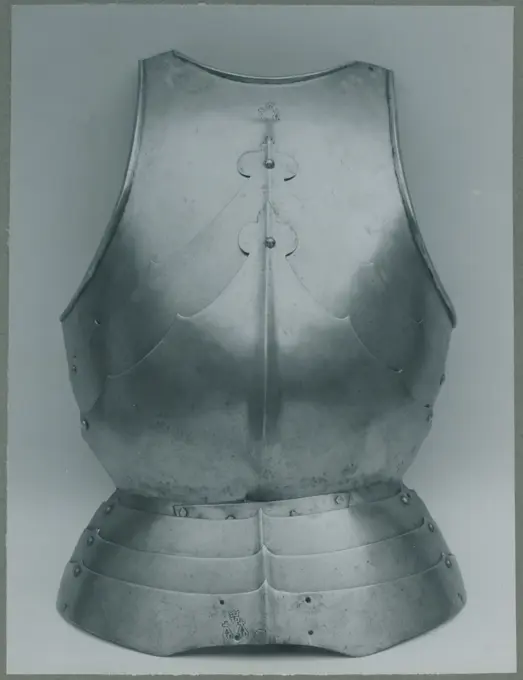
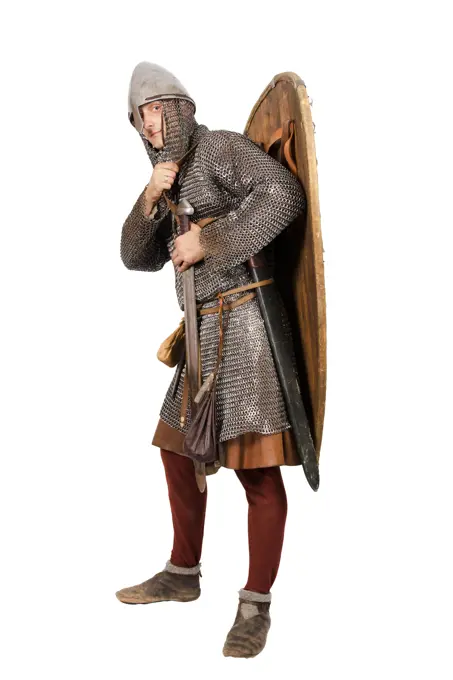
Half Armor ca. 1500 and 19th century German. Half Armor 22262Iron helmet Iron helmet of the medieval knight. Very heavy headdress Copyright: xZoonar.com/ValeryxxSibrikovx 2454150Europe, England, A suit of medieval armour on display inside the Tower of London.Right Thigh and Knee Defense (Cuisse and Poleyn) for the Armor of Sir John Scudamore (1541 or 1542-1623). Armorer: Daniel Tachaux (French, 1857-1928, active in France and America). Culture: American, New York. Dimensions: H. 16 1/2 in. (41.9 cm); W. 7 11/16 in. (19.5 cm); D. 5 in. (12.7 cm); Wt. 2 lb. 12 oz. (1247.4 g). Date: dated 1913.This leg piece, a superb example of hammerwork, etching, and gilding, was made by Daniel Tachaux in 1913, as part of his comprehensive restoration of the late sixteenth-century Scudamore armors (on permanent display at the Metropolitan Museum, gallery 371, accession numbers 11.128.1, .2). These two armors were incomplete and badly damaged when acquired by the Museum in 1911. Despite their condition, Arms and Armor Department founding curator Bashford Dean recognized their importance and rarity and gave Tachaux the challenging assignment of restoring them to their original appearance. In addition to making missing pieces, such as this, Tachaux skillfulStitch from the health officer quickly, anonymous, c. 1830 - c. 1832 bicorne Stick D. Sneltjes (Public Health 3rd Class Regiment Lanciers No. 10). Black felt stitch, one stored edge higher than the other. On the smaller edge a white faded orange cooked and Lis van Goudgalon. Bol is damaged. Netherlands felt (textile). silk. braiding  NetherlandsArmet. Culture: Italian, Milan. Dimensions: H. 11 1/2 in. (29.2 cm); W. 8 1/2 in. (21.6 cm); D. 11 1/4 in. (28.6 cm); Wt. 6 lb. 1 oz. (2749 g). Date: ca. 1460.The armet is stamped with the marks of the Missaglia workshop, the leading Milanese armorers in the fifteenth century. Originally, it would have been fitted with a visor. Museum: Metropolitan Museum of Art, New York, USA.Theyyam-suit of armour, Harivihar Ayurvedic Heritage Home, Bilathikulam, Calicut, also known as Kozhikode, Kerala, southern India, India, AsiaWar Hat ca. 1590 Italian, Milan Plain undecorated war hats were a common form of head defense during the Middle Ages and into the early sixteenth century. This helmet is extremely unusual for its late date and its rich decoration indicating that it was made for a nobleman of high rank.. War Hat 24853Romania, Sinaia. Neo-Renaissance Peles Castle c. 1873. Summer residence of King Carol I (Charles) of Romania. The Great Armory collection.Copper molded thimble, thimble sewing kit soil find copper metal, cast Copper cast thimble spirally left twisted on the top with small blank round in the middle without groove in the shaft with groove on the edge archeology Rotterdam railway tunnel seamstress tailor sewing textile processing clothing needle and thread repair Soil discovery: railway tunnel Rotterdam.Sutton Hoo helmet. 7th cent. Anglo-Saxon ENGLAND.Close-Helmet in the style of the 16th century. Culture: France, Paris. Dimensions: H. 10 3/4 in. (27.3 cm); W. 9 1/2 in. (24.1 cm); D. 12 3/4 in. (32.4 cm); Wt. 4 lb. 10.2 oz. (2103.5 g). Date: ca. 1875. Museum: Metropolitan Museum of Art, New York, USA.sword with cup handle, Solingen-Germany, 17th century, Álava Armory Museum, Vitoria, Basque Country, Spain.Malta, Valletta, Grand Master's Palace, interior detail with suits of armorMorion ca. 1575 Italian. Morion 27156Tasset (proper left), c. 1560-1580. South Germany, 16th century. Steel, leather straps, brass rivets; overall: 28 x 22.6 cm (11 x 8 7/8 in.). This armor was developed for the joust-a sporting combat between two mounted contestants. Although all of the elements of this armor date from the same period, they are not all from the same suit. This armor is thus called "composed." It also shows the asymmetry of jousting armor. The participants rode along a wall-like barrier known as a "tilt" with their left sides facing one another. Consequently, armor on that side of the body had to be thicker. Note the large plate (grandguard) over the left shoulder for extra protection. Also, the breathing holes in the helmet were placed on the right side (farthest from an opponent's lance) to avoid injuries from splinters. The bracket attached to the right breastplate is called the lance-rest, a shock-absorbing support designed to accommodate the lance when "couched" under the right armpit.Helmet knight military icon. Isometric illustration of helmet knight military vector icon for web. Helmet knight military icon, isometric 3d style3D rendering of a medieval helmet metal mask head isolated 3D rendering of a medieval helmet metal mask head isolated on white background Copyright: xZoonar.com/HugoxKurkx 15211621Armor of Henry Herbert (1534-1601), Second Earl of Pembroke. Armorer: Made in the Royal Workshops at Greenwich (British, Greenwich, 1511-1640s). Culture: British, Greenwich. Dimensions: Wt. 60 lb. 1 oz. (27.24 kg). Date: ca. 1585-86.This armor was made for Henry Herbert (1534-1601) in the royal workshops at Greenwich. Originally, it consisted of a garniture for field and tournament. The present burgonet (helmet) and falling buffe (face defense) were designed for light cavalry and infantry use. Among the garniture's missing elements are two close helmets and several reinforcing pieces for the tournament, similar to those preserved with the Cumberland garniture also in the Metropolitan Museum's collection (acc. no. 32.130.6a-y).Herbert's antiquarian and heraldic interests are reflected in the armor's decoration, which traces the lineage of the great Pembroke family through its complex coat of arms, consisting of twenty-two quarterings. The complete arms are displayed on the cheeks of tAUSTRIA, STYRIA (Stiermark), GRAZ: Landeszeughaus Museum / Provincial Armory (b.1642)17th Century ArmorCabasset ca. 1575-80 Italian, Milan Each side of this helmet is decorated with a battle scene of warriors in Classical dress, surrounded by an elaborate decorative framework.. Cabasset 22407Breastplate with Tassets (Thigh Defenses) Made 1500-1520 Italy. Steel and leather .Helmet. Bronze armour from Thrace. Chelopechene, 5th cent. BC. Greek period. Bulgaria.DETLING, KENT/UK - AUGUST 29 : Helmet on display at the Military Odyssey in Detling Kent on August 29, 2010A sallet. also called a salade or sallet war helmet. a late medieval helmet type that evolved in the first half of the 15th century from the so-called iron hat 1450 AD. from the book The British Army. 1868. historical. digitally restored reproduction from a 19th-century modelPair of Mitten Gauntlets Made 1490-1530 Spain. Steel and leather .Zischägge (Helmet) Made 1610-1640 Flanders. This helmet, known as a Zischgge in Germany or a lobster-tailed pot in England, was the principle headpiece for light cavalry. With its sliding nasal bar, brim, earflaps, and neck guard, the design offered protection from sword cuts with optimal peripheral vision.The design was adapted from Turkish helmets of the 16th century. The style spread to Hungary and Poland and by the mid-17th century was found throughout Europe. This Flemish example comes from the armory of a Spanish noble family.. Steel, brass, leather, and silk .Two bronze helmets late 7th century B.C. Greek, Cretan These helmets and the three mitrai exhibited below them are the finest pieces of a large cache of armor that came to light in southern central Crete, where it was undoubtedly made. The inscriptions suggest that the armor was captured as booty and offered as a dedication. In repoussé on both sides of one helmet is a pair of winged youths grasping a pair of intertwined snakes. Below them are two panthers with a common head. The helmet is inscribed "Neopolis." In repoussé on both sides of the other helmet is a horse; incised on each cheekpiece is a lion. The inscription states that Synenitos, the son of Euklotas, took this object. Listen to experts illuminate this artwork's story Listen Play or pause #1007. Two Bronze Helmets Supported by Bloomberg Philanthropies We're sorry, the transcript for this audio track is not available at this time. We are working to make it available as soon as possible.. Two bronze helmets 256978Knights' armours, weapons and art museum in the Veste Coburg castle, Coburg, Upper Franconia, Franconia, Bavaria, Germany, EuropeMorion late 16th century German. Morion 27095Bascinet ca. 1325 German. Bascinet. German. ca. 1325. Steel, leather. HelmetsHelmet (Hachi) dated 1472 Japanese. Helmet (Hachi). Japanese. dated 1472. Iron, copper, lacquer. HelmetsItaly, Lombardy, Sabbionetta, armour, Garden Palace.Early Roman helmet, 4th century BC. Artist: UnknownCorinthian helmet. Bronze, Greek. 5th century BC. From the trove of spoils a Olimpia. c. 460. BC.British Museum. London. United Kingdom.Helmet (Kabuto) 18th century Japanese. Helmet (Kabuto). Japanese. 18th century. Iron, brass, lacquer, silk, textile, gold. HelmetsHelmet. Marche regiment of Chad (impact of a projectile). "Helmet Steel, M1". Steel (and stainless steel), painting, canvas sewn mechanically, synthetic original material, 1941-1944. General Leclerc Museum of Hauteclocque and the Liberation of Paris, Jean Moulin Museum. 2nd db, helmet, ffl, free French forces, 1939-1945 war, war 39-45, Warm Warning Regiment, Second World WarHead of a Viking warrior. National Historical Museum, Stockholm Corselet and Helmut, 19th century. Philippines, Mindanao. average: 80.6 cm (31 3/4 in.).Steel and brass gauntlet. Northern Italy. Dated 14th CenturyKnight helmet sketch hand drawn in engraving style. Vector illustration desing.Breastplate, c.1550-1570. Germany, 16th century. Iron, steel, leather and brass rivets; overall: 34.5 x 20 x 31.2 cm (13 9/16 x 7 7/8 x 12 5/16 in.).Chain shirt, helmet and sword. Chain shirt, helmet and sword.23-cm palliser shell. Pointed 23 cm of grenade, painted red. The grenade is 50.5 cm long and has a 225 mm caliber. The grenade has two rings cams for a drawn loop with six towing fields. In the bottom a bus from a softer metal is poured with a filling hole.Priestly Headdress probably 1st century A.D. Roman Period This is a unique example of a priestly headdress otherwise known only from tomb reliefs and paintings. Consisting of a wig with short, tight curls and a distinctive gilded sidelock, it may have been found (and once worn) with a leopard-skin robe. In all likelihood, a man serving as a sem-priest donned the headdress and cloak before carrying out a ritual that revivified a mummified body so that the deceased could live eternally.. Priestly Headdress. probably 1st century A.D.. Cartonnage, paint, gold leaf. Roman Period. From EgyptRoman gladiator's helmet. ITALY.Armors displayed inside Tratzberg Castle, Jenbach, Tyrol, Austria.Helmet. From the Marshal of Logis Georges Bomy, injured in Paris. "Helmet Steel, M1". Steel (and stainless steel), painting, canvas sewn mechanically, synthetic original material, 1941-1944. General Leclerc Museum of Hauteclocque and the Liberation of Paris, Jean Moulin Museum.Cor Solo 1829 Dubois et Couturier French Cors solo, a French invention, are horns built specifically for the use of soloists. They not only are extremely carefully crafted but also have a slightly narrower bore than regular orchestral French horns. Only a few shops, most of them in Lyon and Paris, were able to build excellent, easy-speaking cors solo with refined workmanship and balanced sound qualities. This cor solo, dated 1829, is the earliest known instrument made by Dubois & Couturier, a firm that flourished in Lyon in the 1830s. The style of the ferrules and stays between the sections of tubing was very modern for the time and became generally accepted only in the 1850s. Because in the early nineteenth century literally all solo literature for cors solo was composed in the keys of G, F, E, and E-flat, the horns were built with exchangeable loops just for those keys.This instrument has been used very little. It survives in a form-fitting case covered with leather and lined with chPortions of an Armor Garniture. Culture: Italian, Brescia. Dimensions: Wt. of helmet 4 lb. 10 oz. (2097.9 g). Date: ca. 1620-30. Museum: Metropolitan Museum of Art, New York, USA.Three-Quarter Armor ca. 1630 probably German. Three-Quarter Armor 24833ESCARABAJO EN LAPIZLAZULI Y ORO-TESORO TUTANKAMON. Location: EGYPTIAN MUSEUM, KAIRO.Egypt, Ballana and Qustul, Detail of Diadem with silver and semi-precious stonesKnights' armours, weapons and art museum in the Veste Coburg castle, Coburg, Upper Franconia, Franconia, Bavaria, Germany, EuropeArmour Armour of the medieval knight. Metal protection of the soldier against the weapon of the opponent Copyright: xZoonar.com/ValeryxxSibrikovx 5856072Sallet (Barbute) Made 1460-1470 Milan. Steel . Antonio MissagliaSiege Helmet Made 1610-1620 Italy. Steel .Knights helmet. Medieval lats. Good.Hand protection medieval knight. Element protective armorHaniwa Horse's Head 6th century Japan. Haniwa Horse's Head. Japan. 6th century. Earthenware. Kofun period (ca. 300-710). SculptureArmor. Armorer: Gorget plate of the helmet possibly marked by Hans Michel (German, Nuremberg 1539-1599). Culture: German. Dimensions: Wt. 41 lb. 9 oz. (18.85 kg); Wt. of helmet 10 lb. 8 oz. (4.75 kg). Date: 16th century and later. Museum: Metropolitan Museum of Art, New York, USA.Knight helmet sketch hand drawn in engraving style. Vector illustration desing.CASCO O CELADA DE PASEO DE CARLOS V - SIGLO XVI - INV.D1. Author: FILIPPO NEGROLI (1510-1579). Location: PALACIO REAL-REAL ARMERIA DE MADRID. MADRID. SPAIN.Bourganet. Dated: c. 1936. Dimensions: overall: 30.2 x 22 cm (11 7/8 x 8 11/16 in.) Original IAD Object: 10-12" long. Medium: graphite on paper. Museum: National Gallery of Art, Washington DC. Author: Aaron Fastovsky.BUSTO EN PLATA DORADA DE CARLOS V. Location: MUSEO HOSPITAL DE SANTA CRUZ, TOLEDO, SPAIN.Austrian fireman's helmet with a red tuft from 1900, "Fire and Flame - the fire department from 1850 to today" exhibition, industrial museum, Lauf an der Pegnitz, Middle Franconia, Bavaria, Germany, EuropeParade morion of the guard of Henry of ValoisEngland,London,The Wallace Collection Art Gallery,Suit of Armour DisplayArmour Armour of the medieval knight. Metal protection of the soldier against the weapon of the opponent Copyright: xZoonar.com/ValeryxxSibrikovx 2415921bronze helmet of a Murmillo. Roman, 1st century AD. Probalby from Italy. British Museum. London. United Kingdom.Hand protection medieval knight. Element protective armorIron helmet of the medieval knight. Very heavy headdressBelgium, Ghent, Gravensteen Castle, Armour displayOld German fashists helmet of times of the second Great world war on a white background with clipping path. Old German fashists helmet of times of the second Great world war on a white background with clipping path. ,model released, Symbolfoto ,property released Copyright: xZoonar.com/SergeyxxKozoderovx 2141076 ,model released, Symbolfoto ,property releasedweapons/arms defensive arms helmets Roman legionary helmet without cheek guards Montefortino type bronze 2nd half 2nd century BC ancient world,Right Thigh Defense (Cuisse) with Knee Defense (Poleyn). Culture: German. Dimensions: H. 18 3/4 in. (47.6). Date: 16th century. Museum: Metropolitan Museum of Art, New York, USA.Switzerland, Bern Canton, Spiez, Spiez Castle, helmets and breast platesElements of a Half Armor. Culture: German, Nuremberg. Dimensions: Wt. 31 lb. 14 oz. (14.46 kg); Wt. of helmet 5 lb. 5 oz. (2409.7 g). Date: 16th century and later. Museum: Metropolitan Museum of Art, New York, USA.Hand protection medieval knight. Element protective armorArmor, Grandmaster's Palace, Valletta, Malta, EuropeScarab Uninscribed 1985 BCE-1773 BCE Egypt. Amethyst . Ancient EgyptianPair of Mitten Gauntlets Made 1490-1530 Flanders. Steel, leather, and copper alloy .Malta, Valletta,  Grand Masters' Palace, State Apartments, armourCASCO GRIEGO- VISTA DE FRENTE-HALLADO EN EL RIO GUADALETE-HACIA S VII A.C.- ARTE GRIEGO-FENICIO. Location: ARCHAEOLOGICAL MUSEUM. JEREZ DE LA FRONTERA. Cadiz. SPANIEN.Sutton Hoo helmet Anglo-Saxon, early 7th century AD. Only four complete helmets are known from Anglo-Saxon England: at Sutton Hoo, Benty Grange, Wollaston and York.Cap of King James II with cheek pieces and openwork steel visor depicting the royal coat of arms. including thistles. from the book The British Army. 1868. Historical. digitally restored reproduction from a 19th-century originalMonochrome Illustration of the ancient Greek  helmet with a red crest on white background. Vintage design object for the historic site. Stock vectorParade armour of the Salzburg Prince-Archbishop Wolf Dietrich von Raitenau, 1559-1611, Bavarian National Museum, Prinzregentenstrasse 3, Munich, Bavaria, Germany, EuropeHelmet 17th century Japanese The shape was inspired by the felt hats worn by namban, or "southern barbarians," as the Europeans were described, but the decoration is typically Japanese.. Helmet. Japanese. 17th century. Iron, lacquer, silk. HelmetsAUSTRIA, STYRIA (Stiermark), GRAZ: Landeszeughaus Museum / Provincial Armory (b.1642)17th Century ArmorBreastplate ca. 1480 Italian, probably Milan The construction follows the German fashion of three overlapping plates and may indicate that this breastplate was intended for export north of the Alps. Along the edges are traces of floral scrolls formed by punched dots, a technique of armor decoration predating the use of etching.. Breastplate. Italian, probably Milan. ca. 1480. Steel. probably Milan. Armor Parts-BreastplatesNorman knight dressed warrior 2nd half of the 11th century. Isolated on white Norman knight dressed warrior 2nd half of the 11th century. Isolated on white ,model released, Symbolfoto Copyright: xZoonar.com/PavelxSytilinxxxxxVolgograd,xRussia.x 22031180 ,model released, Symbolfoto ,property releasedTypical artisan mask for traditional masquerade celebration, Iberian Museum of Masks and Costume, Braganza (Bragança),Trás-os-Montes and Alto Douro, Portugal.Cuirass ca. 1800 French or Italian. Cuirass. French or Italian. ca. 1800. Steel, gold, textile, leather. Armor Parts-CuirassesArmor Of Philip III. Charles Clifford (England, active Spain, circa 1800-1863). circa 1857, printed circa 1857. Photographs. Albumen silver printFrance, Normandy, Mont Saint-Michel.Elements of a Horse Armor. Culture: German. Date: 16th century. Museum: Metropolitan Museum of Art, New York, USA.England, London, Tower of London, The White Tower, Exhibit of Medieval ArmourSilver figure of literary character Don QuixoteEurope, Italy, Lombardy, Lecco province, Lake Lario, Varenna, Vezio Castle and its ghosts.