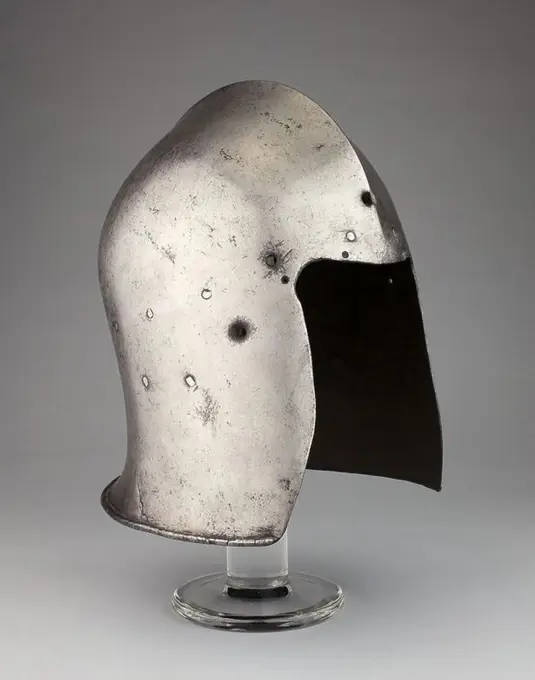
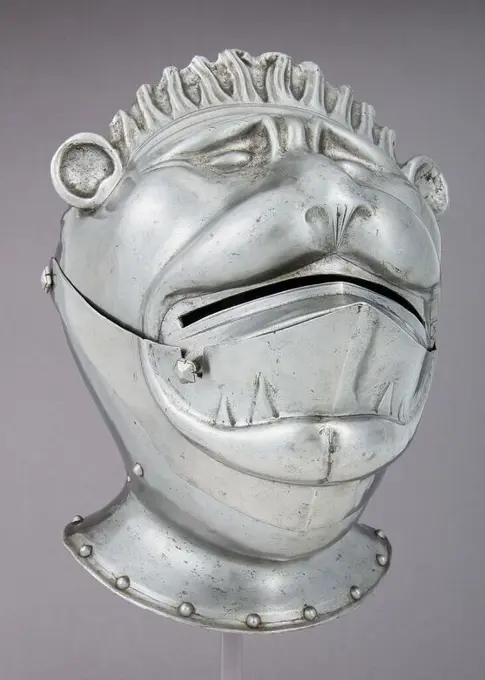
Medieval Armor Helmets

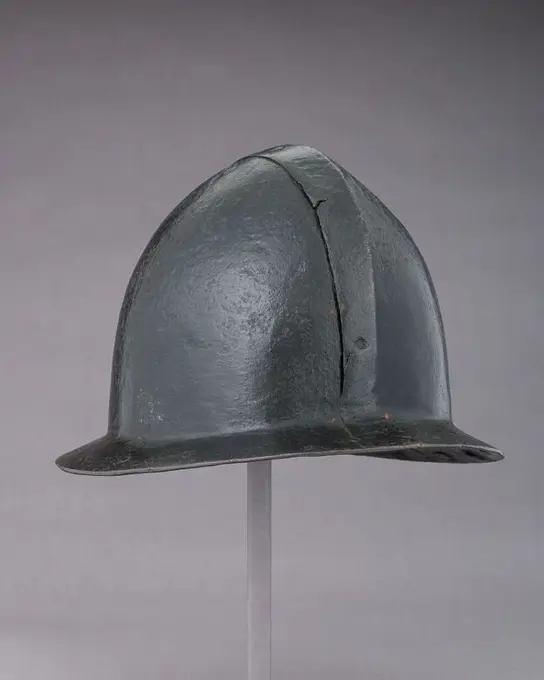
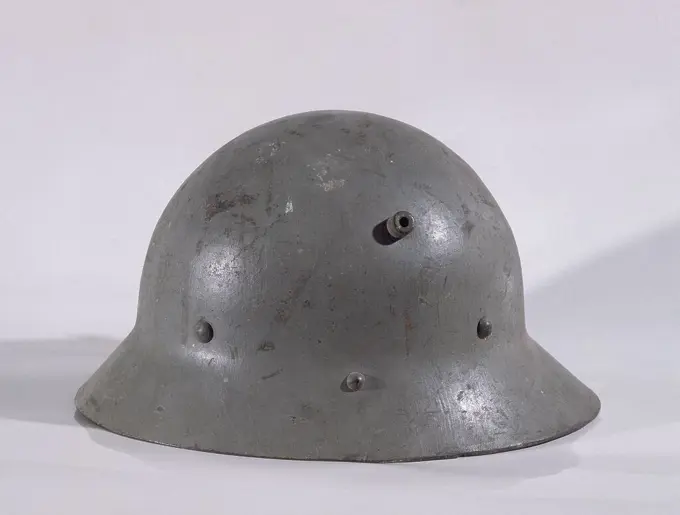
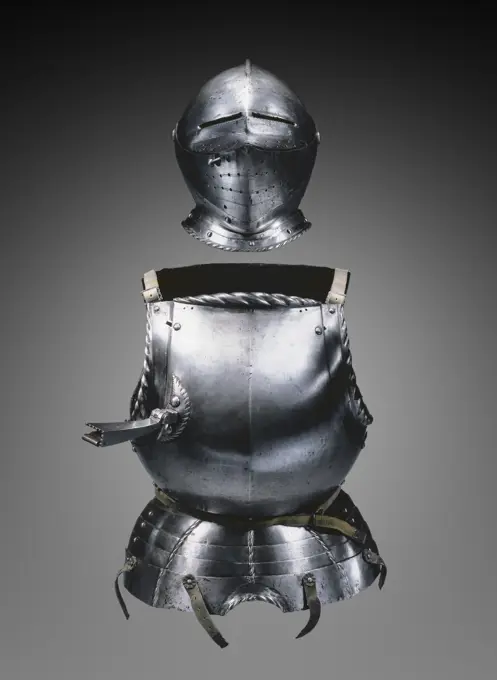
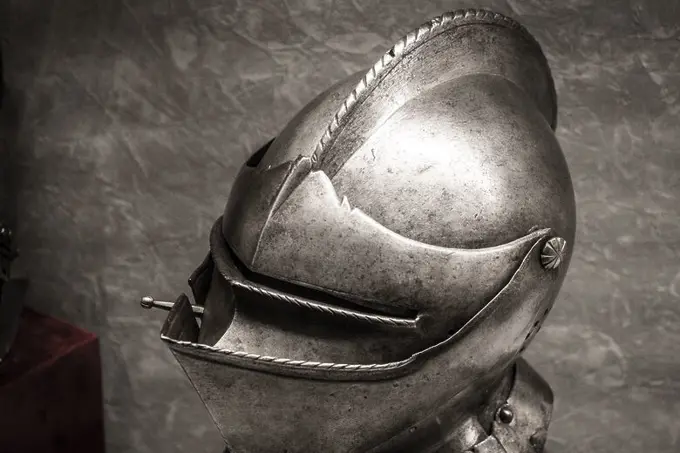
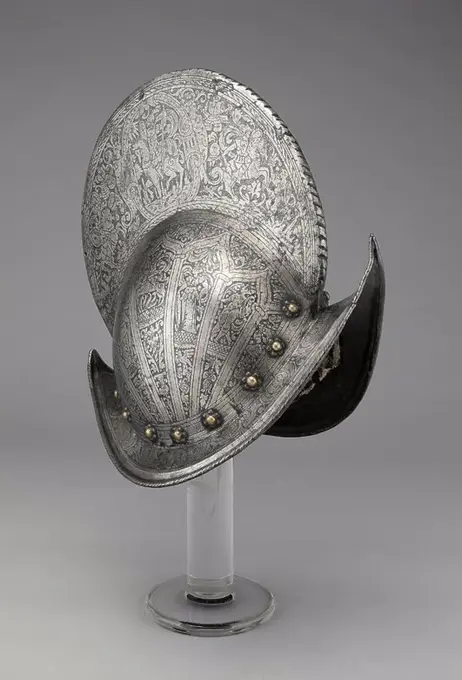
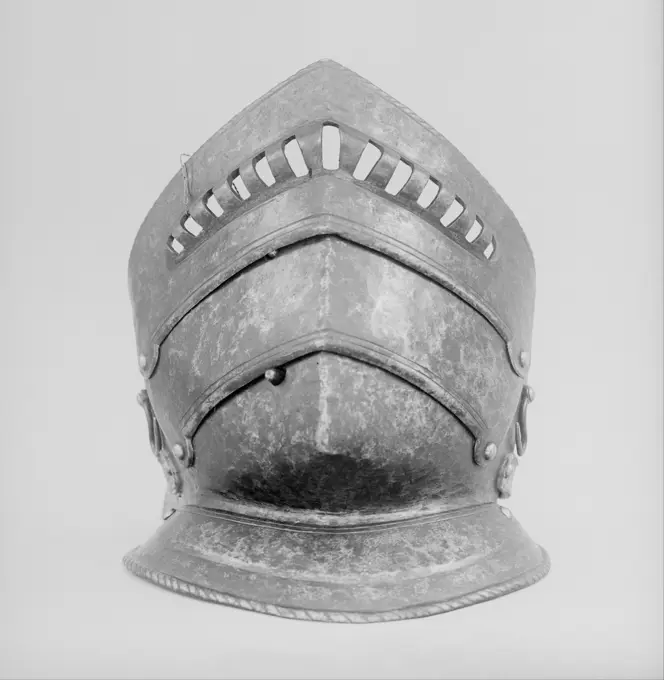
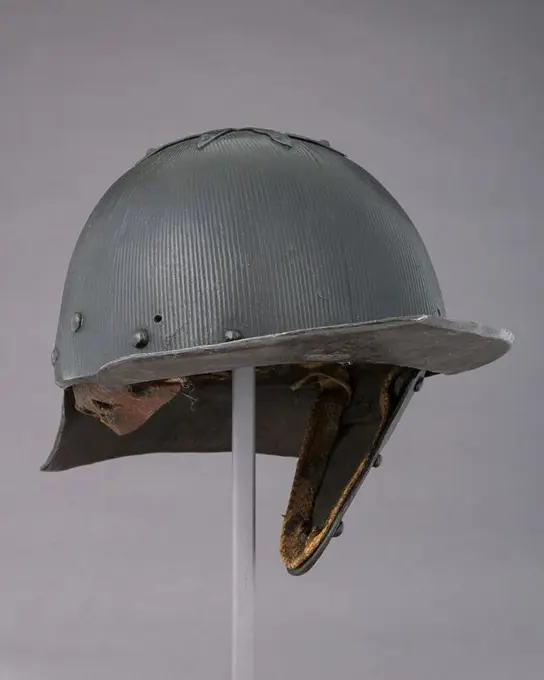
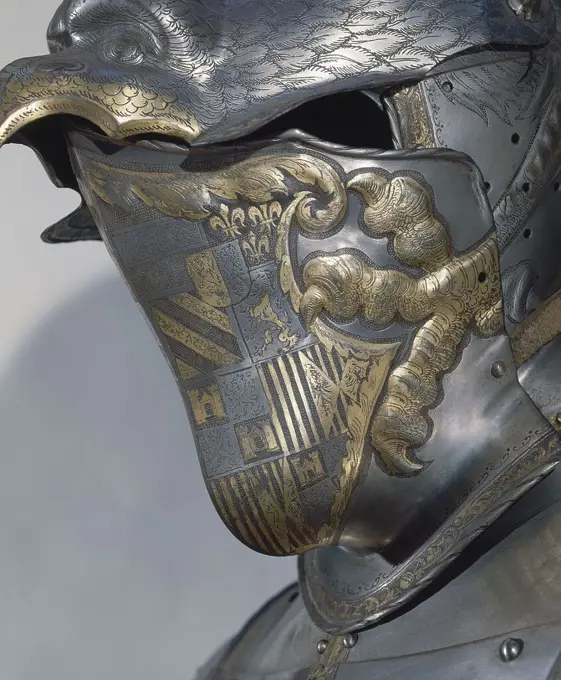
A collection of ornate medieval helmets showcasing steel craftsmanship, featuring designs like burgonets and sallets, highlighting historical and artistic significance.

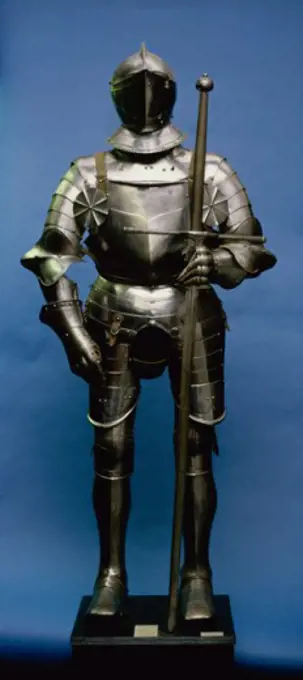
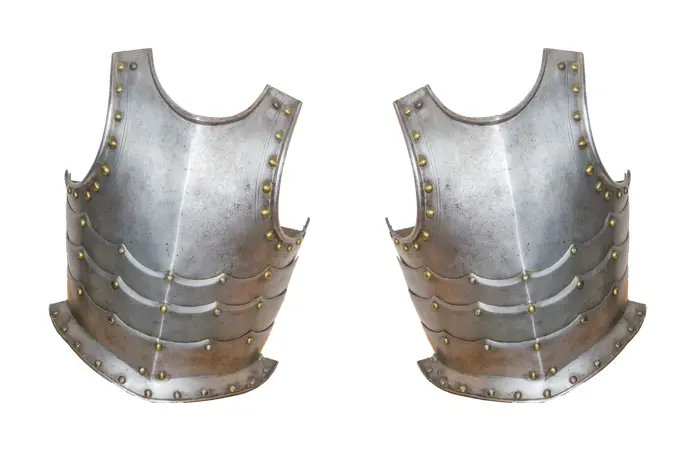
Armour Armour of the medieval knight. Metal protection of the soldier against the weapon of the opponent Copyright: xZoonar.com/ValeryxxSibrikovx 2416552
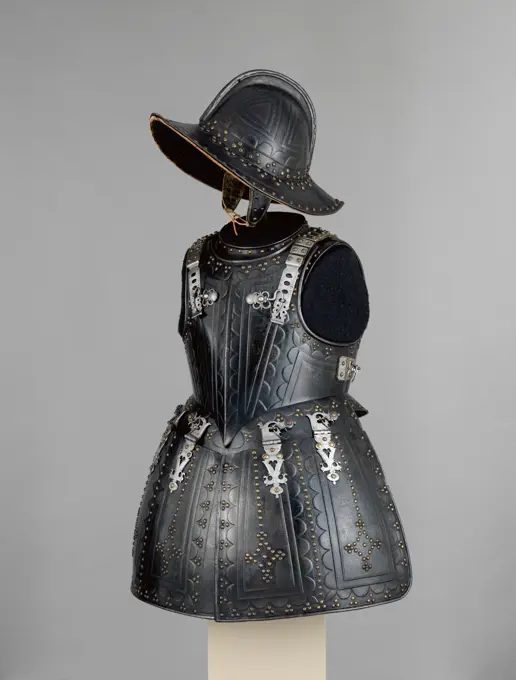
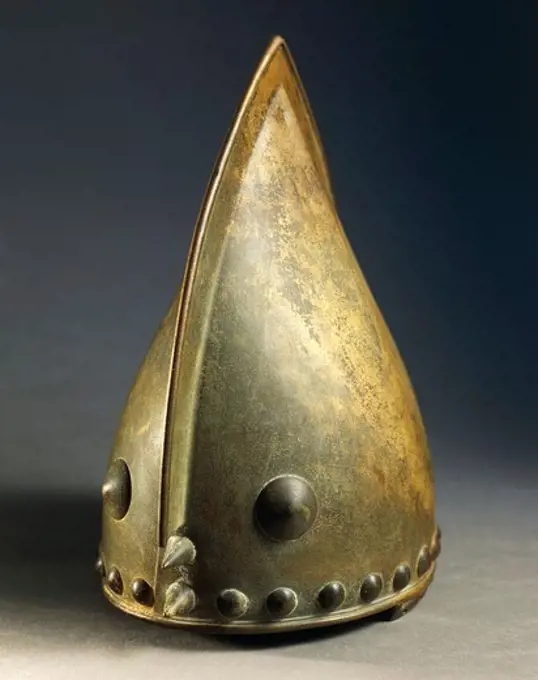
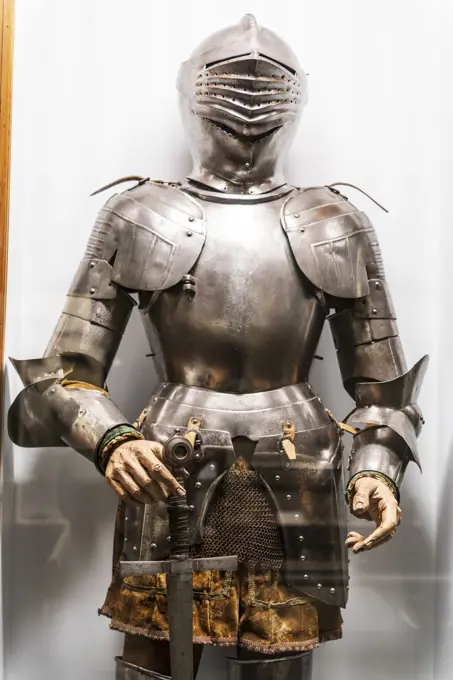
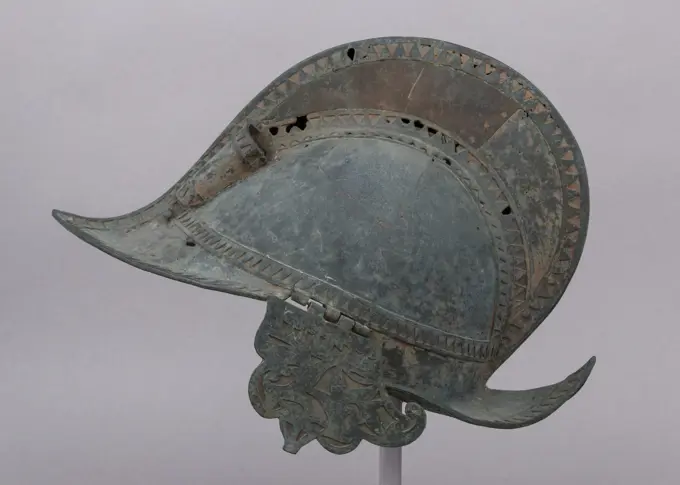
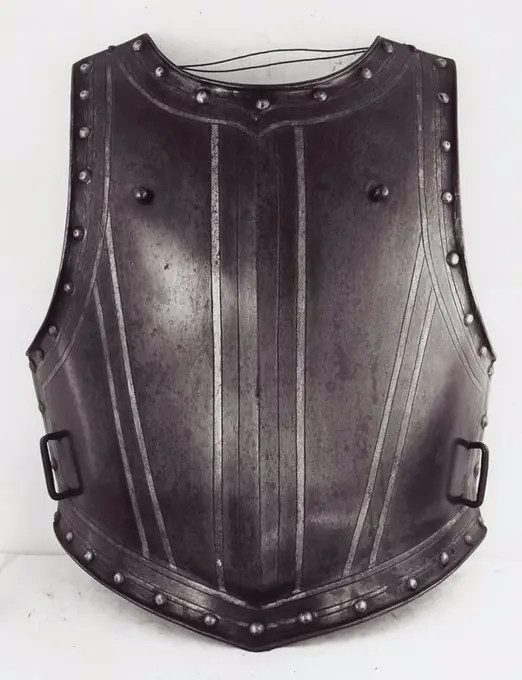
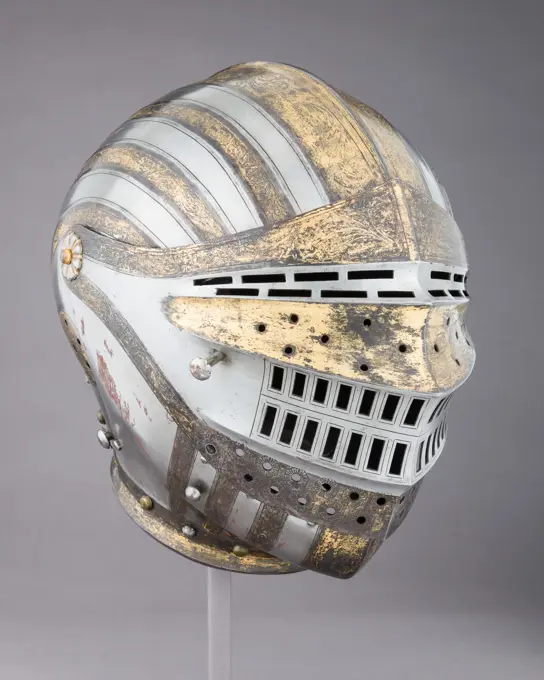
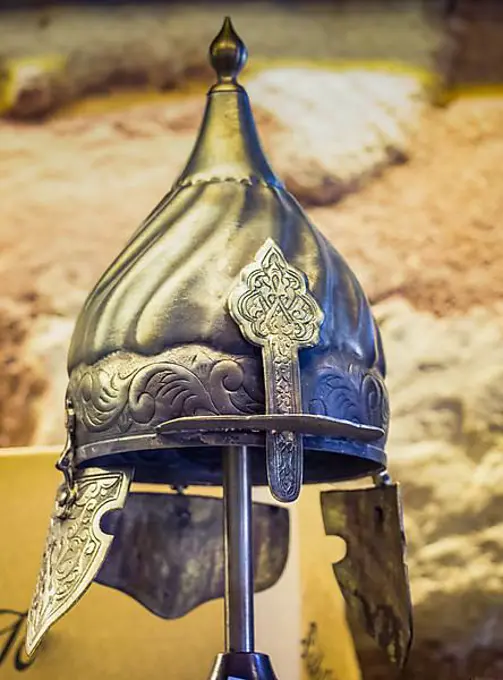
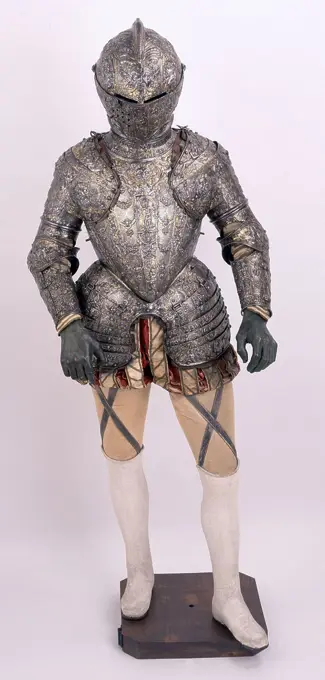
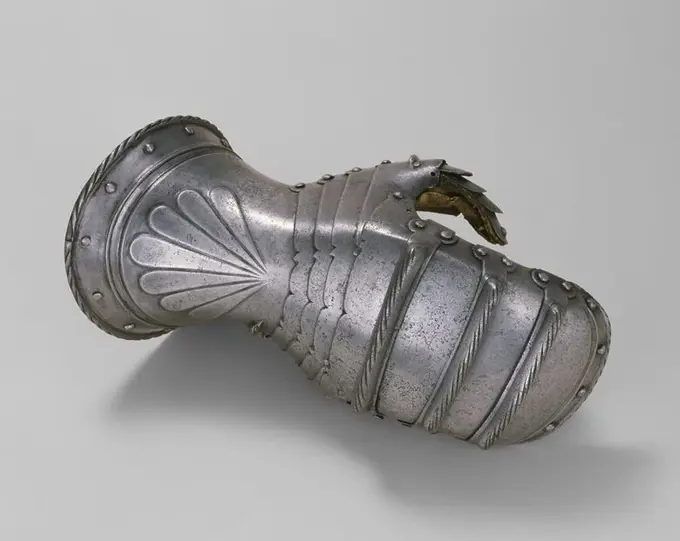
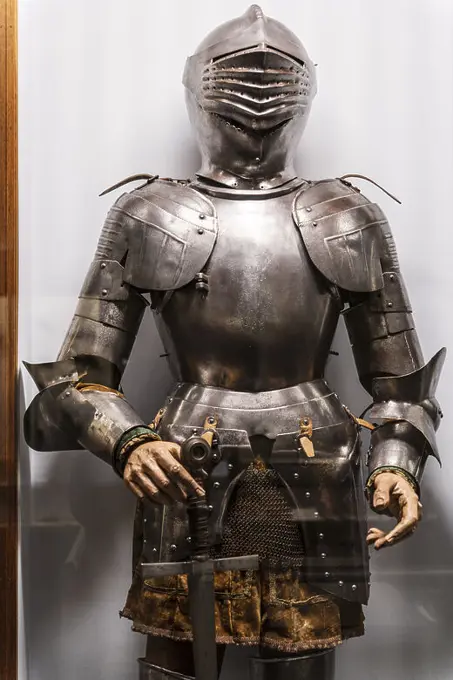
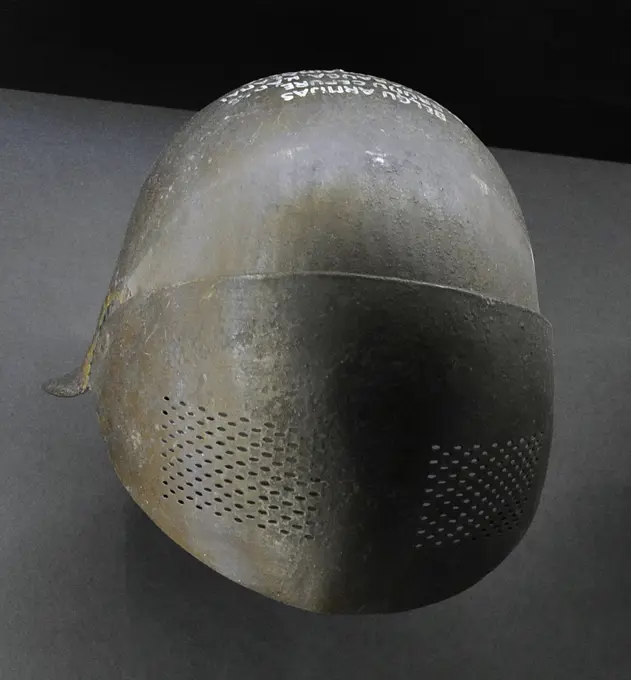
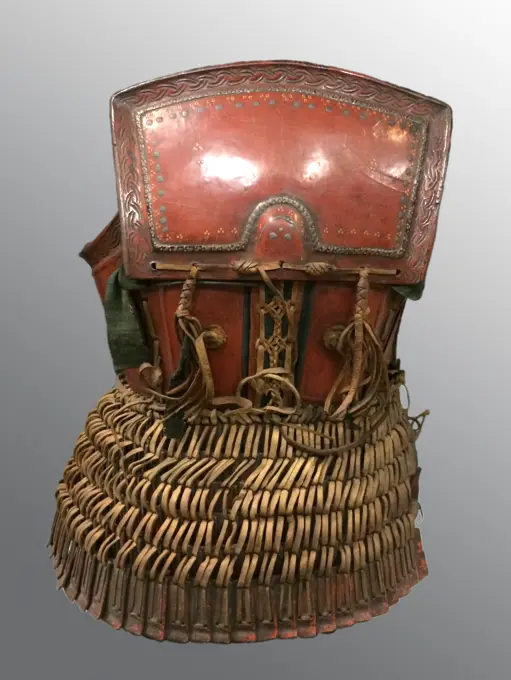
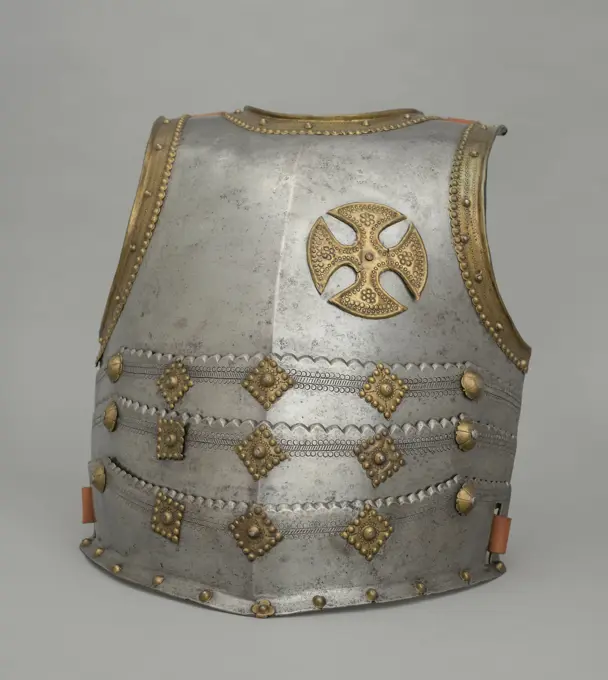
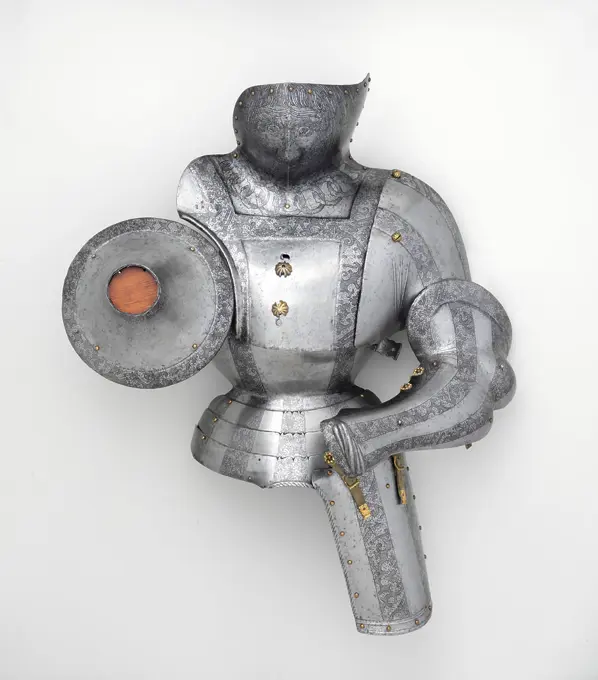
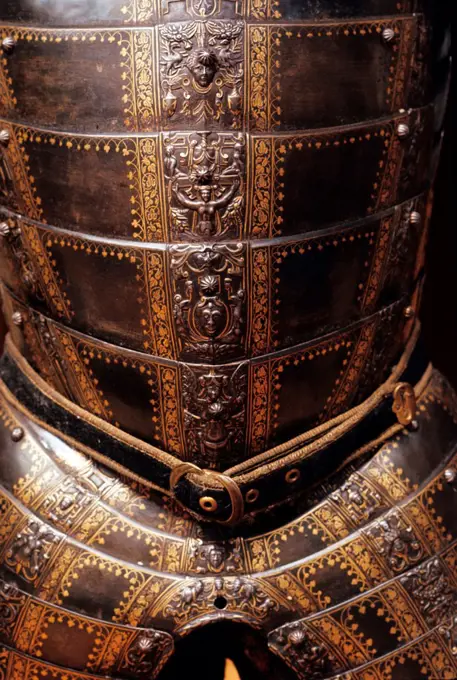
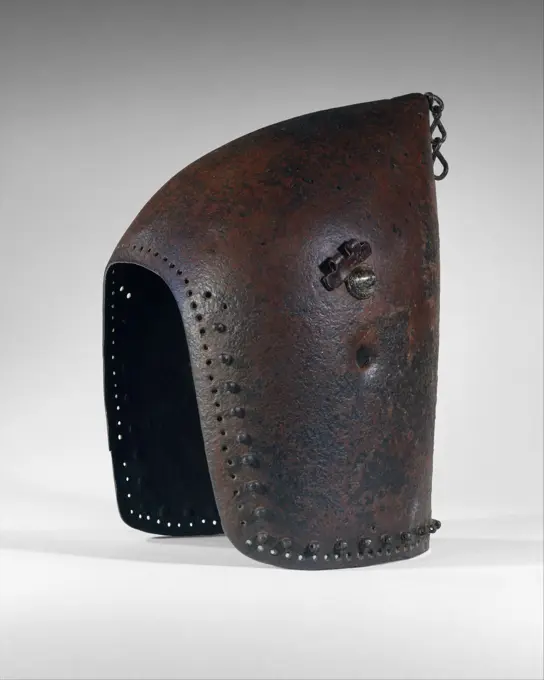
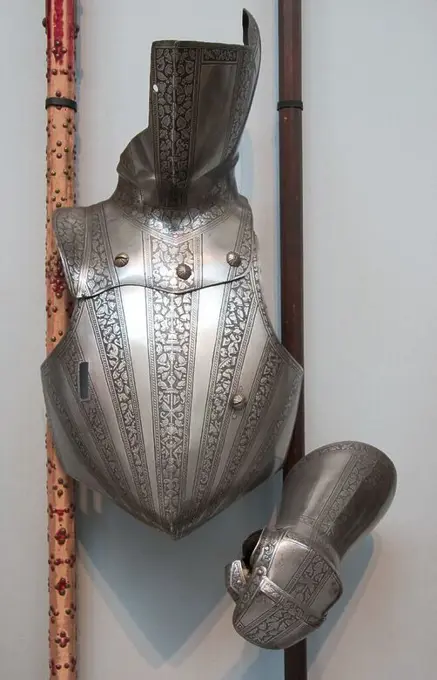
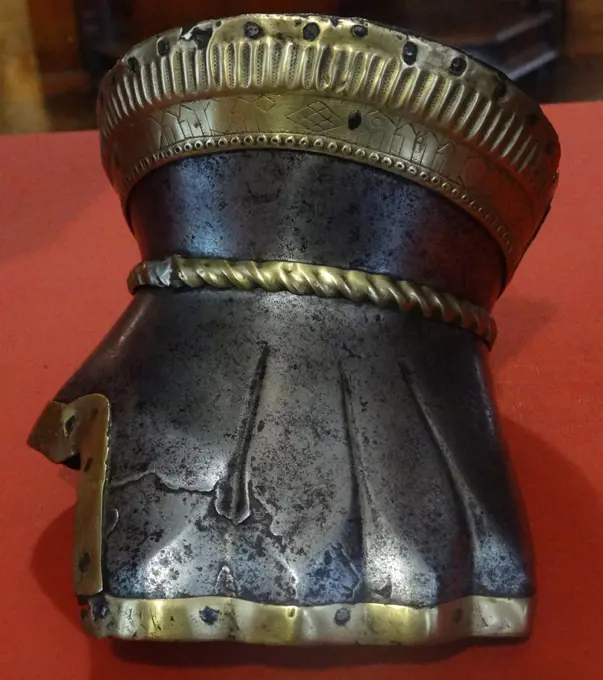
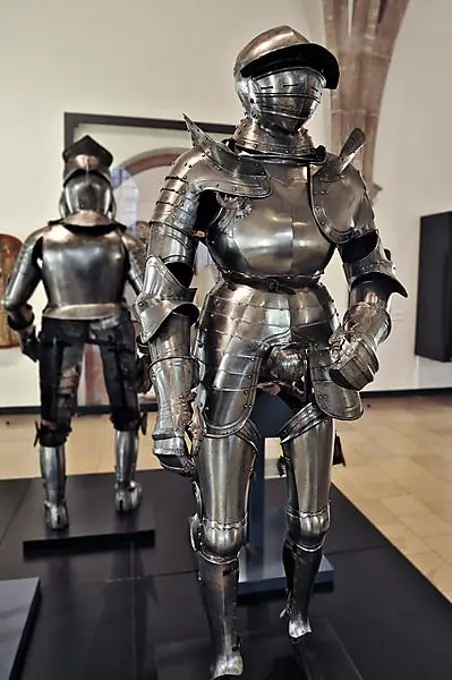
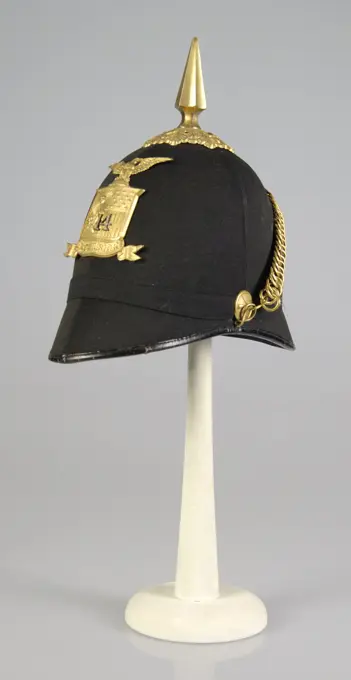
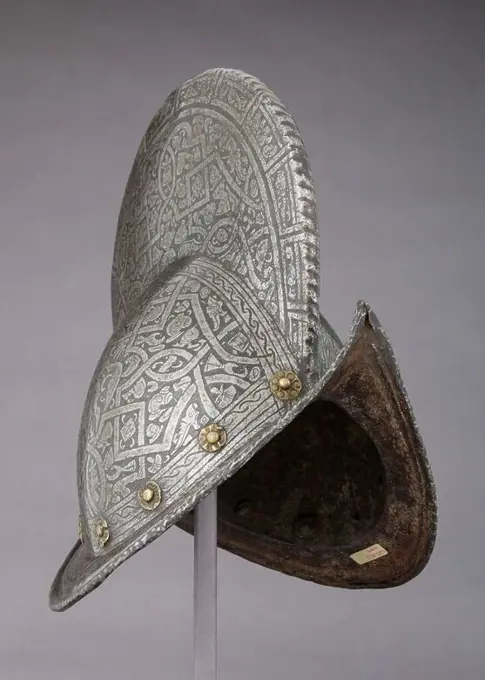
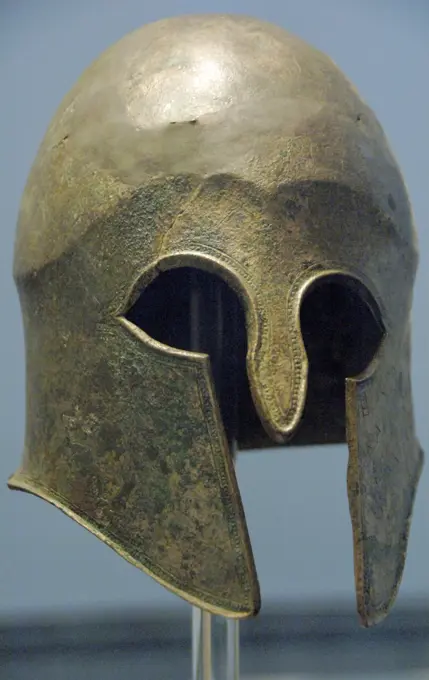
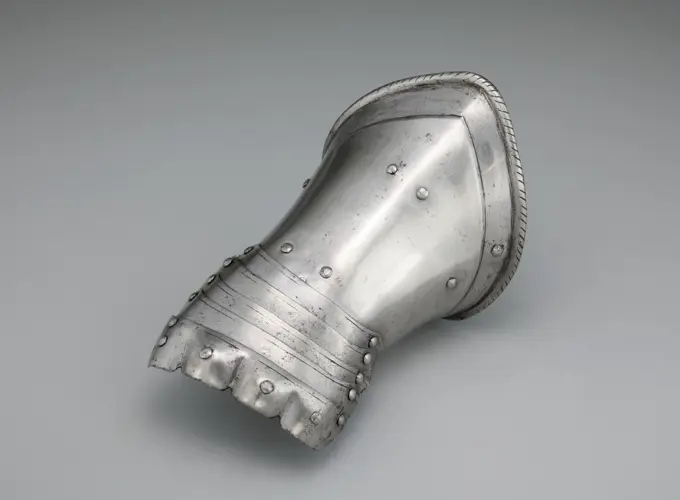
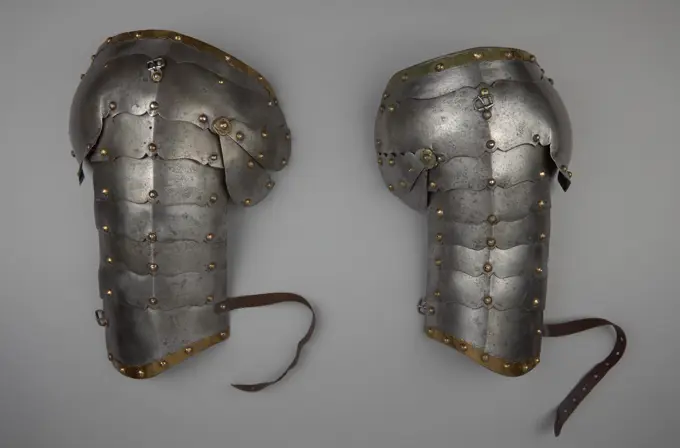
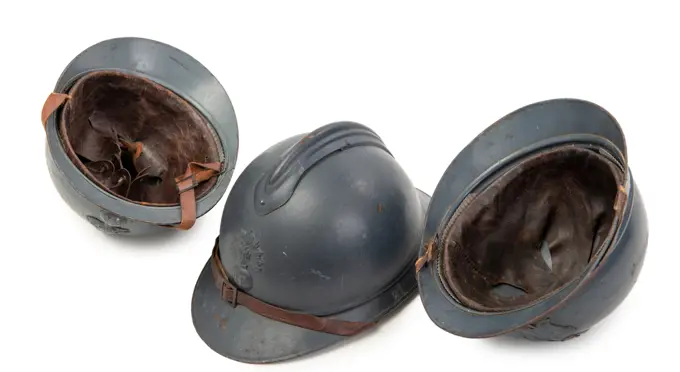
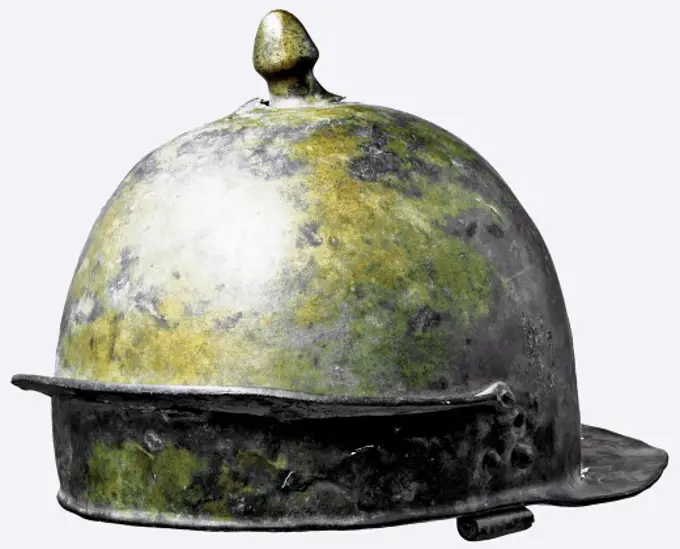
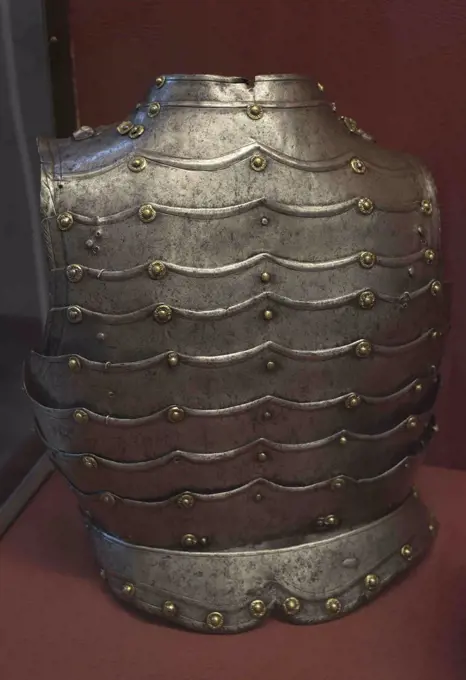
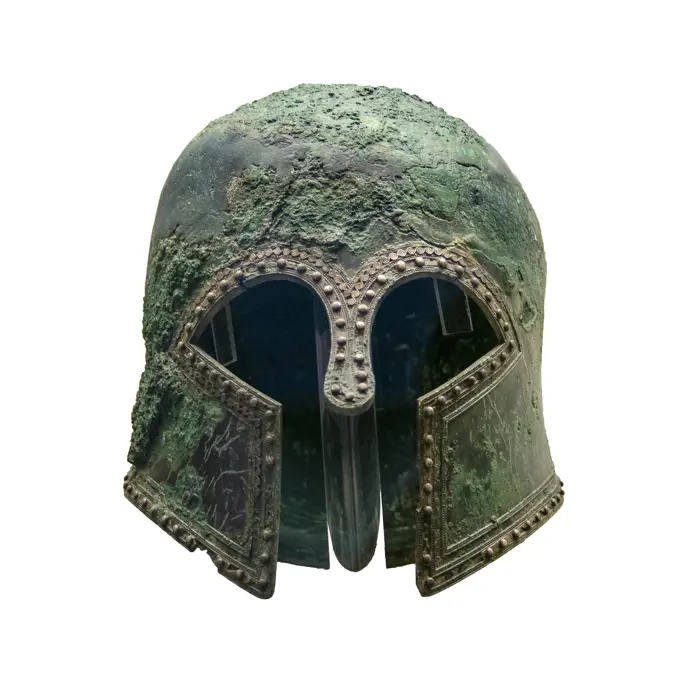
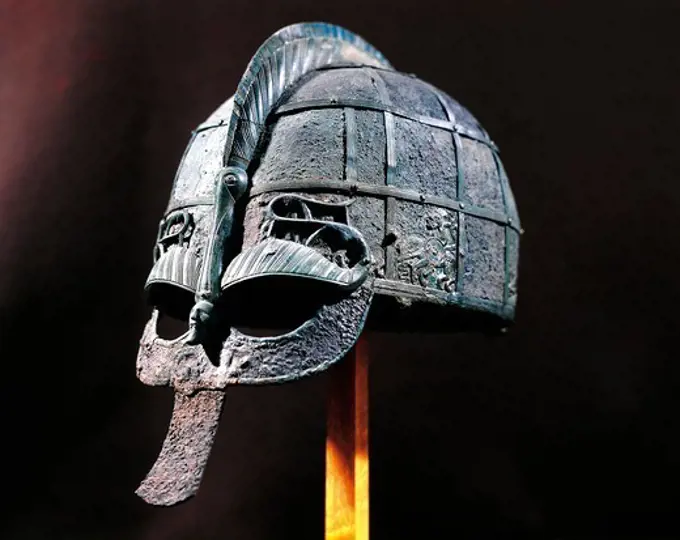
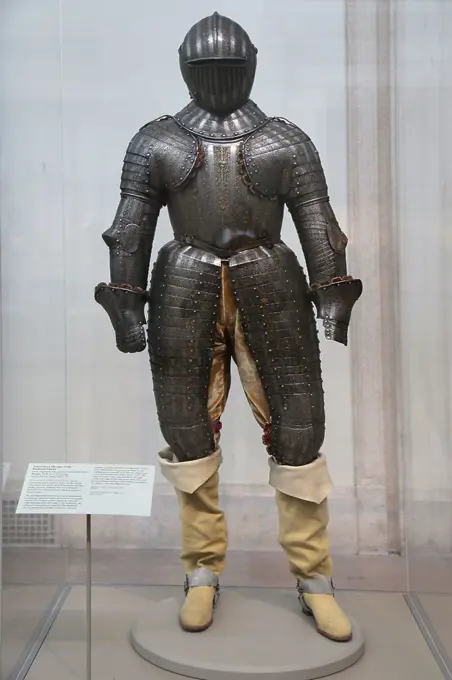
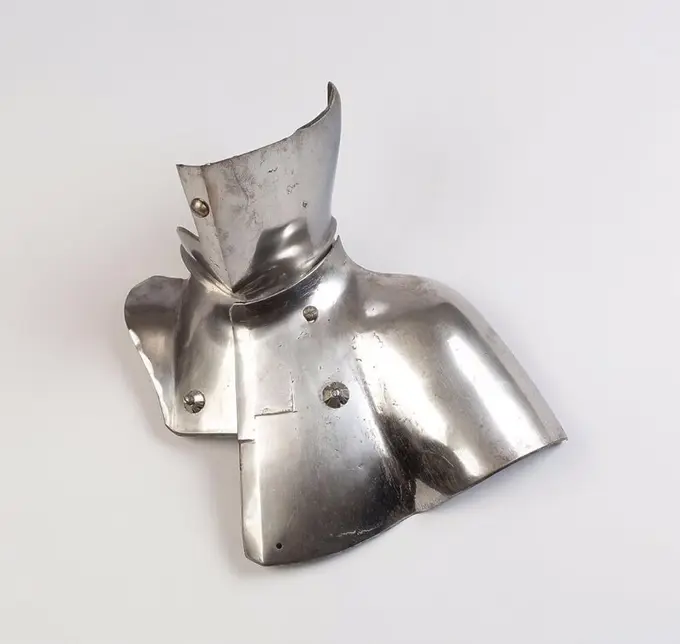
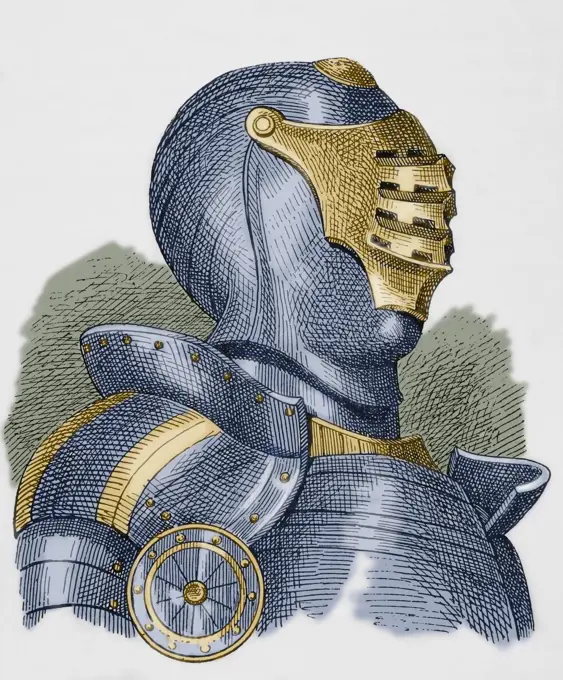
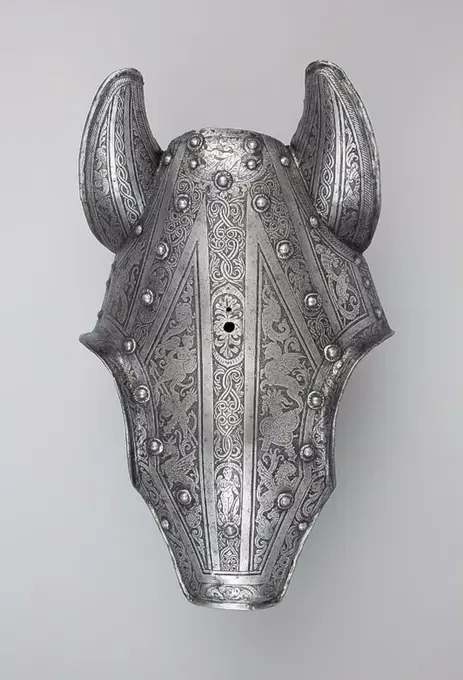
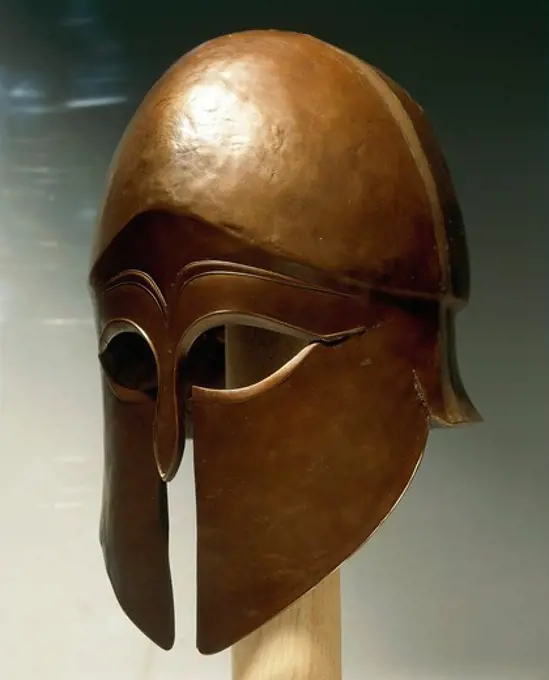
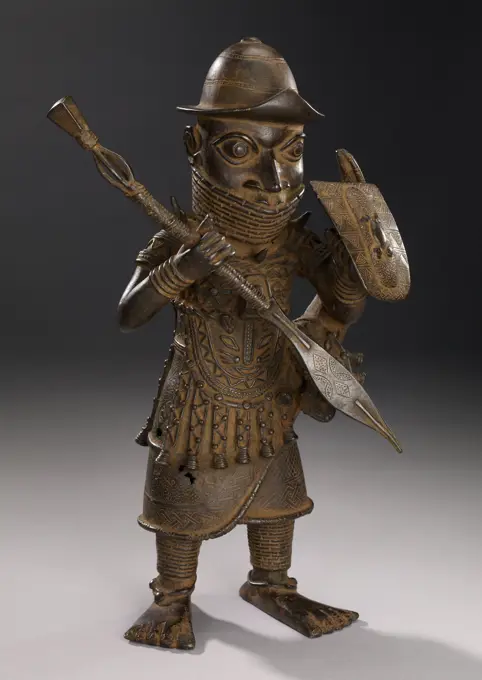
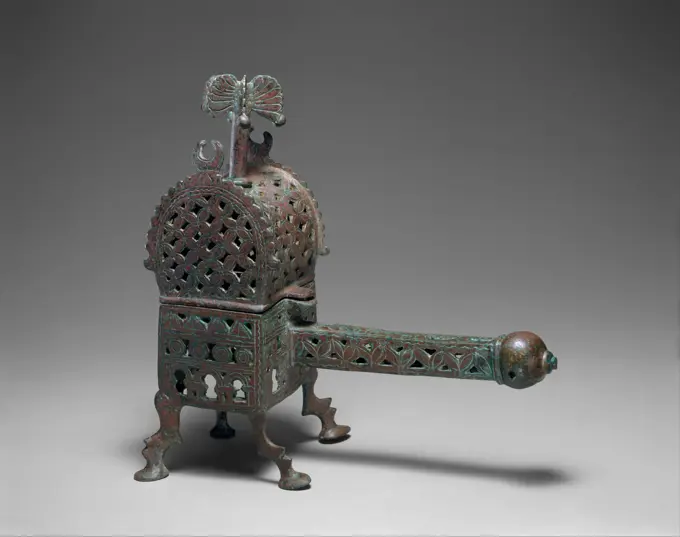
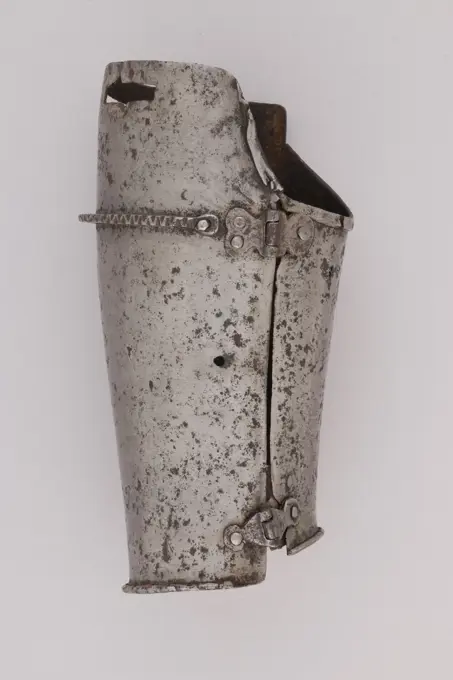
Inner Plate of a Forearm Defense (Vambrace) ca. 1450-70 Italian This is part of a large find of medieval armor discovered in 1840 in the ruins of the fortress of Chalcis, on the Greek island of Euboea (then a Venetian colony called Negroponte). The fortress had been captured and destroyed by the Turks in 1470. Now divided largely between the Ethnological Museum, Athens, and The Metropolitan Museum of Art, the Chalcis hoard contains many rare and unusual elements of fourteenth- and fifteenth-century armor. Of particular importance are the variety of headpieces and the many fragments of brigandines (armor for the torso constructed of small plates riveted to layers of fabric), some of which retain portions of their original velvet covering. The Chalcis armor provides a unique picture of the armament used in the Aegean, one of the easternmost military outposts of the Venetian empire.. Inner Plate of a Forearm Defense (Vambrace) 23120Pikemans Armor ca. 1620-30 British, probably Greenwich or London In battle formation, pikemen stood together in tight ranks and used their pikes to defend unarmored musketeers. The latter were deployed on the flanks of the pikemen and retreated behind them to reload after firing a volley. The pike is a steel-tipped spear up to eighteen feet long with which the pikemen fended off attacking cavalry. This tandem use of “shot and pike” was the fundamental principle governing infantry tactics for much of the seventeenth century.The quality of this armor and its decoration suggest that it was worn by an officer and that it may be a late product of the royal armor workshops at Greenwich, which closed in 1637 after 120 years of activity.. Pikemans Armor. British, probably Greenwich or London. ca. 1620-30. Steel, brass. probably Greenwich or London. Armor for ManFrance, bronze helmet found in Saone riverSpanish armor, duchy of Maura, 15th century, Álava Armory Museum, Vitoria, Basque Country, SpainBronze helmet of Corinthian type late 6th century B.C. Greek The most characteristic Greek helmet is that of Corinthian type. It is distinguished by the cutouts for the eyes, the narrow nose piece, and the small opening for the lips and chin. The holes around the edges are for the attachment of a lining. It began to be used about 700 B.C., and there is significant evidence to substantiate its origin in Corinth. This type of helmet evolved in shape and was executed with great artistry.. Bronze helmet of Corinthian type. Greek. late 6th century B.C.. Bronze. Archaic. BronzesBurgonet 18th-19th century Philippine. Burgonet 27825Iron helmet of the medieval knight. Very heavy headdressFrench helmet wz. 15 AdrianMorion for the Bodyguard of the Prince-Elector of Saxony. Armorer: Probably Martin Schneider the Younger (German, Nuremberg, active ca. 1610-20). Culture: German, Nuremberg. Dimensions: H. 11 9/16 in. (29.4 cm); W. 9 1/4 in. (23.5 cm); D. 13 3/4 in. (34.9 cm); Wt. 3 lb. 5 oz. (1503 g). Date: ca. 1570.The electors of Saxony appear to have been the only German princes in the sixteenth century to outfit their bodyguards with matching equipment. The guards' helmets are etched and gilt on one side with the coat of arms of the dukedom of Saxony and on the other side with the crossed swords that signify the duke's office as archmarshal of the Holy Roman Empire. Originally, the gilt decoration was contrasted with black painted surfaces (some now polished bright). The black and gold derived from the Saxon coat of arms and were also the colors of the guards' uniforms. This helmet and a similar one also in the Metropolitan Museum's collection (acc. no. 14.25.652) were made by armorers in NurembeCuirass. French. Date: 1700-1750. Dimensions: Breastplate Wt. 16 lb. 7 oz.Backplate Wt. 16 lb. 5 oz. Steel, brass, silver-gilt bradding, silk textile, and leather. Origin: France. Museum: The Chicago Art Institute, Chicago, USA.Close-Helmet in the style of the 16th century ca. 1875 France, Paris. Close-Helmet in the style of the 16th century 732192Mitten Gauntlet for the Right Hand Made 1520-1550 Innsbruck. Steel and leather . Jörg SeusenhoferDecorative metal Helmets Of Warriors Of Turkish Ottoman empireARMADURA DE FELIPE III NIÑO-MILAN HACIA 1585-ACERO,PLATA,ORO,LATON,TEJIDO. Author: LUCIO PICININO (-1570) ATRIBUIDO. Location: PALACIO REAL-REAL ARMERIA DE MADRID. MADRID. SPAIN.Ohio, Cleveland. The Cleveland Museum of Art. Ornate steel armor helmet.Armor ca. 1535 German, possibly Brunswick This is a fine late example of a fluted armor, made shortly before the style went out of fashion. It is distinguished for its unusually large proportions and impressive height. The bands of scales and the distinctive roping of the lower edge of the associated helmet (acc. no. 38.128.1) and the top edge of the breastplate are features frequently found on armors from northern Germany (possibly Brunswick), a region generally not known for producing fluted armors. The leg defenses are of the same period but originally did not belong with the rest of the armor.. Armor. German, possibly Brunswick. ca. 1535. Steel, leather. possibly Brunswick. Armor for ManBronze helmet of the Corinthian type 6th century B.C. Greek With incised eyebrows.. Bronze helmet of the Corinthian type 251033 Greek, Bronze helmet of the Corinthian type, 6th century B.C., Bronze, H.: 8 1/2 in. (21.6 cm). The Metropolitan Museum of Art, New York. Rogers Fund, 1921 (21.88.7)Mitten Gauntlet for the Right Hand. Probably Jörg Seusenhofer; Austrian, Innsbruck. Date: 1520-1550. Dimensions: 15.3 x 30.5 x 13 cm (6 x 12 x 5 1/2 in.). Steel and leather. Origin: Innsbruck. Museum: The Chicago Art Institute, Chicago, USA.Spanish armor, duchy of Maura, 15th century, Álava Armory Museum, Vitoria, Basque Country, Spain.First World War (1914-1918). Belgian army "Queen Elisabeth", experimental helmet, 1917. Latvian War Museum. Riga. Set of Mycenaean armour with cuirrass and helm, c.16th century BC. Artist: UnknownElements of a Half Armor for Foot Tournament at the Barriers. South German; Augsburg. Date: 1580-1600. Dimensions: H. 142.2 cm (56 in.). Steel, brass, and leather. Origin: Augsburg. Museum: The Chicago Art Institute, Chicago, USA.Cuirass 18th-19th century Yi or Nuosu people (Lolo). Cuirass. Yi or Nuosu people (Lolo). 18th-19th century. Wood, lacquer, leather. Sichuan. Armor Parts-CuirassesBreastplate from Hussar armor unknownEngland, London, Tower of London, The White Tower, Display of Medieval Armour dated about 1570Reinforcing Pieces for the Tourney. Armorer: Kolman Helmschmid (German, Augsburg 1471-1532). Culture: German, Augsburg. Dimensions: as mounted, H. 37 in. (94 cm). Date: ca. 1510-15.In the late fifteenth century, specialized exchange and reinforcing pieces were devised that allowed a single field armor to be adapted for use in various forms of the tournament. The ensemble of pieces was known as a garniture. The armorers Lorenz Helmschmid (about 1445-1516) and his son Kolman, working for Emperor Maximilian I (1459-1519), were among the principal inventors of the garniture. Exhibited here are some of the earliest pieces stamped with the mark of Kolman, the most innovative armorer of his generation.These reinforces represent an early form of garniture for the tourney, a combat fought by groups of horseman armed with blunted lances and swords. The decoration imitates the elaborately brocaded textile that was fashionable in court costume. Museum: Metropolitan Museum of Art, New York, USA.Close-up of a detail of the magnificent, lavishly decorated cuirass of Philip II, first King of Spain from 1556 to 1598. Madrid (Spain), 1966.Bascinet ca. 1375-1425 possibly French According to an attribution traceable only to the nineteenth century, this helmet was said to have been worn in battle by Joan of Arc (1412-1431) and to have been given by her to the church of Saint Pierre du Martroi at Orléans, where it hung over the main altar. Although the legend is probably untrue, the helmet does have what looks like damage from use in battle.. Bascinet 21988Italian ArmourAntiques-Misc. Model Of A Lock Cover. Brass kulas cover with an increased portion for a flint slot; On top of a button. Scale 1: 1.Corinthian helmet with Dendas scratched on it, 500-490 BC. GREECE.Antique European Knight Armor An antique European knight armor isolated against white background. Copyright: xZoonar.com/JFsPic Thielemannx 9704635Archer's Sallet Made 1460-1500 Spain. Archers or crossbowmen wore this close-fitting helmet and bevor (chin and throat defense), a distinctly Spanish form. The ear openings were likely once covered by plates or roundels attached by leather to a lining or chin strap.. Steel .Waistcoat Cuirass Made 1565-1580 Milan. During the last quarter of the sixteenth century, infantry and naval officers began to wear artfully designed cuirasses (breast and backplates) that hinged open with a front seam that mimicked the doublet or waistcoat. This Italian example is decorated with slanted etched bands to look like embroidered trim as well as large rivets down the front simulating buttons. Despite its fashionable appeal, the front seam did weaken the cuirass, and soon after 1600 the fashion vanished.. Steel .Arm glove. Arms glove from iron, blank. The glove has a cover with four balls that protect part of the fingers. The center piece is articulated by means of four plated strips that have riveted with rivets on both sides. The glove consists of two parts of which the upper part runs into a point, above the surrounded edge small round holes, the edges are tabered. The inside is painted black.Reinforcing Breastplate, Shoulder Defense, and Buffe (Chin Defense). Culture: Italian. Dimensions: as mounted, H. 28 in. (71.1 cm); W. 19 in. (48.3 cm); reinforcing breastplate (a); H. 16 in. (40.6 cm); W. 14 1/2 in. (36.8 cm); Wt. 4 lb. 2.7 oz. (1890.9 g); buffe (b); H. 13 1/4 in. (33.7 cm); W. 11 in. (27.9 cm); Wt. 4 lb. 0.1 oz. (1817.2 g); shoulder reinforce (c); H. 19 3/4 in. (50.2 cm); W. 11 in. (27.9 cm); Wt. 4 lb. 4.8 oz. (1950.4 g). Date: ca. 1550 to 1575.These reinforcing pieces are part of an unusually large armor garniture (acc. no. 27.159.1) from the armory of the Dos Aguas family in Valencia, Spain. The garniture contains pieces for use in battle and for the tilt in both the Italian and German fashions. The tilt was a tournament fought on horseback between two opponents armed with lances and separated by a lengthwise barrier.The armor as mounted is equipped with a helmet and vambraces (arm defenses) for the tournament. The buffe (chin defense), second breastplate (27.159Steel and brass gauntlet. Northern Italy. Dated 14th CenturyWar Hat (or Kettle Hat), c. 1475-1500. Workshop of Antonio Missaglia (Italian, 1416/17-1495/96). Steel; overall: 36 x 22 x 26.6 cm (14 3/16 x 8 11/16 x 10 1/2 in.).Iron helmet Iron helmet of the medieval knight. Very heavy headdress Copyright: xZoonar.com/ValeryxxSibrikovx 2454234Siege Helmet. Culture: possibly French. Dimensions: H. 7 1/8 in. (18.1 cm); W. 9 13/16 in. (24.9 cm); D. 12 in. (30.5 cm); Wt. 10 lb. 7 oz. (4734 g). Date: 17th century. Museum: Metropolitan Museum of Art, New York, USA.Armor for a Youth. Culture: possibly Italian. Dimensions: H. approx. 58 in. (147.3 cm); Wt. 18 lb. 3 oz. (8249.7 g). Date: ca. 1570-80 and later. Museum: Metropolitan Museum of Art, New York, USA.Morion-Cabasset 16th century Italian. Morion-Cabasset 34264Romanian helmet pattern 1917 Veteran of World War I unknown labelCASCO DE ACERO ORIGEN CHECO. Location: EXPOSICION DE LA GUERRA CIVIL ESPAÑOLA. MADRID. SPAIN.Elements from a Partial Suit of Armor, c. 1510-30. Germany, 16th century. Steel with black paint; This partial suit of armor contains a close helmet, breastplate, and backplate. Below the breast plate is the fauld, plates of armor that extend below the breastplate to protect the waist and hips. The breastplate includes a lance rest, a metal flange that could be brought down when needed. The lance rest helps spread the impact of a blow through the breastplate to the torso of the wearer, thus redirecting the force of the blow away from the hand, wrist, elbow, and shoulder. The helmet is a true "close helmet"; it pivots open at the rivets on the side and completely protects the face when lowered.Helmet and Shield 19th century Persian. Helmet and Shield 32119engole helmet, 16th century, Álava Armory Museum, Vitoria, Basque Country, Spain.Hall with medieval armour, full plate armour from southern Germany, 16th Century, Bavarian National Museum, Prinzregentenstrasse 3, Munich, Bavaria, Germany, EuropeMilitary helmet Manufacturer J.H. McKenney & Company 1881-82Flat folding mourning stitch of black side yellow, decorated with a black flower over a pale-orange pleated chef and black moiré ribbons, anonymous, c. 1800 - c. 1825 Flat folding mourning stitch of black side yellow yellow, decorated with a black flower over a pale-orange pleated chef and black moiré ribbons. Netherlands silk. velvet (fabric weave) Flat folding mourning stitch of black side yellow yellow, decorated with a black flower over a pale-orange pleated chef and black moiré ribbons. Netherlands silk. velvet (fabric weave)Morion. Culture: Italian, Pisan. Dimensions: H. 12 7/8 in (32.7 cm); H. of comb 4 7/8 in. (12.4 cm); W. 9 in. (22.8 cm); D. 12 1/2 in. (31.7 cm); Wt. 4 lb. 4 oz. (1921 g). Date: ca. 1575. Museum: Metropolitan Museum of Art, New York, USA.Iron helmet of the medieval knight. Very heavy headdressBoy's Fingered Gauntlet for the Left Hand Made 1550-1590 Brunswick. Steel .Bronze helmet of Corinthian type. 5th century BC. Votive offering in the Sanctuary of Zeus by Hieron, tyrant of Syracuse, and his supporters after victory in Cyme (Italy) against the Etruscans in 474 BC Olympia Archaeological Museum. Ilia Province. Peloponnese region.Fingered Gauntlet for the Left Hand Made 1560-1610 Milan. Steel .Kabuto, or kabuto style full helmet, Japan. Japanese Civilisation, 18th-19th century.Ritter-Handschuh Ritter-Handschuh Copyright: xZoonar.com/AntjexLindert-Rottkex 4781912Iron helmet Iron helmet of the medieval knight. Very heavy headdress. Copyright: xZoonar.com/ValeryxxSibrikovx 2454232Armour for a head of a horse of the medieval knight.Shaffron (Horse's Head Defense) ca. 1545 German. Shaffron (Horse's Head Defense) 27180Comb Morion. Northern Italian, probably Brescia. Date: 1570-1600. Dimensions: H. 34.3 cm (13 1/2 in.) Comb H. 12.1 cm (4 3/4 in.) Wt. 4 lb. 4 oz. Steel, brass, and leather. Origin: Brescia. Museum: The Chicago Art Institute, Chicago, USA.Reinforcing Bevor and Grandguard for the Joust Made 1550-1570 Augsburg. Steel .Knight in ArmourFalling Buffe 16th century possibly French. Falling Buffe. possibly French. 16th century. Steel. Armor Parts-BuffesPrzeszo Przyszoci unknownEastern teddy bearField Armor in Maximilian Style: Helmet, c. 1510-15. Germany, Augsburg(), early 16th century. Fluted steel with leather straps; overall: 170.2 cm (67 in.). Most of the elements of this armor were made together, forming a single suit. The lower legs contain some modern restorations. The helmet is believed to be the work of the esteemed Augsburg armorer, Lorenz Helmschmied, who was active at the Hapsburg, Mantua, and Urbino courts between 1467 and his death in 1515.Armour worn at the funeral of Michiel de Ruyter. In 1677 the naval hero Michiel de Ruyter was buried in the Nieuwe Kerk in Amsterdam. An armour was included in the funeral procession, following an old chivalric tradition. It was hired (for 25 guilders) and worn by a man who was also specially employed for the ceremony, which lasted four and a half hours. He died of exhaustion several days after the funeral.Siege Helmet. Culture: probably French. Dimensions: H. 11 3/16 in. (28.4 cm); W. 9 in. (22.9 cm); D. 15 1/4 in. (38.7 cm); Wt. 11 lb. 5.6 oz. (5148.3 g). Date: late 17th century. Museum: Metropolitan Museum of Art, New York, USA.three french military helmets of the First World War on the white backgroundZischägge (Helmet). Flemish. Date: 1610-1640. Dimensions: H. 31.75 cm (12 1/2 in.)Wt. 6 lb. 10 oz. Steel, brass, leather, and silk. Origin: Flanders. Museum: The Chicago Art Institute, Chicago, USA.Armour Armour of the medieval knight. Metal protection of the soldier against the weapon of the opponent Copyright: xZoonar.com/ValeryxxSibrikovx 2479215Armor for Field and Tournament. Jörg T. Sorg, the Younger, after; German, Augsburg, active 1502-1542. Date: 1530-1570. Dimensions: H. 185.4 cm (73 in.). Steel with gilding, iron, brass, leather, and cord. Origin: Augsburg. Museum: The Chicago Art Institute, Chicago, USA.weapons/arms defensive arms helmets Roman helmet without cheek guards Montefortino type bronze 2nd half 2nd century BC ancient world,Anime, articulated armour. Hungarian type. Italian, ca.1580. Back. Armoury. Grandmaster Palace. Valletta, Malta.Bronze gladiator's helmetHoplite Helmet Isolated Photo Hoplite warrior helmet photo isolated on white background Copyright: xZoonar.com/DanielxFerreira-LeitesxCiccarinox 17826297Left Shoulder Defense (Pauldron) ca. 1525 Kolman Helmschmid German This is an exchange piece for the armor (now in the Armeria Reale, Turin) made for the Nuremberg patrician Wilhelm Rieter von Bocksberg (died 1541).. Left Shoulder Defense (Pauldron). German, Augsburg. ca. 1525. Steel, copper alloy, leather. Augsburg. Armor Parts-Arms & ShouldersMorion-Cabasset ca. 1575 Italian. Morion-Cabasset 34267Knight's helmet, chain armour, medieval camp, Stauferlager camp, 850th anniversary of Gmuend, Schwaebisch Gmuend, Baden-Wuerttemberg, Germany, EuropeWar Hat. Culture: Western European. Dimensions: H. 6 3/4 in. (17.1 cm); W. 12 in. (30.5 cm); D. 13 in. (33 cm); Wt. 9 lb. 13 oz. (4451 g). Date: probably 17th century. Museum: Metropolitan Museum of Art, New York, USA.Iron helmet from grave 12 at Vendel, Sweden. Germanic Civilizations, 6th-9th CenturySutton Hoo helmet. Early 7th century AD, England. One of only 4 early medieval helmets found in England. Made of Bronze, Silver wire and garnet. Features decorated panels depicting heroic scenes.Armor for a member of the Barberini Family. Steel, engraved, gilt and encrusted with silver weight. From Milan, Italy. 1623-30. Metropolitan Museum of Art. New York. USA.Reinforcing Bevor and Grandguard for the Tilt in the Italian Manner. Southern German. Date: 1520-1580. Dimensions: Height: 50.8 cm (20 in.). Steel. Origin: Augsburg. Museum: The Chicago Art Institute, Chicago, USA.Medieval Knight's helmet with visor. Engraving. Museo Militar, 1883. Later colouration.Armour Armour of the medieval knight. Metal protection of the soldier against the weapon of the opponent Copyright: xZoonar.com/ValeryxxSibrikovx 5596353Demi Shaffron. Italian, Milan. Date: 1590-1600. Dimensions: 42.6 × 25.4 cm (16 3/4 × 10 in.). Steel and leather. Origin: Milan. Museum: The Chicago Art Institute, Chicago, USA.DETALLE DEL CASCO DE LA ARMADURA CON LAS ARMAS IMPERIALES DE CARLOS V - SIGLO XVI. Location: PALACIO REAL-REAL ARMERIA DE MADRID. MADRID. SPAIN.Bulgaria, Sofia, Celopek, Corynthian type helmet, bronzeHelmet (Kabuto) 17th century Japanese. Helmet (Kabuto). Japanese. 17th century. Iron, lacquer, silk, brass. HelmetsArmor for a Member of the Barberini Family. Culture: Italian, Milan. Dimensions: Wt. 34 lb. 8 oz. (15.65 kg); Wt. of helmet 5 lb. 3 oz. (2350 g). Date: ca. 1623-30.This armor is a deluxe version of a typical cuirassier's armor, worn by heavy cavalry armed with sword and pistols. Its rich ornament and light weight, however, indicate that it was designed primarily for ceremonial wear and as a symbol of martial status.The punched and chiseled decoration is characteristic of elaborate Milanese armor of the early seventeenth century. The designs include numerous crowned ovals enclosing bees, the badge of the Barberini, one of Rome's most powerful families. The Barberini rose to prominence, wealth, and power with the election of Maffeo Barberini as Pope Urban VIII in 1623. Presumably, this armor was made for the ranking secular member of the family, either Carlo (1562-1630) or his son Tadeo (1603-1647). The pope's brother, Carlo was general of the papal armies and duke of Monterotondo fromWarrior Chief, c. 1800, 11 3/4 x 7 5/16 x 4 5/8 in. (29.85 x 18.57 x 11.75 cm), Bronze, Nigeria, 18th-19th century, This bronze figure represents a warrior chief, and would have been placed on a shrine to honor an Oba, or king, accompanied by a memorial head and tusk, bells, and other ceremonial items. The figures garments and accoutrements all make reference to his status as a warrior with royal associations. He holds a shield in one hand and a ceremonial spear in the other, and the series of small bells that hang from his garment are indications of his status within the warrior class. The leopard - represented in the leopard-tooth necklace and the leopard face decorating the front of the figures garment - was an important symbol of the Benin kingship because of its power and ferociousness. Like memorial heads, this figure also wears a large coral necklace, symbolizing the wealth and power of the Oba he served.Tournament Helm (Kolbenturnierhelm) 1510 German. Tournament Helm (Kolbenturnierhelm) 34276Persian szyszakField Armor. Culture: German, Nuremberg. Dimensions: H. 67 in. (170.2 cm); Wt. 49 lb. (22.23 kg); Wt. of helmet 7 lb. 4 oz. (3289 g). Date: ca. 1525; left arm defense, 19th century; rondels, 1923.This fluted armor is typical of the battle dress of the knightly cavalry of southern Germany and Austria in the 1520s. It is composed of elements from at least three different but very similar armors, all made in Nuremberg when fluted armor was at its peak of fashion. The armor is stamped on the pauldrons (shoulder defenses) with the mark of the city of Nuremberg, on the helmet with the letter N in a pearly circle, on the cuisses (thigh defenses) with a Gothic N, and on the right gauntlet with an indistinct maker's mark. The left arm defense is a nineteenth-century restoration. Museum: Metropolitan Museum of Art, New York, USA.Knight in shiny metal armor on white background. Knight in shiny metal armor on white background. Copyright: xZoonar.com/AlexeyxPopovx 18223760Incense Burner 11th century Long-handled, footed incense burners are known throughout the Islamic Near East, but the square body, high domed lid, and horseshoe arches on the low register of this example suggest Western, probably Spanish production. Incense played an important role in al-Andalus, as it did throughout the medieval world, and the international trade in aromatic substances was a lucrative one.. Incense Burner 451945Sallet (Barbute). Antonio Missaglia and Master LA; Italian, 1416/17-1495/96. Date: 1450-1460. Dimensions: H. 28 cm (11 in.). Steel. Origin: Milan. Museum: The Chicago Art Institute, Chicago, USA.Close Helmet. Culture: German. Dimensions: H. 12 3/4 in. (32.4 cm); W. 9 5/8 in. (24.5 cm); D. 12 1/2 in. (31.8 cm); Wt. 6 lb. 4 oz. (2835 g). Date: probably early 19th century in the 16th century style. Museum: Metropolitan Museum of Art, New York, USA.