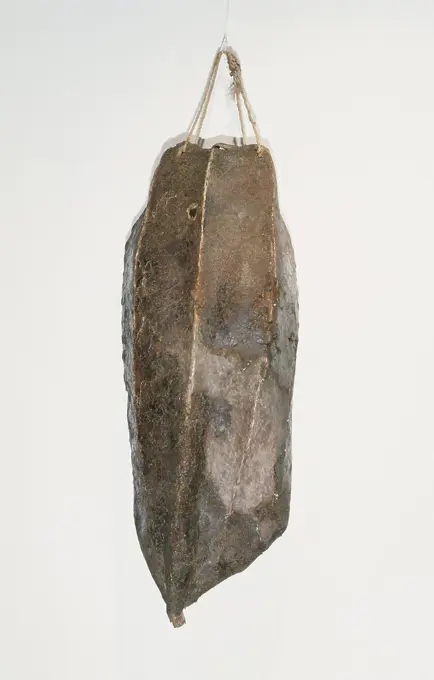
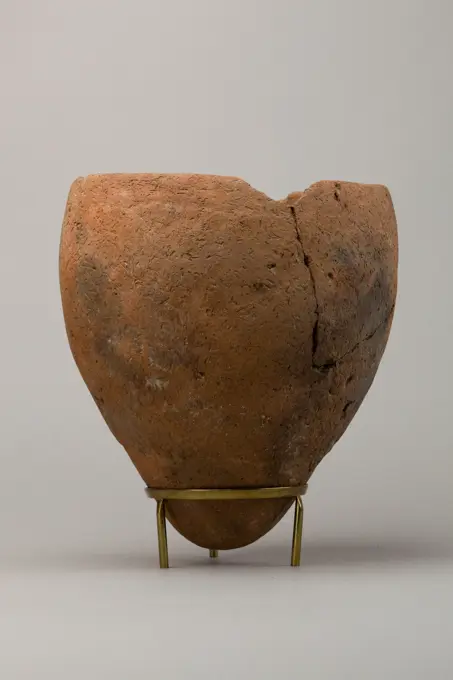
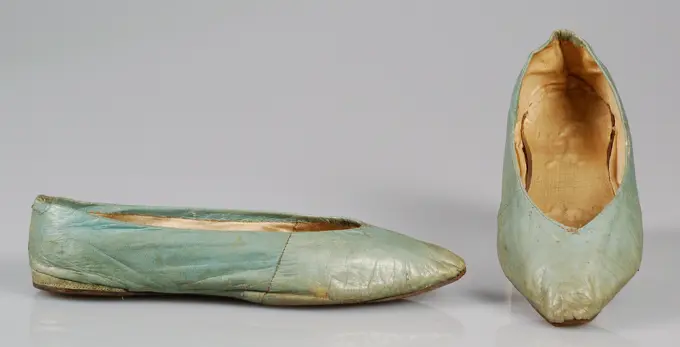
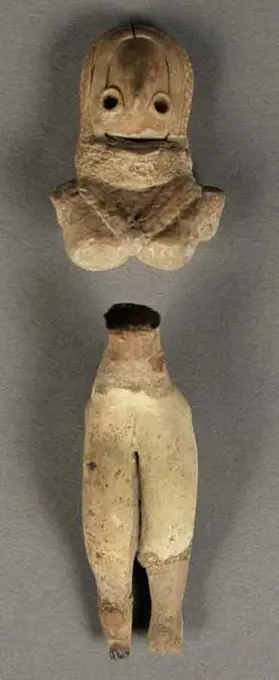
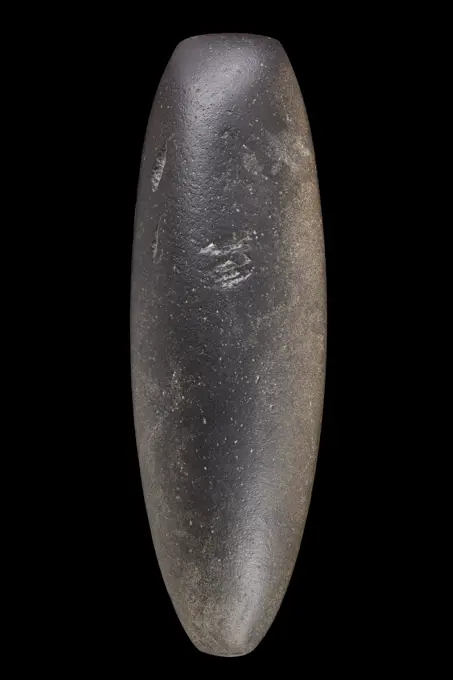
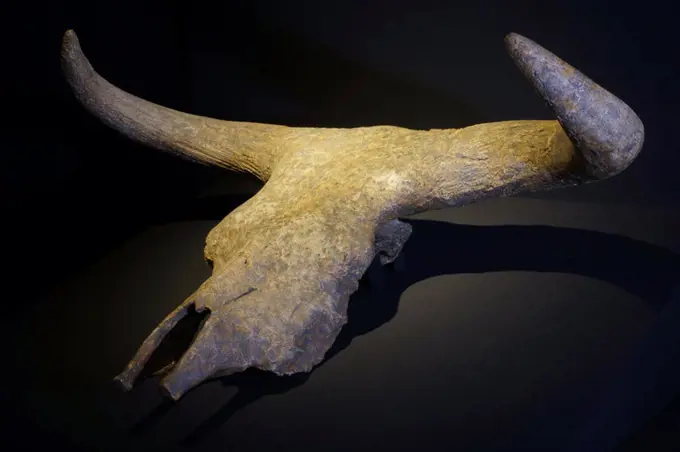
Medieval Artifacts from Euboea

A collection of historical artifacts including armor, pottery, and a chess piece, reflecting Coptic and medieval craftsmanship from ancient cultures.
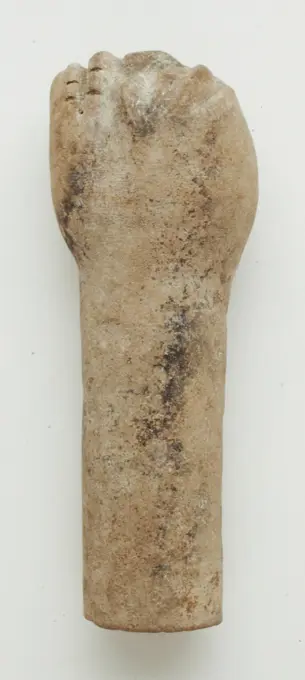
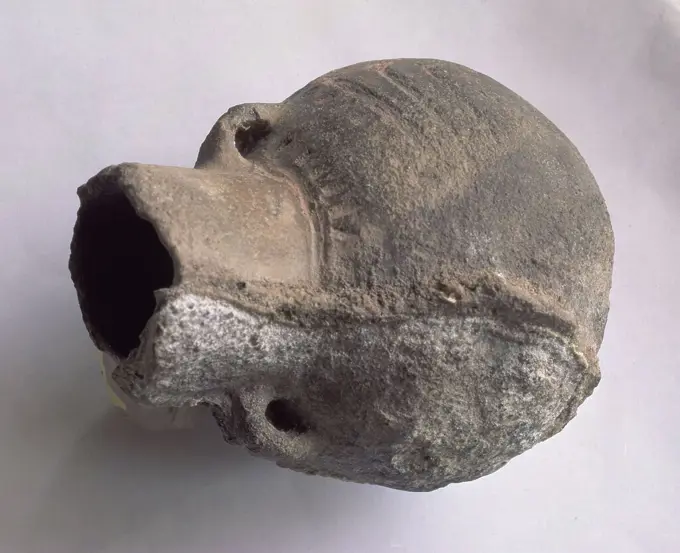
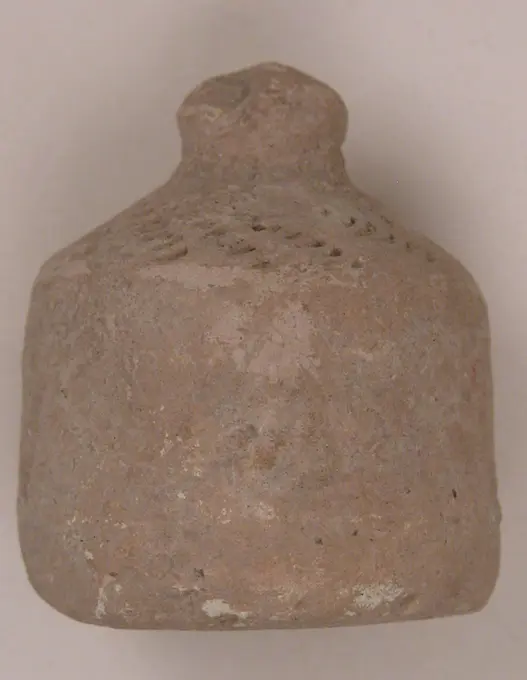
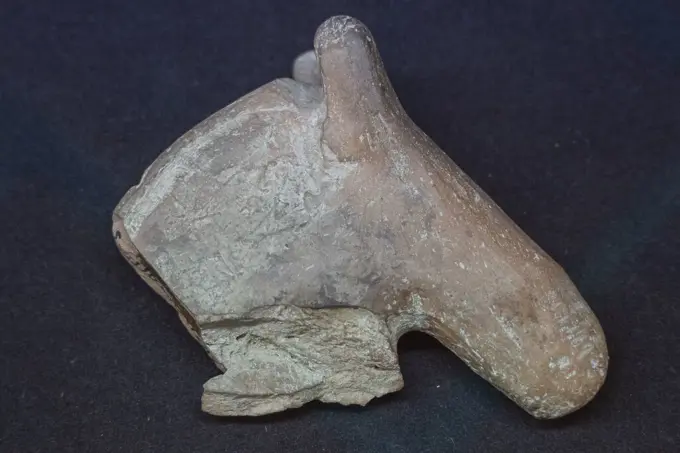
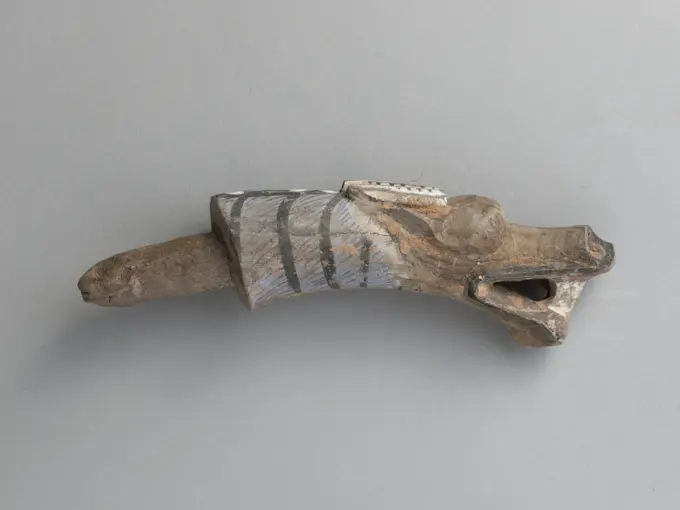
Hollow Tenon with a Death Head on the End, 9th century, 6 3/4 in. (17.15 cm), Earthenware, Mexico, 9th century
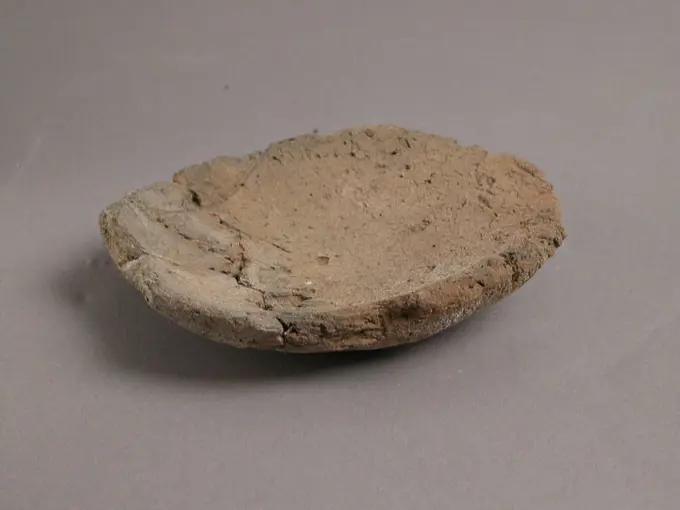
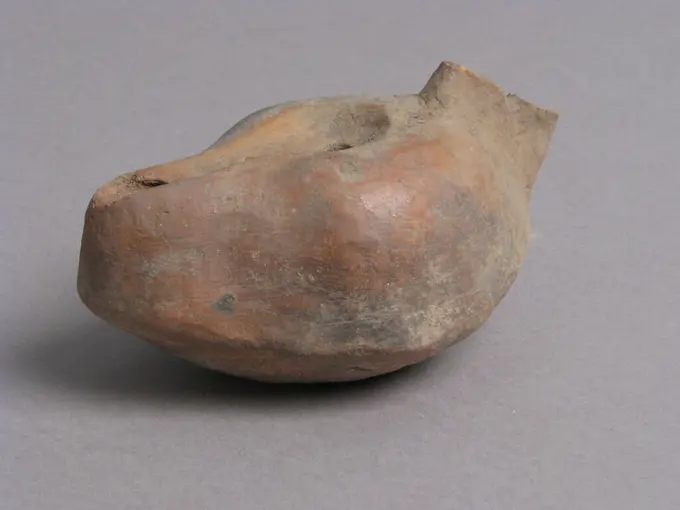
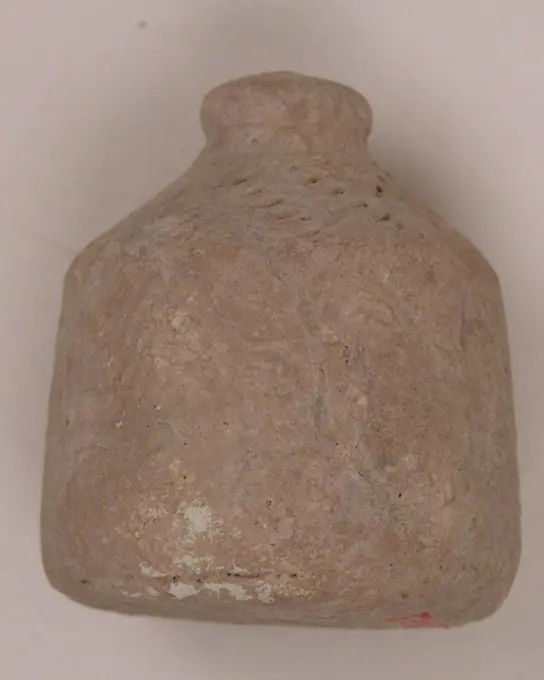
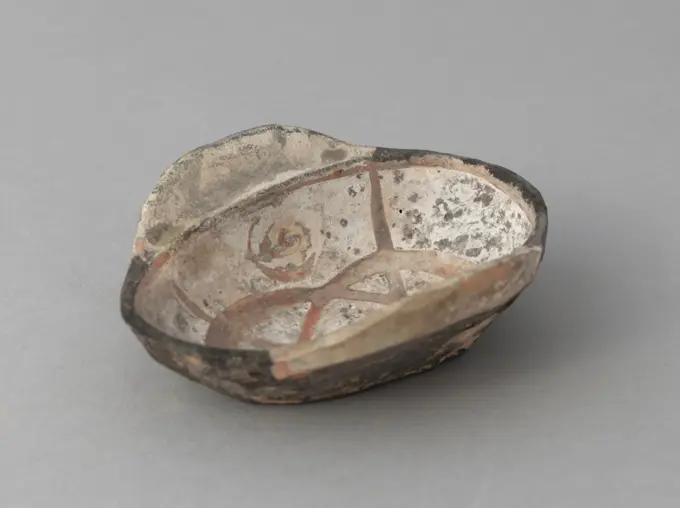
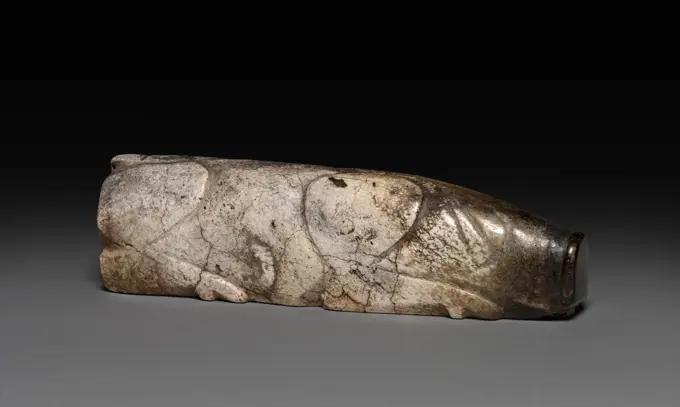
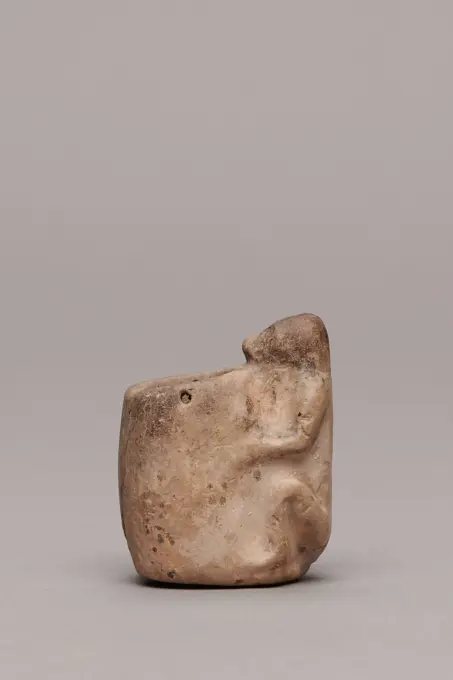
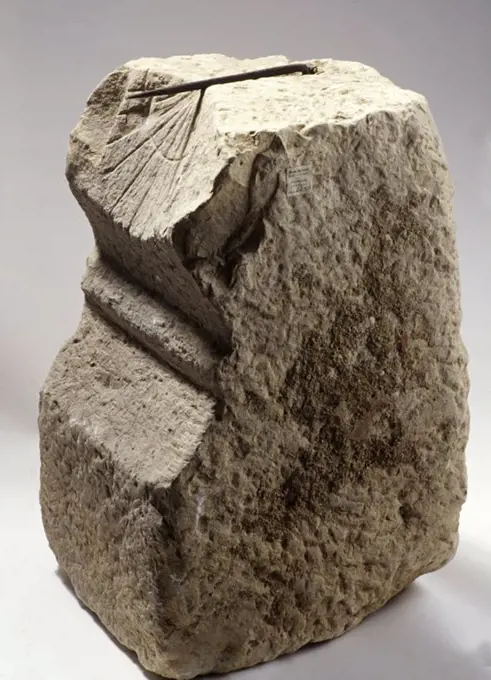
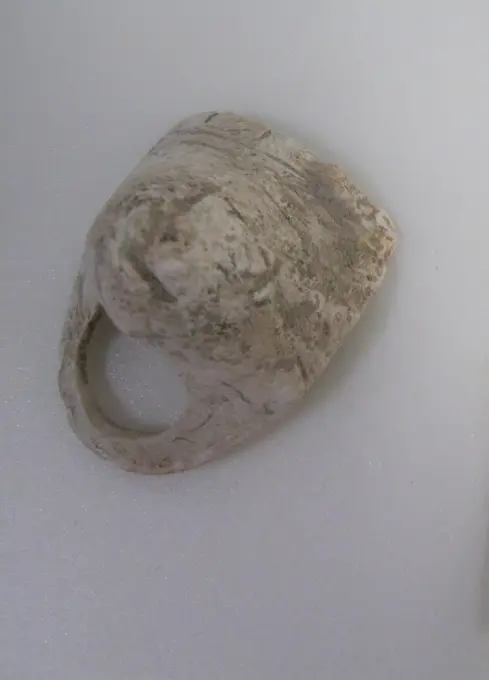
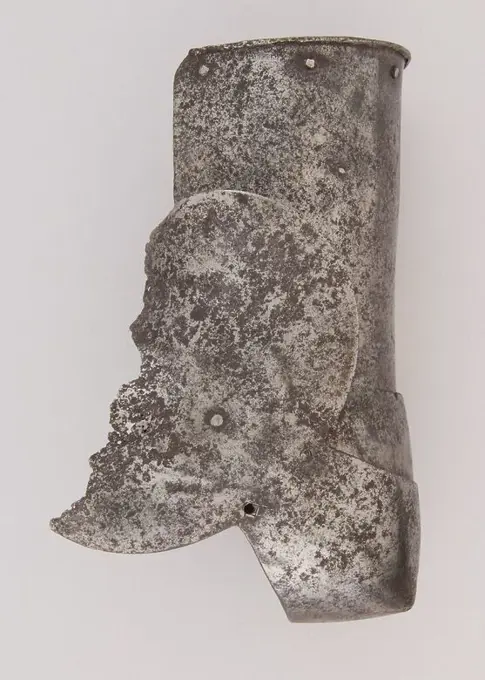
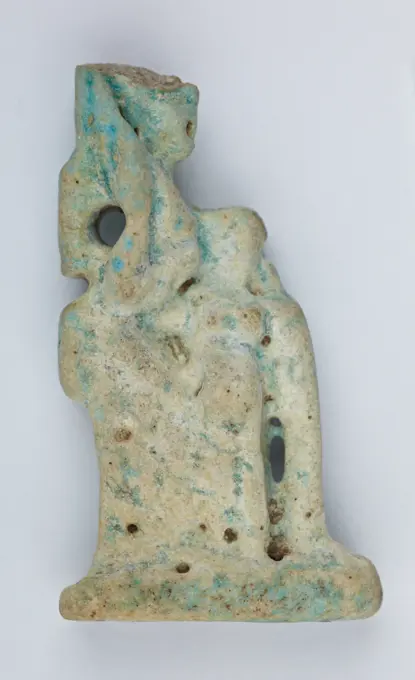
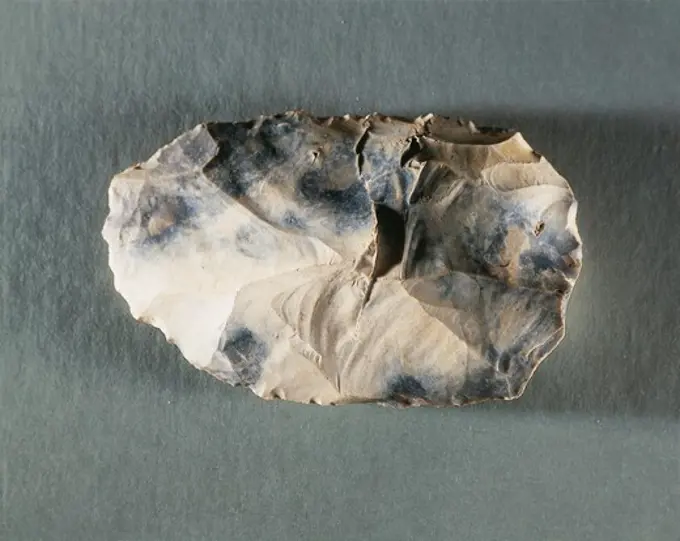
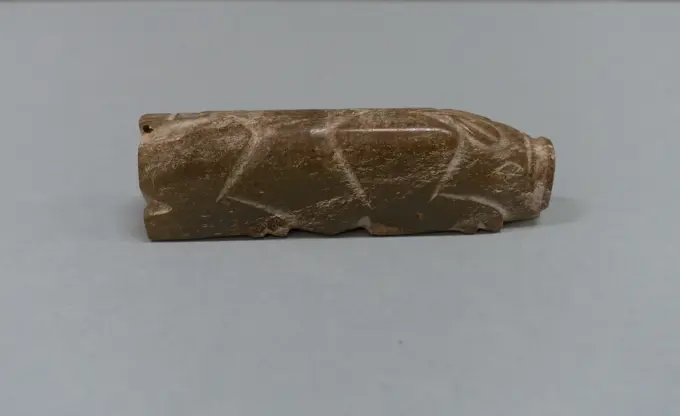
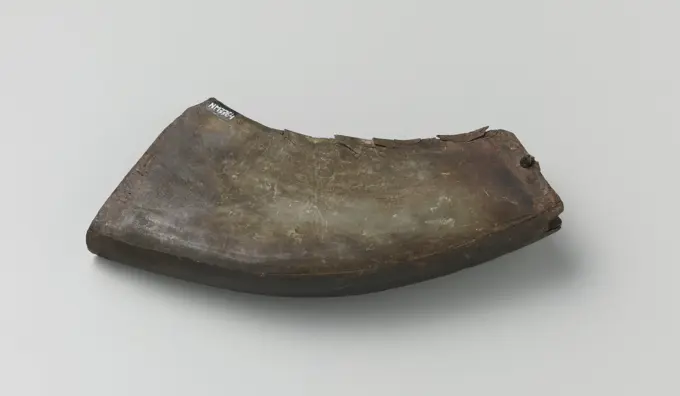
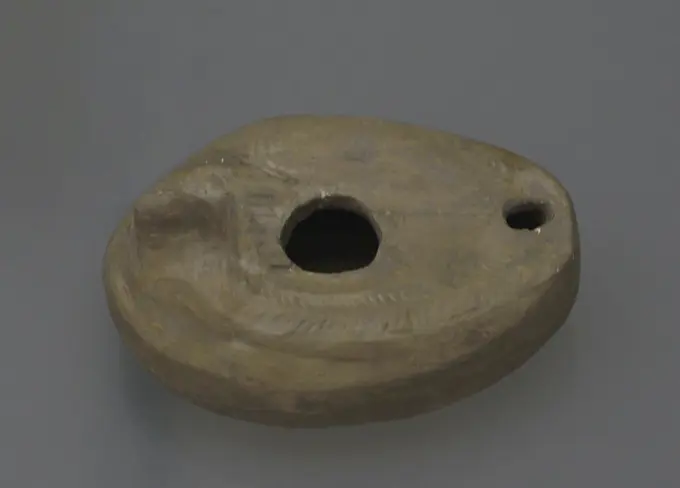
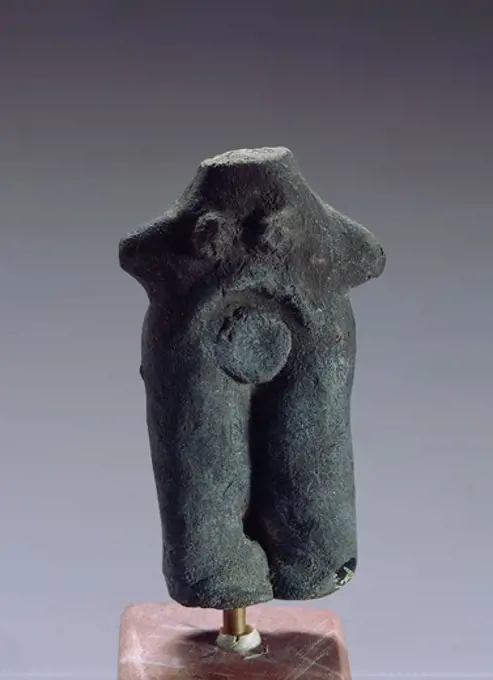
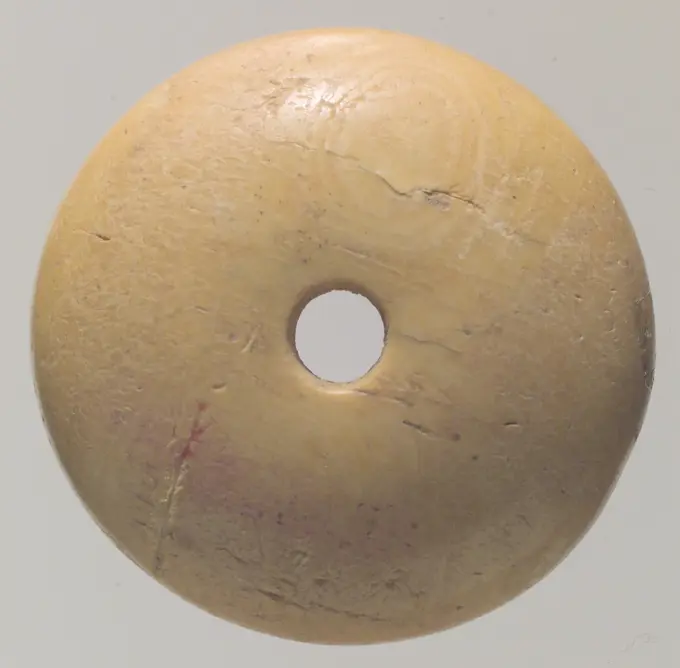
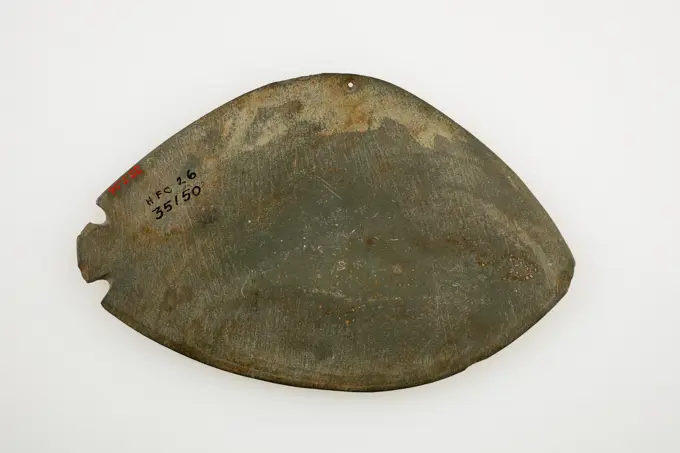
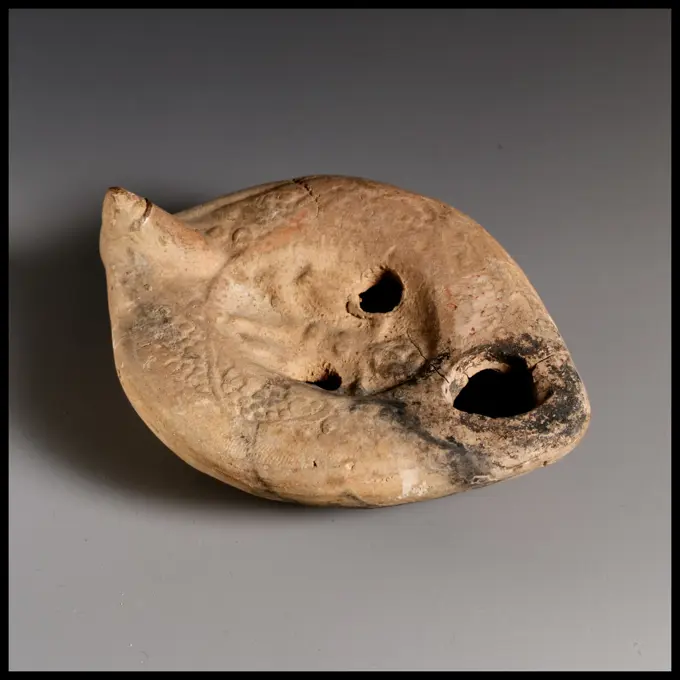
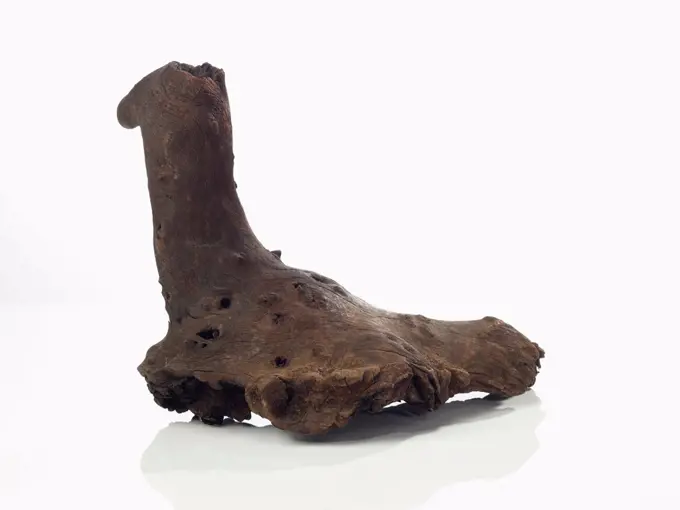
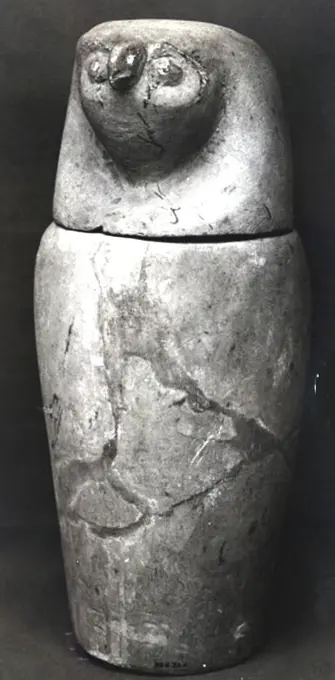
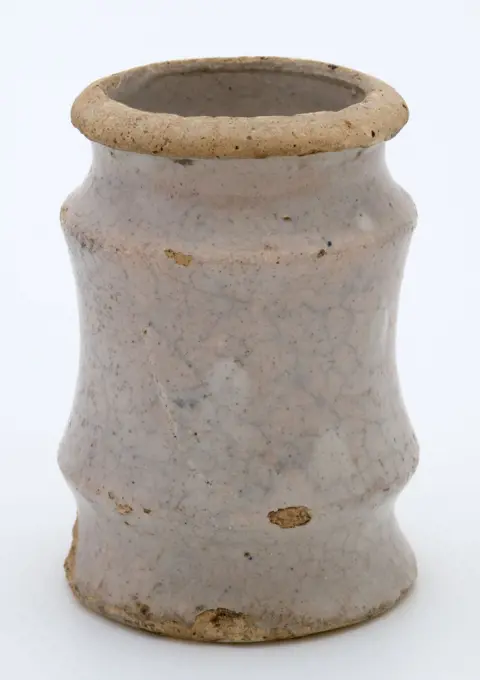
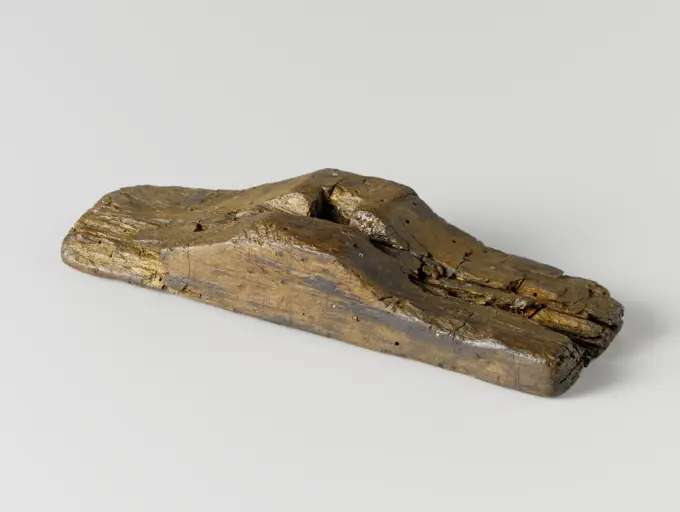
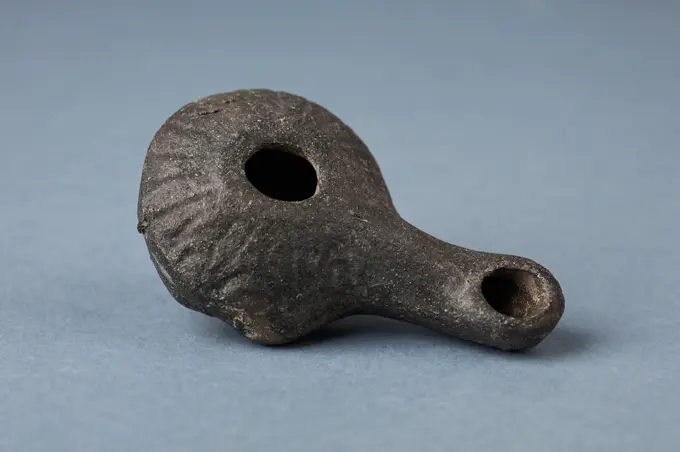
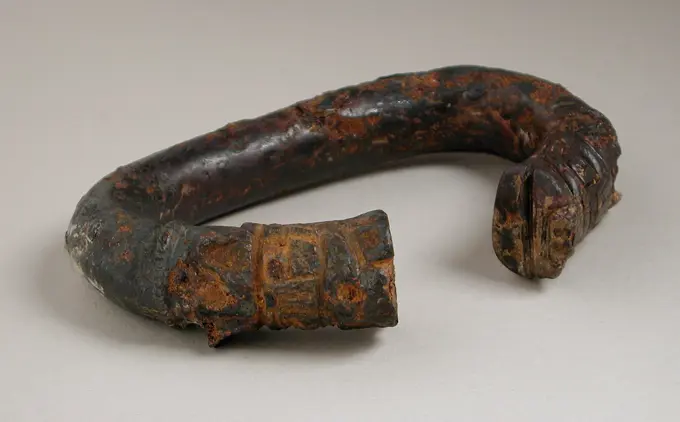
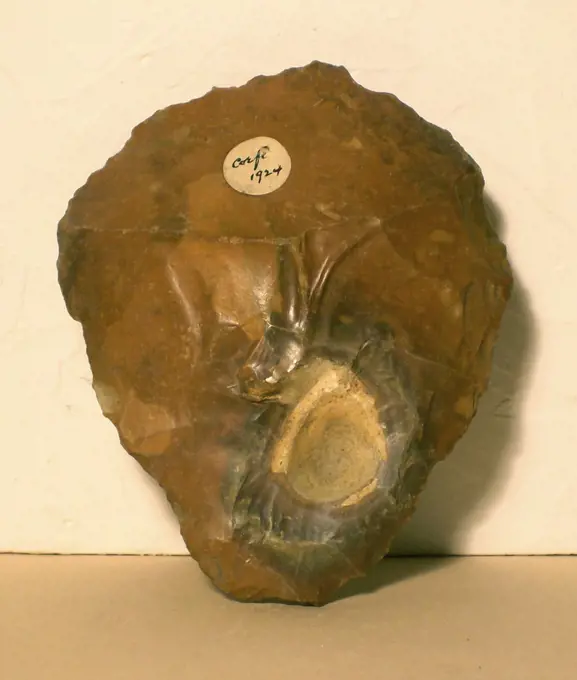
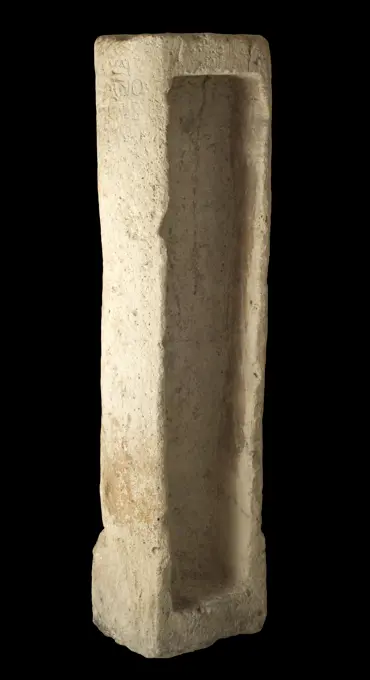
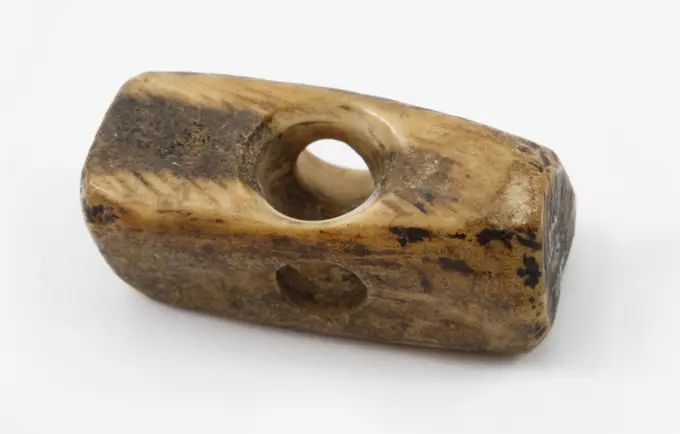
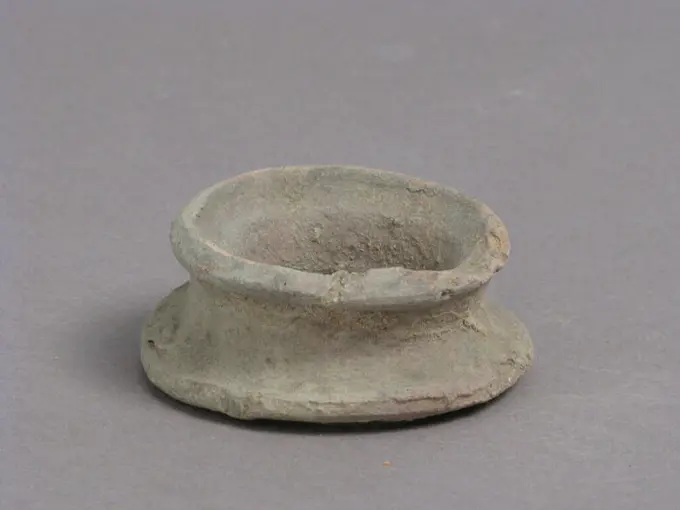
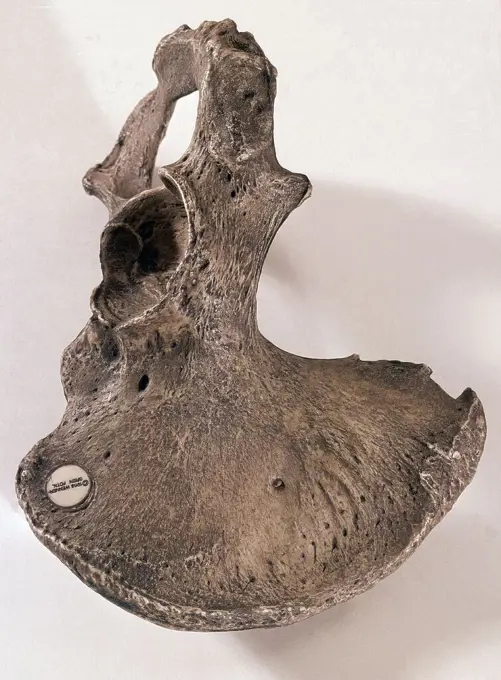
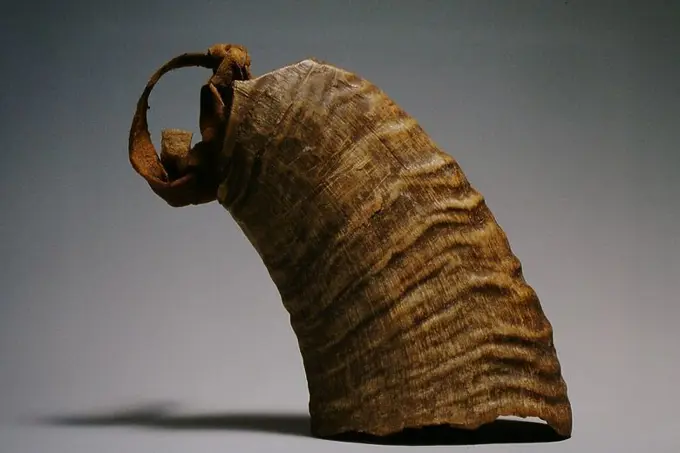
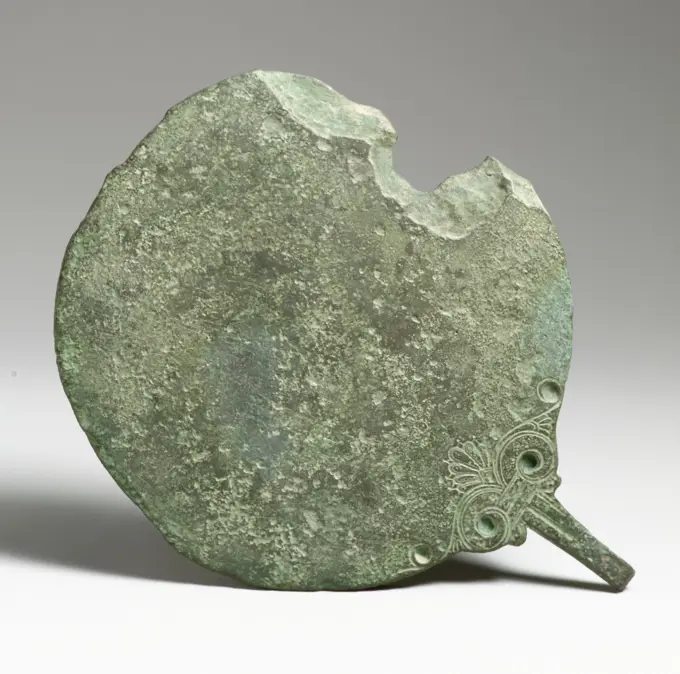
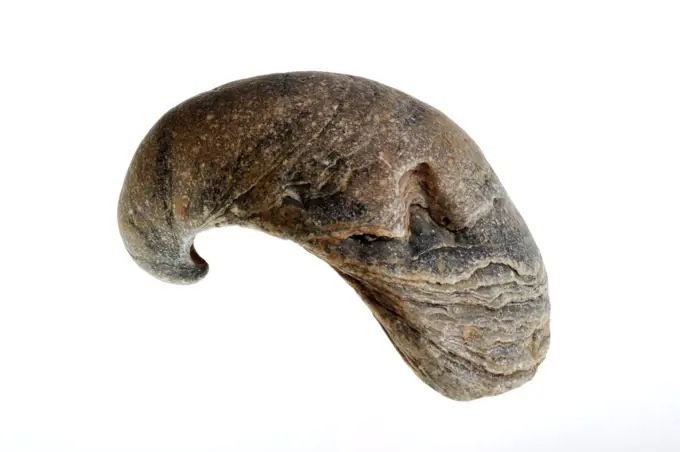
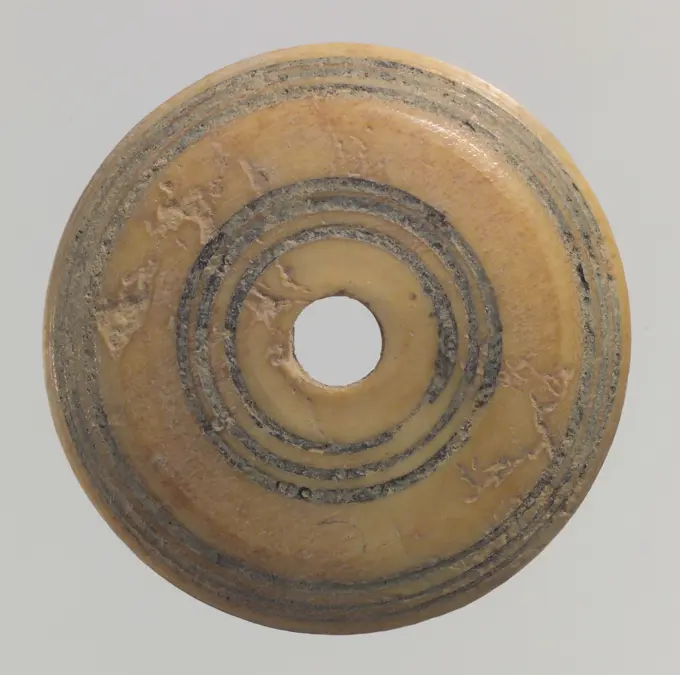
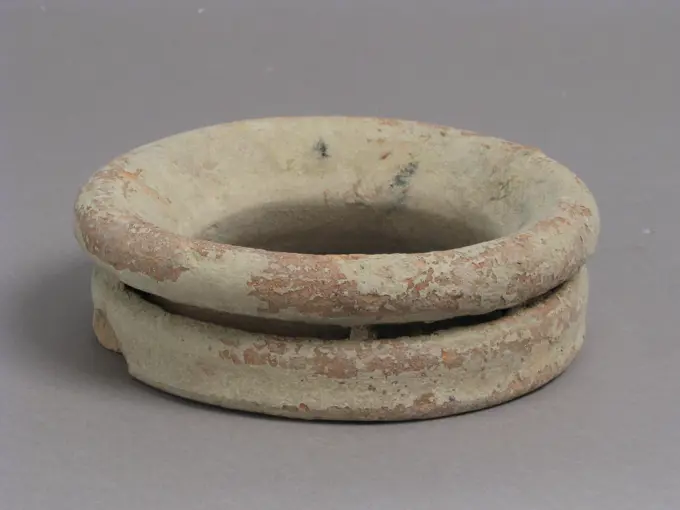
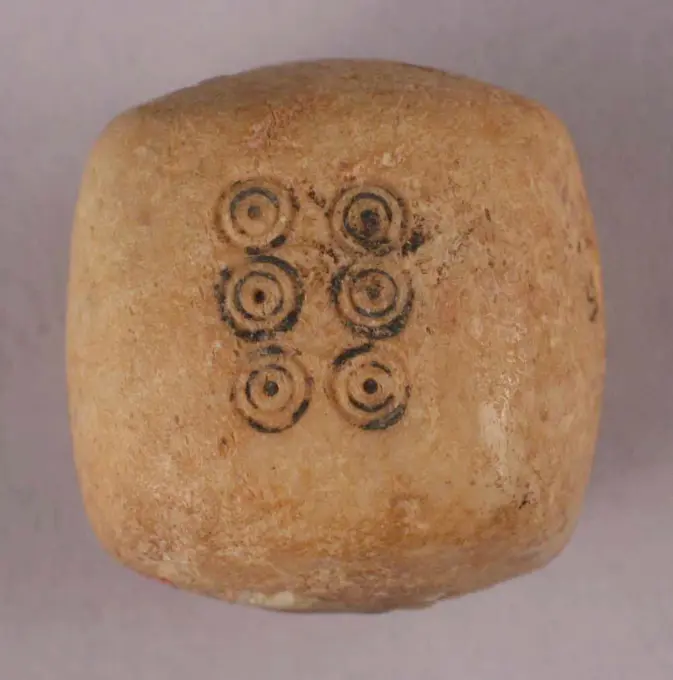
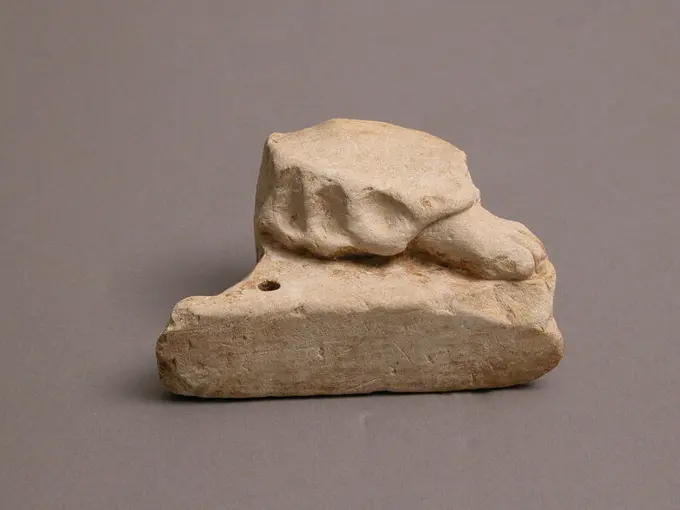
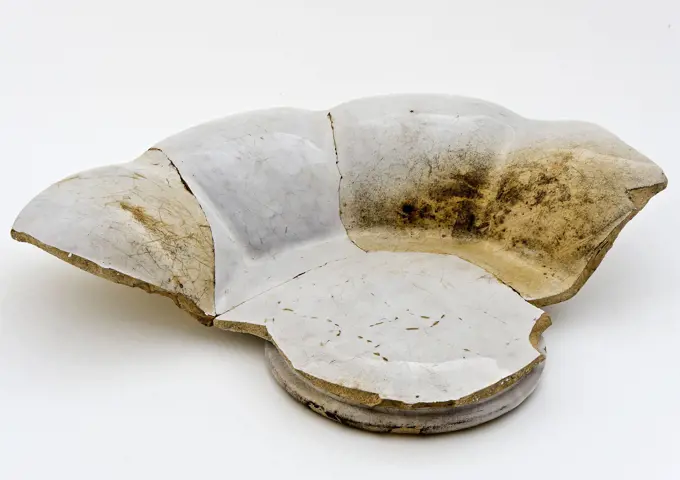
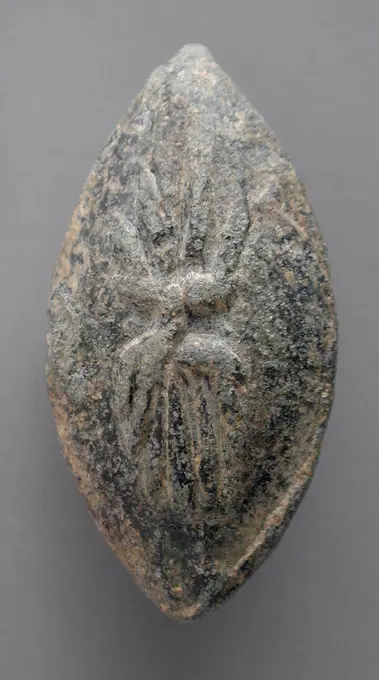
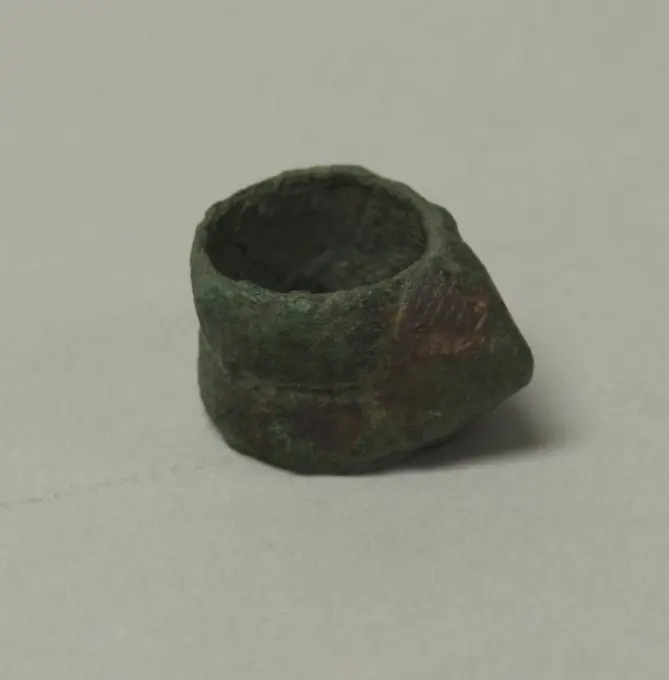
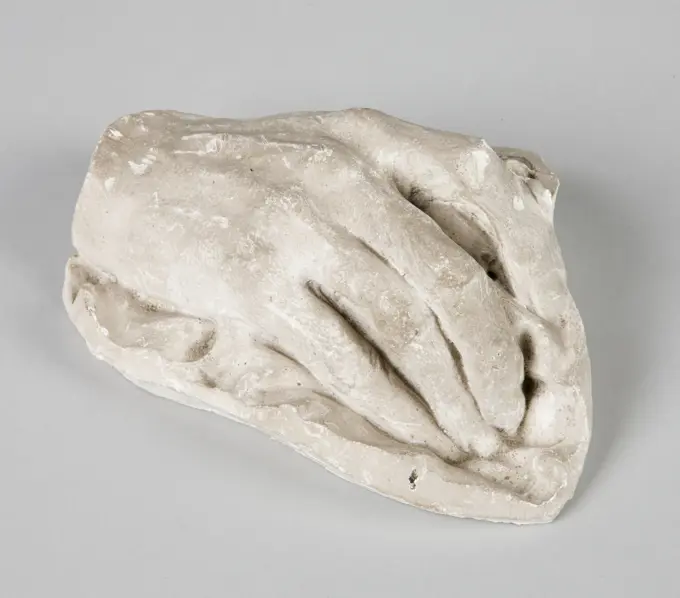
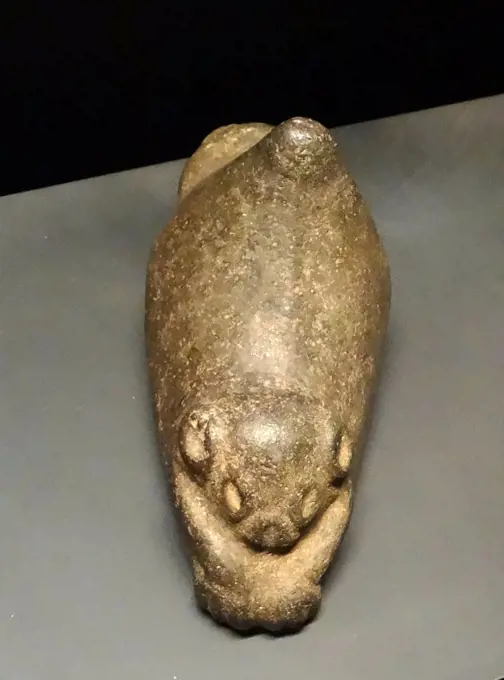
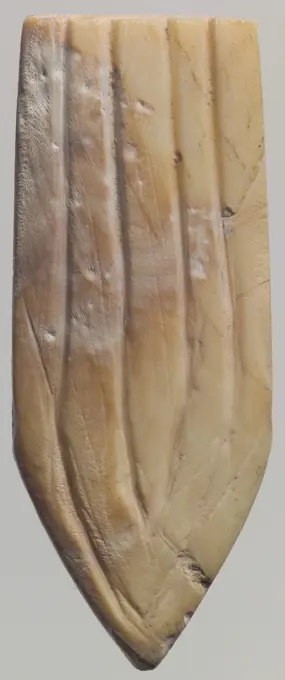
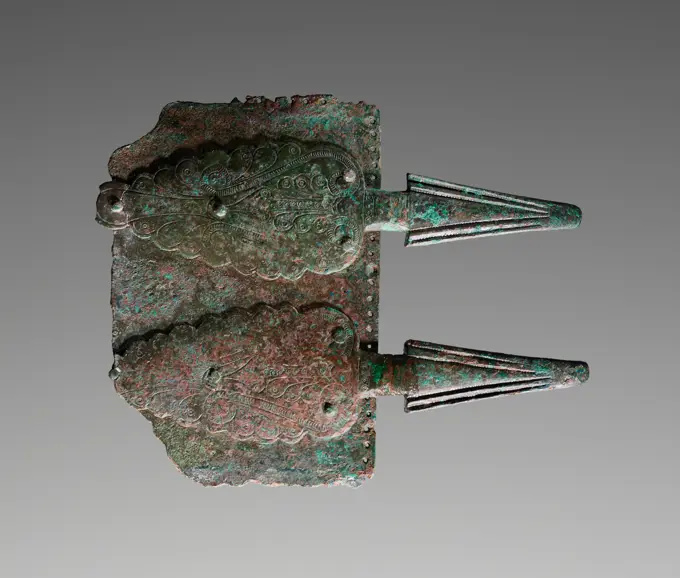
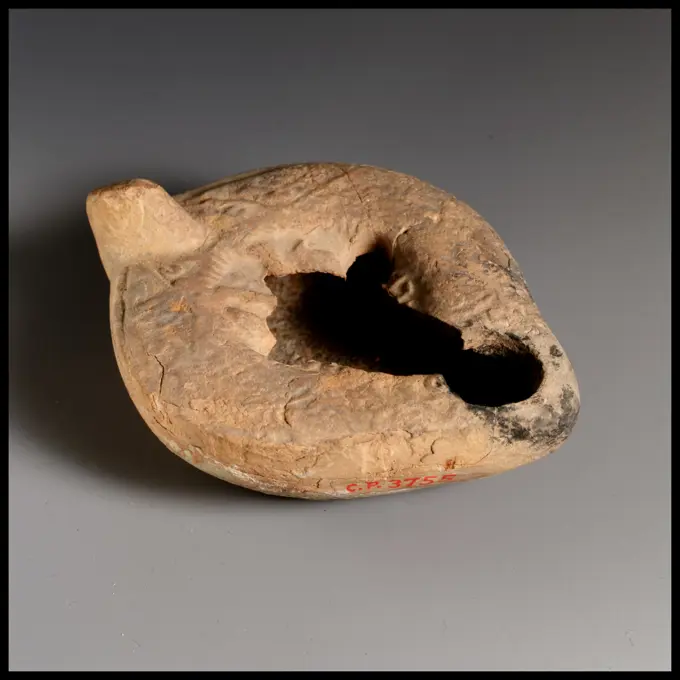
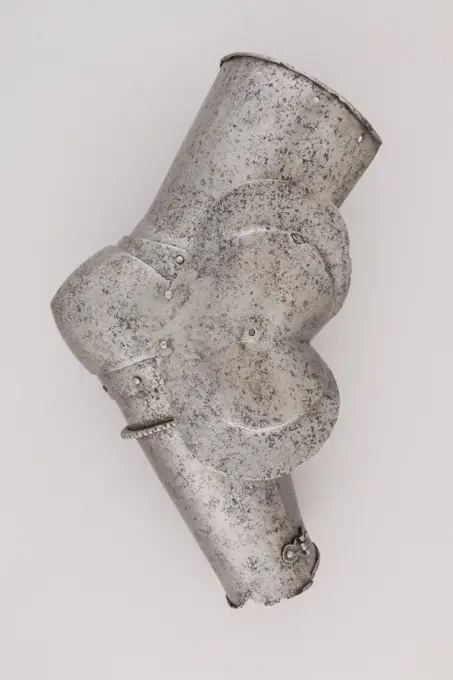
Arm Defense 15th century Italian This is part of a large find of medieval armor discovered in 1840 in the ruins of the fortress of Chalcis, on the Greek island of Euboea (then a Venetian colony called Negroponte). The fortress had been captured and destroyed by the Turks in 1470. Now divided largely between the Ethnological Museum, Athens, and The Metropolitan Museum of Art, the Chalcis hoard contains many rare and unusual elements of fourteenth- and fifteenth-century armor. Of particular importance are the variety of headpieces and the many fragments of brigandines (armor for the torso constructed of small plates riveted to layers of fabric), some of which retain portions of their original velvet covering. The Chalcis armor provides a unique picture of the armament used in the Aegean, one of the easternmost military outposts of the Venetian empire.. Arm Defense 663054Bowl. Culture: Coptic. Dimensions: H: 1 1/8 in. (2.9 cm); W: 4 5/16 in. (10.9 cm); Depth: 3 7/8 in. (9.8 cm). Date: 4th-7th century. Museum: Metropolitan Museum of Art, New York, USA.Oil Lamp. Culture: Coptic. Dimensions: Overall: 2 1/16 x 3 7/8 x 2 9/16 in. (5.3 x 9.9 x 6.5 cm). Date: 4th-7th century. Museum: Metropolitan Museum of Art, New York, USA.Chess Piece, Pawn 8th-11th century. Chess Piece, Pawn 452357Fragment earthenware dish on broad stand ring, biscuit, without glaze, plate dish tableware holder soil find ceramic earthenware biscuit, ring 10.2 hand turned fried Fragment earthenware dish on broad stand ring biscuit without glaze. Shallow dish with curved mirror and shoulder on the transition from mirror to flag. Stand ring pierced for hanging hole Misbaksel; one baked dish orange yellow shard on stand During or after baking broken or deformed and then rejected for further processing and discarded. Small fragment of stuck earthenware on the shoulder archeology City Triangle Rotterdam Town Hall indigenous earthenware craft stewardry Soil discovery: probably found around the Council House in Rotterdam 1914 - 1917.CERAMICA DECORADA DE NERJA. Location: ARCHAEOLOGICAL MUSEUM. Malaga. SPAIN.Chess Piece, Probably a Pawn 8th-11th century. Chess Piece, Probably a Pawn 452354Mingqi cuts ". Terracotta. Han dynasty (206 BC 220 AD). Paris, Cernuschi museum. 157345-6 Asian art, Chinese art, Han dynasty, mingqi cut, terracottaPig, 1045-256 BC. China, Zhou dynasty (c. 1046-256 BC). Jade; overall: 12.1 cm (4 3/4 in.).Hollow Tenon with a Death Head on the End, 9th century, 6 3/4 in. (17.15 cm), Earthenware, Mexico, 9th centuryNaczynko na kohol z małpką. unknown, authorHorse head from Iberian Culture, Los cenizales, Simancas, Valladolid Museum - Provincial Museum of Antiquities, Autonomous Community of Castile and Leon, Spain.RELOJ DE SOL PROCEDENTE DE ZAMARRACIN, EN EL MUSEO DE SANTA CRUZ.Clay Ring, 400-999, 2 x 1 1/2 in. (5.08 x 3.81 cm), Earthenware, Mexico, 5th-10th centuryMale character with a shield ". Porcelain. Period of the ten kingdoms. Paris, Cernuschi museum. 157046-15 Asian art, Chinese art, shield, period ten kingdoms, male character, porcelainUpper Arm Defense (Rerebrace) and Elbow Defense (Couter). Culture: Italian. Dimensions: H. 9 in. (22.9 cm); W. 6 1/2 in. (16.5 cm); D. 5 1/2 in. (14 cm); Wt. 1 lb. 2.2 oz. (516 g). Date: ca. 1430-40. Museum: Metropolitan Museum of Art, New York, USA.Amulet - Isis with HorusPrehistory, France, Paleolithic. Levalloisian culture. Flint utensil from Montreres.Pig in Recumbent Position 1st-2nd century China Small images of pigsa symbol of wealth in ancient Chinasculpted in jade or soapstone, were often placed in the hands of the deceased to express the wish for wealth in the afterlife.. Pig in Recumbent Position. China. 1st-2nd century. Jade (nephrite). Eastern Han dynasty (25-220). JadeFragment Facetted Steel of a flute glass from the wreck of the East Indians Hollandia, Anonymous, 1700 - in Or Before 1743 drinking glass Glass, stem glass, steel, faceted; fragment, sim. NG 1980-27H1846. Netherlands glass   SecondClock and gunpowder horn, anonymous, 1590 - 1597 powder horn Fragment of a crush horn. From above and below open. The iron fills and the end have disappeared. There are still present remains of the spring and a part of the lever to close the filling. Small Kruithoorn of iron, wood, horn and copper. Netherlands horn (animal material). wood (plant material). copper (metal). iron (metal) cutting / forging  Nova Zembla. Saving HuysChess Piece, Pawn 9th-11th century. Chess Piece, Pawn 452339Yoke in Form of a Jaguar. Mexico, Central Veracruz, Veracruz, Veracruz, 600-900 CE. Stone. RhyoliteFinial 11th-12th century. Finial 449582Lucerne. 5th century original fragment and reconstruction in plaster (20th century) by Carlos Javier Alvaro Chirveches. From Toledo, Spain. Deposit of the Museum of Santa Cruz (Toledo, Spain). Sephardic Museum. Toledo. Castile-La Mancha. Spain.Model shell 306-30 B.C. Ptolemaic Period. Model shell 551076Oil LampCopper bell of rattle, musical instrument or horse harness, bell sound medium Soil discovery copper brass metal, soldered Small copper bell of rattle musical instrument or horse harness Wide flat seam around the arching archeology Rotterdam rail tunnel communication sound child play rattle infant rattle music rigging horse Soil discovery: rail tunnel Rotterdam.Bow-Drill Fragment 580-640 Coptic. Bow-Drill Fragment 474916Legs throw, unnoticed, castor toy relaxant soil find leg, cleaned Legs cast-up leg Koot is damaged by use during play but can also come from offal without ever being played with. Koot does not carry readable marks archeology Rotterdam rail tunnel game play child relaxation Soil discovery: tracé rail tunnel Rotterdam.Lid. White proto-Grès with ivory covered. Green enamel drops. Cernuschi Museum, Asia Museum of Asia in the city of Paris.Stone polished axe. North Africa, Neolithic. 4.1cm.pugilate mitt pugilate mitt, bronze, Ibero-Roman era, 1st-3rd century AD. Riotinto, Huelva Museum, Huelva, Andalusia, Spain Copyright: xZoonar.com/BartomeuxBalaguerxRotgerx 21720817Prehistory, Albania, Neolithic. Standing ceramic female figure. From Korce.Model of a trussed oxen ca. 2051-2000 B.C. Middle Kingdom. Model of a trussed oxen 544052Brick from the wreck of the East Indians Hollandia, Anonymous, 1700 - in or before 1743 brick (clay product) Constructional elements, brick; sim. 80H2567, sim. 80H1208, sim. 80H1009. Netherlands brick (clay product)   SecondSpindle whorl 3rd-2nd millennium B.C.. Spindle whorl 324899Fragment Pijpenkop, Anonymous, 1710 - 1740 Fragment piping head with two small flowers. Of the excavations on the Hofstede Arentsburg 1827-1831 under the supervision of Professor Reuvens. Netherlands pipe clay Fragment piping head with two small flowers. Of the excavations on the Hofstede Arentsburg 1827-1831 under the supervision of Professor Reuvens. Netherlands pipe clayAmulet - CatPalette, fish ca. 3300-2960 B.C. Predynastic, Naqada III. Palette, fish. ca. 3300-2960 B.C.. Greywacke. Predynastic, Naqada III. From Egypt, Southern Upper Egypt, Hierakonpolis (Nekhen), Fort Cemetery (Hk 27), MMA excavations, 1934-35Terracotta oil lamp 3rd-4th century A.D. Roman, Cypriot Vessberg Type 18. Unpierced handle. Mold-made. Discus: naked man facing front but moving to right, holding large bulbous jar in lowered right hand and with a small amphora below raised left arm; around edge of discus, close-set, short radiating lines. Two filling holes. On broad shoulder, stylized vines with many grapes. Deep concave base.. Terracotta oil lamp. Roman, Cypriot. 3rd-4th century A.D.. Terracotta. Late Imperial. TerracottasTree root on white backgroundHuman figurine in painted ceramic, Huesca, Iberian period three hundred and fifty to fifty BC, Huesca museum, Aragon community, Spain.Canopic jar with falcon lid. Dimensions: h. 34.1 cm (13 7/16 in). Dynasty: Dynasty 21-30. Date: ca. 1070-343 B.C.. Museum: Metropolitan Museum of Art, New York, USA.Pottery Fragment 4th-7th century Coptic. Pottery Fragment 478928Pottery ointment jar, lightly tapered with three necking, white pink glazed, ointment jar pot holder soil find ceramic earthenware glaze tin glaze, hand turned baked 2x glazed Pottery ointment jar slightly tapered with wider base and three necking Fully glazed pink glazed. Plank with soul So-called Delftware in the form of an albarello archeology health care indigenous pottery packing pharmacy store selling medicine medicament craftVertebra, anonymous, c. 1590 - c. 1596  Wervel in the form of a rotating elongated wooden bobbin with a square hole in the middle that serves to secure a door or hatch.  ebony (wood) cutting  Nova Zembla. Saving HuysLamp. UnknownChess Piece, Pawn 8th-12th century. Chess Piece, Pawn 452335Dish;  around 2686- 2181 BC ; Old PAdecorated betyl idol decorated betyl idol, limestone, Folha das Barradas, Sintra, , 3000-2500 BC, Huelva Museum, Huelva, Andalusia, Spain Copyright: xZoonar.com/TOLOxBALAGUERx 21720707Schijf from V.O.C. ship De 'Witte Leeuw', Before 1613  Disc with central porter.  wood (plant material)   Sint-HelenaHandleless Oil LampOracle bone fragment 13th-11th century B.C. China. Oracle bone fragment. China. 13th-11th century B.C.. Bone. Shang dynasty (ca. 1600-1046 B.C.). BoneLamp 3rd-7th century. Lamp 447835Fragment of a Figure. Culture: Coptic. Dimensions: Overall: 3 5/16 x 1 9/16 x 1 3/8 in. (8.4 x 3.9 x 3.5 cm). Date: 4th-7th century. Museum: Metropolitan Museum of Art, New York, USA.RiceMortarBracelet. Iran, Luristan, circa 1000-650 B.C.. Jewelry and Adornments; bracelets. Iron, wroughtAcheulian flint axe from Corfe in Dorset, Southern England. Stone age implement from between 400,000 and 200,000 years ago.Fragment faience drinking bowl, blue on white, with studded edge on small foot, grape bunch, drinking bowl bowl crockery holder earth discovery ceramics earthenware glaze tin glaze, Discolored by stay in the soil archeologyBillary terminal with Latin registration engraved. Limestone. Between 305 and 308. Paris, Carnavalet museum. Roman antiquity, military terminal, milestone, limestone, Latin registration serious, ancientBow drill mouthpiece -Ring. Culture: Coptic. Dimensions: Overall: 15/16 x 2 5/16 in. (2.4 x 5.9 cm). Date: 4th-7th century. Museum: Metropolitan Museum of Art, New York, USA.Amber-colored Lid. UnknownMONEDA-DARICO (24.297)DARIO III-REVERSO-14,58 MM. Location: FABRICA NACIONAL DE MONEDA Y TIMBRE-COLECCION. MADRID. SPAIN.HUESO COXAL DE HOMBRE ACTUAL. Location: FACULTAD DE BIOLOGICAS. MADRID. SPANIEN.Terracotta rim, handle, and upper body of a bowl ca. 2900-2300 B.C. Minoan From Vasiliki, Crete. Terracotta rim, handle, and upper body of a bowl 247656Bell. Culture: Native American (Hopi Tribe, Shoshonean family). Dimensions: Overall: 9 x 16.4cm (3 9/16 x 6 7/16in.)Other (rawhide loop): 8.5cm (3 3/8in.). Date: 19th century. Museum: Metropolitan Museum of Art, New York, USA.Fang culture vessel, Equatorial Guinea, 1884-1886, clay, Anthropology National Museum, Madrid, SpainMolar Flask. probably Iran, 9th-10th century. Glass. Glass, relief cutMirror 6th century B.C. Greek, Cypriot. Mirror 244303Roundel, disk. Dimensions: 3/4 × 1 1/2 in. (1.9 × 3.8 cm).Conical object with hole through it perpendicularly, and seven incised lines. Museum: Metropolitan Museum of Art, New York, USA.The Mole. Skin of a mole who, according to legend, destroyed the foundations of the cathedral during construction. Leon Cathedral Chapter. Castile and Leon. Spain.Devil's toenail fossils (Gryphaea dilatata) shot on white background, a species of Jurassic oyster, Gryphaeidae marine bivalve mollusc found in Vaches Noires, Normandy, FranceButton ca. 3rd-7th century A.D. Sasanian This small bone object has concentric circles incised in groups of three around a central perforation on its rounded top-side. The reverse of the object is flat. This object may have been used as a button or may be a spindle whorl. The function of small objects found in archaeological excavations are often difficult to identify as they are frequently recovered from disturbed contexts, or would have been attached to larger objects that have since decayed. It was excavated at the site of Maaridh II in the Ctesiphon area, and is very similar to the bone object found nearby at Maaridh IV (32.150.205). The city of Ctesiphon was located on the east bank of the Tigris River, 20 miles (32 km) south of modern Baghdad in Iraq. It flourished for more than 800 years as the capital of the Parthians and the Sasanians, the last two dynasties to rule the ancient Near East before the Islamic conquest in the seventh century. Systematic excavations in the CtesipDeep bowl ca. 3850-2960 B.C. Predynastic Period. Deep bowl. ca. 3850-2960 B.C.. Pottery. Predynastic Period. From Egypt; Probably from Northern Upper Egypt, Samayna, EEF excavaions 1898-1899Fragment of Dish 11th-12th century. Fragment of Dish. 11th-12th century. Stonepaste; glazed and luster painted. Attributed to Syria. CeramicsPerales de Tajuña (Madrid), 02/17/2016. Risco de las Cuevas archaeological site. Photo: Isabel Permuy ARCHDC.Ring 4th-7th century Coptic. Ring 478913Dice 9th-10th century The dot-in-circle motif recalls designs presumed to be of magical significance, most likely an abstract eye to ward off the evil-eye, which serves an apotropaic function. Easily reproduced with a tool and visible in many cultures and times, this symbol may have lost its meaning, and become simply a decorative pattern, or may have one that we have not yet discovered.. Dice 455223MountLeather sole of shoe, round heel, flat nose, tight sides, around sewing thread, shoe footwear clothing soil find leather, archeologyPalette, John Phillip (Aberdeen, Scotland, 1817 - 1867)Foot Fragment. Culture: Coptic. Dimensions: Overall: 1 15/16 x 3 3/4 x 2 1/8 in. (4.9 x 9.5 x 5.4 cm). Date: 4th-7th century. Museum: Metropolitan Museum of Art, New York, USA.Fragment ca. 1150-ca. 1250 European or Middle Eastern. Fragment 695193Fragment of white pleated plate on stand, faience, folding dish dish crockery holder fragment soil found ceramic earthenware glaze tin glaze, ring 12.2 hand turned hand shaped baked glazed fried Fragment folding dish. Stand ring Almost flat mirror sharply transitioning into nine lobes. Yellow shard completely covered with tin glazing Partially discolored by staying in the soil archeology Rotterdam IJsselmonde indigenous pottery serve serving food table Soil discovery: Castle IJsselmonde pit 6 Rotterdam 1972.Recumbent Lion Bead, 1980-1801 BC. Egypt, Middle Kingdom, Dynasty 12. Silver foil over a clay-bulked resin core (); overall: 0.5 x 0.6 cm (3/16 x 1/4 in.).Sling Bullet with Thunderbolt. Egypt, Late Period - Greco-Roman Period (525 BCE - 395 CE). Jewelry and Adornments; amulets. LeadSlippers 1800-1815 possibly British. Slippers 168935Fertility Goddesses ca. 2700-2000 B.C. Baluchistan. Fertility Goddesses. Baluchistan. ca. 2700-2000 B.C.. Terracotta. CeramicsStone polished axe. North Africa, Neolithic. 18,7cm.PIECES OF THE EXHIBITION "ART WITHOUT ARTISTS": REPLICA OF BOS PRIMIGENIUS SKULL (PRIMITIVE BULL). LOCATION: SAN ISIDRO MUSEUM.IJsbrand Fransz Halling,, Ear of tin brandy bowl, with two brands, brandy bowl bowl fragment soil found tin metal, cast Gelobt ear of tin bowl brandy bowl. Crowned city coat of arms not recognizable crowned bow with initials: IJF archeologyDomed Ring 300 B.C.-A.D. 300 Thailand. Domed Ring. Thailand. 300 B.C.-A.D. 300. Bronze. Late period. JewelryHand of Jan MatejkoPointed stone from the Taíno culture. Created by the Arawak people, the indigenous peoples of the Caribbean. Dated 16th CenturyTray (India); silverShell fragment ca. 2900-2350 B.C. Sumerian. Shell fragment 324890Belt Closure Fragment. UnknownTerracotta oil lamp 4th-5th century A.D. Roman, Cypriot Vessberg Type 18. Unpierced handle. Mold-made. Discus: standing man, holding large bulbous jar in right hand and an amphora in left; letters () to either side of head; around edge of discus, short radiating lines. Two filling holes. On broad shoulder, stylized vines with many grapes.On concave base, four () raised letters. Most of discus and back of nozzle missing.. Terracotta oil lamp. Roman, Cypriot. 4th-5th century A.D.. Terracotta. Late Imperial. Terracottas