Medieval Artifacts from Euboea

A collection of historical artifacts including armor, pottery, and a chess piece, reflecting Coptic and medieval craftsmanship from ancient cultures.
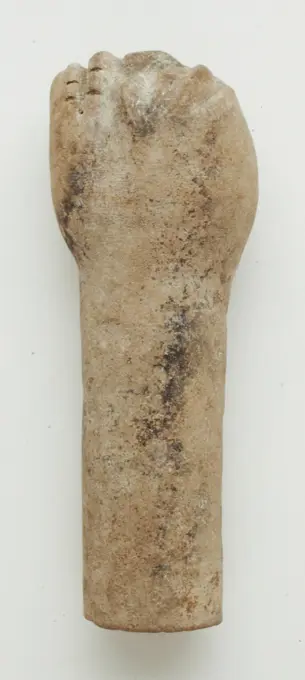
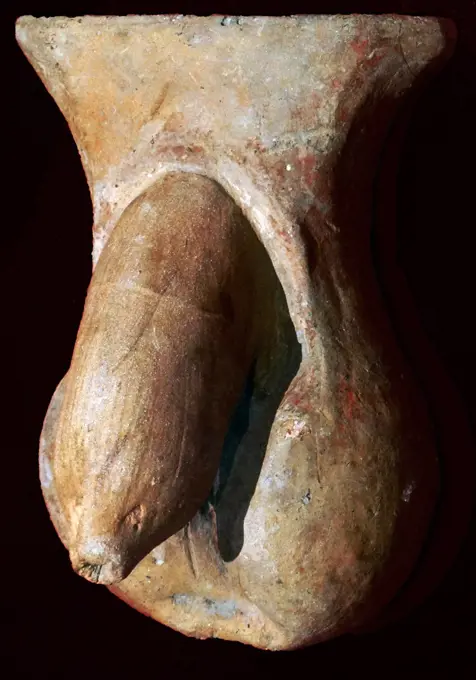
Hollow Tenon with a Death Head on the End, 9th century, 6 3/4 in. (17.15 cm), Earthenware, Mexico, 9th century
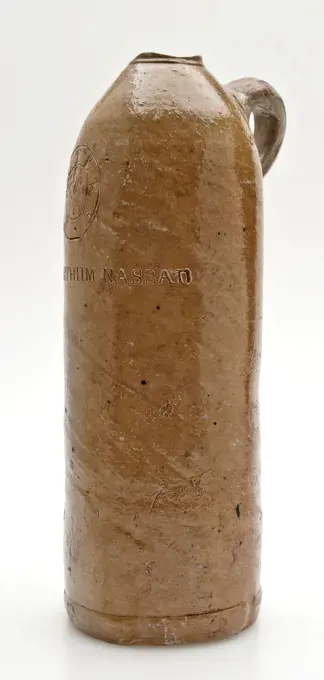
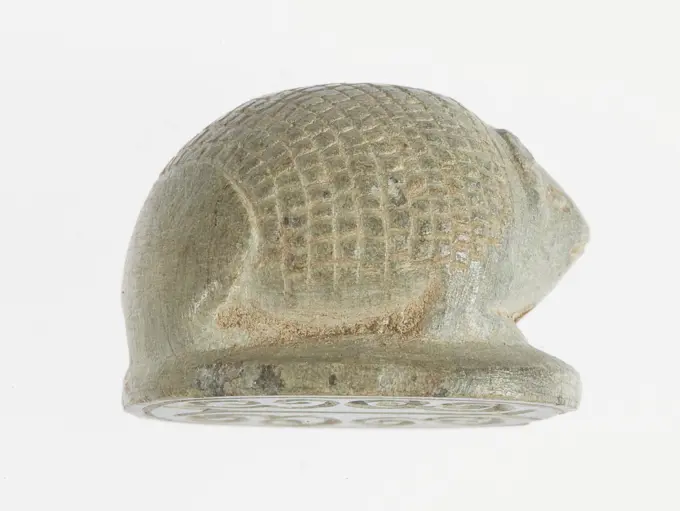
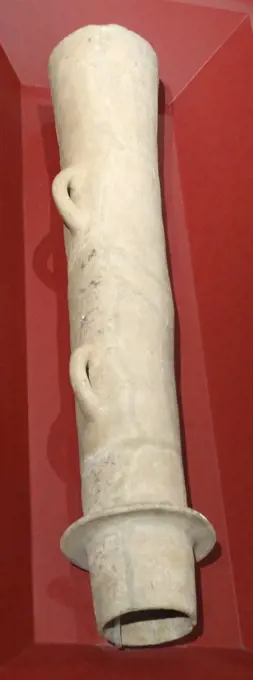
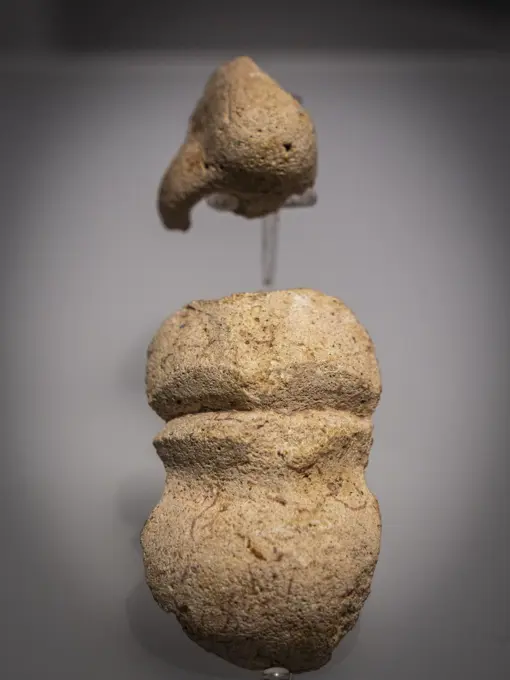
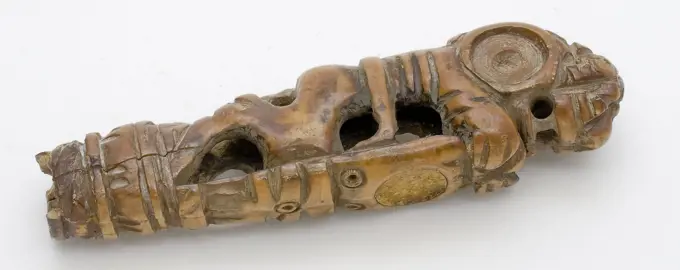
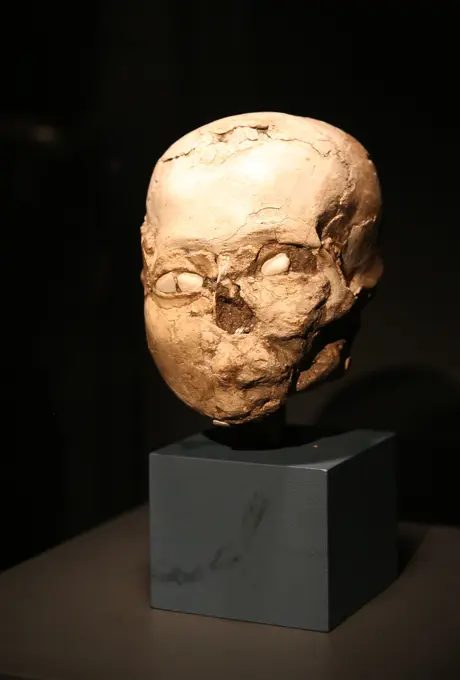
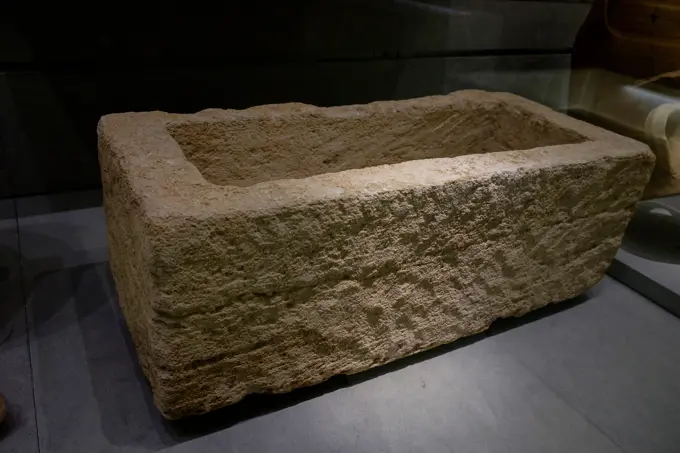
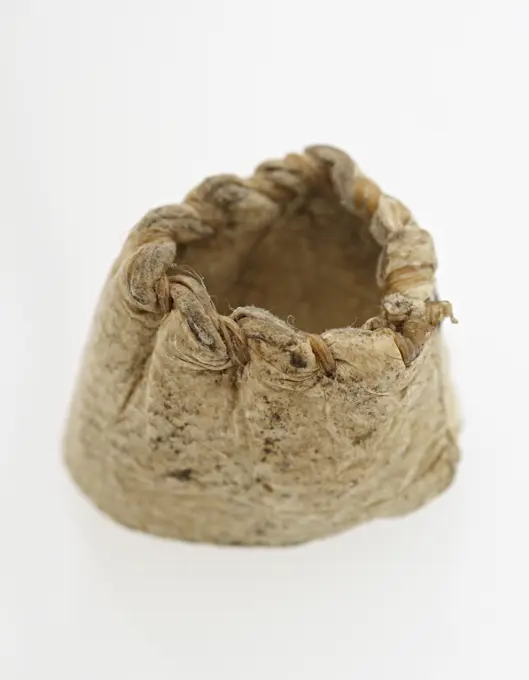
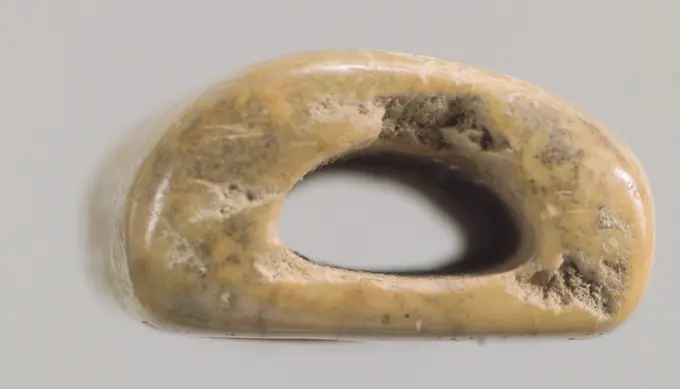
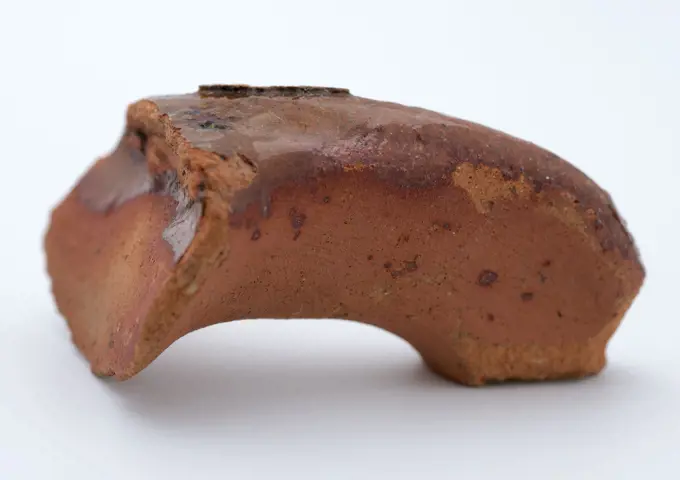
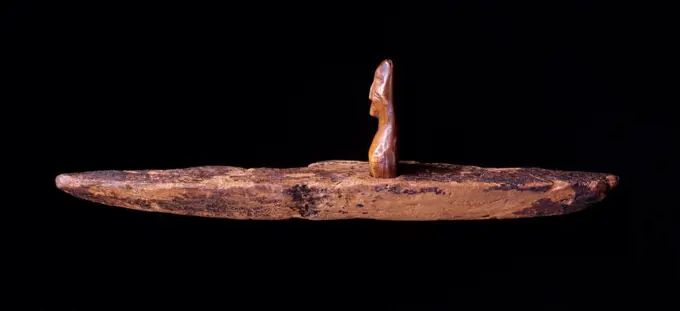
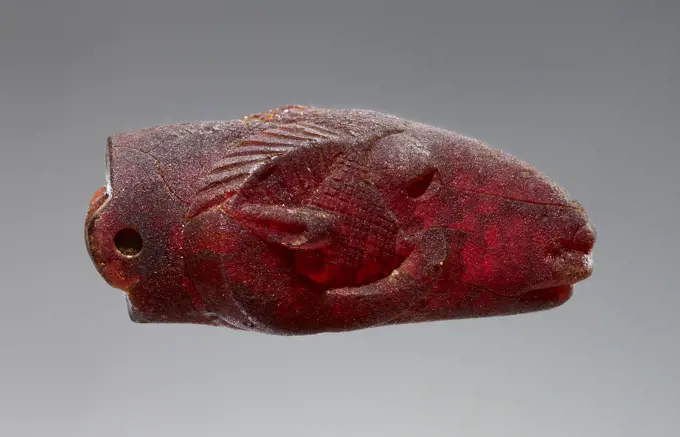
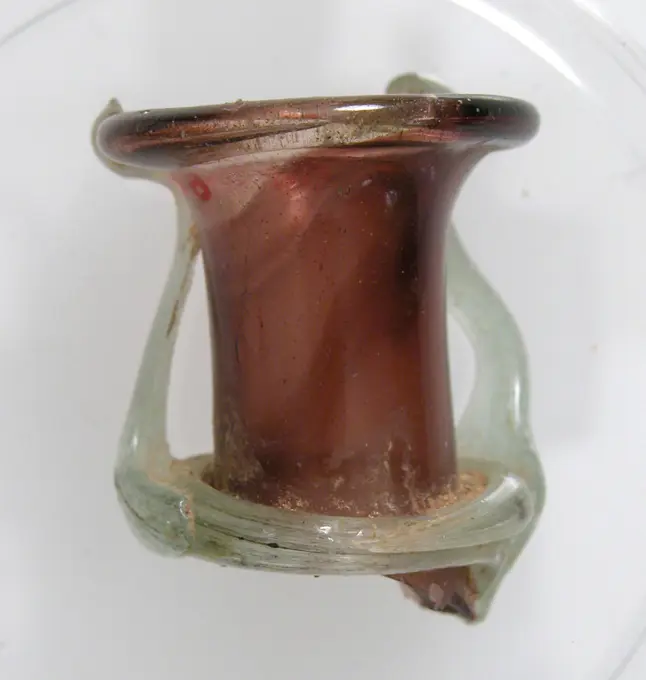
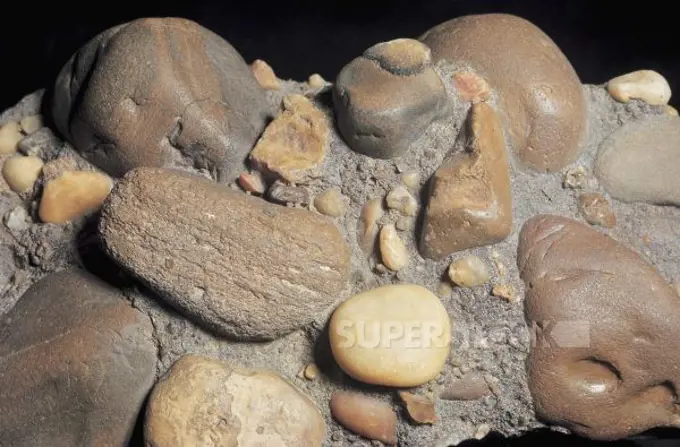
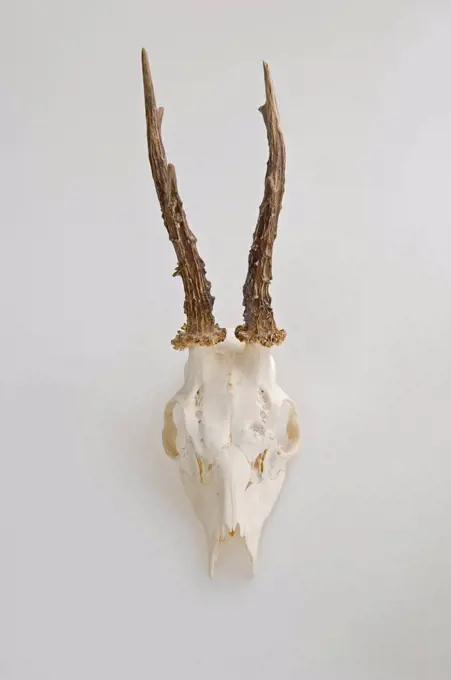
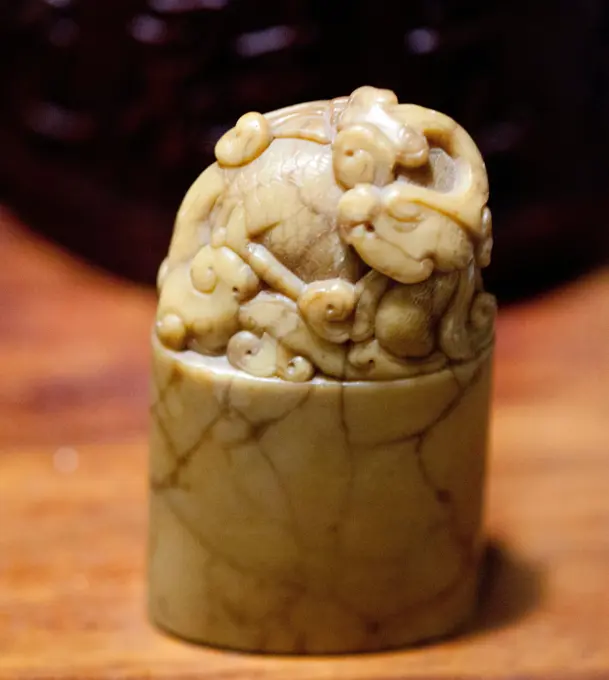
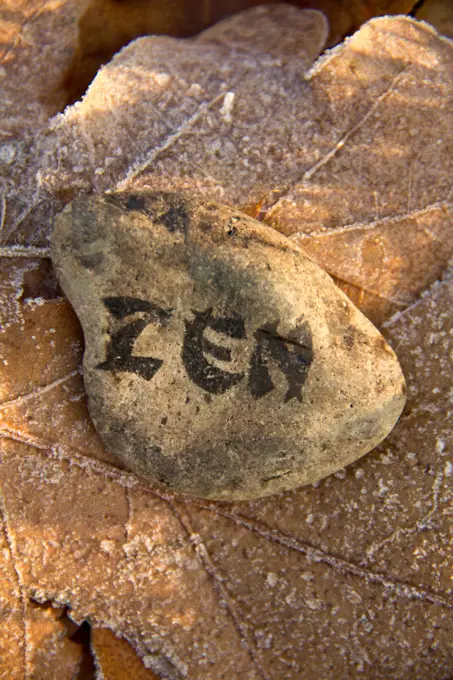
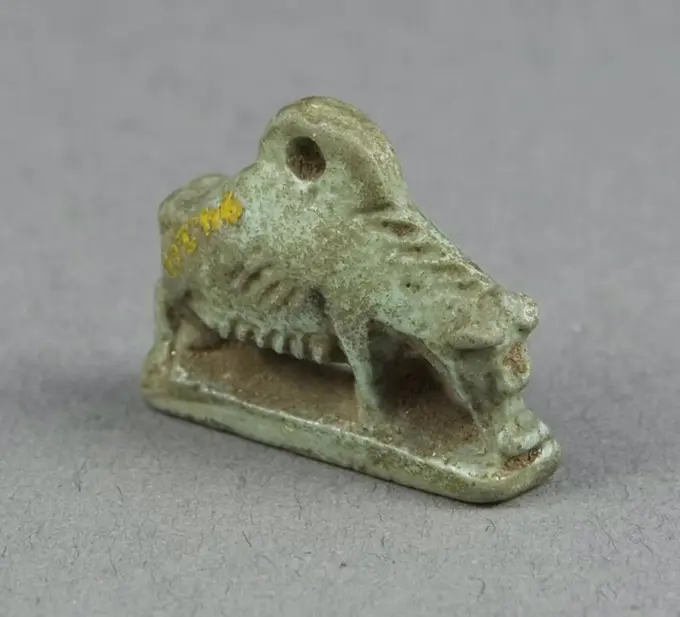
Amulet of a Sow. Egyptian. Date: 1069 BC-332 BC. Dimensions: 1.75 × .5 × 2 cm (11/16 × 3/16 × 3/4 in.). Faience. Origin: Egypt. Museum: The Chicago Art Institute, Chicago, USA. Author: Ancient Egyptian.Suzki viewing stones, Tamil Nadu, South India, India, AsiaStoneware mineral water pitcher, cylindrical with round shoulder, sausage ear and short neck, mineral water pitcher jar product packaging container soil find ceramic stoneware glaze salt glaze approx., hand turned glazed baked Stoneware mineral pitchers cylindrical with round shoulder short neck and sausage ear. Stand area with traces of deduction and soul. brown glazed. Marked under the ear and marked on the front with medallion and text. Chalkboard in medallion: SELTERS in the midfield leftwing claw lion archeology Rotterdam Kralingen-Crooswijk Struisenburg Oostmaaslaan Boslaan Buizengat advertising indigenous pottery import drinking water drinking medicine medicine packaging Soil discovery: Buizengat Oostmaaslaan Boslaan Rotterdam an old landfill of urban waste.Seal amulet in the shape of hedgehog ca. 1550-1070 B.C. Middle Kingdom. Seal amulet in the shape of hedgehog. ca. 1550-1070 B.C.. Glazed steatite. Middle Kingdom. From Egypt. Dynasty 12-17Hair strand on bar of soapCapitel, Catedral de Vic, siglo X.Drain pipes; palace at Knossos; Crete 1800-1400 BCCapital 6th-7th century. Capital 446116Ionian capital. unknown, authorfragment of a man s nose and mouth fragment of a man s nose and mouth, Iberian sculpture from the 4th century BC, heroic sanctuary Cerro de El Pajarillo, Huelma, Iberian culture, Iberian Museum of Jaén, Andalusia, Spain Copyright: xZoonar.com/Tolox 21714886Arapaho painted hide shield, with yellow and brown striped feathers attached at the top. American Indian, 47.7cm diam.Carved ivory handle, lion with shield, has section of the ground find ivory, cut bored Ivory has the shape of standing lion holding shield. On the shield there is recessed round slab of undefined material and also on the sides of the head there are round recesses in which possibly also discs have been cut archeologyPlastered human skulls.human skull covered in worn plaster, with eye sockets set with simple sea shells Tell es-Sultan, Jericho, c. 9000 BC. Neolithic. British Museum.Aspic viper (Vipera aspis) head shed, Lorraine, France.urna litica, 200-100 b.C., Ibiza and Formentera Archeological Museum, Patrimonio de la Humanidad «Ibiza, biodiversidad y cultura», Ibiza, Balearic Isl...Fragment of a Bowl or Cup 13th-16th century. Fragment of a Bowl or Cup 452452Thimble -Bead () ca. 9th century B.C. Iran. Bead () 325300Dog harness fastener -Fragment of red earthenware, partly glazed, fragment crockery holder kitchen utensils earthenware ceramics earthenware glaze lead glaze w 3,9, hand-formed hand turned glazed fried Fragments of red pottery Frying pans jugs pots of grass and bottom of small jug Spicy or only partly glazed with lead glaze archeology Rotterdam Stadscentrum Stadsdriehoek Hoogstraat indigenous pottery water washing cooking nutrition food preparation handicraft pottery Soil discovery Hoogstraat Rotterdam 15 June 1983.Ernest Casimirs Hat with a Bullet Hole, anonymous, in or before 1632 hat Hat of yellow -gray felt with wide edge. A round hole above the edge. Hoed, who wore Ernst Casimir during the siege of Roermond. Ernst Casimir died on 2 June 1632 during the siege of Roermond. He was deadly struck by a bullet in the head.  felt (textile)   RoermondUSA, Alaska, St. Lawrence Island, Okvik ivory human figure in wooden kayak, circa 200 BC to 100 ADAncient Egyptian limestone statue basement portraying different ethnic groups, Early Dynastic Period, II DynastyProyectil de honda romano procedente del yacimiento arqueológico de Iluro. Can Serra Museu de Mataró.Bead ca. 9th century B.C. Iran. Bead 325026bronze and handle of rod, cave of Santimamiñe, Kortezubi, Arkeologi Museoa, museum aqueologico, Bilbao, Bizkaia, Pais Vasco, Spain.Currency, 20th century, 7 5/16 x 3 5/8 x 3 1/4 in. (18.57 x 9.21 x 8.26 cm), Copper, Nigeria, 20th centuryStephanoceras humphriesianum - Middle Inferior Oolite Humphriesianum zone Dundry GlosMap of Turkey cut outlined on marble stoneMayan ceramic triple barrelled flute. 600-900 ADPendant: Ram's Head; Italy; 500 - 400 B.C; Amber; 18.5 × 13 × 30.5 mm (3,4 × 1,2 × 1 3,16 in.)MOLINO DE MANO. Location: ARCHAEOLOGICAL MUSEUM. SANTA CRUZ DE TENERIFE. TENERIFFA. SPAIN.Neck of a Vessel 4th-early 5th century Coptic. Neck of a Vessel 479130Minerals: Polymictic conglomerate with rounding pebblesDetail eines Altars mit einer anthropomorphen Figur Detail eines Altars mit einer anthropomorphen Figur Copyright: xZoonar.com/TOLOxBALAGUERx 22682469Antler hanging on wall, close upTerracotta votive offering. From an Etruscan or Etrusco-Campanian selection once featured in Henry Welcome's museum. 4th-2nd Century BC.Fragment imadła amfory ze stemplem. unknown, potter's workshopAncient Egyptian, Bronze axe. Middle Kingdom (2040-1640 BC).Bucranium. Dimensions: H. 17of skull cm (6 11/16 in); w. of antlers 43 cm (16 15/16 in). Dynasty: Dynasty 14-17. Date: ca. 1640-1550 B.C.. Museum: Metropolitan Museum of Art, New York, USA.Capital 6th-7th century In the 500s Apa (Father) Jeremias founded a Coptic monastery at Saqqara, the ancient Egyptian necropolis (cemetery) of the city of Memphis, near the oldest pyramids. He and the earliest monks lived in tombs at the site. As the monastery grew, several grand churches with lavish decoration were built, as well as many chapels, public buildings, and complexes of cells (rooms) for each monk. The monastery continued to grow after the Arab conquest with materials from early Byzantine tomb structures being reused for additional monastic structures. Inscriptions record prayers to numerous holy figures. Sculptural elements from Saqqara are often carved with deeply undercut patterns to intensify the play of light and shadow and to mask the solidity of the architecture. This sculptural style was popular throughout the Byzantine world in the 500s.. Capital 456175Ammonite fossils in the Trent River, Comox, Vancouver Island, British Columbia, CanadaStone sphere possibly used as a boundary marker from Costa Rica, Central America. Dated 800-1500 AD.Half mould. Bronze Age. Spain. National Archaeological Museum, Madrid. Spain.Necklace Figurine Bead, 1-700. Colombia, 1st-8th century. Cast gold; overall: 3.4 cm (1 5/16 in.).Greenland, Nuuk, Greenland National Museum, 15th century Greenlandic MummiesAustralia, South Australia, A scrimshaw carving on a great white shark tooth Carcharodon carcharias Single old skull isolated on white backgroundAmmonite, petrification, Ettersberg, Etter Mountain, Weimar, Thuringia, Germany, EuropeUncarved Seal, 17th century, 3 3/8 x 2 x 1 in. (8.57 x 5.08 x 2.54 cm), Steatite, China, 17th centuryVilnius. Cathedral interior of the royal crypt; Bułhak, Jan (1876-1950); 1931 (1931-00-00-1931-00-00);Detail of a person holding a boneGlass Fragments 4th-early 5th century Coptic. Glass Fragments 477310ZEN ZEN stone lying on autumn leaves with frost Copyright: xZoonar.com/PIXELROHKOSTx 3214516