Medieval Church Art and Frescoes

Detailed images of medieval church art including frescoes, sculptures, and architectural elements, reflecting historical religious themes and artistic styles.

Lazio Viterbo Tarquinia Palazzo Vitelleschi8. Hutzel, Max 1960-1990 Exterior views of Palazzo and museum as well as interior courtyard views and interior views of vaulting. 15th cent. gothic architecture (1436-39, 1460-90). Inside palazzo is the Cappella gentilizia, 15th century, and the antecappella, with frescoes of the story of Lucrezia alternating with the cardinal virtues. Antiquities: Phoenician: faience. Etruscan: sarcophagi; pottery; bronze implements (weapons, vessels, mirrors, candelabra). Gold jewelry. Terracotta masks, statuettes and votive objects. Roman: marble statues, bronze vessels, pottery. Object Notes: Hutzel photo campaign dates: February 15, 1984 and November 9, 1985. It appears that there may have been another campaign for which there are no notes. Palazzo Vitelleschi houses the Museo Nazionale Tarquiniese, antiquities prints are located in antiquities section. Only a few of the antiquities prints are matched to negatives. However, the NNP numbers follow the high
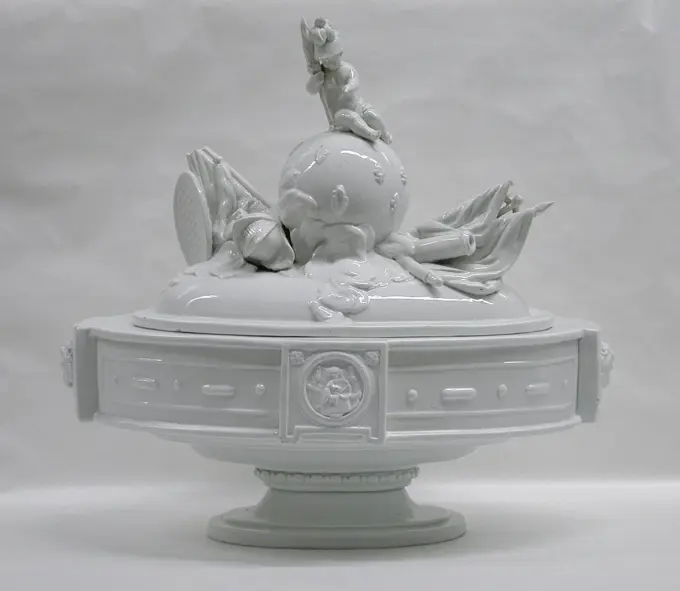
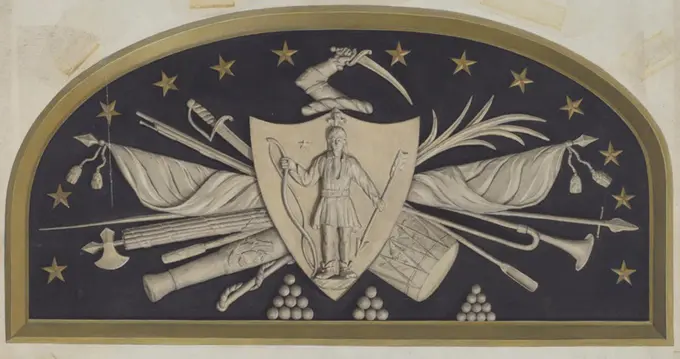
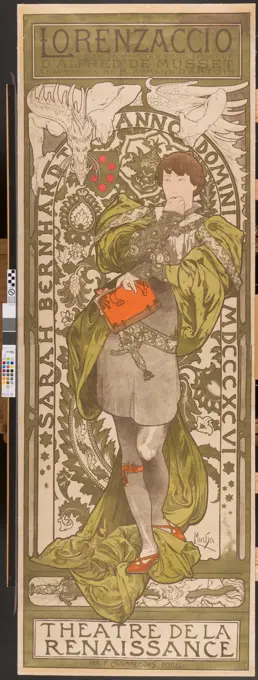
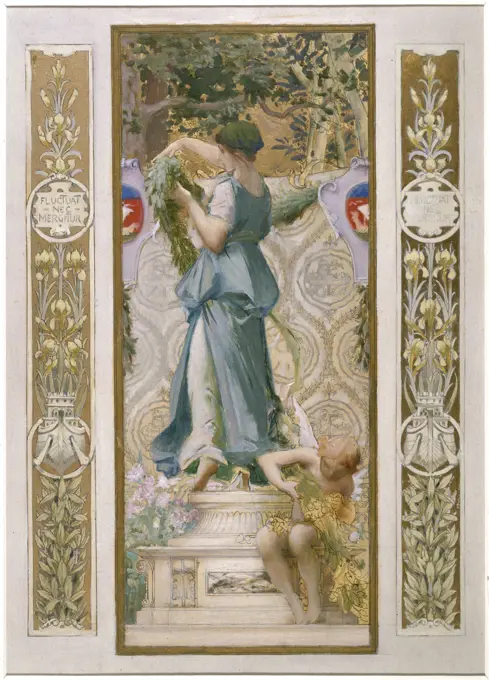
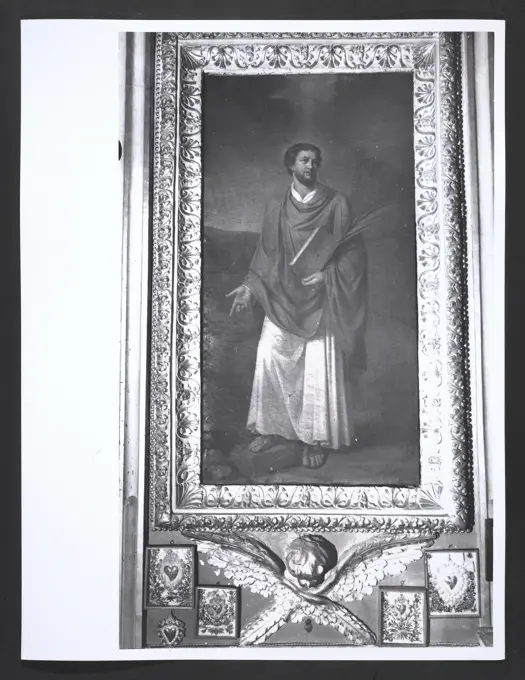
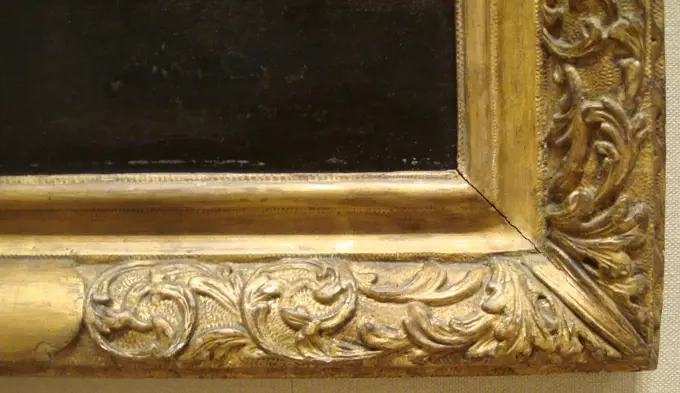
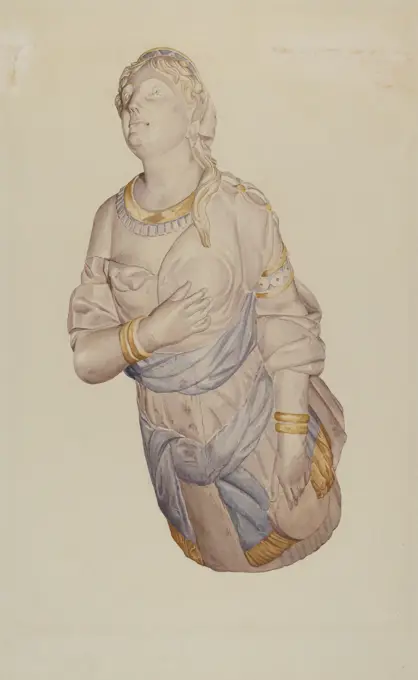
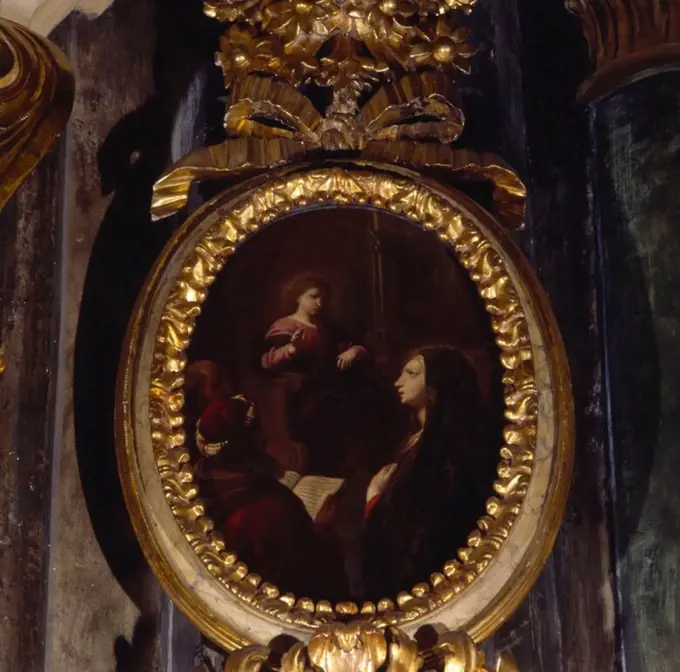
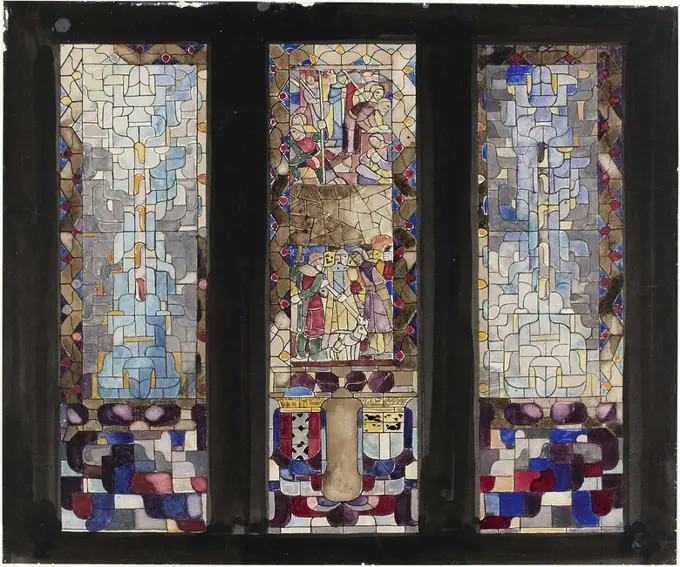
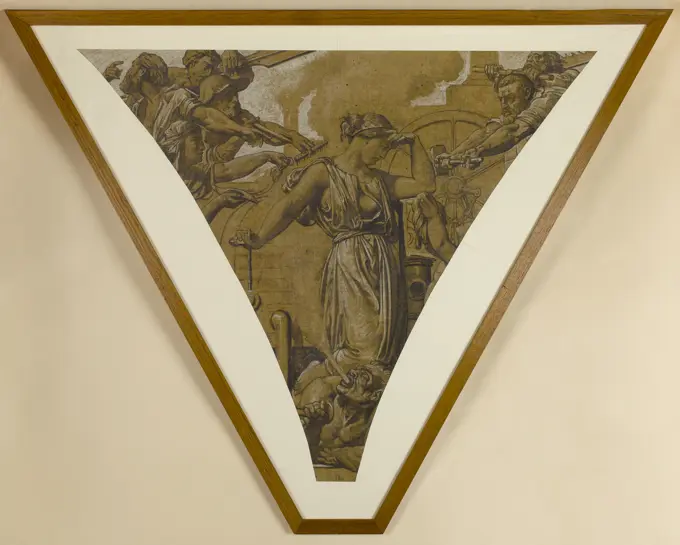
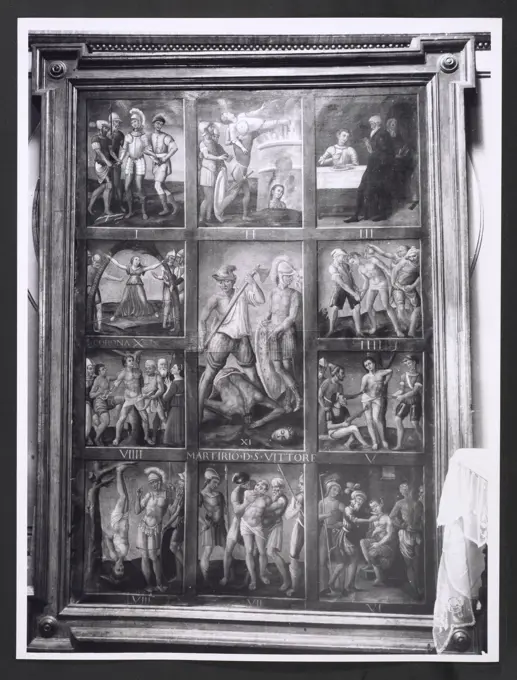
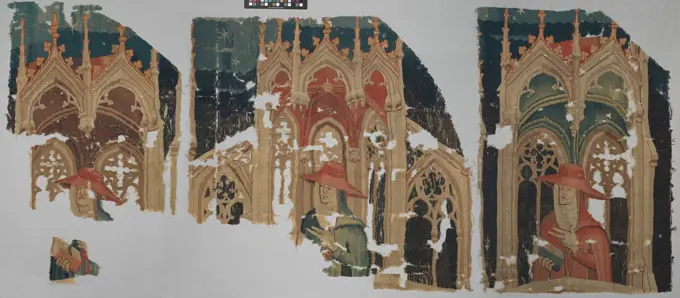
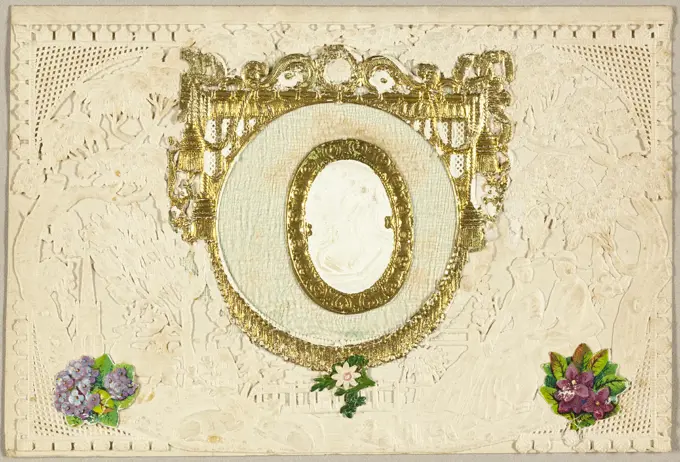
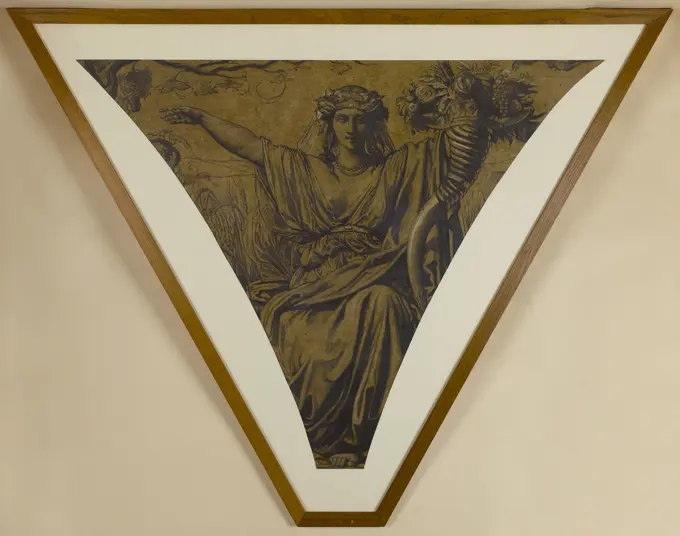
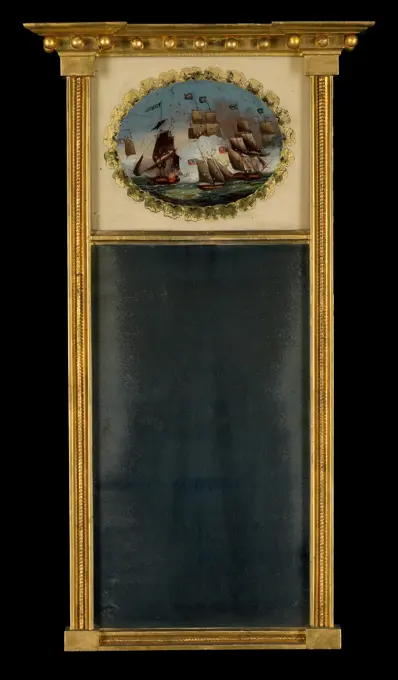
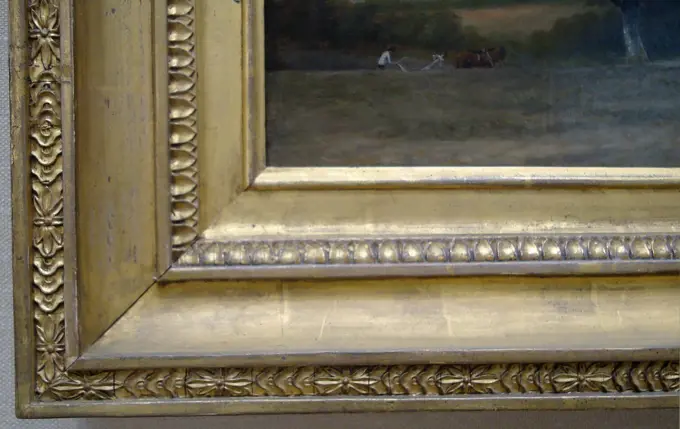
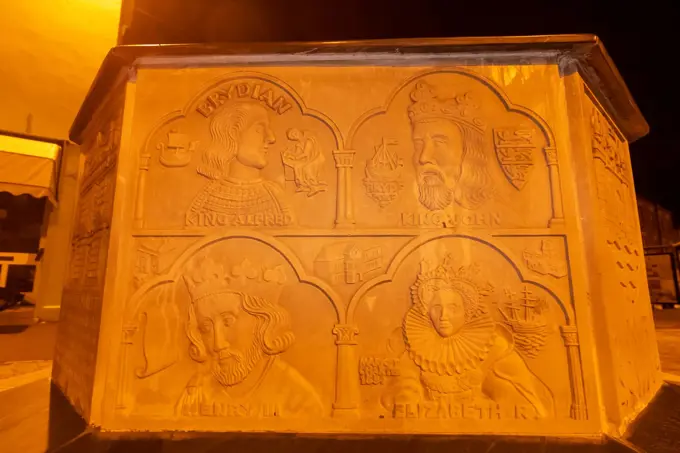
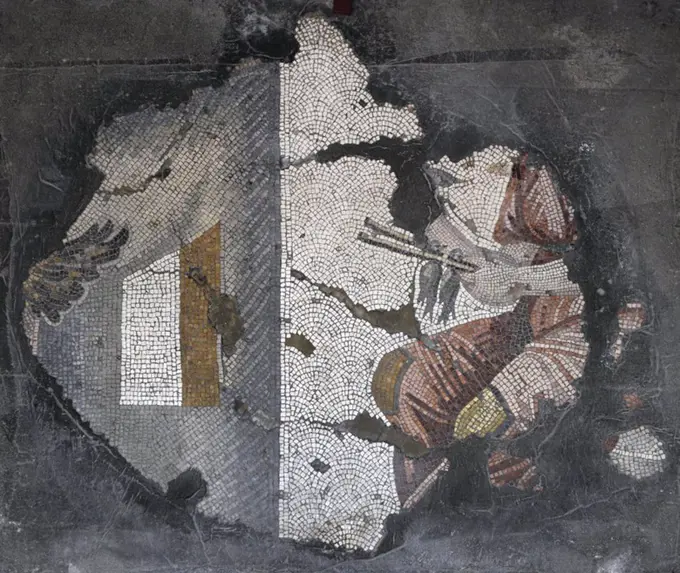
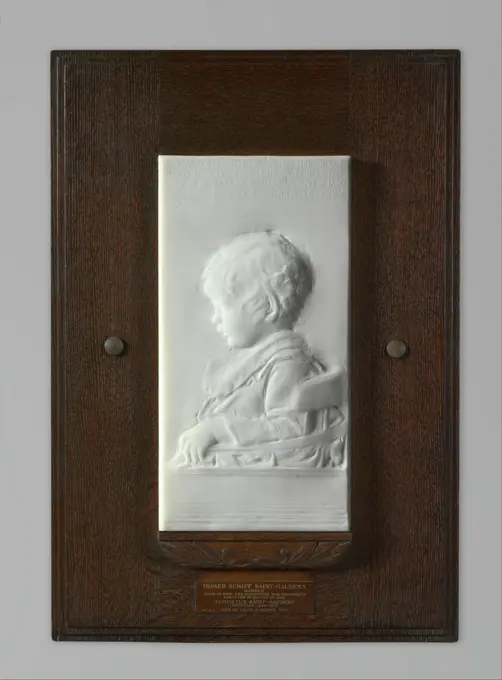
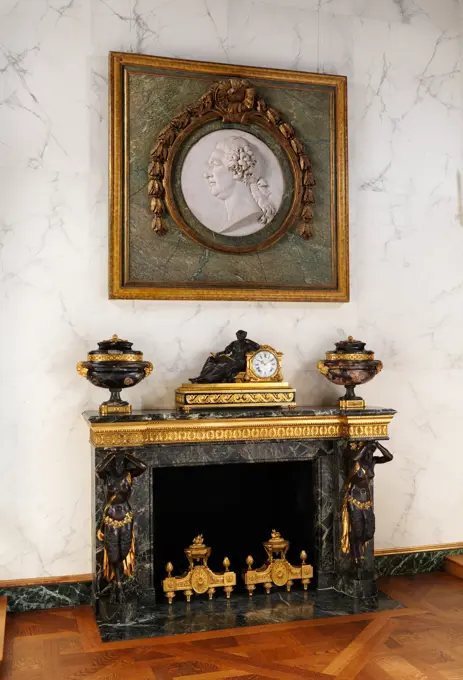
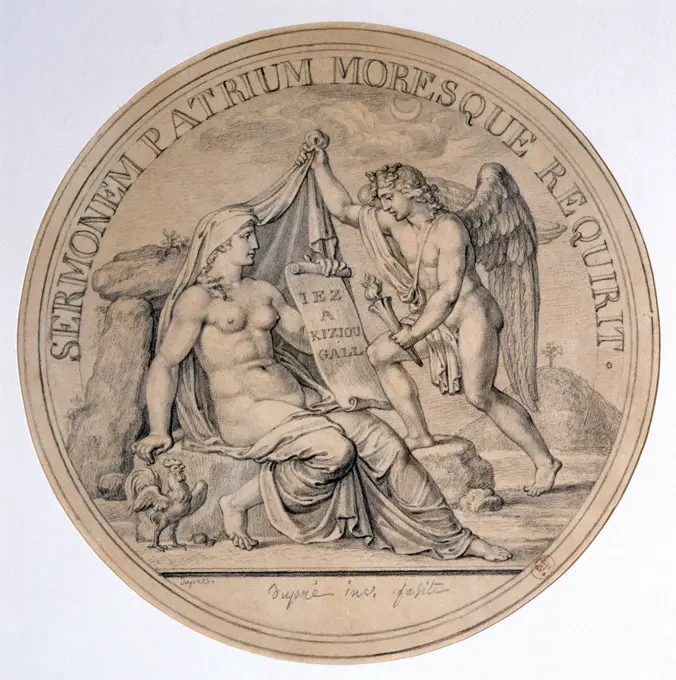
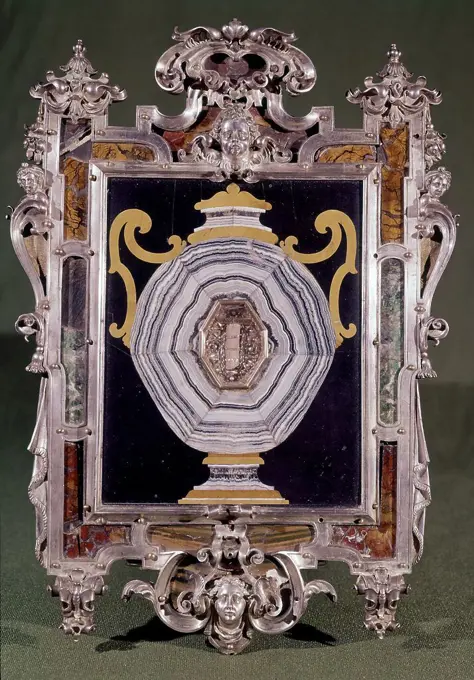
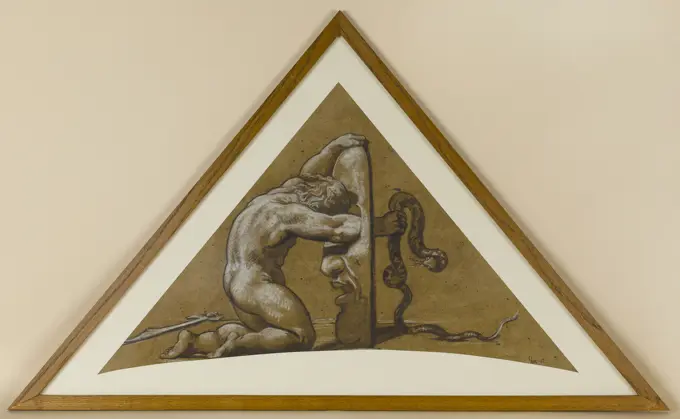
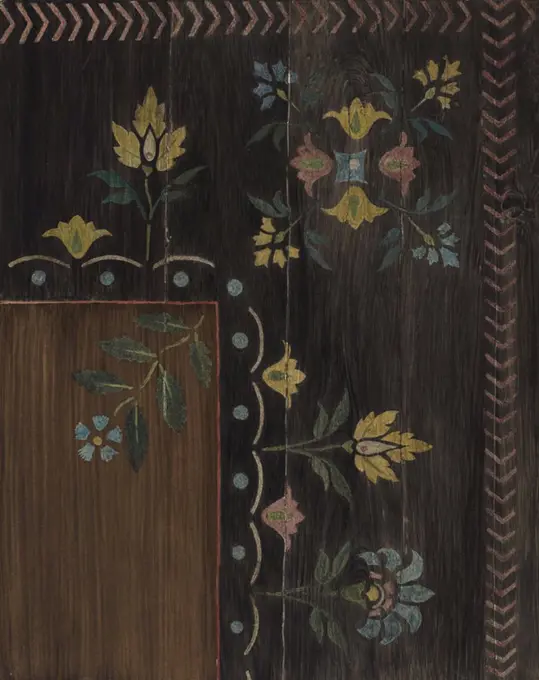
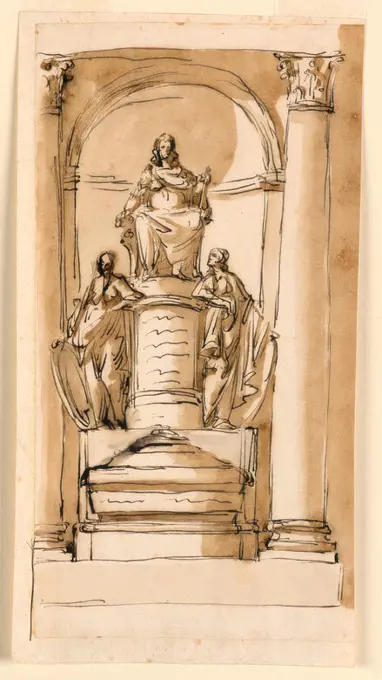
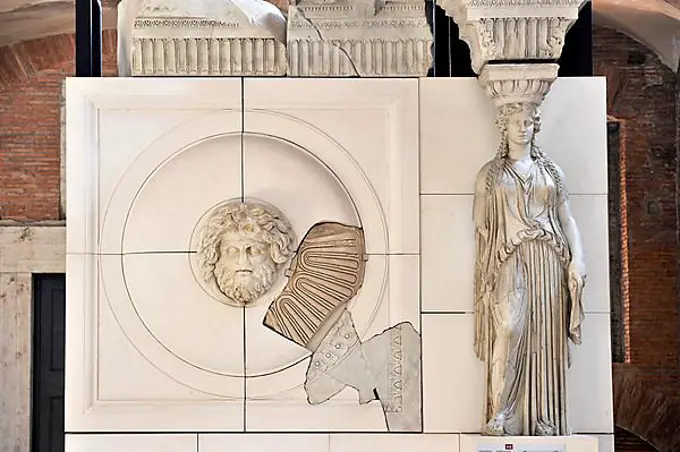
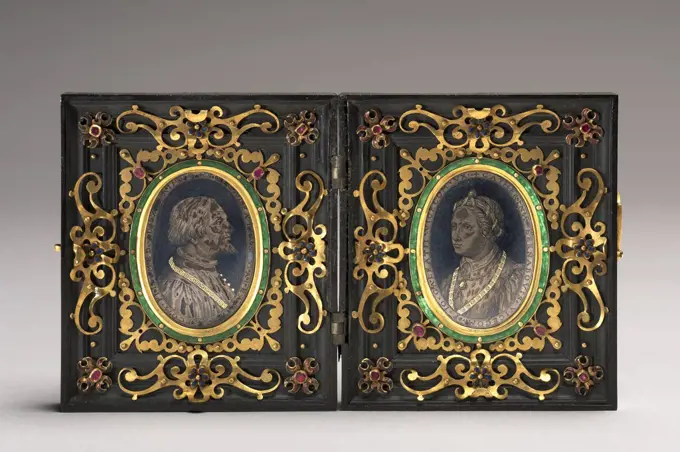
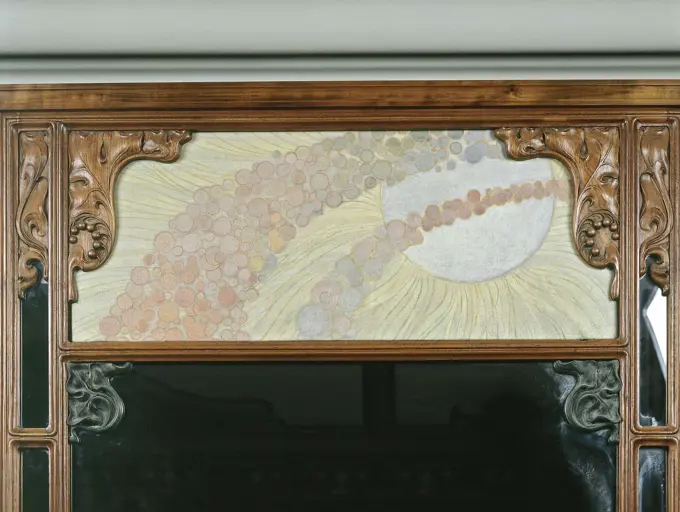
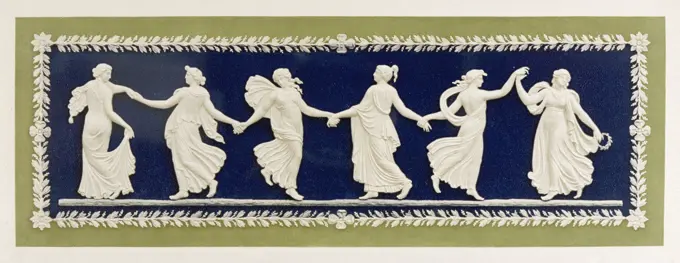
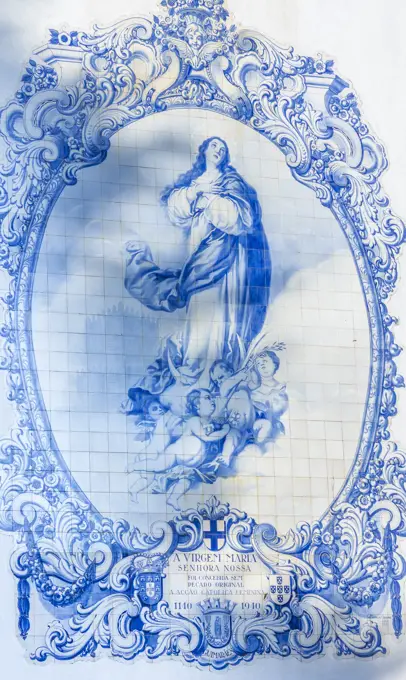
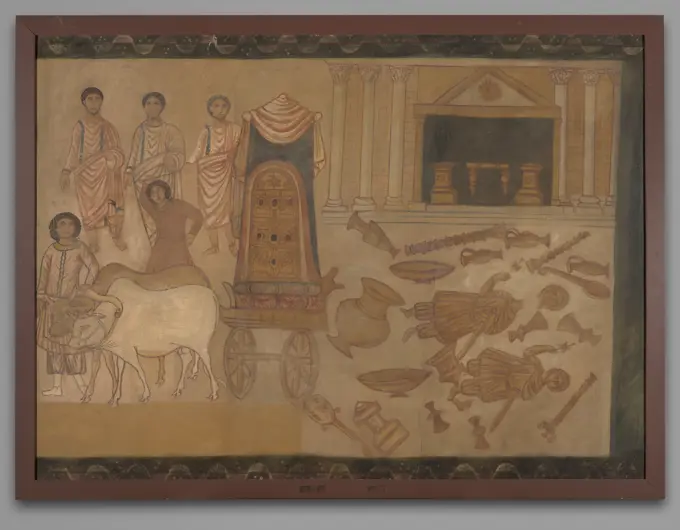
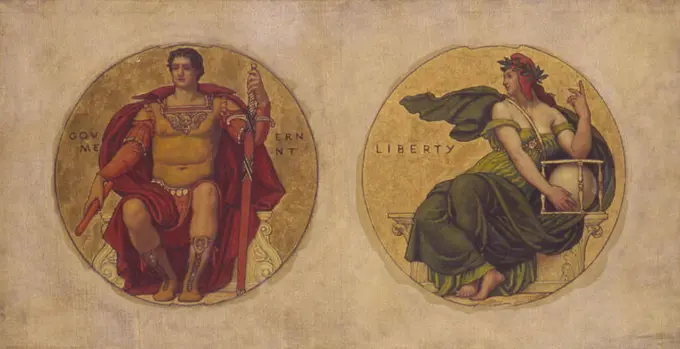
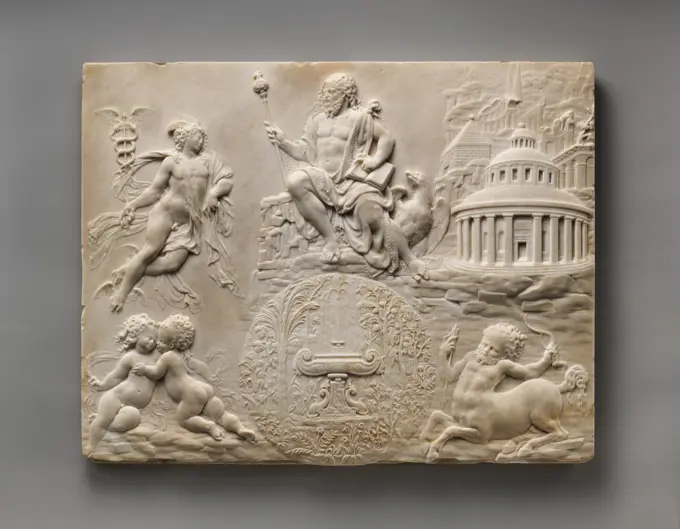
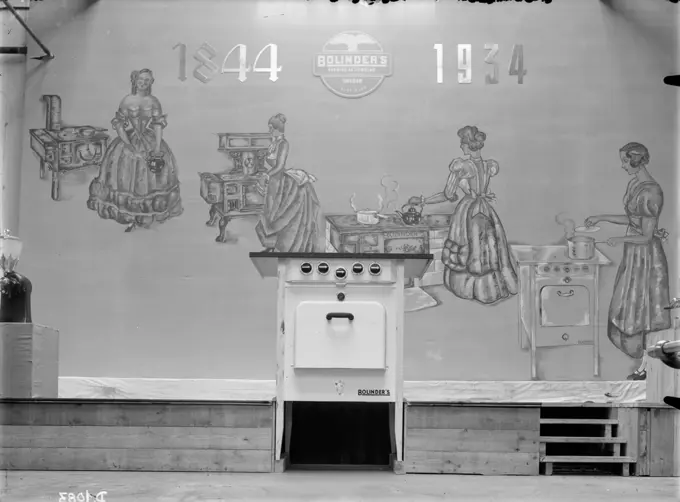
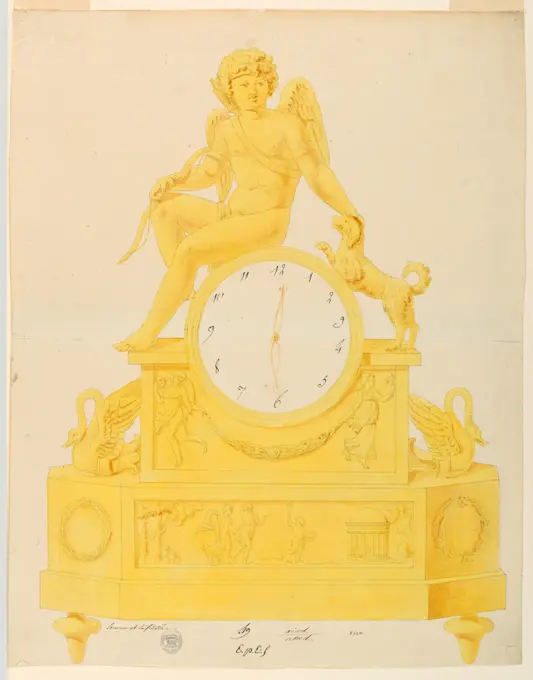
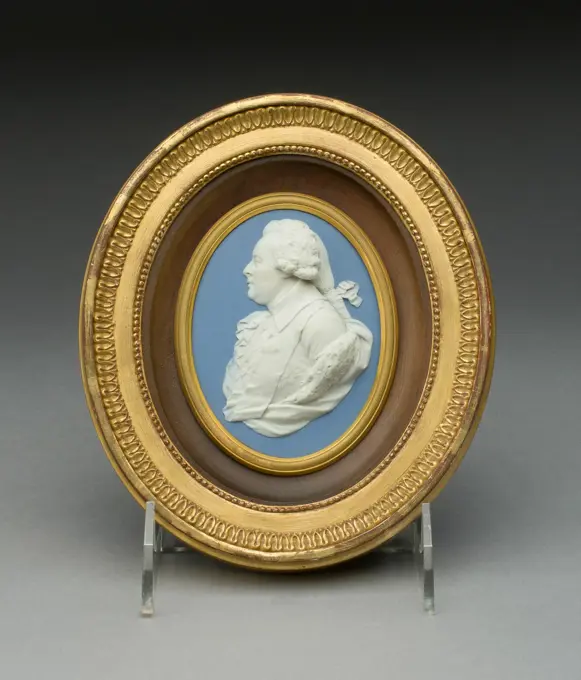
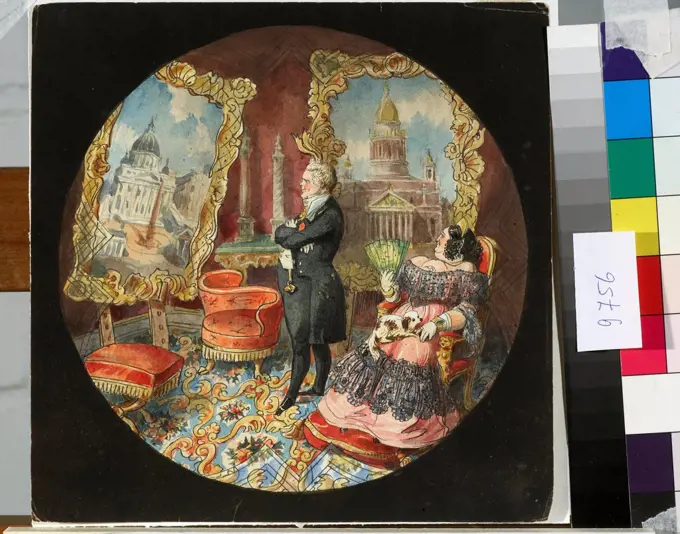
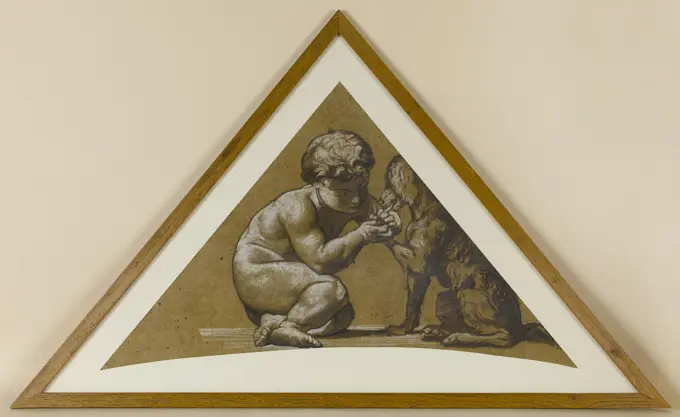
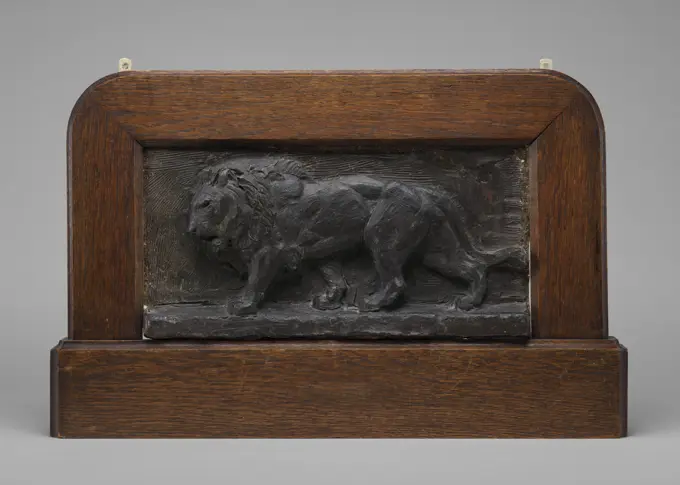
Lazio Roma Rome S. Nicola da Tolentino4. Hutzel, Max 1960-1990 Post-medieval: Architecture, architectural sculpture, sculpture, painting, frescoes, stucco, coffers Object Notes: Built in 1599 by the Augustines, renovated and enlarged in 1654 by Baratta. On via Barberini. German-born photographer and scholar Max Hutzel (1911-1988) photographed in Italy from the early 1960s until his death. The result of this project, referred to by Hutzel as Foto Arte Minore, is thorough documentation of art historical development in Italy up to the 18th century, including objects of the Etruscans and the Romans, as well as early Medieval, Romanesque, Gothic, Renaissance and Baroque monuments. Images are organized by geographic region in Italy, then by province, city, site complex and monument.Madonna and Child with St. John theBaptist. Artist, circle of: Bernardino Campi, Italian, 1522-1595 Artist, attributed to: Giovan Battista Trotti il Malosso, Italian, 1555-1619 Artist, formerly attributed to: Antonio da Correggio, Italian, ca. 1489-1534Fireworks, anonymous, c. 1750 - c. 1830 Decorated walls together support a gate with a staircase underneath. At the top of fireworks. The center of the glass plate is unpainted. Part of a series of records that together form a Diafanorama of an occasional stamp with fireworks. The rear plate of the Daafanorama is missing. Netherlands wood (plant material). glass Decorated walls together support a gate with a staircase underneath. At the top of fireworks. The center of the glass plate is unpainted. Part of a series of records that together form a Diafanorama of an occasional stamp with fireworks. The rear plate of the Daafanorama is missing. Netherlands wood (plant material). glassAtget, Eugène (Jean Eugène Auguste Atget, dit) (n.1857-02-12-D.1927-08-04), bas-relief of the mausoleum of Jean II Casimir (1609-1672), king of Poland, Saint Church -Germain-des-Prés, 6th arrondissement, Paris (dummy title), 1885. Draw on albumin paper. Carnavalet museum, history of Paris.Tureen ca. 1830 French, Niderviller Faience, or tin-glazed and enameled earthenware, first emerged in France during the sixteenth century, reaching widespread usage among elite patrons during the seventeenth and early eighteenth centuries, prior to the establishment of soft-paste porcelain factories. Although characterized as more provincial in style than porcelain, French faience was used at the court of Louis XIV as part of elaborate meals and displays, with large-scale vessels incorporated into the Baroque garden designs of Versailles. Earlier examples of French faience attest to the strong influence of maiolica artists from Italy. Later works demonstrate the ways in which cities such as Nevers, Rouen, Lyon, Moustiers, and Marseille developed innovative vessel shapes and decorative motifs prized among collectors throughout Europe. While faience can be created from a wide mixture of clays, it is foremost distinguished by the milky opaque white color achieved by the addition of tin oxPart (top right) of a ceiling painting with as main presentation Diana and her companions. Dating: c. 1676 - c. 1682. Measurements: h 290.5 cm × w 394.5 cm × d 4 cm; w 60 kg. Museum: Rijksmuseum, Amsterdam. Author: Gerard de Lairesse.Sketchbook Made 1879-1885 France. 55-page sketch book of drawings in pencil on cream wove (with a few buff and blue) paper, with (simulated) laid paper interleaves, bound in black cardboard with black fabric taping on spine . Odilon RedonDrapery, by Leonardo da Vinci (1452-1519), drawing 437E recto.British, Neoclassical frame, Unknown framemaker, early 19th century, Carved wood and compo, later gilding over original gildingDesign for stained glass, Alice Cordelia Morse, American, 1863-1961, Brush and gouache on paper, mounted on illustration board, Two sleeping women leaning on each other, dressed in classical robesone in pink and the other in green and yellow. They sit within a circular area on blue ground., USA, late 19th century, architecture, interiors, Drawing, DrawingLunette - Massachusetts State Seal. Dated: c. 1937. Dimensions: overall: 34.2 x 45.6 cm (13 7/16 x 17 15/16 in.). Medium: watercolor, graphite, and pen and ink on paper. Museum: National Gallery of Art, Washington DC. Author: Jane Iverson.Francisco Bayeu / 'Four arms with hands'. XVIII century. White chalk, Pencil on green paper. Museum: Museo del Prado, Madrid, España.Lorenzaccio. Alphonse Mucha (Moravia, Ivančice, active France, 1860-1939). 1896. Prints; lithographs. Lithograph in four colors: vermillion, pea green, gold and dark brownish violet on two sheetsCards depicting flowers, butterflies and biblical scenes.. Trade cards. 1876 - 1890. The Miriam and Ira D. Wallach Division of Art, Prints and Photographs: Print Collection. Butterflies, Flowers, Biblical eventsLuc-Olivier Merson (1846-1920). "The Garland". Museum of Fine Arts of the City of Paris, Petit Palais. 37956-15 Aile, Ange, Emblème town of Paris, Enfant, Femme, Flotter Sans Couler, fluctuates or drowned, guirilde05/28/2014. Carlosiii Aranjuez Theater Photo, Isabel Permuy Archdc.Fresco Panel Depicting Dionysos and Ariadne. UnknownLazio Viterbo Sutri S. Maria Assunta, Duomo4. Hutzel, Max 1960-1990 Exterior views, views of crypt columns and capitals, and sacristy sculpture (Medieval core collection). Interior views of entry hall, nave, ceiling frescoes, corridor leading to sacristy, sacristy paintings, crypt paintings, and paintings in Cappella di S. Francesco. German-born photographer and scholar Max Hutzel (1911-1988) photographed in Italy from the early 1960s until his death. The result of this project, referred to by Hutzel as Foto Arte Minore, is thorough documentation of art historical development in Italy up to the 18th century, including objects of the Etruscans and the Romans, as well as early Medieval, Romanesque, Gothic, Renaissance and Baroque monuments. Images are organized by geographic region in Italy, then by province, city, site complex and monument.British, 'Lely' frame, Unknown framemaker, last third of 17th century, Carved wood, later oil and water gilding over original gildingCurry M Bartlett, Figurehead from Kenilworth, 1935 1942 Figurehead from KenilworthSculpture of the Greek goddess Ariadne on a panther; Ariadne von Dannecker. Original Frankfurt am Main.Sculpture of the German Sculptor Johann Heinrich von Dannecker.Conjunt dels Dolors, Antoni Viladomat, 18th century. Basilica of Santa Maria, Mataró. Museum: Basílica de Santa María, Mataró.Design for three windows in the City Hall in Amsterdam. Draughtsman: Richard Roland Holst. Dating: 1878 - 1938. Measurements: h 540 mm × w 650 mm. Museum: Rijksmuseum, Amsterdam.. .Vestigia delle Terme di Tito. Muse and Polyphemus. Quadro from vault ornamentation in room 21. Carlone, Marco (1742-1796), graphic artist, Smuglewicz, Franciszek (1745-1807), draughtsman, cartoonist, Mirri, Ludovico (1738-1786), publisherIndustry (surrounded by machines it examines plans and holds mastered under its knees a symbolic figure) Henri Lehmann (1814-1882). Industry (surrounded by machines it examines plans and holds mastered under its knees a symbolic figure). Charcoal and gouache. XIXth century.Umbria Terni Otricoli S. Maria0. Hutzel, Max 1960-1990 German-born photographer and scholar Max Hutzel (1911-1988) photographed in Italy from the early 1960s until his death. The result of this project, referred to by Hutzel as Foto Arte Minore, is thorough documentation of art historical development in Italy up to the 18th century, including objects of the Etruscans and the Romans, as well as early Medieval, Romanesque, Gothic, Renaissance and Baroque monuments. Images are organized by geographic region in Italy, then by province, city, site complex and monument.Window with Johannes the Baptist for Herod, Anonymous, c. 1510 - c. 1530 Window, round, with stained glass show in sepia and two colors yellow by Johannes the Baptist for Herodes. Leiden glass. silver stain. lead (metal) Window, round, with stained glass show in sepia and two colors yellow by Johannes the Baptist for Herodes. Leiden glass. silver stain. lead (metal)Angel with Viola, by Ferrari Gaudenzio, 1539 - 1539, 16th Century, fresco transferred to canvas, wooden frame. Italy, Lombardy, Milan, Brera Art Gallery. Semi-lunette little angel musician drape: cloth music instrument viola.Hudibras paying court to his lady , Knights, CourtshipBrumidi's Alligorical Painting,(In the Dome of the U.S. Capitol.) 1865 - 1875. still image. Stereographs, Photographs. The Miriam and Ira D. Wallach Division of Art, Prints and Photographs: Photography Collection. Washington (D.C.), Capitols , Washington (D.C.), United States , Capital and capitolFragments (from the Nine Heroes Tapestries) ca. 1400-1410 South Netherlandish. Fragments (from the Nine Heroes Tapestries) 468236Tile with Torso and Pelvis, from a set of moulded tiles, 6 1/16 x 6 x 15/16 in. (15.4 x 15.24 x 2.38 cm), Glazed ceramicSummer ca. 1775 Probably by François Joseph Belanger. Summer 238632Lazio Roma Monterotondo S. Maria delle  Grazie. Hutzel, Max 1960-1990 Post-medieval: Architecture 15th century; sculpture, Orsini tomb 15th century; painting 14th century; frescoes. Two exterior views, of facade and flank; interior views of nave, altars, sculpture, and painting; comprehensive coverage of the Orsini tomb. German-born photographer and scholar Max Hutzel (1911-1988) photographed in Italy from the early 1960s until his death. The result of this project, referred to by Hutzel as Foto Arte Minore, is thorough documentation of art historical development in Italy up to the 18th century, including objects of the Etruscans and the Romans, as well as early Medieval, Romanesque, Gothic, Renaissance and Baroque monuments. Images are organized by geographic region in Italy, then by province, city, site complex and monument.Figurehead. Dated: 1935/1942. Dimensions: overall: 40.9 x 27.8 cm (16 1/8 x 10 15/16 in.). Medium: watercolor and graphite on paperboard. Museum: National Gallery of Art, Washington DC. Author: John W. Kelleher.Abruzzo, Ioanella, S. Pietro d'Azzano, Italy, 20th century, photo, photography, EuropeWindow with two coats of arms with a deer and a rose and a caption "Anton van Riebeck Gurchijn 1624", Anonymous, 1624 Match with two coats of arms with a deer and a rose as a helmet sign and as a caption "Anton van Riebeck Gurchijn 1624" in the shield, among other things, a black cross on gold, a red lily and four red cubes on silver.  glass. lead (metal). Match with two coats of arms with a deer and a rose as a helmet sign and as a caption "Anton van Riebeck Gurchijn 1624" in the shield, among other things, a black cross on gold, a red lily and four red cubes on silver.  glass. lead (metal).Cain kills Abel / Ghent AltarpieceHand-painted glass plate in wooden frame for illumination cabinet, image of disabled man in cart with alms giving wife, slideshelf slide picture glass paint wood oak leg, dimensions) handpainted Hand-painted glass front for lighting cabinet in wide oak frame The frame is rejuvenated on the sides and shows wear and discolouration: the plates were pushed into an illumination cabinet from above. At the back left and right above two small legs fastening points for the illumination cabinet. Image of disabled man in trolley: the man holds his hand on woman gives him an alms optic of folk lifeTin-glazed earthenware dish; moulded and painted in polychrome. London; Southwark - Several dishes of this type; depicting a recumbent Venus and cherubs dated between 1633 and 1697. Based on a 16th century design attributed to the French potter; Bernard Palissy.Antoni Gaudí / Vidriera del palacio Güell, Barcelona. 1888.Plaquette from France Rheims CathedralDestruction.  Artist: Léon-Joseph Chavalliaud, French, 1858-1921Untitled Valentine (Woman in Profile) 1860-1869 England. Collaged elements and gold paint on cut and embossed (designed) ivory wove paper . John WindsorAbundance (loaded with flowers and fruits, she holds her symbolic horn ...) Henri Lehmann (1814-1882). Abundance (loaded with flowers and fruits, she holds her symbolic horn ...). Charcoal and gouache. XIXth century.interior of Kenwood House. The original house dates from the early 17th Century and was then called Caen Wood House. Originally designed by Humphry Repton (1752-1818) English landscape designer. Dated 17th CenturyMirror with sea battle scene from the War of 1812, 1815, 38 1/4 x 21 1/8 x 3 7/8 in. (97.16 x 53.66 x 9.84 cm), Mirror glass, wood, glass, pigment, United States, 19th centuryCentennial Exhibition, Wellington, 16 December 1939, by Leslie Adkin.British, Neoclassical Revival frame, Unknown framemaker, 1st half of 19th century, Wood and compo, oil and water gilt, Frame: 25 × 37 3/4 inches (63.5 × 95.9 cm)England, Dorset, Bridport, Bucky Doo Square, The Octagonal Shaped Stone Seat, Panel depicting Scenes from the History of BridportBritish, 'Carlo Maratta' frame, Unknown framemaker, 2nd half of 18th century, Wood and compo, partially regilded over original oil and water gilding, Frame: 43 5/8 × 36 3/4 × 3 inches (110.8 × 93.3 × 7.6 cm)Great Palace Mosaic Museum. Mosaics of pavement of a peristyle court (Great Palace of Constantinople). 4th-6th centuries. Byzantine period. Detail. Flight of birds.. South-western hall. Istanbul. Turkey.Homer Schiff Saint-Gaudens 1882; carved 1906-7 Augustus Saint-Gaudens American Here, Saint-Gaudens depicted his seventeen-month-old son, Homer Schiff Saint-Gaudens (1880-1958), seated in a childs chair, the folds of his garment escaping its confines and his pudgy left hand gripping its arm. As the inscription, rendered in the sculptors characteristic lettering style, attests, the original portrait in bronze was presented to Dr. Henry Shiff, Saint-Gaudenss Paris confidant and Homers namesake (with a slight variation in spelling). The sculptor kept another bronze on a wall of his Thirty-Sixth Street studio in New York City; it is visible in the background of Kenyon Coxs painting of Saint-Gaudens (08.130).. Homer Schiff Saint-Gaudens 12005Cupboard, by Unknown, 1881, 19th Century, walnut wood carved. Italy, Lombardy, Milan, Santa Maria dei Miracoli church by San Celso. Detail. Cupboard wood angels.Chimneypiece (cheminée) 1784 After a design by François Joseph Belanger French The model of this imposing Neoclassical chimneypiece, incorporating large figures of female satyrs as supports of the architrave and mantel shelf, was repeated a number of times. Although commissioned for the Grand Salon Ovale of the Hôtel Thelusson in Paris, the chimneypiece appears never to have been installed there. It was used at the Hôtel de Massa instead, a residence rented by the banker Paul-Louis de Thelusson (b. ca. 1762) in January 1785. The earliest mantelpiece of this design appears to have been the one for the Paris hôtel particulier of Louise-Jeanne de Durfort, duchesse de Mazarin (1735-1781), for which Pierre Gouthière executed the bronzes in 1781. Made of blue turquin marble, that first mantelpiece is very well documented, and we therefore know that the architect François-Joseph Bélanger was responsible for its design and that the striking caryatid figures, their legs crossed and hands foldedDesign of the competitive work: Legend of the Virgin Mary of Koprzywnica Kossak, Juliusz (1824 1899)MUJER CUIDANDO SU JARDIN CON PLANTAS DE TABACO Y NICOTINA.A fountain (in terra cotta) by March of Thiercartenfelde, near Charlottenberg, Prussia.. Wyatt, M. Digby (Matthew Digby), Sir, 1820-1877. Prints. 1852. The Miriam and Ira D. Wallach Division of Art, Prints and Photographs: Art & Architecture Collection. Decorative arts , Exhibitions, Great Exhibition (1851 : London, England)Mathematics (a woman thinks, the compass in hand ...) Henri Lehmann (1814-1882). Mathematics (a woman thinks, the compass by hand ...). Charcoal and gouache. XIXth century.Lid of a harpsichord, Gerard van der Horst (copy after), c. 1625 - c. 1650 painting. harpsichord lid. musical instrument. stringed instrument. keyboard instrument. harpsichord Two performances: A large hilly landscape with travelers is painted on the lid of a clavecimbel. In the foreground a pissing man with his horse, to the left of the road an old overgrown church. There is a small river landscape on the smaller part of the Clavecimbeld cover.  panel. oil paint (paint)  road, path. 'en route', traveller under way. urination. landscapes in the temperate zoneMarine , Domes, AllegoriesMantel Carving. Dated: 1939. Dimensions: overall: 38.3 x 55.9 cm (15 1/16 x 22 in.) Original IAD Object: 8" approx.. Medium: watercolor and graphite on paperboard. Museum: National Gallery of Art, Washington DC. Author: Michael Riccitelli.Polly Duncan, Santo (Bulto), c 1939 Santo (Bulto)British, Neoclassical Revival frame, Unknown framemaker, 1st quarter of 19th century, Wood and compo, partially regilded over original oil and water gildingManufacture of Sèvres. "Plate". Biscuit (porcelain). 1907. Museum of Fine Arts of the City of Paris, Petit Palais. 123478-12 Ceramic, porcelainDIBUJO - SIGLO XVI - RENACIMIENTO ESPAÑOL. Author: ALONSO BERRUGUETE (1488-1561). Location: BIBLIOTECA NACIONAL-COLECCION. MADRID. SPAIN.Portrait of a woman (recto) Two female figures next to a statue of Cupid (verso). unknown, painterProject for the Medal of Celtic Academy Augustin Dupr� (1748-1833). Project for the medal of the Celtic Academy.RELICARIO DE STA ANA S XVII. Location: CONVENTO DE LAS CLARISAS / MUSEO DE ARTE SACRO. MONFORTE DE LEMOS. LUGO. SPANIEN.Justice (child crushing a snake ...) Henri Lehmann (1814-1882). Justice (child crushing a snake ...). Charcoal and gouache. XIXth century.Set design for the Opera Don Carlos by Giuseppe Verdi. Paris, Thétre de l'Opéra-Le Peletier, 11.03.1867, Cambon, Charles-Antoine (1802-1875)Stencilled Floor. Dated: 1935/1942. Dimensions: overall: 35 x 27.9 cm (13 3/4 x 11 in.). Medium: watercolor and graphite on paper. Museum: National Gallery of Art, Washington DC. Author: Jerome Hoxie.Close-up of a paintings on a wall, Barrio De San Blas, Cuzco, PeruMuse of LyricPoetry.  Artist: Henry Siddons Mowbray, American, born Egypt, 1858-1928The architectural setting is similar to 1938-88-1296. The sarcophagus stands below in front of a pedestal upon which stand two women, supporting shields with their outside hands, leaning with their inside arms upon another pedestal, whose front panel is intended for the inscription. Above it sits upon a seat with lion chimearae as legs the ruler, having the mace in his left hand. Date: ca. 1795. Pen and brown ink, brush and brown wash on lined off-white laid paper. Museum: Cooper Hewitt, Smithsonian Design Museum.Four Continents, Bronze, All relief plaques rectangular with domed tops and projections to the side, probably made to fit into a specific framework or piece of furniture., (a) Asia seated holding a gadrooned lamp in one hand and a leafy branch in the other, a camel's head coming in on the left; (b) Europe, seated holding a cornucopia of fruit and wheat above a helmet, on one side, the other arm around a tempietto a horse's head above, and with bishop's mitre in front and with ewer and basin below, and below her feet, a classical bust on books, a palette and brushes above a recorder or flute; (c) Africa-female African seated figure, her tightly curled hair in close cropped cap, one hand raised holding a crab, the other resting on a lion, a palm tree in the crook of her arm; (d) America, a Native American seated in feather skirt and with feather headdress, bare chested and barefoot, a rugged landscape with tree to one side, holding a parrot out on his hand above an alligator under his fo'Landscape with a Church Service'. Italy. Dimensions: 10,5x50 cm. Museum: State Hermitage, St. Petersburg. Author: Leandro Bassano (Leandro da Ponte).Reconstruction of the attic of the portico to the Forum of Augustus with the head of Jupiter Ammon, a Caryatid and marble architectural fragments, Museum of the Imperial Forum, Museo dei Fori Imperiali, Trajan's Market, Rome, Lazio, Italy, EuropeItalian 15th Century, Giangaleazzo Visconti, First Duke of Milan left half?, niello plateRelief of colored plaster, anonymous, c. 1700 - c. 1799 One of the six colored plaster reliefs eighter glass in freestyle, representing freedom etc. with Prince William I as Prince Willem V.  gypsum One of the six colored plaster reliefs eighter glass in freestyle, representing freedom etc. with Prince William I as Prince Willem V.  gypsumAlphonse Mucha (1860-1939). Sun, decorative composition from the jeweler's shop - Joaillier Fouquet, rue Royale, 1900, oil on canvas. Paris, Carnavalet museum. 24013-5 Art Nouveau, jewelry, shop, Decorative composition, Fouquet, canvas oil, jewelry, jeweler, furniture, panel, rue Royale, sun 'The dancing hours' - a fine  example of the style that has made Wedgwood famous : it is  based on a design by Flaxman.      Date: early 19th centuryThe industrial arts of the nineteenth century, Illustrated title page. Wyatt, M. Digby (Matthew Digby), Sir, 1820-1877. Prints, Title pages. 1851 - 1853. The Miriam and Ira D. Wallach Division of Art, Prints and Photographs: Art & Architecture Collection. Decorative arts , Exhibitions, Great Exhibition (1851 : London, England)Virgin Maria on tile. Guimaraes Castle. Portugal.The Destruction of Dagon before the Ark of theLord. Artist: Herbert J. Gute, American, 1908-1977Bajorelieve de un disco solar antropomorfo en un elemento arquitectónico.British, Baroque frame, Unknown framemaker, 3rd quarter of 17th century, Carved wood, later gilding over original oil and water gildingAleix Clapés / Pinturas en puerta de la capilla del palacio Güell de Barcelona, 1888.Study for mosaic in the Wisconsin State Capital "Government and Liberty". oil on canvas. Date: ca. 1912. Museum: Smithsonian American Art Museum.The Reign of Jupiter ca. 1550-70 Northern French This sophisticated relief, adroitly carved and freighted with meaning, reflects the French Renaissance in all its charm and mystery. Six discrete scenes fill the rectangular marble slab, three above and three below. Jupiter occupies the prime position at top center. Accompanied by his eagle, he sits on a rocky ledge, holding—unusually for this Roman god—a scepter and a book. From his blocky throne emerge three streams, which seemingly but not physically flow down into a disklike image of a fountain in a forest. Elaborately decorated, this watery scene features dolphins supporting a basin, from which rises an obelisk. The setting is ideal, rather than untamed nature or a garden. One spots a palm tree as well as deciduous trees. To Jupiter’s right, the figure of the god Mercury with a carefully delineated caduceus flies toward the chief Olympian, seeming to engage him in speech. Below Mercury, a pair of naked children embrace. The upExhibition fireplace (1844-1934).Drawing, Design for clock; Manufactured by Lefebvre Manufactory, Tournai; Belgium; pen and black ink, yellow, red watercolor, on cream laid paper; 46 x 35.6 cm (18 1/8 x 14 in.)Plaque with Portrait of George Nugent-Temple-Grenville, Marquis of Buckingham 1789 Burslem. Stoneware (jasperware) . Wedgwood Manufactory (Manufacturer)Sculptuur Door Jean-Jacques Pradier, Anonymous, S. Marchi, after Jean-Jacques Pradier, 1853 stereograph  France copper (metal). glass. paper  sculpture FranceAuguste de Montferrand with Wife in the Living Room by Benois, Nikolai Leontyevich (1813-1898)/ State Tretyakov Gallery, Moscow/ 1840s/ Russia/ Pen, brush, watercolour, ink and white colour on paper/ Caricature/ 19,8x19,8/ Portrait,GenreSix baby figure studies by Alexander Rothaug using pencil and chalk on gray paper, showing posture, anatomy, and proportion.Emilia-Romagna Ferrara Ferrara Museo Civico di Schifanoia69. Hutzel, Max 1960-1990 General Notes: INCOMPLETE RECORD--NEGATIVES PROCESSED, PRINTS FILED German-born photographer and scholar Max Hutzel (1911-1988) photographed in Italy from the early 1960s until his death. The result of this project, referred to by Hutzel as Foto Arte Minore, is thorough documentation of art historical development in Italy up to the 18th century, including objects of the Etruscans and the Romans, as well as early Medieval, Romanesque, Gothic, Renaissance and Baroque monuments. Images are organized by geographic region in Italy, then by province, city, site complex and monument.Medicine (child sanding a dog's paw) Henri Lehmann (1814-1882). Medicine (child sanding a dog's paw). Charcoal and gouache. XIXth century.Joan Llimona / Paintings on the roof of the old library of the palace of justice of Barcelona (currently administrative dependencies), 1908. Author: JOAN LLIMONA I BRUGUERA.Antoine Louis Barye, Lion of the Colonne de Juillet, 1836 Lion of the Colonne de Juillet